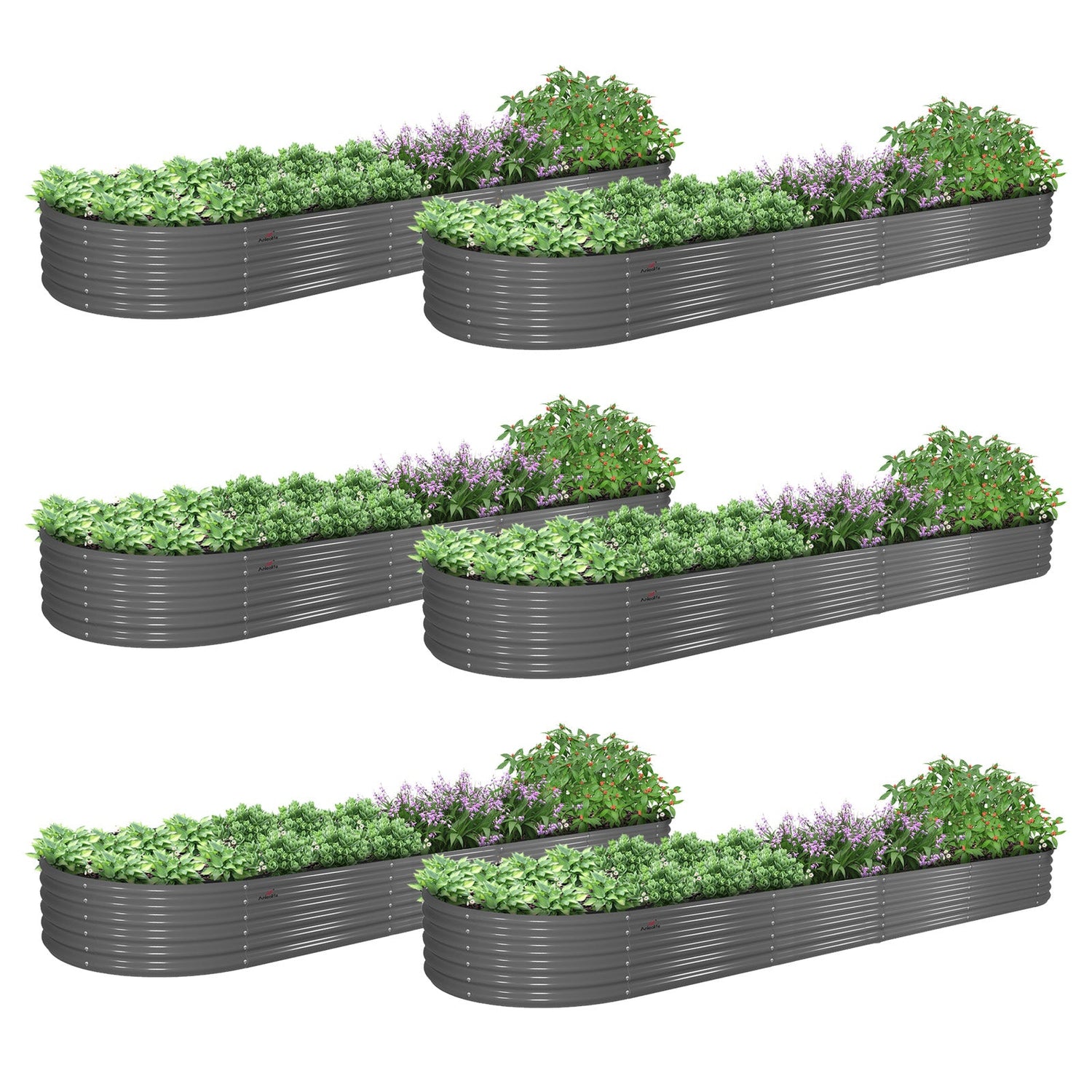



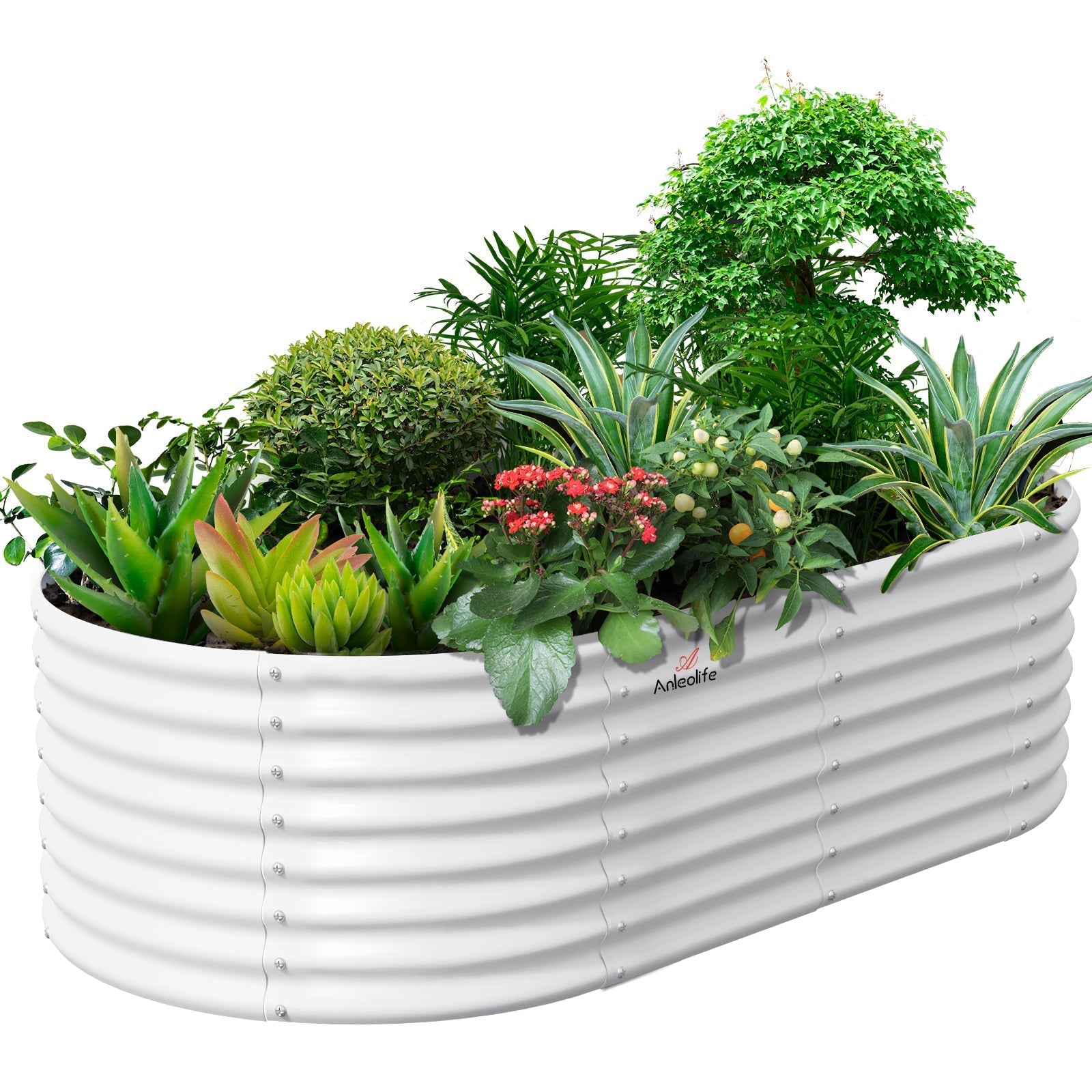
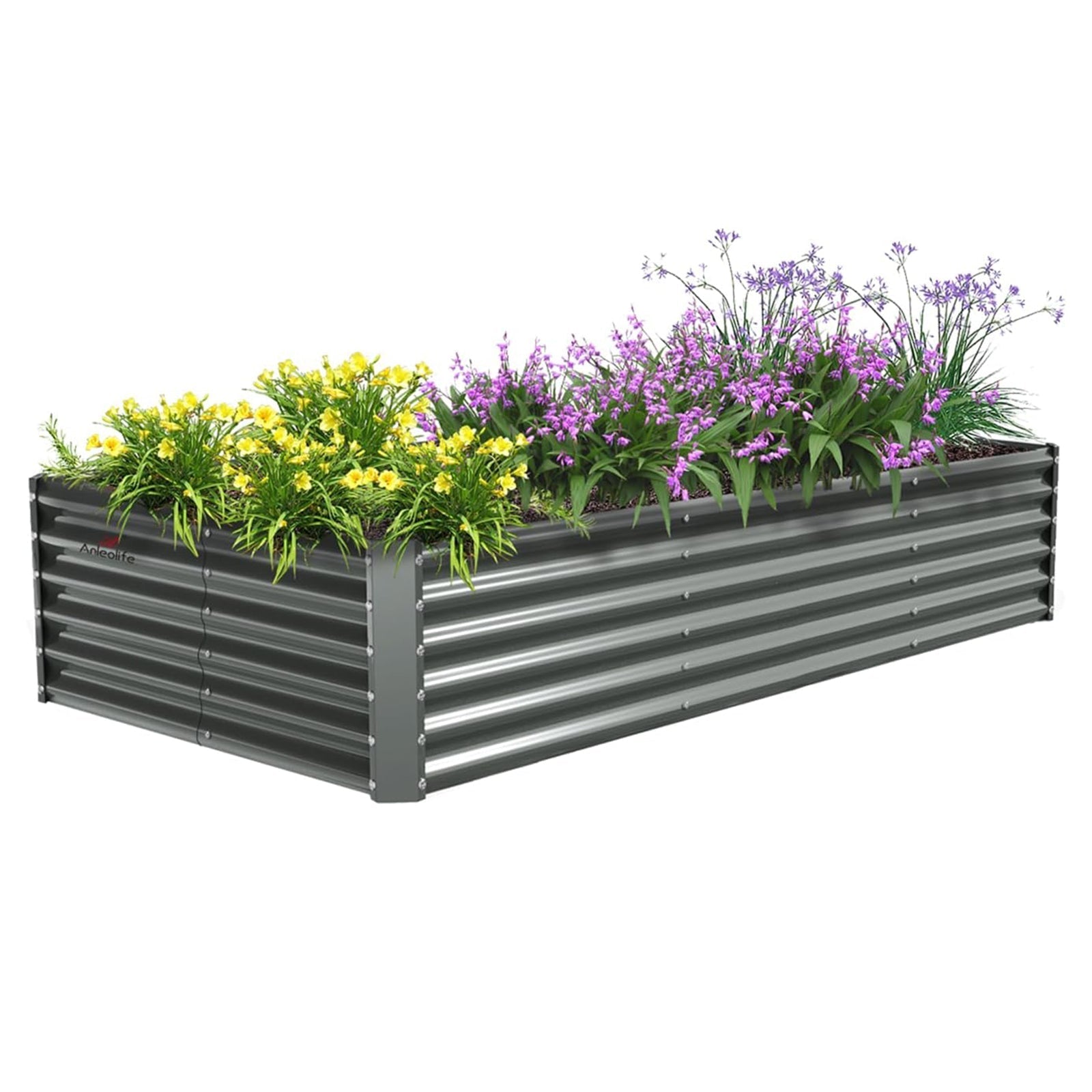

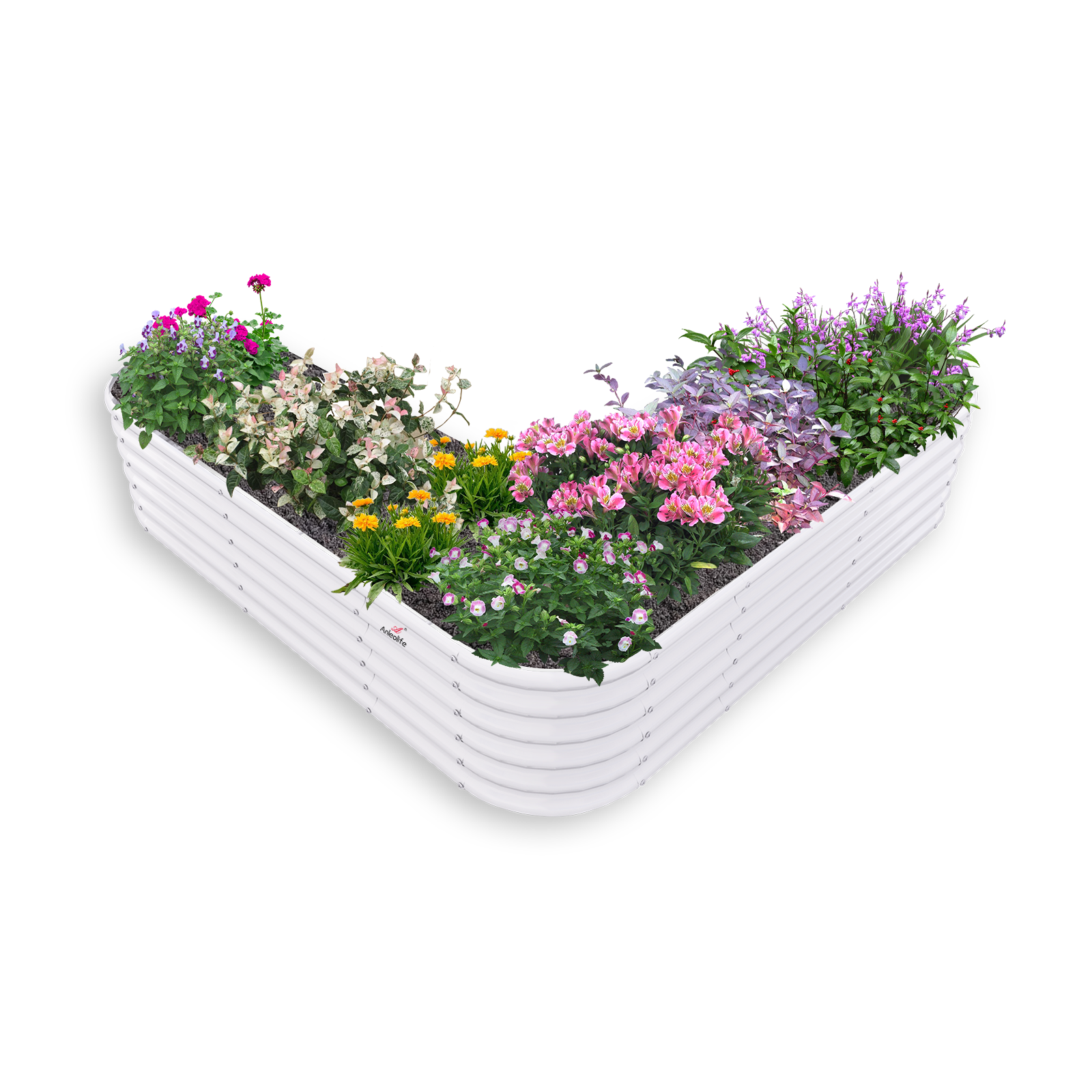



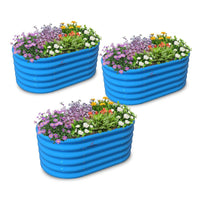
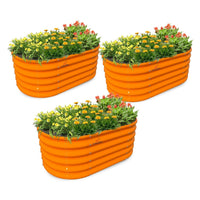
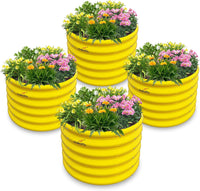
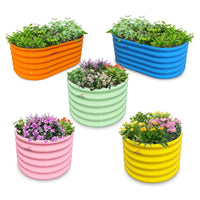
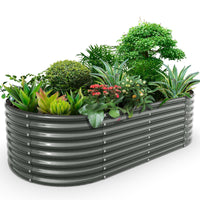



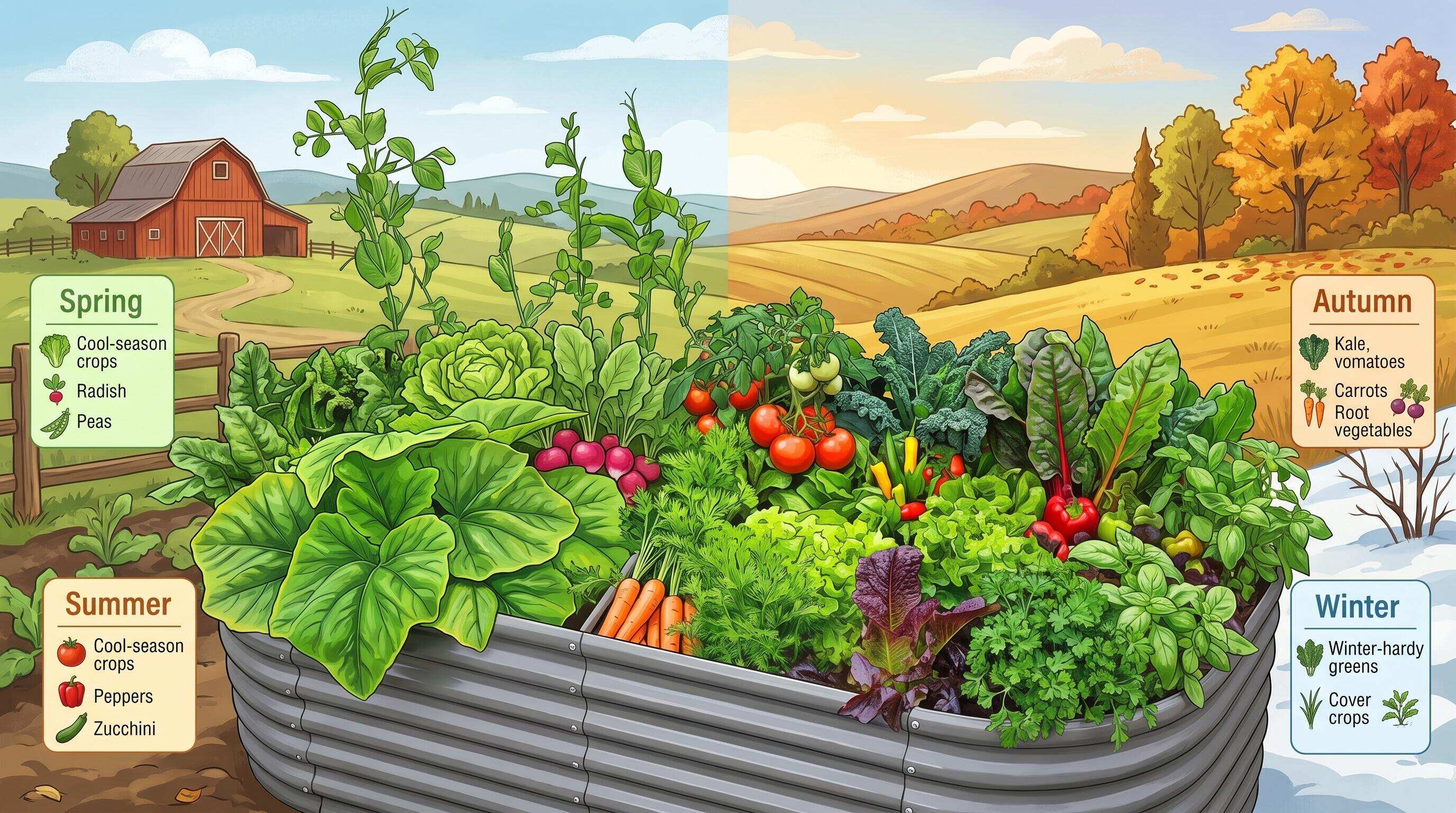
ALT: Seasonal planting calendar guide for raised bed garden layout planning throughout the year
Plan Before You Plant: Why a Seasonal Calendar Transforms Your Raised Bed Garden Layout
Imagine standing in front of your newly assembled raised bed in early spring, seed packets fanned out in one hand and a vague memory of "plant after last frost" in the other — and realizing you have no clear plan for what goes where, or when. It is one of the most common situations we see among gardeners who are new to structured growing spaces. A well-designed raised bed garden layout, paired with a crop-specific seasonal calendar, is the single most effective tool for turning that uncertainty into a productive, rewarding growing year.
A raised bed planting layout is a documented plan that maps which crops occupy which zones of your bed across every season, accounting for spacing, succession timing, companion planting relationships, and soil recovery. When you combine that spatial plan with a seasonal planting calendar — a timeline that tells you exactly when to sow, transplant, and harvest each crop — you close the gap between "I have a garden bed" and "I consistently grow food my family eats." The core message of this guide is straightforward: the raised bed layout you choose at the start of each season determines your yield, your workload, and how much you enjoy the process from January through December.
Throughout this article, we will walk through how to build that calendar-driven layout system, which crops suit which seasons, how bed configuration choices affect what you can grow, and where common planning mistakes cause preventable losses.
Who This Guide Is For
Applicable Scenarios:
- Home gardeners working with one or more raised beds who want to move from occasional planting to a planned, season-long growing system
- Urban micro-gardeners and suburban families aiming to grow a meaningful portion of their own vegetables, herbs, and cut flowers
- Empty nesters and retirees who have time, motivation, and a desire for a structured approach that keeps the garden productive without becoming overwhelming
Not Applicable / Cautions:
- Gardeners in large-scale commercial farming contexts, where field-scale scheduling and mechanized harvest windows follow entirely different logic
- Anyone expecting a one-size-fits-all calendar: USDA hardiness zones and local frost dates vary enormously, so regional adaptation is non-negotiable — always verify your last spring frost date and first fall frost date through your local cooperative extension service before committing to any planting timeline
Why the Calendar-Layout Pairing Is the Foundation of Productive Raised Bed Gardening
Raised bed gardening is not simply in-ground gardening lifted off the ground. The confined footprint, improved drainage, and independently managed soil system create a microenvironment where timing and layout decisions have amplified consequences — for better or worse.
When a raised bed is planned well, its contained soil warms earlier in spring than surrounding ground, allowing cool-season crops like spinach and peas to go in weeks ahead of in-ground counterparts. According to the Old Farmer's Almanac, raised bed vegetable gardening consistently produces higher yields per square foot than traditional row gardening, a benefit that is directly tied to intentional spacing and succession planting — both elements that a seasonal calendar enforces by design.
Conversely, when timing is ignored or the raised bed layout is improvised, predictable problems follow: tall crops shade shorter ones that were planted without reference to sun position; fast-maturing crops finish and leave bare soil that attracts weeds and loses moisture; heavy feeders planted back-to-back in the same zone exhaust the soil without a rotation plan. In our work helping gardeners set up structured planting systems, these are the exact patterns that show up most consistently when a calendar framework is absent.
For first-time builders or those reconsidering their setup, a sizing guide for raised bed kits can clarify how bed dimensions shape what layout configurations are even possible before you begin scheduling.
The good news: creating a functional seasonal calendar for your raised bed layout is a learnable skill, and the structure below makes it approachable regardless of your experience level.
Building Your Raised Bed Seasonal Calendar: A Practical System
Three-Step Quick Start
Step 1: Anchor Your Calendar to Your Frost Dates
Before mapping a single crop, identify two numbers: your average last spring frost date and your average first fall frost date. Every planting window in your calendar is calculated relative to these two anchors. The USDA Plant Hardiness Zone Map and your local cooperative extension office are the most reliable sources for this information. With those dates in hand, work backward from your last spring frost to determine seed-starting windows, and forward from your first fall frost to schedule late-season crops. This step takes roughly one to two hours and is the most important planning investment you will make. Without it, every planting date in your calendar is a guess.
Step 2: Map Your Raised Bed Layout by Zone and Light
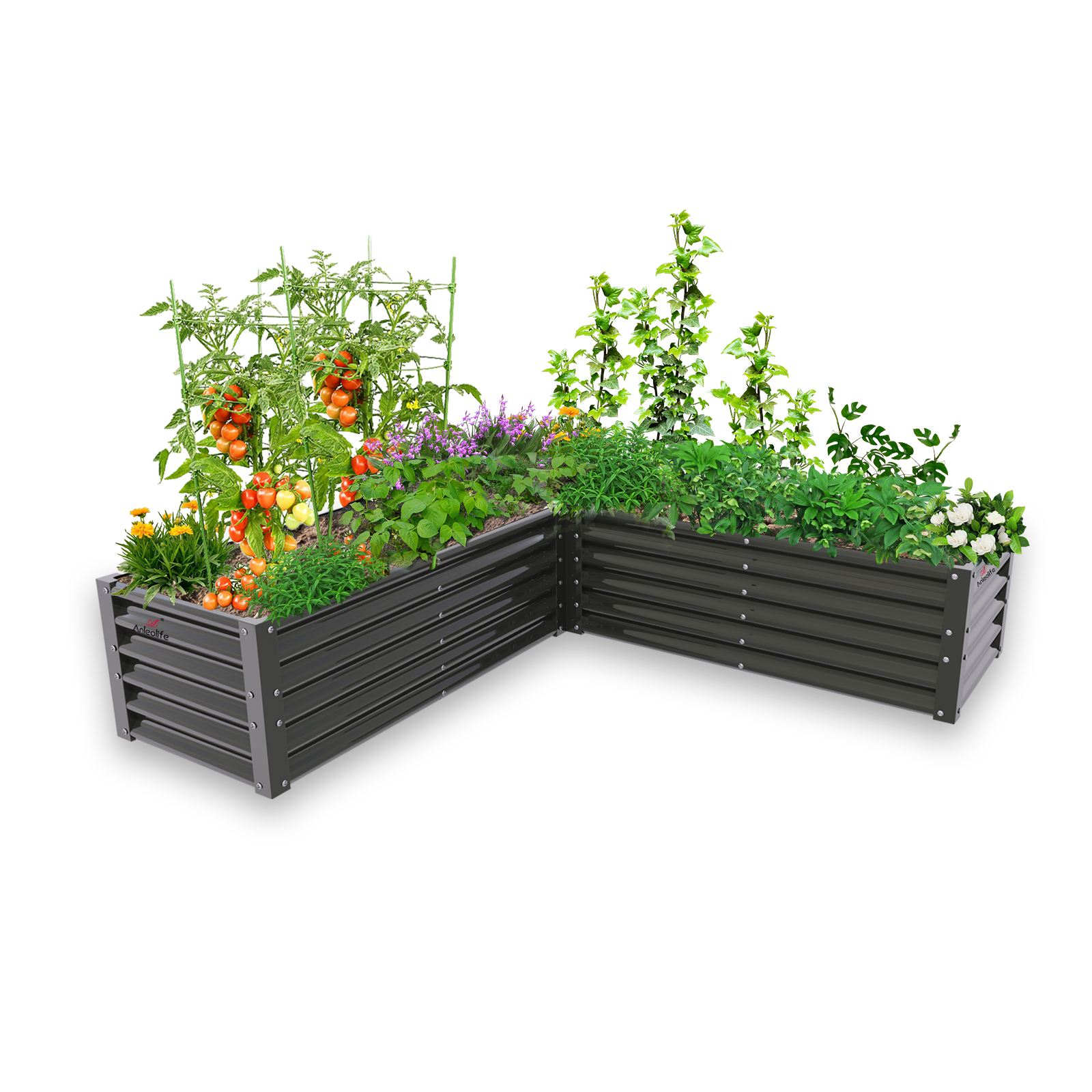
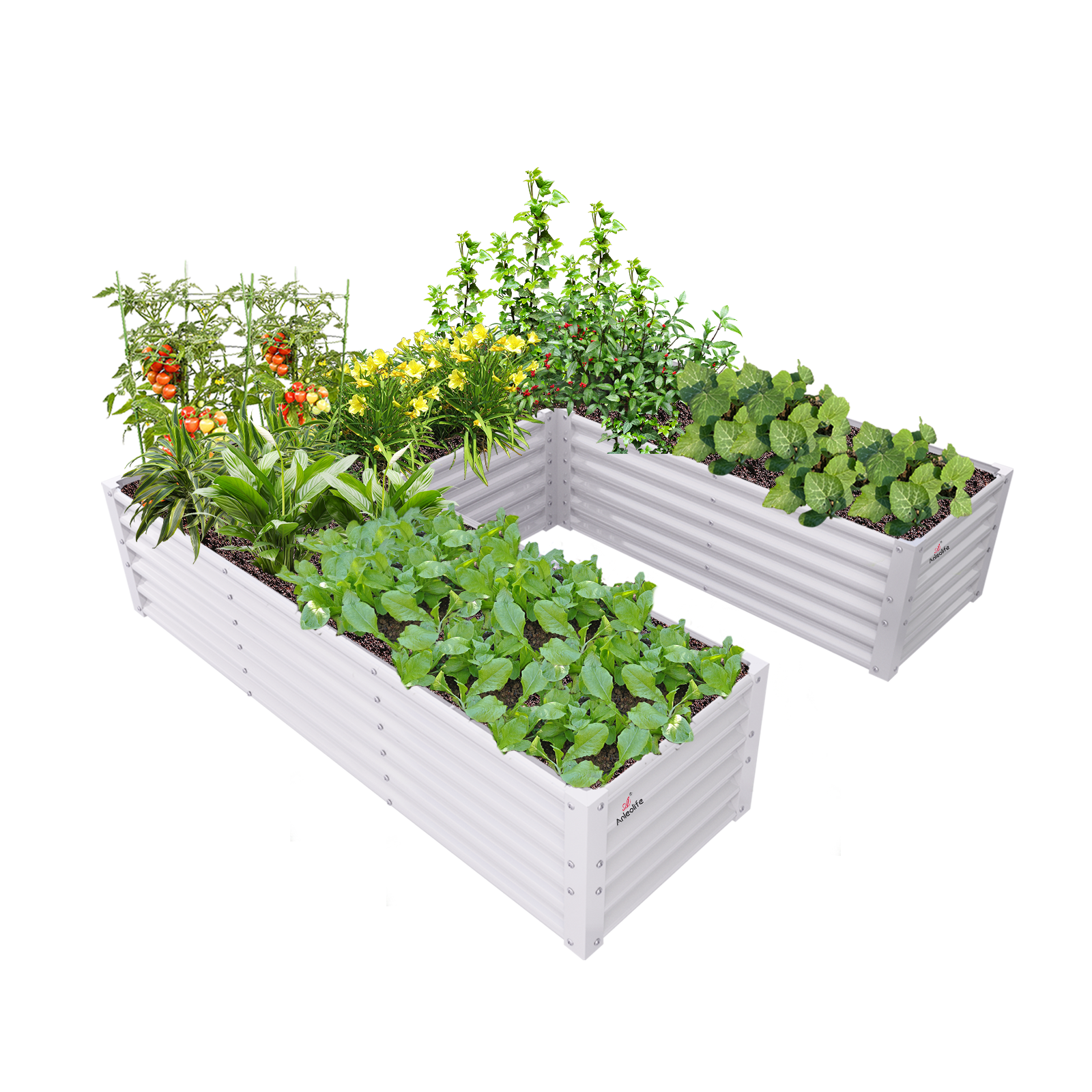
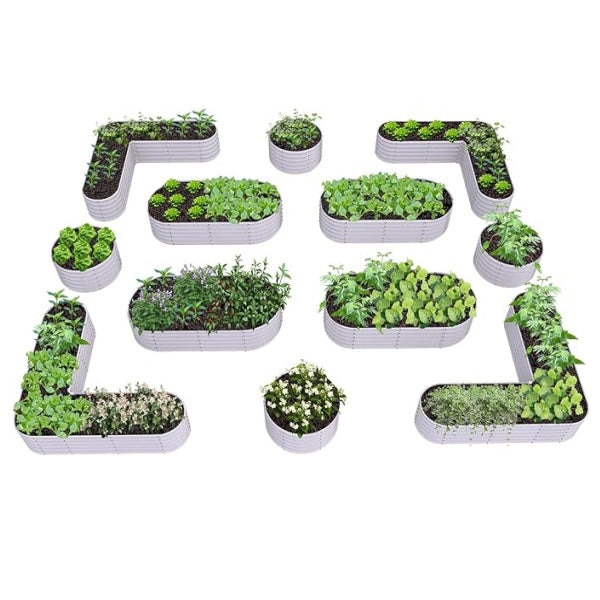
Divide your raised bed into functional zones based on sun exposure and plant height. As a general principle, place tall crops (tomatoes, pole beans, trellised cucumbers) on the north side of the bed so they do not shadow shorter plants. Mid-height crops occupy the center, and low-growing or spreading plants fill the south-facing edge. For beds in the extra-tall or waist-high range — such as Anleolife's 30-inch and 35-inch configurations — this zoning also accounts for ease of reach from each side. Sketch this layout on paper or use a simple grid before the season starts, and annotate it with planting and harvest windows from Step 1. Plan for 30 to 60 minutes for this mapping exercise per bed.
Step 3: Layer in Succession Planting and Rotation Logic
Once your initial crop map is set, add succession notes: identify which fast-maturing crops (radishes, lettuce, cilantro) will finish early enough to be replaced by a follow-on planting. Mark those "relay slots" directly on your layout map. Simultaneously, note which plant families occupied each zone this year and flag them for rotation in the following season — brassicas should not follow brassicas, and solanums (tomatoes, peppers) should not return to the same zone for at least one full growing cycle. Building this logic into your calendar from the start prevents the soil exhaustion and pest buildup that quietly undermine productivity over multiple seasons.
Comparing Raised Bed Layout Approaches by Season
Different layout strategies suit different gardening goals, bed sizes, and seasonal rhythms. The table below compares three primary approaches — Fixed Crop Layout, Succession/Relay Layout, and Polyculture/Companion Layout — across the dimensions that matter most for seasonal planning.
| Comparison Dimension | Fixed Crop Layout | Succession / Relay Layout | Polyculture / Companion Layout |
|---|---|---|---|
| Planning complexity | Low — assign crops to zones once per season | Medium — requires scheduling multiple planting waves | Medium-High — requires companion plant compatibility research |
| Yield continuity | Gaps between harvests are common | High — bed is productive for a longer continuous window | High — diverse crops provide staggered harvests |
| Soil management demands | Higher — monocultures deplete nutrients faster | Moderate — crop variety helps, but rotation still needed | Lower — plant diversity supports soil biology naturally |
| Best bed size range | Works at any size; simplest in smaller beds | Most effective in longer beds (8x4 ft and above) | Suits mid-to-large beds where companion groups have space |
| Ideal for | Beginners; single-crop enthusiasts | Families wanting steady harvest flow | Eco-conscious growers prioritizing biodiversity |
| Seasonal calendar complexity | One planning event per season | Requires re-planning at each succession interval | Requires upfront research; simpler in-season once established |
The right approach is rarely fixed permanently — many experienced gardeners use fixed layouts in spring when they are establishing crops, shift to succession logic through the peak summer window, and simplify back to a fixed cool-season layout in fall.
Season-by-Season Raised Bed Planting Calendar: What Goes In and When
Spring: The Foundational Season for Any Raised Bed Layout
Spring is the season that sets the tone for the entire year, and the most common mistake is waiting too long to start. Cool-season crops — including peas, spinach, kale, arugula, lettuce, radishes, and brassicas like broccoli and cabbage — tolerate light frost and should go into the bed as soon as the soil can be worked, often four to six weeks before your last frost date.
In a well-designed raised bed layout, the spring phase typically divides the bed into a cool-season half and a "warm-season waiting" half. The warm-season half is prepared and amended but left mulched or covered until frost risk has passed, at which point transplants of tomatoes, peppers, eggplant, and summer squash move in. This two-phase approach keeps the bed earning its footprint through the early weeks of spring rather than sitting empty.
Pay close attention to spacing during the spring planting phase. Overcrowding — placing transplants closer than recommended in an attempt to maximize yield — is one of the most reliable ways to guarantee disappointing results. Crowded plants compete for nutrients, restrict airflow, and invite fungal disease. Use your layout grid honestly, and trust the spacing recommendations for each variety.
According to the Savvy Gardening resource on 4x8 raised bed vegetable garden layout ideas, a standard 4x8 bed can comfortably accommodate a meaningful diversity of crops when spacing is followed precisely — a point that reinforces the value of mapping before planting rather than planting by feel.
Summer: Managing Heat, Succession, and the Mid-Season Reset
Summer is the busiest season in a raised bed layout calendar because it demands active management on two parallel tracks: maintaining the warm-season crops that are ripening, and beginning the succession planting that will carry the bed into fall.
Warm-season crops — tomatoes, peppers, cucumbers, summer squash, beans, melons — hit their peak production window in summer and require consistent water, feeding, and in many cases structural support. This is where bed height and configuration matter practically. Anleolife's extra-tall 24-inch and 30-inch beds position the root zone well above compacted subsoil, giving heat-loving crops the deep, loose growing medium they need to establish quickly. Beds at these heights also retain moisture more efficiently when mulched, which reduces watering frequency during peak heat.
The mid-summer succession reset is a step that even experienced gardeners skip to their later regret. As spring crops like peas, lettuce, and radishes finish, their zones should be cleared promptly, amended with compost, and replanted — either with a fast-maturing summer crop or with a succession sowing of a cool-season variety that will mature in early fall. Leaving cleared zones fallow through July and August is a lost opportunity in a raised bed context, where the soil system is managed and ready to support continuous production.
Fall: The Underused Season That Rewards Patient Planning
Fall is consistently the most underused season in home raised bed calendars, and it is the one we most often find ourselves advocating for. Cool-season crops that were first planted in spring can return in fall with equal or greater success — and in many climates, fall spinach, kale, Swiss chard, and root vegetables like carrots and beets actually develop better flavor after light frost exposure.
The key to a functional fall raised bed layout is back-planning from your first expected frost date. Count back the days-to-maturity for each target crop, add a week or two as a buffer for the shorter daylight hours of late summer that slow germination, and you have your direct-sow or transplant date. For most temperate climates, this puts the major fall planting window somewhere between late July and early September — overlapping with peak summer, which is why the mid-season succession reset mentioned above is so important.
For detailed guidance on preparing your beds for the transition into fall, preparing your garden beds for the upcoming fall planting season covers the soil amendment and timing steps that make fall planting as productive as spring.
Winter: Rest, Repair, and Next-Year Planning
In cold climates, winter is the planning season for the raised bed garden. This is when your annotated layout from the current year becomes the foundation for next year's rotation plan — move crop families to new zones, adjust companion groupings based on what worked, and update your calendar with varietal changes.
In mild climates (USDA zones 8 through 10), winter is an active growing season for cold-hardy crops. A raised bed layout in these zones often runs a full cool-season regime from November through February, with overwintering brassicas, garlic, onions, favas, and cold-hardy greens occupying the bed continuously. In this context, the "winter" phase of the calendar functions more like a second spring season, and the succession logic from the warmer months applies equally.
Regardless of climate, winter is the right time to inspect the physical condition of your beds. Galvanized steel beds from Anleolife are built for long-term service — the brand's galvanized steel raised garden beds are designed for a lifespan of 20 years — but it is still good practice to check connections, clear debris that can hold moisture against the panels, and replenish the soil system before the next growing season begins. For ongoing maintenance practices that protect your investment across decades, the guide on how to maintain galvanized steel raised beds for decades of use is a thorough resource.
Advanced Considerations: Where Seasonal Planning Gets More Complex
Handling Microclimates Within a Single Raised Bed Layout
Even within one raised bed, microclimates exist. The south-facing end of a north-south oriented bed receives more direct sun; areas near a wall or fence may be warmer or more sheltered; a taller adjacent structure creates afternoon shade. Mapping these microclimate variations into your layout — rather than treating the bed as a uniform growing environment — meaningfully improves crop performance. In our experience, gardeners who take the time to observe and record these patterns in year one gain a lasting advantage in every subsequent season.
The Misconception That More Beds Always Means More Yield
A pattern we consistently encounter: gardeners expand to more raised beds before they have mastered the seasonal calendar for the beds they already have. Additional beds only amplify the result of your planning quality, not compensate for its absence. Two well-managed beds with a robust seasonal calendar will routinely outperform six beds managed by impulse planting. The Almanac's raised bed layout guidance, available at Raised Bed Garden Layout Plans, reinforces this principle: productive raised bed gardening is fundamentally about spatial and temporal efficiency, not square footage.
Soil System Maintenance Across Seasons
A raised bed's soil system is a living, active medium that changes across seasons. Nitrogen levels drop after heavy-feeding crops; biological activity slows in cold months; organic matter breaks down continuously. A seasonal calendar that does not include soil amendment events — compost top-dressing in spring, organic fertilizer applications mid-season, a fall soil refresh — will deliver declining results year over year regardless of how well the crop layout is planned. Treat soil care as a non-negotiable calendar entry, not an optional add-on.
When Climate Events Disrupt Your Calendar
Late frosts, unexpected heat waves, and drought conditions are increasingly common and can compress or extend the planting windows your seasonal calendar was built around. Build flexibility into your plan by noting which crops in your layout have the widest frost tolerance (they can go in earlier or later without significant loss) and which are the most heat-sensitive (they may need shade cloth during extreme events). Having a list of fast-maturing backup crops — radishes, baby greens, bush beans — that can fill disrupted zones quickly is a practical risk management tool that experienced growers rely on.
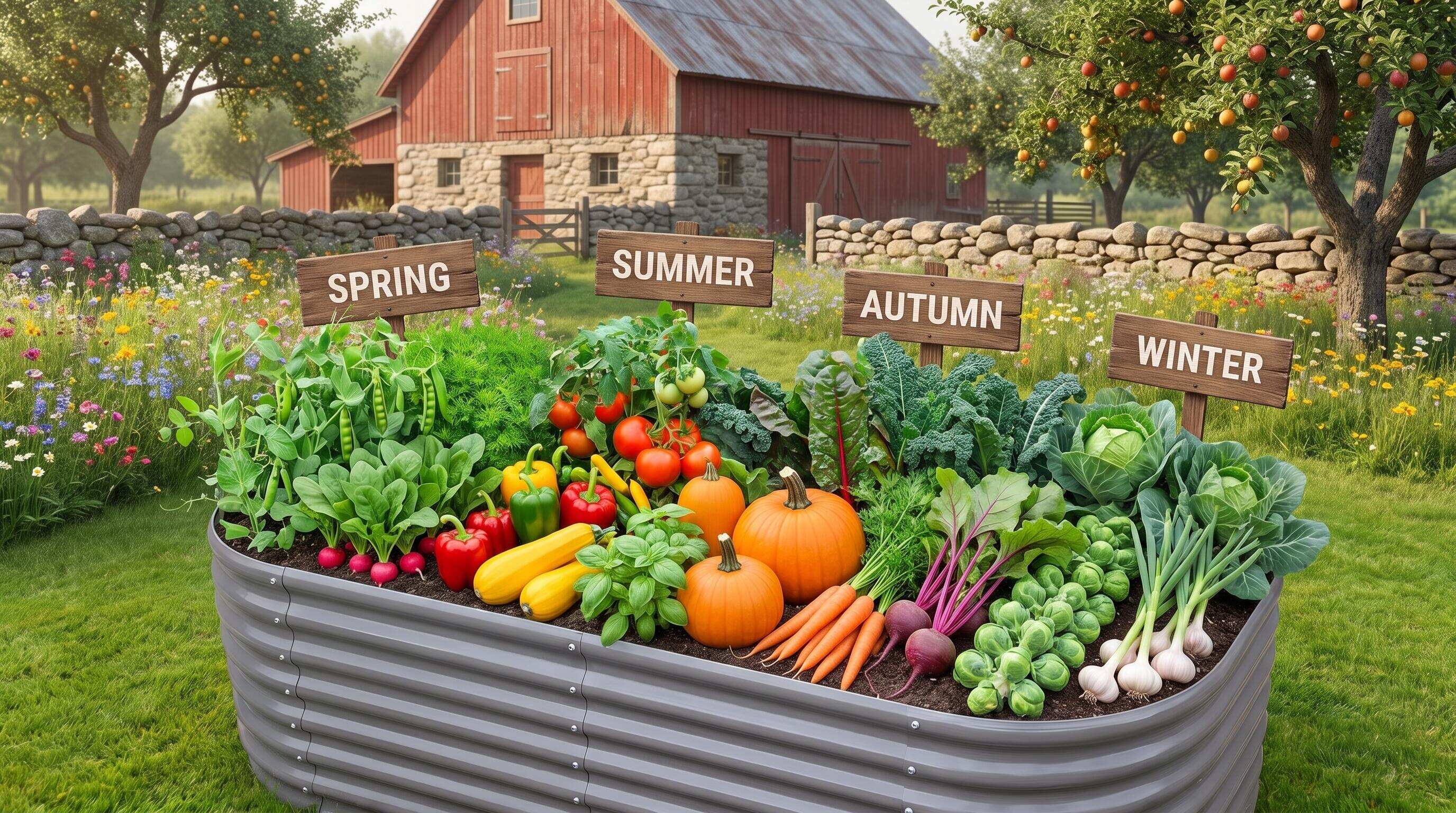
ALT: Raised bed garden layout showing seasonal crop zones for spring summer fall and winter planting schedules
Common Questions
Q1: How do I know when to start seeds for my raised bed layout?
Seed starting timing is calculated backward from your last expected spring frost date. Most seed packets list days to maturity and indoor starting windows (for example, "start indoors 6-8 weeks before last frost"). Locate your frost date through your local cooperative extension service or the USDA Plant Hardiness Zone Map, then count back from that date to set your indoor seed-starting calendar. For direct-sown crops like root vegetables, count forward from when soil can be worked without compacting it.
Q2: Is it necessary to rotate crops in a raised bed if the soil is replaced or amended each year?
Crop rotation remains valuable even with regular soil amendment, because the primary benefit is not purely nutritional. Rotating plant families across zones disrupts the life cycles of soil-dwelling pests and soilborne pathogens that are specific to certain plant families. Powdery mildew spores, clubroot fungus in brassica beds, and root-knot nematodes associated with solanums can persist in the soil medium regardless of amendment. Rotating families across zones annually reduces the population of these threats over time and is a low-effort practice with meaningful payoff.
Q3: How long does a metal raised bed last, and how does that affect my long-term planting calendar?
Anleolife's galvanized steel raised garden beds are designed for a 20-year lifespan, which means a single bed investment supports two decades of seasonal planting calendars without structural replacement. This long service life makes the effort of building a thorough, zone-annotated planting system genuinely worthwhile — the infrastructure will outlast most garden plans several times over. Regular inspection for debris buildup and maintaining the soil system seasonally are the primary maintenance actions that protect the bed and the soil biology within it across that full period.
Summary
A seasonal planting calendar built around a deliberate raised bed garden layout is the most reliable way to transform a garden bed from a passive planting space into a consistently productive system. Three principles anchor everything in this guide.
First, every planting decision should be anchored to your actual local frost dates — regional specificity is non-negotiable, and any calendar that ignores it will produce mismatches between planting windows and growing conditions. Second, the raised bed layout should be planned spatially before planting begins, with zones assigned by sun exposure, plant height, and crop family, then updated each season according to rotation logic. Third, succession planting and soil management are not optional enhancements — they are the mechanisms that keep the bed productive continuously and prevent the gradual decline that improvised planting eventually causes.
The next step is to pull up your local frost dates today, sketch a basic zone map for your bed, and assign at least three crops per season to specific zones with target planting dates. That sketch, however rough, is the beginning of a planning practice that compounds in value every year you refine it.
Ready to build a raised bed system that supports this kind of long-term planning? Explore the full range of galvanized steel and rust-resistant raised bed configurations — from compact 18-inch beds to waist-high 35-inch designs — at Anleolife, where products are available with delivery in 3–8 business days through a nationwide warehouse network. Anleolife beds are also available on Amazon, Walmart, Home Depot, Lowe's, and Wayfair, with consistent quality and after-sales support across every channel. Whether you are starting with a single 8x4 bed or building out a full planting-and-raising ecosystem, the modular design grows with your garden as your plans evolve.
Sources & Citations
- Old Farmer's Almanac. "Raised Bed Garden Layout Plans."
https://www.almanac.com/raised-bed-vegetable-garden-layouts-beginners - Savvy Gardening. "4x8 Raised Bed Vegetable Garden Layout Ideas."
https://savvygardening.com/4x8-raised-bed-vegetable-garden-layout/ - Gardeners Supply Company. "Pre-Planned Gardens."
https://www.gardeners.com/pages/kitchen-garden-planner-preplanned-gardens - United States Department of Agriculture (USDA). USDA Plant Hardiness Zone Map.
https://www.usda.gov/ - University Cooperative Extension Services (Land-Grant University System). Frost Date and Local Growing Season Guidance.
https://www.extension.org/
Note: Standards and official guidelines may be updated periodically; please check the latest documents through the relevant official organizations or consult qualified horticultural advisors for guidance specific to your region.