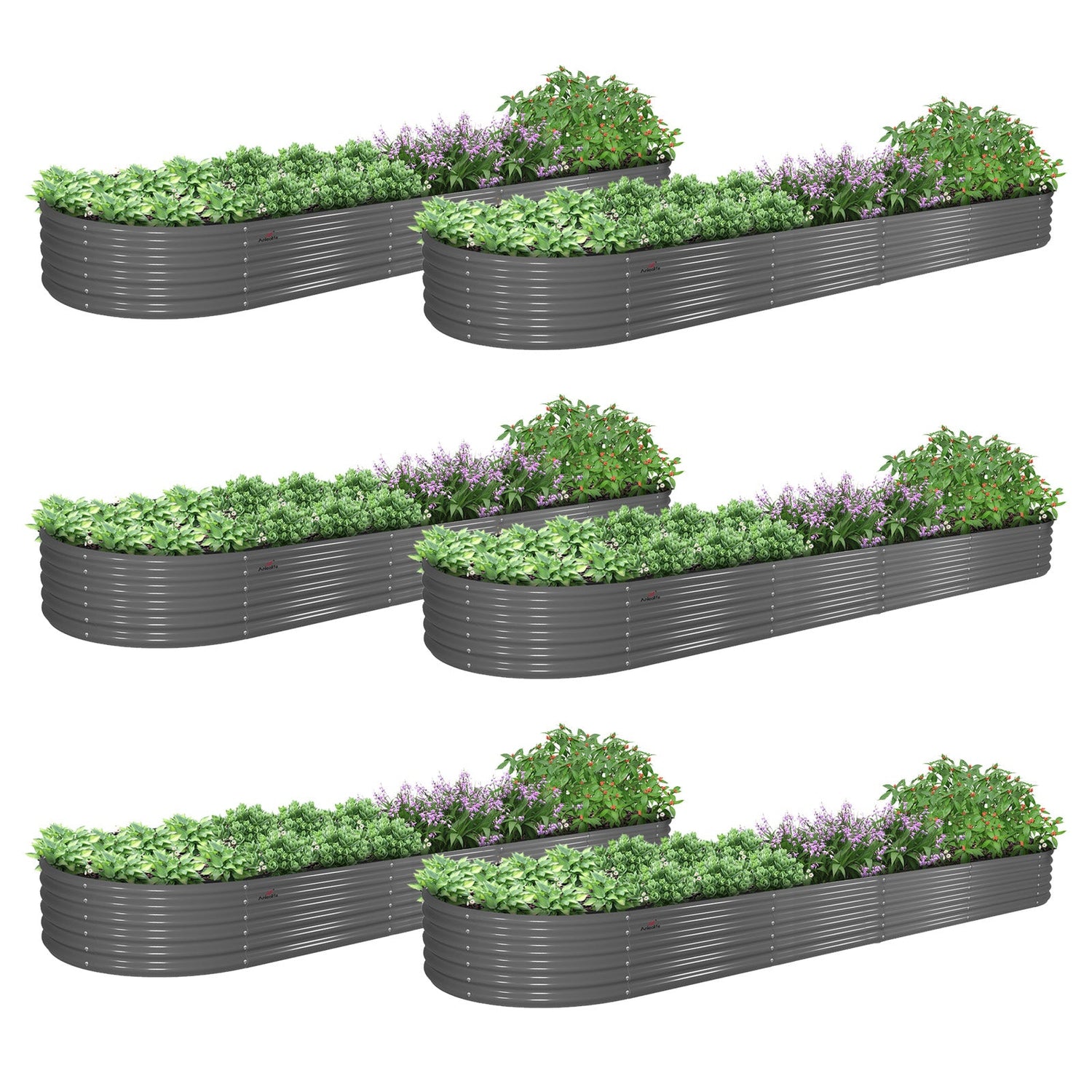










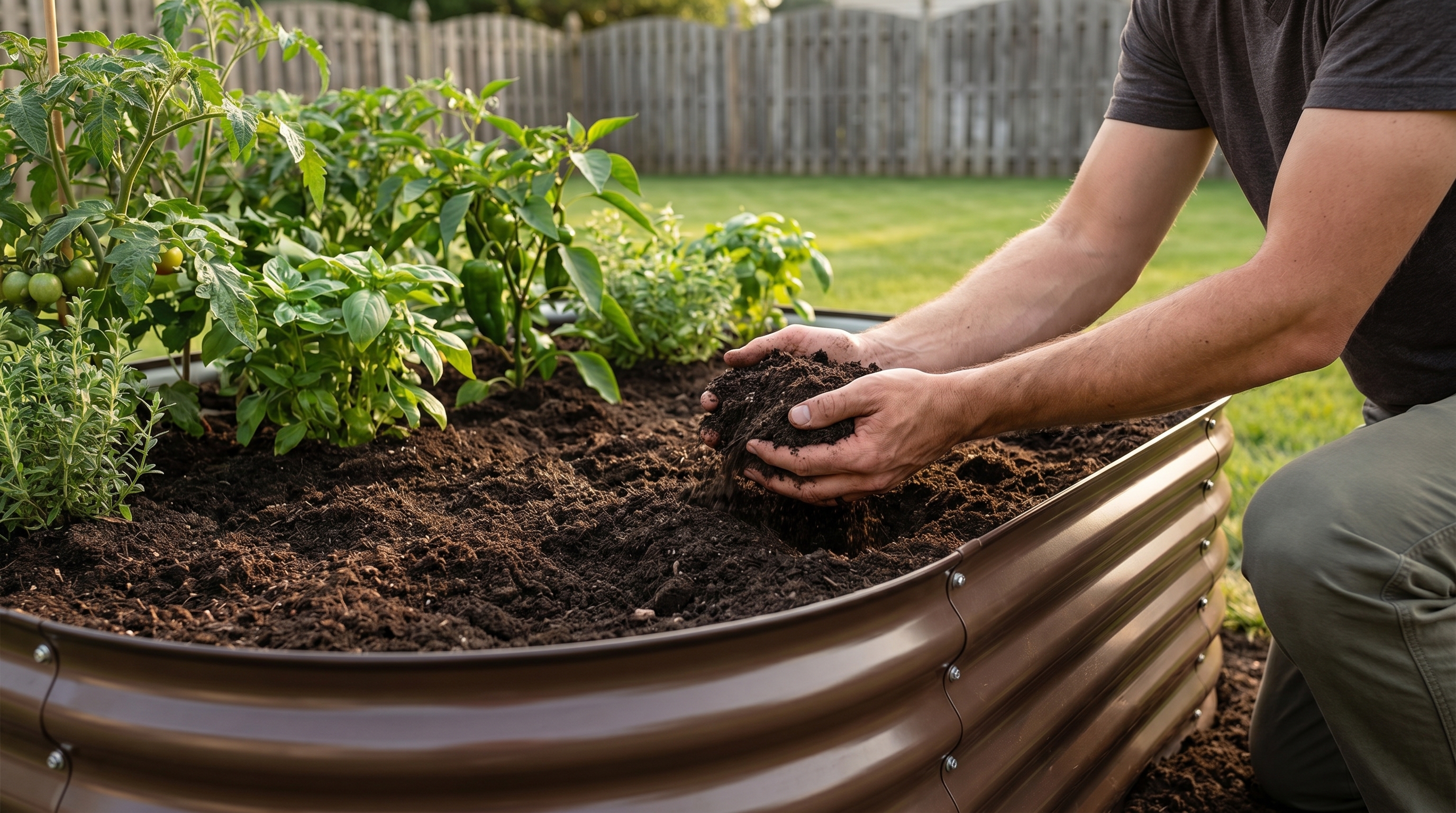
ALT: Gardener checking raised garden bed soil health for signs it needs a seasonal refresh
Is Your Raised Garden Bed Soil Telling You Something? 5 Signs It's Time for a Refresh
Key Conclusion: Healthy soil is the foundation of every thriving raised garden bed. Over time, even the best soil mix loses its structure, nutrients, and biological activity — leading to slower growth, poor drainage, and disappointing harvests. Recognizing the early signs that your raised garden bed needs a soil refresh this season can save your plants, protect your investment, and set you up for your most productive growing year yet. Whether you're tending vegetables, herbs, or flowers, refreshed soil makes all the difference.
Every season, millions of home gardeners invest their time, energy, and hope into their raised garden beds — only to wonder why their plants aren't performing the way they expected. The culprit is often hiding right beneath the surface: worn-out, depleted, or structurally compromised soil. Unlike in-ground gardens where earthworms, rainfall, and soil microbes continuously refresh the earth, raised beds are enclosed ecosystems that depend on you to maintain their vitality.
Understanding when and how to refresh your raised bed soil is one of the most practical skills a gardener can develop. It's not just about adding more fertilizer — it's about reading your soil's signals and responding with targeted, effective solutions. This article walks you through five clear signs your soil is due for a refresh, what to do about each one, and how to set up your raised bed for long-term success.
Who Should Read This Guide: Soil Refresh Scenarios for Raised Bed Gardeners
✅ Applicable Scenarios:
- Home vegetable gardeners who have used the same raised bed soil for one or more growing seasons
- Urban micro-gardeners noticing slower plant growth or yellowing leaves despite regular watering and fertilizing
- Empty nesters and retirees returning to their garden beds after a dormant winter season
- Eco-conscious growers looking to improve soil health organically without relying heavily on synthetic inputs
- Gardeners switching from flowers to vegetables (or vice versa) who want to optimize their soil mix for new crops
❌ Not Applicable/Cautions:
- Gardeners who installed brand-new soil within the current growing season and have not yet observed a full growth cycle — refreshing too early can disrupt beneficial microbial communities before they establish
- Those who recently amended their soil with a complete compost and nutrient overhaul — re-amending within weeks can cause nutrient imbalances or salt buildup that harms sensitive plant roots
Why Raised Bed Soil Degrades Faster Than You Think
One of the most common misconceptions among raised bed gardeners — especially beginners — is that soil is a permanent, self-sustaining resource. In reality, raised bed soil behaves more like a consumable ingredient in a recipe: it gets used up, broken down, and needs to be replenished.
Raised bed soil degradation happens for several interconnected reasons. First, every crop you grow actively extracts nutrients from the soil. Nitrogen, phosphorus, potassium, calcium, and dozens of trace minerals are absorbed by plant roots and removed from the system entirely when you harvest. Unlike a forest floor where leaves and organic matter fall back to earth and decompose, a productive vegetable garden is constantly exporting nutrients in the form of food.
Second, the physical structure of soil breaks down over time. Organic matter — the cornerstone of good soil — decomposes continuously. Compost, aged manure, and peat-based materials that once gave your soil its spongy, loose texture gradually compact and mineralize, leaving behind a denser, less aerated medium that restricts root growth and water movement.
Third, raised beds are exposed to the elements in ways that in-ground soil isn't. Rain leaches nutrients downward and out through drainage holes. Summer heat accelerates microbial activity and burns through organic matter faster. Freeze-thaw cycles in colder climates cause soil particles to compact and separate.
According to research from Penn State Extension, vegetable garden soils can lose significant amounts of organic matter and nutrient content within just one to two growing seasons if not regularly amended. This is especially true in raised beds, where the soil volume is limited and the planting density is typically higher than in-ground gardens.
Gardeners interested in maximizing their bed's productivity should also consider how bed size and layout affect soil health. As explored in The Ultimate Raised Garden Bed Sizing Guide for Summer 2026: Find Your Perfect Fit, choosing the right dimensions for your growing goals directly influences how intensively your soil will be used — and how frequently it will need refreshing.
The good news? Recognizing the signs early makes soil restoration straightforward and highly effective. Let's walk through each of the five key warning signs.
The 5 Signs and How to Respond: A Complete Soil Refresh Action Plan
Three-Step Quick Start for Soil Assessment
Step 1: Visual and Physical Inspection (10–15 minutes)
Walk through your garden and look at your plants' overall health — leaf color, stem thickness, and growth rate relative to the season. Then dig a small trowel of soil from several spots in your raised bed, about 4–6 inches deep. Squeeze a handful: healthy soil should hold its shape briefly, then crumble. If it clumps like clay, feels like powder, or has very little earthy smell, these are immediate indicators of degraded soil structure.
Step 2: Drainage Test (30 minutes)
Fill a section of your raised bed with water and observe how quickly it drains. Ideal raised bed soil should drain fully within 30 to 60 minutes. If water pools on the surface for hours or drains almost instantly without absorbing, your soil's texture has shifted significantly. Poor drainage leads to root rot; overly fast drainage means water and nutrients aren't being retained long enough for roots to access them.
Step 3: Review Your Growing History (5–10 minutes)
Think back (or check your garden journal) about what you grew last season, how heavily you fertilized, and whether you added any fresh compost or organic matter. Heavy feeders like corn, tomatoes, and squash deplete soil nutrients rapidly. If you grew any of these without significant amendment afterward, your soil is almost certainly due for a refresh before the next planting cycle.
Comparing Soil Refresh Approaches: Topdressing vs. Full Replacement vs. Layered Amendment
Understanding which refresh approach fits your situation can save you significant time and money. Here's a practical comparison to help you decide:
| Comparison Dimension | Topdressing with Compost | Full Soil Replacement | Layered Amendment (Lasagna Method) |
|---|---|---|---|
| Best for | Mildly depleted soil after 1 season | Severely compacted or disease-riddled soil | Beds not yet planted; new season prep |
| Effort level | Low — spread and water in | High — remove old soil, refill | Medium — layer materials over existing soil |
| Cost | Low to moderate | Higher | Low to moderate |
| Time to plant | Immediate | Immediate after refill | 2–4 weeks for layers to settle |
| Nutrient impact | Moderate boost | Full reset | High — rich layered nutrients |
| Organic matter added | High (compost-based) | Depends on new mix | Very high |
| Recommended frequency | Every season | Every 3–5 years or when needed | As needed before new planting cycle |
The right approach depends on how severe your soil degradation is. For most home gardeners, annual topdressing combined with a layered amendment every few years is the most cost-effective and practical strategy.
The 5 Signs Explained in Detail
Sign 1: Soil Has Compacted and No Longer Drains Properly
Compaction is one of the most visible and impactful signs of degraded raised bed soil. When you press your finger into the soil and it feels hard, dense, or resistant — or when you notice water sitting on the surface after rain or irrigation — compaction is the likely cause.
Over time, organic matter decomposes and soil particles pack tightly together, eliminating the air pockets that plant roots need to breathe and that water needs to move through. Compacted soil leads to waterlogged conditions near the surface and drought-like conditions just a few inches below, creating a frustrating environment where plants struggle no matter how carefully you water.
What to do: Loosen the top several inches with a garden fork, then incorporate 2–4 inches of finished compost. Adding perlite or coarse sand can help improve long-term drainage and aeration, particularly in beds where heavy crops have been grown repeatedly.
Sign 2: Plants Are Yellowing Despite Regular Fertilizing
If your plants are showing yellowing leaves — particularly the older, lower leaves — and you've already tried standard fertilization without improvement, the problem may not be a lack of nutrients per se, but a soil pH imbalance or degraded microbial activity that's preventing nutrient uptake.
Most vegetables thrive in a slightly acidic to neutral pH range of around 6.0 to 7.0. Over time, the pH of raised bed soil can drift in either direction, especially in regions with highly acidic rain or where heavy lime applications have been made. When pH is off, plants can't access nutrients even when those nutrients are present in abundance — a phenomenon known as "nutrient lockout."
What to do: Test your soil pH with an inexpensive home test kit. If too acidic, add agricultural lime; if too alkaline, incorporate sulfur or acidic organic matter like pine needle compost. Rebuilding microbial life with worm castings and compost tea can also dramatically improve nutrient availability. You might also find inspiration in Advanced Composting Techniques to Supercharge Your Raised Bed Soil This Season for rebuilding microbial populations naturally.
Sign 3: Soil Level Has Dropped Significantly in the Bed
Look at your raised bed from the side: is the soil level noticeably lower than it was when you first filled the bed? A drop of several inches is completely normal over one to two seasons — and it's one of the clearest signs that organic matter has decomposed and your soil volume needs to be replenished.
This settling is actually a sign that your soil's biology is working, since microbial decomposition is what causes the shrinkage. But it also means the nutrient and structural content of your soil has been reduced, and plants will increasingly struggle as root space becomes shallower.
What to do: Top up your bed with a quality raised bed mix — ideally a combination of compost, aged bark fines, and quality topsoil. Aim to restore the soil level to within 2–3 inches of the top of the bed wall, which gives roots maximum depth and ensures adequate moisture retention. This is also a great opportunity to choose the 10 Best Vegetables for Raised Beds This Summer so you can align your soil blend with the specific nutrient demands of your planned crops.
Sign 4: You're Seeing Persistent Pest or Disease Problems
If you've dealt with recurring fungal diseases, persistent root rot, or unusual pest pressure despite practicing crop rotation and good hygiene, the soil itself may be harboring pathogens or pest populations. Certain soil-borne diseases like Fusarium wilt and Pythium root rot can persist in the soil for multiple seasons once established.
This is one of the more urgent reasons to refresh or even partially replace raised bed soil. The enclosed nature of a raised bed — while generally advantageous — means that once a pathogen establishes, it has nowhere else to go.
What to do: Remove and discard the top 4–6 inches of soil and replace with fresh, sterile mix. Incorporate beneficial biological amendments such as mycorrhizal fungi and Bacillus subtilis products, which compete with harmful pathogens. For more strategies on keeping pests and diseases at bay organically, see our guide on Organic Pest Control Strategies for Raised Garden Beds This Summer.
Sign 5: Your Harvest Yields Have Noticeably Declined
Perhaps the most telling sign of all: if you're growing the same crops with the same care, but your harvests are smaller, slower to mature, or lower quality than in previous seasons, your soil's productive capacity has simply been exhausted. Plants are remarkably resilient, but they can't produce abundant fruit without the nutrient and structural foundation to support that growth.
Declining yields are often the culmination of several smaller issues — mild compaction, slight pH drift, reduced organic matter — combining over time into a significant performance drop. Many gardeners attribute this to weather or variety selection when the real issue is right beneath their feet.
What to do: Commit to a full seasonal amendment routine. This means adding 2–4 inches of premium compost before each new growing season, testing pH annually, rotating crop families to prevent nutrient depletion in specific zones, and periodically incorporating worm castings or slow-release organic fertilizers to maintain steady nutrition.
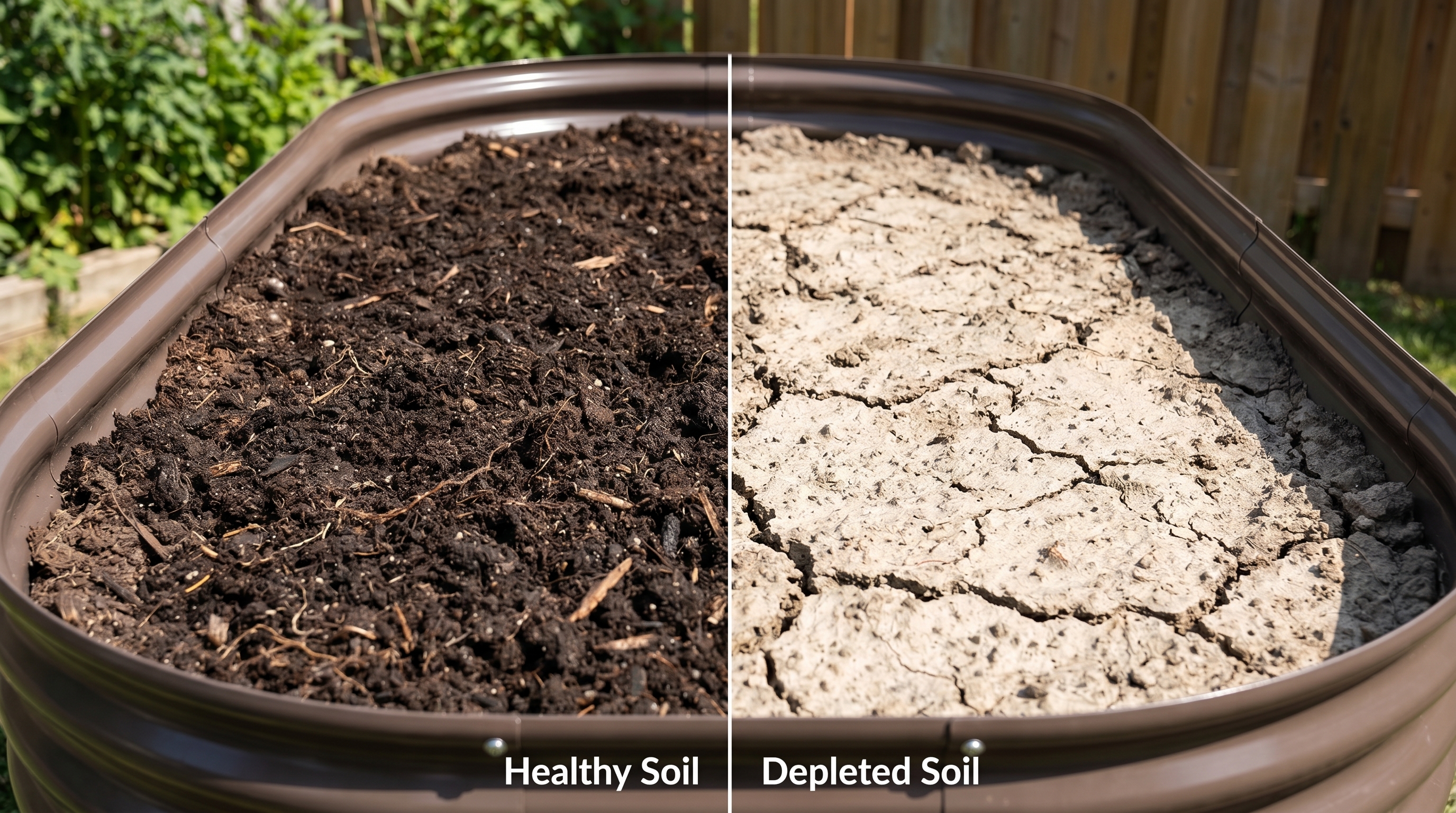
ALT: Side-by-side comparison of healthy raised bed soil versus compacted depleted soil showing clear texture and color differences
Advanced Soil Refresh Strategies: Going Beyond the Basics
Choosing the Best Soil Mix for Raised Vegetable Garden Beds
The best soil mix for raised vegetable garden beds isn't a one-size-fits-all formula, but there's a widely trusted starting framework: roughly one-third high-quality compost, one-third coarse structural material (such as aged bark fines or coconut coir), and one-third topsoil or loam. This blend delivers the drainage, aeration, and nutrient density that vegetables demand.
For wet climates where drainage is a persistent challenge, selecting the right materials becomes even more critical. Raised beds in rainy regions benefit most from mixes that prioritize coarse drainage materials. Incorporating perlite or horticultural grit into the soil blend prevents waterlogging and supports root oxygen availability — which is why metal raised garden beds with proper drainage are particularly well-suited to wet environments.
Common Misconceptions About Soil Refreshing
Misconception 1: "More fertilizer equals better soil."
Adding more fertilizer to depleted or compacted soil is like pouring water into a cracked bucket — it doesn't address the structural and biological deficiencies that are limiting plant uptake. Soil refresh is about rebuilding the entire growing medium, not just adding more nutrients on top.
Misconception 2: "You only need to refresh soil every 3–5 years."
While a full soil replacement may only be needed every several years (especially in durable, long-lasting raised beds), annual top-dressing and amendment are essential for maintaining productivity season to season. Think of it as maintenance, not just repair.
Misconception 3: "Any compost will do."
Compost quality varies dramatically. Immature or "hot" compost that hasn't fully broken down can actually harm plant roots and introduce weed seeds. Always use finished compost — rich, dark, crumbly, and earthy-smelling — for soil refreshing.
The Role of the Raised Bed Itself in Soil Health
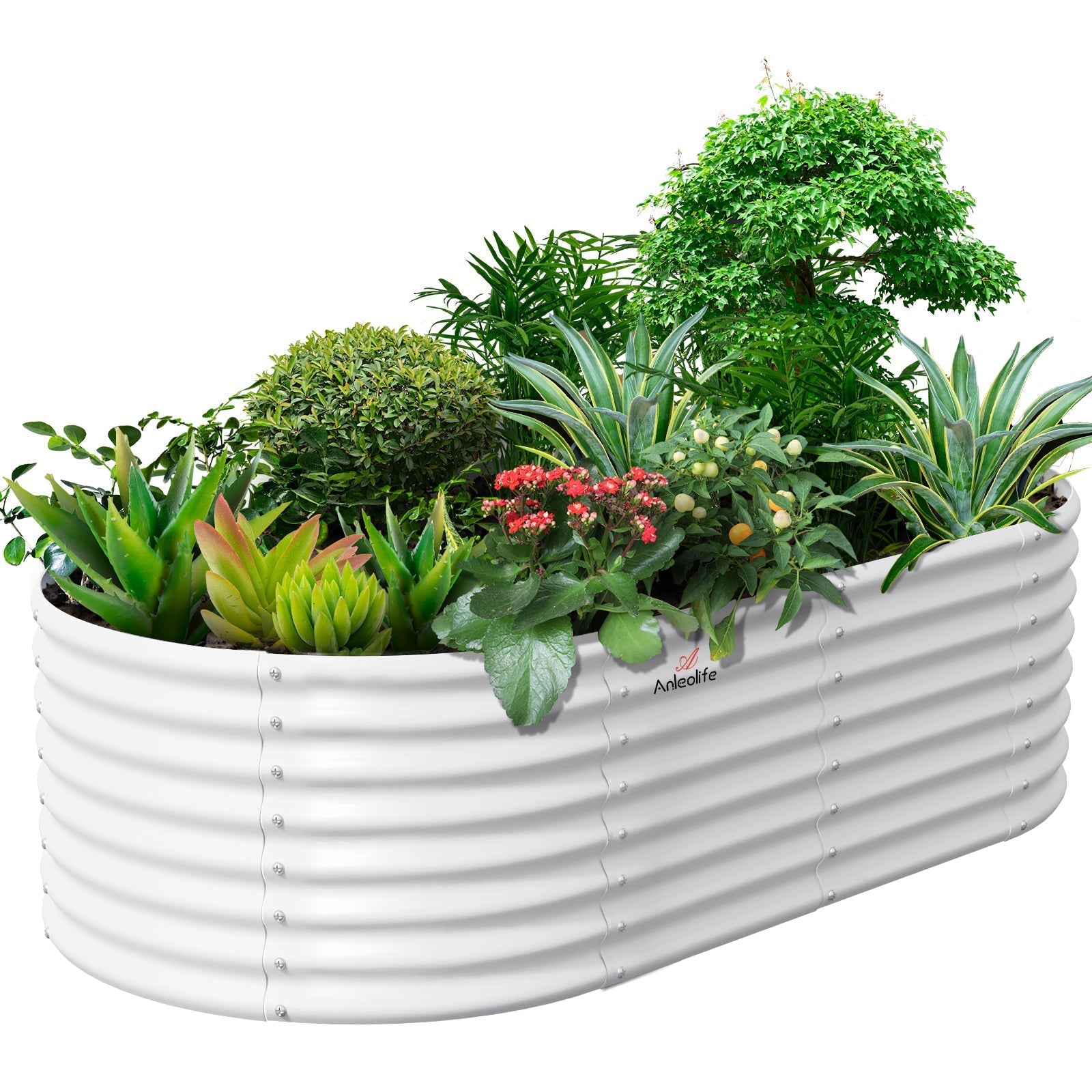
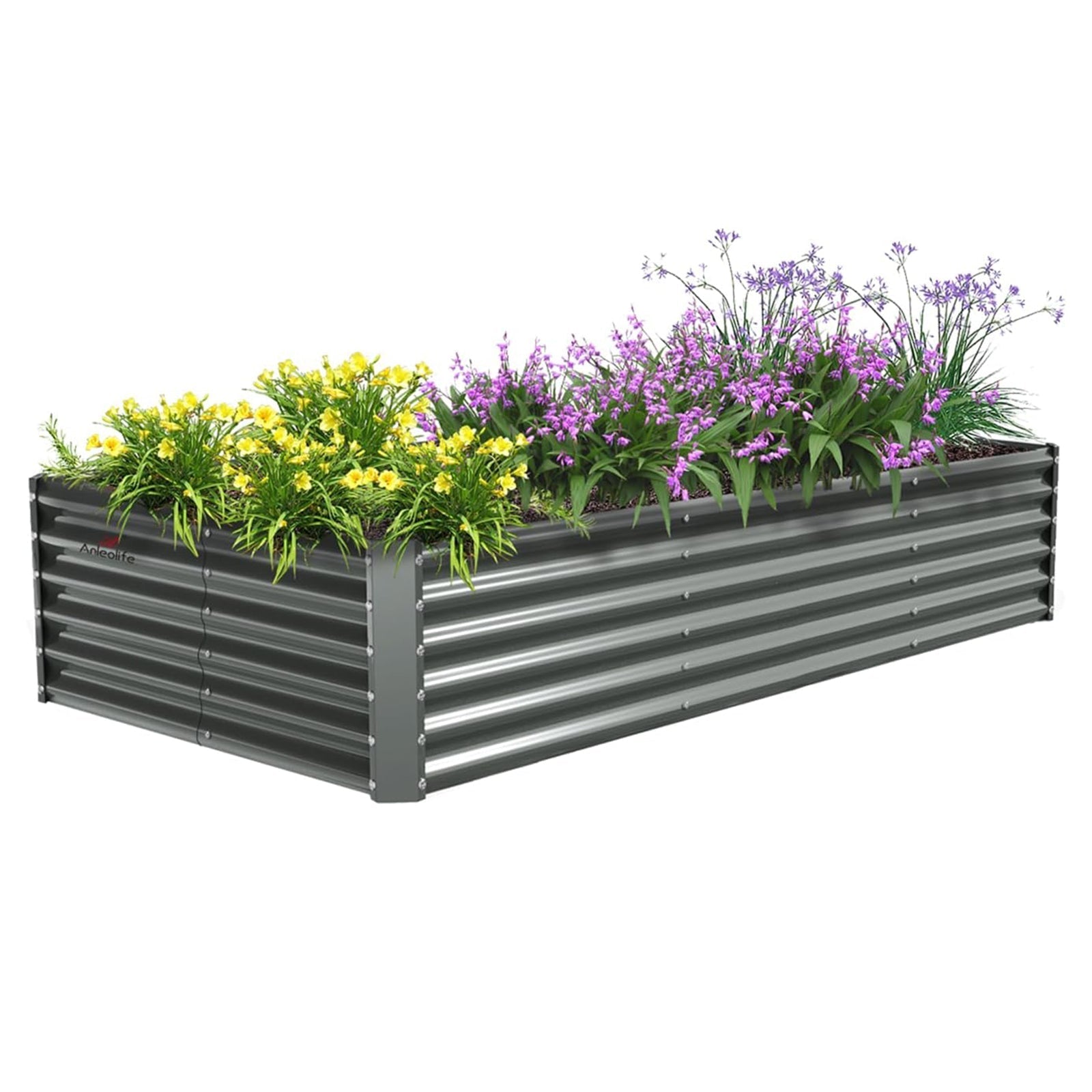
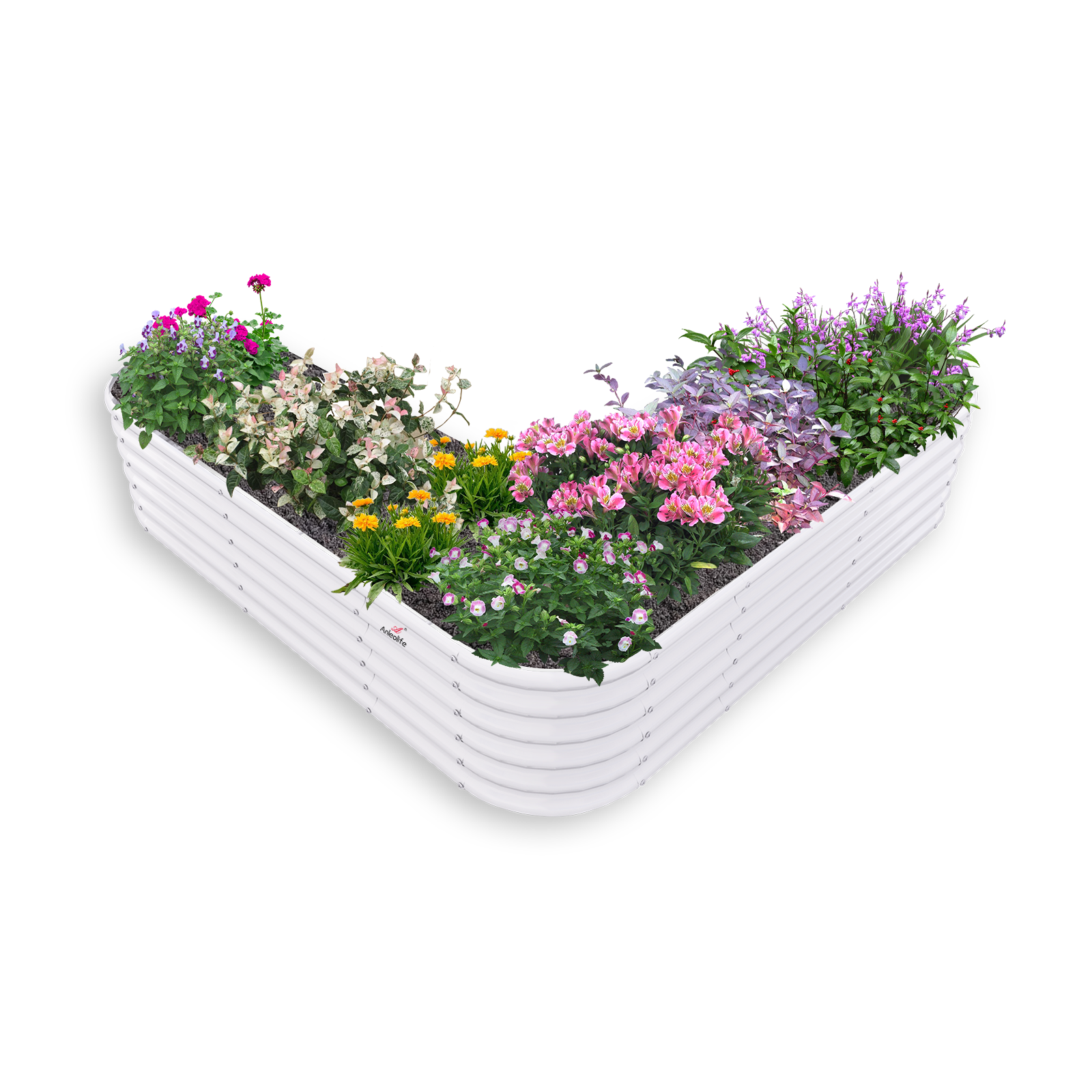
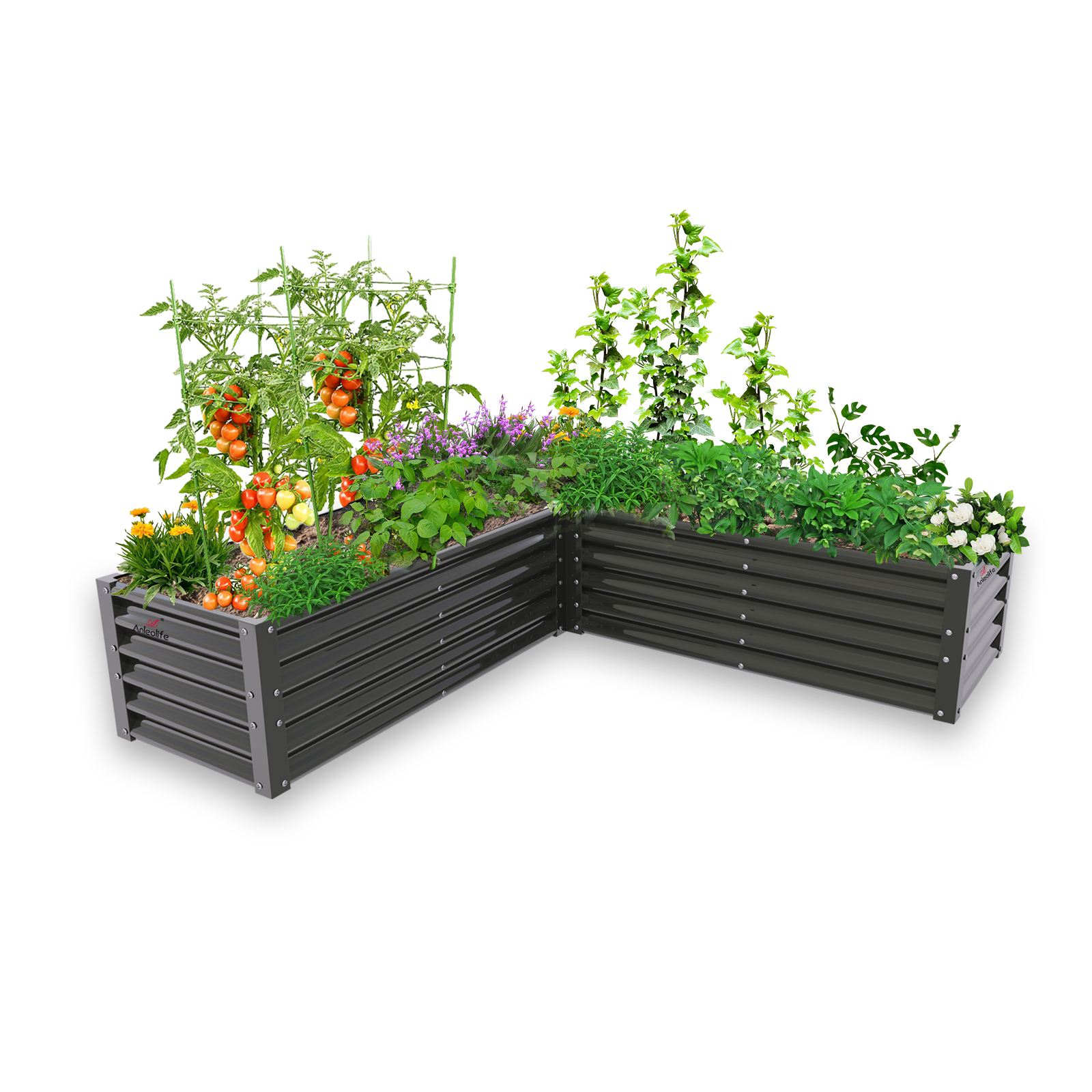
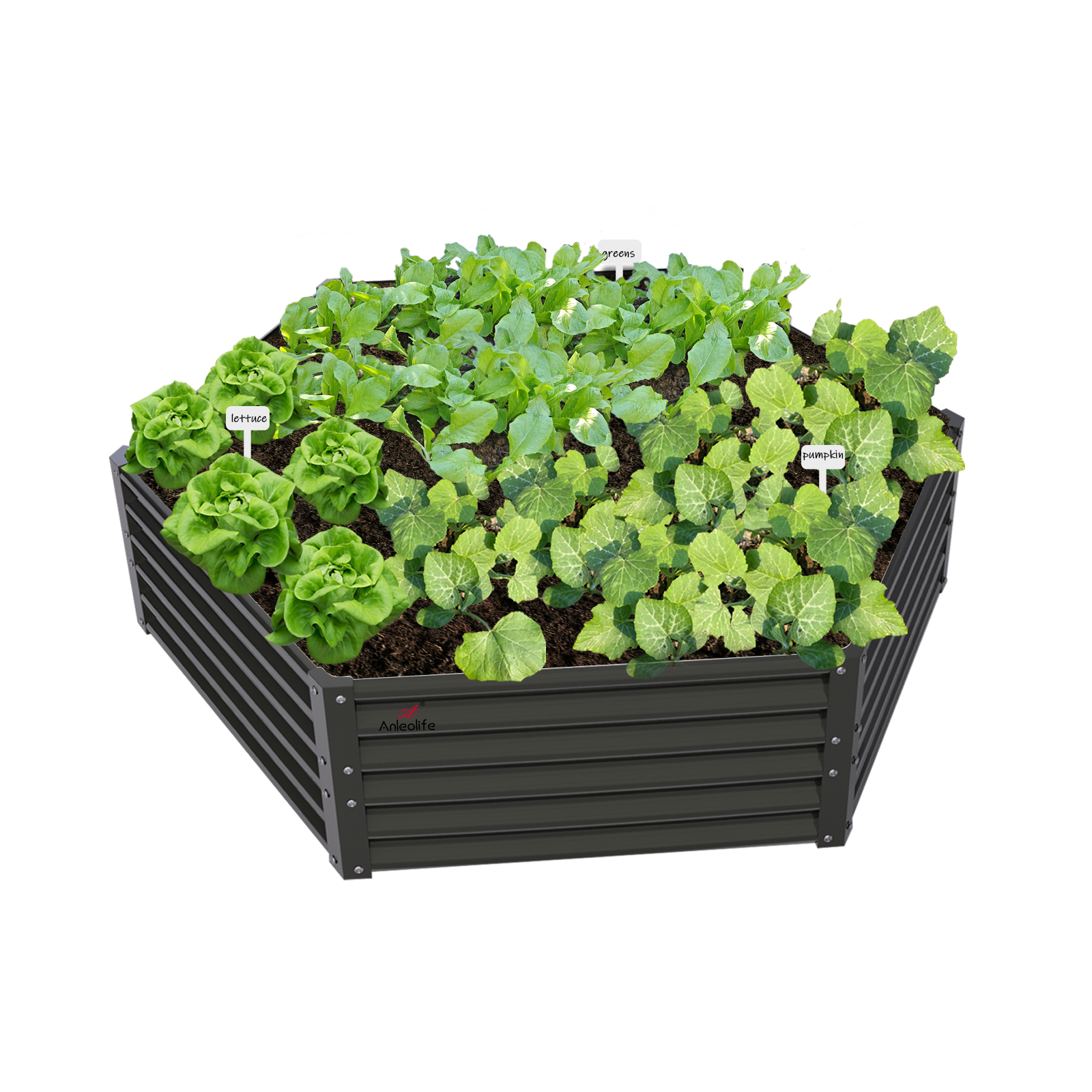
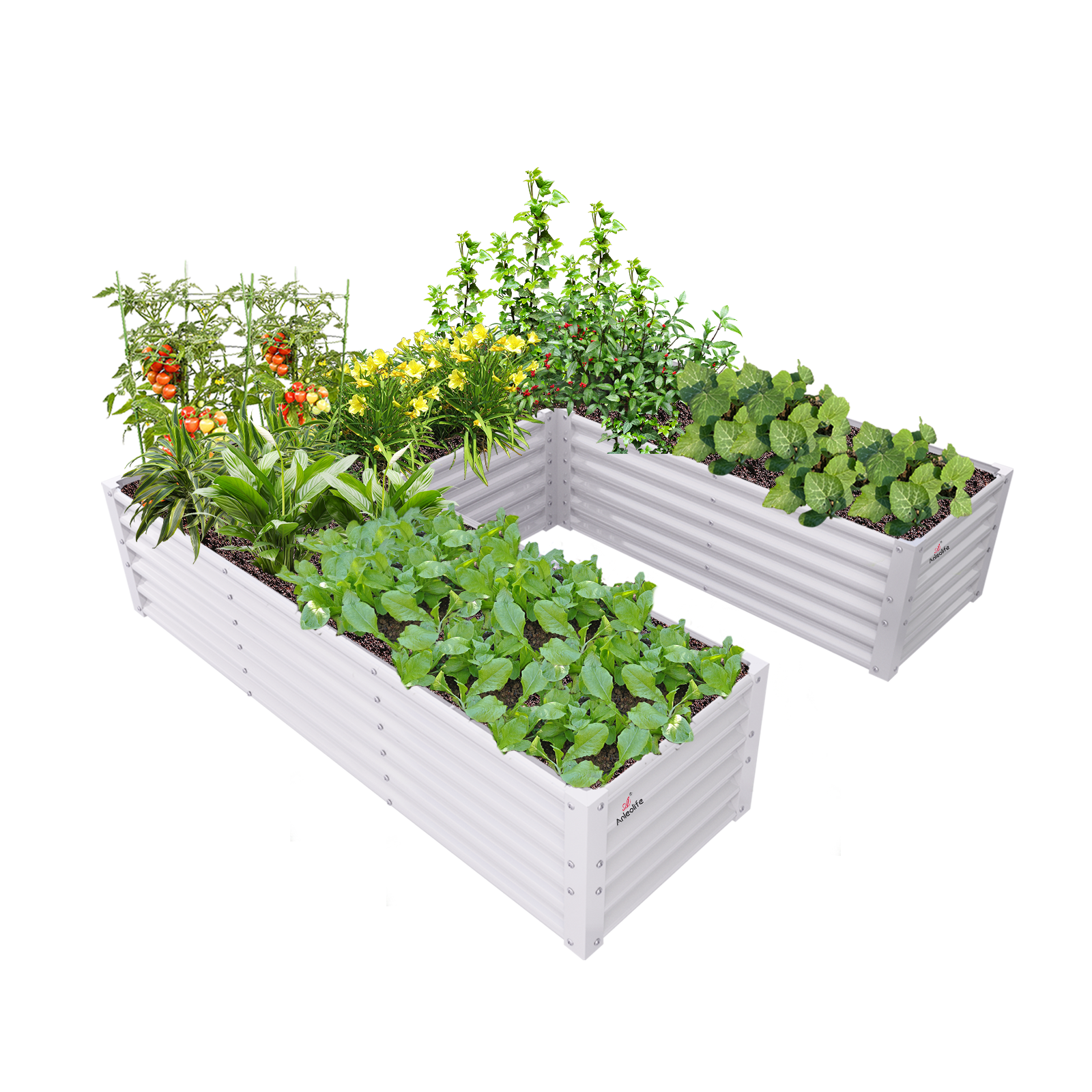
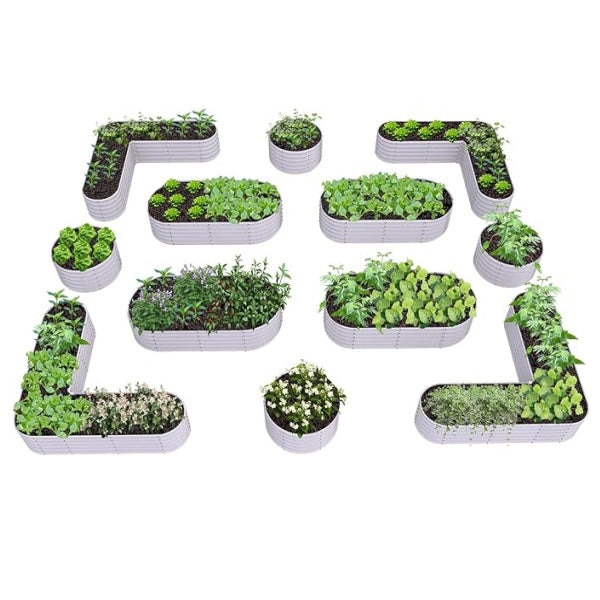
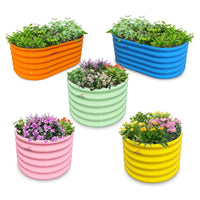
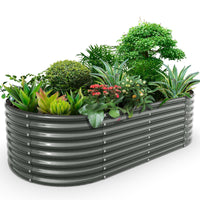
Your raised bed's material, design, and condition also influence how well your soil performs. Galvanized steel raised garden beds from Anleolife, for example, are built to last up to 20 years, which means they're a stable, long-term container for your growing ecosystem. A structurally sound bed — one that isn't warping, leaking, or introducing contaminants — is fundamental to soil health. Beds that hold their shape over decades allow you to invest in building soil quality without worrying about replacing the container.
When selecting or upgrading your raised bed, consider bed depth as well. Taller beds — such as Anleolife's 24" Extra Tall or 30" Extra Tall models — provide significantly more root depth, which directly supports better soil structure and moisture retention. Deeper soil profiles are less prone to compaction near the surface, offer more buffer against temperature extremes, and support a richer biological community.
Frequently Asked Questions FAQ
Q1: How often should I refresh the soil in my raised garden beds?
Most raised bed gardeners should plan to top-dress their beds with 2–4 inches of finished compost at the start of every growing season. A more thorough amendment — incorporating new material throughout the soil profile — is typically needed every 2–3 years, or sooner if you notice compaction, yield decline, or pH issues. Heavy-feeding crops like tomatoes, corn, and squash may require more frequent replenishment than lighter feeders like herbs or greens.
Q2: Is it safe to reuse raised bed soil from a diseased garden without refreshing it?
It is generally not recommended. Many common soil-borne pathogens — including Fusarium, Pythium, and certain nematode species — can persist in soil for multiple seasons. If your plants suffered from consistent fungal disease, root rot, or wilting issues, the safest approach is to remove and replace the top several inches of soil, incorporate beneficial biological amendments, and avoid replanting susceptible crops in the same location for at least one season.
Q3: How much does a full soil refresh for a raised garden bed typically cost?
The cost of a soil refresh depends on bed size and how thoroughly you're amending. For a standard 8x4 ft raised bed, topdressing with quality bagged compost and a soil booster amendment typically costs between $30 and $80 depending on your region and the products you choose. A full soil replacement in the same bed — using a premium raised bed mix — might run $80 to $200. Investing in high-quality compost and amendments annually is significantly more cost-effective than dealing with failed crops or pest infestations caused by neglected soil.
Summary
Keeping your raised bed soil in peak condition isn't glamorous, but it is one of the highest-leverage actions you can take as a gardener. Here are the three core takeaways from this guide:
1. Soil decline is predictable and preventable. Once you know the five signs — compaction, yellowing despite fertilizing, dropping soil levels, persistent pests/disease, and declining yields — you can catch problems early and address them before they derail an entire season.
2. Matching your refresh strategy to the severity of the problem saves time and money. A light topdressing handles mild depletion; a layered amendment or partial replacement is needed for more serious cases. Don't over-invest where a simpler fix will do, and don't under-respond when your soil is truly exhausted.
3. Your raised bed structure matters as much as your soil. A durable, correctly sized, well-built raised bed creates the conditions for long-term soil health. Beds that last 20 years — like those from Anleolife — are platforms for building rich, productive soil ecosystems season after season.
Planning your layout alongside your soil refresh? Don't miss our guide on 5 Common Raised Bed Layout Mistakes to Avoid When Planning Your Summer Garden to make sure your spatial design supports rather than limits your soil's potential.
Ready to Refresh Your Garden This Season?
At Anleolife, we're here to support your garden from the ground up — literally. Our raised garden beds are engineered for durability, designed for real growing conditions, and backed by a team that understands what home gardeners actually need.
Our nationwide U.S. warehouse network — strategically located in California, Texas, Florida, New York, Illinois, and Washington — ensures delivery within 3–8 business days, so your garden upgrade plans never have to wait for the right season. You can find our full range on Amazon, Walmart, Home Depot, Lowe's, Wayfair, and directly at Anleolife.com, all with consistent quality assurance and responsive after-sales support.
Whether you're outfitting your first bed or expanding to a full backyard planting-and-raising ecosystem, Anleolife's three core scenarios have you covered: Planting (metal raised garden beds, soil systems), Raising (chicken coops, rabbit hutches), and Beautification (decorative accessories, pathway systems). Our modular product designs grow with you — from a single 8x4 ft galvanized steel raised garden bed to a fully integrated garden environment built for the long term.
We understand that an ideal garden isn't built overnight. It's built one season, one amendment, and one great harvest at a time. We grow with you every step of the way.
References
- Penn State Extension. "Soil Management in Home Gardens and Landscapes".
https://extension.psu.edu/soil-management-in-home-gardens-and-landscapes - University of California Agriculture and Natural Resources. "Healthy Soils for Sustainable Gardens".
https://ucanr.edu/sites/UrbanAg/Soil/ - National Gardening Association. "Raised Bed Gardening Guide".
https://garden.org/learn/articles/view/694/ - United States Department of Agriculture — Natural Resources Conservation Service. "Soil Health".
https://www.nrcs.usda.gov/conservation-basics/natural-resource-concerns/soils/soil-health - Cooperative Extension System (eXtension). "Composting for the Home Gardener".
https://extension.org/composting-for-the-home-gardener/
Note: Standards and recommendations may be updated periodically. Please check the latest official documents or consult a professional garden advisor for the most current guidance.
About Anleolife
Anleolife is a leading outdoor garden solutions provider in North America, dedicated to offering a full-scenario product ecosystem for home gardening enthusiasts, covering planting, raising, and garden beautification. Since its founding, we have upheld our brand mission, "Made for Garden Life," continuously innovating products and optimizing services to help hundreds of thousands of users upgrade their gardens, reconnect with nature, and enjoy a better garden lifestyle.