



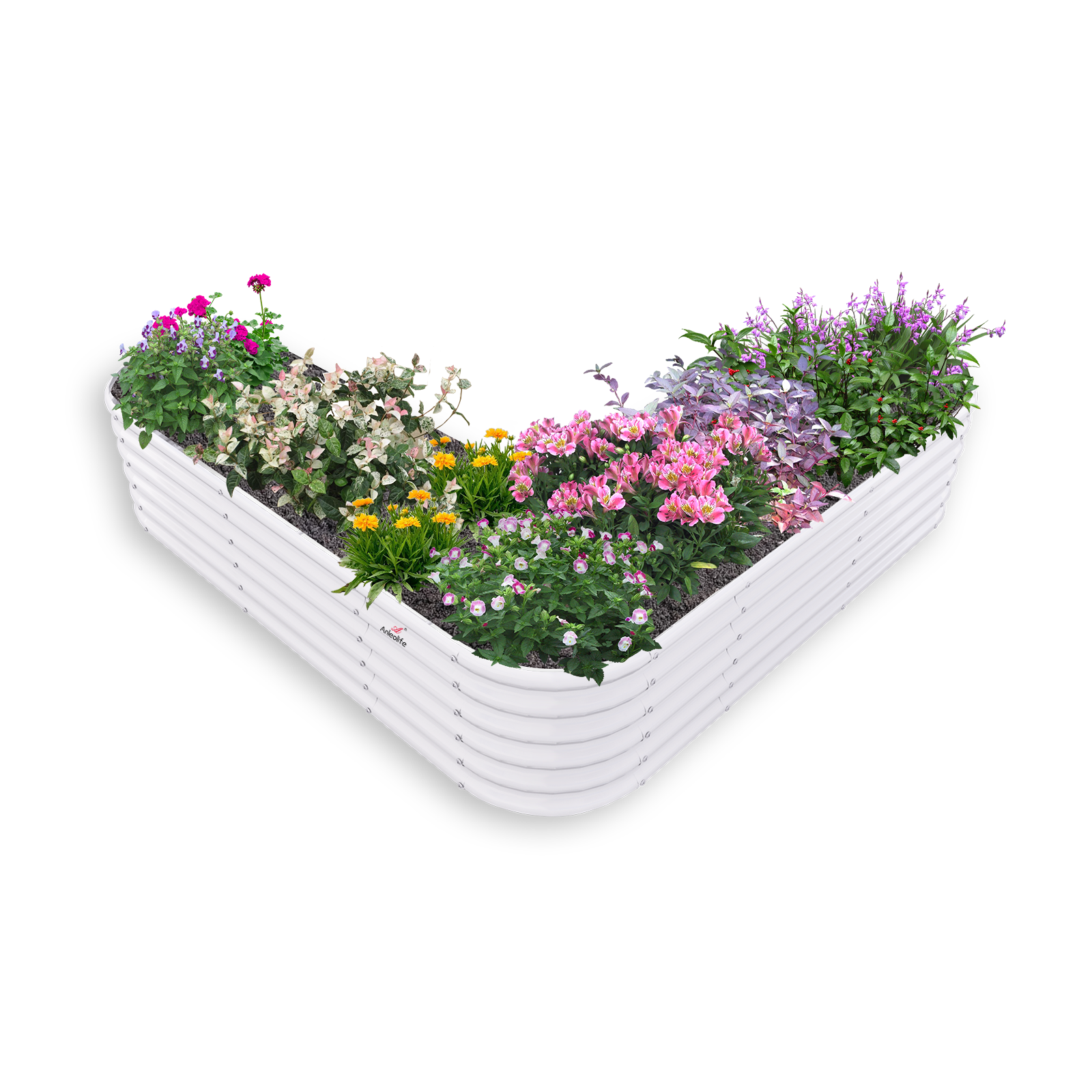
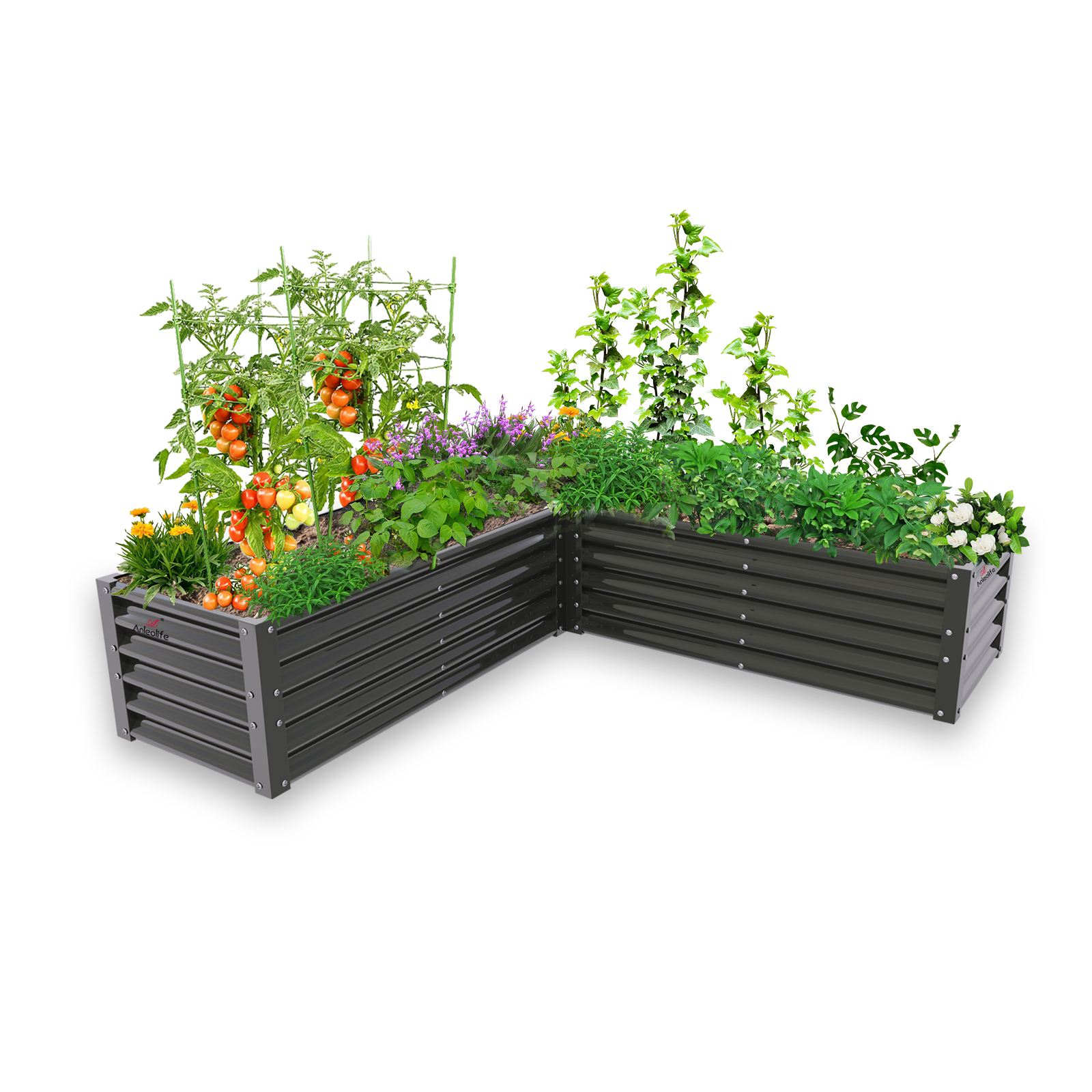
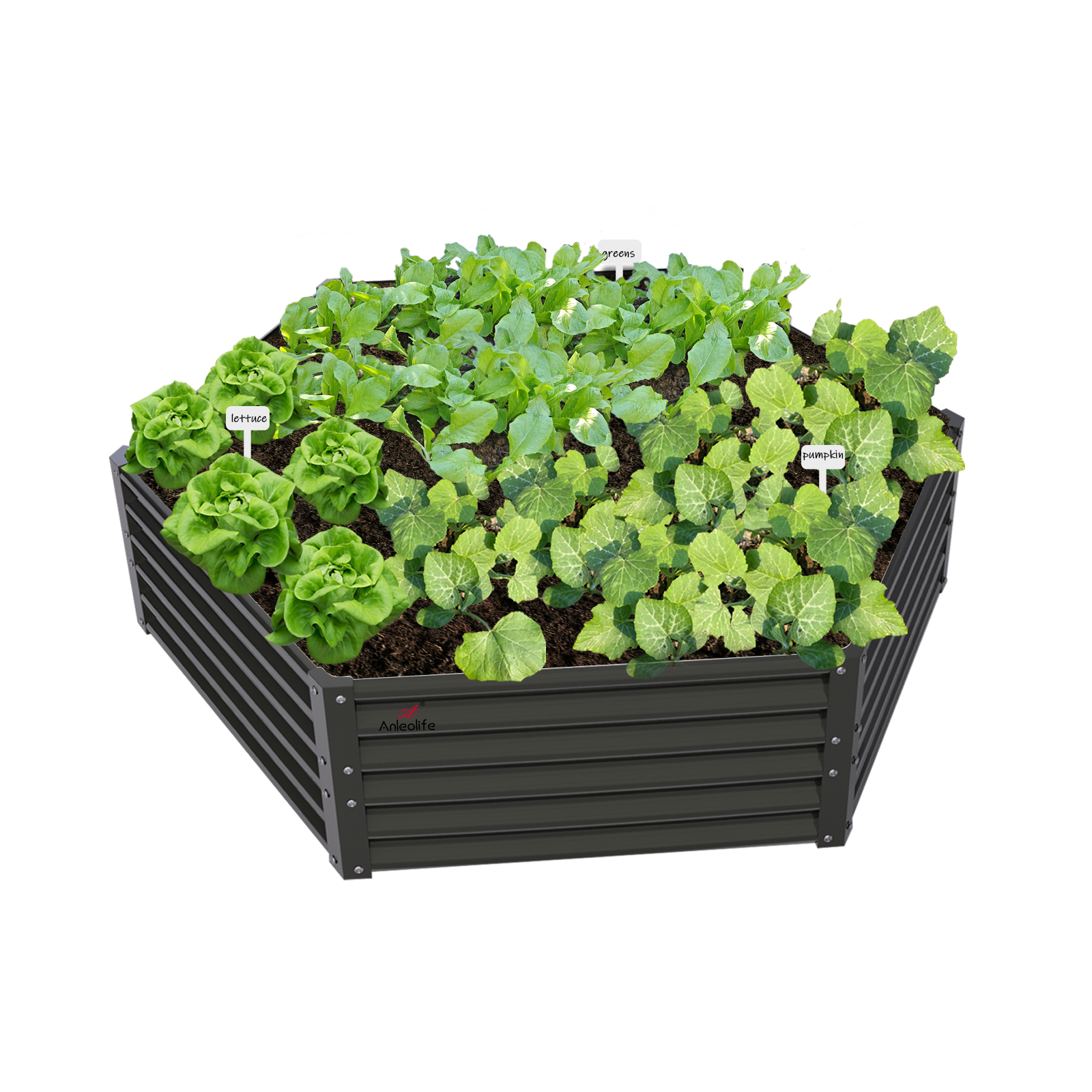
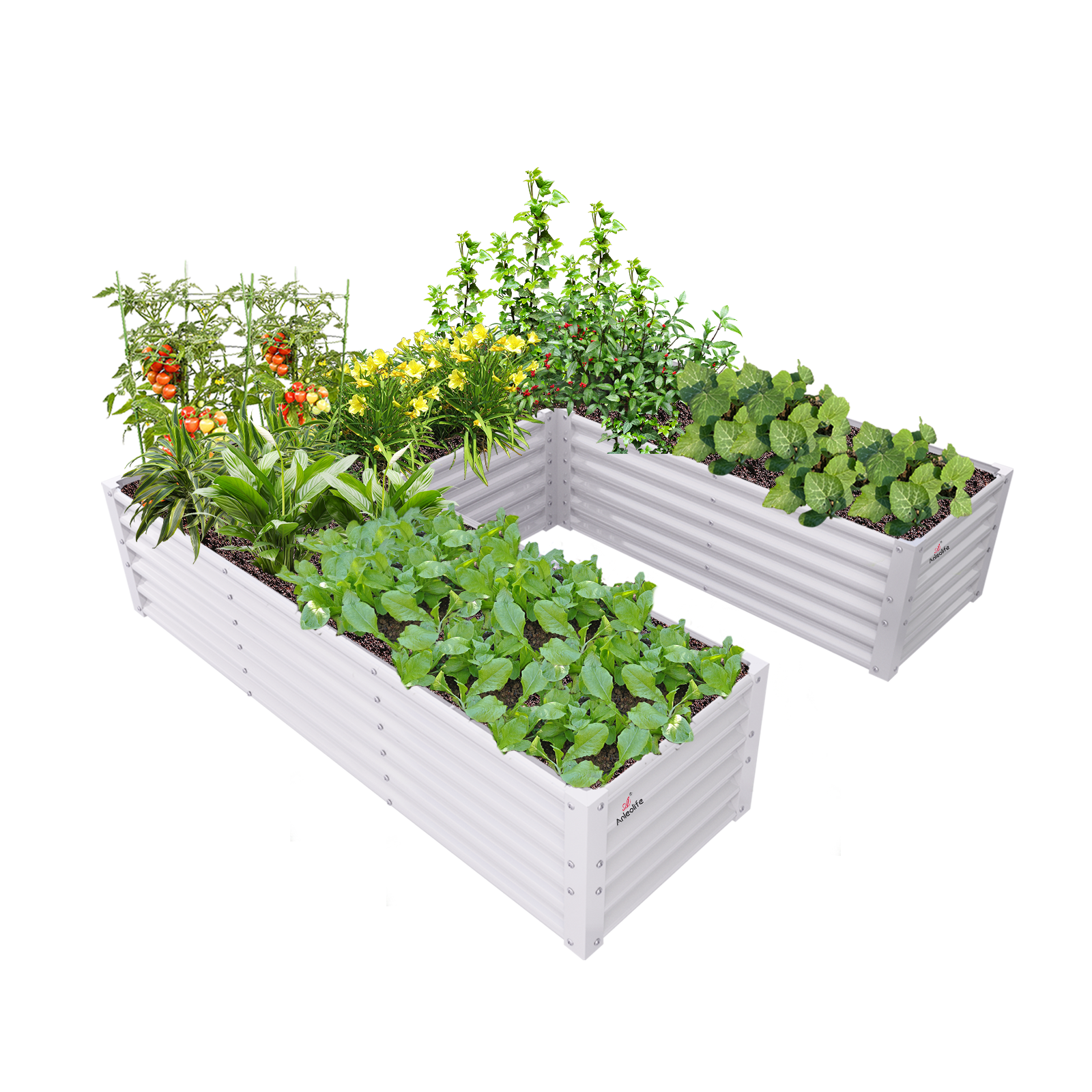

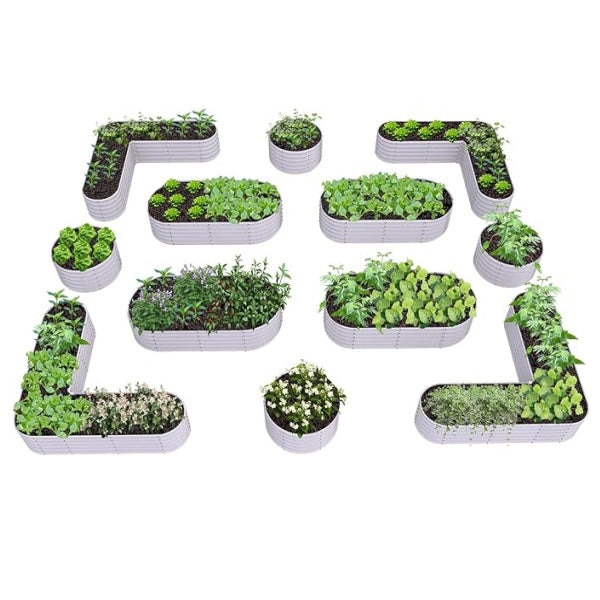


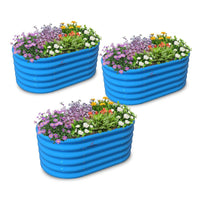
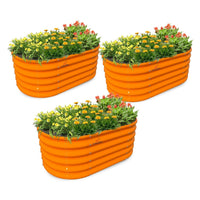
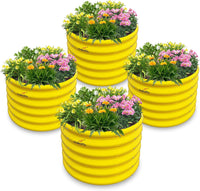
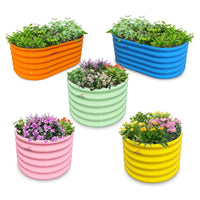
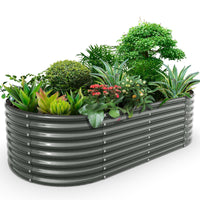



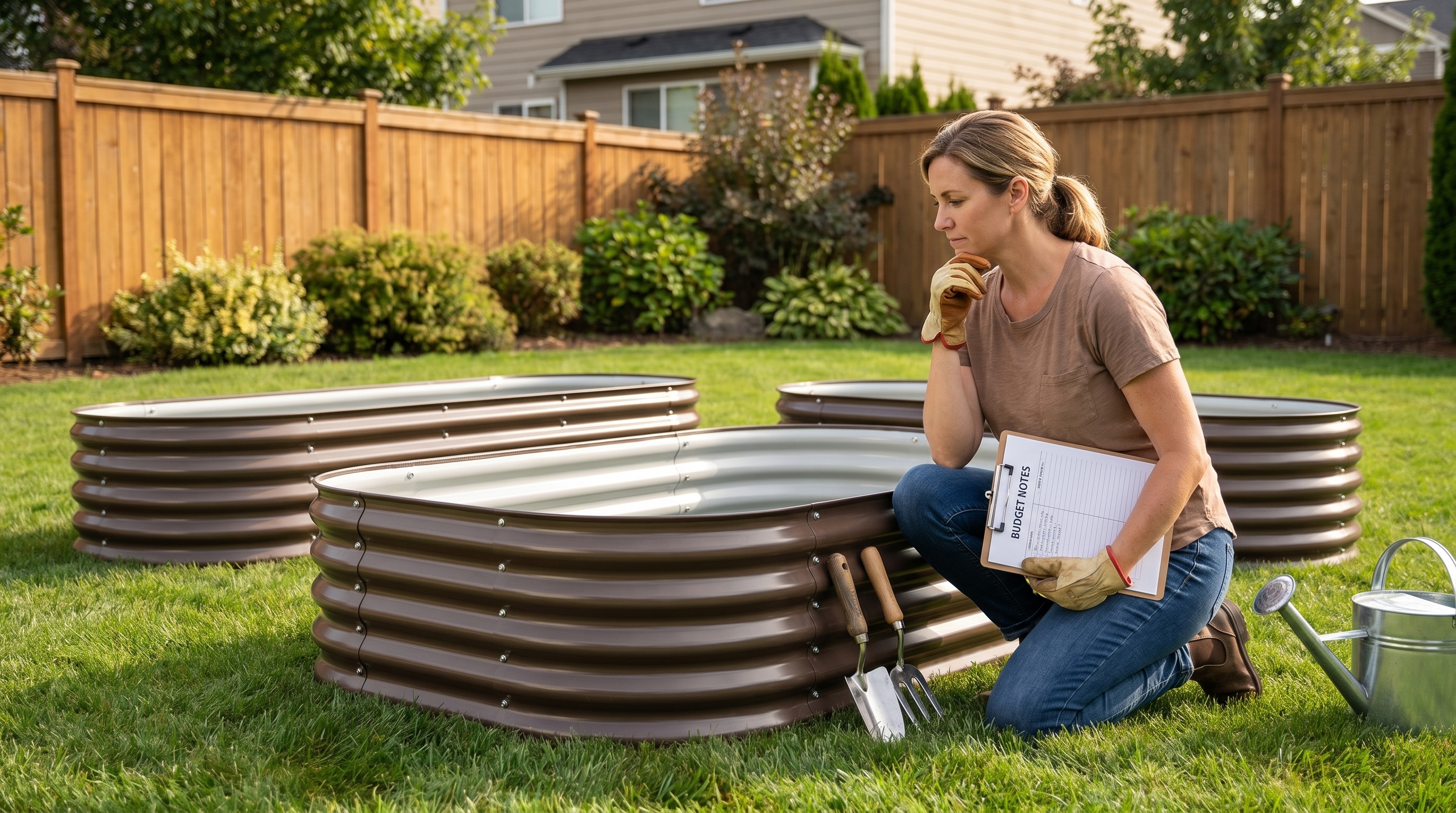
ALT: Smart shopper evaluating raised garden bed quality and materials before making a purchase under $300
What Really Matters When Shopping for a Raised Garden Bed Under $300
Key Conclusion: Shopping for the best raised bed garden under $300 doesn't mean settling for less — it means knowing exactly what to look for. From material durability and size flexibility to eco-friendly design and long-term value, the right raised garden bed should serve your family for years to come. This guide breaks down the five most critical checkpoints that separate a smart buy from a regrettable one, helping you invest confidently within your budget.
Finding a quality raised garden bed at an accessible price point has never been more achievable — but the market is crowded, and not every option delivers real value. With dozens of brands competing for your attention and wallet, it's easy to be swayed by a low sticker price without considering what you're actually getting.
Whether you're a first-time home grower looking to start a vegetable patch, an empty nester reclaiming your backyard, or an eco-conscious family seeking healthier food sources, the choices you make at purchase time will define your gardening experience for years ahead. Let's cut through the noise and focus on what truly matters.
Who Should Read This Guide
✅ Applicable Scenarios:
- First-time buyers comparing raised garden beds online or in stores for under $300
- Home gardeners who want durable, long-lasting materials without overspending
- Urban micro-gardeners or small-yard homeowners who need space-efficient designs
- Eco-conscious families prioritizing non-toxic, rust-resistant materials for food growing
- Retirees or empty nesters looking for ergonomic, low-maintenance garden solutions
❌ Not Applicable/Cautions:
- Buyers looking for large-scale commercial farming setups (different budget tiers apply)
- Anyone expecting decorative planters to function as deep-root vegetable beds — purpose-built raised beds are a different product category
- Shoppers who assume "cheapest price" always equals best value — durability and material safety must come first
Why the $300 Raised Garden Bed Market Is Booming Right Now
The home gardening movement has seen a dramatic resurgence over the past several years. According to the National Gardening Association, millions of American households added food gardens during and after 2020, and that momentum hasn't slowed. Raised bed gardening, in particular, has become the go-to method for families who want better control over soil quality, pest management, and plant yield without the complexity of in-ground planting.
The $300 price bracket is especially interesting because it sits at a sweet spot — above the flimsy, thin-gauge beds that rust after one season, but still accessible enough for the average household budget. However, the surge in demand has also brought a flood of low-quality products that look impressive in listing photos but fail in real-world use.
Many gardeners start asking "is vego garden worth it?" or comparing brands side by side, only to realize they didn't know what specifications to look for until after they made a mistake. This guide exists to change that.
If you're also planning your planting layout and wondering which vegetables grow best in raised beds, check out our guide on Top 10 Vegetables to Grow in a Raised Bed This June and Beyond — it pairs perfectly with what you'll learn here.
Understanding your material options is also foundational. For a deeper comparison, the article on Galvanized Steel Raised Beds: 7 Reasons They Outperform Wood for Summer Gardening offers compelling evidence for why material choice directly impacts your investment's longevity.
The bottom line: spending under $300 wisely is entirely possible — but only if you know what five things to check before clicking "buy."
The 5 Checkpoints That Separate Smart Buys from Budget Regrets
Three-Step Quick Start Before You Begin Comparing
Step 1: Define Your Growing Purpose
Before comparing any products, spend about 10–15 minutes writing down what you intend to grow, how much space you have, and whether ergonomics (like bed height) matter to you. A family growing tomatoes and peppers needs deeper bed walls than someone growing lettuce. This clarity narrows your options dramatically and keeps you from being distracted by features you don't need.
Step 2: Measure Your Available Space
Walk your yard or patio with a tape measure and note the exact footprint you have available. Raised garden beds come in a wide variety of lengths and widths. Knowing your constraints upfront — say, a 10-foot run along a fence or a compact patio corner — will help you match a bed to your layout rather than retrofitting your layout to a bed you impulse-bought.
Step 3: Set a True Budget That Includes Soil and Accessories
The bed itself is only one part of your investment. Soil, compost, seeds or transplants, and optional liners all add cost. Budget $300 for the bed and set aside an additional amount for setup. This mindset prevents buyer's remorse and ensures you're comparing beds on an apples-to-apples basis.
The 5 Factors Compared Across Common Raised Bed Types
When you shop for the best raised bed garden under $300, you'll quickly encounter several material types. Here's how they compare across the five most critical dimensions:
| Comparison Dimension | Galvanized Steel | Untreated Wood | Plastic/Resin |
|---|---|---|---|
| Durability & Lifespan | Up to 20 years with proper coating | 3–7 years depending on species | 5–10 years, UV degradation risk |
| Eco-Friendly Materials | Recyclable, zinc-coated, food-safe options available | Natural but may need chemical treatment | Petroleum-based, limited recyclability |
| Rust & Rot Resistance | High (galvanization + rust-resistant coatings) | Low to moderate (cedar/redwood perform better) | High but prone to cracking |
| Height & Size Flexibility | Wide range from 18" to 35"+ tall | Limited by DIY skill or prefab cuts | Mostly shallow designs |
| Long-Term Value Under $300 | Excellent — many full-size options available | Moderate — quality wood adds up fast | Low to moderate |
The data above reflects general market trends. Always verify specific product specs with your retailer before purchasing.
Checkpoint 1: Material Safety and Eco-Friendliness
The single most important question for food growers is: what is this bed made of, and is it safe?
When you're growing tomatoes, herbs, or root vegetables, whatever material lines your garden bed has a direct relationship with your harvest. The concern about best eco-friendly materials for raised garden beds is not just a marketing trend — it's a legitimate food safety question.
Galvanized steel is the gold standard for most home gardeners today. The zinc coating that protects the steel from corrosion is generally considered food-safe at the trace levels involved in gardening, and numerous studies have confirmed that zinc is not a harmful heavy metal when present in typical soil concentrations. What you want to avoid is treated wood (especially older pressure-treated lumber containing arsenic compounds) or low-grade plastics that leach chemicals over time.
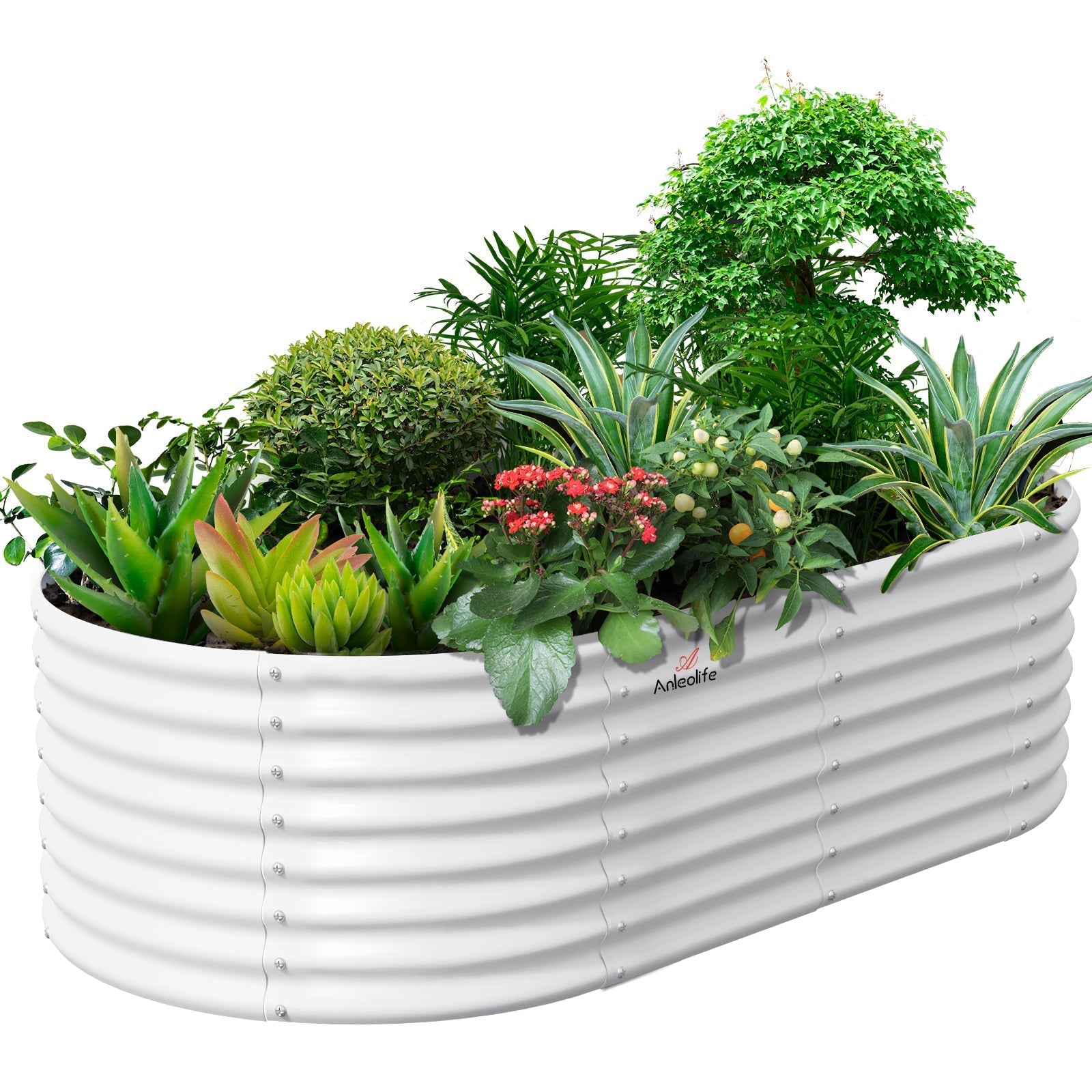
Look for beds explicitly labeled as food-safe, rust-resistant, or zinc-coated. Anleolife's Rust-Resistant Raised Garden Beds and Galvanized Steel Raised Garden Beds are specifically designed with these concerns in mind, making them a reliable choice for families growing edibles.
The best eco-friendly choice is also one that lasts. A product that needs replacement every three years isn't sustainable — environmentally or financially. This is why a rated lifespan of 20 years, like what Anleolife's steel beds are built toward, is such a meaningful spec.
Checkpoint 2: Structural Durability and Lifespan
Ask yourself: will this bed still look and function well five years from now?
Durability is more than a marketing claim — it shows up in gauge thickness, corner joint construction, and protective coatings. Thin-gauge metal beds may look identical in photos to thicker alternatives, but they flex, warp, and rust significantly faster under real outdoor conditions.
When evaluating structural durability, consider:
- Panel thickness: Thicker steel panels resist soil pressure and expansion better over time
- Corner design: Reinforced corner hardware prevents the bowing that ruins rectangular beds over time
- Coating integrity: Galvanization plus powder coating creates a dual barrier against rust
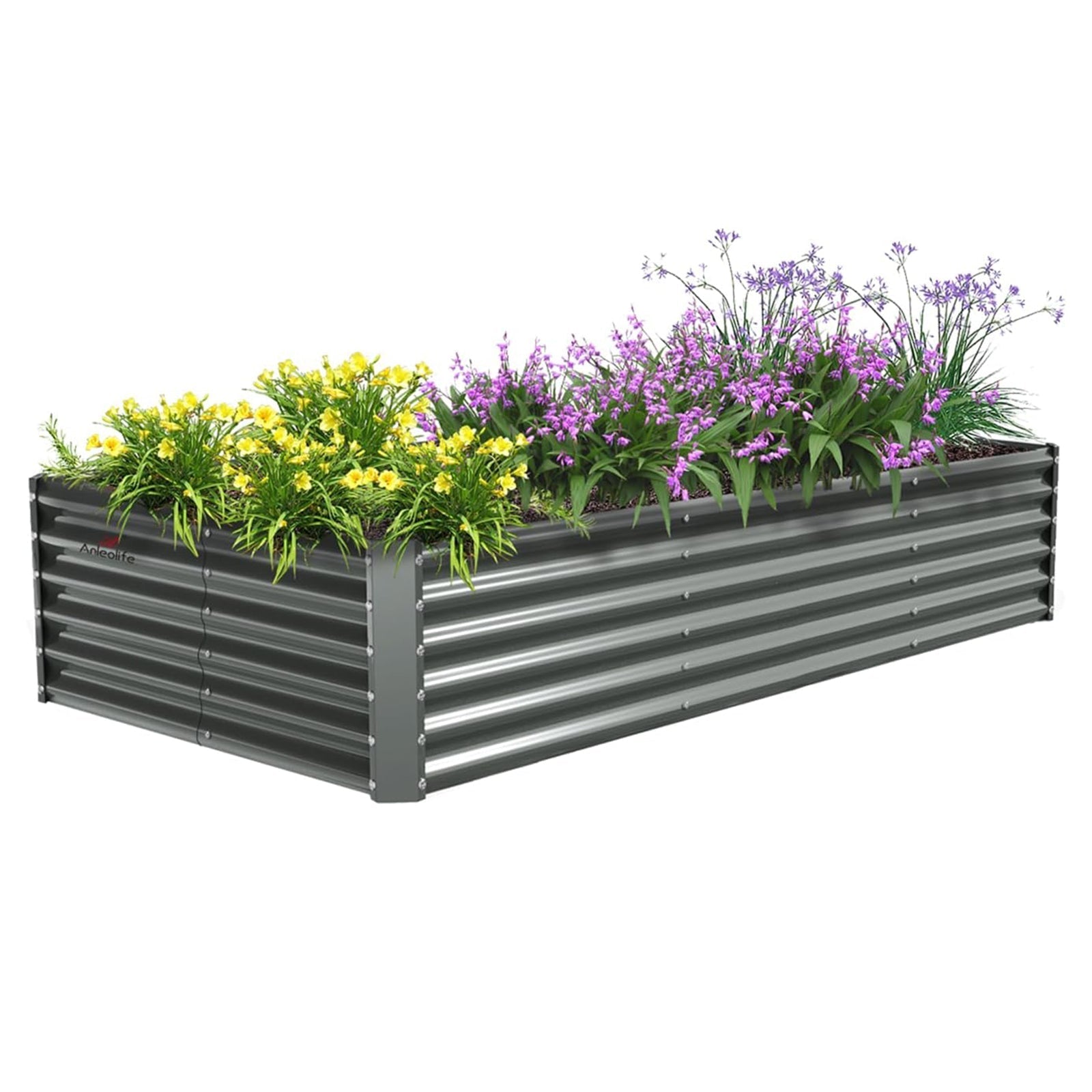
Anleolife's Heavy Duty Raised Garden Beds and Galvanized Steel Raised Garden Beds are engineered with these structural considerations built in, not as afterthoughts. The brand's 20-year lifespan rating reflects a design-forward approach to durability — something that genuinely matters when you're building a long-term garden ecosystem.
If you're curious about maintaining the appearance and performance of metal beds through hot summers, the article on How to Keep Your Galvanized Steel Bed Looking New Through the Summer Heat is worth reading before your first season begins.
Checkpoint 3: Size, Height, and Ergonomics
Does this bed actually fit your body and your space?
This is an underrated consideration that many buyers skip entirely. Bed height determines whether you'll be kneeling, crouching, or comfortably standing while tending your plants — and that difference matters enormously for retirees, people with back problems, or anyone who plans to garden regularly.
Here's a general breakdown of height considerations:
- 18" tall beds are great for standard backyard use and deeper-rooted crops like tomatoes and carrots
- 24" extra tall beds reduce bending significantly and are often preferred by gardeners with limited mobility
- 30" extra tall and 35" waist-high beds function almost like standing workstations — ideal for seniors or anyone who wants to garden without kneeling
Anleolife offers an impressively wide range of heights, from 18" standard beds all the way up to 35" waist-high models, ensuring that everyone from young families to retirees can find an ergonomically appropriate option within budget.
Size also matters for planting strategy. Wondering what the best planter is for a tree or large shrub? Deep-walled, wide beds like the 8x4 ft or 12x3 ft configurations give root systems room to spread properly, while more compact sizes (like 4x2 ft or 4x1.5 ft) suit herbs, greens, and balcony setups. For help thinking through your layout, our guide on Step-by-Step Raised Bed Garden Layout Planning for Summer 2026 Beginners walks you through the decision process clearly.
Checkpoint 4: Assembly Ease and Modular Flexibility
Will you be able to set this up yourself, and can you expand it later?
Under $300, you're likely buying a product you'll assemble at home. That means the quality of the instruction manual, the design of the locking panels, and the hardware included all directly affect your experience. Complex assemblies with unclear instructions are one of the top reasons buyers leave negative reviews for otherwise solid products.
Look for:
- Tool-free or minimal-tool assembly: Panel-locking systems that click or bolt together easily
- Modular compatibility: Can you buy additional sections later to expand your bed footprint?
- Reusability: If you move, can the bed be disassembled and reassembled in a new yard?
Anleolife's Modular Raised Garden Bed line is specifically designed for flexible, expandable configurations. Starting with an 18" tall 6x2 ft setup and growing to a 30" extra tall 8x4 ft system as your gardening ambitions evolve is entirely possible with modular designs. This is a key reason modular beds often represent better long-term value than fixed-size alternatives, even at a slightly higher initial price.
For gardeners with uniquely shaped yards, the article on How to Customize a Modular Garden Bed System for Your Unique Backyard Shape offers practical layout ideas.
Checkpoint 5: Brand Reputation, Warranty, and After-Sales Support
Who is standing behind this product after you buy it?
This is the checkpoint most buyers overlook until something goes wrong. Within the under-$300 bracket, the difference between a reliable brand and a fly-by-night seller often comes down to three things: warranty terms, customer service responsiveness, and return policies.
Before purchasing, verify:
- Warranty coverage: Does the manufacturer offer a warranty? For how long? What does it cover?
- Delivery reliability: Will the product arrive when promised, and in good condition?
- Availability of replacement parts: If a panel warps or a fastener breaks, can you get a replacement without buying an entirely new bed?
Anleolife's nationwide U.S. warehouse network — strategically positioned across California, Texas, Florida, New York, Illinois, and Washington — ensures that orders reach customers within 3–8 business days. Products are also available across major platforms including Amazon, Walmart, Home Depot, Lowe's, Wayfair, and directly at Anleolife.com, giving buyers multiple channels for purchase, support, and returns.
A brand that distributes through major national retailers isn't going to disappear on you. That distribution footprint is actually a meaningful proxy for reliability.
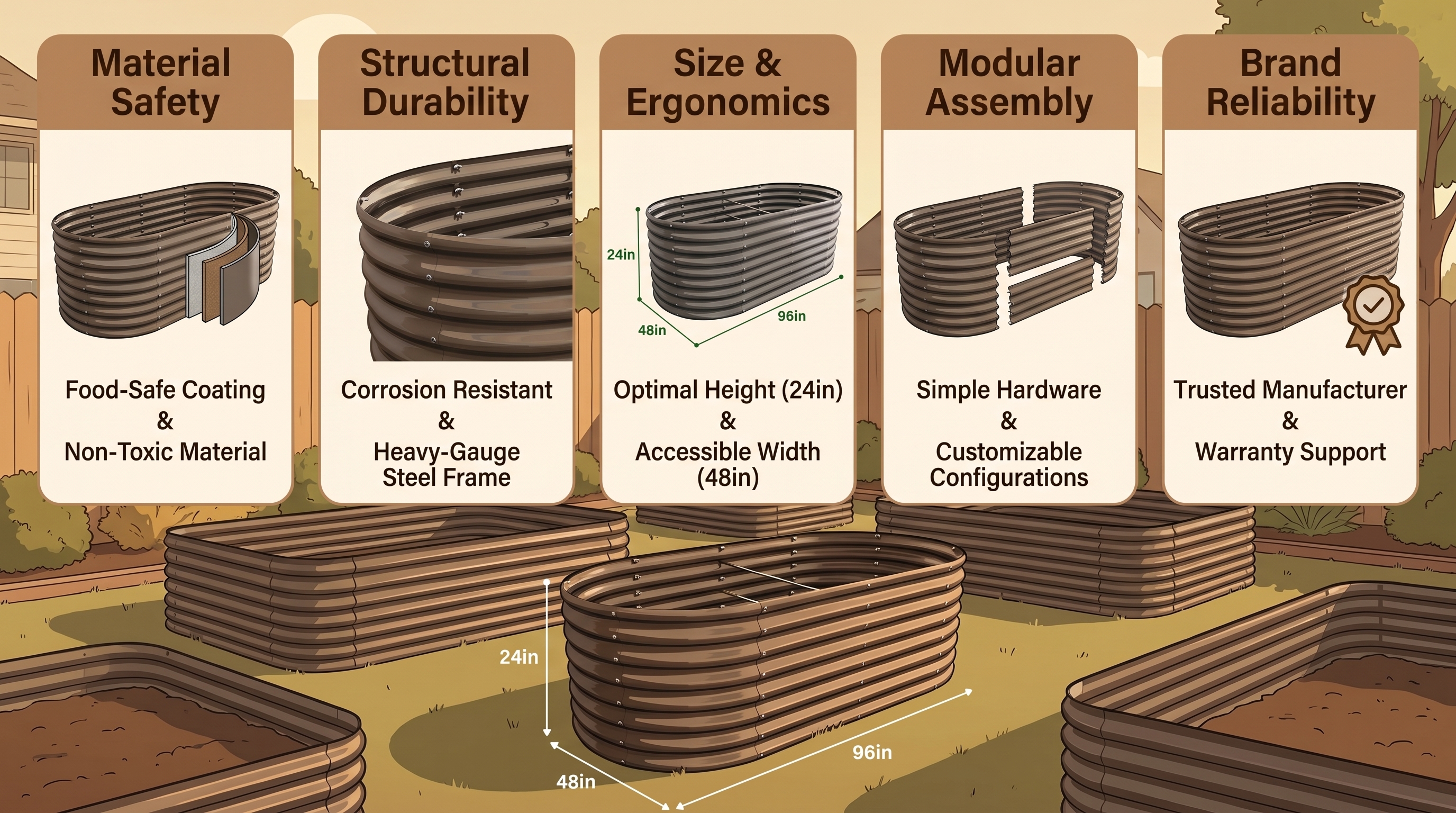
ALT: Raised garden bed buyer's checklist showing material safety, durability, size options, modular assembly, and brand reliability factors
Advanced Considerations: What Budget Buyers Often Miss
Beyond the Bed: Soil Is Half the Battle
Even the most durable, well-designed raised garden bed will underperform if filled with poor soil. Many budget-conscious buyers invest in a great bed and then fill it with cheap topsoil — and wonder why their vegetables struggle. The truth is that what you put inside the bed matters as much as the bed itself. A well-balanced mix of compost, aged manure, and quality growing medium transforms a metal container into a high-yield garden.
For guidance on building the ideal growing environment, explore our article on the Best Soil Recipe for Raised Garden Beds in Summer 2026.
Common Misconception: Higher Sides Always Mean Better Growing
Taller beds sound better, but they're not universally superior. For shallow-rooted crops like lettuce, spinach, and herbs, an 18" bed is perfectly adequate and costs less to fill with quality soil. Reserve the 24"–35" configurations for deep-rooted crops like tomatoes, peppers, root vegetables, and dwarf fruit trees. Matching bed height to intended crops saves both money and soil costs.
The Heat Question for Metal Beds
A frequently asked question is whether metal beds overheat in summer and damage plant roots. While dark metal does absorb heat, galvanized steel beds with light finishes, proper soil depth, and adequate watering maintain safe root-zone temperatures. Research and real-world gardener experience consistently show that well-designed metal beds are safe for vegetables throughout summer. For more on this, see our detailed piece on Are Metal Raised Garden Beds Heat-Safe for Summer Vegetables?
Frequently Asked Questions FAQ
Q1: How do I know if a raised garden bed is made from eco-friendly, food-safe materials?
Look for products that explicitly state food-safe coatings, zinc galvanization, or powder coating free of heavy metal contaminants. Avoid untreated or chemical-treated wood and low-grade plastic resins. Galvanized steel with a rust-resistant finish is widely considered the best eco-friendly material for raised garden beds used in food growing. Reputable brands will list their material certifications or coating specifications in product descriptions. If that information isn't available, that's a red flag worth noting before purchase.
Q2: Is a modular raised garden bed worth the slightly higher price compared to a fixed bed?
Yes, for most home gardeners. Modular beds allow you to start small, learn your preferences, and expand your setup without starting from scratch. They're also easier to reconfigure if your garden layout changes or if you move. For families planning to grow their garden ecosystem over time — adding more beds, different heights, or new planting zones — the modularity pays for itself within two to three growing seasons. Fixed beds are fine for single-use scenarios but lack long-term flexibility.
Q3: How long should a quality raised garden bed under $300 last, and what impacts its lifespan?
A well-constructed galvanized steel raised garden bed, like those from Anleolife, is designed to last up to 20 years. Factors that affect lifespan include coating quality (galvanization and powder coating both matter), panel thickness, climate exposure, and whether the bed is properly lined if used on bare soil. Cheap thin-gauge beds may only last 2–4 seasons before rust or structural warping becomes an issue. Investing in a quality bed within your budget significantly reduces total long-term cost compared to replacing cheap beds repeatedly.
Summary
Shopping for a raised garden bed under $300 is a completely reasonable goal — but only if you know the five things that truly matter before you buy. Let's recap the core value points:
- Material safety and eco-friendliness directly affect the food you grow. Galvanized steel with food-safe coatings is the gold standard.
- Structural durability and a long lifespan — ideally 20 years — mean your investment compounds over time rather than needing repeated replacement.
- Height, size, and ergonomics determine how comfortable and effective your daily gardening experience will be.
- Assembly ease and modular flexibility allow you to start smart and grow bigger as your confidence and garden evolve.
- Brand reputation, warranty, and delivery reliability are your insurance policy against post-purchase regret.
Armed with these checkpoints, you're no longer comparing beds by price alone — you're comparing them by total value, safety, and long-term performance. That shift in perspective is what separates a gardener who's frustrated after one season from one who's still tending a thriving bed a decade from now.
Your next step: measure your space, define your growing goals, and explore raised garden bed options that meet all five criteria. Don't settle for the cheapest listing — settle for the best value.
Ready to Upgrade Your Garden?
Anleolife's nationwide U.S. warehouse network is strategically located in California, Texas, Florida, New York, Illinois, and Washington, ensuring delivery within 3–8 business days — so your garden upgrade plans never have to wait.
Products are available on major e-commerce platforms including Amazon, Walmart, Home Depot, Lowe's, Wayfair, as well as the official website Anleolife.com, providing consistent quality assurance and after-sales service across every channel.
Anleolife covers three core scenarios: Planting (metal raised garden beds, soil systems), Raising (chicken coops, rabbit hutches), and Beautification (decorative accessories, pathway systems) — meeting complete needs from functionality to aesthetics.
We understand that an ideal garden is not built overnight but gradually improved over time. Our modular product design allows flexible expansion based on your needs — from your first compact starter bed to a fully integrated planting-and-raising ecosystem. We grow with you every step of the way.
References
- National Gardening Association. "Garden to Table: A Guide to Growing Food at Home".
https://garden.org - U.S. Department of Agriculture — National Institute of Food and Agriculture. "Home Gardening and Food Safety Resources".
https://www.nifa.usda.gov - University of California Agriculture and Natural Resources. "Raised Bed Gardening".
https://ucanr.edu - Penn State Extension. "Raised Bed Gardening".
https://extension.psu.edu - Environmental Protection Agency (EPA). "Lead in Soil and Raised Bed Safety Guidance".
https://www.epa.gov
Note: Standards and guidelines may be updated over time. Please check the latest official documents or consult professional advisors for the most current recommendations.
About Anleolife
Anleolife is a leading outdoor garden solutions provider in North America, dedicated to offering a full-scenario product ecosystem for home gardening enthusiasts, covering planting, raising, and garden beautification. Since its founding, we have upheld our brand mission, "Made for Garden Life," continuously innovating products and optimizing services to help hundreds of thousands of users upgrade their gardens, reconnect with nature, and enjoy a better garden lifestyle.