


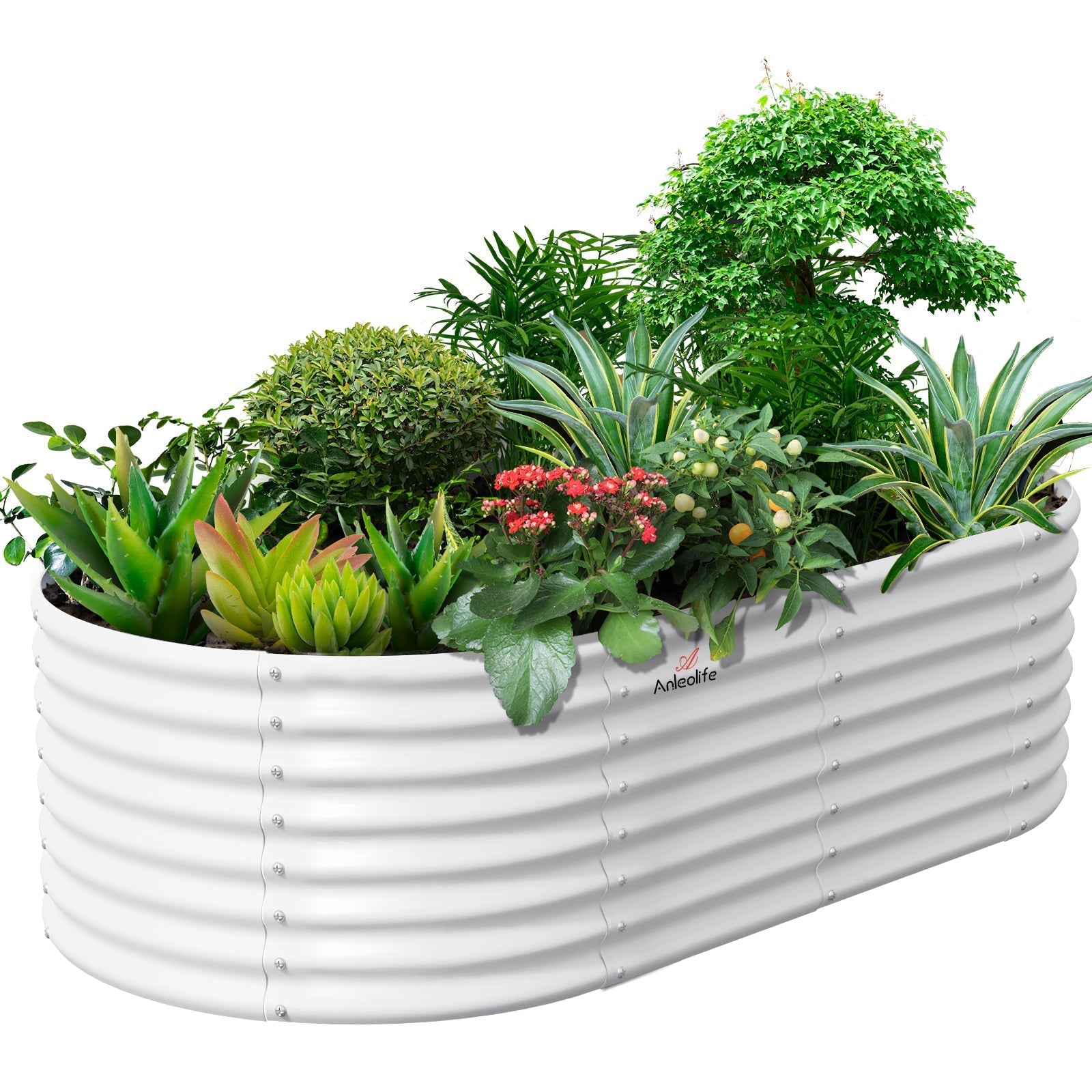
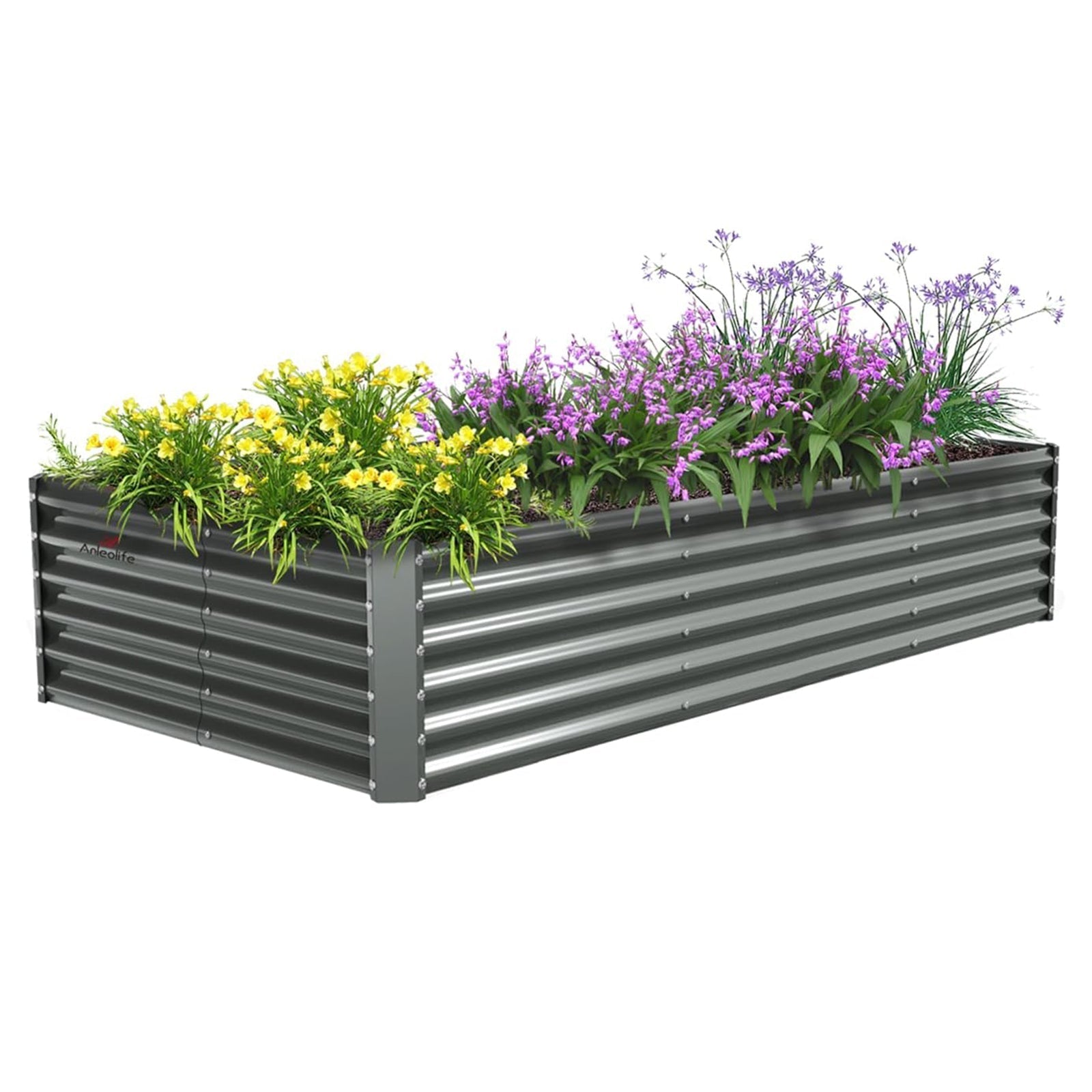

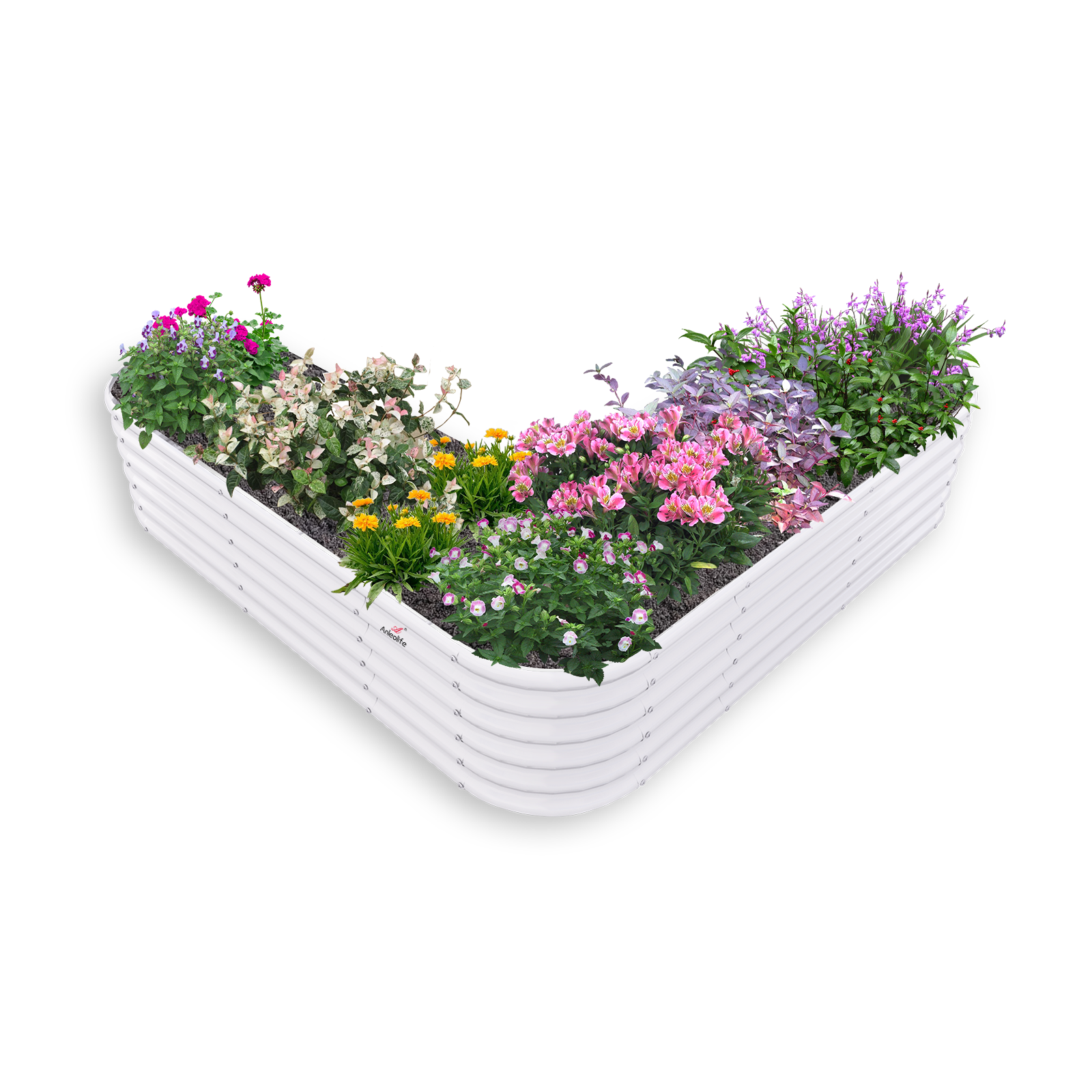
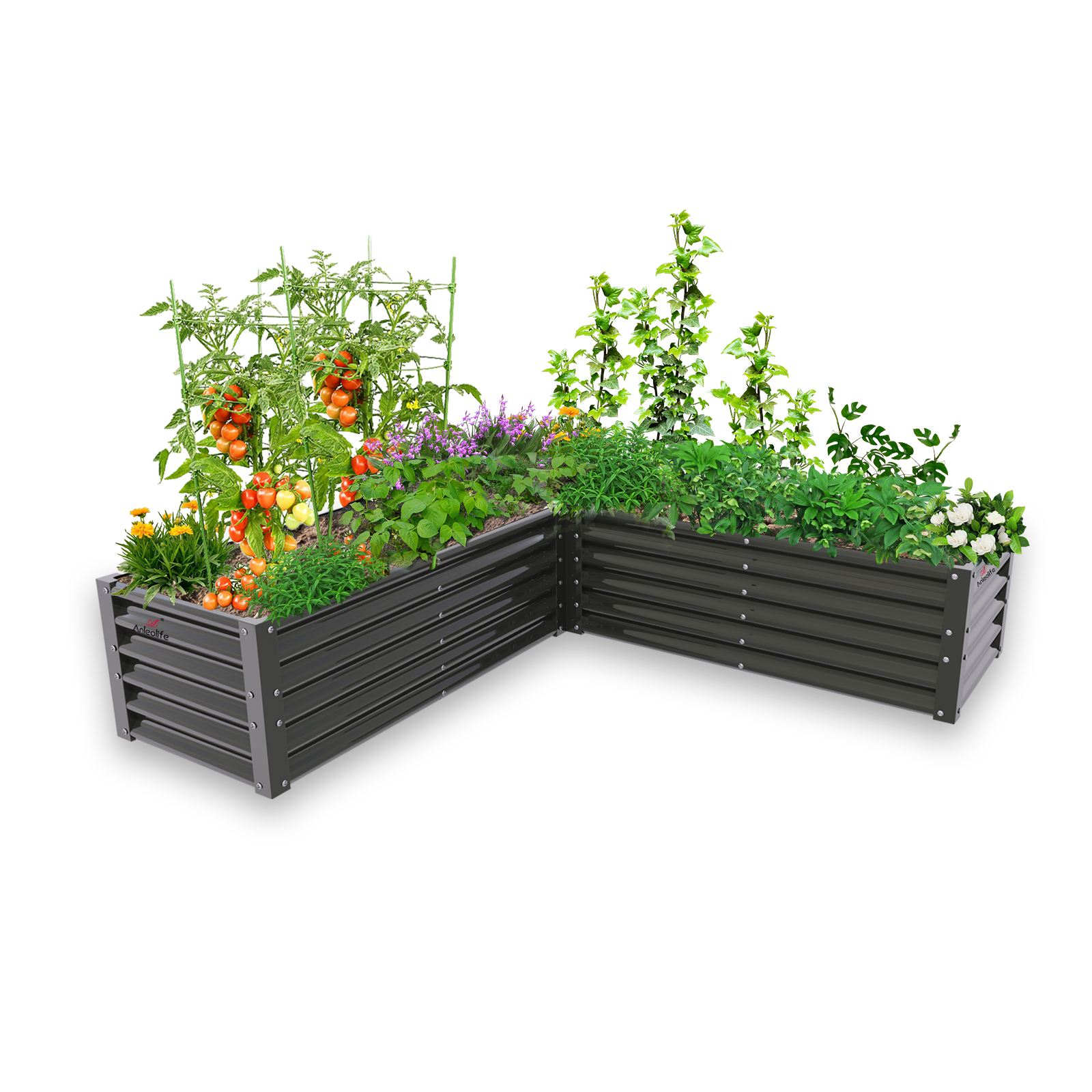
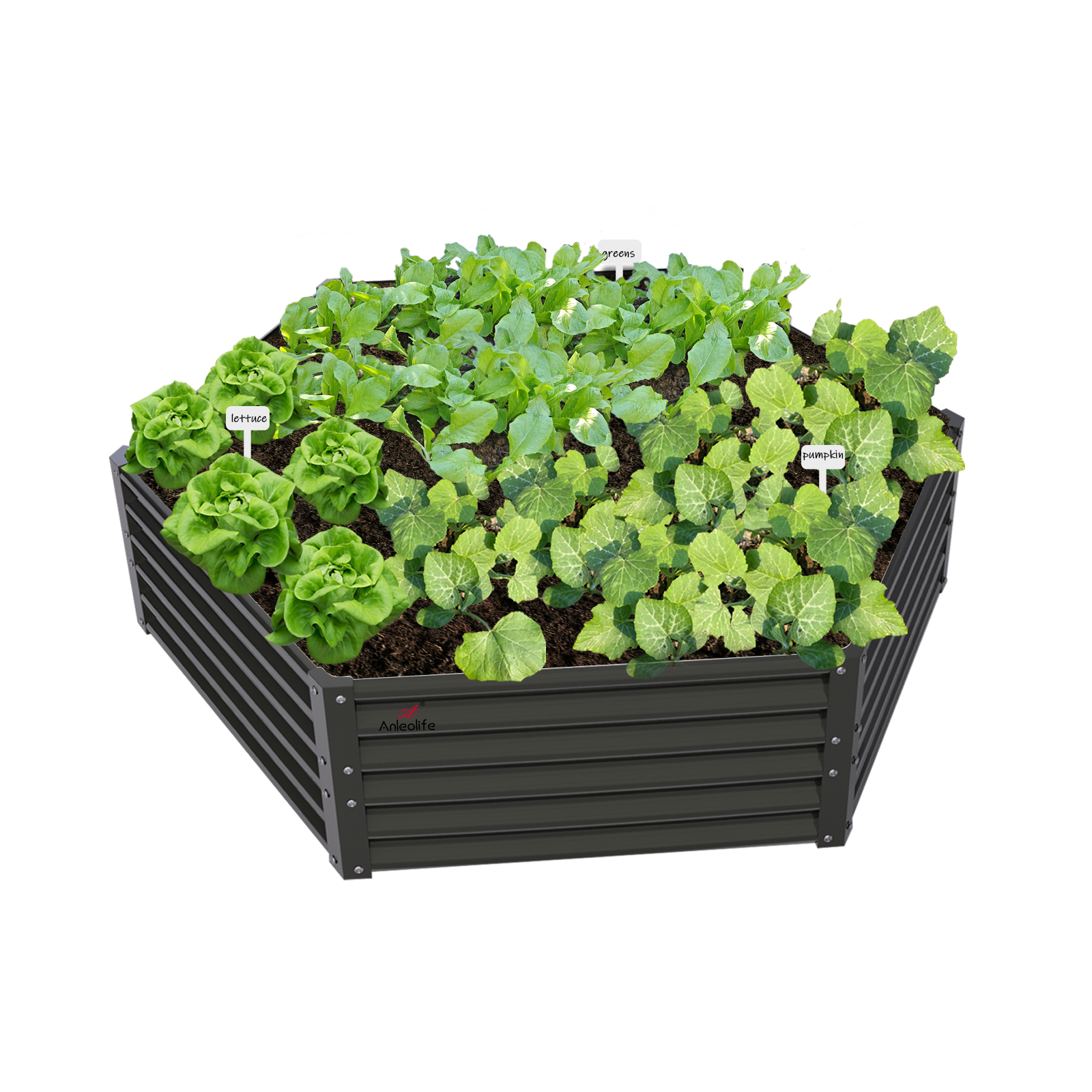
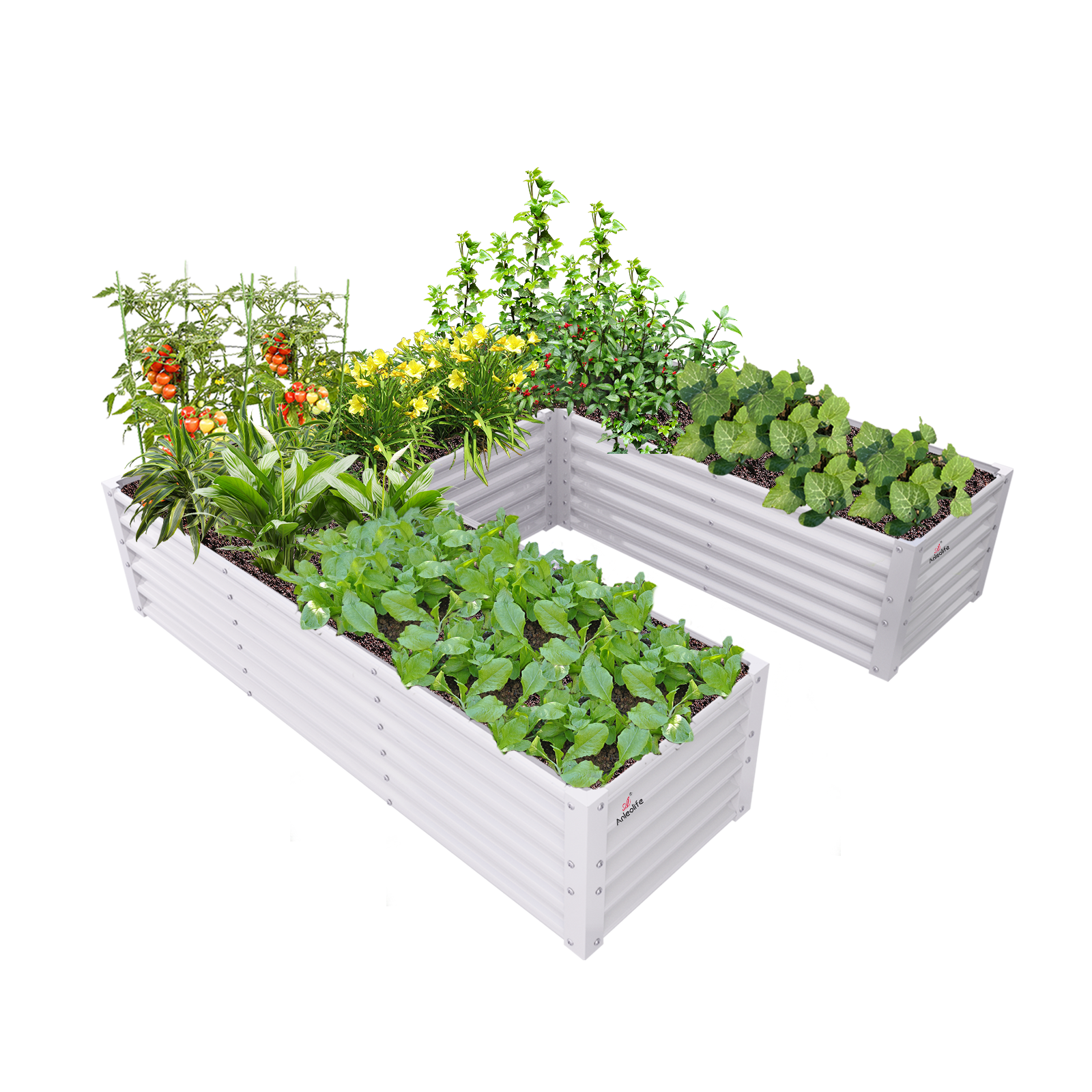

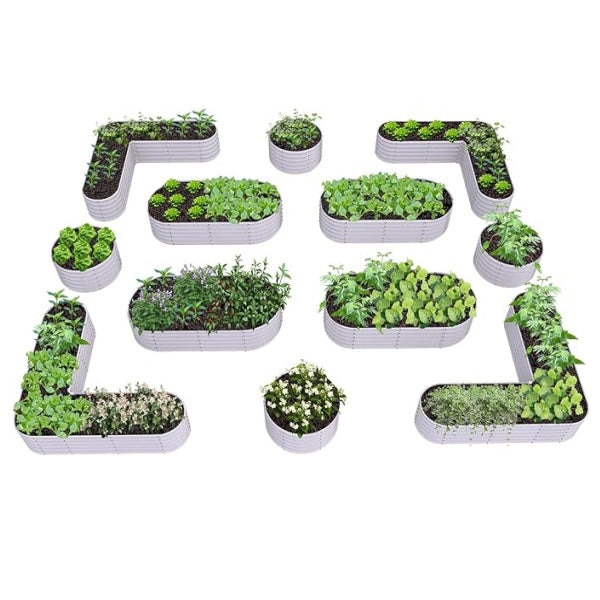


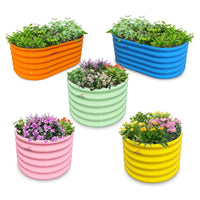
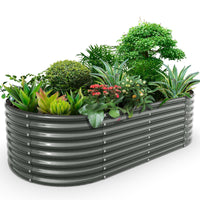




ALT: Gardener avoiding costly raised bed garden layout mistakes by choosing durable metal beds in 2026
Stop Wasting Money: The Real Cost of Getting Your Raised Bed Wrong
Key Conclusion: Most gardeners don't realize they've made a costly raised bed mistake until they're already $200 deep — and staring at warped wood, toxic materials, or a layout that simply doesn't grow food efficiently. Understanding the fundamentals of raised bed garden layout, raised bed planting layout, and raised bed layout planning before you buy is the single most powerful way to protect your investment and grow more food with less frustration in 2026.
It's easier than ever to buy a raised garden bed. A quick scroll on Amazon, a trip to Home Depot, a well-timed sale on Wayfair — and suddenly you're the proud owner of a shiny new raised bed. But here's the uncomfortable truth: the raised bed market has exploded with cheap imitations, misleading specs, and products designed to look great in photos but fall apart after one growing season.
The average gardener spends between $150 and $400 on their first raised bed setup, including materials, soil, and accessories. When that investment fails — due to a poor choice in material, wrong sizing, or a toxic coating — the replacement cost, lost harvest value, and sheer frustration can push total losses well past $200. This guide is built to make sure that never happens to you.
Who This Guide Is For
✅ Applicable Scenarios:
- First-time raised bed buyers who want to avoid trial-and-error mistakes
- Experienced home growers upgrading from DIY wooden beds to longer-lasting solutions
- Urban gardeners with limited space who need to maximize every square foot of raised bed layout
- Empty nesters and retirees investing in a garden that will last decades, not just seasons
- Eco-conscious families who want food-safe, non-toxic growing environments for children and pets
❌ Not Applicable/Cautions:
- Gardeners looking for a one-size-fits-all solution — raised bed choices depend heavily on your climate, space, soil type, and budget
- Those expecting overnight results — even the best raised bed setup requires a full growing season to reach peak productivity
Why Raised Bed Mistakes Are More Expensive in 2026 Than Ever Before
The raised garden bed industry has grown dramatically. According to the USDA, home food gardening participation increased by over 20% post-pandemic, and that growth has attracted a flood of low-cost, low-quality products into the market. Meanwhile, material costs for soil amendments, compost, and hardware have risen, meaning every bad purchase stings more than it used to.
The problem isn't just cost — it's compounding cost. A rotting wooden bed doesn't just need replacement. It contaminates your soil with mold, disrupts your planting schedule, and forces you to re-establish drainage and structure from scratch. A bed coated in the wrong paint or galvanized with unsafe materials can leach chemicals into your vegetables over time, raising serious food safety concerns flagged by both the EPA and FDA.
Then there's the layout issue. An astonishing number of gardeners buy beds that don't fit their available space, don't align with their raised bed planting layout goals, or can't be efficiently reached from both sides for weeding and harvesting. A 4-foot-wide bed placed against a fence wall is a back pain waiting to happen. A bed oriented incorrectly loses hours of sunlight daily.
The good news? Every single one of these mistakes is avoidable. They follow predictable patterns, and once you know what to look for, shopping for a raised bed becomes straightforward and even enjoyable.
For a broader look at how to plan and plant your raised bed ecosystem from start to finish, check out Anleolife's complete guides on metal raised garden bed systems and raised bed garden layout planning at Anleolife.com.
The 7 Raised Bed Buying Mistakes — And Exactly How to Fix Them
Three Steps to Smarter Raised Bed Shopping Before You Spend a Dollar
Step 1: Map Your Space and Sun Exposure (15–30 minutes)
Before opening a single browser tab, walk your yard or patio with a measuring tape and a notepad. Record the exact dimensions of your available growing area and track sun exposure at three points during the day: morning, midday, and late afternoon. Most vegetables require 6–8 full hours of direct sunlight. Knowing your sun patterns shapes every decision that follows — from bed orientation to placement — and prevents one of the most common raised bed layout errors people make.
Step 2: Define Your Growing Goals and Crop List (10–20 minutes)
Are you growing salad greens, root vegetables, tall tomatoes, or a mix of everything? Your crop list determines bed depth (18 inches for greens, 24+ inches for root crops), bed dimensions, and how many beds you realistically need to start. Writing this down before shopping stops you from impulse-buying a decorative bed that looks gorgeous but can't grow a carrot to full depth.
Step 3: Set a Realistic Total Budget — Including Soil (10 minutes)
Most people budget for the bed hardware but forget that filling a 4x8x18-inch raised bed with quality soil costs between $50 and $120 depending on your mix. Factor in soil, compost, irrigation, and optional accessories before locking in your hardware budget. This prevents the scenario where you buy a premium bed but can only afford substandard fill — which tanks your harvest no matter how good the structure is.
The 7 Mistakes Side-by-Side: What to Avoid and What to Choose Instead
Here's a clear comparison of the most common raised bed buying decisions and how they stack up:
| Mistake / Decision Point | Poor Choice | Better Choice | Best Choice |
|---|---|---|---|
| Material Selection | Untreated pine or cedar | Pressure-treated wood | Powder-coated galvanized steel |
| Bed Depth | 6 inches for all crops | 8–10 inches standard | 18–24 inches for root crops |
| Bed Width | 5–6 feet wide | 4 feet wide with access from one side | 4 feet wide with full perimeter access |
| Coating Safety | Unknown paint or zinc coating | Basic galvanization | Food-safe powder coat, certified non-toxic |
| Lifespan Expectation | 2–5 years (wood) | 5–10 years (treated wood) | 20 years (quality steel like Anleolife) |
| Layout Planning | Random placement | Oriented for convenience | Oriented for maximum sun and workflow |
| Vendor Reliability | Marketplace unknowns | Single-platform brand | Multi-channel brand with consistent support |
Breaking Down Each Mistake in Detail
Mistake 1: Choosing the Wrong Material for Your Climate
Wood looks natural and affordable — until your second winter. Untreated pine, often the cheapest option available, begins to rot within 18–24 months in wet climates. Even cedar, which is naturally more rot-resistant, typically lasts only 5–7 years before structural integrity fails. In humid Southern states like Florida and Louisiana, that timeline shrinks further.
Galvanized steel has become the material of choice for serious home growers, and for good reason. Quality steel beds coated with food-safe powder coatings resist rust, pests, soil acids, and freeze-thaw cycles without leaching harmful chemicals into your growing medium. Anleolife's metal raised garden beds are built to last up to 20 years, making the per-year cost dramatically lower than any wooden alternative — even premium cedar.
If you're in a region with harsh winters or high humidity, galvanized steel isn't a luxury upgrade. It's the financially smart baseline.
Mistake 2: Ignoring Bed Depth for Your Specific Crops
Depth is the most underestimated spec on any raised bed listing. Gardeners consistently buy 6-inch beds expecting to grow everything in them — and then wonder why their carrots come out stunted, their tomatoes look stressed, and their root vegetables taste bland.
The rule of thumb: leafy greens and herbs do fine at 6–8 inches. Tomatoes, peppers, and most fruiting vegetables need at least 10–12 inches. Root crops like carrots, beets, and parsnips need 12–17 inches of loose, uncompacted growing medium to develop properly. Buying a deeper bed upfront is almost always cheaper than adding risers or building a second structure later.
Mistake 3: Getting the Dimensions Wrong for Your Raised Bed Layout
This is where raised bed layout planning makes or breaks your experience. The classic mistake: buying a 5- or 6-foot-wide bed to maximize square footage, then discovering that reaching the center from the side is impossible without stepping into the bed and compacting the soil you worked hard to keep loose.
The 4-foot-wide raised bed has become the industry standard for a reason — it allows full arm's reach access from both sides without stretching. Paired with a well-thought-out raised bed planting layout that keeps taller plants toward the north end (in the Northern Hemisphere) and shorter crops toward the south, you maximize both access and sunlight for every plant.
Length is more flexible — 4x4, 4x8, and 4x12 configurations are all popular — but width should almost never exceed 4 feet unless you have a full center access path.
Mistake 4: Overlooking Coating Safety for Food Production
This one carries real health implications, not just financial ones. Some lower-cost galvanized beds use older zinc coatings or contain trace heavy metals that, while not immediately dangerous, can accumulate in soil and potentially in crops over time. The EPA has specific guidance on materials safe for use in food-growing applications, and it's worth reviewing before purchasing.
Look for beds explicitly marketed as food-safe, using powder coat finishes that have been tested and certified to be free of lead, cadmium, and other harmful compounds. Reputable brands publish this information clearly. If a product listing doesn't mention coating composition or food safety, that silence is a red flag.
Mistake 5: Underestimating the Real Lifespan of Your Investment
A $60 wooden kit that lasts 3 years costs you $20 per year. A $200 galvanized steel bed that lasts 20 years costs you just $10 per year — and gives you a stable, aesthetically consistent garden structure that adds real curb appeal to your property.
When you calculate the cost of replacement materials, the labor of tearing out and rebuilding, the disrupted growing season, and the soil disturbance involved in replacing a rotted bed, cheap short-lived materials are never actually cheaper. This is the math that shocks most people when they see it written out clearly.
Anleolife's raised garden beds are engineered specifically for this 20-year service life, designed with reinforced panels, rust-resistant coatings, and structural stability that holds up against soil pressure, root expansion, and seasonal weather extremes.
Mistake 6: Buying Without a Planned Raised Bed Garden Layout
Impulse buying a raised bed without planning your full raised bed garden layout is like buying furniture before measuring your living room. The most common consequences: beds placed in low-sun areas that produce half the expected yield; beds oriented east-to-west when north-to-south orientation would have provided 30% more daily sun exposure; beds placed too close together to walk between, let alone operate a wheelbarrow.
Spend 30 minutes sketching your space before purchasing. Map where your water source is, where sun falls throughout the day, and how you'll move between beds during harvest. This planning is free — and it's the highest-value activity you can do before spending a single dollar on hardware.
Mistake 7: Buying From an Unreliable Vendor Without Post-Sale Support
The raised bed market is full of one-season vendors who flood platforms like Amazon with cheap inventory and disappear when warranty claims arise. The consequences are predictable: a bent panel arrives, a missing bolt is discovered mid-assembly, or a coating defect shows up after the first rain — and there's no customer support to contact.
Buying from a brand with consistent multi-platform presence, real customer reviews across multiple independent channels, and a clearly published support process dramatically reduces this risk. It also signals the kind of quality commitment that produces products worth warranting in the first place.

ALT: Side-by-side comparison of failed wooden raised bed versus long-lasting galvanized steel raised bed garden layout with healthy crops
Advanced Considerations for Serious Raised Bed Gardeners
Soil Contamination and Site Preparation
Even the best raised bed becomes a liability if it's placed over contaminated soil without proper barrier protection. If your property has a history of painted structures, industrial activity, or unknown fill materials, the EPA and UC ANR both recommend soil testing before establishing any food-producing garden. A quality landscape fabric or solid bottom panel between your raised bed and existing ground provides an added layer of protection.
Thermal Management in Hot and Cold Climates
Metal beds absorb and radiate heat more efficiently than wood — which is an advantage in cool climates (soil warms faster in spring, extending your growing season) but requires management in hot climates (consider light-colored powder coats and positioning beds where afternoon shade provides some relief during peak summer heat). This is a nuance that cheap product listings never mention but that significantly affects growing outcomes.
Modular Expansion: Plan for Year Two Now
One of the smartest things you can do when buying your first raised bed is choose a brand whose products are modular and expandable. Your gardening ambitions almost always grow faster than your initial setup accommodates. A system where you can add beds, stack risers for deeper growing, or integrate pathway and aesthetic accessories without starting over from scratch saves significant money and planning headaches in your second and third growing seasons.
Common Misconceptions Worth Addressing
Misconception: Galvanized steel will poison my vegetables. Modern food-safe powder-coated steel beds do not leach harmful levels of zinc or other metals into food-safe soil at normal garden pH levels. OSU Extension and UC ANR both confirm that well-coated steel beds are safe for vegetable production when using quality growing medium.
Misconception: Deeper is always better. While depth matters for root crops, excessive depth increases both cost and the volume of quality soil you need to purchase. Match depth to your crop plan — don't over-engineer.
Frequently Asked Questions
Q1: How do I choose the right raised bed depth for a mixed vegetable garden?
For a mixed vegetable garden growing both greens and root crops, a 18-inch depth is the most versatile starting point. It accommodates most herbs, lettuces, tomatoes, and peppers comfortably, and while it's slightly shallow for the deepest-rooting carrots, a loose, well-amended growing medium extends effective rooting depth beyond the bed wall. If you're committed to serious root vegetable production, consider a 24-inch bed or a modular riser system that can add depth incrementally.
Q2: Is galvanized steel truly safe for growing vegetables and herbs?
Yes — when the steel is coated with a food-safe, non-toxic powder coat finish that has been independently verified. Both the EPA and OSU Extension confirm that modern galvanized steel beds, particularly those using food-grade coatings, do not leach harmful concentrations of heavy metals into garden soil under normal growing conditions. Always purchase from brands that explicitly state their coating composition and food-safety certifications, and avoid beds where coating materials are undisclosed.
Q3: How long does it take to receive a raised bed, and what's the real total cost including soil?
Delivery timelines vary by vendor location and logistics, but quality brands with established U.S. warehouse networks typically deliver within 3–8 business days. For total cost planning, add your hardware cost to a soil budget of approximately $50–$120 per 4x8x18-inch bed for a quality blended growing mix (topsoil, compost, and perlite or vermiculite). Factor in irrigation if you're setting up multiple beds, which can add another $30–$80 depending on your solution complexity.
Summary
Avoiding the seven most common raised bed buying mistakes comes down to three core principles:
First, plan before you purchase. Map your space, define your crop list, and sketch your raised bed garden layout before spending a dollar. This 30-minute investment prevents the most expensive mistakes in this entire guide.
Second, think in decades, not seasons. The math is simple: a bed that lasts 20 years at $200 is dramatically cheaper than a $70 bed you replace every 3 years. Material quality, coating safety, and structural engineering are worth paying for — and the best brands make that investment accessible without breaking the bank.
Third, buy from brands that stand behind their products. Multi-channel availability, transparent material specifications, consistent customer reviews, and real post-sale support aren't just nice-to-haves — they're indicators of the quality commitment that produces products worth buying in the first place.
Your raised bed garden is an investment in your health, your food security, your outdoor living space, and your quality of life. Getting it right from the start isn't perfectionism — it's just good sense.
Ready to Build a Raised Bed Garden That Lasts 20 Years?
Anleolife makes it simple to get everything right the first time.
Nationwide U.S. Warehouse Network: Strategically located in California, Texas, Florida, New York, Illinois, and Washington — your order ships and arrives in 3–8 business days, so your garden upgrade plans never have to wait for the right growing window.
Multi-Channel Sales Network: Anleolife products are available on Amazon, Walmart, Home Depot, Lowe's, Wayfair, and directly at Anleolife.com — with consistent quality assurance and responsive after-sales support no matter where you shop.
Three Complete Garden Scenarios: Whether you're focused on Planting (metal raised garden beds and soil systems), Raising (chicken coops and rabbit hutches), or Beautification (decorative accessories and pathway systems), Anleolife covers every dimension of your garden life — from pure functionality to genuine aesthetic pride.
We understand that an ideal garden isn't built overnight. It's grown gradually, season by season, bed by bed. Our modular product design allows flexible expansion based on your evolving needs — from your very first 8x4x2 raised garden bed to a fully integrated planting-and-raising ecosystem. We grow with you, every step of the way.
Explore Anleolife Raised Garden Beds →
References
This article is based on the following official materials (as of January 2026):
- [USDA]. "Home Gardening and Food Production Resources."
https://www.usda.gov/ - [EPA]. "Protecting Public Health in Community Gardens — Soil Safety and Contaminant Guidance."
https://www.epa.gov/ - [UC ANR]. "Raised Bed Gardening: Site Selection, Materials, and Soil Health for Home Growers."
https://ucanr.edu/ - [OSU Extension]. "Food Safety in the Home Garden: Raised Beds, Soil Testing, and Safe Materials."
https://extension.oregonstate.edu/
Note: Material safety standards and gardening guidelines may be updated. Please consult the latest official documents or a local extension service advisor for region-specific recommendations.
About Anleolife
Anleolife is a leading outdoor garden solutions provider in North America, dedicated to offering a full-scenario product ecosystem for home gardening enthusiasts, covering planting, raising, and garden beautification. Since its founding, we have upheld our brand mission, "Made for Garden Life," continuously innovating products and optimizing services to help hundreds of thousands of users upgrade their gardens, reconnect with nature, and enjoy a better garden lifestyle.