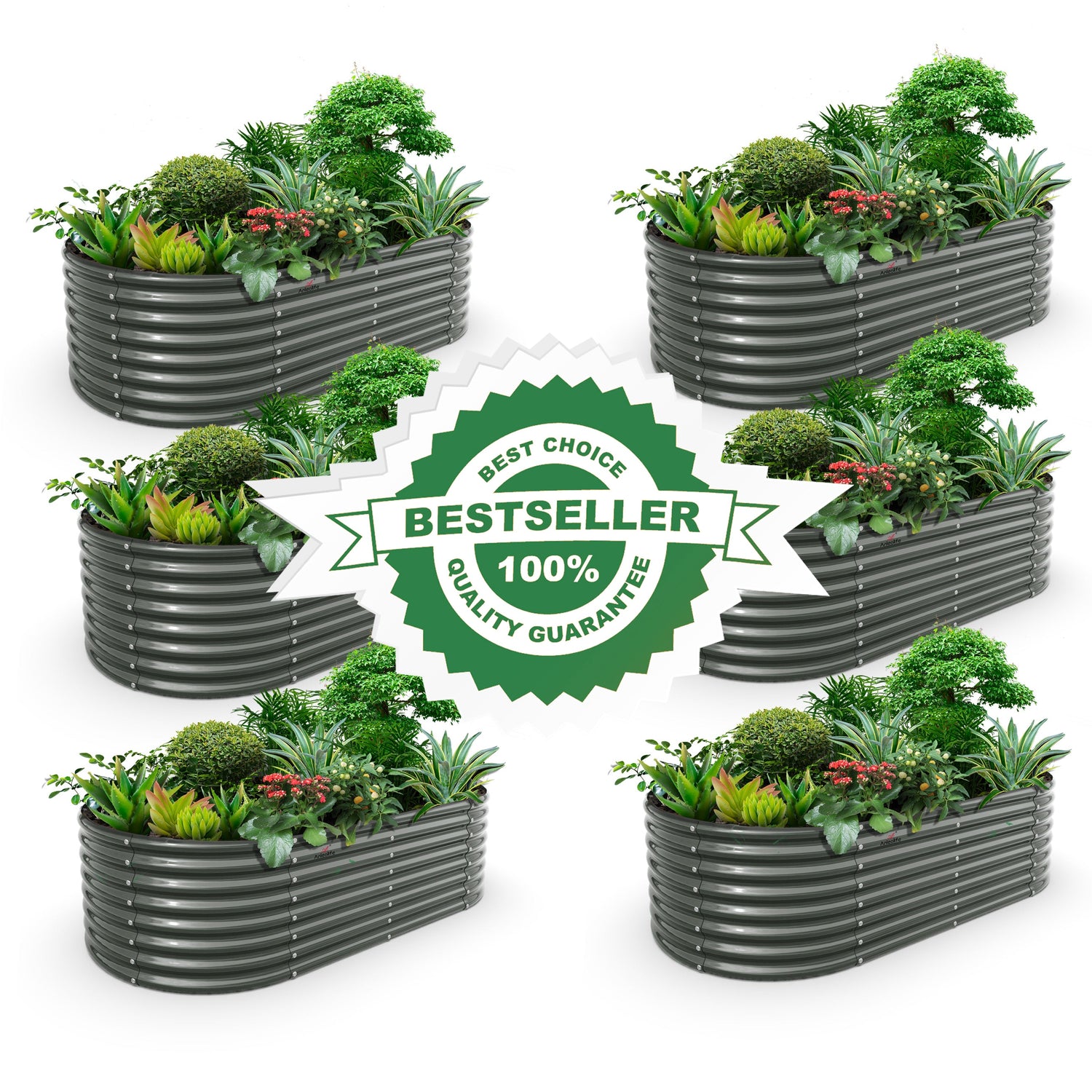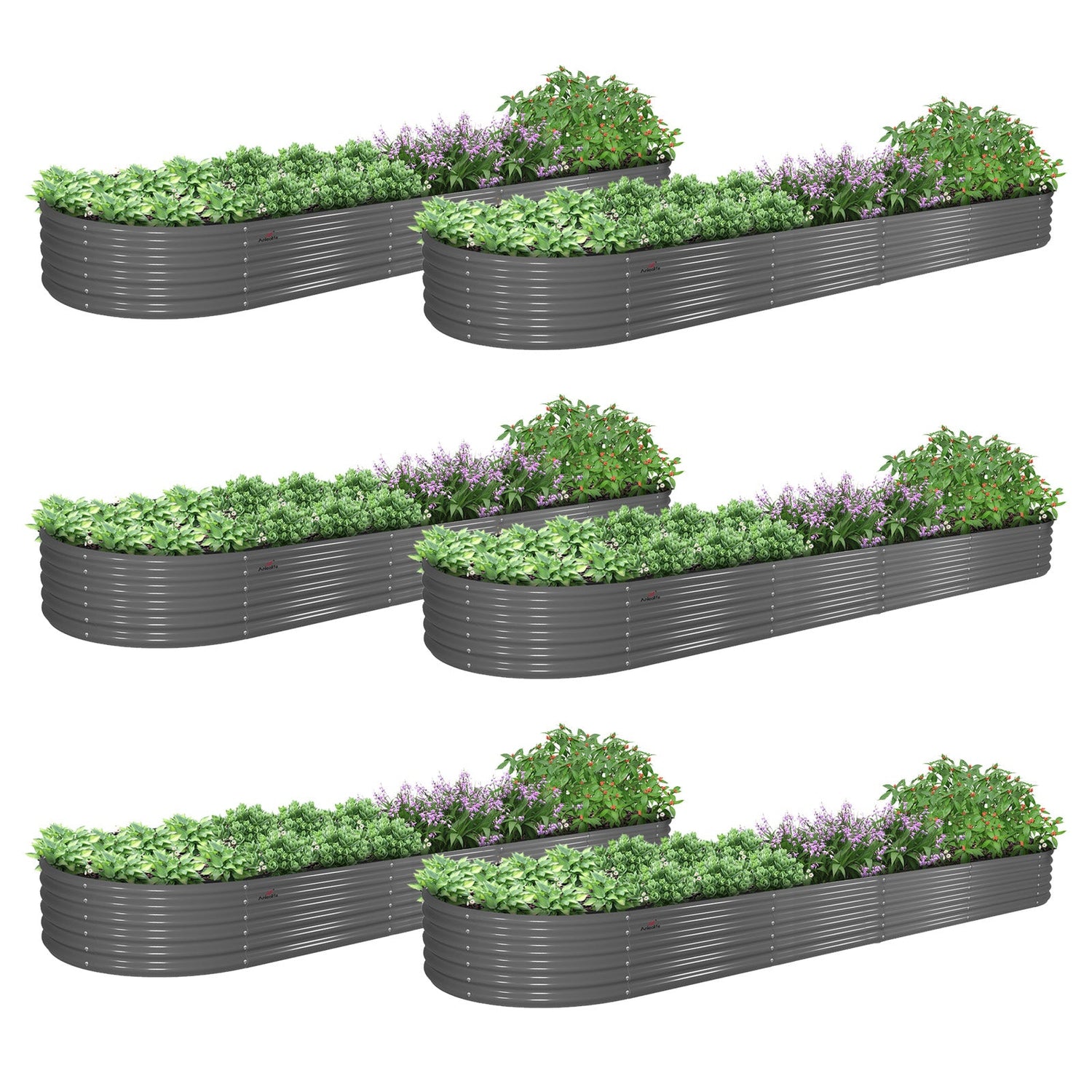



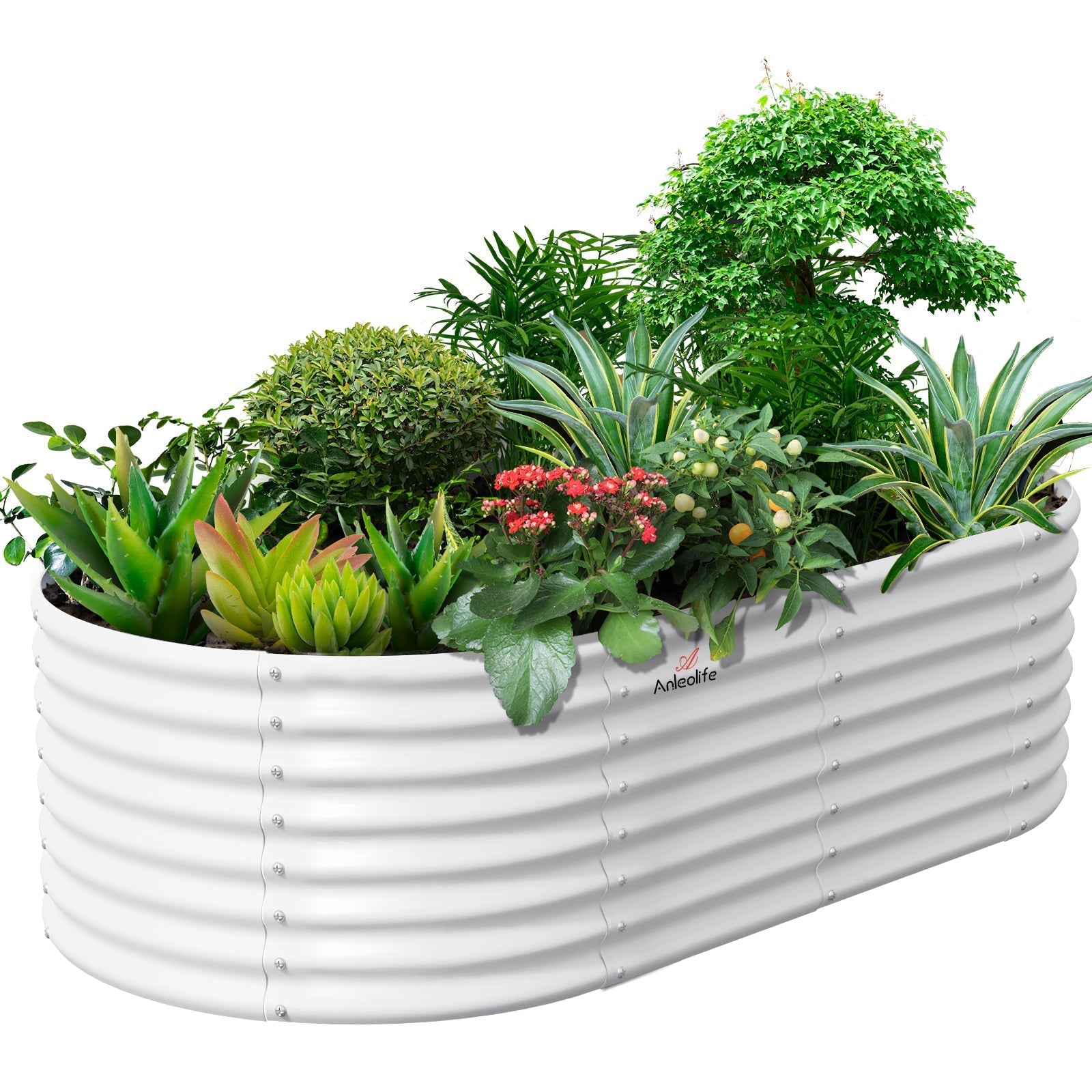
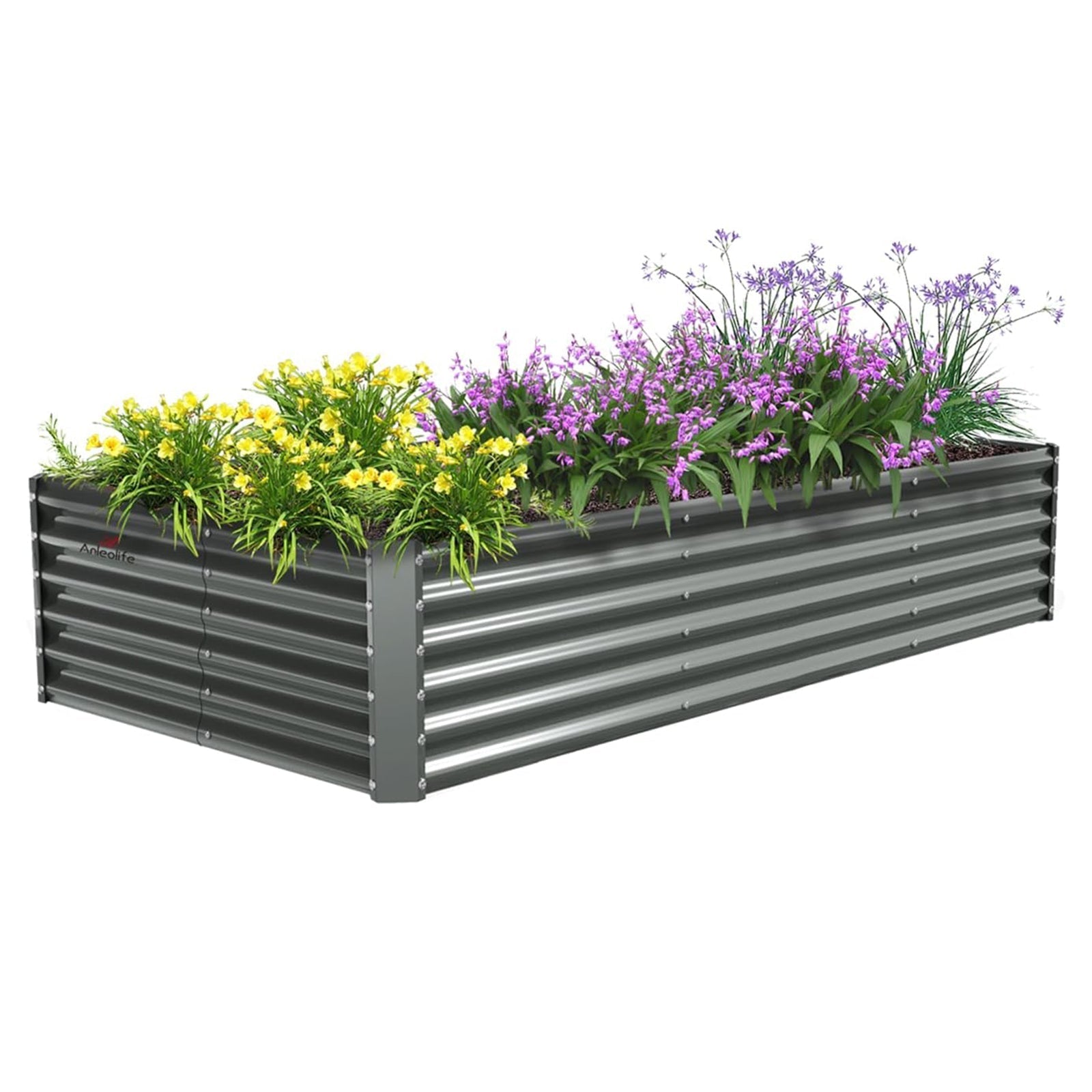
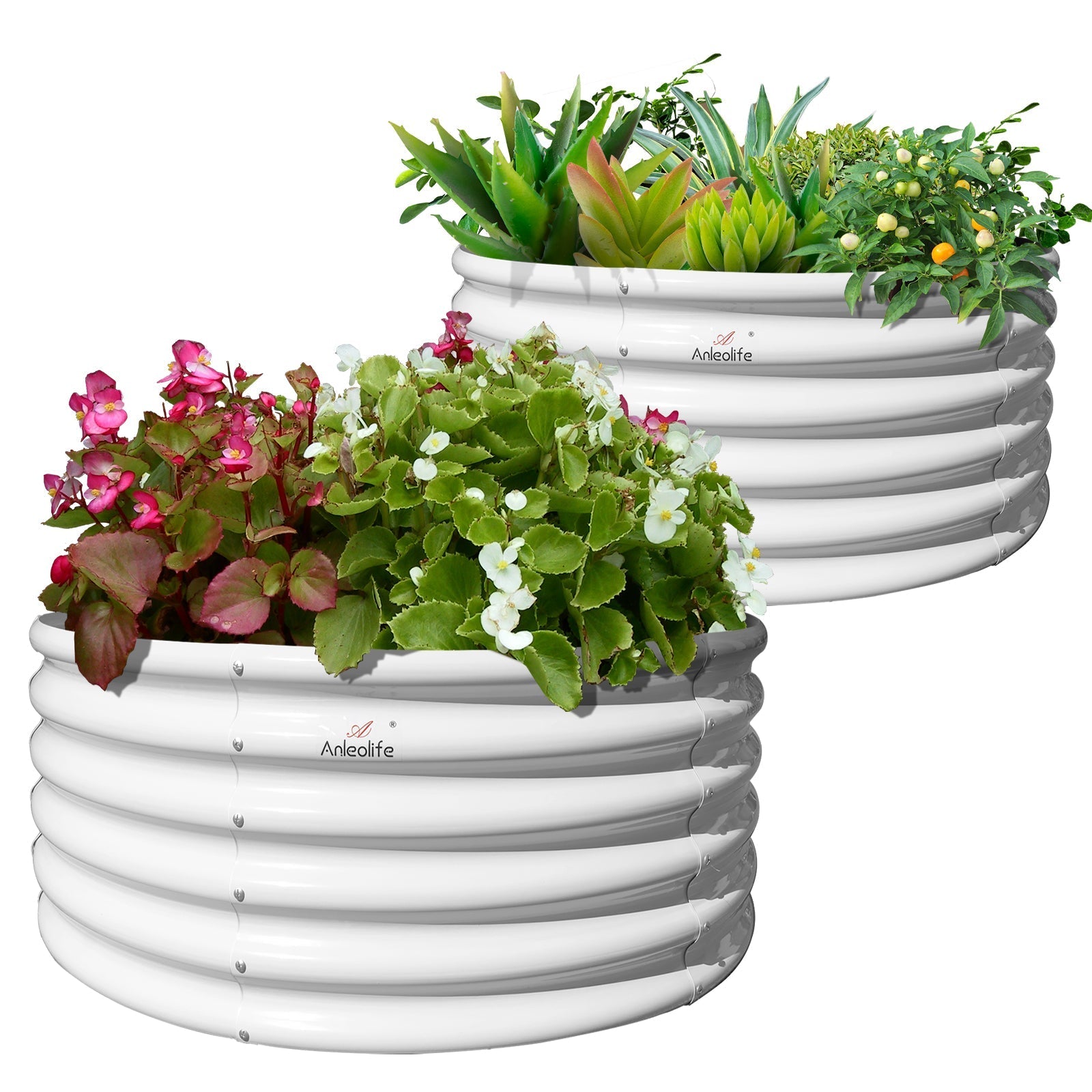
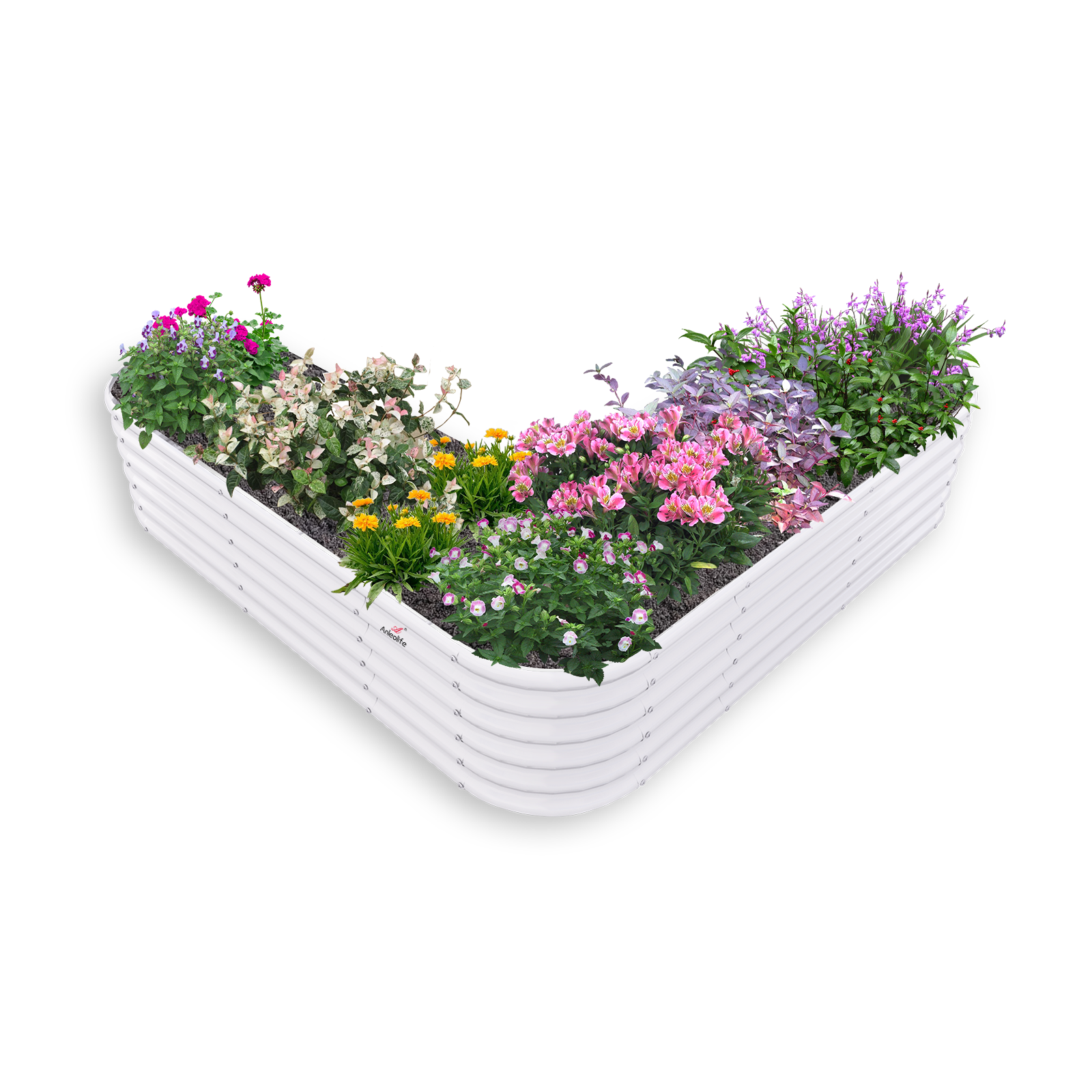
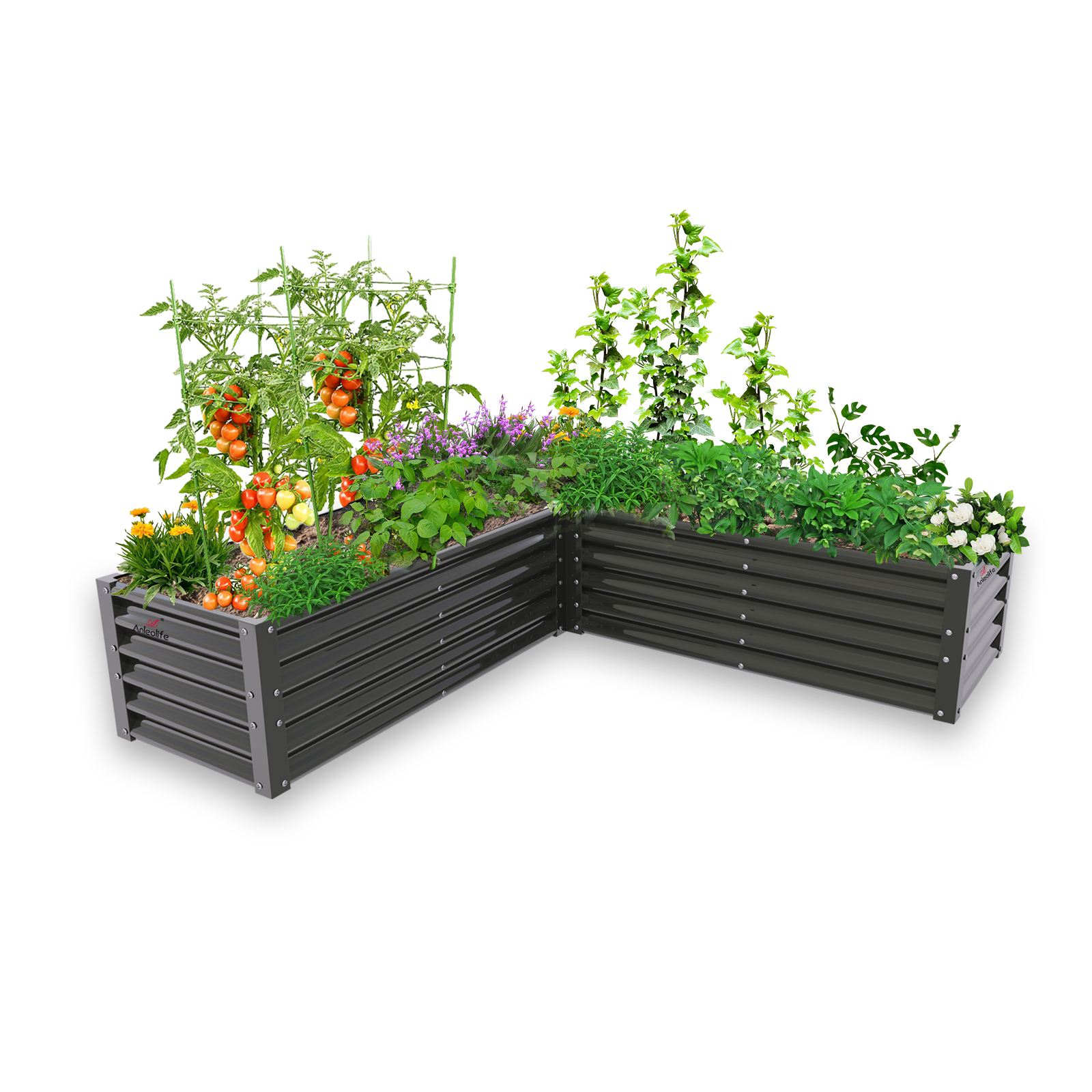
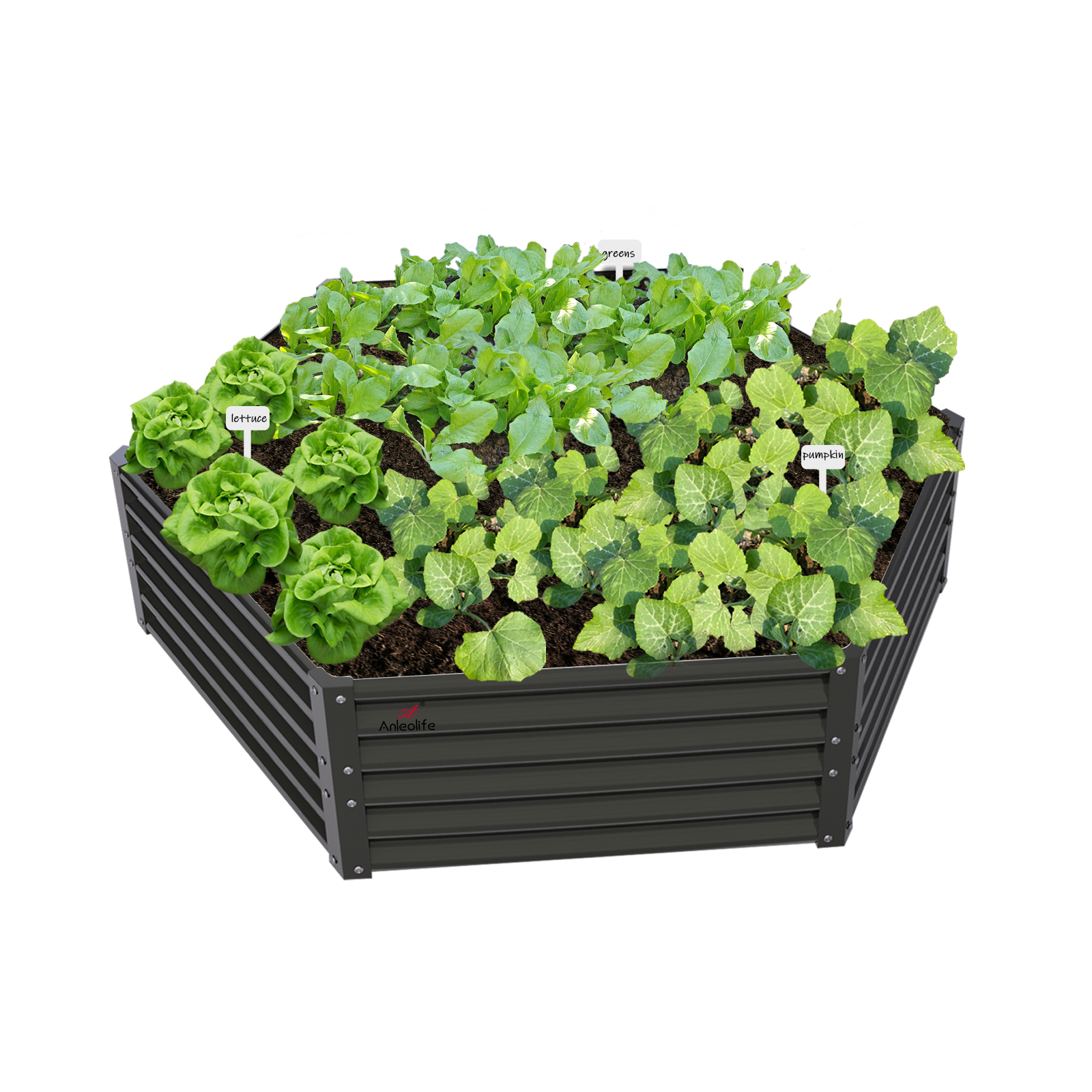
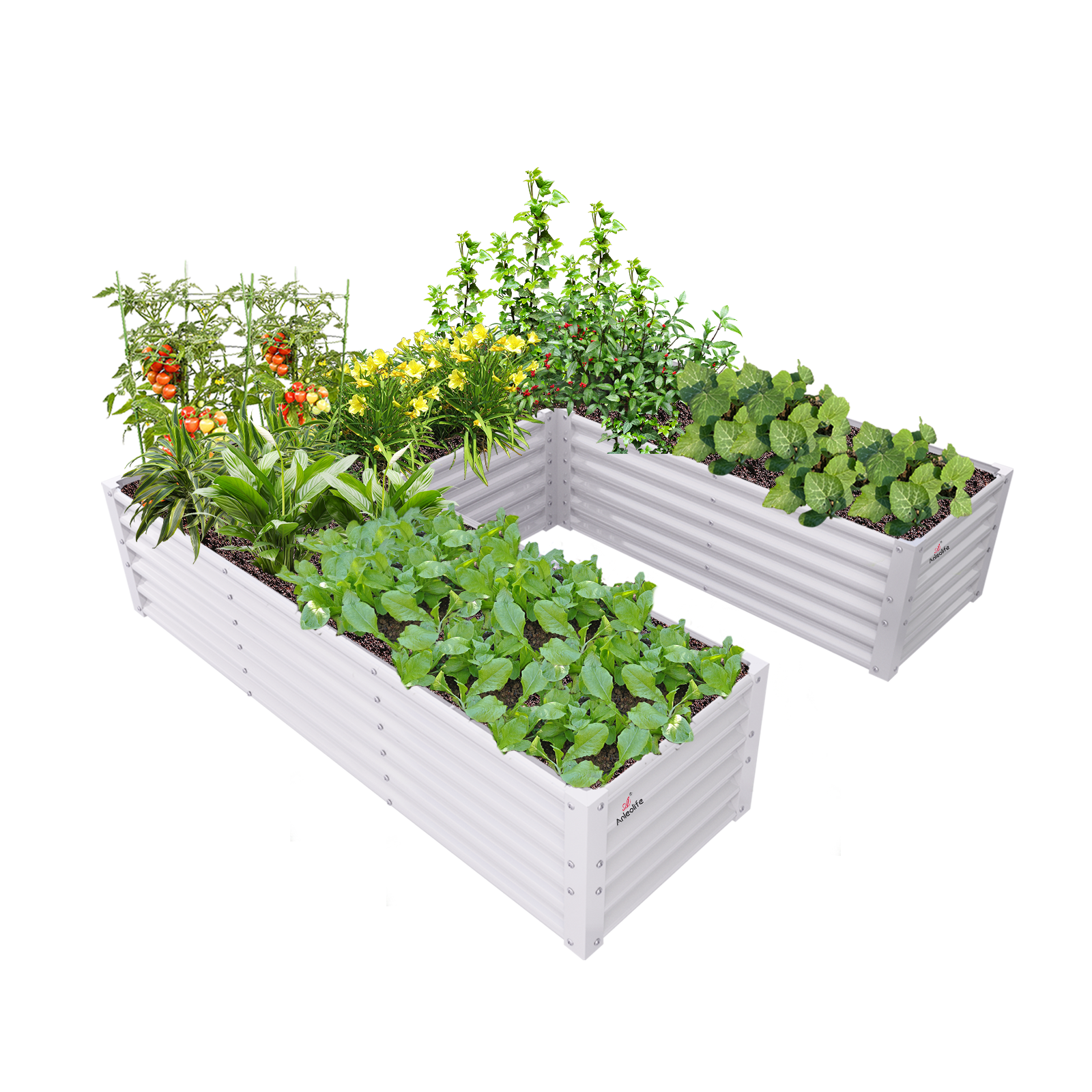

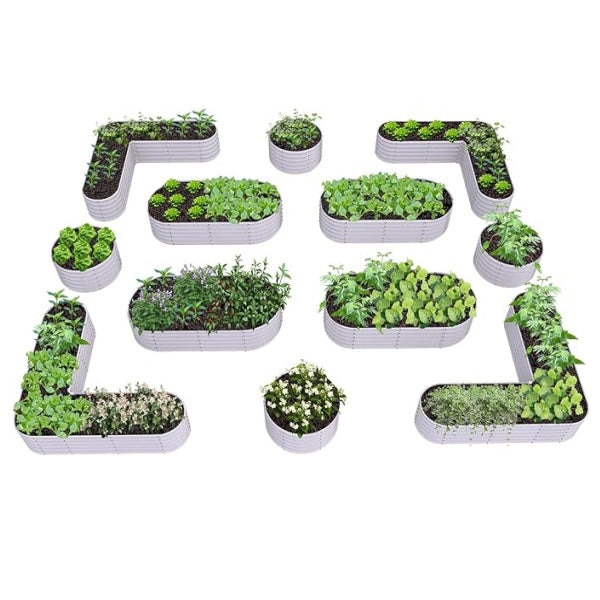

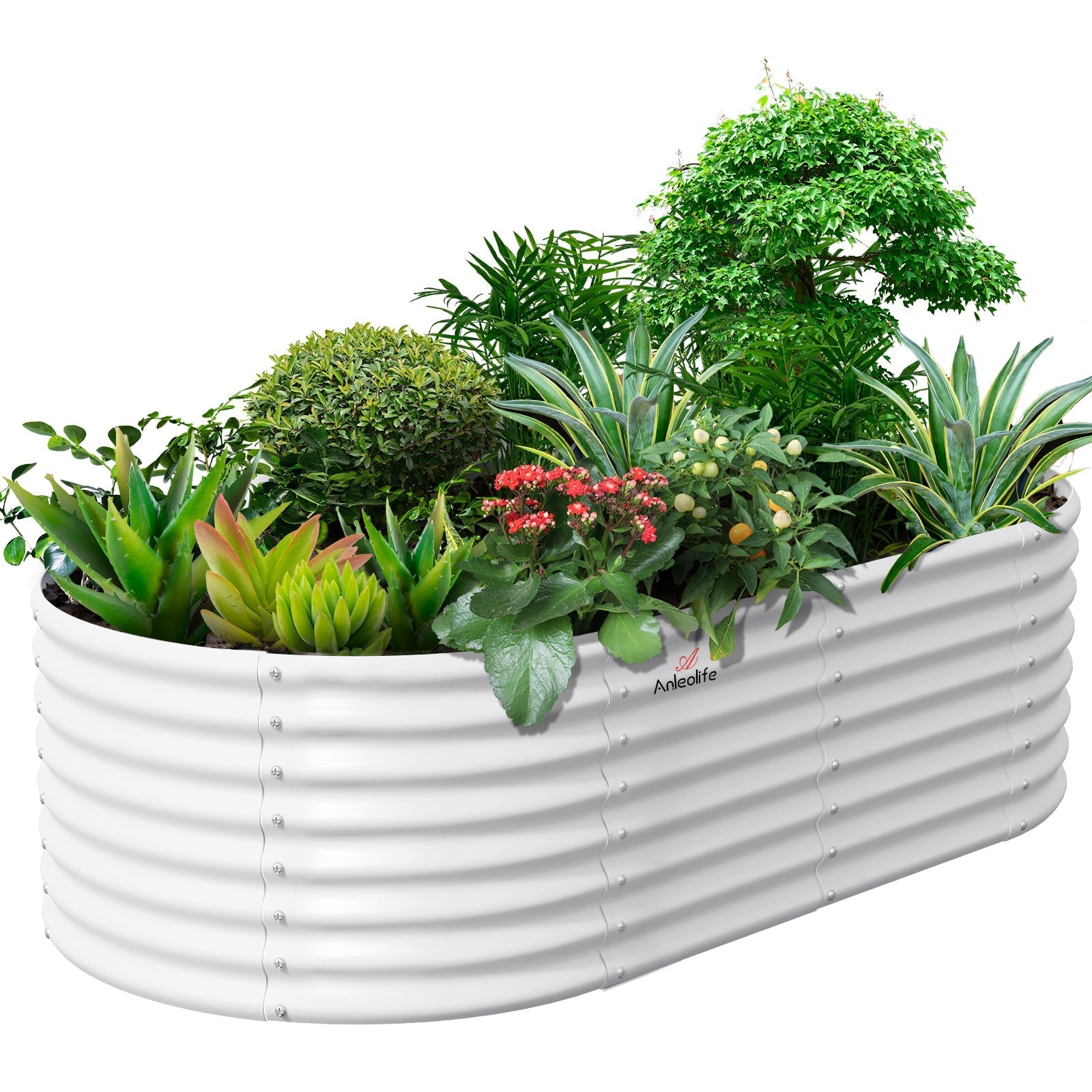


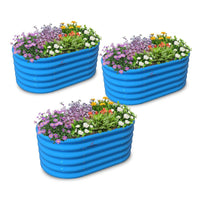
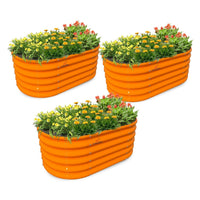
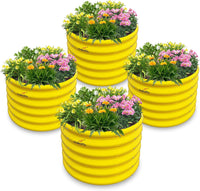
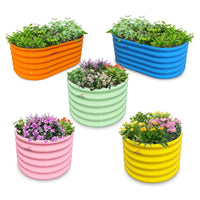
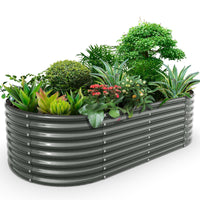



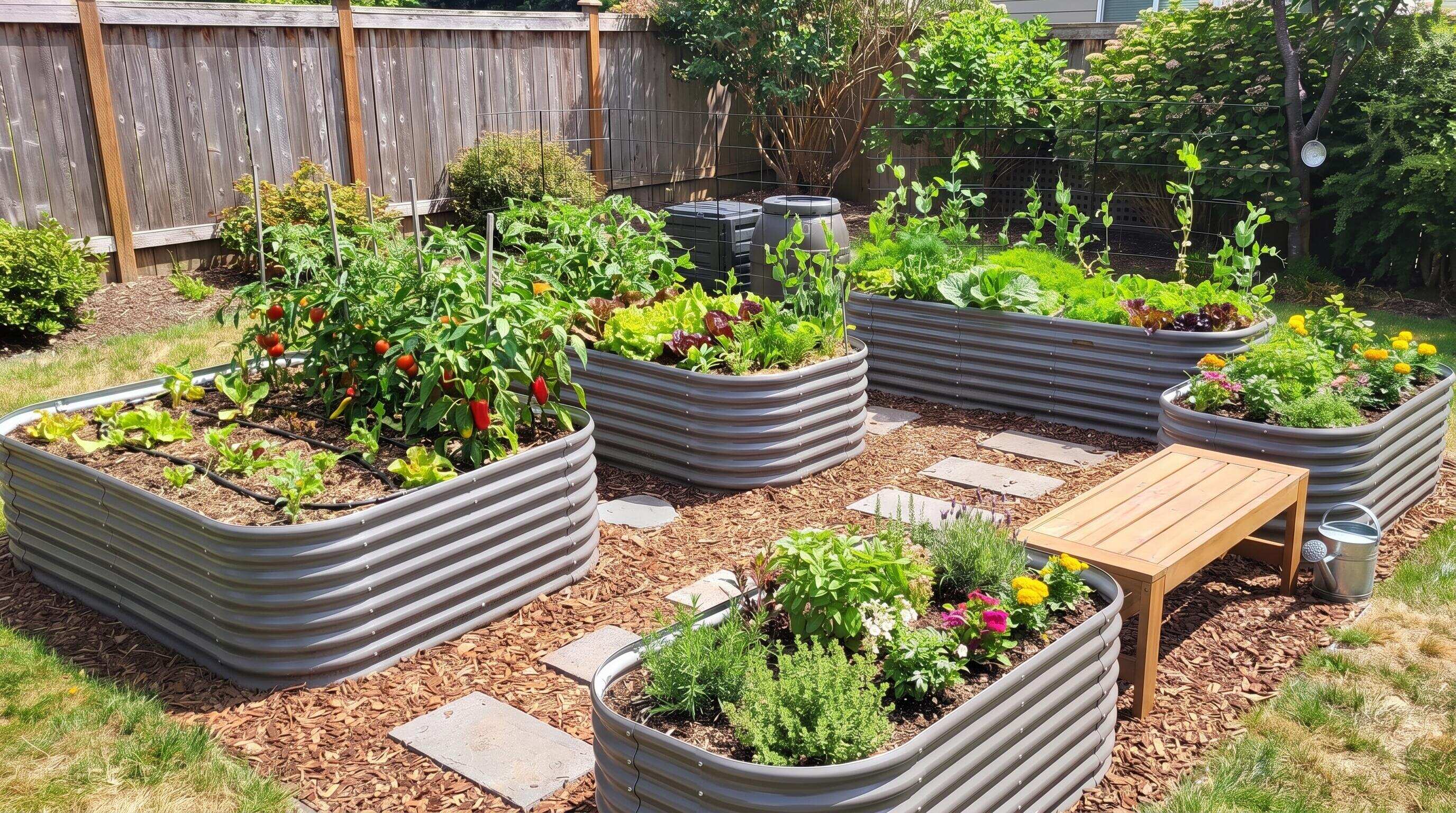
ALT: Sustainable raised garden beds for organic growing featuring galvanized steel and soil system
What You'll Actually Achieve with a Sustainable Raised Garden Bed for Organic Growing
Can you build a productive, chemical-free kitchen garden without a large yard, expensive amendments, or years of trial and error? The short answer is yes — and the right raised bed setup is the foundation that makes it possible. This guide walks you through every decision you'll face as a shopper: what materials genuinely support organic principles, how to evaluate construction quality, how to plan your raised bed garden layout for maximum yield, and how to set up a soil system that feeds your plants season after season.
This guide is written for home growers who want to do things right the first time — whether you're converting a patio corner into a micro-garden, expanding a backyard plot, or transitioning an existing in-ground bed to a cleaner, more manageable raised system. If you care about where your food comes from and want a setup that lasts, you're in the right place.
Before You Start: Prerequisites and Preparation
Sustainable raised bed gardening rewards preparation. Rushing into a purchase without thinking through site conditions, material choices, and soil planning is the single most common pattern we see among gardeners who later wish they had done things differently. Before you spend a dollar, work through the checklist below.
What you need beforehand:
A clear picture of your available space — measure the area you're working with, noting sun exposure throughout the day. Most vegetables and herbs need a minimum of six hours of direct sunlight. Organic growing starts with respecting the site; placing a bed in insufficient light undermines everything else.
A basic understanding of your soil goals. Organic growing relies on building a living soil ecosystem rather than feeding plants with soluble synthetic nutrients. This means your soil system — the mix of compost, aged organic matter, and mineral amendments — is at least as important as the bed itself.
A sense of the gardening scale you're aiming for. A single 8x4 bed is a meaningful food producer; a series of modular beds creates a full kitchen garden system. Knowing your ambition level before you shop prevents both under-buying and over-committing.
Time and effort estimate:
Site preparation and bed assembly typically require a modest time investment for a single bed — manageable over a weekend. Soil sourcing and filling takes additional planning, especially if you're mixing your own blend. Allow more time if you're setting up multiple beds or working on sloped terrain.
Checklist before starting:
- Measure your available space and confirm sun exposure (aim for at least six hours of direct sunlight daily)
- Decide on bed height based on your physical needs and what you're growing (deeper beds favor root vegetables)
- Research local sources for organic compost, topsoil, and amendments before your bed arrives
- Confirm your chosen location has reasonable access to water (drip irrigation or hose reach)
- Check local HOA guidelines or rental agreements if applicable
- Review the range of raised bed sizes available to match your layout plan
Step-by-Step Guide to Choosing and Setting Up a Sustainable Raised Garden Bed
Step 1: Understand What "Sustainable" Actually Means for a Raised Bed
A sustainable raised garden bed is one that uses non-toxic, durable materials that will not leach harmful compounds into your growing medium over time, requires minimal replacement or repair, and supports — rather than undermines — an organic soil ecosystem. Sustainability in this context has two dimensions: material safety for your plants and food, and longevity that reduces the environmental cost of manufacturing and disposal.
Galvanized steel is currently one of the most well-regarded materials for this purpose. Properly manufactured galvanized steel beds resist rust through a zinc coating process and do not introduce synthetic chemicals into the soil. According to guidance from the U.S. Environmental Protection Agency on heavy metals and soil quality, zinc in the concentrations found in galvanized steel does not pose a health risk in vegetable gardens under normal conditions. The key distinction is sourcing: look for beds made with food-safe-grade galvanizing, not industrial-grade coatings that may include additional compounds.
Anleolife's galvanized steel raised garden beds and rust-resistant raised garden bed lines are built with this distinction in mind — designed specifically for food production environments, not repurposed from industrial applications.
Tip: Avoid beds marketed as "galvanized" without any specification of coating type or food safety. The difference in material quality directly affects the safety of your organic garden.
Step 2: Choose the Right Bed Height for Your Growing Goals
Bed height is one of the most consequential decisions in raised bed garden layout planning, yet it's frequently treated as an afterthought. The correct height depends on three factors: what you're growing, your physical comfort while gardening, and the quality of your native soil beneath the bed.
Standard heights — typically in the 18-inch range — work well for most leafy greens, herbs, and shallow-rooted crops. These heights also allow roots to extend into native soil below if the underlying ground is reasonably workable. Extra-tall heights in the 24-30 inch range are genuinely transformative for root vegetables like carrots, parsnips, and beets, which need deep, uncompacted soil to develop properly. Waist-high configurations — available in some lines up to 35 inches — eliminate bending almost entirely, which is a meaningful quality-of-life factor for older gardeners or anyone managing back or joint issues.
Anleolife offers beds across this full height spectrum: standard 18-inch models, extra-tall 24-inch and 30-inch options, and the 35-inch waist-high configuration for gardeners who need full accessibility. This range means your raised bed planting layout can be designed around what you're growing and how you work, not around arbitrary size constraints.
Tip: If you're uncertain, the 24-inch extra-tall height is a versatile middle ground — deep enough for most root crops, comfortable for most adults to tend without excessive bending, and visually substantial enough to anchor a garden design.
Step 3: Match Bed Dimensions to Your Raised Bed Garden Layout
A well-planned raised bed garden layout is one where every plant is reachable from the sides without stepping into the bed, pathways between beds are wide enough for comfortable movement, and the overall arrangement supports good airflow between plants — all of which reduce disease pressure and make organic management easier.
The fundamental rule is that bed width should not exceed twice your comfortable reach from the side. Most adults can reach comfortably to around two feet, which is why four-foot-wide beds are the standard for freestanding garden configurations — you work from both sides, giving you full access to every plant without compacting the soil by walking on it.
For raised bed planting layout within the bed, square-foot gardening principles — developed to maximize yield per square foot while minimizing inputs — translate particularly well to organic raised bed systems. Denser planting also suppresses weeds, reducing one of the main labor demands of chemical-free gardening.
In our work with gardeners setting up organic production beds, a pattern we consistently see is that people underestimate how much they want to grow once their first bed is productive. Modular systems — where beds can be added without redesigning the whole layout — are a practical hedge against this. The modular raised garden bed line from Anleolife is designed specifically for this kind of incremental expansion, allowing you to add beds in configurations like 6x2, 8x4, 12x3, and beyond as your garden grows.
Tip: Leave at least 24 inches between beds in your raised bed layout — more if you use wheelbarrows or other equipment. Narrow paths feel acceptable when you're planning but become frustrating once you're working in the garden regularly.
Step 4: Evaluate Build Quality and Long-Term Durability
A raised garden bed is a long-term infrastructure investment, not a consumable. When we talk about sustainability in gardening, durability is inseparable from environmental responsibility — a bed that needs replacing every three to five years generates more material waste and cost than one built to last.
Look for heavy-gauge steel construction in the sidewall panels. Thicker steel resists deformation from soil pressure, which becomes significant in taller beds and in beds filled with dense, moisture-retaining organic soil mixes. Corner and panel connection systems matter too: beds with solid interlocking or bolt-fastened connections maintain their shape over years of freeze-thaw cycles and wet-dry alternation, while simple snap-together designs may loosen over time.
The heavy duty raised garden beds in the Anleolife lineup are built for exactly this kind of long-term performance. Anleolife raised garden beds are designed to last up to 20 years — a meaningful standard that puts these beds in the category of permanent garden infrastructure rather than seasonal equipment. That longevity translates directly to sustainability: fewer replacements, less material consumption, and a lower lifetime cost per growing season.
Tip: When comparing beds on price, calculate cost per year based on realistic lifespan. A bed designed to last 20 years that costs more upfront frequently represents significantly better value than a less durable alternative replaced every four to five years.
Step 5: Build a Soil System That Supports Organic Production
The soil system inside your raised bed is what actually grows your food. This is an area where organic gardening diverges most sharply from conventional approaches, and where getting it right pays the largest dividends.
A well-constructed organic raised bed soil mix is typically composed of high-quality compost (the primary fertility and biological activity driver), a structural component such as topsoil or aged wood materials that support drainage and root development, and mineral amendments appropriate to your crop selection. The proportions and specific inputs vary by region, crop type, and the quality of available materials — there is no single universal formula.
According to guidelines from the USDA National Organic Program, which establishes federal standards for certified organic production in the United States, synthetic fertilizers and most synthetic pesticides are prohibited in organic systems. While home gardening is not subject to certification requirements, these guidelines provide a useful framework for what inputs are and aren't consistent with genuine organic practice. Building soil biological activity through compost and organic amendments — rather than bypassing it with soluble synthetic nutrients — is the core principle.
A few practical soil system principles for organic raised bed gardening:
- Start with a high-quality compost base — volume matters, as raised beds require more fill material than most first-time buyers anticipate
- Add diversity to your amendments (worm castings, rock dust, and cover crop material all contribute different biological and mineral inputs)
- Topdress with compost each season rather than fully replacing or tilling your soil mix, which preserves the soil ecosystem you've built
- Avoid peat moss where possible and substitute with coco coir or locally sourced compost, which have lower environmental extraction costs
Tip: Budget for soil separately from your bed purchase, and source it before the bed arrives. Running out of fill material after assembly is a common and avoidable frustration.
Step 6: Consider Water Management and Organic Pest Strategy
Organic raised bed gardening requires a water management approach that supports plant health without creating conditions that favor disease or pests. Raised beds drain better than in-ground beds by default — a genuine advantage for organic production, since overwatering is a major driver of root disease in organically managed soil where synthetic fungicides are not used.
Drip irrigation is the most compatible watering method for organic raised bed systems. It delivers water directly to the root zone, keeps foliage dry (reducing fungal disease pressure), and conserves water relative to overhead watering — which aligns with the resource-efficiency goals most organic gardeners hold. For most residential raised bed layouts, a simple timer-controlled drip system adds relatively modest cost but meaningfully reduces the daily labor of watering.
Pest management in organic systems relies on prevention and ecosystem balance rather than reactive chemical applications. Dense, healthy planting in a well-nourished raised bed soil system naturally discourages many pests by limiting exposed soil and building plant resilience. Companion planting — integrating flowers, herbs, and vegetables in the same bed — adds another layer of natural pest suppression without additional chemical inputs.
Tip: Install a simple wire mesh or hardware cloth on the bottom of your bed before filling if rodent pressure is a concern in your area. This is far easier to do during assembly than after.
Step 7: Plan for Seasonal Continuity and Bed Expansion
A sustainable organic garden is a system that produces across seasons, not just during peak summer. This requires planning your raised bed planting layout with succession and rotation in mind from the beginning.
Crop rotation — moving plant families to different beds or areas each season — is one of the most effective organic strategies for managing soil-borne disease and pest pressure without chemical inputs. This works best when you have at least two or three beds, which is another argument for modular bed systems that can grow with your needs.
Season extension tools — cold frames, row covers, and low tunnels — work exceptionally well with raised beds because the soil warms faster in spring and holds warmth longer in fall than in-ground soil. This organic advantage can extend your productive season meaningfully without any chemical inputs, just good planning and simple physical covers.
As your garden matures and your confidence grows, consider how the full ecosystem can expand. Integrating a small raising component — composting systems, or even small-scale animal husbandry like rabbits whose manure is a valuable organic amendment — creates a closed-loop organic system that is genuinely more sustainable than a bed in isolation.
Tip: Keep simple season records — even a brief notebook entry of what you planted, when, and how it performed. This information is the most valuable organic gardening tool most people never use consistently.
Common Mistakes and Troubleshooting
| Symptom | Likely Cause | How to Fix |
|---|---|---|
| Plants are stunted despite good watering | Soil too dense, compacted, or low in biological activity | Topdress with finished compost and add a liquid worm casting amendment; avoid walking on or compacting the soil surface |
| Rust spots appearing on a new metal bed | Coating damage during shipping or assembly, or use of a lower-quality material | Inspect on arrival; with quality galvanized beds, surface rust from minor scratches is cosmetic and does not compromise structural integrity — touch up with food-safe paint if preferred |
| Beds showing deformation or bowing outward | Underfilled bed with insufficient soil pressure balance, or lower-gauge steel | Ensure beds are filled to recommended capacity; consider heavy-duty models for taller configurations |
| Persistent weed pressure inside the bed | Weed seeds in compost or topsoil, or insufficient mulching | Use a cardboard or landscape fabric base layer on initial setup; mulch the soil surface thickly between plants |
| Crops producing poorly in second season | Nutrient depletion without organic replenishment | Begin a consistent topdressing regimen with compost each season; add a balanced organic fertilizer appropriate to your crop rotation |
| Water pooling at the base of the bed | Poor drainage from native soil beneath or improper fill mix | Add a coarser drainage layer (gravel or coarse wood chips) at the base before soil fill; check that the site itself isn't in a low-drainage area |
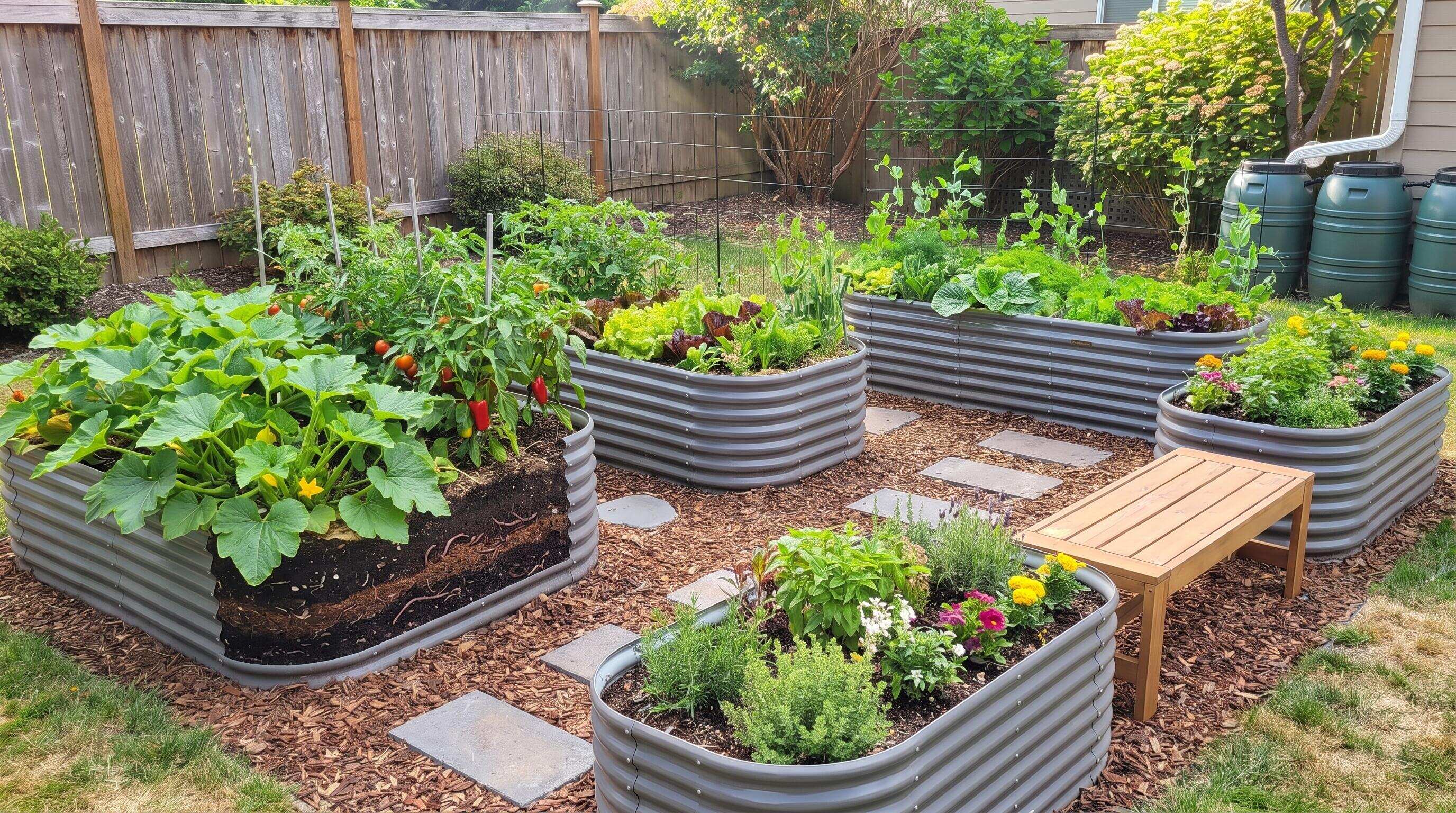
ALT: Organic raised bed garden layout showing companion planting, soil system layers, and galvanized steel bed construction for sustainable home growing
Pro Tips for Better Results in Sustainable Raised Bed Gardening
Think in systems, not individual plants. The most productive organic raised beds are managed as interconnected systems — soil biology, plant community, water cycle, and seasonal rhythm all interact. Decisions that seem minor in isolation (what you plant next to what, when you water, how you handle crop residue) compound over seasons into meaningfully different outcomes.
Don't neglect the vertical dimension. Raised bed garden layout planning typically focuses on the horizontal footprint, but vertical space above a bed is equally valuable. Trellises, cages, and vertical supports allow vining crops — cucumbers, beans, tomatoes, squash — to grow upward rather than sprawling, doubling the effective production surface of any given bed footprint. This is particularly relevant for urban micro-gardeners working with limited horizontal space.
Match your bed investment to your actual commitment level. A persistent pattern in home gardening is purchasing the most ambitious setup before habits are established — then feeling overwhelmed. Starting with one well-chosen bed, getting a full season of experience, and then expanding with modular additions as confidence grows tends to produce better outcomes than launching with a large system from day one.
Invest in soil testing. One of the most common misconceptions in organic raised bed gardening is that any compost-rich mix will produce good results regardless of mineral balance. In reality, specific mineral deficiencies — calcium, magnesium, boron — can limit plant performance even when nitrogen and organic matter are abundant. A simple soil test, available through many university extension services, provides specific data that makes your amendments far more targeted and effective.
Reframe "organic" as a practice, not just an absence of chemicals. Many gardeners understand organic growing primarily as what they don't do — no synthetic fertilizers, no synthetic pesticides. The more productive frame is what you actively build: soil biology, plant diversity, ecosystem balance, and long-term fertility. Beds that approach organic practice from this constructive angle consistently outperform those managed only by exclusion.
Frequently Asked Questions FAQ
Q1: How do I choose the right raised bed size for a first organic garden?
For a first organic garden, a bed in the 8x4 footprint is the most versatile starting point — wide enough to practice square-foot planting layouts, long enough to fit a meaningful crop variety, and manageable enough to fill and maintain without becoming overwhelming. Height selection should reflect both what you're growing (deeper for root crops) and your physical comfort. Most experienced gardeners suggest starting with one bed done well rather than multiple beds done hastily, then expanding modularly once you understand your soil needs and planting patterns.
Q2: Are galvanized steel raised beds safe for organic vegetable growing?
Galvanized steel raised beds are widely considered safe for organic vegetable growing. The zinc coating used in galvanizing is the same mineral naturally present in soil and essential in small quantities for plant growth. Research supported by institutions including the U.S. Environmental Protection Agency indicates that zinc levels in food grown in galvanized steel beds are not elevated to levels of concern under normal growing conditions. The critical factor is sourcing beds from manufacturers who specify food-safe galvanizing standards rather than industrial-grade alternatives.
Q3: How long does it take to set up a raised bed and grow the first organic crop?
Bed assembly for a standard raised bed typically takes a few hours, making it a realistic weekend project. Sourcing and filling with a good organic soil mix adds time but can be completed the same day if materials are arranged in advance. Most fast-maturing crops — lettuce, radishes, herbs — can be harvested within four to eight weeks of planting in a well-prepared organic soil system. Slower crops like tomatoes and winter squash require a full season. The soil system continues to improve with each season of organic management, so yield and quality typically increase year over year.
Final Thoughts
Choosing a sustainable raised garden bed for organic growing is ultimately a decision about how you want to relate to your food and your outdoor space — with intention, care, and a long time horizon. The right bed, properly positioned in a well-planned raised bed garden layout and filled with a thoughtfully built organic soil system, can be productive for decades.
Key Takeaways:
- Material safety and build quality are the non-negotiable foundations of a truly sustainable raised bed — prioritize food-safe galvanized steel and heavy-gauge construction
- Bed height should match what you're growing and how you garden physically, not default to whatever is cheapest or most common
- A well-planned raised bed layout includes space for movement, crop rotation across seasons, and modular expansion over time
- The organic soil system inside the bed is at least as important as the bed itself — budget for it, build it deliberately, and invest in it each season
- Long-term value is the right frame for this purchase: a bed designed to last 20 years is infrastructure, not equipment
The next step is straightforward: match your site conditions to a bed height and footprint that fits your growing goals, plan your layout with expansion in mind, and start building the soil system before your first planting day.
Explore the full range of raised beds and organic garden solutions at Anleolife — available on Amazon, Walmart, Home Depot, Lowe's, and Wayfair, with delivery in 3–8 business days from a nationwide warehouse network spanning California, Texas, Florida, New York, Illinois, and Washington. Whether you're starting with a single bed or expanding into a complete planting-and-raising ecosystem, the Anleolife product range grows with you — from your first raised bed to a fully integrated organic garden.
References
- U.S. Environmental Protection Agency. "Soil Contamination and Vegetable Gardens."
https://www.epa.gov/ - USDA National Organic Program. "Organic Production and Handling Standards."
https://www.usda.gov/ - ASTM International. "Standards for Metallic Coatings and Corrosion Resistance."
https://www.astm.org/
Note: Standards may be updated; please check the latest official documents or consult professional advisors.