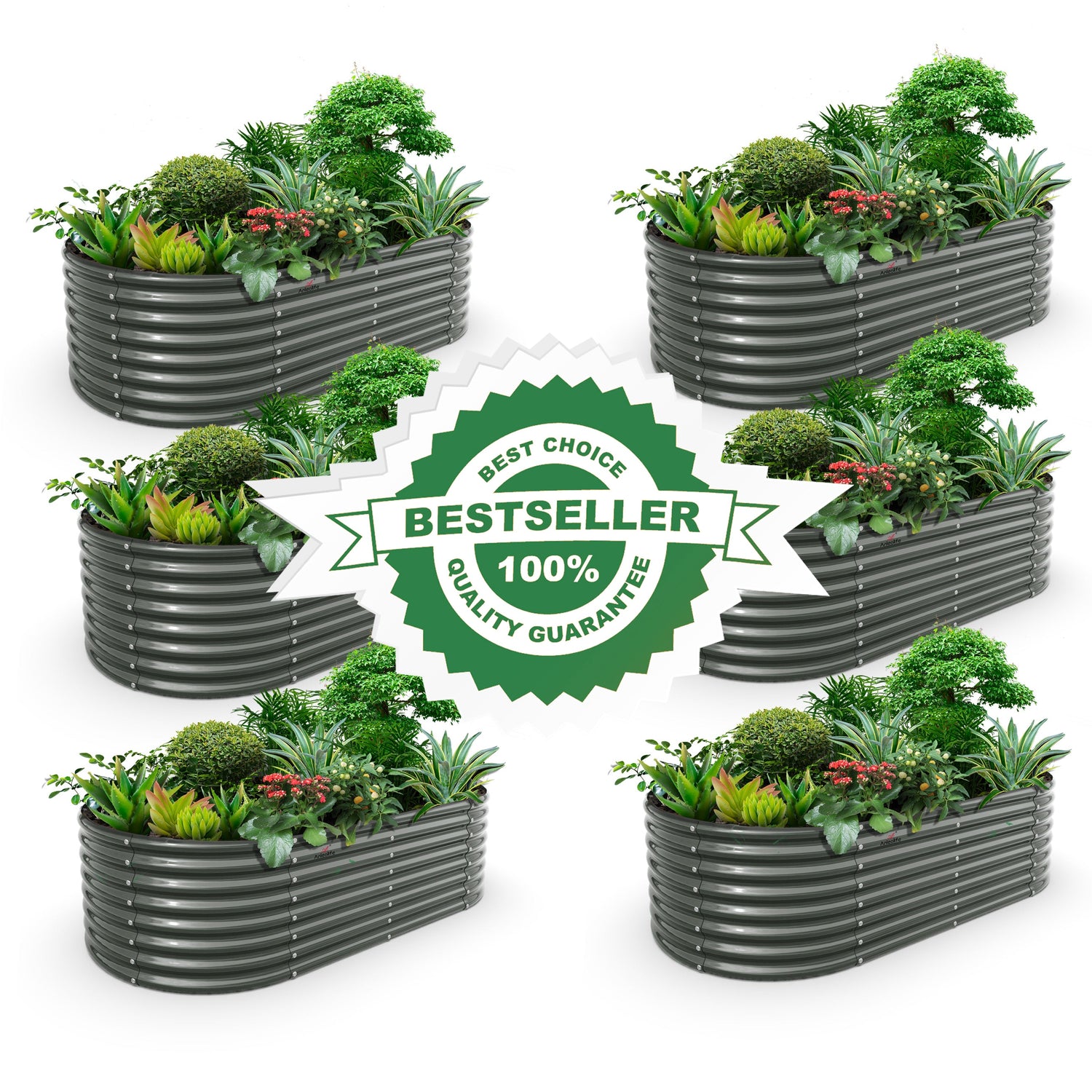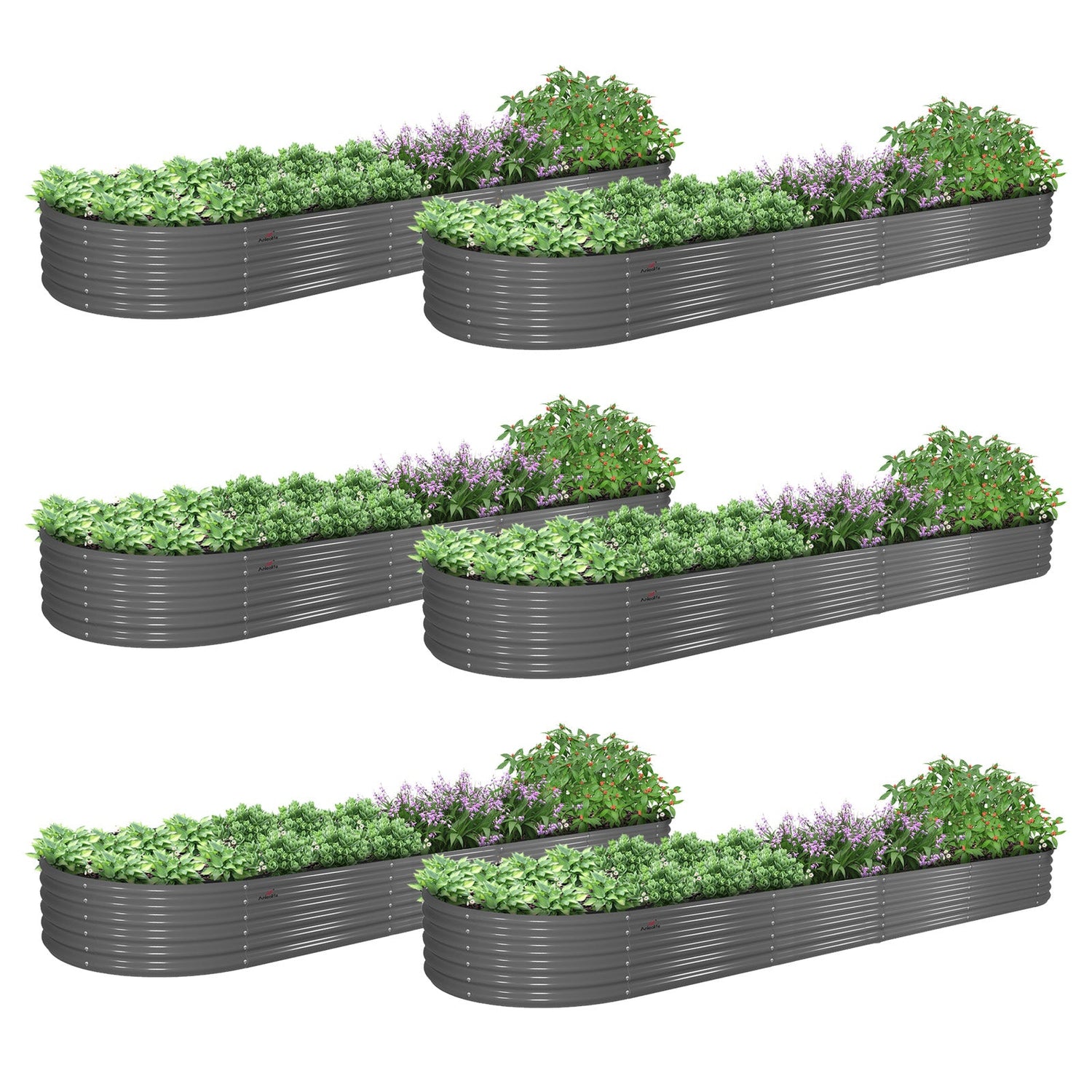



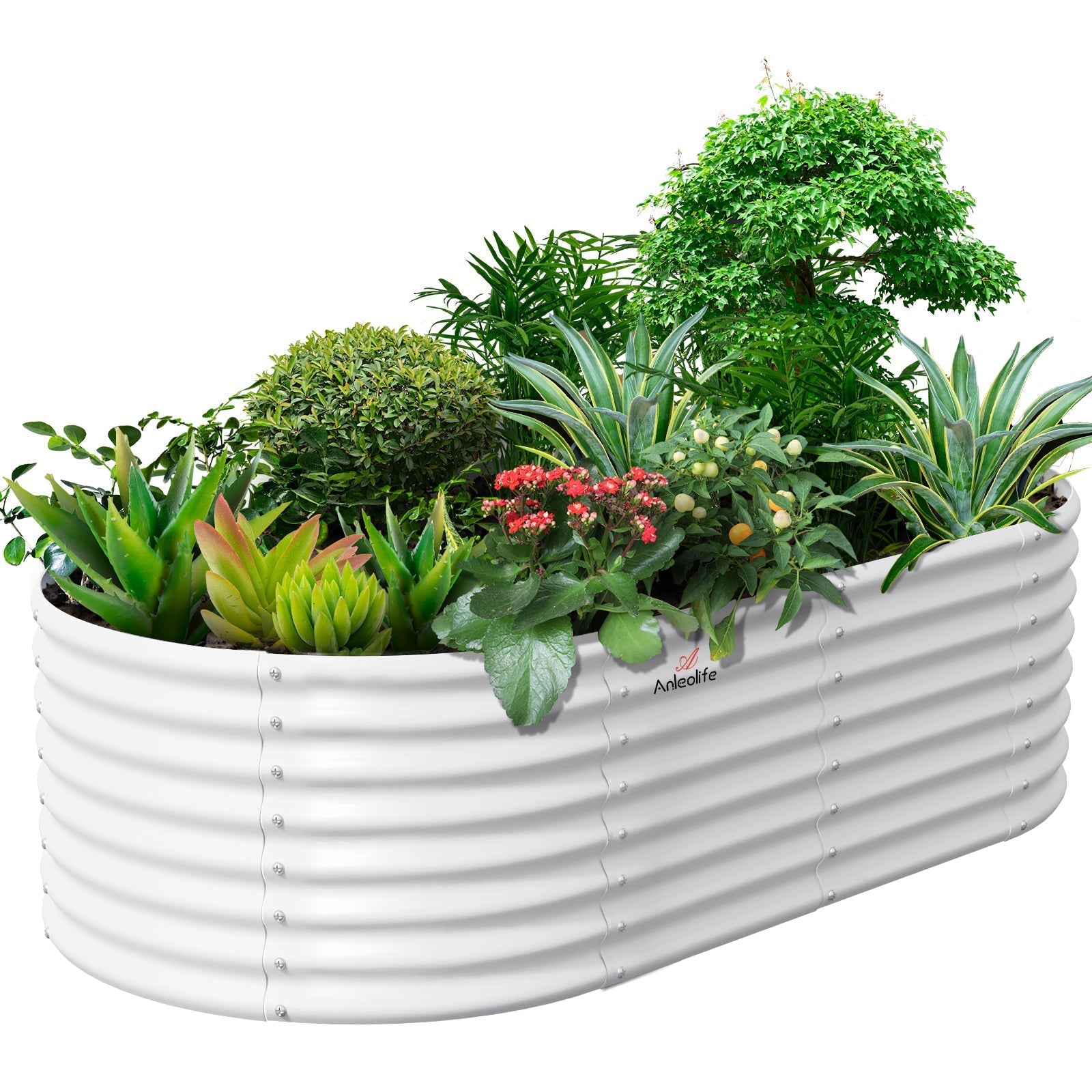
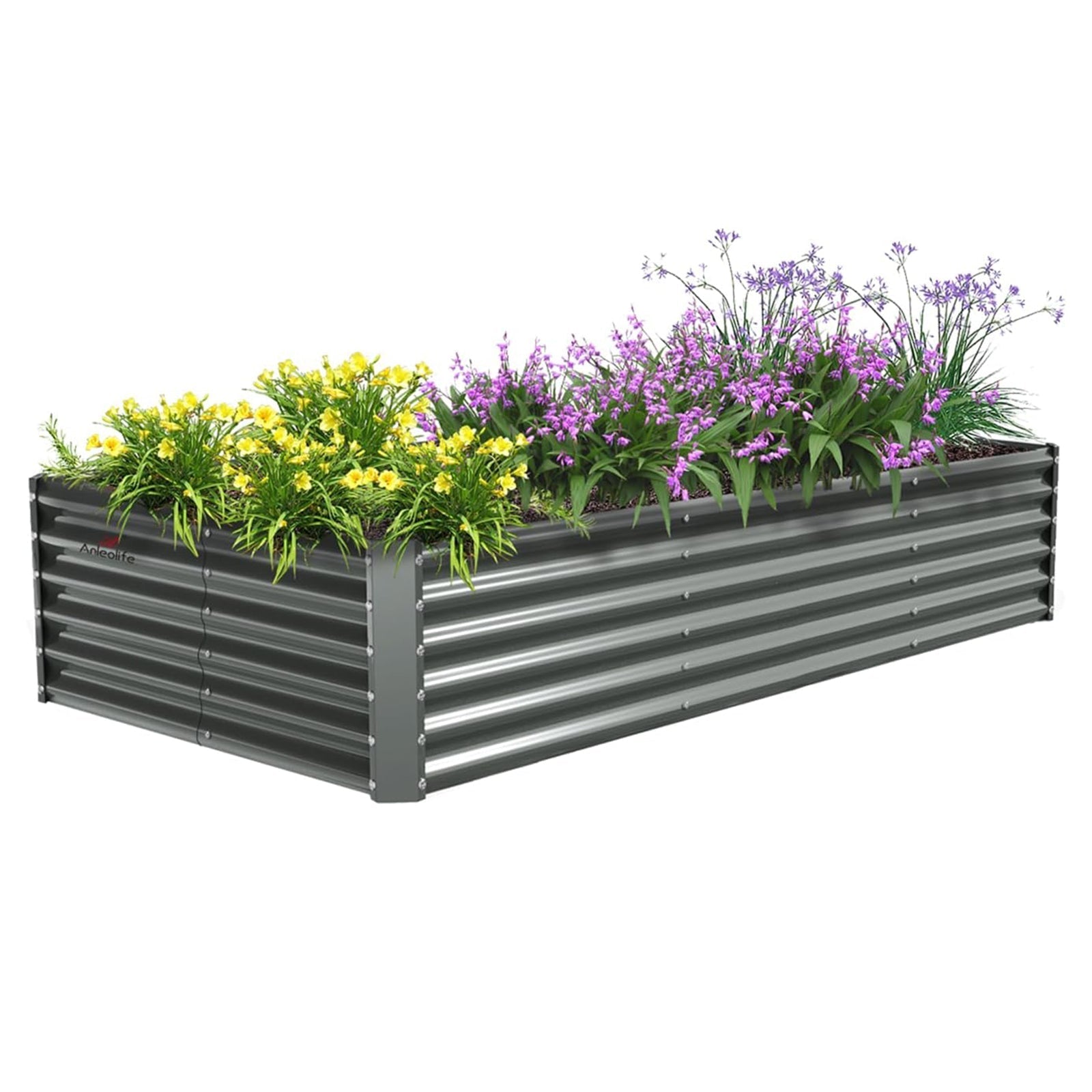
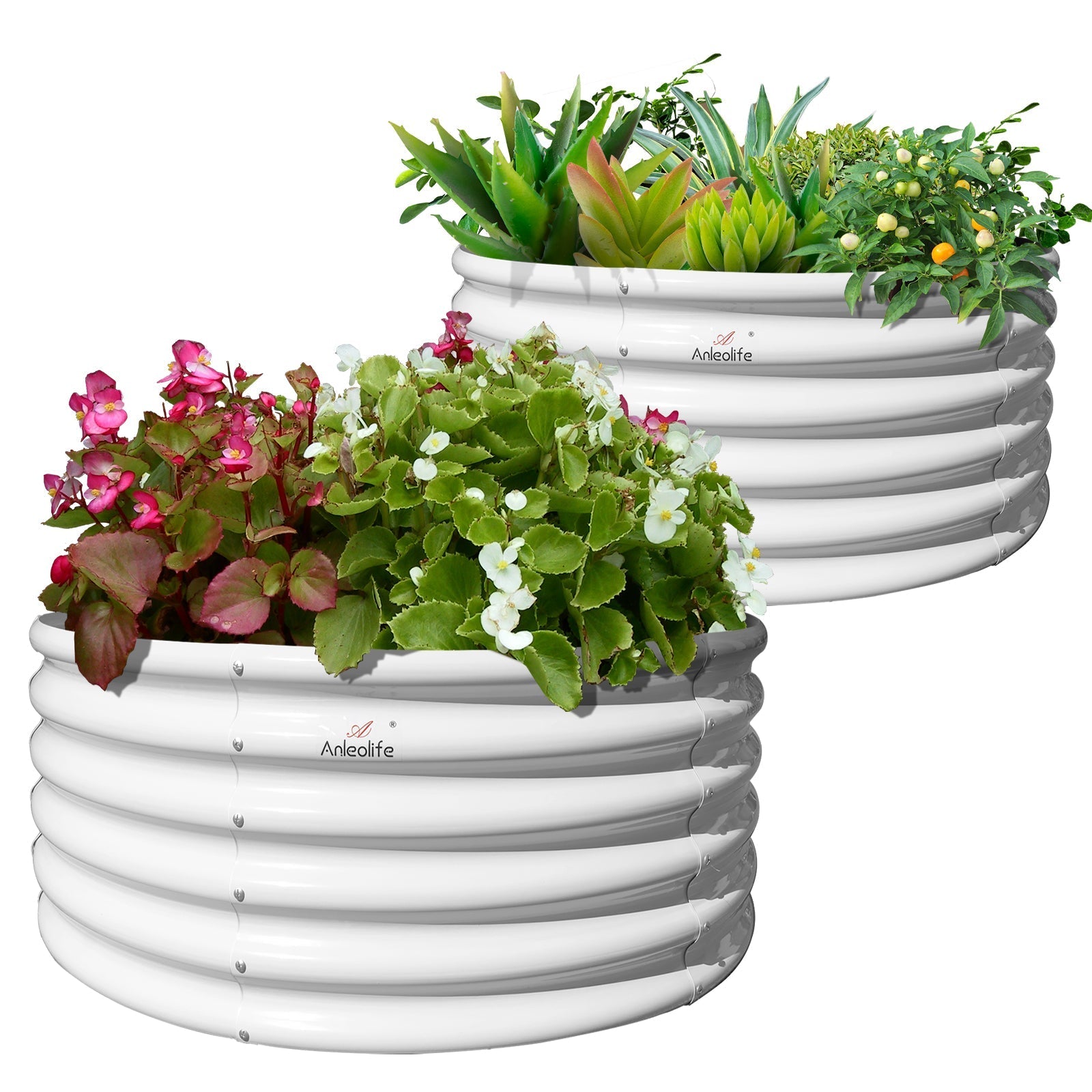
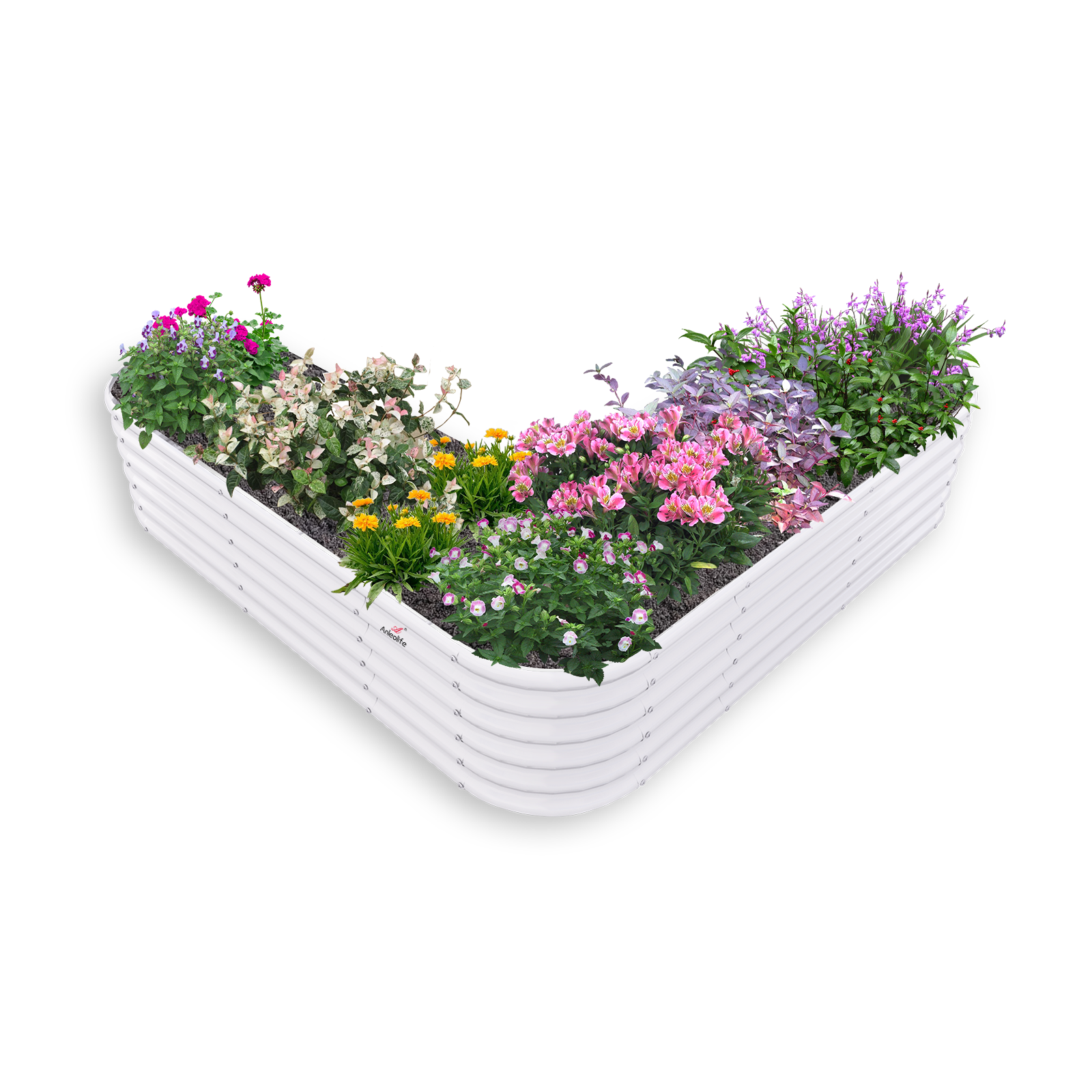
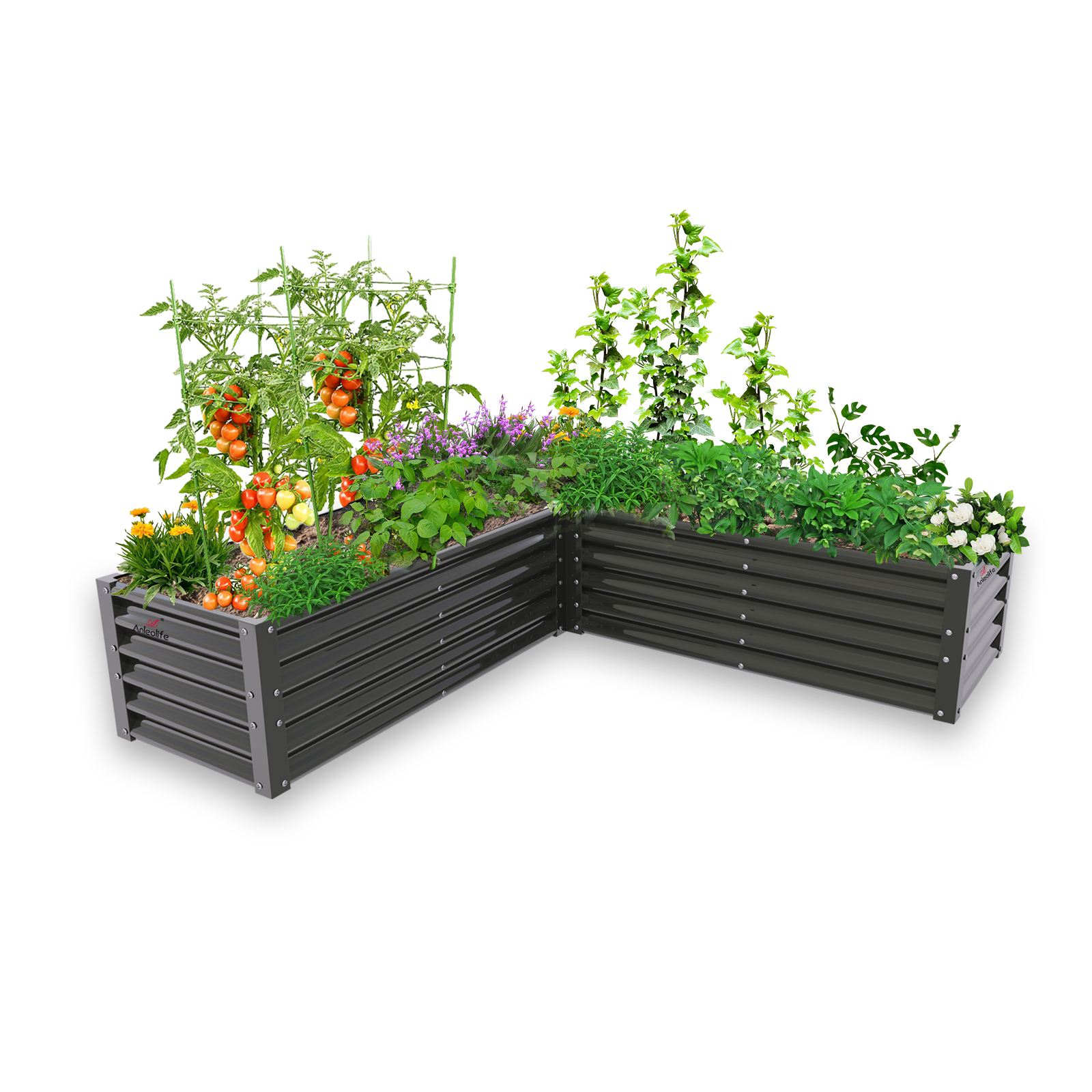
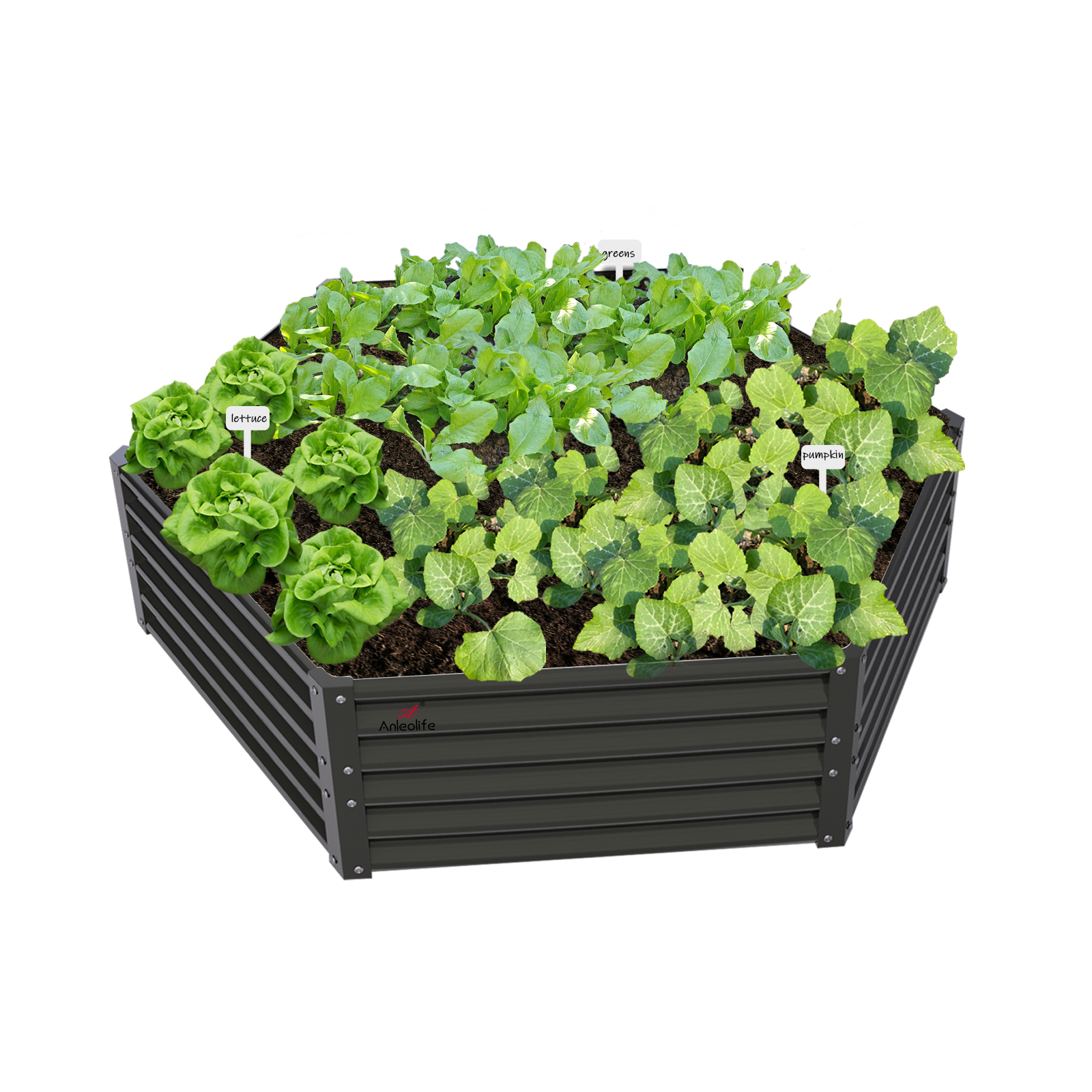
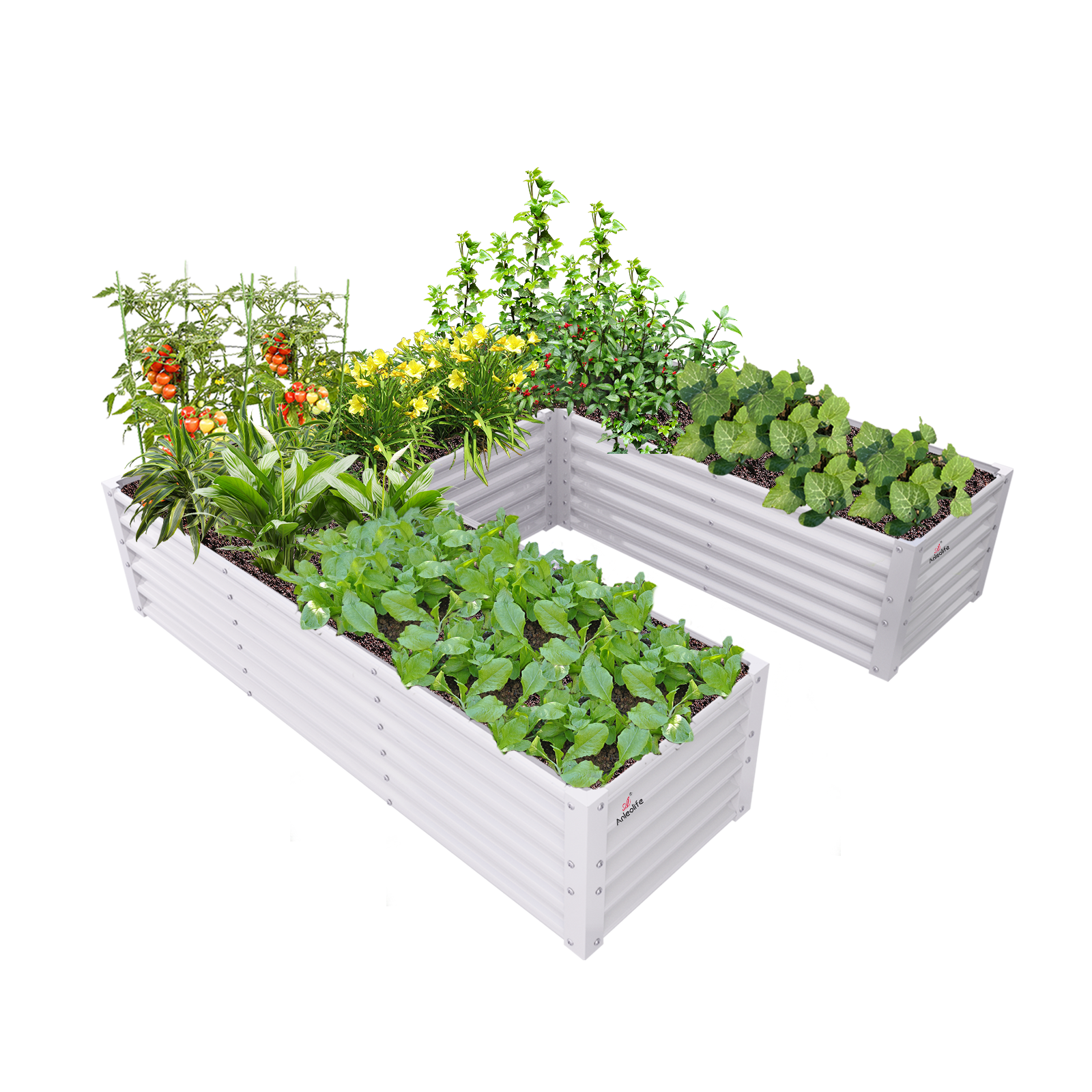

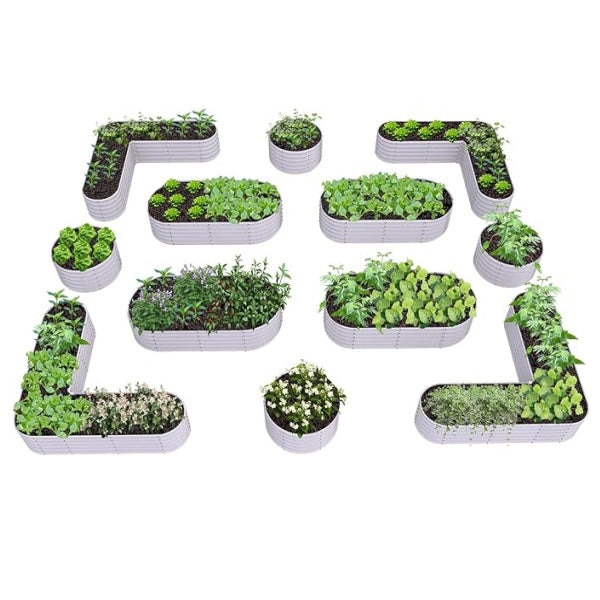



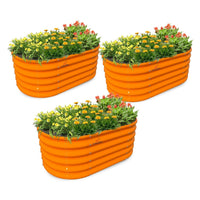
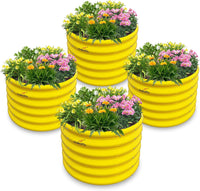
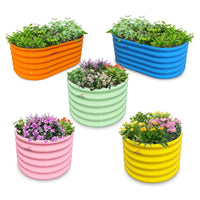
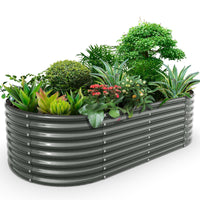



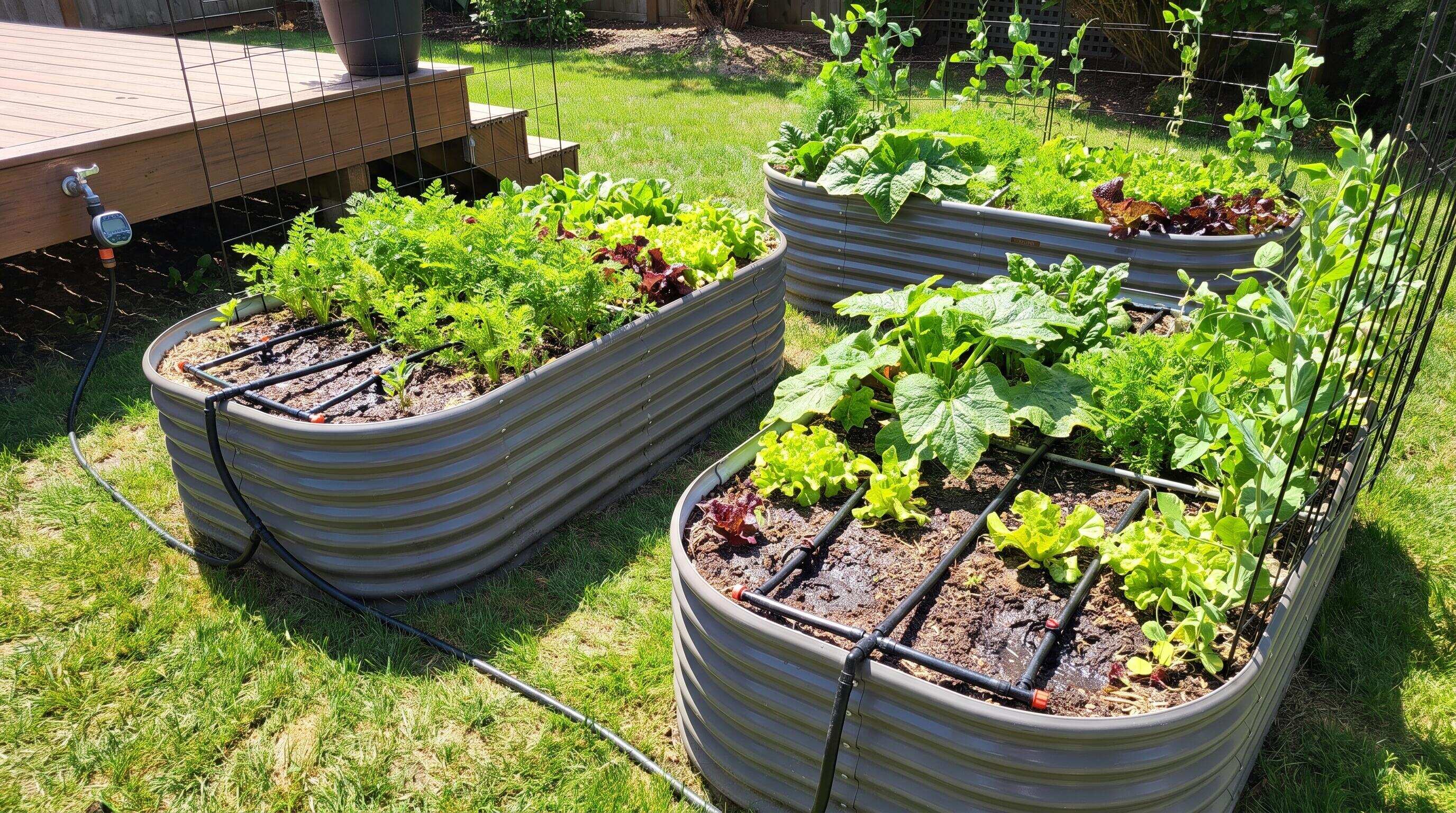
ALT: Drip irrigation system running through a raised bed garden layout with thriving vegetable plants
Why Drip Irrigation Is the Smartest Upgrade for Your Raised Bed Garden Layout This Season
A well-planned raised bed garden layout is only as effective as the water delivery system feeding it. Home gardeners across North America are increasingly turning to drip irrigation as the backbone of a productive raised bed planting layout — and it is not hard to see why. Drip systems reduce water waste, protect plant foliage from disease, and deliver consistent moisture directly to root zones, which is exactly what raised bed gardening demands.
In our work with clients building out their first or fifth raised bed layout, we consistently see the same pattern: gardeners invest thoughtfully in quality beds and good soil systems, then undercut their results with inefficient overhead watering. Drip irrigation closes that gap. This guide covers the best drip irrigation systems for raised garden beds this growing season, selected based on ease of installation, reliability, compatibility with common raised bed dimensions, and overall value for money.
Each option below has been evaluated for a specific type of gardener — whether you are managing a single compact bed on an urban balcony or orchestrating a multi-bed backyard planting layout. Use this list to match the right system to your setup and budget, and get more from every drop of water you put into the ground.
The Best Drip Irrigation Systems for Raised Garden Beds This Growing Season
Soaker Hose Systems
A soaker hose is a porous rubber or polyethylene tube that weeps water slowly and evenly along its entire length. It is one of the most affordable and beginner-friendly ways to irrigate a raised bed garden layout, requiring no emitters, no timers, and minimal assembly. Simply wind the hose in a serpentine pattern across the bed surface and connect it to a standard garden spigot.
Soaker hoses work best when laid just beneath a layer of mulch, which reduces surface evaporation and directs moisture downward toward roots. Per guidance from the U.S. Department of Agriculture, subsurface or near-surface low-flow irrigation significantly reduces evaporative losses compared with overhead sprinkler watering, making soaker hoses a genuinely water-efficient choice.
Best for: Beginner gardeners, single-bed layouts, and anyone who wants a no-fuss setup they can run and forget.
Watch out: Soaker hoses degrade faster than rigid drip systems, especially under UV exposure. Plan to replace them every few seasons if left uncovered, and check regularly for clogs or uneven seeping.
Drip Tape Irrigation
Drip tape is a flat, thin-walled tubing with pre-formed emitter holes spaced at regular intervals. Originally developed for commercial agriculture, it has become increasingly accessible for home raised bed planting layouts. Drip tape lies flat in the bed, delivers water with precision, and is easy to roll up and store between seasons, making it a surprisingly cost-effective long-term option.
What sets drip tape apart is its consistent flow rate across the entire run of tubing — a critical advantage for larger raised bed layouts where uniform moisture distribution matters. When plants at one end of a long bed receive significantly more water than those at the other end, yields suffer. Drip tape largely eliminates this inconsistency.
Best for: Larger raised beds (such as the 12x3 ft or 8x4 ft footprints common in backyard kitchen gardens) and gardeners running multiple beds from a single water source.
Watch out: Drip tape is thin and can be punctured by garden tools or aggressive plant roots. It also requires compatible fittings and end caps, so factor in those small accessories when budgeting.
Individual Emitter Drip Systems (Point-Source Emitters)
A point-source drip emitter system is a network of main supply tubing with individual emitters — small dripper heads — inserted at precise locations and connected to micro-tubing that routes water to each plant. This is the most customizable approach to irrigating a raised bed garden layout, giving you direct control over how much water each plant receives.
This level of precision is especially valuable in a mixed raised bed planting layout where you might be growing tomatoes, herbs, and peppers in the same bed — each with different water requirements. Individual emitters let you calibrate delivery per plant rather than watering the whole bed at one rate. According to the University of California Cooperative Extension, point-source drip irrigation is among the highest-efficiency methods available for vegetable gardening.
Best for: Experienced gardeners, mixed-planting layouts, and anyone who wants surgical control over their irrigation.
Watch out: More components mean more potential failure points. Emitters can clog with mineral deposits over time, so choose pressure-compensating models and flush the system periodically.
Timer-Controlled Drip Systems
A timer-controlled drip system pairs any of the emitter or soaker configurations above with an automatic hose-bib timer. The timer connects between the spigot and the supply line and opens or closes the water flow on a schedule you program. This single addition transforms a manual system into an automated one — arguably the highest-value upgrade you can make to your raised bed layout for the least additional cost.
Automated watering ensures your plants receive consistent moisture even when you travel, work long hours, or simply forget. For raised beds specifically, which tend to dry out faster than in-ground plots due to improved drainage, consistent automated watering can make the difference between a stressed crop and a thriving one.
Best for: Busy families, frequent travelers, retirees managing larger garden layouts, and anyone who has lost a crop to irregular watering.
Watch out: Basic digital timers are sensitive to water pressure fluctuations and battery drain. Always check the timer's battery status at the start of each growing season and invest in a model rated for outdoor use.
Gravity-Fed Drip Systems
A gravity-fed drip system uses an elevated reservoir — typically a rain barrel or elevated tank — as the water source rather than a pressurized municipal supply. Water flows from the reservoir through drip tubing purely by gravity, making this system entirely off-grid and compatible with rainwater harvesting.
This approach aligns naturally with eco-conscious raised bed gardening. Collecting rainwater and redistributing it slowly through a drip system reduces runoff, lowers water bills, and gives plants the benefit of unchlorinated, ambient-temperature water. As interest in sustainable home gardening grows, gravity-fed systems are gaining real traction among environmentally minded growers.
Best for: Eco-conscious gardeners, homesteaders, and anyone in a region with seasonal rainfall they want to capture and reuse.
Watch out: Gravity systems deliver lower pressure than municipal supply systems, which limits the length of tubing and number of emitters they can reliably serve. Keep runs short and match emitter flow rates to your available head pressure.
Micro-Spray and Mini-Sprinkler Drip Hybrids
A micro-spray hybrid system uses low-volume micro-sprinkler heads — sometimes called micro-jets or mini-sprays — connected to standard drip supply tubing. Unlike traditional sprinklers, these heads operate at very low flow rates and cover a small, defined radius, sitting somewhere between true drip irrigation and overhead watering.
They are particularly useful in raised bed layouts where you are starting seeds or transplanting seedlings that need gentle, even surface moisture rather than targeted root-zone delivery. Germinating seeds, for instance, benefit from consistent surface moisture that point-source emitters alone struggle to provide.
Best for: Seed-starting beds, seedling nurseries within a raised bed layout, and gardeners who cycle through frequent replanting.
Watch out: Micro-sprays wet foliage, which can promote fungal disease in humid climates. Use them selectively during the germination and establishment phase, then switch to subsurface or root-zone drip once plants are established.
Smart Drip Systems with Soil Moisture Sensors
A smart drip system integrates soil moisture sensors with a programmable controller to deliver water only when the soil actually needs it — not on a fixed schedule. The sensor reads root-zone moisture levels and signals the controller to open or close the valve accordingly. This is the most technologically advanced approach to irrigating a raised bed planting layout, and it delivers the highest water efficiency of any method.
For gardeners who have invested in quality raised beds, a premium soil system, and long-lived plants, a smart system represents a logical extension of that investment. Over a full growing season, the water savings relative to timer-only or manual systems can be substantial, which matters both for household budgets and for environmental impact.
Best for: Tech-forward gardeners, those in water-restricted regions, and anyone managing a multi-bed layout who wants to optimize resource use across the entire system.
Watch out: Smart systems carry a higher upfront cost and require a Wi-Fi connection or compatible hub for app-based control. Make sure your setup includes weatherproof housing for the controller.
In-Line Drip Tubing (Pre-Installed Emitter Tubing)
In-line drip tubing is a rigid or semi-rigid supply line with emitters pre-manufactured at fixed intervals inside the tubing wall — not inserted separately. It combines the structural simplicity of soaker hose with the emitter precision of point-source systems. Because the emitters are internal and pressure-compensating, they resist clogging better than external drippers and deliver consistent flow across long runs.
In a raised bed garden layout, in-line tubing is typically laid in straight parallel rows across the bed surface or just below it. It is easy to cut to length and compatible with standard drip fittings, making it one of the most practical all-around choices for home gardeners who want reliability without complexity.
Best for: Gardeners who want the reliability of individual emitters with the simplicity of soaker-style installation, especially in rectangular raised beds.
Watch out: Because emitters are fixed at set intervals, in-line tubing works best for uniform, row-style planting layouts. It is less adaptable to irregular or container-style raised bed arrangements.
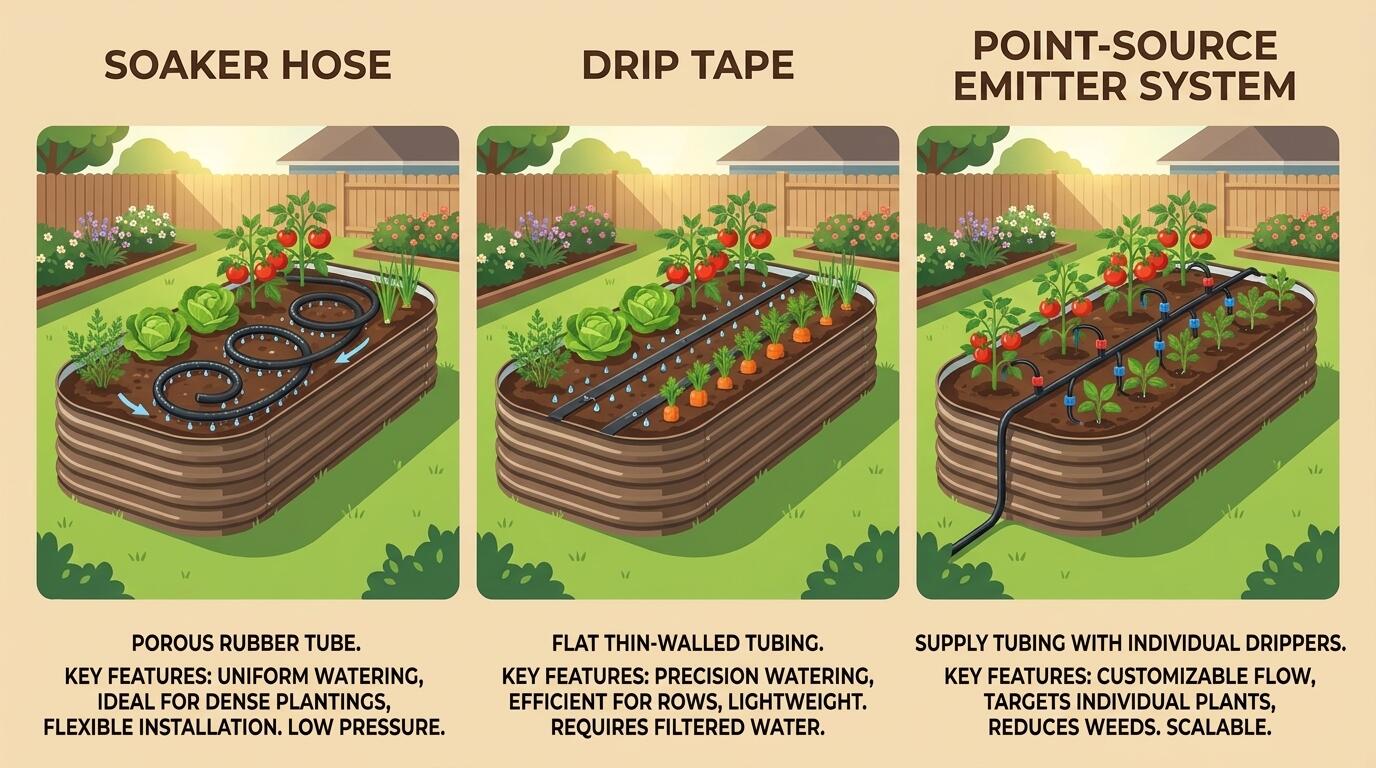
ALT: Side-by-side comparison of soaker hose, drip tape, and point-source emitter systems for raised bed garden layouts
Quick Comparison at a Glance
Choosing the right drip irrigation system for your raised bed layout comes down to matching the system's strengths to your specific garden setup, budget, and lifestyle. The table below distills each option into its most critical dimensions to make that decision faster.
| System | Best For | Key Strength | Limitation |
|---|---|---|---|
| Soaker Hose | Beginners, single beds | Lowest cost, zero assembly complexity | Degrades under UV; uneven over long runs |
| Drip Tape | Large or multi-bed layouts | Consistent uniform flow across long runs | Thin-walled; puncture-prone; needs fittings |
| Point-Source Emitters | Mixed-planting raised beds | Per-plant precision and control | Most components; emitter clogging risk |
| Timer-Controlled Systems | Busy gardeners, travelers | Full automation at low added cost | Battery dependence; pressure sensitivity |
| Gravity-Fed Systems | Eco-conscious gardeners | Off-grid; rainwater compatible | Limited pressure; shorter effective runs |
| Micro-Spray Hybrids | Seed-starting and seedlings | Even surface moisture for germination | Wets foliage; disease risk in humid climates |
| Smart Sensor Systems | Multi-bed, tech-forward gardeners | Highest water efficiency; demand-based | Higher cost; requires Wi-Fi/hub |
| In-Line Drip Tubing | Row-style rectangular raised beds | Reliable, clog-resistant, easy to install | Fixed emitter spacing; less adaptable |
The most important takeaway from this table is that no single system dominates in every category. Soaker hoses win on simplicity and cost. Smart systems win on efficiency. Timer-controlled systems win on convenience per dollar spent. Gravity-fed systems win on sustainability. Understanding where your priorities sit — cost, automation, precision, or eco-impact — points you directly to the right choice.
How to Choose the Right Drip System for Your Raised Bed Layout
The right drip irrigation system for a raised bed garden layout depends on three factors: your bed size and configuration, your watering habits and lifestyle, and your budget.
If you have a single small or medium raised bed — say, an 18-inch tall 4x4 or 6x3 footprint — a soaker hose or in-line drip tubing is almost always the best starting point. Both are inexpensive, easy to install in an afternoon, and immediately effective. Add a basic hose-bib timer for under $30 and you have automated irrigation at a minimal cost.
If you are managing multiple raised beds or longer bed configurations — such as a 12x3 or 8x4 layout, or a row of beds running off a single manifold — drip tape or in-line tubing with a timer is the logical upgrade. These systems maintain consistent flow across longer distances and scale cleanly as you add more beds.
If your raised bed planting layout is heavily mixed — different crops with different water needs in the same bed — invest in point-source emitters. The ability to customize delivery per plant pays off quickly in better yields and less disease pressure.
If water conservation is your primary concern, a gravity-fed system fed by a rain barrel addresses both environmental values and water bills simultaneously. Pair it with moisture sensors if your budget allows.
If convenience is the priority, a timer-controlled system with quality drip tubing is the highest-value single upgrade available. In a pattern we consistently see among first-time raised bed gardeners, automated watering alone produces a meaningful improvement in crop success rates, simply because plants receive reliable moisture without depending on a busy owner remembering to turn on the hose.
A common misconception worth addressing: many gardeners assume that drip irrigation requires professional installation or a complex plumbing background. In practice, the vast majority of home drip systems use push-fit connectors, standard garden hose threads, and simple punch tools — no special skills required. Most setups for a single to four-bed raised bed layout can be assembled in under two hours.
Common Questions
Q1: How do I run drip irrigation across multiple raised beds from a single water source?
Running drip irrigation across multiple raised beds starts at the spigot with a manifold or multi-outlet timer that splits the supply line into separate zones. From each outlet, run a main supply line (typically half-inch tubing) along the outside of your beds, then tap in bed-specific tubing for each one. This zone approach lets you irrigate beds with different crops and water needs independently. According to the U.S. Department of Agriculture, zoned low-flow irrigation is the most resource-efficient configuration for small-scale vegetable production.
Q2: Is drip irrigation compatible with galvanized raised garden beds?
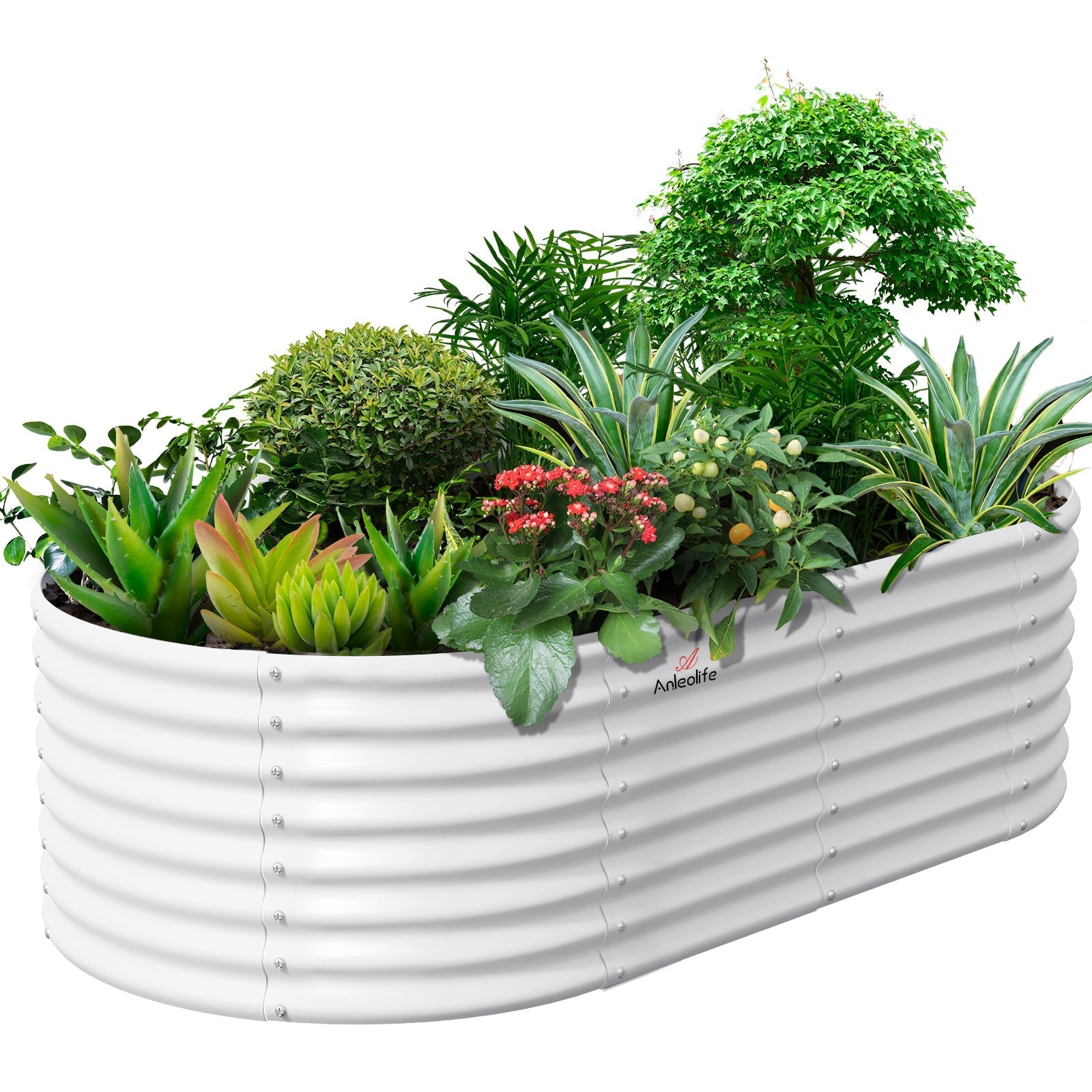
Yes — drip irrigation is fully compatible with galvanized steel raised garden beds, and it is arguably the best irrigation choice for metal beds. Galvanized beds drain efficiently and warm up quickly, which means soil moisture fluctuates more than in wooden beds. Drip systems counteract this by delivering steady, consistent moisture rather than infrequent heavy doses. Beds like the galvanized steel options from Anleolife, which are built for a lifespan of up to 20 years, pair naturally with a durable drip infrastructure that matches their longevity.
Q3: How long does a drip irrigation system last, and what does it cost to maintain?
Drip system longevity varies by component type. Main supply tubing and pressure regulators typically last many years with basic care. Drip tape and soaker hoses may need replacement every few seasons. Emitters and fittings last longer but benefit from annual inspection and occasional flushing. Annual maintenance costs for a typical home raised bed layout are modest — mainly replacement emitters, tape, or end caps. Investing slightly more upfront in UV-resistant tubing and pressure-compensating emitters reduces long-term replacement frequency and keeps total cost of ownership low.
Wrapping Up
Drip irrigation is not a luxury for a well-planned raised bed garden layout — it is a foundational tool that protects your investment in quality beds, premium soil, and high-yield crops. Three points define the value here: drip irrigation conserves water by delivering it directly to root zones, it reduces disease pressure by keeping foliage dry, and it frees you from the daily labor of manual watering so gardening stays enjoyable rather than becoming a chore.
The right system for your raised bed planting layout exists at every price point — from a simple soaker hose for under $20 to a fully automated smart sensor network. The most important step is matching the system to your actual garden configuration and lifestyle, not simply buying the most complex option available.
Start with the system that fits your setup today. Add automation if your schedule demands it. Scale up as your garden grows. That incremental, value-first approach is exactly how productive home gardeners build systems they actually use for years.
Ready to build a raised bed setup that works as hard as your irrigation system? Browse the full range of galvanized steel and rust-resistant raised garden beds at Anleolife — available in sizes from compact 4x1.5 ft waist-high beds to expansive 12x3 ft layouts, with delivery in 3–8 business days through a nationwide U.S. warehouse network. Find Anleolife products on Amazon, Walmart, Home Depot, Lowe's, Wayfair, and directly on the Anleolife website. Whether you are starting with your first bed or expanding into a full planting-and-raising ecosystem, the modular product design grows with you at every step.
Sources
- U.S. Department of Agriculture (USDA). "Irrigation Water Management Resources".
https://www.usda.gov/ - U.S. Environmental Protection Agency (EPA). "WaterSense: Water-Efficient Irrigation".
https://www.epa.gov/ - University of California Agriculture and Natural Resources (UC ANR). "Drip Irrigation for Home Gardens".
https://ucanr.edu/ - American Society of Agricultural and Biological Engineers (ASABE). "Standards for Drip and Micro-Irrigation Systems".
https://www.asabe.org/
Note: Standards may be updated; please check the latest official documents or consult professional advisors.