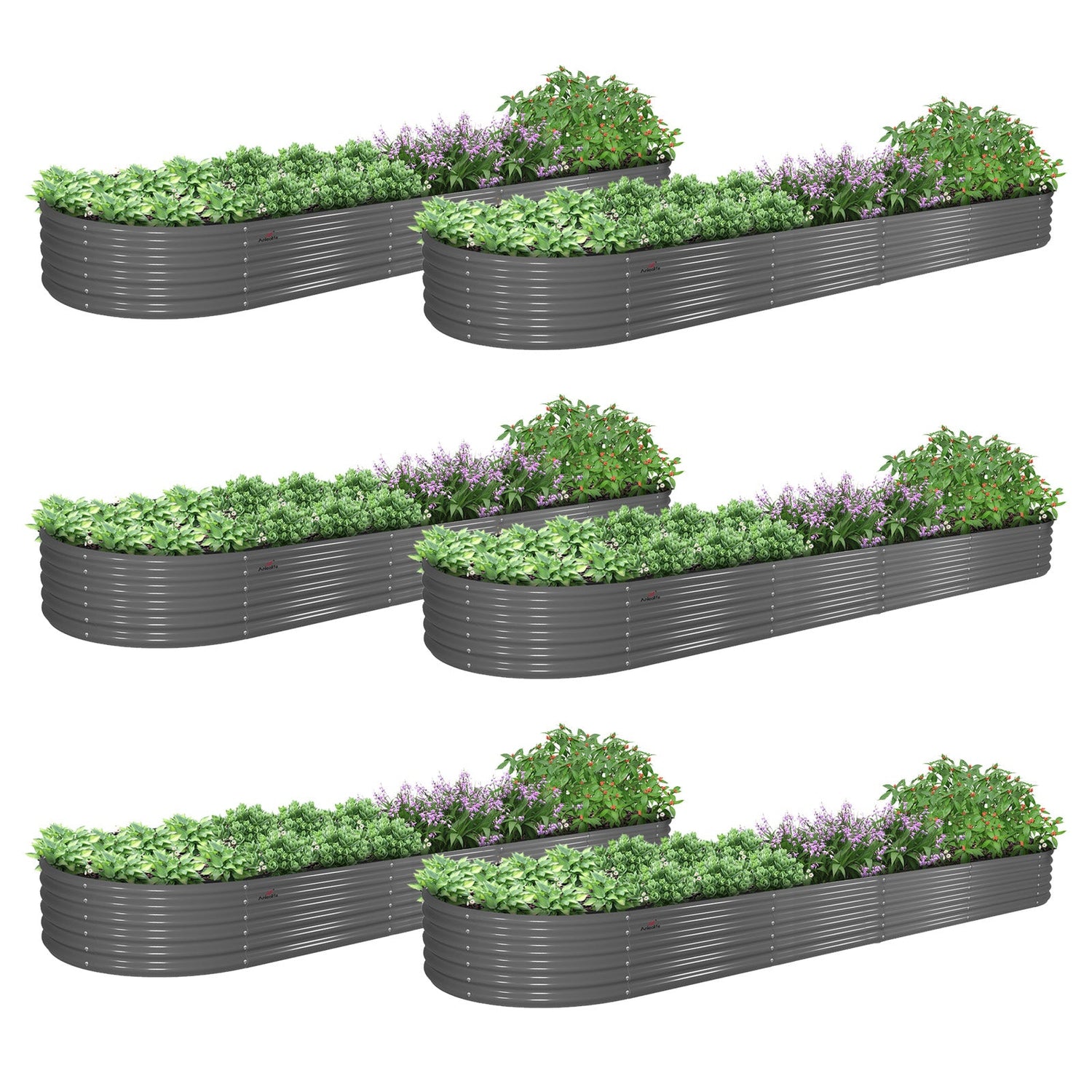



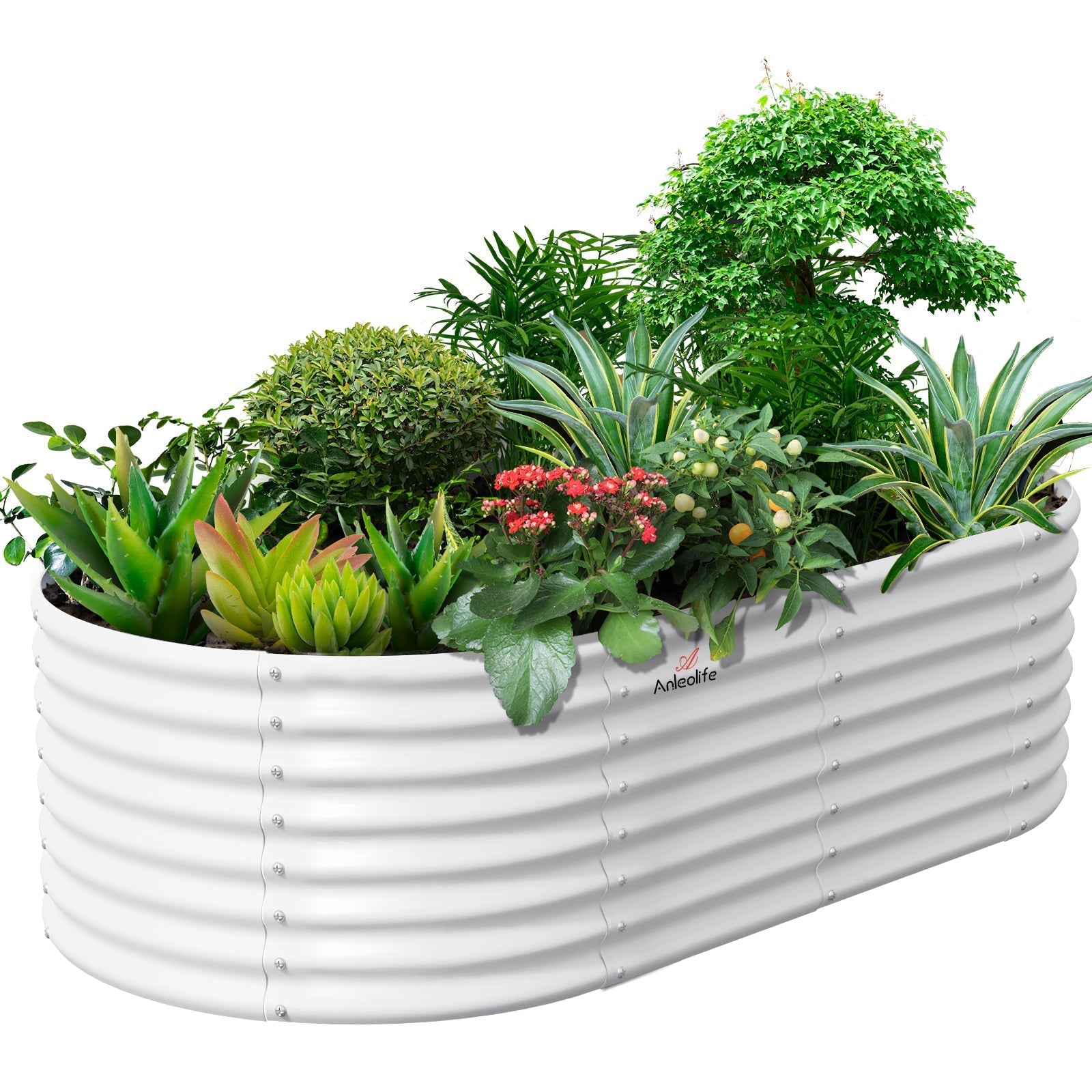
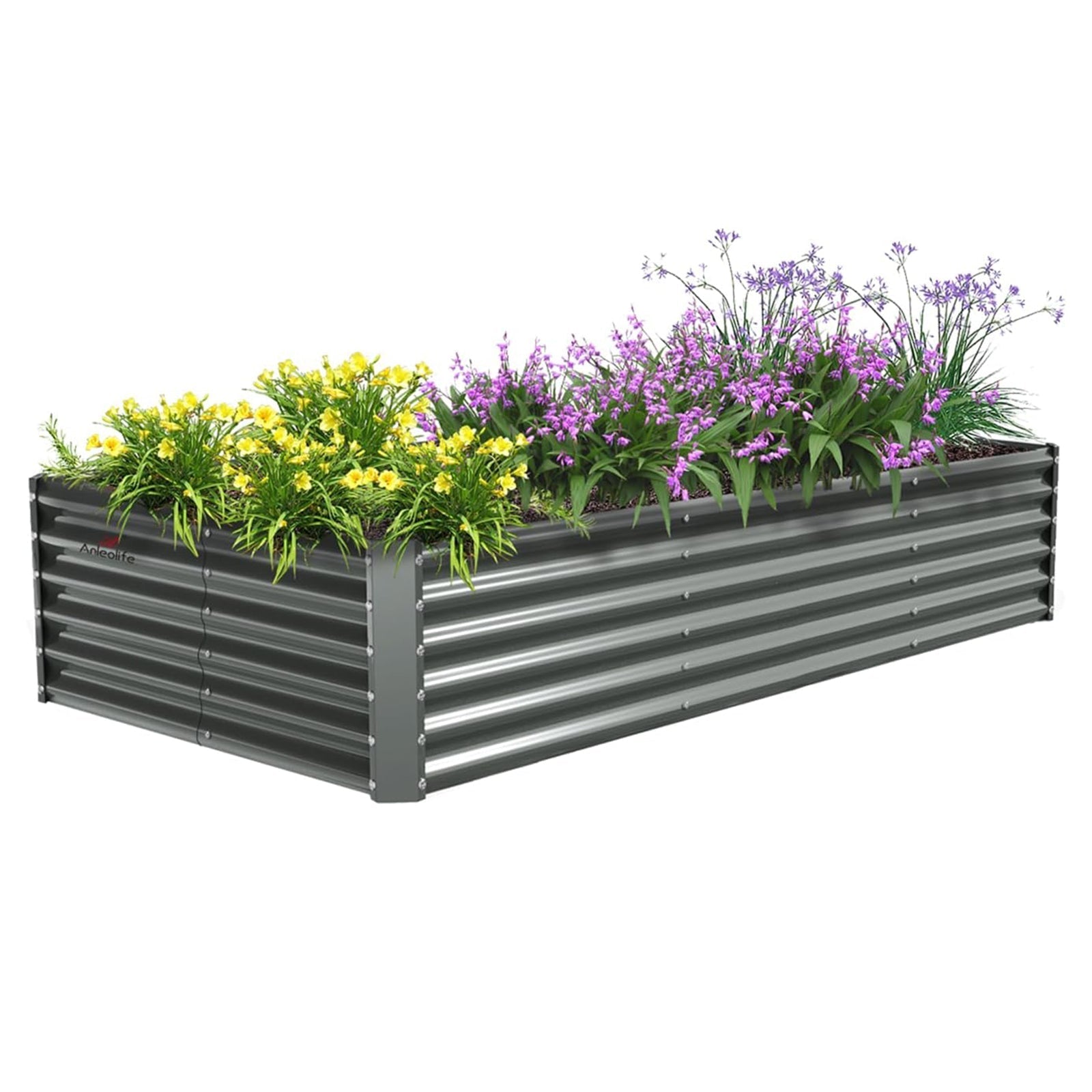
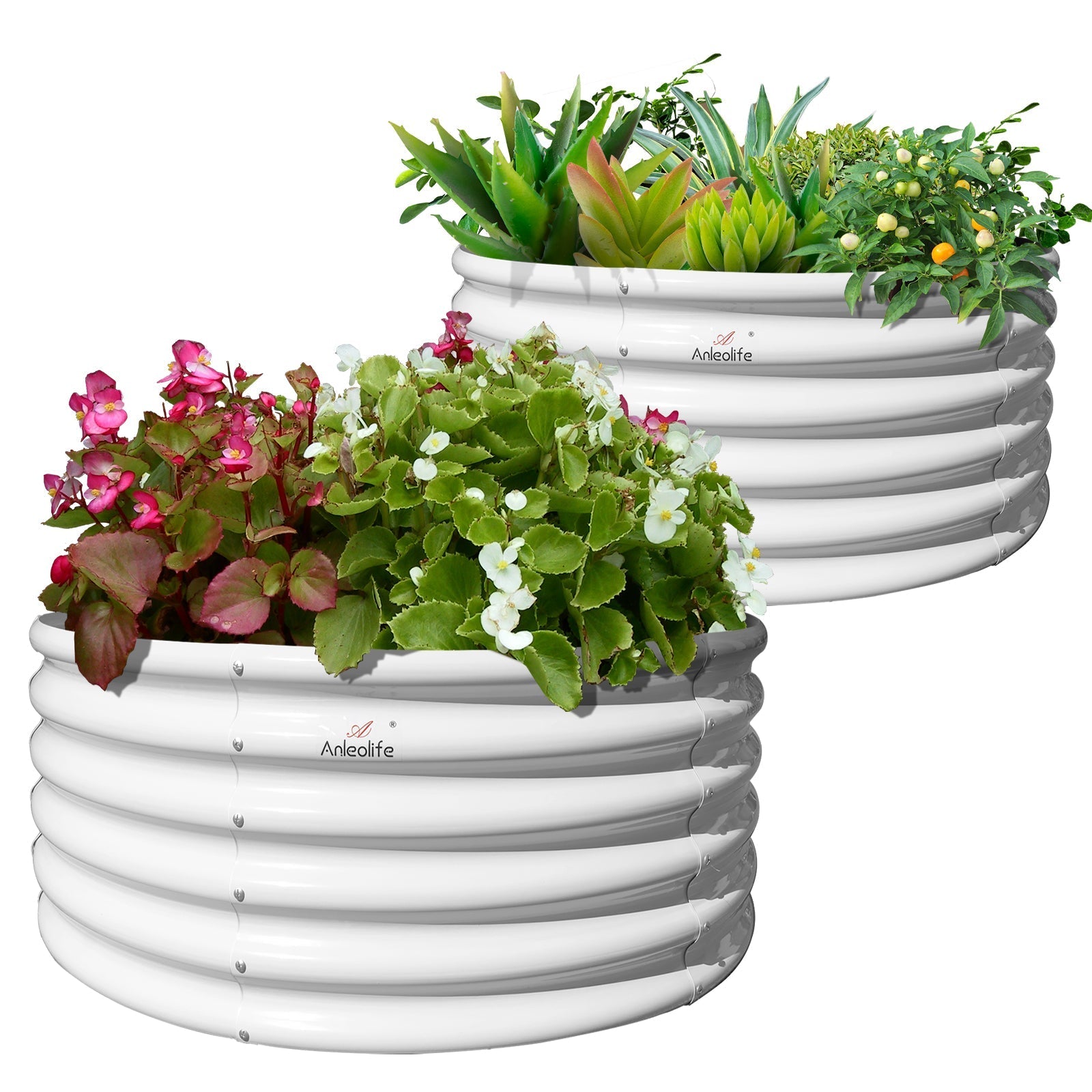
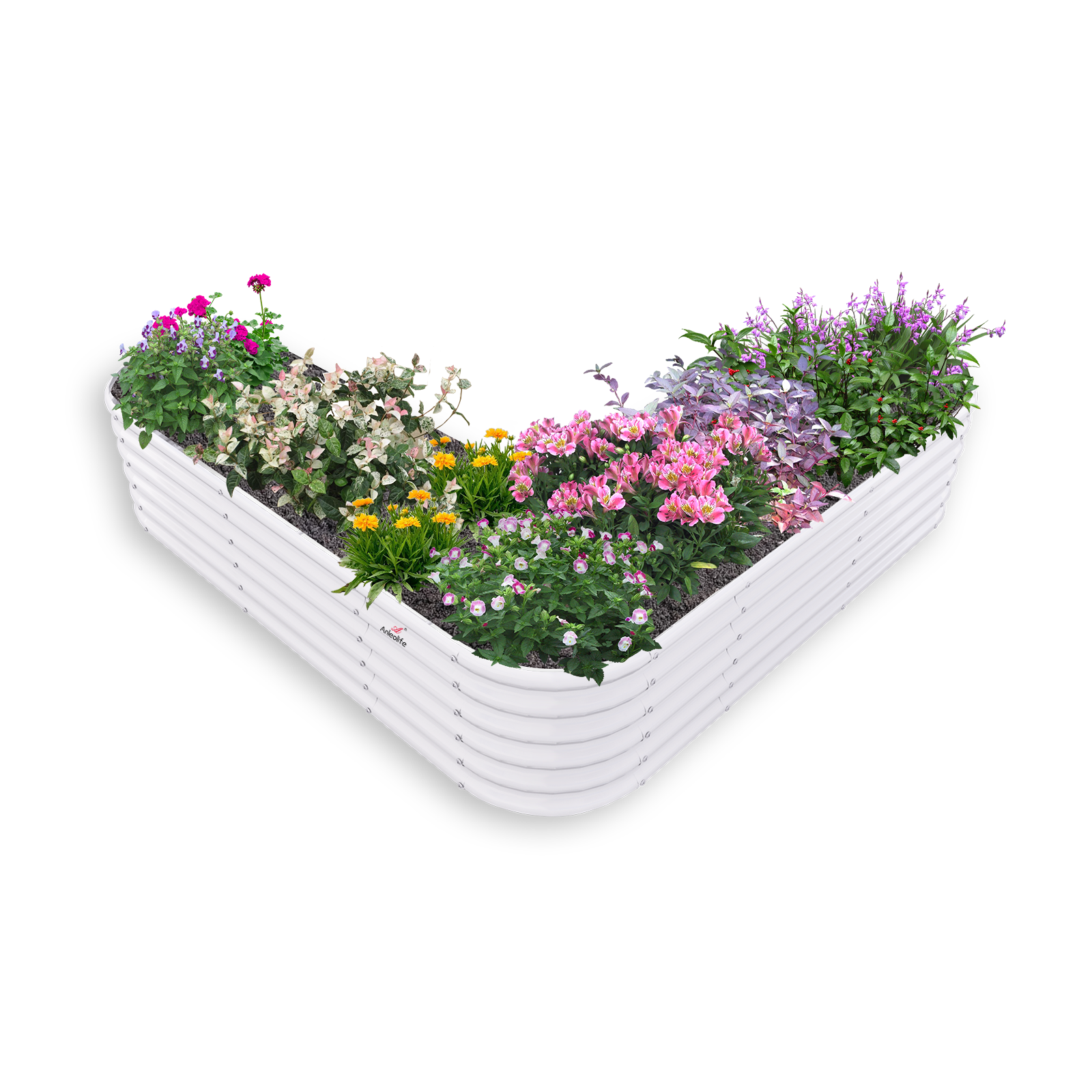
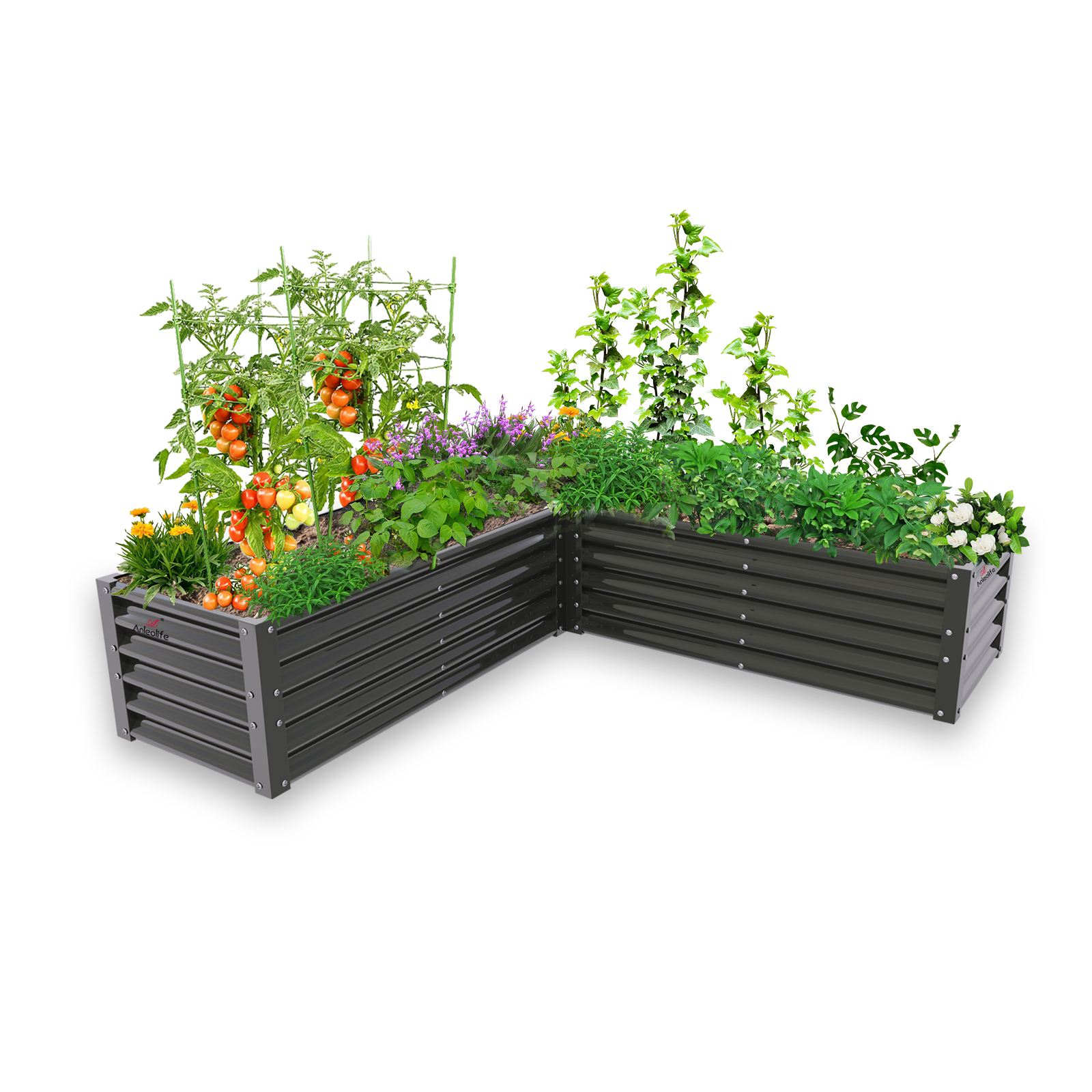
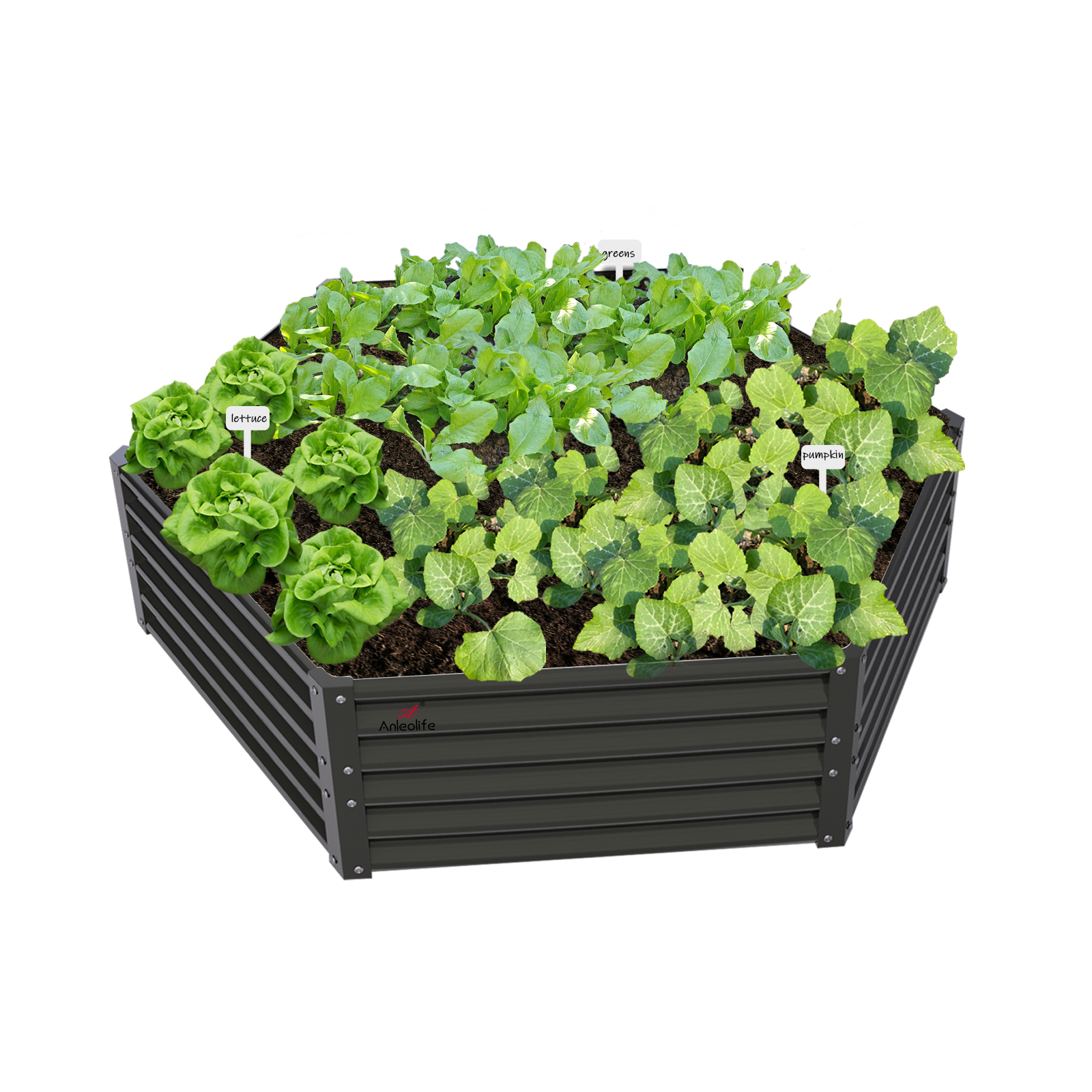
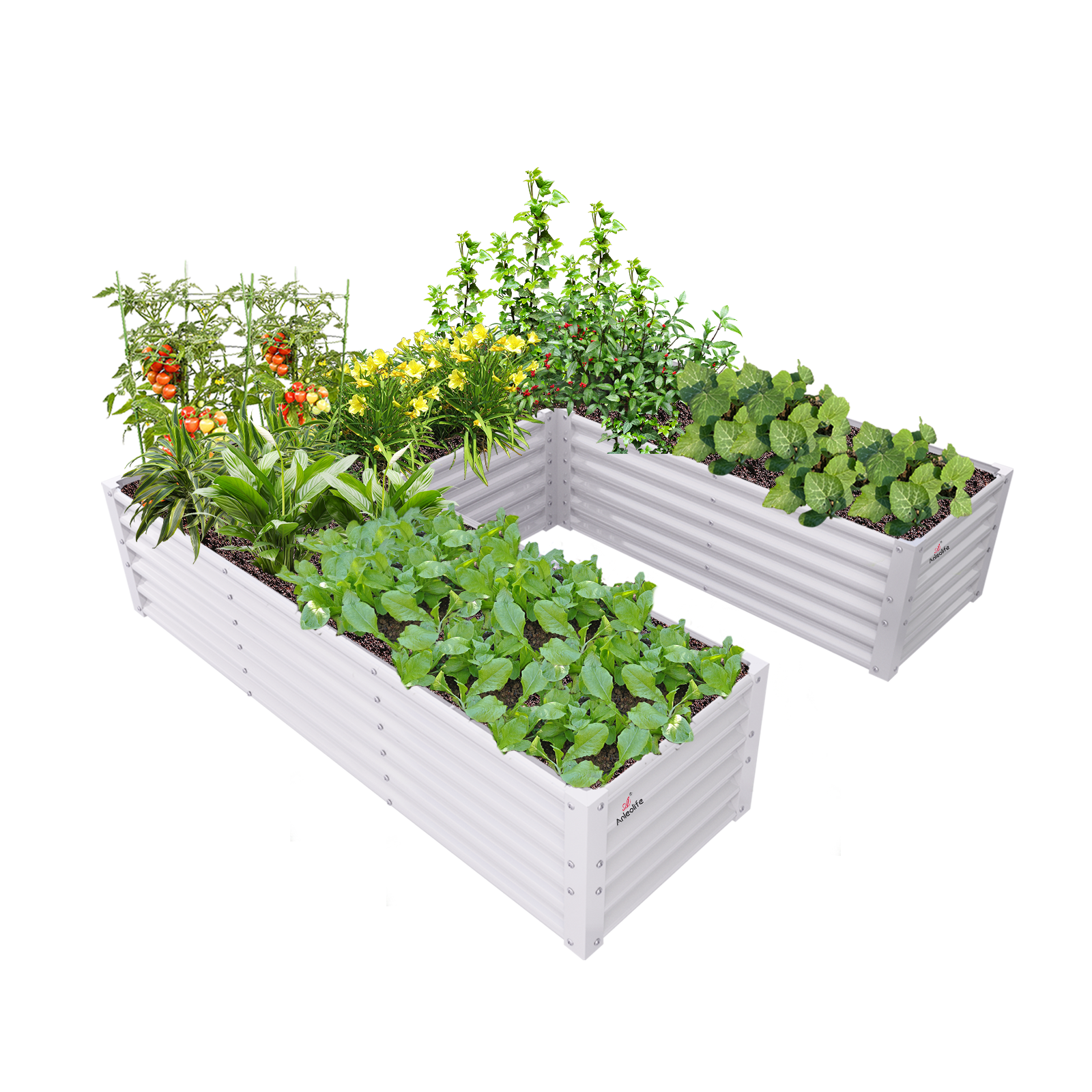

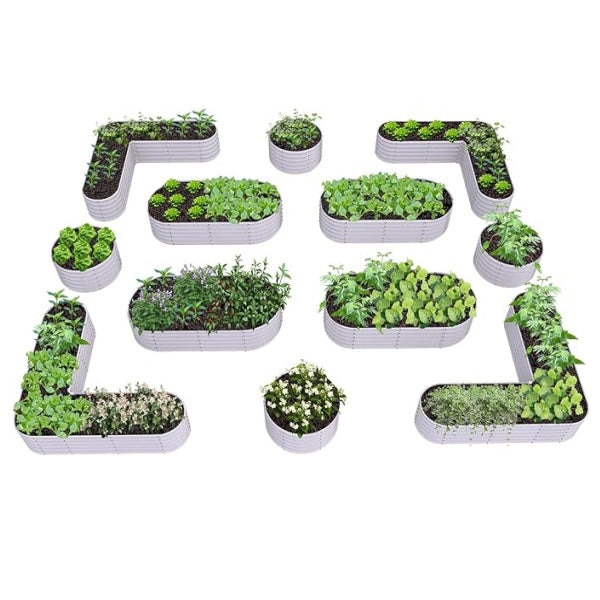

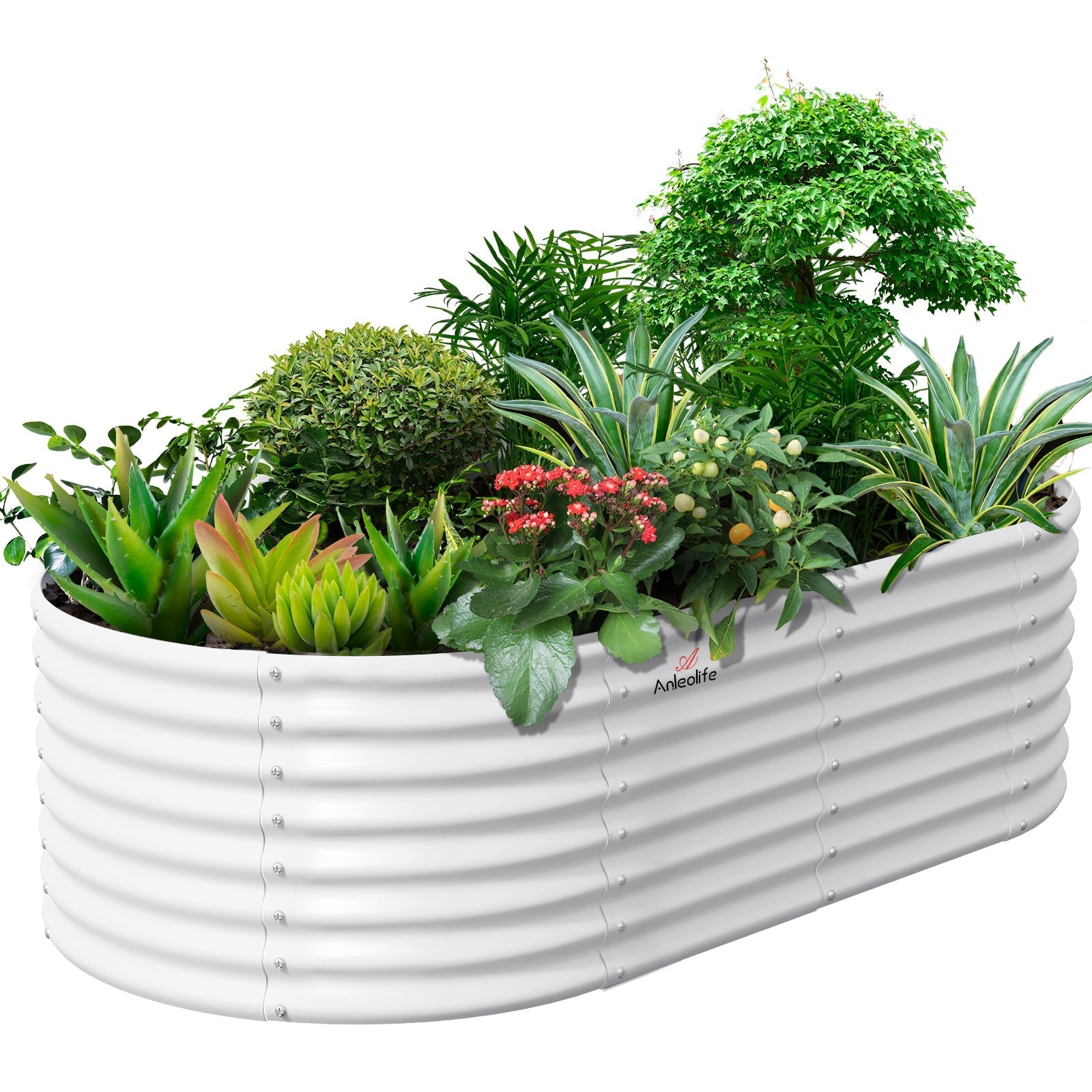


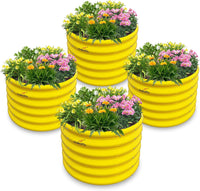
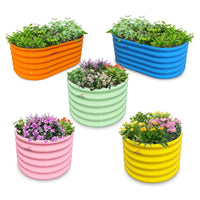
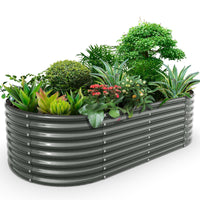



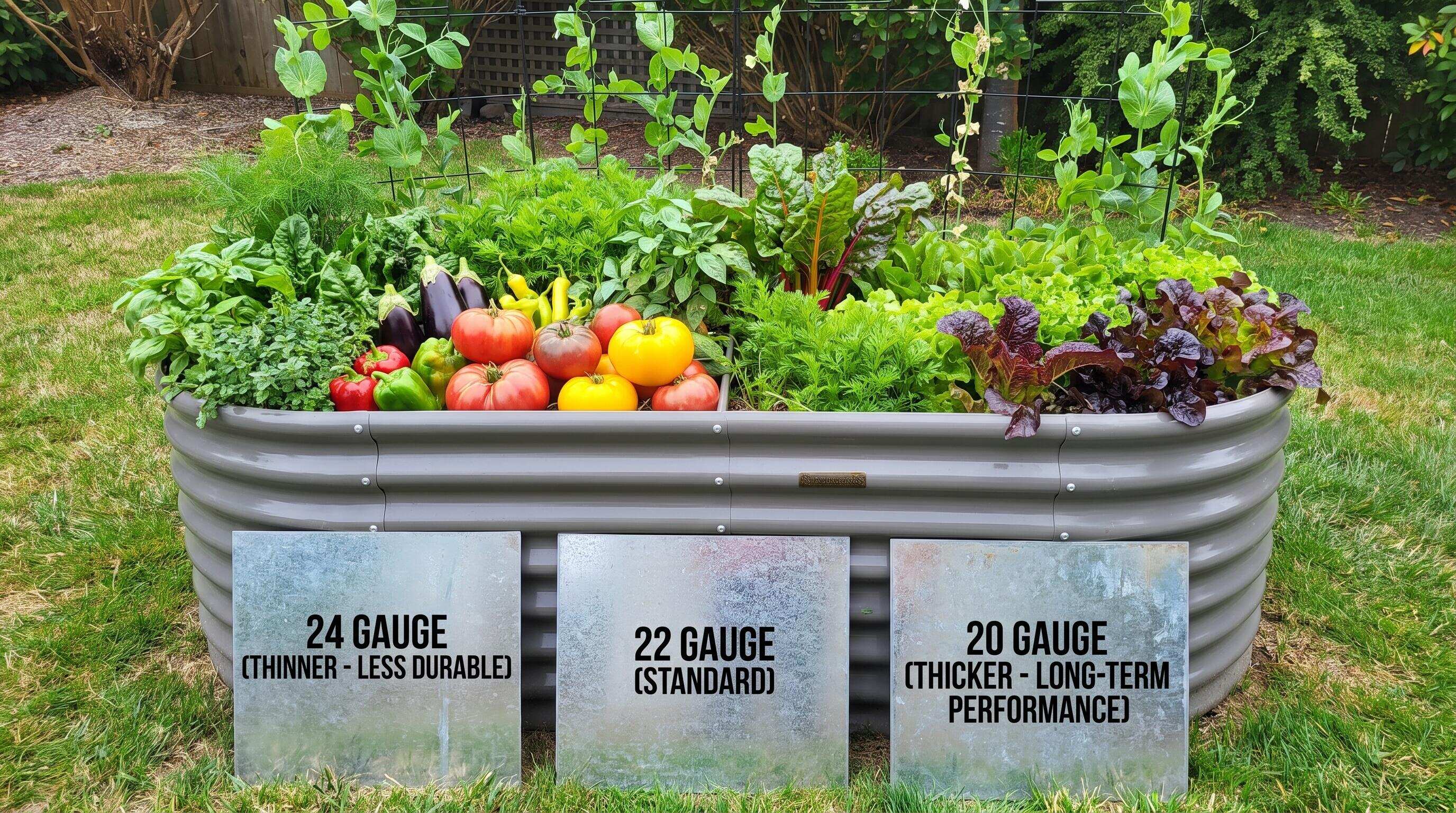
ALT: Galvanized steel gauge thickness comparison for raised bed garden durability and long-term performance
Why Steel Gauge Is the Hidden Factor Behind Every Raised Bed's Lifespan
You pick out a raised bed, assemble it on a sunny weekend, fill it with a carefully blended soil system, and plant your first seeds — only to notice the panels warping or rust streaking the corners two seasons later. It is a pattern we consistently see in our work with gardeners across North America, and nearly every time, the root cause is not the brand name on the box or even the price paid. It is the gauge of the steel. Understanding galvanized steel gauge — what it means, how it is measured, and why it directly controls how long your raised bed holds up — is the single most actionable piece of knowledge a home grower can have before making a purchase.
Raised bed gardening has never been more popular, and the market has responded with an almost overwhelming variety of metal beds at every price point. But as the category has matured, a quieter conversation has emerged among serious growers: not all galvanized steel is the same, and the difference between a bed that lasts a season and one that lasts decades often comes down to a number most buyers never think to ask about.
The State of the Galvanized Steel Raised Bed Market Today
Galvanized steel raised garden beds now dominate the premium segment of the home gardening market, displacing wood as the material of choice for growers who want permanence without the maintenance overhead. The shift has been driven by several converging factors: growing awareness of chemical leaching from treated lumber, the desire for a cleaner aesthetic in backyard spaces, and the simple economics of a product that does not rot, splinter, or need annual re-sealing.
Galvanized steel is steel that has been coated with a layer of zinc through a hot-dip or electrolytic process, creating a metallurgical barrier that dramatically slows oxidation. According to the American Galvanizers Association, hot-dip galvanization bonds zinc to steel at the molecular level, producing a coating that resists corrosion far more effectively than paint or powder coat alone. This process has been used industrially for well over a century, and its application to consumer garden products represents one of the more practical technology transfers in the home improvement space.
The "gauge" of steel refers to its thickness, and here the numbering system is counterintuitive to many buyers: a lower gauge number means thicker steel. So 12-gauge steel is substantially thicker — and heavier — than 20-gauge steel. This inverse relationship confuses many shoppers, and manufacturers sometimes exploit that confusion by listing gauge numbers without context, letting buyers assume that a higher number signals higher quality.
In our experience working with home gardeners ranging from urban micro-growers on apartment terraces to empty nesters building out half-acre kitchen gardens, the gauge conversation rarely happens at the point of purchase. Most buyers focus on dimensions, color, and price. But the thickness of the steel wall determines almost everything that matters over time: structural rigidity under soil pressure, resistance to frost-driven ground movement, and the integrity of the zinc coating itself. Thicker panels hold a thicker, more uniform galvanization layer, which is where the long-term corrosion protection actually lives.
The current landscape also reflects increasing consumer sophistication. According to reporting from the U.S. Census Bureau's data on home improvement spending trends, investment in outdoor living and gardening infrastructure has risen steadily, and buyers are increasingly asking durability-first questions. That shift in buyer behavior is what makes a technical topic like steel gauge newly relevant to a mainstream audience.
How Steel Gauge Actually Works: The Mechanics of Thickness and Durability
Steel gauge controls durability through three distinct but interrelated mechanisms: structural load capacity, coating thickness potential, and thermal resilience. Each deserves careful examination because they compound on each other in ways that make the difference between a good bed and a great one far larger than the gauge numbers alone suggest.
Structural Load and Soil Pressure
A raised bed filled with a quality soil system exerts continuous lateral pressure on its walls — not just the static weight of the soil, but dynamic pressure from watering, root expansion, freeze-thaw cycles, and the gradual settling of organic matter. Thicker steel resists this outward bowing far more effectively than thinner panels. In practice, this means a bed with adequately thick steel walls holds its rectangular or modular shape season after season, while a thinner-walled bed may visibly bow outward within one to two growing seasons, especially in larger footprints.
The relationship between wall thickness and structural performance is not linear — it is exponential. Small increases in thickness produce disproportionately large gains in rigidity, which is why the jump from a thinner commercial gauge to a heavier-duty gauge can mean the difference between a bed that needs periodic adjustment and one that simply stays put for years without intervention.
Zinc Coating Thickness and Corrosion Resistance
Hot-dip galvanization produces a zinc coating whose thickness and adhesion are directly influenced by the thickness of the base steel. Per standards published by ASTM International — specifically the ASTM A123 standard governing zinc coatings on iron and steel — thicker base metal tends to support a more robust and uniformly bonded zinc layer. This matters because the zinc layer is the primary defense against rust; once it is compromised, oxidation of the underlying steel begins immediately.
The zinc coating works through two mechanisms. First, it acts as a physical barrier, preventing moisture and oxygen from reaching the steel. Second, it acts as a sacrificial anode — if the surface is scratched, the surrounding zinc preferentially oxidizes rather than the steel itself, effectively healing minor damage. This sacrificial protection only works as long as sufficient zinc remains on the surface, which is why the initial coating thickness is so consequential.
Thermal Resilience and Freeze-Thaw Cycling
In climates that experience genuine winter — across much of the Midwest, the Northeast, and the Pacific Northwest — soil in a raised bed undergoes repeated freeze-thaw cycles that would fatigue thin-walled panels over time. Thicker steel distributes thermal stress more evenly along the panel, reducing the micro-cracking at welds and seams that can allow moisture ingress. According to materials science principles documented by ASM International, the thermal fatigue life of structural steel components correlates directly with cross-sectional thickness and the evenness of heat distribution under cyclic loading.
The Galvanization Process Itself
Not all galvanization is equal, and the process used matters alongside gauge. Hot-dip galvanization — in which the steel is submerged in a bath of molten zinc — produces a coating that is metallurgically bonded to the base steel, not merely adhered to its surface. Electrogalvanization, by contrast, produces a thinner, less durable coating that is better suited for interior applications. For outdoor raised bed garden use, where the steel is in constant contact with moist soil, hot-dip galvanization is the appropriate specification. When evaluating any metal raised bed, confirming that hot-dip galvanization was used, and not simply a zinc-based spray or paint, is as important as asking about gauge.
Why Height Amplifies the Importance of Gauge
As raised beds grow taller — from standard 18-inch heights to the 24-inch, 30-inch, and even 35-inch waist-high configurations that have become popular for ergonomic gardening — the lateral pressure on the walls increases substantially. A taller column of soil means more weight, more hydraulic pressure when wet, and a greater moment arm acting on the base of each panel. This is why extra-tall and waist-high raised beds specifically demand heavier gauge steel: the structural requirements are genuinely different from a standard-height bed, not just a matter of preference.
Evidence and Comparison: Gauge Across Different Raised Bed Categories
The practical implications of gauge differences become most visible when comparing beds across different use categories and real-world performance conditions.
In our work with home gardeners, a consistent pattern emerges: buyers who choose a heavier-gauge bed as their first investment rarely look back, while buyers who start with thinner-walled options frequently upgrade within two to three seasons — effectively paying twice for what they originally needed. The total cost of ownership calculation almost always favors the thicker-gauge option when amortized over time.
At Anleolife, the raised bed product line is built on the principle that gauge should be matched to the intended use case. The standard 18-inch-tall beds are engineered for efficient growing in moderate climates and typical garden footprints, while the 24-inch Extra Tall, 30-inch Extra Tall, and 35-inch Waist-High configurations are designed with the additional structural demands of their height in mind. All beds in the line are rated for a 20-year lifespan — a specification that is only achievable with adequate gauge and proper galvanization, not with thinner commercial-grade materials.
The comparison below captures how different gauge approaches map to different buyer needs and contexts:
| Perspective / Approach | Strengths | Trade-offs | Best Fit |
|---|---|---|---|
| Light-gauge galvanized steel | Lower upfront cost, lighter weight for easier repositioning | More prone to bowing under soil pressure, shorter effective lifespan, thinner zinc coating | Temporary installations, small decorative beds, low-load applications |
| Mid-gauge galvanized steel | Good balance of weight and durability, widely available | May struggle with extra-tall configurations or high-clay, heavy soils | Standard-height beds in moderate climates, typical home garden use |
| Heavy-gauge galvanized steel | Maximum structural rigidity, thickest zinc coating, longest lifespan | Higher upfront cost, heavier panels | Extra-tall and waist-high beds, high-rainfall climates, long-term permanent installations |
| Non-galvanized steel (painted) | Widest color selection, potentially lower cost | No sacrificial zinc protection; surface damage leads directly to rust | Short-term use only; not recommended for direct soil contact |
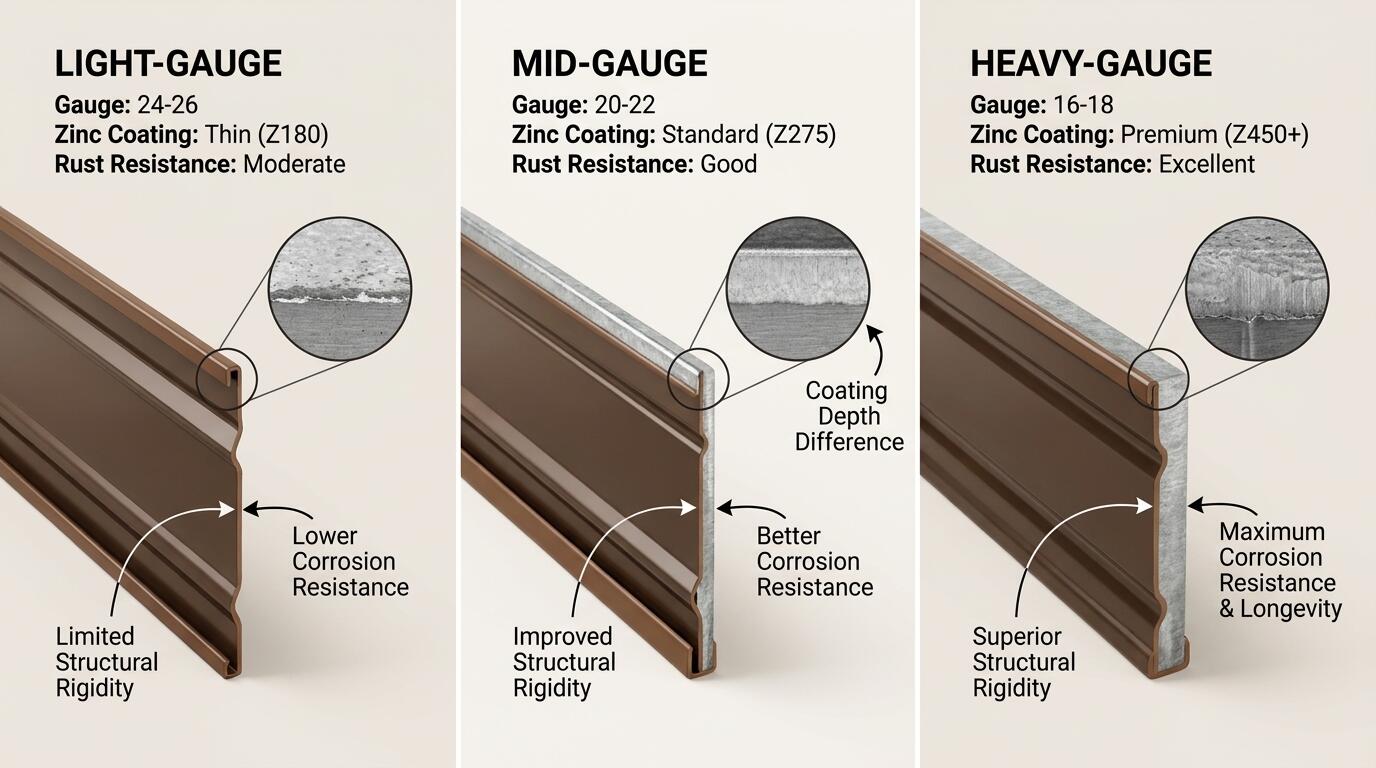
ALT: Side-by-side comparison of galvanized steel raised bed wall thickness, zinc coating, and rust resistance for raised bed gardening durability
The evidence from materials science and real-world garden installations converges on a clear conclusion: for any raised bed intended as a permanent or semi-permanent feature of a home garden, heavier gauge steel is not a luxury — it is the correct specification. The zinc coating's sacrificial protection mechanism, combined with the structural benefits of greater thickness, compounds over time in a way that thinner panels simply cannot replicate.
Per guidelines from the American Iron and Steel Institute, structural steel products exposed to outdoor environmental conditions — moisture, temperature variation, and direct contact with organic acids in soil — require corrosion protection systems calibrated to the severity of that exposure. Garden bed soil, which is intentionally amended for biological activity, is actually a moderately corrosive environment from the perspective of steel longevity.
Where the Industry Is Heading and What It Means for Your Garden
The trajectory of the galvanized raised bed category is toward greater transparency and higher baseline standards. As buyers become more informed, manufacturers who compete on gauge quality rather than just price or aesthetics are earning longer-term customer relationships — a pattern we see clearly in our own customer conversations.
Several practical implications flow from this trend for anyone planning or expanding a raised bed gardening setup:
Gauge information is increasingly a purchase criterion, not just a technical footnote. When comparing products, asking specifically whether a bed is hot-dip galvanized and what gauge steel is used is now a reasonable and expected part of the research process — the same way a buyer might ask about frame weight rating when purchasing outdoor furniture.
Taller beds require proportionally more structural consideration. The move toward ergonomic 24-inch, 30-inch, and 35-inch waist-high designs — driven by aging gardeners, people with mobility considerations, and urban growers who want intensive planting depth — means that gauge selection has become even more consequential. A 35-inch waist-high bed holding a full soil system is a significant structural challenge that light-gauge steel simply cannot meet over a 20-year horizon.
The modular and expandable design approach is gaining ground. Gardeners are increasingly thinking about their raised bed layouts as systems that will grow over time, rather than one-time purchases. This is exactly the philosophy behind modular raised bed designs, where individual panels can be reconfigured or extended as the garden evolves. For this approach to work well over many years, the base material quality — gauge and galvanization — must be sufficient to survive repeated assembly, disassembly, and reconfiguration without fatigue or corrosion at joints and edges.
From a practical standpoint, the 20-year lifespan that properly specified galvanized steel raised beds can achieve makes them one of the highest-return investments in a home garden. Over that horizon, the cost per season of use becomes remarkably low, especially when compared with wood beds that require regular replacement or composite beds that may degrade under UV exposure.
Questions & Answers
Q1: How do I know if a galvanized steel raised bed has adequate gauge for long-term durability?
The most reliable approach is to ask the manufacturer directly for the gauge specification and confirm that hot-dip galvanization — not electrogalvanization or zinc-based paint — was used. Per ASTM International standards for zinc coatings, hot-dip galvanization produces a metallurgically bonded coating far more durable than surface-applied alternatives. As a practical check, heavier-gauge steel will feel noticeably more rigid when the panel is pressed; thin-gauge panels flex visibly under hand pressure, which is a reliable indicator of insufficient structural thickness for raised bed gardening applications.
Q2: Is galvanized steel safe for growing vegetables in raised beds?
Galvanized steel is widely used in food-contact and agricultural applications, and the zinc coating is generally considered safe for vegetable gardening. Zinc is a micronutrient naturally present in healthy soils, and the levels of zinc that might migrate from a properly galvanized bed into garden soil are well within normal agricultural ranges. The U.S. Environmental Protection Agency and the USDA both provide guidance on metals in agricultural contexts, and galvanized steel consistently falls within acceptable parameters for food garden use. Soil pH management — keeping soil in the neutral to slightly acidic range — further minimizes any incidental zinc contribution.
Q3: How long should a properly gauged galvanized steel raised bed realistically last?
A raised bed made from adequately gauged, hot-dip galvanized steel in an outdoor garden environment should last approximately 20 years under normal use conditions. This figure assumes the bed is filled with appropriate soil, not exposed to extreme chemical inputs, and assembled correctly. Anleolife's galvanized steel raised garden beds are specified to this 20-year standard, which is achievable because the combination of sufficient gauge thickness and hot-dip galvanization creates a corrosion protection system that degrades very slowly under typical garden conditions. Thinner-gauge or electrogalvanized alternatives may show meaningful degradation in as few as three to five seasons.
Key Takeaways
Steel gauge is the defining technical specification for any galvanized raised bed garden investment. Three core points summarize the analysis above:
Gauge thickness controls both structural integrity and the quality of the zinc coating. Thicker panels resist soil pressure more effectively and support a more robust corrosion barrier — the two factors that together determine whether a raised bed lasts one growing cycle or two decades.
Hot-dip galvanization is the correct process for outdoor raised bed garden applications. It produces a coating that is metallurgically bonded to the steel rather than simply adhered to the surface, giving it the sacrificial anode properties that allow minor surface damage to heal rather than propagate.
The 20-year lifespan of a properly specified galvanized steel raised bed makes it one of the best long-term value decisions in home gardening. When amortized over that horizon, the cost per growing season is remarkably low — and the gardening experience is consistently better, with beds that hold their shape, stay level, and require no maintenance beyond normal garden care.
For anyone building out a raised bed garden layout — whether starting with a single bed or planning a full multi-bed system — these principles should be the foundation of every purchasing decision. The right gauge, the right galvanization process, and the right design for your intended height and footprint will determine everything that follows.
Ready to build a garden that grows with you? Explore the full range of galvanized steel raised garden beds at Anleolife — from standard 18-inch-tall beds to 35-inch waist-high configurations, all built to a 20-year durability standard and available through a nationwide warehouse network with delivery in 3–8 business days. Anleolife products are also available on Amazon, Walmart, Home Depot, Lowe's, and Wayfair, with consistent quality and after-sales support across every channel. Whether you are starting your first raised bed or expanding into a full planting-and-raising ecosystem, visit the Anleolife website to find the right fit for your space, your soil system, and your long-term garden vision.
References & Further Reading
- American Galvanizers Association. "Hot-Dip Galvanizing for Corrosion Protection."
https://www.galvanizedit.com - ASTM International. "ASTM A123: Standard Specification for Zinc (Hot-Dip Galvanized) Coatings on Iron and Steel Products."
https://www.astm.org - American Iron and Steel Institute. "Steel Products and Corrosion Protection Guidance."
https://www.steel.org - ASM International. "Thermal Fatigue and Structural Steel Performance Resources."
https://www.asminternational.org - U.S. Environmental Protection Agency. "Metals in Agriculture and Soil Contact Guidelines."
https://www.epa.gov
Note: Standards may be updated; please check the latest official documents or consult professional advisors.