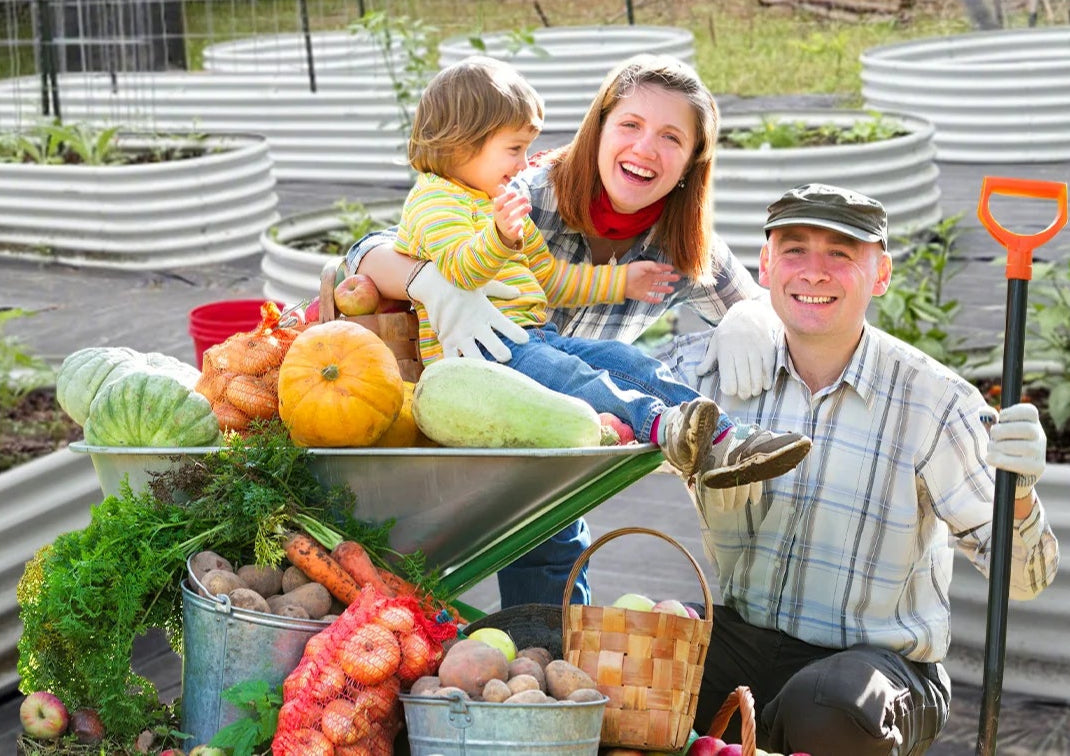



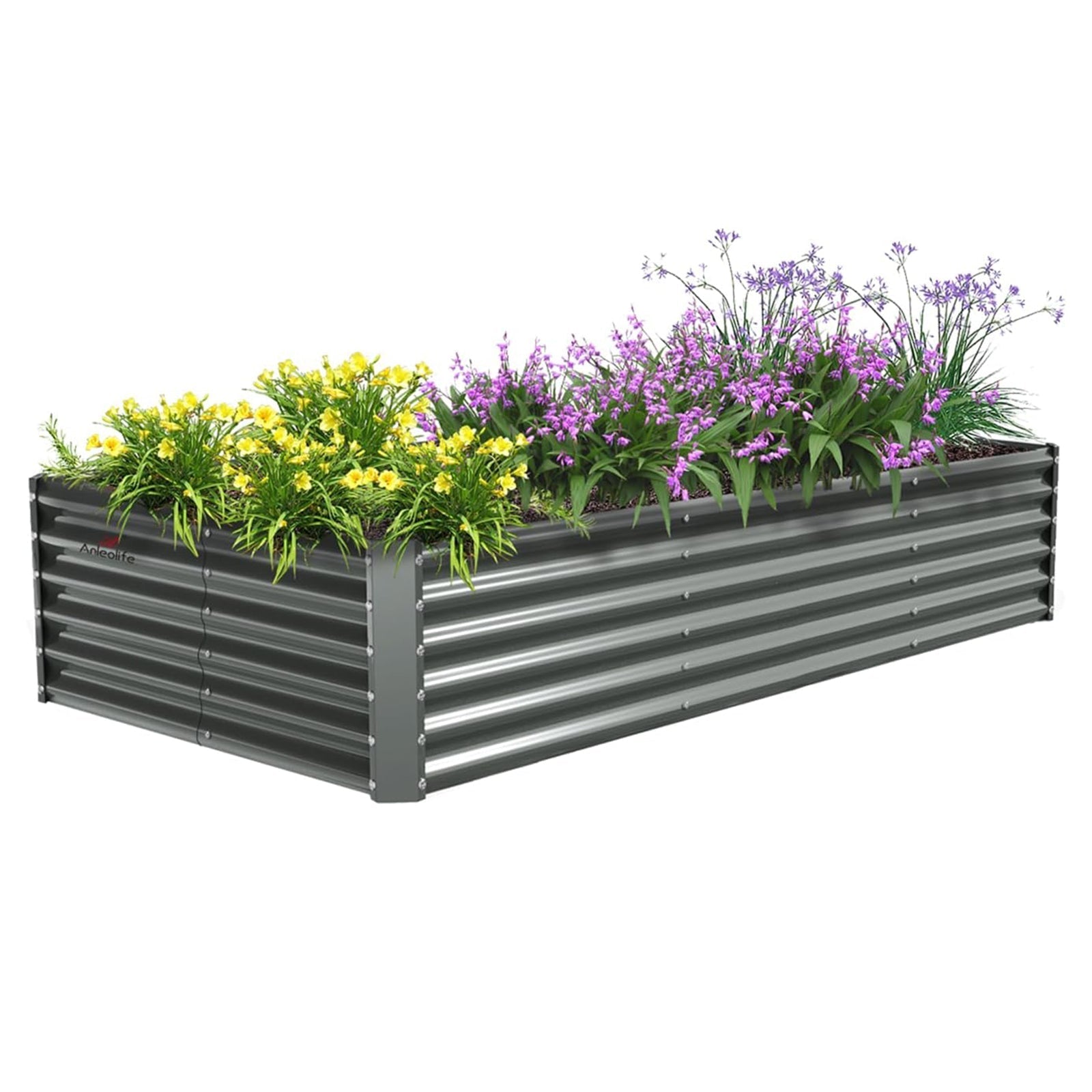

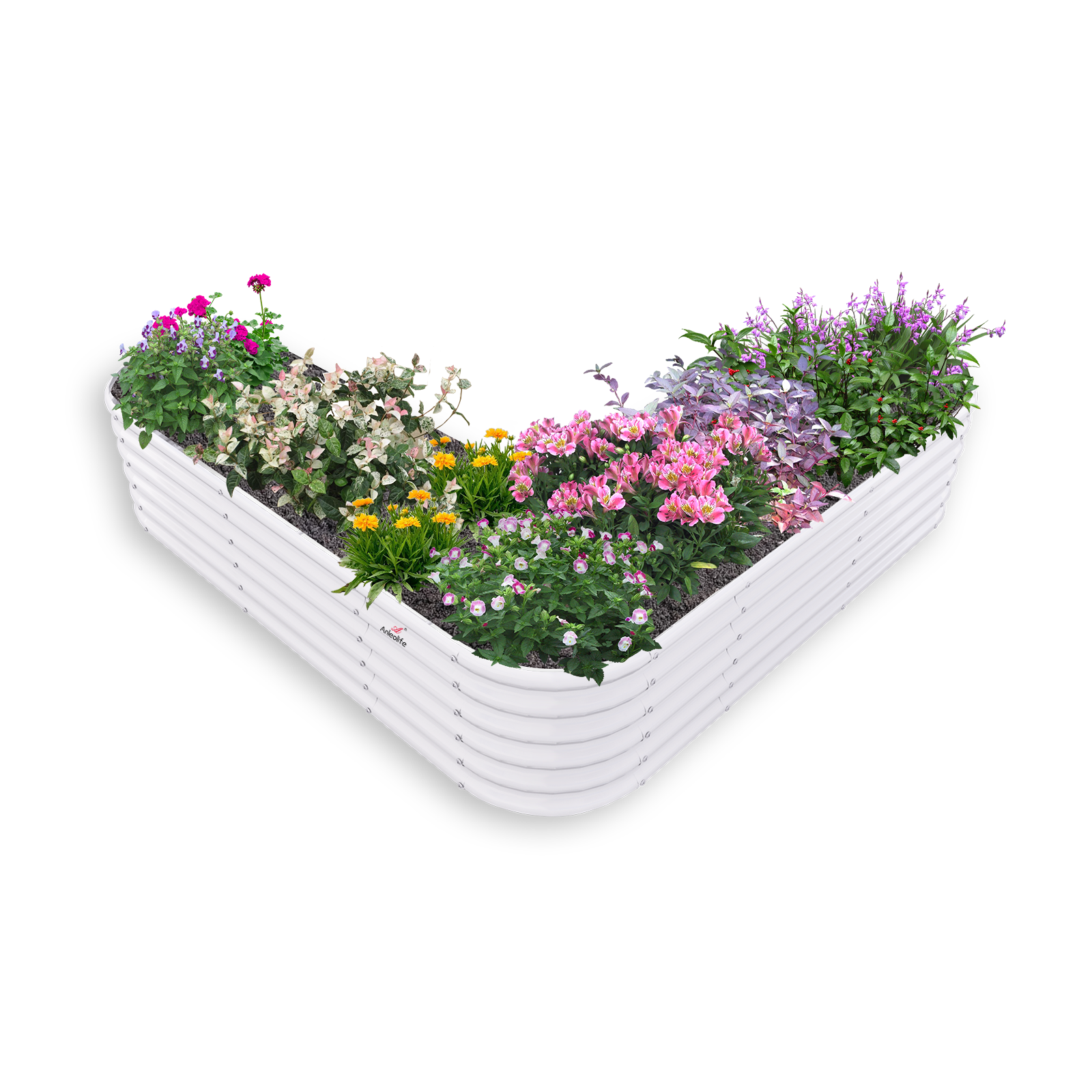
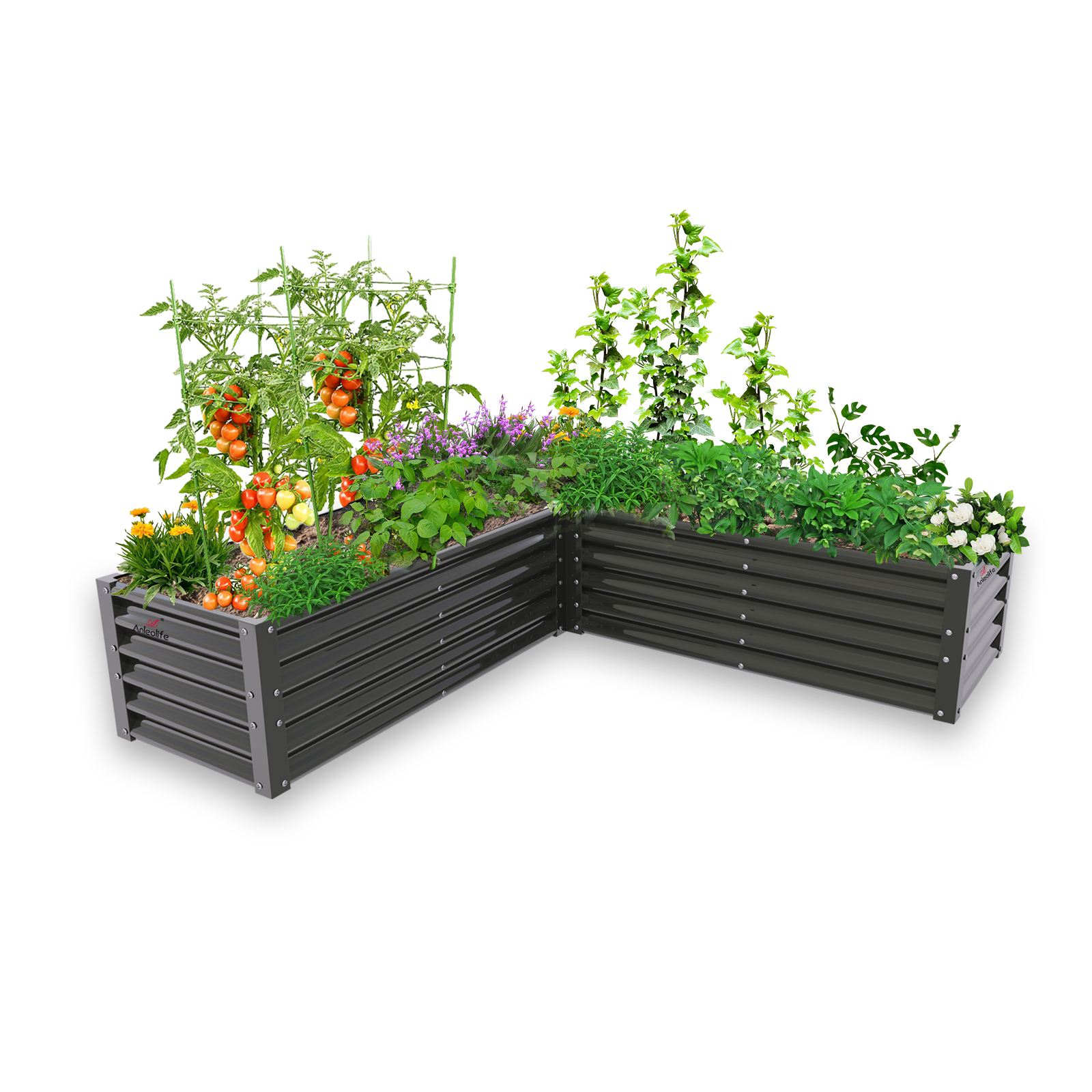
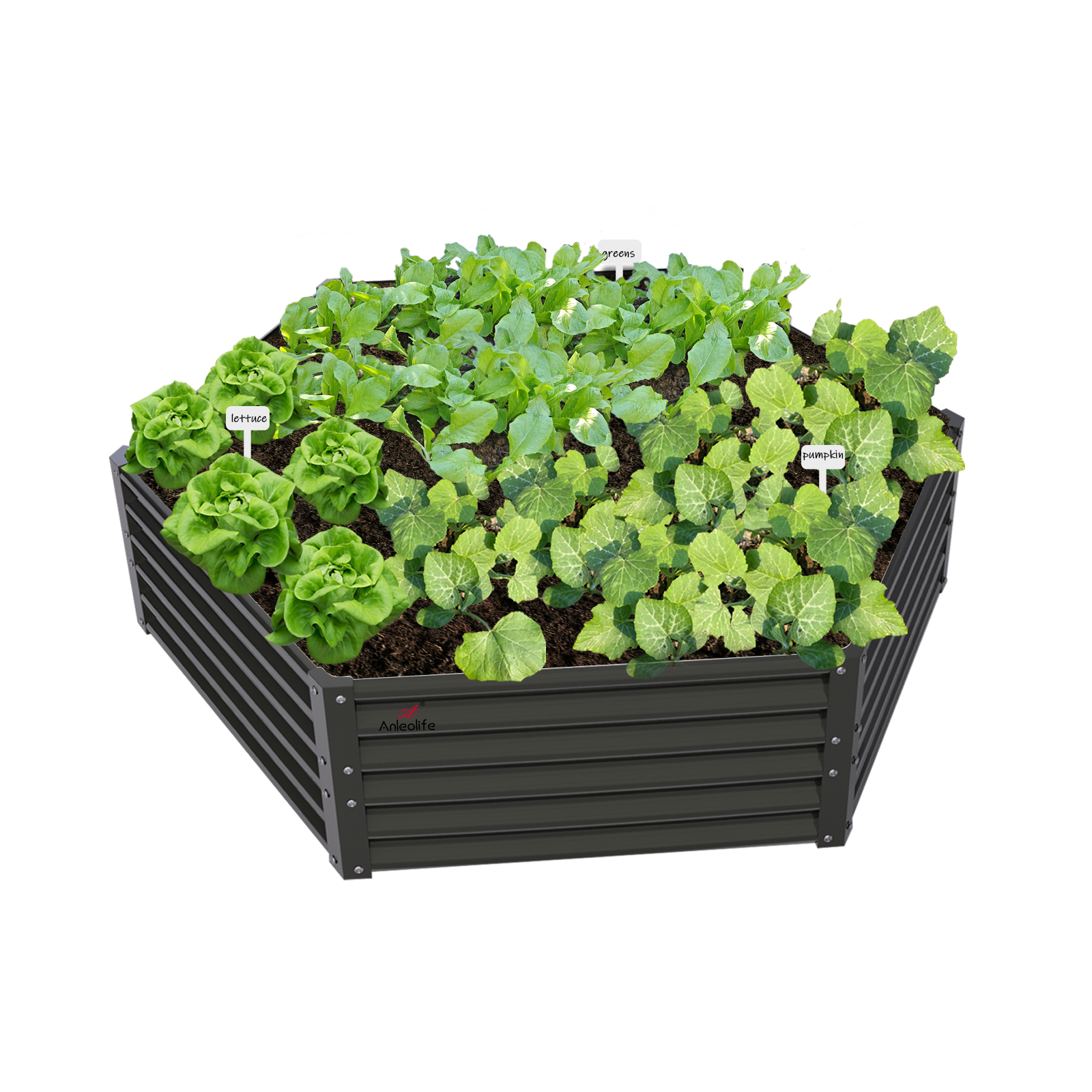
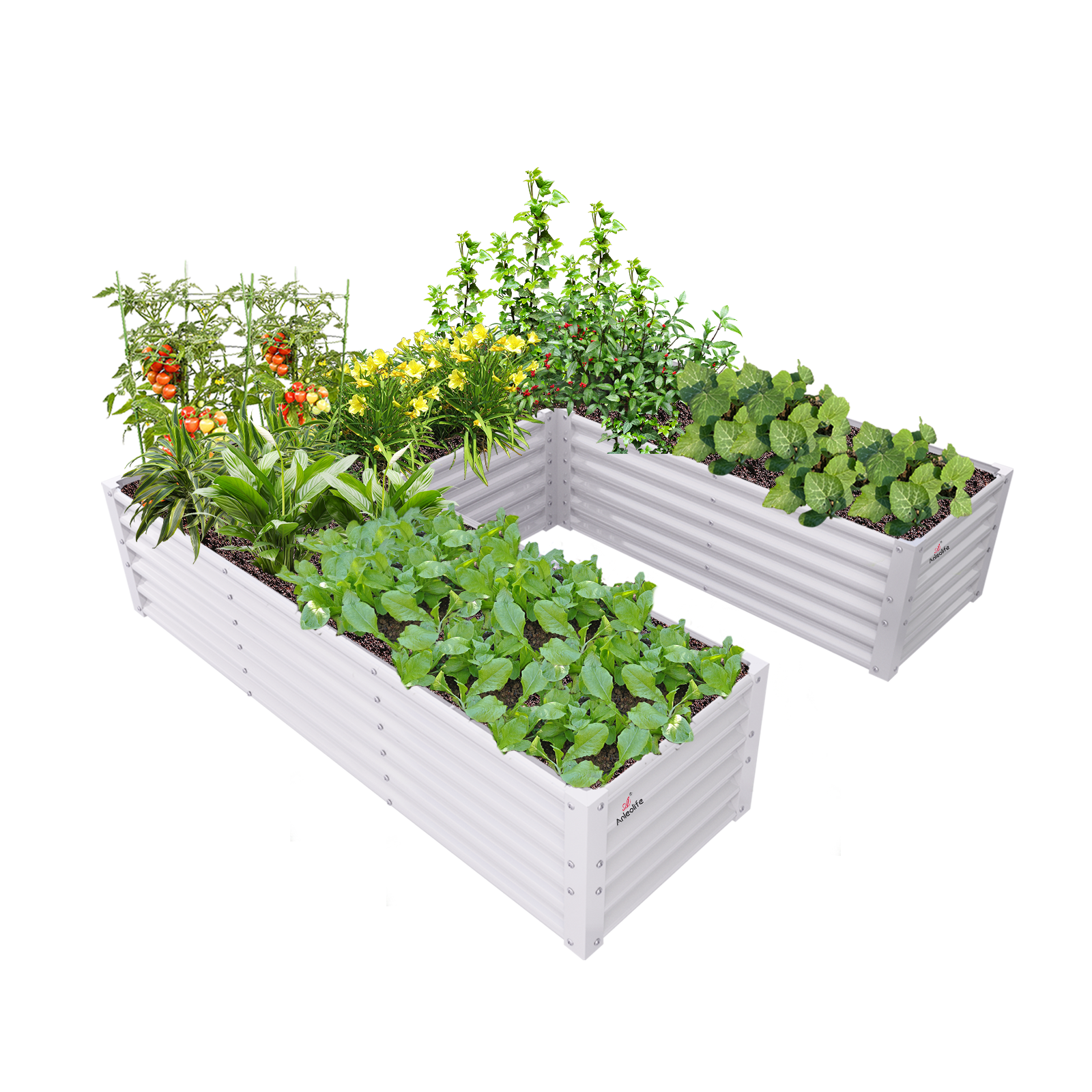

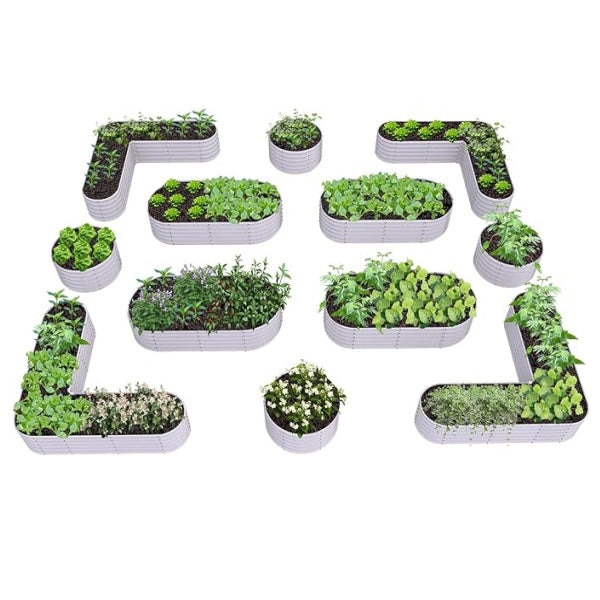


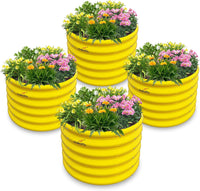
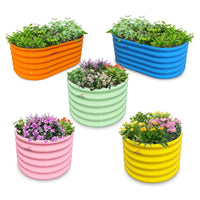
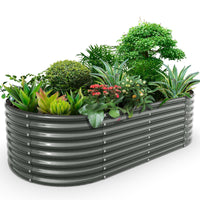



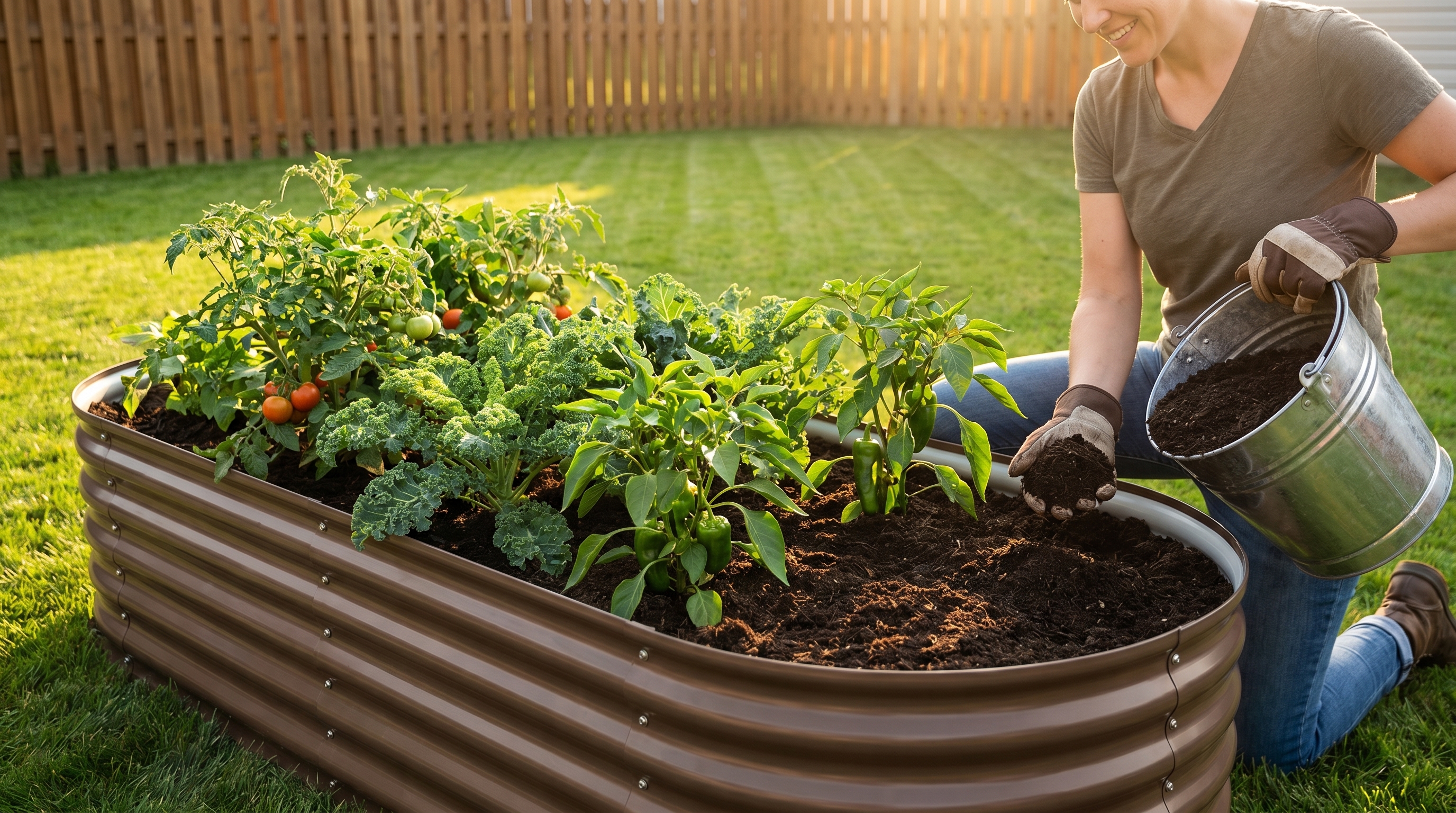
ALT: Gardener applying advanced compost to a raised bed soil system, boosting plant growth this season
Why Advanced Composting Is the Secret Weapon for Raised Bed Gardeners
Key Conclusion: Advanced composting techniques—including hot composting, vermicomposting, and bokashi fermentation—can transform your raised bed soil into a nutrient-dense growing medium that dramatically improves plant health, root development, and seasonal yields. Whether you're growing herbs, vegetables, or flowers in galvanized steel raised garden beds or modular setups, supercharging your soil through smart composting is the single highest-return investment a home gardener can make this season.
If you've ever wondered why some raised beds burst with lush growth while others limp along with lackluster harvests, the answer almost always comes down to soil quality—and more specifically, what's living in that soil. Compost isn't just fertilizer; it's a biological catalyst that feeds beneficial microbes, improves drainage, regulates moisture, and buffers pH all at once.
This guide moves beyond the basics of "throw scraps in a bin and wait." We'll walk you through proven advanced composting strategies tailored specifically for raised bed gardeners, including how to choose the right composting method for your space, how to speed up decomposition, and how to integrate finished compost into your growing season for maximum results.
Who Should Use These Advanced Composting Techniques
✅ Applicable Scenarios:
- Home gardeners who already have a raised bed setup and want to dramatically improve soil fertility season over season
- Eco-conscious growers looking to reduce kitchen and yard waste while building a closed-loop organic gardening system
- Urban micro-gardeners working with limited space who need to extract maximum productivity from compact beds
- Empty nesters and retirees who enjoy slow, intentional garden work and want to see the long-term payoff of excellent soil biology
❌ Not Applicable/Cautions:
- Gardeners expecting instant results—advanced composting builds soil health progressively and requires patience and consistency
- Those with very small balcony setups who lack even minimal outdoor space for a composting vessel or worm bin (though indoor vermicomposting may still apply)
- Anyone unwilling to monitor moisture and temperature, as hot composting in particular requires active management to succeed
The Science Behind Supercharged Raised Bed Soil
Raised beds have an inherent advantage over in-ground gardens: you control the entire soil environment. But that control comes with responsibility. Unlike native soil that receives ongoing inputs from underground ecosystems, raised bed soil is essentially a closed system. Over time, nutrients deplete, organic matter breaks down, and soil structure can compact—especially in intensively planted beds.
This is where advanced composting steps in as a game-changer.
Research from the Rodale Institute and university extension programs across the United States consistently shows that beds amended with high-quality compost outperform those treated with synthetic fertilizers alone in long-term soil health metrics. Compost improves the cation exchange capacity (CEC) of your soil—its ability to hold onto nutrients rather than leaching them away with every watering. It introduces diverse communities of beneficial bacteria and fungi, including mycorrhizal networks that extend root reach and improve phosphorus uptake.
For raised bed gardeners specifically, this matters because you're typically growing in a highly concentrated, intensively managed space. Whether you're working with a compact 4x4 bed for herbs and flowers or an expansive 12x3 layout for mixed vegetables, the soil in that bed has to work extraordinarily hard. Compost is what keeps it performing season after season.
There's also a sustainability dimension that resonates deeply with today's eco-conscious home growers. The EPA estimates that food scraps and yard waste together constitute more than 30% of what Americans throw away. Composting that material and returning it to your garden beds is one of the most impactful closed-loop choices a household can make.
Modern raised bed designs—like Anleolife's galvanized steel and rust-resistant beds—are built to last up to 20 years, which means you're not just investing in this season's harvest. You're building a long-term growing infrastructure that rewards consistent soil-building practices year after year. The better your composting routine, the better your soil in year three, year seven, and year fifteen.
Core Composting Methods and How to Apply Them to Raised Beds
Three-Step Quick Start for Raised Bed Composting Success
Step 1: Choose Your Composting Method Based on Space and Time
Before anything else, assess your available space and how much time you can realistically commit each week. Hot composting requires a minimum pile size and weekly turning—ideal if you have a backyard. Vermicomposting (worm bins) works beautifully in small spaces or garages. Bokashi fermentation is perfect for apartment dwellers or those with lots of kitchen scraps. Spend 15–20 minutes evaluating your setup before investing in equipment. The right method makes all the difference in whether you stick with it.
Step 2: Build Your Feedstock System
Great compost starts with a steady, balanced supply of "greens" (nitrogen-rich materials like vegetable scraps, coffee grounds, fresh grass clippings) and "browns" (carbon-rich materials like dried leaves, cardboard, wood chips). The classic ratio is roughly 3 parts browns to 1 part greens by volume. Set up a small kitchen collection container and a designated outdoor storage area for browns. This two-stream collection habit makes it easy to maintain the carbon-to-nitrogen balance your pile needs to decompose efficiently and odor-free.
Step 3: Integrate Finished Compost Into Your Beds Strategically
Once your compost is dark, crumbly, and earthy-smelling, it's ready to use. For new beds or seasonal refreshes, work 2–4 inches of finished compost into the top layer of your bed soil before planting. For mid-season top-dressing, apply a 1-inch layer around established plants as a slow-release amendment. For perennial herb beds and flower-focused raised beds, a light annual application maintains fertility without overloading with nitrogen. Timing matters—spring and fall applications capture the most benefit.
Comparing the Top Advanced Composting Methods for Raised Bed Gardeners
Every composting method has trade-offs. Here's a clear comparison to help you choose the best fit for your gardening style, space, and goals.
| Comparison Dimension | Hot Composting | Vermicomposting | Bokashi Fermentation |
|---|---|---|---|
| Space Required | Medium–Large (outdoor pile or bin) | Small (bin fits indoors/garage) | Very Small (sealed bucket system) |
| Time to Finished Compost | 3–8 weeks with active management | 2–3 months | 2–4 weeks (pre-ferment); then soil burial |
| Best Feedstocks | Yard waste, garden debris, kitchen scraps | Fruit/vegetable scraps, paper, cardboard | All kitchen waste including meat/dairy |
| Skill Level | Intermediate (requires monitoring) | Beginner-friendly | Beginner-friendly |
| Nutrient Density | High (broad microbial diversity) | Very High (worm castings are exceptional) | High (preserved via fermentation) |
| Suitability for Raised Beds | Excellent for seasonal bulk amendments | Excellent for regular top-dressing | Best used buried under bed soil or mixed in |
| Cost to Start | Low–Medium | Low–Medium | Low (buckets + bran culture) |
The right answer isn't always a single method. Many experienced raised bed gardeners run two systems simultaneously—a hot pile for bulk yard waste and a worm bin for kitchen scraps—then blend the outputs for a truly comprehensive soil amendment.
Deep Dive: How Each Method Works and Pro Tips to Maximize Output
Hot Composting: Speed and Volume for Serious Raised Bed Growers
Hot composting is the powerhouse method for gardeners who generate significant yard waste or maintain multiple large beds. When managed correctly, a hot pile reaches internal temperatures of 130–160°F, which kills weed seeds, pathogens, and accelerates decomposition dramatically.
The key to a successful hot pile is the carbon-to-nitrogen ratio, aeration, and moisture. Your pile should feel like a wrung-out sponge—moist but not dripping. Turn it every 3–5 days to introduce oxygen and redistribute heat. Adding a compost accelerator inoculant or a shovelful of finished compost from a previous batch jumpstarts microbial activity and can shave weeks off processing time.
For raised bed gardeners, hot composting is particularly valuable in the shoulder seasons—early spring and late fall—when you're preparing beds for planting or putting them to rest. Generating a large batch of finished compost in late winter means you have an ample supply ready when the soil warms and planting season begins.
Pro tip: Add wood chip mulch (a "brown") in generous quantities to your hot pile. When finished, this compost-chip blend makes an outstanding mulch layer for vegetable raised beds, suppressing weeds while slowly feeding the soil. Speaking of mulch—for vegetable garden beds, the best mulch options include finished compost itself, straw, or untreated wood chips. All three regulate soil temperature, conserve moisture, and suppress competing weeds without adding chemicals to your growing space.
Vermicomposting: The Premium Amendment for Any Raised Bed Size
Worm castings are widely considered the single best compost product available for home gardens. They're teeming with beneficial microbes, contain plant-growth-promoting hormones, and deliver nutrients in a slow-release form that won't burn even delicate seedling roots.
A standard worm bin can process a household's vegetable scraps efficiently and produce castings year-round. For urban micro-gardeners or anyone with limited outdoor space, vermicomposting is especially valuable because it works entirely indoors or in a covered garage space.
Apply worm castings as a seed-starting mix amendment, a transplant hole boost, or a light top-dressing around fruiting vegetables and herbs. Even small quantities—a quarter-cup per transplant hole—deliver measurable results. If you're growing in compact raised beds optimized for raised garden bed sizing for herbs and flowers, worm castings are the perfect precision amendment: highly concentrated, gentle, and endlessly versatile.
Bokashi Fermentation: The Urban Gardener's Closed-Loop Solution
Bokashi is a Japanese fermentation technique that uses beneficial microorganisms (EM-1 culture mixed with wheat bran) to ferment all kitchen waste—including cooked food, meat, and dairy—into a pre-compost material in as little as two weeks.
The fermented output isn't ready to apply directly to soil; it needs to be buried in the ground or mixed into an outdoor compost pile for 2–4 weeks to fully break down. For raised bed gardeners, the easiest integration method is a "compost trench" technique: dig a small trench along one edge of your raised bed, bury the bokashi material, cover with soil, and plant into that zone the following month. The resulting soil in that area becomes extraordinarily rich.
Bokashi is particularly well-suited to apartment dwellers or anyone with minimal outdoor space who wants to divert all organic kitchen waste from landfills. The sealed bucket system produces no odor when maintained correctly, making it genuinely practical in small-space urban environments.
Compost Tea: Amplifying Results for Mid-Season Soil Boosts
Compost tea—made by steeping finished compost in aerated water for 24–48 hours—is an advanced technique that extracts and multiplies the beneficial microbes from your compost and delivers them in liquid form directly to plant roots and leaves.
Applied as a soil drench every 2–3 weeks during the growing season, compost tea can visibly improve plant vigor, increase resistance to disease, and accelerate growth in established raised beds. It's especially effective mid-season when your soil biology may be depleted by intensive cropping.
Use an aquarium air pump and airstone to aerate the brew, add a small amount of unsulfured molasses as microbial food, and apply immediately after brewing while the microbes are still active and abundant.
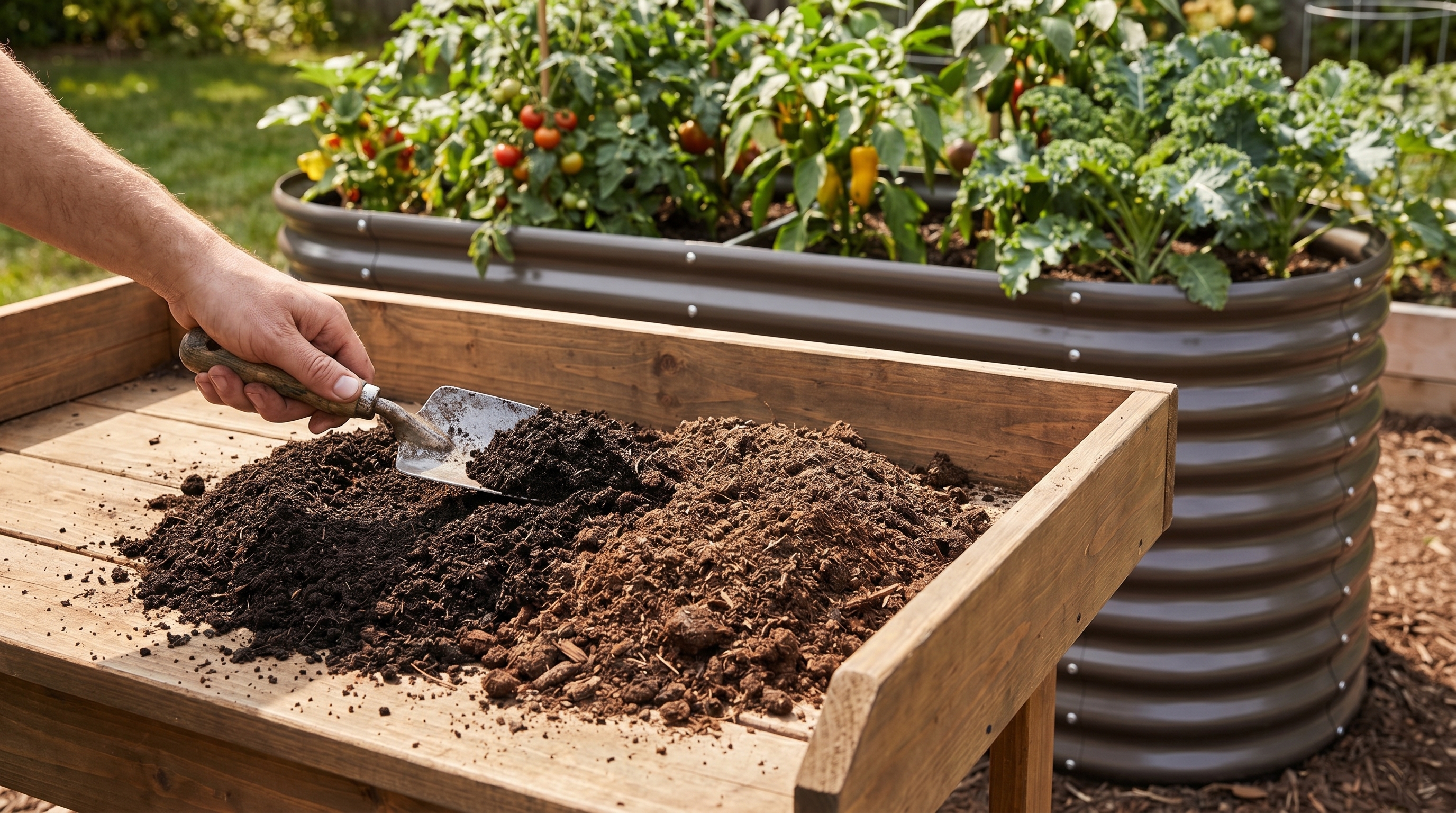
ALT: Mixing worm castings and hot compost for a nutrient-dense raised bed soil amendment that supercharges vegetable growth
Advanced Strategies: Timing, Layering, and Synergistic Soil Systems
Seasonal Composting Calendar for Raised Bed Gardeners
Timing your compost applications strategically multiplies their impact. A seasonal approach that aligns composting inputs with your bed's biological cycles delivers far better results than random amendment.
Spring: Apply 2–3 inches of finished compost worked into the top 6 inches of bed soil before your first transplants go in. This is your most important application of the year—it recharges soil biology after winter dormancy and sets the nutritional foundation for the entire growing season.
Summer: Use compost tea every two to three weeks as a soil drench. Apply a light ½-inch layer of vermicompost around heavy-feeding crops like tomatoes, peppers, and squash midway through the season. Mulching with finished compost or straw retains soil moisture during peak heat—a critical advantage for gardeners who want to water efficiently and reduce reliance on frequent hose use.
Fall: After the final harvest, this is the ideal time to add a generous layer of partially finished compost or shredded leaves to your beds. Soil organisms will work through the winter, breaking down the material so it's fully integrated by spring. Fall is also the perfect moment to inoculate your beds with mycorrhizal fungi if you haven't already.
Winter: Keep your compost system active even in colder months by insulating your pile with a layer of straw bales, or by moving your worm bin indoors to a temperature-stable location like a basement or heated garage.
Layering Technique: The "Compost Lasagna" Method
For gardeners building new raised beds or refreshing old ones, the layered composting approach—sometimes called "lasagna composting" or sheet mulching—is exceptionally effective. Start with a layer of cardboard on the bed floor to suppress weeds, then alternate layers of browns (wood chips, dried leaves, shredded paper) and greens (kitchen scraps, fresh grass clippings, green garden waste). Top with a layer of finished compost and quality topsoil.
Over one growing season—or even faster in warm weather—these layers break down in place, creating a deep, rich, biologically active growing medium that requires minimal external inputs in subsequent years. This method works particularly well in taller raised beds, such as the extra-tall designs available in Anleolife's lineup, where the greater soil depth gives layered materials more room to decompose without interfering with root zones during the active growing season.
Pairing Composting With the Right Raised Bed Setup
The synergy between your composting practice and your raised bed infrastructure matters more than most gardeners realize. A well-built, durable raised bed that retains soil and maintains its structure season after season is what allows a long-term composting investment to compound.
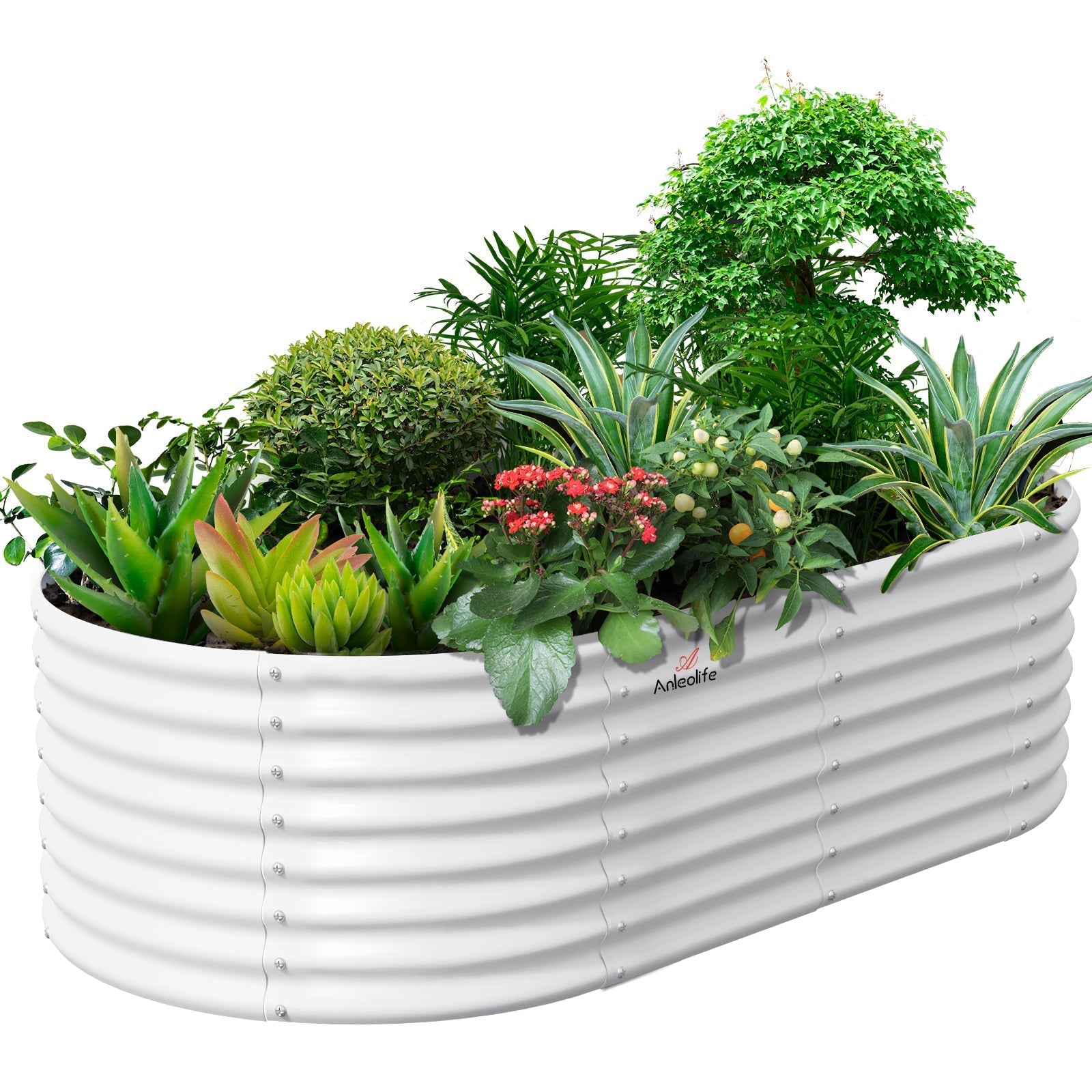
Anleolife's galvanized steel and rust-resistant raised garden beds are engineered for exactly this kind of long-term soil-building program. With a lifespan of up to 20 years, these beds give you the multi-decade time horizon that advanced composting truly rewards. A bed that degrades or warps after three or four seasons breaks the continuity of your soil-building work; a bed that holds firm for two decades lets your soil ecology deepen and mature in ways that produce increasingly exceptional results year after year.
For gardeners curious about best budget raised beds under $200 for vegetables, Anleolife offers multiple size configurations at accessible price points—from compact 4x2 options up to full-scale 8x4 and 12x3 layouts—making it possible to start small and expand your composting and growing system incrementally as your skills and confidence grow.
When it comes to best garden ornaments for small spaces, don't overlook the raised bed itself as a design element. Anleolife's clean-lined metal beds serve double duty as both a functional growing space and a visually cohesive garden feature that complements trellises, pathway stones, and decorative planters.
Common Misconceptions and Advanced Troubleshooting
Misconception 1: More Compost Is Always Better
Over-amending raised beds with compost—especially nitrogen-rich vermicompost or immature compost—can actually harm plants. Excess nitrogen produces lush, leafy growth at the expense of fruiting, and immature compost can temporarily tie up nitrogen as it finishes decomposing, starving plants of the nutrient in the short term. Stick to recommended application depths and always use fully finished, earthy-smelling compost before incorporating it into active growing beds.
Misconception 2: Compost Replaces All Other Soil Inputs
While compost is remarkably comprehensive, certain nutrients—particularly calcium, sulfur, and specific micronutrients—may still need targeted supplementation depending on what you're growing. Test your soil every one to two seasons using an affordable home soil test kit or through your county cooperative extension. Compost builds a strong baseline, but knowing your specific soil chemistry allows you to fine-tune inputs for maximum crop performance.
Misconception 3: You Need a Large Yard to Compost Effectively
This is perhaps the most persistent myth in home composting. Urban micro-gardeners have excellent options: indoor worm bins process kitchen scraps silently and odor-free in closets or under sinks. Bokashi systems handle virtually all food waste in sealed countertop buckets. Even a small tumbler composter on a balcony can process meaningful quantities of organic material. The method should fit your space, not the other way around.
Managing Compost in Extreme Weather
In hot, dry climates—common across California, Texas, and Florida—compost piles and worm bins require extra attention to moisture. Cover hot piles with burlap or a breathable tarp to retain moisture, and water your pile during dry spells. Worm bins may need to be moved to shadier, cooler spots in peak summer. In colder northern climates (New York, Illinois, Washington), insulate outdoor piles and plan your composting calendar around freeze-thaw cycles.
Frequently Asked Questions FAQ
Q1: How much compost should I add to a raised bed each season?
For established raised beds, a top-dressing of 1–2 inches of finished compost applied in spring and again in fall is generally sufficient to maintain excellent soil fertility. For new beds or those that have been growing heavy-feeding crops like tomatoes or corn, work in 3–4 inches of compost mixed into the top 6–8 inches of soil. Always use fully finished compost with a dark, crumbly texture and earthy smell—immature compost can temporarily reduce nutrient availability for your plants.
Q2: Is vermicomposting really better than regular composting for raised beds?
Both methods produce excellent amendments, but worm castings are exceptionally concentrated in plant-available nutrients and beneficial microbes. For precision applications—transplant hole amendments, seedling mixes, or top-dressing delicate herb and flower beds—worm castings are hard to beat. For bulk seasonal soil refreshes across large raised beds, hot composting produces more volume efficiently. Most experienced gardeners find the best results by combining both: use hot compost for volume and worm castings as a premium finishing amendment.
Q3: How long does it take for compost to improve raised bed soil noticeably?
You'll often see visible plant response improvements within the same growing season you begin consistent composting. However, the most dramatic long-term improvements—richer soil texture, superior moisture retention, reduced fertilizer needs, fewer pest and disease pressures—develop over two to four growing seasons of consistent amendment. This is one of the most compelling reasons to invest in durable raised bed infrastructure with a long lifespan: a bed built to last 20 years gives your composting program the time it needs to fully transform your soil.
Summary
Advanced composting is far more than a weekend project—it's a seasonal practice and a long-term philosophy that, when combined with the right raised bed infrastructure, produces compounding returns for every year you garden.
Three core takeaways from this guide:
- Method selection matters. Hot composting, vermicomposting, and bokashi fermentation each excel in different scenarios. Match your composting method to your space, time availability, and primary feedstock to maximize consistency and output quality.
- Timing and integration are everything. Applying the right compost, in the right quantity, at the right time in your growing season is more valuable than simply adding more compost. Build a seasonal calendar and stick to it.
- Durable beds amplify the investment. A composting practice only truly pays off when it can build continuously in stable, long-lasting beds. Raised beds designed for a 20-year lifespan give your soil-building work the time horizon it deserves.
Your next step is simple: choose one composting method from this guide, set it up this week, and commit to one full growing season of consistent practice. The difference in your soil—and your harvests—will speak for itself.
Upgrade Your Garden With Anleolife
Anleolife is proud to support North American home gardeners with durable, thoughtfully designed raised garden bed systems built for exactly this kind of long-term soil-building journey. With a strategic warehouse network across California, Texas, Florida, New York, Illinois, and Washington, your order arrives within 3–8 business days—so you can start building better soil without delay.
Find Anleolife products on Amazon, Walmart, Home Depot, Lowe's, Wayfair, and directly at Anleolife.com, where you'll find consistent quality assurance and dedicated after-sales support across every channel.
Anleolife's three core scenarios—Planting (metal raised garden beds, soil systems), Raising (chicken coops, rabbit hutches), and Beautification (decorative accessories, pathway systems)—cover everything from functionality to aesthetics, so you can build the garden life you've always envisioned, one season at a time.
We understand that an ideal garden isn't built overnight. Our modular product designs allow flexible expansion based on your needs—from your first raised bed to a fully integrated planting-and-raising ecosystem. We grow with you every step of the way.
References
- Rodale Institute. "Compost and Soil Health Research".
https://rodaleinstitute.org/ - U.S. Environmental Protection Agency. "Composting at Home".
https://www.epa.gov/recycle/composting-home - University of California Agriculture and Natural Resources. "Composting Is Good for Your Garden and the Environment".
https://ucanr.edu/ - Cornell Cooperative Extension. "Compost Physics: Understanding the Science Behind Great Compost".
https://compost.css.cornell.edu/ - National Sustainable Agriculture Information Service (ATTRA). "Sustainable Soil Management".
https://attra.ncat.org/
Note: Standards and research findings may be updated over time. Please check the latest official documents or consult professional advisors for current best practices.
About Anleolife
Anleolife is a leading outdoor garden solutions provider in North America, dedicated to offering a full-scenario product ecosystem for home gardening enthusiasts, covering planting, raising, and garden beautification. Since its founding, Anleolife has upheld its brand mission, "Made for Garden Life," continuously innovating products and optimizing services to help hundreds of thousands of users upgrade their gardens, reconnect with nature, and enjoy a better garden lifestyle. From first-time growers setting up a single compact bed to experienced gardeners building multi-bed ecosystems enriched by years of advanced composting, Anleolife is committed to being a trusted partner at every stage of your garden journey.