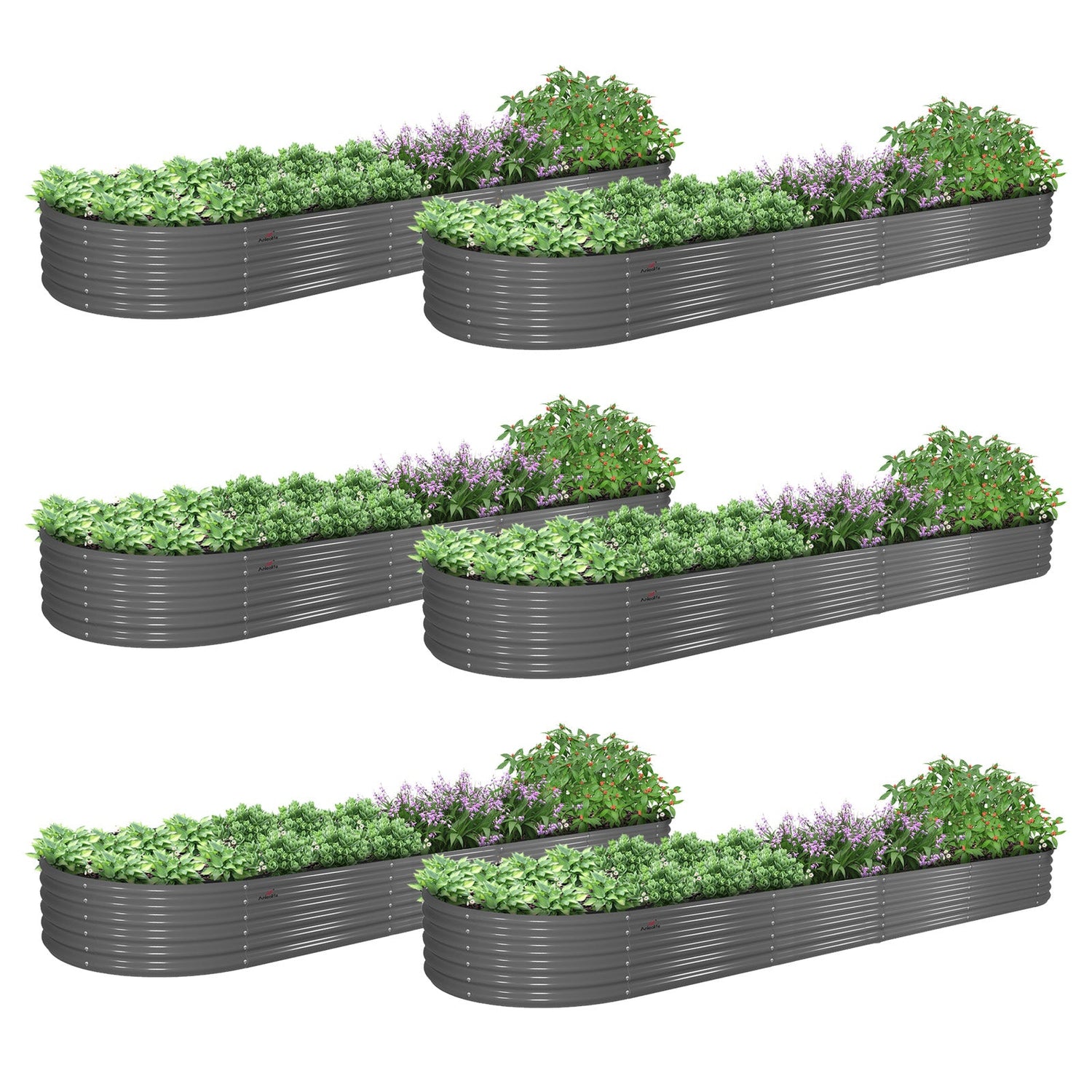



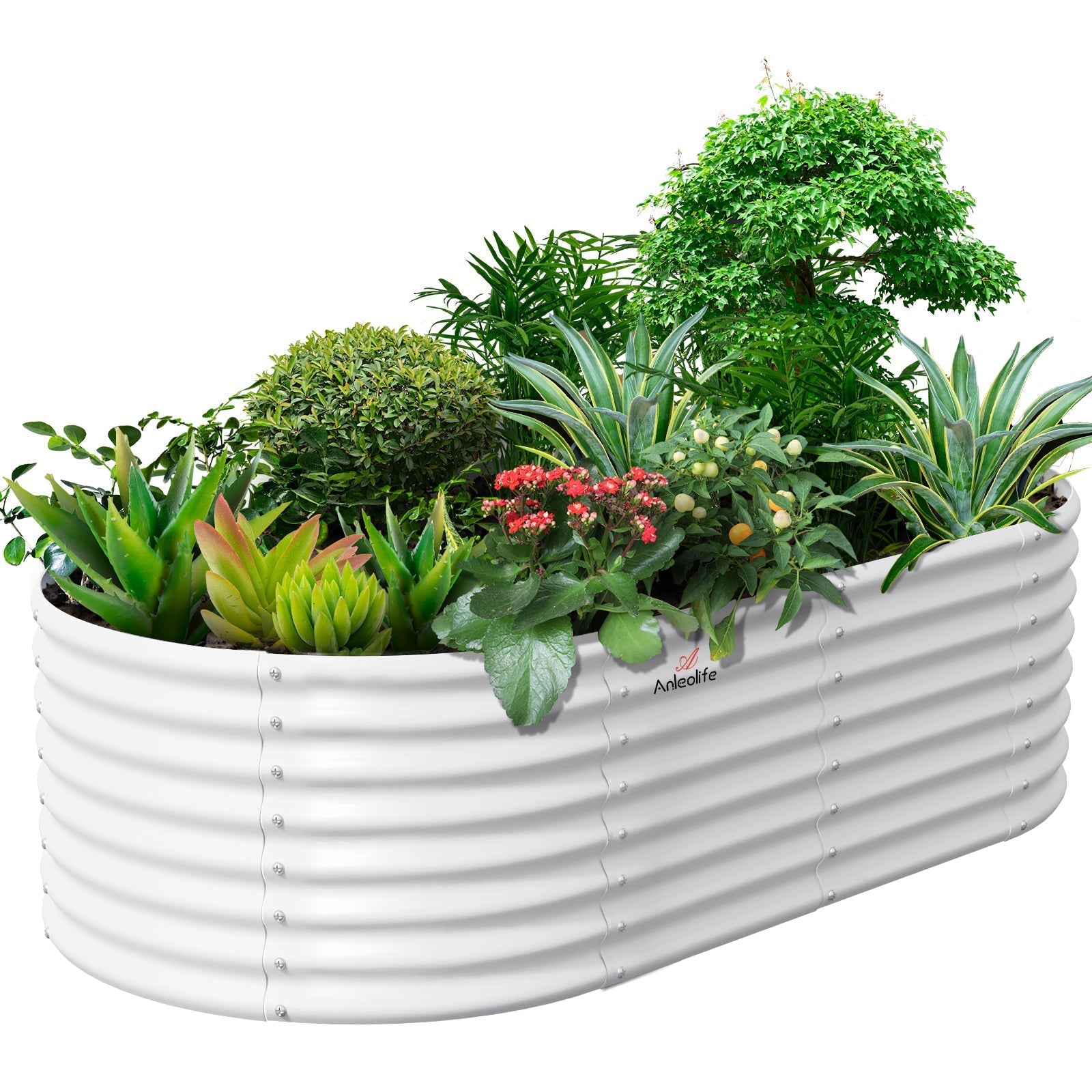
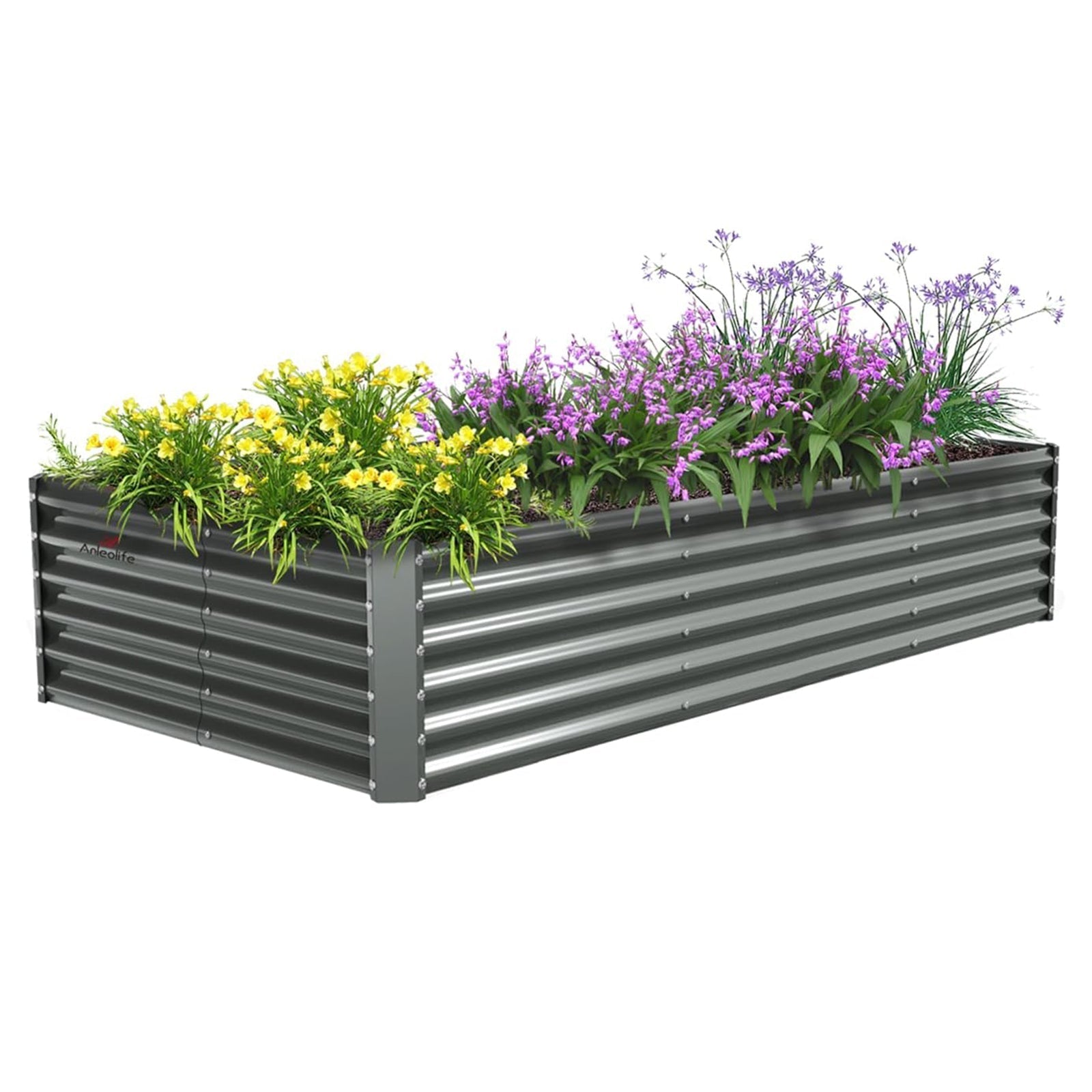

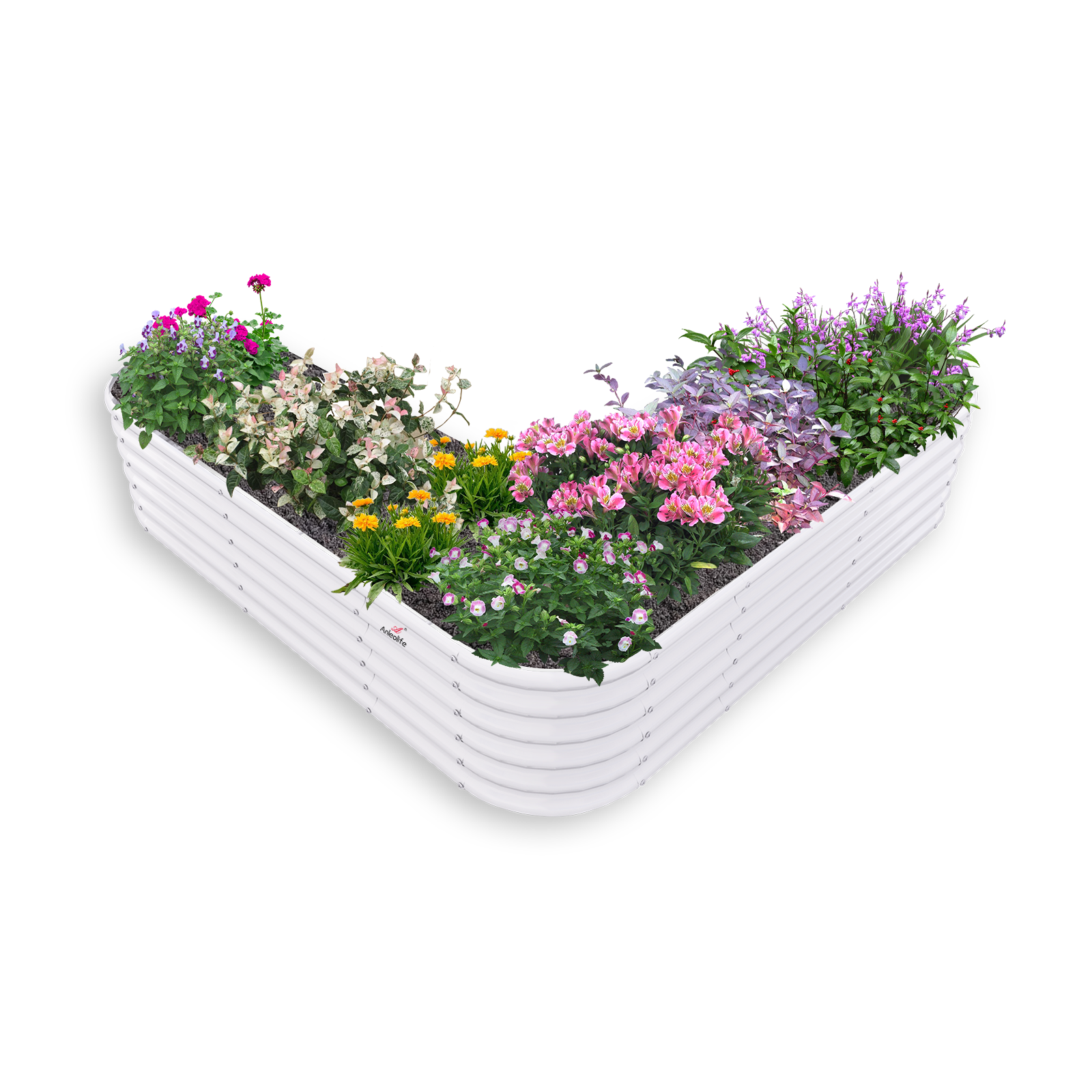
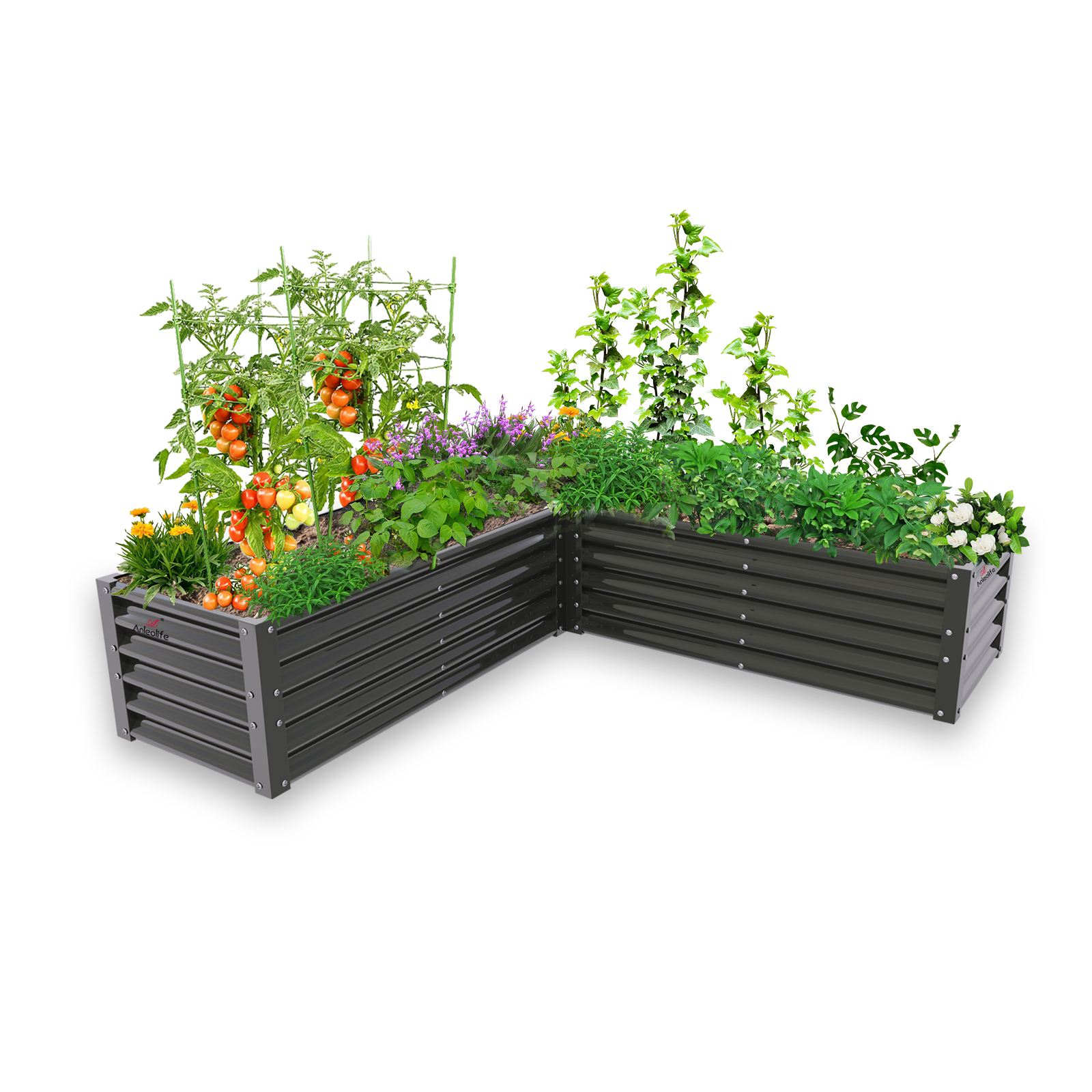
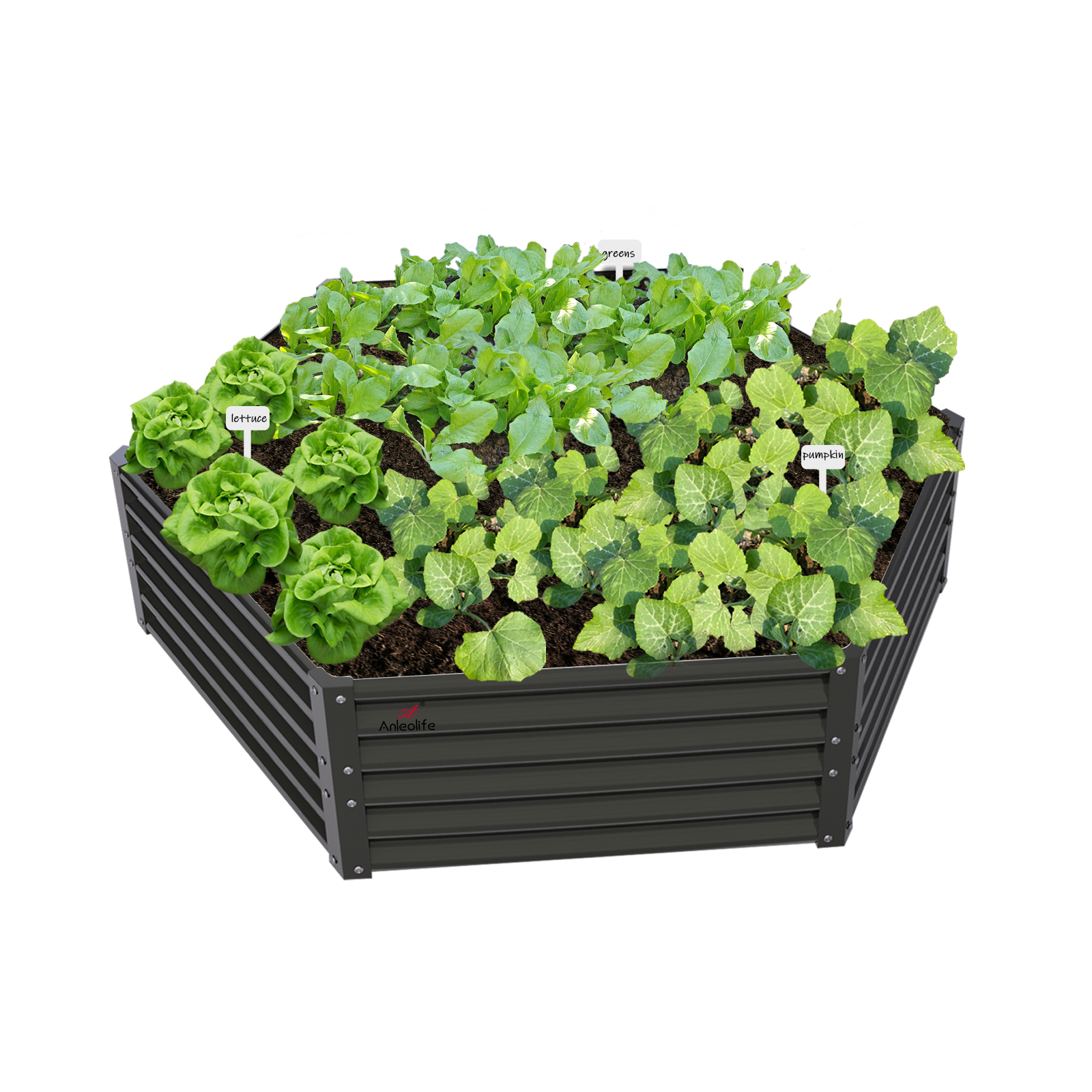
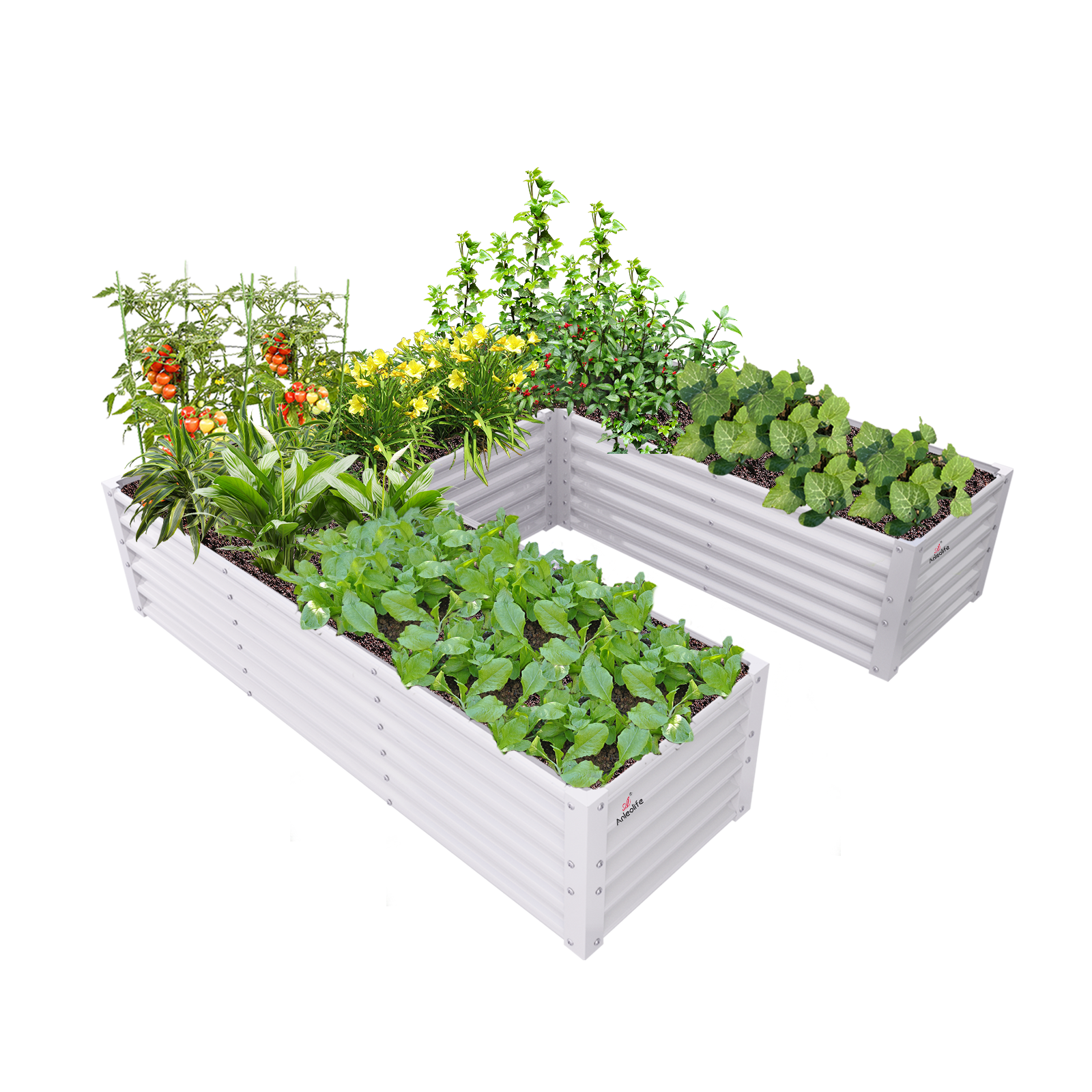

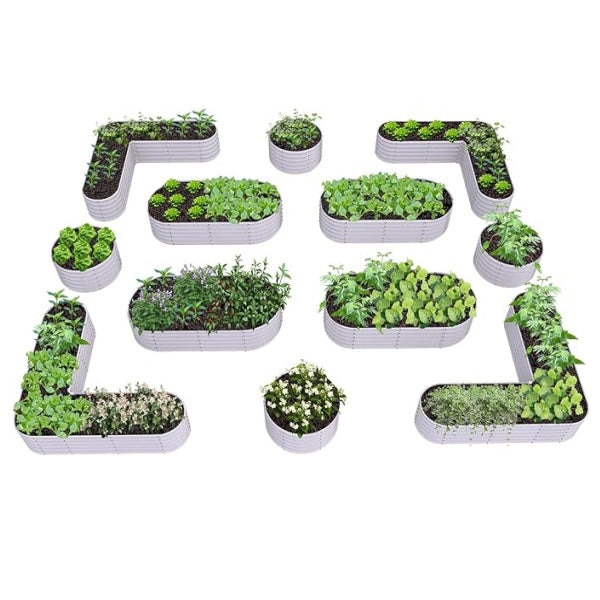


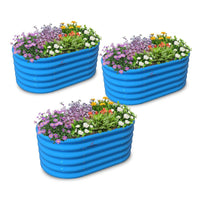
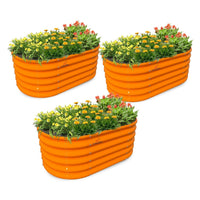
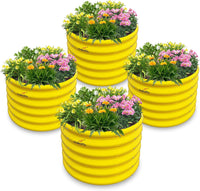
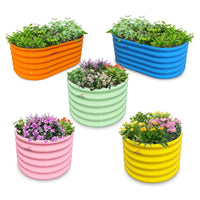
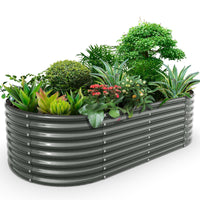



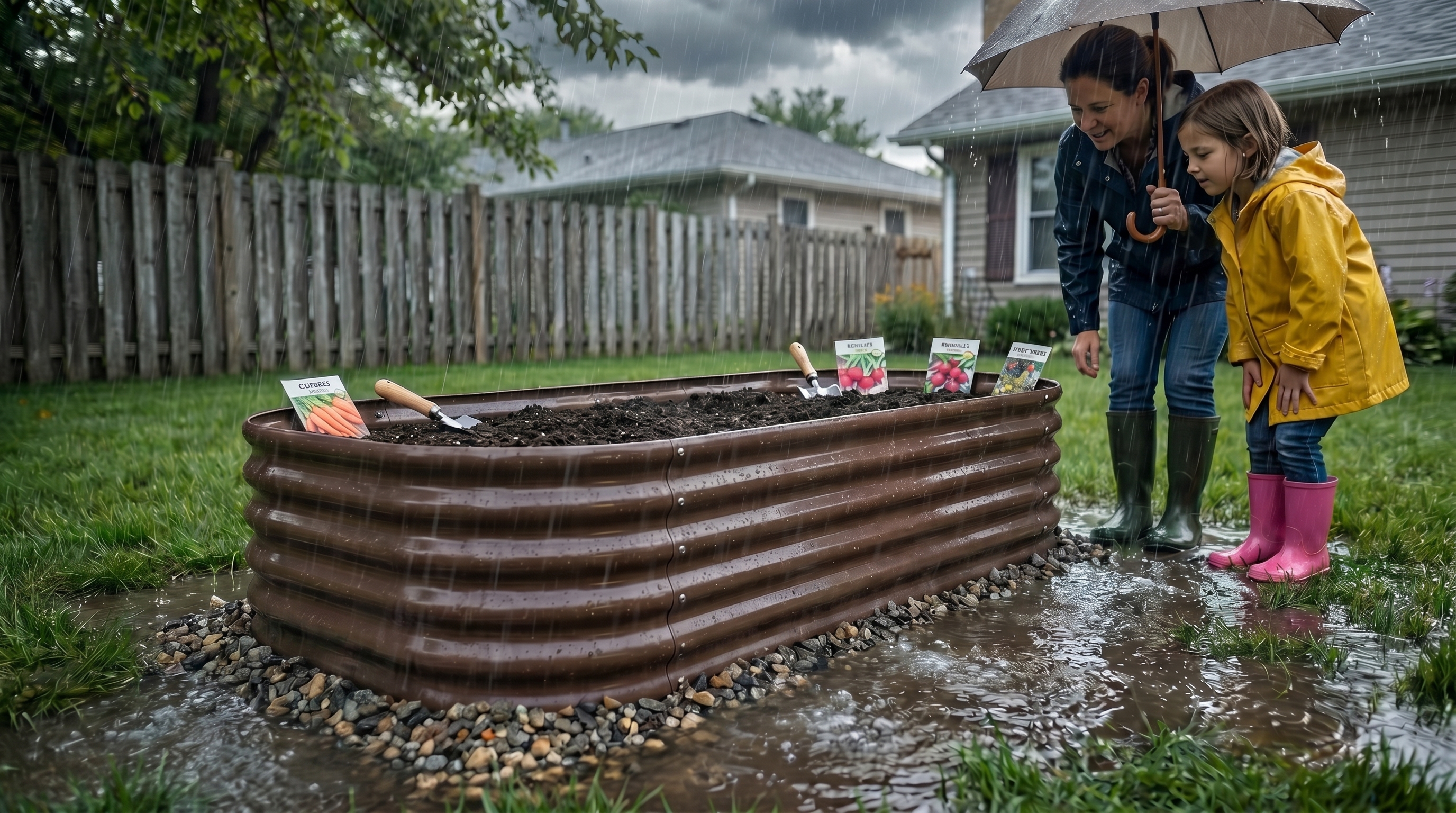
ALT: Raised garden bed with advanced drainage solutions during heavy summer rain storm
Why Heavy Summer Rain Is the Silent Enemy of Your Raised Garden Bed
Key Conclusion: Heavy summer rain presents one of the most underestimated threats to raised garden bed productivity. Without proper drainage solutions for raised garden beds, even the most carefully curated soil can become waterlogged, suffocating roots and triggering fungal diseases within 24–48 hours. Understanding how to engineer your bed's drainage layer, soil structure, and overflow systems is the single most impactful upgrade any home grower can make before peak summer storm season arrives.
Summer gardening is a joy until a three-inch downpour turns your thriving vegetable patch into a soggy swamp. For raised bed gardeners, the stakes are especially high: you've invested in quality beds, premium soil mixes, and carefully selected plants. A single major storm event can undo weeks of careful cultivation.
The good news is that raised garden beds, by their very design, offer a structural advantage over in-ground plots — but only if you've taken the time to optimize their drainage systems. This guide walks you through advanced, practical solutions to protect your garden through even the heaviest summer rains, covering everything from soil layering and bed selection to overflow management and long-term bed maintenance.
Who This Guide Is For
✅ Applicable Scenarios:
- Home gardeners in regions with heavy summer rainfall (Gulf Coast, Pacific Northwest, Southeast U.S.)
- Gardeners experiencing persistent waterlogging or root rot despite standard bed setups
- Anyone planning a new raised bed installation and wanting to build drainage in from day one
- Existing raised bed owners looking to retrofit drainage improvements before storm season
❌ Not Applicable/Cautions:
- Gardeners in arid climates where water retention, not drainage, is the primary challenge — you'll want a different soil recipe and moisture management strategy
- Those using purely decorative, shallow planters (under 8 inches deep) — proper drainage layering requires adequate soil depth to be effective
- Situations where the surrounding ground is impermeable hardscape without any runoff path — additional overflow routing will be needed first
The Real Cost of Poor Drainage in Summer Raised Beds
Every summer, countless home gardeners watch their plants wilt, yellow, or collapse — not from drought, but from too much water with nowhere to go. Waterlogging in raised garden beds is more than an inconvenience. When soil pores fill with water, oxygen is displaced, and roots begin to suffocate within hours. Simultaneously, persistently wet conditions create ideal breeding grounds for Pythium, Phytophthora, and other devastating fungal pathogens.
The problem is especially acute in summer because warm, stagnant water accelerates microbial activity, drains nitrogen from the soil, and destabilizes the delicate soil food web you've spent months building. As climate data increasingly shows that summer precipitation events are becoming more intense — even in traditionally dry regions — proactive drainage planning is no longer optional for serious gardeners.
For a deeper look at how bed material and construction affect summer performance, the Galvanized Steel Raised Beds: 7 Reasons They Outperform Wood for Summer Gardening guide offers important context on why your bed's construction material plays a direct role in how water interacts with your growing environment.
What Happens Below the Surface During Heavy Rain
When rain falls faster than soil can absorb it, a perched water table forms at the bottom of your bed. This is the layer where water collects above a denser or less permeable material — whether that's compacted native soil, landscape fabric, or a wood base. In raised beds without drainage optimization, this zone can remain saturated for days after a storm, slowly killing roots from the bottom up while the surface appears to dry out normally.
Understanding this mechanism is crucial because it explains why surface observations can be misleading. Your tomato plants may look fine on Day 1 after a storm, but the root damage is already underway beneath the soil line.
According to the The Best Soil Recipe for Raised Garden Beds in Summer 2026, the right soil composition is your first and most powerful drainage tool — and it works in direct partnership with every other strategy in this guide.
Your Complete System: Advanced Drainage Solutions for Raised Garden Beds
Three-Step Quick Start for Drainage Optimization
Step 1: Audit Your Current Drainage Baseline
Before adding any solutions, spend 30 minutes assessing what you're working with. After a moderate rain (or after running a hose for 10 minutes), observe how quickly water pools on the surface and how long it takes to disappear. Dig 6 inches down and check soil moisture levels. This baseline tells you whether your problem is a surface compaction issue, a mid-layer drainage failure, or a bottom accumulation problem — and each requires a different fix. Budget about 45 minutes for a thorough audit.
Step 2: Build or Retrofit Your Drainage Layer
For new beds, install a 2–3 inch coarse drainage layer at the base using materials like gravel, coarse sand, or wood chips before adding your soil mix. For existing beds, this means partially emptying the bed to add material at the bottom, or amending the existing soil with perlite throughout. This step typically takes 1–2 hours depending on bed size and whether you're working on a new installation or a retrofit.
Step 3: Establish Surface and Overflow Management
Even the best internal drainage system can be overwhelmed by extreme rainfall. Install a surface mulch layer of 2–3 inches to slow rain impact, slow surface runoff, and help water penetrate gradually. Then assess the bed's surroundings — ensure water has a clear path to drain away from the bed perimeter. Add overflow slits or adjust bed positioning if needed. This step takes about 30–60 minutes per bed.
Comparing the Top Drainage Solutions: Which Approach Is Right for You?
There's no single perfect drainage solution — the best approach depends on your rainfall intensity, bed material, plant types, and how much you're willing to invest. The table below compares the three most effective strategies for heavy summer rain scenarios.
| Comparison Dimension | Drainage Layer System | Soil Amendment Approach | Overflow & Redirect System |
|---|---|---|---|
| Best For | New bed installations | Existing beds needing quick improvement | Extreme rainfall zones or impermeable surroundings |
| Effectiveness in Heavy Rain | High | Moderate to High | High (as a complement to other methods) |
| Installation Complexity | Moderate (requires partial disassembly for retrofits) | Low | Low to Moderate |
| Cost | Low to Moderate | Low | Low |
| Long-Term Benefit | Excellent — built into bed structure | Good — requires periodic amendment | Good — protects bed perimeter |
| Best Bed Types | Deep beds (18 inches and above) | All bed types | All bed types |
| Maintenance Required | Minimal | Annual soil refreshment | Seasonal check of overflow paths |
The most resilient drainage system combines all three approaches — a physical drainage layer at the base, a well-amended soil profile throughout, and thoughtful overflow management at the surface and perimeter.
Deep-Dive: Engineering Each Layer of Your Drainage System
The Foundation Layer: Gravel, Coarse Grit, and French Drain Principles
The foundation of any high-performance drainage system in a raised bed is a coarse base layer that prevents the perched water table from forming. This layer should consist of materials with large particle sizes that allow water to move freely downward and out.
Pea gravel and crushed granite are two of the most effective and affordable options. A 2–3 inch layer at the base of your bed creates a reservoir zone where excess water can collect and slowly dissipate through the bed's base or walls. If your bed sits on native soil (rather than a hard surface), water will continue to percolate downward naturally — the gravel simply speeds that transition.
For gardeners in extremely heavy rainfall zones — such as Florida or the Gulf Coast — a more ambitious approach mirrors the French drain principle. By running a perforated pipe along the base of the bed before adding the gravel layer, you can actively channel water out of the bed perimeter and into a designated drainage area. This adds complexity but provides exceptional protection during sustained downpours.
One important consideration: the deeper your bed, the more effective a base drainage layer becomes. This is one key advantage of taller bed models. Anleolife's Extra Tall and Waist-High raised garden beds — including options at 24, 30, and 35 inches tall — provide ample depth to accommodate a generous drainage foundation without sacrificing planting depth for roots.
The Soil Profile: Your Most Flexible Drainage Tool
Your soil mix is where drainage is won or lost on a day-to-day basis. The fundamental goal is a light, porous, well-aerated soil structure that allows water to move through quickly without compacting under rain impact.
The classic raised bed soil mix — roughly one-third compost, one-third coarse perlite or vermiculite, and one-third quality topsoil or coconut coir — performs well in moderate conditions. But for heavy summer rain scenarios, consider these targeted amendments:
- Increase perlite percentage: Perlite's porous volcanic structure creates air pockets that resist compaction even when wet. Boosting perlite to 30–40% of your total mix significantly improves drainage in high-rainfall conditions.
- Add coarse horticultural sand: Unlike fine sand (which can actually worsen drainage by creating a cement-like layer when combined with clay), coarse sand creates macro-pores that allow rapid water movement.
- Layer biochar at mid-depth: Biochar improves soil structure, adds microbial habitat, and moderately improves drainage. A thin mid-layer (1–2 inches) adds long-term drainage resilience.
- Avoid over-compacting when planting: Heavy rain impact is far more damaging on compacted soil surfaces. Keep your soil surface loose and use a mulch layer to absorb rain energy before it hits the soil.
For gardeners also thinking about what to grow in these well-drained beds, Top 10 Vegetables to Grow in a Raised Bed This June and Beyond pairs perfectly with this drainage guide — because knowing which crops thrive in well-drained, summer-ready soil helps you plan your planting strategy from the ground up.
Surface Management: Mulch, Covers, and Canopy Solutions
The soil surface is your first line of defense against rain impact damage. When large raindrops hit bare soil at high velocity, they physically shatter soil aggregates — a phenomenon called splash compaction — that seals the surface and dramatically reduces infiltration rates.
A 2–3 inch layer of organic mulch (straw, wood chips, or shredded leaves) acts as a buffer, absorbing rain energy before it reaches the soil. It also slows surface runoff, giving water more time to infiltrate rather than flowing off the edges of the bed. Mulch has the added benefit of moderating soil temperature and suppressing weeds — genuine multi-tasking for your garden.
For extreme weather events, temporary covers offer additional protection. Row cover fabric or lightweight plastic sheeting staked over your beds during a forecast storm can significantly reduce the total water load reaching the soil. Just remember to remove covers promptly after the storm to restore airflow and prevent heat stress.
Bed Design and Material: Why It Matters for Drainage
The physical construction of your raised bed influences drainage in ways many gardeners overlook. Specifically:
- Bed height determines how much soil depth you have for drainage layering. Taller beds consistently outperform shallow ones in heavy rainfall because there's more distance between the surface and a potential waterlogging zone.
- Base configuration matters — open-bottom beds that sit on native soil allow free drainage downward. Beds with solid bottoms must rely entirely on internal drainage engineering and, ideally, drainage holes.
- Wall material and rigidity affect whether the bed can retain its shape and soil volume under repeated saturation-dry cycles. Materials that warp, rot, or collapse under wet conditions compromise your drainage setup over time.
Anleolife's galvanized steel and rust-resistant raised garden beds are engineered specifically with these durability factors in mind. Built to last up to 20 years, they maintain their structural integrity across thousands of wet-dry cycles without warping, rotting, or losing their shape — ensuring that your carefully engineered drainage layers remain undisturbed season after season. The Raised Bed Watering Guide: How to Conserve Water This Summer with Simple Systems offers a useful companion perspective on managing water inputs alongside these drainage strategies.
Whether you choose a standard 18-inch model or one of the Extra Tall 30-inch options, the consistent wall construction means your drainage infrastructure is well-supported for the long term. The modular design options also allow you to configure beds to fit your specific backyard topography — an important factor when managing directional water flow during storms.
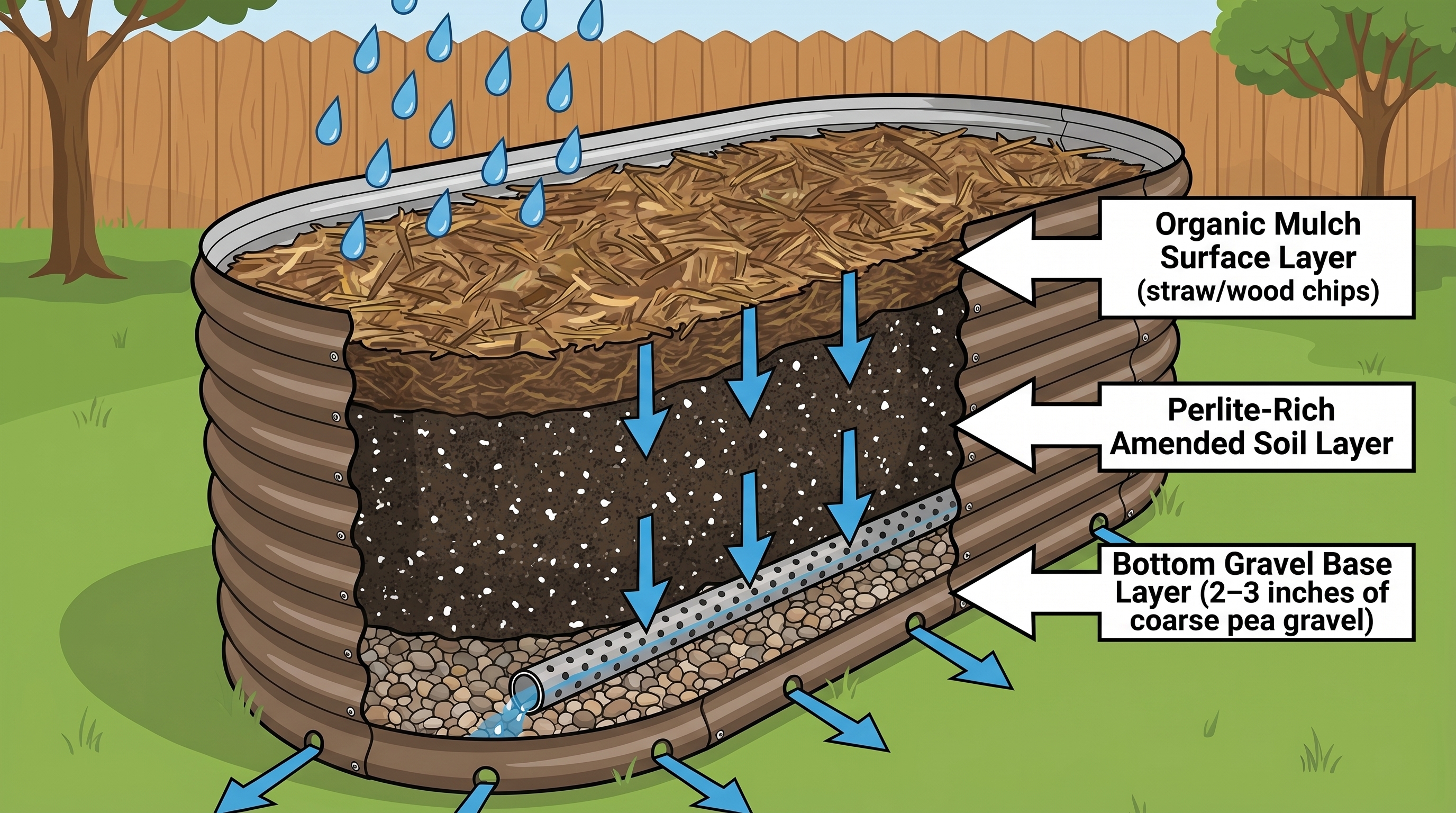
ALT: Cross-section diagram of raised garden bed drainage layers — gravel base, perlite-rich soil, and mulch surface for heavy summer rain management
Advanced Scenarios: When Standard Drainage Isn't Enough
Handling Clay-Heavy Native Soil Beneath Your Bed
If your raised bed sits on top of dense clay soil, even a well-designed drainage layer may struggle during prolonged storms because the clay below won't absorb water quickly enough. In this case, extend your solution beyond the bed itself. Create a shallow trench around the bed's perimeter filled with gravel, which acts as a channel to redirect overflow away from the bed footprint. Alternatively, elevate the bed slightly using leveling feet or a gravel pad beneath the bed to increase the gap between the bed base and the clay layer.
Managing Slope and Gravity-Driven Runoff
Beds positioned at the base of a slope are vulnerable to receiving not just direct rainfall but also runoff from higher ground. Before storm season, install a simple berm or redirect channel upslope from your bed to divert flowing water around rather than through the bed area. This is a 30-minute project that can save considerable root damage during a major storm.
Common Misconceptions About Raised Bed Drainage
Misconception 1: "Landscape fabric at the bottom solves drainage problems."
Landscape fabric can actually impede drainage over time as silt and organic material clog its pores. For drainage purposes, it's better used as a weed barrier at the very base, beneath any gravel layer, rather than as a drainage solution in itself.
Misconception 2: "Any gravel works the same."
Fine pea gravel is excellent, but very fine or dusty gravel can compact and reduce effectiveness. Always use washed gravel or coarse grit with particle sizes of at least 3–5mm for a proper drainage layer.
Misconception 3: "Drainage is only a structural issue — soil type doesn't matter."
In reality, the best drainage layer in the world can be undermined by a compacted, low-porosity soil mix. Drainage is a whole-system problem requiring attention at every layer. If you're starting fresh, the Step-by-Step Raised Bed Garden Layout Planning for Summer 2026 Beginners guide walks through how to plan your entire bed system — including drainage considerations — from the very beginning.
Frequently Asked Questions FAQ
Q1: How do I know if my raised garden bed has a drainage problem?
Look for standing water that persists on the soil surface for more than 30–60 minutes after rain stops, yellowing lower leaves despite regular fertilizing, a sour or anaerobic smell from the soil, and plants that wilt despite moist soil conditions. Any one of these is a warning sign; multiple symptoms together confirm a significant drainage issue. After a rain event, inserting your finger 4–6 inches into the soil and finding it cold and saturated is another reliable diagnostic.
Q2: Are galvanized steel raised beds better than wood for drainage in wet climates?
Yes, for several practical reasons. Galvanized steel beds maintain their structural shape under repeated wet-dry cycles without warping or swelling, which means your internal drainage layers remain intact and functional over time. Wood beds, especially in consistently wet climates, can deteriorate faster, potentially shifting or collapsing in ways that disrupt your carefully built drainage system. Anleolife's galvanized and rust-resistant beds are engineered for a 20-year lifespan — a significant advantage in heavy-rainfall regions.
Q3: How long does it take to retrofit drainage into an existing raised garden bed?
For most standard-sized raised beds, a full retrofit — including partially emptying the bed, adding a base drainage layer, amending soil with perlite, and adding surface mulch — takes approximately 3–5 hours per bed. The time investment is well worthwhile given the long-term protection it provides. If you're working with a large bed (such as an 8x4 or 12x3 foot model), budget a full weekend morning to do it properly. Spreading the work across two sessions (soil amendment first, surface mulch second) makes it very manageable.
Summary
Protecting your raised garden bed through heavy summer rain comes down to three interconnected principles: building a physical drainage foundation at the base, maintaining a porous and well-amended soil profile throughout, and actively managing water at the surface and around the bed perimeter.
Three key takeaways from this guide:
- Layer your drainage system — don't rely on soil alone. A coarse gravel base layer, perlite-rich soil mix, and organic surface mulch work together as a complete system.
- Choose the right bed structure — bed height, open-bottom design, and durable materials all directly affect drainage performance. Long-lasting, structurally stable beds protect your drainage investment for the long term.
- Think beyond the bed itself — managing water flow around and beneath your bed is just as important as what's inside it, especially on sloped sites or clay-heavy ground.
With the right drainage system in place, your raised beds can actually perform better during summer rain than they do in dry spells — capturing just enough moisture while rapidly shedding the excess, creating ideal growing conditions even in challenging weather.
Start Your Drainage Upgrade with Anleolife
Nationwide U.S. warehouse network: Strategically located in California, Texas, Florida, New York, Illinois, and Washington to ensure delivery within 3–8 business days — so your garden upgrade plans never have to wait for the next storm season to begin.
Multi-channel sales network: Anleolife products are available on major e-commerce platforms including Amazon, Walmart, Home Depot, Lowe's, and Wayfair, as well as the official website Anleolife.com, providing consistent quality assurance and after-sales service wherever you prefer to shop.
Three core scenarios: Planting (metal raised garden beds, soil systems), Raising (chicken coops, rabbit hutches), and Beautification (decorative accessories, pathway systems) — meeting complete needs from functionality to aesthetics.
Upgrade your garden with Anleolife. We understand that an ideal garden is not built overnight, but gradually improved over time. Our modular product design allows flexible expansion based on your needs — from your first raised bed to a fully integrated planting-and-raising ecosystem. We grow with you every step of the way.
References
- U.S. Department of Agriculture — Natural Resources Conservation Service. "Soil Health: Understanding and Managing Drainage in Garden Soils."
https://www.nrcs.usda.gov/conservation-basics/natural-resource-concerns/soils/soil-health - University of California Agriculture and Natural Resources (UC ANR). "Improving Garden Soil Drainage and Aeration."
https://ucanr.edu/ - Penn State Extension. "Raised Bed Gardening: Soil Mixes, Drainage, and Bed Construction."
https://extension.psu.edu/raised-bed-gardening - National Oceanic and Atmospheric Administration (NOAA). "Summer Precipitation Trends in the United States."
https://www.noaa.gov/education/resource-collections/climate - Oregon State University Extension Service. "Managing Waterlogged Soil in Home Gardens."
https://extension.oregonstate.edu/
Note: Standards and recommendations may be updated. Please check the latest official documents or consult a certified horticulture professional for the most current guidance.
About Anleolife
Anleolife is a leading outdoor garden solutions provider in North America, dedicated to offering a full-scenario product ecosystem for home gardening enthusiasts, covering planting, raising, and garden beautification. Since its founding, we have upheld our brand mission, "Made for Garden Life," continuously innovating products and optimizing services to help hundreds of thousands of users upgrade their gardens, reconnect with nature, and enjoy a better garden lifestyle.