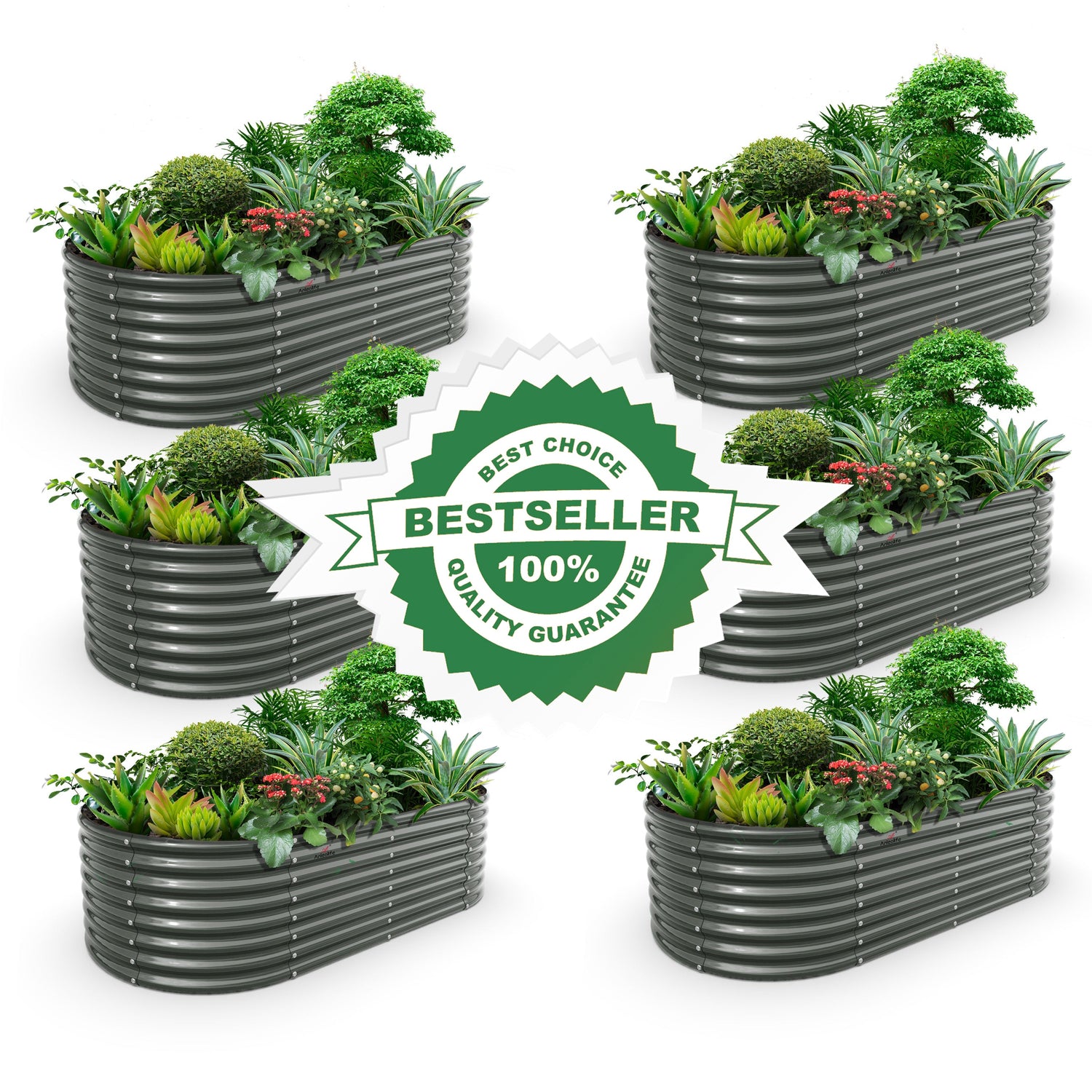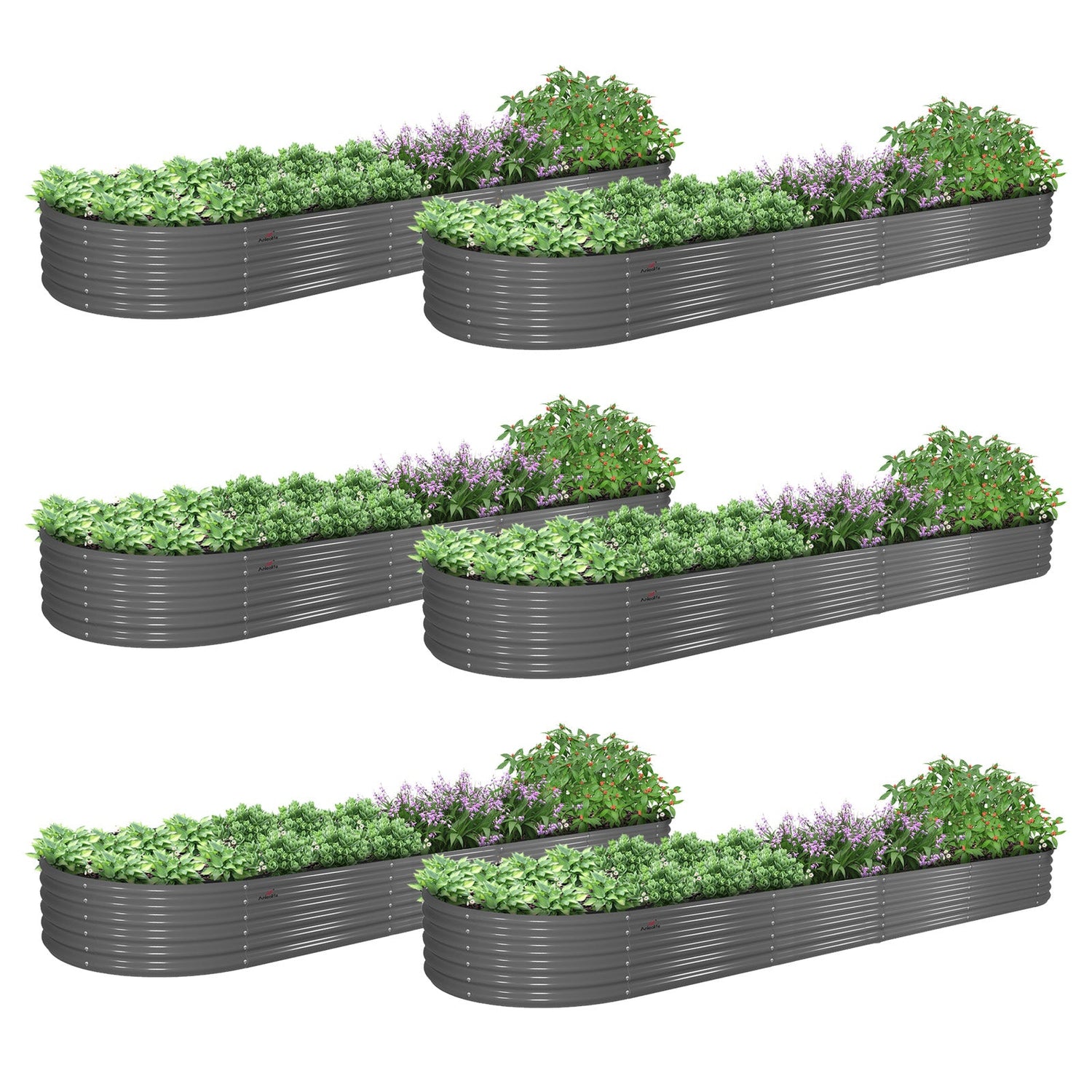



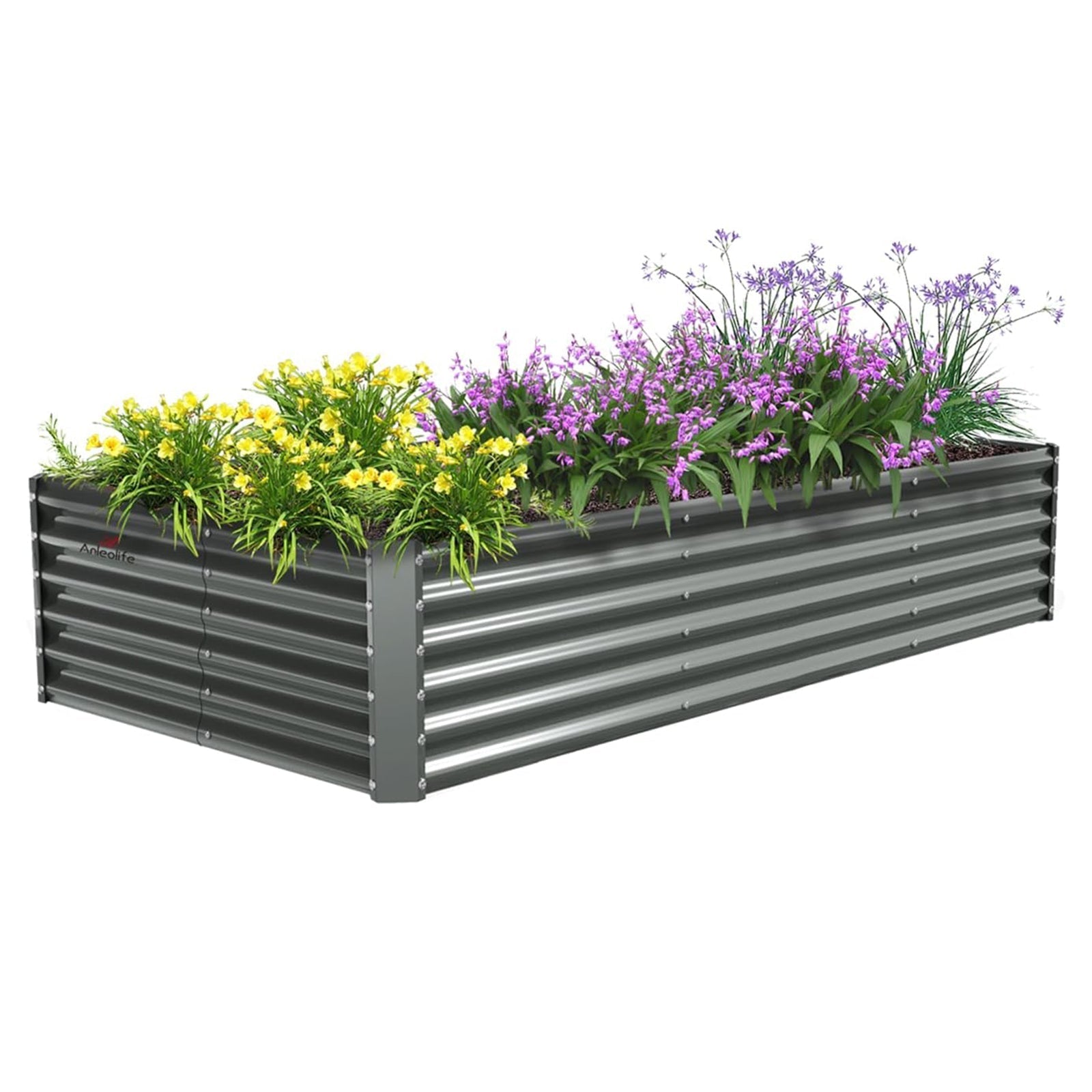

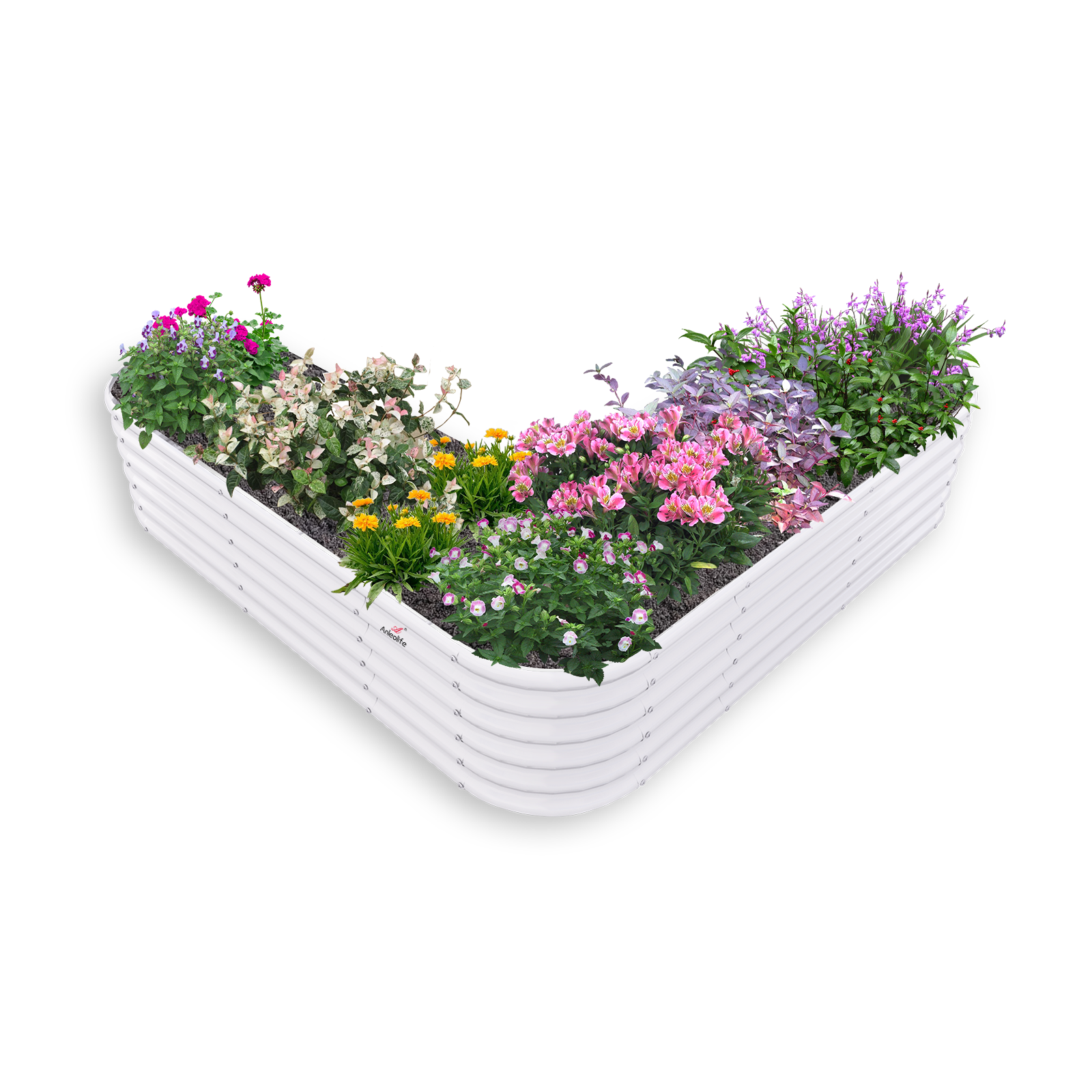
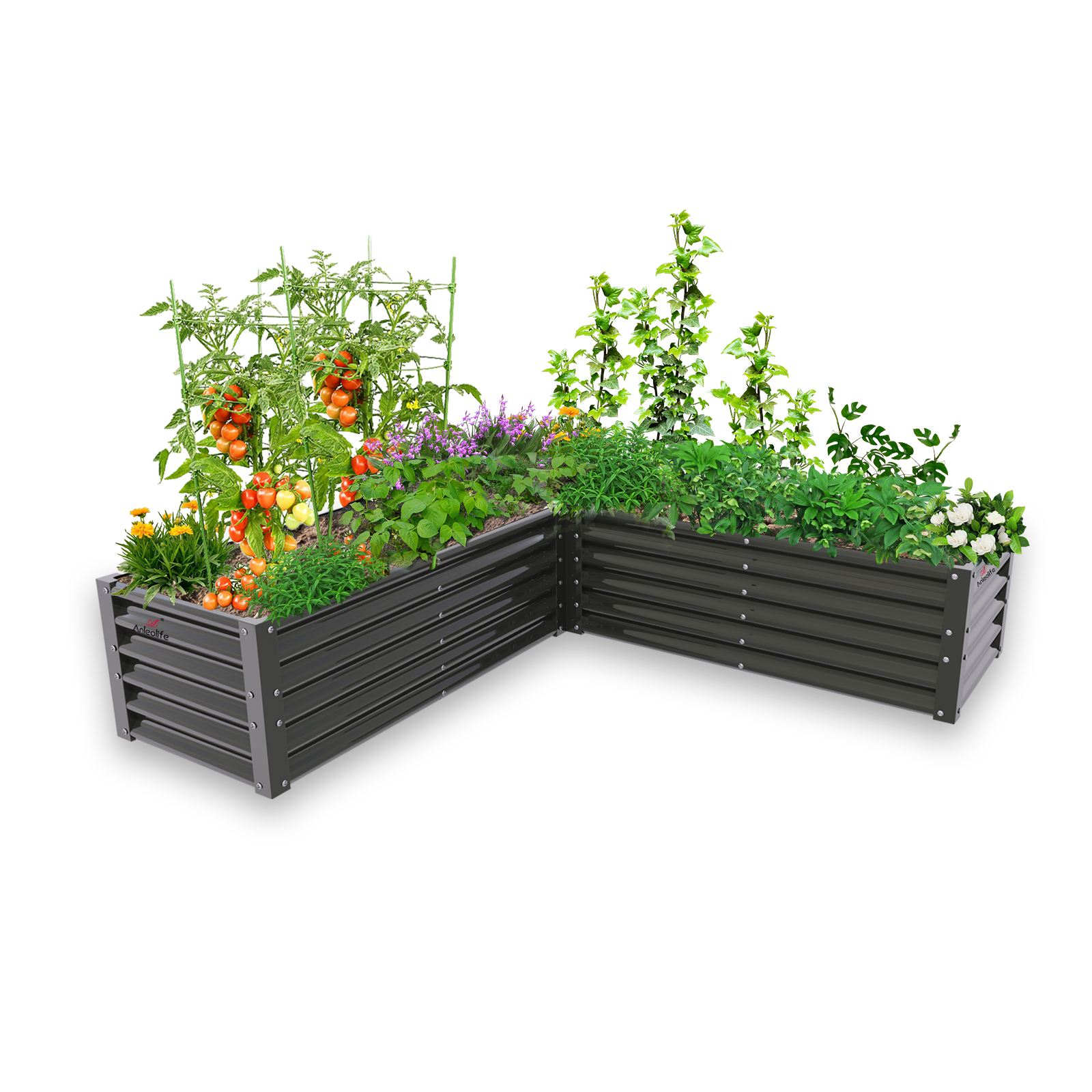
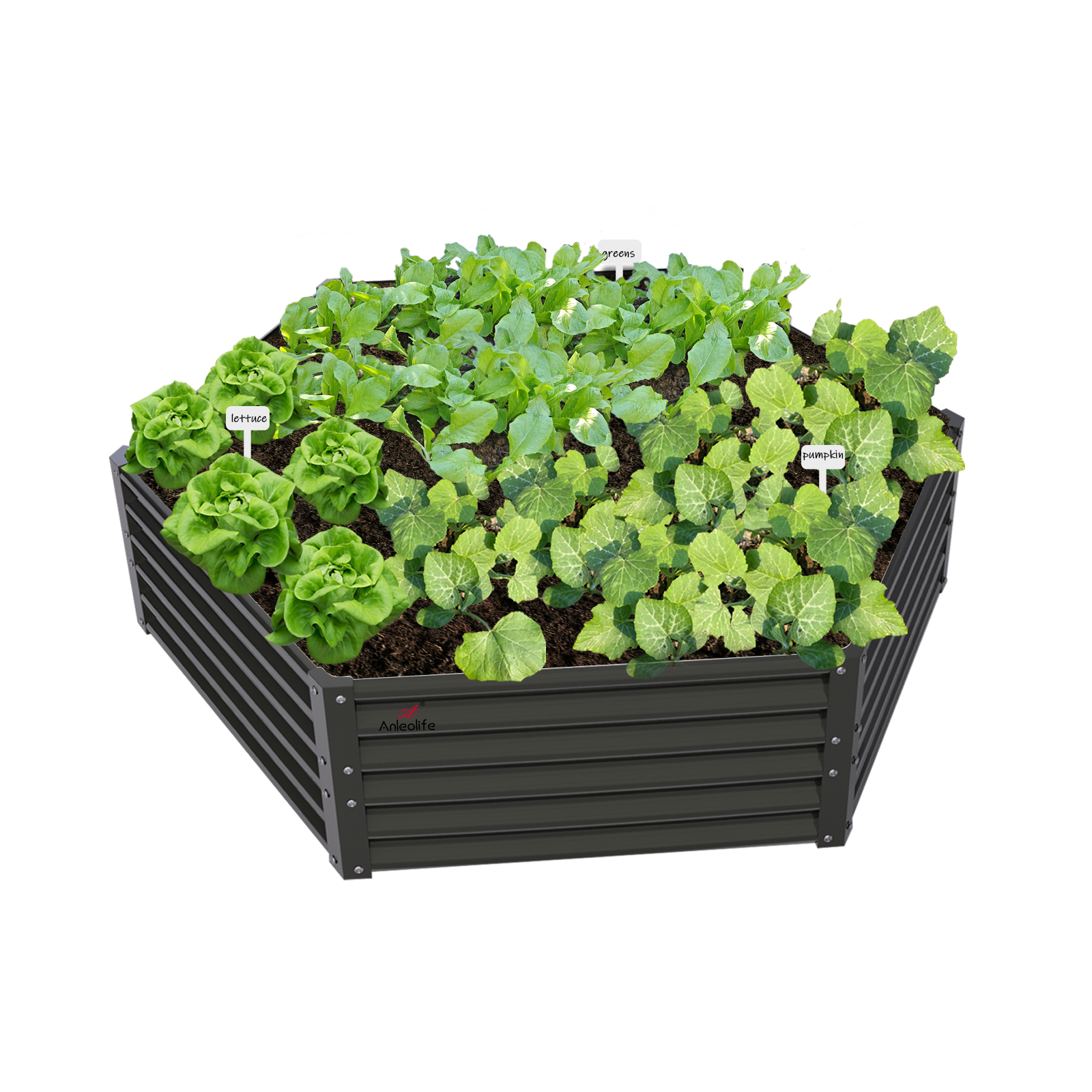
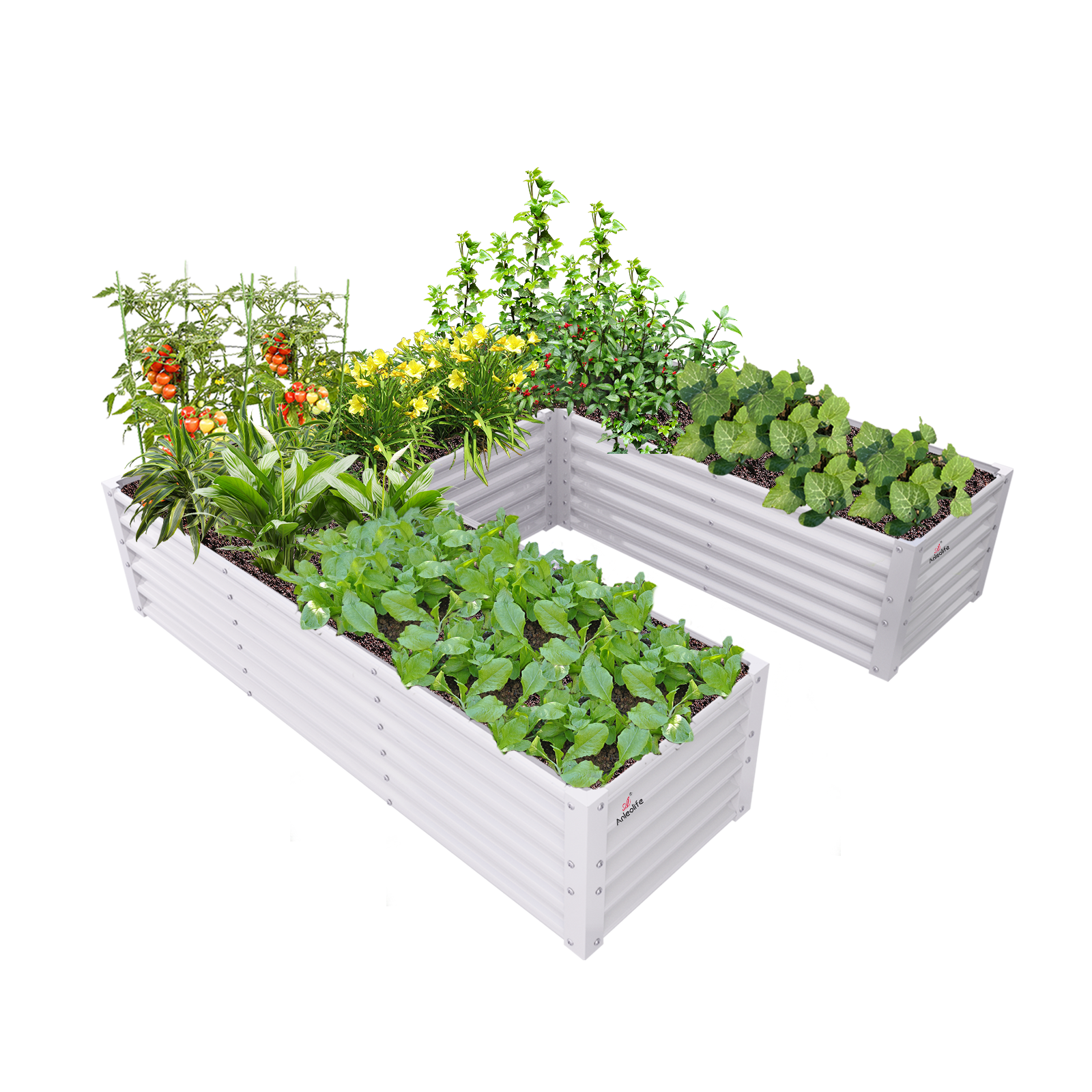

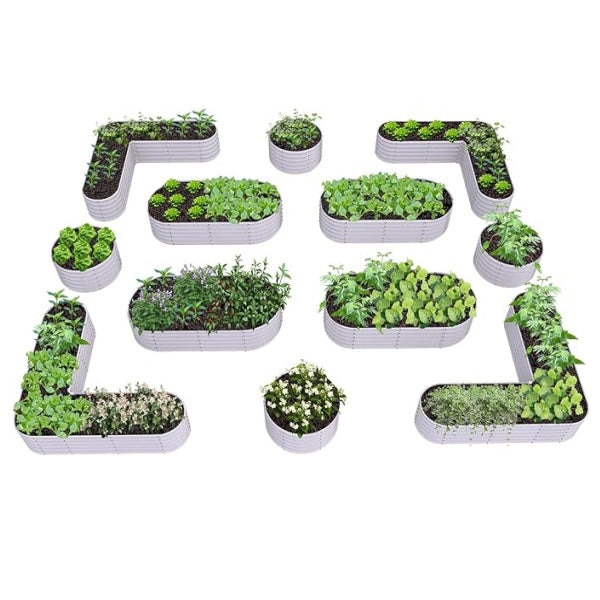


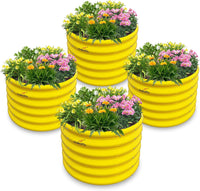
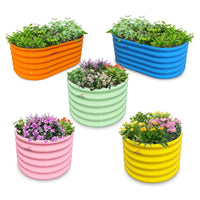
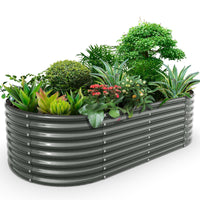



ALT: Affordable multi-pack raised bed bundles arranged in a productive raised bed garden layout
Why Multi-Pack Raised Bed Bundles Are the Smartest Garden Investment Right Now
The home gardening movement is showing no signs of slowing down. Across North America, more families, retirees, and urban growers are turning underused yards, patios, and side lots into productive green spaces — and the demand for cost-effective ways to scale up quickly is stronger than ever. If you are exploring raised bed garden layout options that balance budget with long-term value, multi-pack raised bed bundles offer a compelling answer.
The core conclusion is straightforward: buying raised beds in bundles rather than individually gives you more planting area per dollar, a cohesive raised bed planting layout from day one, and the flexibility to expand your system over time without mismatched sizes or materials. In our work helping home growers plan their gardens, one pattern we consistently see is that gardeners who start with a single bed almost always wish they had started with two or three. A well-designed raised bed layout is not just about saving money upfront — it is about building a growing system that works efficiently for years to come.
This article covers which bundle configurations deliver the most value, how to plan a layout that actually produces food (or beauty), what to watch out for when comparing products, and why material and build quality matter far more than the initial price tag.
Who These Bundle Recommendations Are For
Applicable Scenarios:
- Families transitioning from container gardening to a dedicated in-ground or above-ground raised bed planting layout and want multiple beds from the start
- Empty nesters and retirees looking to maximize a manageable backyard space without physically demanding construction projects
- Urban and suburban micro-gardeners working with side yards, driveways, or patios who need a compact, scalable system
- Eco-conscious households wanting a durable, long-lasting growing infrastructure that avoids frequent replacement waste
- Anyone planning a multi-zone raised bed garden layout that separates vegetables, herbs, and flowers
Not Applicable or Cautions:
- Gardeners with extremely limited outdoor space who can only fit one small bed — a single unit may be more practical than a bundle
- Renters who may not be permitted to install semi-permanent garden structures without landlord approval
- Buyers focused purely on the lowest possible unit price who are not ready to invest in materials built for longevity — cheap flimsy kits often cost more in replacements over time
The Real Cost of Buying Beds One at a Time: Background and Context
Most gardeners start small — one 4x4 bed, one season of tomatoes, and a dawning realization that a single bed is never enough. In our experience, this is the most predictable pattern in home gardening. The appetite for growing space expands far faster than most people expect.
Buying raised beds individually creates several hidden costs that bundle buyers avoid. First, there is the shipping inefficiency: multiple separate orders mean multiple delivery charges. Second, piecemeal purchasing often leads to mismatched materials — one aluminum bed sitting next to a rotting wood frame or a fading resin planter — which undermines the visual cohesion of a raised bed garden layout. Third, and most importantly, it leads to reactive rather than intentional garden planning. You end up fitting your layout to whatever beds you happened to buy, rather than designing the system first and sourcing accordingly.
A well-structured raised bed layout should be planned before a single panel is assembled. That means thinking about sun exposure, water access, pathways between beds, and crop rotation zones — all of which are easier to optimize when you know your full bed count from day one. For a thorough primer on this process, A Beginner's Roadmap to Planning, Building, and Planting Your First Raised Bed walks through every stage from site selection to first harvest in practical, accessible detail.
The material question is equally important. Galvanized steel raised beds are the dominant choice among serious home growers for a reason: they resist rust, hold their shape through freeze-thaw cycles, and do not leach chemicals into soil the way some treated woods can. When evaluating bundle deals, material quality is the single most important factor to scrutinize — because a bargain that deteriorates in three years is never actually a bargain. Anleolife's raised garden beds are engineered for a lifespan of up to 20 years, which fundamentally changes the cost-per-year math when you compare them against cheaper alternatives.
Core Content: Choosing, Configuring, and Getting the Most from a Multi-Pack Bundle
Three-Step Quick Start for Multi-Pack Raised Bed Planning
Step 1: Map Your Space Before You Order
Before comparing any bundle, spend 30 to 60 minutes walking your intended garden area with a measuring tape and noting the following: total usable square footage, direction of sun travel across the space, location of water outlets, and any existing obstacles like trees, fences, or HVAC units. Sketch a rough to-scale diagram. This single step prevents the most common and costly mistake in raised bed layout planning — buying beds that do not fit the available space in a workable configuration. Leave at least 24 inches between beds for comfortable access, and 36 inches if you use a wheelbarrow.
Step 2: Choose Bundle Size and Bed Dimensions Based on What You Grow
Once you know your footprint, match bed sizes to your crop priorities. Long, narrow beds — such as a 12x3 configuration — are ideal for row crops like carrots, beans, and lettuce. Wider square formats like 8x4 or 6x6 beds suit mixed planting strategies where you want to arrange crops in blocks rather than rows. Height is a separate decision: standard 18-inch tall beds work well for most vegetables, while extra-tall 24-inch or 30-inch beds suit root vegetables and benefit gardeners who prefer to work without bending. Modular systems let you combine different sizes within a single layout, which gives the most planning flexibility.
Step 3: Plan the Soil System Alongside the Bundle Purchase
A raised bed is only as productive as the soil inside it. Estimate your total cubic footage across all beds in your bundle, then source or blend a high-quality growing medium before your beds arrive. A reliable mix for most vegetable applications combines compost, aged garden soil, and a porous amendment like perlite to maintain drainage. Ordering soil after the beds arrive delays your planting window, sometimes by weeks. For guidance on getting the soil composition right, Best Soil Composition for Thriving Organic Vegetable Raised Beds This Growing Season provides a practical breakdown of what works for different crop types.
Comparing Multi-Pack Bundle Configurations: Which Setup Fits Your Needs?
Choosing the right bundle configuration depends on your available space, gardening goals, and physical needs. The table below compares three common multi-pack raised bed layout scenarios to help you match the right configuration to your situation.
| Comparison Dimension | Compact Starter Bundle (2-3 smaller beds) | Mid-Scale Productive Bundle (3-4 mid-size beds) | Expanded Growing System (4+ beds, mixed sizes) |
|---|---|---|---|
| Ideal space footprint | Small yards, patios, urban lots | Average suburban backyard | Larger yards with dedicated garden zones |
| Best crop types | Herbs, salad greens, compact vegetables | Full vegetable gardens, tomatoes, root crops | Multi-zone growing: vegetables, flowers, herbs |
| Recommended height | 18-inch standard | 18- to 24-inch extra tall | Mixed heights, including 30-inch waist-high options |
| Physical accessibility | Standard reach from all sides | Good with 24-inch aisle spacing | Excellent if 30-inch or 35-inch waist-high beds are included |
| Layout flexibility | Limited; fixed arrangement | Moderate; can adapt to sun shifts | High; modular systems allow seasonal reconfiguration |
| Long-term expandability | Easy to add a bed later | Natural anchoring point for expansion | Full ecosystem capable of integrating raised beds, pathways, and decorative elements |
| Material priority | Galvanized or rust-resistant steel | Galvanized or heavy-duty steel | Heavy-duty steel with corrosion-resistant finish |
| Soil volume required | Manageable for first-time fillers | Moderate planning required | Substantial; pre-plan soil sourcing before assembly |
The most consistent finding in our work with home growers is that mid-scale productive bundles — typically three to four beds in a mix of 8x4 and 6x3 sizes — deliver the best combination of growing area, layout practicality, and total cost efficiency. They are large enough to grow a meaningful variety of crops, yet contained enough that a single person can manage them comfortably.
What Separates a Genuinely Good Bundle from a Price-Trap Deal
Not all bundle deals are created equal. The raised bed market includes a wide range of products at a wide range of price points, and the cheapest options almost always carry hidden long-term costs. Here is how to evaluate a multi-pack bundle critically before committing.
Material integrity is the foundation of value. Galvanized steel beds offer the strongest corrosion resistance for outdoor use, and their structural rigidity means panels hold their shape under the pressure of dense, wet soil. Rust-resistant coatings on lower-gauge steel can perform well in moderate climates, but in coastal, humid, or high-rainfall regions, the quality of that coating matters enormously. As Anleolife's galvanized and rust-resistant bed lines demonstrate, investing in properly treated steel translates directly into decades of reliable service rather than annual replacement cycles.
According to the U.S. Department of Agriculture's guidance on home food production, soil-contamination risk from degrading container materials is a legitimate concern for edible gardens — another reason why food-safe, non-leaching metal beds outperform low-cost alternatives made from unknown composites or untreated wood.
Height selection affects more than ergonomics. The standard 18-inch bed depth suits most vegetables, but if your native soil is heavily compacted, rocky, or contaminated, extra-tall beds — 24 to 35 inches — provide deeper root zones and complete physical separation from the ground beneath. Anleolife's range includes beds from 18 inches up to 35 inches (waist-high), which means you can configure a layout that includes standard beds for leafy greens and taller beds for tomatoes or root crops within the same bundle system.
Panel connection systems determine long-term stability. Beds that rely on friction-fit or lightweight corner stakes can shift, bow, or separate under soil pressure. Look for bundles that use robust corner connectors or overlapping panel systems that lock securely. This is especially critical for larger bed formats — an 8x4 or 12x3 bed holds a significant volume of wet soil, and panels that flex or separate will compromise the entire structure over time.
Shipping and delivery timelines are often overlooked. A great deal on paper is frustrating if it arrives weeks after your planting window. Anleolife's warehouse network spans California, Texas, Florida, New York, Illinois, and Washington, ensuring delivery within 3–8 business days to most U.S. locations — which means you can plan your planting schedule with confidence rather than hoping an order shows up in time.
For a deeper look at what durability characteristics actually distinguish long-lasting beds from short-lived ones, What Makes a Raised Garden Bed Durable Enough to Last a Decade? covers the engineering and material science behind bed longevity in plain language.
Layout Design Principles That Make Multi-Pack Bundles Work Harder
A productive raised bed planting layout is not just about filling beds with soil and seeds. The spatial relationship between beds — and between beds and the rest of your garden — determines how efficiently you use your space, how easily you can tend crops, and how appealing the garden looks as a whole.
Work with sun exposure, not against it. Orient long beds on a north-south axis so that taller crops on the north side do not shade shorter crops throughout the day. In a multi-bed layout, stagger tall-growing crops like corn, indeterminate tomatoes, or trellised beans to the back or northern edge of each bed, keeping the southern exposure open for sun-hungry, low-profile crops.
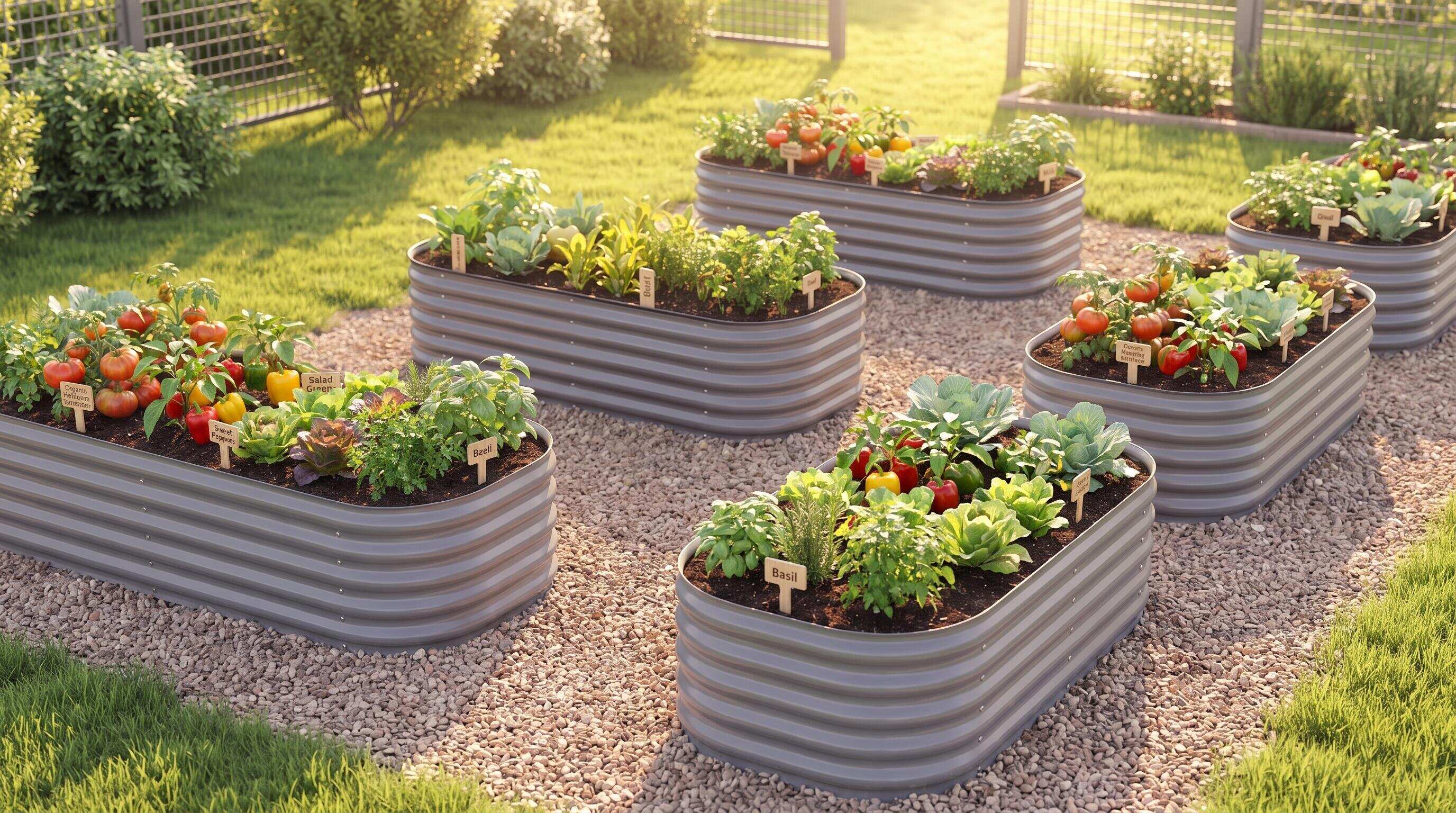
Plan pathways as intentionally as beds. The space between beds is not wasted space — it is where you spend most of your gardening time. Narrow pathways look efficient on paper but create frustrating bottlenecks when you are carrying tools, harvesting, or maneuvering a watering hose. A minimum of 24 inches is functional; 30 to 36 inches is comfortable for daily use. In a multi-pack layout, consistent pathway width also creates visual order that makes the garden feel like a designed space rather than an improvised one.
Designate zones by crop type or rotation plan. Multi-bed layouts are an ideal structure for implementing crop rotation — the practice of moving plant families to different beds each season to reduce pest buildup and soil depletion. A four-bed layout maps naturally to a four-year rotation cycle, with each bed cycling through nightshades, legumes, brassicas, and root crops over successive seasons. Planning this from the start, before you even assemble the beds, is far easier than retrofitting a rotation plan to a layout that was not designed for it. According to the National Gardening Association, consistent crop rotation is one of the most effective long-term strategies for maintaining soil health and reducing disease pressure in raised bed systems.
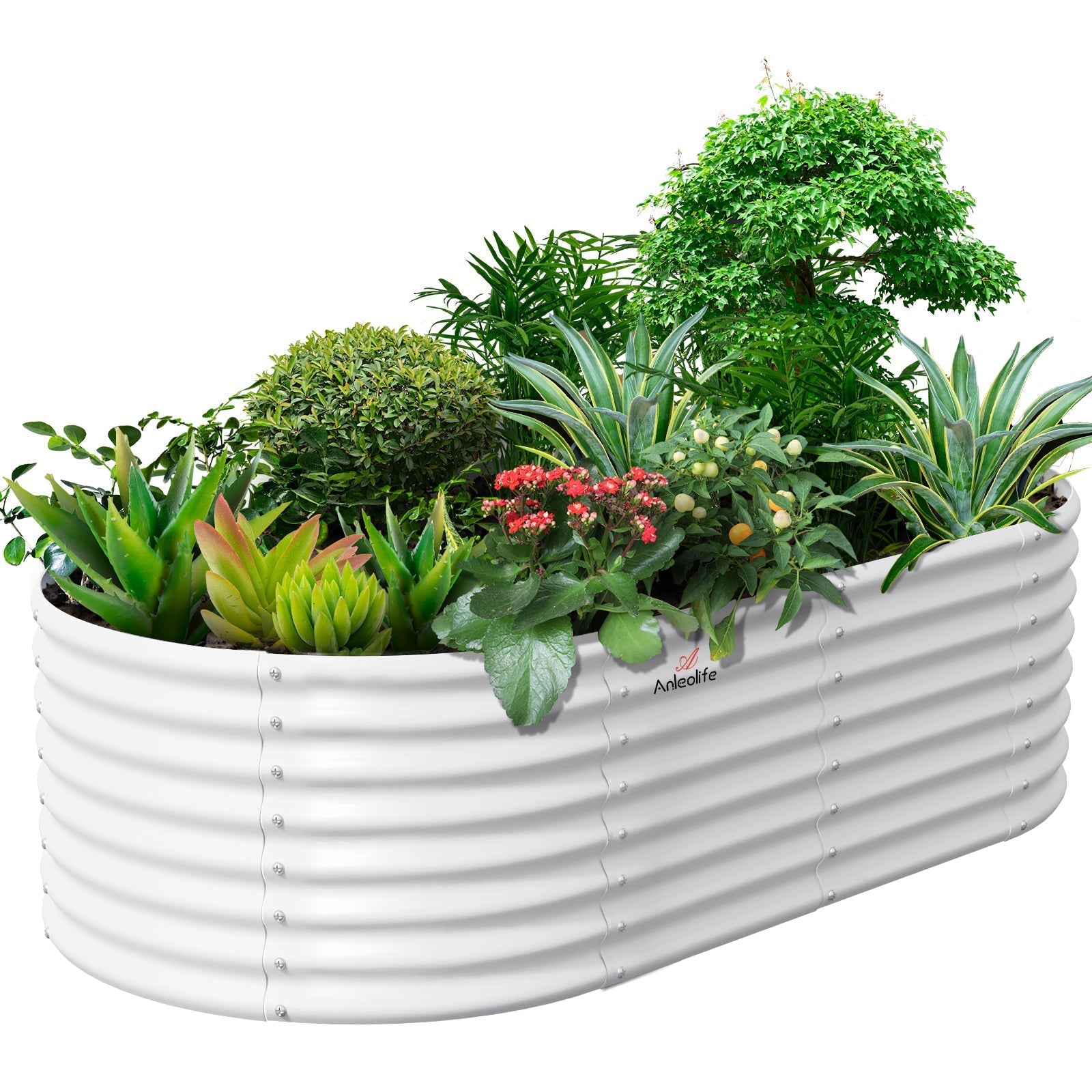
Use bed shape to create visual interest. Rectangular beds arranged in parallel rows are efficient, but mixing in a round bed or an L-shaped configuration can create focal points and visual rhythm in a larger garden. Anleolife's round raised garden bed — available in an 18-inch tall, 48-inch wide format — works particularly well as a centerpiece herb garden surrounded by rectangular vegetable beds, giving the layout a designed, intentional quality that reflects the aesthetic side of home gardening.
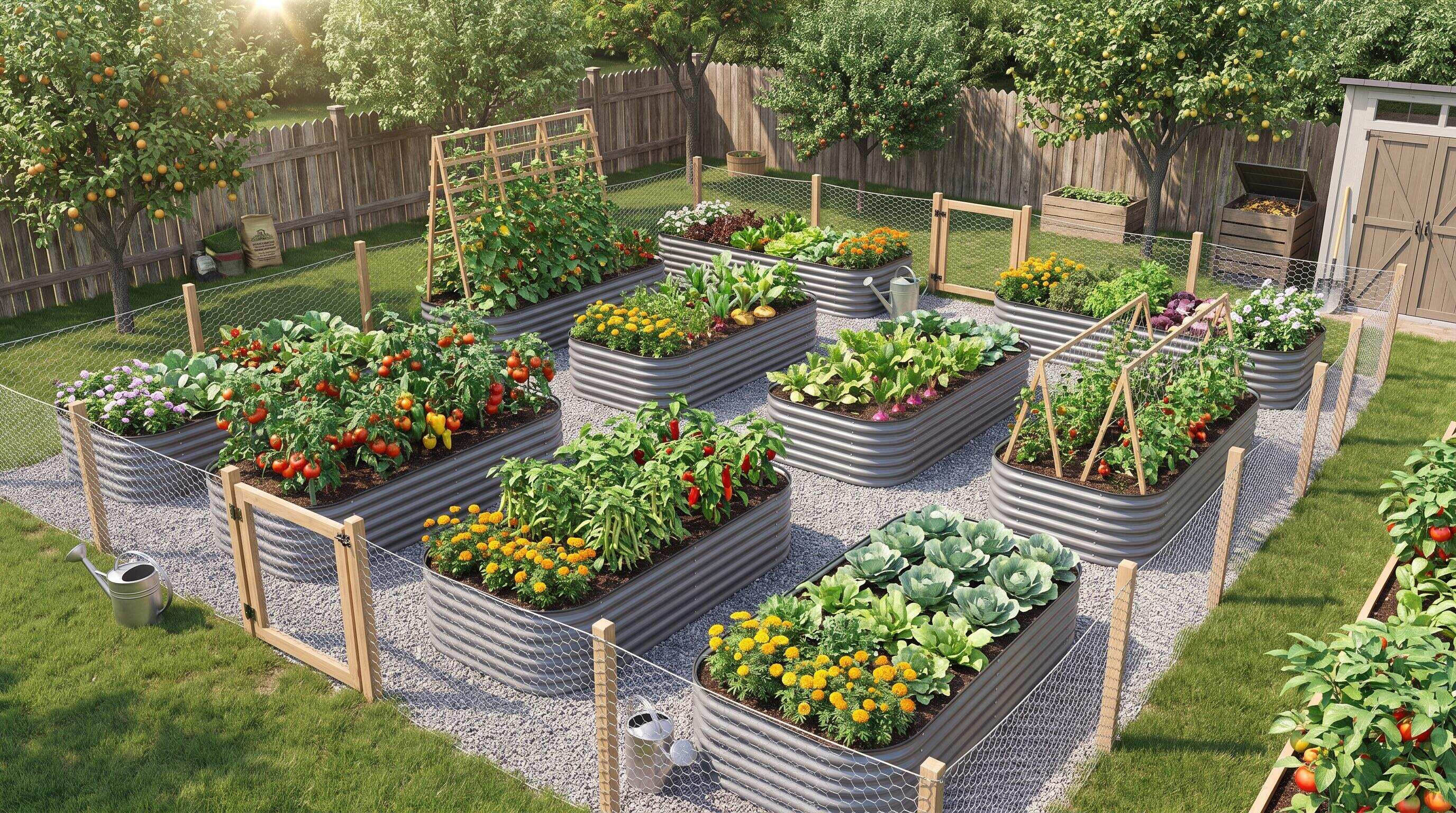
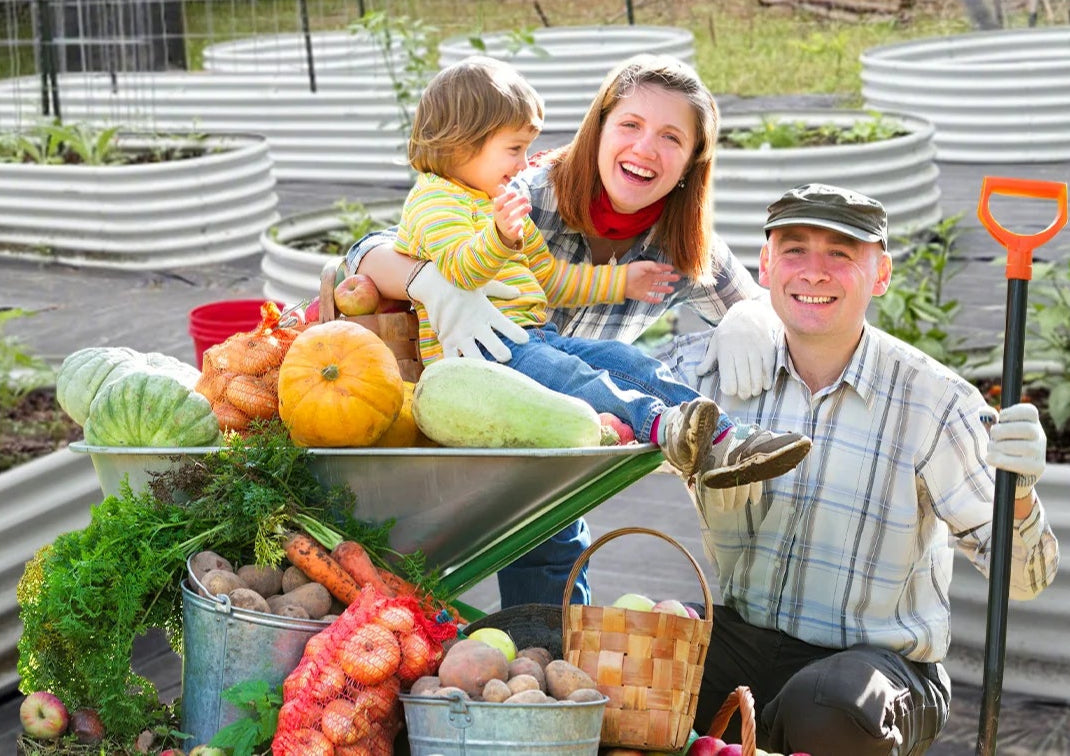
ALT: Organized raised bed garden layout with multiple galvanized steel beds, clear pathways, and diverse vegetable plantings in a backyard setting
Advanced Considerations: Pitfalls to Avoid and Misconceptions to Correct
Pitfall: Assuming all bundles include the same size beds. Many multi-pack promotions bundle one large bed with one or two smaller units at a discounted total price. Before purchasing, confirm the exact dimensions of each bed in the pack and whether the sizes actually serve your layout plan. A bundle that includes one 8x4 and two 4x2 beds is a very different growing footprint than three 8x4 beds.
Pitfall: Overlooking assembly complexity for large beds. Larger bed formats — particularly 12x3 or 10x3 configurations — may require two people to assemble comfortably. If you are gardening solo, factor assembly logistics into your decision. Modular systems are specifically designed to simplify this process, breaking large formats into manageable panel sections that connect intuitively.
Misconception: "More beds always means more work." In practice, well-planned multi-bed layouts can actually reduce gardening labor. Defined planting zones, organized crop rotations, and consistent bed maintenance are all easier to track across clearly separated beds than in a single large mixed-planting space. The upfront planning investment of a multi-pack layout pays ongoing dividends in time efficiency throughout the growing season.
Misconception: "Galvanized steel beds are unsafe for vegetables." This concern surfaces frequently among new gardeners. Galvanized steel uses a zinc coating as its rust barrier, and the scientific consensus from food safety researchers — including assessments referenced by the University of Minnesota Extension — is that zinc levels that naturally occur near galvanized steel do not reach concentrations harmful to plants or humans in typical garden conditions. Beds from established manufacturers like Anleolife use food-safe materials by design, and their 20-year lifespan reflects engineering standards that prioritize both durability and safety.
Special situation: Cold climate gardeners. In regions with hard winters, choose bundles that include extra-tall or heavy-duty bed options. Deeper bed profiles provide more insulating soil mass for overwintering perennial herbs and root vegetables, and heavier-gauge steel handles freeze-thaw expansion stress without warping. The Anleolife Heavy Duty Raised Garden Beds — available in 18-inch, 24-inch, and 30-inch heights — are designed for exactly these conditions.
Common Questions
Q1: How do I decide how many beds to include in my first multi-pack bundle?
Start by calculating the total square footage of growing space you realistically want to maintain this season — not optimistically, but honestly. A good first-year target for a family is roughly 100 to 150 square feet of active growing area. From there, choose a bundle that reaches or slightly exceeds that footprint using bed sizes that match your crop priorities. You can always expand next season, and starting at a manageable scale prevents the overwhelm that causes many first-year gardeners to abandon their beds by midsummer.
Q2: Are galvanized steel raised bed bundles safe to use for growing vegetables and edible herbs?
Yes. Galvanized steel gets its corrosion resistance from a zinc coating, and the scientific consensus — including guidance from food safety researchers at major agricultural universities — is that zinc does not leach into soil at levels that pose a risk to edible crops under normal gardening conditions. Choosing beds from reputable manufacturers who use food-safe galvanization processes, as Anleolife does, gives you an additional layer of confidence. These beds are specifically engineered for edible garden use and carry a lifespan of up to 20 years.
Q3: How long does it take to receive a multi-pack bundle order, and is assembly straightforward?
With Anleolife's strategically positioned warehouse network across six states — California, Texas, Florida, New York, Illinois, and Washington — most orders arrive within 3–8 business days. Assembly for a standard raised bed kit typically takes between 30 minutes and two hours depending on bed size and the number of panels involved, and most Anleolife beds are designed for tool-free or minimal-tool setup. Larger bed configurations benefit from a second pair of hands, particularly for panel alignment on long formats.
Final Thoughts
Multi-pack raised bed bundles represent one of the most practical and cost-efficient ways to build a genuine growing system — not just a single bed, but a cohesive raised bed garden layout that produces results season after season. The key is approaching bundle selection with the same intentionality you would bring to any significant home investment.
Key Takeaways:
- Plan your raised bed layout before you buy, mapping sun exposure, pathways, and crop zones to guide your bundle size decision.
- Material quality is the most important factor in bundle value — galvanized or rust-resistant steel beds dramatically outperform cheaper alternatives in total cost of ownership over a 20-year lifespan.
- Bundle configurations that include mixed bed sizes and heights give you the most layout flexibility and growing versatility.
- Delivery speed matters for planting windows — choose a supplier with a reliable national warehouse network that guarantees predictable arrival times.
- Avoid the single-bed starter trap; most gardeners immediately want more space, and bundles make scaling up significantly more economical.
The next step is simple: sketch your space, decide your crop priorities, and match a bundle configuration to both. The investment you make in a quality multi-pack setup today is the foundation of a productive, beautiful, and lasting garden ecosystem.
Ready to build your ideal garden layout? Explore the full range of raised bed bundles and configurations at Anleolife, where products are available directly on the official site or through major retail channels including Amazon, Walmart, Home Depot, Lowe's, and Wayfair. With delivery in 3–8 business days from a nationwide warehouse network and a modular product system that grows with your ambitions — from your first 8x4 bed to a fully integrated planting-and-raising ecosystem — Anleolife is built to support every stage of your gardening journey. Start with a bundle that fits today, and expand whenever you are ready.
References & Further Reading
- Savvy Gardening. "4x8 Raised Bed Vegetable Garden Layout Ideas".
https://savvygardening.com/4x8-raised-bed-vegetable-garden-layout/ - Gardener's Supply Company. "Pre-Planned Gardens".
https://www.gardeners.com/pages/kitchen-garden-planner-preplanned-gardens - Pinterest / Raised Garden Bed Ideas. "Raised Garden Bed Ideas".
https://www.pinterest.com/alethead74/raised-garden-bed-ideas/ - U.S. Department of Agriculture. Home Garden and Food Safety Resources.
https://www.usda.gov/
Note: Standards and research may be updated; please check the latest official documents or consult professional advisors for current recommendations.