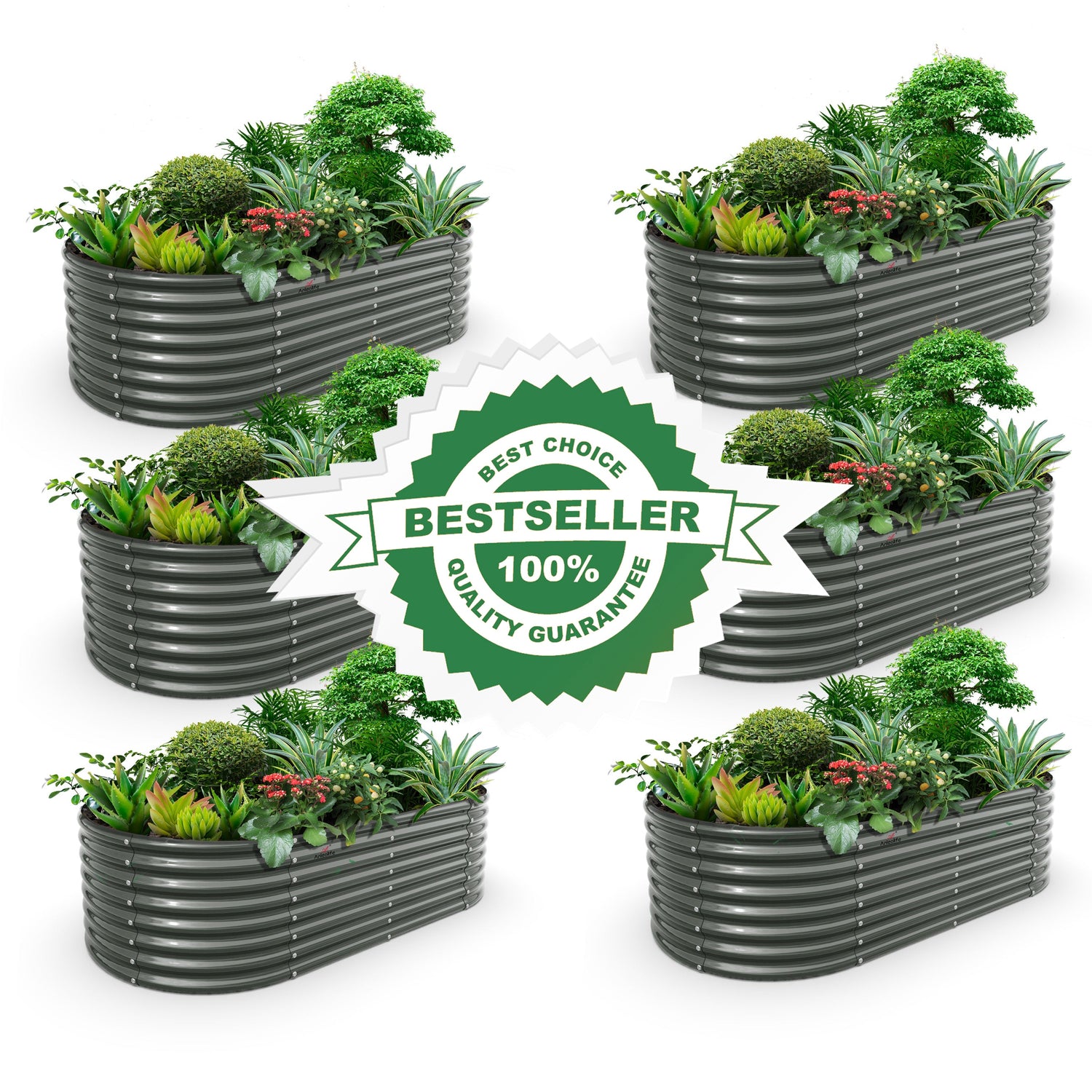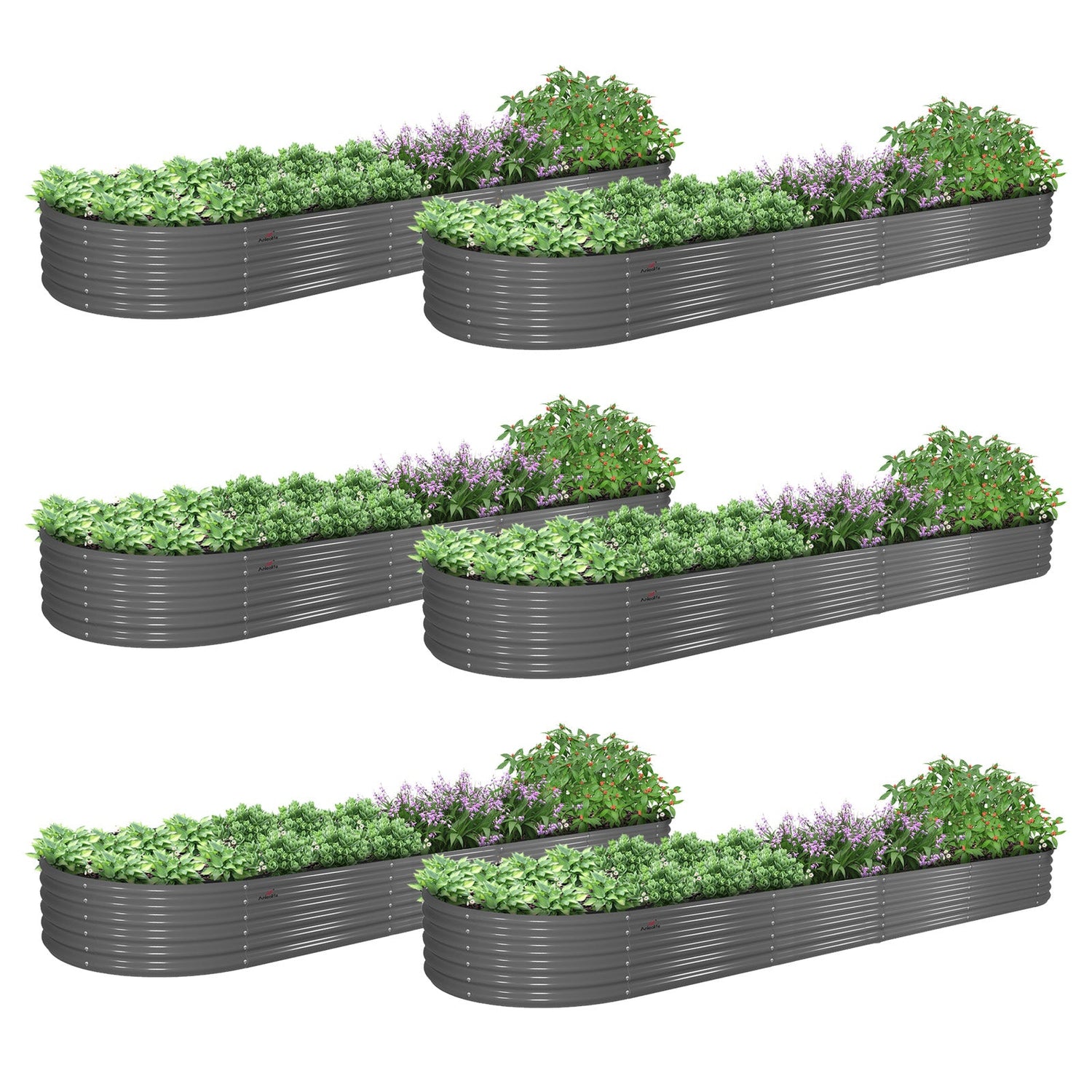



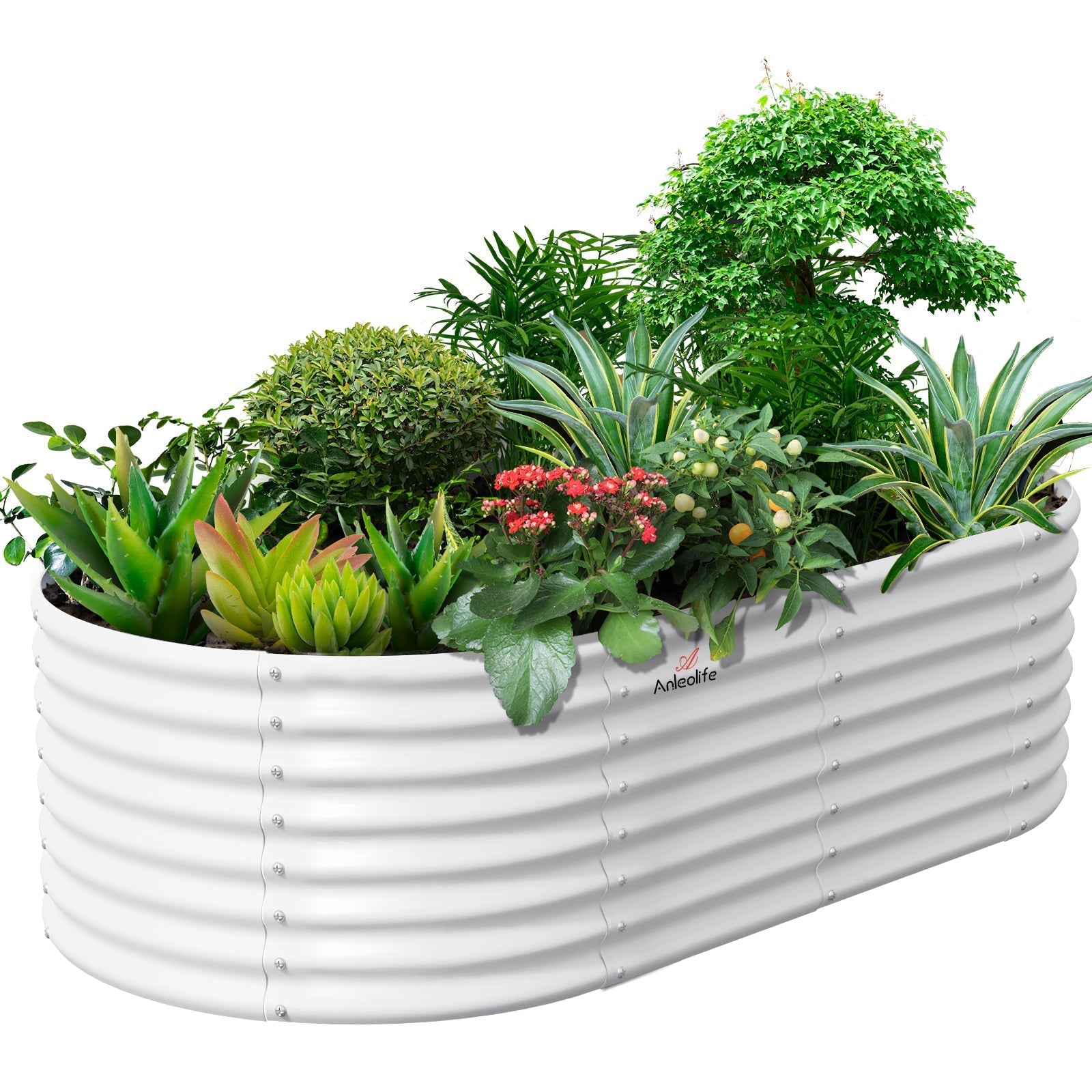
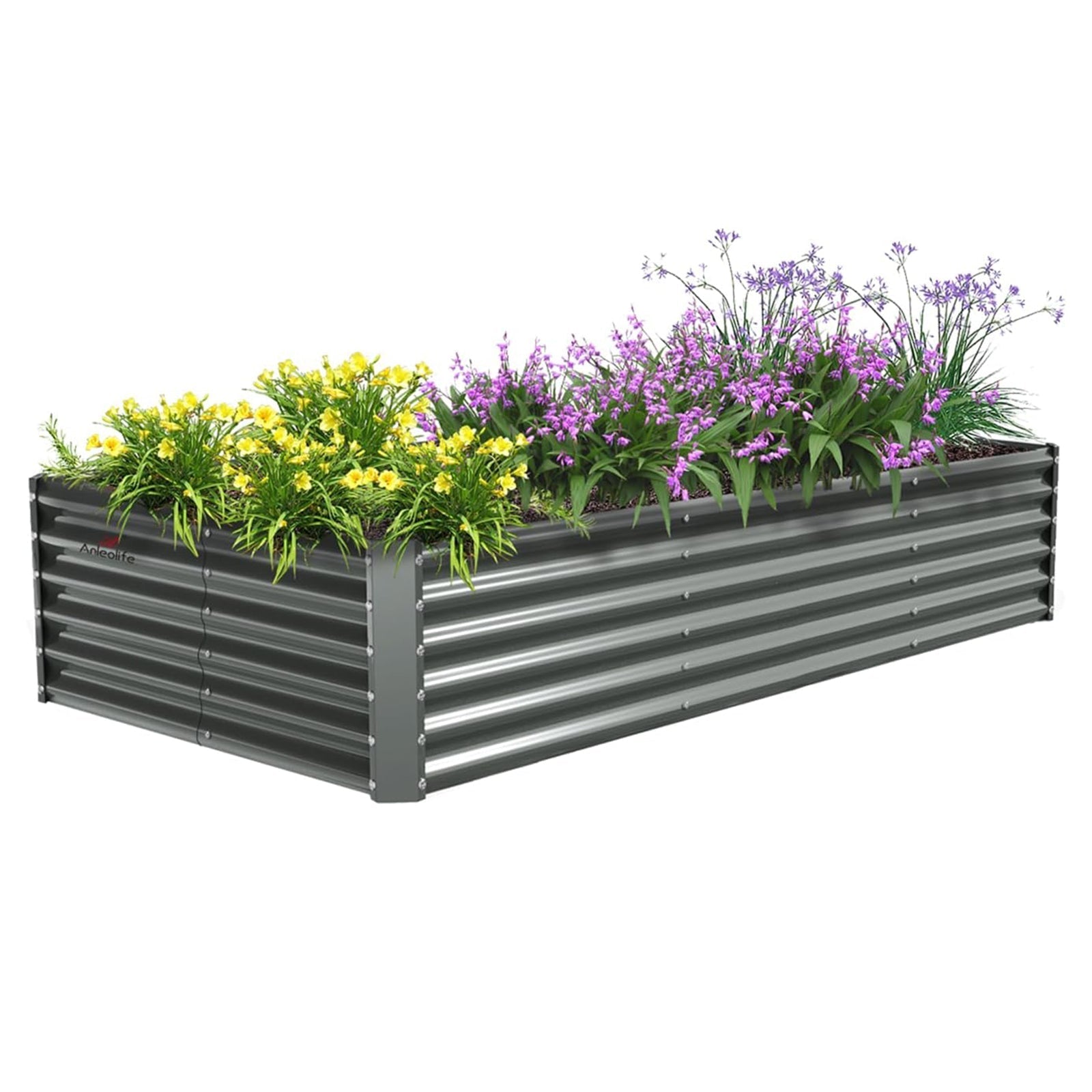

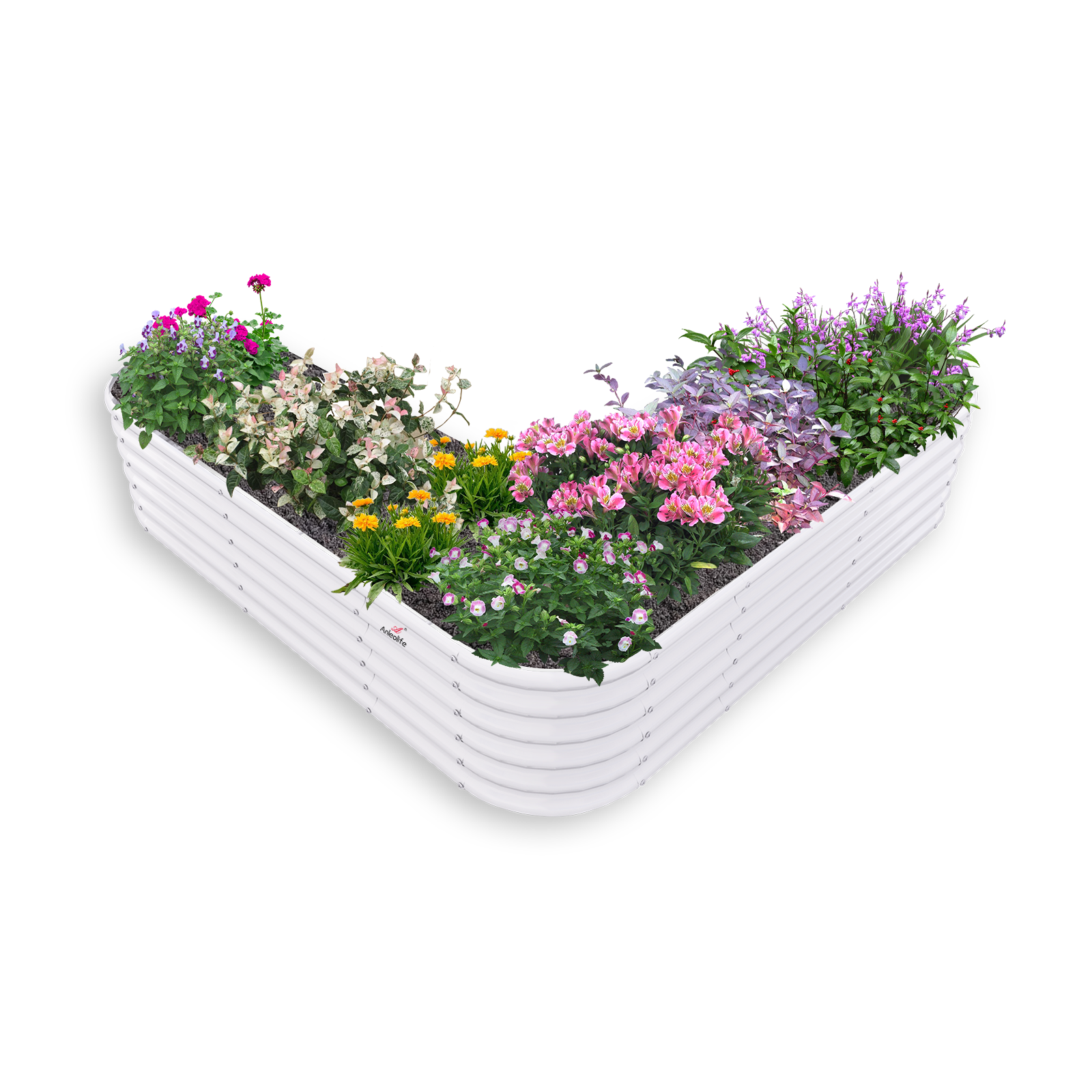
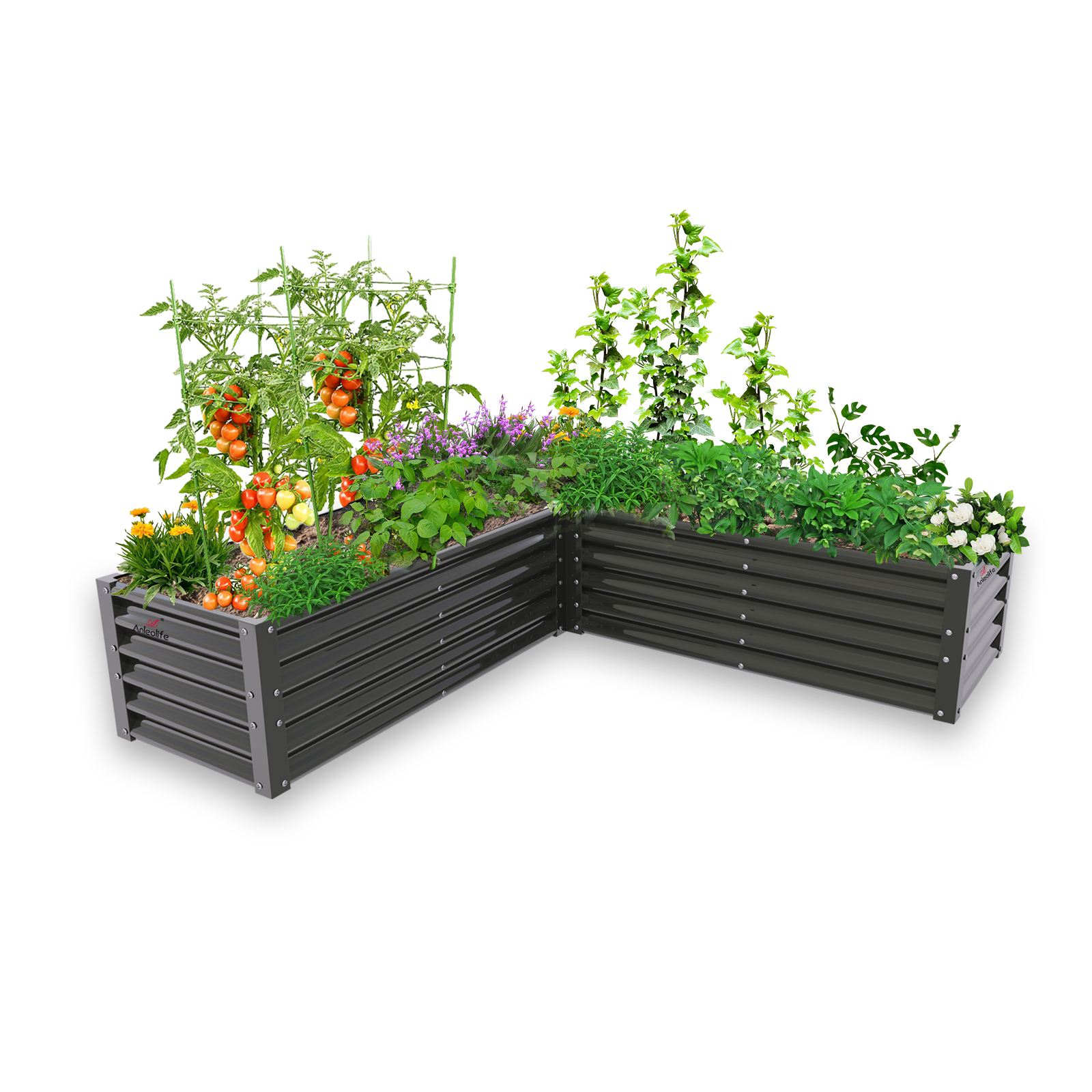
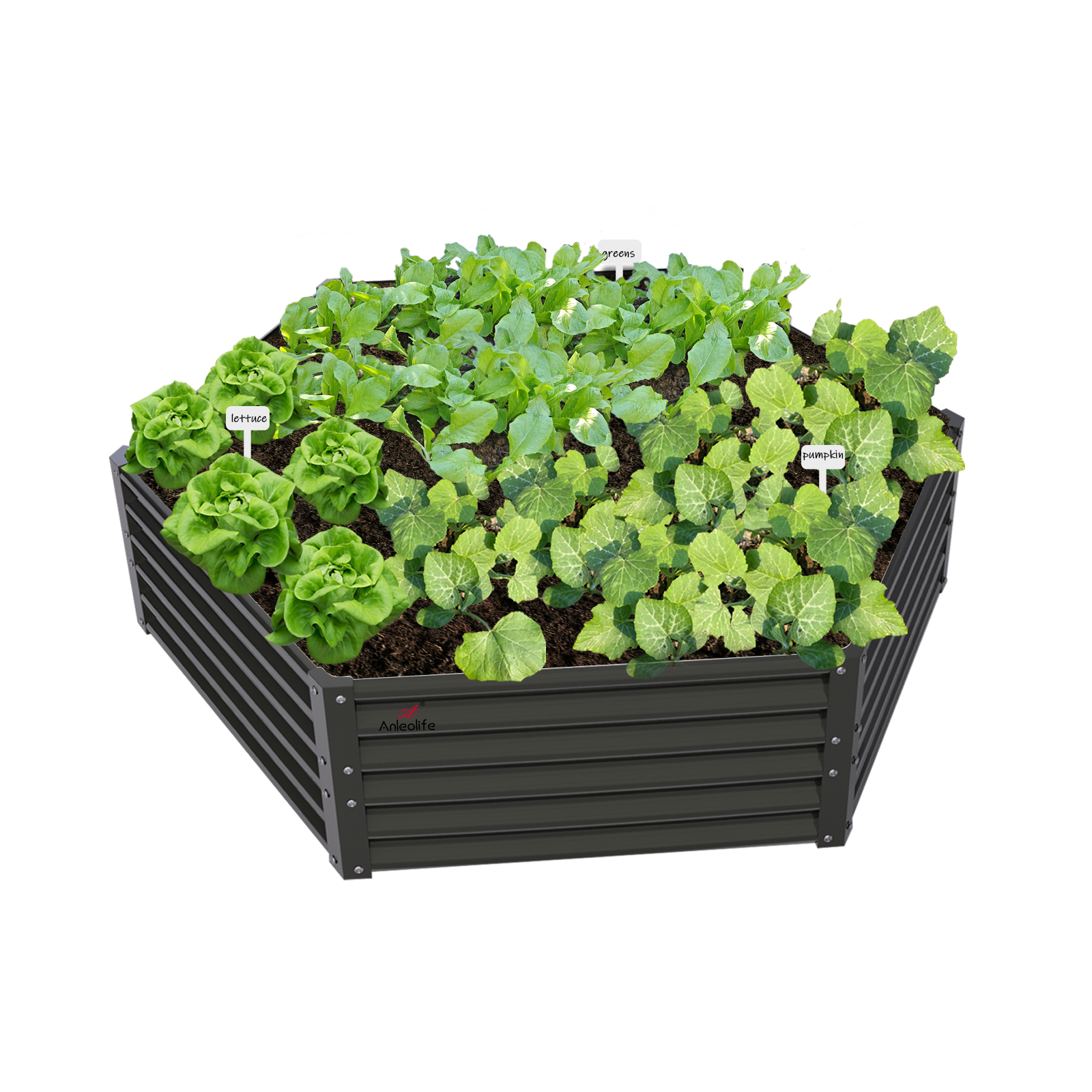
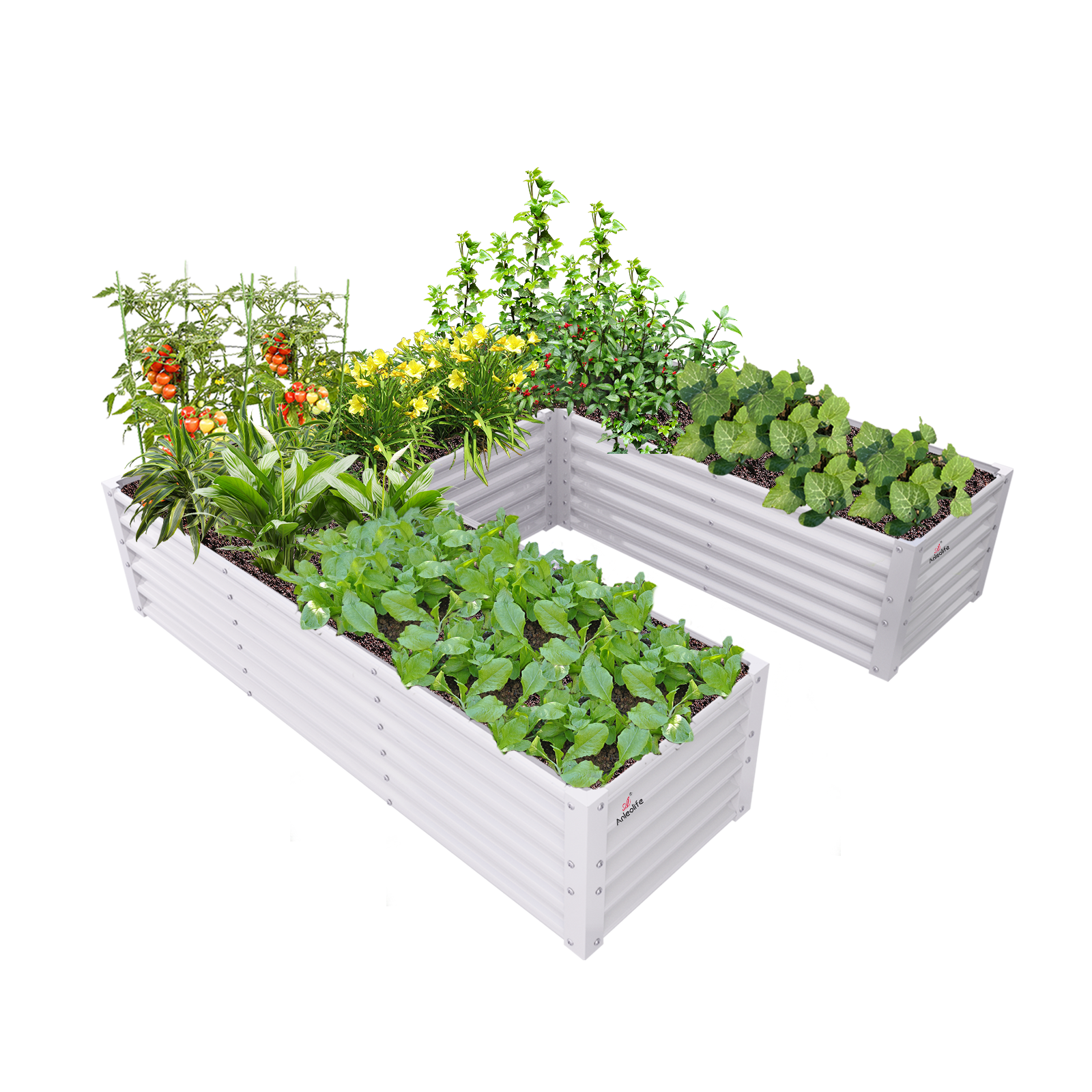

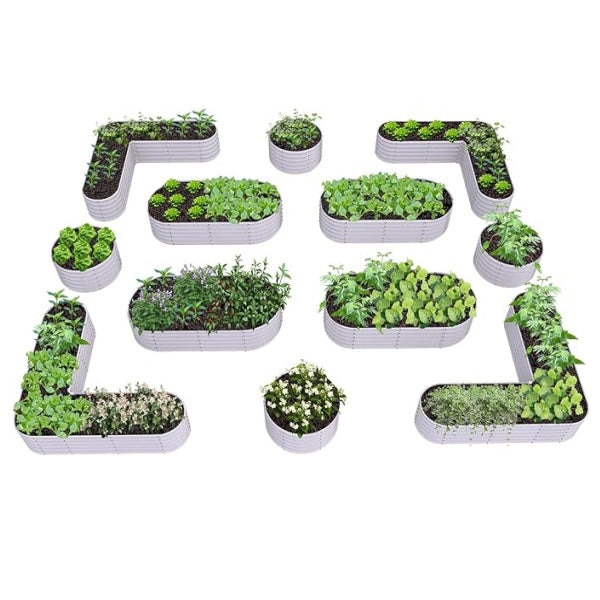


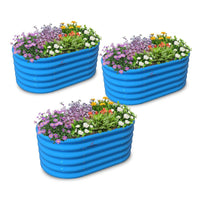
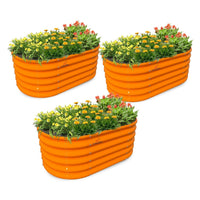
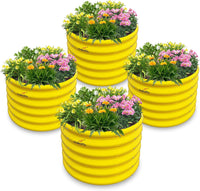
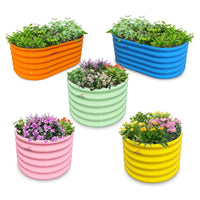
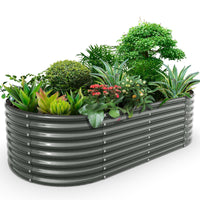



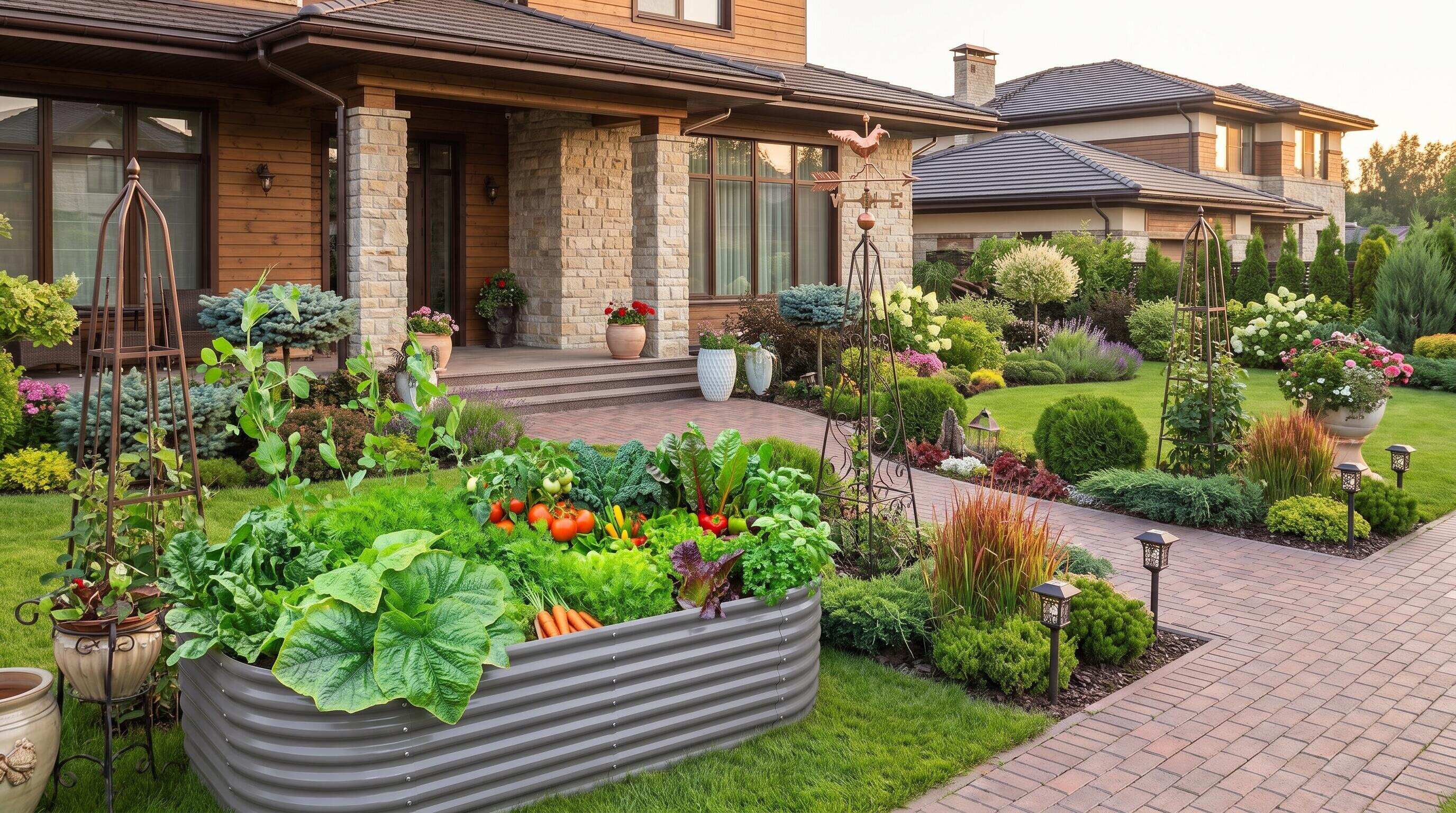
ALT: Metal raised garden beds and decorative accessories elevating curb appeal in a residential front yard this season
Why Metal Garden Accessories Are Changing How We Think About Curb Appeal
Key Conclusion: A well-considered raised bed garden layout does far more than organize growing space — it anchors the visual identity of your entire outdoor property. When metal garden accessories are incorporated into a raised bed planting layout, they create a coherent aesthetic language that elevates curb appeal from the street level inward. The most effective raised bed layout strategies this season combine structural durability with deliberate design, transforming functional growing infrastructure into landscape architecture that enhances property value, livability, and neighborhood presence simultaneously.
Every season, a pattern emerges in the work we do supporting home gardeners across North America: the homeowners who get the most compliments on their outdoor spaces are rarely those with the most elaborate plantings. They are the ones who treated their raised bed garden layout as a design decision first and a growing decision second. The metal framework, pathway edges, and decorative accents they chose became the bones of a cohesive landscape — and that coherence is what neighbors notice from the sidewalk.
This season, the question of curb appeal has become increasingly inseparable from the question of garden infrastructure. As more homeowners invest in raised bed gardening, the accessories and structural elements surrounding those beds have taken on a new visual importance. Understanding why — and how to act on it — is what this article is for.
The Current Landscape: Metal Accessories Move From Functional to Focal
Metal garden accessories have undergone a significant shift in perception over the past several years. Once treated as purely utilitarian items — edging strips, bed frames, trellises — they are now recognized as primary contributors to a garden's visual character. This shift mirrors broader design trends in residential landscaping, where the boundary between architecture and horticulture has become increasingly fluid.
The rise of raised bed gardening has been a central driver of this change. Raised bed planting layouts by nature impose visible, three-dimensional structure on a garden space. Unlike traditional in-ground planting, where soil and plants blend into a continuous surface, raised beds are discrete objects that occupy space, cast shadows, and interact with sightlines. The material, finish, and proportions of those beds matter in the same way that furniture matters inside a home.
Galvanized steel — the material at the core of many high-performing raised garden beds — has benefited most from this reevaluation. Its natural silver-gray tone reads as contemporary and clean, complementing modern farmhouse aesthetics, minimalist landscapes, and traditional cottage gardens with equal ease. As interest in sustainable, long-life materials has grown among eco-conscious homeowners, galvanized steel's reputation for durability without requiring chemical treatment has made it a preferred choice.
According to the Old Farmer's Almanac, one of North America's most established gardening authorities, raised bed layouts help gardeners control soil quality, improve drainage, and organize planting zones more effectively — practical advantages that, when combined with durable metal infrastructure, create a garden that looks intentional and performs reliably season after season. A thoughtful raised bed garden layout turns those practical advantages into visible ones.
Market context matters here as well. The home improvement category — including outdoor living and garden design — has seen sustained consumer investment in recent years. Homeowners increasingly view their outdoor spaces as extensions of their interior living areas, with corresponding expectations for quality materials and considered design. Metal accessories, including raised beds, pathway edging, and decorative structural elements, sit squarely at the intersection of that investment and that expectation.
What we consistently observe in our work is that homeowners who begin with a single well-made raised bed almost always expand their layout within one or two seasons. The visual improvement is immediate enough that it motivates further investment. A single galvanized steel bed installed with care can serve as a proof of concept for an entire landscape redesign.
Why Metal Accessories Create Lasting Curb Appeal: The Underlying Mechanisms
Metal garden accessories elevate curb appeal through several distinct mechanisms. Understanding each one helps homeowners make deliberate choices rather than reactive purchases — and it explains why not all garden upgrades produce the same visual return.
Structural Permanence Signals Intentionality
The most immediate curb appeal benefit of metal garden accessories is what they communicate about the homeowner's commitment to the space. Flimsy or impermanent materials — plastic borders, fabric beds, lightweight trellises — read as provisional. Metal reads as permanent.
Structural permanence in a raised bed planting layout tells a visual story: this space was planned, invested in, and built to last. That signal has a measurable effect on how observers perceive the entire property. In landscape design, the principle is sometimes described as "anchoring" — a material or element that is clearly stable provides a visual foundation that makes everything around it look more intentional, even if surrounding elements are less refined.
Anleolife's galvanized steel raised garden beds are engineered for a lifespan of up to 20 years, which makes them a genuine long-term landscape feature rather than a seasonal fixture. That durability is not just a practical benefit — it is a design asset. A bed that will outlast multiple planting cycles becomes part of the property's permanent character.
Material Finish and Its Relationship to Visual Cohesion
Visual cohesion — the sense that all elements of a landscape belong together — is one of the primary determinants of perceived curb appeal. Metal accessories contribute to cohesion in two ways: through consistent material language and through tonal compatibility with natural elements.
The natural zinc-gray of galvanized steel functions as a neutral in the landscape color palette, similar to the role of gray or taupe in interior design. It anchors warmer tones (terracotta, wood, warm-season foliage) and cools brighter ones (flowering annuals, vegetable foliage, bark mulch), preventing any single element from overwhelming the composition. A raised bed garden layout that uses consistent metal finishes throughout — beds, edging, trellises, pathway systems — achieves this cohesion almost automatically.
Rust-resistant finishes add another dimension. When metal accessories maintain their appearance over multiple seasons without degradation, they preserve the visual integrity of the layout without requiring the homeowner to repaint or replace elements periodically. That consistency is itself a form of curb appeal: a garden that looks well-maintained in year three sends a stronger signal about the property than one that looked excellent in year one but has faded since.
Proportional Scale and the Geometry of the Raised Bed Layout
Raised bed layout geometry — the arrangement, spacing, and proportional scale of beds and accessories relative to one another and to the broader landscape — has a significant impact on how the garden reads from a distance.
Well-proportioned metal raised beds create a framework that organizes the eye. From the street, a garden with clearly defined, geometrically consistent beds is easier to process and more visually satisfying than one where planting zones are undefined or irregularly shaped. Resources like the 4x8 Raised Bed Vegetable Garden Layout Ideas guide from Savvy Gardening illustrate how even standardized bed dimensions can be arranged in multiple configurations — parallel rows, L-shapes, U-shapes — each producing a distinct visual character.
Taller beds, in particular, add a vertical dimension that is often underutilized in residential gardens. An extra-tall raised bed at 24 or 30 inches commands the landscape in the way a well-chosen piece of furniture commands a room. It creates shadow, defines zones, and draws the eye in a way that a shallow, low-profile bed does not.
The Pathway and Accessory Systems That Complete the Picture
Individual raised beds are powerful visual elements, but the full curb appeal benefit of a metal garden layout emerges when beds are integrated with compatible accessory systems — pathway edging, decorative borders, and structural accents that unify the space.
Pathway systems serve both functional and aesthetic roles. Functionally, they define circulation routes through the garden and protect soil structure from foot traffic. Aesthetically, they create the linear geometry that gives formal garden layouts their characteristic sense of order. Metal pathway edging that matches or complements the material of the raised beds ties these elements into a single visual system, reinforcing the impression of deliberate, professional-quality design.
This full-system approach — what we at Anleolife describe as the Beautification scenario — is the design logic behind treating curb appeal as a holistic project rather than a series of individual purchases. Planning a modular garden layout that grows with your family means thinking from the beginning about how each element will relate to the others, rather than accumulating accessories without a unifying plan.
Evidence and Approaches: Comparing Metal Layout Strategies
Different approaches to raised bed garden layouts produce different curb appeal outcomes. The comparison below captures the most common strategies homeowners consider, along with their relative strengths and trade-offs.
| Perspective / Approach | Strengths | Trade-offs | Best Fit |
|---|---|---|---|
| Single large galvanized steel bed as focal point | Immediate visual impact; low installation complexity; clear anchor for surrounding plantings | Less flexibility for crop rotation or mixed planting; single point of failure if placement is wrong | Small urban gardens, front yard feature beds, first-time raised bed gardeners |
| Multi-bed modular grid layout | Maximum planting flexibility; strong geometric curb appeal; scalable over time | Requires careful initial planning; higher upfront material investment | Growing families, dedicated kitchen gardeners, homeowners with medium to large yard areas |
| Tall/extra-tall beds combined with low-profile edging | Vertical interest adds dimension; accessibility benefit for aging gardeners; strong shadow and depth | May feel imposing in small spaces; pathway planning becomes more important | Empty nesters, retirees, gardeners with mobility considerations |
| Mixed-height layout with decorative accessories | Rich visual texture; accommodates diverse plant types; most "designed" appearance | Most planning-intensive approach; risk of visual clutter if accessory selection is inconsistent | Design-conscious homeowners, those aiming for property value enhancement |
According to the Old Farmer's Almanac's raised bed garden layout guidance, the most successful layouts account for sun exposure, access paths, and the visual relationship between beds before a single plant is chosen. That sequencing — structure first, planting second — is the same logic that produces the strongest curb appeal outcomes.
The Raised Bed Garden Layout Plans resource from the Almanac demonstrates that beginners consistently underestimate the impact of path width and bed spacing on the overall appearance of a garden. Beds placed too close together look crowded from the street even when well-planted; generous spacing allows each bed to be seen as a distinct design element.
In our experience working with homeowners across North America, the multi-bed modular approach produces the strongest long-term curb appeal results — not because it is the most elaborate, but because it creates a layout that can evolve with the homeowner's needs without losing visual coherence. Anleolife's modular raised garden bed line is specifically designed for this kind of incremental expansion: start with a configuration that suits your current space and goals, and build outward as your garden practice and confidence grow.
For homeowners who want to assess the current state of their metal infrastructure before planning an expansion, reviewing signs your raised garden bed needs repair before next planting season is a practical first step — good curb appeal depends on accessories that are structurally sound as well as visually appropriate.
It is also worth noting that the material choice underlying the layout has direct maintenance implications. The Pre-Planned Gardens approach from Gardener's Supply illustrates how a pre-structured planting plan — matched to a specific bed size and layout — reduces decision fatigue and helps homeowners execute a cohesive design from the first season.
Outlook: Where Metal Garden Design Is Heading This Season and Beyond
The trajectory for metal garden accessories is toward greater design sophistication without sacrificing durability. Homeowners are increasingly approaching their raised bed planting layouts the way they approach interior design — with attention to material quality, proportional harmony, and long-term livability rather than short-term novelty.
Several trends are shaping this direction. First, the continued growth of the "outdoor room" concept is pushing homeowners to treat garden spaces as functional living areas, complete with defined zones, durable materials, and considered aesthetics. Metal raised beds and accessories fit naturally into this framework because they provide the structural permanence and visual clarity that outdoor room design requires.
Second, the aging of the primary home-gardening demographic is increasing demand for accessible garden designs — specifically, taller beds that reduce bending and kneeling, and layouts that prioritize ergonomic pathways. Waist-high and extra-tall metal raised beds, already part of a thoughtful raised bed garden layout toolkit, will become even more central to how homeowners design their outdoor spaces.
Third, sustainability considerations are reinforcing the appeal of durable, long-life metal accessories over disposable or short-lifecycle alternatives. A galvanized steel bed engineered to last 20 years represents a fundamentally different environmental calculus than a plastic or wood alternative that requires replacement within a few seasons.
For homeowners acting on these trends this season, the most impactful steps are:
- Audit your current raised bed garden layout from the street — what reads as intentional, and what reads as provisional?
- Identify the one or two metal accessories (a taller bed, consistent edging, a pathway system) that would most immediately improve visual coherence.
- Plan for modular expansion from the beginning, so that each addition strengthens rather than complicates the overall layout.
- Prioritize material consistency: a garden where beds, edging, and structural accessories share a common material language always looks more designed than one assembled from mixed materials.
The investment in metal garden accessories is not a one-season proposition. The curb appeal benefits compound over time as plantings mature within a stable, well-proportioned framework — and as the structural quality of the metal infrastructure demonstrates itself through season after season of maintained appearance.
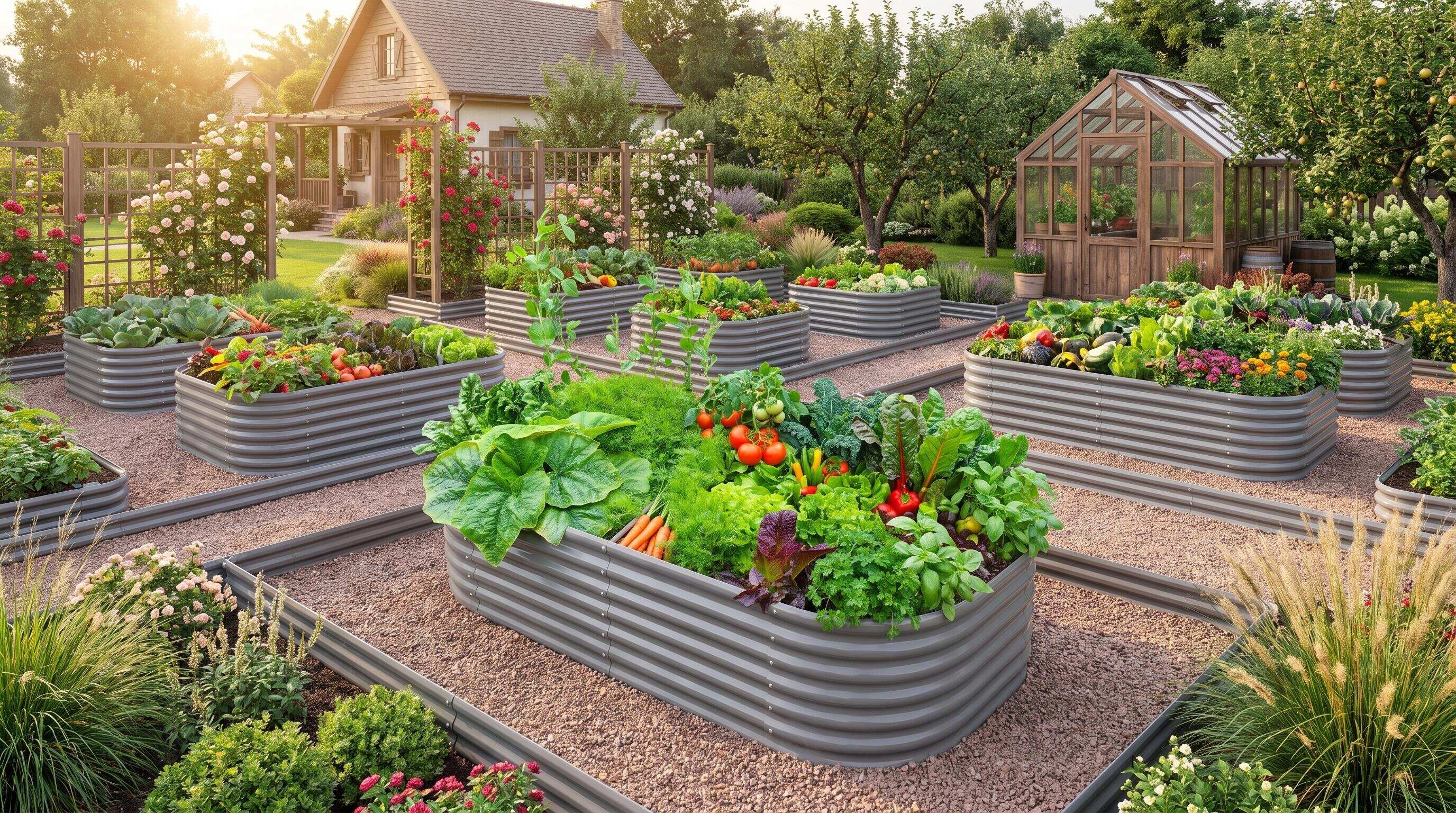
ALT: Modular galvanized steel raised garden beds with metal pathway edging creating a structured raised bed planting layout in a home garden
Common Questions
Q1: How does the choice of metal finish affect the long-term curb appeal of a raised bed garden layout?
Metal finish determines both the initial visual impression and the rate at which that impression degrades over time. Galvanized steel and rust-resistant coatings maintain their appearance across multiple seasons without requiring refinishing, which means the curb appeal benefit compounds rather than declines. A consistent finish across all beds and accessories — from pathway edging to structural frames — creates visual cohesion that reads clearly from the street. Choose finishes that complement your home's exterior palette rather than competing with it.
Q2: Are taller metal raised beds worth the additional investment for curb appeal purposes?
Taller raised beds — particularly extra-tall configurations at 24 inches or waist-high designs at 30 inches and above — add a vertical dimension to the garden that significantly increases its visual presence. From a curb appeal perspective, height creates shadow, defines zones, and signals intentionality in a way that low-profile beds do not. The additional investment is consistently justified in our experience, particularly for homeowners with larger yard areas where ground-level plantings can feel visually lost. Height also provides ergonomic benefits that extend the usability of the garden space over time.
Q3: How long does it typically take to see curb appeal results after installing a new metal raised bed layout?
The structural curb appeal of a metal raised bed layout is visible immediately upon installation — the geometry, material quality, and visual organization are apparent before a single plant is in the ground. Planting-related curb appeal, where foliage and flowering plants fill the frame established by the beds, typically develops across one full growing season. Anleolife's warehouse network across six U.S. states ensures delivery in 3–8 business days, meaning most homeowners can begin installation well within their target planting window without extended wait times.
Final Thoughts
Metal garden accessories elevate curb appeal because they address the root cause of most residential garden layouts that fail visually: the absence of a durable, coherent structural framework. When that framework is in place — built from quality materials, proportioned to the space, and designed for long-term consistency — everything planted within it benefits from the visual credibility that structure provides.
Key Takeaways:
- A raised bed garden layout is a landscape design decision as much as a growing decision — treat structure first, planting second.
- Metal accessories (beds, edging, pathway systems) create the visual cohesion that turns a collection of plants into a designed garden.
- Material durability — specifically rust-resistant, long-life galvanized steel — preserves curb appeal across seasons without requiring ongoing refinishing.
- Taller beds add vertical interest that significantly increases visual presence, particularly in larger yard areas.
- Modular layouts allow incremental expansion without sacrificing the visual coherence that makes curb appeal improvements compound over time.
The most practical next step is to walk to the street in front of your home and look at your current garden space as a visitor would. Identify the single structural change — one additional bed, consistent edging, a pathway system — that would most immediately clarify what your garden is trying to say. Start there, and build outward from a foundation you trust.
Ready to start building that foundation? Explore Anleolife's full range of metal raised garden beds and garden accessories, available on Amazon, Walmart, Home Depot, Lowe's, Wayfair, and directly at Anleolife.com. With a nationwide warehouse network spanning California, Texas, Florida, New York, Illinois, and Washington, most orders arrive within 3–8 business days — so your garden upgrade can begin this season, not next. From your first 8x4 raised bed to a fully integrated planting, raising, and beautification ecosystem, Anleolife grows with you at every stage.
Sources & Further Reading
- Old Farmer's Almanac. "Raised Bed Garden Layout Plans".
https://www.almanac.com/raised-bed-vegetable-garden-layouts-beginners - Savvy Gardening. "4x8 Raised Bed Vegetable Garden Layout Ideas".
https://savvygardening.com/4x8-raised-bed-vegetable-garden-layout/ - Gardener's Supply Company. "Pre-Planned Gardens".
https://www.gardeners.com/pages/kitchen-garden-planner-preplanned-gardens
Note: Standards and guidelines may be updated; please check the latest official documents or consult professional advisors.