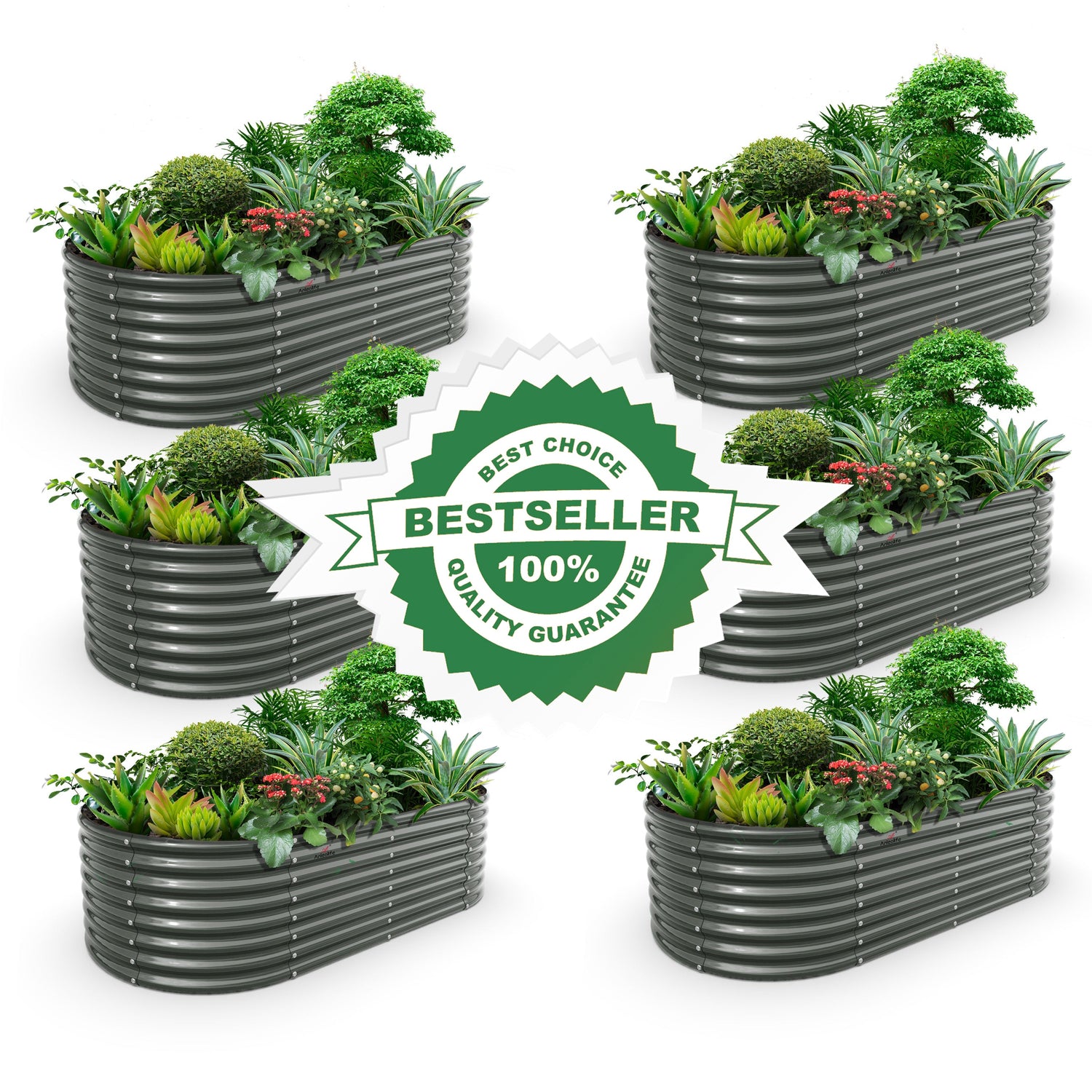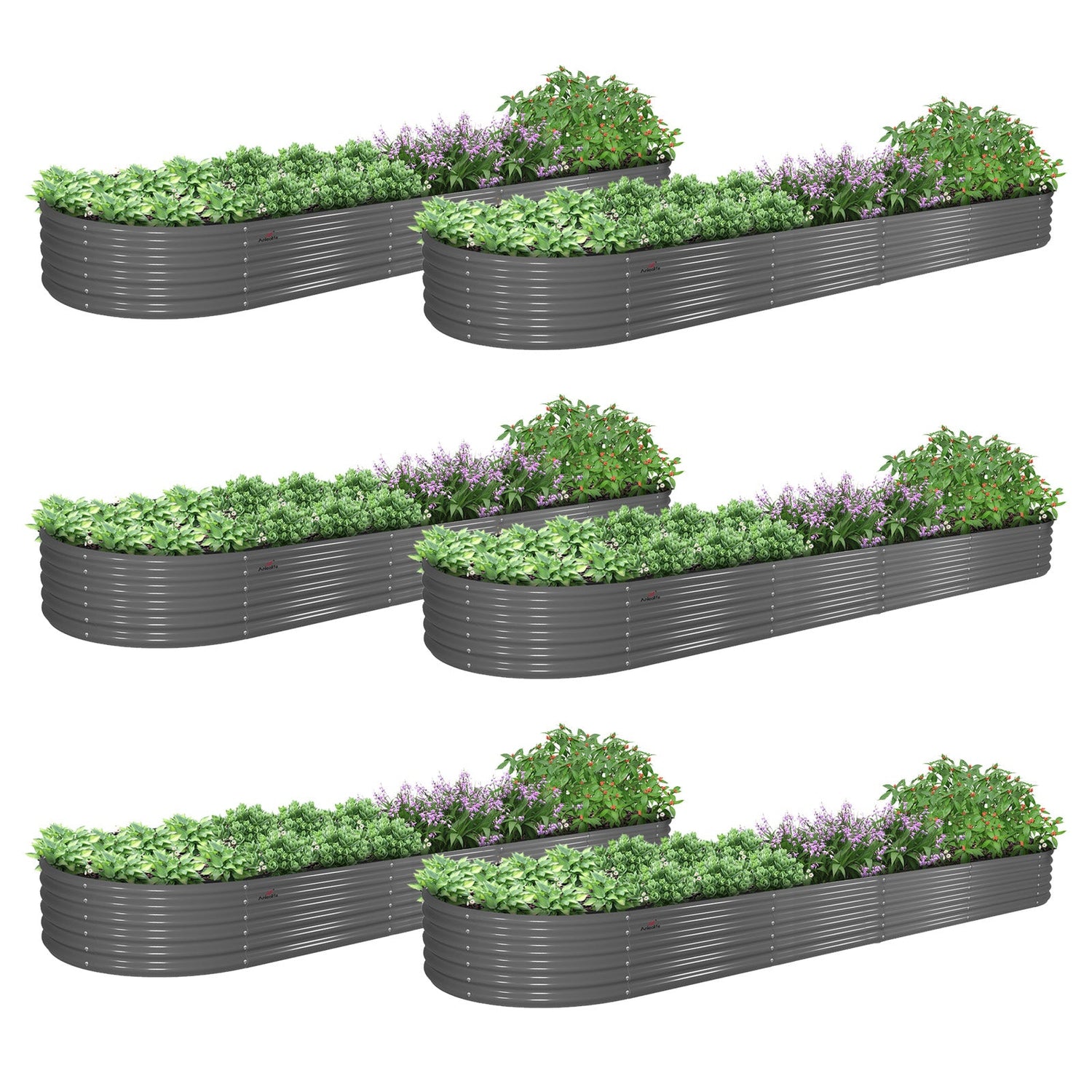



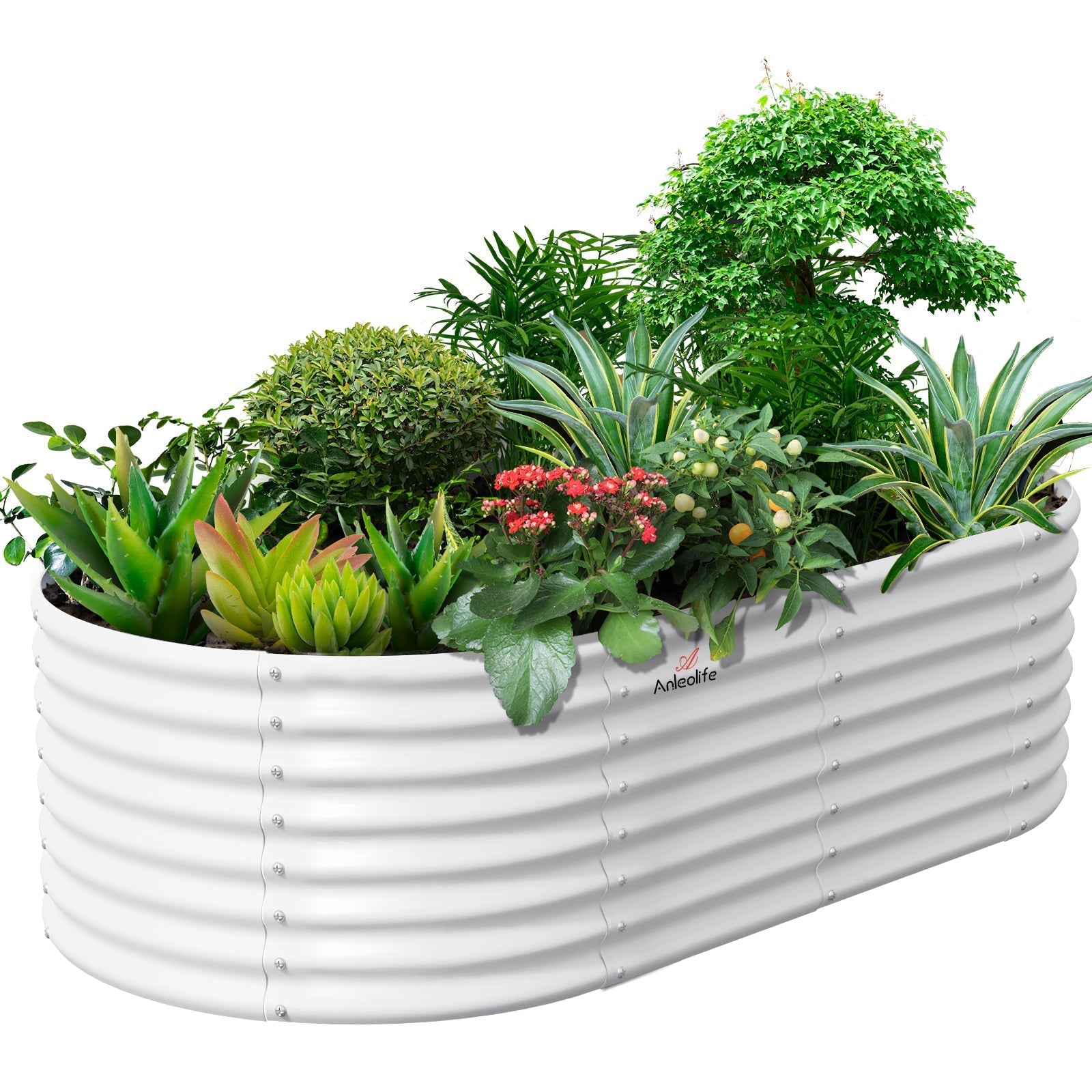
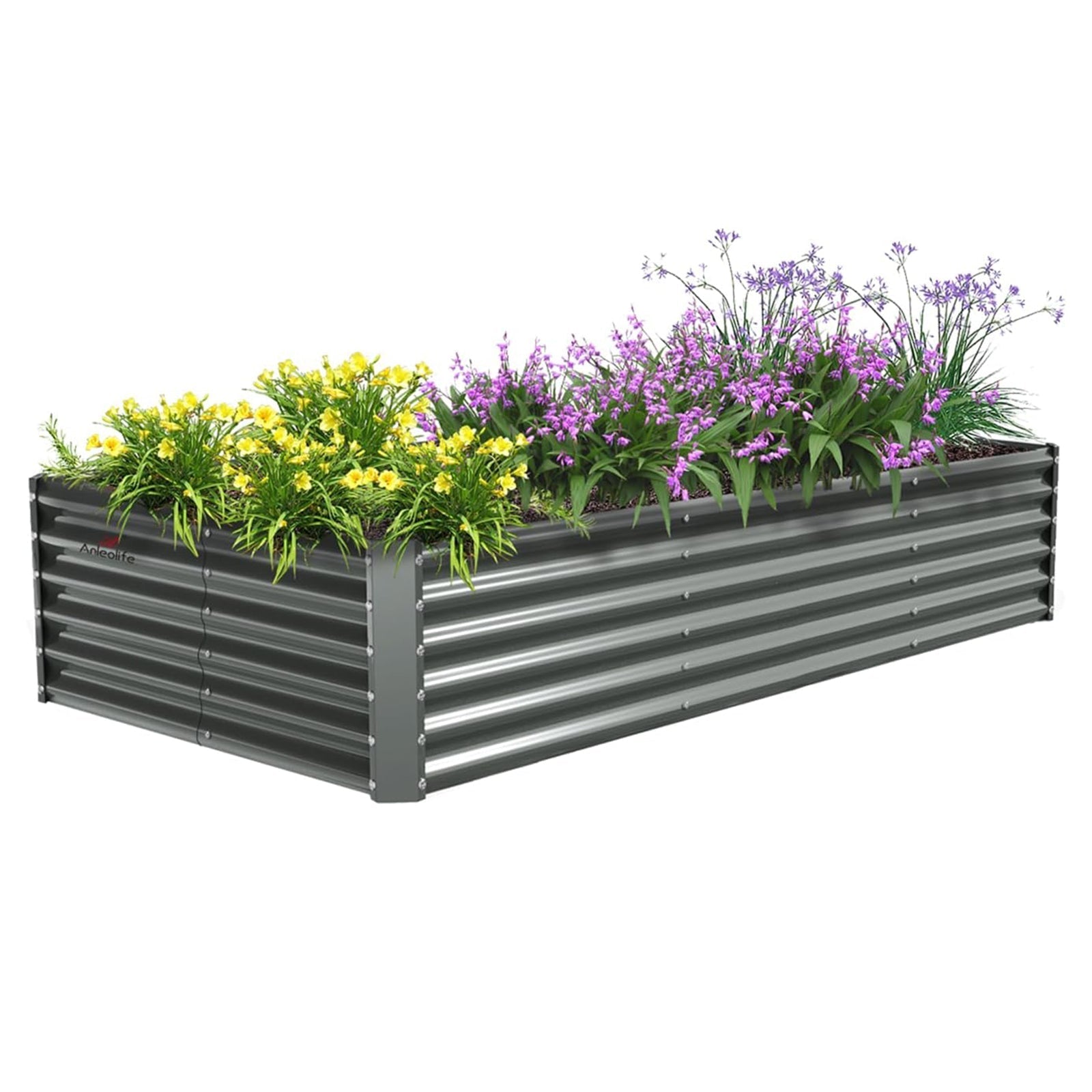

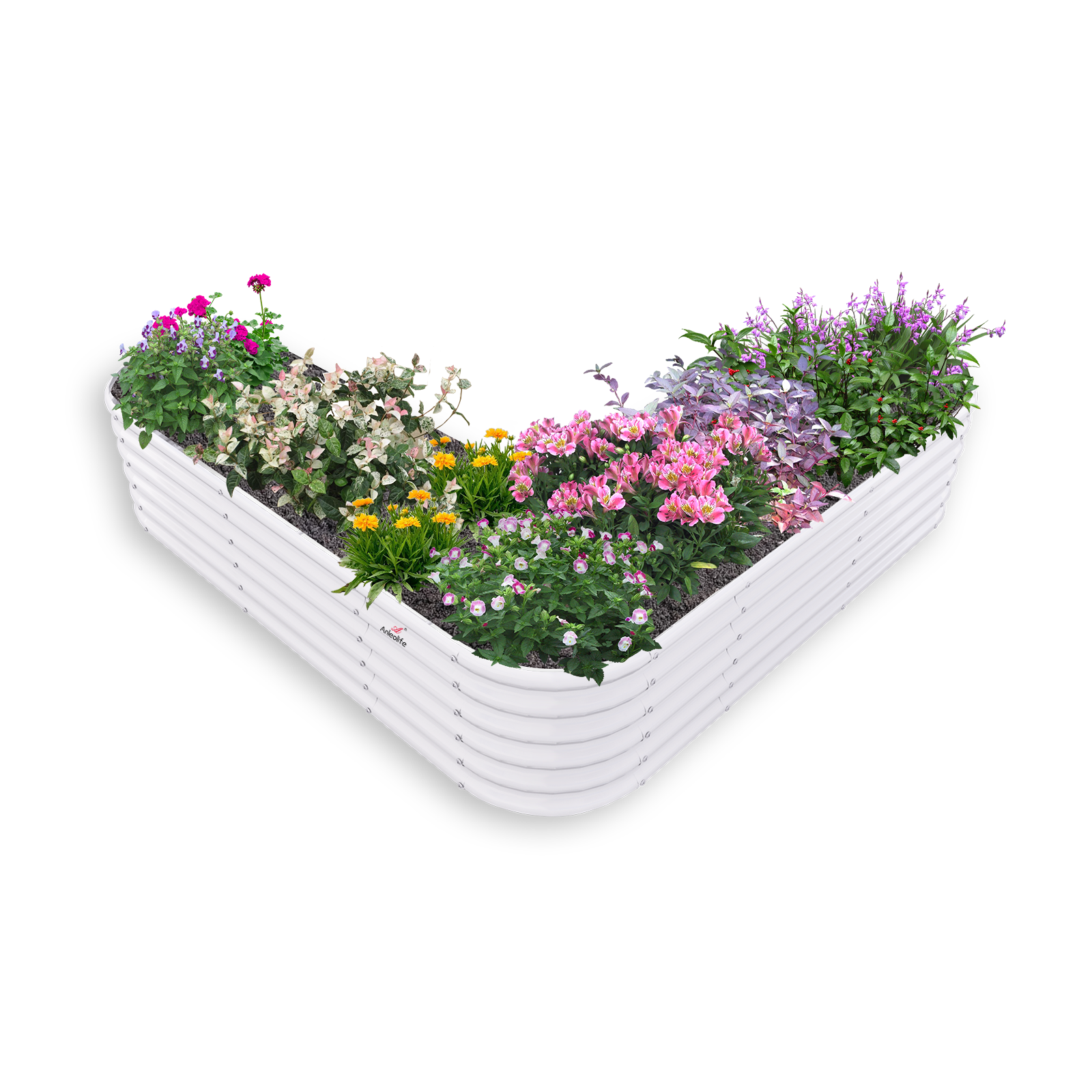
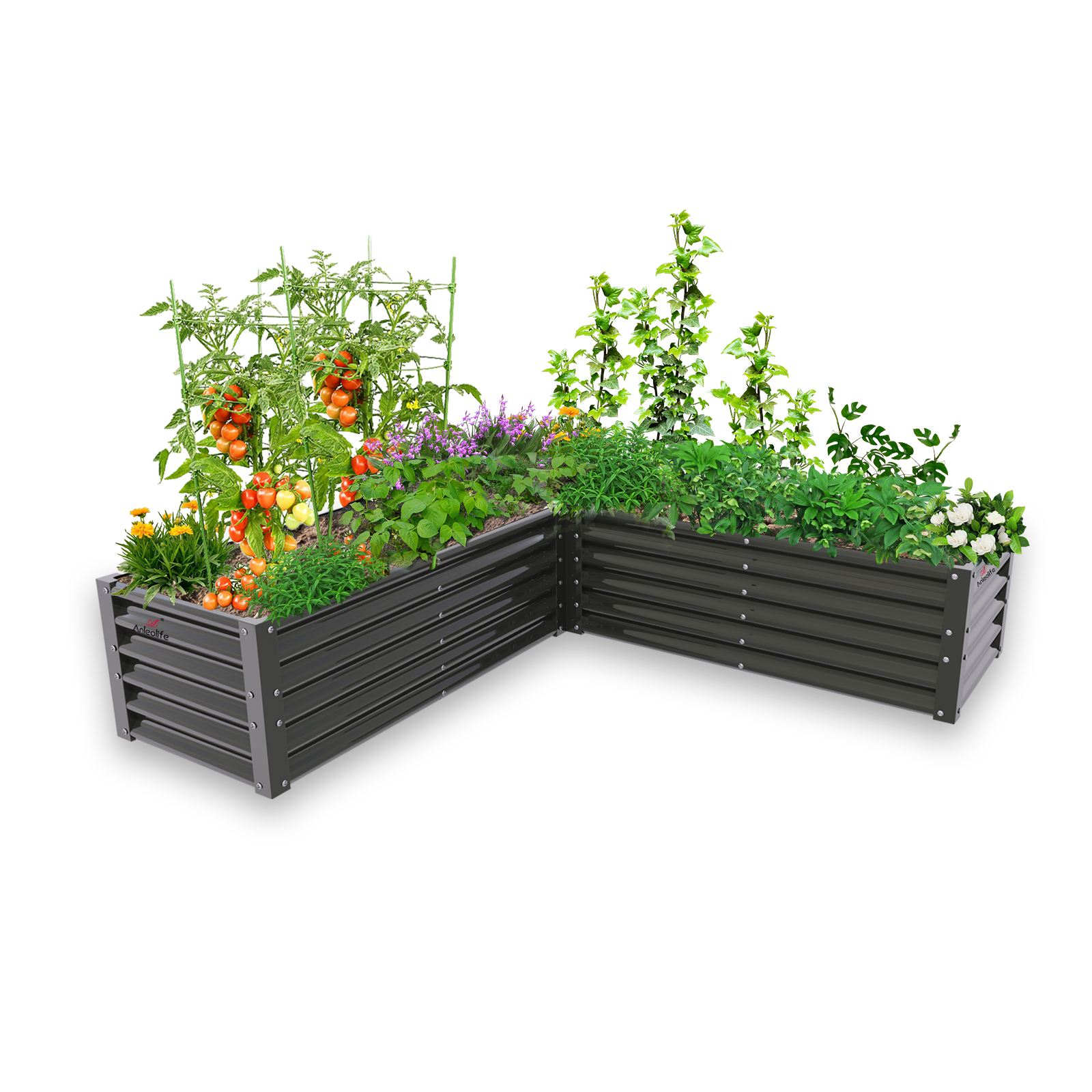
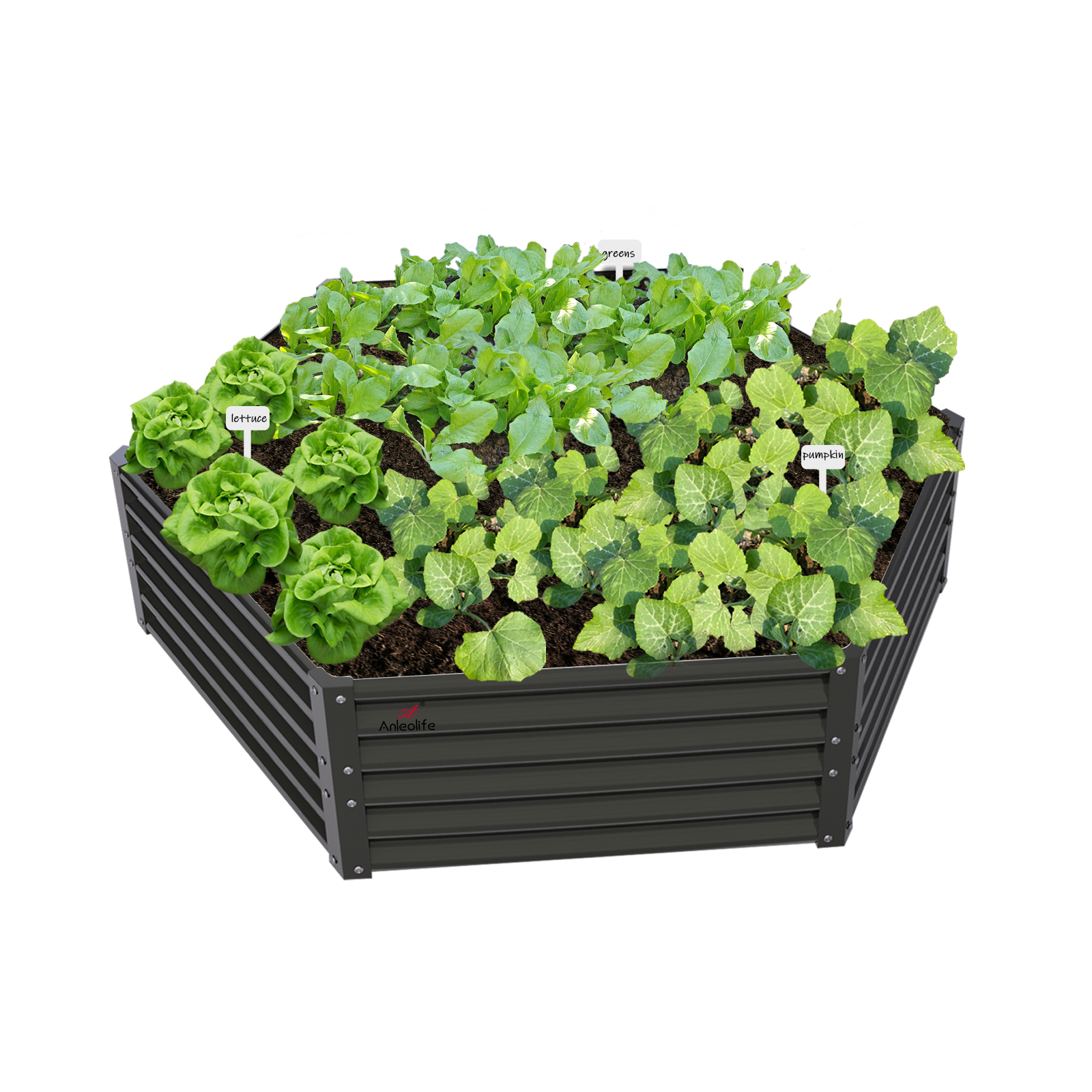
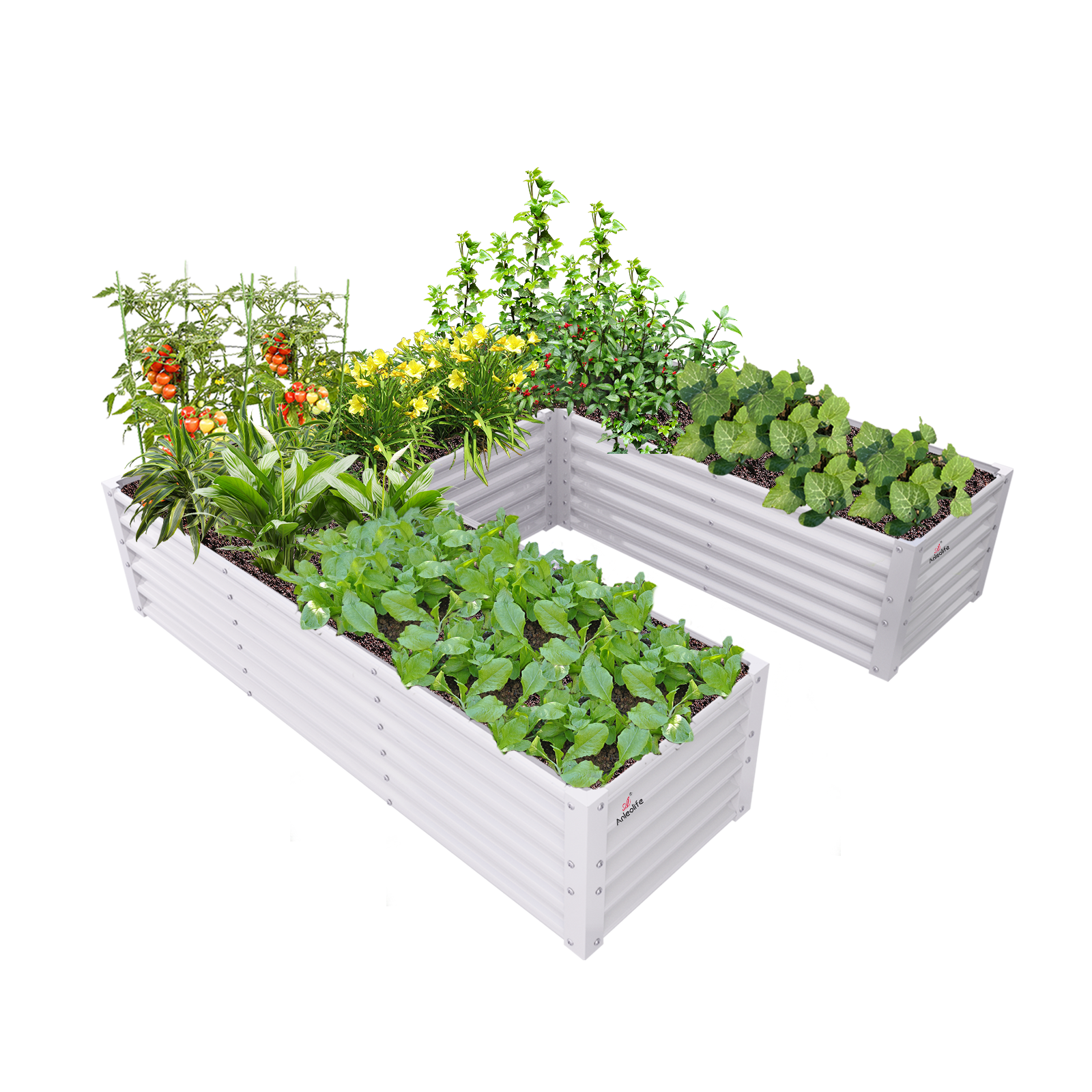

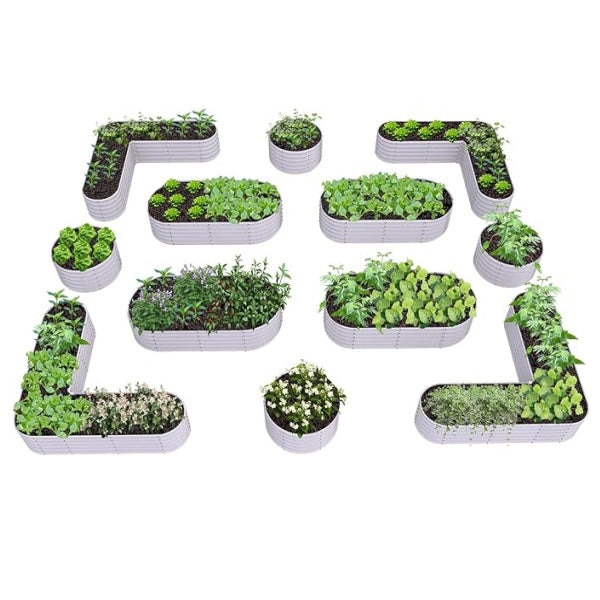


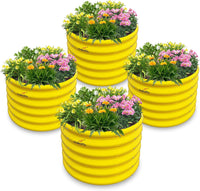
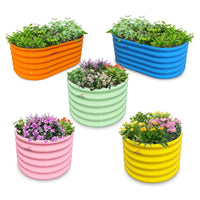
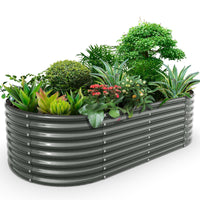



ALT: Compact raised garden beds paired with containers of various sizes for a productive raised bed garden layout
Why Container Size Matters More Than You Think in a Compact Raised Bed Garden Layout
Picture this: you've set up a tidy raised bed garden in a modest backyard or on a patio, and it's producing well — but you keep running out of room for the plants that don't quite fit in the bed itself. Herbs spill over edges, tomatoes crowd out peppers, and the whole raised bed planting layout starts to feel more chaotic than planned. The solution most experienced gardeners reach for is companion containers — pots, planters, and troughs positioned alongside the raised bed to extend the growing system without requiring more ground space.
Choosing the right container sizes to pair with a compact raised bed layout is one of those decisions that looks simple on the surface but has real consequences for plant health, watering efficiency, and how the garden looks and functions over time. In our work with home gardening clients across North America, a pattern we consistently see is that gardeners who match container sizes thoughtfully to their raised bed layout end up harvesting more, spending less on replacement plants, and enjoying their gardens longer. This article walks you through the best container sizes for pairing with compact raised garden beds — what each size is best suited for, what to watch out for, and how to combine them into a cohesive, productive system.
The recommendations below were selected based on plant root depth requirements, practical manageability for home growers, compatibility with standard raised bed dimensions, and long-term cost-effectiveness. Whether you're an urban micro-gardener working with a balcony, an empty nester simplifying a larger plot, or a family just starting out with raised bed gardening, this guide is built for you.
The Best Container Sizes for Pairing With Your Raised Bed Layout
Small Containers (Under 5 Gallons): The Herb and Lettuce Companion
Small containers — typically ranging from 1 to 4 gallons in volume — are the workhorses of a compact raised bed garden layout when it comes to shallow-rooted plants. A 1-gallon pot is roughly equivalent to a container about 6 inches in diameter and depth; a 4-gallon pot sits closer to 10–12 inches across. These sizes are ideal for herbs like basil, cilantro, chives, thyme, and parsley, as well as cut-and-come-again lettuce varieties that don't need deep soil to thrive.
What makes small containers genuinely valuable alongside a raised bed is their flexibility. You can move them out of direct sun during a heat wave, cluster them on steps or wall-mounted shelves to free up ground space, and rotate them in and out of the main growing area based on the season. According to the Old Farmer's Almanac, shallow-rooted herbs and greens need as little as 6–8 inches of soil depth, which makes these compact containers perfectly matched to their needs without wasting soil or water.
Best for: Home growers who want fresh herbs at arm's reach, urban micro-gardeners with limited space, and anyone who wants to add flexibility to a fixed raised bed planting layout without permanent infrastructure.
Watch out: Small containers dry out faster than larger ones, sometimes requiring daily watering in summer heat. Grouping them together near the raised bed can help retain moisture and reduce watering frequency.
The 5-Gallon Container: The Reliable All-Rounder
A 5-gallon container — typically around 12 inches in diameter and 12 inches deep — is one of the most versatile companions to a compact raised bed garden. It's large enough to support a single tomato plant (particularly determinate or patio varieties), a pepper plant, a bush cucumber, or a healthy clump of spring onions. It's also small enough to be moved by most adults without strain, which matters when you're rearranging a garden layout seasonally.
In our experience working with gardeners who are just building out their raised bed layout for the first time, the 5-gallon container consistently earns its place as the first add-on purchase. It bridges the gap between herb pots and large planters, giving growers the ability to test crops that might not fit in the current bed configuration before committing to a bed expansion. When you're thinking about planning a modular garden layout that grows with your family, 5-gallon containers are a smart, low-cost way to experiment before investing in additional infrastructure.
Best for: Beginner raised bed gardeners, families testing new crops, and anyone who wants a portable growing unit that pairs naturally with an 8x4 or 6x3 raised bed configuration.
Watch out: A single 5-gallon pot will not support an indeterminate tomato variety through a full season without significant supplemental feeding. Choose compact or determinate varieties for the best results at this container size.
The 7 to 10-Gallon Container: The Sweet Spot for Fruiting Vegetables
Containers in the 7–10 gallon range represent the sweet spot for most fruiting vegetables — the category where compact raised bed layouts often run short on space. A 10-gallon container typically measures around 16 inches in diameter and 14–16 inches deep, providing enough root volume for a standard tomato, a zucchini plant, or a small eggplant. This is also an effective size for growing dwarf fruit varieties like patio strawberries or compact blueberry bushes.
From a cost-effectiveness standpoint, the 7–10 gallon category offers excellent return on investment. These containers are durable enough to last multiple seasons when made from quality materials, and the soil volume they hold means watering frequency is more manageable than with smaller pots. Positioned alongside an Anleolife galvanized steel raised garden bed — which is engineered for a lifespan of up to 20 years — a good set of 10-gallon containers becomes a long-term component of your garden system rather than an annual replacement.
Best for: Home growers who want to extend fruiting vegetable production beyond what fits in the raised bed itself, eco-conscious gardeners looking for durable, reusable growing vessels, and retirees who want productive but manageable garden units.
Watch out: At 10 gallons, containers filled with moist soil become heavy — often 50 pounds or more. Choose containers with built-in casters or place them on a dolly before filling if you plan to move them seasonally.
The 15-Gallon Container: Room for Root Vegetables and Small Shrubs
A 15-gallon container — generally around 17–18 inches in diameter and 16–18 inches deep — opens the door to crops that genuinely need depth: carrots, parsnips, beets, and even some potato varieties. It's also the right size for small edible shrubs like dwarf blueberries, compact fig varieties, or a well-pruned rosemary that you want to keep mobile. For gardeners whose raised bed layout already covers the primary growing space, a 15-gallon pot allows a meaningful expansion into root crops without digging up the yard.
The 15-gallon container also works beautifully as a visual anchor in a garden design. Placed at the corners of a raised bed or along a pathway, large planters at this scale create a sense of structure and intentionality that smaller containers can't quite match. This matters for home growers who care about how the garden looks, not just what it produces — a common priority among the middle-class families and lifestyle gardeners we work with most frequently.
Best for: Gardeners who want to grow root vegetables alongside a raised bed layout, anyone looking for a statement container that doubles as a design element, and growers building a semi-permanent patio garden system.
Watch out: Once filled, a 15-gallon container is not realistically movable without assistance or equipment. Decide on placement before filling.
The 20-Gallon Container: High-Volume Production and Perennials
A 20-gallon container is a serious growing vessel. At this scale — typically 19–20 inches in diameter and 18–20 inches deep — you can grow a full-sized indeterminate tomato through an entire season, establish a dwarf citrus tree on a sunny patio, or run a productive strawberry tower. When paired with a compact raised bed layout that handles annuals and greens, a 20-gallon container can handle the perennial and long-season crops that would otherwise disrupt the rotation schedule inside the bed.
According to planning resources from the Old Farmer's Almanac, one of the consistent challenges in raised bed vegetable garden layouts is balancing short-season crops with long-season ones in the same space. A 20-gallon container positioned adjacent to the bed solves this elegantly — the bed cycles through lettuce, radishes, and beans on a rapid schedule, while the container hosts a tomato or pepper that doesn't need to be disturbed for months at a time.
From an investment standpoint, 20-gallon containers made from UV-stabilized resin or coated metal can last many seasons. Paired with an Anleolife raised bed built to last up to 20 years, this kind of combined system is a genuine long-term investment in your home food production.
Best for: Experienced growers who want to extend their raised bed system into perennial and long-season production, empty nesters who want a productive but contained garden footprint, and eco-conscious households maximizing yield per square foot.
Watch out: Soil in a 20-gallon container needs replenishing annually and benefits from regular compost amendment to stay productive. Factor in ongoing soil system maintenance as part of the real cost.
Fabric Grow Bags (5–25 Gallon): Lightweight Flexibility at Any Scale
Fabric grow bags are containers made from breathable, woven material that promote air pruning of roots — a process where roots naturally stop growing at the container wall rather than circling, which leads to a denser, healthier root system. Available in a wide range of sizes from roughly 5 gallons to 25 gallons, fabric bags are an increasingly popular companion to raised bed gardens because they fold flat when not in use, resist overwatering, and are significantly lighter than rigid containers of equivalent volume.
In a compact raised bed planting layout where space is at a premium, fabric bags earn their place through sheer flexibility. A grower can use 5-gallon fabric bags for tomatoes in summer, collapse them in fall, and replace them with 10-gallon bags for cool-season root crops — all without additional storage burden. This seasonal adaptability makes fabric bags especially useful for gardeners on a budget who want variety without investing in a large collection of rigid pots.
Best for: Budget-conscious gardeners, urban growers with limited storage space, and anyone who wants the flexibility to reconfigure their raised bed layout seasonally without a major investment.
Watch out: Fabric bags dry out faster than rigid containers of the same volume because moisture escapes through all sides. In hot climates or during dry spells, daily watering may be required. Self-watering inserts or saucers can help reduce this maintenance burden.
Long Rectangular Troughs (12–24 Inch Length): The Natural Extension of a Raised Bed Layout
Long rectangular planters — often called troughs — are the container style most visually and functionally aligned with a raised bed garden layout. Available in lengths from roughly 12 inches up to 24 inches or more, these narrow planters mimic the row-planting logic of a raised bed, making it intuitive to extend the same planting rows outward beyond the bed's edge. They're particularly effective for succession planting of fast crops like lettuce, radishes, and spinach, which you can stagger across multiple troughs for a continuous harvest.
As noted in layout planning resources from Savvy Gardening's guide to 4x8 raised bed vegetable garden layout ideas, the key to maximizing a compact raised bed is extending the usable growing footprint intelligently — and rectangular troughs placed end-to-end along the bed's perimeter are one of the cleanest ways to do this. From a design standpoint, matching the material or color of the troughs to the raised bed creates a cohesive look that appeals to gardeners who care as much about aesthetics as productivity.
Best for: Gardeners who want to extend row plantings naturally beyond the raised bed's edge, urban growers working on patios or decks where rectangular planters sit flush against walls, and retirees who prefer the orderly look of aligned planters.
Watch out: Narrow troughs have less soil volume per plant than round containers of equivalent length, so they require more frequent fertilization to sustain productive growth throughout the season.
Self-Watering Containers (Any Size): Efficiency-Focused Pairing
Self-watering containers — which include a water reservoir in the base that wicks moisture up to plant roots — are not defined by a single size but by their irrigation mechanism. Available in sizes from small herb pots to large planters equivalent to 20-gallon capacity, self-watering containers reduce watering frequency significantly, making them ideal for gardeners who travel, work long hours, or simply want a lower-maintenance raised bed layout.
In our experience, the transition from conventional pots to self-watering containers is one of the highest-impact, lowest-cost upgrades a home gardener can make. A pattern we consistently see is that gardeners who adopt self-watering containers alongside their raised bed system report fewer plant losses during dry periods and spend measurably less time on daily maintenance. For families or retirees who want a productive garden without irrigation anxiety, this container type is hard to argue against. For further information on reducing garden maintenance demands, resources like setting up low-maintenance automated watering for busy households provide useful practical guidance.
Best for: Busy households, gardeners who travel regularly, retirees who want reduced daily garden maintenance, and anyone growing moisture-sensitive crops like lettuce or celery.
Watch out: Self-watering containers require occasional flushing to prevent salt buildup from fertilizers. In very rainy climates, the reservoir can overflow, so look for models with overflow drainage holes.
Quick Comparison at a Glance
Here's a clear summary of each container size's primary strengths and limitations to guide your raised bed garden layout planning:
| Container Type | Best For | Key Strength | Limitation |
|---|---|---|---|
| Small (Under 5 Gallon) | Herbs, lettuce, shallow-rooted greens | Maximum flexibility and portability | Dries out quickly; frequent watering needed |
| 5-Gallon | Peppers, compact tomatoes, spring onions | Lightweight, versatile, easy to reposition | Not sufficient for indeterminate tomato varieties |
| 7–10 Gallon | Fruiting vegetables, dwarf berries | Good soil volume; manageable weight | Heavy when filled; harder to move seasonally |
| 15-Gallon | Root vegetables, small shrubs, statement plants | Excellent depth for roots; strong visual anchor | Essentially immobile once filled |
| 20-Gallon | Indeterminate tomatoes, perennials, dwarf citrus | High-volume production; long-season capability | Requires annual soil amendment; very heavy |
| Fabric Grow Bags | Any crop; seasonal rotation focus | Lightweight, foldable, promotes healthy roots | Dries out faster than rigid containers |
| Rectangular Troughs | Row crops, succession planting, patio layouts | Visually cohesive with raised beds; space-efficient | Lower soil volume per plant; more frequent feeding needed |
| Self-Watering Containers | Moisture-sensitive crops; low-maintenance gardens | Reduces watering frequency significantly | Requires periodic flushing to prevent salt buildup |
How to Choose the Right Container Size for Your Raised Bed Layout
Matching a container to your raised bed layout is less about following a rigid rule and more about understanding what the container will be asked to do. A few guiding questions can clarify the right choice quickly.
Start with the plant's root depth requirement. Herbs and lettuce need as little as 6–8 inches of soil depth, making small containers entirely appropriate. Fruiting vegetables like tomatoes and peppers need 12 inches or more, steering you toward the 7–10 gallon range at minimum. Root vegetables like carrots and parsnips need 15–18 inches of depth, which means a 15-gallon or larger container is not optional — it's necessary for a successful harvest.
Next, consider how much you want to move the container. If seasonal repositioning is important to you — chasing sun, protecting from frost, or rearranging for visual effect — stay under 10 gallons or use fabric bags, which are dramatically lighter. If the container will stay in one place, a 15 or 20-gallon option gives you more growing power without the weight being a practical problem.
Think about your watering schedule honestly. If you water daily without complaint, small containers and fabric bags are manageable. If consistent watering is a challenge, prioritize self-watering containers at whatever size fits your crop list, or focus on the 10–20 gallon rigid containers that retain moisture longer.
A common misconception worth addressing directly: bigger is not always better. A large container filled with more soil than the plant needs can actually lead to root rot, because the excess damp soil around a small root system doesn't dry out adequately between waterings. Match container volume to the plant's genuine root volume requirements, not to your ambition.
For gardeners who are building a raised bed system and want guidance on evolving the layout over time, resources like the planning guide at Old Farmer's Almanac (Raised Bed Garden Layout Plans) offer useful foundational frameworks for thinking about spacing, succession, and crop rotation within and around a raised bed.
One more practical note: if your raised bed is an Anleolife model — built to last up to 20 years — think about your container investment with the same long-term mindset. Choosing durable materials for containers, whether galvanized steel, UV-stabilized resin, or heavy-duty fabric, keeps replacement costs low over the system's full lifespan and gives you the best return on your initial garden setup investment.
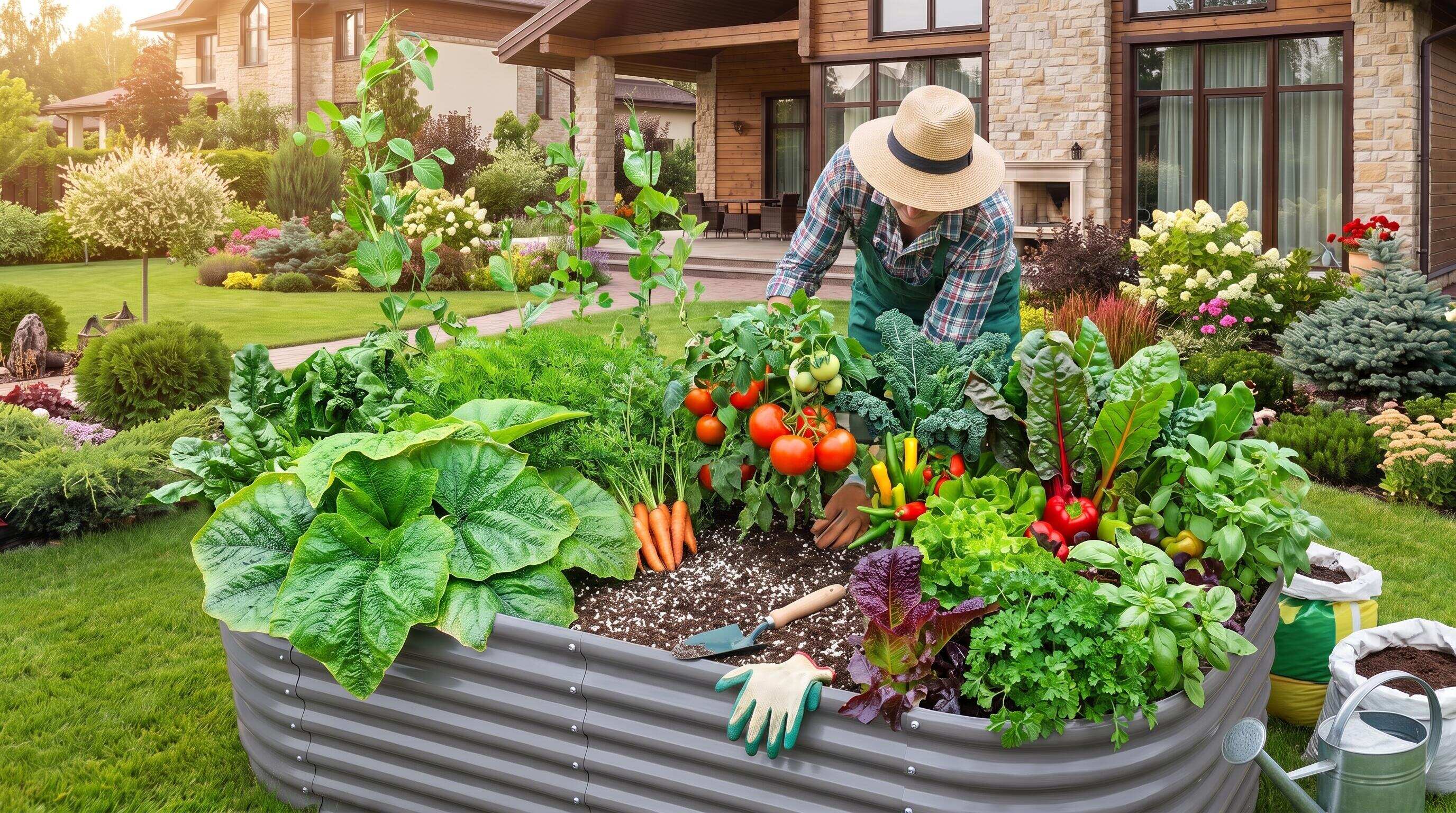
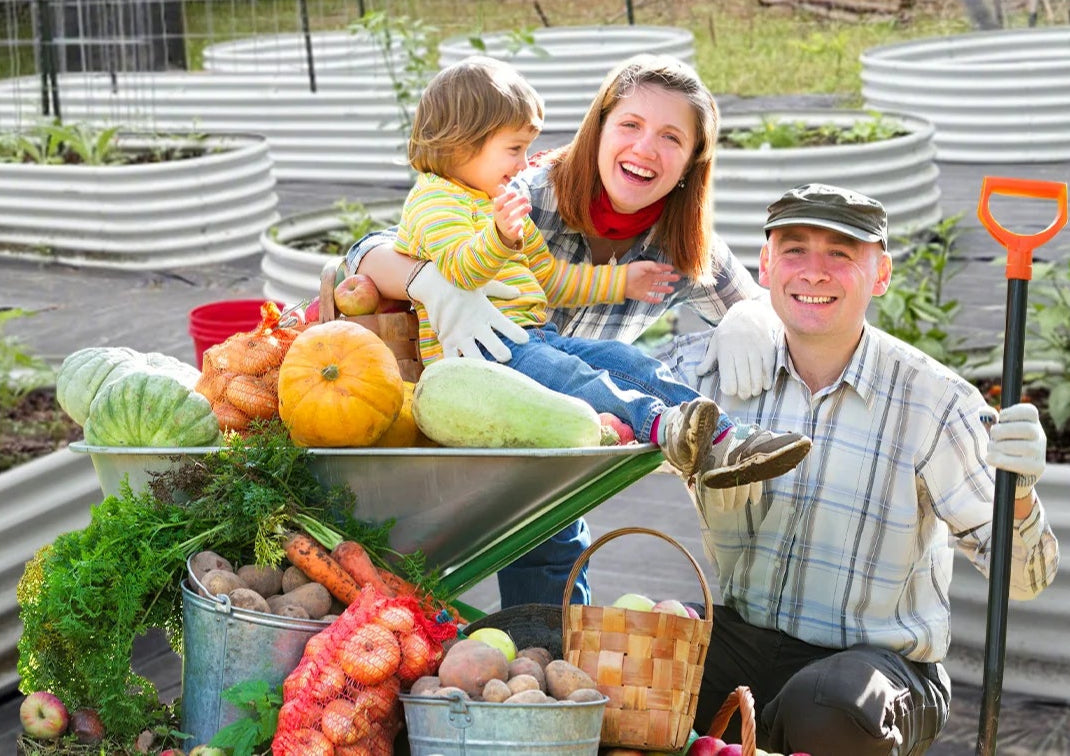
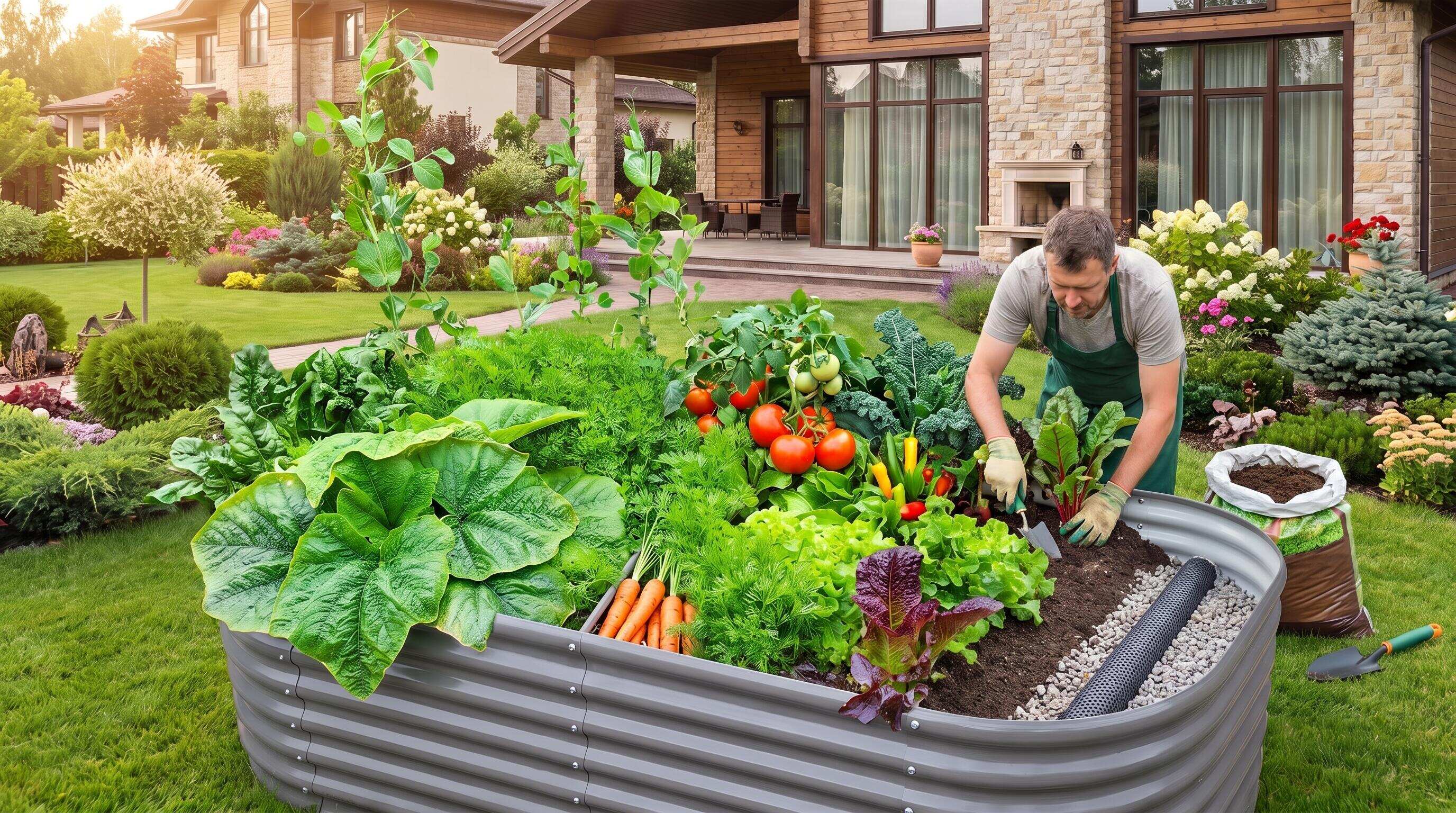
ALT: Gardener planning a raised bed garden layout with companion containers of multiple sizes on a sunny patio, demonstrating a complete raised bed planting layout system
People Also Ask
How do I know what container size to pair with my raised garden bed layout?
The right container size for a raised bed garden layout depends primarily on the root depth your chosen plants require. Shallow-rooted herbs and greens thrive in containers under 5 gallons. Fruiting vegetables like tomatoes and peppers need a minimum of 10–15 gallons. Root crops such as carrots and parsnips require at least 15 gallons of depth. Always match container volume to the plant's actual root system size — oversizing leads to excess moisture retention and potential root rot, while undersizing limits plant growth and productivity.
Are fabric grow bags as effective as rigid containers for raised bed companion planting?
Fabric grow bags are highly effective companions to a raised bed planting layout and in some respects outperform rigid containers. The breathable walls encourage air pruning of roots, which promotes denser root development and overall plant health. Fabric bags are also significantly lighter and fold flat for storage — a practical advantage in compact gardens. The main trade-off is that fabric bags dry out faster than rigid containers of equivalent volume, requiring closer attention to watering frequency, particularly during warm weather.
What is the most cost-effective container size to start with when expanding a compact raised bed layout?
The 5-gallon container consistently offers the best value entry point for expanding a compact raised bed garden layout. It supports a wide range of crops including peppers, compact tomatoes, and herbs; it's lightweight enough to move without assistance; and it's widely available at price points that make buying a set of several containers accessible for most budgets. As a first step in building out a container-plus-raised-bed system, a set of 5-gallon pots allows growers to test crops and placements before committing to larger, less mobile container investments.
Summary
Pairing the right container sizes with a compact raised garden bed layout is one of the highest-leverage decisions a home grower can make. Three core principles sum up the guidance in this article.
First, match container volume to root depth requirements — not to the size of the plant above ground. A large leafy tomato plant needs 10 gallons of soil for its roots, while a thriving basil plant is completely comfortable in one gallon.
Second, think about mobility and maintenance honestly. Containers you can actually move — and water consistently — will outperform technically superior containers that get neglected because they're too heavy or too thirsty for your real schedule.
Third, invest with a long-term mindset. A well-chosen container set, paired with a durable raised bed system built to last decades, is a genuine long-term investment in food security, outdoor enjoyment, and home value — not a seasonal purchase.
If you're currently in the planning phase, the Almanac's Raised Bed Garden Layout Plans resource is a worthwhile reference for structuring your overall layout before deciding which containers to add. And if you're ready to move from planning to building, start with the raised bed itself — because everything else in the system grows around it.
Ready to build a raised bed system that lasts? Explore the full range of Anleolife galvanized steel and rust-resistant raised garden beds at the Anleolife website, available through major platforms including Amazon, Walmart, Home Depot, Lowe's, and Wayfair, with delivery in 3–8 business days from a nationwide warehouse network across California, Texas, Florida, New York, Illinois, and Washington. From your first compact bed to a fully integrated planting-and-raising ecosystem, Anleolife grows with you every step of the way.
References & Further Reading
- Old Farmer's Almanac. "Raised Bed Garden Layout Plans."
https://www.almanac.com/raised-bed-vegetable-garden-layouts-beginners - Savvy Gardening. "4x8 Raised Bed Vegetable Garden Layout Ideas."
https://savvygardening.com/4x8-raised-bed-vegetable-garden-layout/ - Gardener's Supply Company. "Pre-Planned Gardens."
https://www.gardeners.com/pages/kitchen-garden-planner-preplanned-gardens
Note: Standards and gardening best practices may be updated; please check the latest official documents or consult professional advisors.