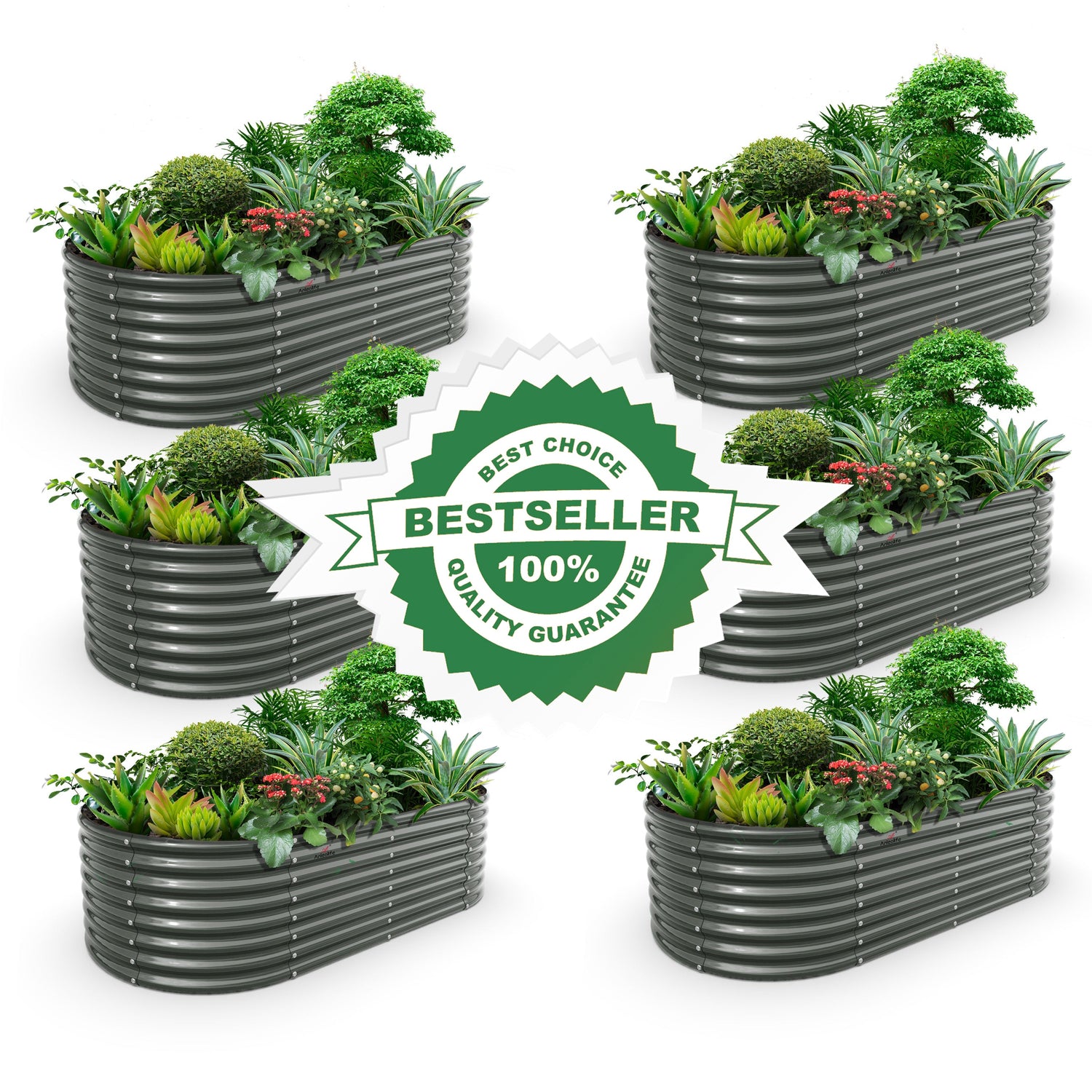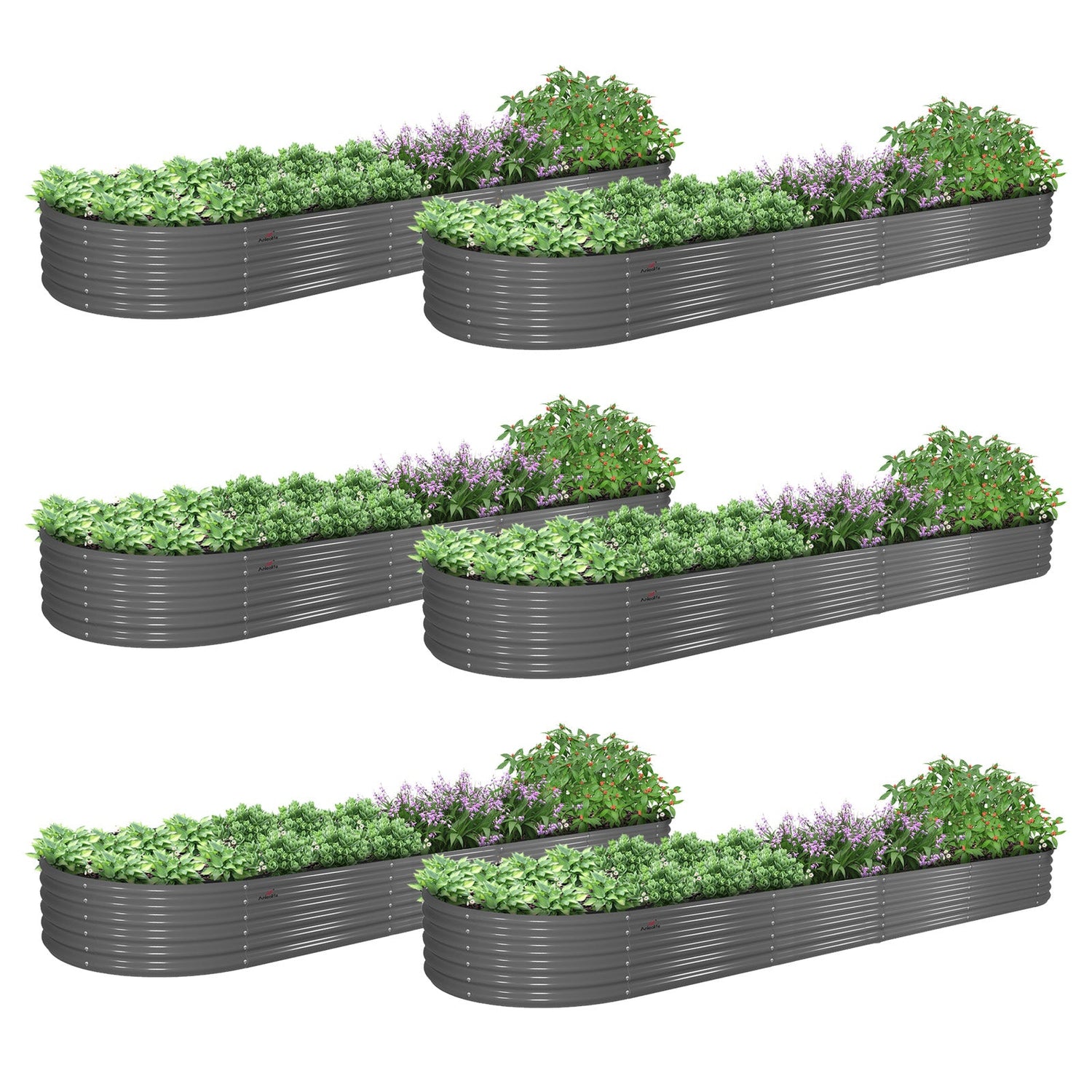



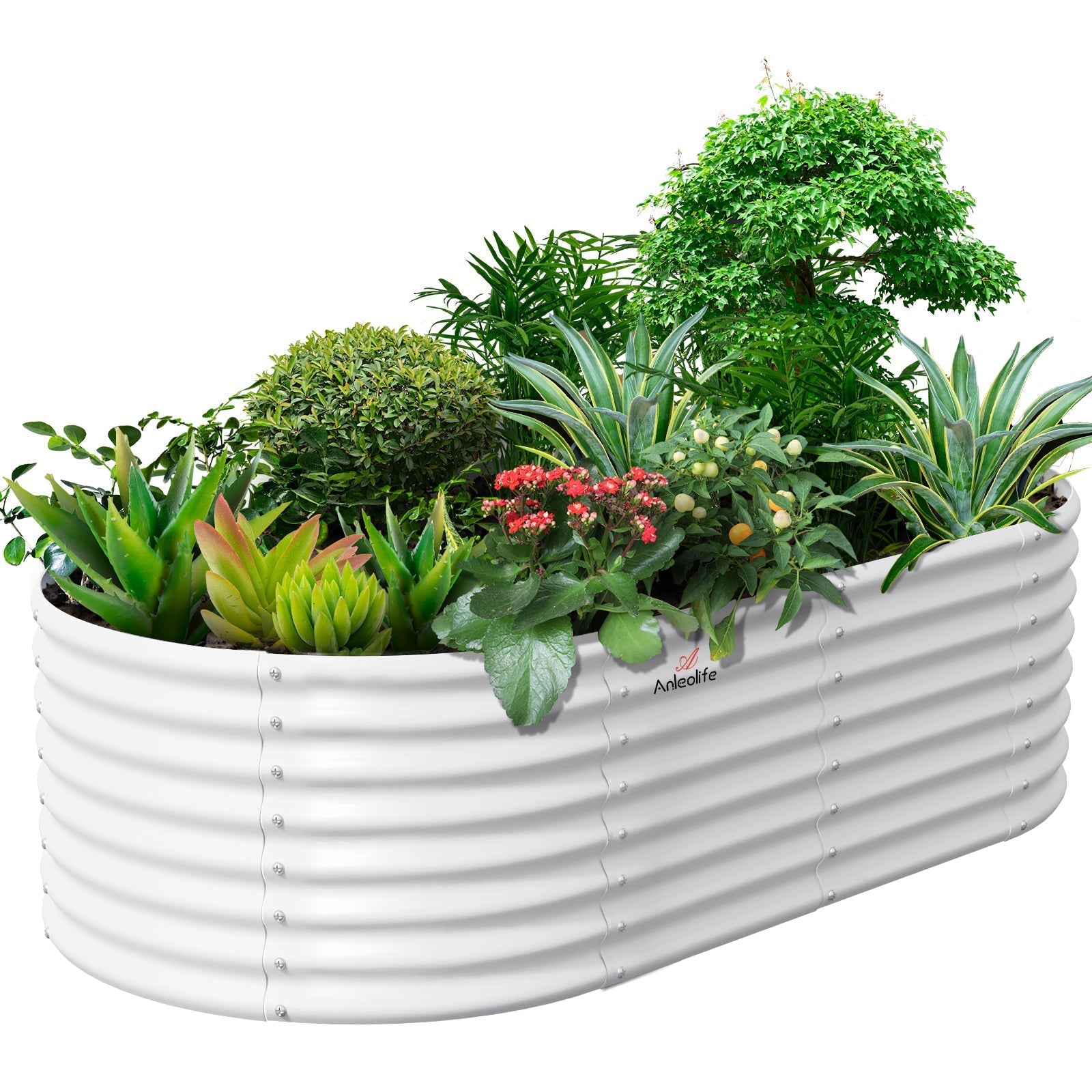
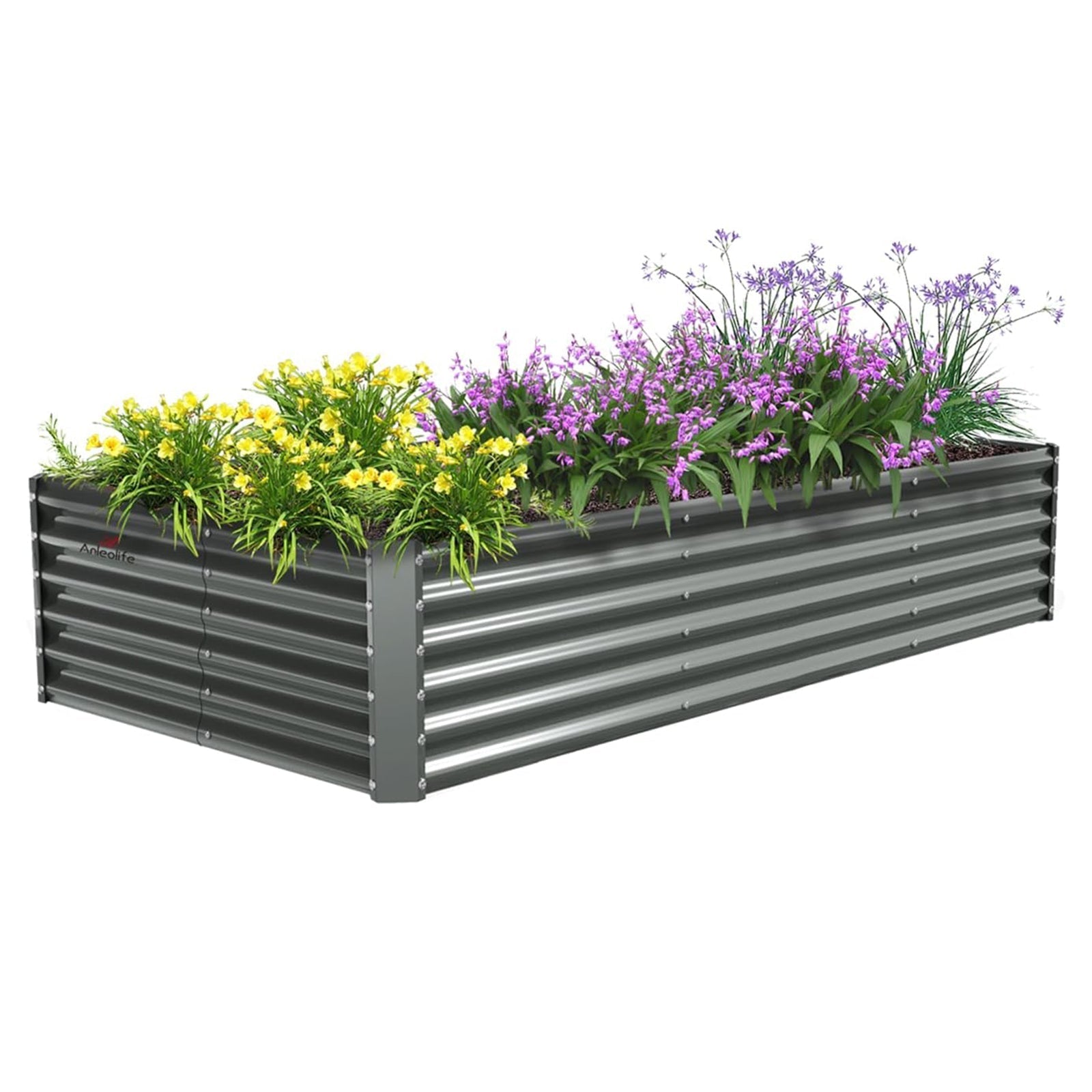

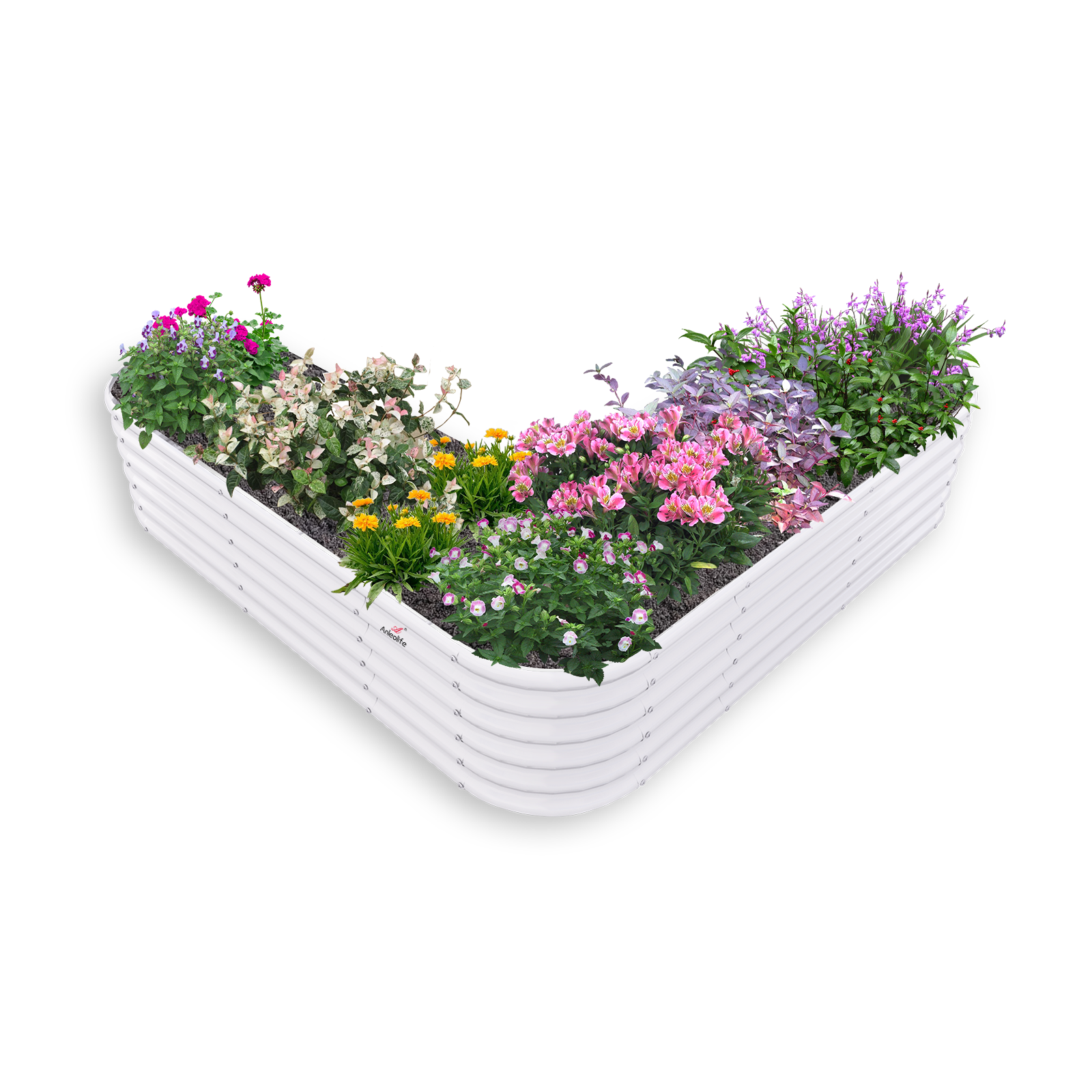
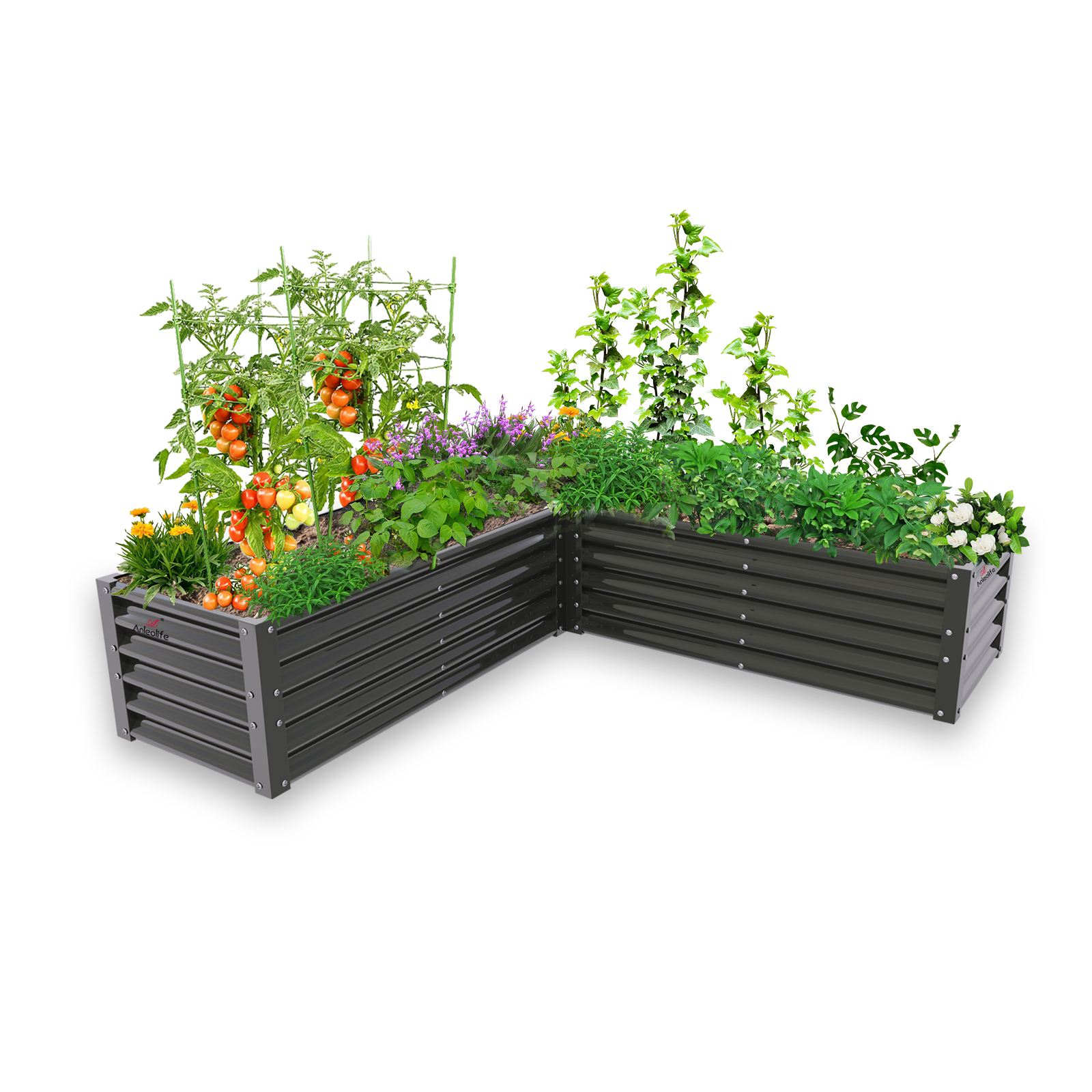
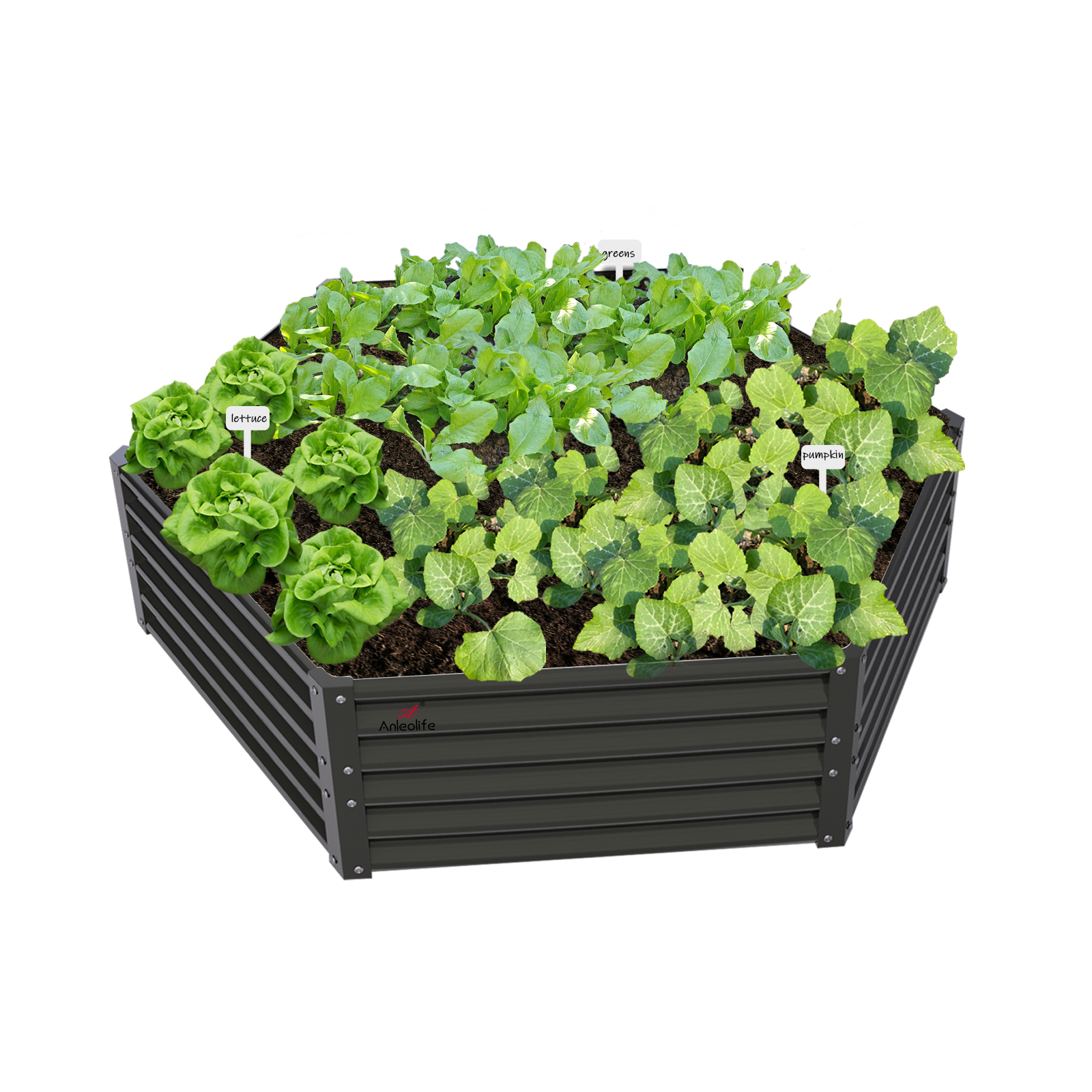
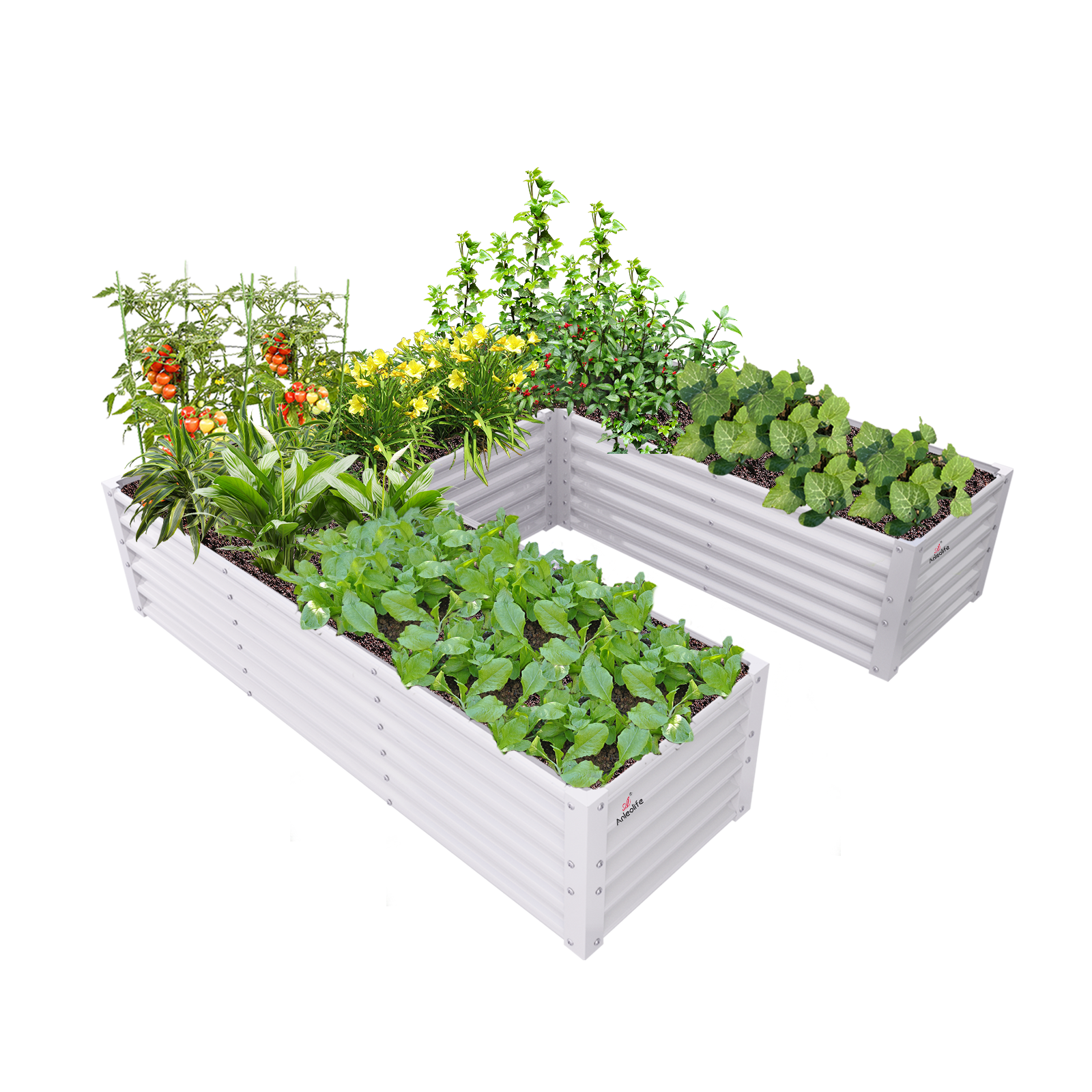

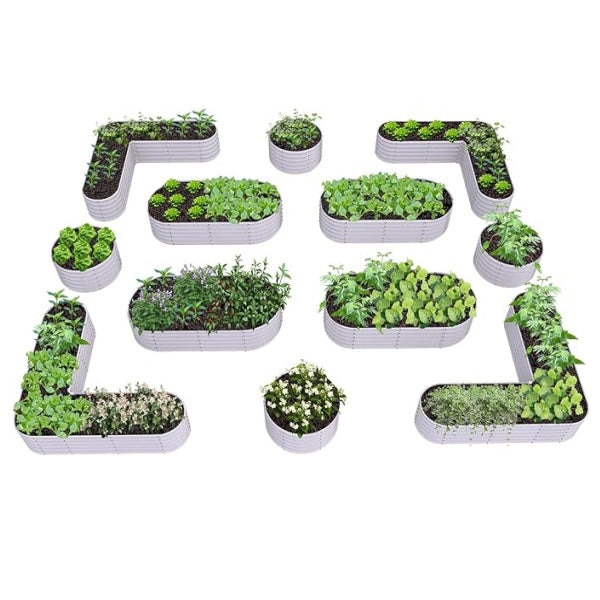


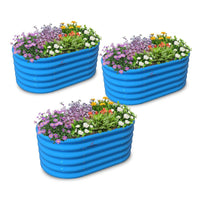
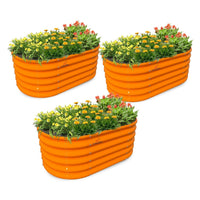
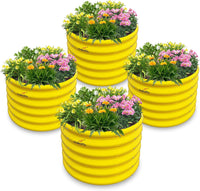
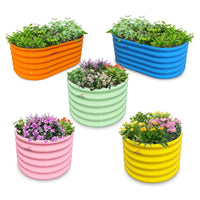
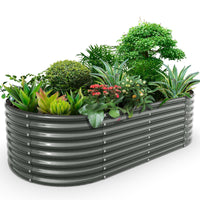




ALT: Galvanized steel raised garden beds with vegetables growing in a sunny backyard garden space
Are Galvanized Steel Raised Garden Beds Actually Worth the Investment? Here's What Real Buyers Found
Key Conclusion: If you've been comparing materials for your next raised bed setup, galvanized steel raised garden beds consistently outperform wood, plastic, and fabric alternatives in longevity, structural integrity, and aesthetic appeal. For backyard gardening enthusiasts who want a low-maintenance, high-durability solution, the upfront investment pays off significantly over time. With a lifespan that can reach up to 20 years, these beds aren't just a purchase—they're a long-term commitment to your garden lifestyle.
When you start pricing out raised garden beds, the sticker shock of galvanized steel can give even the most enthusiastic gardener pause. Compared to basic wooden kits or fabric grow bags, steel beds often cost more upfront. But here's what most buyers discover after their first season: the cost-per-year calculation tells a very different story.
This article takes an honest, balanced look at galvanized steel raised garden beds—what they offer, where they fall short, and whether they're the right fit for your garden goals. Whether you're a first-time raised bed grower or upgrading from rotting cedar boxes, the insights here will help you make a confident, well-informed decision.
Who Should (and Shouldn't) Consider Galvanized Steel Raised Garden Beds
✅ Applicable Scenarios:
- Homeowners who want a permanent, long-lasting garden structure that won't need replacing every few years
- Health-conscious growers focused on growing their own vegetables, herbs, and fruits in clean, controlled soil environments
- Urban micro-gardeners with limited patio or yard space who need a sturdy, space-efficient raised bed option
- Empty nesters and retirees looking for an ergonomic, waist-high gardening solution that reduces bending and kneeling
- Families wanting a multi-season, weather-resistant garden bed that looks polished and well-maintained year-round
❌ Not Applicable/Cautions:
- Buyers on an extremely tight short-term budget who need the cheapest possible starting point and plan to replace beds frequently
- Renters in temporary living situations who need ultra-portable, disposable growing containers
- Gardeners in regions with extremely acidic soil conditions who haven't researched the minimal interaction between galvanized coatings and soil chemistry
Why Galvanized Steel Has Become the Dominant Material in Modern Raised Bed Gardening
The raised bed gardening movement has exploded over the past decade. What was once a niche practice among hobby gardeners has evolved into a mainstream lifestyle choice embraced by suburban families, health-focused millennials, and retired homeowners alike. With this surge in popularity has come an equally dramatic evolution in the materials available for raised bed construction.
Wood—particularly cedar and redwood—was the gold standard for years. It's natural, aesthetically warm, and relatively affordable. But there's a persistent problem: wood rots. Even treated cedar, under consistent moisture exposure from irrigation and rain, begins to degrade. Most wooden raised beds require replacement or significant repair within five to seven years. Untreated wood can deteriorate even faster, especially in humid climates across the South and Pacific Northwest.
Plastic and fabric options entered the market as lightweight, affordable alternatives. They're easy to move and quick to set up, but they lack structural rigidity, fade under UV exposure, and tend to collapse under the weight of dense soil mixes. For serious growers investing in quality soil amendments and irrigation systems, a flimsy container undermines the entire setup.
Galvanized steel emerged as the answer to these shortcomings. Treated with a zinc coating that resists oxidation, galvanized steel garden beds offer structural permanence, clean aesthetics, and remarkable longevity. For gardeners who think about their outdoor space as a long-term investment rather than a seasonal experiment, steel simply makes more sense.
It's also worth noting that the "what's the best material for affordable raised garden beds?" debate has largely been settled by the real-world math: a galvanized steel bed that lasts up to 20 years at a moderate upfront price delivers far better cost efficiency than a wooden bed replaced twice or three times in the same period.
If you're still figuring out which size and configuration fits your yard, The Ultimate Raised Garden Bed Sizing Guide for Summer 2026: Find Your Perfect Fit is an excellent starting resource that walks through dimensions, layout considerations, and use-case scenarios in detail.
A Deep Dive into Galvanized Steel Raised Garden Beds: The Full Picture
Three Steps to Setting Up Your Galvanized Steel Raised Garden Bed
Step 1: Choose the Right Size and Height for Your Needs
Before purchasing, assess your growing goals and physical comfort. Are you growing shallow-rooted lettuce and herbs, or deep-rooted tomatoes and root vegetables? Standard 18-inch tall beds suit most vegetable crops, while extra-tall options (24 to 35 inches) are ideal for gardeners with mobility concerns or those wanting to grow deeper root crops without ground preparation. Anleolife offers a wide range of configurations—from compact 4x2 footprints to expansive 12x3 layouts—so spend about 15–20 minutes mapping out your space before buying. Measure twice, order once.
Step 2: Prepare Your Site and Soil Foundation
Choose a location with at least six to eight hours of direct sunlight daily. Level the ground if necessary—most steel beds tolerate minor slope variations, but a flat base improves drainage and structural stability. Once positioned, line the bottom with cardboard or landscape fabric to suppress weeds, then layer your growing medium. A quality blend of compost, topsoil, and aeration material (like perlite or aged wood chips) gives your plants the nutrient-dense foundation they need. Plan on spending a weekend afternoon on this step for best results.
Step 3: Plant, Water, and Optimize Your Growing System
With your bed filled and positioned, you're ready to plant. Organize plantings by height and sun exposure—taller crops like tomatoes and trellised beans toward the north end (in the Northern Hemisphere), shorter herbs and greens toward the south. Set up a consistent watering routine; drip irrigation or soaker hoses work exceptionally well in raised beds by delivering moisture directly to root zones. In hot summer months, refer to guidance on Watering Raised Garden Beds in June Heat: Tips for Conserving Moisture to protect your plants and conserve water efficiently.
Comparing Raised Garden Bed Materials: What the Data Actually Shows
When buyers ask whether galvanized steel raised garden beds are "worth it," they're really asking a comparative question. Here's how steel stacks up against the most common alternatives across the dimensions that matter most to real gardeners:
| Comparison Dimension | Galvanized Steel | Untreated/Cedar Wood | Fabric/Plastic |
|---|---|---|---|
| Average Lifespan | Up to 20 years | 3–7 years | 1–4 years |
| Weather Resistance | High (rust-resistant coating) | Moderate (prone to rot) | Low (UV degradation) |
| Structural Rigidity | Excellent | Good when new | Poor to moderate |
| Aesthetic Appeal | Modern, clean, polished | Natural, rustic | Minimal |
| Maintenance Required | Minimal | Annual sealing recommended | Seasonal replacement common |
| Cost Over 20 Years | Low (one-time purchase) | High (multiple replacements) | Very high (frequent replacement) |
| Soil Contamination Risk | Negligible (zinc is trace mineral) | Low (unless pressure treated) | Variable by material |
| Ergonomic Options | Wide range including waist-high | Limited tall options | Limited |
The numbers make a compelling case. A galvanized steel bed with a 20-year lifespan, purchased once, almost always costs less in total than replacing wooden beds two or three times over the same period—even accounting for the higher initial price point.
Digging Deeper: What Buyers Really Experience After Purchase
Durability That Actually Delivers
One of the most consistent themes among long-term galvanized steel bed owners is genuine surprise at how well the beds hold up. After multiple wet winters, scorching summers, and years of soil weight, the beds retain their shape and structural integrity. The galvanized zinc coating provides robust protection against the oxidation that causes rust—a critical feature for any outdoor metal product exposed to consistent moisture from irrigation.
Anleolife's galvanized steel raised garden beds are engineered with this durability in mind. Across their product line—from the compact 18-inch tall 4x4 ft configurations to the expansive 30-inch extra-tall 10x3 ft options—each bed is built to maintain performance over decades of use. The 20-year lifespan isn't a marketing claim; it reflects the genuine longevity of quality galvanized construction when properly installed and used.
The Safety Question: Is Zinc in Soil a Problem?
This is one of the most frequently asked questions by health-conscious buyers, and it deserves a direct, honest answer. Galvanized coatings do contain zinc, and trace amounts can leach into soil over time. However, zinc is also an essential micronutrient that plants naturally require. Research from university extension programs consistently indicates that zinc leaching from galvanized containers at levels harmful to humans or plants is negligible under typical garden conditions.
If you're growing food in a galvanized steel bed, the scientific consensus supports it as a safe choice. For extra peace of mind, some growers choose to line the interior with food-safe barriers, though most experts consider this unnecessary for standard vegetable gardening.
Ergonomics: A Game-Changer for Older Gardeners
For empty nesters, retirees, and anyone with back or knee issues, the ergonomic advantage of tall raised beds is transformational. Anleolife's lineup includes extra-tall options at 24 inches, 30 inches, and even a 35-inch waist-high configuration (4x1.5 ft)—designed specifically to allow comfortable gardening from a standing or seated position. The difference this makes in day-to-day gardening enjoyment cannot be overstated. Gardeners who previously avoided their beds due to pain report consistently positive experiences once they switch to taller setups.
Wildlife Protection Built Into the Design
Raised beds with solid metal walls inherently deter burrowing pests like voles and moles. For surface-level threats—rabbits and deer—the best way to protect your garden from rabbits and deer is pairing your raised bed with appropriate fencing or netting. A simple hardware cloth bottom and a lightweight deer net over the bed can completely solve most wildlife intrusion problems. Anleolife also offers a broader product ecosystem that includes animal hutches and enclosures, giving gardeners a comprehensive approach to managing their outdoor space.
Aesthetic Versatility Across Garden Styles
One underappreciated advantage of galvanized steel is how well it adapts to different garden aesthetics. The clean, industrial-modern look pairs beautifully with contemporary landscape designs, but it also complements cottage-style gardens when surrounded by lush plantings. Available in multiple sizes and heights, these beds can be arranged in countless configurations—linear rows, L-shapes, tiered clusters—to suit both form and function.
Before finalizing your layout, it's worth reviewing common planning pitfalls in 5 Common Raised Bed Layout Mistakes to Avoid When Planning Your Summer Garden, which covers spacing errors, sunlight miscalculations, and access issues that can undermine an otherwise excellent garden design.
Watering and Irrigation Compatibility
Galvanized steel beds work seamlessly with virtually any irrigation approach. Drip systems, soaker hoses, overhead watering, and manual watering with a quality garden hose all function effectively. For gardeners asking about the best garden hose for watering plants, the priority in a raised bed context is a hose with adjustable pressure settings and a comfortable grip for extended watering sessions. Pair it with appropriate garden hose adapters and connectors to connect your hose to drip lines or soaker systems for more efficient moisture delivery directly to the root zone—especially useful during peak summer heat.
Lighting Your Garden Space for Evening Enjoyment
Once your raised beds are established, many gardeners find themselves drawn to spending evening hours in their garden. The best garden lighting for entertaining outdoor spaces combines functional task lighting (for harvest and maintenance) with ambient lighting that enhances the overall atmosphere. Solar-powered stake lights along pathways, string lights overhead, and subtle uplighting near raised bed clusters create a welcoming evening garden environment that extends your enjoyment well past sunset.
Soil Health and Long-Term Productivity
One of the most significant advantages of any raised bed—material aside—is the ability to control your soil environment completely. Starting with quality growing medium and maintaining it through regular composting and amendment keeps productivity high season after season. For gardeners interested in maximizing soil biology, Advanced Composting Techniques to Supercharge Your Raised Bed Soil This Season offers practical, science-backed strategies for building living soil that produces exceptional harvests.

ALT: Multiple galvanized steel raised garden beds with thriving vegetable crops and ambient garden lighting in a backyard setting
Advanced Considerations: What Experienced Growers Know That Beginners Often Miss
Addressing the Most Common Misconceptions
Misconception 1: "Steel beds heat up too much and cook plant roots."
This concern surfaces frequently in online forums, but it consistently overstates the real-world impact. While steel does conduct heat, the large volume of soil inside an adequately sized raised bed acts as thermal mass that buffers temperature fluctuations. Root zones in well-filled beds remain significantly cooler than the metal walls. Planting near the wall edges during peak summer heat is worth avoiding, but the central soil mass—where most root activity occurs—remains within healthy temperature ranges for vegetables.
Misconception 2: "The zinc coating will poison my vegetables."
As addressed earlier, the science simply doesn't support this fear for typical food gardening. Zinc is a required micronutrient for plant growth, and the trace amounts that may leach from galvanized coatings fall well within safe parameters. This has been evaluated by agricultural researchers across multiple studies.
Misconception 3: "All galvanized beds are the same."
Quality varies meaningfully between manufacturers. Gauge (thickness) of steel, quality of the zinc coating, construction of joints and connectors, and attention to drainage design all affect long-term performance. Choosing a reputable brand with a proven track record and clear product specifications matters. Anleolife's commitment to quality construction across their product range—from standard 18-inch tall beds to 35-inch waist-high configurations—reflects this understanding.
Special Situations Worth Planning For
If you're in a very cold climate: Galvanized steel handles freeze-thaw cycles well. Unlike wood, it won't crack or split. You may choose to empty beds in extreme winter conditions, though most users leave soil in place year-round without structural issues.
If you're gardening on a concrete patio or rooftop: Ensure adequate drainage by elevating beds slightly or using a layer of gravel beneath your growing medium. Steel beds are excellent for these environments because they offer structural containment without organic degradation concerns.
If you want to expand over time: Anleolife's modular raised garden bed system is designed specifically for flexible expansion—adding sections, connecting configurations, and scaling your garden footprint as your confidence and available space grow.
Frequently Asked Questions FAQ
Q1: How long do galvanized steel raised garden beds actually last?
With quality construction and standard garden use, galvanized steel raised garden beds can last up to 20 years. This is one of the most significant advantages over wood (which typically lasts 3–7 years) or fabric and plastic options (often 1–4 years). The zinc coating on galvanized steel provides continuous protection against oxidation, meaning the beds maintain structural integrity through years of moisture, soil contact, and seasonal temperature changes. Anleolife's beds are built to meet this 20-year standard.
Q2: Are galvanized steel raised garden beds safe for growing vegetables and edible crops?
Yes. Agricultural and horticultural research consistently supports galvanized steel as a safe material for vegetable gardening. Zinc, the primary component of the galvanizing coating, is an essential micronutrient for both plants and humans. The trace amounts that may migrate into soil from a galvanized container are far below levels of concern. University extension programs and gardening researchers have evaluated this question thoroughly, and the scientific consensus favors galvanized steel as a food-safe raised bed material.
Q3: How much does it cost to set up a galvanized steel raised garden bed, and when does it pay off?
Initial costs for galvanized steel beds vary based on size and height, but the cost-per-year calculation typically favors steel over alternatives when viewed across a 10–20 year horizon. A wooden bed requiring replacement every 4–5 years incurs cumulative costs that often exceed the single purchase price of a quality steel bed. Factor in the savings from growing your own produce—studies suggest home vegetable gardens can yield significant annual savings on grocery bills—and most steel bed setups reach financial break-even within two to three growing seasons.
Summary
After an honest examination of the evidence—durability data, safety research, buyer experiences, and cost comparisons—galvanized steel raised garden beds are not just worth the price; for most serious home gardeners, they represent the smartest long-term investment available in the raised bed category.
Three core reasons stand out:
1. Unmatched Longevity: A 20-year lifespan means one well-considered purchase serves your garden for decades, eliminating the recurring replacement costs that plague wooden and fabric alternatives.
2. Safety and Soil Control: Growing food in a clean, controlled environment with no risk of wood rot, chemical leaching from treated timber, or plastic degradation gives health-conscious growers genuine peace of mind.
3. Ergonomics and Aesthetics: From compact 18-inch standard heights to 35-inch waist-high configurations, galvanized steel beds adapt to your physical needs and complement virtually any garden style—creating a space that's both functional and genuinely beautiful.
If you're ready to move beyond seasonal experiments and invest in a garden infrastructure that grows with you year after year, galvanized steel is the clear choice. The next step is simply choosing the right size, height, and configuration for your specific space and growing goals.
Start Your Garden Upgrade with Anleolife
Anleolife's nationwide U.S. warehouse network—strategically located in California, Texas, Florida, New York, Illinois, and Washington—ensures delivery in 3–8 business days, so your garden plans move forward without unnecessary waiting.
Products are available across all major retail channels, including Amazon, Walmart, Home Depot, Lowe's, Wayfair, and directly at Anleolife.com, with consistent quality assurance and responsive after-sales support on every purchase.
The Anleolife product ecosystem spans three core scenarios: Planting (metal raised garden beds, soil systems), Raising (chicken coops, rabbit hutches), and Beautification (decorative accessories, pathway systems)—meeting your complete garden needs from practical function to refined aesthetics.
We understand that an ideal garden isn't built overnight—it's shaped gradually, season by season. Anleolife's modular product design allows flexible expansion based on your needs, from your very first raised bed to a fully integrated planting-and-raising ecosystem. We grow with you, every step of the way.
References
- National Gardening Association. "Food Gardening in the U.S. at the Household Level."
https://garden.org - University of California Cooperative Extension. "Raised Bed Gardening: Soil, Materials, and Safety."
https://ucanr.edu - U.S. Department of Agriculture (USDA). "Home Gardening and Food Safety Best Practices."
https://www.usda.gov - Penn State Extension. "Galvanized Metal and Garden Beds: Safety Considerations for Edible Plants."
https://extension.psu.edu - Oregon State University Extension Service. "Building and Maintaining Raised Beds."
https://extension.oregonstate.edu
Note: Standards and research may be updated over time. Please consult the latest official documents or seek advice from professional horticultural advisors for the most current recommendations.
About Anleolife
Anleolife is a leading outdoor garden solutions provider in North America, dedicated to offering a full-scenario product ecosystem for home gardening enthusiasts, covering planting, raising, and garden beautification. Since its founding, we have upheld our brand mission, "Made for Garden Life," continuously innovating products and optimizing services to help hundreds of thousands of users upgrade their gardens, reconnect with nature, and enjoy a better garden lifestyle.