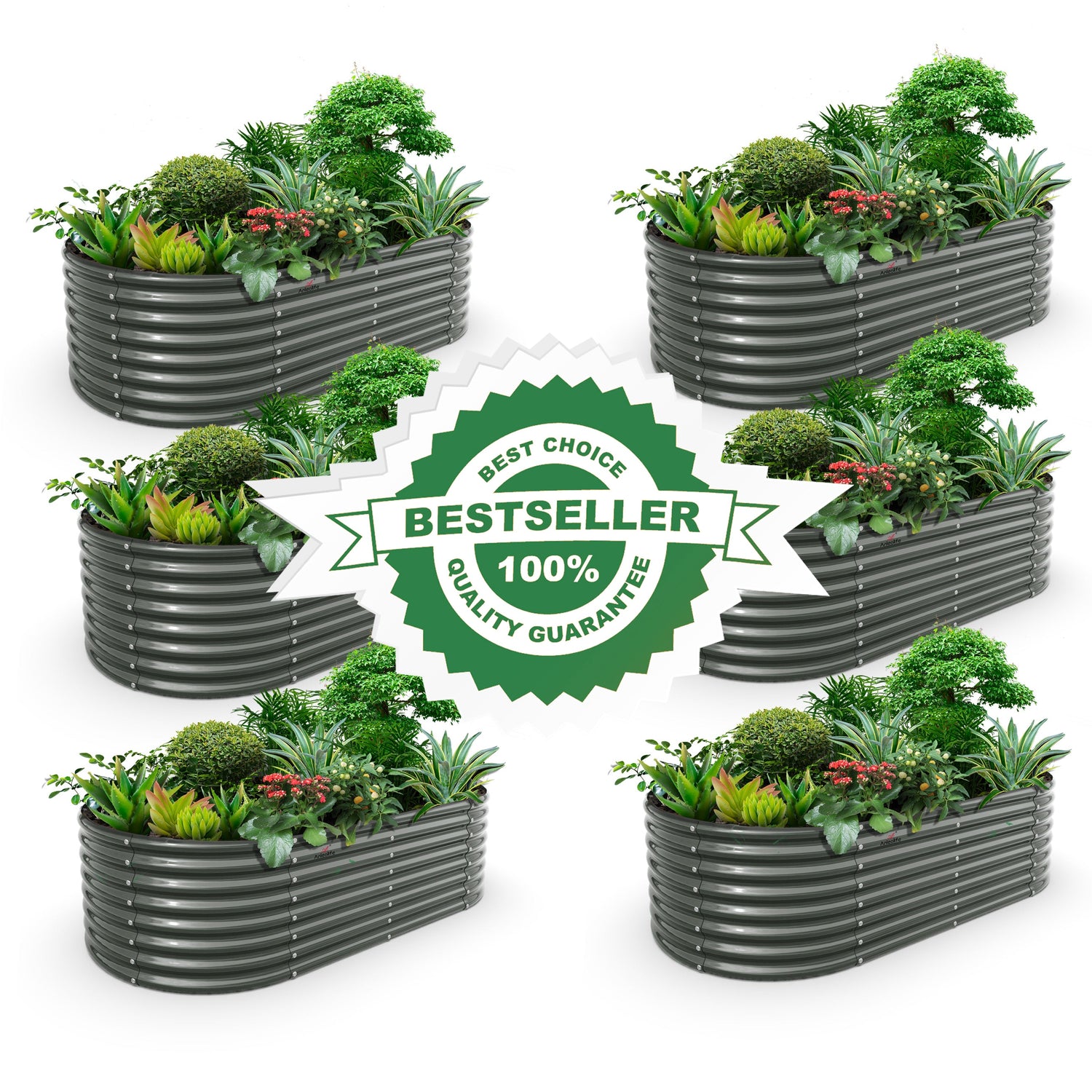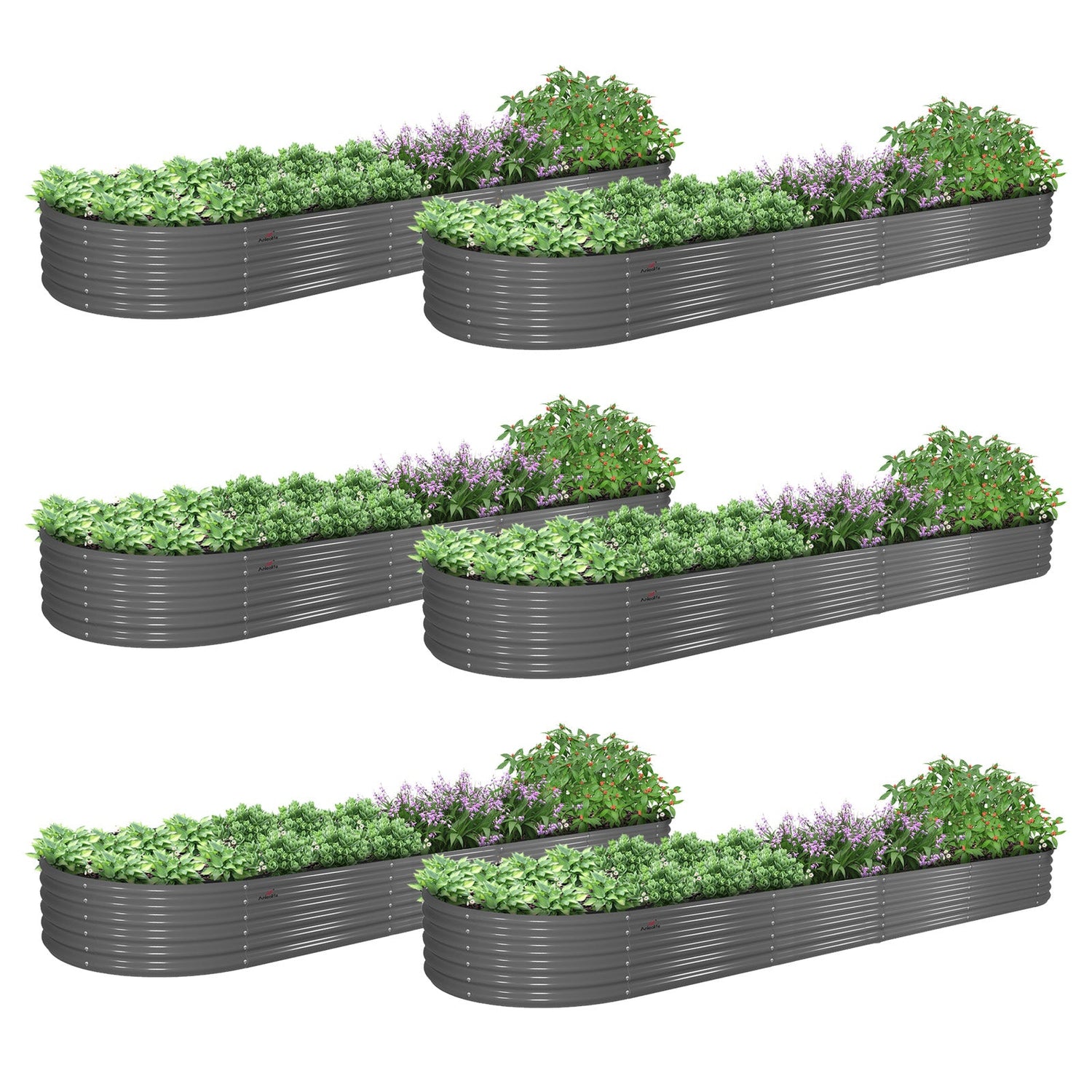



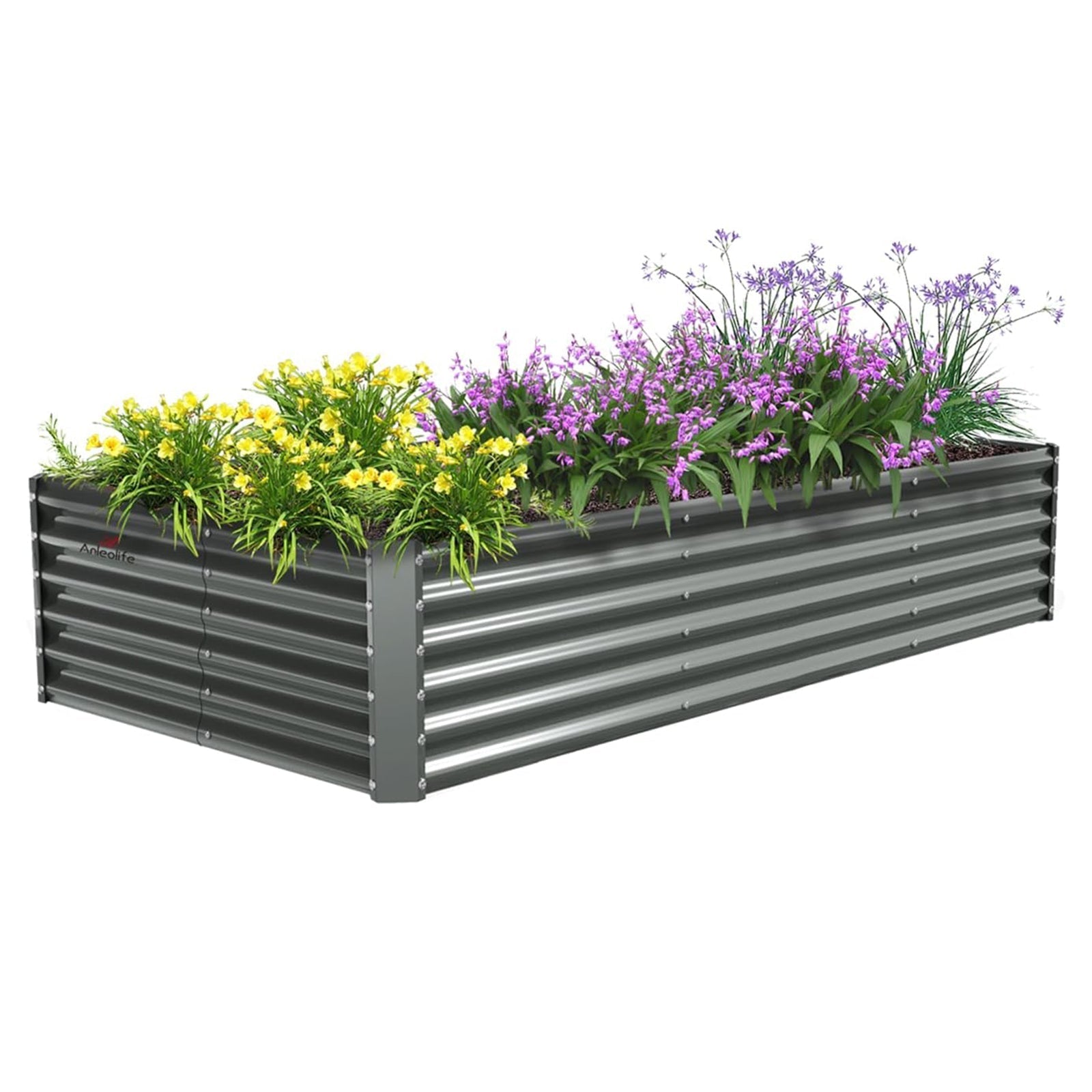

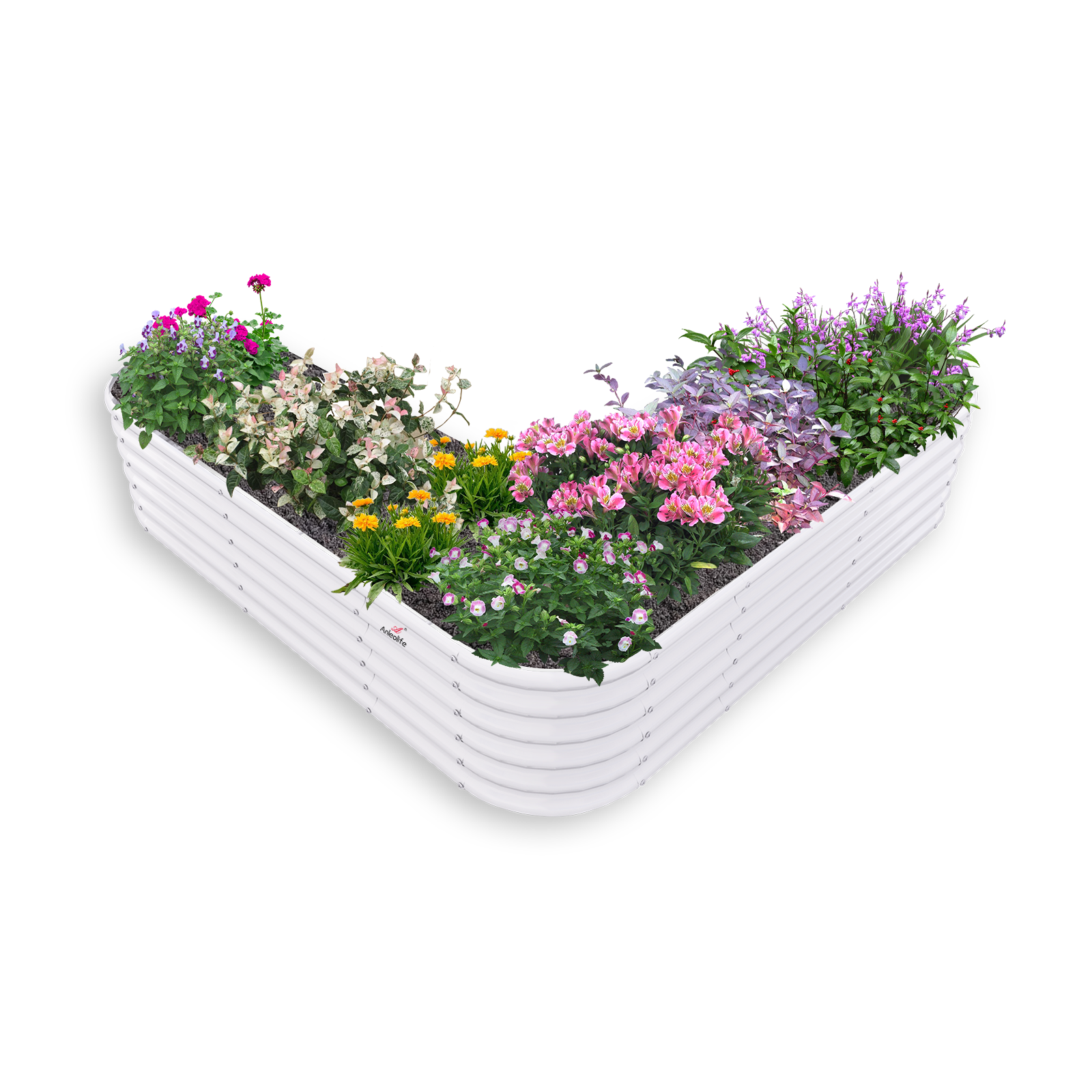
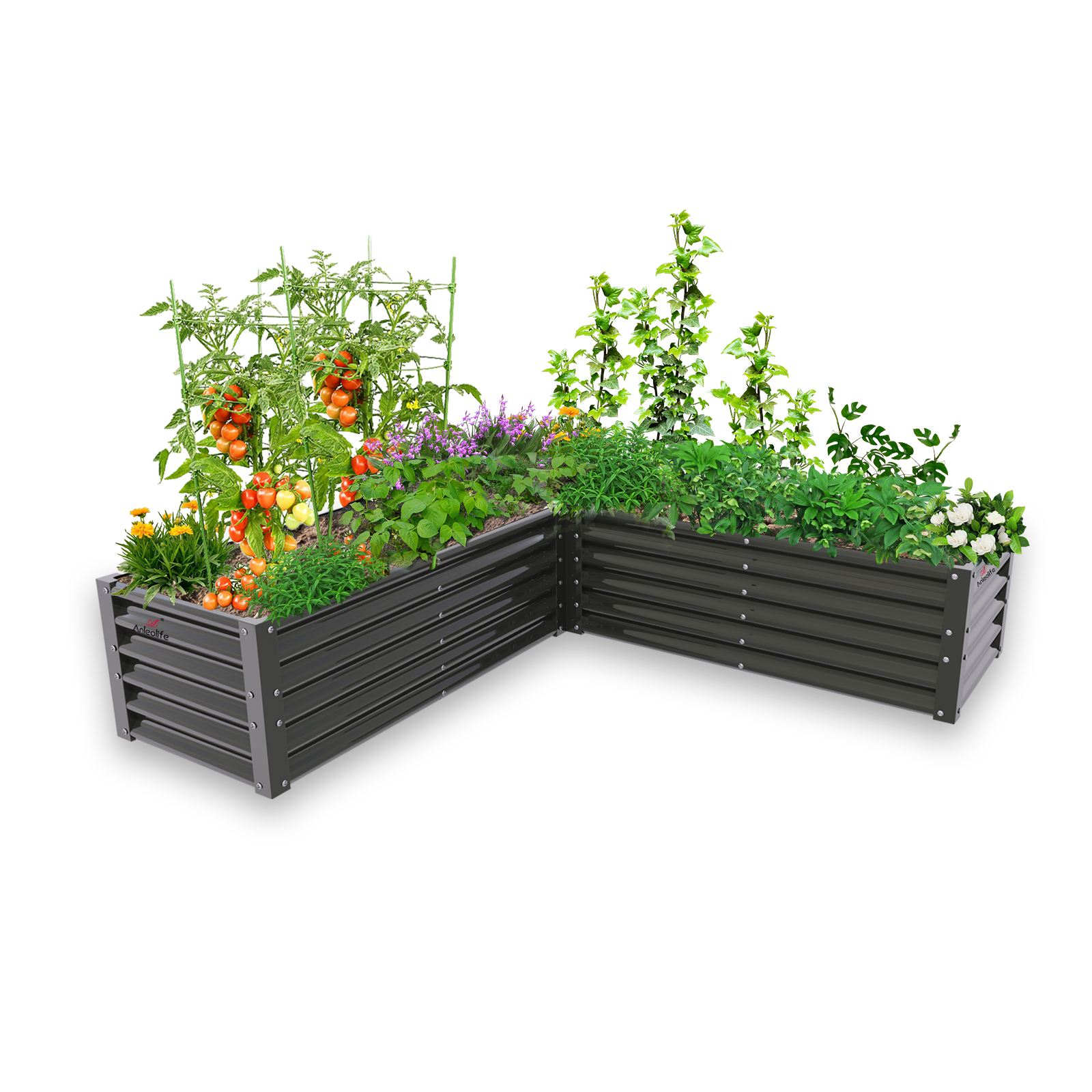
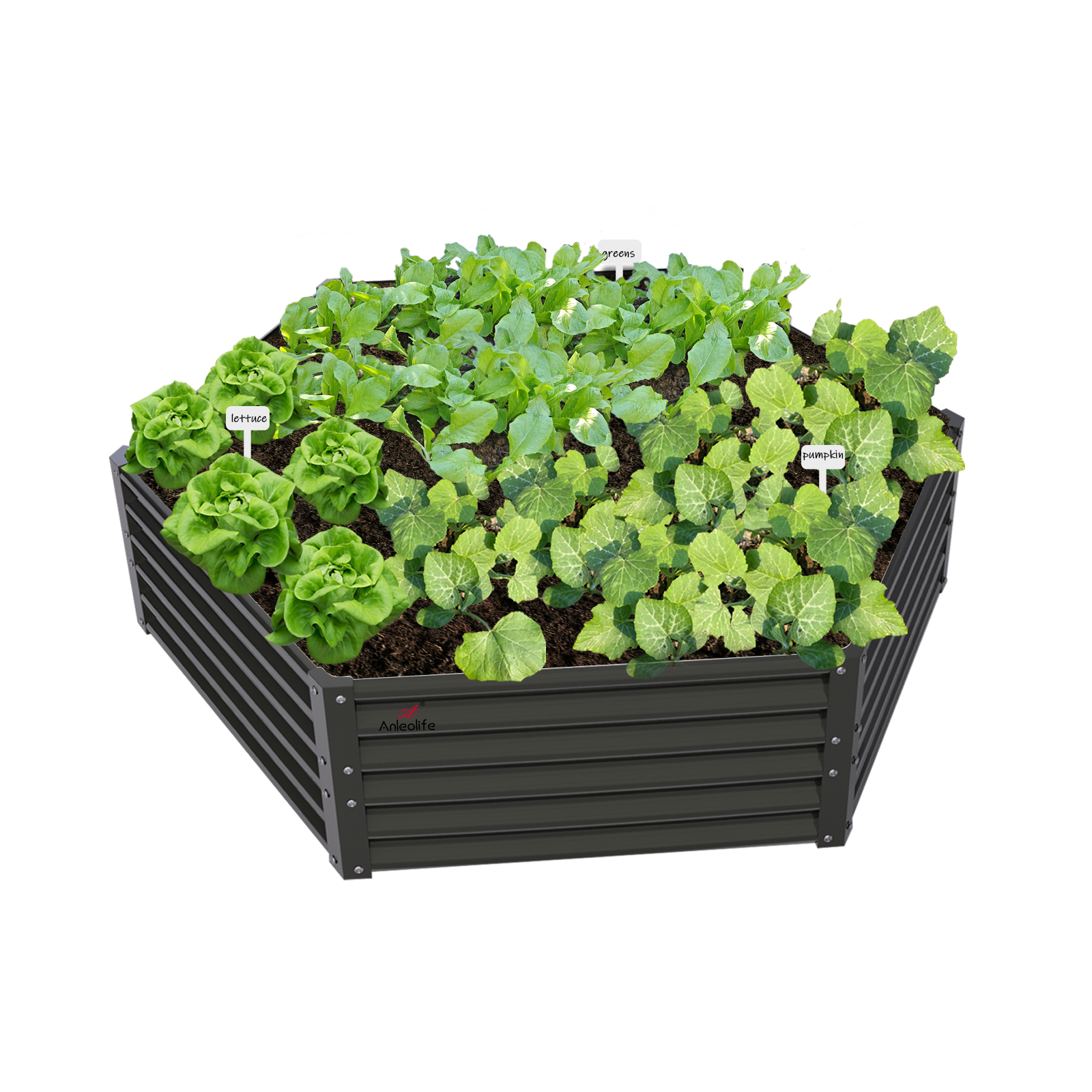
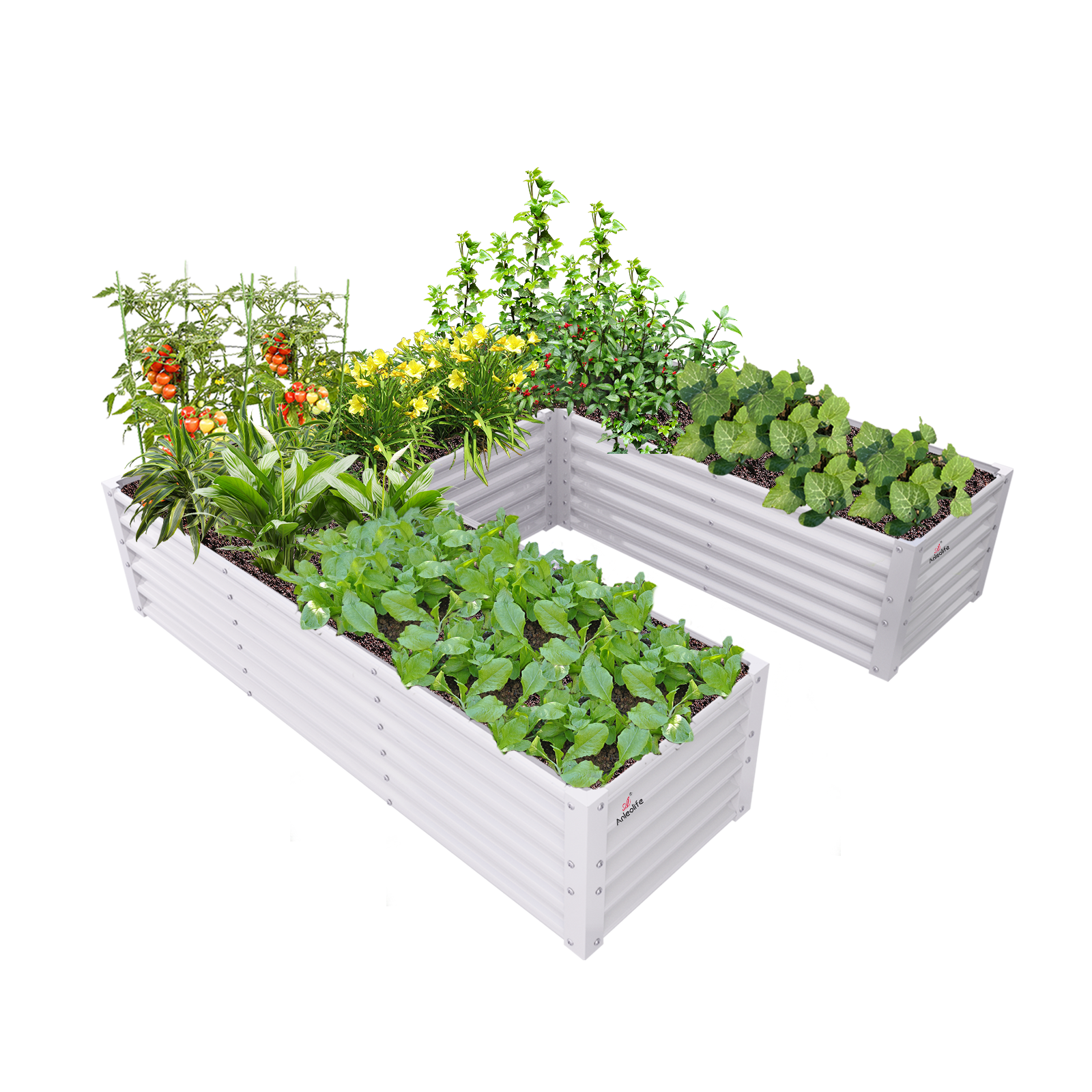



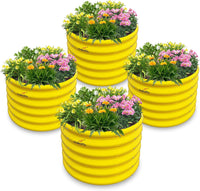
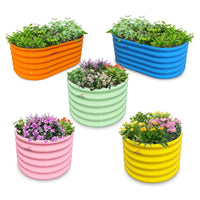
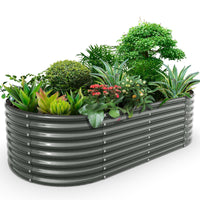



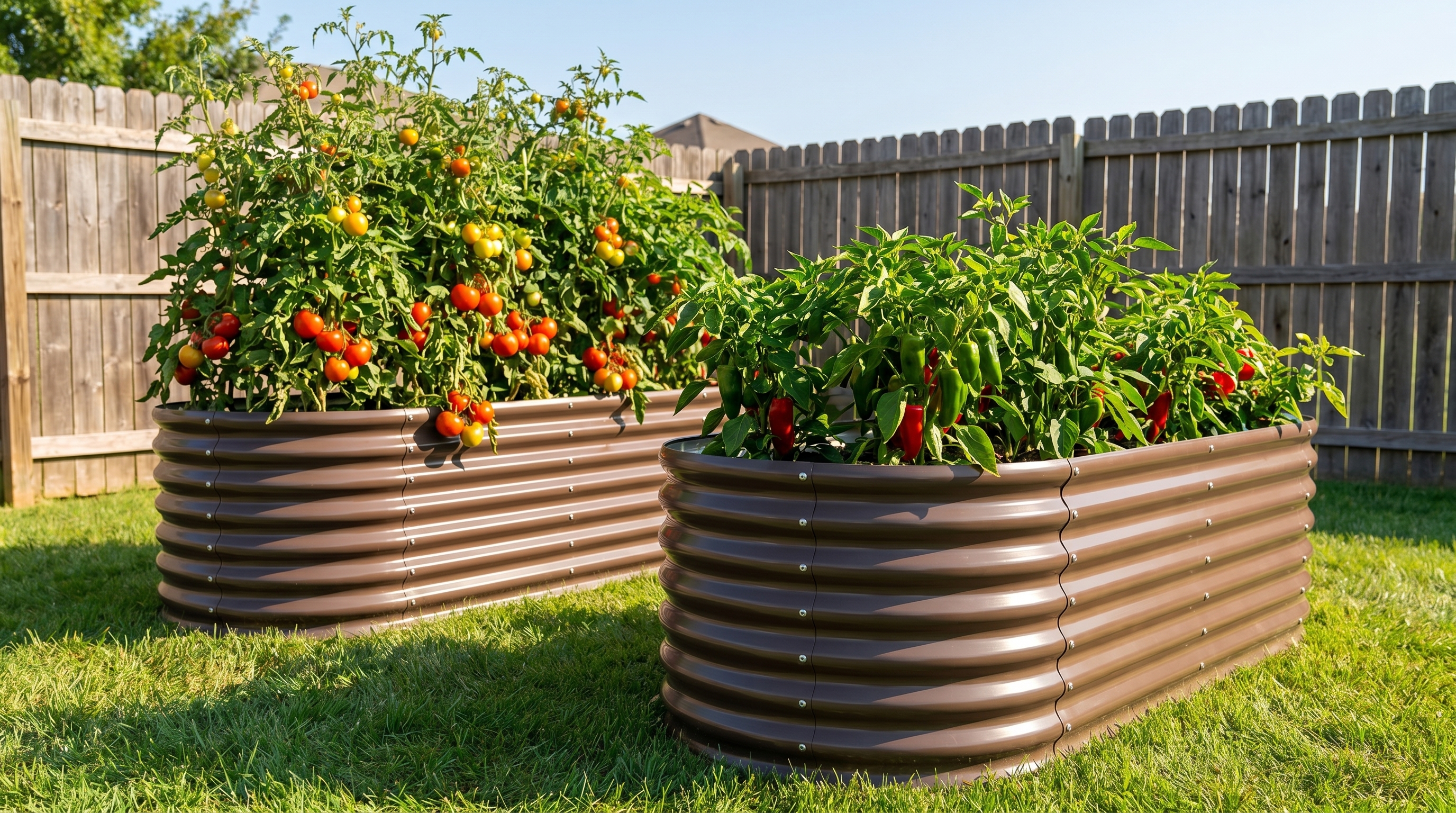
ALT: Galvanized metal raised garden beds growing tomatoes and peppers safely during summer heat outdoors
Are Metal Raised Garden Beds Safe for Summer Vegetables? The Full Heat Guide
Key Conclusion: Metal raised garden beds are generally heat-safe for summer vegetables when properly managed. Galvanized steel beds do absorb more heat than wood, but with the right soil depth, mulching strategies, and plant placement, they can actually create favorable growing conditions for warm-season crops. The key lies in understanding how metal interacts with summer temperatures—and applying a few proven techniques to keep roots cool and productive throughout the hottest months.
Summer is prime gardening season, and if you've recently invested in a metal raised garden bed—or are considering one—you've probably encountered a flurry of concern online: Will the metal overheat? Will it cook my vegetable roots? Is galvanized steel toxic when it gets hot?
These are fair questions, and they deserve clear, science-backed answers. The truth is that metal raised garden beds have become one of the most popular choices among home gardeners across North America, not despite the summer heat, but because of how well they perform year-round when set up correctly. In this guide, we'll walk through everything you need to know about metal beds and summer heat safety—from the science of soil temperature to the best vegetables to grow in raised beds during the warmest months.
Who Should Read This Guide: Applicable Scenarios and Cautions
✅ Applicable Scenarios:
- Home gardeners in USDA Hardiness Zones 5–10 who want to grow warm-season vegetables (tomatoes, peppers, squash, cucumbers) in metal raised beds
- Urban micro-gardeners with limited ground space who rely on raised beds placed on patios, decks, or rooftop gardens where heat management is especially important
- Empty nesters and retirees looking for low-maintenance, long-lasting garden setups that perform reliably across multiple growing seasons
- Eco-conscious growers interested in durable, recyclable materials who want confirmation that galvanized steel is safe for food production
❌ Not Applicable/Cautions:
- Gardeners in extremely arid climates (e.g., desert Southwest) who place metal beds in full, unrelenting sun without any shade access during peak afternoon hours—additional mitigation strategies will be required
- Anyone planning to grow cool-season crops (lettuce, spinach, arugula) in metal beds placed in full sun during midsummer without soil insulation—these crops are genuinely heat-sensitive and require more careful management or seasonal rotation
The Heat Question: Why Metal Raised Garden Beds Get Scrutinized Every Summer
Every spring and early summer, gardening forums and social media groups light up with the same worry: metal beds get too hot. It's an understandable concern. On a 90°F afternoon, the exterior wall of a dark metal raised garden bed can feel uncomfortably warm to the touch. But surface temperature and root zone temperature are two very different things—and confusing the two is where most of the alarm comes from.
What the Research Actually Shows
Studies from university extension programs and horticultural researchers consistently show that the critical temperature range for most vegetable root zones is between 65°F and 85°F. Root damage in most common vegetables begins to occur when soil temperatures consistently exceed 95°F–100°F. The question, then, is not whether the metal wall gets warm—it will—but whether that warmth transfers enough heat into the soil to push root zone temperatures into dangerous territory.
The short answer: in beds with adequate soil depth (12 inches or more), properly applied mulch, and consistent watering, root zone temperatures in metal beds rarely reach damaging levels, even in peak summer heat. The larger the soil volume, the more thermal buffering capacity it has. This is one reason Anleolife's lineup includes beds ranging from 18-inch-tall standard models to extra-tall 24-inch and 30-inch options—more soil depth means greater insulation and more stable root temperatures.
The Galvanized Steel Safety Question
One of the most persistent myths is that galvanized steel becomes toxic when heated. Galvanized steel is coated with zinc, and some gardeners worry that high temperatures cause zinc to leach into the soil at harmful levels.
Here's what the evidence shows: zinc is a naturally occurring micronutrient in soil, and the amounts that may migrate from galvanized steel into garden soil are far below levels considered harmful to humans or plants. Major agricultural and horticultural bodies, including university extension programs, have confirmed that galvanized steel raised beds are safe for growing food crops. The zinc coating that gives galvanized steel its rust-resistant properties actually serves a dual purpose—it protects the structural integrity of the bed while contributing only trace mineral amounts to the surrounding soil.
The best material for affordable raised garden beds that balances cost, durability, and safety is widely considered to be galvanized or rust-resistant steel. Wood, while traditional, requires more frequent replacement (typically every 5–10 years depending on species and treatment), and some treated woods raise their own questions about chemical leaching. Untreated wood rots quickly. Plastic can degrade and crack. Quality galvanized steel, by contrast, can last up to 20 years—Anleolife's garden beds are built and tested to that standard, giving you two decades of reliable growing seasons from a single investment.
Market Context: Why Metal Beds Are Trending
The raised garden bed market in North America has grown significantly over the past decade, driven by an increased interest in home food production, urban gardening, and sustainable living. Metal beds, once a niche choice, have become mainstream—and for good reason. They're durable, pest-resistant, visually clean, and structurally stable in ways that wood and plastic alternatives simply can't match over the long term.
Managing Summer Heat in Metal Raised Garden Beds: A Complete How-To
Three-Step Quick Start for Summer-Ready Metal Beds
Step 1: Choose the Right Bed Depth
Soil depth is your first and most powerful defense against summer heat transfer. When selecting or setting up your metal raised bed, prioritize models with at least 18 inches of soil depth—ideally 24 inches or more for heat-sensitive crops. Deeper soil has greater thermal mass, meaning it takes longer to heat up and retains cooler temperatures at root level even when surface temperatures spike. Anleolife offers beds from 18-inch standard tall profiles all the way up to extra-tall 30-inch and even a 35-inch waist-high model, giving you genuine flexibility to optimize for your climate. Allow 15–30 minutes to plan your bed selection based on your USDA zone and crop list.
Step 2: Apply Mulch Generously
After planting, cover all exposed soil with 2–3 inches of organic mulch—straw, wood chips, shredded leaves, or compost all work well. Mulch is the single most effective tool for moderating soil temperature in any raised bed, and it works in metal beds just as well as in wooden ones. Mulch blocks direct solar radiation from hitting the soil surface, reduces evaporation (critical in summer), and keeps the root zone measurably cooler than unmulched beds. Apply mulch right after transplanting or seeding; refreshing it mid-season takes about 20 minutes per bed.
Step 3: Water Strategically
Watering is your real-time temperature regulation tool. Water your metal raised beds in the early morning so plants have moisture reserves heading into the heat of the day. Avoid evening watering, which can promote fungal disease. Consistent moisture keeps soil temperature stable—dry soil heats up much faster than moist soil. For larger beds (8x4 ft or 12x3 ft), consider installing drip irrigation for consistent, efficient coverage. Setting up a basic drip system takes an afternoon but pays dividends all season.
Comparing Metal, Wood, and Plastic Raised Garden Beds for Summer Heat
One of the most common questions from new gardeners is how metal beds compare to their alternatives when summer temperatures peak. Here's a practical comparison across the dimensions that matter most:
| Comparison Dimension | Metal (Galvanized/Rust-Resistant Steel) | Untreated Wood | Plastic/Composite |
|---|---|---|---|
| Summer Heat Absorption | Higher surface temp, but manageable with mulch and depth | Lower surface temp, moderate soil heating | Variable; dark plastic can heat severely |
| Structural Durability | Up to 20 years; rust-resistant options available | 5–10 years (varies by wood type) | 5–15 years; UV degradation common |
| Pest Resistance | Excellent; metal deters burrowing pests | Moderate; wood can harbor slugs, termites | Good; but can crack and provide entry points |
| Food Safety | Safe; galvanized zinc at trace levels, well within safety thresholds | Depends on treatment; untreated wood is safe | Variable; some plastics may leach chemicals over time |
| Maintenance Required | Very low; no painting, sealing, or replacing boards | Moderate to high; regular sealing or replacement | Low; but UV damage requires monitoring |
| Cost Over 20 Years | Low (one investment for 20-year lifespan) | Higher (multiple replacements) | Moderate |
| Aesthetic Appeal | Modern, clean, professional look | Traditional, natural appearance | Functional but often less attractive |
| Best for Summer Vegetables | Yes, with proper mulch and watering | Yes, with adequate depth | Requires careful color selection and placement |
The data speaks clearly: metal raised garden beds are competitive across virtually every dimension, and their one relative disadvantage—higher surface heat absorption—is easily managed with the techniques described in this guide.
The Best Vegetables to Grow in Metal Raised Beds During Summer
Not all vegetables respond the same way to raised bed heat dynamics. Summer is actually the ideal season for a wide range of crops that prefer warm soil temperatures—and metal beds, with their tendency to warm up faster in spring, can give these crops a meaningful head start.
Heat-Loving Vegetables That Thrive in Metal Beds
Tomatoes are the classic raised bed crop, and they love warm soil. Root zones in the 70°F–80°F range produce the most vigorous tomato growth. Metal beds warm up faster in spring, letting you transplant tomatoes earlier and giving them a longer productive season. In summer, deep soil and mulching keep roots in the ideal range even when air temperatures soar.
Peppers—both sweet and hot varieties—are tropical plants that genuinely prefer warm conditions. Metal raised beds are almost ideal for peppers, especially in cooler northern climates where ground soil temperatures lag behind air temperatures. The thermal advantage of metal beds can meaningfully extend your pepper season.
Squash and zucchini are vigorous summer producers that tolerate and even enjoy warm soil. Their large root systems benefit from the deeper bed options (24-inch and 30-inch models), and they reward consistent moisture with abundant harvests.
Cucumbers prefer soil temperatures above 70°F for optimal germination and growth. A metal bed in a sunny location reaches these temperatures reliably and earlier than in-ground plots.
Beans (both bush and pole varieties) are another summer staple that perform beautifully in metal raised beds. They're fast-maturing, heat-tolerant, and produce abundantly with proper watering.
Crops to Manage Carefully in Full-Sun Metal Beds
Lettuce, spinach, and arugula are cool-season crops that bolt (go to seed) quickly when soil temperatures rise. If you want to grow these in a metal bed during summer, choose a bed in partial afternoon shade, apply heavy mulch, and consider reflective covers during peak heat. Alternatively, rotate these crops out in late spring and reintroduce them in late summer when temperatures moderate.
Radishes and cilantro similarly prefer cooler conditions. Strategic placement and shade management are key if you want to extend their season.
A Note on Pest Control in Metal Beds
One underrated benefit of metal raised beds in summer is their superior pest resistance. Unlike wooden beds, metal doesn't provide hiding spots or habitat for slugs and snails—a common warm-season problem. The best way to prevent slugs and snails in raised beds with metal construction is to:
- Ensure the bed has clean, smooth metal edges that slugs cannot easily grip
- Apply a copper tape border around the top rim (copper gives slugs a mild electrical deterrent)
- Keep the surrounding ground area dry and free of debris where slugs shelter during the day
- Use food-safe iron phosphate bait in the surrounding garden area if populations are high
Metal beds also deter burrowing rodents like voles and gophers far more effectively than wood or open-bottom designs.
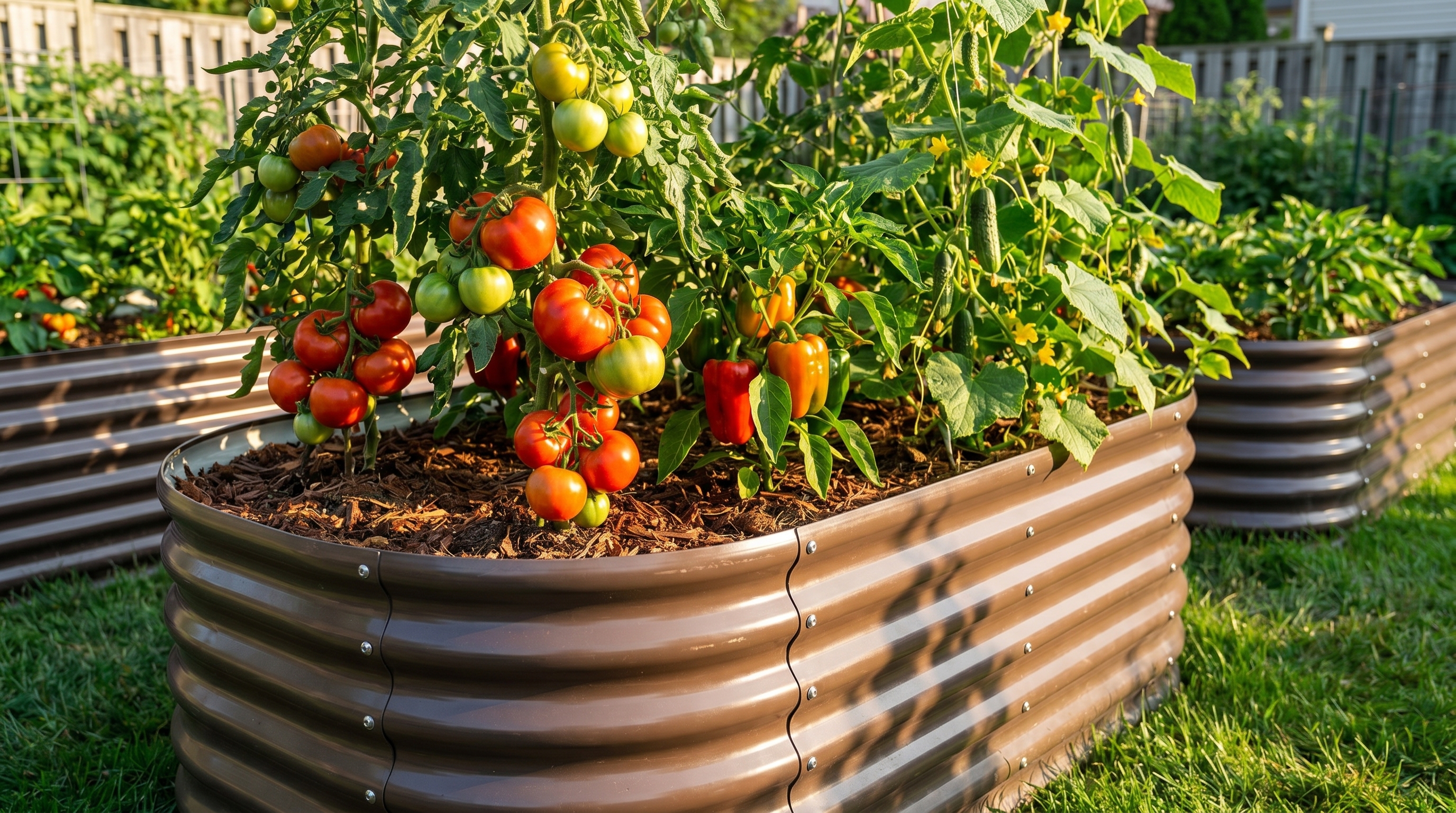
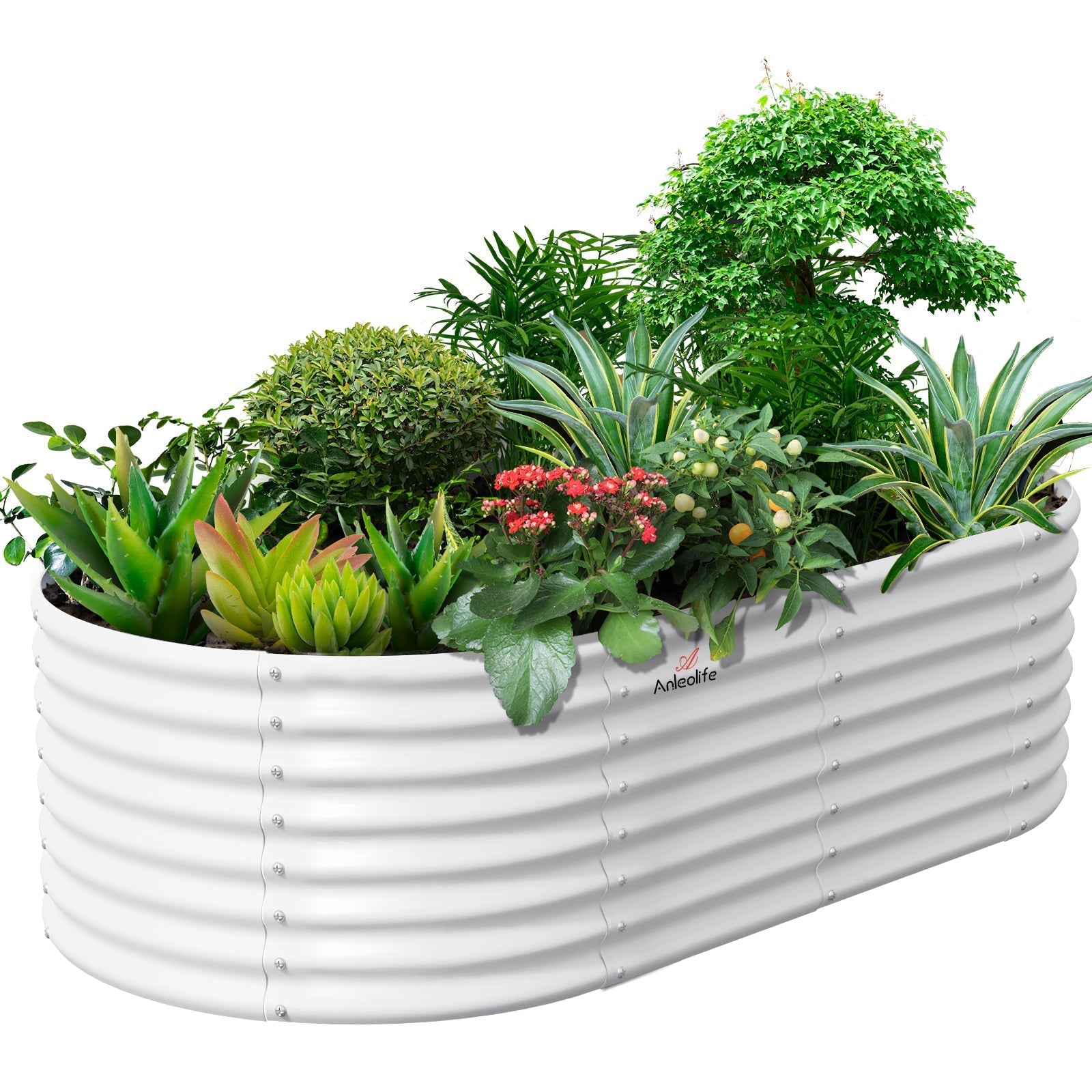
ALT: Tomatoes, peppers, and cucumbers thriving in Anleolife galvanized metal raised beds during peak summer heat
Advanced Considerations: Shade, Soil Mix, and Garden Aesthetics
Strategic Shade Solutions for Extreme Heat Zones
In the Desert Southwest and other regions where afternoon temperatures regularly exceed 100°F, even well-mulched metal beds can benefit from supplemental shade. A shade cloth rated at 30–40% light reduction, installed on the south or west side of beds during peak afternoon hours (typically 2 PM–5 PM), can reduce soil temperatures by 10°F or more. Lightweight garden trellises do double duty here—supporting climbing crops like cucumbers or pole beans while providing natural shade to the soil below.
The Right Soil Mix Makes All the Difference
The soil you fill your metal bed with is as important as any other factor. For summer heat management, prioritize a mix that includes:
- High compost content (30–40% of total volume): organic matter holds moisture, supports beneficial soil biology, and improves thermal buffering
- Coarse perlite or vermiculite: improves drainage and aeration, preventing the waterlogging that can stress roots in hot weather
- Biochar (optional): increasingly popular among eco-conscious gardeners for its ability to hold moisture and nutrients while improving overall soil structure
Avoid dense, compacted soils. The looser and more biologically active your soil, the more resilient it will be to temperature extremes.
Garden Aesthetics: Making Metal Beds Beautiful
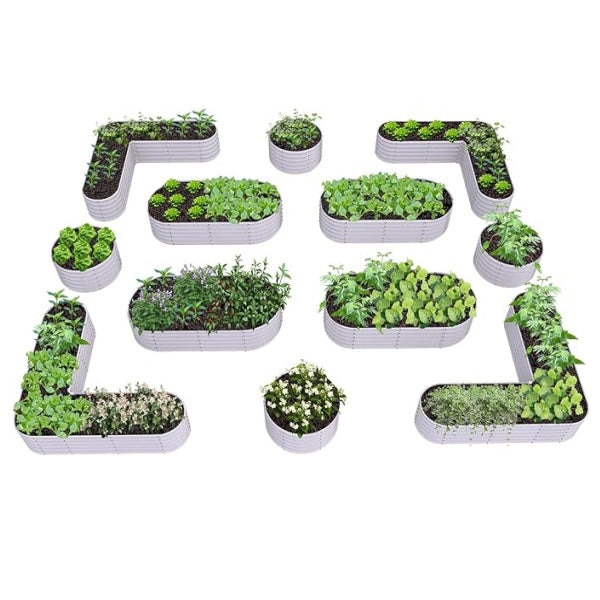
A common misconception is that metal raised beds look industrial or cold in a home garden setting. In reality, contemporary galvanized and rust-resistant steel beds have a clean, modern aesthetic that looks intentional and polished in any landscape. Many Anleolife beds are available in configurations that work beautifully in formal garden designs, kitchen garden layouts, and even rooftop or patio settings.
For gardeners interested in garden beautification, pairing functional metal beds with decorative accessories—pathway edging, garden ornaments, and thoughtful plant arrangements—creates a cohesive outdoor space that is as visually appealing as it is productive. When considering what size garden ornaments work best, scale them to your bed dimensions: smaller accent pieces complement standard 4x4 or 6x3 beds, while larger decorative elements (bird baths, garden sculptures) pair well with expansive 12x3 or 8x4 configurations.
For outdoor garden lighting in small spaces, solar-powered stake lights placed along the perimeter of raised beds extend the visual appeal of your garden into the evening hours, illuminate pathways for safety, and add a warm ambiance without any electrical wiring.
Frequently Asked Questions FAQ
Q1: How do I know if my metal raised bed is getting too hot for my vegetables?
The most reliable method is to use a soil thermometer, inserting it 4–6 inches into the soil in your metal raised bed during peak afternoon hours. Most summer vegetables thrive in soil temperatures between 65°F and 85°F. If your readings consistently exceed 90°F–95°F at root level, apply additional mulch (aim for 3–4 inches), increase watering frequency, or add temporary afternoon shade cloth. In most well-managed metal beds with adequate depth, root zone temperatures stay within safe ranges even on hot summer days.
Q2: Is galvanized steel really safe for growing food vegetables?
Yes, according to research from university extension programs and agricultural institutions, galvanized steel is considered safe for food garden use. The zinc coating that makes galvanized steel rust-resistant does release trace amounts of zinc into surrounding soil, but these amounts are far below levels that pose any risk to human health or plant health. In fact, zinc is an essential micronutrient for plants. Anleolife's galvanized and rust-resistant beds are designed for long-term food growing, with a tested lifespan of up to 20 years.
Q3: How much does it cost to keep a metal raised bed cool enough for summer vegetables?
The cooling strategies described in this guide are low-cost or free. A 2-cubic-foot bag of straw mulch typically costs $5–$10 and covers a standard 4x4 bed generously; refreshing mulch mid-season adds minimal expense. A basic drip irrigation kit for a single raised bed runs $15–$40. A shade cloth panel suitable for a single bed costs $10–$25. These are one-time or seasonal costs, and given that Anleolife's metal raised beds are built to last up to 20 years, the per-season investment in your bed infrastructure is extremely low.
Summary
Metal raised garden beds are not just heat-safe for summer vegetables—when properly set up, they can be superior growing environments for warm-season crops. Here are the three core takeaways from this guide:
- Heat is manageable, not inevitable. The surface of a metal bed may feel warm on a hot day, but with sufficient soil depth, organic mulch, and consistent watering, root zone temperatures stay within safe and productive ranges for tomatoes, peppers, squash, cucumbers, and beans.
- Galvanized steel is food-safe. The science is clear: trace zinc from galvanized coatings poses no meaningful risk to plants or people. Metal beds offer a 20-year lifespan that makes them the most cost-effective and environmentally responsible choice over the long term.
- Strategic choices multiply success. The right crop selection, smart soil mix, and simple seasonal adjustments (mulch, water timing, occasional shade cloth) transform a metal raised bed into a high-performing summer garden that requires less work—not more—than traditional in-ground growing.
Your next step is simple: assess your current setup (or plan your first bed) with the summer heat checklist from this guide. Choose a depth appropriate for your crops, prepare your soil mix with generous compost, apply mulch after planting, and water early in the morning. The reward is a summer garden that is productive, beautiful, and built to last.
Start Your Summer Garden with Anleolife
Anleolife's nationwide U.S. warehouse network—strategically located in California, Texas, Florida, New York, Illinois, and Washington—ensures delivery within 3–8 business days, so your garden upgrade plans never have to wait for the growing season. Our raised garden beds are available across major platforms including Amazon, Walmart, Home Depot, Lowe's, Wayfair, and directly at Anleolife.com, providing consistent quality assurance and responsive after-sales support wherever you shop.
Whether you're starting with a single 8x4 galvanized steel bed for tomatoes and peppers, or building out a complete planting-and-raising ecosystem that includes chicken coops and decorative pathway systems, Anleolife grows with you every step of the way. Our modular product design lets you expand your garden flexibly—adding beds, accessories, and structures as your confidence and ambition grow.
We understand that an ideal garden isn't built overnight. It's grown, season by season. And we're here for all of them.
References
- University of California Agriculture and Natural Resources. "Soil Temperature and Plant Growth in Raised Bed Gardens".
https://ucanr.edu/ - United States Department of Agriculture National Agricultural Library. "Raised Bed Gardening: Soil Health and Management".
https://www.nal.usda.gov/ - Penn State Extension. "Vegetable Gardening: Raised Bed Production and Soil Temperature Management".
https://extension.psu.edu/ - Oregon State University Extension Service. "Raised Bed Gardening Guide".
https://extension.oregonstate.edu/ - National Gardening Association. "Best Vegetables for Raised Bed Gardening".
https://garden.org/
Note: Standards and research findings may be updated. Please check the latest official documents or consult a professional horticultural advisor for the most current guidance.
About Anleolife
Anleolife is a leading outdoor garden solutions provider in North America, dedicated to offering a full-scenario product ecosystem for home gardening enthusiasts, covering planting, raising, and garden beautification. Since its founding, we have upheld our brand mission, "Made for Garden Life," continuously innovating products and optimizing services to help hundreds of thousands of users upgrade their gardens, reconnect with nature, and enjoy a better garden lifestyle.