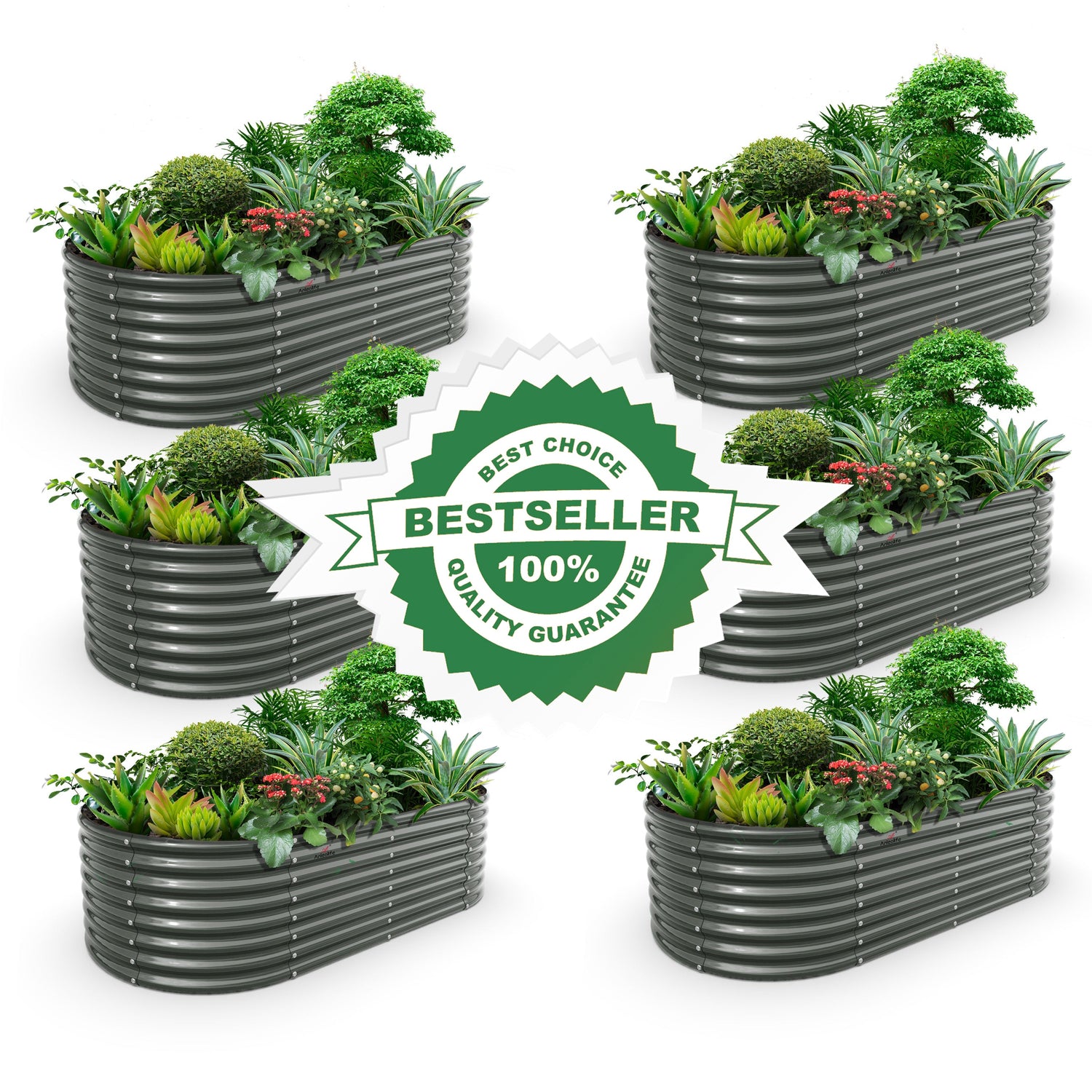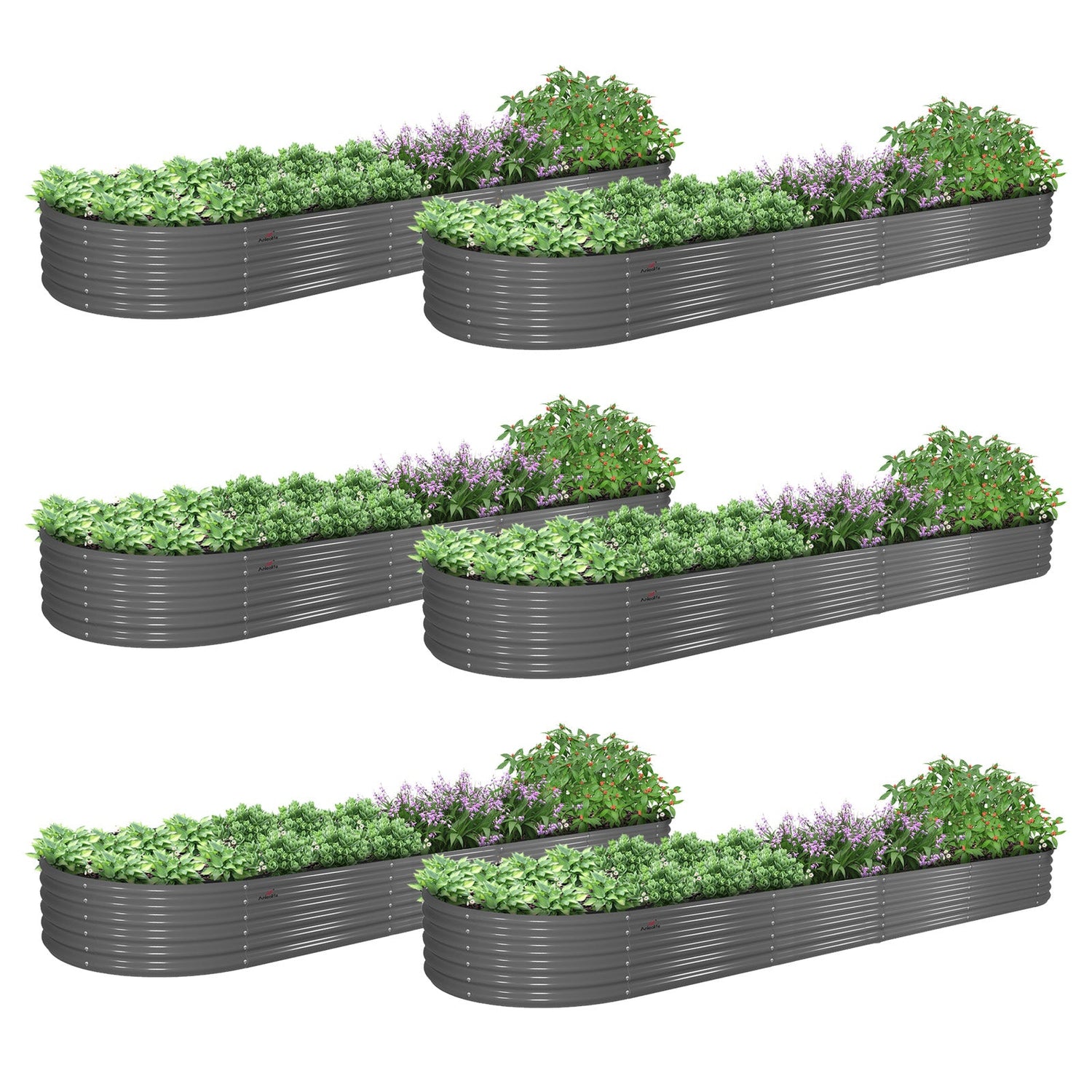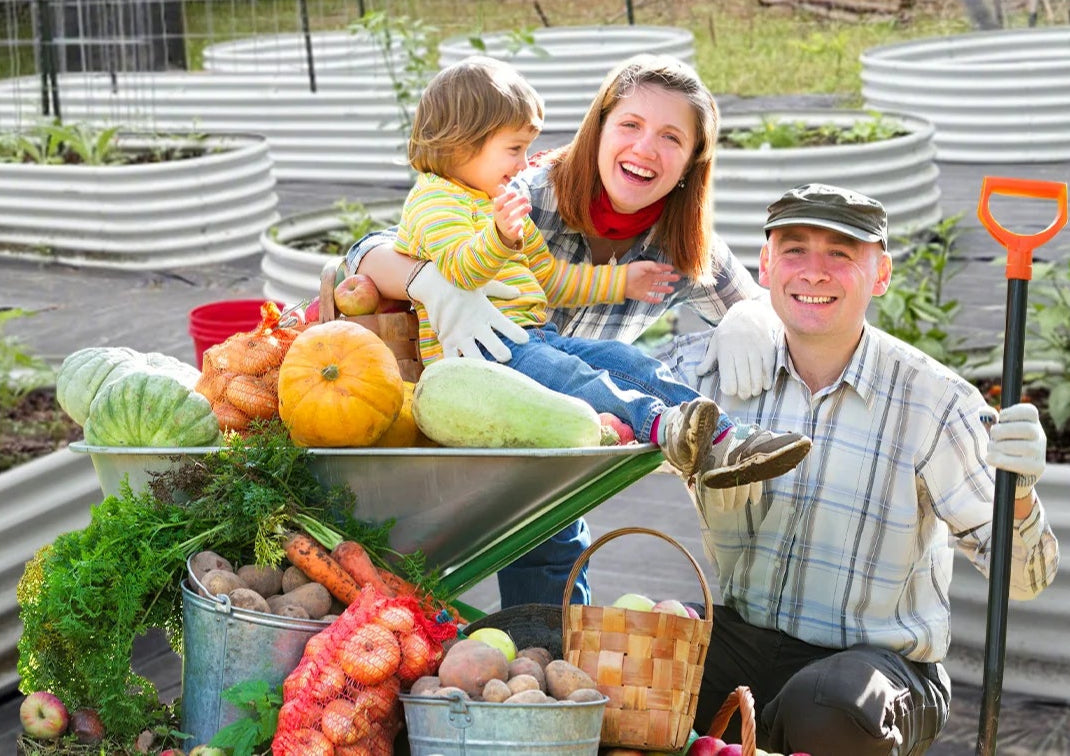



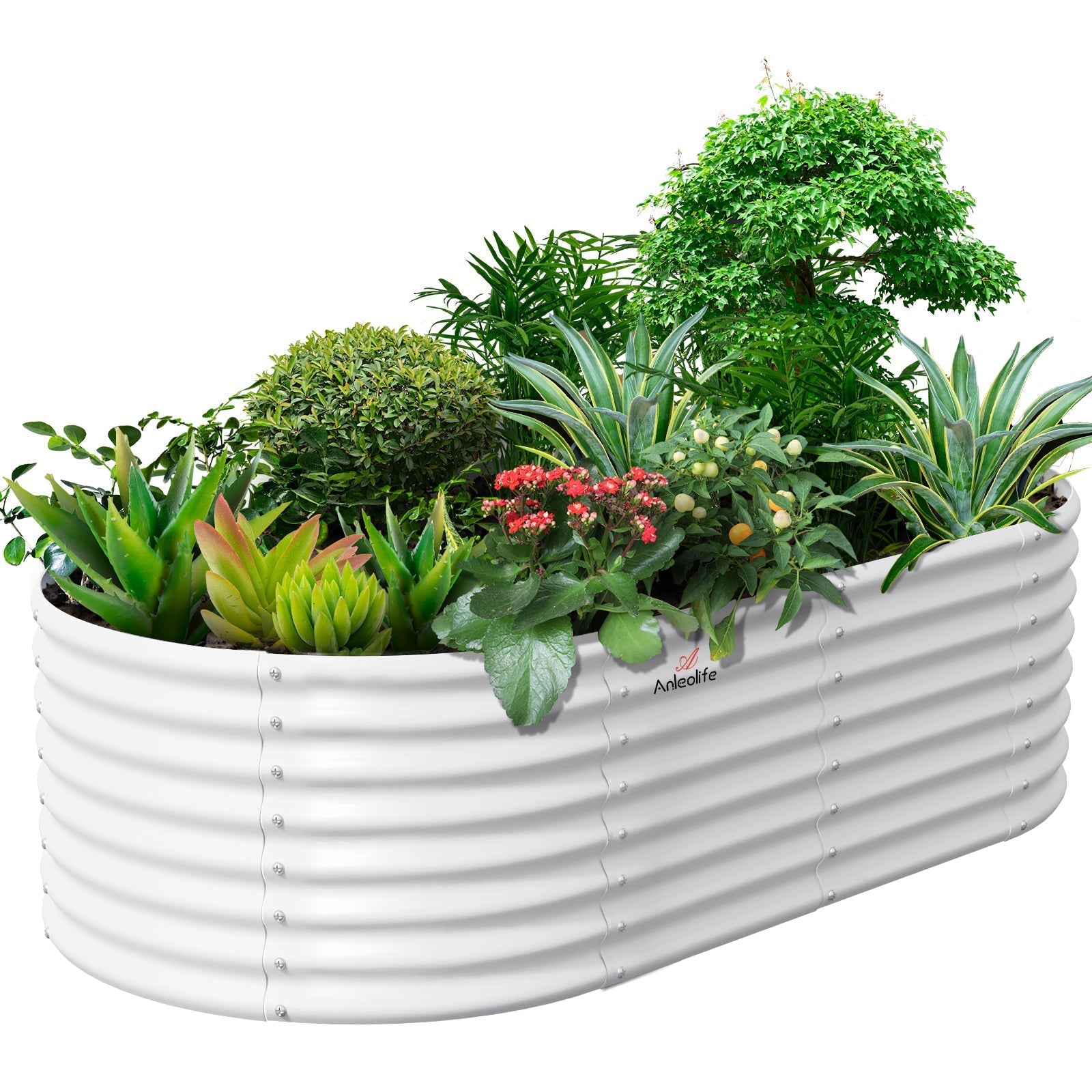
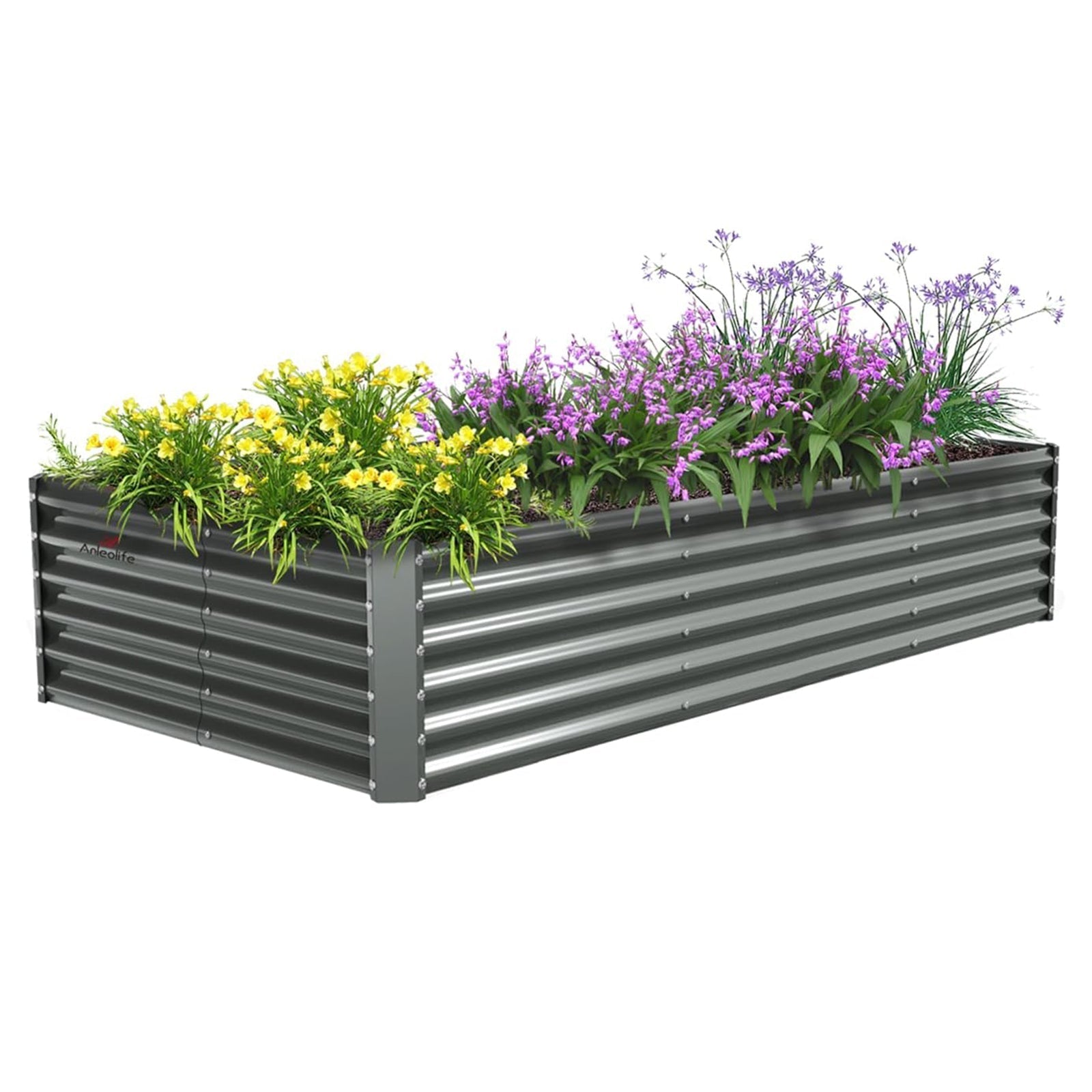

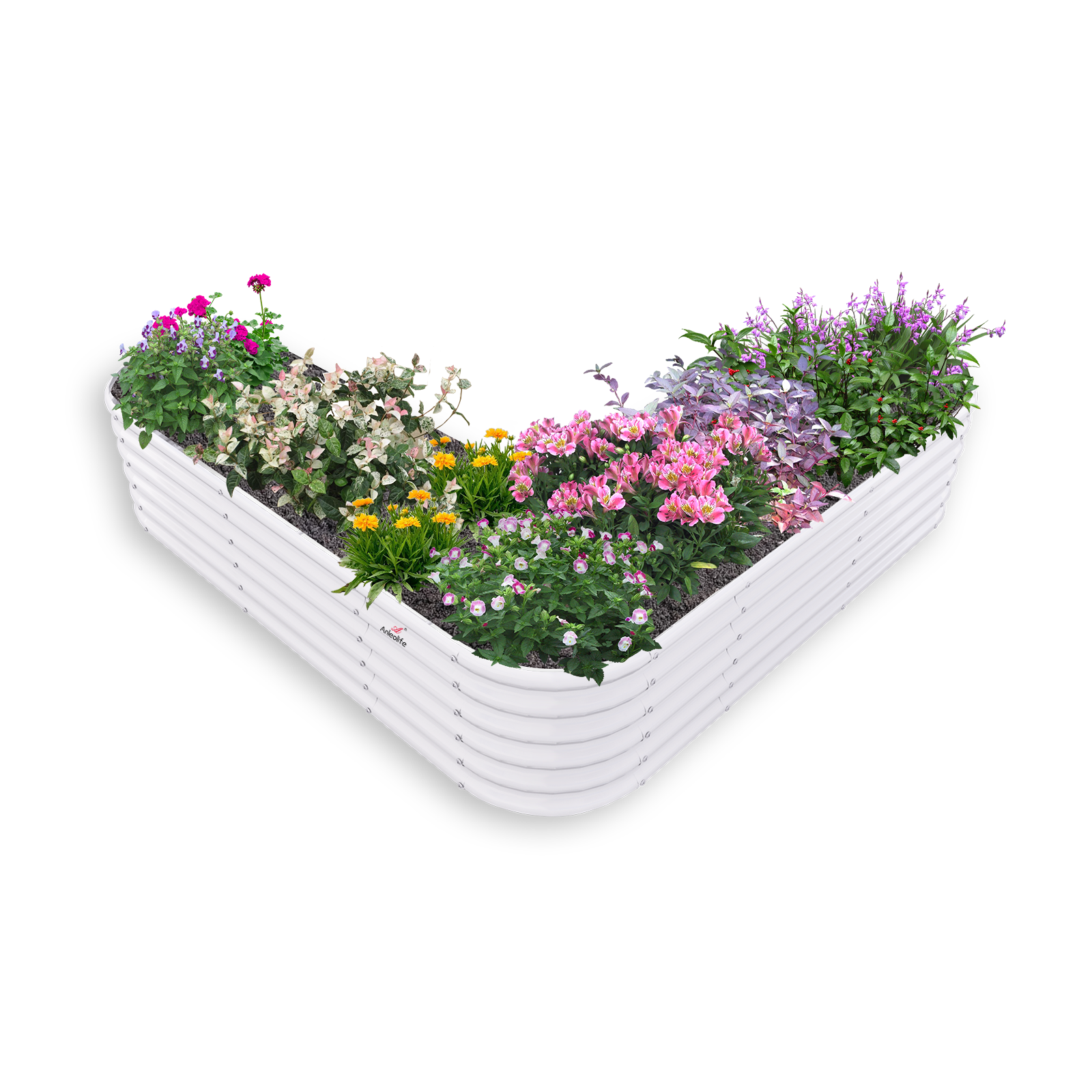
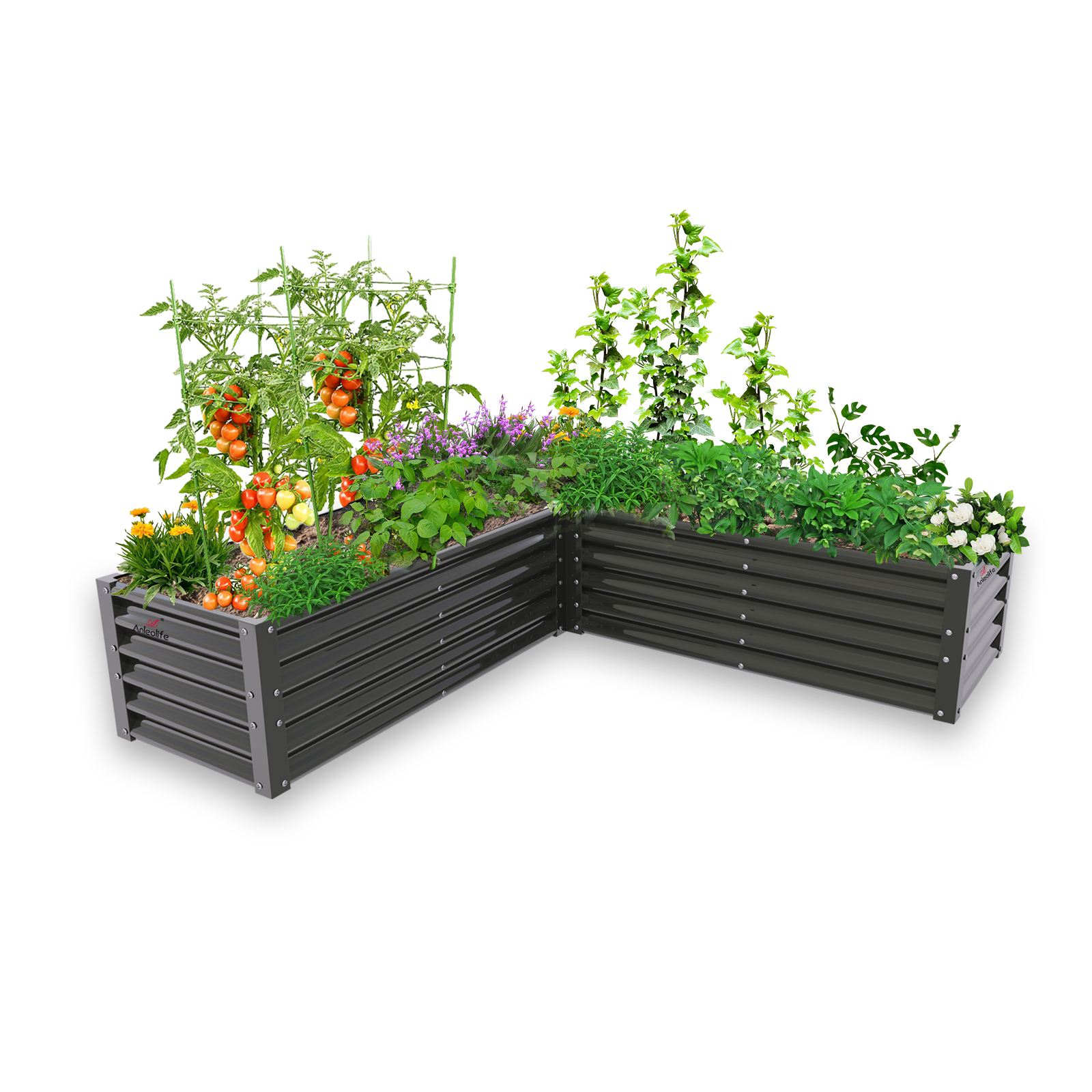
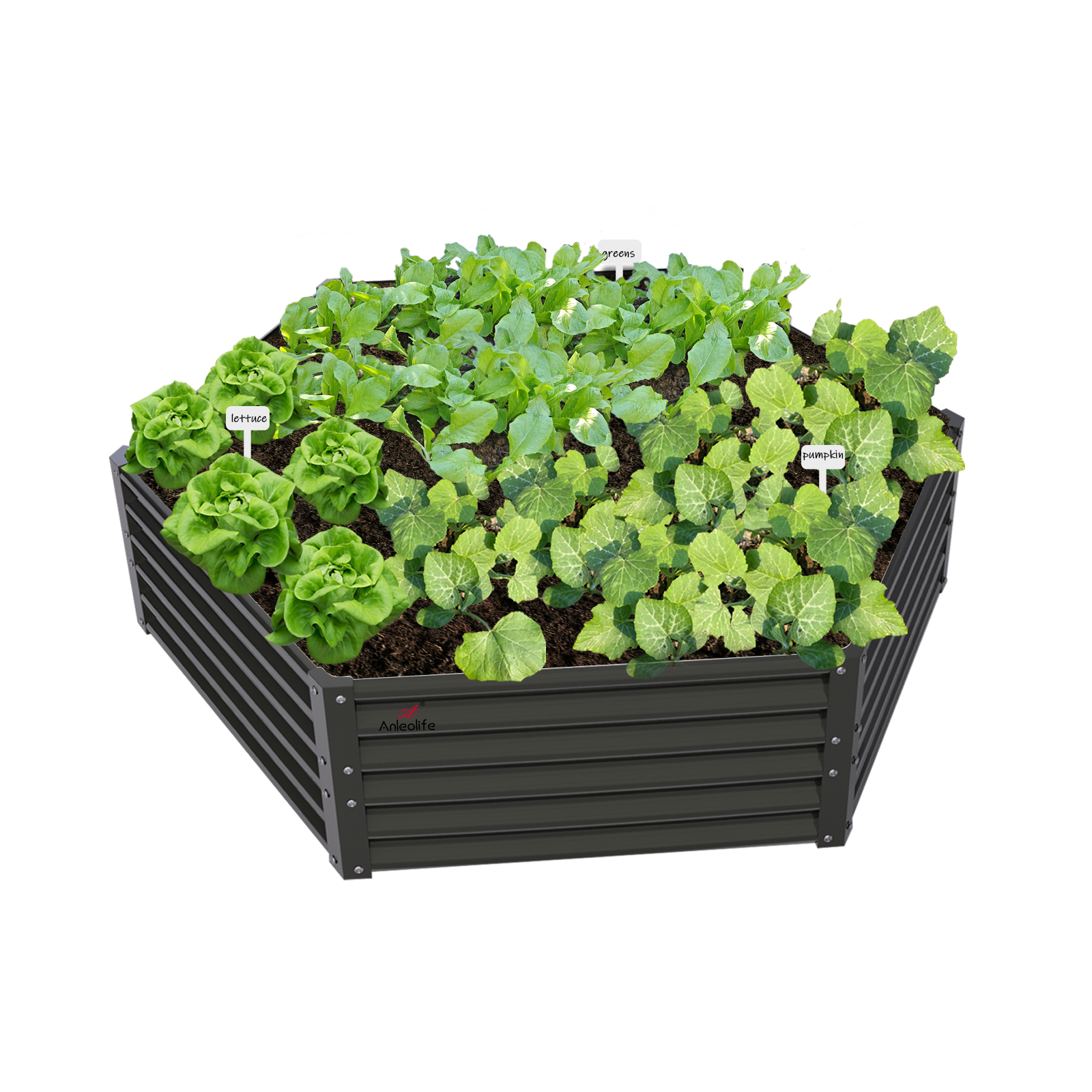
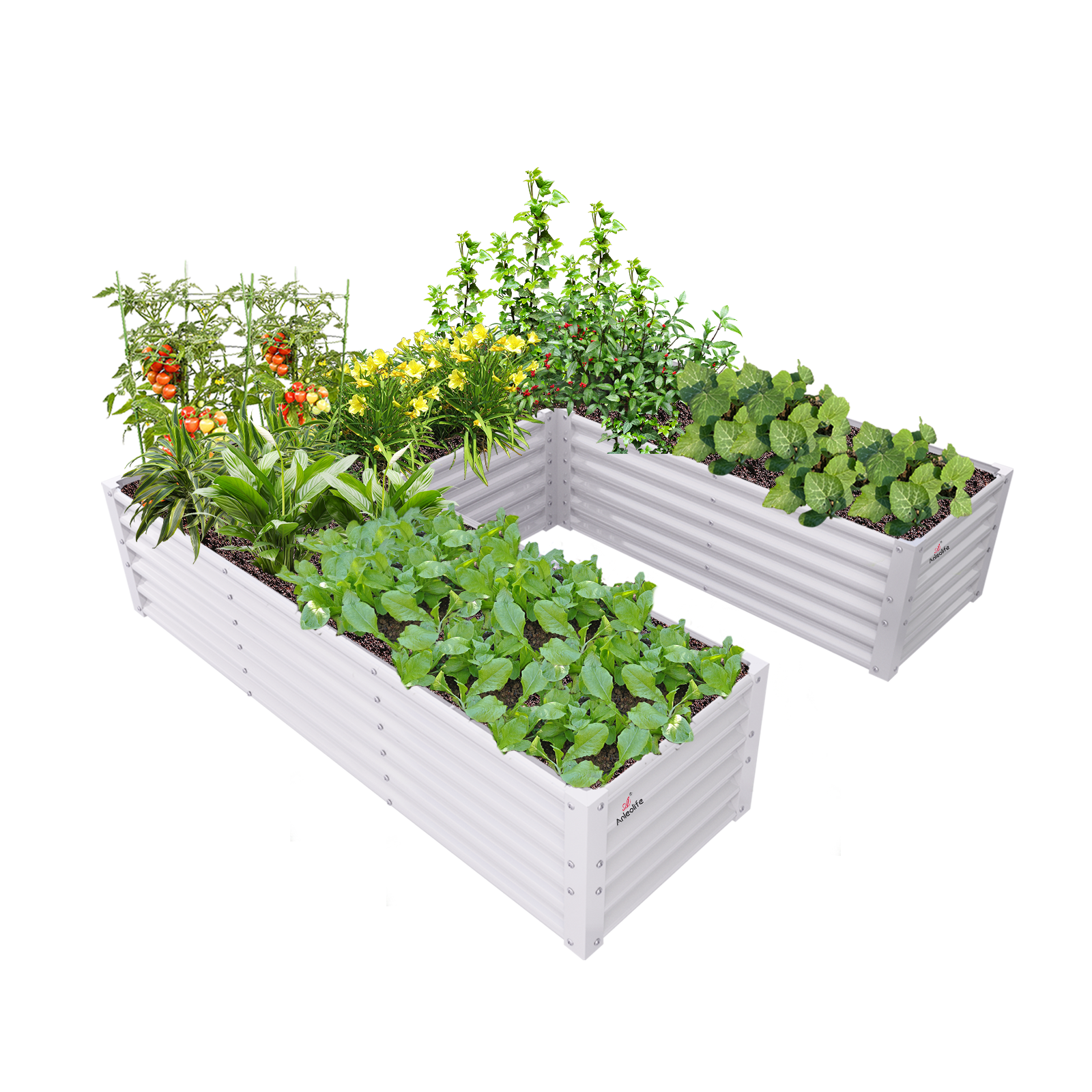

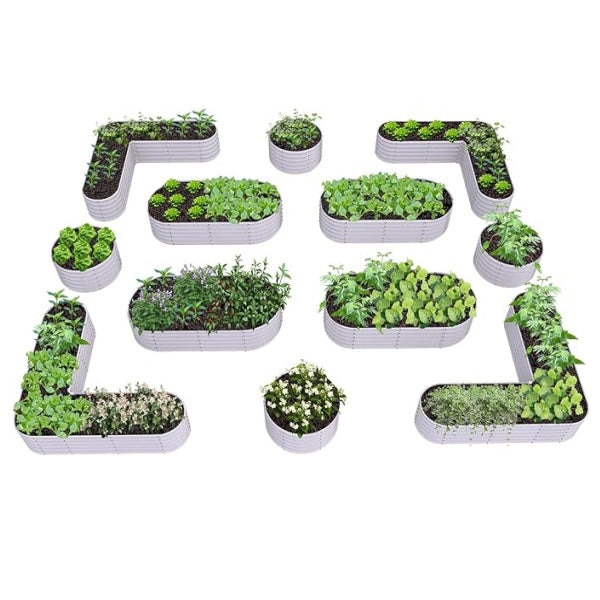


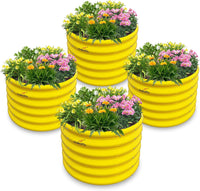
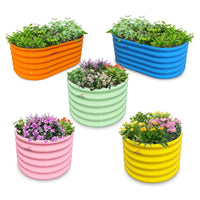
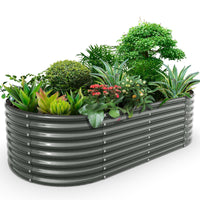



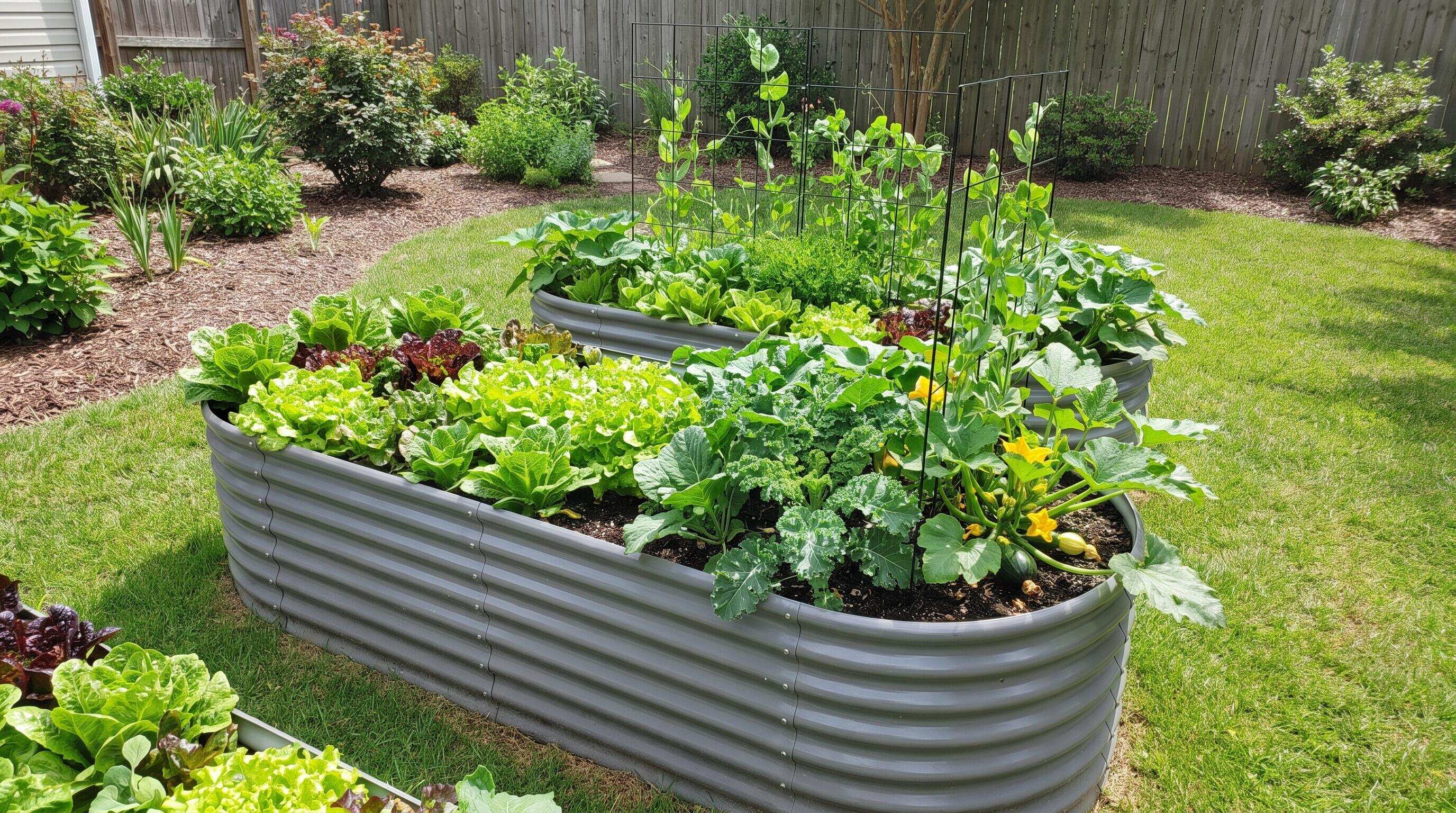
ALT: Metal raised garden bed growing organic vegetables safely in a backyard garden layout
Are Metal Raised Garden Beds Safe for Organic Vegetables — and How Do They Compare to Other Options?
Key Conclusion: Metal raised garden beds are safe for growing organic vegetables when made from food-grade galvanized or rust-resistant steel. Compared to wood and plastic alternatives, they offer superior longevity, better drainage, and minimal chemical interaction with soil — making them a sound choice for any raised bed garden layout. The right raised bed planting layout, paired with a quality metal bed, gives home growers full control over soil health, pest management, and long-term food safety. For gardeners designing their raised bed layout from the ground up, metal is consistently the most durable and organically compatible structural choice available today.
The debate over material safety in raised bed gardening has intensified as more home growers prioritize organic food production. At Anleolife, in our work with clients across North America, we consistently see the same question surface: "Is it actually safe to grow food in a metal raised bed?" This article answers that question directly — and compares metal beds against the most common alternatives so you can make a confident, informed decision for your raised bed garden layout.
What Criteria Really Matter When Evaluating Raised Bed Safety for Organic Growing?
When assessing whether any raised bed material is appropriate for organic vegetable production, four criteria stand out as genuinely consequential. These are the dimensions we apply when guiding clients through material selection, and they apply equally whether you are planning a compact urban raised bed layout or a large backyard planting system.
Chemical leaching potential is the most cited concern among organic growers. The core question is whether the bed material releases substances — heavy metals, synthetic compounds, or preservatives — that can migrate into the soil and be absorbed by edible plants. For organically minded growers, even trace contamination can conflict with certification goals or personal standards.
Structural longevity and lifecycle impact matter because a bed that degrades quickly introduces its own environmental and safety complications. Rotting wood can harbor pathogens; degrading plastic releases microplastics. A durable bed maintains a stable growing environment across multiple seasons.
Soil system compatibility determines how well the bed supports the kind of living, biologically rich soil that organic vegetable production demands. Drainage behavior, thermal properties, and the ability to contain and protect deep soil columns all affect soil ecosystem health — and therefore crop quality and safety.
Pest and pathogen resistance is particularly relevant for ground-level beds. Materials that resist burrowing pests and soil-borne fungal growth at the bed perimeter reduce the need for chemical interventions, which directly supports organic practice.
Ease of organic certification alignment reflects whether the material creates complications when growers pursue formal or informal organic standards. Certain treated woods and plastics can disqualify a growing environment; food-safe metal typically does not.
Sustainability and embodied environmental impact round out the picture for eco-conscious growers who think beyond their immediate plot to the full lifecycle of what they build.
The Contenders: Metal, Wood, and Plastic Raised Beds
Galvanized and Rust-Resistant Metal Raised Beds
A galvanized steel raised garden bed is a planting structure made from steel coated with a zinc-based layer that protects against rust and corrosion. Modern food-grade galvanized steel used in garden beds is produced to standards that prioritize both durability and safety in food-growing contexts.
The primary safety concern historically raised about galvanized metal was the presence of zinc and, in older products, cadmium or lead. Contemporary food-grade galvanized steel — the standard used by reputable manufacturers — eliminates cadmium and lead from the coating process entirely. Zinc does occur naturally in soil and is actually an essential micronutrient for plants; the quantities that may migrate from a properly coated modern bed are negligible and well within ranges considered safe by soil science and food safety authorities.
Anleolife's Galvanized Steel Raised Garden Beds and Rust-Resistant Raised Garden Beds are built to this food-safe standard. They are available in an extensive range of configurations — from compact 18-inch-tall beds suited to urban patios to 35-inch waist-high models designed for ergonomic, no-bend gardening. The product lineup includes sizes spanning 4×1.5 ft up to 12×3 ft footprints, and extra-tall options reaching 24 to 30 inches for deep-rooted crops. Critically, Anleolife rates these beds for a service life of up to 20 years, meaning the initial investment in a safe, compatible growing structure pays dividends across decades of organic harvests.
For growers interested in comparing the full sustainability profile of metal versus alternative materials, this in-depth comparison of galvanized steel versus recycled plastic raised bed options provides useful context on embodied impact and long-term performance.
Untreated and Naturally Rot-Resistant Wood Beds
Wood raised beds — particularly those built from cedar, redwood, or black locust — have been the traditional organic grower's choice for decades. These species contain natural tannins and oils that resist decay without chemical treatment, making them broadly compatible with organic practice.
The trade-offs are real, however. Even naturally rot-resistant wood typically lasts between five and ten years in a garden environment before structural degradation begins. As wood breaks down, it can introduce lignin and tannin compounds into the soil, and the decaying material can harbor slug populations and fungal pathogens at the bed perimeter. Pressure-treated lumber, once common in garden construction, introduced preservatives that raised legitimate organic safety concerns — and while modern pressure-treated wood has improved, many organic certification frameworks still discourage or prohibit it.
Wood beds also require ongoing maintenance — sealing, checking for soft spots, and eventual replacement — that metal beds do not.
Recycled Plastic and Composite Raised Beds
Plastic and composite raised beds are marketed on the basis of rot-resistance and low maintenance. They do not introduce preservative chemicals, and they will not decay in the conventional sense. However, the organic gardening community has growing concerns about microplastic release, particularly from beds exposed to intense sunlight and thermal cycling over multiple seasons.
UV degradation causes plastic beds to become brittle and begin shedding particulate matter over time. Whether this represents a meaningful food safety risk remains an active area of environmental research, but the trajectory of the science has not been favorable to plastics in food-proximity applications. Composite materials — blends of wood fiber and plastic — inherit elements of both profiles and do not fully resolve either concern.
Head-to-Head Comparison: Metal vs. Wood vs. Plastic for Organic Raised Bed Gardening
| Criterion | Galvanized / Rust-Resistant Metal | Untreated Natural Wood | Recycled Plastic / Composite |
|---|---|---|---|
| Chemical leaching risk | Very low (food-grade zinc coating, no lead or cadmium) | Low to moderate (tannins, natural decay compounds; pressure-treated: higher risk) | Low to moderate (microplastic release with UV/thermal degradation) |
| Structural lifespan | Up to 20 years (Anleolife rated) | 5–10 years typical for cedar/redwood | 10–15 years before significant degradation |
| Organic compatibility | High (no prohibited substances in food-grade product) | High for untreated species; variable for treated | Moderate (microplastic concerns are evolving) |
| Soil system support | Excellent drainage, stable thermal mass, deep profiles available | Good drainage, some biological interaction at wood-soil interface | Good drainage, limited depth options in many products |
| Pest and pathogen resistance | Excellent (impermeable wall, no organic matter for pests) | Moderate (slug harboring, fungal risk at base) | Good (no organic decay, but ground-level gaps possible) |
| Maintenance requirement | Minimal over 20-year lifespan | Moderate to high (annual inspection, eventual replacement) | Low to moderate (UV-induced brittleness over time) |
| Environmental / sustainability profile | High (long lifespan, recyclable steel at end of life) | Moderate (renewable resource, but shorter lifespan) | Variable (recycled content is positive; microplastic shedding is negative) |
| Raised bed layout flexibility | High (modular options, wide size range) | Moderate (custom build or fixed kit sizes) | Moderate (limited by available commercial forms) |
The comparison table above reveals a consistent pattern that we see reinforced in practice: food-grade metal raised beds perform at or above the level of natural wood on every safety dimension that matters to organic growers, while substantially outperforming wood on longevity and plastic on both safety and end-of-life environmental impact.
The chemical leaching concern, which drives most organic growers' initial hesitation about metal beds, is the dimension where the gap between perception and reality is widest. According to soil science research published through university extension programs, the zinc contribution from modern food-grade galvanized steel in a typical garden bed is far below the threshold that affects plant health or food safety. Zinc is, in fact, a micronutrient that many garden soils are deficient in — small amounts from bed walls may be benign or even beneficial.
Wood's main advantage remains its natural aesthetic and its intuitively "organic" character. But aesthetics and organic safety are separate questions, and wood's shorter lifespan means more frequent replacement — each replacement cycle consuming additional resources and interrupting the established soil ecosystem within the bed.
Plastic's primary advantage is price point at initial purchase. But when lifespan is factored in, and when the evolving science on microplastics in food environments is considered, the long-term case for plastic in an organic garden weakens considerably.
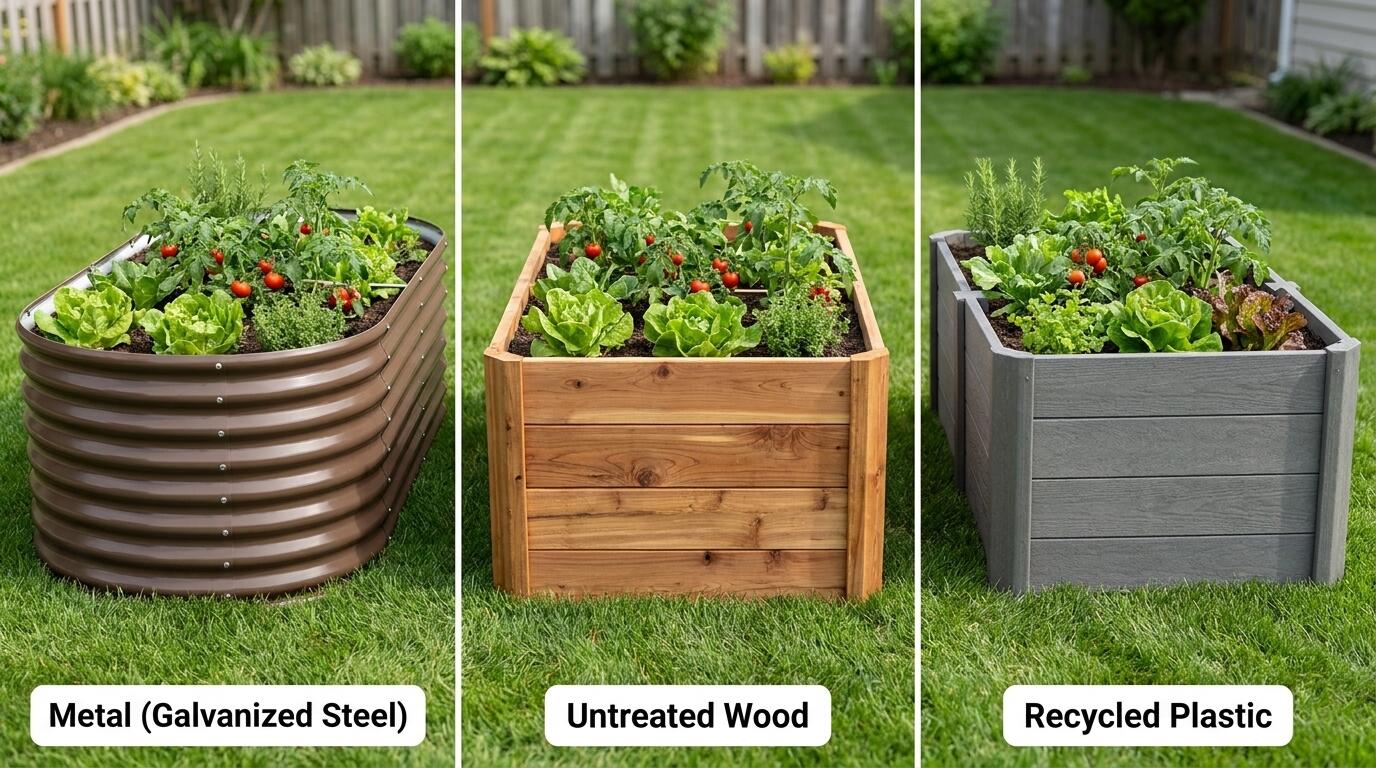
ALT: Side-by-side comparison of metal, wood, and plastic raised garden beds for organic vegetable raised bed planting layout
Which Should You Choose? Matching Raised Bed Material to Your Organic Garden Scenario
Choosing the right material for your raised bed layout depends on your specific growing goals, physical context, and values. Here is how we map real grower situations to the best available option.
If you are building a long-term organic kitchen garden and want a set-it-and-forget-it structure, choose food-grade galvanized or rust-resistant metal. The 20-year lifespan means your soil ecosystem — the microbial communities, earthworm populations, and organic matter you build up season after season — remains undisturbed in a stable, durable container. The Anleolife 24-inch Extra Tall series is particularly well-suited here, providing ample depth for root vegetables and perennial herbs without requiring annual structural maintenance.
If you are an urban micro-gardener working with a balcony, rooftop, or small patio, a compact metal raised bed in a round or modular configuration offers the highest density of growing space in the smallest footprint. Metal beds hold their shape under the weight of a full soil column better than plastic alternatives, which is meaningful when space constraints require stacking or vertical density.
If you are a retiree or empty nester prioritizing ergonomic access, the 30-inch Extra Tall or 35-inch Waist-High options from Anleolife's lineup allow fully upright gardening without stooping. Metal's structural rigidity at these heights — where plastic tends to bow under soil pressure — makes it the practical choice. For a deeper look at matching bed height to physical needs, this guide to ergonomic raised bed design covers the key considerations.
If you are pursuing formal organic certification for a small market garden, consult with your certifying body directly. Food-grade galvanized steel is generally accepted; untreated wood from naturally rot-resistant species is also typically accepted. Pressure-treated wood and many plastics face more scrutiny. Metal's consistent, documented material composition makes it easier to verify compliance.
If you are working with a tight initial budget but still want long-term organic safety, untreated cedar remains a legitimate option — but factor in replacement costs over a decade. Metal beds, which require no replacement within their 20-year rated life, often have a lower total cost of ownership even when the initial price is higher.
If sustainability is your primary driver beyond the garden itself, galvanized steel is fully recyclable at end of life — a meaningful advantage over plastic composites that cannot be easily separated and recycled. The 20-year service life also means fewer resources consumed in replacement cycles over the same period.
Pros and cons at a glance:
Metal (food-grade galvanized / rust-resistant):
- Pros: longest lifespan, minimal chemical risk, excellent structural integrity, wide size range, fully recyclable
- Cons: higher initial cost than some alternatives, metal aesthetic may not suit every garden design preference
Untreated natural wood:
- Pros: natural appearance, broadly accepted in organic practice, DIY-friendly
- Cons: shorter lifespan, increasing cost for quality rot-resistant species, maintenance required
Plastic / composite:
- Pros: low initial cost, lightweight
- Cons: evolving microplastic concerns, UV degradation, shorter effective lifespan than metal, not fully recyclable in most municipal systems
People Also Ask
Q1: How much zinc actually leaches from a galvanized raised garden bed into the soil?
Research from university agricultural extension programs indicates that zinc migration from modern food-grade galvanized steel into garden soil is minimal under typical growing conditions. Soil pH, organic matter content, and bed age all influence the process, but measured levels in studies have consistently fallen well below thresholds associated with plant toxicity or food safety concerns. Zinc is an essential trace element in both plant biology and human nutrition, so modest background levels are not inherently problematic. The critical variable is the quality of the galvanization — food-grade products from reputable manufacturers pose negligible risk.
Q2: Are metal raised garden beds certified as safe for organic vegetable gardening?
Food-grade galvanized steel raised garden beds are generally compatible with organic growing practice, though formal organic certification is granted to the farm or garden operation — not to the bed material itself. Certifying bodies such as those operating under USDA National Organic Program guidelines assess the full growing environment. Modern food-grade metal beds, free of lead and cadmium, typically do not introduce substances prohibited under major organic standards. Growers pursuing formal certification should document their bed material specifications and submit them to their certifying organization for review.
Q3: How long do metal raised garden beds last compared to wood, and what does that mean for long-term soil health?
High-quality food-grade galvanized or rust-resistant metal raised garden beds, such as those produced by Anleolife, are rated for up to 20 years of service life — roughly two to three times the lifespan of untreated cedar or redwood in comparable conditions. For soil health, this longevity matters: each time a bed is replaced, the surrounding soil ecosystem is disrupted. A 20-year stable container allows gardeners to build deep, biologically rich soil systems — layered with compost, worm castings, and organic matter — without interruption. The long service life also makes metal beds a more cost-effective choice on a per-year basis in most scenarios.
Summary
Metal raised garden beds made from food-grade galvanized or rust-resistant steel are a safe, practical, and durable choice for organic vegetable gardening. Three points stand out from everything covered in this article.
First, the chemical safety concern that most organic growers attach to metal beds is, in the case of modern food-grade products, not supported by the available evidence. Zinc from properly coated contemporary beds migrates into soil at levels that are both normal and non-harmful.
Second, metal's 20-year lifespan gives it a decisive advantage over wood and plastic alternatives on total cost of ownership, soil ecosystem stability, and end-of-life environmental impact. When you design your raised bed garden layout around a structure that will last two decades, you are investing in a permanent — not provisional — growing system.
Third, the range of configurations available in quality metal beds — from compact 18-inch-tall starter beds to 35-inch waist-high models and modular expandable systems — means that any grower, in any setting, can build a raised bed planting layout that fits their space and their body. For those just starting out, this guide to optimal soil composition for organic vegetable raised beds is the natural next step after selecting your bed material.
The practical next step is straightforward: identify the bed size and height that fits your garden footprint and physical needs, select a food-grade product from a manufacturer with transparent material standards, fill it with a rich organic soil system, and start growing with confidence.
Ready to build a raised bed garden layout that will serve your organic growing goals for the next two decades? Explore Anleolife's full range of galvanized steel and rust-resistant raised garden beds at the Anleolife website, or find them on Amazon, Walmart, Home Depot, Lowe's, and Wayfair. With a nationwide U.S. warehouse network spanning California, Texas, Florida, New York, Illinois, and Washington, your order arrives in 3–8 business days. Start with one bed. Build from there. Anleolife grows with you at every step.
Sources
- U.S. Department of Agriculture — Agricultural Marketing Service. "National Organic Program."
https://www.ams.usda.gov/ - U.S. Environmental Protection Agency. "Soil Contamination and Safe Gardening Guidance."
https://www.epa.gov/ - Savvy Gardening. "4x8 Raised Bed Vegetable Garden Layout Ideas."
https://savvygardening.com/4x8-raised-bed-vegetable-garden-layout/ - Gardener's Supply Company. "Pre-Planned Gardens."
https://www.gardeners.com/pages/kitchen-garden-planner-preplanned-gardens
Note: Standards and guidelines may be updated; please check the latest official documents or consult professional advisors.