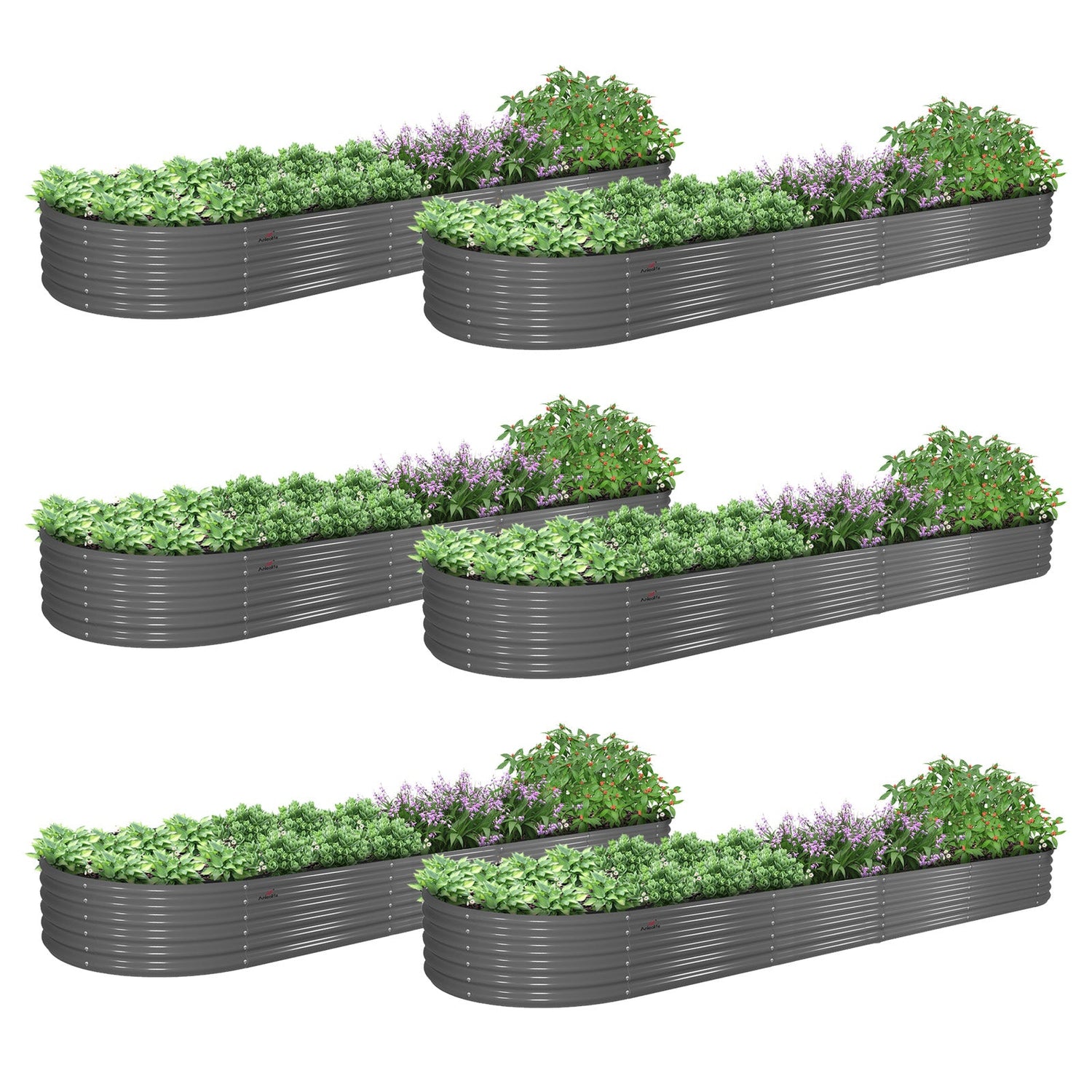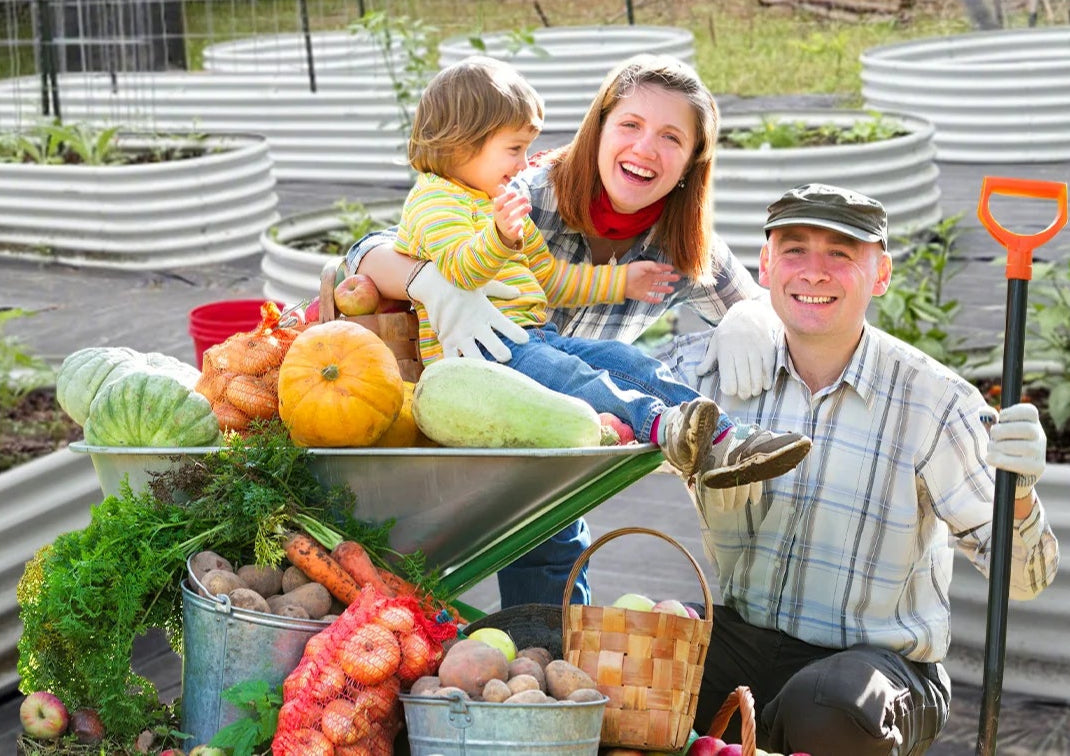



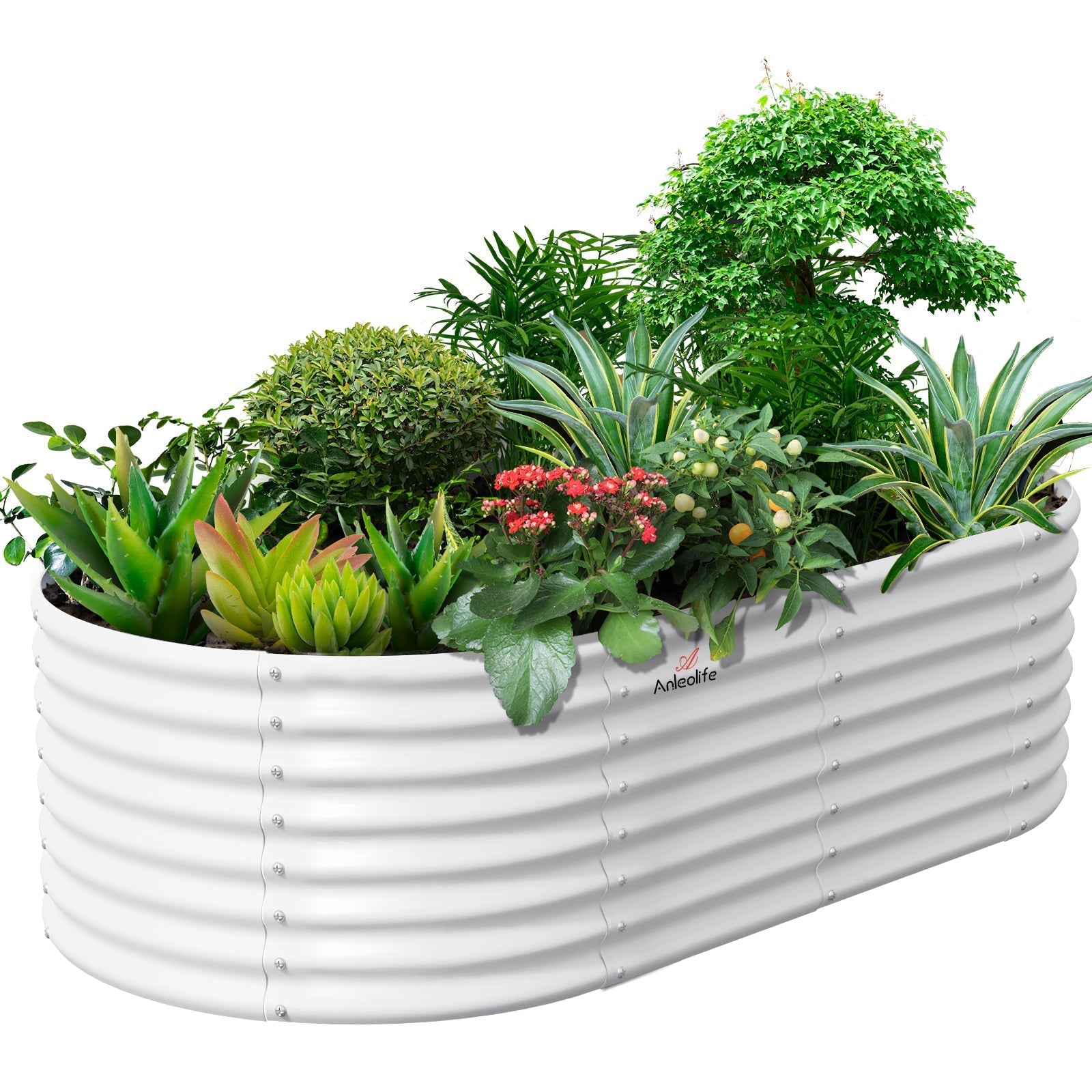
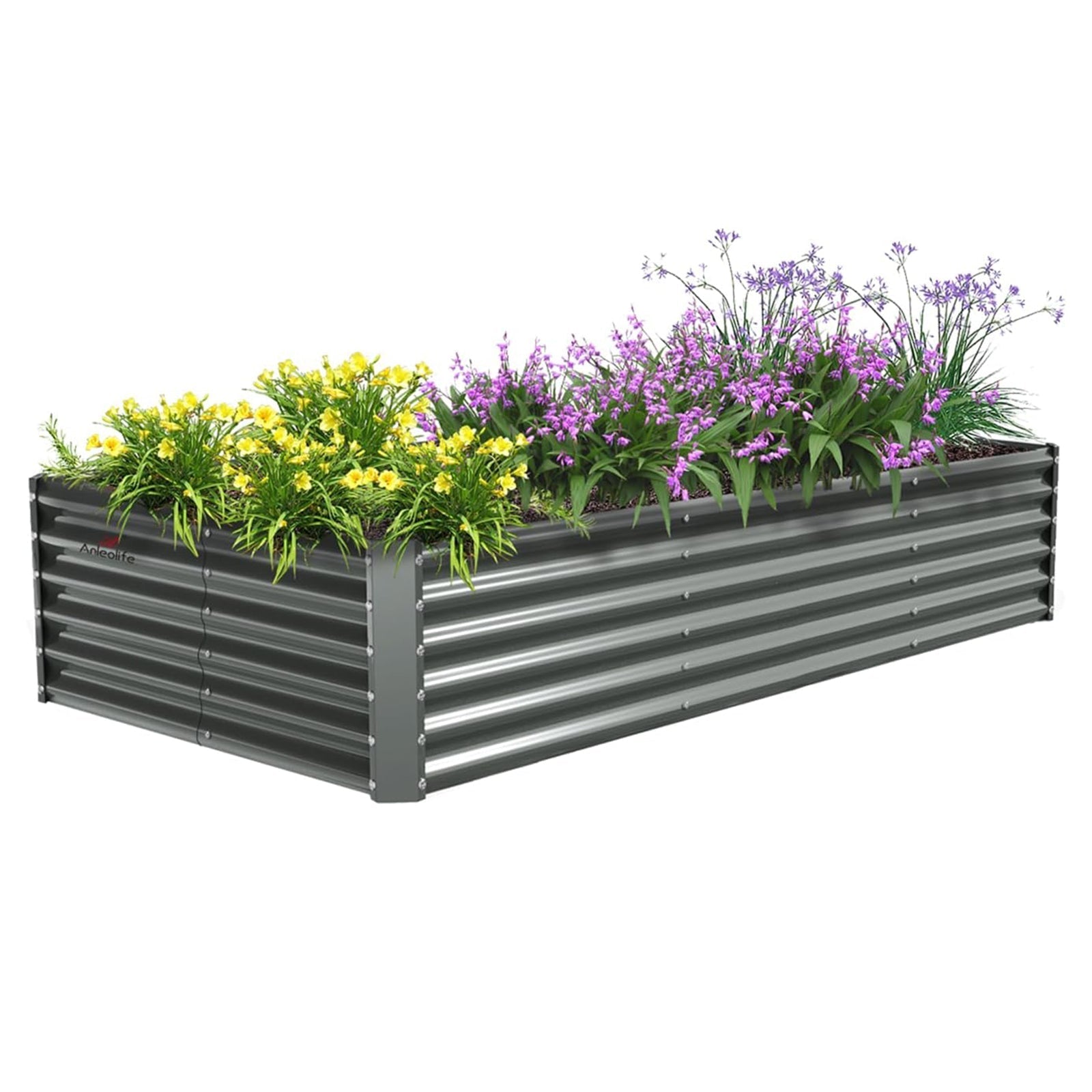
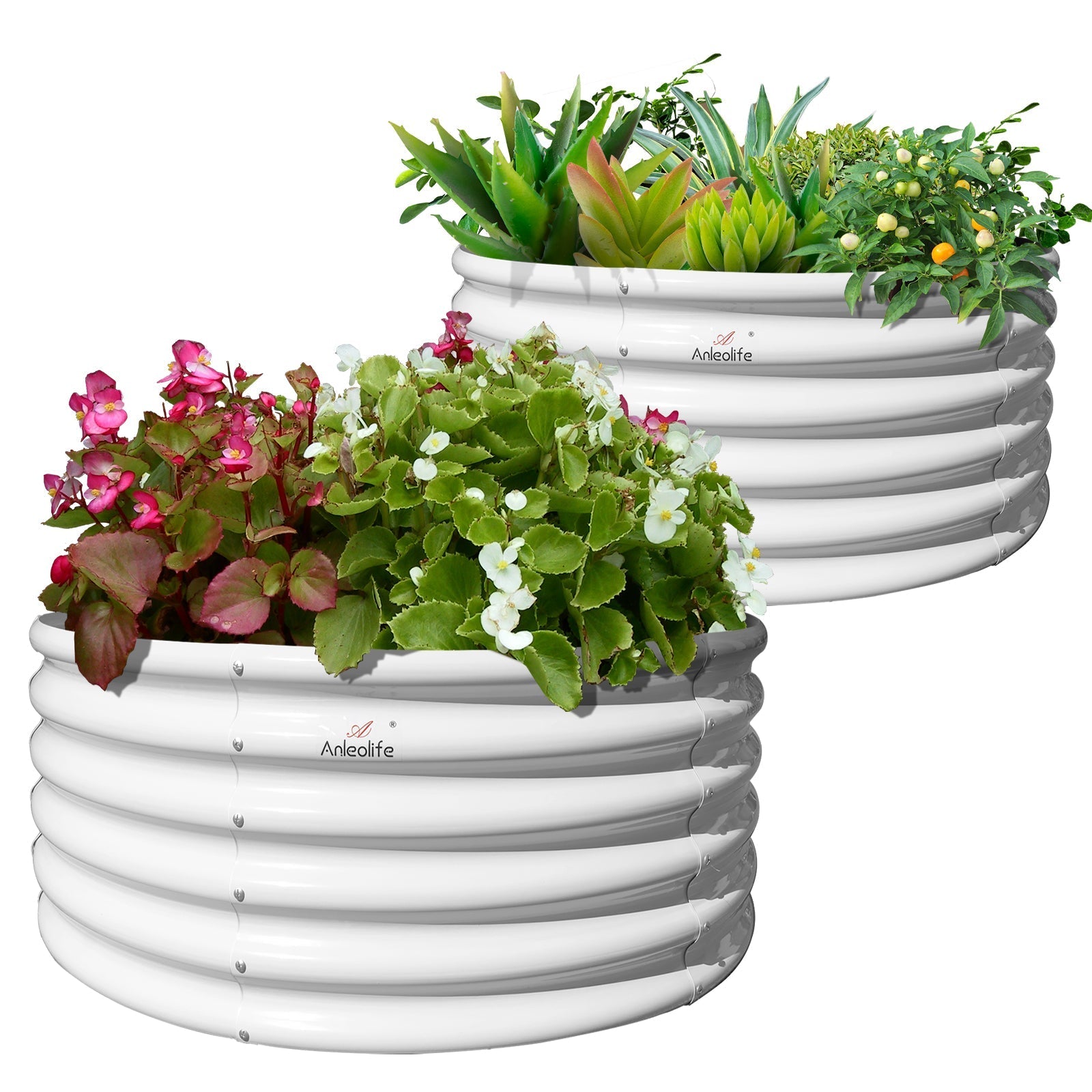
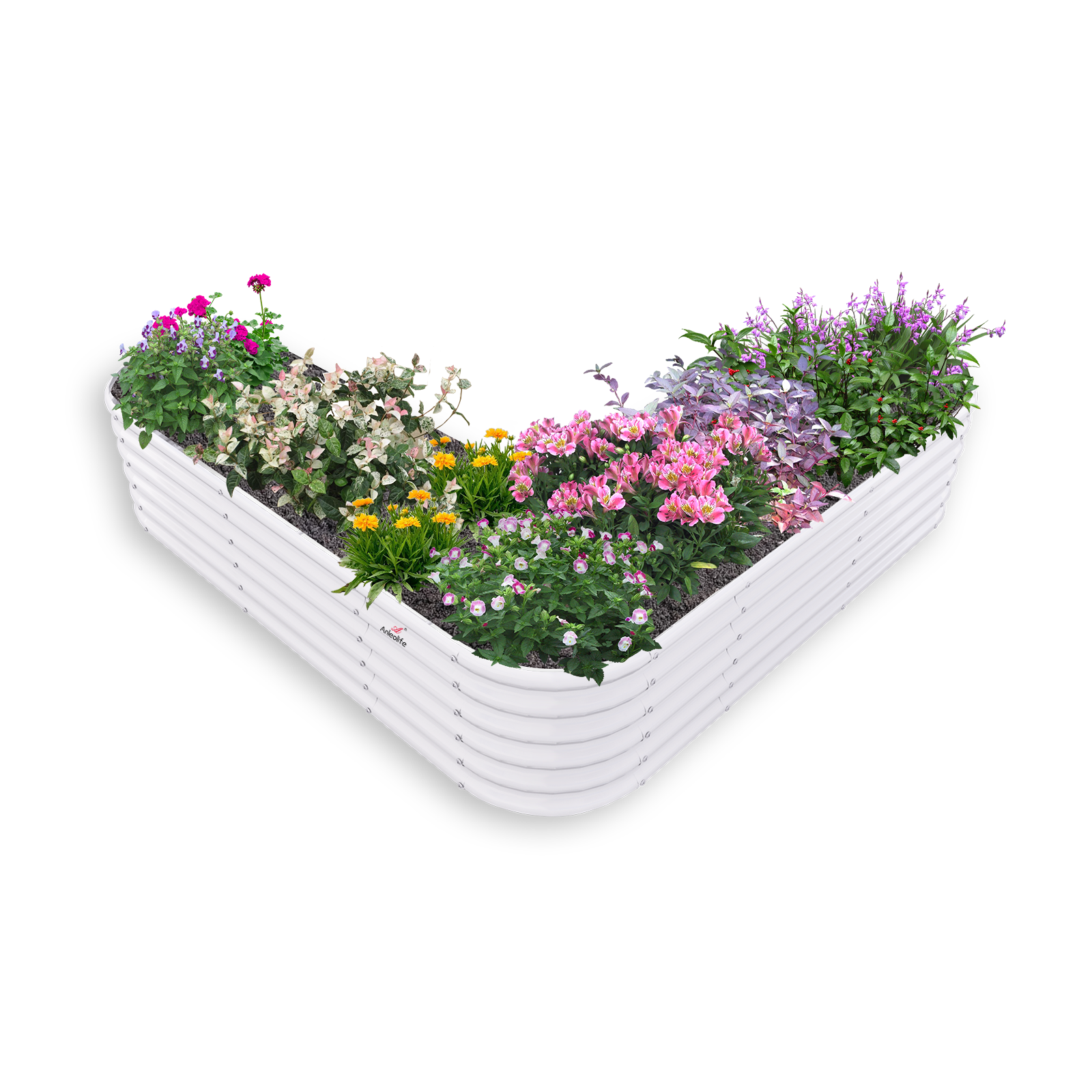
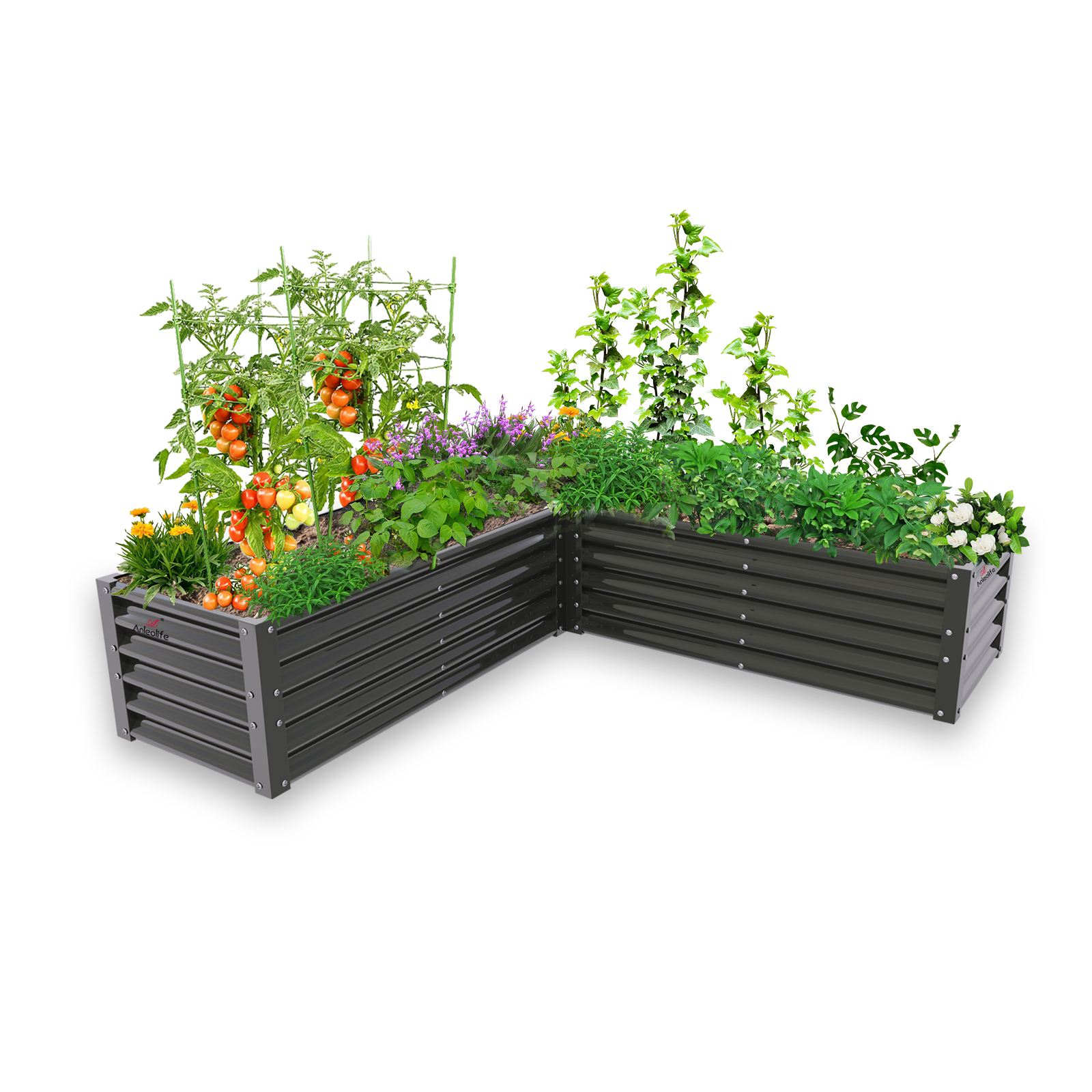
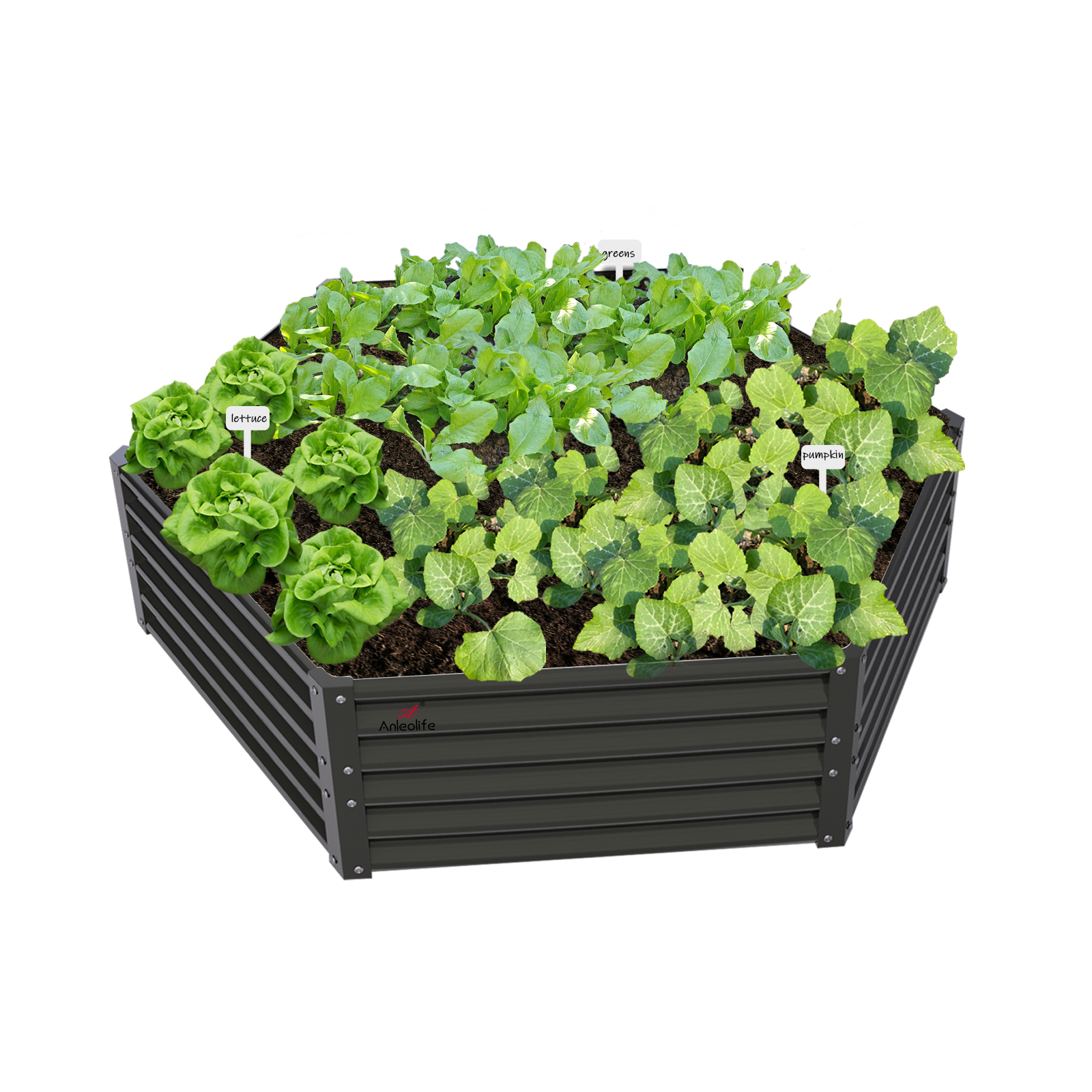
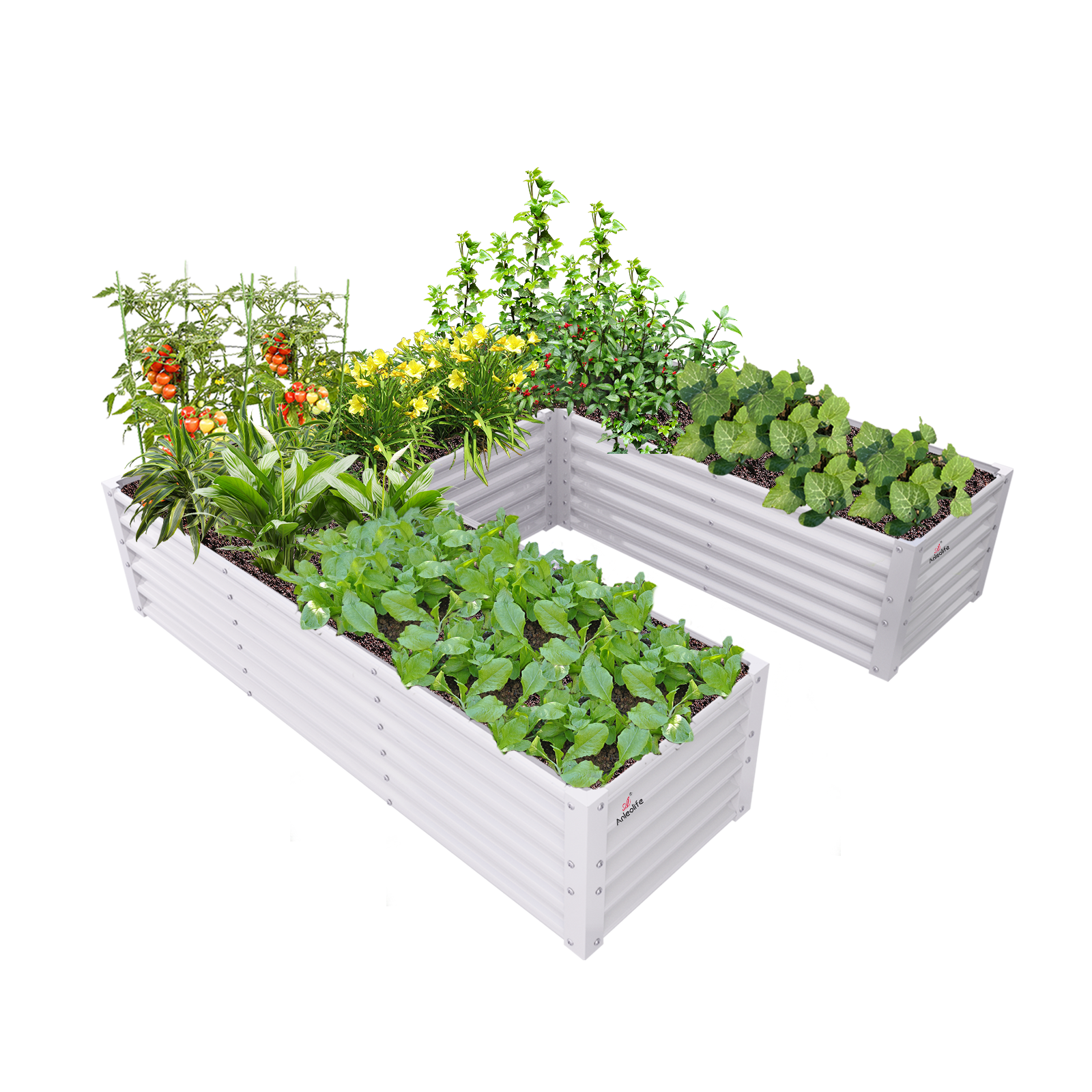


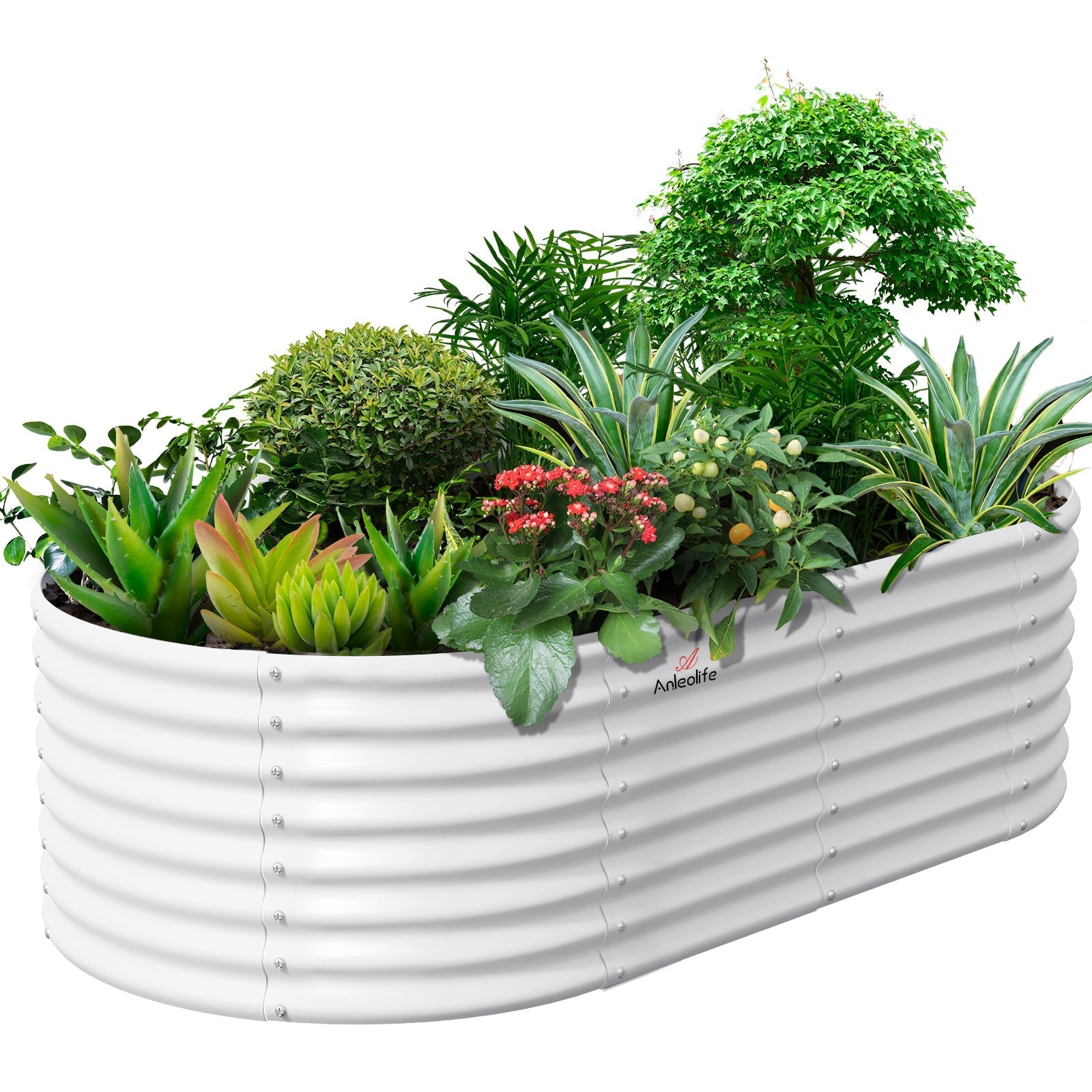


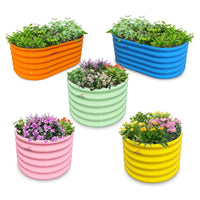



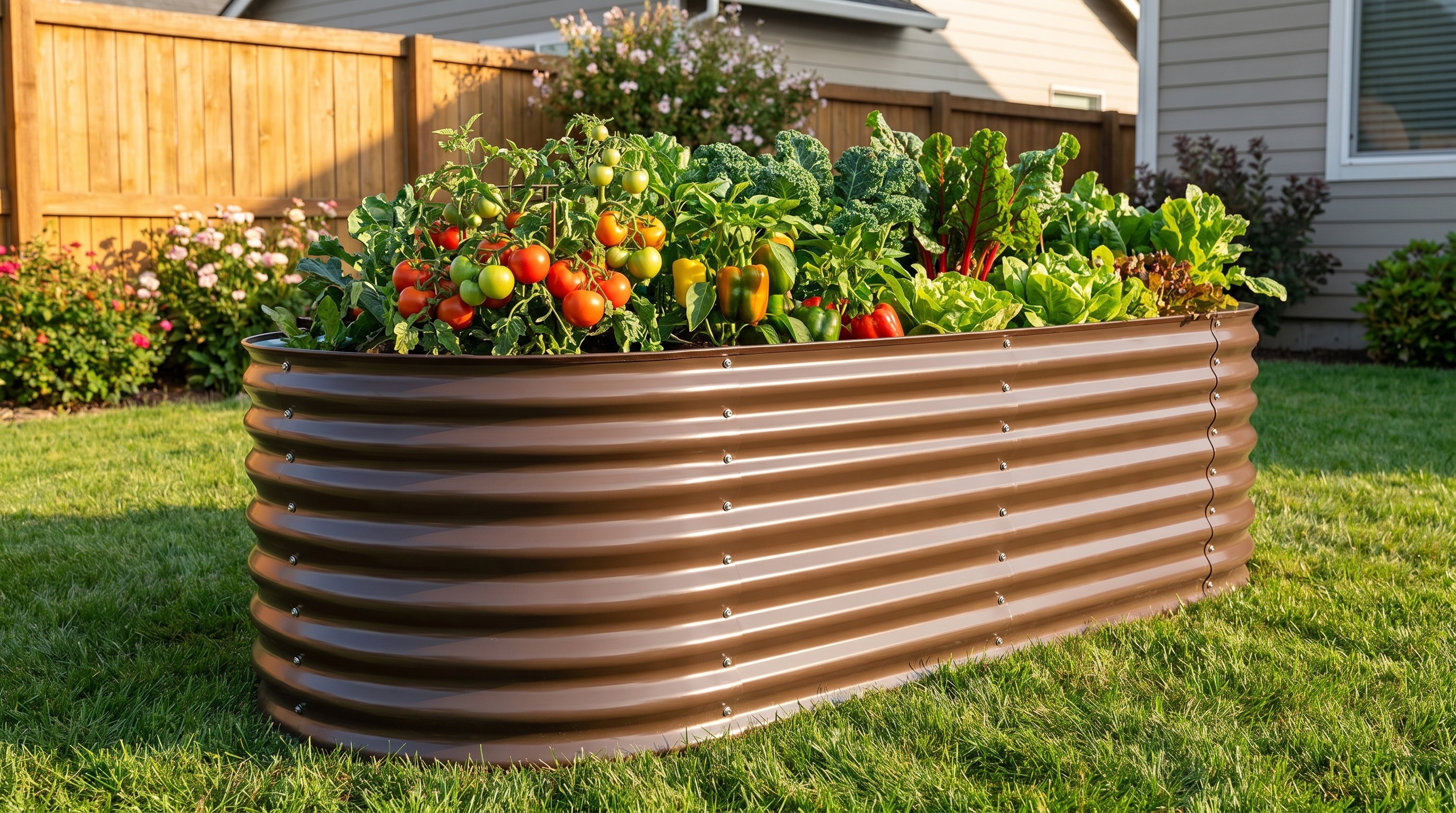
ALT: Metal raised garden beds growing fresh vegetables safely in a sunny backyard garden setting
Are Metal Raised Garden Beds Safe for Growing Vegetables? Here's the Truth
Key Conclusion: Metal raised garden beds are generally safe for growing vegetables when made from the right materials. Modern galvanized steel beds use a zinc-aluminum-magnesium coating that does not leach harmful levels of heavy metals into soil or food. Research consistently shows that properly manufactured metal garden beds pose no significant health risk to edible crops, making them one of the best materials for raised garden beds available today.
The safety question surrounding metal raised garden beds is one of the most searched concerns among new and experienced gardeners alike. Whether you're growing tomatoes for your family or cultivating herbs on a city balcony, understanding what your garden bed is made of—and what that means for your food—is a completely reasonable starting point.
Two key factors shape the safety conversation: the type of metal used and how it interacts with your soil over time. Fortunately, current manufacturing standards and material science have given us metal beds that are both durable and food-safe. In this guide, we'll walk through the science, address common misconceptions, and help you make a confident decision for your garden.
Who Should (and Shouldn't) Use Metal Raised Garden Beds for Vegetables
✅ Applicable Scenarios:
- Home vegetable gardeners who want a long-lasting, low-maintenance alternative to wood
- Urban micro-gardeners with limited patio or rooftop space who need compact, durable growing containers
- Eco-conscious growers seeking materials free from chemical treatments like pressure-treated lumber
- Empty nesters and retirees looking for ergonomic, taller beds that reduce bending and back strain
- Families in areas with poor native soil, clay-heavy ground, or known soil contamination
❌ Not Applicable/Cautions:
- Gardeners living in areas with extreme, prolonged soil acidity (below pH 5.5) should monitor zinc levels more closely, as acidic conditions can slightly accelerate mineral leaching
- Those planning to use uncoated, bare steel or scrap metal should avoid repurposing unknown industrial materials, as these may contain harmful alloys or coatings
- Anyone using corrugated roofing sheets with older lead-based or paint coatings should not repurpose these for food gardening without professional testing
The Science Behind Metal Garden Beds and Food Safety
The debate about metal raised garden beds and vegetable safety has been ongoing for years, but the science has become increasingly clear. The central concern typically revolves around one question: do metal garden beds leach toxic substances into the soil and, ultimately, into the food you eat?
To answer this properly, we need to look at what modern metal garden beds are actually made of—and what galvanization really means.
What Is Galvanized Steel?
Galvanized steel is steel that has been coated with a layer of zinc to prevent rusting. The process, known as hot-dip galvanization, creates a metallurgical bond between the zinc coating and the steel base. This zinc layer acts as a sacrificial barrier—it corrodes slowly so the steel underneath doesn't have to.
In modern garden-grade products, the coating has evolved significantly. Many manufacturers now use a zinc-aluminum-magnesium (ZAM) alloy coating, which is more corrosion-resistant than traditional pure zinc coatings and even less likely to interact with soil chemistry over time.
Is Zinc Toxic to Vegetables?
Zinc is actually an essential micronutrient for both plants and humans. In trace amounts, it supports enzyme function, immune health, and protein synthesis. The real concern is whether zinc from garden bed walls could accumulate in soil at levels high enough to harm plants or people.
Multiple university extension studies, including research from institutions affiliated with the U.S. Department of Agriculture, have found that zinc migration from galvanized containers into garden soil is minimal under normal growing conditions. The concentrations detected were well within safe thresholds established by environmental health agencies.
The key variable is soil pH. In neutral to slightly acidic soils (pH 6.0–7.0, which is ideal for most vegetables anyway), zinc remains largely insoluble and does not migrate significantly. Only in highly acidic conditions does leaching become a more notable concern—and even then, the amounts detected in studies remain far below harmful thresholds for food crops.
What About Older or Cheaper Metal Beds?
This is where due diligence matters. Older galvanized materials sometimes used cadmium as part of the coating process—a genuinely toxic heavy metal. However, cadmium has been largely phased out of modern galvanizing and is not present in compliant, contemporary garden products.
The takeaway: buy from reputable manufacturers who use food-safe or garden-safe certified materials, and you significantly reduce any theoretical risk.
Why Metal Outperforms Treated Wood for Safety
Here's a perspective flip that often surprises people: many wooden raised garden beds—especially older ones—were made with chromated copper arsenate (CCA)-treated lumber, which contains arsenic. While CCA has been banned for residential use in the U.S. since 2003, it still appears in older garden structures.
Even modern "safe" pressure-treated wood alternatives use copper-based compounds, which can leach into soil at higher concentrations than zinc from galvanized steel. From a chemical safety standpoint, high-quality galvanized steel beds are arguably the safer choice for food gardens.
How to Choose, Set Up, and Grow Safely in a Metal Raised Garden Bed
Three Steps to Getting Started the Right Way
Step 1: Choose the Right Metal Bed for Your Space and Goals
Start by identifying your growing area and what you plan to cultivate. For most vegetables, you'll want a bed that's at least 18 inches deep to support root systems properly. Taller beds—24 to 30 inches—reduce the need to bend or kneel, making them ideal for retirees or those with back concerns. Consider the footprint carefully: a 4x8-foot bed gives you ample space for mixed crops, while smaller 3x6-foot options work well for patios or tight yards. This step takes about 30 minutes of planning but saves you from costly resizing later.
Step 2: Prepare Your Site and Liner (Optional but Recommended)
Place your metal bed on level ground, ideally over cardboard or landscape fabric to suppress weeds. If you want an extra layer of assurance about soil contact with metal walls, you can line the interior sides with food-grade HDPE liner—though current research suggests this is more peace-of-mind than necessity for properly galvanized beds. Fill with a high-quality blend of topsoil, compost, and aged organic matter. This soil preparation step typically takes 1–2 hours depending on bed size, and your soil quality will directly impact your harvest.
Step 3: Plant, Monitor, and Maintain
Once your bed is filled and watered, it's ready for planting. Monitor soil pH seasonally using an inexpensive test kit—aim for 6.0–7.0 for most vegetables. Water consistently, as metal beds can drain more efficiently than in-ground plots. Fertilize organically where possible to maintain healthy microbial balance in your growing medium. Over successive seasons, your bed will develop a thriving soil ecosystem. The good news: a quality metal raised garden bed requires very little structural maintenance year after year.
Comparing the Best Materials for Raised Garden Beds
When choosing the right bed material, it helps to see a clear comparison. Each material has real trade-offs depending on your priorities.
| Comparison Dimension | Galvanized Steel | Untreated Wood | Plastic/Resin |
|---|---|---|---|
| Food Safety | High (zinc coating is stable, no harmful leaching under normal pH) | Moderate (depends on wood type; no chemical treatments ideal) | Variable (depends on resin grade; BPA-free models recommended) |
| Durability / Lifespan | Up to 20 years | 5–10 years (rotting, splitting) | 10–15 years (UV degradation risk) |
| Rust/Corrosion Resistance | Excellent (zinc-aluminum coating) | Poor (moisture causes rot) | Excellent |
| Aesthetic Appeal | Modern, clean, versatile | Natural, warm look | Functional, limited styles |
| Eco-Friendliness | Recyclable steel; long service life reduces waste | Renewable resource if sustainably sourced | Petroleum-based; harder to recycle |
| Assembly Ease | Tool-free or minimal tools | Requires cutting, screwing | Snap-together or bolt assembly |
| Height Options | Wide range from 18" to 35" waist-high | Custom but labor-intensive | Limited options |
| Best For | Long-term, food-safe, low-maintenance gardening | Traditional aesthetic preference | Lightweight portability |
The data is clear: for families and gardeners prioritizing longevity, food safety, and low maintenance, galvanized steel is consistently one of the best materials for raised garden beds on the market.
Understanding the Best Height for Your Raised Garden Bed
One of the most practical questions gardeners ask is about the best height for a raised garden bed—and the answer depends on who's gardening and what they're growing.
Standard 18-Inch Beds: Versatile and Popular
An 18-inch depth is widely considered a great all-purpose height. It provides enough root space for most vegetables—including tomatoes, peppers, carrots, and leafy greens—while keeping costs reasonable. This height is suitable for younger, more mobile gardeners who don't mind some bending.
Anleolife's galvanized steel beds are available in 18-inch heights across multiple footprints, from compact 4x4-foot configurations perfect for patios to generous 12x3-foot designs for serious vegetable production.
Extra-Tall 24–30 Inch Beds: For Comfort and Deep-Root Crops
For gardeners with back pain, mobility challenges, or those simply wanting a more comfortable experience, 24- to 30-inch beds are a game changer. At this height, you can tend your garden while standing or seated, eliminating the need to kneel or crouch for extended periods.
These taller beds are also excellent for root vegetables like parsnips or deep-growing squash that benefit from the extra soil volume. Anleolife offers extra-tall options in 24-inch and 30-inch heights, including their popular Extra Tall 8x4 ft and 6x3 ft models, giving serious growers the depth they need.
Waist-High 35-Inch Beds: The Gold Standard for Accessibility
The 35-inch waist-high raised garden bed is specifically designed for gardeners who want to work entirely without bending—a life-changing format for elderly gardeners, those with disabilities, or anyone recovering from surgery. Anleolife's 35-inch waist-high 4x1.5 ft model exemplifies this approach, bringing the joy of gardening within reach for everyone.
What Makes Anleolife Metal Beds a Smart Choice?
Anleolife has built a strong reputation in the North American market by engineering metal raised garden beds that take both safety and longevity seriously. Here's what sets their products apart:
Material Quality: Anleolife uses galvanized steel with rust-resistant coatings designed to withstand years of outdoor exposure, moisture, and temperature fluctuation without compromising soil safety.
Lifespan: Anleolife's metal raised garden beds are engineered for a 20-year lifespan—a remarkable value proposition compared to wood beds that typically need replacement within a decade. This extended service life also makes them an environmentally responsible choice, reducing material waste over time.
Size Variety: Whether you're an urban micro-gardener with a 48-inch-wide balcony or a suburban homeowner ready to dedicate a 12x3-foot stretch to food production, Anleolife has a configuration that fits. Their lineup spans 18-inch standard beds all the way to 35-inch waist-high models.
Assembly: Many users specifically highlight how easy Anleolife raised garden beds are to assemble—most models require no tools or only basic hand tools. Panels interlock or connect with simple fastening systems, allowing a single person to set up a full bed in under an hour. This is a significant advantage for solo gardeners, older adults, or those new to DIY.
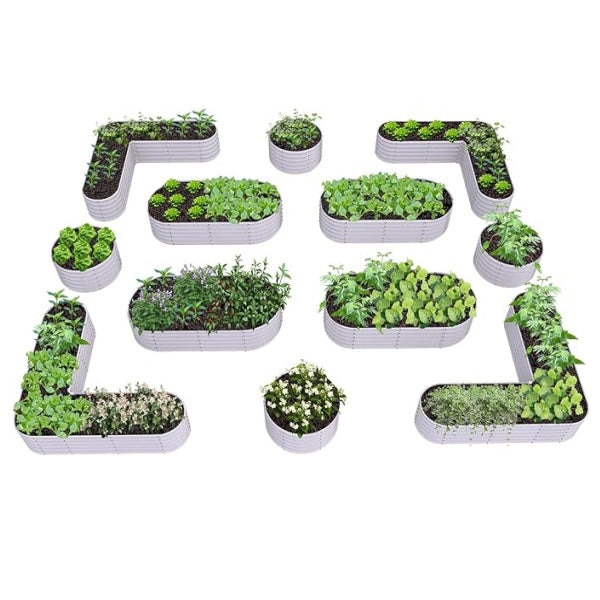
Modular Design: Anleolife's modular raised garden bed systems allow you to start small and expand as your gardening ambitions grow. You're not locked into one configuration—your garden can evolve with you.
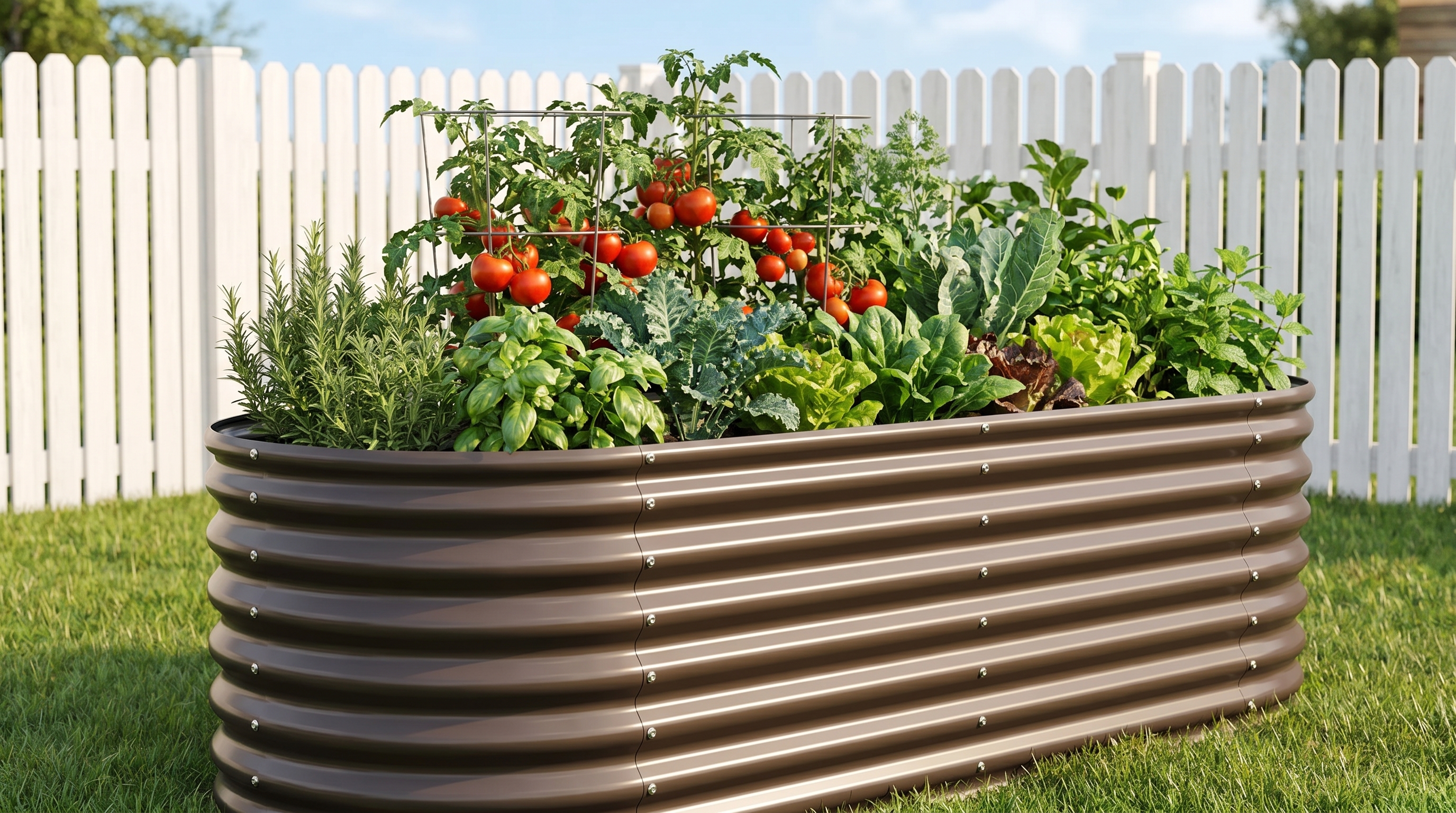
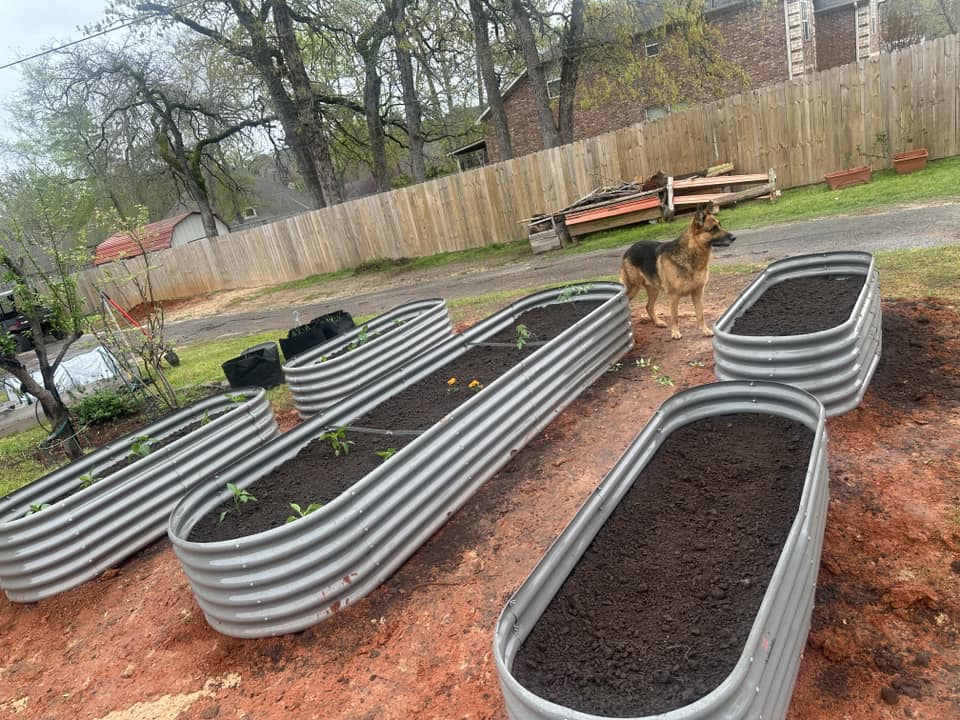
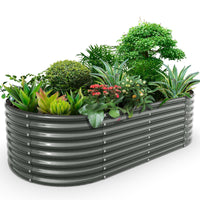
ALT: Anleolife galvanized steel raised garden bed filled with healthy vegetable plants growing safely in an outdoor garden
Advanced Considerations: Liners, Soil Chemistry, and Long-Term Safety
Do You Need a Liner Inside a Metal Raised Garden Bed?
This is a common follow-up question, and the honest answer is: not necessarily, but it can be beneficial in specific scenarios.
A food-grade HDPE or BPA-free polyethylene liner placed along the interior walls can serve as an additional physical barrier between soil and metal. For most modern galvanized beds, this is more about psychological comfort than scientific necessity—studies show that zinc migration into the soil is already minimal without a liner.
However, liners are genuinely useful for:
- Extending moisture retention in sandy or fast-draining soils
- Preventing soil loss through gaps in modular panel joints
- Extra assurance when growing highly sensitive root crops like carrots or beets that have direct soil contact throughout their development
What About Heat? Does Metal Make Soil Too Hot?
Metal conducts and absorbs heat more readily than wood or plastic. In peak summer, metal bed walls can get warm to the touch—and this raises a fair question about whether soil temperatures will harm vegetables.
In practice, soil acts as a significant thermal buffer. Even if the metal walls absorb afternoon sun, the soil 4–6 inches from the wall rarely reaches temperatures that stress plant roots. In fact, slightly warmer soil in spring can be an advantage, extending your growing season by several weeks in cooler climates.
If you're in an exceptionally hot climate (like southern Texas or Arizona), consider placing your bed where it receives partial afternoon shade, or plant a perimeter of heat-tolerant companion plants along the inside edges.
Clearing Up Common Misconceptions
Misconception 1: "All galvanized metal is the same."
Not true. The quality of the coating, the zinc-to-aluminum ratio, and the thickness of the material vary significantly between products. Higher-grade galvanization lasts dramatically longer and is more chemically stable. Always check manufacturer specifications and look for reputable brands with documented material standards.
Misconception 2: "Metal beds are only for experienced gardeners."
Metal raised garden beds are actually ideal for beginners precisely because they require minimal ongoing maintenance. No rotting, no warping, no need to treat or replace panels—just fill, plant, and grow.
Misconception 3: "You need expensive specialty soil for metal beds."
Standard high-quality garden soil or a Mel's Mix-style blend (compost, vermiculite, and peat or coconut coir) works excellently in metal raised beds. The key is good drainage and organic richness—not anything specific to the container material.
Frequently Asked Questions FAQ
Q1: How easy are Anleolife raised garden beds to assemble without tools?
Most Anleolife raised garden beds are designed for straightforward, tool-free or minimal-tool assembly. Panels typically interlock using a secure connecting system that a single person can manage without specialized skills. Many customers report completing assembly in under an hour. The modular design also means you can expand or reconfigure your setup over time without needing professional help, making it an excellent choice for first-time gardeners and experienced growers alike.
Q2: Are galvanized metal raised garden beds safe for growing edible vegetables long-term?
Yes, extensive research and real-world growing experience confirm that modern galvanized steel beds are safe for vegetables under typical growing conditions. Zinc—the primary coating material—is an essential nutrient in trace amounts and does not leach into soil at harmful levels in neutral-to-slightly-acidic pH environments. Unlike older pressure-treated wood, galvanized steel contains no arsenic or chromates. For long-term peace of mind, maintain soil pH between 6.0–7.0 and choose beds from reputable manufacturers like Anleolife that use quality-grade galvanization.
Q3: How long do metal raised garden beds typically last, and are they worth the investment?
A high-quality galvanized steel raised garden bed can last significantly longer than wood alternatives. Anleolife's metal raised garden beds are engineered for a 20-year lifespan, compared to 5–10 years for untreated wood. When you factor in the cost of replacing wooden beds two or three times over the same period, the long-term value of metal is clear. Delivery from Anleolife's nationwide U.S. warehouse network typically arrives within 3–8 business days, meaning you can start your garden project quickly without long waits.
Summary
Metal raised garden beds, when made from properly galvanized steel, are a safe, smart, and durable choice for growing vegetables. Here are the three key takeaways to carry with you:
- Safety is well-supported by science: Modern galvanized coatings do not leach harmful levels of zinc or other metals under normal gardening conditions. Maintained at the right soil pH, metal beds are as food-safe as any other garden container option—and often safer than older wood alternatives.
- Longevity and value are unmatched: With a potential lifespan of up to 20 years, galvanized steel beds represent a one-time investment that pays dividends across decades of harvests. They resist rot, warping, and structural failure in ways that wood simply cannot.
- Practical design makes gardening better: From choosing the right height for comfort and crop depth, to tool-free assembly that gets beginners started fast, well-designed metal beds remove barriers and invite more people into the joy of growing their own food.
Your next step is simple: assess your available space, decide on the height that fits your lifestyle, and choose a bed size that matches your gardening goals. Start with a single bed, experience the results, and expand when you're ready.
Upgrade Your Garden with Anleolife
Anleolife operates a nationwide U.S. warehouse network strategically located in California, Texas, Florida, New York, Illinois, and Washington—ensuring delivery within 3–8 business days so your garden upgrade plans never have to wait.
Products are available across major e-commerce platforms including Amazon, Walmart, Home Depot, Lowe's, and Wayfair, as well as directly at Anleolife.com, with consistent quality assurance and dedicated after-sales support wherever you shop.
Anleolife's three core scenarios cover everything you need: Planting (metal raised garden beds, soil systems), Raising (chicken coops, rabbit hutches), and Beautification (decorative accessories, pathway systems)—meeting the full spectrum of needs from pure functionality to garden aesthetics.
We understand that an ideal garden isn't built in a single afternoon—it grows with you. Anleolife's modular product design allows flexible expansion based on your needs, from your first raised garden bed to a fully integrated planting-and-raising ecosystem. We're here for every step of that journey.
References
- U.S. Department of Agriculture, National Institute of Food and Agriculture. "Raised Bed Gardening".
https://www.nal.usda.gov/farms-and-agricultural-production-systems/raised-bed-gardening - University of Minnesota Extension. "Raised bed gardening".
https://extension.umn.edu/yard-and-garden/raised-bed-gardening - Colorado State University Extension. "Zinc in Garden Soils".
https://extension.colostate.edu/topic-areas/yard-garden/zinc-garden-soils/ - UC Agriculture and Natural Resources (UC ANR). "Building Healthy Soil in Raised Beds".
https://ucanr.edu/ - U.S. Environmental Protection Agency. "Healthy Garden Practices and Soil Safety".
https://www.epa.gov/safepestcontrol/lawn-and-garden
Note: Standards and research findings may be updated over time. Please check the latest official documents or consult a certified horticultural professional for the most current guidance.
About Anleolife
Anleolife is a leading outdoor garden solutions provider in North America, dedicated to offering a full-scenario product ecosystem for home gardening enthusiasts, covering planting, raising, and garden beautification. Since its founding, we have upheld our brand mission, "Made for Garden Life," continuously innovating products and optimizing services to help hundreds of thousands of users upgrade their gardens, reconnect with nature, and enjoy a better garden lifestyle.