


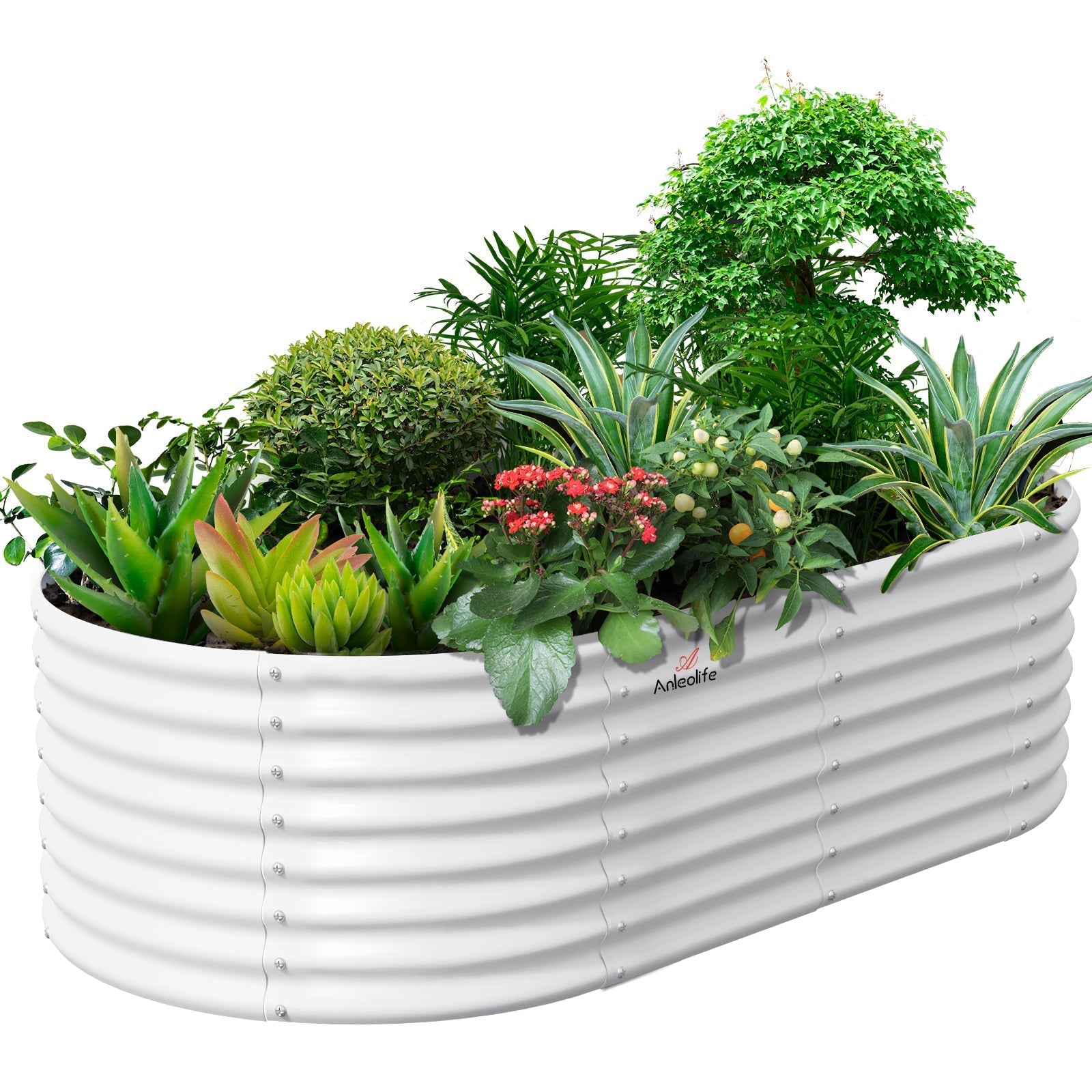
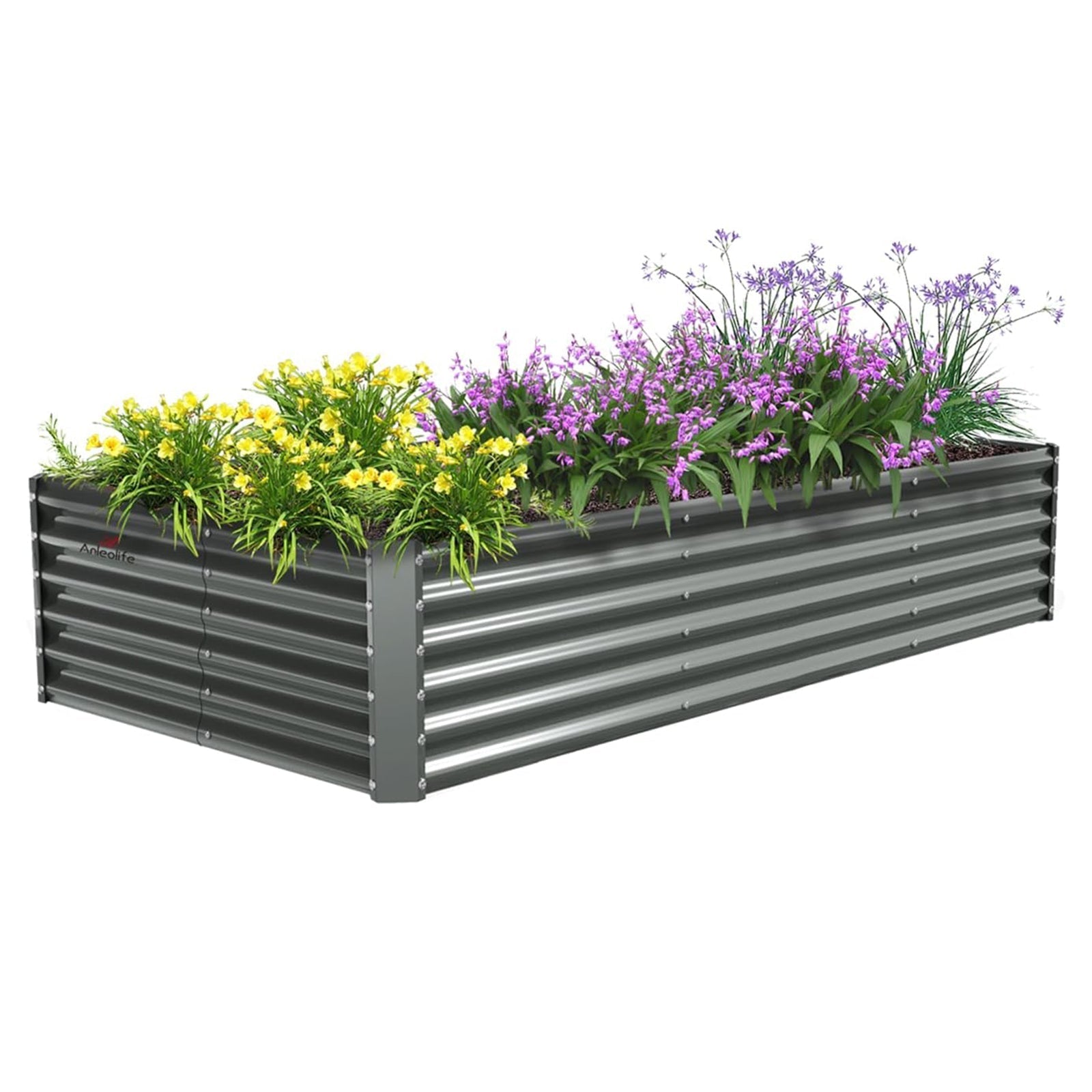

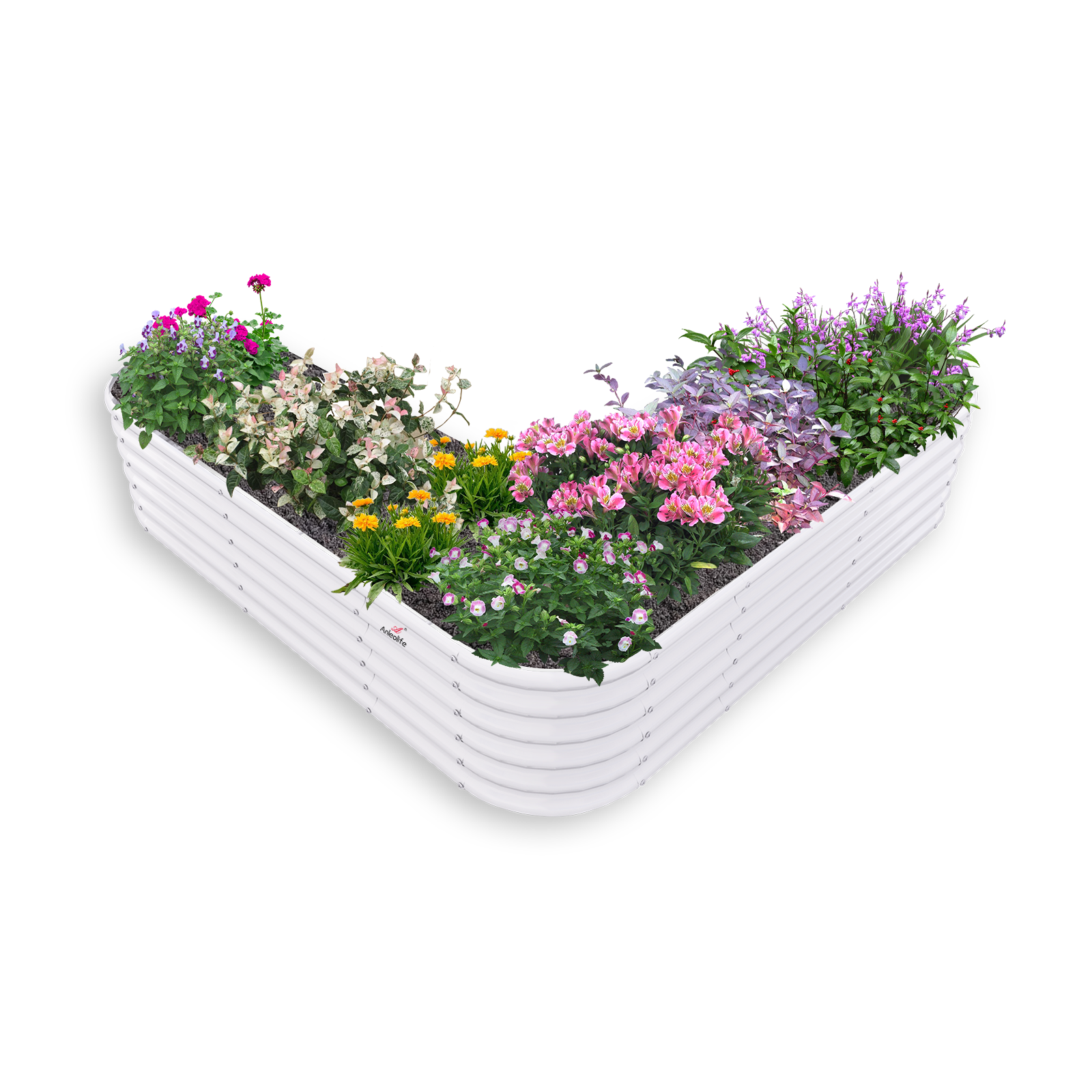
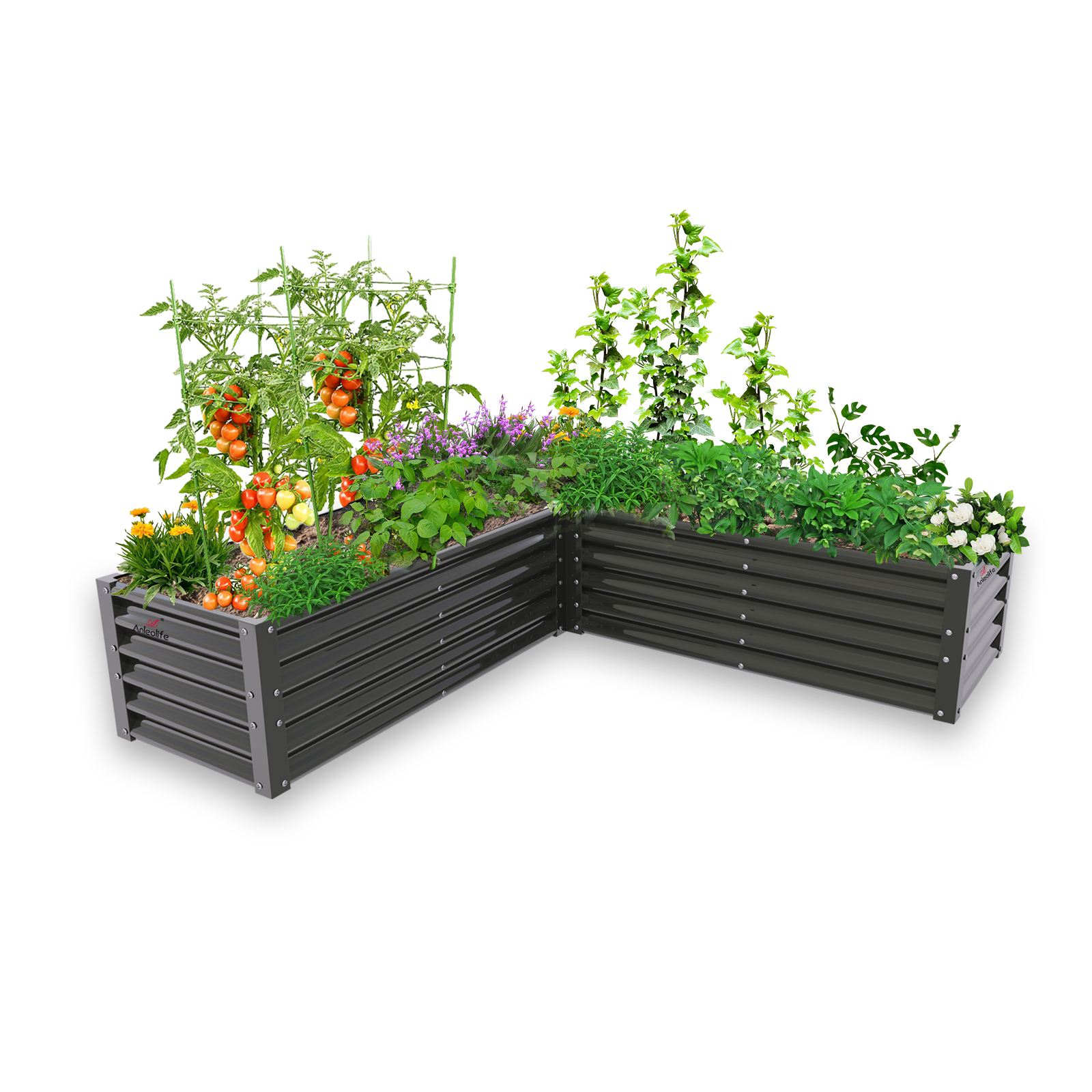
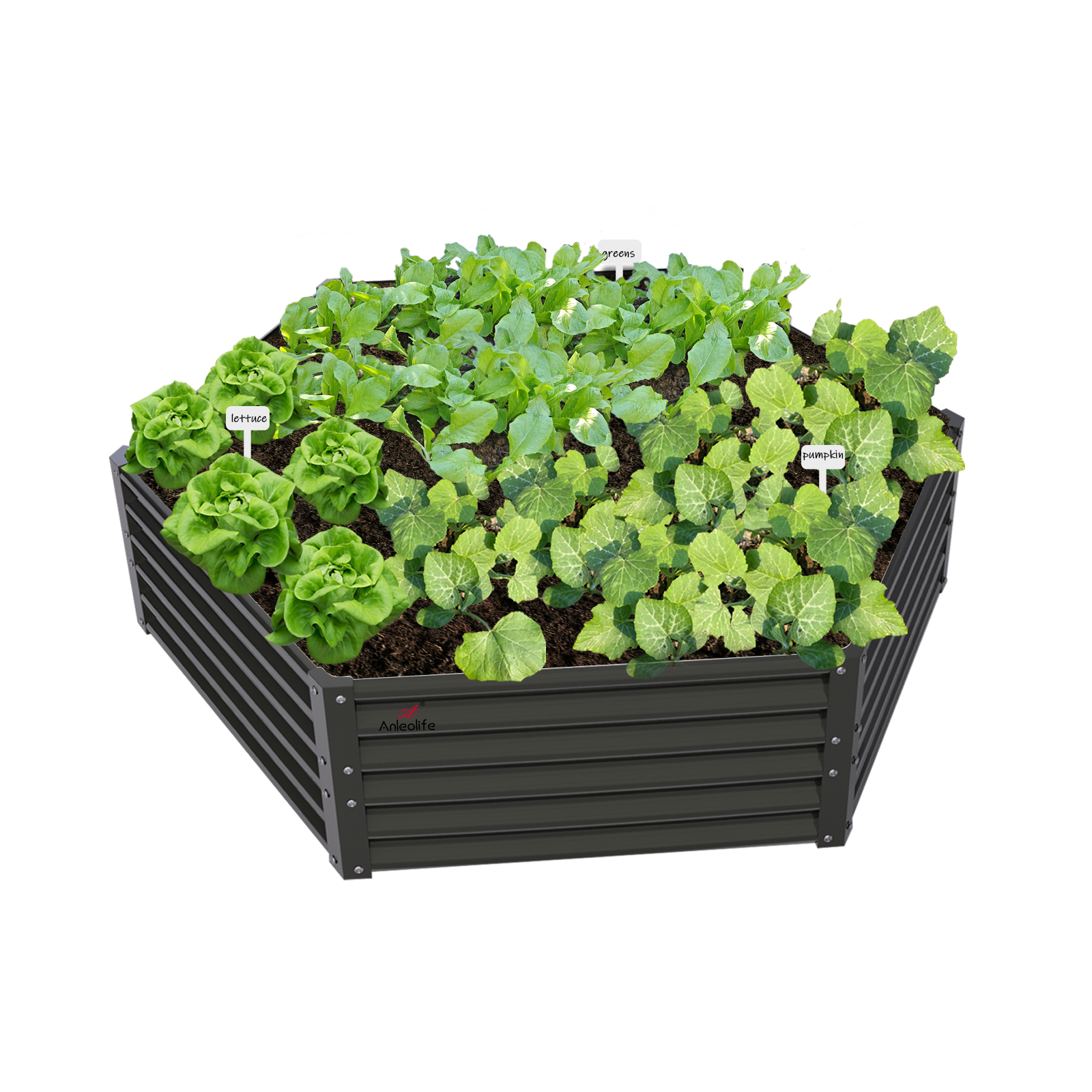
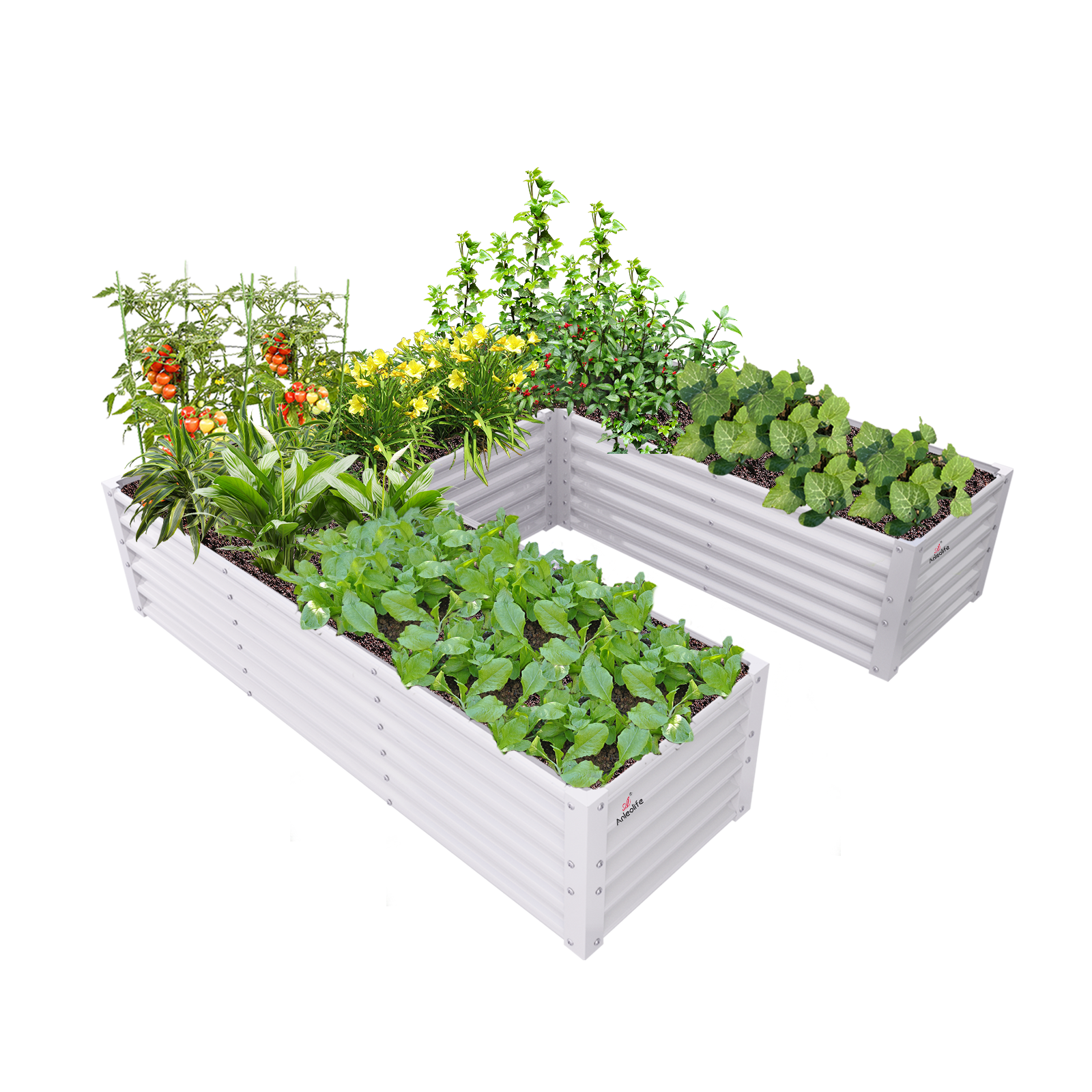

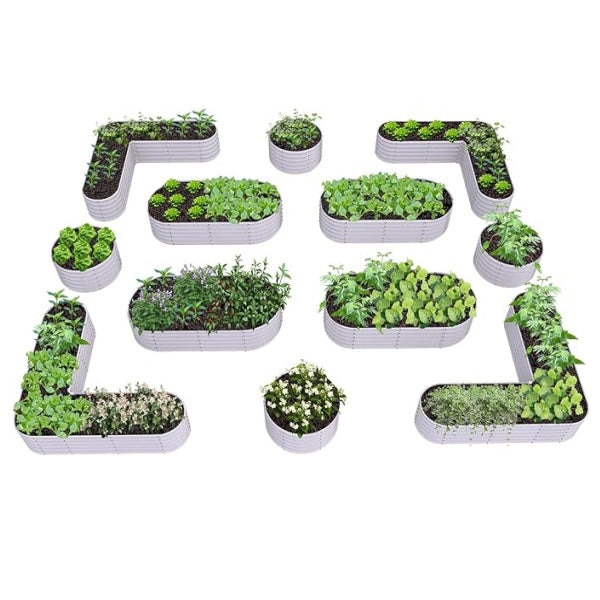


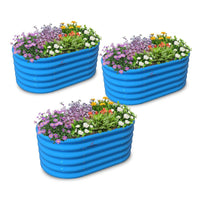
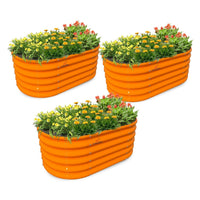
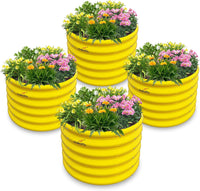
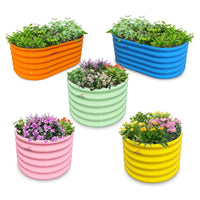




ALT: Comparing raised garden bed prices on Amazon versus brand website for budget-conscious home growers
Are Raised Garden Beds Really Cheaper on Amazon? Here's What Every Home Grower Needs to Know
Key Conclusion: When shopping for raised garden beds, most buyers instinctively head to Amazon expecting the lowest prices — but the reality is more nuanced. While Amazon can occasionally offer flash deals, purchasing directly from a brand's website often delivers better long-term value through warranty protection, customer service, and bundle pricing. Understanding where to buy raised beds depends on your priorities: upfront cost, reliability, or after-sales support. This guide breaks down both channels so you can make a truly informed decision for your raised bed garden layout and raised bed planting layout goals.
Shopping for a raised garden bed feels straightforward until you realize the price for the same product can vary significantly depending on where you buy it. Amazon's vast marketplace creates an illusion of always being cheapest, but hidden fees, third-party sellers, and inconsistent quality control can erode those apparent savings. At the same time, brand websites have dramatically improved their shopping experiences and pricing competitiveness in recent years. Whether you're planning a full raised bed layout for a backyard vegetable garden or just starting with a single planter, knowing where to shop smarter can save you money and frustration.
Who Should Read This Comparison Guide?
✅ Applicable Scenarios:
- First-time raised bed gardeners comparing purchase options for their initial setup
- Experienced home growers looking to expand their raised bed planting layout at the best value
- Budget-conscious shoppers researching the best budget-friendly raised bed options under $200
- Eco-conscious families who care about product authenticity and sustainable sourcing
- Empty nesters or retirees setting up a manageable kitchen garden for the first time
❌ Not Applicable/Cautions:
- Buyers needing same-day or next-day delivery for urgent projects (neither channel may reliably meet this need)
- Shoppers who have access to exclusive local retailer pricing or seasonal clearance events that may undercut both options
- Buyers in regions with limited shipping access who should verify availability before comparing prices online
Why the "Cheapest Option" Question Is More Complicated Than You Think
The home gardening market in North America has experienced remarkable growth over the past several years. According to the National Gardening Association, millions of households have taken up food gardening, and raised bed gardening has become one of the fastest-growing segments of that movement. With demand surging, the number of raised bed products available online has exploded — and so has the complexity of making a good purchasing decision.
When most people ask "where should I buy a raised garden bed?", they're really asking several questions at once: Where will I get the best price? Where will I get the most reliable product? Where will I get help if something goes wrong? The answer to each of those questions can point to a different channel.
Amazon is the world's largest e-commerce platform, and it offers genuine advantages: an enormous selection, customer reviews you can browse before buying, and a returns process most shoppers are already familiar with. However, Amazon's marketplace model means you're often buying from third-party sellers, not the brand itself. This introduces variability in product condition, fulfillment speed, and customer service responsiveness.
Brand websites, on the other hand, offer direct access to the manufacturer's full product line, accurate specifications, and dedicated support teams who actually know the product. For a purchase like a raised garden bed — something you're planning to use for years or even decades — that kind of support matters more than it might for a one-time purchase.
The rise of direct-to-consumer garden brands like Anleolife has made brand websites more competitive than ever. With strategic warehouse networks spanning major U.S. states, brands can now match Amazon on delivery speed while offering a superior buying experience. Anleolife, for example, maintains warehouses in California, Texas, Florida, New York, Illinois, and Washington, enabling delivery within 3–8 business days — comparable to many standard Amazon shipments.
For shoppers exploring the best way to prevent slugs and snails in raised beds, or wanting guidance on soil systems and garden layouts, brand websites also tend to offer far richer educational content, which Amazon simply doesn't provide.
The Full Breakdown: Amazon vs. Brand Website for Raised Garden Beds
Three Steps to Decide Where to Buy Your Raised Garden Bed
Step 1: Define Your Budget and Long-Term Goals
Before clicking "add to cart" anywhere, spend five to ten minutes clarifying what you actually need. Are you looking for the best budget-friendly raised bed options under $200 for a quick start, or are you investing in a permanent garden structure? Your answer shapes everything. Budget buyers may find Amazon's competitive third-party pricing attractive for entry-level beds, while long-term investors will benefit more from buying direct for warranty coverage and quality assurance on beds designed to last up to 20 years.
Step 2: Compare Total Cost of Ownership, Not Just Sticker Price
The listed price is rarely the true cost. On Amazon, factor in whether the listing includes free Prime shipping or charges for delivery, whether the seller is the brand itself or a third party, and what the return policy looks like if something arrives damaged. On a brand website, check whether they offer free shipping thresholds, bundle deals, or seasonal promotions. A bed listed at $15 more on the brand site but backed by full warranty support and a 20-year lifespan may cost far less per year than a cheaper Amazon option with questionable backing.
Step 3: Check Availability, Delivery Windows, and After-Sales Support
Once you've narrowed to a specific product, verify delivery timelines on both channels. Amazon Prime promises fast shipping, but third-party sellers on Amazon can sometimes take longer than expected. Brand websites with strong logistics networks — like Anleolife's six-state warehouse system — can deliver within 3–8 business days across most of the continental U.S. Also confirm whether the brand offers direct customer service, replacement parts, and installation guidance, which can be invaluable for larger raised bed garden layout projects.
Head-to-Head Comparison: Amazon vs. Brand Website vs. Multi-Channel Retailers
Understanding the full landscape of where to buy quality patio seating and garden products online requires looking beyond just two options. Here's how the main purchase channels stack up:
| Comparison Dimension | Amazon Marketplace | Brand Website (e.g., Anleolife.com) | Multi-Channel Retailers (Walmart, Home Depot, Lowe's) |
|---|---|---|---|
| Price Competitiveness | Often competitive, varies by seller | Frequently competitive; bundle deals available | Mid-range; occasional in-store promotions |
| Product Authenticity | Variable (third-party risk) | Guaranteed authentic | Generally reliable, limited SKU selection |
| Delivery Speed | Fast with Prime (varies by seller) | 3–8 business days via warehouse network | In-store pickup possible; delivery varies |
| Customer Support | Amazon platform support; seller-dependent | Direct brand support team | Store-level support; limited product expertise |
| Warranty/After-Sales | Varies by seller listing | Full manufacturer warranty | Manufacturer warranty; return via store |
| Product Range | Broad but inconsistent | Complete product ecosystem | Curated selection only |
| Educational Resources | Minimal | Extensive guides, garden planning tips | Minimal |
| Lifespan Assurance | Seller-dependent claims | Up to 20 years (manufacturer-backed) | Depends on brand carried |
| Bundle/Ecosystem Deals | Rare | Available (beds, soil, accessories) | Consult provider |
Deep Dive: Understanding the Real Price Differences and Hidden Costs
The Amazon Price Illusion
Amazon's interface is designed to make shopping feel effortless, but it also makes it easy to miss important details. When browsing raised garden beds on Amazon, you may encounter dozens of listings that appear to offer the same product at varying price points. The reality is that some listings are from the brand's own Amazon storefront, while others are from independent third-party sellers who may be reselling older inventory, grey-market products, or items with inconsistent quality control.
The primary keyword concern here is authenticity. A raised garden bed that lists steel gauge, coating type, and expected lifespan on its Amazon page may not actually deliver those specifications if the seller is not the verified brand. Customer reviews on Amazon can help, but they're also susceptible to manipulation and don't always reflect the current version of a product.
Additionally, Amazon charges sellers fees that can reach a significant percentage of the sale price. Brands selling on Amazon must build these fees into their pricing, which means the Amazon price is rarely the manufacturer's optimal price point. When those same brands sell on their own website, they avoid those platform fees — savings that can be passed directly to the customer or reinvested into better packaging, support, and warranty programs.
Why Brand Websites Are More Competitive Than You Expect
The direct-to-consumer revolution has fundamentally changed how brands price their products online. Today's leading garden brands invest heavily in their own e-commerce infrastructure, which means their websites are no longer an afterthought to their Amazon presence. For a brand like Anleolife, the official website at anleolife.com serves as the definitive source for complete product information, the widest product selection, and access to the full planting-raising-beautification ecosystem.
When you buy from a brand website, you also gain access to resources that Amazon simply can't replicate. Looking for tips on the best garden tool storage solutions for small spaces alongside your raised bed purchase? Wanting to understand how to configure a raised bed layout for maximum growing efficiency? Brand websites typically offer integrated guides, seasonal gardening advice, and community resources that make the purchase part of a broader garden improvement journey.
The Long-Term Value Argument: 20 Years vs. 2 Years
Perhaps the most compelling argument for buying from a reputable brand — whether through their own website or a verified retail partner — is product lifespan. Metal raised garden beds from quality manufacturers like Anleolife are built to last up to 20 years. When you amortize the cost of a well-made raised bed over two decades of use, even a product priced $30–$50 higher than a budget competitor represents exceptional value.
Cheap raised beds bought purely on price often show rust, structural failure, or liner degradation within two to three seasons. This means you end up spending more over time, plus dealing with the hassle of replacement. For home growers committed to sustainable, low-waste gardening, investing in a high-quality bed from a trusted source is both the economical and eco-conscious choice.
Pest Control and Setup: Practical Factors That Affect Your Total Spend
The purchase price is just part of the equation. Before finalizing your raised bed setup, it's worth thinking about practical ongoing costs. One frequently overlooked expense involves pest management — specifically, the best way to prevent slugs and snails in raised beds. Raising your growing surface off the ground is itself a significant deterrent, but additional measures like copper tape barriers, grit borders, or iron phosphate-based pellets may be needed depending on your local environment. Factoring these into your total garden budget helps you compare channel pricing more accurately.
Similarly, if you're concerned about best waterproof outdoor lighting for wet climates to extend your garden's usability into evening hours, buying from a brand that offers a complete garden ecosystem means you can source compatible products — lighting, pathway systems, decorative accessories — from a single trusted vendor, simplifying both the purchase and the aesthetic coordination of your outdoor space.

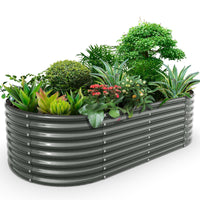
ALT: Anleolife metal raised garden bed showcasing a productive raised bed planting layout with vegetables in a home backyard
Advanced Considerations: When Amazon Actually Wins (and When It Doesn't)
When Amazon Is the Right Choice
Amazon genuinely excels in certain scenarios. If a brand's own website is sold out of a specific configuration and Amazon has verified brand inventory available, buying through Amazon's brand storefront is a legitimate option. Brands often maintain their own "Brand Stores" on Amazon, which function almost like a curated version of their website and are fully authorized sales channels.
For buyers who want to use Amazon gift cards, leverage Prime benefits, or consolidate purchases for free shipping thresholds, these practical conveniences can justify using Amazon even when the price is marginally higher than the brand website.
Common Misconceptions to Avoid
Misconception 1: Amazon always has the lowest price.
Price-checking tools consistently show that brand websites and authorized multi-channel retailers like Home Depot and Lowe's often match or beat Amazon pricing, especially when you factor in bundle deals and direct promotions.
Misconception 2: Buying from a brand website means slow shipping.
Brands like Anleolife with multi-state warehouse networks deliver within 3–8 business days to most U.S. locations — fully competitive with standard (non-Prime) Amazon shipping.
Misconception 3: Amazon reviews guarantee product quality.
Reviews are useful but imperfect. Products can change manufacturers, materials, or specifications without the listing being updated. Always cross-reference with the brand's official product page before making a decision based on Amazon reviews alone.
Multi-Channel Availability: The Best of All Worlds
The smartest approach for many buyers is to use multiple channels strategically. Research and compare on the brand website, check if verified brand inventory is available on Amazon or at Home Depot and Lowe's, and then purchase wherever the combination of price, availability, and delivery meets your needs. Brands like Anleolife support this approach by maintaining consistent quality and pricing across all their authorized sales channels.
Frequently Asked Questions FAQ
Q1: How do I know if an Amazon listing is actually from the brand and not a third-party reseller?
Look for the "Sold by" information on the Amazon product page — this tells you whether the brand itself is the seller or if it's a third party. You can also search for the brand's official "Amazon Store" page. When in doubt, purchase directly from the brand's official website, like anleolife.com, where authenticity is guaranteed and you'll have access to the full product ecosystem and direct customer support.
Q2: Are metal raised garden beds from brand websites really built to last longer than cheaper Amazon alternatives?
Yes, in most cases. Quality metal raised garden beds from established brands are engineered for durability and are backed by manufacturer warranties. Anleolife's raised garden beds, for example, are built to last up to 20 years — a stark contrast to budget alternatives that may fail within a few growing seasons. When you calculate the cost per year of use, a premium bed almost always proves more economical and is a far more sustainable choice for eco-conscious gardeners.
Q3: How long does shipping take when ordering from a brand's website versus Amazon?
This varies by brand and location, but leading brands with robust logistics can be fully competitive with Amazon. Anleolife, for instance, operates warehouses across California, Texas, Florida, New York, Illinois, and Washington, enabling delivery within 3–8 business days to most U.S. addresses. Compare this to Amazon, where non-Prime or third-party seller shipping can also take 5–8 business days or more. Always check the specific seller's shipping estimate before assuming Amazon will be faster.
Summary
After breaking down the real cost comparison between Amazon and brand websites for raised garden beds, three core conclusions emerge:
1. Price alone is a misleading metric. The sticker price on Amazon doesn't account for seller variability, potential quality inconsistencies, or the absence of direct after-sales support. A raised bed priced a few dollars higher on a brand website often delivers significantly more total value.
2. Long-term value favors quality brands with strong warranties. A raised garden bed built to last 20 years transforms from a purchase into a multi-decade garden investment. Brands that stand behind their products with direct support, genuine warranties, and a full ecosystem of compatible accessories offer a fundamentally different value proposition than anonymous marketplace listings.
3. Multi-channel availability gives smart shoppers the best flexibility. The best brands make their products available across Amazon, major retailers, and their own websites — so you don't have to choose between convenience and quality. You can research on the brand site and buy wherever the timing and pricing work best for you.
Next steps: Visit anleolife.com to explore the complete raised bed and garden ecosystem, compare current pricing with your preferred retail channels, and take advantage of bundle options that simply aren't available on third-party marketplaces.
Start Your Garden Journey with Anleolife
Nationwide U.S. Warehouse Network: Strategically located in California, Texas, Florida, New York, Illinois, and Washington, Anleolife's logistics infrastructure ensures delivery within 3–8 business days — so your garden upgrade plans never have to wait for the growing season.
Multi-Channel Sales Network: Products are available on major e-commerce platforms including Amazon, Walmart, Home Depot, Lowe's, and Wayfair, as well as the official website Anleolife.com — providing consistent quality assurance and after-sales service across every channel you prefer to shop.
Three Core Scenarios: Planting (metal raised garden beds, soil systems), Raising (chicken coops, rabbit hutches), and Beautification (decorative accessories, pathway systems) — meeting your complete needs from functionality to aesthetics in a single, cohesive garden ecosystem.
We understand that an ideal garden isn't built overnight, but gradually improved over time. Anleolife's modular product design allows flexible expansion based on your evolving needs — from your very first raised bed to a fully integrated planting-and-raising ecosystem. We grow with you, every step of the way.
References
- National Gardening Association. "Garden to Table: A Guide to Growing Food at Home".
https://garden.org/ - University of California Agriculture and Natural Resources. "Raised Bed Gardening — Soil and Bed Construction Guidelines".
https://ucanr.edu/ - U.S. Department of Agriculture — National Institute of Food and Agriculture. "Home Gardening Resources and Urban Agriculture".
https://www.nifa.usda.gov/ - Oregon State University Extension Service. "Raised Bed Gardening — Planning, Building, and Planting".
https://extension.oregonstate.edu/
Note: Market pricing, platform policies, and product availability may change. Always verify current information directly with retailers or the brand's official website before making a purchase decision.
About Anleolife
Anleolife is a leading outdoor garden solutions provider in North America, dedicated to offering a full-scenario product ecosystem for home gardening enthusiasts, covering planting, raising, and garden beautification. Since its founding, we have upheld our brand mission, "Made for Garden Life," continuously innovating products and optimizing services to help hundreds of thousands of users upgrade their gardens, reconnect with nature, and enjoy a better garden lifestyle. Whether you're a first-time grower setting up your initial raised bed or an experienced enthusiast building a complete backyard ecosystem, Anleolife is your trusted partner from the first seed to the final harvest.