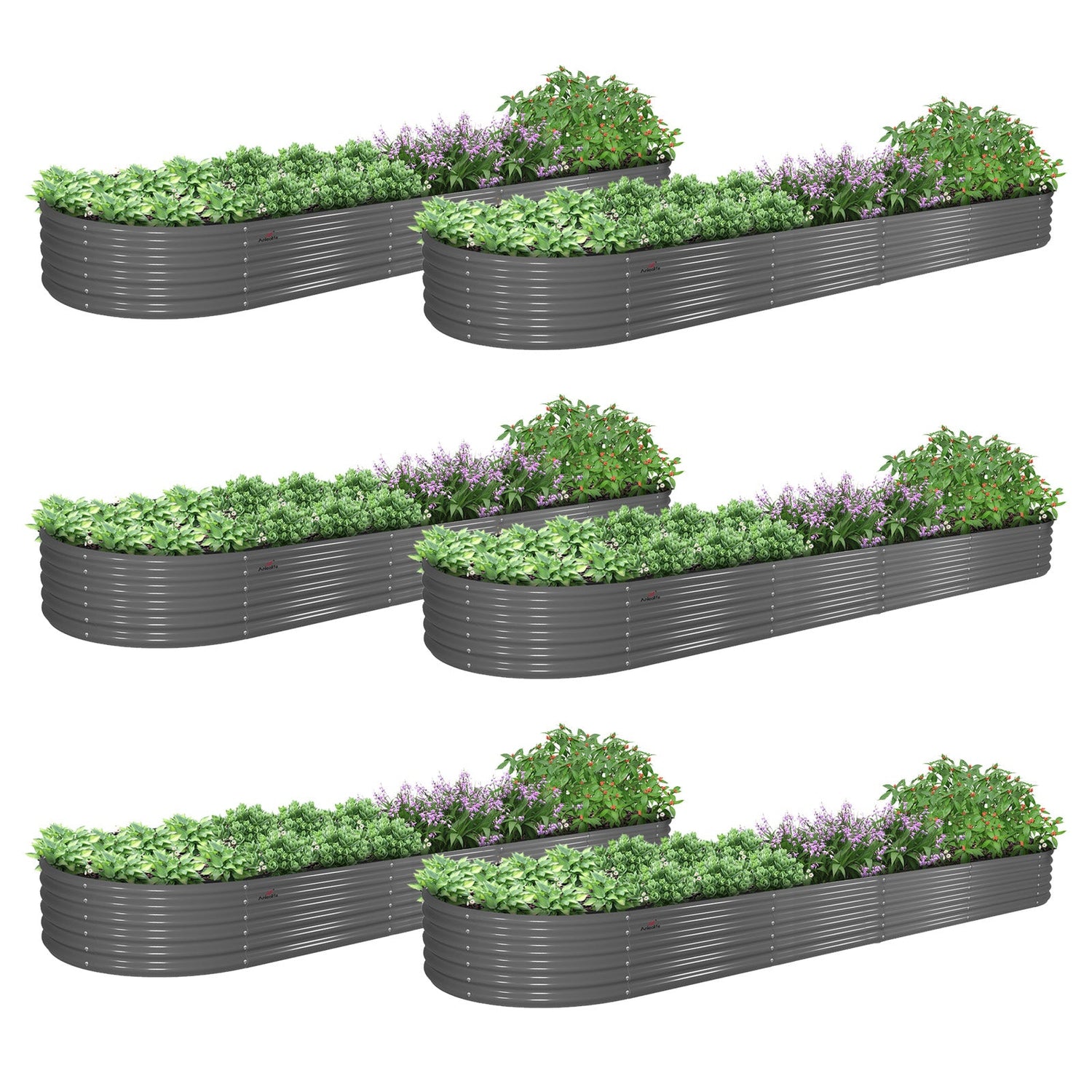



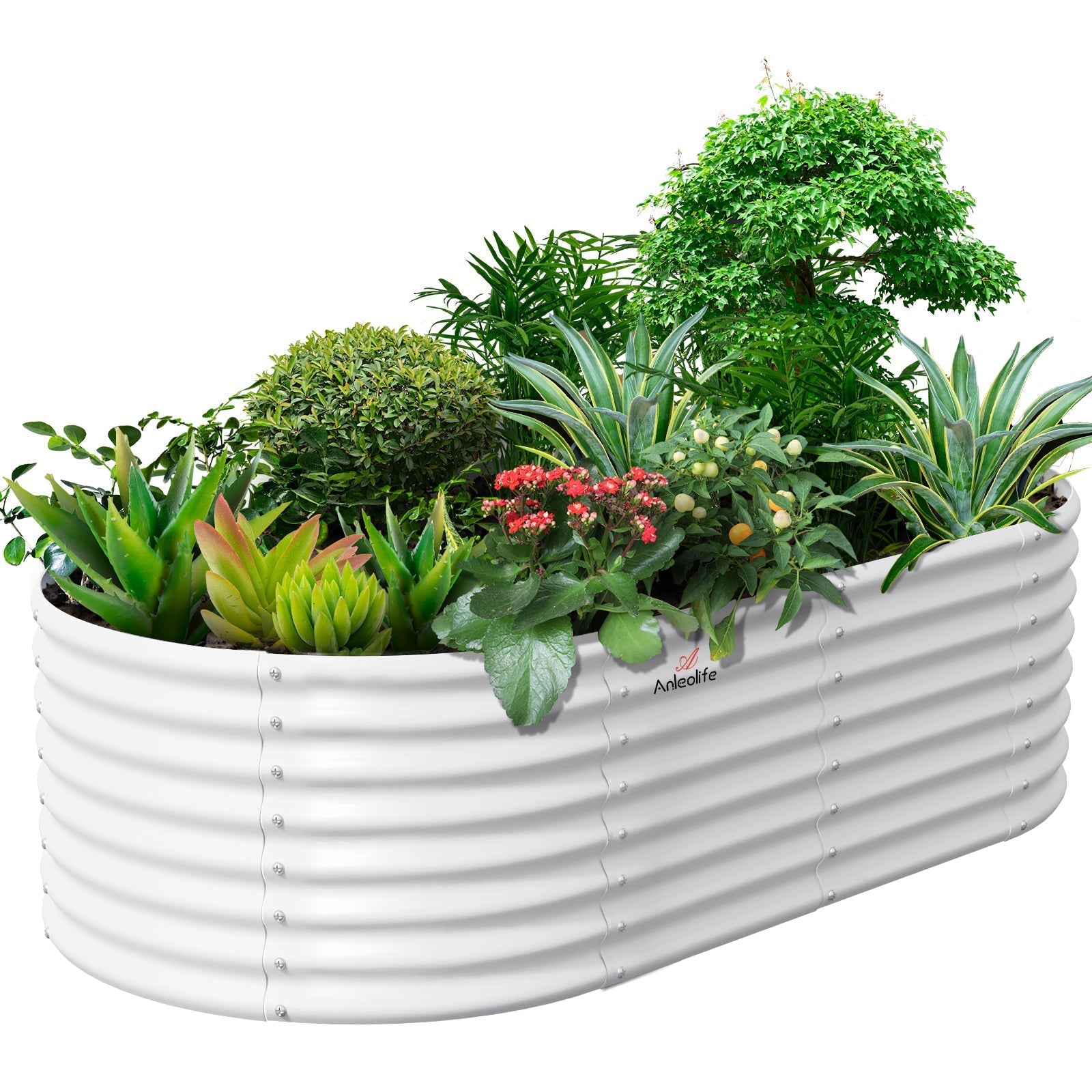
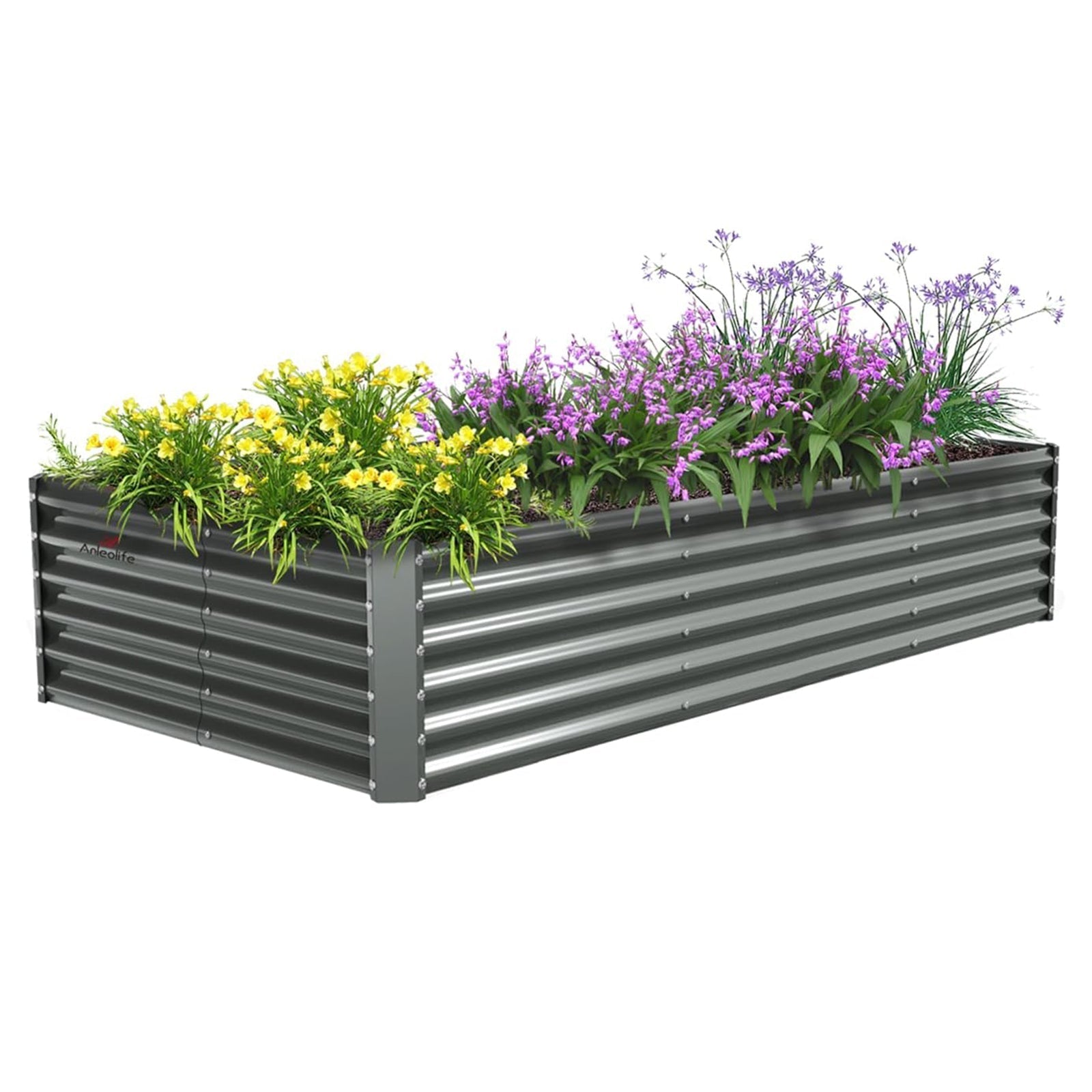

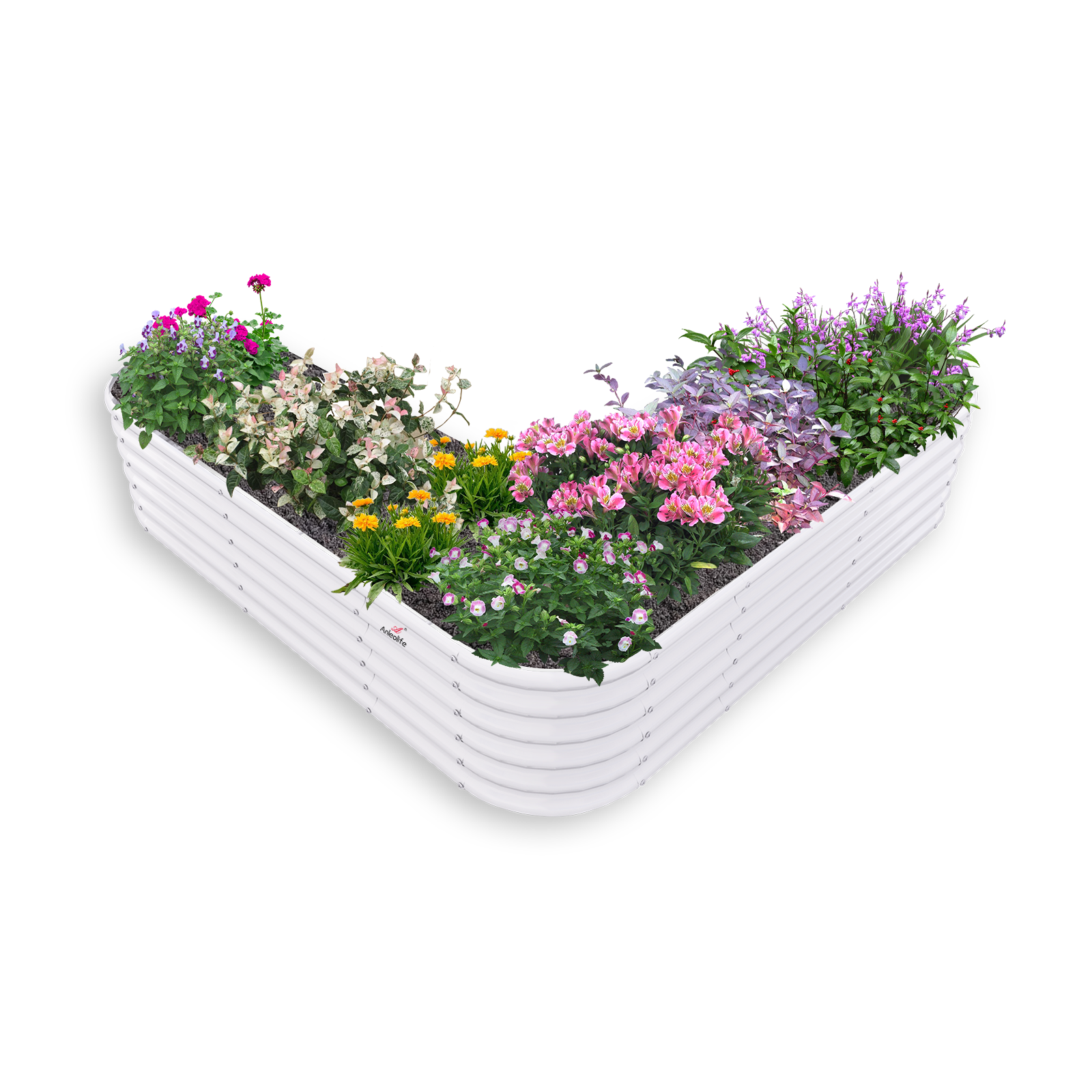
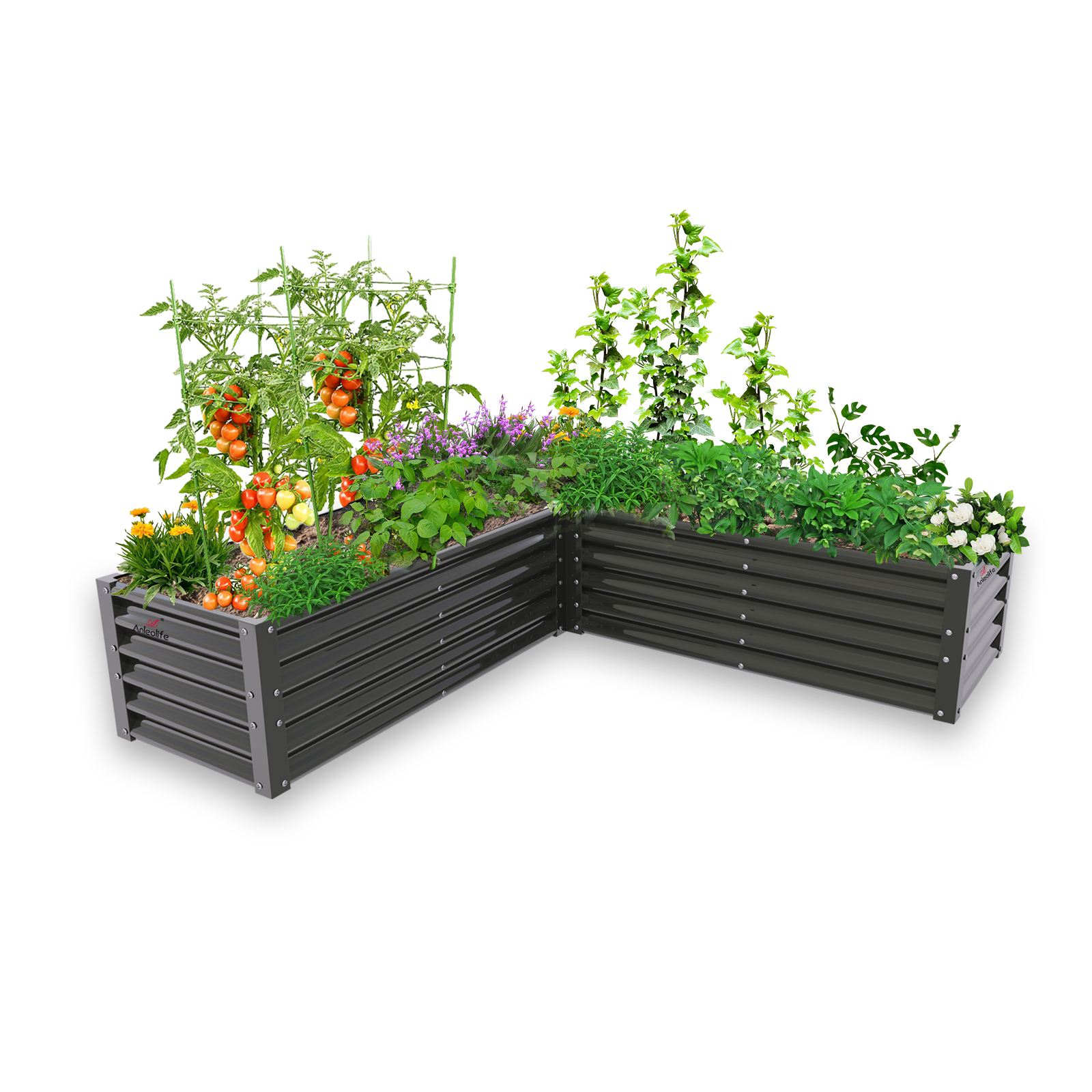
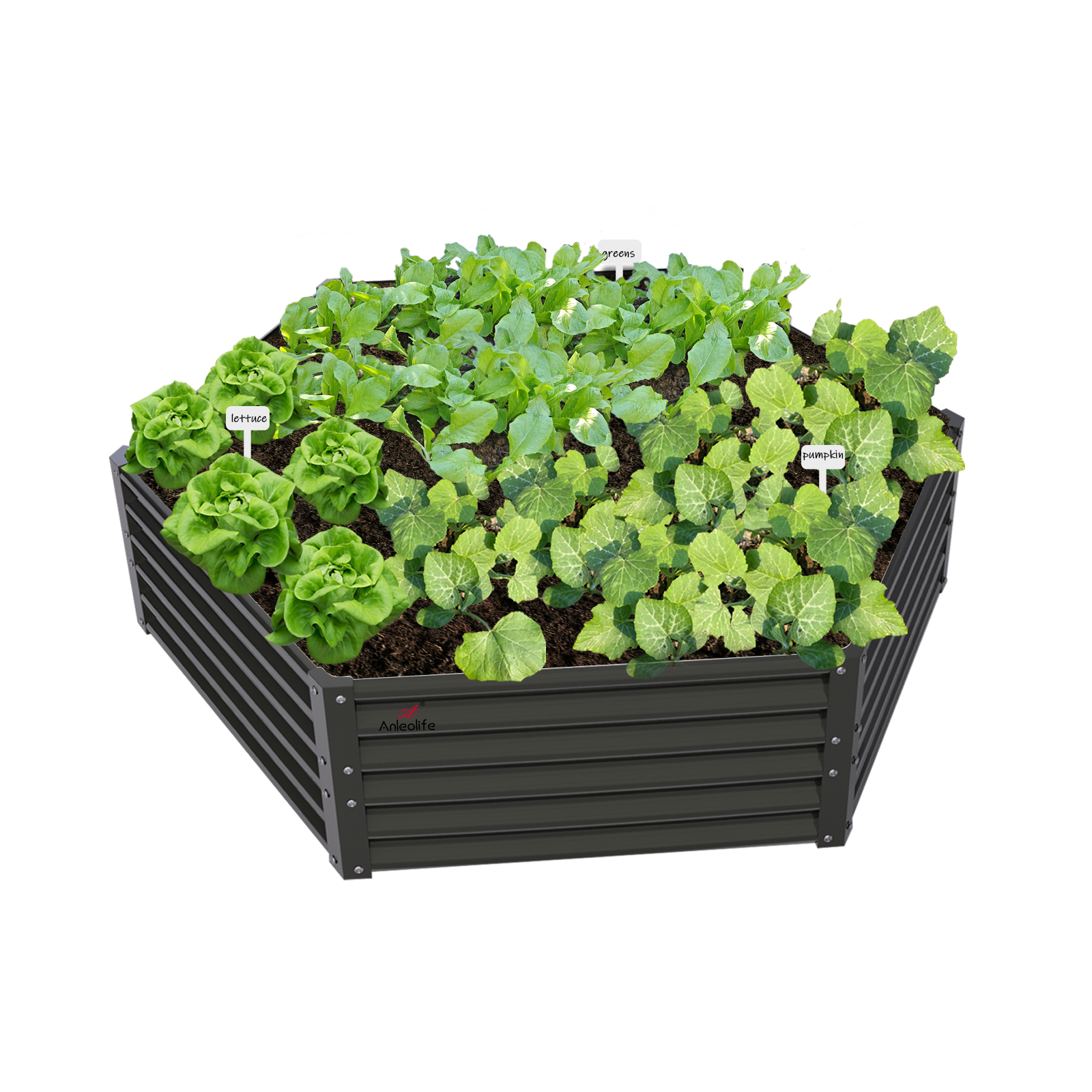
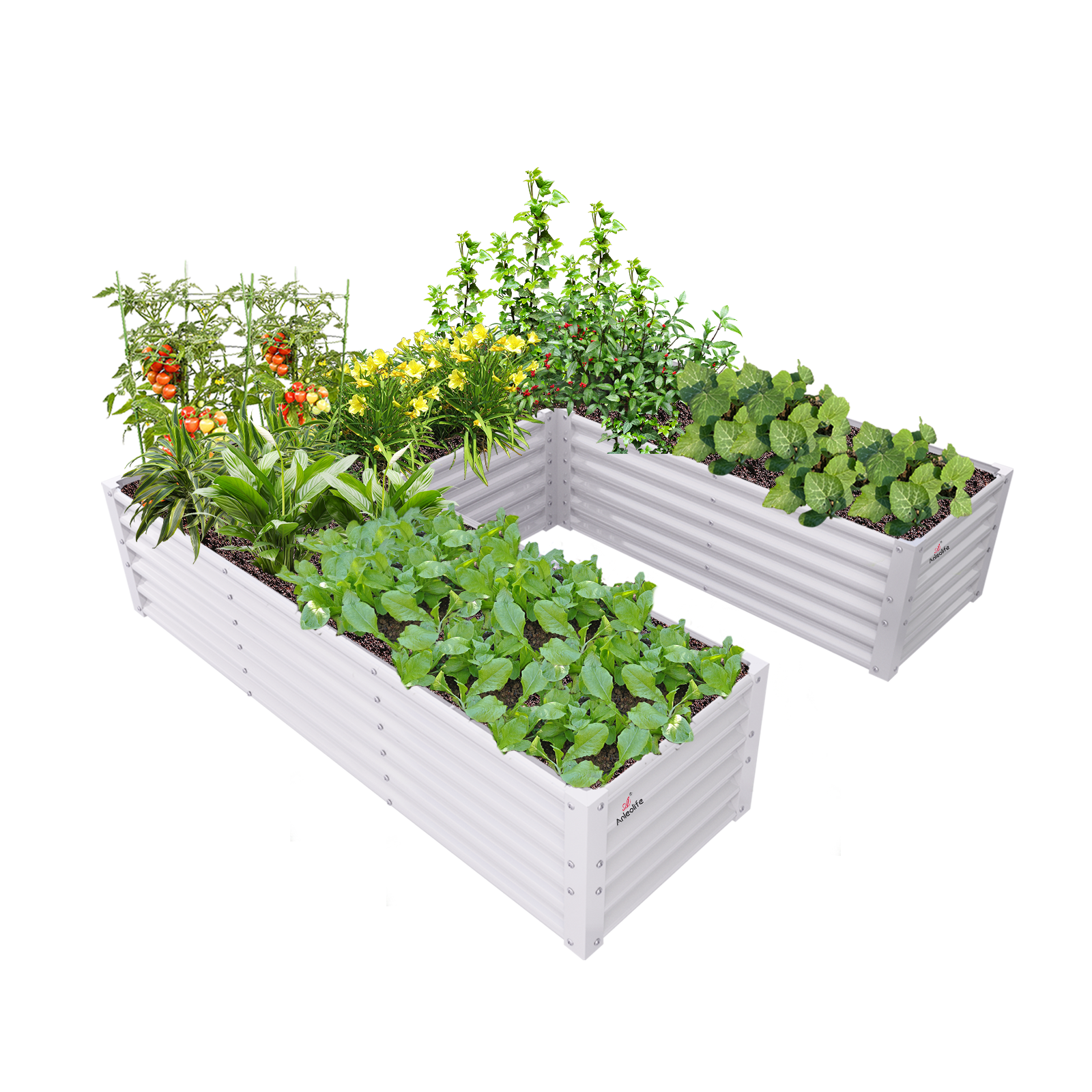

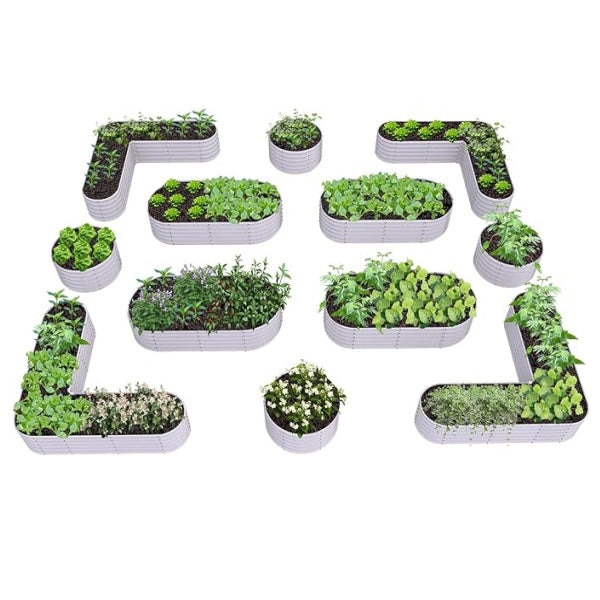


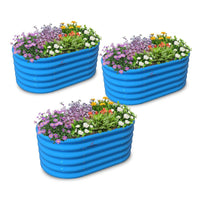
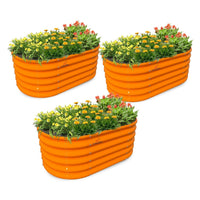
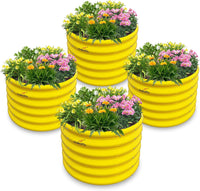
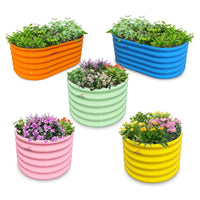



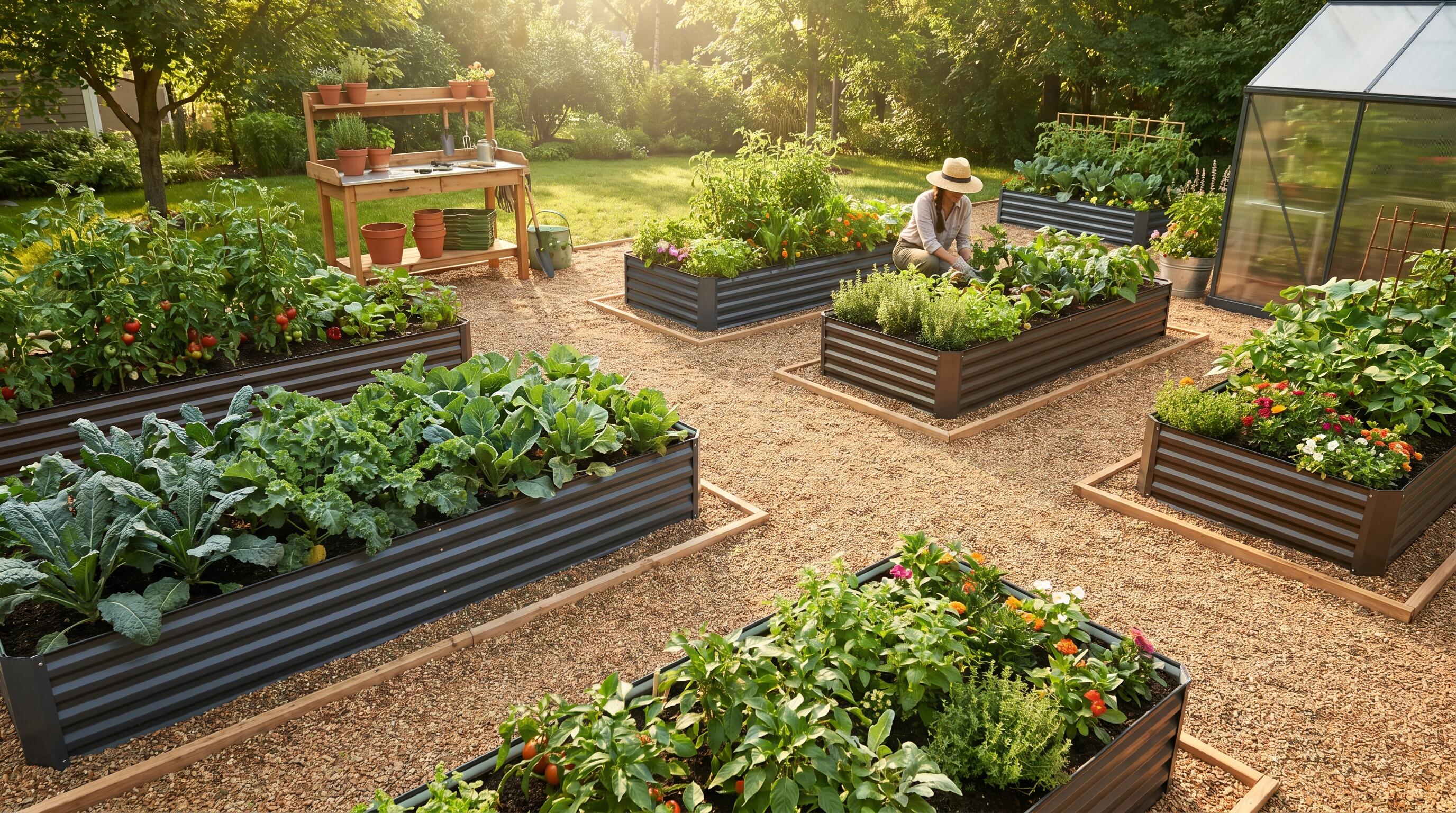
ALT: A beautifully organized backyard garden layout with raised beds, pathways, and lush greenery enhancing outdoor energy
Why Your Backyard Layout Is the Foundation of Good Garden Energy
Key Conclusion: A well-planned raised bed garden layout does more than boost curb appeal—it fundamentally changes how you experience your outdoor space. By applying Feng Shui principles to your raised bed planting layout, you create a flow of positive energy, improved productivity, and daily joy. Whether you're working with a compact urban yard or a sprawling suburban backyard, a thoughtful raised bed layout can transform your garden from chaotic to calm, from cluttered to curated. The result? A space that nourishes both your plants and your well-being.
There's a reason some gardens feel instantly peaceful the moment you step into them, while others leave you feeling overwhelmed. The difference is rarely about how many plants are growing or how expensive the materials are. It almost always comes down to layout, order, and intentional design.
Backyard Feng Shui is a practical philosophy, not a mystical one. It's about removing obstacles to natural flow—whether that's the flow of water, air, sunlight, or your own footsteps through the garden. When your raised beds are well-positioned, your pathways are clear, and your tools have a home, everything just works better. You spend less time frustrated and more time enjoying the space you've built.
In this guide, we'll walk you through the principles of garden-friendly Feng Shui, how to structure your raised bed layout for maximum harmony and productivity, and the practical tools and accessories that help you maintain that balance all season long.
Who This Guide Is For
✅ Applicable Scenarios:
- Homeowners with existing backyard gardens who feel their space is disorganized or underperforming
- New gardeners planning a raised bed setup and wanting to start with a smart, intentional layout
- Urban micro-gardeners working with small yards, patios, or side yards looking to maximize every square foot
- Empty nesters and retirees redesigning their gardens to be more manageable, relaxing, and enjoyable
- Eco-conscious growers who want a layout that supports companion planting, natural pest control, and soil health
❌ Not Applicable/Cautions:
- Gardeners renting a space where permanent installations are not permitted (some raised bed solutions may require landlord approval)
- Those seeking a purely decorative garden without functional planting goals—this guide prioritizes working garden spaces
- Gardeners in regions with extreme frost who need to account for seasonal bed removal or heavy-duty insulation strategies before applying these layout principles
The Real Cost of a Disorganized Garden (And Why Feng Shui Thinking Works)
Most gardeners don't realize their biggest gardening problem isn't pests, poor soil, or bad weather. It's chaos.
A disorganized garden creates friction at every stage: you can't find your trowel, the hose gets tangled in the raised bed corners, one bed is perpetually shaded by another, and pathways between beds are too narrow to comfortably kneel beside them. Over time, that friction becomes discouragement, and discouragement leads to neglect.
This is exactly the problem that Feng Shui—even applied loosely to a backyard context—is designed to solve. The Chinese concept of qi (energy flow) maps remarkably well onto garden design. Just as Feng Shui practitioners aim to remove blockages that stagnate energy in a living space, good garden layout removes the blockages that stagnate your time, effort, and enjoyment.
A 2023 study published in the Journal of Environmental Psychology found that people who described their outdoor spaces as "organized and visually coherent" reported significantly higher wellbeing scores and spent 40% more time outdoors than those with self-described "cluttered" gardens. The data confirms what experienced gardeners already know: a tidy, well-laid-out garden draws you in. It makes gardening feel rewarding rather than exhausting.
Beyond personal wellbeing, garden layout directly affects plant health. Proper spacing between raised beds ensures adequate air circulation, which is one of the most effective organic pest control methods for vegetable gardens—preventing the humid, stagnant microclimates that fungal disease and pests love. Thoughtful placement of beds relative to the sun maximizes photosynthesis. Pathways wide enough for a wheelbarrow make soil amendment and harvesting infinitely easier.
The intersection of aesthetic intentionality and practical functionality is where backyard Feng Shui lives. And it's where this guide begins.
Building Your Garden's Energy From the Ground Up
Three Steps to a Harmonious Raised Bed Layout
Step 1: Map Your Space and Identify Energy Blockages
Before placing a single raised bed, spend 30–45 minutes walking your backyard at different times of day. Note where sunlight falls in the morning versus afternoon, where water pools after rain, where foot traffic naturally flows, and where existing structures (fences, trees, sheds) create shade or barriers. Sketch a rough overhead map. This is your energy audit. Identifying the natural patterns of your space ensures that your raised bed garden layout works with the land, not against it. This step takes about one afternoon and is the most valuable investment you'll make.
Step 2: Design Your Layout Around Flow, Not Just Function
Once you know your space, design your raised bed planting layout using the principle of "effortless access." Every bed should be reachable from at least two sides without stepping into another bed. Standard raised bed widths of 3–4 feet allow you to reach the center from either side without strain. Place your most frequently visited beds (salad greens, herbs) closest to the house. Reserve the back of the garden for less-tended beds like perennial flowers or seasonal crops. Leave pathways at least 18–24 inches wide—wider if you use a wheelbarrow. Allow approximately 2–3 hours for layout planning and marking.
Step 3: Anchor Your Layout with Structure and Permanence
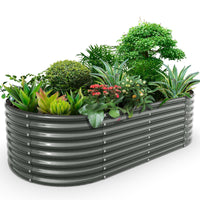
Once your layout is planned, install your raised beds, pathway edging, and any vertical structures like trellises or arbors. Permanent, high-quality structures are the backbone of a harmonious garden—they're the elements that make the space feel intentional and cared-for. Choose materials that will last. Anleolife's galvanized steel raised garden beds, for example, are built to a 20-year lifespan, meaning the structure you put in place today will serve as a stable foundation for decades. This permanence is itself a Feng Shui principle: groundedness and stability generate confidence and ease. Budget a full weekend for installation.
Comparing Raised Bed Materials: Which Delivers the Best Long-Term Garden Harmony?
Choosing the right raised bed material is one of the most important decisions in your raised bed layout journey. The material affects durability, aesthetics, soil temperature, maintenance load, and ultimately, how long your garden "skeleton" remains intact. Here's a practical comparison:
| Comparison Dimension | Galvanized Steel | Cedar/Hardwood | Composite/Plastic |
|---|---|---|---|
| Lifespan | 20+ years | 5–10 years | 8–15 years |
| Maintenance Required | Minimal | Moderate (sealing needed) | Low |
| Aesthetic Appeal | Modern/Clean | Rustic/Natural | Variable |
| Soil Temperature Benefit | Warms soil faster | Neutral | Neutral |
| Pest/Rot Resistance | Excellent | Moderate | Good |
| Best For | Long-term investment | Traditional look | Budget setups |
| Eco-Credentials | Recyclable steel | Sustainably sourced options | Mixed (plastic waste concern) |
For gardeners seeking the best material for raised garden beds that lasts longest, galvanized steel consistently wins on durability, low maintenance, and long-term value. Anleolife's metal raised beds are powder-coated and rust-resistant, engineered to maintain structural integrity for up to 20 years—far outlasting wood alternatives that often warp, rot, or require seasonal treatment.
The Feng Shui Principles That Actually Work in a Real Backyard
Principle 1: Command Position for Your Primary Growing Space
In interior Feng Shui, the "command position" places your most important furniture—your bed, your desk—in a spot where you can see the room's entrance without being directly in line with it. In garden design, this translates to positioning your primary raised bed layout where you have a clear, unobstructed view of it from your home's main outdoor access point (your back door or primary patio).
When you can see your garden easily from where you sit or enter, you engage with it more. You notice when it needs water. You spot the first ripe tomato. You feel connected to the growing process. This psychological proximity is the garden equivalent of command position—and it's remarkably effective.
Principle 2: Clear Pathways as Channels of Flow
Blocked pathways are the number one Feng Shui problem in backyard gardens. When you can't move freely between beds, the garden becomes difficult to work in, tools get left in awkward spots, and the whole space starts to feel oppressive.
Design your pathways first, then fit your beds around them. Use materials like gravel, stepping stones, wood chips, or pavers to define the paths clearly. Not only does this look intentional—it actively encourages you to maintain the paths and keep them clear.
Defined pathways also support organic pest control methods for vegetable gardens. Gravel or stone pathways dry quickly after rain, reducing slug and snail habitat. Mulched paths discourage weed encroachment into beds. A clear separation between walking zones and growing zones is both physically and energetically clarifying.
Principle 3: The Five Elements in Garden Composition
Traditional Feng Shui works with five elements: Wood, Fire, Earth, Metal, and Water. Each can be represented in your garden in a way that creates visual balance:
- Wood: Raised beds themselves, trellises, arbors, and wooden furniture
- Fire: Red and orange flowering plants, solar pathway lights, a small fire pit
- Earth: Exposed soil, terracotta pots, stone pathway edging
- Metal: Galvanized steel raised beds, garden sculptures, metal plant markers
- Water: A birdbath, a small fountain, a rain barrel as a focal point
When all five elements are present and balanced, the garden feels complete. It's not mystical—it's about visual and sensory variety. A garden with only green plants and brown soil (Wood and Earth) feels flat. Add a metal bed structure, a ceramic birdbath, and a cluster of red salvia, and the space suddenly has dimension and life.
Principle 4: Declutter Before You Plant
Before any new season begins, perform a thorough garden declutter. Remove broken tools, tangled hoses, cracked pots, and anything that no longer serves a purpose. In Feng Shui, clutter is stagnant energy—it literally represents things you've been meaning to deal with but haven't. Clearing it out creates psychological and physical space for new growth.
This is also the right time to address tool storage. Proper tool storage dramatically reduces visual noise in the garden. Recommended tool storage solutions for wet climates include waterproof polymer cabinets or galvanized metal storage boxes that resist rust and moisture infiltration. Store them in a designated corner of the garden, ideally screened by a trellis or hedge to keep the main garden space visually clean.
Principle 5: Comfort Zones That Invite You to Stay
A garden you don't sit in is a garden you don't fully inhabit. One of the most overlooked aspects of good garden Feng Shui is seating—specifically, creating a space where you want to linger.
The best garden chairs for back support and comfort in an outdoor setting are those with lumbar support, weather-resistant frames, and enough depth to sit comfortably for an extended period. Teak, powder-coated aluminum, and weather-resistant resin chairs all perform well outdoors. Position seating to face your most beautiful bed grouping, ideally with your back to a wall, fence, or hedge—another nod to the Feng Shui command position.
When your garden has a comfortable, inviting seating area, you'll spend more time there. And time in the garden—observing, resting, simply being present—makes you a better gardener. You notice things: a pest problem in its early stages, a plant that's thriving and can be propagated, a corner that needs more color.
Principle 6: Vertical Growing as Upward Energy
Feng Shui places significant value on upward, rising energy—symbolized in interior design by tall plants, high ceilings, and vertical artwork. In the garden, vertical growing structures serve the same purpose. Trellises, obelisks, and arbors draw the eye upward, create a sense of abundance, and maximize growing space without expanding your footprint.
Growing climbing plants—beans, cucumbers, morning glories, clematis—on vertical structures also improves airflow around your beds, which is one of the most effective best pest control methods for vegetable gardens. Good airflow reduces fungal disease pressure, deters aphids and spider mites that prefer still, warm air, and makes the garden feel expansive even in a small space.
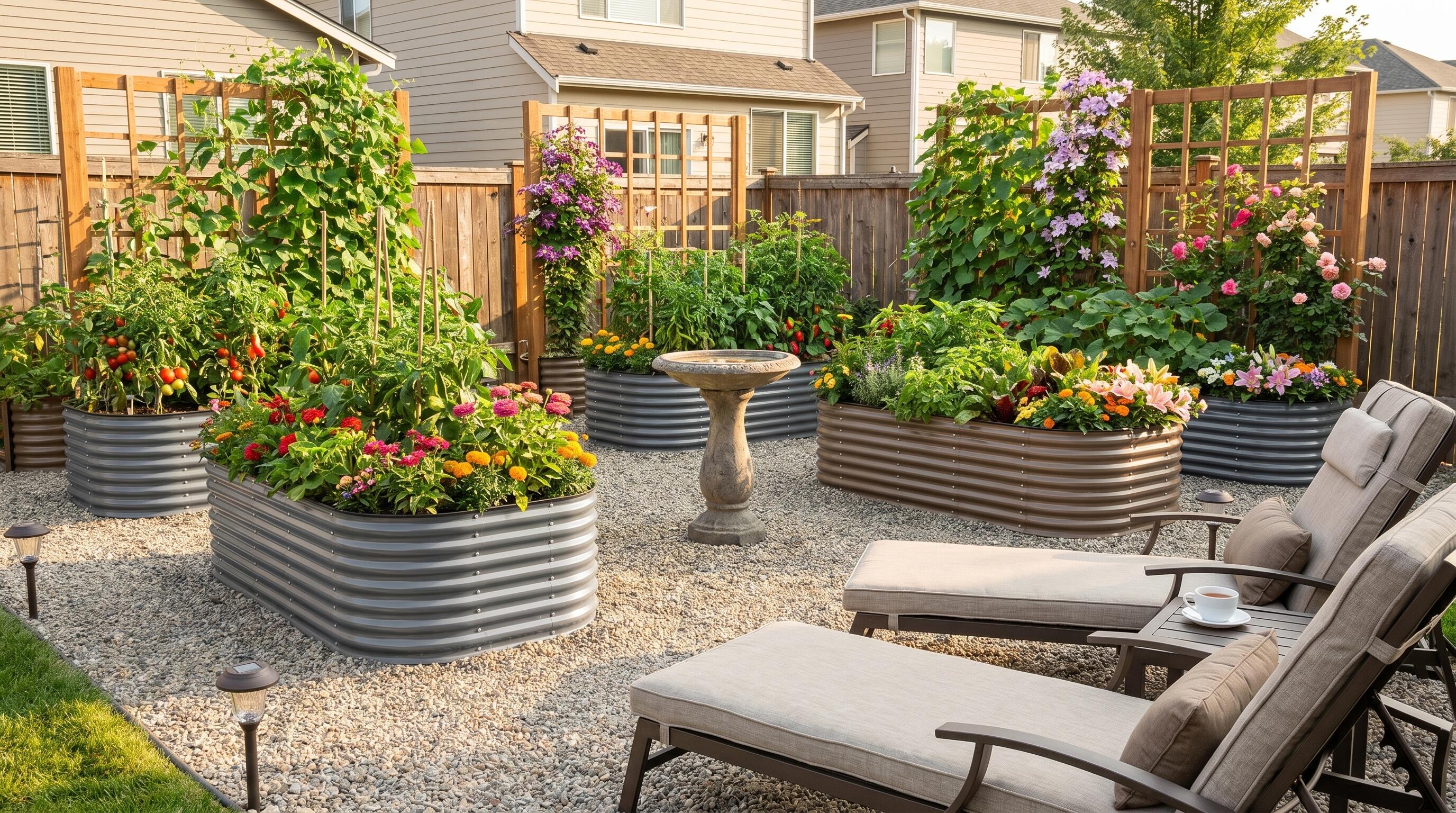
ALT: Organized backyard raised bed planting layout with metal garden beds, gravel pathways, vertical trellises, and outdoor seating for optimal garden flow and energy
Advanced Considerations: Seasonal Energy, Companion Planting, and Layout Evolution
Letting Your Layout Breathe Through the Seasons
One of the most common mistakes in raised bed garden planning is designing for one season only. A truly harmonious raised bed layout accounts for the full growing year. Plan for which beds will be in full sun in summer versus shaded by neighboring structures in winter. Rotate your crops intentionally—not just for soil health, but to maintain visual variety and prevent the "tired corner" effect where one bed always looks struggling.
A simple rotation map—dividing your beds into four quadrants for nightshades, brassicas, legumes, and root vegetables—keeps nutrient cycles balanced and prevents the pest pressure that comes from growing the same family in the same soil year after year. This is among the most evidence-based organic pest control methods for vegetable gardens available to home growers.
Common Misconceptions About Garden Feng Shui
Misconception 1: "Feng Shui means following rigid rules."
In practice, garden Feng Shui is about principles, not prescriptions. There's no single "correct" layout. The goal is a space that feels intentional, flows well, and makes you want to be in it.
Misconception 2: "You need a large garden to apply these principles."
Urban micro-gardeners with a 10x10-foot patio can apply every principle in this guide. A single well-placed raised bed, a comfortable chair, a vertical trellis, and a clear pathway are all you need to create genuine garden harmony.
Misconception 3: "Aesthetic design and practical production are opposing goals."
The most productive gardens are often the most beautiful ones, because they're the ones their owners actually tend consistently. Beauty and function are allies in the garden, not competitors.
Frequently Asked Questions
Q1: How do I choose the best raised bed layout for a small backyard with limited sunlight?
For small or partially shaded yards, prioritize placing raised beds in the sunniest available spot—typically the southern or western edge of the yard. Use a raised bed layout with maximum bed widths of 3 feet to allow access from both sides, and consider tiered or vertical growing to capture more light. Shade-tolerant crops like lettuce, spinach, and herbs thrive in 4–6 hours of direct sun, making even partially shaded backyards productive. Reflective mulches can help maximize available light in lower-sun environments.
Q2: Are galvanized steel raised beds safe for growing vegetables?
Yes. Modern galvanized steel raised beds, including those from Anleolife, use food-safe powder coatings and galvanization processes that do not leach harmful levels of zinc into the soil under normal growing conditions. Research from multiple agricultural universities confirms that zinc leaching from galvanized steel into garden soil remains well below concerning thresholds, and zinc is actually a micronutrient plants need in small amounts. Anleolife's beds are built to a 20-year lifespan with materials tested for safe edible gardening use.
Q3: How long does it take to redesign a backyard using these raised bed layout principles?
The planning phase—energy mapping, layout sketching, and material selection—typically takes one to two weekends. Physical installation of raised beds, pathway materials, and seating varies with garden size, but most homeowners complete a full layout transformation in two to four weekends of focused effort. Anleolife's nationwide warehouse network across California, Texas, Florida, New York, Illinois, and Washington ensures product delivery within 3–8 business days, so your materials arrive quickly once you're ready to build.
Summary
A tidy, thoughtfully designed garden layout is one of the most powerful investments you can make in your outdoor life. The principles of backyard Feng Shui—clear pathways, intentional bed placement, balanced elements, comfortable seating, and vertical growing—create a space that is as enjoyable to be in as it is productive to tend.
Three core takeaways from this guide:
- Layout is leverage. A well-designed raised bed garden layout reduces effort, prevents pest problems, and makes gardening a genuine pleasure rather than a chore.
- Permanence creates peace. Choosing durable materials—like galvanized steel beds with a 20-year lifespan—means your garden's structural foundation is stable, freeing you to focus on growing rather than maintaining infrastructure.
- Flow is everything. Whether it's sunlight, water, air, or your own footsteps through the garden, designing for flow—the core principle of Feng Shui—produces better plants, better spaces, and better experiences.
Your next step is simple: spend an afternoon in your backyard with a notebook. Observe, sketch, and identify the one or two changes that would most improve the flow and feel of your space. Often, it's less about adding more and more about creating clarity.
Start Building Your Ideal Garden with Anleolife
Anleolife supports your garden journey at every stage with a nationwide infrastructure built for reliability and convenience.
Nationwide U.S. warehouse network: Strategically located in California, Texas, Florida, New York, Illinois, and Washington to ensure delivery within 3–8 business days—so your garden upgrade plans never have to wait.
Multi-channel availability: Products are available on Amazon, Walmart, Home Depot, Lowe's, Wayfair, and the official website Anleolife.com, providing consistent quality assurance and after-sales service wherever you prefer to shop.
Three core scenarios: Planting (metal raised garden beds, soil systems), Raising (chicken coops, rabbit hutches), and Beautification (decorative accessories, pathway systems)—meeting complete needs from functionality to aesthetics.
We understand that an ideal garden is not built overnight, but gradually improved over time. Our modular product design allows flexible expansion based on your needs—from your first 8×4×2 garden bed to a fully integrated planting-and-raising ecosystem. We grow with you every step of the way.
References
- University of California Agriculture and Natural Resources. "Integrated Pest Management for Home Gardens."
https://ucanr.edu/sites/gardenweb/Pests/ - Penn State Extension. "Raised Bed Gardening: Planning, Building, and Maintaining Your Raised Beds."
https://extension.psu.edu/raised-bed-gardening - National Gardening Association. "Vegetable Garden Layout and Design Tips."
https://garden.org/learn/articles/view/3999/ - Oregon State University Extension Service. "Cover Crops and Crop Rotation for Soil Health and Pest Management."
https://extension.oregonstate.edu/crop-production/cover-crops - University of Minnesota Extension. "Growing Vegetables in Raised Beds."
https://extension.umn.edu/how/growing-vegetables-raised-beds
Note: Standards and research may be updated; please consult the latest official documents or qualified horticultural advisors for current best practices.
About Anleolife
Anleolife is a leading outdoor garden solutions provider in North America, dedicated to offering a full-scenario product ecosystem for home gardening enthusiasts, covering planting, raising, and garden beautification. Since its founding, we have upheld our brand mission, "Made for Garden Life," continuously innovating products and optimizing services to help hundreds of thousands of users upgrade their gardens, reconnect with nature, and enjoy a better garden lifestyle.