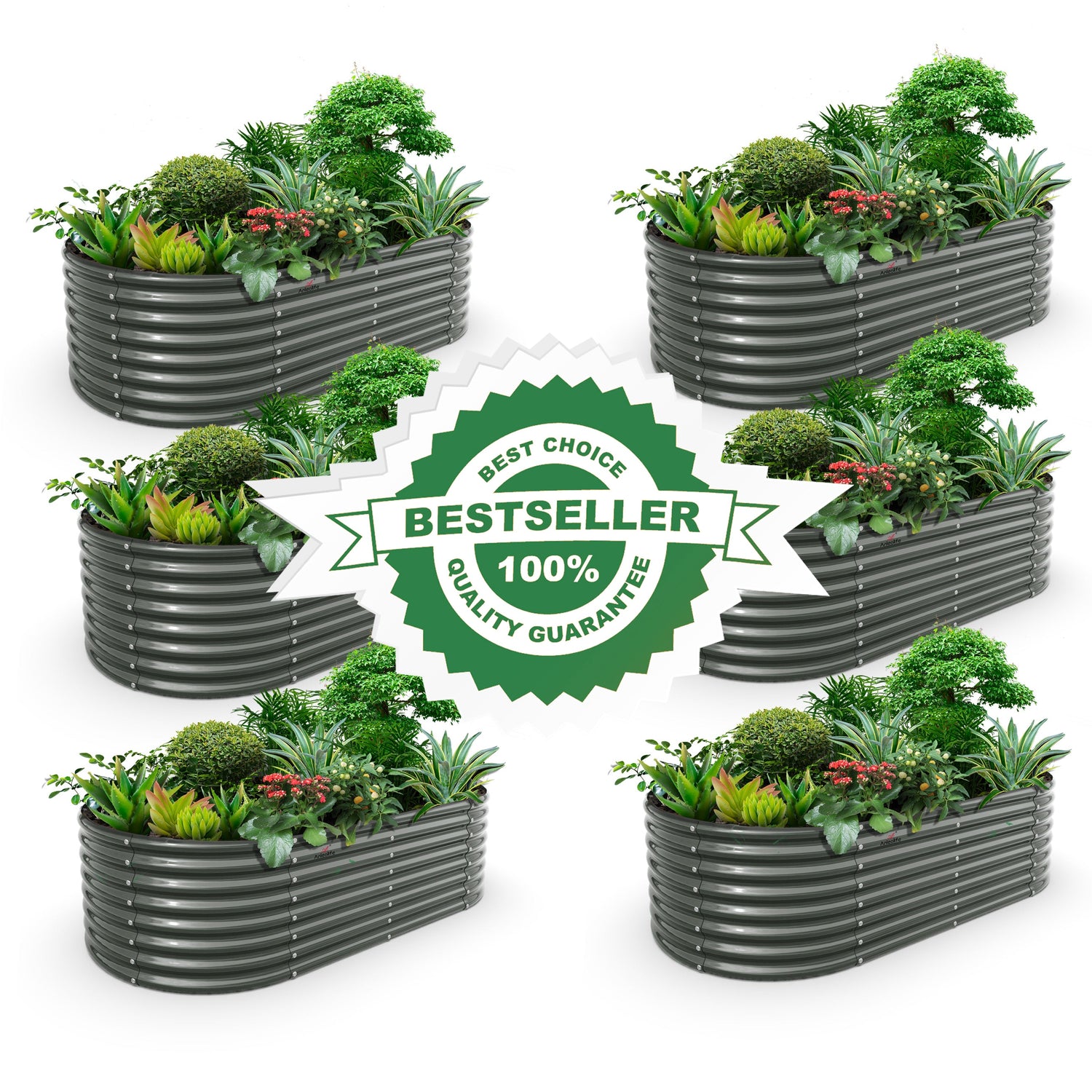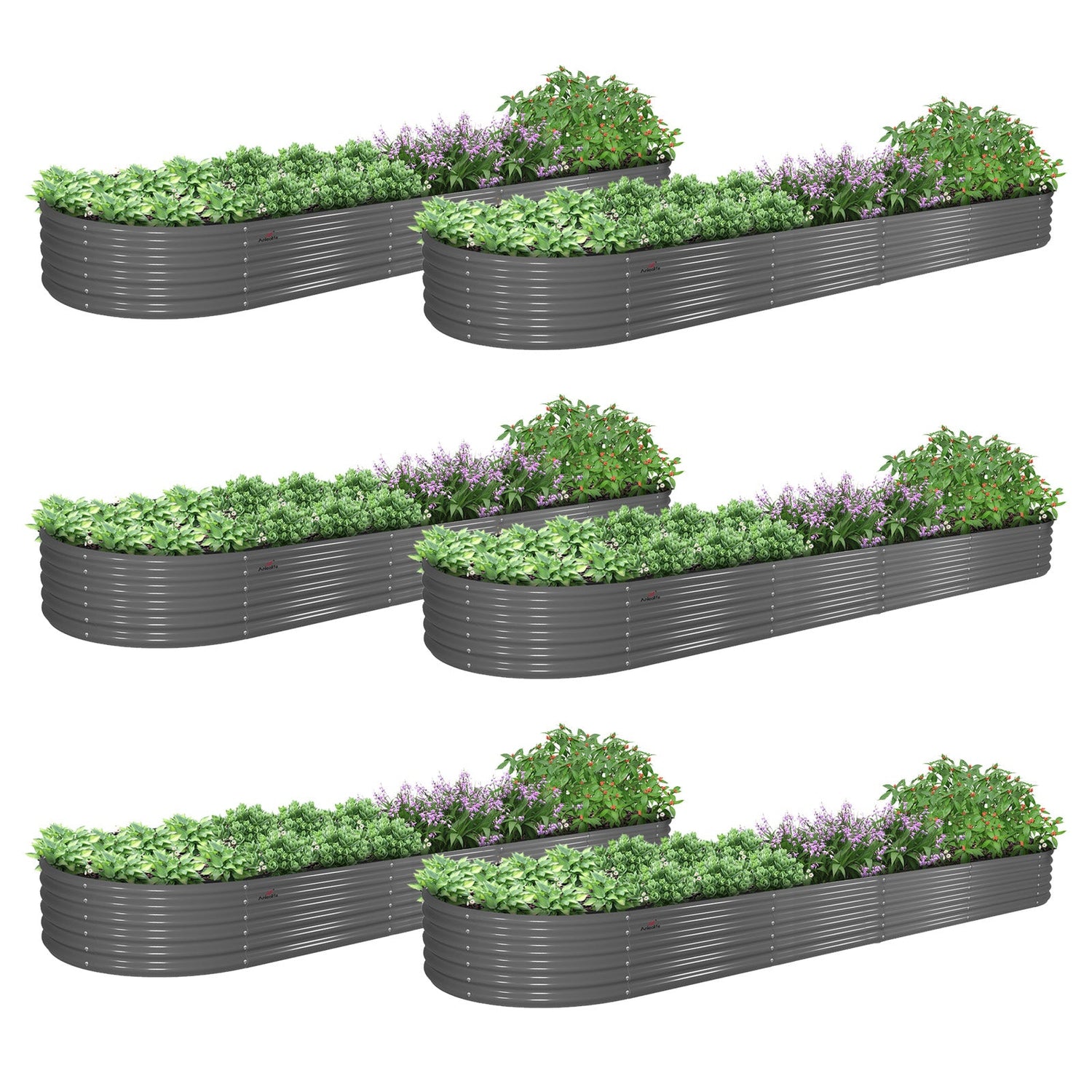



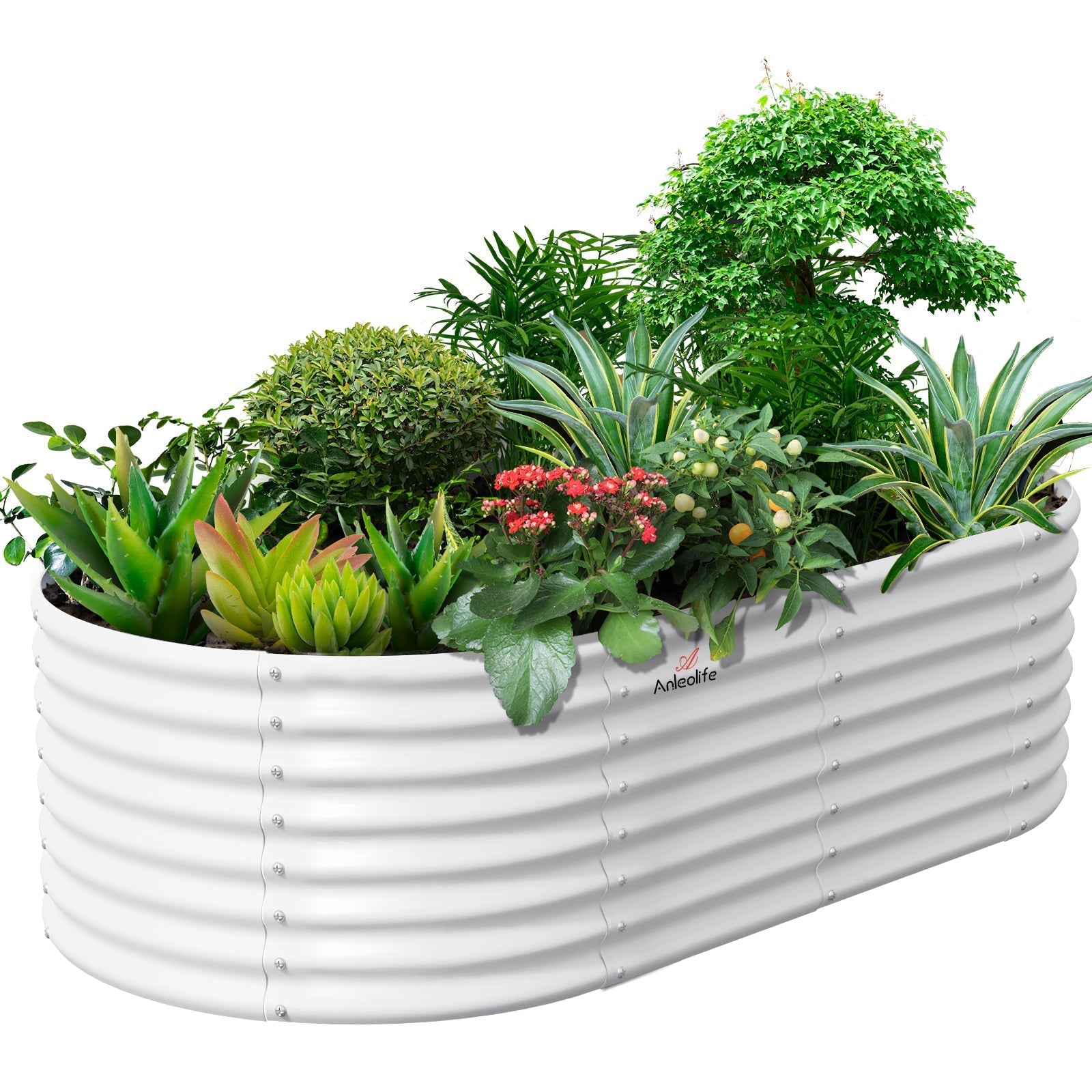
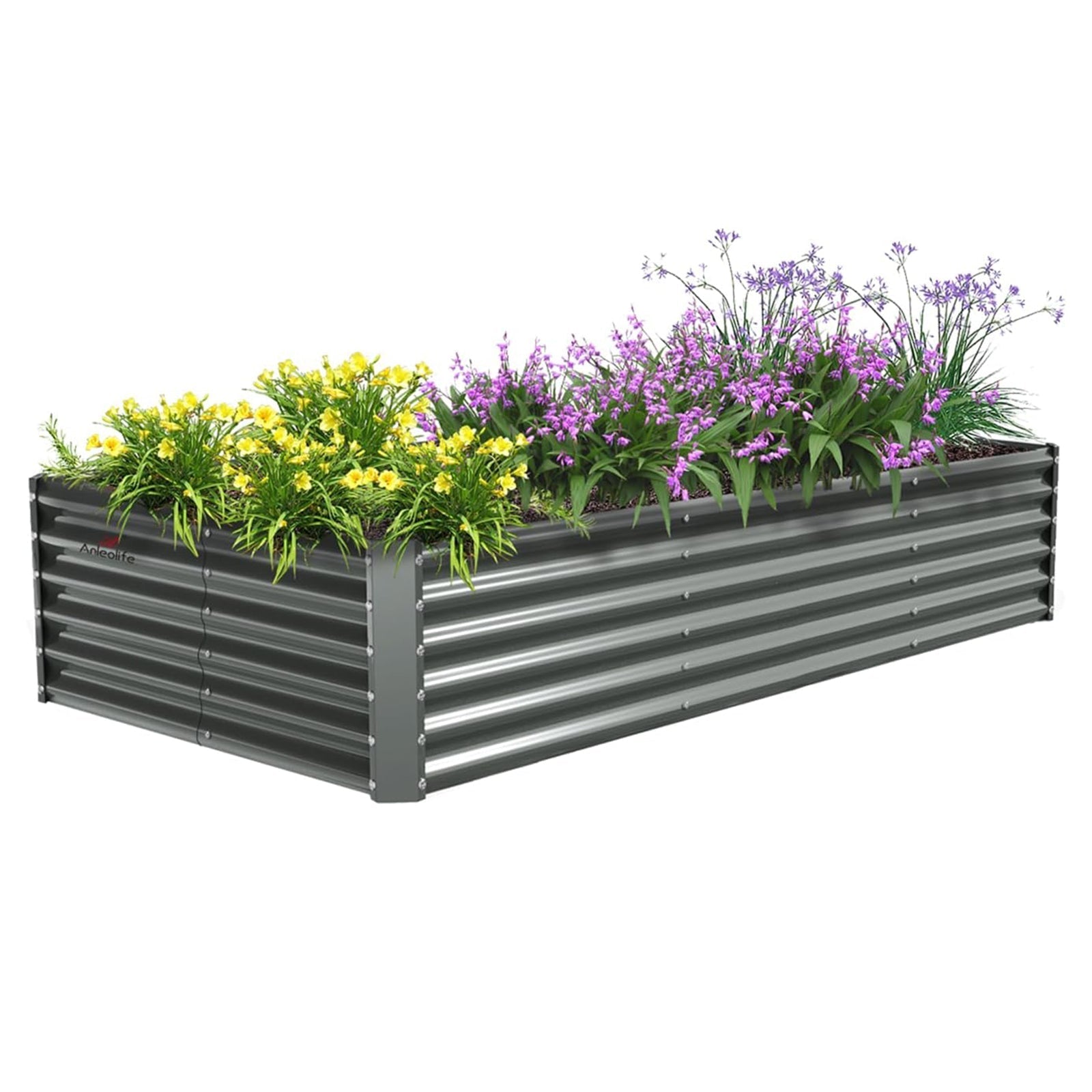
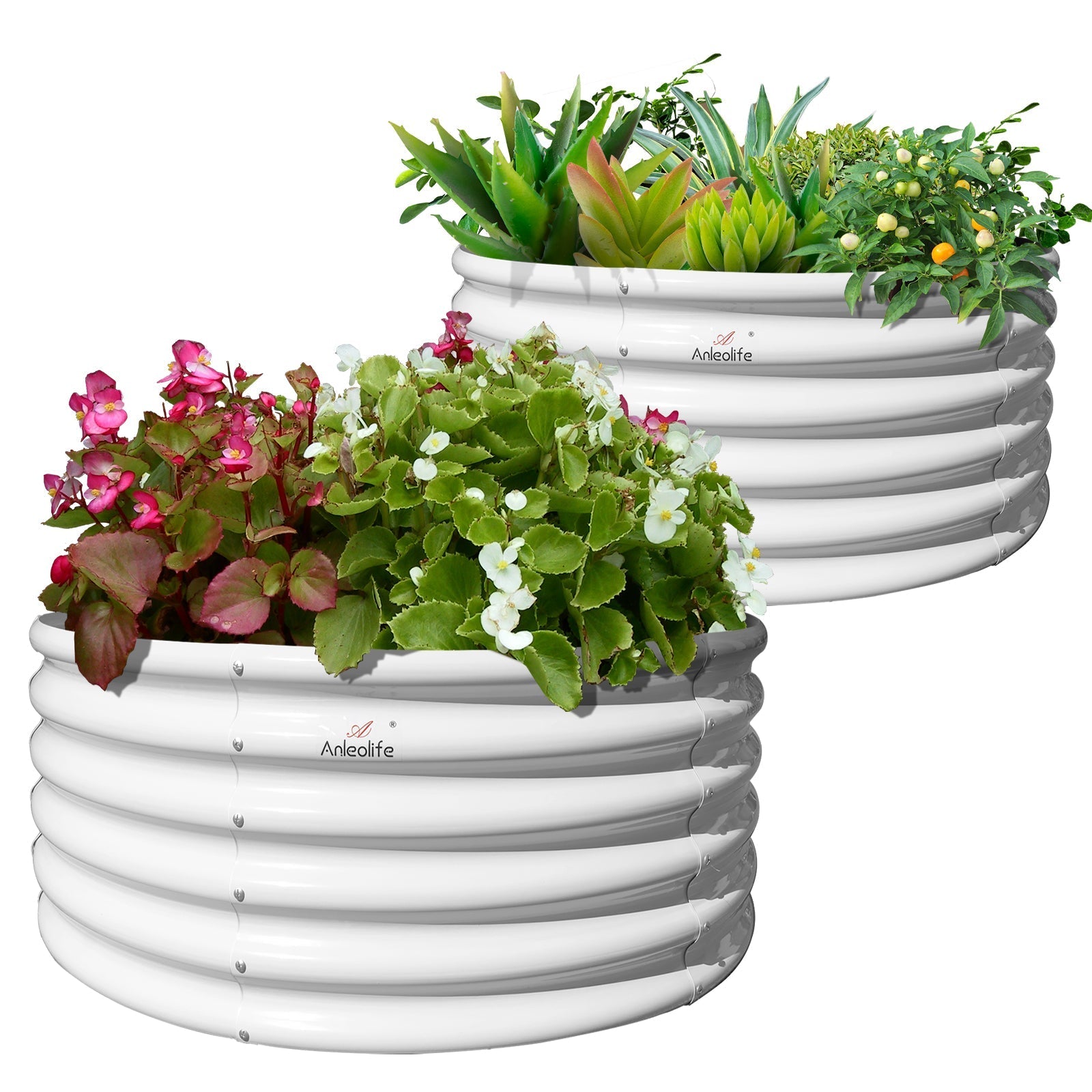
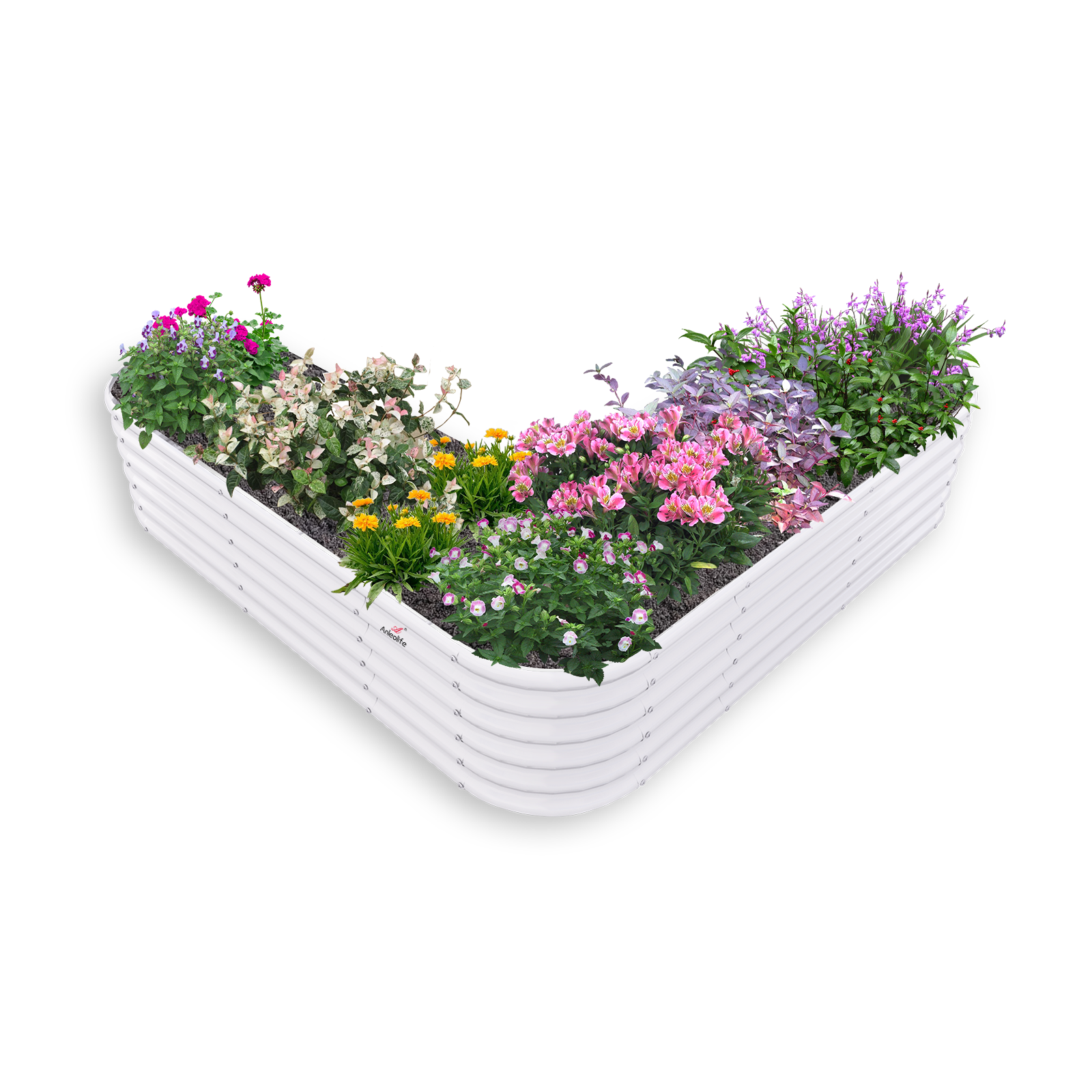
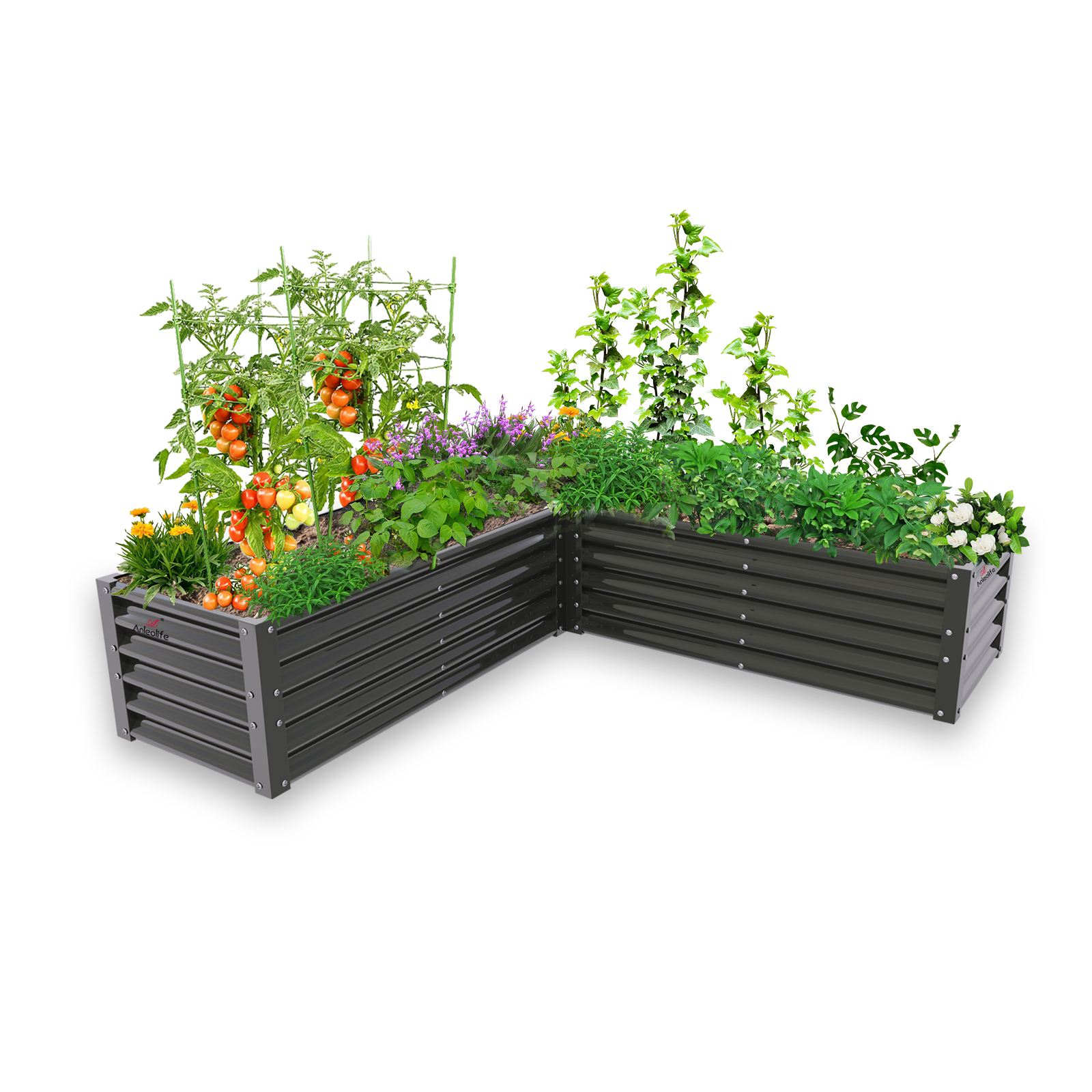
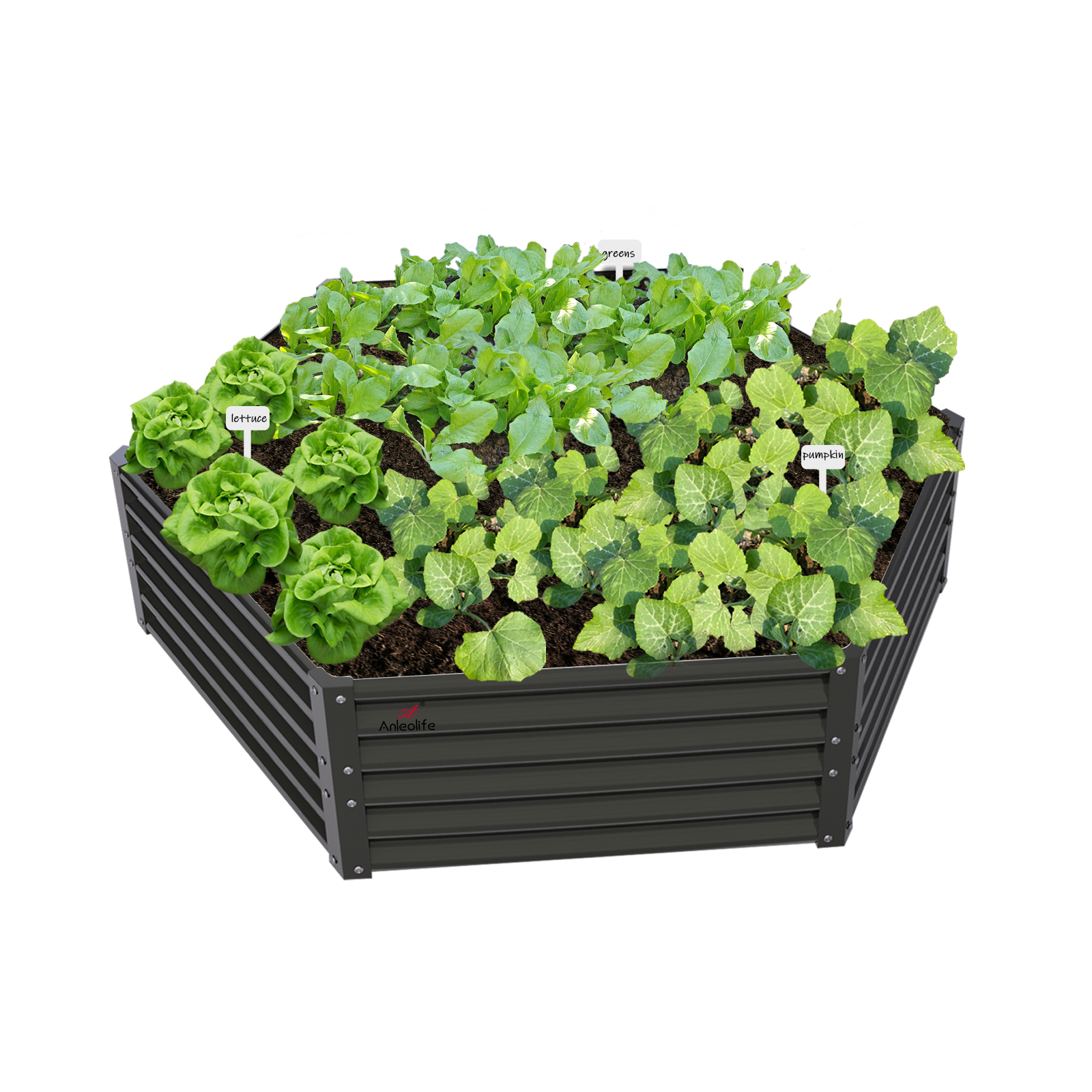
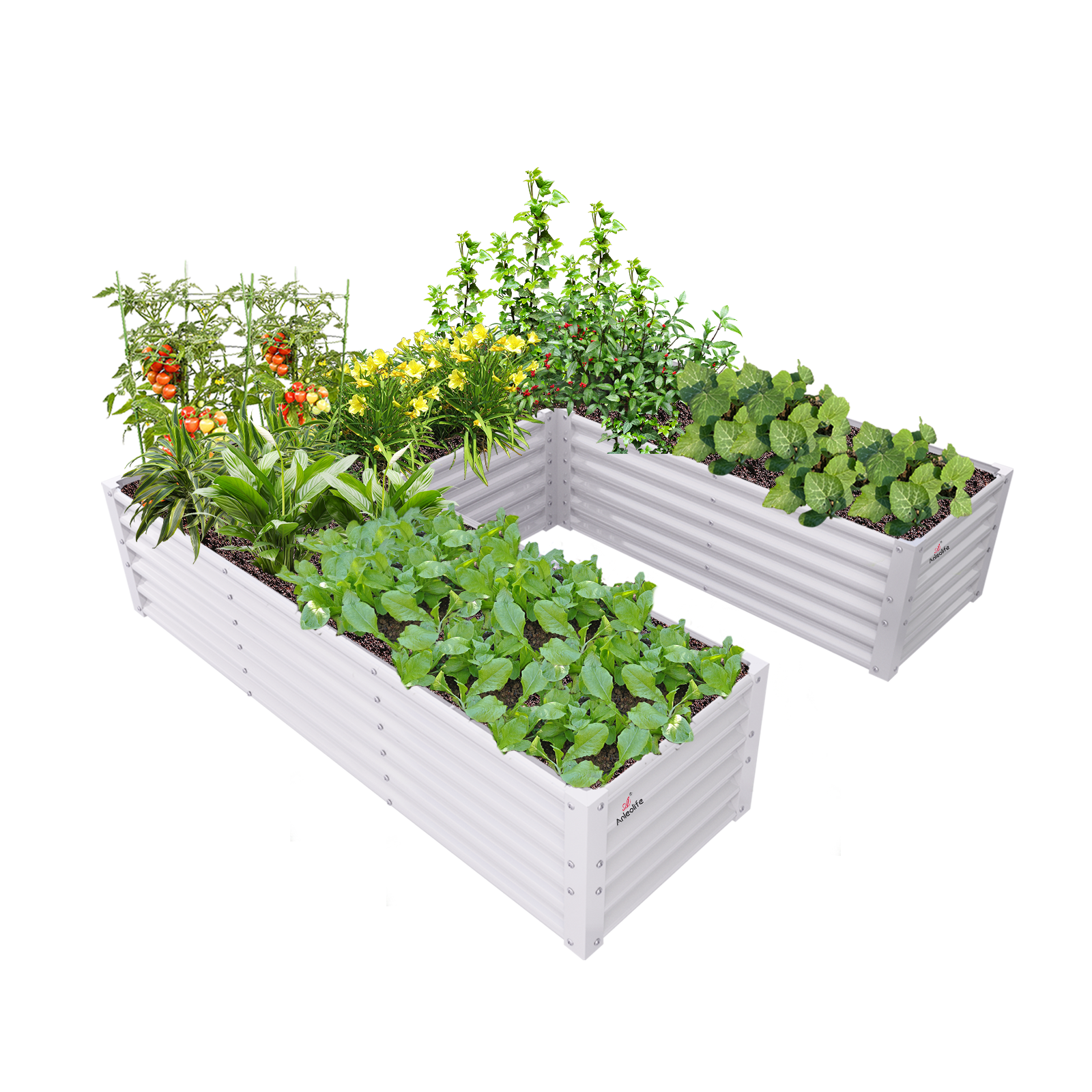

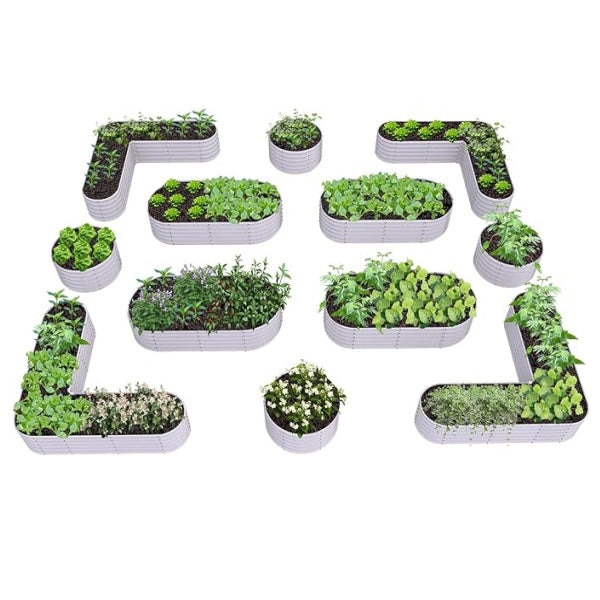

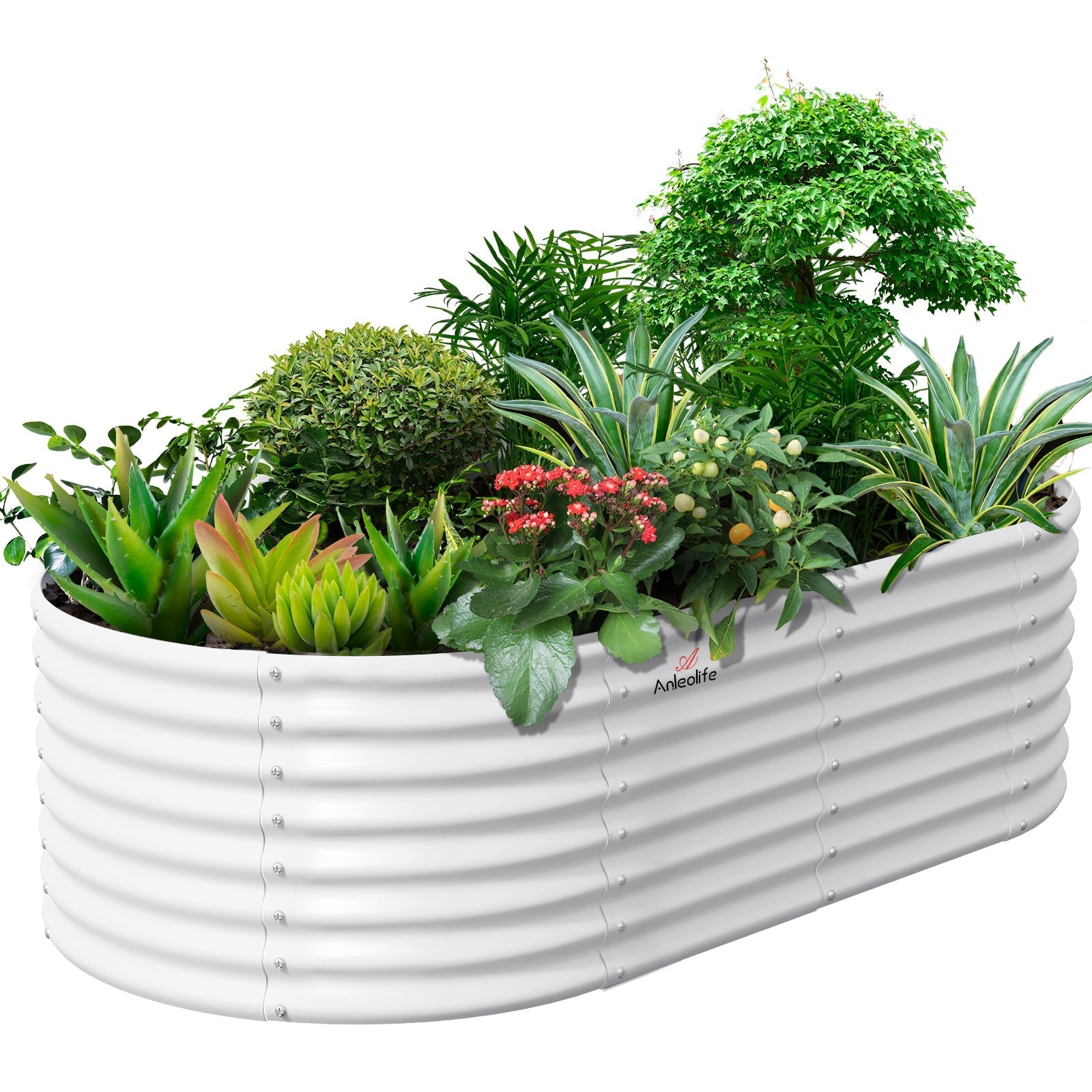


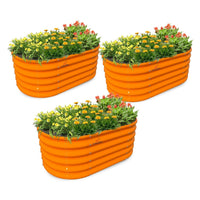
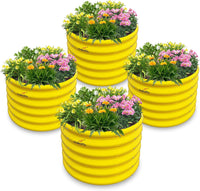
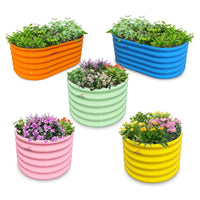
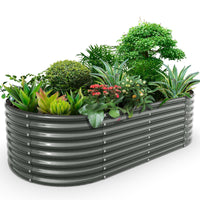



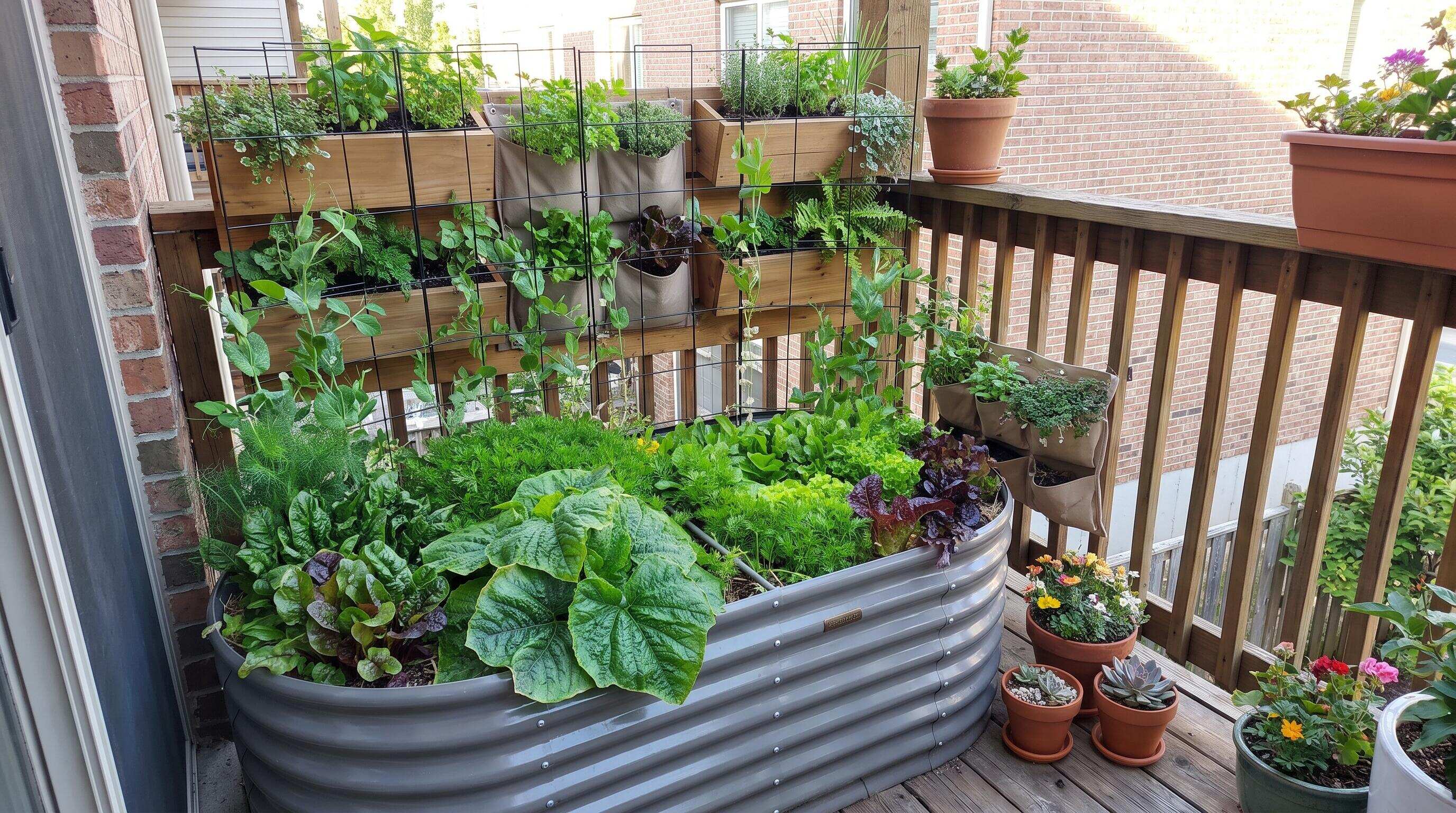
ALT: Vertical gardening systems on a small balcony with raised bed layout and green plants
Best Vertical Gardening Systems for Small Balconies — What Actually Works This Season
Key Conclusion: Small balconies demand smart raised bed garden layout strategies that maximize vertical space without sacrificing plant health or structural integrity. This list evaluates the most effective vertical gardening systems available this season — rated on space efficiency, durability, soil system compatibility, and accessibility for real home growers. Whether you are refining your raised bed planting layout from scratch or expanding an existing raised bed layout, these seven systems offer a practical roadmap from cramped concrete to thriving green space.
Selecting the right vertical gardening system for a small balcony is genuinely harder than it looks. In our work with clients across North America — from urban apartment dwellers to empty nesters reclaiming underused outdoor space — a pattern we consistently see is that most people underestimate two things: weight load and soil volume. A system that looks elegant in a catalog can fail within a season if it does not account for the real demands of growing edibles outdoors. The items on this list were selected based on structural soundness, real-world adaptability, and how naturally each integrates into a broader raised bed garden layout. Use this list as a decision framework: read through all seven, then cross-reference your balcony dimensions, weight limits, and growing goals in the comparison table before committing.
Seven Vertical Gardening Systems Worth Using on a Small Balcony
Compact Metal Raised Bed with Vertical Trellis Attachment
A compact metal raised bed paired with an integrated vertical trellis is the single most versatile configuration for a small balcony raised bed layout. The raised bed anchors your soil system at ground level while the trellis carries climbing plants — beans, cucumbers, small-fruited tomatoes, and peas — upward rather than outward. This dual-plane approach effectively doubles your productive area within the same floor footprint.
Galvanized steel beds are particularly well suited to this configuration because the wall panels are rigid enough to accept bolt-on trellis brackets without warping. Anleolife's Galvanized Steel Raised Garden Beds are available in a range of footprints and heights — from compact 18" tall options up to extra-tall 35" waist-high models — so you can match the bed depth to your crop selection and the trellis height to your balcony railing. When material selection matters, choosing the right rust-resistant garden bed material is foundational to a system that survives multiple growing seasons outdoors.
Best for: Balcony growers who want edible crops — especially vining vegetables — without expanding the horizontal footprint.
Watch out: Trellis attachments that rely solely on the raised bed walls for support can stress panel joints under wind load. Anchor the trellis independently to a wall or railing whenever possible.
Stacked Modular Raised Bed Tower
A stacked modular raised bed tower is a self-contained vertical planting column that holds multiple independent planting compartments in a single, narrow floor profile. Modular designs allow growers to configure height and compartment count based on balcony ceiling clearance and structural weight limits — a critical consideration on upper-floor balconies where load ratings are strictly governed.
Anleolife's Modular Raised Garden Bed line, available in heights from 18" to 30" extra-tall, offers exactly this kind of stackable, flexible architecture. Because each module is structurally independent, you can begin with a single 18" tall 6x2 ft unit and add tiers as your raised bed planting layout evolves. The galvanized steel construction means these units resist the moisture cycling that causes wooden towers to rot, and the documented 20-year lifespan removes the recurring cost of replacement that plagues lower-grade alternatives.
Best for: Growers with very limited floor space who prioritize year-round structural durability over maximum planting volume per season.
Watch out: Stacked towers concentrate weight in a smaller footprint. Always verify your balcony's load rating — measured in pounds per square foot — before adding soil-filled tiers.
Wall-Mounted Pocket Planter Array
A wall-mounted pocket planter array is a fabric or rigid panel system secured to a balcony wall or railing, with individual planting pockets holding small volumes of growing medium. These systems excel at growing herbs, lettuce, strawberries, and edible flowers in situations where floor space is essentially zero. They do not require a traditional raised bed layout, but they integrate naturally as a supplementary layer above or beside a ground-level bed.
According to the University Cooperative Extension programs that study urban food production, container and wall-mounted systems work best when growers use a lightweight, moisture-retentive growing medium — typically a blend of quality potting mix, perlite, and compost — rather than dense garden soil. The small volume of each pocket means soil dries quickly, so pocket arrays perform best in climates or seasons where hand-watering once or twice daily is feasible, or where a drip irrigation line can be threaded through the panel.
Best for: Renters or apartment dwellers who cannot alter flooring or place heavy containers but have a solid railing or exterior wall available.
Watch out: Pocket volume is inherently limited, which restricts root development. Deep-rooting crops — tomatoes, peppers, root vegetables — will not thrive here; reserve pocket systems for shallow-rooted edibles and ornamentals.
Tall Extra-Deep Raised Bed as a Vertical Statement Planter
Using a single tall, extra-deep raised bed as the anchor of your balcony's raised bed layout creates a high-impact vertical statement while providing the root depth that serious edible gardening requires. Beds in the 24" to 30" extra-tall range are particularly effective: they eliminate the need to bend, reduce pest pressure from ground-level insects, and allow deep-rooted crops like carrots, tomatoes, and eggplant to perform as well outdoors as they would in an in-ground plot.
Anleolife's 30" Extra Tall Raised Garden Beds — available in footprints such as 6x3 ft and 10x3 ft — are dimensioned to fit narrower balcony widths while providing enough interior volume for a productive raised bed planting layout. At 30" height, they also function as a visual privacy screen or windbreak when positioned along a railing, which adds a secondary design benefit beyond food production. For growers new to sizing decisions, a first-time buyer's guide to sizing a raised garden bed kit is worth reviewing before purchasing to avoid under- or over-sizing for your space.
Best for: Balcony growers who want to grow a full range of vegetables, including deep-rooted varieties, with minimal supplementary infrastructure.
Watch out: Extra-tall beds filled to capacity with soil are heavy. Calculate filled weight carefully — a rough industry estimate is that moist soil weighs approximately 75–100 pounds per cubic foot — and distribute the bed's footprint across floor joists where possible.
Narrow-Footprint Rust-Resistant Bed with Companion Planting Layout
A narrow-footprint raised bed — typically 2 to 3 feet wide — positioned along the length of a balcony wall is one of the most practical raised bed garden layout strategies for long, shallow outdoor spaces. The narrow width keeps every plant reachable from one side, which is essential when a railing limits access to the other. Companion planting within this linear layout — tall plants at the back near the wall, medium crops in the center, trailing or low plants at the front edge — creates a layered vertical effect without any additional structure.
Anleolife's Rust-Resistant Raised Garden Beds are purpose-built for exactly this scenario. Available in configurations like 18" tall 12x3 ft and 24" extra tall 6x3 ft, these beds use a specialized rust-resistant finish that maintains appearance and structural integrity through repeated rain, humidity, and UV exposure. Combined with a well-designed soil system — one that balances drainage, aeration, and nutrient retention — a narrow rust-resistant bed can sustain a genuinely productive balcony garden through multiple growing seasons. For deeper guidance on soil composition, optimizing soil composition for organic vegetable raised beds is an evidence-based starting point.
Best for: Long, narrow balconies where maximizing linear planting space is the priority, and where low-maintenance, long-lasting materials are preferred.
Watch out: Linear planting along a wall can create a shading problem in east- or west-facing balconies where direct sun is available for only a portion of the day. Plan your crop selection around available light hours.
Round Raised Bed as a Focal-Point Vertical Garden
A round raised bed is a circular planting container that uses its geometry to create a visually balanced focal point on a balcony, patio, or corner space. Unlike rectangular beds, a round bed allows access from all sides, which means you can plant more densely and reach every zone without strain. When positioned at the center or a prominent corner of a balcony, a round bed also anchors the overall raised bed layout aesthetically — it signals intentional design rather than improvised gardening.
Anleolife's Round Raised Garden Bed (18" tall, 48" wide) delivers this combination of functionality and visual impact in a single, self-contained unit. The 48" diameter is generous enough to support a multi-layer vertical planting scheme: a central trellis or obelisk for climbing plants, a mid-ring of bushy herbs or peppers, and an outer perimeter of trailing crops or flowering edibles that soften the bed's steel walls. This configuration is one of the most spatially efficient raised bed planting layouts possible within a circular footprint.
Best for: Growers who want a single, high-impact installation that functions as both a productive garden and a balcony design element.
Watch out: The fixed circular footprint is less adaptable than modular rectangular systems. If your growing needs evolve significantly — more crops, more variety — a round bed alone may become limiting.
Waist-High Raised Bed for Accessible Vertical Container Gardening
A waist-high raised bed is a tall container — typically around 30" to 35" in height — designed to bring the planting surface to a comfortable working level without bending or kneeling. For empty nesters, retirees, or anyone managing joint discomfort, this is not a luxury upgrade; it is the difference between gardening being sustainable long-term or becoming physically prohibitive.
Anleolife's 35" Waist-High raised bed (available in a 4x1.5 ft footprint) is specifically sized for balcony and patio use where floor space is finite. The narrow 1.5 ft width means the entire bed is reachable from one side — critical in a space where you cannot walk around the container — and the 35" height eliminates crouching entirely. The steel construction carries the same 20-year durability standard as the broader Anleolife product line, making this a long-term investment rather than a seasonal purchase. According to the American Horticultural Therapy Association, raised and accessible garden beds measurably improve the gardening experience and physical comfort for older adults — a finding that aligns with patterns we observe across our work with the empty-nester and retiree segment of home growers.
Best for: Retirees, older adults, or anyone with mobility considerations who want a productive, comfortable balcony garden without physical strain.
Watch out: The narrow footprint (4x1.5 ft) limits total planting area. If yield volume is a priority alongside accessibility, consider pairing this bed with a wall-mounted pocket array for herbs and lettuces.
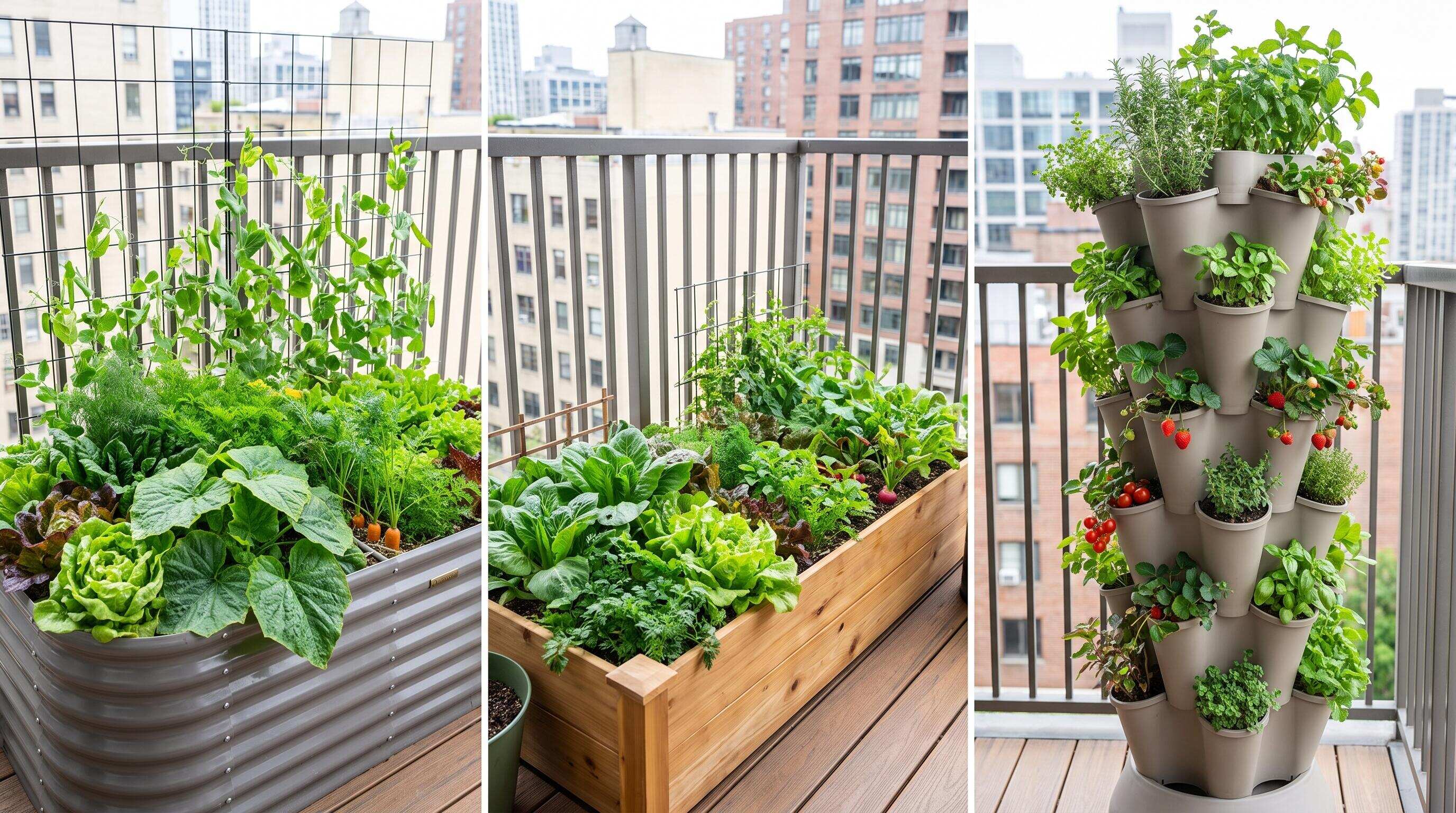
ALT: Side-by-side comparison of vertical raised bed garden layout systems on a small urban balcony with various heights and configurations
Quick Comparison at a Glance
Choosing the right vertical gardening system is faster when you can see all seven options side by side. The table below distills each system's primary use case, core strength, and main limitation so you can narrow your shortlist in under two minutes.
| System | Best For | Key Strength | Limitation |
|---|---|---|---|
| Compact Metal Raised Bed + Trellis | Vining edible crops, maximum vertical yield | Dual-plane productivity; doubled growing area | Trellis needs independent structural anchoring |
| Stacked Modular Raised Bed Tower | Minimal floor space; long-term durability | Scalable height; rust-resistant galvanized steel; 20-year lifespan | Concentrated weight; requires balcony load check |
| Wall-Mounted Pocket Planter Array | Renters; zero floor space available | No floor footprint; ideal for herbs and lettuces | Small soil volume limits root depth and crop variety |
| Extra-Deep Tall Raised Bed | Deep-rooted vegetables; privacy screening | 30" depth supports full crop range; doubles as windbreak | Heavy when filled; requires careful load distribution |
| Narrow Rust-Resistant Bed + Companion Layout | Long, narrow balconies; low-maintenance preference | Linear layout maximizes run length; durable finish | Limited sun exposure on east/west-facing balconies |
| Round Raised Bed Focal Point | Single-statement installations; dense planting | All-side access; visually designed for multi-layer planting | Fixed footprint; less scalable than modular systems |
| Waist-High Accessible Raised Bed | Retirees; mobility-conscious growers | Eliminates bending; comfortable year-round use | Narrow footprint limits total yield volume |
A practical note on the table: "key strength" and "limitation" are not absolutes — they are context-dependent. A wall-mounted pocket array's limited soil volume is irrelevant if you only want to grow herbs; the extra-deep bed's weight is negligible if your balcony has a high structural rating. Use the table as a filter, not a verdict.
How to Choose the Right Vertical Gardening System
The right vertical gardening system for your balcony is determined by four factors, in this order: structural load capacity, available light, primary crop goals, and budget horizon.
Start with structural load capacity because it is the one factor that cannot be worked around. Most residential balconies in North America are rated for 40–60 pounds per square foot, but older buildings and certain construction types fall below this range. Soil-filled metal beds can be heavy — verify your balcony's rating with your building manager or a structural engineer before purchasing any ground-level system. This is especially relevant for the extra-deep and stacked-modular options.
Next, assess available light. Balconies facing south or southwest in the northern hemisphere typically receive enough direct sun for fruiting crops like tomatoes and peppers. East- or west-facing balconies often get 3–5 hours of direct sun, which suits leafy greens, herbs, and some root crops but will disappoint anyone expecting high tomato yields. Match your system choice to your light reality, not your ambitions.
Primary crop goals shape your raised bed planting layout more than any other design decision. If you want to grow vining crops, prioritize the trellis-integrated system or the round bed with a central obelisk. If you want a mixed kitchen garden — herbs, lettuces, a few peppers — a narrow rust-resistant bed with companion planting delivers consistent results. If accessibility is the governing factor, the waist-high bed is non-negotiable.
Finally, think in terms of budget horizon rather than upfront cost. A galvanized or rust-resistant steel raised bed with a documented 20-year lifespan has a fundamentally different cost-per-season calculation than a wooden or plastic alternative that requires replacement every two to four years. In our experience, growers who account for replacement cycles — rather than purchase price alone — consistently find metal raised bed systems to be the more cost-effective choice over any five-year window.
A common misconception worth addressing directly: many first-time balcony growers assume that "vertical gardening" means the same thing as "wall gardening." These are distinct strategies. True vertical gardening uses height as a growing dimension — through tall beds, trellises, or stacked systems — and is compatible with, but not limited to, wall-mounted installations. A 30" tall raised bed is a vertical gardening system; a wall pocket array is one specific type within a broader category. Understanding this distinction prevents under-investment in soil volume, which is the most frequent reason balcony gardens underperform.
Questions & Answers
Q1: How do I choose the right raised bed garden layout for a small balcony without overloading the floor?
The safest approach is to start with your balcony's structural load rating — available from your building manager or a structural engineer — and calculate the filled weight of your chosen system before purchasing. Narrow-footprint beds, waist-high models, and modular systems allow you to distribute weight across a wider floor area and scale incrementally. For balconies where load is uncertain, wall-mounted pocket planters add zero floor weight and are a reliable starting point.
Q2: Are galvanized steel raised beds safe for growing vegetables and edible crops?
Galvanized steel raised beds are widely used for edible gardening and are considered safe by the horticultural community for vegetable production. The zinc coating that gives galvanized steel its rust resistance does not leach into soil at levels that pose risk to food crops, according to research reviewed by cooperative extension programs at multiple U.S. land-grant universities. Anleolife's galvanized beds are designed for long-term outdoor food production, with a structural lifespan of 20 years.
Q3: How long does it take to receive a raised bed system, and how quickly can I set it up for this growing season?
Anleolife ships from a nationwide U.S. warehouse network — with locations in California, Texas, Florida, New York, Illinois, and Washington — with delivery in 3–8 business days. Most raised bed systems are designed for tool-free or minimal-tool assembly and can be configured, filled with soil, and planted within a single day of arrival. Ordering early in the season and having your soil system ready before delivery ensures the fastest path from purchase to planting.
Wrapping Up
Small balconies are not a limitation — they are a constraint that, when engaged seriously, produces some of the most thoughtfully designed raised bed layouts we see. The seven systems reviewed in this article each address a specific combination of space, crop type, access, and durability needs.
Key Takeaways:
- Match your system to your balcony's structural load rating first — everything else is secondary.
- Tall and extra-tall raised beds are the highest-leverage investment for deep-rooted edible crops on limited floor space.
- Rust-resistant and galvanized steel systems with documented 20-year lifespans offer a substantially better cost-per-season value than wood or plastic alternatives.
- Narrow, linear raised bed planting layouts along balcony walls maximize run length without sacrificing reach or workflow.
- Waist-high and modular systems remove physical barriers to gardening for older adults and mobility-conscious growers.
The clearest next step is to measure your balcony, confirm its load rating, then identify which of the seven systems maps most directly to your crop goals and physical constraints. Start with one well-chosen system, fill it with a quality soil mix, and expand from there — the modular nature of the best metal raised bed systems means your layout can grow exactly as fast as your confidence and space allow.
Ready to build a balcony garden that lasts? Browse the full range of Anleolife raised garden beds and vertical gardening systems at the Anleolife website, or find Anleolife products on Amazon, Walmart, Home Depot, Lowe's, and Wayfair. With a warehouse network across California, Texas, Florida, New York, Illinois, and Washington, delivery arrives in 3–8 business days — so your growing season does not have to wait. Whether you start with a single 8x4 ft raised bed or build toward a fully integrated planting-and-raising ecosystem, Anleolife grows with you at every step.
References
- U.S. Department of Agriculture — National Gardening Association. "Food Gardening in the United States."
https://www.usda.gov/ - American Horticultural Therapy Association. "Benefits of Horticultural Therapy and Accessible Garden Design."
https://www.ahta.org/ - U.S. Environmental Protection Agency. "Gardening in Potentially Contaminated Soils — Urban Agriculture Guidance."
https://www.epa.gov/ - ASTM International. "Standard Specifications for Zinc Coatings (Galvanized) on Iron and Steel Products."
https://www.astm.org/ - National Institute of Food and Agriculture (NIFA), U.S. Department of Agriculture. "Urban Agriculture and Community Gardening Research."
https://www.nifa.usda.gov/
Note: Standards may be updated; please check the latest official documents or consult professional advisors.