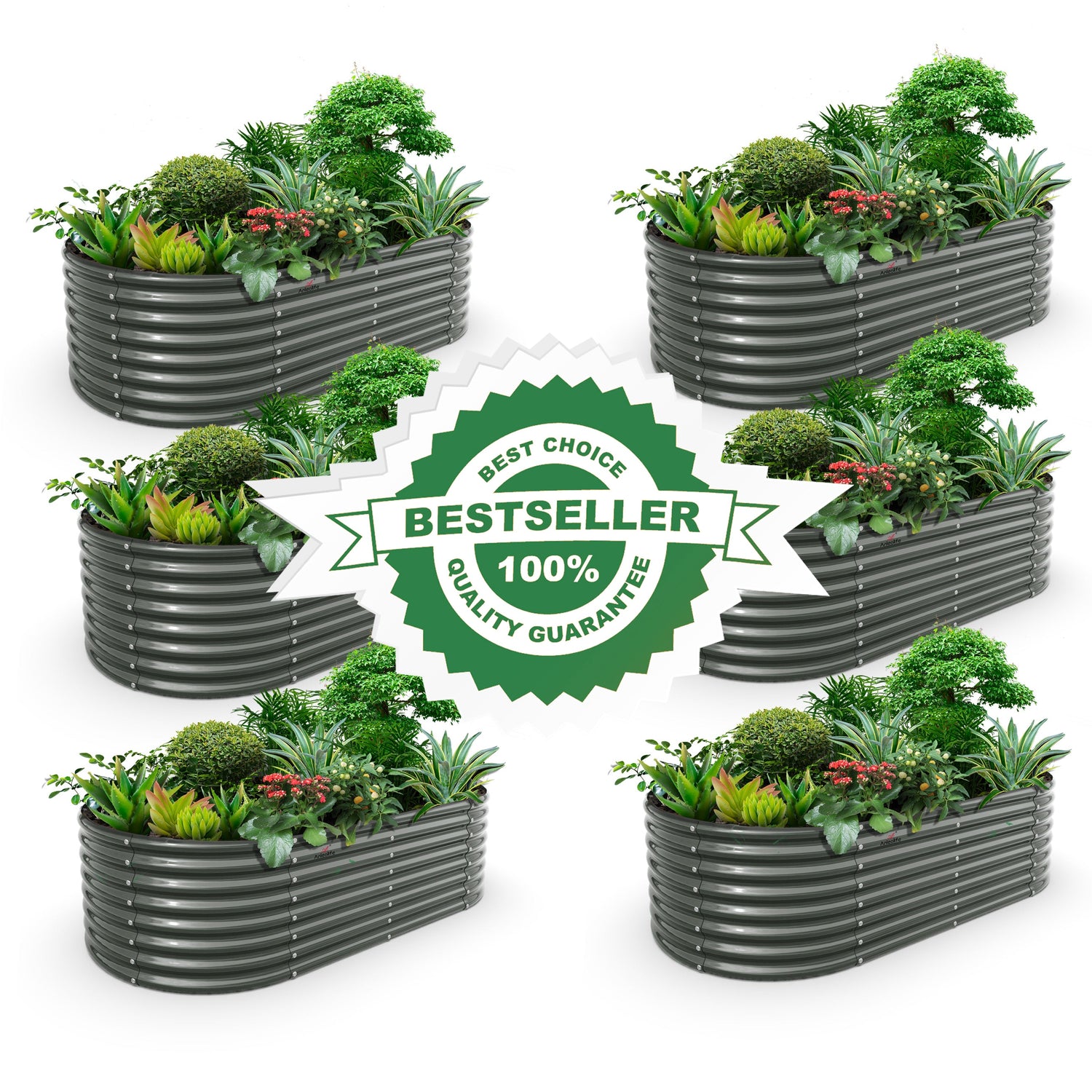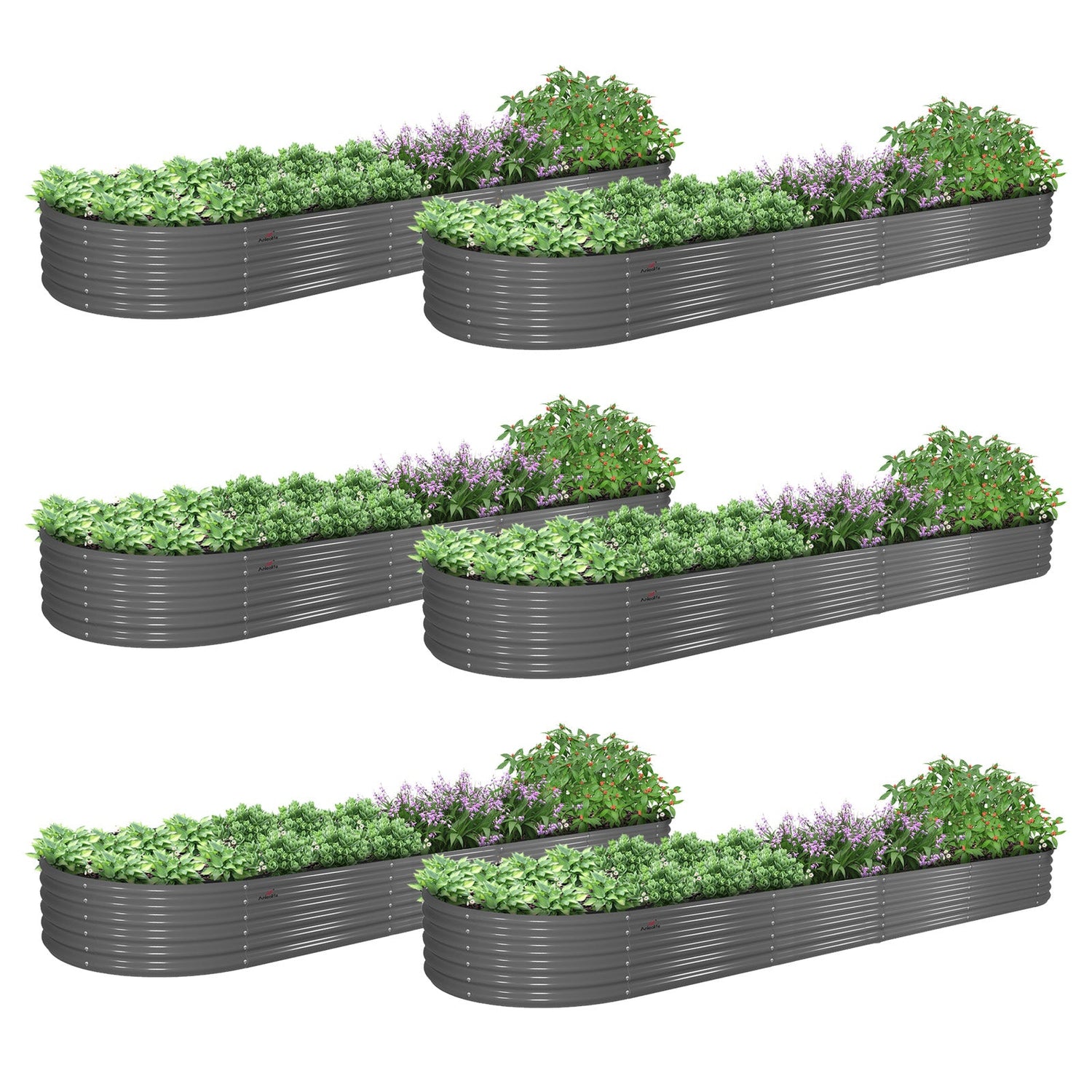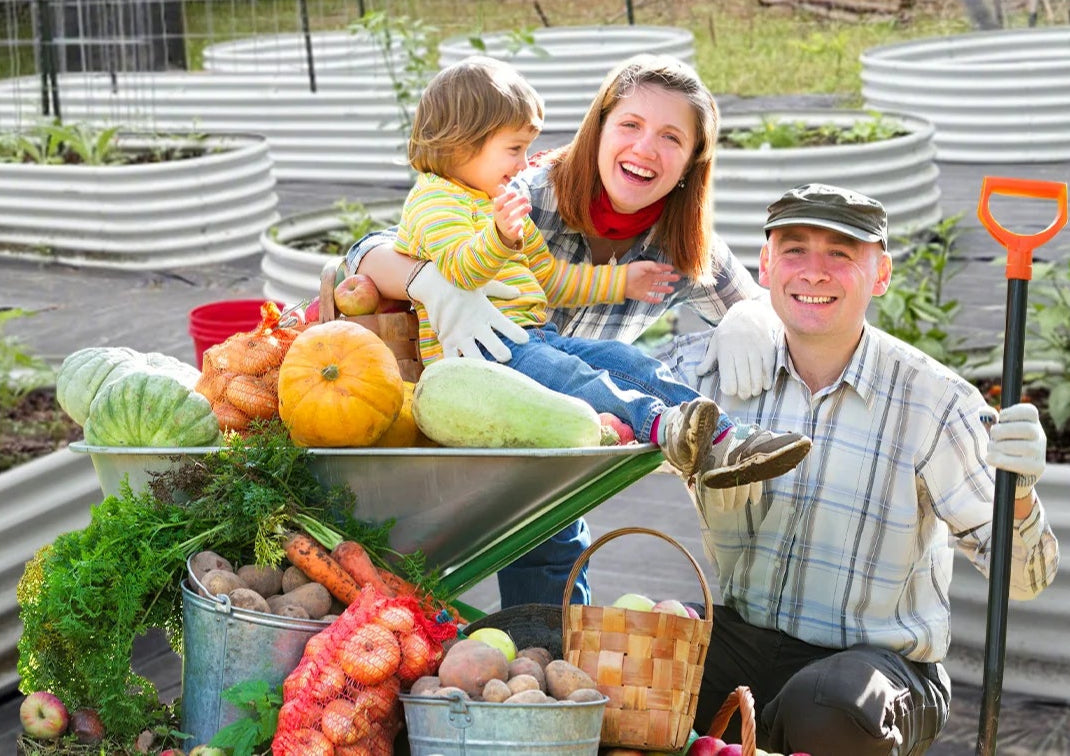



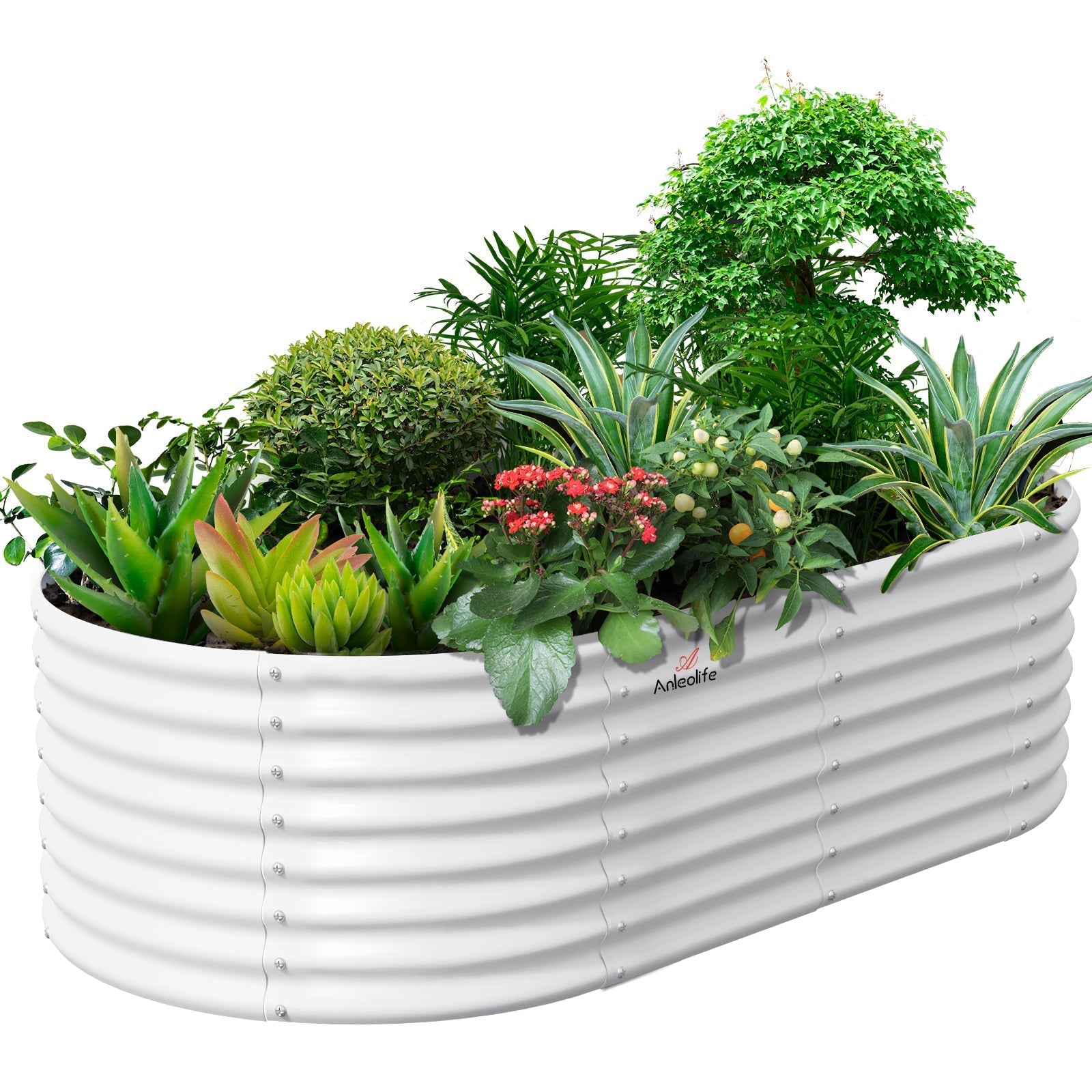
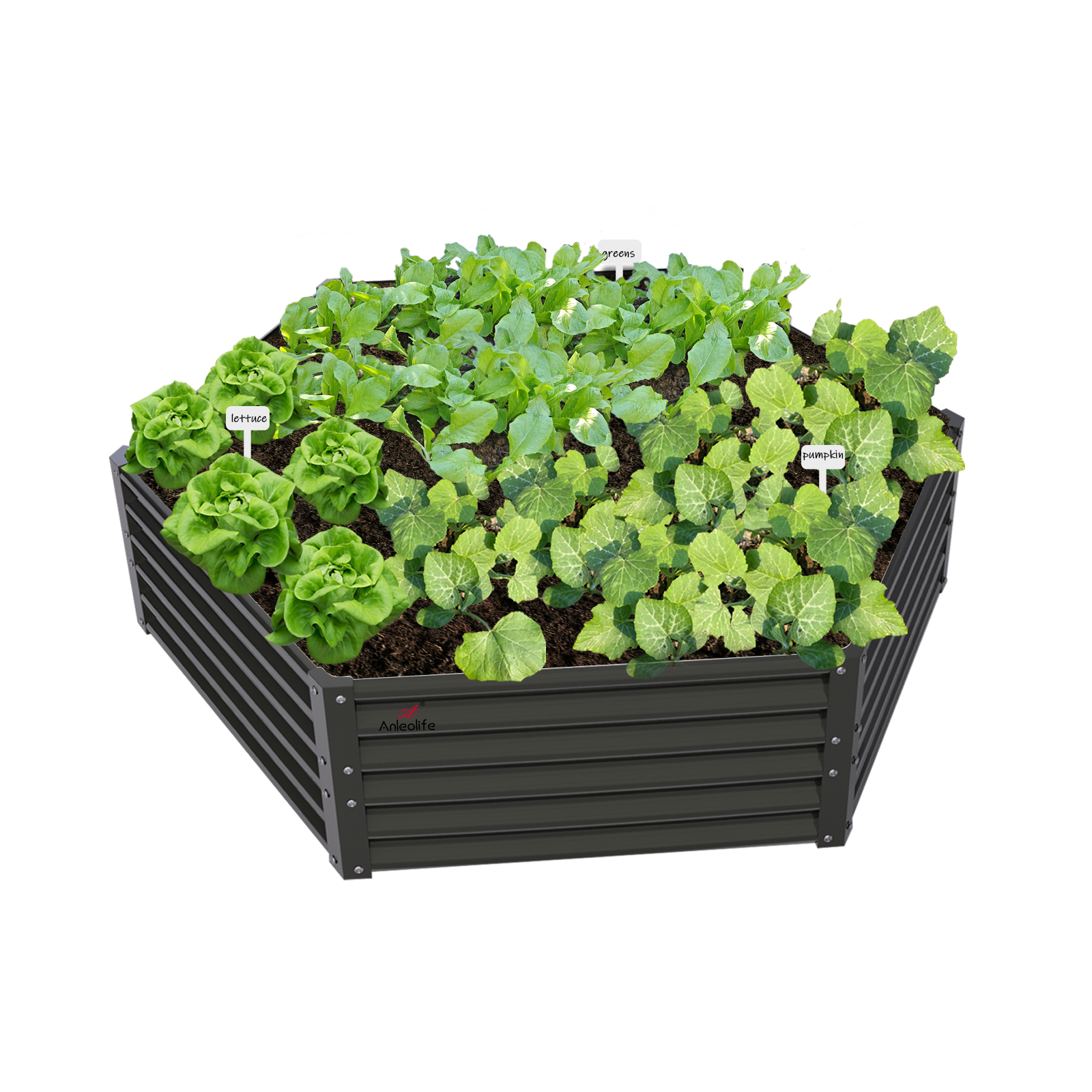
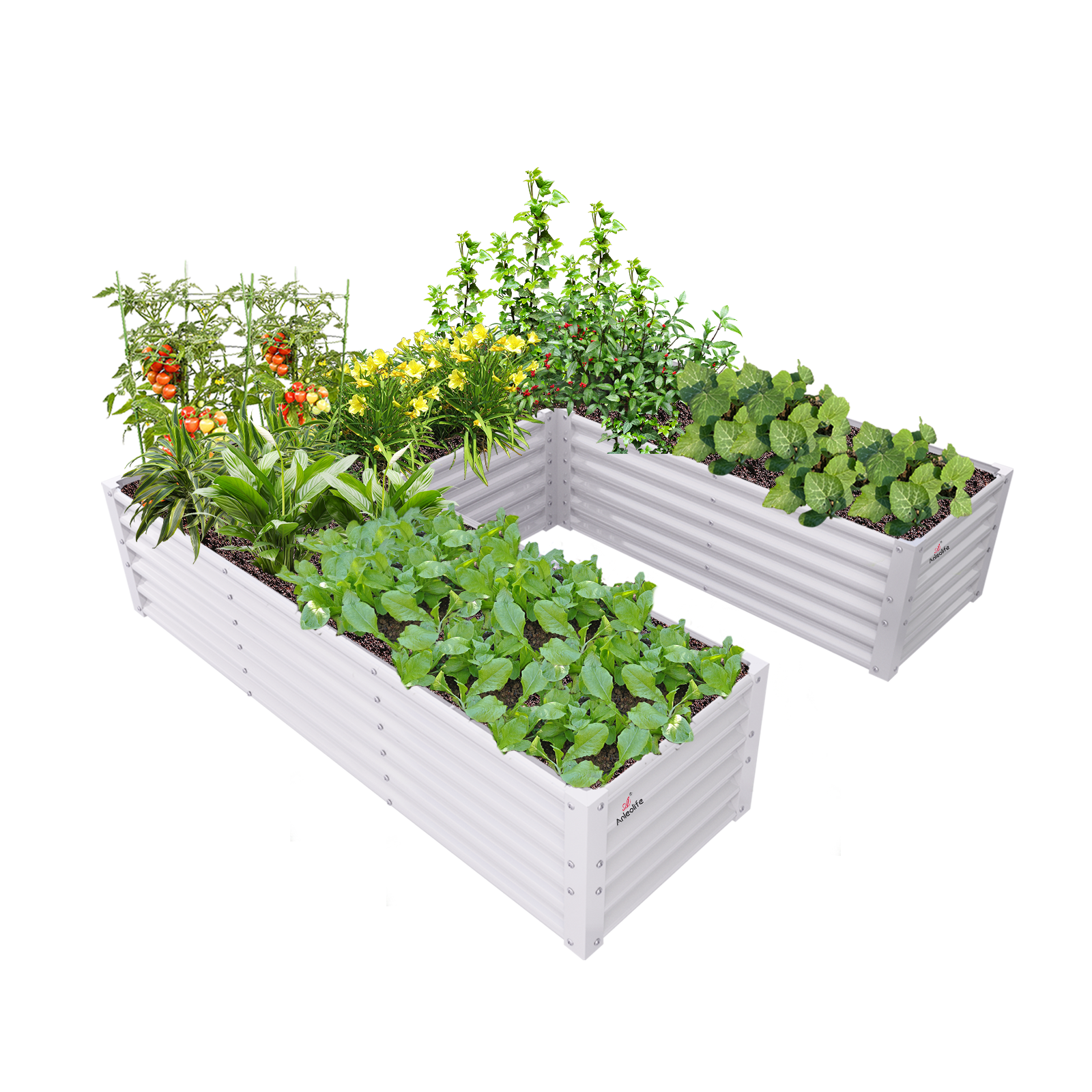

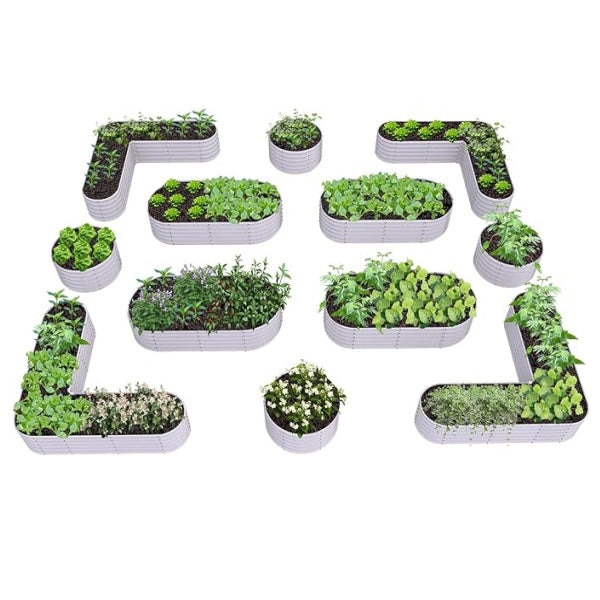

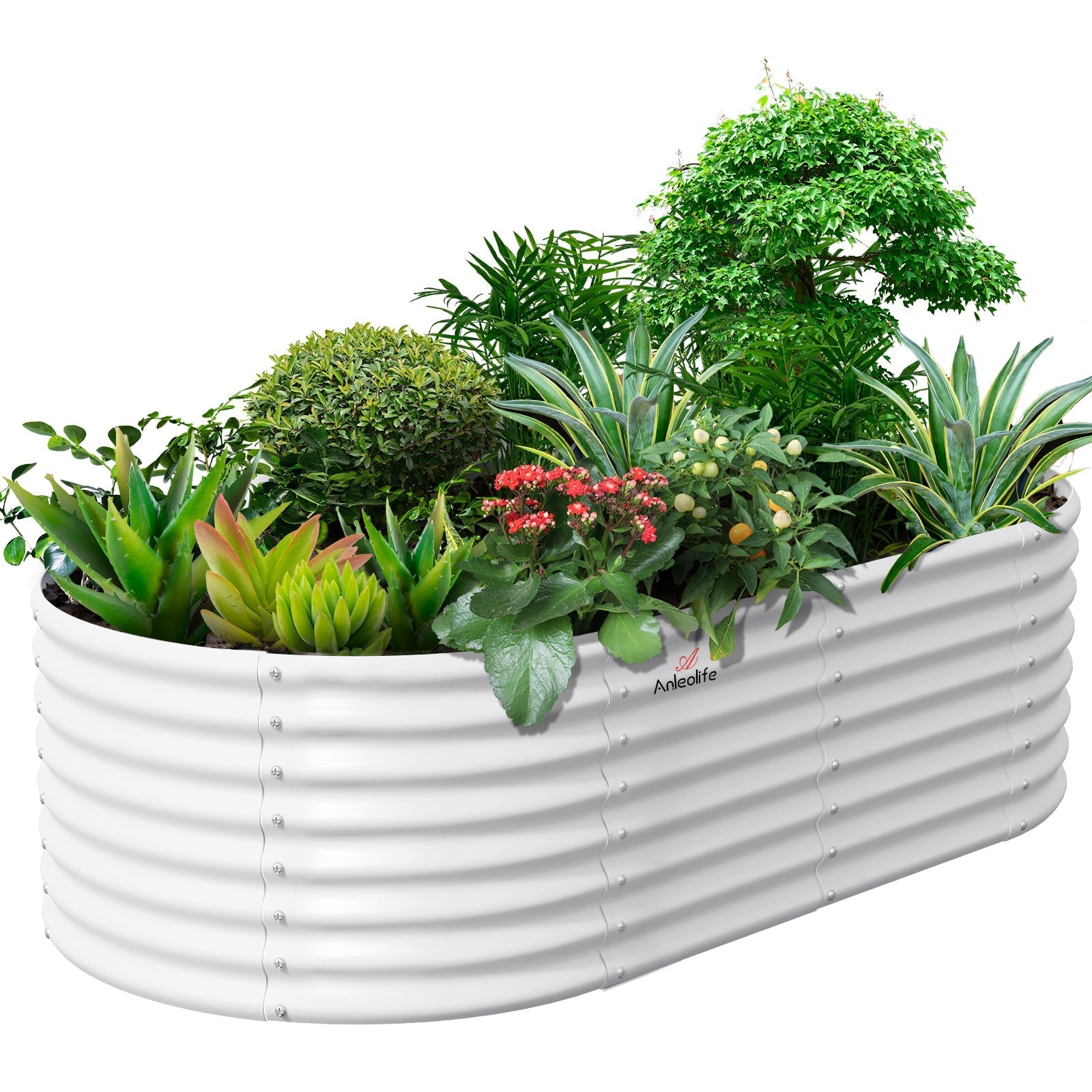


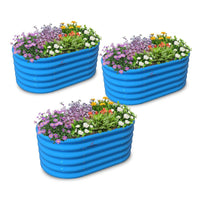
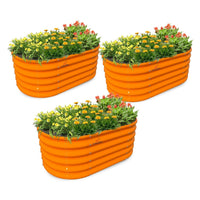
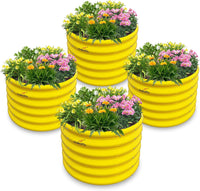
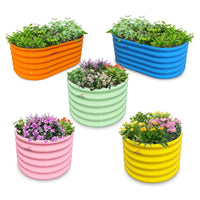


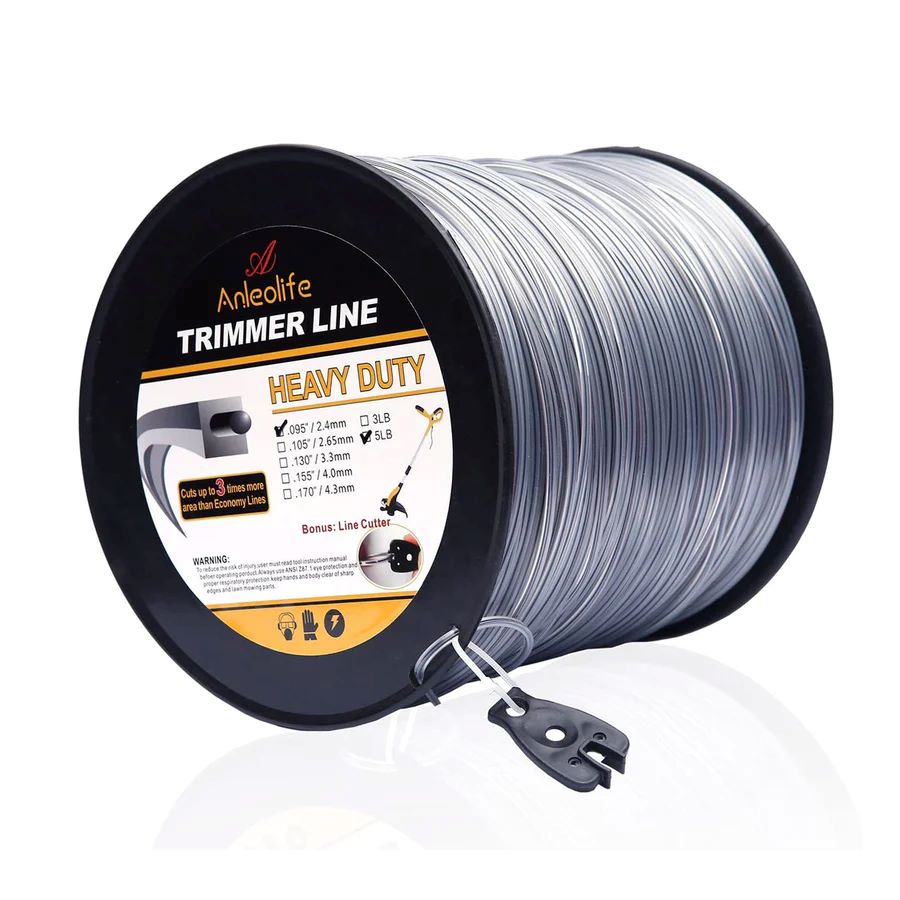

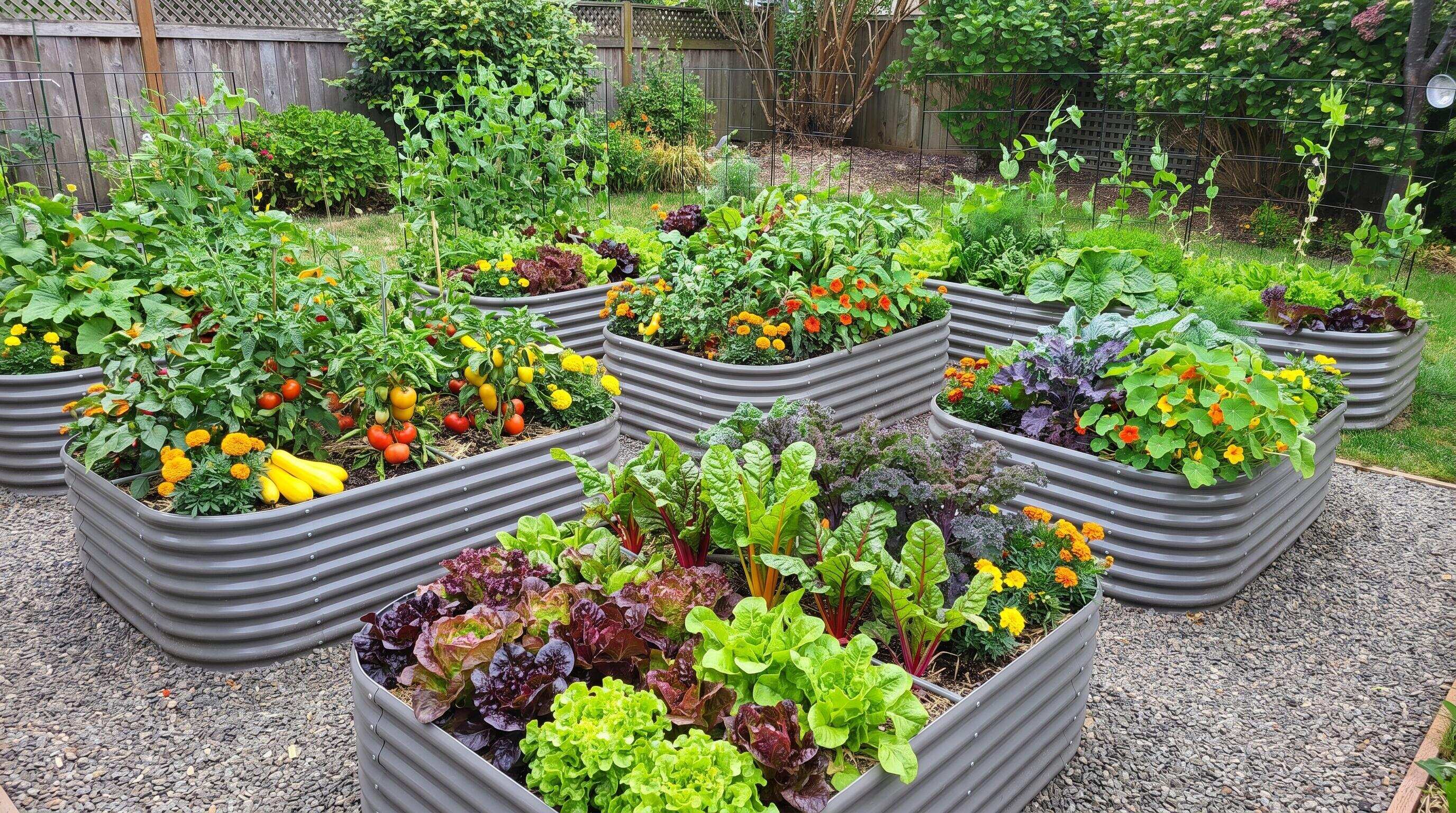
ALT: Budget-friendly backyard improvement ideas using raised bed garden layout and planting strategies
Best Ways to Improve Your Backyard on a Budget This Season
What is the single most effective thing you can do to transform your backyard without spending a fortune? The answer, in our experience working with home gardeners across North America, is almost always the same: start with a smart raised bed garden layout. A well-planned raised bed planting layout gives you immediate visual impact, improved growing conditions, and a scalable foundation that grows with your ambitions — all without the need for a full landscaping overhaul.
This list covers nine practical, budget-conscious strategies that real home gardeners can act on this season. Each item was selected because it delivers measurable improvement for a reasonable investment of time or money, suits a range of skill levels from complete beginners to experienced growers, and fits naturally into a broader raised bed layout that can be expanded over time. Whether you are working with a small urban patio, a suburban backyard, or a semi-rural plot, these approaches translate across different spaces and climates.
Nine Smart Ways to Upgrade Your Backyard This Season
Plan Your Raised Bed Layout Before You Buy Anything
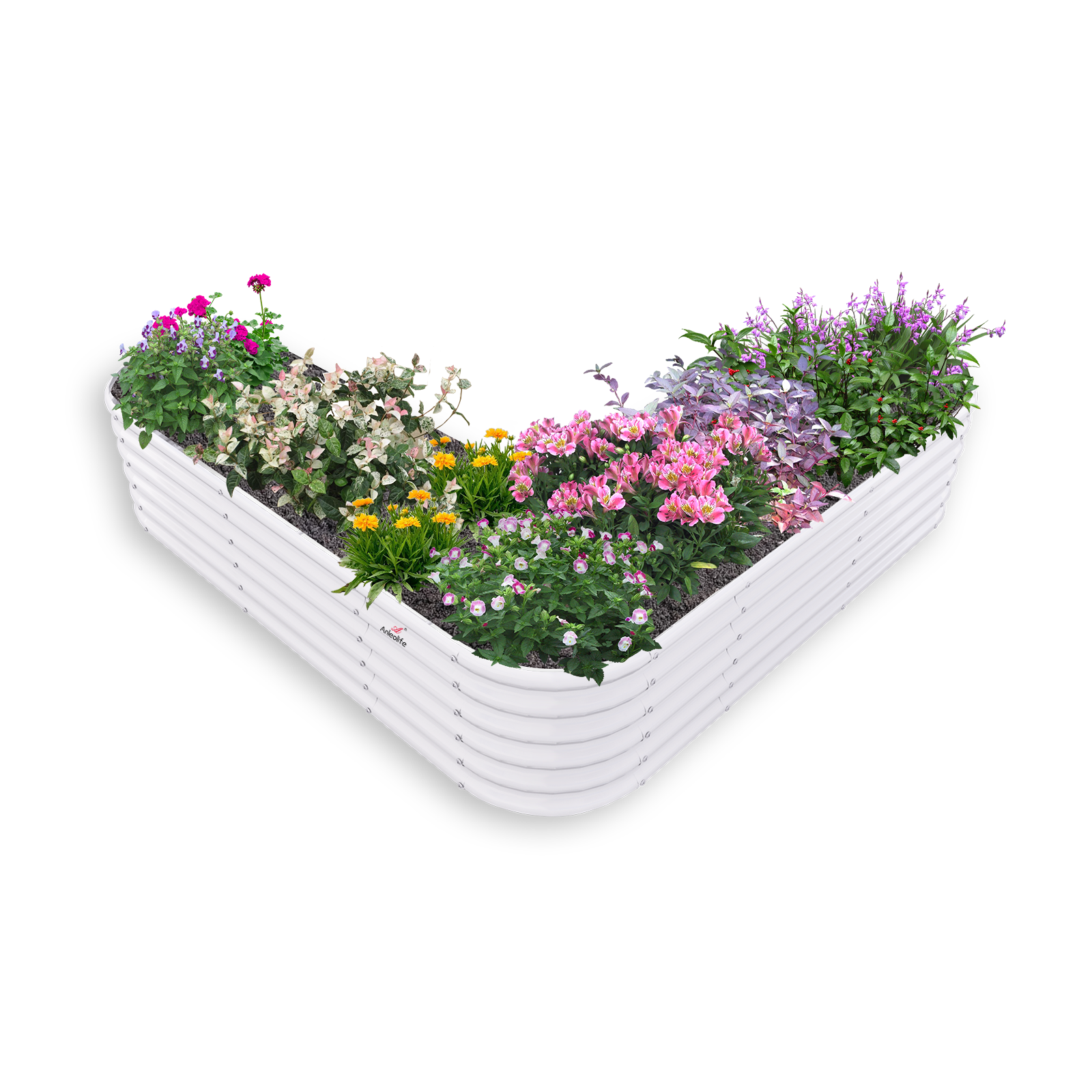
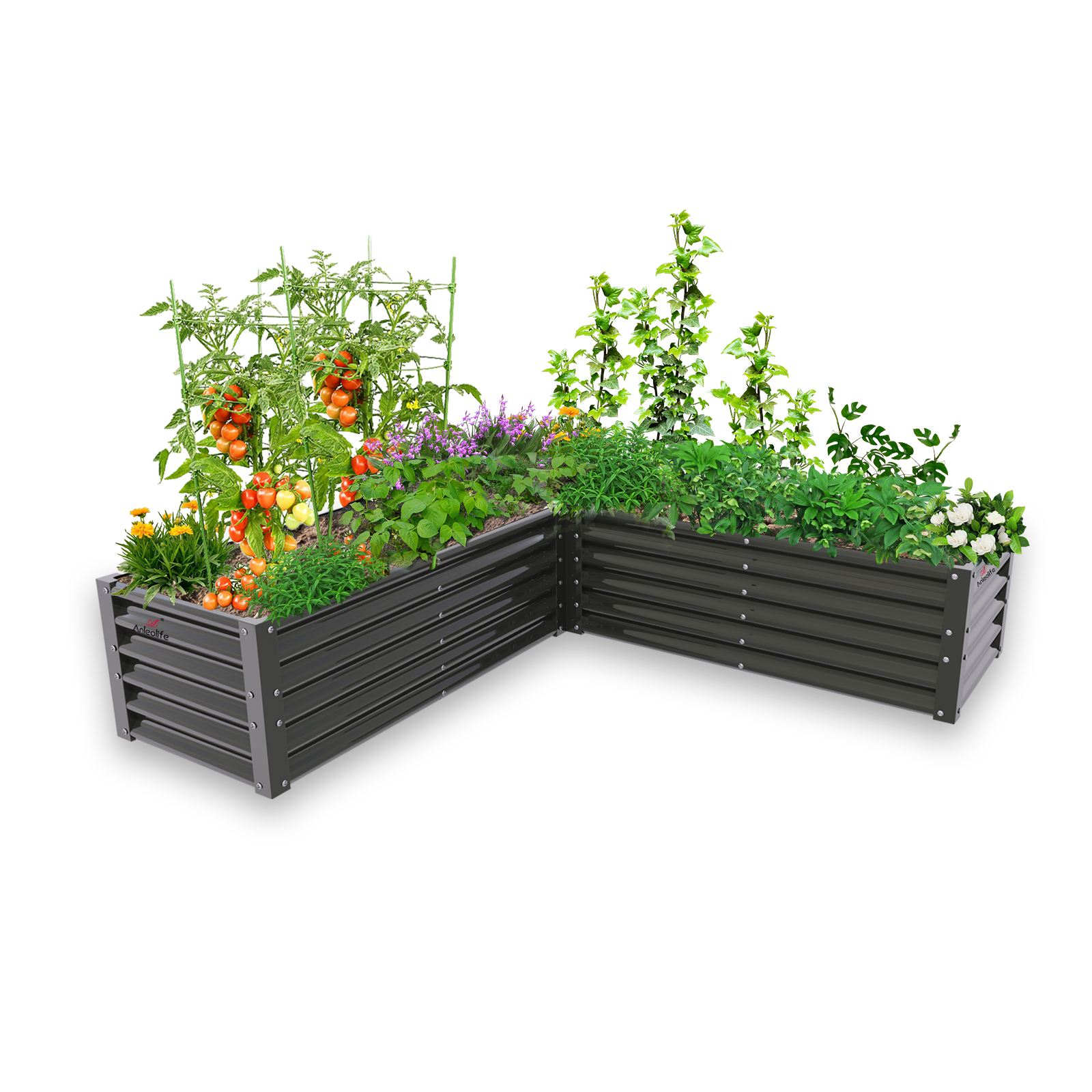
A raised bed garden layout is a spatial plan that maps out where each growing bed, pathway, and functional zone will be placed in your outdoor space. Planning before purchasing is the single habit that separates gardeners who stay on budget from those who overspend on materials they later rearrange or discard.
Start by sketching your space on graph paper or a free online grid tool. Mark sun exposure (how many hours of direct sunlight each zone receives), water access points, and any existing structures like fences or sheds. A classic raised bed planting layout for a standard backyard positions taller plants and trellises on the north side of the bed to avoid shading shorter crops. Pathways of at least 18–24 inches between beds allow comfortable kneeling and wheelbarrow access.
In our work with home gardeners, a pattern we consistently see is that those who sketch a raised bed layout first — even a rough one — end up buying the right number of beds the first time rather than discovering they need one more or have one too many.
Best for: First-time gardeners, anyone setting up a new outdoor space, and households looking to avoid costly do-overs.
Watch out: Do not finalize your layout until you have observed your yard through a full day and tracked shade movement — a morning-sunny spot can be afternoon-shaded, which significantly affects what you can grow there.
Choose Long-Lasting Metal Raised Garden Beds Over Cheap Alternatives
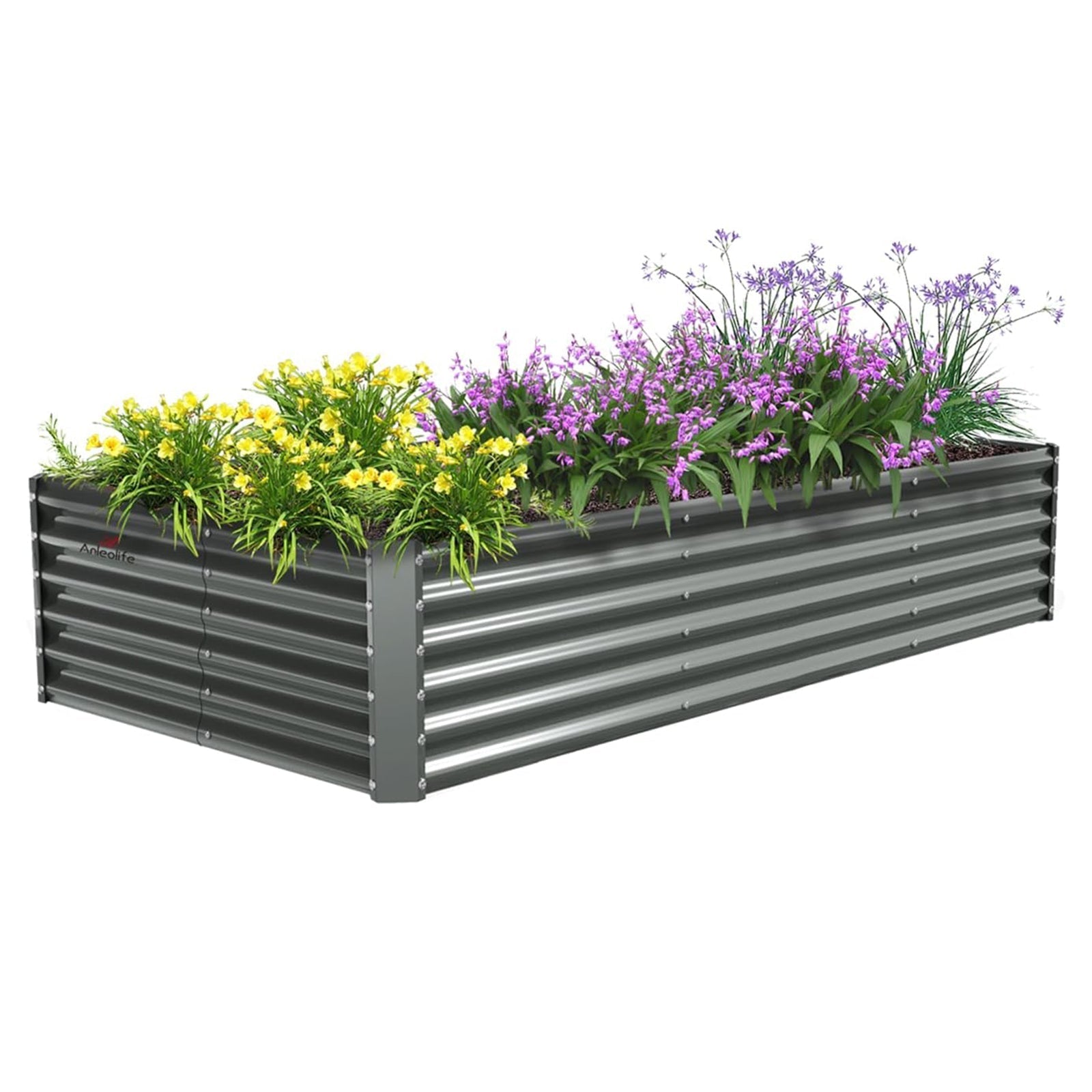
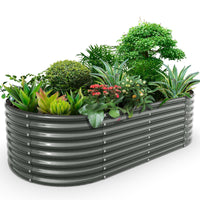
A metal raised garden bed is a planting container made from galvanized or rust-resistant steel that sits above ground level, providing better drainage, warmer soil, and improved pest control compared to in-ground planting. Choosing a durable bed upfront is one of the most budget-friendly decisions you can make because it eliminates the cost of replacement.
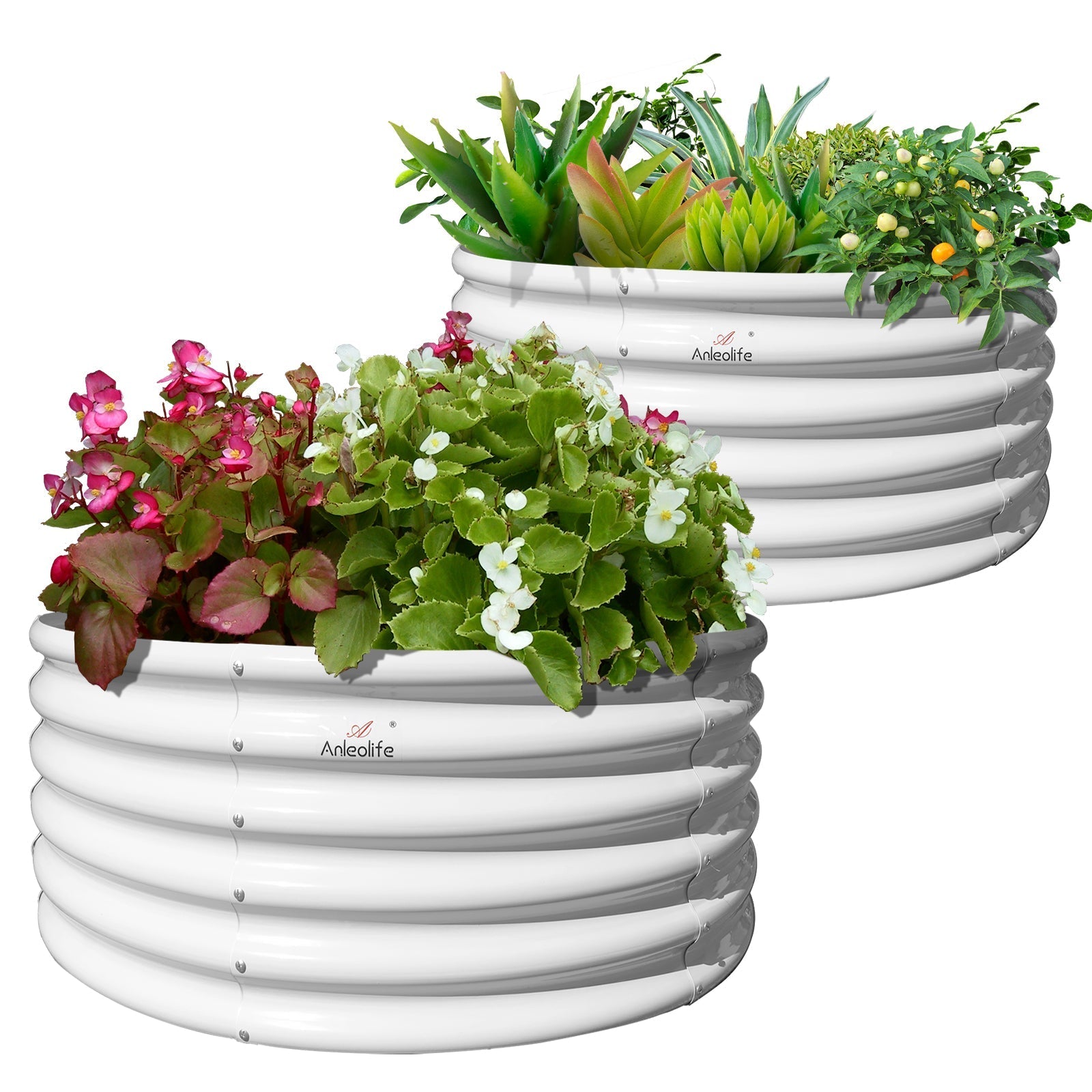
Wood beds that seem affordable initially often begin rotting within a few seasons, especially in humid climates. Galvanized steel and rust-resistant steel beds, by contrast, can last up to 20 years — meaning the per-season cost of a quality bed is far lower than it appears at checkout. Anleolife's galvanized steel raised garden beds and rust-resistant raised garden beds are designed with this long-term value in mind, available in a wide range of sizes from compact 18-inch-tall models to waist-high 35-inch options that eliminate bending entirely.
If you are comparing materials, the resource Rust-Resistant Garden Bed Materials: What Actually Holds Up Best This Year offers a practical breakdown of how different coatings and metals perform over time — useful reading before you commit.
Best for: Anyone tired of replacing rotted wood beds, eco-conscious growers who want a one-time purchase, and retirees who prefer low-maintenance setups.
Watch out: Not all "galvanized" beds are equal in steel thickness. Thicker-gauge steel holds its shape better over multiple seasons and heavy soil loads, so check product specifications carefully before buying.
Start Small With a Modular Raised Bed System
A modular raised garden bed system is a set of connectable bed panels or components that allow you to start with one configuration and expand later without buying an entirely new product. This approach is ideal for gardeners on a strict budget because it distributes the cost over time rather than requiring a large upfront investment.
Beginning with a single 8x4 ft bed, for example, gives you enough growing space to produce meaningful harvests of herbs, salad greens, tomatoes, and root vegetables. Once you have the hang of your soil system and watering routine, adding a second or third module is straightforward. Anleolife's modular raised garden bed lineup is specifically designed for this kind of gradual expansion, with configurations ranging from a starter 6x2 ft footprint up to an expansive 12x3 ft arrangement.
This modular philosophy aligns with how most successful home gardens actually grow — not all at once, but incrementally as confidence and available space increase.
Best for: Urban micro-gardeners with limited space, beginners who want to learn before scaling up, and households managing variable seasonal budgets.
Watch out: Map out your eventual full layout before buying your first module so that your initial placement leaves room for future expansion without blocking pathways or sun access.
Invest in a Quality Soil System, Not Just Any Dirt
The soil system inside a raised bed — meaning the specific layered mix of topsoil, compost, and amendments — is what directly determines how well your plants grow. Filling a bed with plain garden soil from the ground is one of the most common and costly mistakes beginners make, because compacted native soil defeats the purpose of raised bed gardening.
According to the USDA's guidance on home gardening, a high-quality growing mix for raised beds typically combines compost, aged manure or worm castings, and a coarse material like perlite or coarse sand for drainage. This blend produces loose, nutrient-rich soil that roots can penetrate easily and that drains well after heavy rain — both critical advantages over native soil.
The good news from a budget perspective: you can build a soil system incrementally. Top-dress existing beds with compost each season rather than replacing the entire soil volume, which is both cost-effective and ecologically sound. For a deeper dive into what goes into a productive mix, Best Soil Composition for Thriving Organic Vegetable Raised Beds This Growing Season is a practical starting point.
Best for: Health-oriented growers focused on food quality, eco-conscious households who want to reduce synthetic inputs, and anyone who has experienced poor yields from compacted soil.
Watch out: Cheap bulk "topsoil" sold by the truckload is often heavy clay or sandy fill with minimal organic matter. Always ask for the composition or buy a product with a clear ingredient list.
Use Vertical Space to Multiply Your Growing Area
Vertical gardening is the practice of training plants upward using trellises, cages, wire panels, or netting rather than letting them sprawl horizontally. For gardeners working with a limited raised bed layout, going vertical can effectively double or triple the productive surface area of a single bed without adding a single square foot of ground space.
Vining crops — cucumbers, pole beans, squash, peas, and many tomato varieties — are naturally inclined to climb and actually produce better yields when properly supported. Position vertical structures on the north or west side of your bed to avoid casting shade over shorter plants. A simple cattle panel arch over a 4-foot-wide bed creates a productive tunnel that is both functional and visually attractive.
This strategy costs very little. A basic cattle panel or bamboo trellis adds minimal expense while dramatically increasing what a single bed can produce in a season.
Best for: Urban micro-gardeners with small footprints, families trying to maximize vegetable output, and gardeners in warm climates with long growing seasons.
Watch out: Ensure vertical structures are anchored securely. A heavily fruiting cucumber or squash vine can become surprisingly heavy and will pull down a flimsy trellis, potentially damaging plants and wasting the season's work.
Add a Watering System That Pays for Itself
A drip irrigation system is a network of low-pressure tubing and emitters that delivers water directly to the root zone of each plant, reducing evaporation and minimizing water waste compared to overhead sprinklers or hand-watering. For raised bed gardening specifically, drip irrigation is among the highest-return investments you can make because raised beds dry out faster than in-ground plots.
The math is straightforward: consistent, targeted watering leads to more consistent harvests, fewer disease problems (wet foliage promotes fungal issues), and meaningfully lower water bills over a season. Entry-level drip systems designed for home raised beds are widely available and can typically be installed without professional help in a single afternoon.
For gardeners ready to explore the options, a resource like Best Drip Irrigation Systems for Raised Garden Beds This Growing Season is a helpful reference point as you evaluate emitter types, timer options, and compatible tubing sizes.
Best for: Households in drier climates, busy families who cannot water daily, and anyone who has lost crops to inconsistent watering.
Watch out: Drip systems require periodic flushing and inspection for clogged emitters. A blocked emitter goes unnoticed because there is no visible puddle — the plant simply wilts. Build a monthly check into your garden routine.
Define Pathways to Make the Space Feel Designed
Defined garden pathways are walkable surfaces — gravel, wood chips, stepping stones, or compacted mulch — that separate your raised beds from each other and from the surrounding lawn or soil. Adding clear pathways is one of the least expensive ways to make a backyard feel intentional and well-organized rather than improvised, which directly increases how much time you actually want to spend in the space.
From a functional standpoint, pathways prevent soil compaction around bed edges, reduce weed pressure, and keep mud off your shoes after rain. Wood chip mulch is particularly budget-friendly: many municipalities offer free or heavily discounted wood chips through their composting or tree-trimming programs. A four-inch layer suppresses weeds effectively and breaks down slowly into useful organic matter over the season.
Visually, even a simple gravel path between two beds transforms a backyard from a collection of objects into a cohesive garden design — a change that costs almost nothing but has an outsized effect on the space's appeal.
Best for: Empty nesters who use the garden as a visual retreat, families wanting a cleaner outdoor aesthetic, and anyone whose backyard currently feels unfinished.
Watch out: Avoid pathways that are too narrow. A path you cannot comfortably walk while carrying a trug or small watering can will quickly feel frustrating, especially as plants grow and encroach on the edges.
Introduce a Small Animal or Habitat Element
Raising small animals like backyard chickens or rabbits is a meaningful way to extend a home garden from a planting-only setup into a self-reinforcing ecosystem, where animal waste feeds soil and garden scraps feed animals. This is not a step for everyone, but for families with adequate space and local ordinances that permit it, even a small chicken coop or rabbit hutch adds long-term productivity to a backyard at a fraction of the cost of store-bought eggs or produce.
Chickens in particular serve multiple budget-friendly functions: they produce eggs, consume kitchen scraps that would otherwise be composted or discarded, and generate nitrogen-rich manure that, once composted, is one of the best soil amendments available. Anleolife's chicken coops and rabbit hutches are designed to integrate naturally with the company's garden bed ecosystem, making it straightforward to create a closed-loop system where the animal and planting zones complement each other.
According to the National Sustainable Agriculture Information Service (ATTRA), integrating small livestock with home vegetable production is a documented strategy for reducing input costs and improving soil fertility over time.
Best for: Families with children who want a living, educational element in the garden, health-oriented households pursuing self-sufficiency, and homeowners with yards large enough to meet local regulations.
Watch out: Research your local zoning laws before investing in any coop or hutch. Many municipalities have specific regulations about the number of animals allowed, required setbacks from property lines, and whether roosters are permitted.
Make It Beautiful Without a Landscaping Budget
Garden beautification — the practice of adding intentional aesthetic elements like decorative edging, pathway accents, and ornamental plant groupings — does not require a professional landscaper or a large budget. Small, well-placed improvements consistently have a larger visual impact than expensive wholesale renovations.
A few strategies that deliver strong results for low cost: paint a fence a fresh neutral color to serve as a backdrop for beds; use the clean lines of a galvanized raised bed's own geometry as a design feature rather than hiding it; plant edible flowers like nasturtiums or calendula along bed edges to add color while contributing to the kitchen. Anleolife's decorative accessories and pathway systems are designed to complement the brand's core bed lineup, allowing gardeners to build aesthetic cohesion across the whole space without sourcing from multiple disconnected suppliers.
The principle we return to consistently in our work with garden clients is that tidiness costs nothing. A well-edged bed, a clean pathway, and a consistent material palette (matching bed colors, uniform path material) will make even a modest backyard look considered and inviting.
Best for: Middle-class families who use the backyard for entertaining, empty nesters and retirees who want an attractive outdoor retreat, and anyone whose yard currently feels cluttered.
Watch out: Resist the urge to add too many decorative elements. A backyard that is trying to do too much visually reads as busy rather than beautiful. Choose one or two accent materials and use them consistently.
Quick Comparison at a Glance
| Strategy | Best For | Key Strength | Limitation |
|---|---|---|---|
| Plan your raised bed layout first | All gardener types | Prevents costly mistakes and wasted materials | Requires time investment before starting |
| Choose durable metal raised beds | Long-term growers, low-maintenance setups | Up to 20-year lifespan, cost-effective per season | Higher upfront cost than wood |
| Start with a modular bed system | Beginners, tight budgets | Scalable; grow over time without replacement | Requires planning final layout early |
| Invest in a quality soil system | Health-conscious, food-quality focused | Directly drives yield and plant health | Good compost and amendments have upfront cost |
| Use vertical space | Small footprints, high-output goals | Multiplies growing area without new beds | Structures need secure anchoring |
| Add drip irrigation | Dry climates, busy schedules | Saves water and improves consistency | Requires periodic maintenance |
| Define clear pathways | Aesthetic-focused, practical gardeners | Low cost, high visual impact | Narrow paths become frustrating quickly |
| Introduce small animals | Families, self-sufficiency seekers | Creates a self-reinforcing ecosystem | Subject to local zoning regulations |
| Add beautification elements | Entertainers, retirees | Transforms feel of space at low cost | Over-decorating creates visual clutter |
How to Choose the Right Starting Point for Your Backyard
The most useful piece of guidance we offer gardeners who feel overwhelmed by options is this: your starting point should match your most pressing frustration, not the most popular strategy online.
If your backyard looks unfinished and you want immediate visual improvement, start with pathways and beautification. These require almost no structural commitment and can be adjusted as your space evolves.
If you want to grow food but have struggled with poor yields in the past, the soil system is your highest-leverage fix. Even the best raised bed garden layout will underperform if the soil inside is compacted, nutrient-poor, or waterlogged.
If you are starting from zero and want a system that scales, begin with a layout plan followed by one or two modular raised beds. This gives you a foundation to build on without locking you into a configuration you will later want to change.
If budget is the primary constraint, the planning step costs nothing. Spend a weekend mapping your space, tracking sun exposure, and sketching your ideal raised bed planting layout. That groundwork makes every subsequent purchase more targeted and eliminates expensive guesswork.
A common misconception we encounter regularly is that a small budget means a small garden. In practice, a single well-positioned 8x4 ft raised bed with excellent soil and a simple drip timer can outproduce a large, poorly planned in-ground garden bed. Scale is not the driver — thoughtful layout and good inputs are.
If you are unsure what size bed makes sense for your space and goals, A First-Time Buyer's Guide to Sizing a Raised Garden Bed Kit walks through the key considerations clearly and practically.
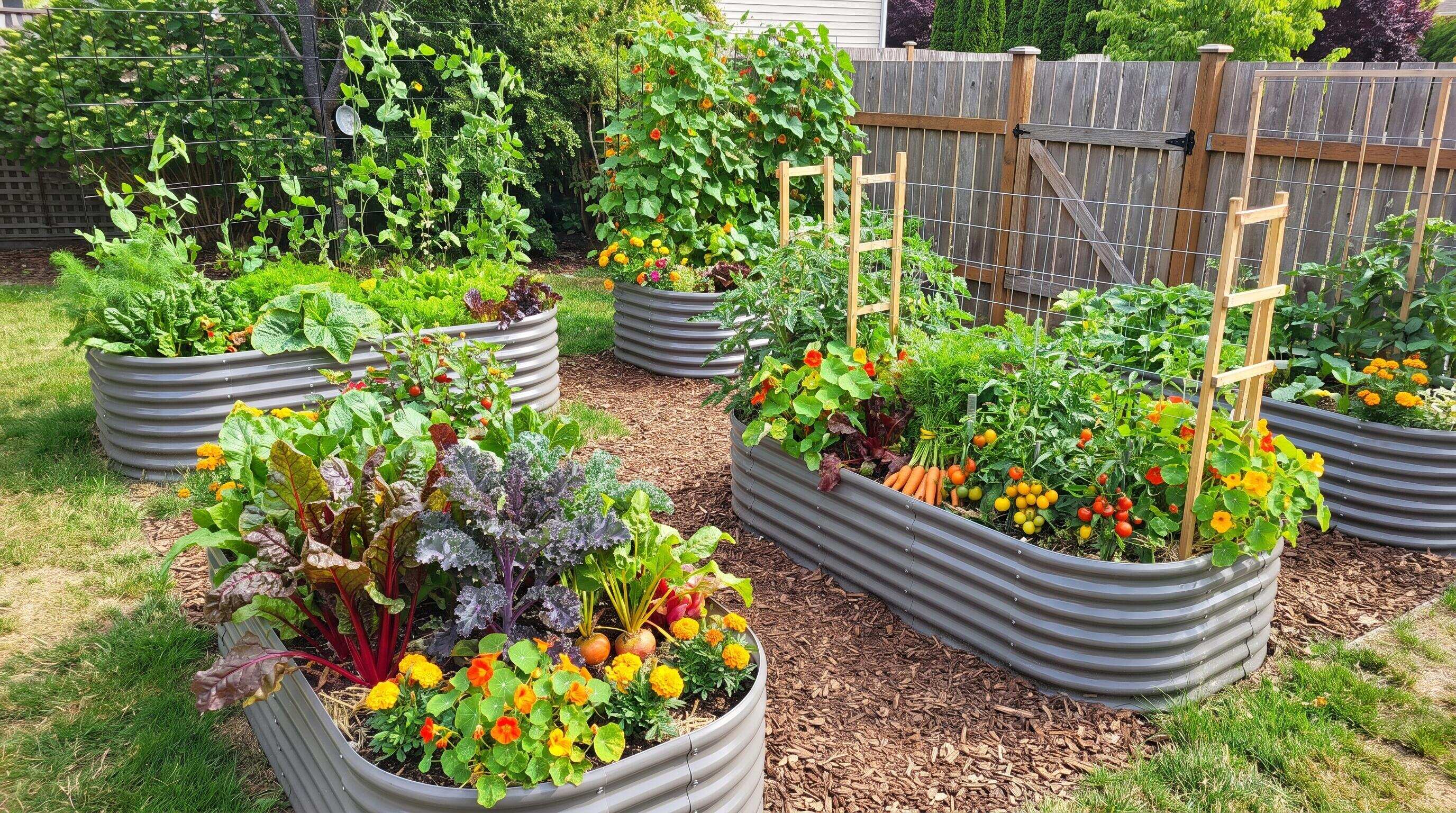
ALT: Well-organized backyard raised bed planting layout with defined pathways, vertical trellises, and metal garden beds in a residential setting
Common Questions
Q1: How do I plan a raised bed garden layout if my yard has irregular shape or slopes?
A raised bed garden layout works well in irregular spaces because individual beds can be sized and positioned to fit around obstacles, slopes, and existing structures. For slopes specifically, level the ground beneath each bed or use taller beds on the downhill side to create a stepped terrace effect. The key principle is that each bed should be level at the top so that water and soil distribute evenly — the ground beneath can vary. Sketch your space to scale before buying any beds, noting existing features.
Q2: Are metal raised garden beds safe for growing vegetables?
Metal raised garden beds, particularly those made from galvanized or food-safe coated steel, are widely considered safe for vegetable growing. According to research and guidance from university extension programs, zinc (the primary coating in galvanized steel) does not leach into soil at levels harmful to plants or humans under normal conditions. The soil itself acts as a buffer. For extra peace of mind, some gardeners line the interior with a food-safe barrier, though most extension guidance indicates this is not necessary. Always check that the specific product you purchase does not use lead-based paints or industrial coatings.
Q3: How long does it take to set up a raised bed garden, and what does it cost to get started?
A single raised bed can typically be assembled in two to four hours, including filling with soil — no special tools or skills required. Starter costs vary depending on bed size, soil quality, and any additional accessories, but a functional single-bed setup is achievable at a genuinely modest budget. The longer-term cost picture is favorable: a quality galvanized or rust-resistant metal bed can last up to 20 years, spreading the initial investment across many growing seasons. Delivery from Anleolife's nationwide warehouse network takes 3–8 business days, meaning you can have your first bed set up within a week of ordering.
The Bottom Line
Improving your backyard on a budget is genuinely achievable this season — and the strategies that deliver the most value are often the simplest ones.
Key Takeaways:
- A planned raised bed garden layout prevents the most common and costly gardening mistakes before they happen.
- Durable metal raised beds have a lifespan of up to 20 years, making them significantly more cost-effective than wood alternatives over time.
- Starting small and modular is smarter than overbuilding — expand your raised bed layout as your experience and budget allow.
- Soil quality is the highest-leverage variable in raised bed gardening; never compromise on what goes inside the bed.
- Beautification and pathway work cost very little but have an outsized effect on how the space looks and feels.
The next practical step is straightforward: spend thirty minutes sketching your backyard to scale, mark your sun zones, and identify where one or two raised beds would fit naturally into the space. That plan becomes the blueprint for every purchase you make this season — and ensures that every dollar you spend goes toward a garden that will genuinely grow with you.
Ready to put your layout into action? Explore Anleolife's full lineup of raised garden beds, soil-compatible accessories, and small animal housing at Anleolife.com. Products ship from a nationwide U.S. warehouse network — with locations in California, Texas, Florida, New York, Illinois, and Washington — delivering in 3–8 business days so your garden plans are never on hold. You can also shop through Amazon, Walmart, Home Depot, Lowe's, and Wayfair, all with consistent quality assurance and after-sales support. Whether you are setting up your first bed or building out a complete planting-and-raising ecosystem, Anleolife's modular product design grows alongside your ambitions, one season at a time.
Sources & Further Reading
- U.S. Department of Agriculture (USDA). "Home Gardening and Soil Health Resources."
https://www.usda.gov - U.S. Environmental Protection Agency (EPA). "Composting and Sustainable Soil Practices."
https://www.epa.gov - National Sustainable Agriculture Information Service (ATTRA). "Small-Scale Livestock Integration with Home Gardens."
https://attra.ncat.org - University of California Cooperative Extension. "Raised Bed Gardening and Soil Recommendations."
https://ucanr.edu
Note: Standards and recommendations may be updated; please check the latest official documents or consult professional advisors.