


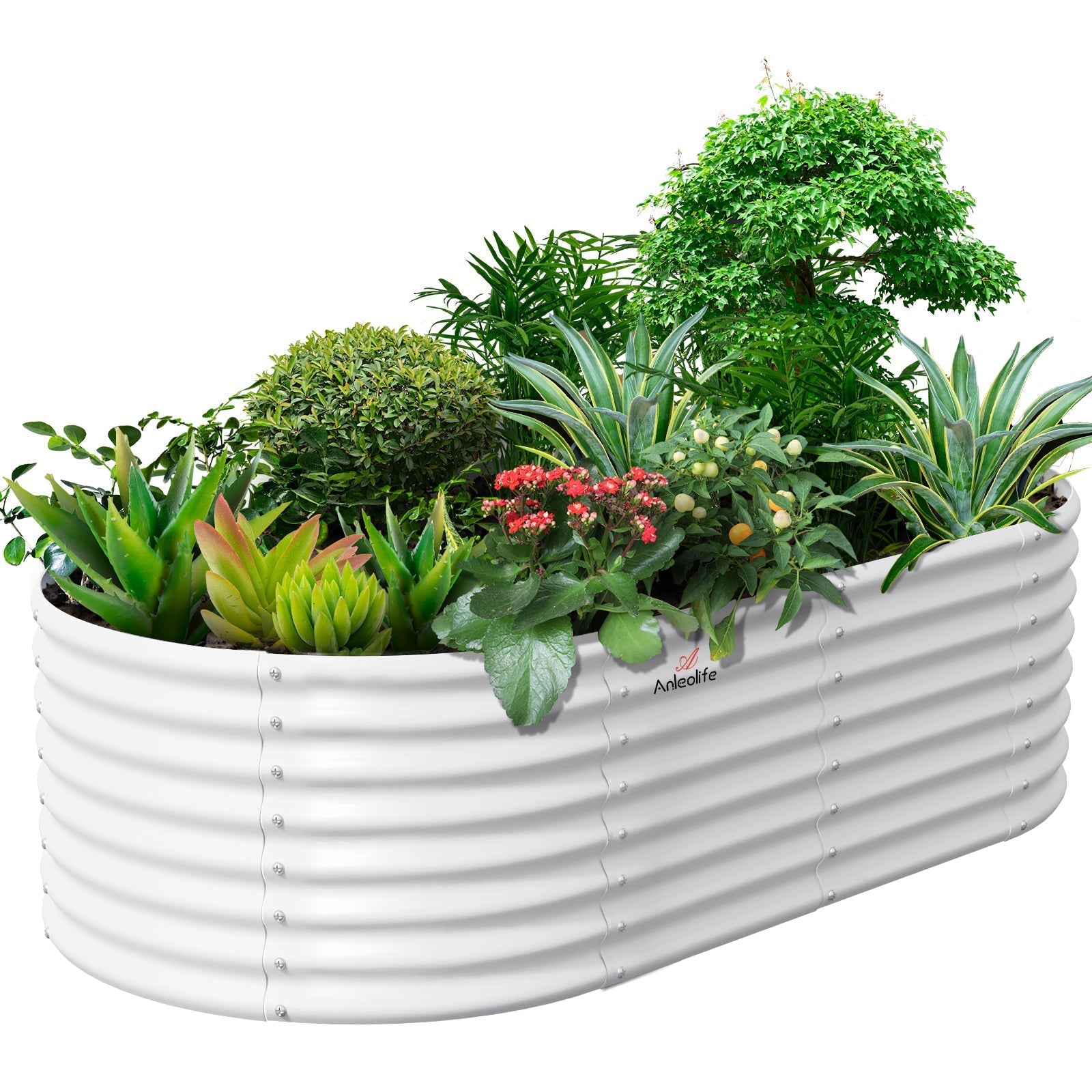
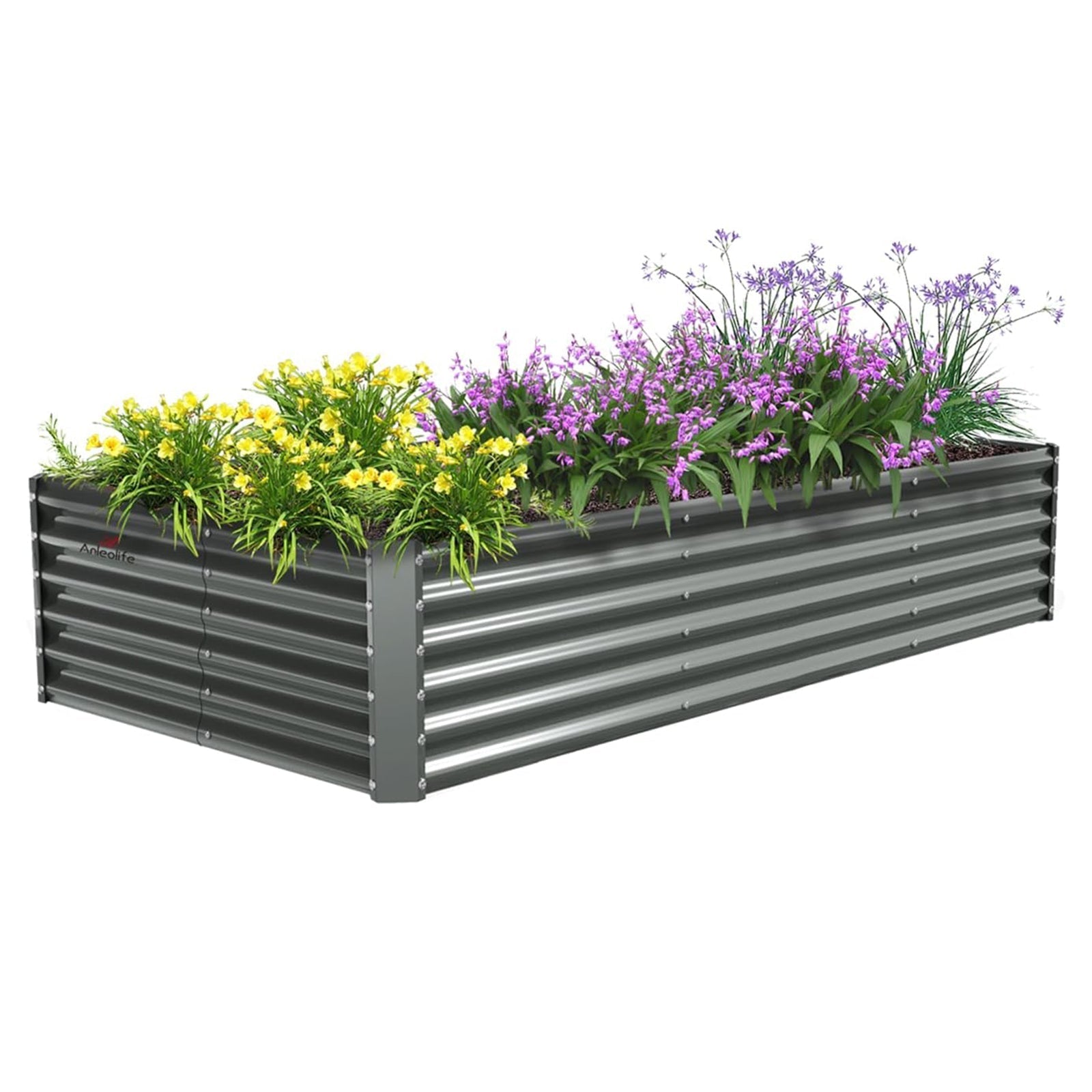
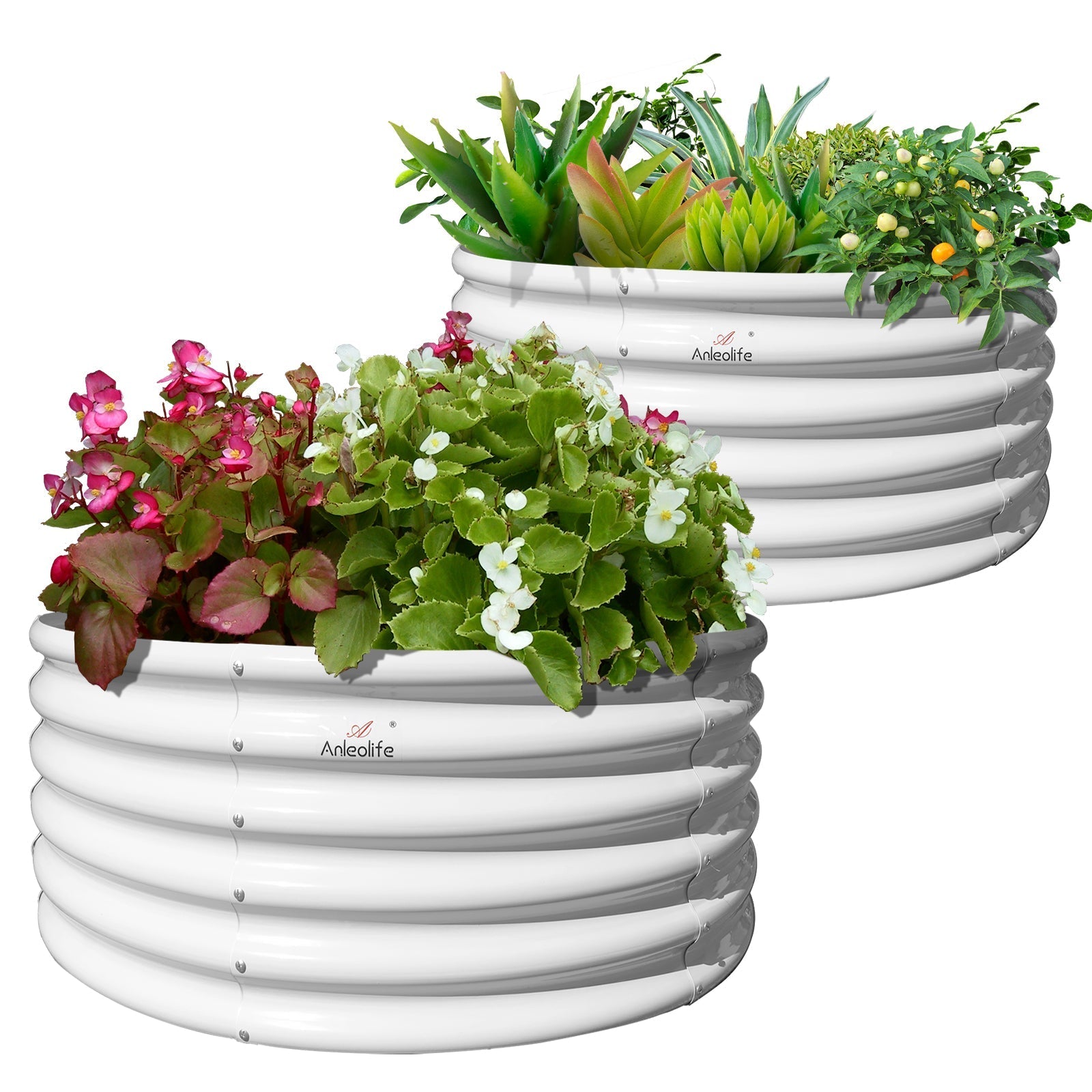
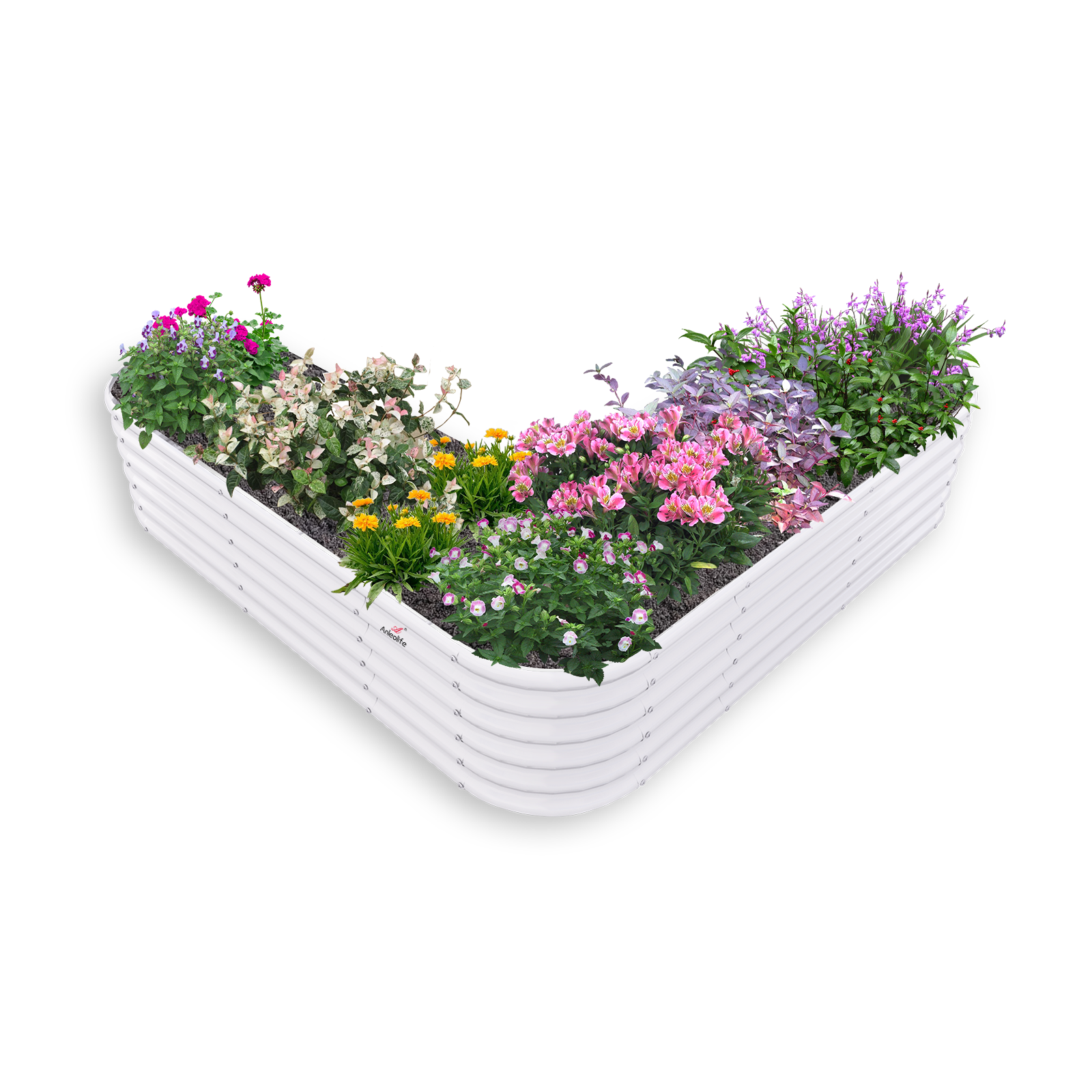
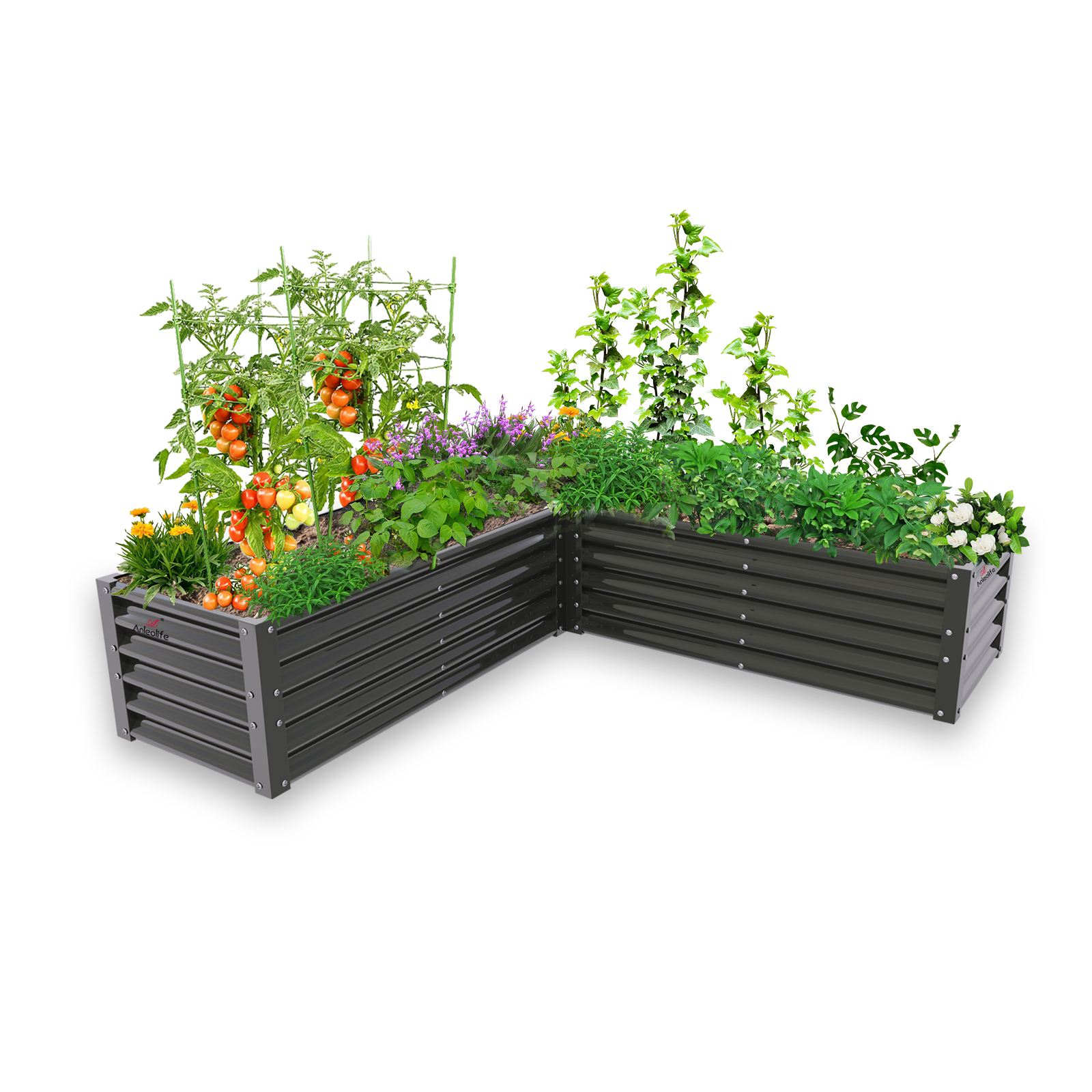
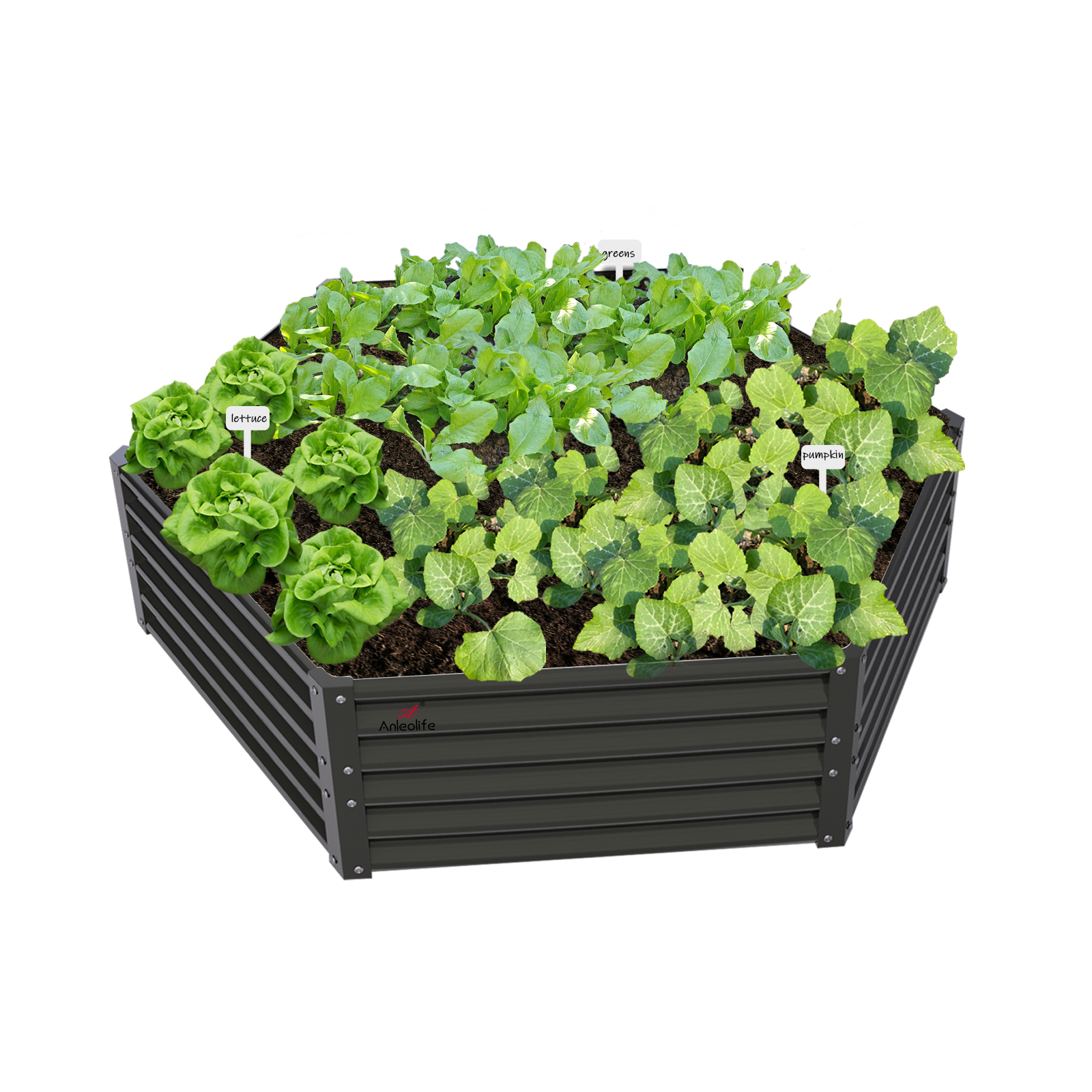
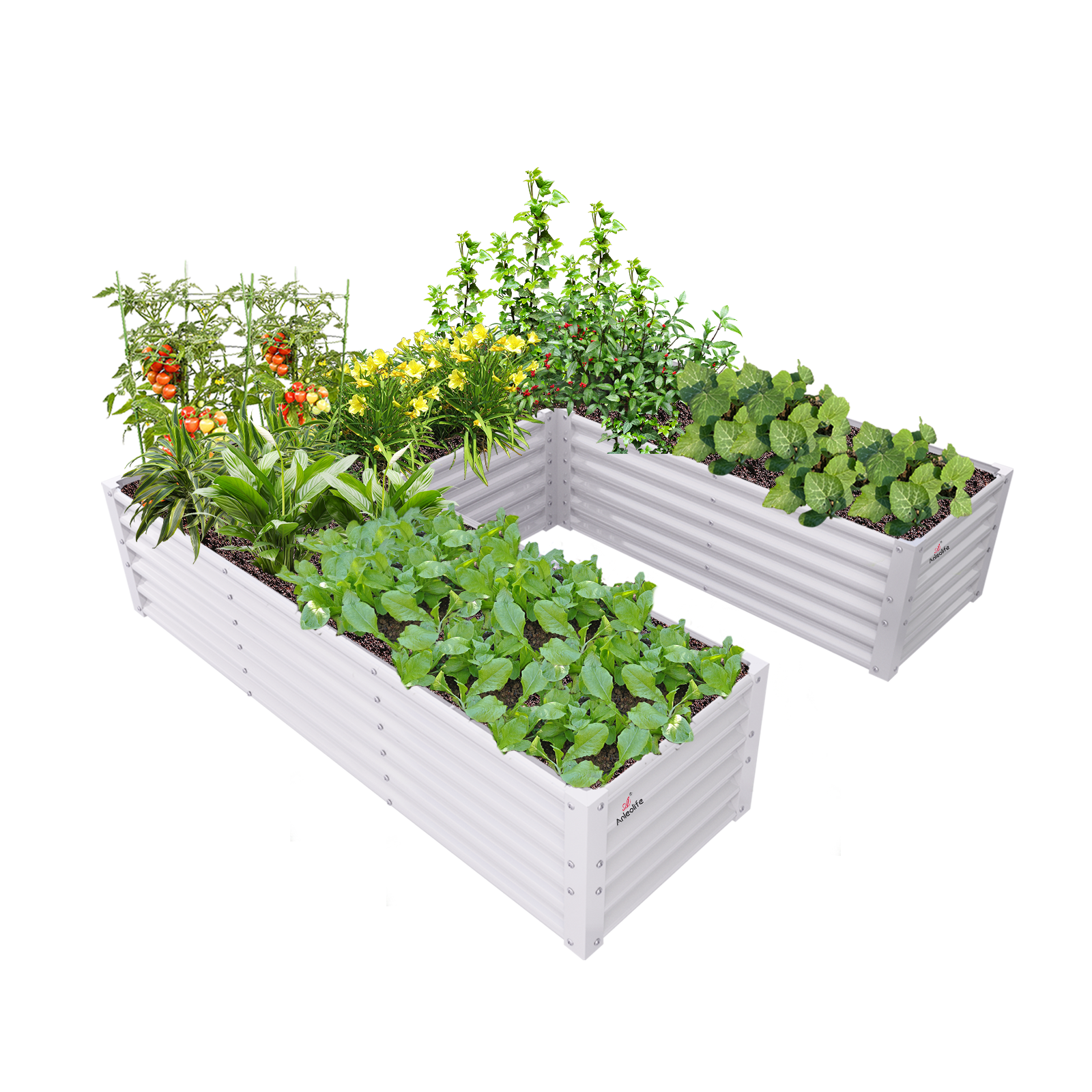

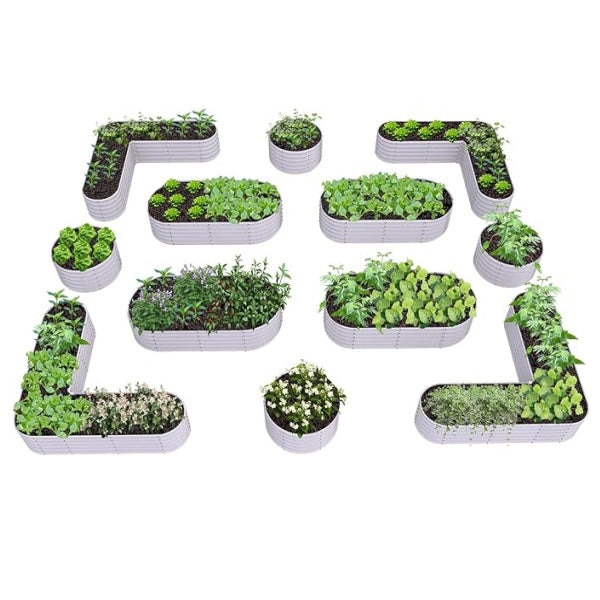

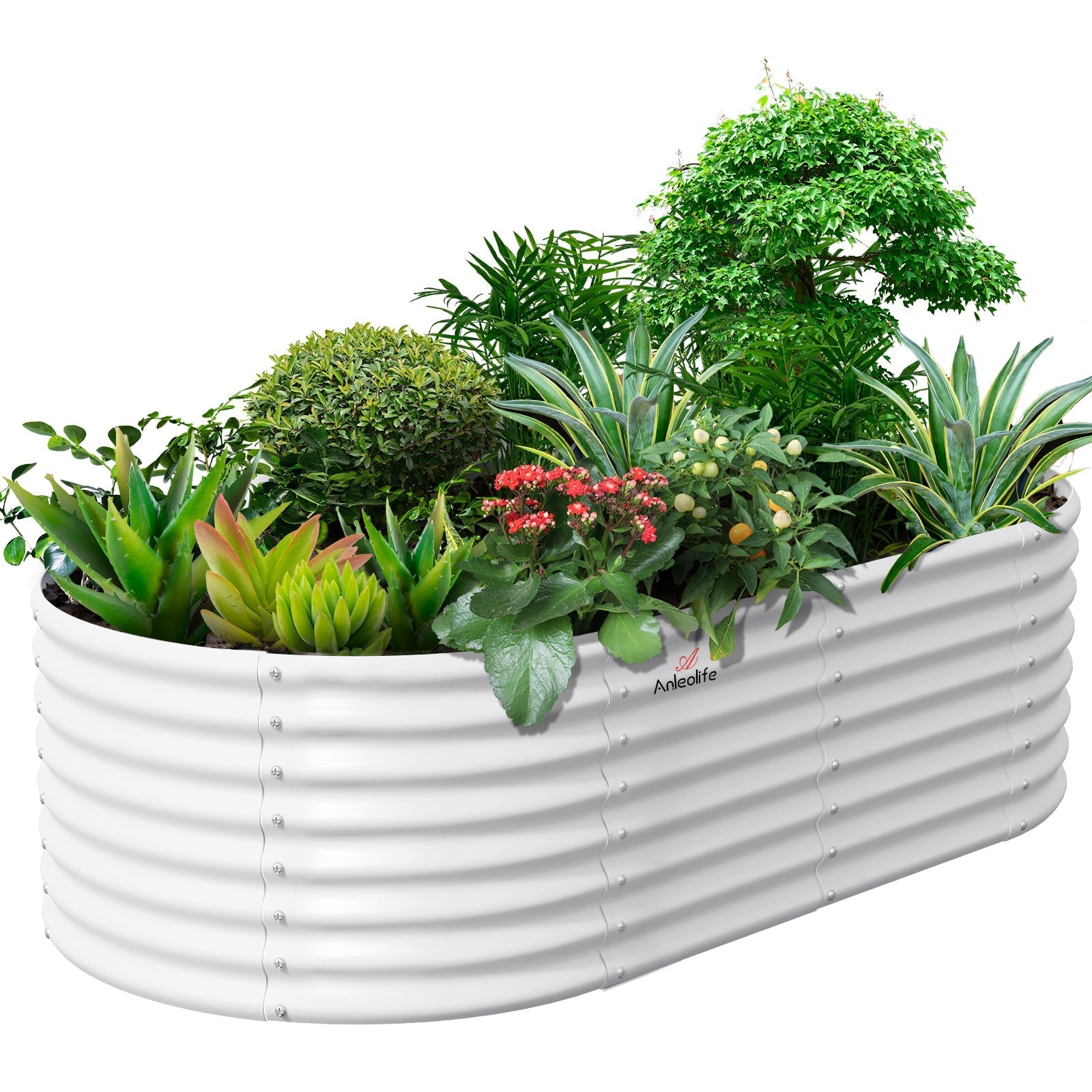


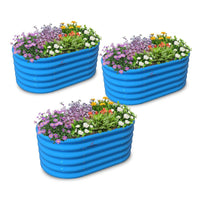
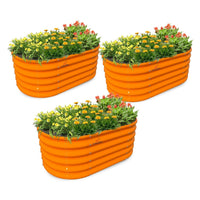
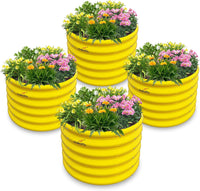
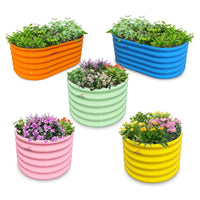
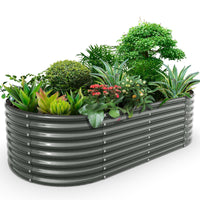



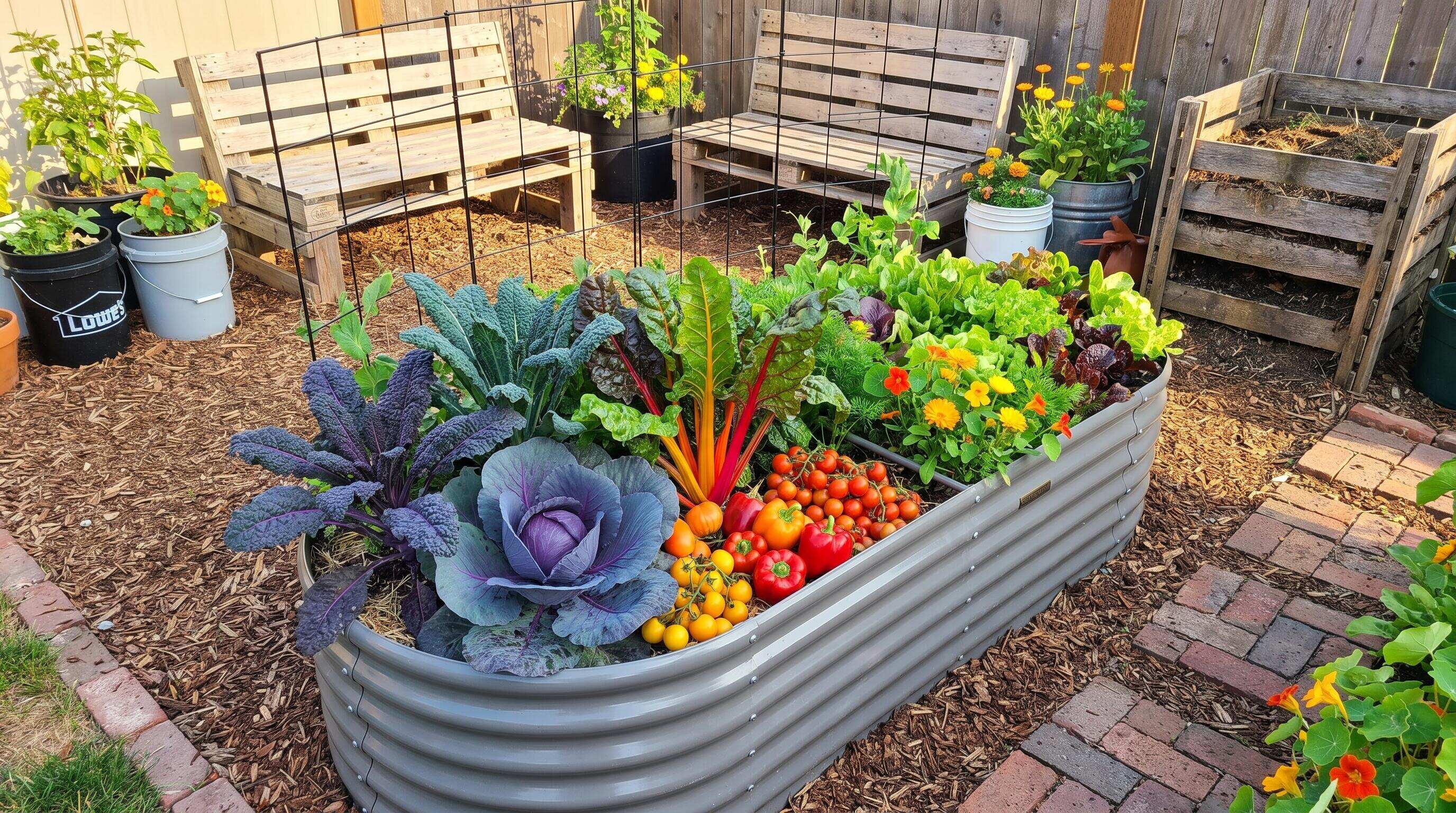
ALT: Best soil mix ratios for raised bed garden layout growing herbs and vegetables together this season
Why Your Soil Mix Ratio Is the Secret to a Thriving Raised Bed Garden Layout
Imagine setting up a beautifully organized raised bed planting layout — rosemary and tomatoes side by side, basil nestled between pepper plants — only to watch everything stall in the first few weeks because the soil compacted, drained poorly, or lacked the nutrients each plant needed. It happens more often than most home growers expect, and the culprit is almost always the soil mix rather than the plants themselves. Getting the right soil blend for a mixed herb-and-vegetable raised bed layout is the single highest-leverage decision you can make before you put a seed or seedling in the ground.
This guide walks through the best soil mix ratios for growing herbs and vegetables together in the same bed, organized as a practical, numbered reference you can apply this season. Each ratio or amendment approach below was selected based on consistent patterns we observe when supporting home growers across North America — from compact urban micro-beds to sprawling backyard setups — and accounts for drainage, fertility, water retention, and root depth simultaneously.
The items were chosen to cover the broadest range of home-gardening situations: beginner setups, established beds needing a refresh, deep beds for root vegetables, shallow beds for cut herbs, and organic-only approaches. Use the quick-reference table near the end to match your specific situation to the right mix.
The Best Soil Mix Ratios for Your Raised Bed Planting Layout This Season
The Classic Mel's Mix: Equal-Parts Simplicity for Mixed Plantings
Mel's Mix is a three-part raised bed soil formula — equal volumes of blended compost, coarse vermiculite, and peat moss or coconut coir — originally developed to support intensive, mixed-crop planting in a raised bed garden layout. The blend delivers exceptional drainage, consistent moisture retention, and a loose, airy structure that roots can penetrate without resistance.
In our work with clients setting up their first mixed herb-and-vegetable beds, Mel's Mix is the most common starting point because it is nearly impossible to over-water and rarely compacts over a single season. The compost fraction delivers a broad spectrum of nutrients that suits both leafy herbs (like basil and parsley) and fruiting vegetables (like tomatoes and zucchini) at the same time.
Best for: First-time raised bed gardeners, beds measuring roughly 4 feet wide (where you can reach the center without stepping in), and any situation where you want a dependable all-purpose blend without soil testing.
Watch out: Peat moss is a mined, non-renewable material — if environmental impact matters to you, swap it for coconut coir at an equal volume. Vermiculite can be expensive in bulk; for very large beds, consider substituting up to half of it with perlite to reduce cost without sacrificing drainage.
The 60/30/10 Compost-Forward Mix for Nutrient-Hungry Vegetables
A compost-forward blend — approximately 60% high-quality compost, 30% topsoil or garden loam, and 10% coarse sand or perlite — prioritizes fertility over pure drainage and works especially well in raised bed planting layouts where vegetables like tomatoes, peppers, squash, and beans share space with robust herbs like oregano and thyme.
According to the U.S. Cooperative Extension System, compost is the most reliable and affordable way to improve soil structure, microbial activity, and nutrient availability simultaneously. The 60% compost fraction in this blend sustains heavy-feeding vegetables across a full growing season without mid-season fertilizer dependency, while the loam fraction provides the mineral density that pure compost-only mixes sometimes lack.
Best for: Established gardeners who have access to bulk compost (municipal compost programs, backyard bins, or local garden centers), and raised bed layouts in warmer climates where organic matter breaks down quickly and beds need regular replenishment.
Watch out: Compost quality varies enormously. Poorly finished compost introduces weed seeds and pathogens; always use fully matured, dark, crumbly compost with an earthy smell. If you are buying bagged compost, look for products tested against U.S. Composting Council standards.
The Drainage-First Sandy Loam Blend for Mediterranean Herbs
Mediterranean herbs — rosemary, lavender, thyme, sage, and oregano — evolved in rocky, low-fertility, fast-draining soils. When these herbs share a raised bed layout with vegetables, the soil mix must compromise between the herb's need for near-drought conditions and the vegetable's preference for consistent moisture.
A practical ratio for this pairing is approximately 50% compost, 30% coarse horticultural sand (not fine builder's sand), and 20% perlite or pumice. This blend drains rapidly enough to prevent root rot in Mediterranean herbs while still holding just enough moisture to support moderate-water-need vegetables like cherry tomatoes, eggplant, and bush beans. Planting herbs on a slightly elevated ridge within the bed — a micro-topography technique — further improves drainage around their root zones.
Best for: Gardeners in humid or high-rainfall regions who want to grow rosemary or lavender alongside vegetables without the herbs succumbing to root rot, and raised bed layouts in the South or Pacific Northwest.
Watch out: Fine builder's sand, which is a common and cheaper substitute, actually worsens drainage in clay-heavy blends by filling pore spaces. Always specify horticultural or coarse concrete sand.
The Deep-Bed Root Vegetable Mix for Tall Raised Beds
Root vegetables — carrots, parsnips, beets, and daikon radishes — need loose, stone-free, deeply aerated soil to develop straight, long roots. When grown alongside shallow-rooted herbs in a raised bed garden layout, the soil profile must support both surface feeders and deep penetrators simultaneously.
For raised beds with extra-tall wall heights (Anleolife offers galvanized steel and rust-resistant options in heights from 18 inches up to 35 inches, including waist-high configurations), a two-layer approach works best: a bottom third of coarser compost-and-topsoil blend (approximately 50/50) topped by a finer, perlite-enriched mix in the upper two-thirds (roughly 50% compost, 30% fine topsoil, 20% perlite). The coarser lower layer promotes drainage and prevents waterlogging at depth, while the refined upper layer gives both root vegetables and surface herbs ideal germination and rooting conditions.
If you are sizing a bed for this approach, the first-time buyer's guide to sizing a raised garden bed kit offers a clear framework for matching bed depth to the crops you plan to grow.
Best for: Gardeners growing carrots, parsnips, or beets alongside herbs in extra-tall or waist-high raised beds where full soil volume can be customized from the base up.
Watch out: Do not use standard garden soil or clay-heavy topsoil as the bottom layer — it compresses under its own weight and blocks downward root growth. The bottom layer should remain loose and well-aggregated.
The Organic-Only Blend for Certified Organic and Chemical-Free Growing
For home growers committed to a fully organic raised bed system — no synthetic fertilizers, no chemical pesticides — the soil mix itself must provide a complete, self-sustaining nutrient cycle. A reliable organic formula combines approximately 40% worm castings or vermicompost, 40% screened compost (ideally from a certified organic source), and 20% coconut coir.
According to the USDA's National Organic Program guidelines, soil-building in organic systems is centered on feeding the soil biology rather than directly feeding the plants. Worm castings are one of the most nutrient-dense, biologically active amendments available without synthetic inputs; they supply slow-release nitrogen, beneficial microorganisms, and plant growth hormones that support both leafy herbs and fruiting vegetables in the same bed.
The coconut coir fraction replaces peat moss with a renewable, low-carbon alternative that maintains the airy structure essential for raised bed gardening without compaction over multiple seasons.
Best for: Eco-conscious home growers, families with children who eat directly from the garden, and anyone pursuing a chemical-free kitchen garden where herbs and vegetables are harvested daily.
Watch out: Worm castings are expensive per cubic foot compared to standard compost. For large beds, supplement with a high-quality finished compost to extend the volume while retaining most of the biological benefits.
The pH-Balanced Blueberry-and-Herb Border Mix
Some gardeners want to create a raised bed layout that incorporates acid-loving edible plants — blueberries, strawberries, sorrel — alongside standard culinary herbs. Standard raised bed mixes hover around a neutral pH (6.5–7.0), which is too alkaline for blueberries and too acidic if overcorrected for basil and parsley.
A workable compromise mix for this pairing combines approximately 45% acidic compost (pine bark fines, aged leaf mold, or a commercially blended ericaceous mix), 30% standard compost, and 25% perlite. This blend generally lands in the 6.0–6.5 pH range — acceptable for most culinary herbs while still supporting mild acid-lovers. Confirm pH with an inexpensive soil test before planting; the University Cooperative Extension services in most U.S. states offer low-cost soil testing.
Best for: Gardeners who want to include strawberries or sorrel in a mixed herb bed, and those in the Pacific Northwest or Northeast where naturally acidic rainfall already creates a favorable growing environment.
Watch out: Blueberries specifically want a pH around 4.5–5.5, which is too acidic for most herbs and vegetables. True blueberries are almost always better served in a dedicated bed rather than a mixed layout.
The Raised Bed Refresh Mix for Second-Year and Older Beds
Soil in a raised bed planting layout does not stay optimal forever. After one or two growing seasons, organic matter decomposes, nutrients are depleted, and soil volume drops as the bed settles. A "refresh" top-dress rather than a full refill extends soil performance cost-effectively without the expense of replacing the entire volume.
A standard refresh approach adds approximately 2–3 inches of high-quality compost across the surface each spring, optionally blended with a smaller fraction of perlite (roughly one part perlite to four parts compost) if drainage has visibly declined. Work this amendment lightly into the top 4–6 inches with a hand fork rather than deep tilling, which disrupts beneficial soil biology.
For deeper seasonal restoration, this detailed guide on soil composition for organic vegetable raised beds covers amendment layering strategies that extend bed productivity across multiple years.
Best for: Gardeners with established beds entering their second or third season, anyone who wants to maximize the ROI on their raised bed investment without purchasing a full soil refill every year.
Watch out: Simply adding compost each year without monitoring soil volume and pH leads to gradual imbalance. A quick soil test every two to three seasons keeps the refresh approach genuinely effective rather than just cosmetically satisfying.
The Container-Inspired Lightweight Mix for Elevated and Rooftop Beds
Urban micro-gardeners and gardeners working on rooftop patios, balconies, or elevated decks need a soil mix that is both lightweight and high-performing. Standard garden topsoil is too heavy for most elevated structures; a container-inspired blend dramatically reduces load without sacrificing fertility or drainage.
A lightweight raised bed mix typically combines approximately 40% coconut coir, 30% worm castings or high-quality compost, and 30% perlite. This blend is significantly lighter per cubic foot than standard soil-and-compost mixes, making it practical for weight-sensitive installations. The high perlite and coir fractions also prevent the compaction that standard mixes develop in small, repeatedly-watered raised beds on hard surfaces.
Best for: Urban micro-gardeners in apartments or condos with rooftop or balcony growing spaces, and anyone placing a raised bed on a wooden deck where structural weight limits apply.
Watch out: Lightweight mixes dry out faster than denser blends, especially in exposed urban environments with wind. Plan to water more frequently — or install a simple drip irrigation system — to compensate.
Quick Comparison at a Glance
The table below maps each soil mix to the gardening situation it serves best, so you can quickly identify which ratio fits your raised bed garden layout this season.
| Soil Mix | Best For | Key Strength | Limitation |
|---|---|---|---|
| Mel's Mix (equal thirds) | Beginner mixed herb-and-veg beds | Reliable drainage and moisture balance | Peat moss is non-renewable; vermiculite adds cost |
| 60/30/10 Compost-Forward | Warm climates, nutrient-hungry crops | High fertility, low fertilizer dependency | Compost quality is variable; immature compost causes problems |
| Sandy Loam Drainage Blend | Mediterranean herbs + vegetables | Prevents root rot in humidity-sensitive herbs | Fine sand must not be substituted for coarse sand |
| Deep-Bed Root Vegetable Mix | Extra-tall beds, carrots and parsnips | Two-layer system supports deep and shallow roots | Bottom layer must stay loose; clay topsoil fails here |
| Organic-Only Worm Casting Blend | Chemical-free, food-safe growing | Self-sustaining nutrient cycle, high biological activity | Worm castings are expensive at scale |
| pH-Balanced Acid Mix | Strawberry and herb border plantings | Usable pH range for mild acid-lovers and herbs together | True blueberries still need a dedicated acidic bed |
| Refresh Top-Dress Mix | Second-year+ beds, budget-conscious growers | Cost-effective season-to-season soil maintenance | Needs periodic pH and volume monitoring to remain effective |
| Lightweight Container Mix | Rooftop, balcony, or deck-mounted beds | Low weight, high drainage, compact volume | Dries out faster; requires more frequent watering |
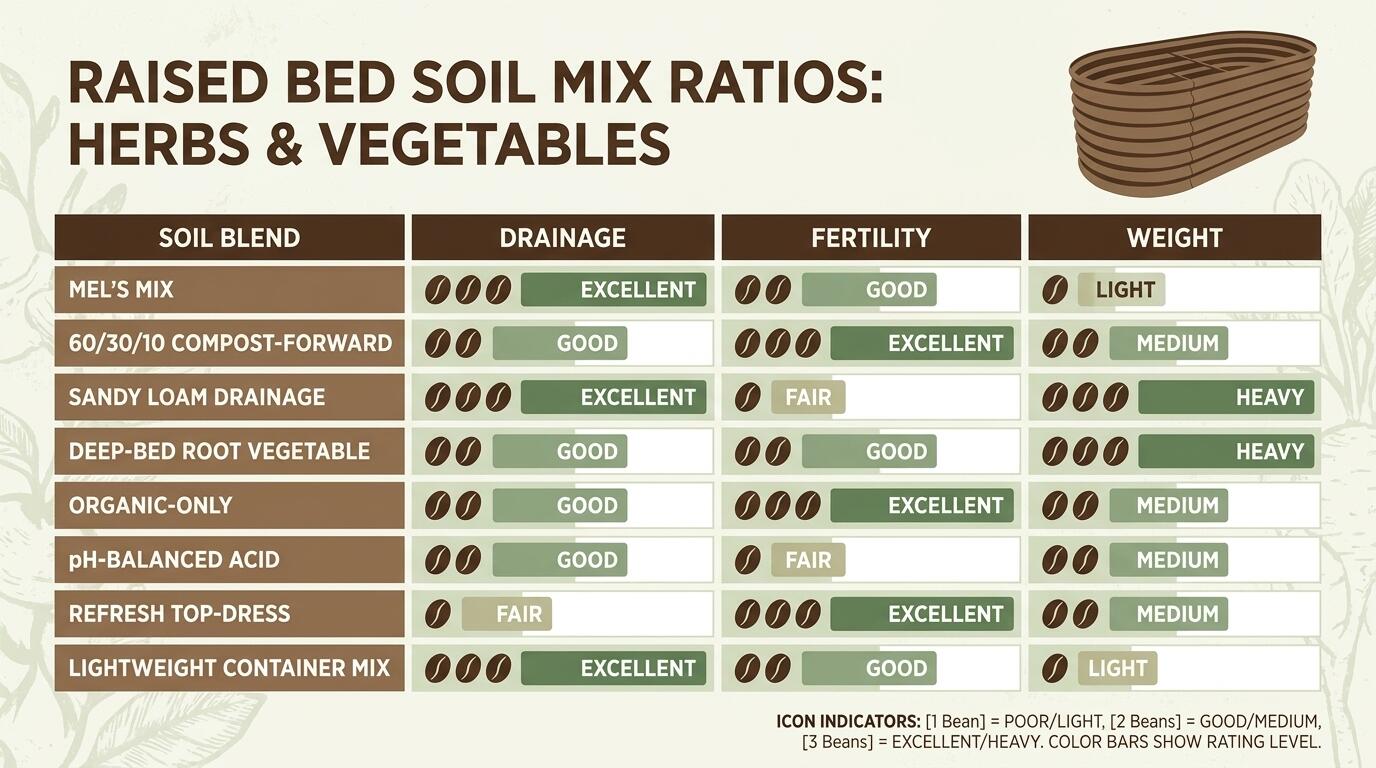
ALT: Comparison table of raised bed soil mix ratios for herbs and vegetables in a raised bed garden layout, showing drainage, fertility, and weight characteristics for each blend
How to Choose the Right Soil Mix for Your Raised Bed Layout
The right soil mix for your raised bed layout depends on three converging factors: what you are growing, how deep your bed is, and what your local climate does to soil moisture.
Start with your crop list. If your bed is primarily vegetables with a few herbs tucked in as companion plants, the 60/30/10 compost-forward mix or Mel's Mix are the most forgiving and broadly effective options. If Mediterranean herbs are a significant portion of your planting — rosemary, thyme, lavender — lean toward the sandy loam drainage blend regardless of where you live, because root rot from overwatering is the leading cause of herb failure in mixed beds.
Next, consider your bed depth and structure. Shallow beds (under 12 inches) cannot support true root vegetables and are best paired with lighter mixes designed for surface-rooting herbs and compact greens. Deeper beds — particularly the extra-tall and waist-high options that Anleolife offers, engineered to last up to 20 years — unlock the two-layer deep-bed root vegetable approach and provide the volume needed to maintain a thriving soil ecosystem across multiple seasons.
Finally, factor in your local climate. High-rainfall regions like the Pacific Northwest push toward drainage-first blends. Hot, arid regions like the Southwest benefit from the water-retaining coconut coir mixes. Urban rooftop growers almost always need the lightweight container-inspired blend, regardless of geography.
A common misconception worth addressing directly: many home growers assume that any high-quality bagged "raised bed mix" from a garden center is sufficient on its own. In practice, most bagged mixes are a starting point rather than a complete solution. They are often light on compost, heavy on peat, and calibrated for average conditions rather than the specific mix of herbs and vegetables you plan to grow. Treating them as a base — and amending with worm castings, additional compost, or perlite based on your crop list — produces dramatically better results than using them straight from the bag.
For gardeners choosing between material types for the bed itself, understanding what materials hold up against soil moisture and weather is equally important. The comparison of rust-resistant garden bed materials provides useful context for evaluating which construction approach best protects your long-term soil investment.
Frequently Asked Questions FAQ
Q1: How do I adjust a soil mix ratio mid-season if my raised bed is draining too slowly?
Mid-season drainage problems in a raised bed typically signal compaction or a soil mix that was too compost-heavy without adequate structural amendments. Without disturbing established roots, work small handfuls of coarse perlite into the surface soil around (not directly on) plant root zones, and avoid watering until the top 2 inches dry out. According to the U.S. Cooperative Extension System, consistently overwatered beds also develop anaerobic zones that inhibit root uptake — aerating with a hand fork at the bed perimeter improves both drainage and oxygen availability between watering cycles.
Q2: Are store-bought "raised bed soil" bags good enough for growing herbs and vegetables together without amendments?
Store-bought raised bed soil mixes are a convenient starting point but rarely optimized for the combination of herbs and vegetables in a single bed. Most commercial blends are formulated for general use and tend to underperform for high-demand vegetables like tomatoes and peppers, which need significantly more fertility than standard blends provide. Blending in at least 20–30% finished compost or worm castings at planting time meaningfully improves both nutrient availability and microbial diversity, which supports the full range of crops in a mixed raised bed planting layout without additional synthetic fertilizer.
Q3: How often should I replace or refresh the soil in a raised bed garden layout, and what does it cost?
Most raised bed soil mixes benefit from an annual top-dress of 2–3 inches of compost each spring, which is significantly more economical than a full soil replacement. Per USDA soil guidance, organic matter in raised beds depletes faster than in-ground garden soil because of higher watering frequency and intensive cropping. A full soil replacement — reserved for beds showing severe compaction, persistent pest or disease pressure, or significant volume loss — is generally needed every three to five years depending on cropping intensity. Bulk compost purchased from municipal or local sources is typically the most cost-effective annual refresh material.
Summary
Getting your soil mix right before the growing season begins is one of the highest-return investments you can make in a raised bed garden layout — far outperforming mid-season fertilizers, pest interventions, or watering adjustments applied to fundamentally poor soil. Three core principles run through every mix in this guide:
First, drainage and fertility must be balanced simultaneously. Herbs and vegetables have meaningfully different preferences, and a mix that favors one at the expense of the other produces uneven results in a shared bed. Second, the physical structure of your bed — its depth, material, and durability — directly shapes which soil system you can realistically maintain. A shallow, short-lived bed limits your options; a deep, long-lasting metal raised bed unlocks the two-layer and organic-cycle approaches that produce the most consistent yields season over season. Third, soil is a living system that benefits from annual attention rather than a set-and-forget mentality.
As a practical next step, select the mix from this guide that best matches your current crop list and bed depth, then source your amendments locally before the season's planting window. Bulk compost and perlite are almost always more cost-effective than bagged equivalents for beds larger than 4x4 feet.
Ready to build a raised bed system that supports your best soil mix for the next 20 years? Explore the full range of Anleolife galvanized steel and rust-resistant raised garden beds — available in heights from 18 inches to 35 inches, with bed sizes suited to everything from compact herb gardens to full kitchen gardens — at the Anleolife website, or shop through Amazon, Walmart, Home Depot, Lowe's, and Wayfair. With a nationwide U.S. warehouse network across California, Texas, Florida, New York, Illinois, and Washington, your order arrives in 3–8 business days so your garden plans move forward without delay. Whether you are setting up your first 8x4 bed or expanding into a full planting-and-raising ecosystem, Anleolife grows with you every step of the way.
Sources
- U.S. Cooperative Extension System. "Soil Quality and Amendment Guidance for Home Gardens."
https://www.extension.org - United States Department of Agriculture (USDA). "National Organic Program: Soil Fertility and Crop Nutrient Management."
https://www.usda.gov - U.S. Composting Council. "Compost Standards and Testing Guidance for Agricultural and Garden Use."
https://www.compostingcouncil.org
Note: Standards may be updated; please check the latest official documents or consult professional advisors.