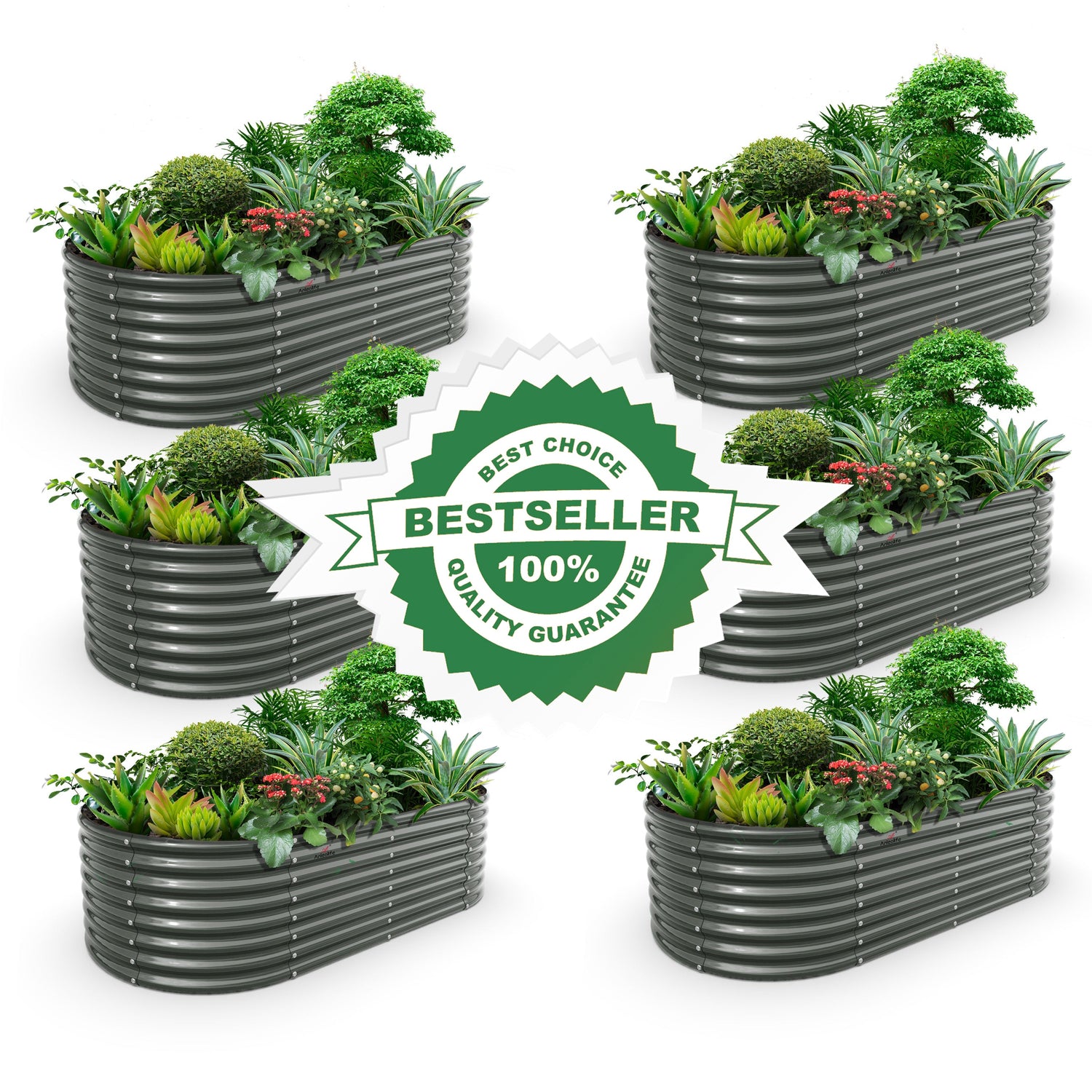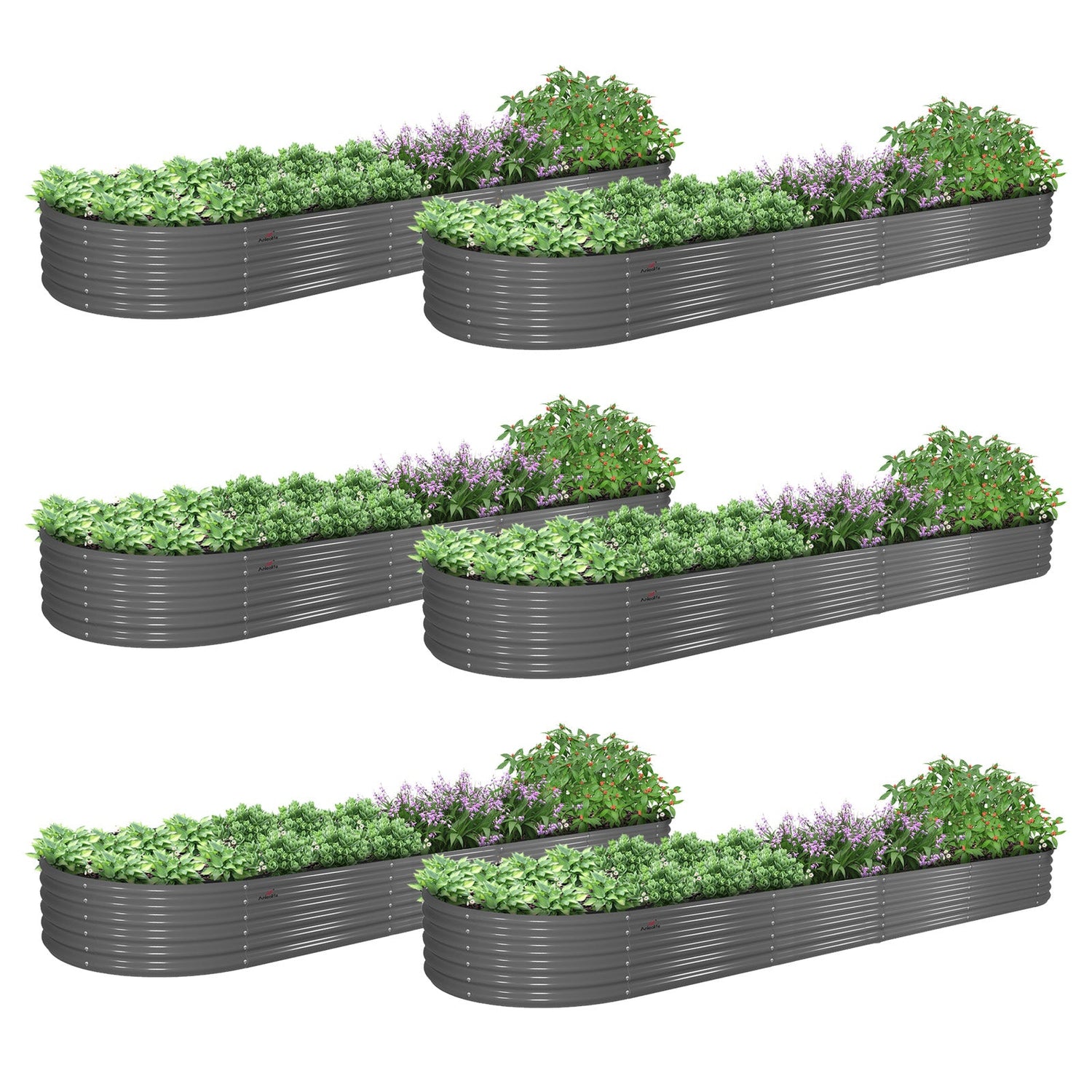



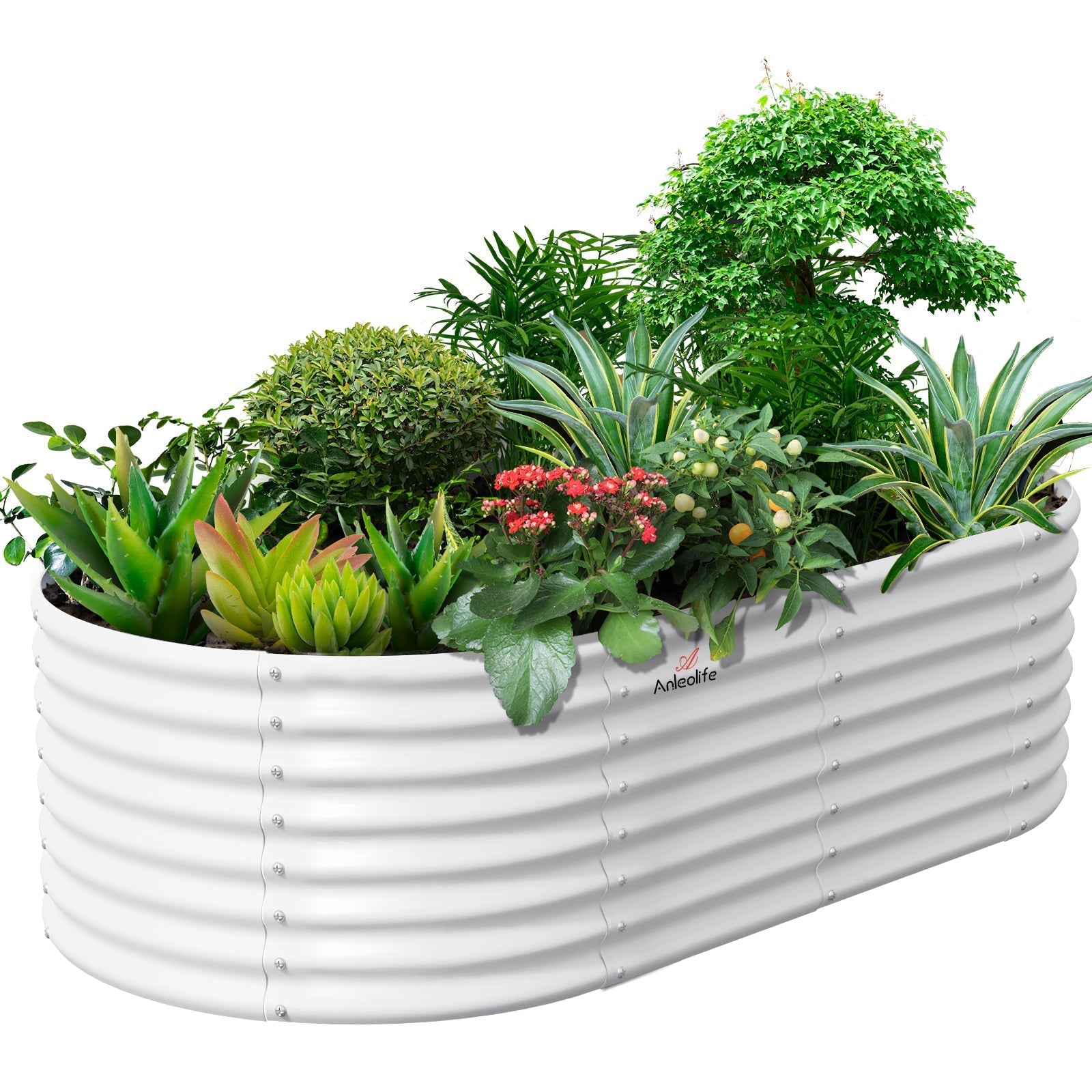
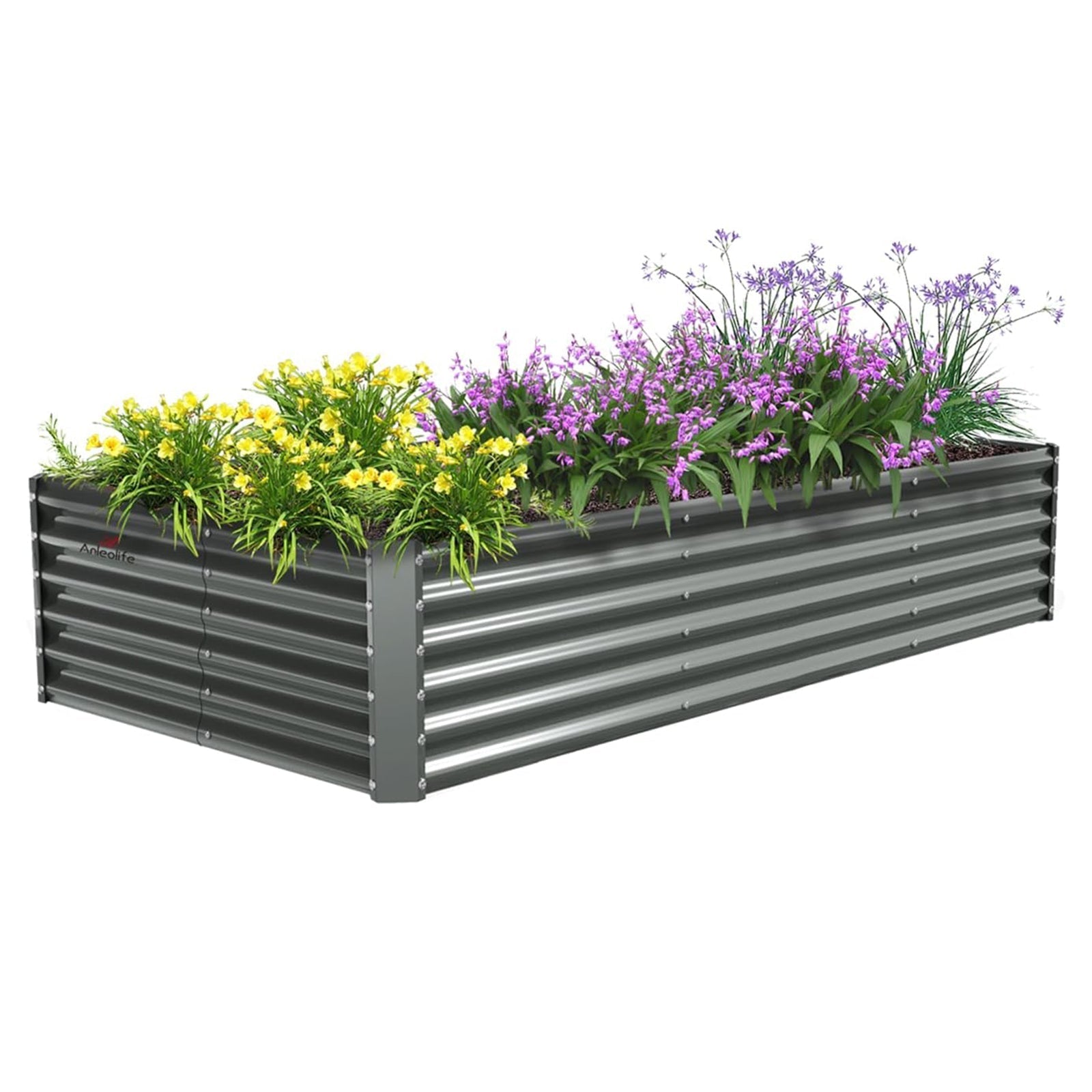

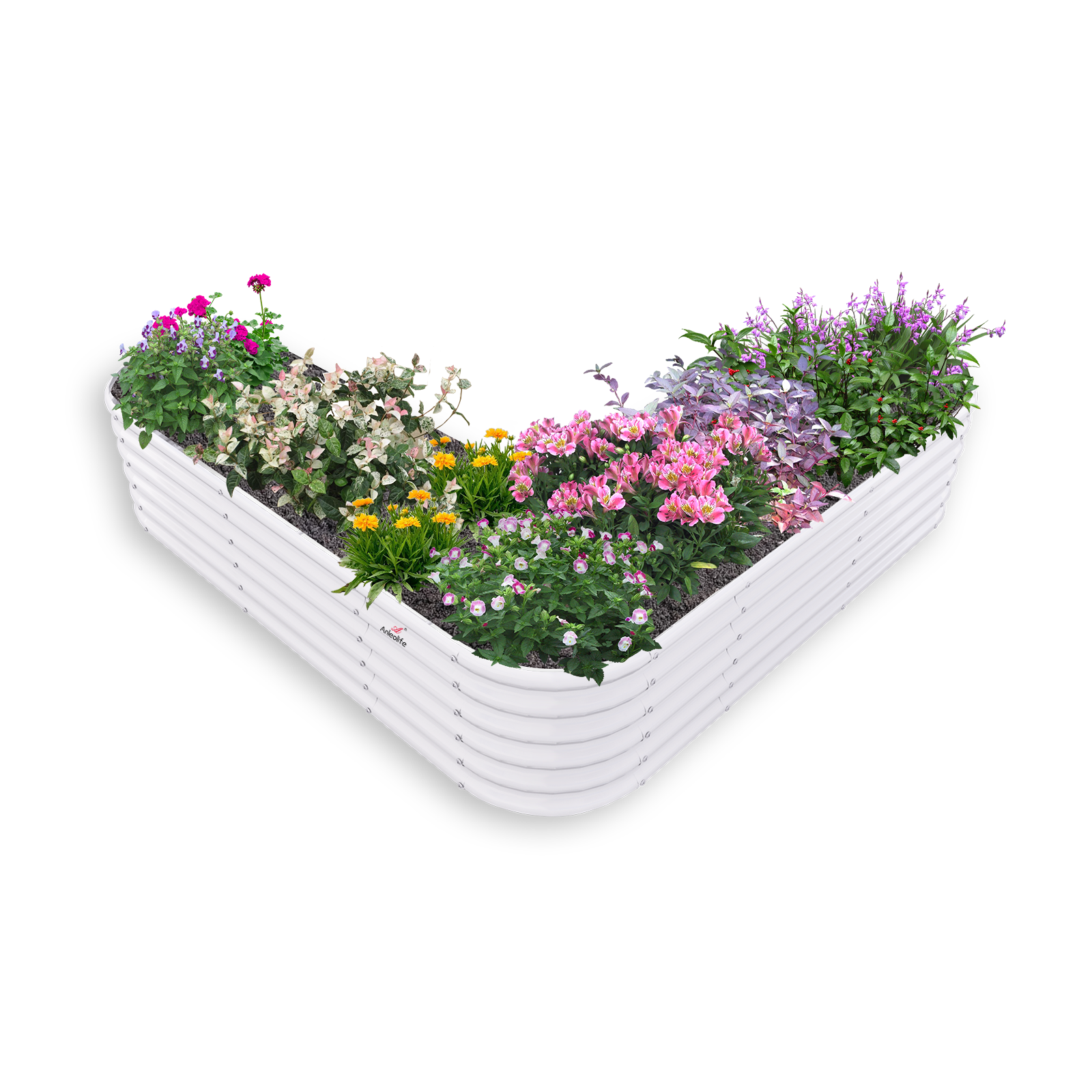
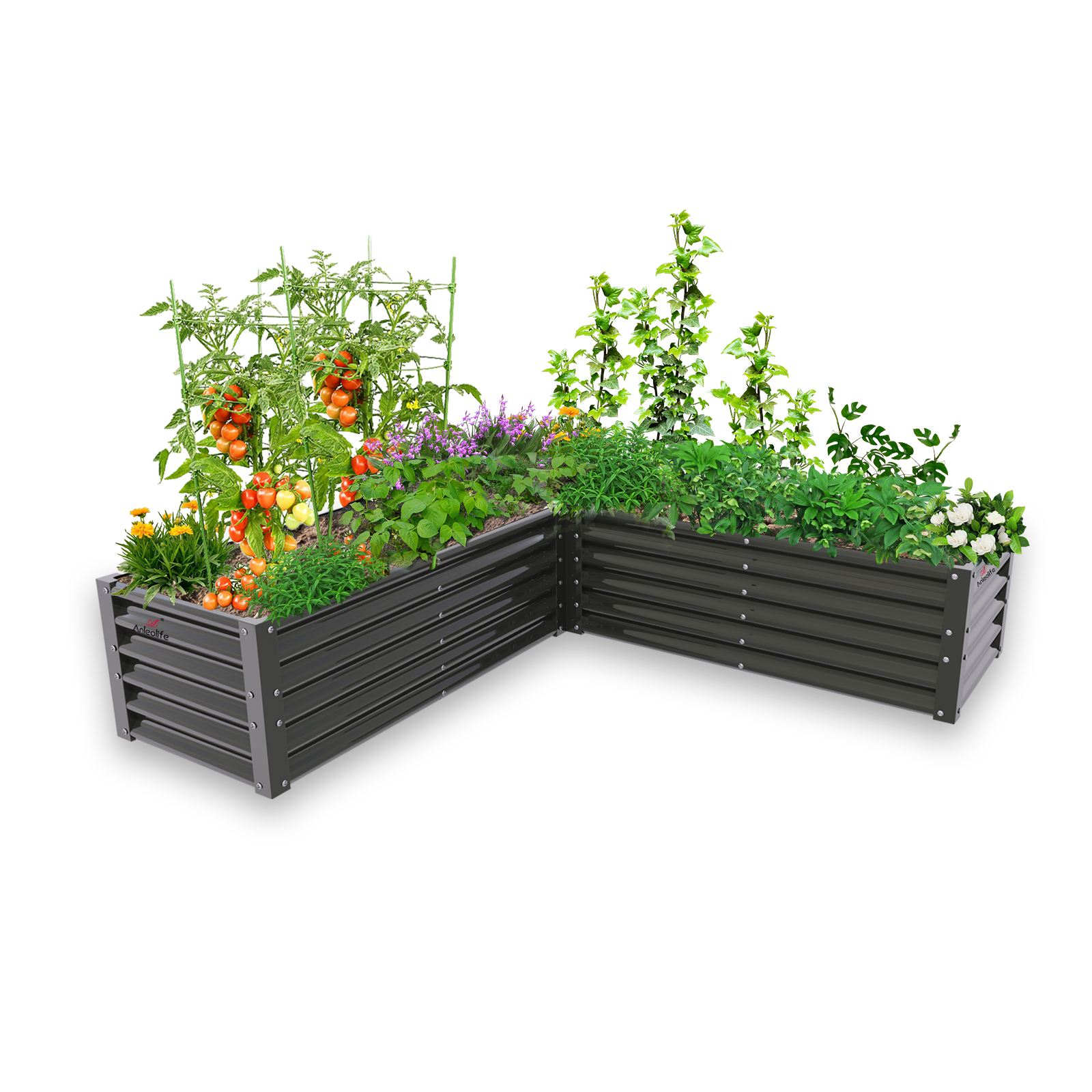
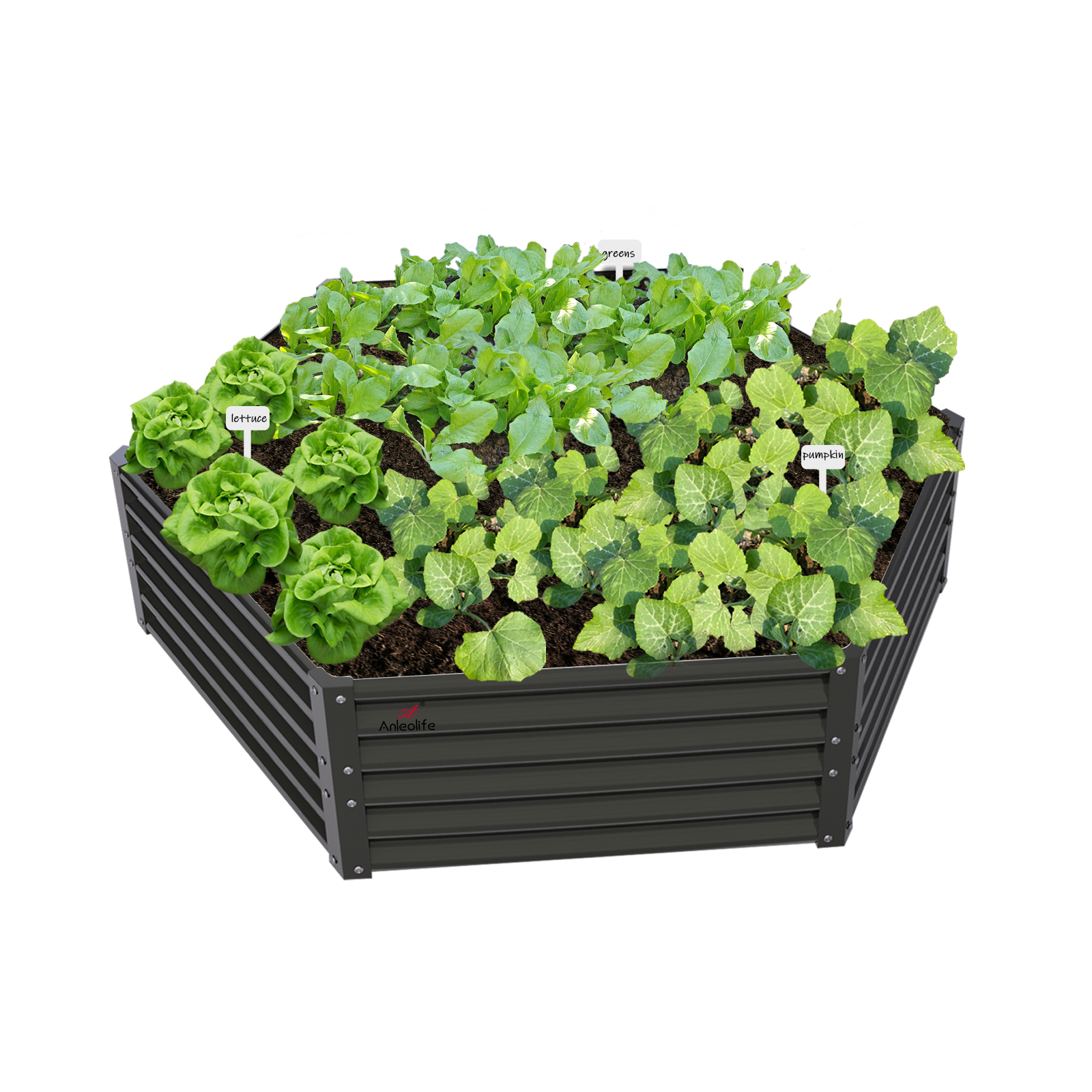
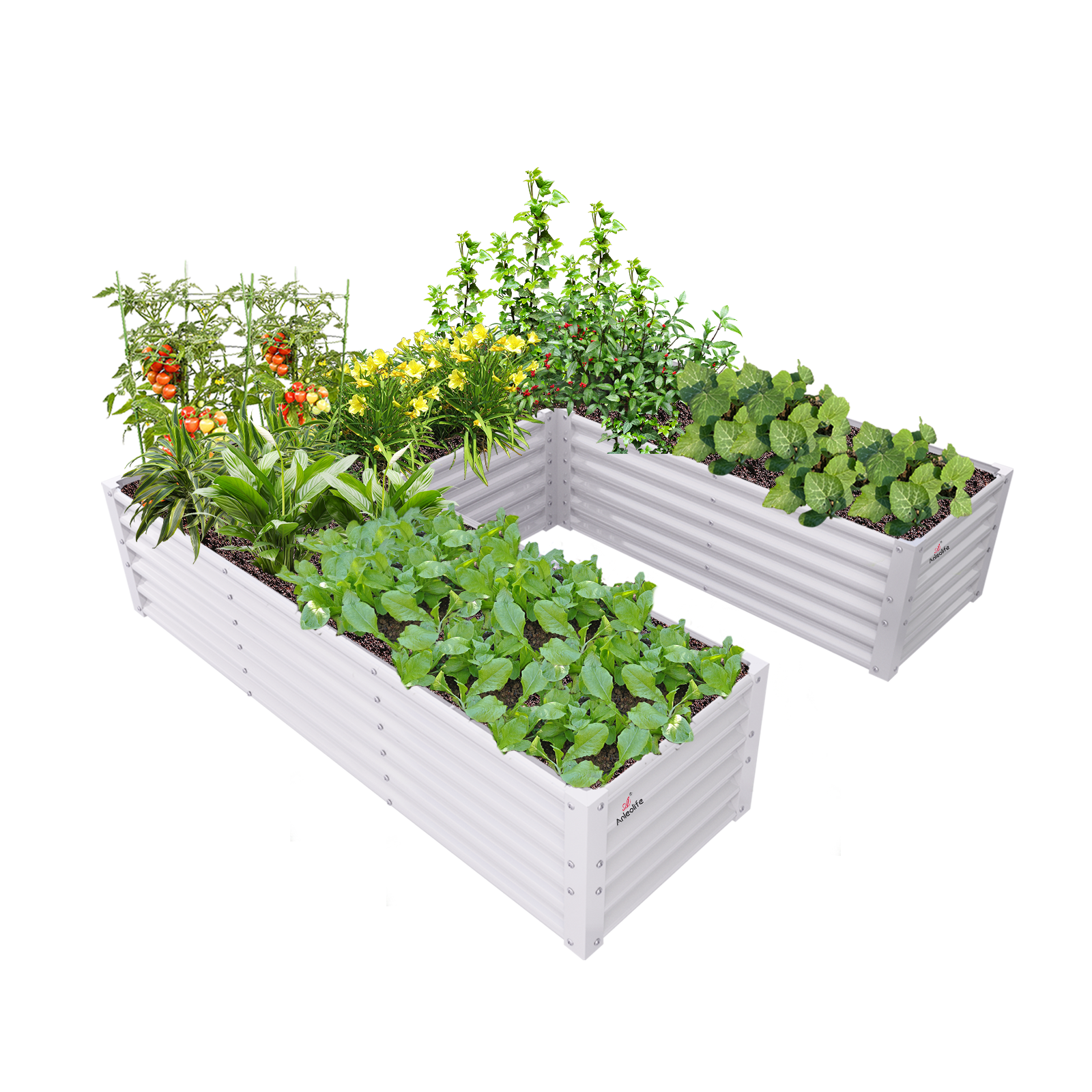

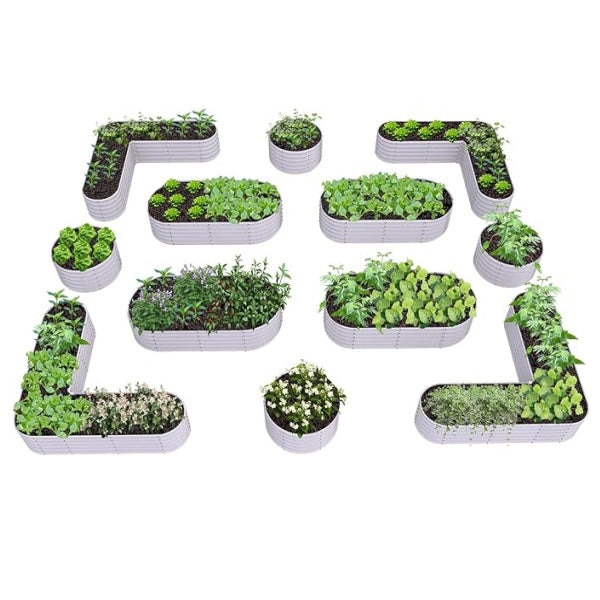


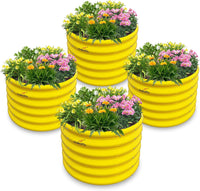
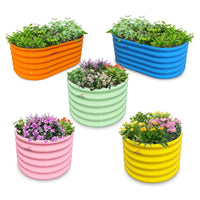
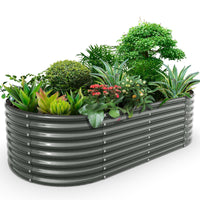



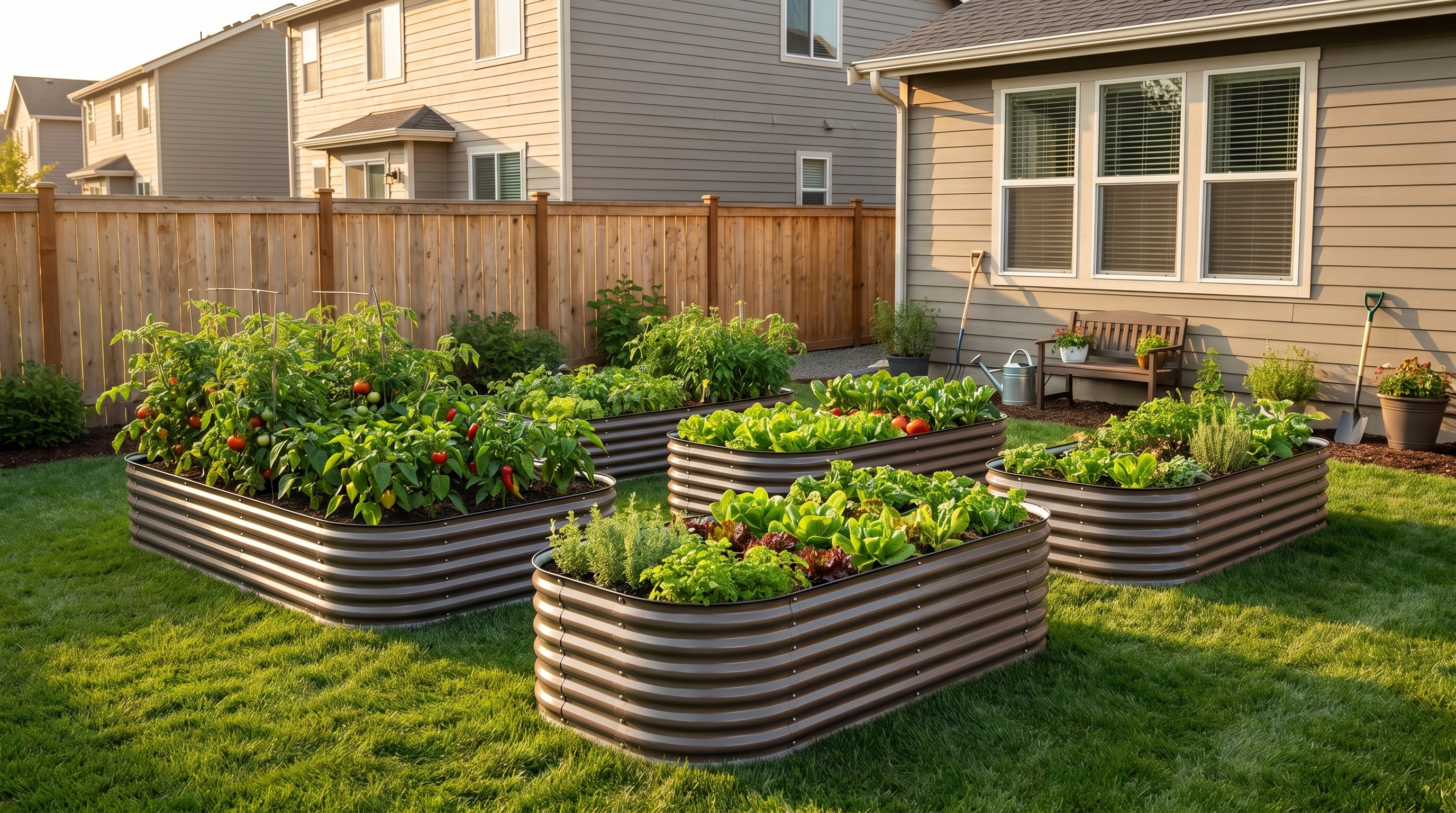
ALT: Backyard garden cost breakdown showing a multi-bed raised garden system planned under $2,000 budget
Backyard Garden Cost Breakdown: How to Plan a Multi-Bed System Under $2,000
Key Conclusion: Planning a multi-bed backyard garden doesn't have to drain your savings. With the right approach to budgeting, material selection, and phased planning, most homeowners can build a functional, beautiful, and durable multi-bed garden system for under $2,000. By choosing high-quality galvanized steel raised beds—materials known for longevity and cost-efficiency—alongside smart soil strategies and modular expansion, you can create a productive growing space that pays for itself in fresh food and lifestyle value within a single season.
Building a backyard garden feels like a dream until you start adding up the costs. The good news? That dream is far more affordable than most people think. Whether you're a first-time grower curious about the best budget raised beds under $200 for beginners, an empty nester ready to transform unused lawn space, or a health-conscious family wanting more control over what's on your dinner table, a well-planned multi-bed system is within reach. In this guide, we'll walk through every major cost category—beds, soil, tools, amendments, and accessories—so you can allocate your budget wisely and avoid the expensive surprises that derail so many first-year gardeners.
Who Should Use This Budget Guide?
✅ Applicable Scenarios:
- First-time gardeners building their first multi-bed setup and wanting a realistic cost roadmap
- Homeowners with a defined outdoor space (backyard, patio, or side yard) looking to maximize productivity per square foot
- Budget-conscious families and retirees who want durable, long-term solutions without overspending in year one
- Urban micro-gardeners transitioning from container gardening to a more structured raised bed system
❌ Not Applicable/Cautions:
- Gardeners with irregular or heavily sloped terrain may face additional grading or foundation costs not covered in this general breakdown
- Those planning large-scale market gardens or commercial growing operations will likely exceed this budget framework and need a different planning approach
Why Raised Bed Gardens Are Worth Every Dollar
The raised bed gardening market has expanded dramatically in recent years, driven by growing interest in food self-sufficiency, organic produce, and backyard wellness. According to the National Gardening Association, food gardening participation has surged significantly since 2020, with raised beds being one of the most popular formats chosen by new and experienced growers alike.
But participation alone doesn't guarantee smart spending. Many first-time gardeners overbuy in the wrong categories—spending heavily on decorative accessories before they have a single functioning bed—or underbuy on material quality, leading to beds that warp, rust, or break down within a few seasons.
The key insight driving this entire guide is this: the best investment in a multi-bed garden system is in durable bed structures and quality soil, everything else is secondary and can be added incrementally.
When evaluating what are the best materials for raised garden beds, galvanized steel consistently rises to the top. Unlike wood, which is vulnerable to rot, pests, and seasonal expansion, galvanized steel offers a lifespan that can stretch up to 20 years with minimal maintenance. You can explore the full argument in this detailed resource: Galvanized Steel Raised Beds: 7 Reasons They Outperform Wood for Summer Gardening. When you divide the cost of a quality steel bed by 20 years of use, the math becomes compelling.
Before diving into the line-by-line cost breakdown, it helps to start with a layout plan. A thoughtful Step-by-Step Raised Bed Garden Layout Planning for Summer 2026 Beginners guide can help you determine how many beds you actually need, how to orient them for maximum sun exposure, and how to leave adequate working space between rows—all of which directly affects your final cost.
Building Your Multi-Bed Garden: A Practical $2,000 Budget Blueprint
Three-Step Quick Start to Budget Planning
Step 1: Define Your Garden Goals and Space
Before you spend a single dollar, spend 30–60 minutes mapping your backyard. Note the total usable area, sun exposure hours, proximity to water sources, and any existing structures. Decide what you want to grow—vegetables, herbs, cut flowers, or a combination—because your crop goals directly determine how many beds you need and what depth is appropriate. A simple sketch on paper is all you need at this stage.
Step 2: Categorize Your Costs into Fixed and Variable Buckets
Divide your $2,000 budget into two categories: fixed costs (the beds themselves and foundational soil) and variable costs (tools, amendments, seeds, irrigation, and accessories). Fixed costs should represent roughly 60–70% of your total budget, ensuring you invest in infrastructure that lasts. Variable costs can be trimmed, delayed, or sourced frugally without compromising the integrity of your garden system.
Step 3: Phase Your Build Over Two Seasons if Needed
You don't have to spend all $2,000 in year one. A smart phased approach means you launch with two or three core beds in the first season, evaluate what works, and expand in season two. Modular systems—like Anleolife's modular raised garden bed line—are specifically designed to support this kind of flexible, incremental growth. Many gardeners find that starting smaller and expanding intentionally leads to better results and less wasted money than trying to build everything at once.
Comparing Your Raised Bed Material Options
Understanding what are the best brands for garden supplies starts with understanding what materials those brands use. When planning a multi-bed system, your choice of material is your single biggest long-term cost decision. Here's how the main options compare:
| Comparison Dimension | Galvanized Steel | Cedar/Hardwood | Composite/Plastic |
|---|---|---|---|
| Typical Lifespan | Up to 20 years | 5–10 years (depending on climate) | 10–15 years |
| Resistance to Rot/Pests | Excellent | Moderate | Good |
| Structural Stability | Very high | High when new, decreases with age | Moderate |
| Aesthetic Range | Modern, clean, versatile | Classic, natural | Limited color options |
| Maintenance Requirements | Minimal | Annual sealing/staining recommended | Low |
| Cost Per Year of Use | Low (long lifespan offsets upfront cost) | Moderate to high | Moderate |
| Best For | Long-term multi-bed systems | Single-bed starters | Lightweight, portable setups |
Galvanized steel emerges as the clear winner for anyone building a multi-bed system intended to last. The 20-year lifespan of Anleolife's galvanized and rust-resistant beds means your investment cost per year is remarkably low. For more on how steel performs specifically in warm-weather conditions, Are Metal Raised Garden Beds Heat-Safe for Summer Vegetables? is worth reviewing before you finalize your material choice.
The Full Cost Breakdown: Line by Line
Raised Bed Structures: $600–$900
This is the cornerstone of your budget, and it's worth spending wisely. For a three- to four-bed system, you can realistically allocate $600–$900 for quality galvanized steel beds depending on the sizes you choose.
Anleolife offers a range of sizes to suit different backyard configurations. For a starter multi-bed layout, a popular combination might include:
- One larger anchor bed such as an 8x4 ft or 12x3 ft model to serve as your primary vegetable growing space
- One or two mid-size beds in the 6x3 ft or 6x2 ft range for herbs, salad greens, or companion planting
- One compact or specialty bed such as a 4x4 ft or round 48" wide option for a focal point or dedicated herb garden
Anleolife's galvanized steel raised garden beds come in heights ranging from 18" to 35", allowing you to match depth to your crops. Root vegetables and tomatoes benefit from the extra tall 24"–30" options, while leafy greens and herbs thrive in standard 18" beds. The 35" waist-high 4x1.5 ft option is particularly popular among retirees and anyone managing back or knee issues, as it eliminates the need to kneel or bend.
For gardeners who want to grow and change their layout over time, the modular raised garden bed series is worth exploring. These beds are designed to reconfigure and expand, making them ideal if you're not yet sure how much growing space you'll eventually want. If you're wondering "Can I expand Anleolife modular raised beds later?"—the answer is yes, and that modularity is one of the strongest arguments for choosing this system over fixed alternatives.
Soil and Growing Medium: $400–$600
Soil is the second-largest fixed cost and arguably the most important variable in your garden's success. For a multi-bed system, expect to invest meaningfully here—skimping on soil quality is the single most common mistake new gardeners make.
A well-balanced raised bed soil mix typically combines topsoil, compost, and a lightening agent like perlite or vermiculite. For a 8x4x2 bed, you're looking at significant cubic footage of material. Purchasing pre-mixed raised bed soil in bulk bags or by the cubic yard is more economical than buying small bags individually.
Budget roughly $100–$150 per bed for initial soil fill, with the understanding that you'll need to top-dress and amend annually, but at a much lower cost than the initial fill. For the most productive soil formula, consult resources like The Best Soil Recipe for Raised Garden Beds in Summer 2026 before you buy.
Seeds, Transplants, and Plants: $100–$200
Seeds are extraordinarily cost-efficient compared to transplants, but transplants give you a head start—especially valuable if you're starting mid-season. For a first-year multi-bed system, a smart approach is to seed fast-growing crops (lettuce, radishes, beans, herbs) and purchase transplants only for slower crops like tomatoes, peppers, and eggplant.
Starting with Top 10 Vegetables to Grow in a Raised Bed This June and Beyond gives you a curated, productive planting list that fits beautifully within a multi-bed layout.
Basic Tools: $100–$150
You don't need a garage full of equipment to garden well. For a multi-bed system, the essential tool kit is surprisingly short:
- Hand trowel and transplanting fork
- Soil knife or hori hori
- Watering can or garden hose with adjustable nozzle
- Kneeling pad (especially helpful for lower beds)
- Stakes and garden twine for training plants
Avoid the temptation to buy specialized tools early. Start with the basics, garden for a full season, and then identify what you actually reach for.
Irrigation Setup: $80–$150
Consistent watering is critical in raised beds, which drain more freely than in-ground soil. A drip irrigation kit or soaker hose system is a worthwhile investment that saves time and conserves water. Basic drip kits are widely available and easy to install without professional help.
A well-designed irrigation setup also protects your soil structure and prevents the compaction that overhead watering can cause over time.
Soil Amendments and Fertilizers: $50–$100
In year one, a well-formulated initial soil mix may need minimal amendment. As the season progresses, adding compost, worm castings, or a balanced organic fertilizer keeps your beds productive. Budget modestly here in year one and plan to invest in a compost bin or pile to reduce ongoing costs in future seasons.
Accessories and Aesthetic Touches: $50–$100
This is the most discretionary category. Bed covers, row cover fabric, bamboo trellises, plant labels, and pathway materials all enhance functionality and aesthetics but can be added over time rather than all at once. If you want guidance on enhancing your backyard's visual appeal without overspending, How to Give Your Backyard a Fresh Summer Aesthetic with Minimal Spend offers excellent ideas.
Total Estimated Budget Summary
| Category | Low Estimate | High Estimate |
|---|---|---|
| Raised Bed Structures | $600 | $900 |
| Soil and Growing Medium | $400 | $600 |
| Seeds and Transplants | $100 | $200 |
| Basic Tools | $100 | $150 |
| Irrigation Setup | $80 | $150 |
| Soil Amendments | $50 | $100 |
| Accessories | $50 | $100 |
| Total | $1,380 | $2,200 |
With careful selection and phased purchasing, landing comfortably under $2,000 is achievable. The key is prioritizing structures and soil—the categories that most directly determine your garden's longevity and productivity.
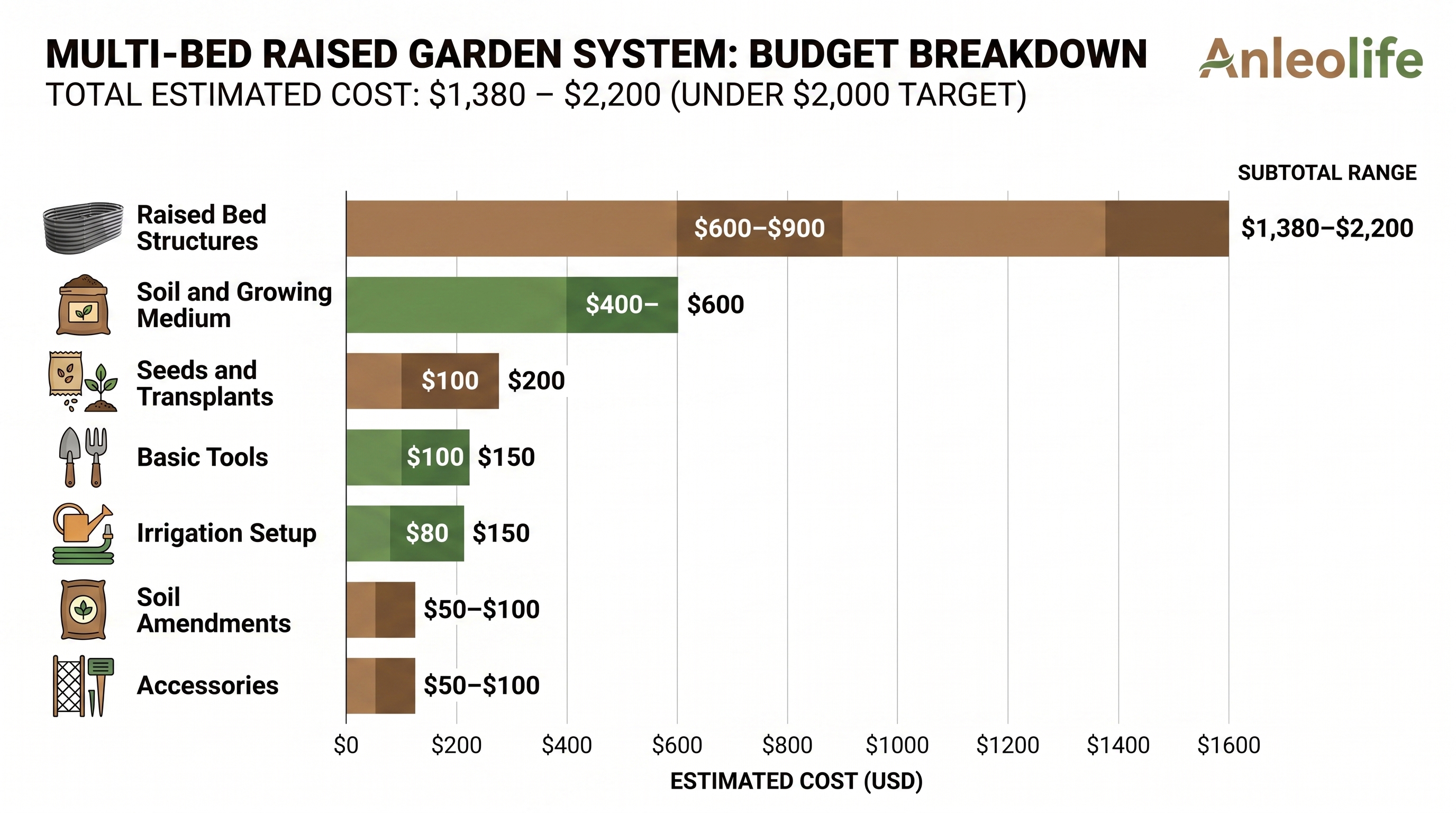
ALT: Budget breakdown chart showing raised bed garden system costs including galvanized steel beds, soil, tools, and irrigation under $2,000
Advanced Planning: Getting More from Your Garden Budget
Phased Expansion Without Wasted Spending
One of the most common budget mistakes is buying everything at once before you understand your own gardening habits. A phased approach protects you from this trap. Start with two beds in year one, optimize your soil and watering routine, then expand to three or four beds in year two using the same modular system.
Anleolife's modular raised garden bed line is specifically built for this kind of intentional expansion. The bed components are designed to integrate, meaning your new additions align seamlessly with your original setup rather than creating a patchwork appearance.
Common Misconceptions About Raised Bed Costs
Misconception 1: Wood is cheaper than metal.
In upfront cost, wood can appear less expensive. But when you factor in the need to replace wooden beds every 5–10 years—especially in humid or rainy climates—galvanized steel's 20-year lifespan makes it the lower total-cost option over time.
Misconception 2: More soil depth always equals better yields.
Soil depth should match your crops. Leafy greens and herbs thrive in standard-depth beds. Only root vegetables and deep-rooting plants like tomatoes benefit from the extra-tall configurations. Matching depth to purpose prevents over-spending on soil fill you don't need.
Misconception 3: You need to buy everything before you start.
Seeds, amendments, and accessories can all be added progressively. The beds and foundational soil are what you need on day one—everything else can wait until you've spent a season understanding what you actually use.
The "Best Greenhouse Brands" Question and How It Relates to Bed Budgets
Many gardeners who research greenhouse brands (including popular names in the greenhouse megastore space like Palram, Canopia, and Riga) are ultimately looking for season extension—the ability to garden beyond their natural frost-free window. A well-planned multi-bed system with row cover fabric or a simple hoop house achieves similar results at a fraction of the cost. Before investing in a dedicated greenhouse structure, maximize what your raised beds can do with low-cost season extension accessories.
Frequently Asked Questions FAQ
Q1: How do I know how many beds to include in my first multi-bed system?
Start by thinking about what you want to grow and how much you realistically cook at home. A two-bed starter system (typically one larger anchor bed and one mid-size companion bed) is manageable for most first-year gardeners and allows you to refine your routine before scaling up. If you have clear growing goals and adequate space, three beds is a strong starting point that covers vegetables, herbs, and a specialty crop without overwhelming your maintenance capacity.
Q2: Are galvanized steel raised beds safe for growing edible vegetables?
Yes. Modern galvanized steel raised beds use a zinc coating process that is well-established and widely considered safe for food gardening. The zinc layer protects against corrosion and does not leach harmful compounds into the soil at levels that would affect food safety. Anleolife's galvanized steel beds are designed specifically for edible gardening, and their 20-year lifespan means you're investing in a structure that will serve multiple generations of plantings safely and reliably.
Q3: How much does ongoing annual maintenance cost after the first year?
Annual maintenance costs for a multi-bed raised garden system are generally low—typically $100–$200 per year. This covers soil top-dressing and compost additions, any plant replacement costs, and occasional tool or irrigation upgrades. Galvanized steel beds require no painting, staining, or structural repair under normal use, which is one of the key reasons the total cost of ownership over a 20-year lifespan is so favorable compared to wood or composite alternatives.
Summary
Planning a multi-bed backyard garden under $2,000 is not only possible—it's a strategic investment that delivers fresh food, outdoor wellness, and long-term value season after season. The three principles that make it work are:
- Invest in durable bed structures first. Galvanized steel beds with a 20-year lifespan are the most cost-effective foundation you can build on.
- Prioritize soil quality as your second fixed cost. Great soil is the difference between a productive garden and a frustrating one.
- Build in phases. Start with two to three beds, learn your space, and expand with a modular system that grows with you.
Your next step is simple: sketch your backyard space, identify your sun exposure, and decide on your initial bed configuration. From there, the Anleolife product range gives you the size options, height flexibility, and modular expandability to execute your plan with confidence. If you want to keep your beds performing at their best through every season, bookmark the Mid-Summer Raised Bed Maintenance: Your Essential June–July Care Checklist as an ongoing resource.
Start Your Garden Build with Anleolife
Nationwide U.S. warehouse network: Strategically located in California, Texas, Florida, New York, Illinois, and Washington to ensure delivery within 3–8 business days—so your garden upgrade plans never have to wait.
Multi-channel sales network: Products are available on major e-commerce platforms including Amazon, Walmart, Home Depot, Lowe's, and Wayfair, as well as the official website Anleolife.com, providing consistent quality assurance and after-sales service.
Three core scenarios: Planting (metal raised garden beds, soil systems), Raising (chicken coops, rabbit hutches), and Beautification (decorative accessories, pathway systems)—meeting complete needs from functionality to aesthetics.
Upgrade your garden with Anleolife. We understand that an ideal garden is not built overnight, but gradually improved over time. Our modular product design allows flexible expansion based on your needs—from your first 8x4 ft garden bed to a fully integrated planting-and-raising ecosystem. We grow with you every step of the way.
References
- National Gardening Association. "Garden to Table: A Guide to Growing Food at Home".
https://garden.org - University of California Agriculture and Natural Resources. "Raised Bed Gardening".
https://ucanr.edu/sites/scmg/Vegetable_Gardening/Raised_Bed_Gardening/ - U.S. Department of Agriculture (USDA). "Backyard Conservation: Composting and Soil Health".
https://www.usda.gov/topics/farming/urban-agriculture - Cooperative Extension, Colorado State University. "Raised Bed Gardening".
https://extension.colostate.edu/topic-areas/yard-garden/raised-bed-gardening/ - Penn State Extension. "Building Healthy Garden Soil".
https://extension.psu.edu/building-healthy-garden-soil
Note: Standards and best practices may be updated; please check the latest official documents or consult professional advisors.
About Anleolife
Anleolife is a leading outdoor garden solutions provider in North America, dedicated to offering a full-scenario product ecosystem for home gardening enthusiasts, covering planting, raising, and garden beautification. Since its founding, we have upheld our brand mission, "Made for Garden Life," continuously innovating products and optimizing services to help hundreds of thousands of users upgrade their gardens, reconnect with nature, and enjoy a better garden lifestyle.