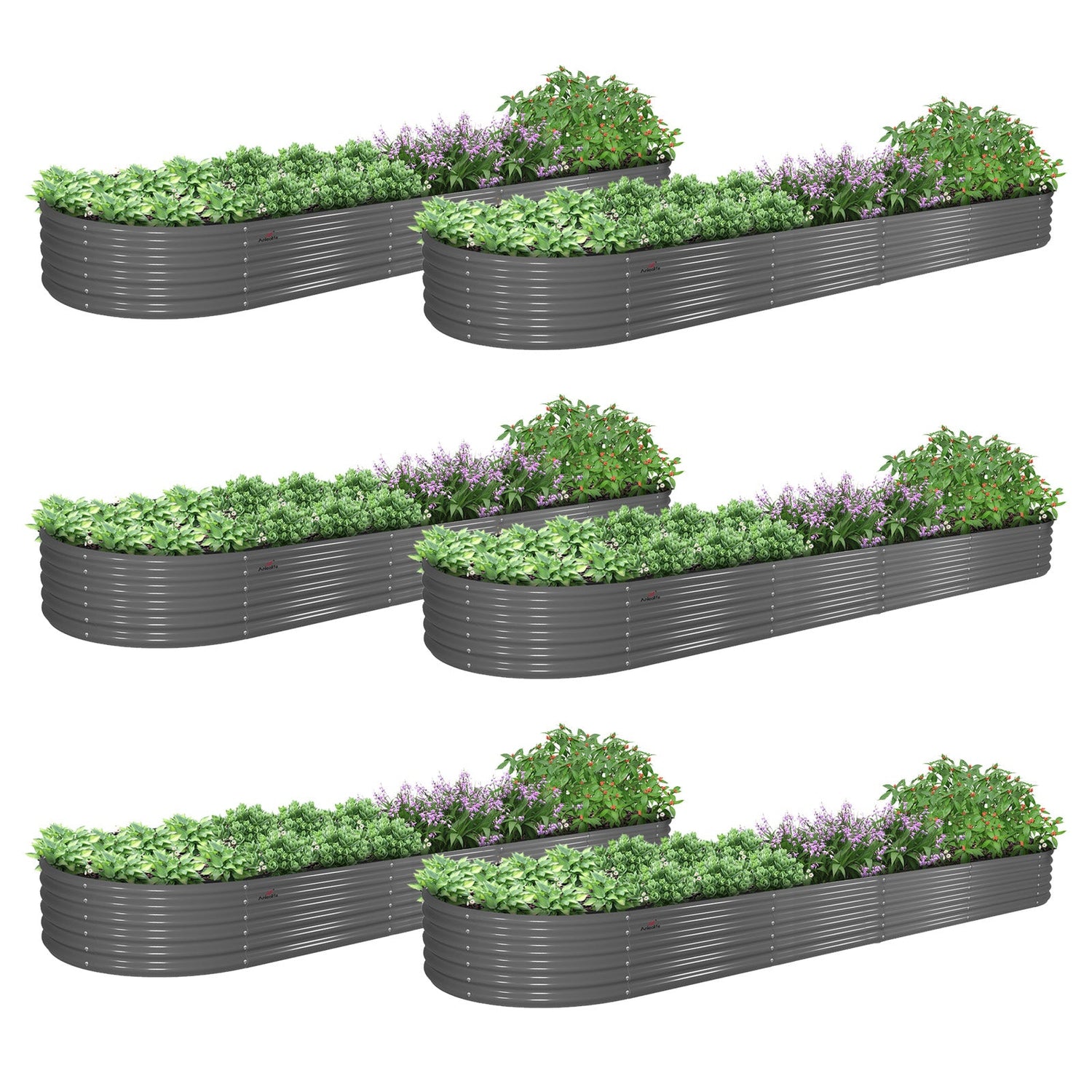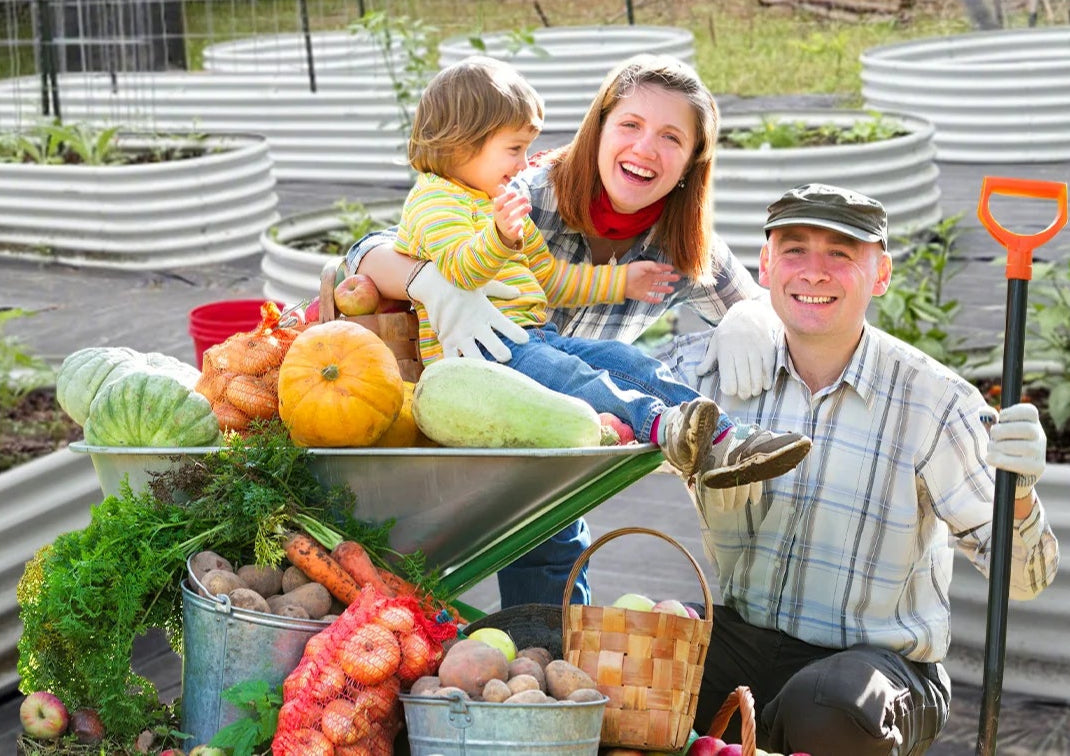



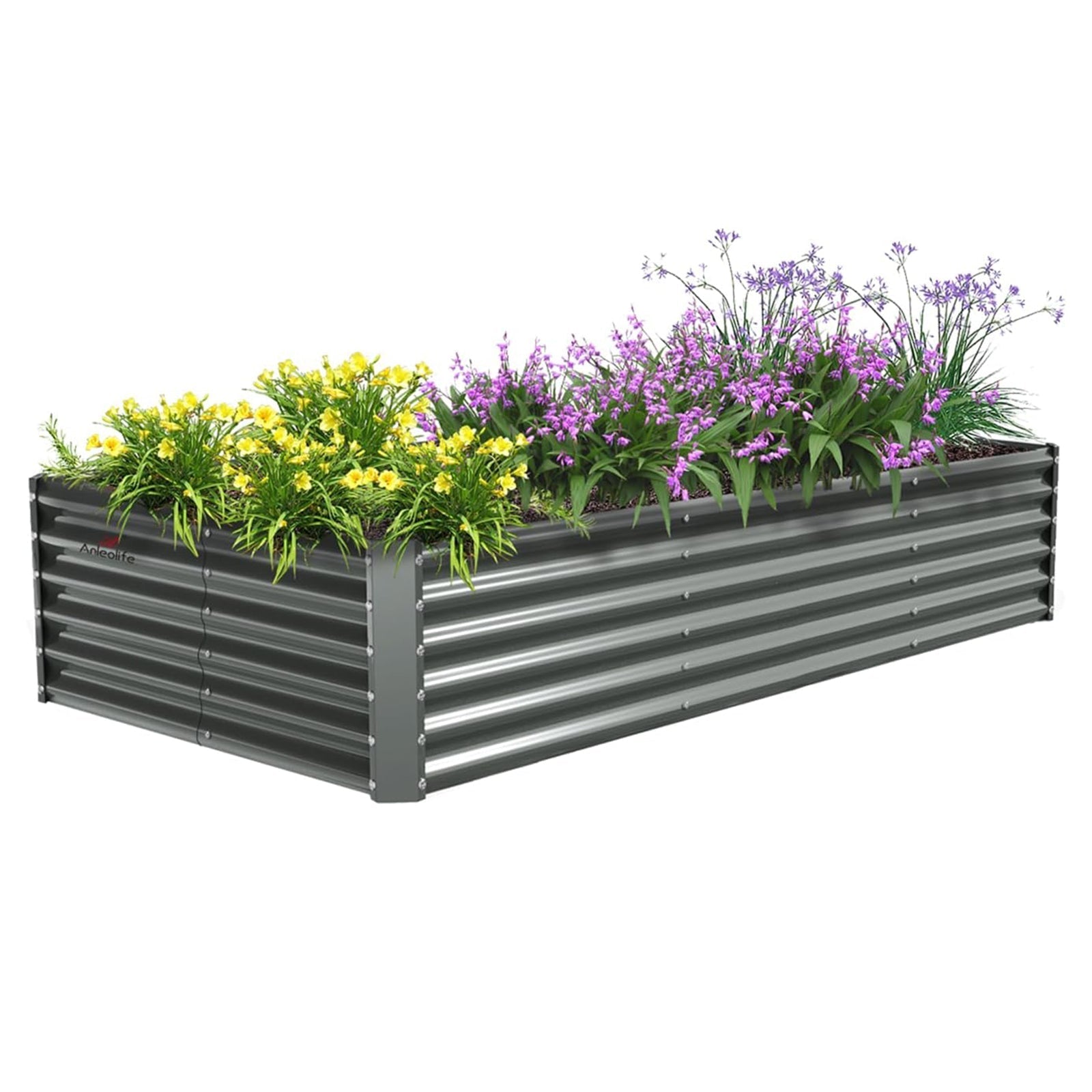

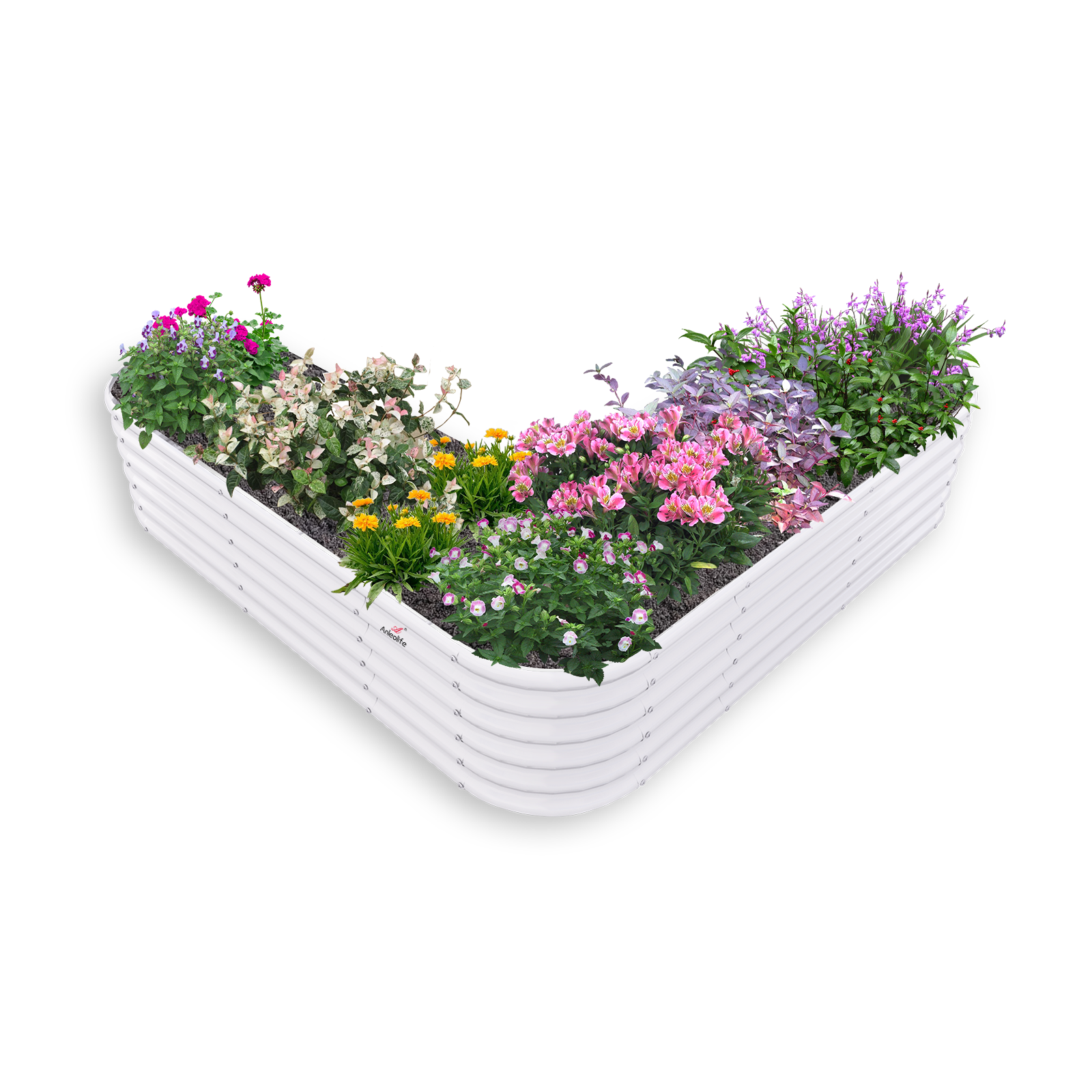
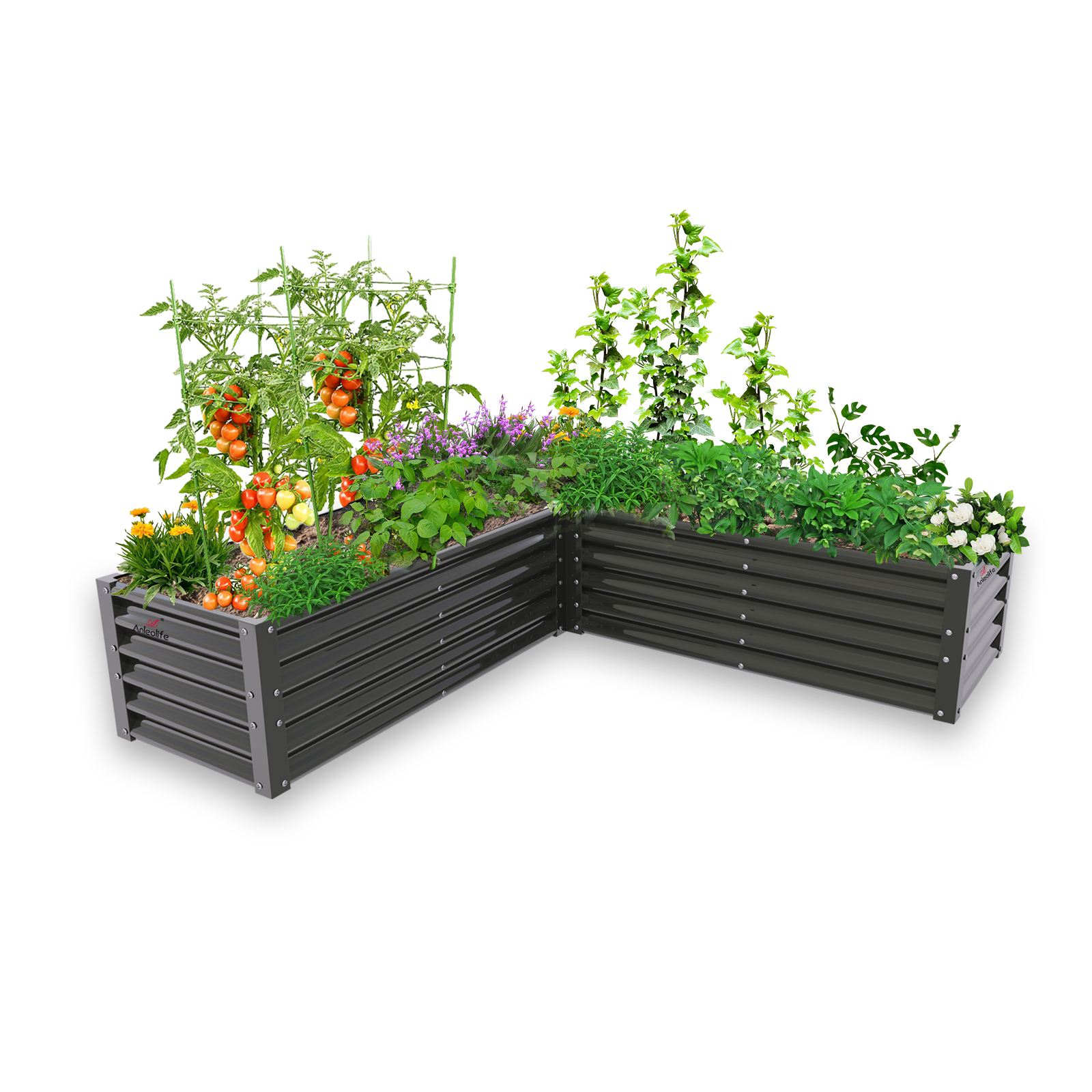
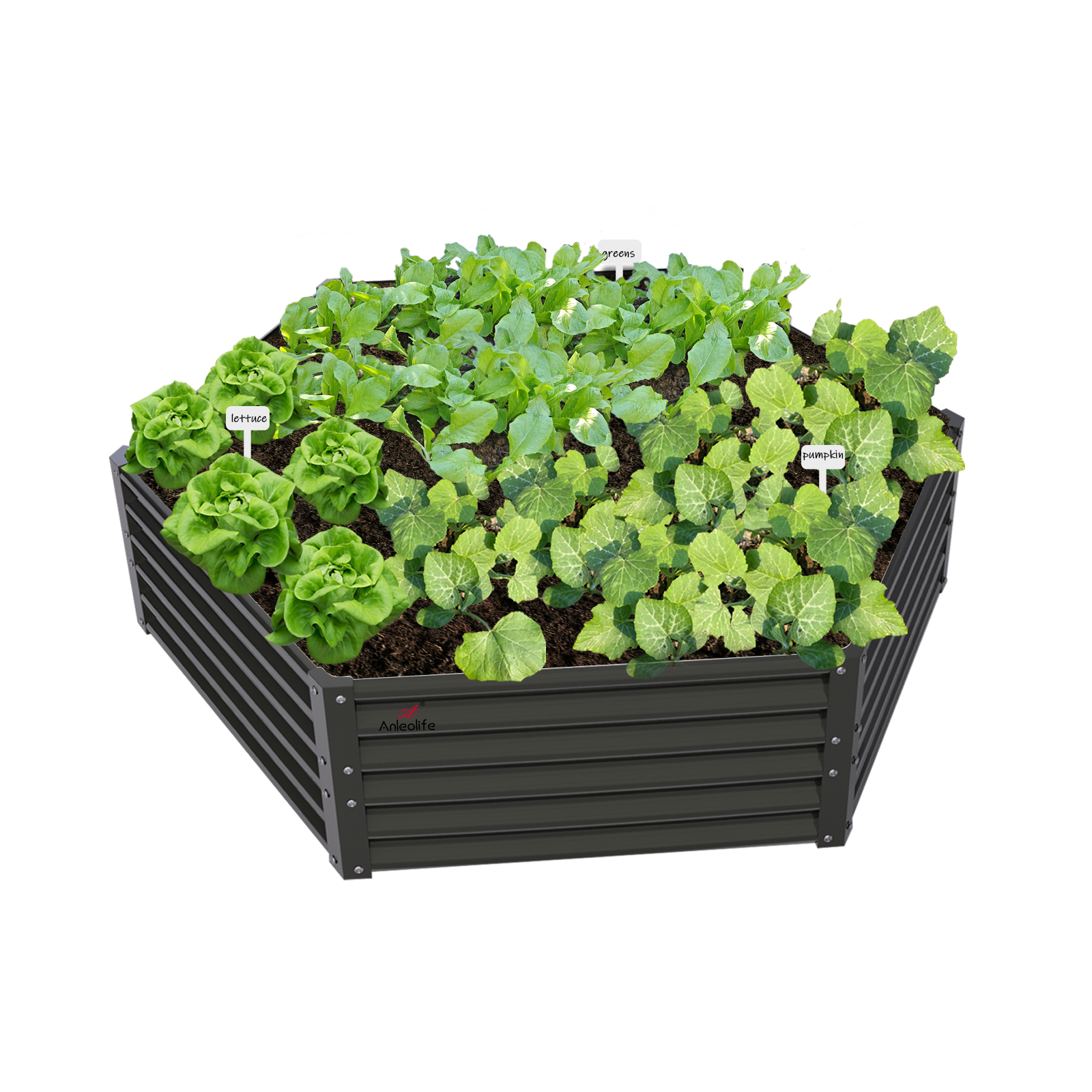
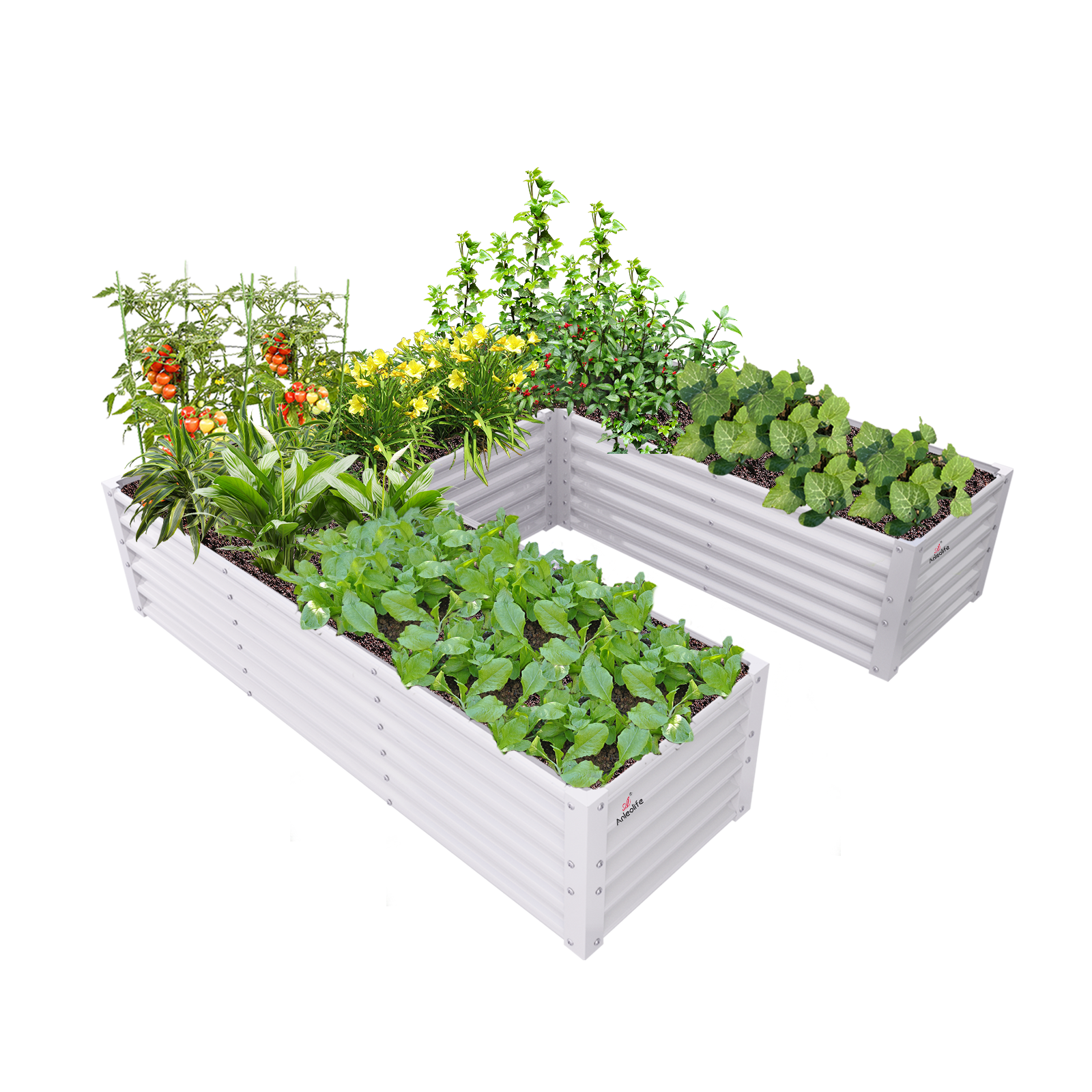



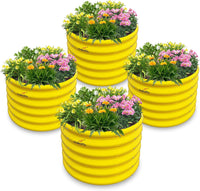
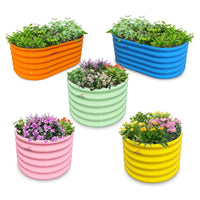
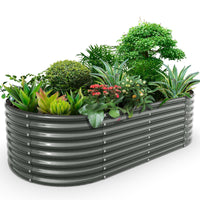



ALT: Gardener using affordable layered soil-filling strategies for extra-tall 30-inch and 35-inch raised garden beds
Why Soil-Filling Strategy Is the Hidden Key to Extra-Tall Raised Bed Success
Key Conclusion: Getting the soil-filling strategy right for extra-tall raised beds—especially 30" and 35" heights—is just as important as the raised bed layout itself. A smart, layered approach dramatically reduces material costs while improving drainage, aeration, and long-term plant health. Whether you're setting up irrigation systems for deep-rooted vegetables or planning a multi-bed raised bed garden layout, understanding what goes below the topsoil can save you hundreds of dollars and years of frustration.
Extra-tall raised garden beds have surged in popularity among home gardeners, and for good reason. They eliminate the need for bending and kneeling—making them a top answer to the question, "What's the best height for a raised garden bed if I have back problems?" At 30" and 35" tall, these beds put your plants at a comfortable working height, reduce weed pressure from the ground, and create a deeply insulated growing environment perfect for root vegetables, perennials, and even small fruit shrubs.
But here's the catch: filling a 30" or 35" raised bed entirely with premium potting mix or garden soil is expensive—sometimes prohibitively so. A single 8×4-foot bed at 30" deep holds roughly 80 cubic feet of material. Filling that volume with bagged soil alone could cost well over $300 to $500. The good news? You don't have to. Smart, layered filling strategies let you use lower-cost organic materials at the base while reserving quality growing medium for the top active root zone, without sacrificing plant performance.
This guide walks you through every affordable strategy you need—from the Hügelkultur method to engineered soil blends—along with pro tips on integrating irrigation systems and planning the ideal raised bed layout for long-term garden success.
Who Should Use These Soil-Filling Strategies
✅ Applicable Scenarios:
- Gardeners setting up new extra-tall raised beds (30" or 35" height) and looking to minimize initial soil costs
- Home growers with access to wood debris, compost, straw, or cardboard who want to recycle organic material
- Anyone planning a multi-bed raised bed garden layout with irrigation systems and needing a scalable, repeatable filling method
- People with back, knee, or mobility issues who've chosen tall beds for ergonomic access and want to maximize their investment
- Urban micro-gardeners and homesteaders maximizing growing space in small backyards
❌ Not Applicable/Cautions:
- Gardeners filling shallow beds (under 12") where layering strategies offer little benefit and active root zone depth is limited
- Anyone planning to grow plants with very shallow root systems (like lettuce-only beds) where simplified premium soil fill may be more efficient
- Those who cannot source any organic bulk materials locally and rely entirely on bagged products—standard blending ratios still apply, but the cost savings from layering will be less dramatic
The Real Cost Problem Behind Deep Raised Beds—and Why It Matters in 2025
The trend toward extra-tall raised garden beds has exploded in North America. According to the USDA National Agricultural Library, interest in home food production has seen consistent year-over-year growth since 2020, with urban and suburban gardening among the fastest-growing categories. Social media searches for "best elevated garden beds reviews galvanized steel cedar raised garden beds 2025" have multiplied, reflecting how seriously everyday homeowners are investing in their outdoor spaces.
At the same time, soil costs have risen. Premium potting mixes, bagged compost, and specialty raised bed blends now retail at prices that make filling a deep bed a significant budget line item. A 30-inch or 35-inch tall bed offers incredible ergonomic and horticultural advantages, but only if you can afford to fill it correctly.
The solution lies in understanding that not all vertical space in a deep raised bed needs to be premium growing medium. Most vegetables—even deep-rooted crops like tomatoes, carrots, or squash—use the top 12" to 18" of soil as their primary active root zone. The lower portion of a 30" or 35" bed serves primarily as drainage infrastructure, thermal mass, and slow-release organic matter decomposition. This insight is the foundation of every affordable filling strategy in this guide.
There's also a structural consideration worth noting. When you invest in a high-quality galvanized steel raised garden bed built to last up to 20 years—like those offered by Anleolife—you want the soil architecture inside to match that longevity. A well-built layered fill actually improves over time as organic material at the base decomposes, feeding the soil from below. In contrast, a bed filled entirely with inert material or poor-quality fill will degrade year by year.
This is why your soil strategy isn't just about saving money upfront. It's about building a living system that rewards you season after season—especially when paired with the right irrigation systems and a thoughtfully planned raised bed layout.
Practical Soil-Filling Strategies: Step-by-Step and Side-by-Side
Three-Step Quick Start for Extra-Tall Beds
Step 1: Assess Your Bed Volume and Set a Budget
Before buying a single bag of soil, calculate the total cubic footage of your bed. For a 30"-tall 8×4 bed, that's roughly 80 cubic feet; a 35"-tall version is close to 93 cubic feet. Decide how much you can source for free or low cost locally (wood, straw, cardboard, yard waste compost), then budget the remainder for quality topsoil blend. Knowing your numbers prevents overspending and helps you plan the layer ratios accurately. This step takes about 15–20 minutes and sets up everything downstream.
Step 2: Layer the Base with Bulk Organic Fill (Bottom 12"–18")
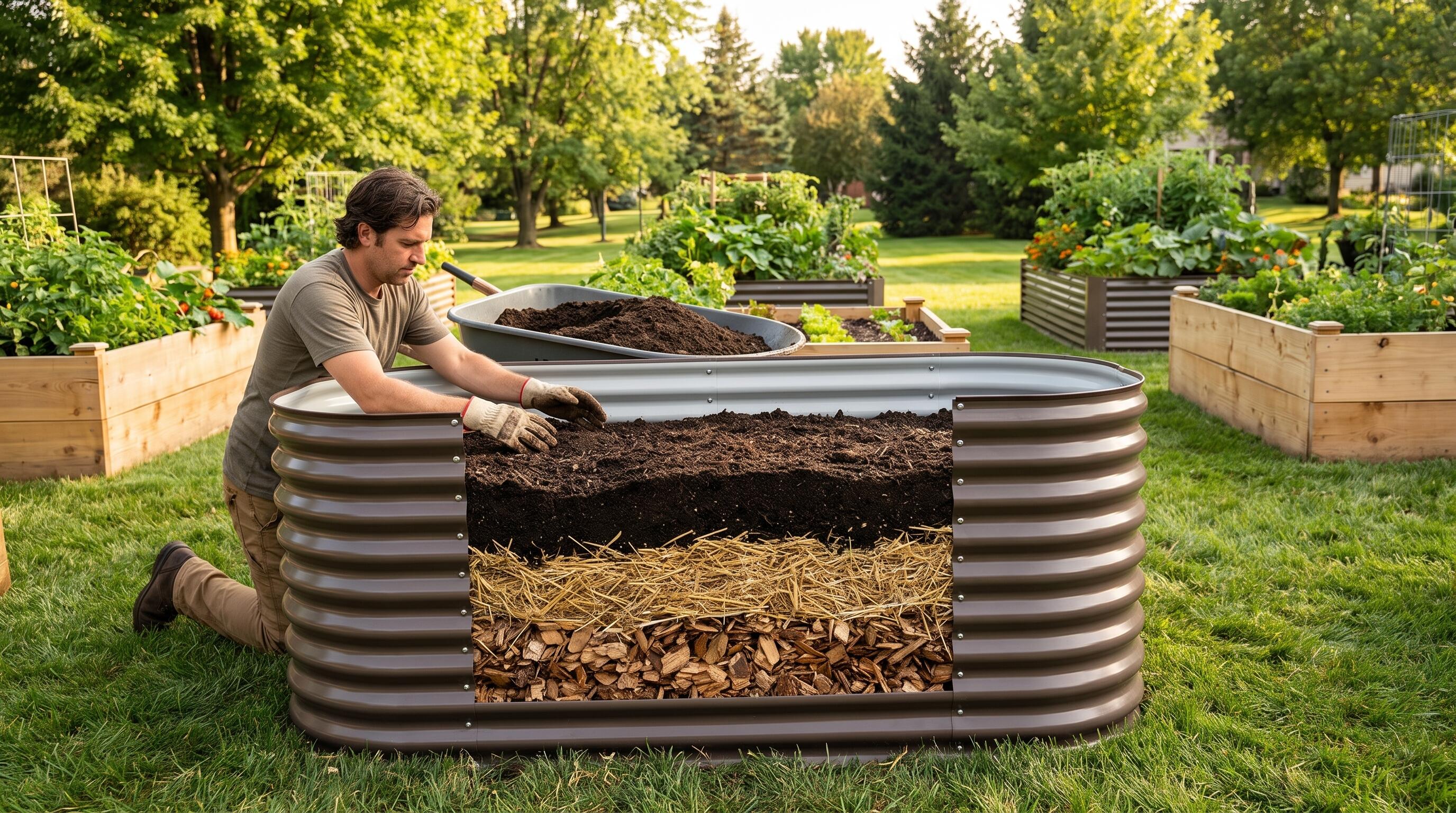
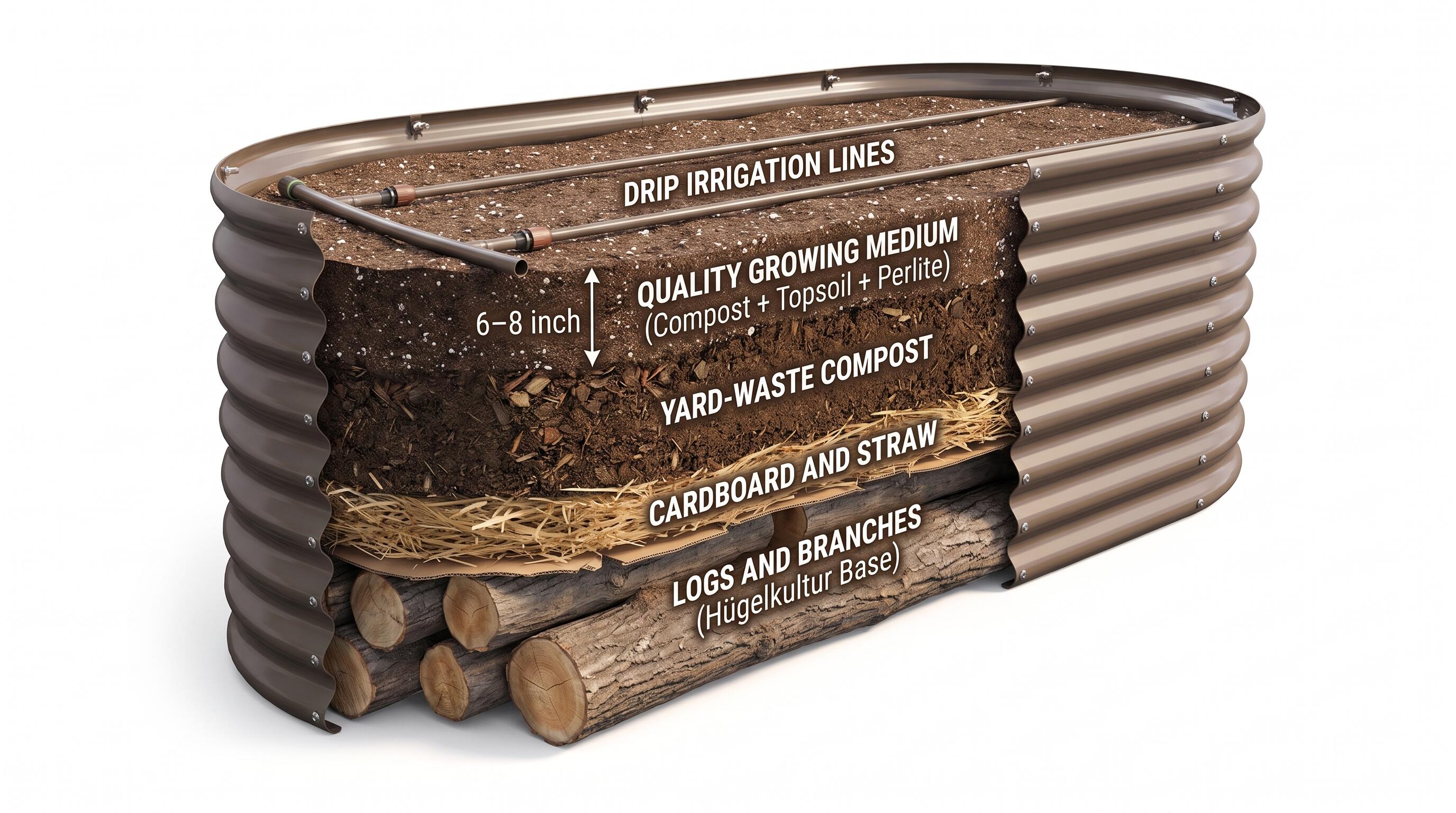
Fill the bottom third to half of your bed with bulk organic material: logs, branches, wood chips, straw, cardboard, yard trimmings, or a combination. This is the Hügelkultur principle at work—decomposing wood creates a sponge-like water reservoir and slow-release nutrient base over time. If you don't have wood debris, crushed cardboard boxes layered with straw and yard-waste compost serve the same function. Tamp lightly to reduce air pockets, but don't compress too tightly—drainage and airflow matter here. This step typically takes 30–60 minutes depending on material availability.
Step 3: Build the Active Root Zone with a Quality Soil Blend (Top 12"–18")
The top 12" to 18" should be your investment zone. A well-proven DIY blend for raised beds is one-third quality compost, one-third topsoil or garden soil, and one-third aeration material like perlite, coarse sand, or aged wood chips. This mix drains well, retains moisture, and provides the nutrient density your plants need. For extra-tall beds where irrigation systems will be installed, ensure the mix isn't too fine-grained—this maintains adequate water distribution without waterlogging. Finish by leveling the surface and watering thoroughly before planting.
Comparing the Top Affordable Filling Strategies
There are three main approaches gardeners use to fill extra-tall beds affordably. Each has distinct trade-offs depending on your access to materials, available time, and gardening goals.
| Comparison Dimension | Hügelkultur Method | Lasagna / No-Till Layering | Modified Mel's Mix |
|---|---|---|---|
| Primary Fill Material | Logs, branches, wood chips | Cardboard, straw, compost, leaves | Compost, perlite, vermiculite |
| Upfront Cost | Low (uses free organic debris) | Low to moderate | Moderate to high |
| Labor Requirement | Moderate (sourcing/placing logs) | Low to moderate | Low |
| Decomposition Timeline | 2–5 years for full breakdown | 1–2 seasons | Minimal (ready to plant) |
| Moisture Retention | Excellent (wood acts as sponge) | Good | Good to excellent |
| Best For | Large beds, access to wood debris | Urban gardeners, small backyards | Precision growers, containers |
| Long-Term Soil Improvement | Outstanding | Very good | Depends on compost quality |
| Irrigation System Compatibility | Good (after initial settling) | Good | Excellent |
The Hügelkultur Method is ideal if you have tree trimmings, fallen branches, or access to free wood chips from a local arborist. The logs and branches at the base slowly release nutrients over years, essentially building a self-fertilizing system. The main downside is that the bed may sink 2"–4" as the wood compresses in the first season, so slightly overfilling the top layer initially is recommended.
Lasagna Layering is perfect for urban micro-gardeners who lack wood but have access to cardboard, straw, and kitchen compost. You alternate "brown" materials (cardboard, dry leaves, paper) with "green" materials (grass clippings, vegetable scraps, fresh compost) throughout the lower half of the bed. This encourages rapid microbial activity, which breaks down layers quickly and enriches the root zone soil above.
Modified Mel's Mix (named after Mel Bartholomew's Square Foot Gardening method) skips organic bulk fill entirely and fills the whole bed with a blended growing medium—though at 30" or 35" depths, this becomes costly. A smart adaptation is to use this blend only for the top 12"–18" active zone and fill below with any of the other two methods.
Detailed Strategy: Building an Affordable 30" or 35" Raised Bed Soil System
Choosing the Right Raised Bed Before You Fill It
Your filling strategy should match the bed structure you're filling. For extra-tall beds in the 30" and 35" range, you need walls that are strong enough to handle the lateral pressure of 30+ inches of layered material, especially when it's moist. Galvanized steel raised garden beds are the leading choice for this application—they resist rust, hold their shape under pressure, and are built for the long haul.
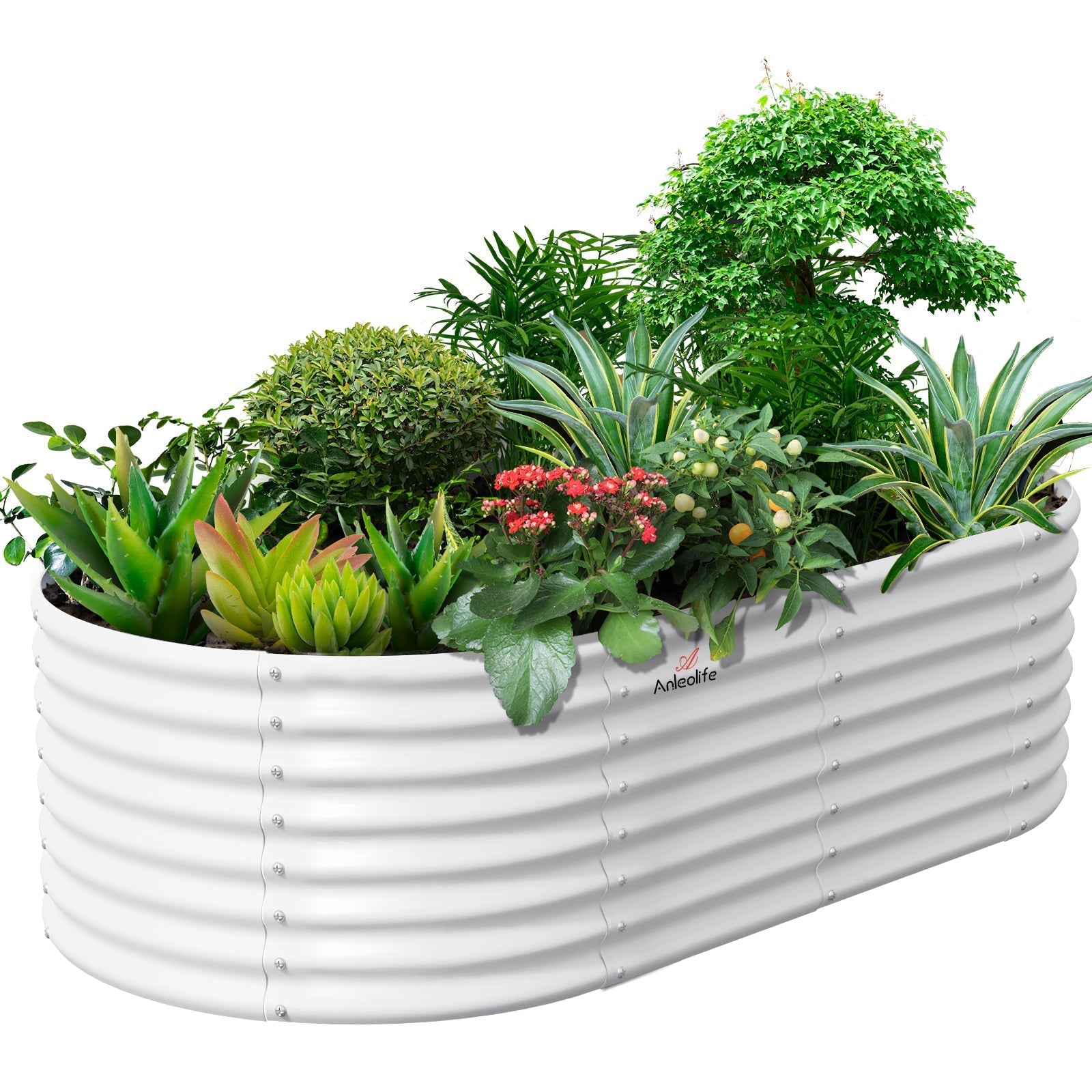
Anleolife's 30" Extra Tall raised garden beds are engineered specifically for deep-fill gardening. Available in sizes like 6×3 ft and 10×3 ft, they're designed to accommodate the kind of layered soil architecture described in this guide. The 35" waist-high options—like the 4×1.5 ft model—bring your growing surface to a fully standing-height working level, eliminating all bending. With a product lifespan of up to 20 years, investing in the right structure from day one means your soil strategy only needs to be perfected once.
If you're also exploring best materials for raised garden beds in humid climates, galvanized steel consistently outperforms wood in wet environments. Wood rots, warps, and requires replacement every 5–7 years in humid Southern or Pacific Northwest climates. Galvanized steel with rust-resistant coating holds up against continuous moisture exposure without degradation.
How Deep Does Your Specific Crop Really Need?
Understanding the root depth requirements of your target crops is essential for calibrating how much premium soil you actually need in the active zone.
- Shallow-rooted crops (lettuce, herbs, radishes, spinach): 6"–8" of quality growing medium is sufficient
- Mid-depth crops (tomatoes, peppers, kale, beans): 12"–18" active zone recommended
- Deep-rooted crops (carrots, parsnips, squash, potatoes): 18"+ of quality growing medium preferred
For a 30" bed growing tomatoes, this means roughly 12"–18" of quality blend at the top, with the remaining 12"–18" filled with lower-cost organic base material. You're only paying for quality in the zone where roots are actually active—that's where the savings accumulate.
Integrating Irrigation Systems Into Your Soil Fill Plan
One of the biggest mistakes gardeners make with extra-tall beds is ignoring irrigation systems during the filling process, then struggling to retrofit them afterward. Planning irrigation during the fill stage saves time and dramatically improves water efficiency.
Drip irrigation lines are the gold standard for raised beds. When filling your active root zone layer, lay your drip lines at 6"–8" depth—this puts water directly into the primary root zone, reduces surface evaporation, and minimizes weed germination between plants.
For beds using the Hügelkultur base, the decomposing wood acts as a natural moisture reservoir. During dry spells, capillary action draws water upward from this layer, reducing irrigation frequency by an estimated 20%–30% compared to traditional soil-only fills (according to various permaculture studies, though results vary by material and climate).
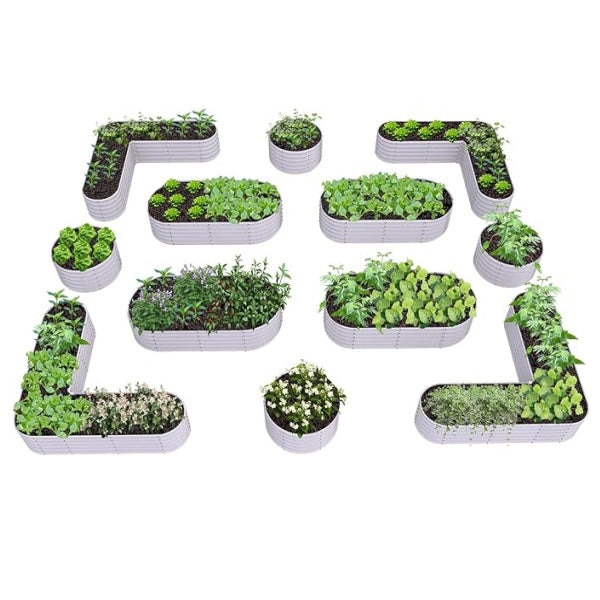
If you're running multiple beds and planning a larger raised bed garden layout, a manifold drip system connected to a timer is a highly efficient setup. Run your main supply line along the perimeter of the bed cluster, then branch individual drip lines into each bed. This works especially well with Anleolife's modular raised garden beds, where multiple units can be positioned in rows or L-shapes to accommodate a single irrigation run.
Raised Bed Layout Tips for Multi-Bed Setups
A strong raised bed layout maximizes both growing space and practical access. Key principles:
- Maintain 18"–24" pathways between beds for comfortable side access—critical for watering, harvesting, and seasonal maintenance
- Orient beds north-to-south in most Northern Hemisphere gardens to ensure all plants receive equitable sun exposure throughout the day
- Group beds by water need: drought-tolerant herbs and flowers in one zone, high-water-demand vegetables in another—this simplifies irrigation system zoning
- Consider aesthetic flow: for best flower beds designs that blend beauty with productivity, alternate taller vegetable beds with lower decorative plantings along pathways, using Anleolife's range of heights to create visual layering
For small backyards where the question is "What's the best size raised garden bed kit for a small backyard?", consider starting with a single 6×3 ft or 8×4 ft bed at 30" height. This footprint is manageable, highly productive per square foot, and leaves room for a second or third bed as your confidence grows.
ALT: Cross-section diagram of affordable layered soil-filling strategy in a 30-inch extra-tall galvanized steel raised garden bed with drip irrigation
Advanced Considerations: Settling, Amendments, and Seasonal Refreshing
Accounting for Soil Settling in the First Season
All layered fills settle—this is normal and expected. Organic material at the base compresses as it decomposes and moisture cycles through it. In a 30" bed, you may see 2"–4" of settling by midsummer of your first season. The solution is simple: slightly overfill the active root zone at planting time, anticipating the loss, or plan to top-dress with fresh compost each spring.
This spring top-dressing isn't just compensatory—it's one of the best things you can do for soil health. Adding 1"–2" of finished compost each year replenishes nutrients, reintroduces beneficial microbes, and gradually improves soil structure over time.
Common Misconceptions to Avoid
Misconception #1: "More perlite means better drainage in a tall bed." While perlite is excellent for aeration, excess perlite in a deep bed can actually create a drainage barrier effect—water moves quickly through perlite-rich zones and pools at layer transitions. Balance is key; aim for no more than 20%–25% perlite in any layer.
Misconception #2: "Fresh wood chips will rob nitrogen from my plants." This is partially true at soil contact points, but when used as the base fill layer (not mixed into the active root zone), the nitrogen draw-down effect is negligible. Keep wood material at least 6" below your planting zone.
Misconception #3: "Galvanized steel leaches zinc and is unsafe for vegetables." Extensive research, including studies referenced by the Oregon State University Extension Service, indicates that modern hot-dip galvanized steel used in raised garden beds poses no meaningful health risk to edible crops under normal growing conditions. The zinc oxide layer is stable and does not leach into soil at levels of concern.
Refreshing Your Soil System Over Time
One advantage of extra-tall beds is that you don't need to replace the entire soil volume each year. The lower organic layers continue decomposing and improving. Each spring, simply:
- Remove and set aside the top 4"–6" of active growing mix
- Top up with fresh compost to replace settled volume
- Return the removed growing mix on top
- Optionally, add a slow-release organic fertilizer or worm castings for an extra nutrient boost
This system keeps a 20-year bed like Anleolife's galvanized options performing at peak productivity indefinitely.
Frequently Asked Questions
Q1: How do I fill a 30" raised garden bed without spending a fortune on bagged soil?
The most affordable approach is the layered fill method: use free or cheap bulk organic materials—wood logs, branches, cardboard, straw, yard waste—for the bottom 12"–18" of the bed. Reserve quality blended growing medium (compost + topsoil + perlite) for the top 12"–18" active root zone where plants actually grow. This can reduce your total soil cost by 40%–60% compared to filling entirely with premium bagged mix, while delivering equal or better long-term plant performance.
Q2: Is galvanized steel safe for growing vegetables in humid climates?
Yes—galvanized steel is widely considered one of the safest and most durable options for raised bed gardening in humid environments. Research from institutions like Oregon State University Extension confirms that zinc leaching from hot-dip galvanized steel is negligible under normal conditions and does not accumulate in edible crops at harmful levels. Unlike cedar or pine, galvanized steel won't rot, warp, or degrade in consistently wet climates, making it the most practical long-term choice for humid regions.
Q3: How long does the organic base layer last in an extra-tall raised bed, and when does it need replacing?
The timeline depends on the materials used. Logs and branches break down slowly—over 3–5 years—while straw, cardboard, and yard trimmings decompose within 1–2 seasons. Rather than replacing base fill, simply top-dress with 1"–2" of compost each spring to compensate for settling. Over time, the decomposing base actually enriches the entire soil column. With a quality galvanized steel bed rated for up to 20 years, you'll likely only need to replenish the top active zone, never the full bed volume.
Summary
Filling an extra-tall raised garden bed affordably is entirely achievable—and when done right, it produces a growing environment that outperforms expensive all-bagged-soil beds. The three key principles to carry forward are:
- Layer strategically: Use bulk organic fill (logs, cardboard, straw) for the base and invest quality growing medium only in the active root zone. This approach cuts costs dramatically while building a self-improving soil system.
- Plan irrigation during the fill stage: Installing your drip irrigation system before the final soil layers go in is far easier than retrofitting, and it ensures optimal water delivery directly to the root zone.
- Match your bed height to your crops and body: Extra-tall beds at 30" or 35" aren't just an aesthetic upgrade—they're a functional investment in back-friendly gardening, deeper root development, and superior thermal regulation for your plants.
Whether you're a first-time gardener mapping out your first raised bed garden layout or an experienced grower expanding to a multi-bed soil system, the strategies in this guide will help you get more value from every inch of depth—and every dollar spent.
Upgrade Your Garden with Anleolife
Anleolife supports your garden journey from the very first bed to a fully integrated outdoor growing ecosystem. With a nationwide U.S. warehouse network strategically located in California, Texas, Florida, New York, Illinois, and Washington, your order is delivered within 3–8 business days—so your soil-filling plans can start on your schedule.
Find Anleolife products on Amazon, Walmart, Home Depot, Lowe's, Wayfair, and directly at Anleolife.com, with consistent quality assurance and dedicated after-sales support across every channel.
Anleolife's product ecosystem covers three core scenarios:
- Planting: Metal raised garden beds, soil systems
- Raising: Chicken coops, rabbit hutches
- Beautification: Decorative accessories, pathway systems
Our modular product design lets you start small and expand naturally—from your first extra-tall 30" bed to a fully integrated planting-and-raising setup. With beds built to last up to 20 years, you're not just buying a product; you're investing in a garden that grows alongside you.
References
- USDA National Agricultural Library. "Home Gardening and Urban Agriculture Resources."
https://www.nal.usda.gov/ - Oregon State University Extension Service. "Raised Bed Gardening: Soil, Safety, and Best Practices."
https://extension.oregonstate.edu/ - University of California Agriculture and Natural Resources. "Soil Management in Raised Bed Gardens."
https://ucanr.edu/ - Penn State Extension. "Building Healthy Garden Soil: Organic Matter and Composting."
https://extension.psu.edu/ - University of Minnesota Extension. "Raised Bed Vegetable Gardening."
https://extension.umn.edu/
Note: Standards and research findings may be updated. Please check the latest official documents or consult professional advisors for the most current guidance.
About Anleolife
Anleolife is a leading outdoor garden solutions provider in North America, dedicated to offering a full-scenario product ecosystem for home gardening enthusiasts, covering planting, raising, and garden beautification. Since its founding, we have upheld our brand mission, "Made for Garden Life," continuously innovating products and optimizing services to help hundreds of thousands of users upgrade their gardens, reconnect with nature, and enjoy a better garden lifestyle.