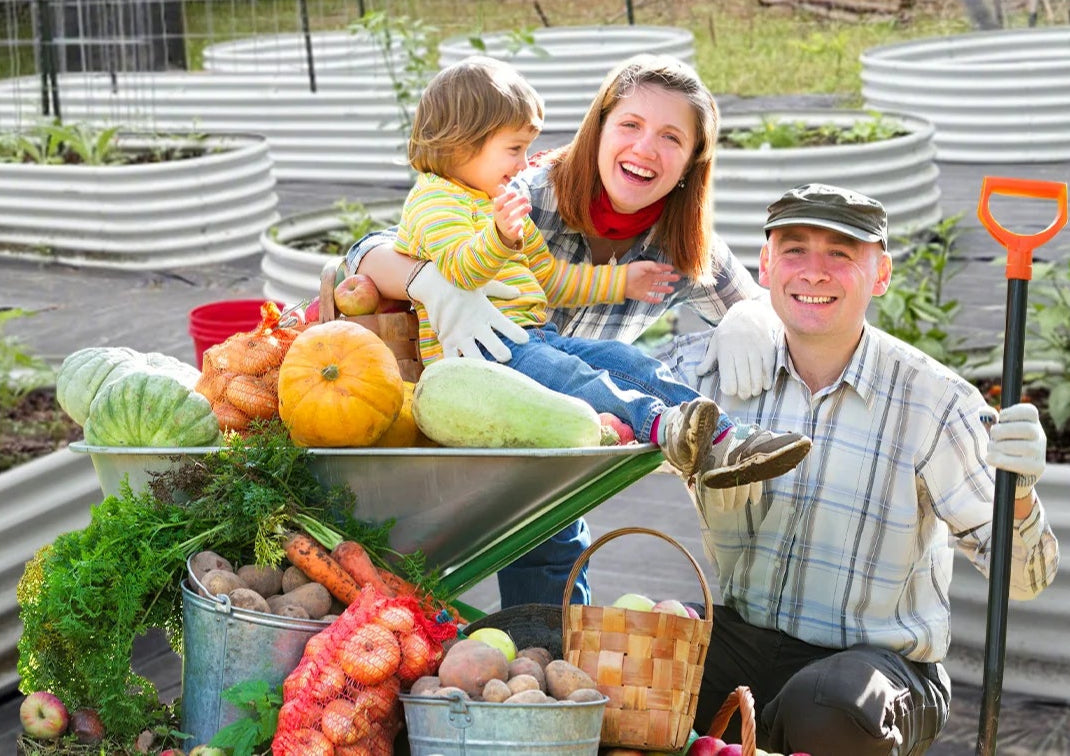










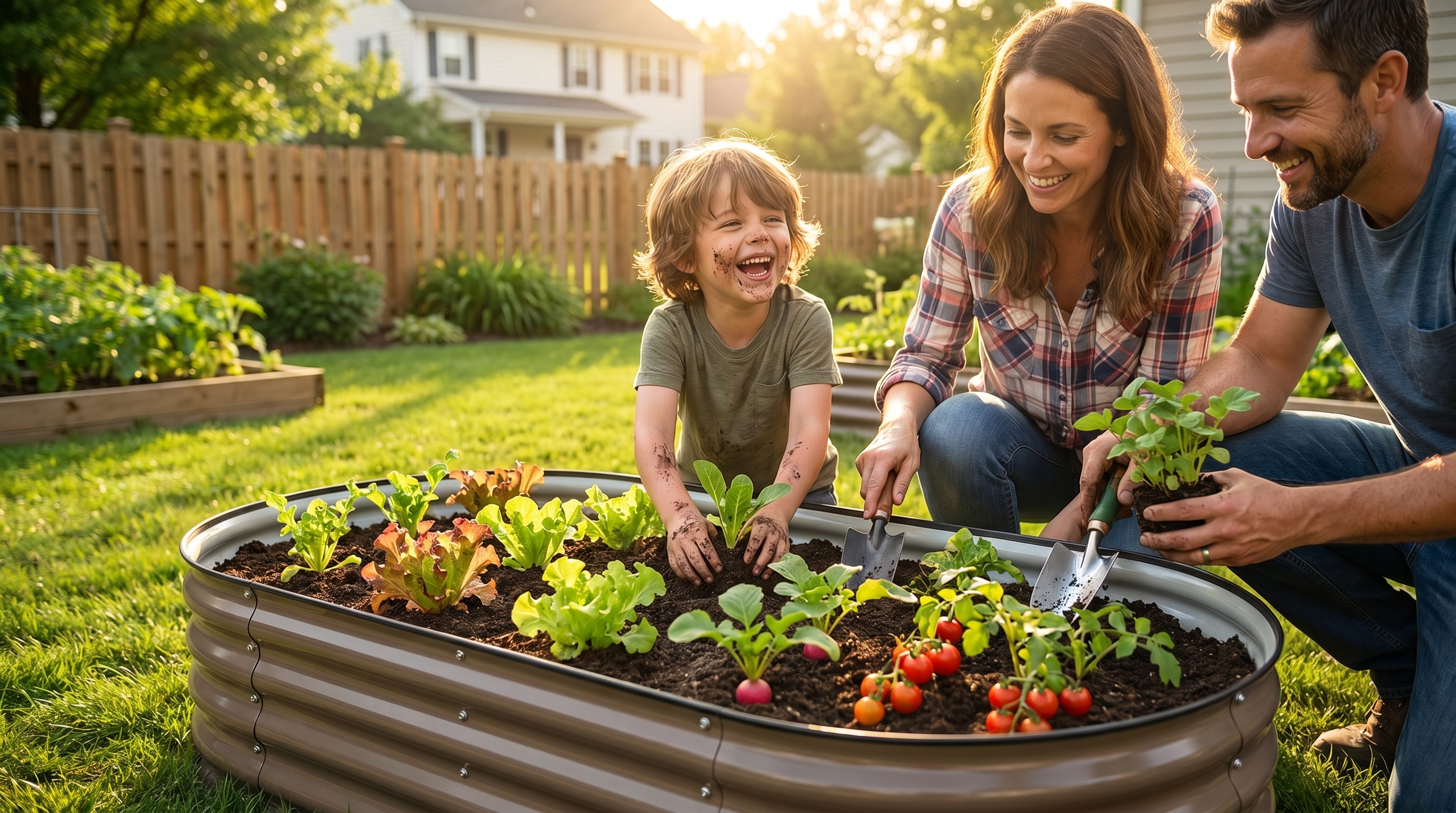
ALT: Child growing beginner vegetables in a raised garden bed with family in backyard garden
Why a Kids' Raised Bed Is the Best First Gardening Experience for Young Growers
Key Conclusion: Giving children their own raised garden bed transforms gardening from a chore into an adventure. The best beginner vegetables for children — including radishes, cherry tomatoes, lettuce, and snap peas — grow quickly, tolerate beginner mistakes, and deliver visible rewards that keep kids engaged. Pairing child-friendly crops with the right raised bed setup creates a safe, eco-friendly growing environment that builds confidence, teaches patience, and makes healthy eating genuinely exciting for young minds.
When kids have their own dedicated plot of soil, something magical happens. They water more carefully, check for bugs with genuine curiosity, and actually want to eat the vegetables they've harvested with their own hands. Research consistently shows that children who participate in growing their food are more likely to try new vegetables and develop a lifelong appreciation for fresh, healthy eating.
The key to success lies in choosing the right vegetables — ones that sprout fast, look exciting as they grow, and don't demand expert-level care — and pairing them with a stable, safe growing environment. A well-sized raised garden bed does exactly that: it defines a child-sized space, keeps soil warm and loose, and eliminates the frustration of compacted ground soil. This guide walks you through the best crops to start with, how to set up a beginner-friendly bed, and what to look for when choosing the best raised garden beds for a child's first growing season.
Who This Guide Is For (and When a Kids' Raised Bed Makes Sense)
✅ Applicable Scenarios:
- Families with children ages 4–14 who want a hands-on, screen-free outdoor activity that builds responsibility
- Parents and grandparents looking for an eco-friendly garden setup that introduces kids to sustainable food growing
- Urban micro-gardeners with limited patio or backyard space seeking a compact, manageable container gardening setup for small patios
- Empty nesters or retirees who want to share gardening knowledge with visiting grandchildren in a structured, approachable way
❌ Not Applicable/Cautions:
- Households without at least 4–6 hours of direct daily sunlight in the chosen growing area — most beginner vegetables require full sun to thrive, and shaded spots will frustrate young growers
- Situations where adult supervision cannot be consistently provided during planting, watering, and tool use, especially with very young children under age 4
- Climates with extremely short growing seasons where fast-maturing crops may still not reach harvest before frost — check your USDA hardiness zone before planting
Why Raised Beds Are the Smartest Start for Young Gardeners
For decades, the standard advice for beginner gardeners — including young ones — was to simply dig a patch of backyard soil and get started. But ground-level gardening comes with real challenges: compacted clay soil that resists root growth, poor drainage that drowns seedlings, and the backbreaking effort of amending a large area season after season.
Raised garden beds changed the equation entirely. By elevating the growing surface and filling it with custom soil mixes, raised beds give roots exactly what they need from day one: loose, nutrient-rich, well-draining growing medium. For children, this translates to faster germination, healthier plants, and fewer disappointing failures.
The raised bed format also creates a defined, manageable space — something critically important when you're trying to keep a child engaged. A bed that's too large feels overwhelming; one that's appropriately sized feels like a personal project they can actually manage. That sense of ownership is a powerful motivator.
From a safety standpoint, raised beds made from high-quality galvanized or rust-resistant steel are an excellent choice for family growing. If you've ever wondered about the safety of metal beds in a food garden, the research is reassuring — Do Galvanized Steel Garden Beds Leach Zinc Into Your Vegetables? The Facts breaks down the science clearly, confirming that properly manufactured galvanized steel poses no meaningful risk to edible crops grown in healthy soil.
Trends support this approach too. The National Gardening Association has tracked steady growth in youth gardening programs across the U.S., with school and home garden participation reaching record levels over the past five years. Parents increasingly recognize that gardening offers developmental benefits that few other activities can match: fine motor skills, math concepts (measuring beds, counting plants), science literacy, and emotional regulation through the natural cycles of growth.
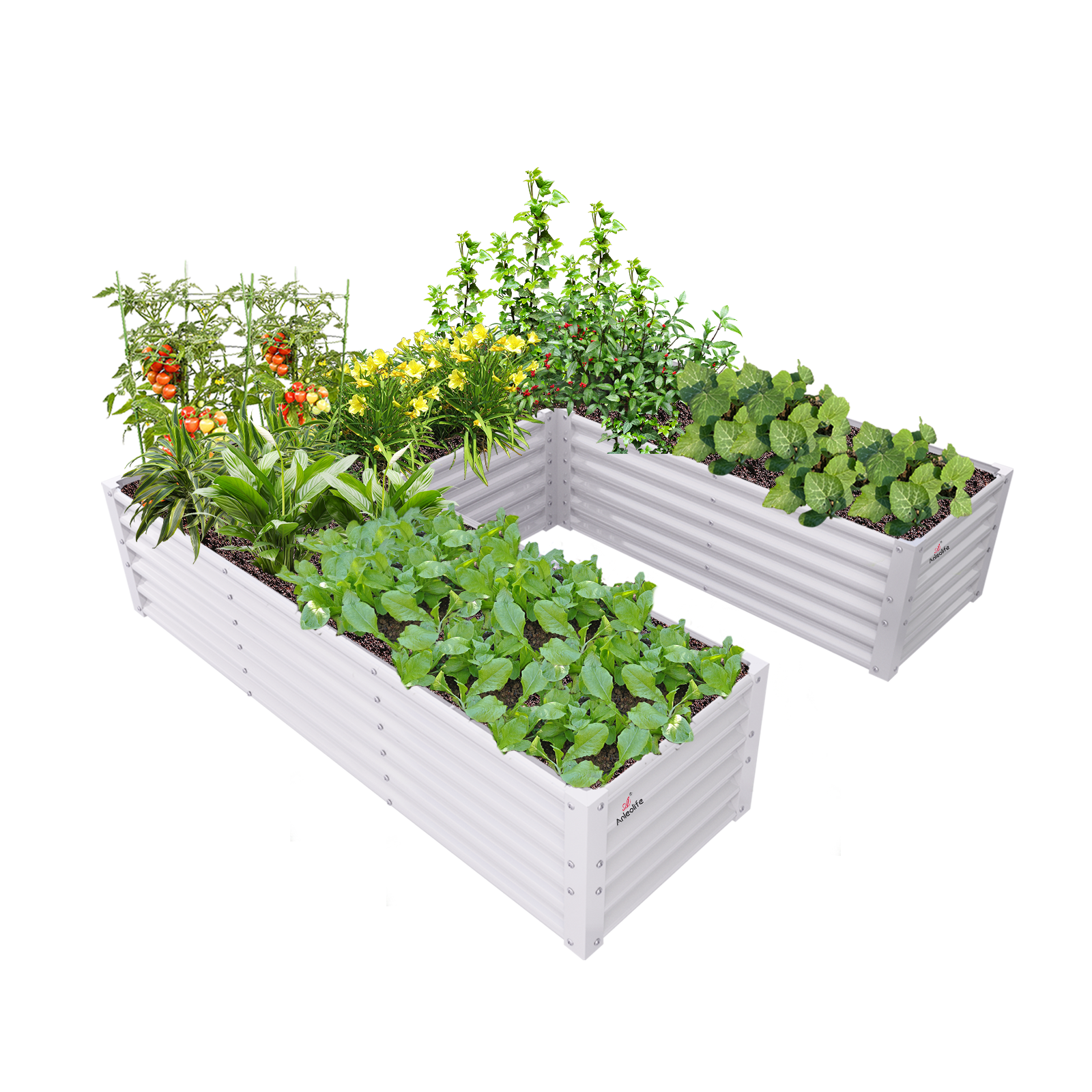
When selecting a bed for a child, size and height both matter. For younger children, a bed they can reach across without stepping into — typically 2–4 feet wide — keeps them from compacting the soil. For the best raised garden bed size for a patio or small backyard, an 18-inch tall 4x4 or 4x2 footprint is often ideal for children's first garden projects, offering enough planting space without being overwhelming.
Setting Up a Child's First Raised Garden Bed: From Soil to Seeds
Three-Step Quick Start
Step 1: Choose the Right Bed Size and Location
Before buying seeds or soil, identify the sunniest spot in your yard or patio — ideally one that receives 6 or more hours of direct sunlight daily. Measure the space, then select a bed sized to fit comfortably. For young children (ages 4–8), a 4x2 or 4x4 footprint works well since they can reach the center from either side without stepping in. Older children can manage a 6x3 or 8x4 bed with a bit more planting ambition. Allow 20–30 minutes for site selection and measurement.
Step 2: Fill With the Right Soil Mix
A child-friendly soil blend should drain well but retain enough moisture to forgive inconsistent watering. The classic "Mel's Mix" — one-third compost, one-third peat moss or coconut coir, one-third coarse vermiculite — works beautifully in raised beds. Avoid using straight topsoil or backyard dirt, which compacts quickly in contained spaces. Fill the bed to within 1–2 inches of the top rim. Plan on 1–2 hours for soil mixing and bed filling, depending on size.
Step 3: Choose Beginner Crops and Plant Strategically
Select 3–5 crops from the beginner-friendly list in this guide. Mix fast-maturing crops (radishes, lettuce) with mid-season crops (cherry tomatoes, snap peas) so children see results quickly while also learning patience. Draw a simple planting map together — this doubles as a math and planning activity. Planting typically takes 30–60 minutes, including spacing and labeling. Consider making plant markers together from craft sticks as part of the experience.
Comparing the Best Beginner Vegetables for Children
Choosing which vegetables to grow with kids requires balancing several factors: how quickly they sprout, how visually dramatic the growth is, how forgiving they are of imperfect care, and how appealing the harvest is to young palates. Below is a straightforward comparison of the top options.
| Comparison Dimension | Radishes | Cherry Tomatoes | Snap Peas | Lettuce | Sunflowers (edible seeds) |
|---|---|---|---|---|---|
| Days to Germination | 3–7 days | 5–10 days | 7–14 days | 5–10 days | 7–14 days |
| Days to Harvest | 22–30 days | 60–80 days | 55–70 days | 30–45 days | 70–100 days |
| Watering Forgiveness | High | Medium | Medium-High | Medium | High |
| Kid Appeal at Harvest | Medium | Very High | High | Medium | Very High |
| Space Required | Low | Medium (needs support) | Low-Medium (needs trellis) | Low | Medium-High |
| Difficulty Level | Very Easy | Easy | Easy | Very Easy | Easy |
The Best Beginner Vegetables for Children: A Detailed Growing Guide
Radishes: The Instant-Gratification Crop
If you need to hook a skeptical child on gardening fast, radishes are your secret weapon. Seeds sprout in as little as 3–7 days, and most varieties reach full harvest size in under a month. Children can go from seed to pulling a bright red or purple globe out of the soil in the same season they started — a timeline that feels genuinely magical to young minds.
Plant seeds about half an inch deep and 1–2 inches apart in rows. Thin the seedlings once they reach a few inches tall. The thinning process itself is a great teaching moment about giving plants room to grow. Varieties like 'Cherry Belle' and 'French Breakfast' are particularly kid-friendly in both appearance and mild flavor.
Cherry Tomatoes: The Crown Jewel of the Kids' Garden
No crop generates more excitement in a children's garden than cherry tomatoes. The plants grow visibly week by week, the small fruits change color in a satisfying, trackable way, and the harvest stretches over weeks — giving kids repeated victories rather than a single payoff.
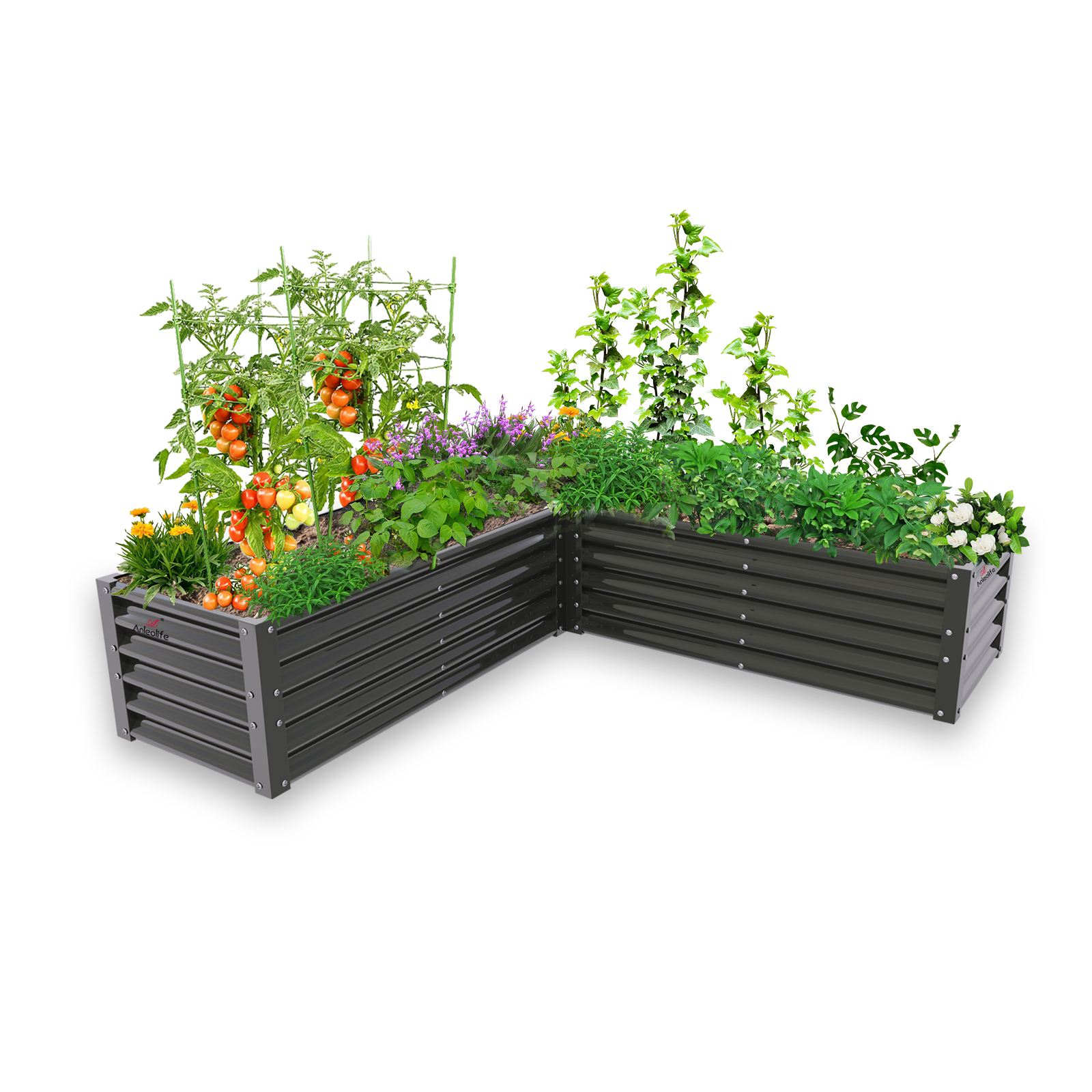
Varieties like 'Sun Gold,' 'Sweet Million,' and 'Juliet' are reliable performers that produce abundant fruit even when care is inconsistent. Plant seedlings (not seeds, for young beginners) after your last frost date, and install a simple stake or cage early so children can watch the plant climb. Cherry tomatoes also do wonderfully in the compact 18" tall 4x4 Anleolife raised beds, where a single plant can thrive without competing for too much space.
Snap Peas: Eat Them Straight Off the Vine
Snap peas are practically designed for children. The pods are sweet enough to eat raw directly from the plant, which means kids snack in the garden rather than just harvesting for the kitchen. The climbing vines add dramatic vertical interest, and installing a simple bamboo trellis becomes a construction project in itself.
Peas are cool-season crops, making them perfect for spring or fall planting. Direct sow seeds 1 inch deep, 2–3 inches apart, along the back edge of a raised bed where they won't shade other plants. Varieties like 'Sugar Snap' and 'Oregon Sugar Pod' are classics for good reason.
Lettuce: Grow-and-Cut Forever
Lettuce is the most beginner-friendly crop in any garden, full stop. Seeds germinate quickly, plants grow fast, and the "cut and come again" harvesting method — snipping outer leaves while the plant keeps producing — means children can harvest every few days. Loose-leaf varieties like 'Black Seeded Simpson' or colorful 'Salad Bowl' mixes are especially rewarding.
Lettuce also tolerates partial shade better than most crops, making it a good choice for beds that receive only 4–5 hours of direct sun. For families exploring top vegetables to plant in a raised garden bed right now this summer, heat-tolerant lettuce varieties like 'Jericho' or 'Nevada' can extend the season well into warmer months.
Green Beans: Simple, Productive, and Self-Rewarding
Bush bean varieties (as opposed to pole beans) are compact, require no staking, and produce a generous harvest for the effort invested. Seeds are large and easy for small hands to handle, they sprout reliably, and the plants produce harvestable pods over several weeks.
Teach children to pick beans when pods are firm but before the seeds inside bulge noticeably — this extends the productive period and teaches them to "read" the plant. 'Provider' and 'Blue Lake Bush' are excellent starter varieties.
Sunflowers: Not Just for Seeds
While technically not a vegetable, sunflowers deserve a place in every children's garden. They grow fast and dramatically, provide a measurable height-tracking activity (how tall is the plant vs. how tall am I?), and produce edible seeds at the end of the season. The sense of wonder when a sunflower towers above a child's head is irreplaceable. Plant 'Mammoth Russian' or 'Teddy Bear' varieties along the north or west edge of the bed so they don't shade smaller plants.
Choosing the Right Anleolife Raised Bed for a Child's Garden
Selecting the best raised garden bed for beginners — especially one that will serve a child well — means thinking about height, size, and material durability together.
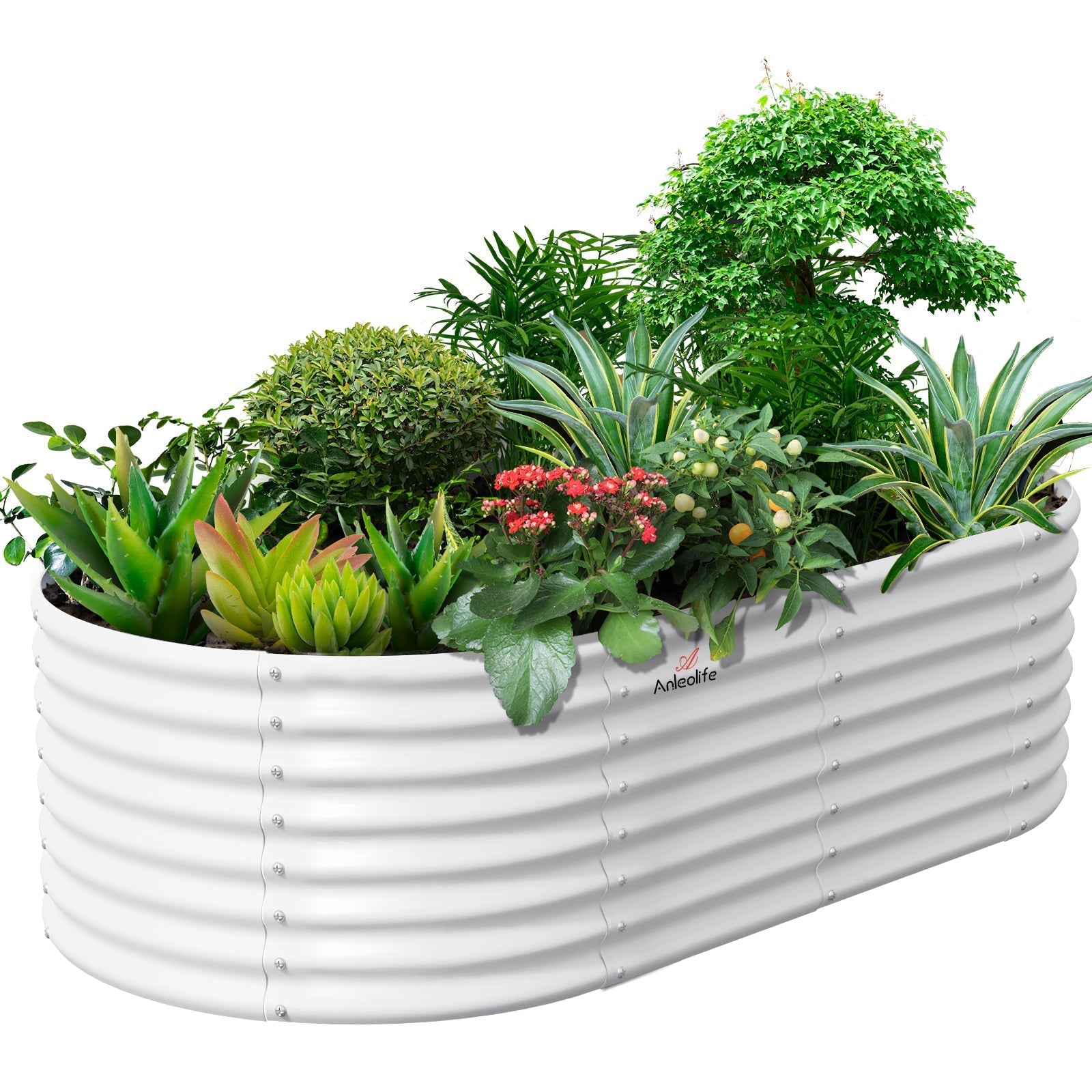
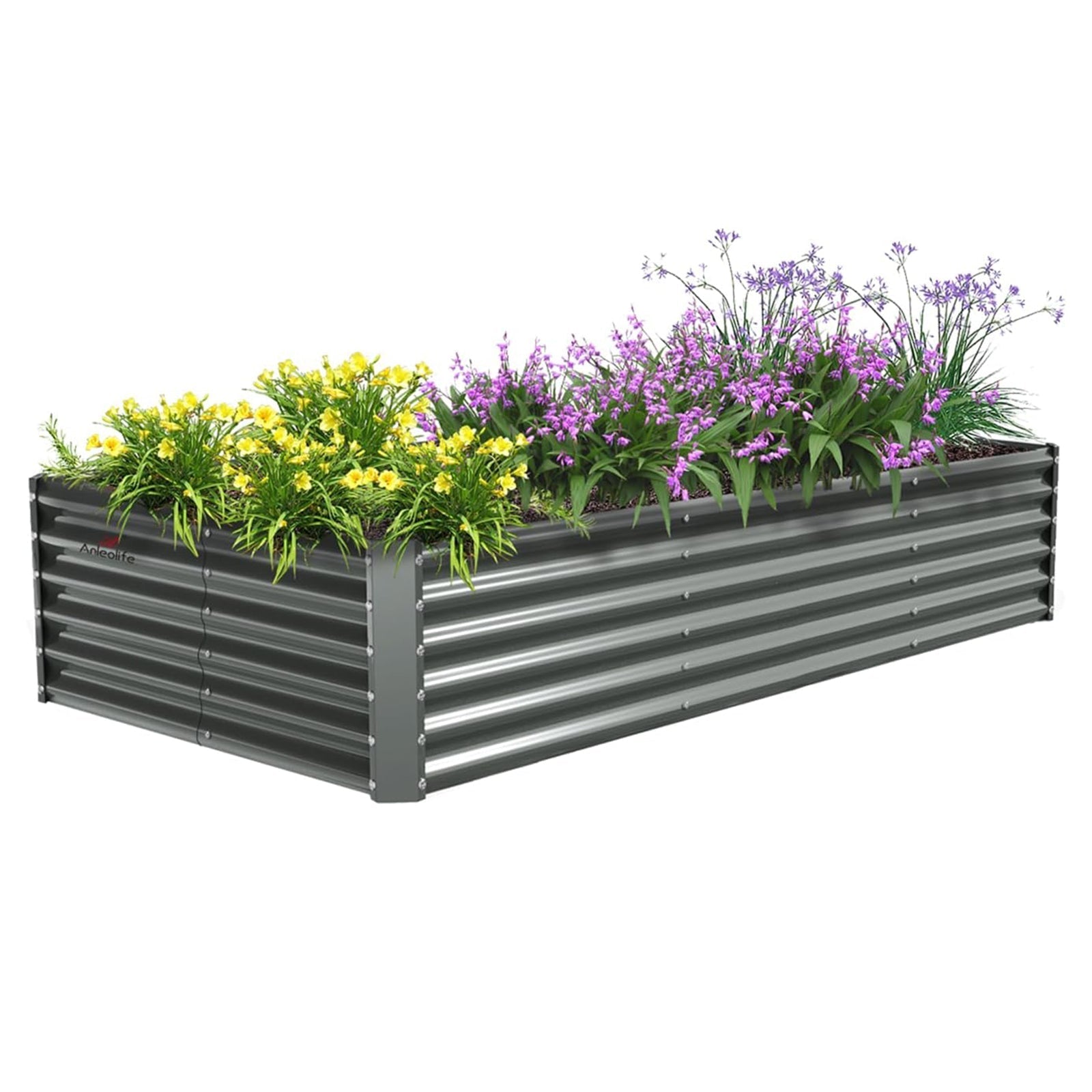
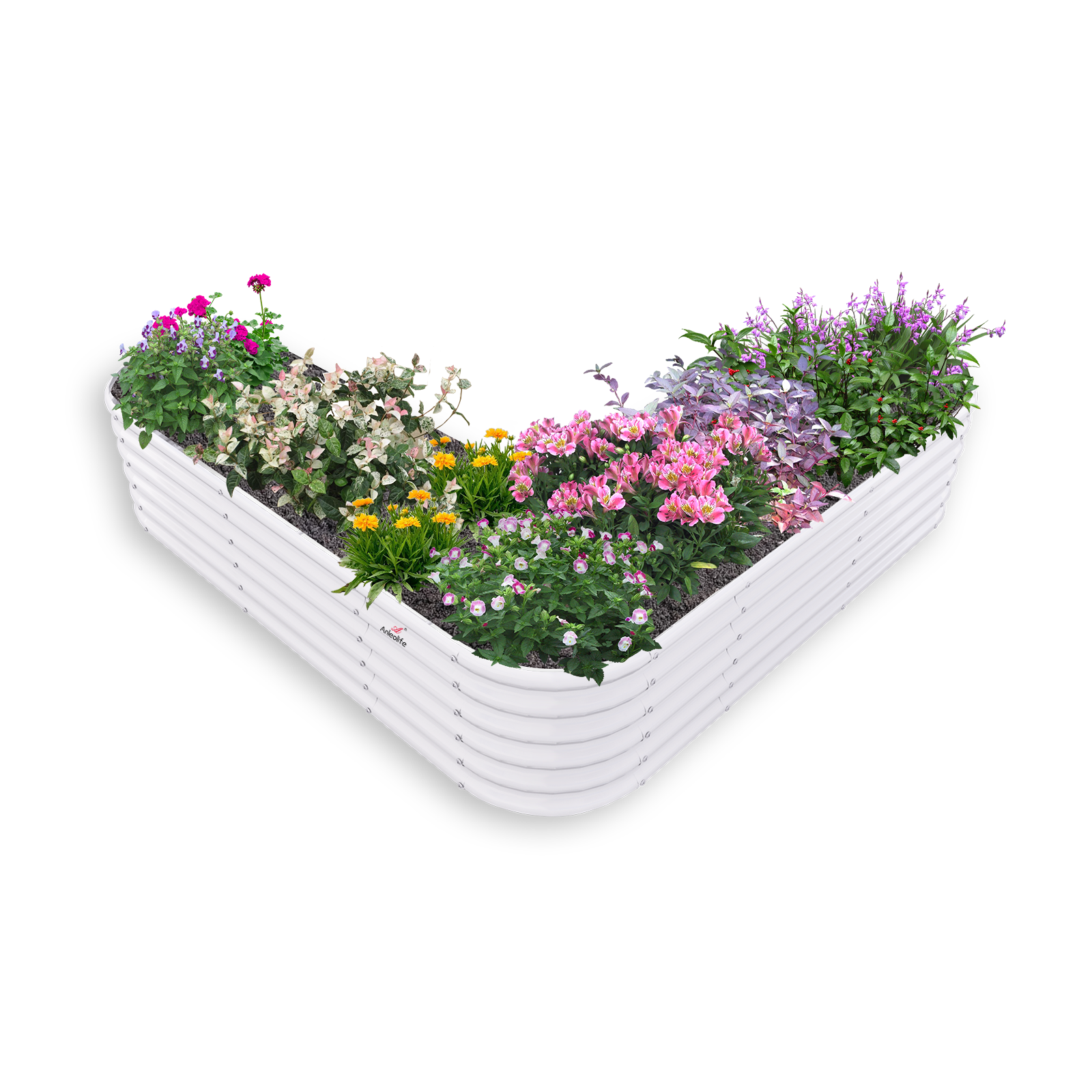
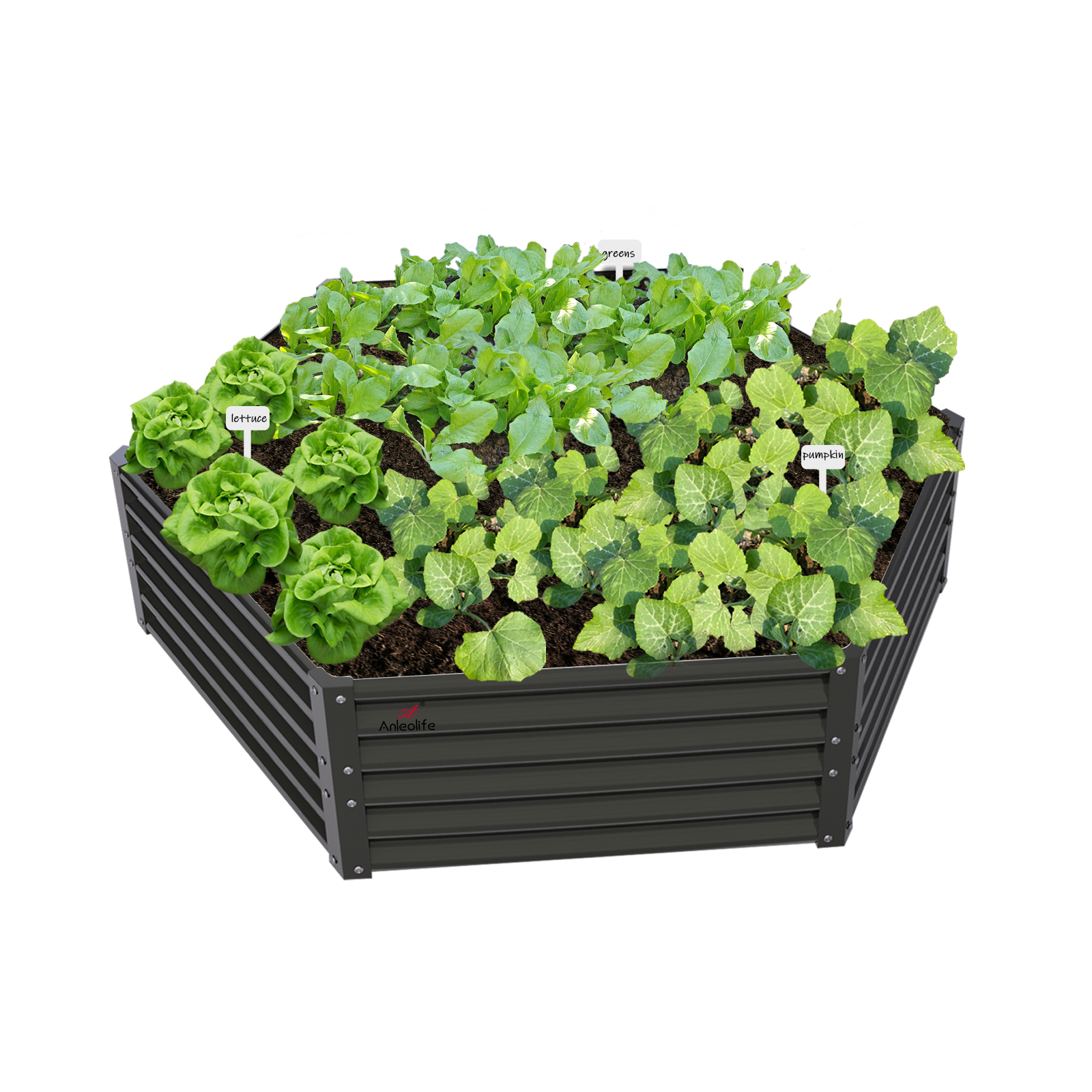
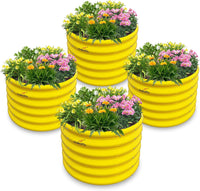
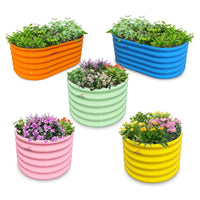
For young children (ages 4–8), an 18" tall bed in a 4x2 or 4x4 footprint is an excellent choice. The 18-inch height keeps soil warm, ensures good drainage, and is accessible to small arms without requiring kneeling in the dirt. Anleolife's galvanized steel and rust-resistant raised garden beds in these dimensions are particularly well-suited, offering smooth rolled edges that eliminate sharp corners — a safety feature parents will appreciate.
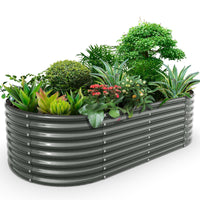
For older children and teens, stepping up to a 24" Extra Tall 6x3 or 8x4 bed opens up deeper root zones ideal for tomatoes and root vegetables. When wondering how deep raised bed soil should be for tomatoes, carrots, and root vegetables, the answer varies by crop — but a 24" bed with the right soil mix handles virtually every beginner crop with ease.
All Anleolife raised garden beds are built to last up to 20 years, meaning the bed a child starts with at age 7 could still be serving them (or their own children) decades later. The galvanized steel construction resists rust, withstands harsh weather, and maintains its structural integrity season after season — qualities that matter when you're investing in something meant to be used consistently. For a deeper look at how different steel materials perform outdoors, Galvanized Steel vs. Corten Steel Garden Beds: Which Holds Up Better Outdoors? provides an excellent comparison.
If you're concerned about eco-friendly garden edging solutions for raised beds, Anleolife's rust-resistant line is worth exploring. These beds use advanced coating technology that resists corrosion without relying on harmful chemicals, making them a genuinely eco-conscious choice for families growing food.
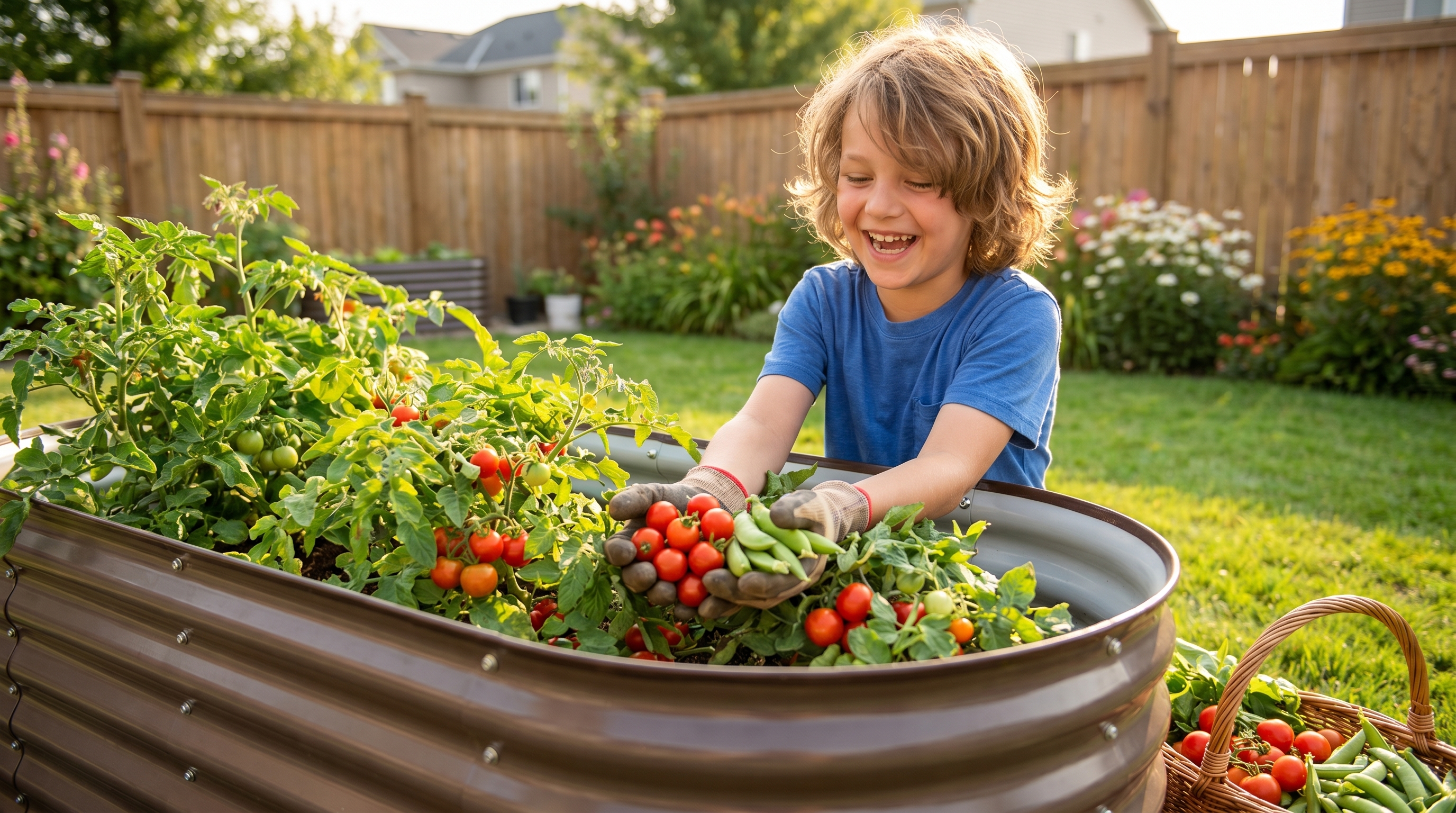
ALT: Child harvesting cherry tomatoes and snap peas from a galvanized steel raised garden bed in sunny backyard
Advanced Tips: Making the Garden Experience Stick
Turn the Garden Into a Classroom, Not a Chore
The biggest mistake parents make with children's gardens is taking over. Resist the urge to replant the crooked seedling or water when the child forgets. Natural consequences — a slightly wilted plant that perks back up after watering — are among the most powerful teaching moments gardening offers. Guide, but don't manage.
Three advanced strategies for sustained engagement:
Create a garden journal. Give children a dedicated notebook to sketch their plants, record observations, and paste seed packets. This builds scientific thinking and creates a keepsake. Even a kindergartener can draw what they see and dictate observations for a parent to write.
Add a measurement challenge. Mark a stake next to a sunflower or tomato plant and measure growth weekly. Graph the results on graph paper. This transforms the garden into a living math lesson that kids will ask to return to.
Involve them in problem-solving. When aphids appear or a leaf yellows, don't just fix it — investigate together. Look up the issue online or in a field guide. Teach children that problems in the garden are puzzles, not failures.
Common Misconceptions to Clear Up
"Kids will lose interest quickly." This is only true when the growing experience lacks visible progress. Choosing fast-maturing crops like radishes and lettuce, combined with a clear visual record of growth, keeps engagement remarkably high — especially in the first season when everything is new.
"Metal raised beds get too hot for kids to touch." While metal beds do warm in direct sun, properly designed beds with rolled or smooth-finished edges remain safe for children to work around. The soil inside a metal bed actually benefits from the warmth, extending the growing season.
"You need a large backyard." Some of the most successful children's gardens exist on apartment balconies and compact patios. A single 4x2 raised bed, thoughtfully planted, is enough to grow lettuce, radishes, cherry tomatoes (in a container), and herbs that give a child a full growing experience.
Frequently Asked Questions FAQ
Q1: How do I choose the best raised garden bed size for a beginner child's garden?
For young children (ages 4–8), a 4x2 or 4x4 foot footprint at 18 inches tall is ideal — it's accessible from all sides without stepping in, and the size feels manageable rather than overwhelming. Older children can comfortably work a 6x3 or 8x4 bed. The most important rule: choose a width your child can reach across without stepping into the soil, which typically means no wider than 4 feet for most children.
Q2: Are galvanized steel raised beds safe for growing vegetables children will eat?
Yes — research consistently confirms that properly manufactured galvanized steel does not pose a food safety risk in standard garden conditions. The zinc coating on galvanized steel is present in trace amounts far below levels of concern, and healthy, well-composted soil actually buffers any potential uptake. Anleolife's galvanized steel beds are food-garden safe and designed specifically for vegetable growing. For full details on the science, consult independent research on zinc leaching in metal garden beds.
Q3: How long does it take for beginner vegetables to go from seed to harvest in a children's raised bed?
Timing varies by crop. Radishes can be harvested in as few as 22–30 days from seeding — ideal for impatient young growers. Lettuce reaches a cut-and-come-again stage within 30–45 days. Snap peas take 55–70 days, and cherry tomatoes typically require 60–80 days from transplant. By mixing fast and medium-speed crops in the same bed, children experience regular small wins while also learning to anticipate a bigger reward.
Summary
Starting a child's gardening journey with their own raised bed and the right selection of beginner vegetables is one of the highest-value investments a family can make — not just in the garden, but in a child's development, relationship with food, and connection to the natural world.
Three core takeaways from this guide:
The right crops make all the difference. Radishes, cherry tomatoes, snap peas, lettuce, and beans are forgiving, fast-rewarding, and genuinely exciting for young growers. They build confidence through visible success rather than testing patience with slow, demanding plants.
The right bed creates the right conditions. A properly sized, well-built raised bed with quality soil eliminates the biggest obstacles beginners face — compacted soil, poor drainage, and undefined growing space. Anleolife's range of galvanized and rust-resistant raised beds, built to last up to 20 years, provides a safe, durable foundation for the entire growing journey.
Involvement beats perfection every time. The goal isn't a perfect harvest — it's building a child's confidence, curiosity, and connection to where food comes from. Keep it joyful, let them lead, and let the garden teach what no classroom can.
Your next step: choose a sunny spot, measure the space, and select a bed size that fits your child's reach and your growing ambitions. The first seeds can go in the ground this weekend.
Start Growing With Anleolife
Anleolife's nationwide U.S. warehouse network — strategically located in California, Texas, Florida, New York, Illinois, and Washington — ensures delivery within 3–8 business days, so your garden setup arrives right when inspiration strikes. Products are available on major e-commerce platforms including Amazon, Walmart, Home Depot, Lowe's, and Wayfair, as well as directly at Anleolife.com, with consistent quality assurance and after-sales support across every channel.
Anleolife's three core scenarios cover everything your family garden needs: Planting (galvanized and rust-resistant metal raised garden beds, soil systems), Raising (chicken coops, rabbit hutches), and Beautification (decorative accessories, pathway systems) — meeting complete needs from functionality to aesthetics.
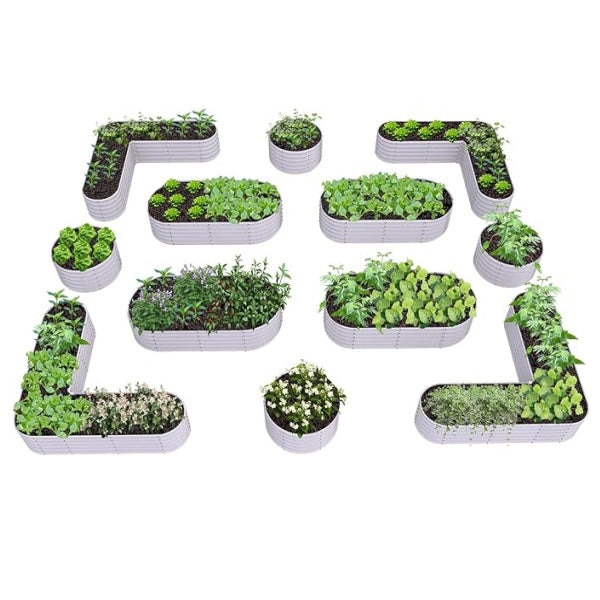
We understand that an ideal garden is not built overnight, but gradually improved over time. Our modular product design allows flexible expansion based on your needs — from your child's first 4x4 raised bed to a fully integrated planting-and-raising ecosystem that grows with your family. We're with you every step of the way.
References
- National Gardening Association. "Kids and Gardening: The Benefits of Growing Together."
https://garden.org - United States Department of Agriculture (USDA). "School and Youth Garden Program Resources."
https://www.usda.gov/topics/rural/community-food-projects - University of California Agriculture and Natural Resources (UC ANR). "Gardening with Kids: Vegetables, Fruits and Herbs."
https://ucanr.edu/ - Cornell University Cooperative Extension. "Growing Vegetables in Home Gardens."
https://gardening.cals.cornell.edu/ - Centers for Disease Control and Prevention (CDC). "Children's Environmental Health: Soil Safety in Gardens."
https://www.cdc.gov/nceh/lead/prevention/default.htm
Note: Gardening guidelines and safety standards may be updated periodically. Please check the latest official resources or consult a local extension service for the most current recommendations.
About Anleolife
Anleolife is a leading outdoor garden solutions provider in North America, dedicated to offering a full-scenario product ecosystem for home gardening enthusiasts, covering planting, raising, and garden beautification. Since its founding, we have upheld our brand mission, "Made for Garden Life," continuously innovating products and optimizing services to help hundreds of thousands of users upgrade their gardens, reconnect with nature, and enjoy a better garden lifestyle.