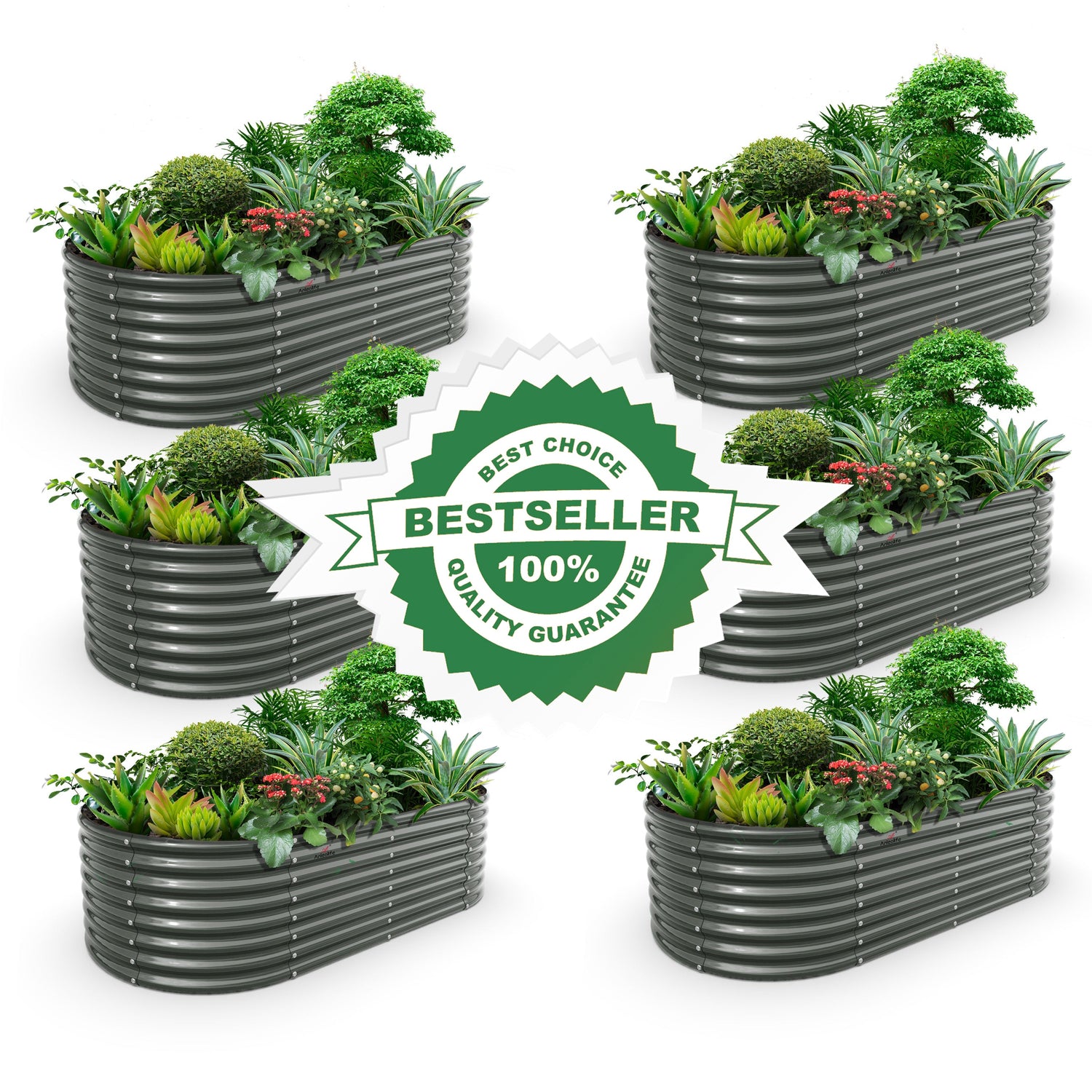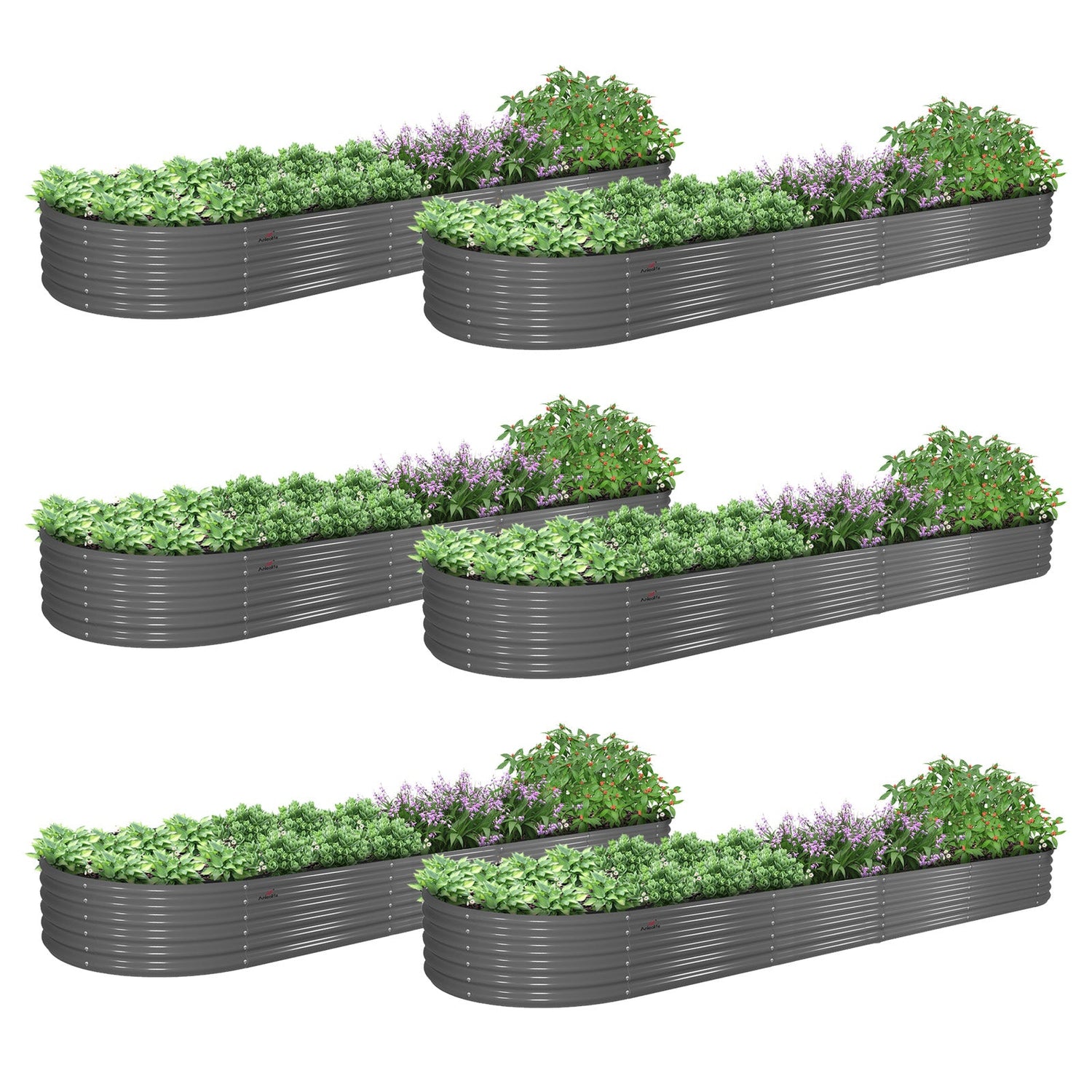



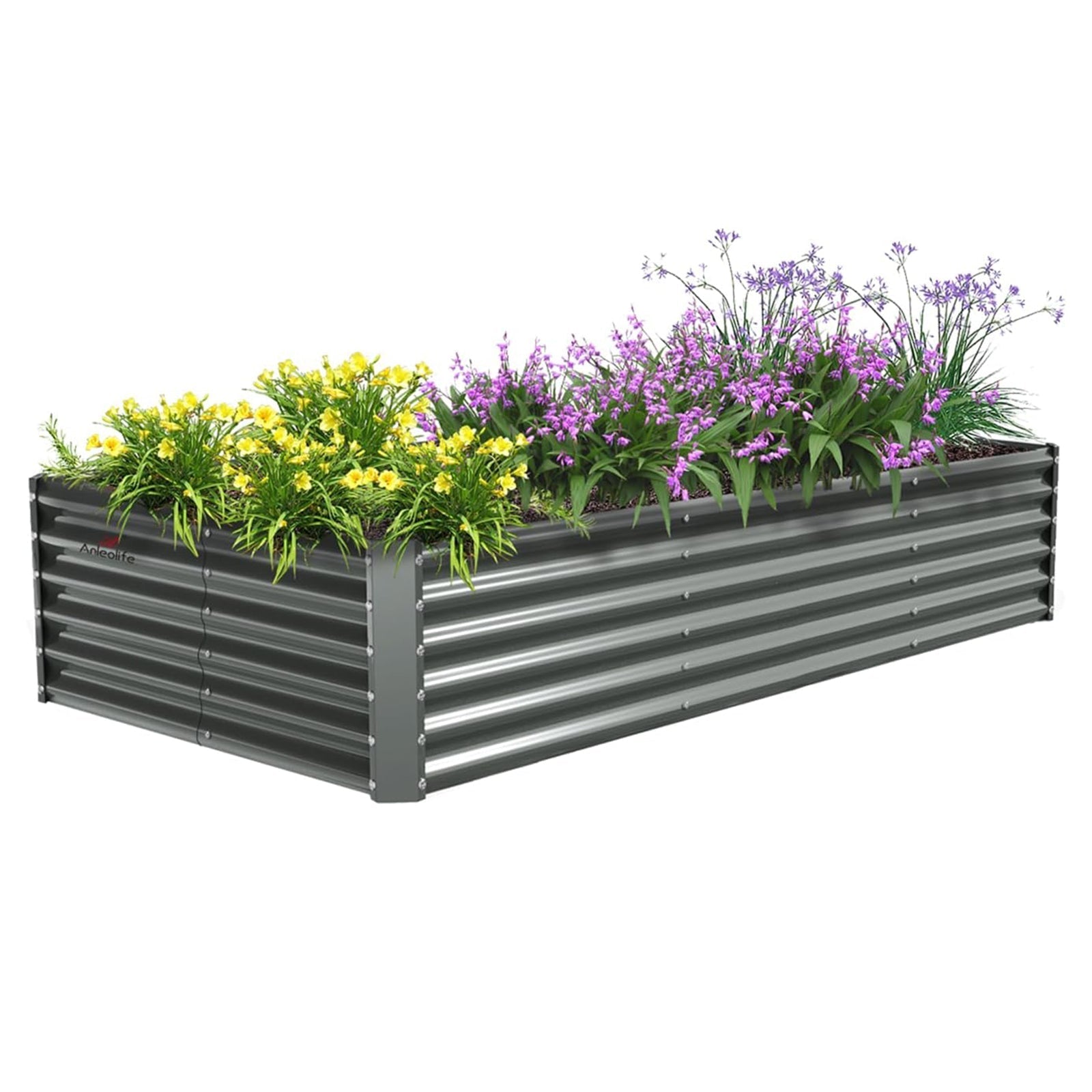

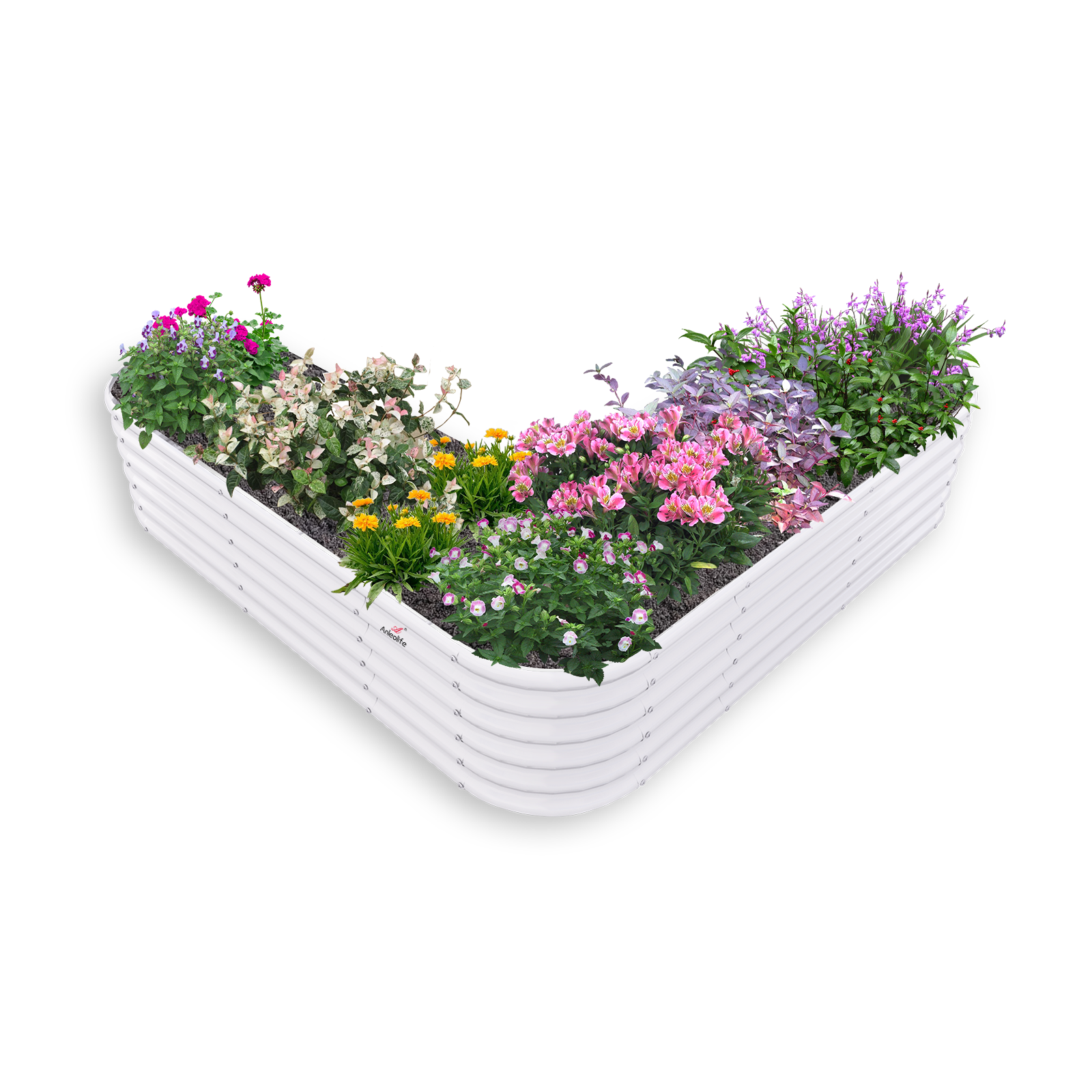
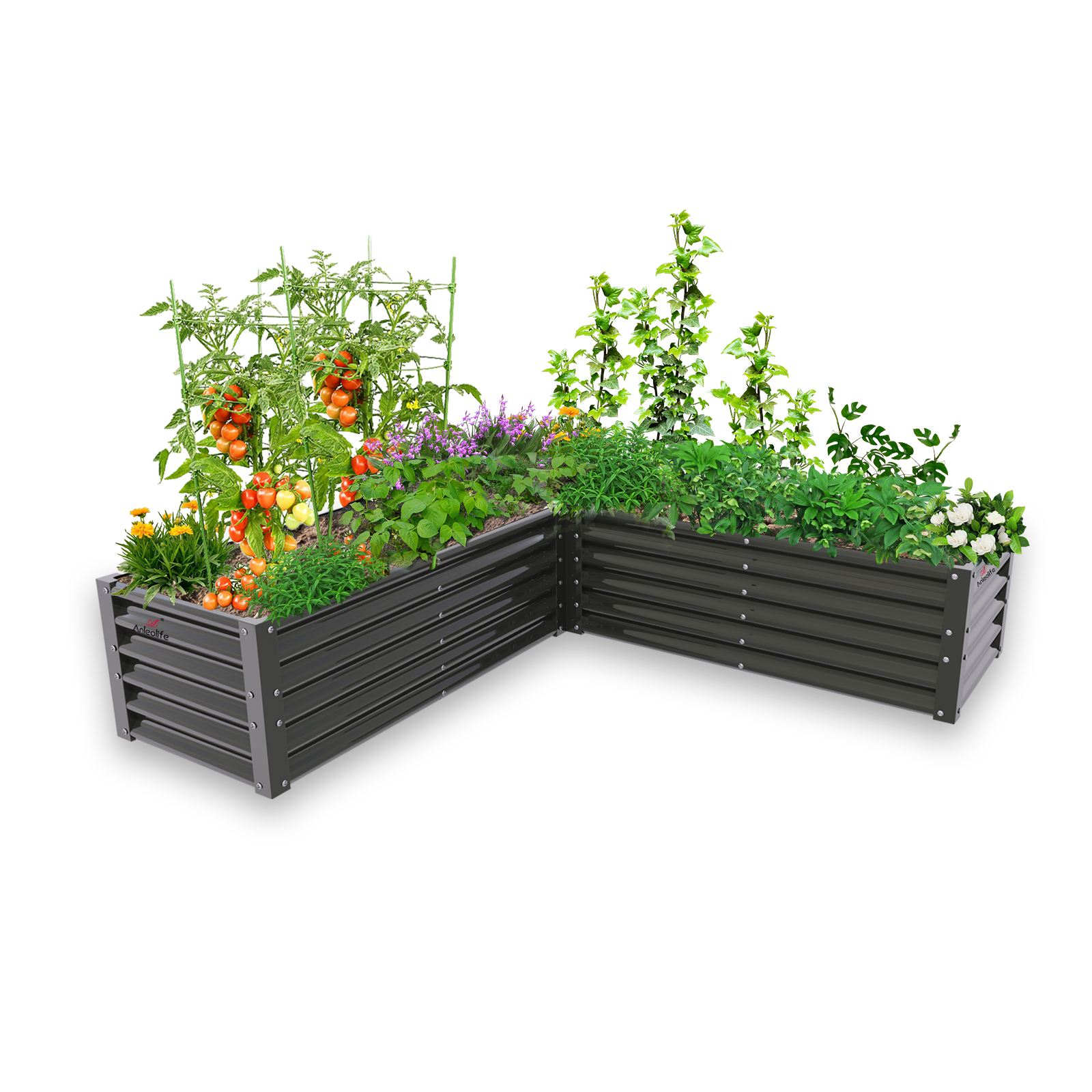
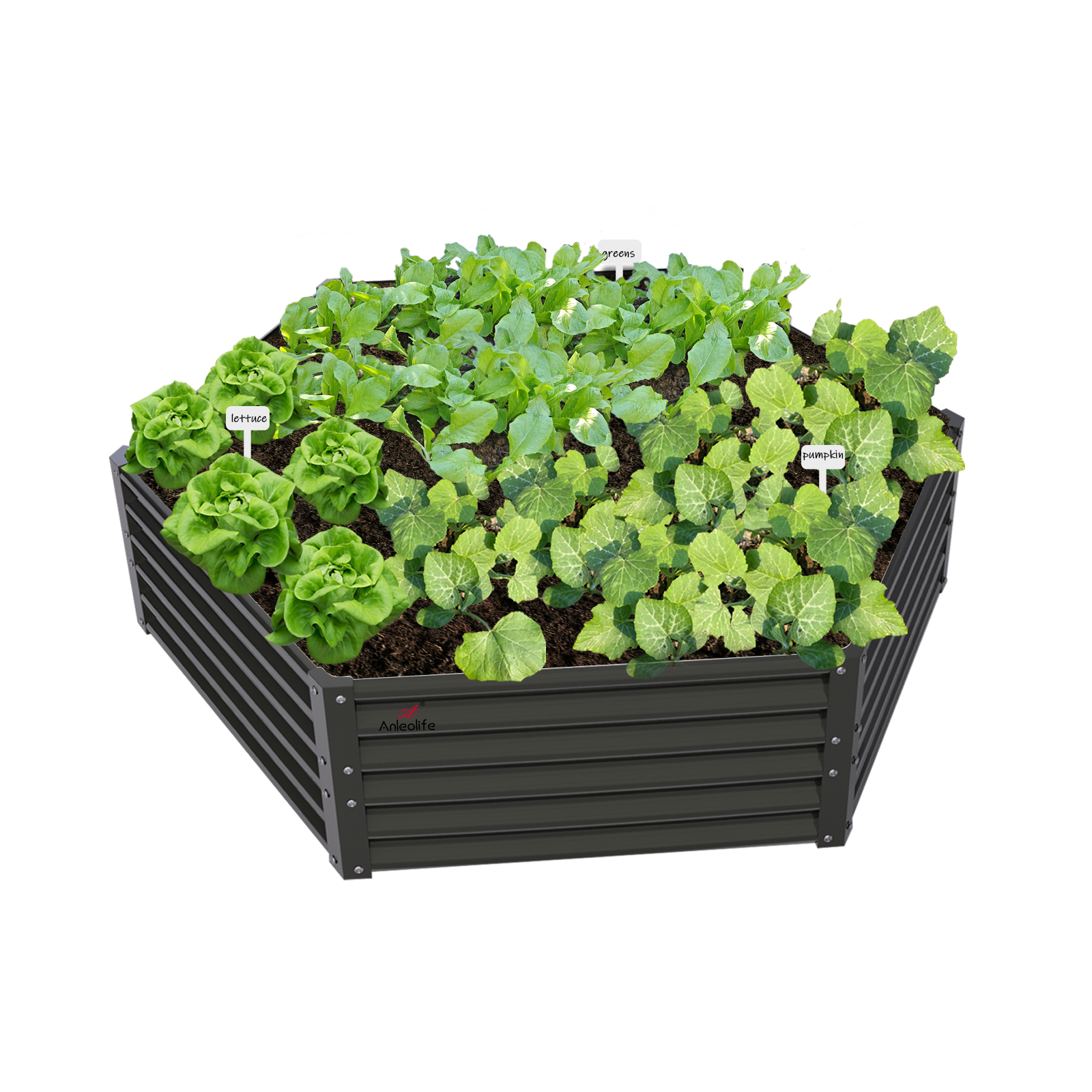
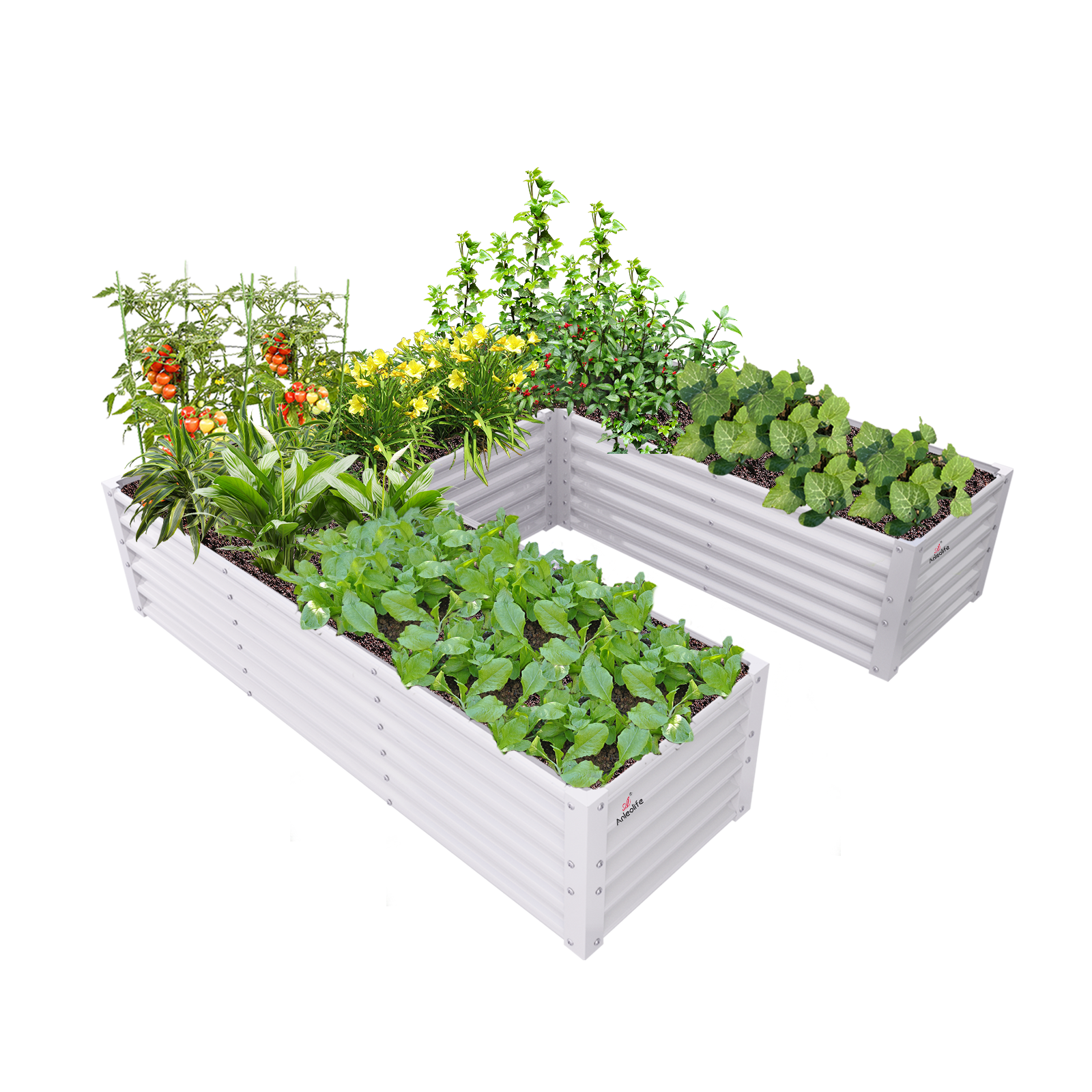

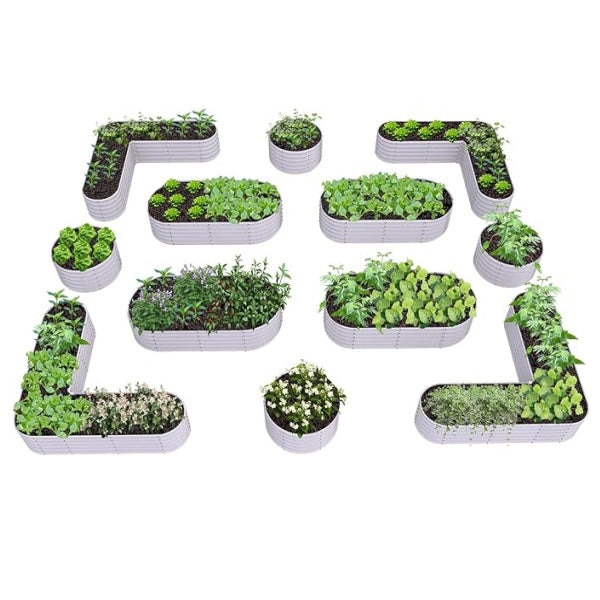


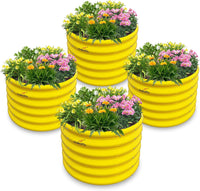
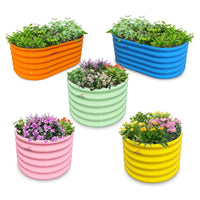
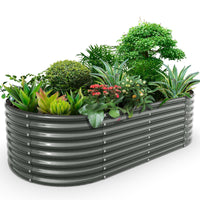



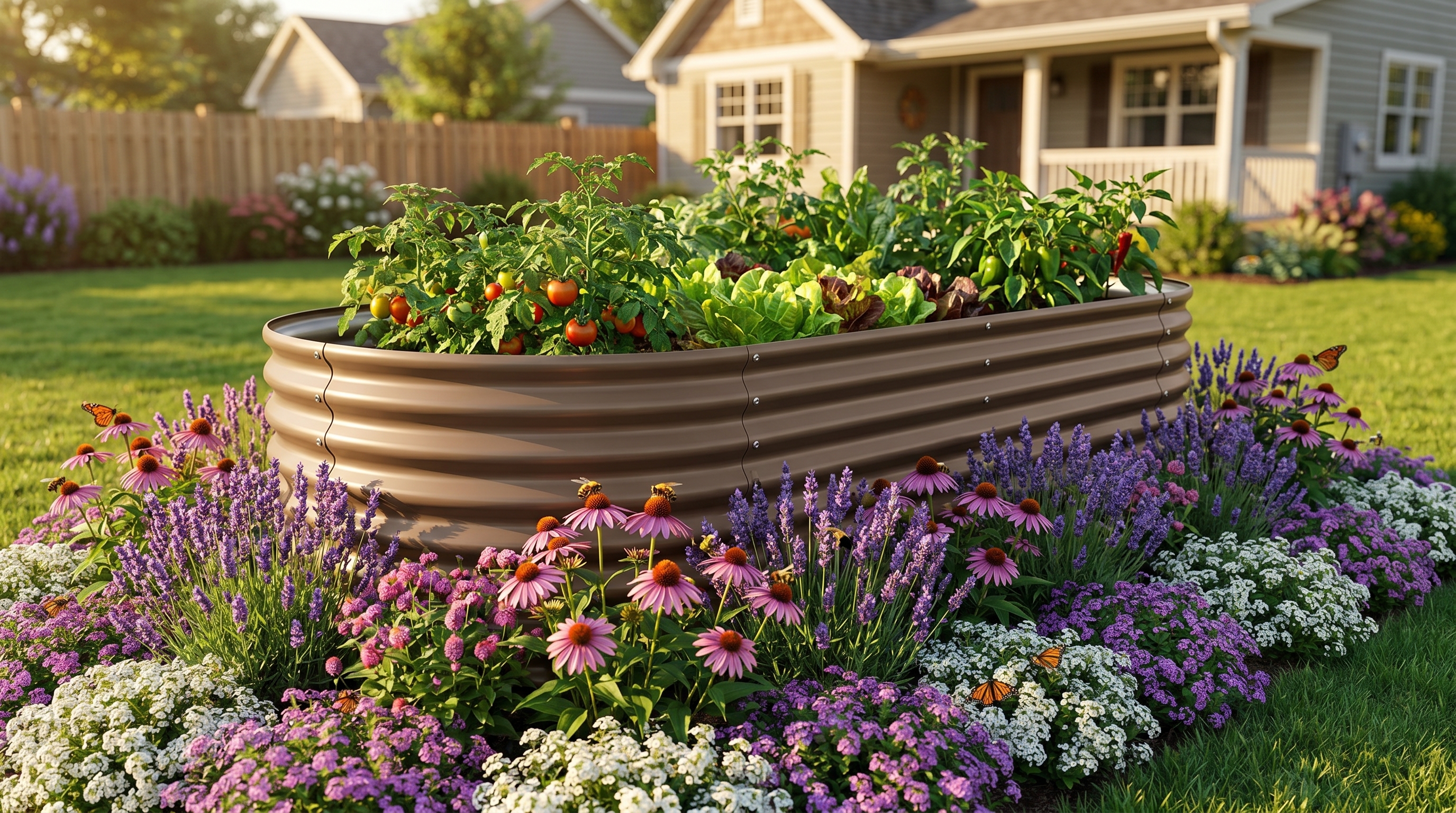
ALT: Pollinator-friendly plants lining a raised garden bed border with bees visiting colorful blooms
Why Pollinator-Friendly Border Plants Make Your Raised Garden Bed More Productive
Key Conclusion: Lining your raised garden bed with the right pollinator-friendly plants isn't just about garden aesthetics—it's a proven strategy to boost vegetable yields, support local ecosystems, and create natural garden edging that works harder than any decorative trim. From lavender-edged beds with natural trimmer lines of ornamental grasses to climbing blooms on a garden trellis, the right border plants turn a functional garden bed into a thriving pollinator corridor.
Pollinator populations—bees, butterflies, hoverflies, and hummingbirds—are responsible for fertilizing roughly one-third of the food we eat. When you grow vegetables in a raised bed, the distance between your crops and the nearest pollinator habitat matters more than most gardeners realize. Planting a deliberate border of pollinator-attracting species directly around or alongside your raised beds closes that gap, drawing beneficial insects right to where your tomatoes, squash, and peppers need them most.
Beyond productivity, a well-designed pollinator border creates a living garden edging that looks beautiful from early spring through fall frost, reduces bare soil that can erode or host weeds, and gives your entire outdoor space a cohesive, intentional feel—something that resonates deeply with home growers who want their garden to be both functional and beautiful.
Is This Guide Right for You?
✅ Applicable Scenarios:
- You grow vegetables, fruits, or herbs in raised garden beds and want to increase yields naturally
- You want low-maintenance, eco-friendly border planting that doubles as garden edging and attracts wildlife
- You're setting up a new raised bed system and want to plan companion planting and border design from the start
- You're a suburban or urban gardener looking to support local pollinator populations without a large yard
❌ Not Applicable/Cautions:
- If your garden bed is in deep shade (fewer than 4 hours of sun daily), most pollinator plants listed here will underperform
- If you or household members have severe bee sting allergies, position high-traffic pollinator borders away from main walkways and sitting areas
- This guide focuses on temperate North American growing zones; tropical or arid-desert gardeners should check zone-specific varieties before planting
The Science and Trend Behind Pollinator Gardening Around Raised Beds
The home gardening movement has undergone a quiet but significant transformation over the past decade. According to the National Gardening Association, the number of households participating in food gardening grew substantially through the early 2020s, with raised bed gardening consistently ranking as one of the fastest-growing formats. Alongside this, awareness of pollinator decline has pushed gardeners to think beyond just their crops and toward the entire ecosystem their garden supports.
Pollinator-friendly gardening is no longer a niche interest. It's now considered a best practice by university extension programs, the USDA, and conservation organizations like the Xerces Society. The logic is simple: when you create habitat and forage for bees and butterflies adjacent to your food plants, pollination rates rise, crop set improves, and your garden becomes more resilient.
Raised garden beds are particularly well-suited to this approach. Their defined edges create a clear architectural boundary that makes planting intentional borders easy and visually cohesive. Unlike in-ground gardens where borders can blur and spread unpredictably, raised beds give you a crisp starting point. You can line the outer perimeter, fill gaps between beds, or plant a dedicated pollinator border bed alongside your vegetable production beds.
If you're choosing the material for your raised beds themselves, it's worth reading Galvanized Steel vs. Corten Steel Garden Beds: Which Holds Up Better Outdoors? to understand which long-lasting material best fits your climate and aesthetic goals. For gardeners in wet climates particularly—where wood rots and some metals corrode—galvanized steel raised beds with rust-resistant finishes are often the best-raised garden beds choice for longevity.
When planning your pollinator border, timing and companion planting strategy matter as much as plant selection. You want a succession of blooms from early spring (when bees first emerge) through late fall (when monarchs and other migratory species need fuel). Layering plants of different heights—low creeping thyme at the bed edge, mid-height lavender and coneflowers along the sides, and tall sunflowers or cleome at the corners—creates the visual structure that looks polished and provides habitat at multiple levels.
For gardeners thinking about scaling up their setup, Top Vegetables to Plant in a Raised Garden Bed Right Now This Summer is a helpful companion resource that pairs perfectly with the pollinator border planning covered in this guide.
Choosing and Planting the Best Pollinator-Friendly Border Plants for Your Raised Bed
Three-Step Quick Start for a Pollinator Border
Step 1: Map Your Raised Bed Perimeter and Sun Exposure
Before selecting plants, walk your raised bed site and note how many hours of direct sun each side receives. South and west-facing edges typically get the most sun, making them ideal for lavender, echinacea, and black-eyed Susans. North and east-facing edges may suit shade-tolerant pollinators like sweet alyssum or native violets. This assessment takes about 20–30 minutes and saves you from planting sun-lovers in the wrong spot. Sketch a simple top-down layout marking which sides get full sun, partial sun, and shade.
Step 2: Select Plants for Three-Season Bloom Succession
Choose at least one early bloomer (March–May), two to three mid-season bloomers (June–August), and one late-season bloomer (September–October). This ensures your garden continuously supports pollinators rather than offering a feast followed by a famine. Cross-reference your USDA hardiness zone (available at the USDA Plant Hardiness Zone Map) to confirm winter survival rates. Allow 45–60 minutes to research and finalize your plant list before purchasing.
Step 3: Plant, Mulch, and Connect to Your Irrigation Plan
Install plants at the recommended spacing on the seed packet or plant tag, keeping taller species toward the back or corners of beds. Apply 2–3 inches of organic mulch to retain moisture and suppress weeds. If you have a drip irrigation system for your raised beds, consider extending it to serve the pollinator border—consistent moisture is especially important in the establishment year. For guidance on irrigation, see How to Set Up a Drip Irrigation System for Multiple Raised Garden Beds for a step-by-step walkthrough.
Top Pollinator-Friendly Border Plants: A Comparison for Raised Garden Bed Edges
Choosing the right plants depends on your goals—maximum bee attraction, butterfly habitat, hummingbird visits, or simply season-long color. Here's how the most popular options compare:
| Comparison Dimension | Lavender | Echinacea (Coneflower) | Black-Eyed Susan |
|---|---|---|---|
| Primary Pollinator Attracted | Bees, butterflies | Bees, butterflies, goldfinches | Bees, butterflies |
| Bloom Season | Early–mid summer | Mid–late summer | Mid–late summer |
| Mature Height | 18–24 inches | 24–48 inches | 24–36 inches |
| Water Needs | Low (drought-tolerant) | Low–moderate | Low–moderate |
| Perennial/Annual | Perennial (zones 5–9) | Perennial (zones 3–9) | Perennial (zones 3–9) |
| Fragrance | Strong, pleasant | Mild | None |
| Deer Resistance | High | Moderate–High | Moderate |
| Best Bed Placement | Sunny front edge | Corner or back edge | Side panels |
| Comparison Dimension | Sweet Alyssum | Borage | Sunflower |
|---|---|---|---|
| Primary Pollinator Attracted | Bees, hoverflies | Bees (especially bumblebees) | Bees, butterflies, birds |
| Bloom Season | Spring–fall (reseeds) | Early–mid summer | Mid–late summer |
| Mature Height | 3–6 inches | 18–36 inches | 36–120+ inches |
| Water Needs | Moderate | Low–moderate | Low–moderate |
| Perennial/Annual | Annual (self-seeding) | Annual (self-seeding) | Annual |
| Fragrance | Honey-like | Mild cucumber-like | Mild |
| Deer Resistance | Low | Moderate | Low |
| Best Bed Placement | Front creeping edge | Corner companion | Corners or rear |
Detailed Plant Profiles: The Best Performers for Raised Bed Borders
Lavender — The Classic Pollinator Magnet
Lavender is arguably the single most effective pollinator border plant for raised beds in temperate North American climates. Its nectar-rich purple flower spikes attract dozens of bee species, including mason bees, bumblebees, and honeybees, along with painted lady butterflies and hummingbird moths.
From a practical standpoint, lavender is drought-tolerant once established, making it forgiving for gardeners who occasionally miss a watering. It forms a tidy, aromatic mound that functions beautifully as natural garden edging along the front face of a raised bed, particularly when used in repeating clusters of three plants spaced 18 inches apart.
Best varieties for borders include 'Hidcote' (compact, deep purple), 'Munstead' (early blooming, reliable), and 'Phenomenal' (exceptionally cold-hardy and long-lived).
Echinacea (Coneflower) — The Mid-Season Powerhouse
Echinacea is a North American native wildflower that belongs in virtually every pollinator garden. Its large, daisy-like flowers with a raised central cone are magnets for bumblebees, monarch butterflies, and swallowtails. The seed heads persist through winter, providing food for goldfinches long after the blooms fade.
For raised bed borders, echinacea works best placed at the corners or along the back edge where its height won't shade shorter crops. The purple coneflower (Echinacea purpurea) is the most widely available, but newer cultivars in orange, yellow, and white expand your color palette while maintaining excellent pollinator value.
Sweet Alyssum — The Low-Growing Edge Filler
Sweet alyssum is the ultimate garden edging plant—growing just 3–6 inches tall, it spills gently over the front of raised bed panels while producing tiny clusters of white, pink, or purple flowers that hoverflies and small native bees find irresistible. It also acts as a living mulch, keeping bed edges cool and suppressing weeds.
Because alyssum self-seeds readily, one season's planting often returns the following year. It blooms from spring through hard frost in most zones, giving you the longest possible pollinator window of any annual in this category.
Borage — The Tomato's Best Friend
Borage (Borago officinalis) is a companion planting classic. Its brilliant blue, star-shaped flowers are among the most bee-attractive of any culinary herb, and it has a well-documented association with repelling tomato hornworms when grown nearby. The flowers and young leaves are also edible, adding a mild cucumber flavor to salads.
Borage grows quickly from direct-sown seed and tends to flop slightly by mid-season, so plant it at corners where you don't mind a relaxed, informal habit. It self-seeds prolifically, so you'll likely have it returning year after year without replanting.
Black-Eyed Susan — Rugged and Rewarding
Rudbeckia hirta, the classic black-eyed Susan, is a native wildflower that tolerates poor soil, summer heat, and periodic drought with ease. Its golden-yellow petals and dark central cone signal nectar availability across long distances, drawing in bumblebees, small carpenter bees, and painted lady butterflies.
For gardeners using Anleolife's galvanized steel raised garden beds along a sunny fence or wall, black-eyed Susans planted along the outer panels create a stunning contrast between the clean metal finish and the warm, wildflower aesthetic.
Sunflowers — The Tall Anchor Plants
Annual sunflowers serve as anchor plants at the corners or rear of raised beds, providing vertical structure and an extraordinary amount of pollen-rich food for bees. A single sunflower head can support dozens of bee visits per day at peak bloom. After flowering, the seed heads feed birds through winter.
If your raised bed setup includes a garden trellis at the rear for climbing crops, consider planting dwarf sunflower varieties at the base—their upright habit complements trellised cucumbers or pole beans beautifully, and they'll attract pollinators to your climbing crops in the process.
Creeping Thyme — The Fragrant, Walkable Edge
Creeping thyme (Thymus serpyllum) is one of the most underused pollinator border plants. Its low mat of tiny pink or purple flowers is heavily visited by bees in early summer, it releases a pleasant herbal fragrance when brushed against, and it can tolerate light foot traffic—making it ideal for the narrow strip between a raised bed and a garden path.
As a perennial, creeping thyme comes back reliably for years, slowly filling gaps in your garden edging without becoming invasive.
Hyssop and Catmint — The Extended-Season Duo
Anise hyssop (Agastache foeniculum) and catmint (Nepeta spp.) are two mid-border perennials that deserve wider use in raised bed borders. Both produce long spikes of tubular flowers in blue, purple, or rose that are irresistible to bumblebees, hummingbirds, and sphinx moths. Both also rebloom heavily if cut back after the first flush, extending their pollinator value from June well into September.
Catmint, in particular, forms beautiful billowing mounds of silver-green foliage along raised bed edges, providing soft, informal garden edging that contrasts elegantly with the clean lines of metal raised beds.
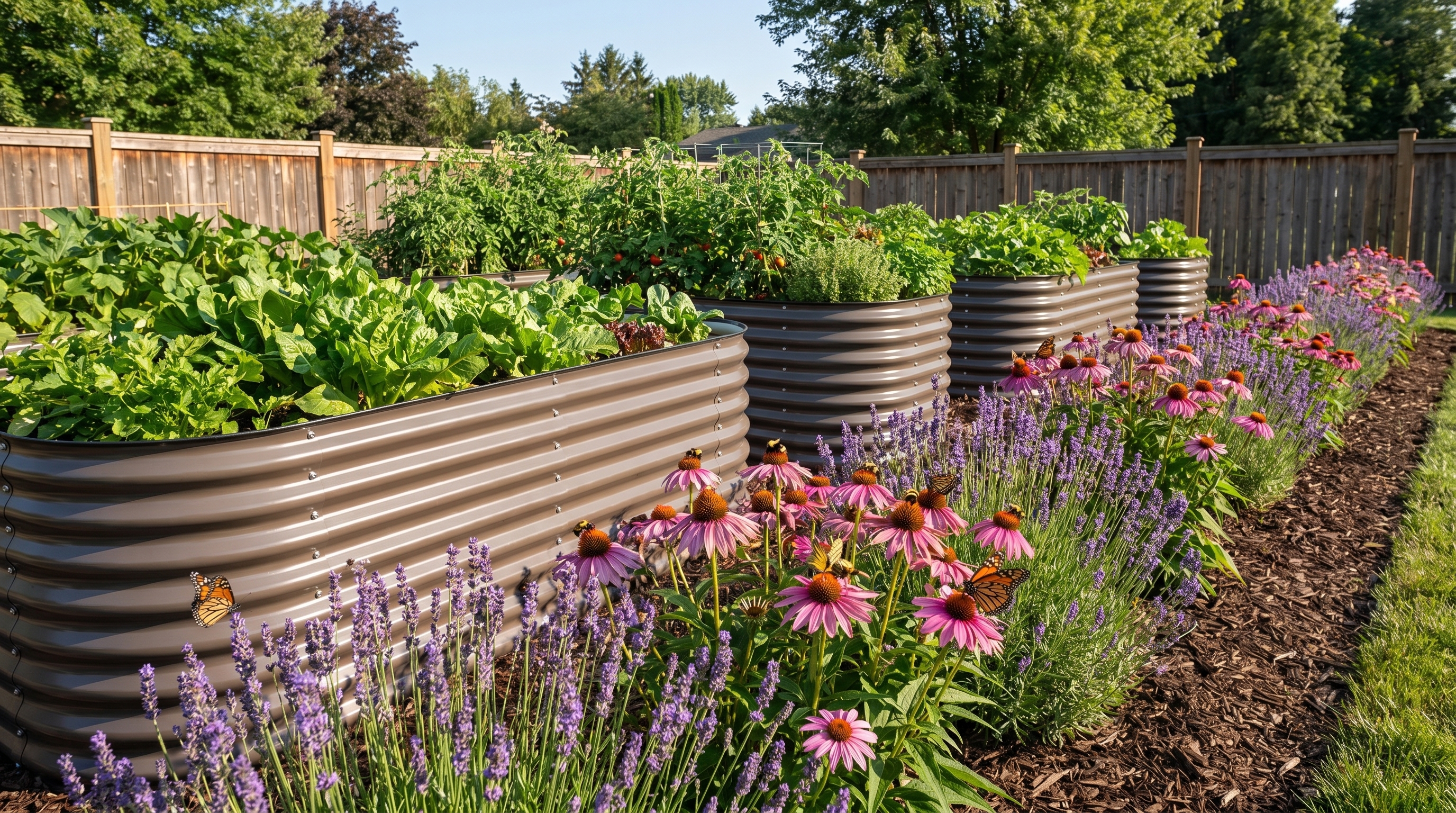
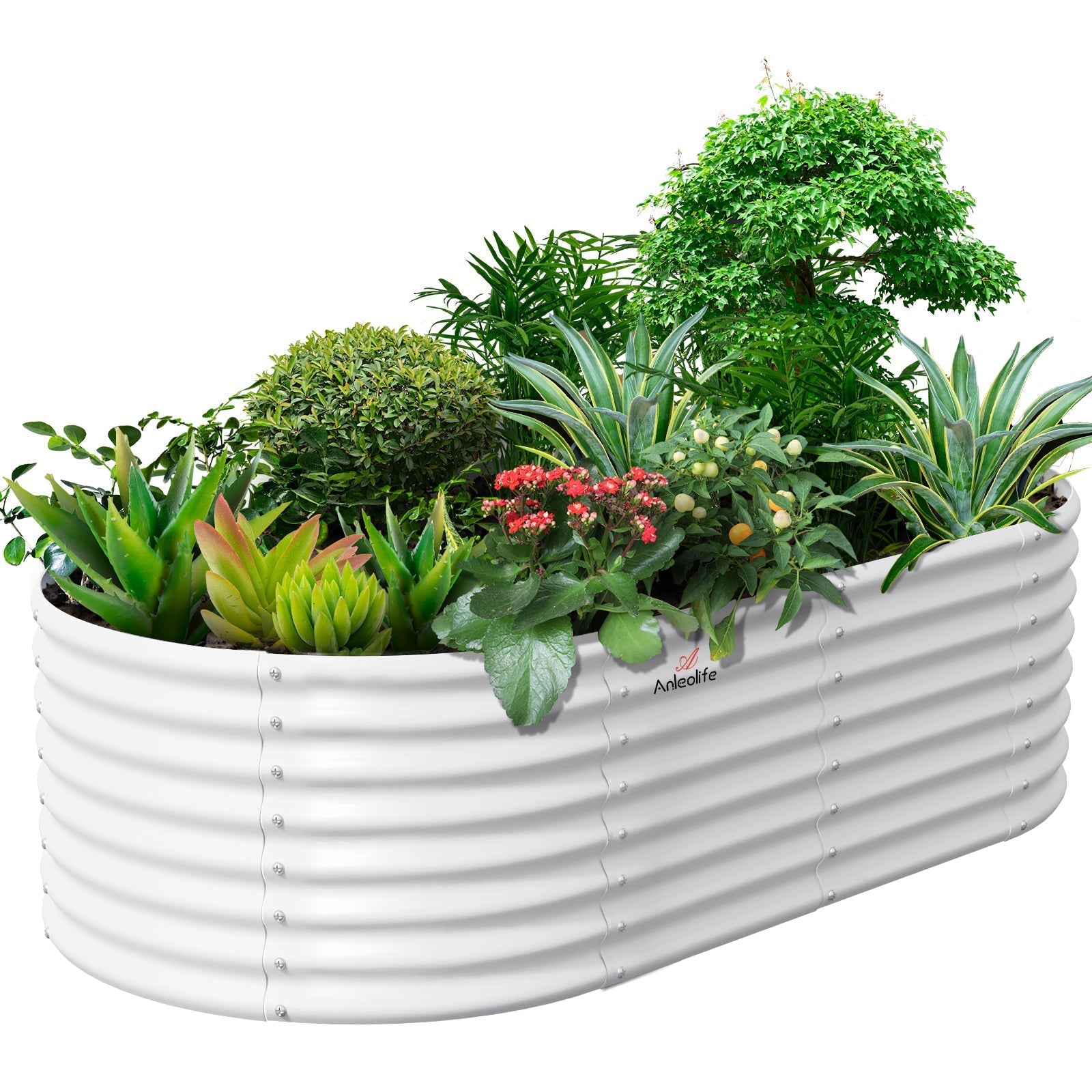
ALT: Pollinator-friendly lavender and coneflower border alongside galvanized steel raised garden beds in a sunny backyard garden
Advanced Considerations: Designing a Pollinator Border That Lasts
Choosing Bed Materials That Support a Long-Term Pollinator Garden
A pollinator border is a multi-year investment—many of the best plants are perennials that improve year over year. This means your raised beds themselves need to be equally long-lasting. Anleolife's galvanized steel raised garden beds are built for exactly this kind of commitment, with a design lifespan of 20 years. When you're planning a perennial pollinator border meant to mature and spread over a decade or more, knowing your bed structure will outlast the plants is genuinely reassuring.
For gardeners curious about the safety of metal raised beds for food growing, the question of zinc leaching comes up frequently. You can read the detailed breakdown in Do Galvanized Steel Garden Beds Leach Zinc Into Your Vegetables? The Facts—the short answer is that properly galvanized steel poses no meaningful risk to vegetable crops or the surrounding pollinator plants.
Common Misconceptions About Pollinator Borders
Misconception 1: You need a large yard to create meaningful pollinator habitat.
In reality, even a 6x3 ft strip of mixed pollinator plants alongside a single raised bed can support hundreds of bee visits per day during peak bloom. Urban micro-gardeners with patios or small balconies can use container-grown lavender, sweet alyssum, and borage to achieve real pollinator value in tight spaces.
Misconception 2: Native plants always outperform non-native plants for pollinators.
While native plants are critical for specialist bee species, many generalist pollinators—including the commercially important honeybee—readily forage on non-native plants like lavender, borage, and catmint. The most effective approach combines natives (echinacea, black-eyed Susan, native asters) with reliable non-native performers.
Misconception 3: More flowers always means more pollinators.
Pollinator diversity depends on habitat variety, not just flower quantity. Include nesting habitat—bare soil patches, hollow stems left over winter, or a small bee hotel—alongside your planting to support the full lifecycle of native bee species.
Integrating Your Pollinator Border With Your Broader Garden Design
Consider the relationship between your pollinator border and your overall garden layout. Raised beds of varying heights—from Anleolife's standard 18" tall configurations up to the 30" Extra Tall and 35" waist-high options—create different visual tiers that can frame a pollinator border beautifully. Taller beds at the rear with lower beds stepping down toward the front create a natural amphitheater effect that showcases border plantings at different levels.
Frequently Asked Questions FAQ
Q1: How do I maintain a pollinator border alongside my raised garden beds without it becoming overgrown?
The key is choosing plants with compatible growth habits and building annual maintenance into your routine. In early spring, cut back dead stems from perennials like echinacea and catmint to about 3–4 inches from the ground—this removes winter debris while leaving potential nesting habitat. Divide clumping perennials like black-eyed Susan every 3–4 years to prevent overcrowding. Self-seeding annuals like sweet alyssum and borage can be thinned if they spread too exuberantly, but a light hand usually keeps them in check naturally.
Q2: Are metal raised garden beds safe for growing vegetables next to pollinator plants?
Yes. Anleolife's galvanized steel raised garden beds are manufactured to standards that make them suitable for food growing. The zinc coating on galvanized steel is stable and does not leach meaningfully into adjacent soil under normal gardening conditions. Importantly, the pollinator plants you grow around the border are not affected by the bed material—they simply benefit from the well-defined, long-lasting structure these beds provide. For a thorough scientific breakdown of this topic, review the linked article on zinc and galvanized beds referenced earlier in this guide.
Q3: How long does it take for a pollinator border to become fully established and effective?
In the first season, annual species like sweet alyssum, borage, and sunflowers will bloom and attract pollinators within 6–10 weeks of planting. Perennials like lavender, echinacea, and catmint follow the traditional gardening saying: "sleep, creep, leap"—modest in year one, expanding in year two, and fully flourishing in year three. By the end of your second full growing season, a well-designed border will be noticeably increasing pollinator activity around your raised beds and contributing meaningfully to your vegetable yields.
Summary
Building a pollinator-friendly border around your raised garden beds is one of the highest-return investments you can make as a home grower. Here are the three core takeaways from this guide:
1. Plant diversity drives pollinator diversity. A mix of bloom times, flower shapes, and plant heights—from low-growing creeping thyme and sweet alyssum to mid-height lavender and echinacea to tall sunflowers and hyssop—supports a far wider range of bee, butterfly, and hoverfly species than any single plant species can.
2. The right raised bed structure makes long-term border planting possible. Perennial pollinator plants improve year over year, which means your raised bed infrastructure needs to match that timeline. With a 20-year design lifespan, Anleolife's galvanized steel and rust-resistant raised garden beds provide the durable, safe foundation your multi-year pollinator garden needs.
3. Small-space gardens benefit just as much as large ones. Whether you're working with a single 8x4 ft raised bed on a suburban patio or a multi-bed production garden, a thoughtfully planted pollinator border adds beauty, ecological value, and measurable crop yield benefits with minimal ongoing effort.
Your next step is simple: sketch your raised bed perimeter, identify which edges receive full sun, and select two or three plants from this guide to start with this season. You don't have to replant everything at once—a pollinator border grows organically over time, just like the garden it supports.
Upgrade Your Garden With Anleolife
Anleolife operates a nationwide U.S. warehouse network strategically located in California, Texas, Florida, New York, Illinois, and Washington, ensuring delivery within 3–8 business days—so your garden upgrade plans never have to wait for the right growing window.
Our products are available across major e-commerce platforms including Amazon, Walmart, Home Depot, Lowe's, and Wayfair, as well as directly through Anleolife.com, providing consistent quality assurance and responsive after-sales support regardless of where you shop.
Anleolife's three core scenarios cover everything your garden needs: Planting (metal raised garden beds, soil systems), Raising (chicken coops, rabbit hutches), and Beautification (decorative accessories, pathway systems)—meeting complete needs from function to aesthetics.
We understand that an ideal garden isn't built overnight—it's refined season by season. Our modular product design allows flexible expansion based on your evolving needs, from your first raised bed to a fully integrated planting-and-raising ecosystem. We grow with you, every step of the way.
References
- U.S. Department of Agriculture. "USDA Plant Hardiness Zone Map."
https://planthardiness.ars.usda.gov/ - Xerces Society for Invertebrate Conservation. "Pollinator Conservation Resource Center."
https://www.xerces.org/pollinator-conservation - University of California Agriculture and Natural Resources. "Bee-Friendly Plants for California Gardens."
https://ucanr.edu/ - National Gardening Association. "Garden Research: Edible Gardening Trends."
https://garden.org/special/pdf/2014-NGA-Garden-to-Table.pdf - Penn State Extension. "Attracting Pollinators to the Garden."
https://extension.psu.edu/attracting-pollinators-to-the-garden
Note: Standards and research may be updated; please check the latest official documents or consult professional advisors for the most current guidance.
About Anleolife
Anleolife is a leading outdoor garden solutions provider in North America, dedicated to offering a full-scenario product ecosystem for home gardening enthusiasts, covering planting, raising, and garden beautification. Since its founding, we have upheld our brand mission, "Made for Garden Life," continuously innovating products and optimizing services to help hundreds of thousands of users upgrade their gardens, reconnect with nature, and enjoy a better garden lifestyle.