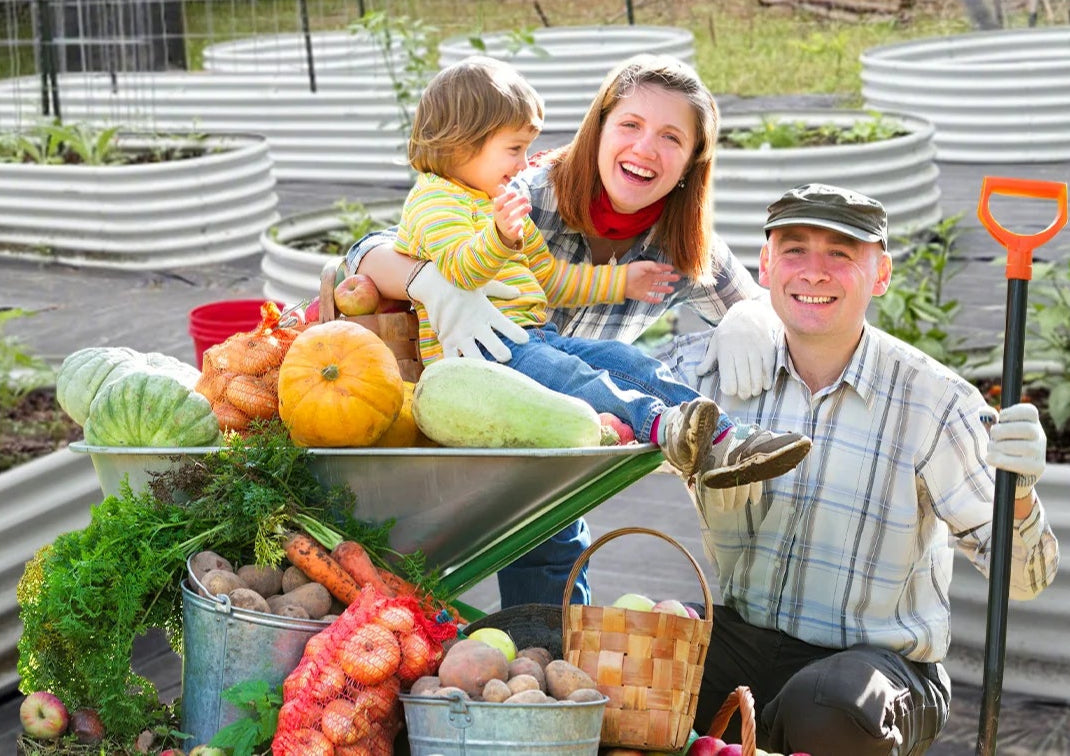



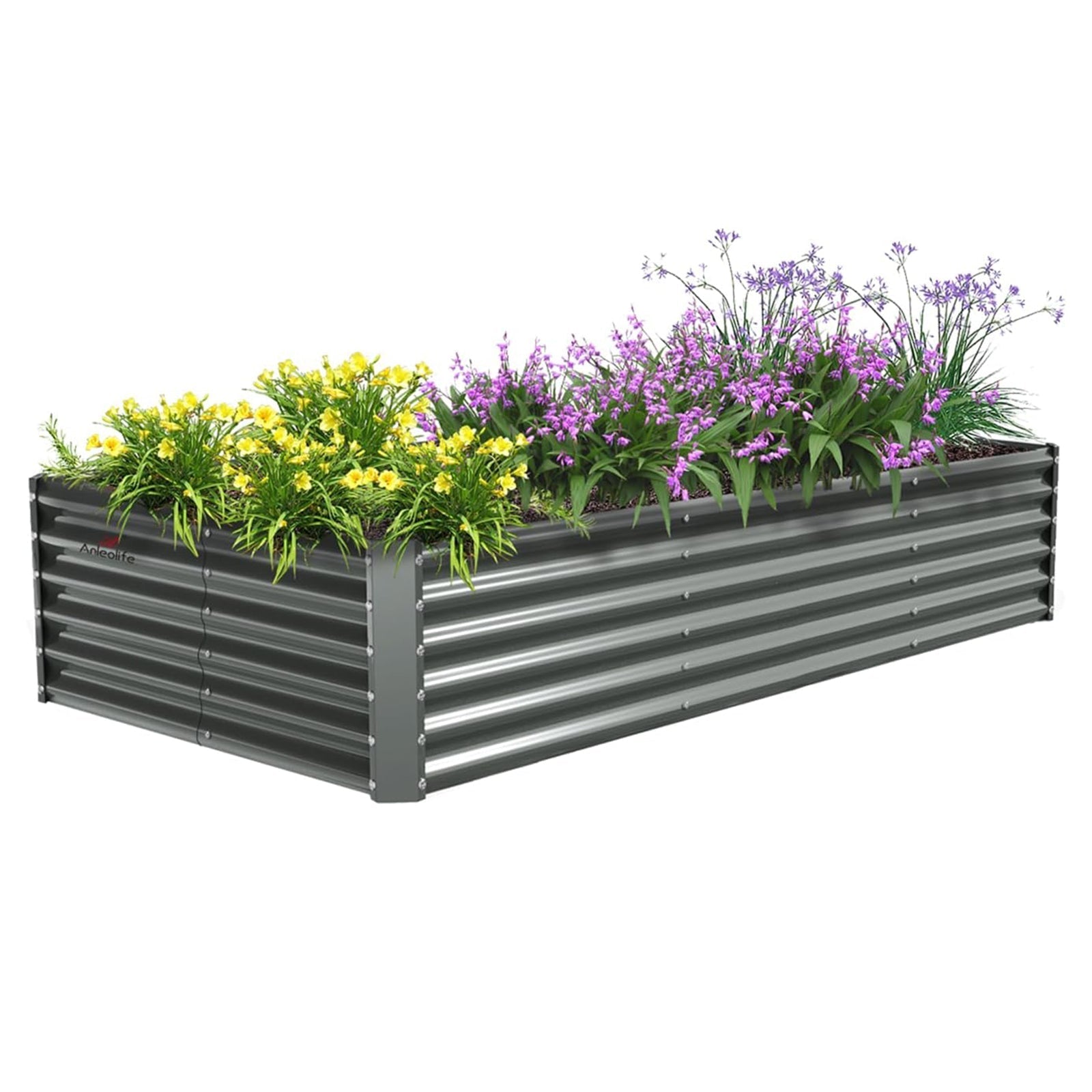

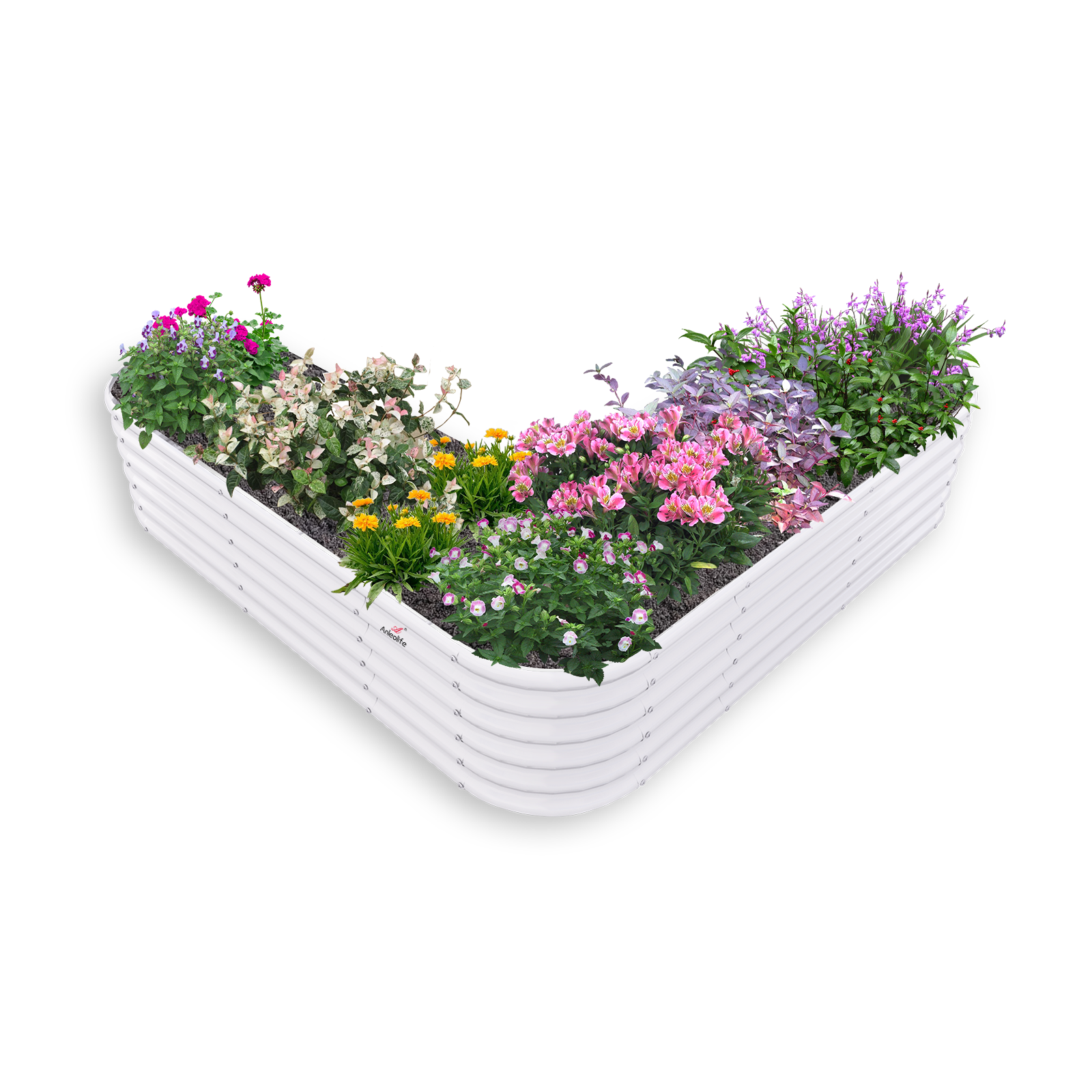
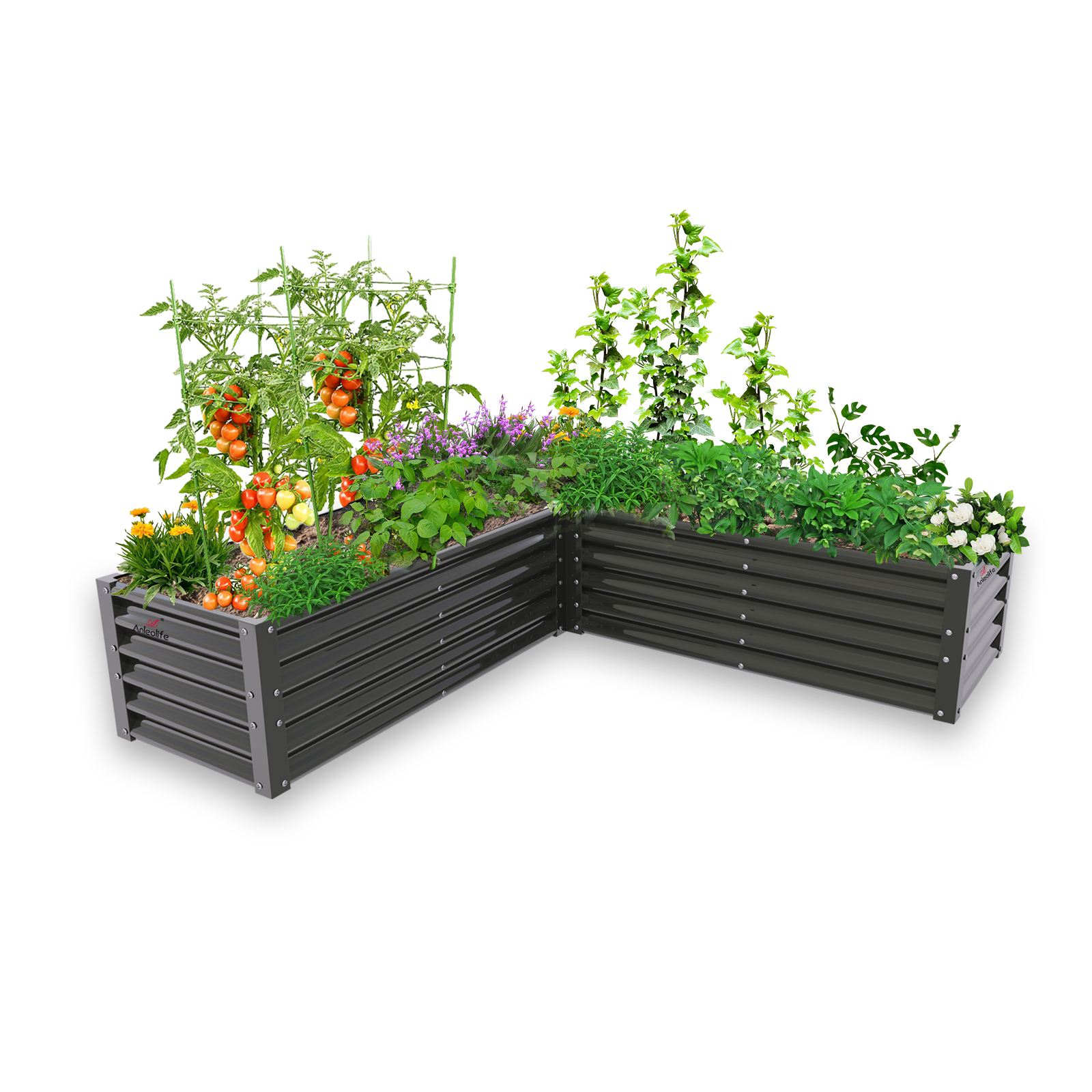
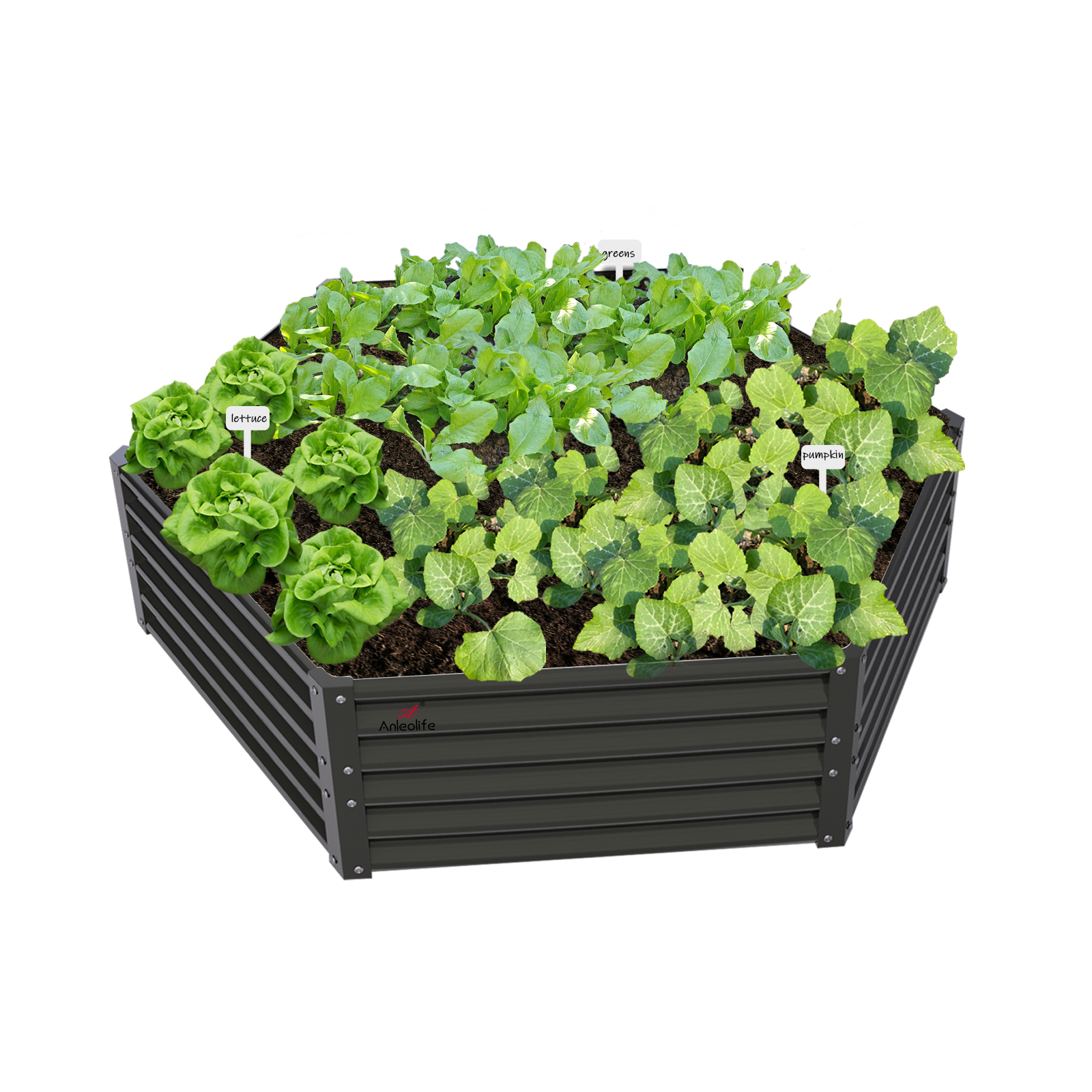



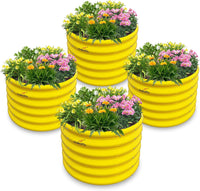
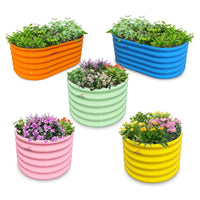
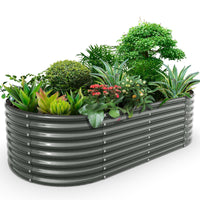



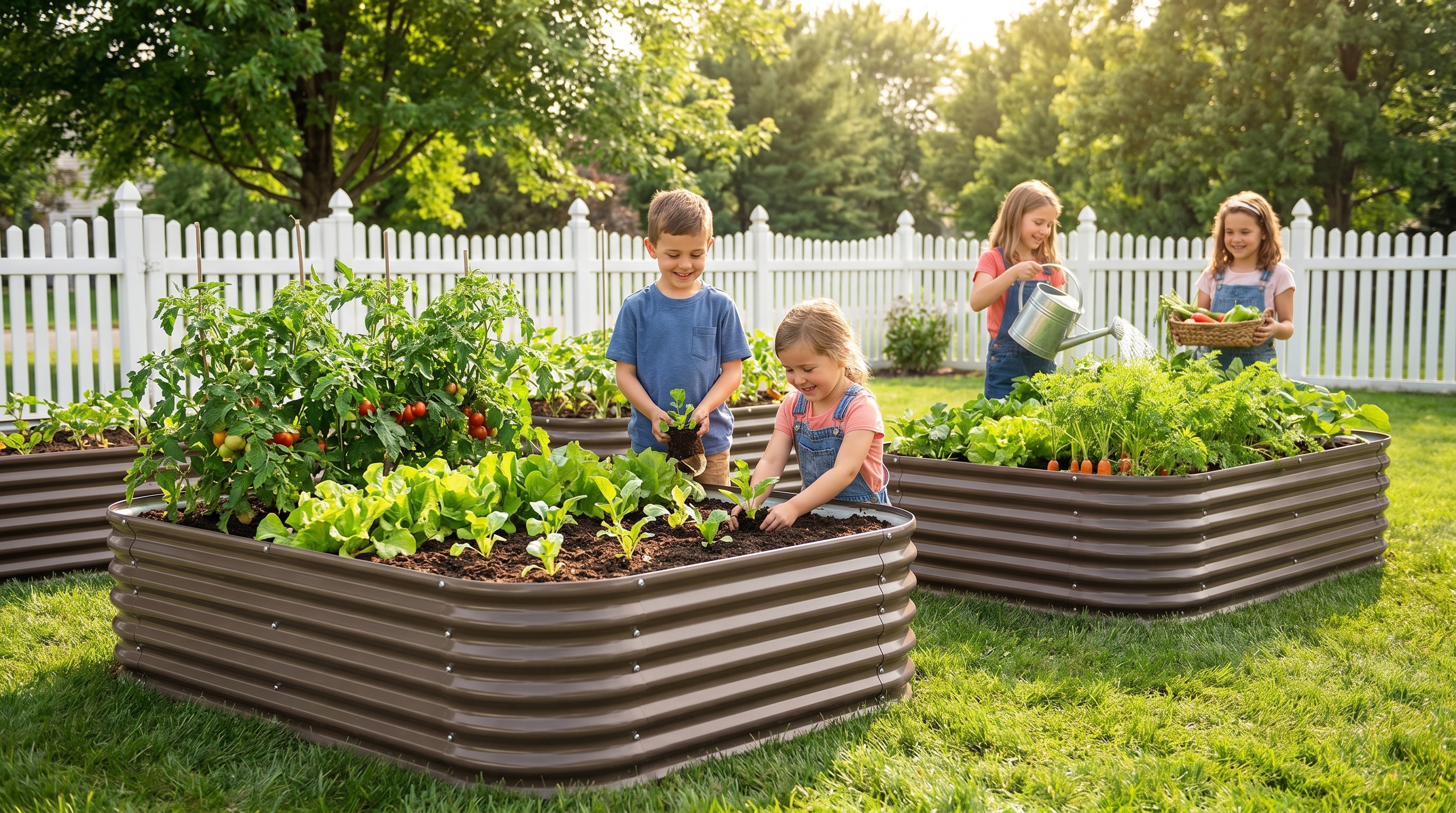
ALT: Kids tending colorful raised garden beds growing fresh vegetables in a bright backyard garden
Why Colorful Raised Garden Beds Are the Secret to Getting Kids Excited About Growing Food
Key Conclusion: Colorful raised garden beds transform vegetable gardening from a chore into an adventure for children. By combining vibrant, child-friendly designs with the practical benefits of the best raised bed planters, families can create an outdoor classroom where kids learn responsibility, nutrition, and patience. The right setup makes growing food irresistible to young gardeners — and the results show up both in the harvest basket and at the dinner table.
Getting children involved in the garden has never been more rewarding — or more challenging. Kids today are surrounded by screens and structured activities, making it harder than ever to pull them outside for something as quiet as planting seeds. But here's the thing: when a garden bed is bright, colorful, and feels like it belongs to them, everything changes.
A child-friendly raised garden bed does more than hold soil. It becomes a space of ownership, discovery, and genuine pride. Studies consistently show that children who grow their own food are more willing to eat vegetables, develop stronger fine motor skills, and learn patience in ways that no classroom can replicate. The key is making the setup fun, accessible, and durable enough to survive years of enthusiastic little hands.
Who This Guide Is For
✅ Applicable Scenarios:
- Parents or grandparents looking to introduce children (ages 3–12) to vegetable gardening in a safe, engaging way
- Families with limited backyard space who want a dedicated, colorful garden zone for kids
- Teachers or community organizers setting up school garden programs or neighborhood growing spaces
- Empty nesters who want to create a special garden corner that grandchildren will love visiting
❌ Not Applicable/Cautions:
- Gardeners seeking purely decorative flower beds with no food-growing function — this guide focuses on edible gardens for kids
- Households where very young toddlers (under 3) will be unsupervised around garden beds, as some soil amendments and tools require adult oversight
- Growers in regions with extreme frost who plan to use unprotected beds year-round without seasonal adjustments
Why the Garden Bed Itself Makes or Breaks a Kid's Gardening Experience
There's a reason the best flower beds for kids aren't just about flowers — they're about how the whole setup makes a child feel. Walk into a garden with dull, weathered wooden planks and uniform brown beds, and even an enthusiastic eight-year-old loses interest fast. But introduce a bright-colored metal raised bed with clearly defined "my plants" territory, and suddenly you have a gardener on your hands.
The shift in children's gardening culture has been significant. According to the National Gardening Association, participation in food gardening among households with children has grown steadily, with many families citing outdoor engagement and food education as top motivators. As more parents seek meaningful, screen-free activities, the demand for the best raised bed planters designed with family use in mind has surged.
Material choice matters enormously in this context. If you're comparing options, Galvanized Steel vs. Wood Raised Garden Beds: Which Is Better for Your Backyard? breaks down the key differences — but for family use with kids, galvanized steel consistently wins on durability, safety (no splinters), and longevity. A garden bed that lasts through a child's entire childhood and beyond is worth every penny.
One of the most common questions parents ask is: what's the best height for a raised garden bed when kids will be doing the gardening? This is a critical design decision. Too low, and children are hunched over uncomfortably; too high, and they can't reach across without help. For most children ages 4–10, an 18-inch bed strikes the right balance — accessible enough for small arms to reach the center, while keeping soil contained and drainage optimal. For older kids or families who want to eliminate bending entirely, 24-inch heights work well too. If you want a comprehensive breakdown, the Raised Garden Bed Height Guide: 18", 24", 30", or 35" — Which Is Right for You? is an excellent starting point.
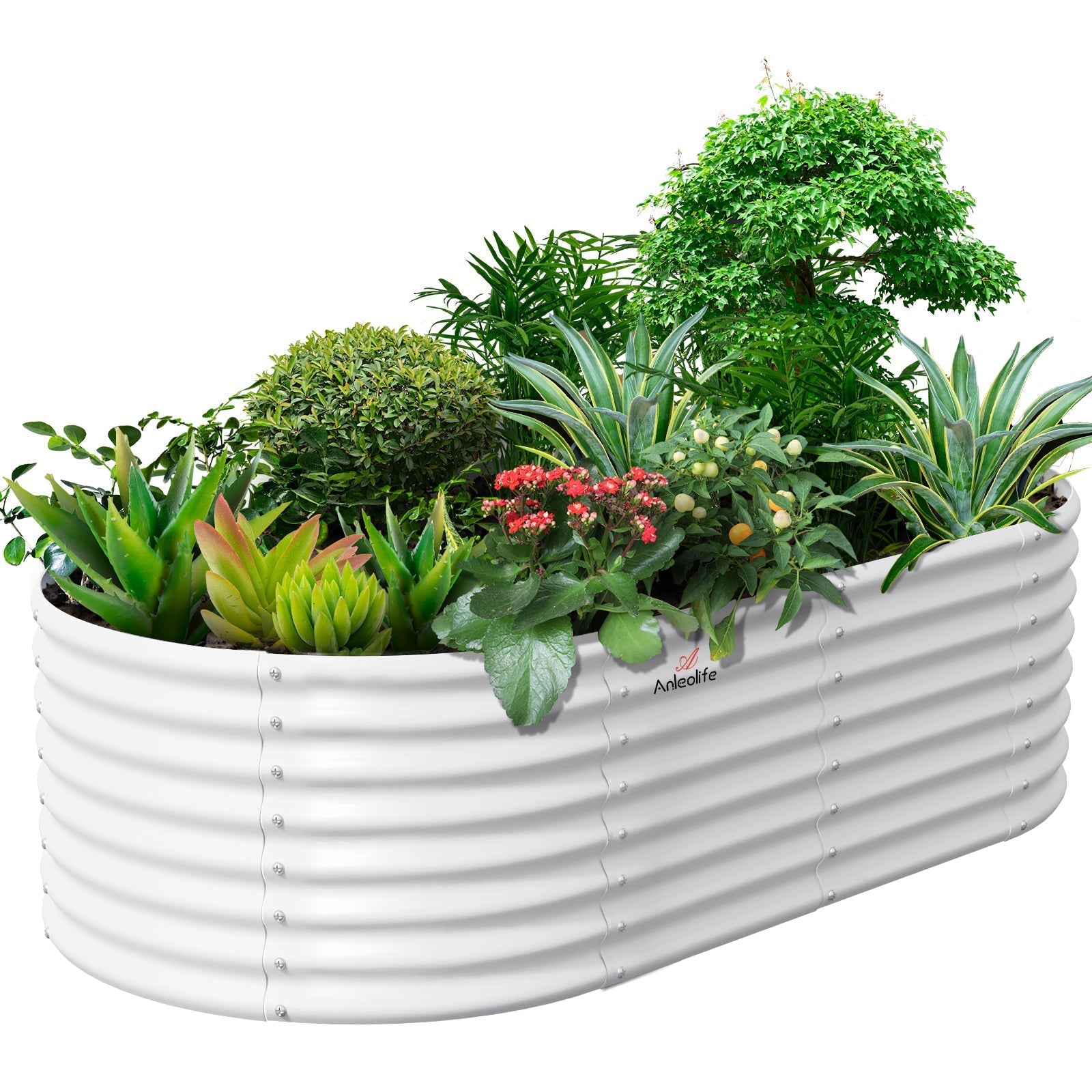
Beyond height, the best kids' garden beds share a handful of non-negotiable traits: they're made from non-toxic materials, they're sturdy enough to handle leaning and climbing (yes, kids will sit on the edges), they drain properly to prevent root rot, and they're visually distinctive enough to give children a sense of ownership. Color plays a huge psychological role here — a bed painted or finished in a child's favorite hue or a fun pattern becomes "their" bed in a way that a plain brown planter never will.
Setting Up Your First Colorful Kids' Garden Bed: A Step-by-Step Approach
Three-Step Quick Start for a Fun Kids' Garden
Step 1: Choose the Right Bed Size and Height for Your Child
For most families, starting with a compact bed — such as a 4x4 ft or 6x3 ft size — gives children a manageable space that doesn't feel overwhelming. An 18-inch height is ideal for primary school-aged kids, as they can reach the center without stretching. If you have multiple children or want to grow a meaningful amount of food, consider two smaller beds side by side rather than one large one. This gives each child their own territory — a simple but powerful motivator that prevents "that's MY tomato" arguments. Setup typically takes 30–60 minutes for most modular raised bed kits.
Step 2: Fill with the Right Soil Mix and Plant Kid-Friendly Crops
The soil you use determines whether your kids' first garden succeeds or disappoints. A light, well-draining mix rich in compost gives seeds the best start and is easy for small hands to dig in. Avoid dense, clay-heavy soils that compact easily and frustrate young gardeners. Once your bed is filled, choose crops with fast, visible results: radishes, cherry tomatoes, snap peas, sunflowers, and lettuce all deliver satisfying harvests within weeks. Fast results keep kids engaged long enough to develop a genuine love for growing. For a deeper dive into what grows best in raised beds, check out The 15 Best Vegetables to Grow in a Raised Garden Bed for Beginners.
Step 3: Make It Colorful, Personal, and Theirs
This is the step most gardening guides skip — but it's the most important one for kids. Let children paint a small sign with their name and what they're growing. Use colorful plant markers (painted rocks work brilliantly). Add a small trowel and watering can in their favorite color. If the raised bed itself comes in a distinctive finish or you've chosen a bright-colored accessory kit, lean into that visual identity. Children are far more likely to check on, water, and harvest from a space that feels distinctly theirs. Schedule a weekly "harvest snack" where whatever they've grown goes straight from bed to table — this ritual creates lasting memories and genuine enthusiasm.
Comparing the Best Raised Bed Options for Kids' Gardens
When choosing the best raised bed planters for a family setup, not all options are created equal. Here's how the main categories compare across the dimensions that matter most for child-friendly gardening:
| Comparison Dimension | Galvanized Steel Beds | Wooden Beds | Plastic/Composite Beds |
|---|---|---|---|
| Safety (no splinters/sharp edges) | ✅ Smooth rolled edges | ⚠️ Risk of splinters over time | ✅ Generally smooth |
| Durability for active kids | ✅ Highly durable, resists dents | ⚠️ Degrades with moisture/rot | ⚠️ Can crack in extreme temps |
| Lifespan | ✅ Up to 20 years | ⚠️ 5–10 years typically | ⚠️ Variable |
| Visual/color options | ✅ Various finishes available | ⚠️ Can be painted but requires maintenance | ✅ Often available in colors |
| Eco-friendliness | ✅ Recyclable steel, no chemical treatments | ⚠️ Some treated woods contain chemicals | ⚠️ Petroleum-based materials |
| Ease of assembly | ✅ Modular kits, tool-free | ⚠️ Requires carpentry skills | ✅ Usually simple |
| Height variety | ✅ 18" to 35" options available | ⚠️ Limited pre-made heights | ⚠️ Limited options |
The data is clear: for a garden that will grow alongside your children, galvanized steel raised beds offer the best combination of safety, longevity, and flexibility. Anleolife's galvanized steel raised garden beds are engineered to last up to 20 years, meaning a bed you set up when your child is five will still be producing harvests when they're in college.
Choosing the Right Anleolife Bed for Your Kids' Garden Space
Anleolife's product lineup offers exceptional flexibility for family gardens at every scale. Here's how different bed configurations serve different family scenarios:
For Small Patios or Balconies
The 18" Tall 4x4 ft Galvanized Steel Raised Garden Bed is a perennial favorite for compact spaces. Its square footprint fits neatly in a corner or against a fence, and the 18-inch height is perfect for children in the 5–10 age range. The manageable size means one child can genuinely "own" this bed without it feeling too large to maintain.
If you're working with a slightly narrower space, the 18" Tall 6x3 ft configuration from the Rust-Resistant Raised Garden Beds line offers a longer growing area while staying narrow enough to reach across easily — crucial when small arms are doing the weeding.
For Families With Multiple Kids
The 18" Tall 8x4 ft bed — available in both the Galvanized Steel and Rust-Resistant lines — offers enough room to divide into sections, assigning each child their own growing zone. Use a small piece of bamboo or a painted stick as a divider, and suddenly two siblings have equal, defined territories. This approach dramatically reduces garden-related conflicts while doubling the learning opportunity.
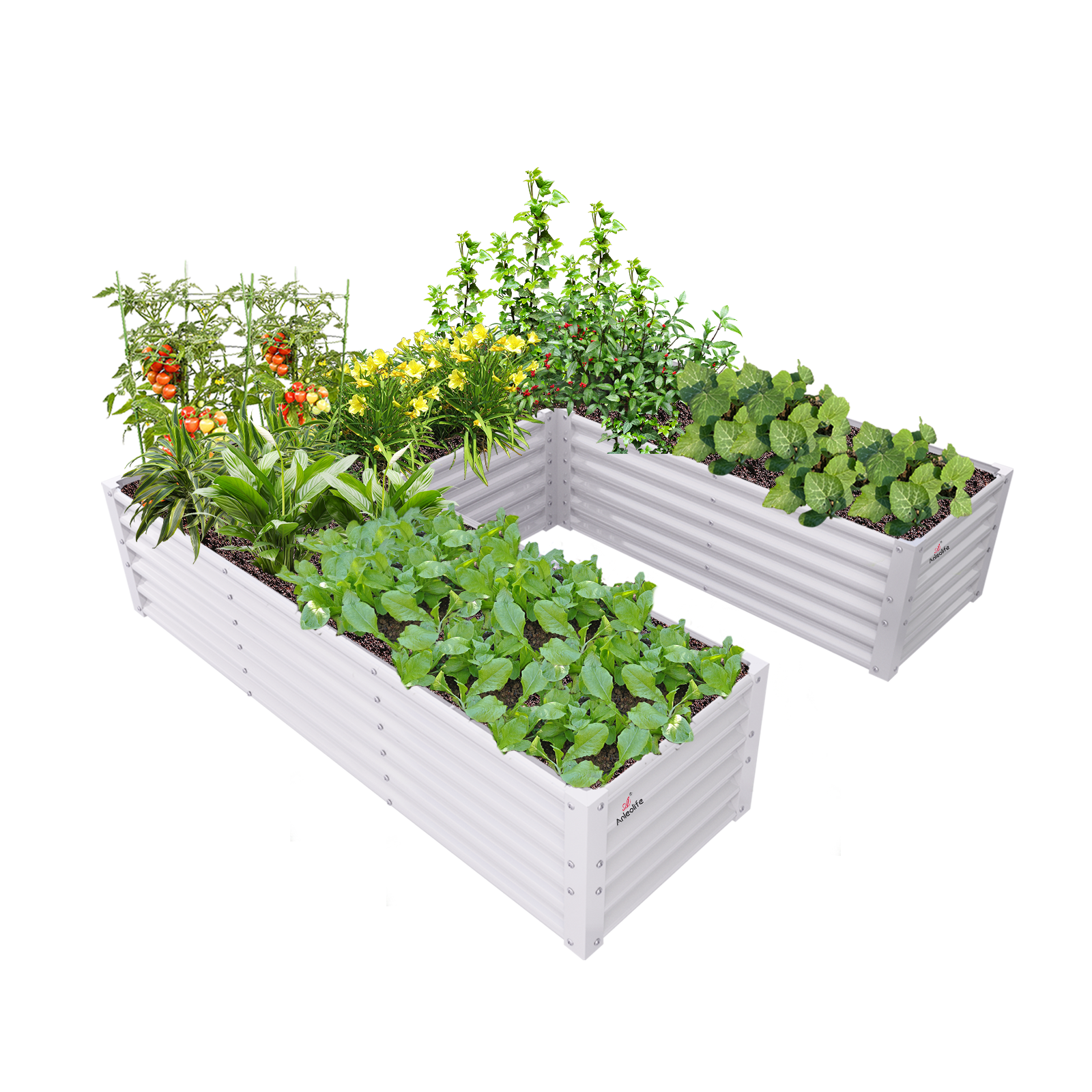
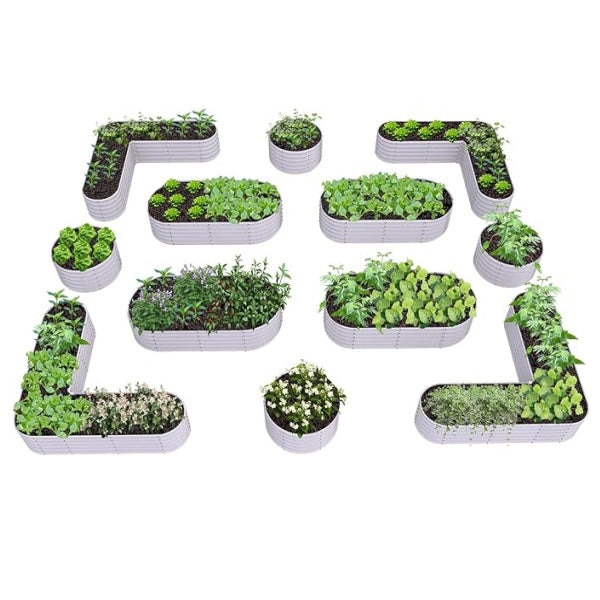
For families who want to expand over time, the Modular Raised Garden Bed line (available in configurations including 18" Tall 8x4 ft and 30" Extra Tall 8x4 ft) allows beds to be reconfigured as your garden — and your children — grow. What starts as a single bed can evolve into an L-shape or double-wide setup without requiring a new purchase.
For Taller Kids and Teens
As children enter their teen years, they often prefer standing while gardening rather than kneeling. The 24" Extra Tall 8x4 ft and 30" Extra Tall 6x3 ft configurations bring the planting surface to a more comfortable working height, reducing back strain and making gardening feel more like a grown-up activity — which, paradoxically, makes it more appealing to teenagers who might otherwise consider it "kids' stuff."
For the Ultimate Kids' Garden Experience
The 35" Waist-High 4x1.5 ft galvanized steel raised garden bed is a standout option for children with mobility considerations or those who simply want a true tabletop gardening experience. At waist height, this bed is accessible for children in wheelchairs or with limited mobility, making it one of the most inclusive gardening options available.
Making the Garden Educational Without Making It Feel Like School
The magic of a kids' garden is that learning happens invisibly. Here are practical ways to layer in education without breaking the fun:
Use a Garden Journal: Give each child a small notebook to sketch their plants, record planting dates, and note what they observe. This builds writing skills, scientific observation habits, and creates a keepsake they'll treasure.
Introduce "Garden Science" Moments: When pests appear (and they will), turn it into a teaching moment rather than a panic. Learning to identify common garden visitors — ladybugs, earthworms, aphids — builds early science literacy. If pests become a genuine problem, a mild, child-safe approach using neem oil or insecticidal soap (some of the best organic insecticide options for garden pests) keeps the garden chemical-free and safe for curious hands.
Celebrate Every Harvest: Even if it's three cherry tomatoes and a handful of lettuce, make it a celebration. Cook something together using what they grew. The connection between garden and table is one of the most powerful lessons a child can learn about where food comes from.
Seasonal Planning: As children get older, involve them in planning what to grow each season. Discussing which crops thrive in summer heat is an excellent way to build horticultural knowledge naturally — and if you want inspiration for warm-weather planting, the guide on What to Plant in a Raised Garden Bed in Summer (Heat-Tolerant Crops) offers accessible, family-friendly options.
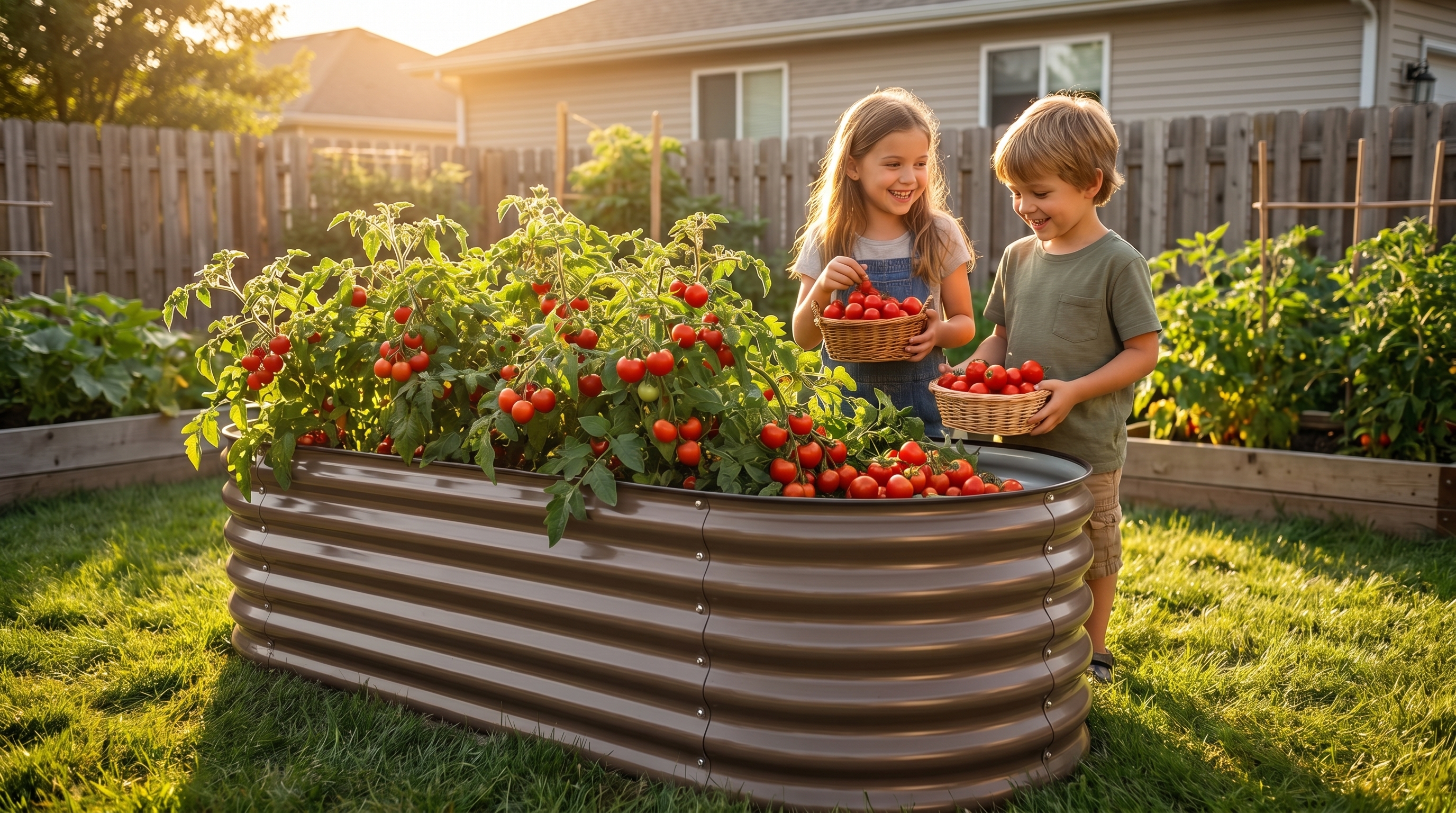
ALT: Two children harvesting cherry tomatoes from a bright colorful raised garden bed in a family backyard vegetable garden
Advanced Tips: Making Your Kids' Garden Last Season After Season
Handling Seasonal Transitions
One challenge unique to kids' gardens is maintaining enthusiasm across seasons. The solution is to plan for year-round growing — even in colder climates — by using simple season extension tools. A lightweight row cover or a simple hoop tunnel can extend the growing season by weeks at both ends, keeping the garden active (and kids engaged) from early spring into late fall.
When winter arrives and the bed is resting, use the downtime productively: plant garlic in fall for a spring harvest, add compost to rebuild soil health, or let children plan next year's seed selection from catalogs. The anticipation of spring is itself a valuable part of the gardening rhythm.
Common Misconceptions About Metal Raised Beds and Kids
"Metal beds get too hot and cook plant roots." This concern comes up frequently, but the reality is nuanced. Galvanized steel beds do absorb heat, which is actually beneficial for extending the growing season and warming soil for faster germination. In extremely hot climates, positioning beds to receive morning sun and afternoon shade, or choosing lighter-colored finishes, easily mitigates any heat concerns.
"Metal beds leach harmful chemicals into the soil." Modern galvanized steel uses a zinc coating that is stable at garden soil pH levels. Numerous research studies have confirmed that galvanized steel raised beds do not pose a meaningful risk to edible crops. If you want the full picture on this topic, Are Metal Raised Garden Beds Safe for Vegetables? What You Need to Know addresses this question comprehensively.
"Kids will damage metal beds." Galvanized steel raised beds are extraordinarily resilient. They're designed to handle decades of weather exposure, soil pressure, and regular use — the occasional small hand leaning on the edge or a wayward ball impact is well within their design tolerance. With a rated lifespan of up to 20 years, these beds will outlast your children's childhoods with ease.
Connecting the Kids' Garden to a Larger Family Garden Ecosystem
Once children have their own bed and are genuinely engaged, many families find it natural to expand the garden ecosystem. A children's vegetable bed pairs beautifully with a nearby composting station (kids love feeding the compost bin), a small herb spiral, or even a simple chicken coop for eggs. Anleolife's full product ecosystem — spanning planting, raising, and beautification — means you can grow the garden naturally as your family's enthusiasm deepens.
Frequently Asked Questions FAQ
Q1: How long do colorful metal raised garden beds typically last, and are they worth the investment for a family?
High-quality galvanized steel raised garden beds, such as those from Anleolife, are built to last up to 20 years with minimal maintenance. For a family garden, this makes them an exceptional long-term investment compared to wooden beds, which typically require replacement or significant repair within 5–10 years. The per-year cost of a metal raised bed, spread across two decades of harvests, is remarkably low — and the safety benefits (no splinters, no chemical wood treatments) make them especially appropriate for spaces where children are active.
Q2: Are metal raised garden beds safe for growing vegetables that children will eat?
Yes, modern galvanized steel raised garden beds are widely considered safe for growing edible crops. The zinc coating used in galvanized steel is stable under normal garden conditions, and decades of research have found no evidence of harmful chemical migration into produce grown in these beds. The key is choosing beds made from food-grade galvanized steel without additional chemical coatings. Anleolife's beds are designed specifically for edible gardening and are trusted by thousands of families across North America for growing vegetables, herbs, and fruits safely.
Q3: What's the best height for a raised garden bed when young children will be doing most of the gardening?
For children aged 4–10, an 18-inch height is generally ideal — deep enough to support healthy root development for most vegetables, while keeping the bed accessible for small arms to reach the center without overextending. For older children (10+) or teens, stepping up to a 24-inch height creates a more comfortable working posture and can accommodate deeper-rooted crops. Families with children who have mobility considerations may find the 35-inch waist-high option the most inclusive and accessible choice. The right height depends on your child's age, height, and the specific crops you plan to grow.
Summary
Setting up a colorful raised garden bed for your kids is one of the most meaningful investments you can make in their development — and in your family's connection to the food you eat. The three core takeaways from this guide:
- Design for engagement first: A bed that looks like it belongs to your child — colorful, sized right, positioned at the right height — will be tended faithfully. Ownership drives engagement, and engagement drives learning.
- Choose materials that last: Galvanized steel raised beds with a 20-year lifespan aren't just more durable — they're more economical, safer, and better for the environment than wooden alternatives that need frequent replacement.
- Start small, plan to grow: A single 4x4 or 6x3 ft bed is the perfect starting point. As your child's enthusiasm grows, the modular nature of quality raised bed systems means you can expand without starting over.
The best kids' gardens aren't the ones with the most plants or the most elaborate setups — they're the ones where children show up every morning to check on "their" tomatoes, dig their fingers into the soil with genuine curiosity, and carry a handful of snap peas into the kitchen with enormous pride. That experience starts with the right raised bed.
Start Growing Together with Anleolife
Anleolife ships from a nationwide U.S. warehouse network strategically located in California, Texas, Florida, New York, Illinois, and Washington, ensuring delivery in just 3–8 business days — so your family's garden adventure doesn't have to wait. Our products are available across major platforms including Amazon, Walmart, Home Depot, Lowe's, Wayfair, and directly at Anleolife.com, with consistent quality assurance and responsive after-sales support wherever you shop.
Our three core scenarios — Planting (galvanized steel raised garden beds, soil systems), Raising (chicken coops, rabbit hutches), and Beautification (decorative accessories, pathway systems) — give your family everything needed to build a complete outdoor growing ecosystem from the ground up.
We understand that an ideal garden isn't built overnight — it grows gradually, season by season, just like the kids tending it. Our modular product design allows flexible expansion based on your needs, from your child's first 4x4 raised bed to a fully integrated planting-and-raising ecosystem. We grow with your family, every step of the way.
Ready to make growing food the highlight of your kids' week? Explore Anleolife's full range of raised garden beds at Anleolife.com and find the perfect colorful garden bed for your family today.
References
- National Gardening Association. "Garden to Table: A Guide to Growing Food with Kids".
https://garden.org - U.S. Department of Agriculture (USDA). "School Gardens and Youth Gardening Programs".
https://www.usda.gov/topics/food-and-nutrition/school-meals/farm-to-school - University of California Cooperative Extension. "Raised Bed Gardening".
https://ucanr.edu/sites/mgsantaclara/Gardening_Help/Raised_Beds/ - Cornell University Cooperative Extension. "Gardening with Children: Benefits and Best Practices".
https://gardening.cals.cornell.edu - Centers for Disease Control and Prevention (CDC). "Children's Health and Outdoor Play: Physical Activity Guidelines".
https://www.cdc.gov/physicalactivity/basics/children/index.htm
Note: Standards and recommendations may be updated over time. Please check the latest official documents or consult professional advisors for the most current guidance.
About Anleolife
Anleolife is a leading outdoor garden solutions provider in North America, dedicated to offering a full-scenario product ecosystem for home gardening enthusiasts, covering planting, raising, and garden beautification. Since its founding, we have upheld our brand mission, "Made for Garden Life," continuously innovating products and optimizing services to help hundreds of thousands of users upgrade their gardens, reconnect with nature, and enjoy a better garden lifestyle.