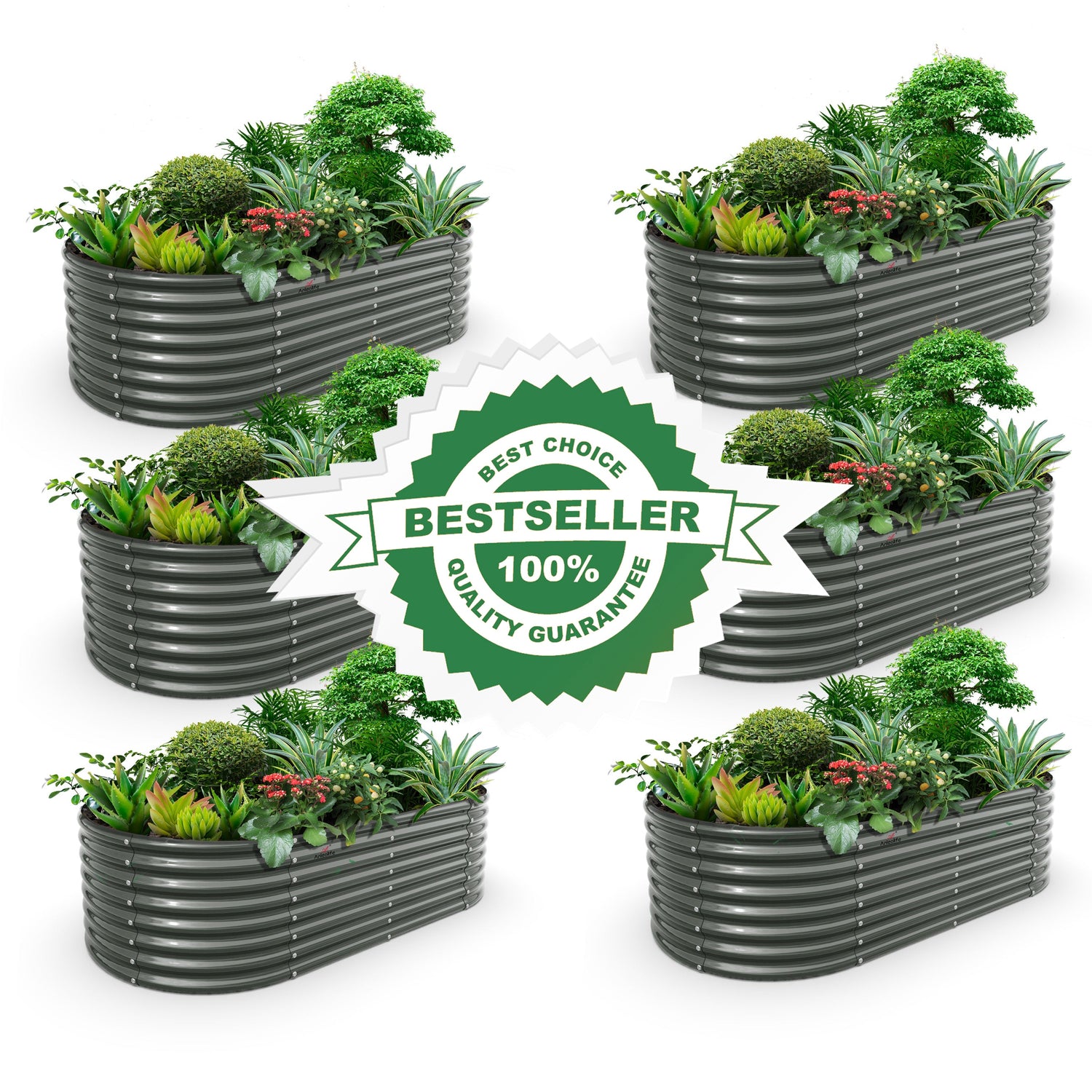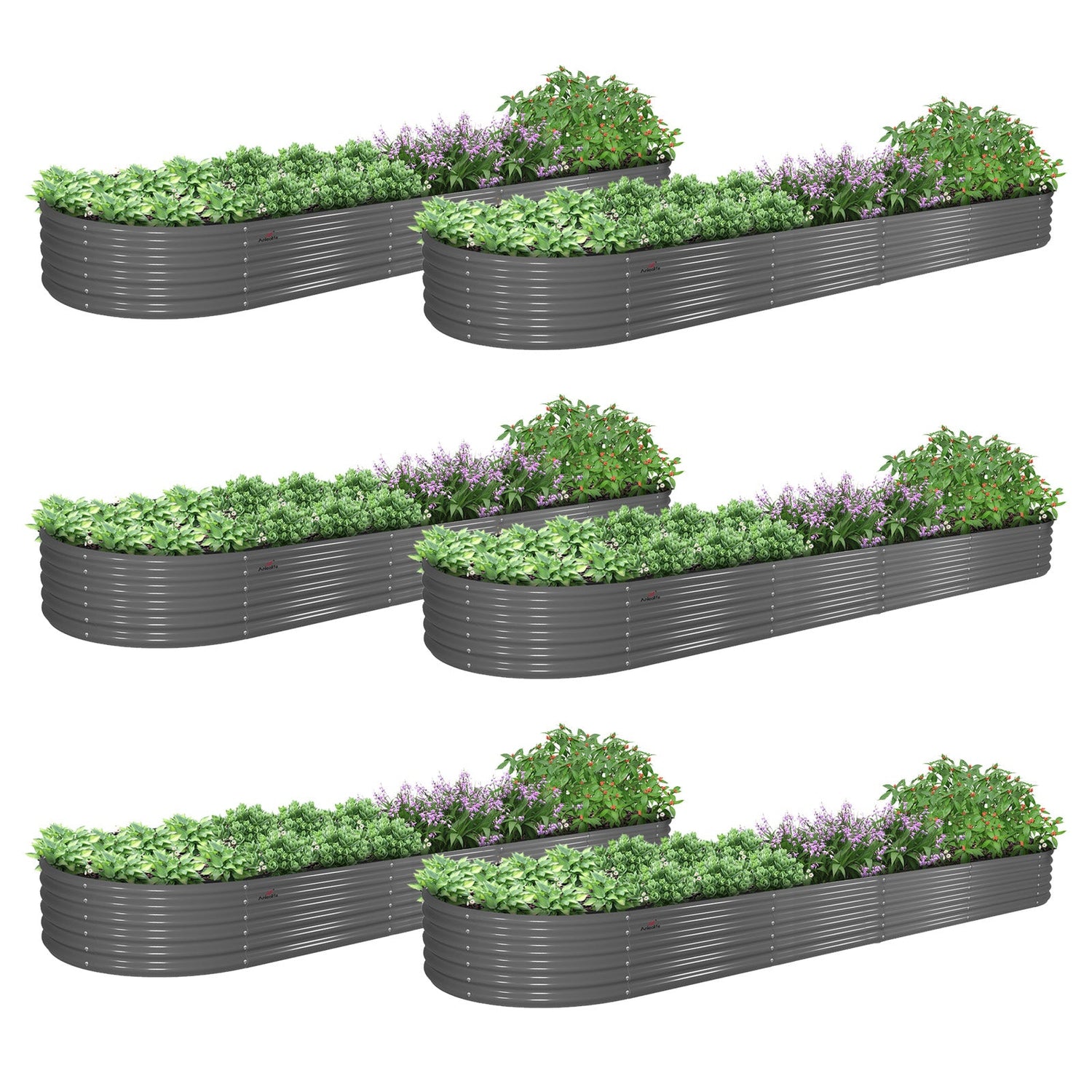



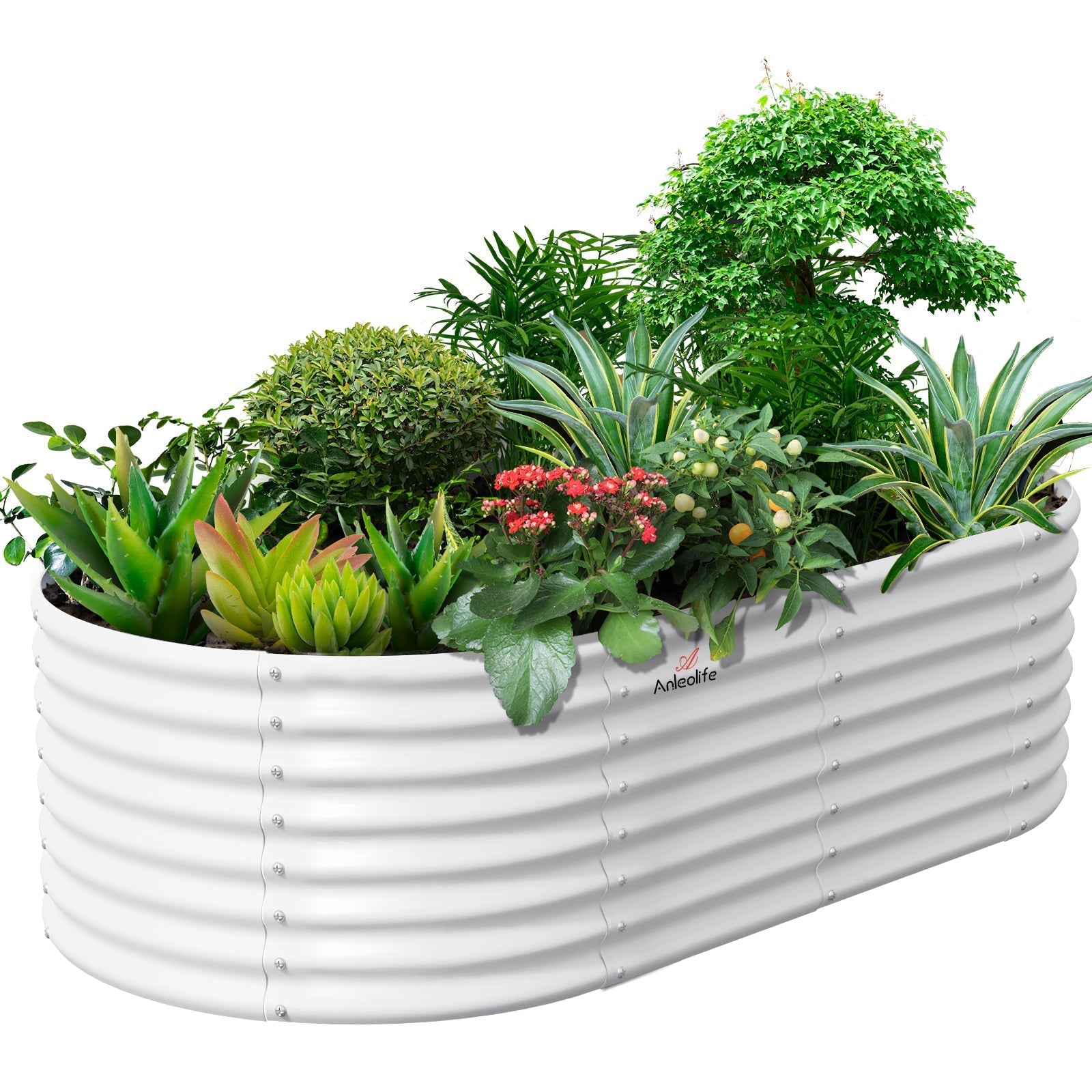
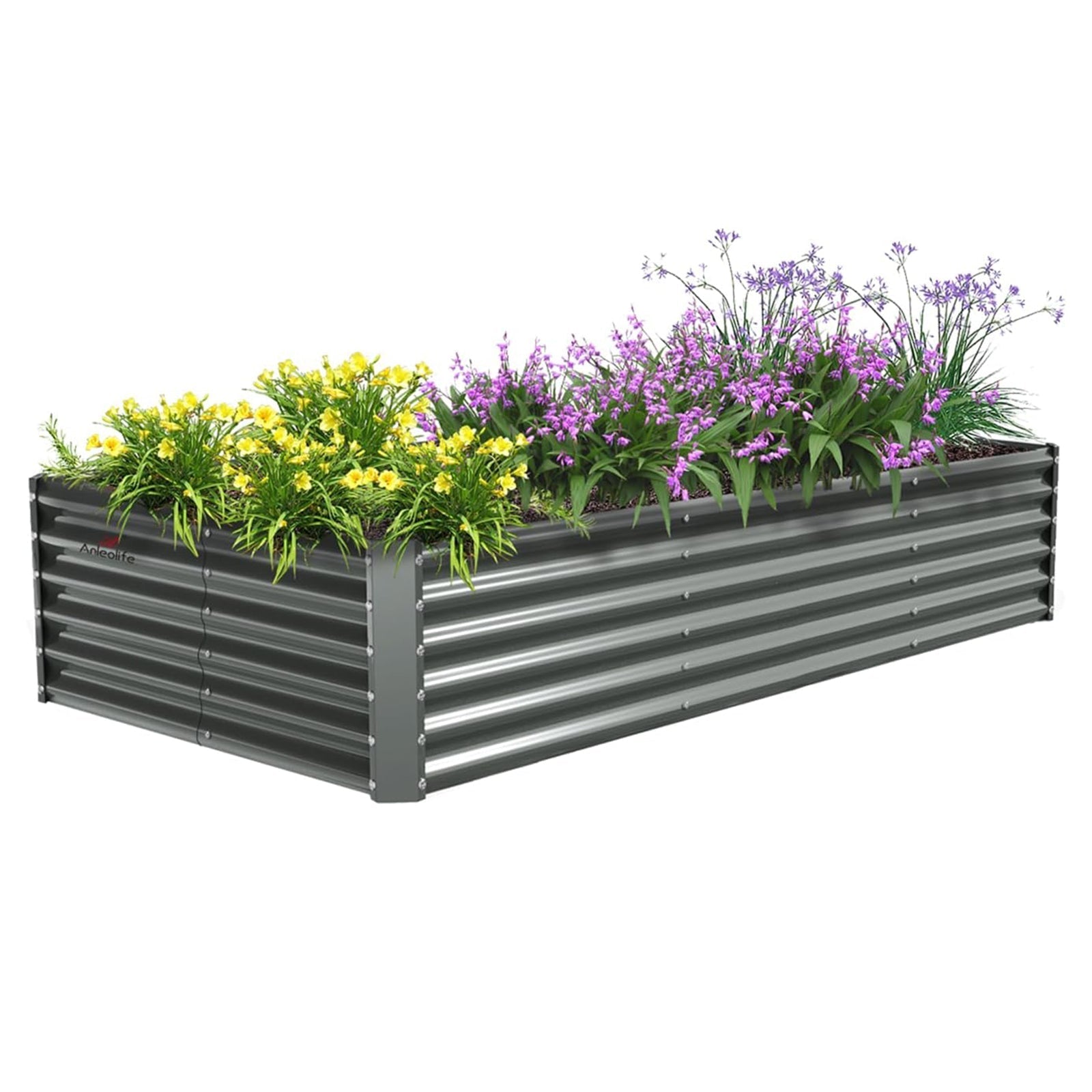

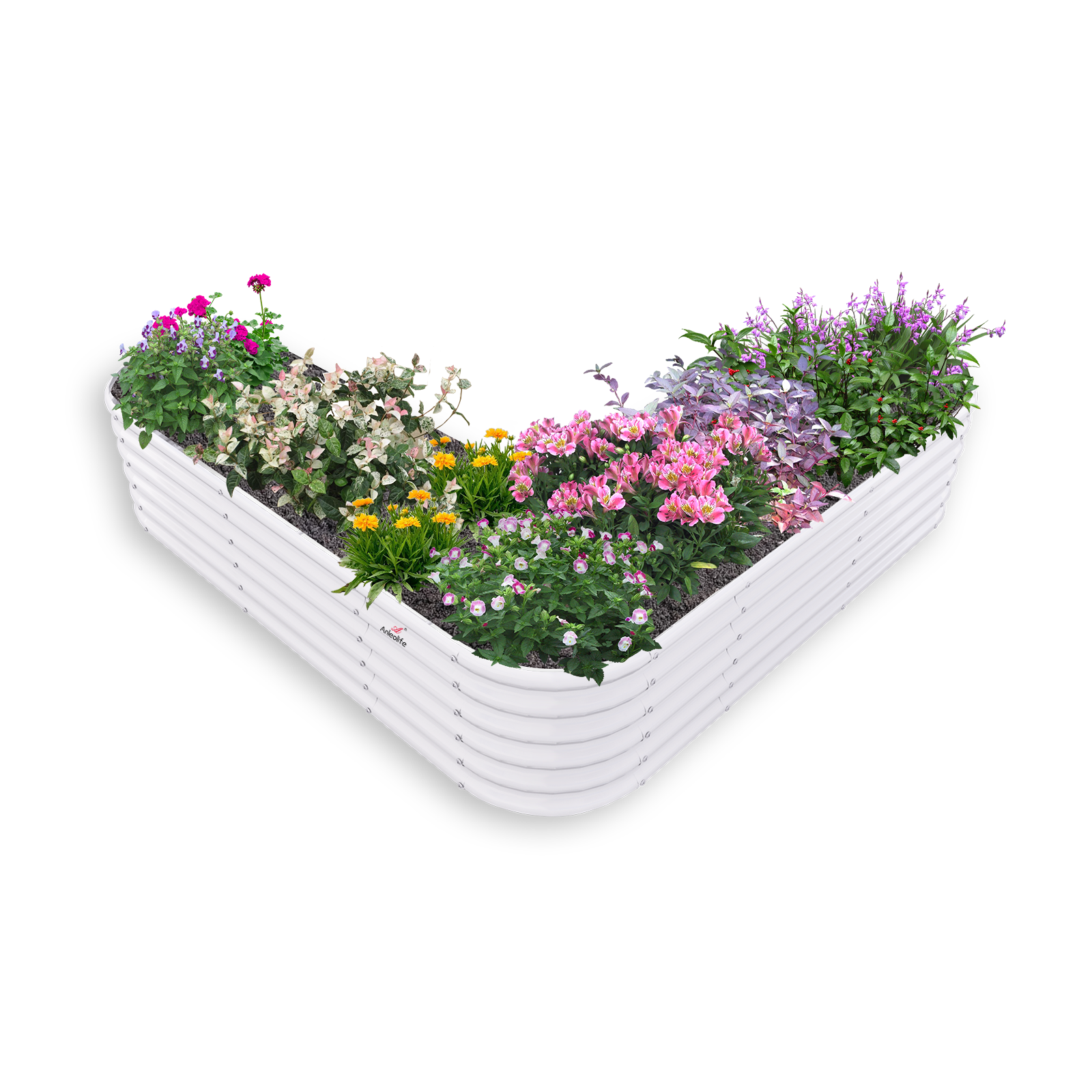
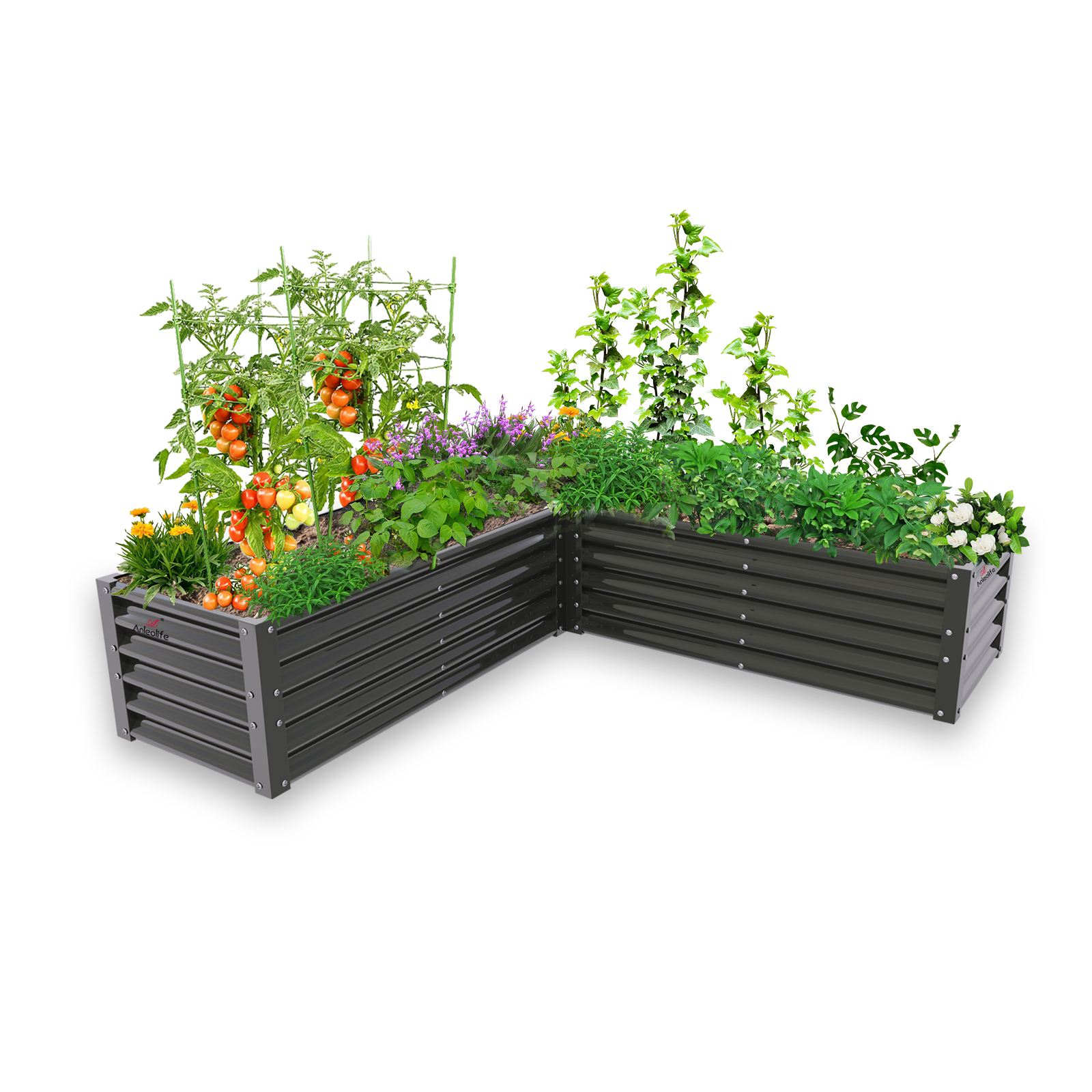
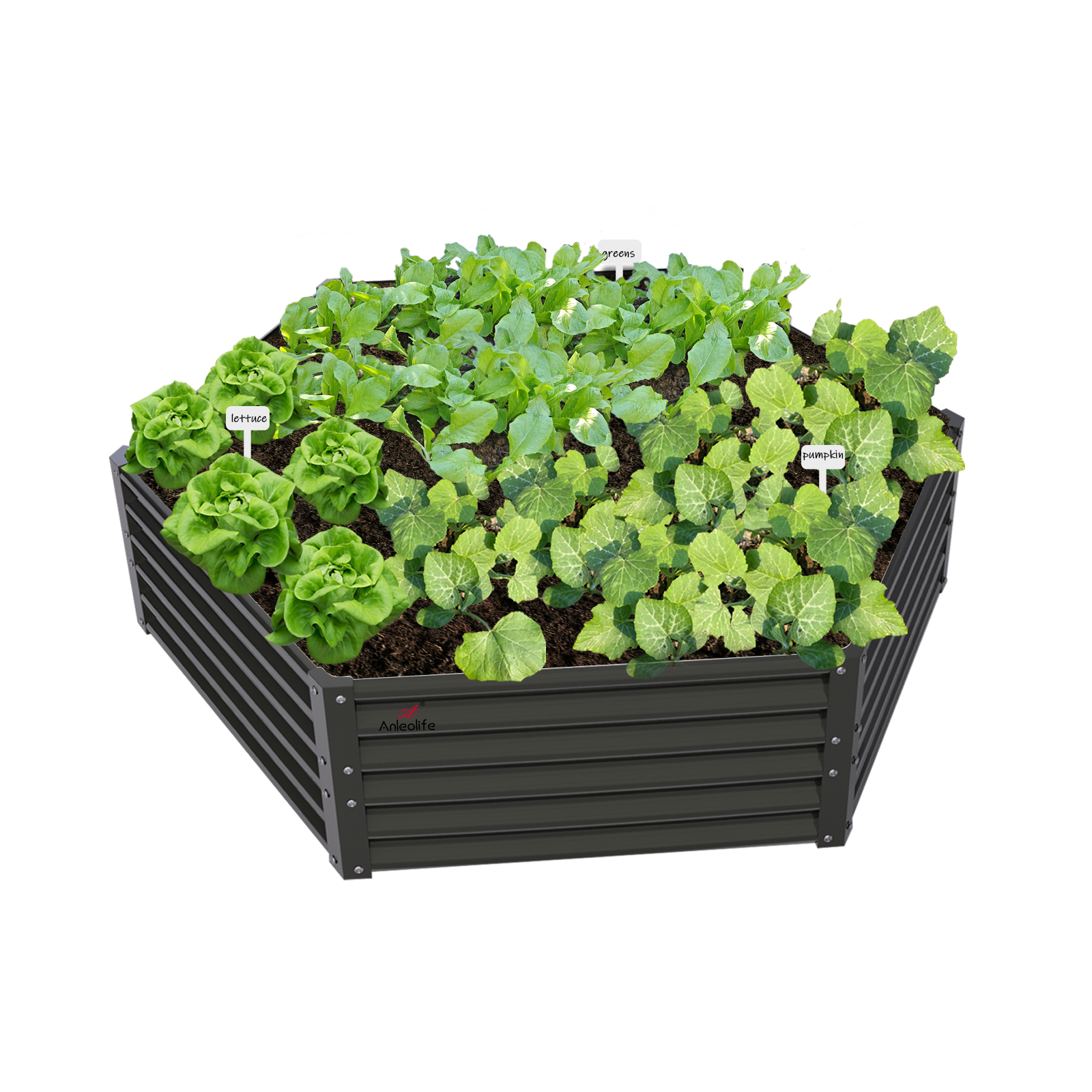



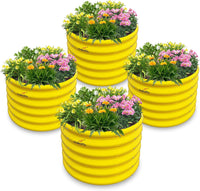
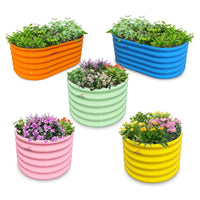
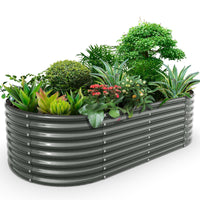



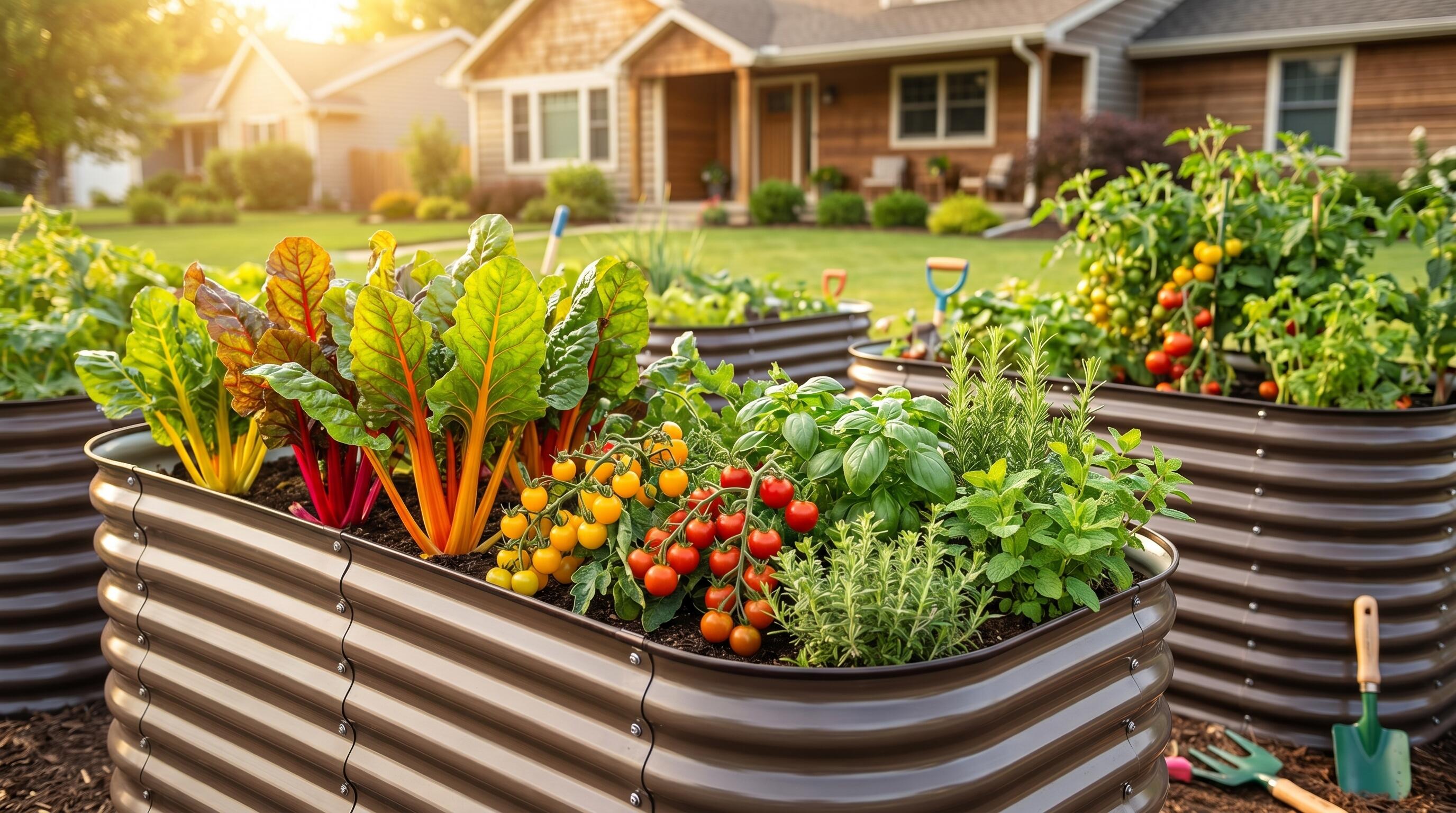
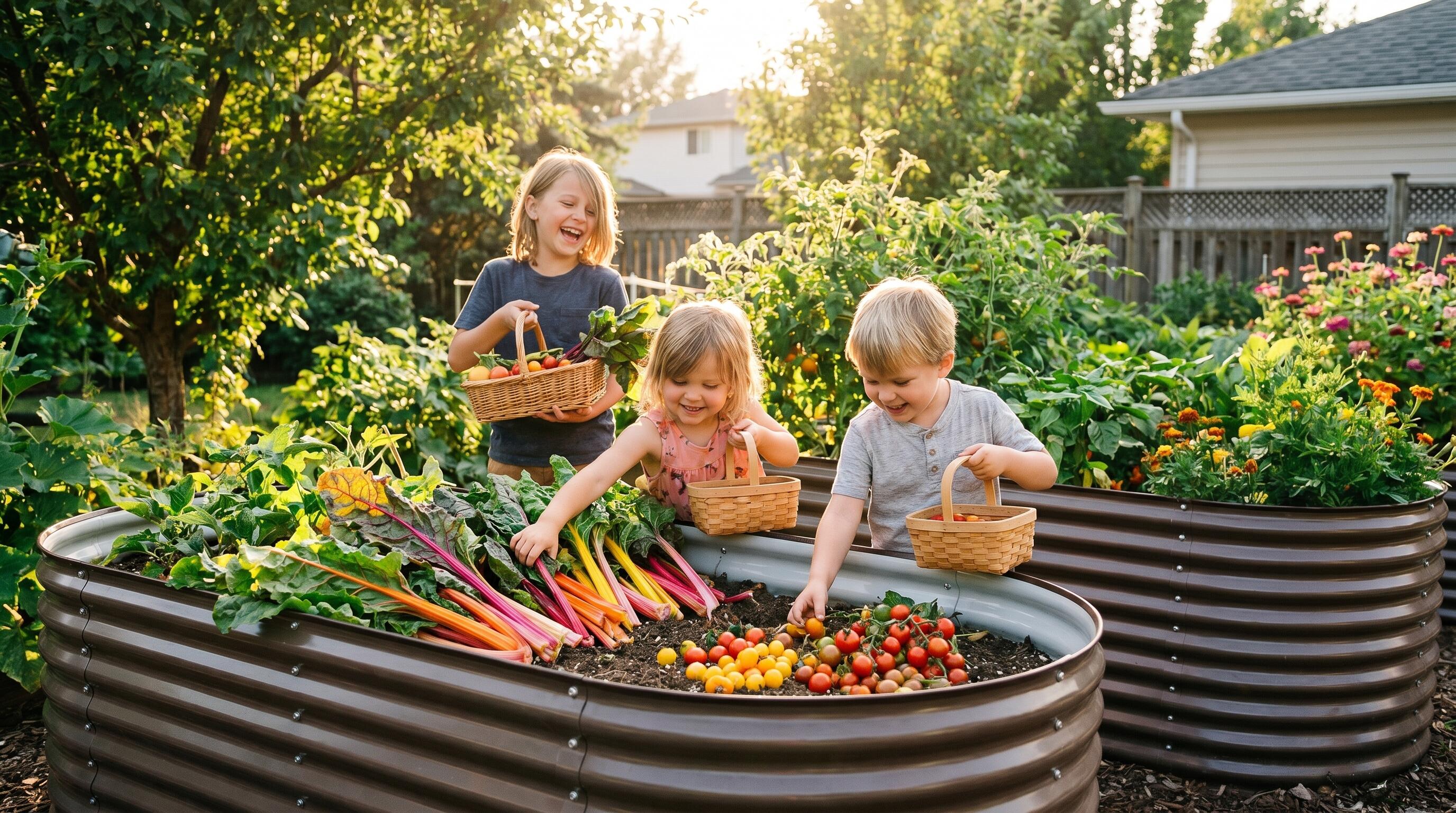
ALT: Colorful raised garden beds for kids growing vegetables and herbs outdoors in summer garden
Why Colorful Raised Garden Beds Are the Best Way to Get Kids Excited About Growing Food
Key Conclusion: Colorful raised garden beds transform summer gardening into an adventure children genuinely want to join. When kids have their own dedicated growing space — bright, accessible, and perfectly sized — they develop curiosity about where food comes from, learn responsibility, and build lifelong healthy habits. The best raised garden beds for family use combine child-safe materials, vibrant aesthetics, and durable construction that lasts. Whether you're setting up a first vegetable patch or expanding a backyard growing zone, the right garden bed makes all the difference.
Getting kids interested in fresh vegetables can feel like an uphill battle — until you hand them a trowel and give them ownership of their own garden bed. Research consistently shows that children who grow their own food are far more likely to eat it. And when that growing space is colorful, fun, and designed to be easy for small hands to reach, the experience shifts from chore to adventure.
Three factors make a kids' garden truly successful: the right size bed that fits young gardeners, materials that are safe and durable enough to last through years of enthusiastic digging, and a design that makes the space feel like theirs. In this guide, we'll walk you through everything — from choosing the best galvanized garden beds for a family setup, to plant picks that deliver fast, exciting results, to layout ideas that turn any backyard corner into a summer growing hub.
Is a Kids' Raised Garden Bed Right for Your Family?
✅ Applicable Scenarios:
- Families with children ages 3–14 who want hands-on outdoor learning experiences
- Parents seeking screen-free summer activities that build real-world skills
- Home growers who want to introduce kids to healthy eating through vegetable gardening
- Urban micro-gardeners with limited yard space looking for compact, organized growing solutions
- Teachers, homeschooling parents, or grandparents creating educational garden projects
❌ Not Applicable/Cautions:
- Very young toddlers under 3 who require constant supervision around soil, tools, and plant amendments
- Families using heavy chemical pesticides or fertilizers near areas where children play and dig regularly
- Renters or apartment dwellers without outdoor space or permission to install permanent garden structures
Why Kids and Raised Garden Beds Are a Perfect Summer Match
Summer is the season of possibility. Schools are out, backyards become classrooms, and long warm days are perfect for watching seeds sprout into something edible. But unstructured outdoor time doesn't automatically translate into learning — you need a setup that invites exploration and rewards curiosity.
Raised garden beds have become one of the most popular tools for family gardening in North America, and for good reason. Unlike traditional in-ground gardening, raised beds give children a clearly defined "workspace." There are edges that mark where the garden begins and ends, no compacted clay soil to fight, and a height that makes it easier for kids to reach every corner without stepping on their plants.
According to the USDA's People's Garden initiative, community and home food gardens improve children's nutrition awareness and increase vegetable consumption. When kids plant a seed, water it daily, and eventually harvest a tomato or carrot they grew themselves, they develop a connection to food that no grocery store trip can replicate.
The market for family-friendly gardening products has grown significantly in recent years, with more parents seeking best raised garden beds that are safe, durable, and visually engaging for younger users. The trend reflects a broader cultural shift toward sustainability, health-conscious living, and outdoor education — values that align naturally with families investing in home gardening setups.
For parents researching the best gardening products for family use, the core questions are always the same: Is it safe for kids? Will it last? Is it easy enough for children to use independently? And — critically — will my child actually want to spend time in it? The answers come down to material quality, design thoughtfulness, and the right sizing for your space and your child's age.
Setting Up a Colorful Kids' Garden Bed: Your Three-Step Quick Start
Getting Started From the Ground Up
Step 1: Choose the Right Size Bed for Young Gardeners
The golden rule of kids' garden design is reachability. A child should be able to access the center of the bed without stepping inside and compacting the soil. For younger children, narrower beds — around 2–3 feet wide — work best. Longer beds give kids more planting real estate without sacrificing accessibility. Anleolife's range includes beds starting at compact sizes ideal for beginner gardeners, all the way up to generous configurations for growing families. Pick a spot that gets at least 6 hours of direct sunlight per day, which most summer vegetables need to thrive. Setup typically takes 30–60 minutes with basic tools.
Step 2: Fill With the Right Soil Mix and Let Kids Help
Soil is where the magic happens, and mixing it is genuinely fun for kids. A standard recommended mix for raised beds is roughly 60% topsoil, 30% compost, and 10% aeration material like perlite or coarse sand. Let your child scoop and pour — it builds sensory engagement and teaches them that healthy plants start underground. Avoid using native garden soil alone, as it compacts over time and drains poorly in a contained bed. A well-prepared bed is ready to plant within an afternoon, making this a satisfying single-day family project.
Step 3: Pick Fast-Growing, Colorful Plants That Deliver Big Rewards
Nothing kills a child's gardening enthusiasm faster than waiting months to see results. Choose plants that germinate quickly and produce visually exciting harvests. Radishes are ready in as few as 25 days. Cherry tomatoes, rainbow chard, and multicolored lettuce give kids a burst of color above ground. Sunflowers planted along the back edge of the bed create a dramatic backdrop that children love to measure and photograph. For a sensory element, add a few herb clusters — mint, lemon balm, and basil smell incredible and can be touched and tasted throughout the season.
Comparing the Best Raised Garden Bed Options for Family Gardens
Not all garden beds are created equal, and when kids are involved, the stakes around durability and safety are higher. Here's a breakdown of the most common raised bed types families consider:
| Comparison Dimension | Wood Raised Beds | Plastic/Resin Beds | Galvanized Steel Beds (Anleolife) |
|---|---|---|---|
| Lifespan | 5–10 years (varies by wood type) | 5–8 years | Up to 20 years |
| Safety for Kids | Risk of splinters; treated wood may contain chemicals | Generally safe but can warp in heat | Smooth-edged galvanized steel; no splinters |
| Color/Aesthetic Options | Natural tones only | Limited color range | Multiple finish options including rust-resistant coatings |
| Weather Resistance | Moderate; requires sealing/staining | Low–moderate in extreme UV | High; designed for all-season outdoor use |
| Soil Volume | Depends on build quality | Often limited depth | Deep configurations available (up to 30" tall) |
| Maintenance | Regular treatment needed | Minimal | Minimal; rust-resistant design |
| Assembly Ease | Moderate to complex | Easy | Tool-friendly modular assembly |
| Best For | Traditional aesthetic preference | Lightweight portability | Long-term family garden investment |
The case for best galvanized garden beds in a family context comes down to three things: they're smooth enough that kids won't get splinters, durable enough to outlast years of enthusiastic young gardeners, and deep enough to grow a genuine range of vegetables — not just shallow herbs.
Designing a Kid-Friendly Garden Layout That Makes Growing Food an Adventure
Choosing the Right Height for Different Ages
One of the most overlooked design decisions in family gardening is bed height. A toddler kneeling beside a ground-level planter is a very different situation from a 10-year-old comfortably reaching into an 18-inch tall bed. Bed height affects how independently kids can garden — and independence is what builds long-term engagement.
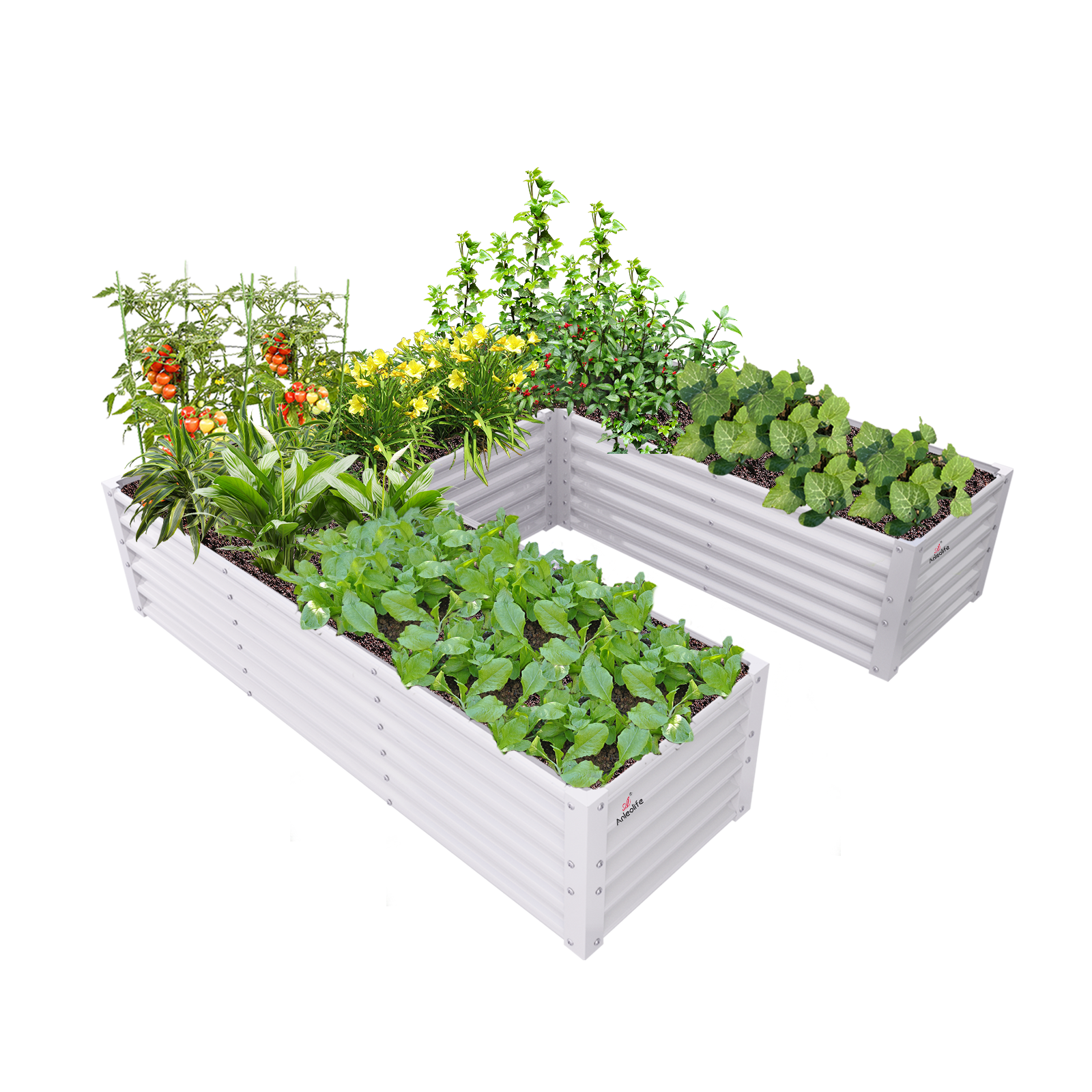
Anleolife offers a genuinely broad height range, from standard 18-inch tall beds well-suited for older children and adults working side by side, to 24-inch extra tall configurations ideal for eliminating the need to bend at all. For families with multiple age groups, mixing heights in a garden layout creates distinct "stations" — a shorter bed for younger kids, a taller one for older siblings or parents.
The brand's 35-inch waist-high option (4x1.5 ft) is particularly interesting for accessibility: children who use wheelchairs or adaptive devices, or grandparents gardening alongside grandchildren, can participate fully without the physical barrier of ground-level planting.
Bed Sizing That Grows With Your Family
A common mistake in planning a kids' garden is starting too big. An enormous bed can feel overwhelming and unmanageable to a young gardener. Starting with a compact configuration — like an 18-inch tall 6x2 ft or 8x4 ft modular bed — gives children a space that feels achievable and personal.
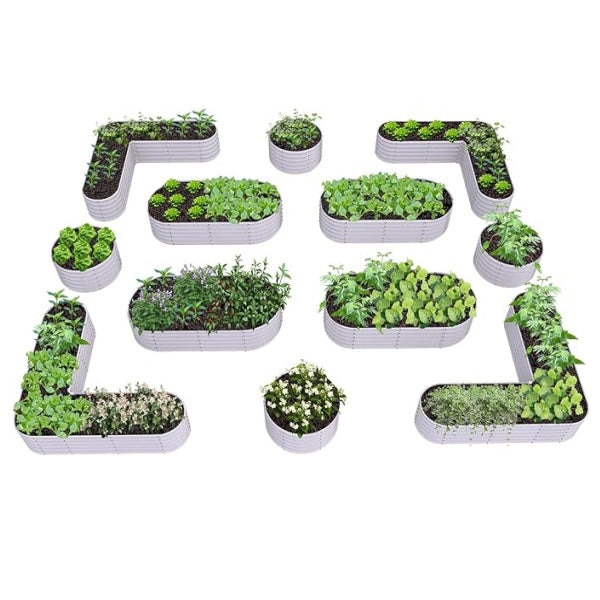
As kids grow and their interest develops, modular raised garden beds allow families to expand organically. Anleolife's modular system includes options like the 18-inch tall 6x2 ft, 8x4 ft, 12x3 ft, and taller 24-inch extra tall and 30-inch extra tall configurations. Rather than replacing a bed that's been outgrown, families can add sections or new beds, building a growing ecosystem that evolves with the child's abilities and ambitions.
This modularity also speaks directly to the Anleolife garden layout philosophy: a complete, flexible garden setup that adapts to your space and needs rather than forcing you to redesign from scratch.
Making Color Part of the Design
Traditional galvanized steel has a clean, modern look that suits most backyard aesthetics — but for kids' gardens, the color conversation goes beyond the bed itself. Encourage children to choose their plants based on visual excitement. Rainbow chard comes in brilliant red, orange, yellow, and pink stems. Purple basil, golden cherry tomatoes, and violet-podded peas create a garden that looks more like a painting than a food plot.
You can also let kids personalize their bed with painted garden markers, small decorative signs, and even a hand-drawn planting map taped to the fence nearby. Ownership and creative expression dramatically increase a child's investment in the space.
Safety First: What to Look For in a Kid-Friendly Garden Bed
When evaluating the best raised garden beds for families with children, safety details matter enormously. Look for:
- Smooth, rolled edges — no sharp corners or exposed metal edges where kids might cut themselves
- Non-toxic coatings — galvanized steel treated with safe, food-grade finishes rather than paint containing heavy metals
- Stable, secure construction — beds that don't wobble or tip when a child leans against them
- Appropriate depth — enough soil volume that plants root properly and don't need constant watering, reducing risk of kids over-watering
Anleolife's galvanized steel beds are designed with these principles in mind. The rust-resistant finish ensures the structure stays safe and intact through rain, mud, and the occasional garden hose incident. With a rated lifespan of up to 20 years, these aren't seasonal purchases — they're long-term garden infrastructure that will still be going strong when today's toddlers are teenagers growing their own food.
Best Summer Crops for Kids to Grow
Part of what makes the best gardening products genuinely useful is their ability to support success. The right plant choices are as important as the right bed. Here are summer crops that consistently deliver excitement for young gardeners:
Fast-Gratification Picks (under 30 days to first harvest):
- Radishes (25 days) — great for impatient kids
- Lettuce and microgreens (14–21 days) — can harvest with scissors
Visual Wow Factor:
- Sunflowers — plant against a fence or back edge of a long bed
- Rainbow chard — stems in five brilliant colors
- Cherry tomatoes in mixed varieties — red, yellow, black, and orange on one plant
Edible and Sensory Fun:
- Mint, lemon basil, and lemon balm — squeeze and smell any time
- Strawberries — few things beat picking your own berries
- Snap peas — eat straight from the vine
Science Project Crops:
- Beans on a trellis — kids can measure growth daily
- Pumpkins (if space allows) — dramatic size increase all summer
- Cucumbers — fast-growing and prolific
When children can connect directly to harvest — picking, smelling, tasting — they're not just gardening. They're learning where food comes from in the most hands-on way possible.
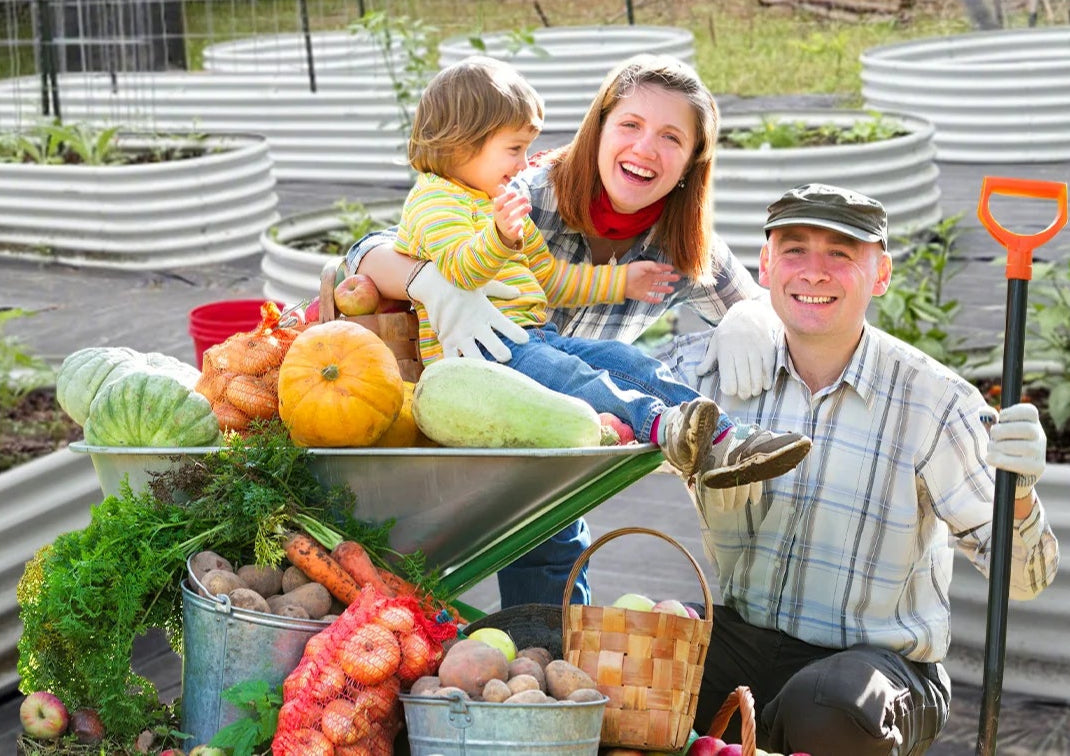
ALT: Children harvesting rainbow chard and cherry tomatoes from colorful galvanized raised garden beds in summer backyard garden
Advanced Tips: Getting the Most From a Family Garden All Summer Long
Turn the Garden Into an Ongoing Learning Project
A kids' garden doesn't have to end with planting day. Build in ongoing activities that keep children engaged from June through September. Give each child a simple garden journal where they sketch their plants weekly, record measurements, note what they watered, and paste in photos. This transforms passive observation into active science.
Set up a basic weather station nearby — a rain gauge, thermometer, and simple chart on the fence. Kids who track how temperature and rainfall affect their plants are absorbing real meteorology and biology without it feeling like schoolwork.
Handle Common Challenges Without Discouragement
Pests and crop damage are the most common reason kids lose interest in gardening. When something goes wrong — aphids on the basil, a tomato split by rain — frame it as detective work, not failure. What happened? What can we try differently? This builds resilience and problem-solving skills.
Overwatering is the most common beginner mistake. Teach kids the "finger test" — push a finger an inch into the soil; if it's moist, the plants are fine. If dry, it's watering time. This simple check prevents the most common cause of seedling death and gives kids a daily point of engagement.
Succession planting keeps the bed productive all summer. When one crop finishes, replant with something new. Radishes done by July? Fill that space with a fast-maturing bean. This keeps the bed looking lively and extends the educational experience through the whole season.
Misconceptions About Kids' Garden Beds Worth Addressing
"Kids will lose interest after a week." This is self-fulfilling if the setup doesn't reward engagement. Choose fast-growing crops, involve children in every step, and celebrate every harvest no matter how small.
"Galvanized steel is unsafe for food gardening." Modern galvanized steel used in quality garden beds is treated to food-safe standards. The zinc coating on properly manufactured beds does not leach into soil at harmful levels under normal gardening conditions — a conclusion supported by numerous horticultural studies and university extension resources.
"A small bed isn't worth the effort." Even a compact 6x2 ft bed can produce enough lettuce, herbs, and radishes to meaningfully contribute to a family's summer salads — and more importantly, give a child genuine ownership of a productive growing space.
Frequently Asked Questions FAQ
Q1: How do I choose the best raised garden bed size for kids?
The ideal size depends on your child's age and arm length. Younger children do best with narrower beds — around 2–3 feet wide — so they can reach the center without stepping inside and compacting the soil. Longer configurations give more planting space without sacrificing accessibility. Anleolife offers a range of bed widths and lengths in their modular system, making it easy to start small and expand as your child grows more interested and capable. Consider height too: an 18-inch tall bed works well for most school-age children.
Q2: Are galvanized steel raised garden beds safe for growing vegetables that kids will eat?
Yes — high-quality galvanized steel raised garden beds like those offered by Anleolife are safe for food gardening. The zinc coating used in properly manufactured beds is not known to leach harmful levels of heavy metals into soil under normal gardening conditions. University extension programs and horticultural research support the use of galvanized steel for vegetable gardens. Look for beds with rust-resistant coatings and food-safe finishes, and avoid beds with unknown paint formulations or low-quality metal treatments.
Q3: How long will a galvanized steel raised garden bed last if kids are using it heavily?
Anleolife's galvanized steel raised garden beds are built for a lifespan of up to 20 years — far longer than wood alternatives, which typically need replacement or significant maintenance every 5–10 years. The rust-resistant construction holds up through heavy watering, muddy hands, and all-season outdoor exposure. This makes galvanized steel the smartest long-term investment for a family garden that you want to use year after year, growing alongside your children's interests and abilities.
Summary
Building a colorful kids' raised garden bed is one of the highest-return investments a family can make in outdoor summer fun. Done well, it delivers on three fronts: it gets children genuinely excited about growing and eating fresh food, it provides a hands-on learning environment that develops real skills, and it creates a shared family space that improves with each season.
Three core takeaways to carry forward:
- Size and height matter. Match your bed dimensions to your child's reach and age for maximum independence and engagement. Anleolife's full range — from compact starter beds to 30-inch extra tall configurations — gives families the flexibility to design a garden that actually fits their children.
- Material quality is a long-term decision. A galvanized steel bed rated for up to 20 years isn't just a better value than cheaper alternatives — it's a commitment to a garden that will still be producing food when today's young gardeners are making their own planting decisions.
- The right plants close the loop. Fast-growing, visually exciting, and delicious crops turn abstract gardening concepts into tangible daily discoveries. Choose crops that reward curiosity and deliver results within days, not months.
Your next step is simple: pick a spot in your yard that gets good sun, choose a bed size that fits your space and your child's reach, and order early enough to be ready for peak summer planting season. The harvest — in vegetables, in family memories, and in lifelong healthy habits — is absolutely worth it.
Nationwide U.S. warehouse network: Strategically located in California, Texas, Florida, New York, Illinois, and Washington to ensure delivery within 3–8 business days — so your summer garden plans never have to wait for the growing season. Multi-channel sales network: Anleolife products are available on major e-commerce platforms including Amazon, Walmart, Home Depot, Lowe's, and Wayfair, as well as directly through the official website Anleolife.com, providing consistent quality assurance and after-sales service. Three core scenarios: Planting (metal raised garden beds, soil systems), Raising (chicken coops, rabbit hutches), and Beautification (decorative accessories, pathway systems) — meeting complete needs from functionality to aesthetics.
Upgrade your family garden with Anleolife. We understand that an ideal garden is not built overnight, but gradually improved over time. Our modular product design allows flexible expansion based on your family's needs — from your child's first compact starter bed to a fully integrated planting ecosystem that grows with them. We grow with you every step of the way. Visit Anleolife.com to explore the full range of raised garden beds and find the perfect fit for your family's summer garden.
References
- USDA Agricultural Marketing Service. "People's Garden Initiative — Growing Food in Communities."
https://www.ams.usda.gov/services/local-regional/peoples-garden - University of California Agriculture and Natural Resources. "Nutrition in the Garden — How Growing Food Affects Children's Eating Habits."
https://ucanr.edu/ - National Gardening Association. "Kids and Gardening — Benefits, Tips, and Plant Recommendations."
https://garden.org/learn/articles/view/3/ - Penn State Extension. "Raised Bed Gardening — Materials, Setup, and Soil Recommendations."
https://extension.psu.edu/raised-bed-gardening - CDC Healthy Schools. "School Gardens and Student Health — Evidence and Practice."
https://www.cdc.gov/healthyschools/nutrition/school_gardens.htm
Note: Resource content and guidelines may be updated periodically. Please check the latest official documents or consult professional horticultural advisors for current recommendations.
About Anleolife
Anleolife is a leading outdoor garden solutions provider in North America, dedicated to offering a full-scenario product ecosystem for home gardening enthusiasts, covering planting, raising, and garden beautification. Since its founding, we have upheld our brand mission, "Made for Garden Life," continuously innovating products and optimizing services to help hundreds of thousands of users upgrade their gardens, reconnect with nature, and enjoy a better garden lifestyle.