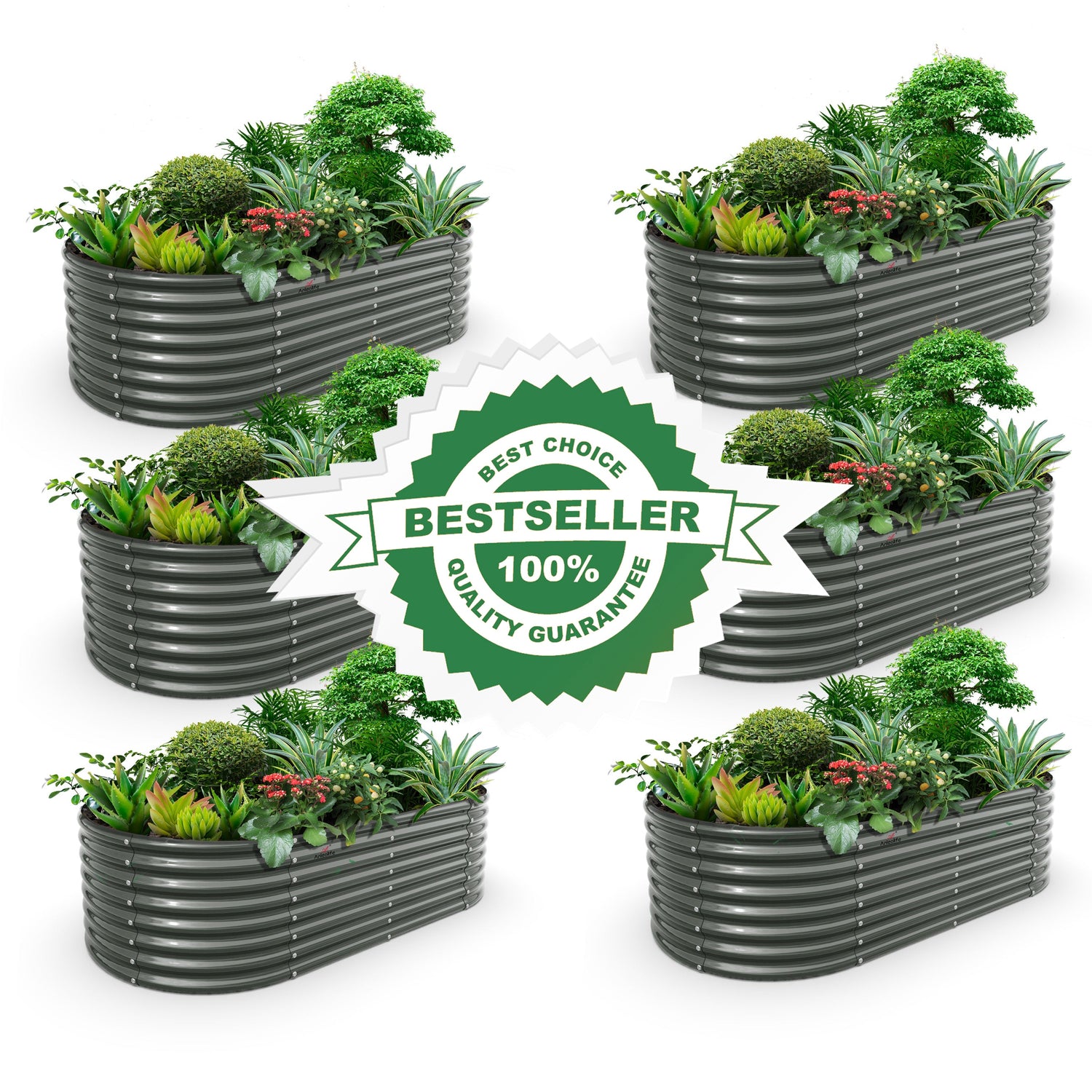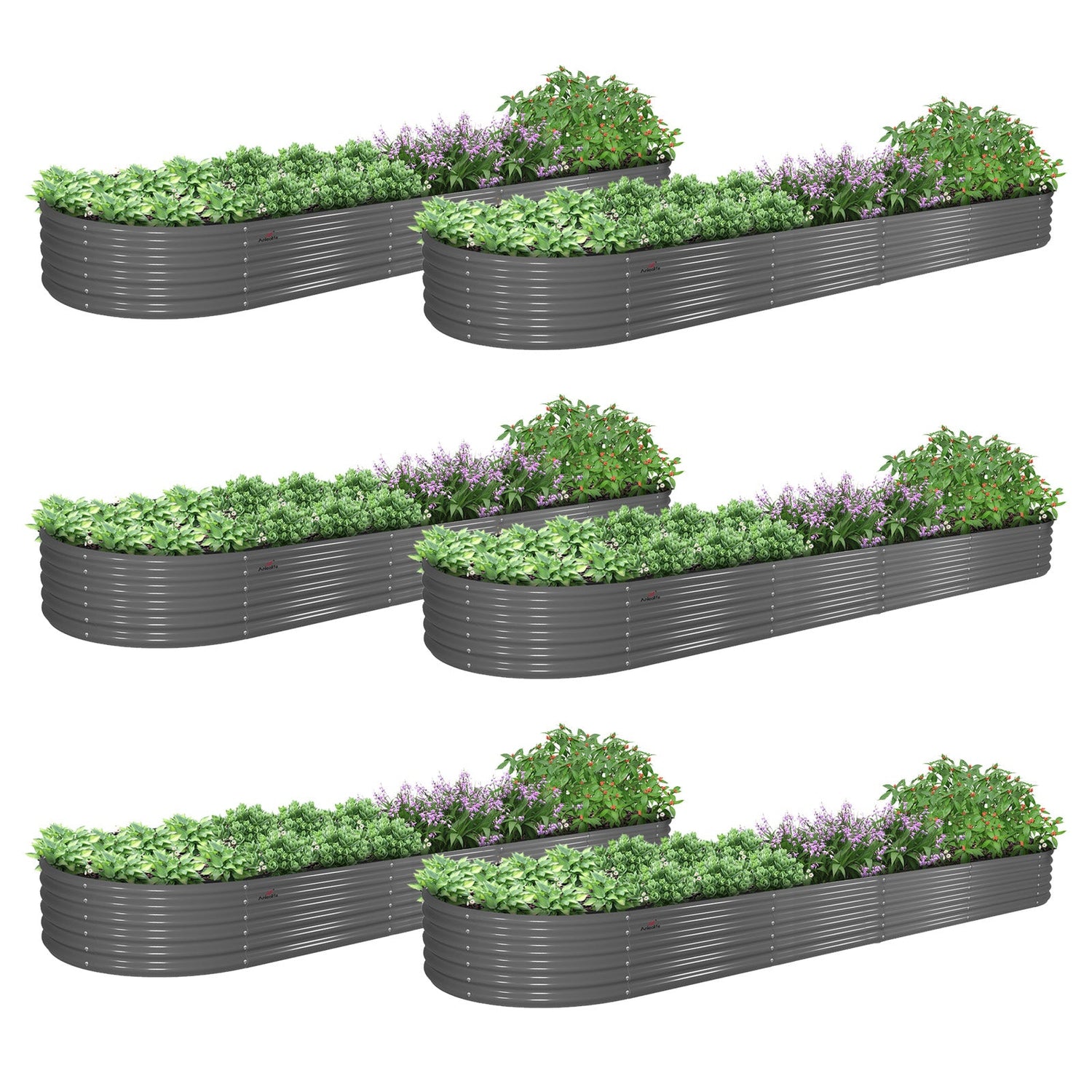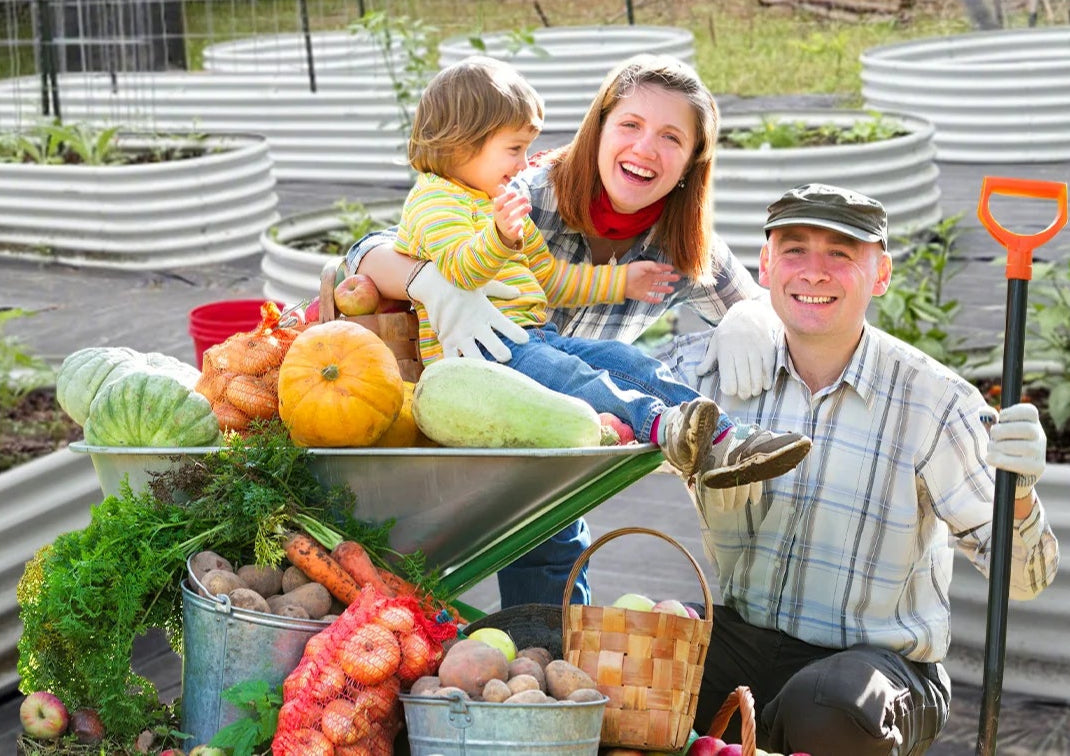



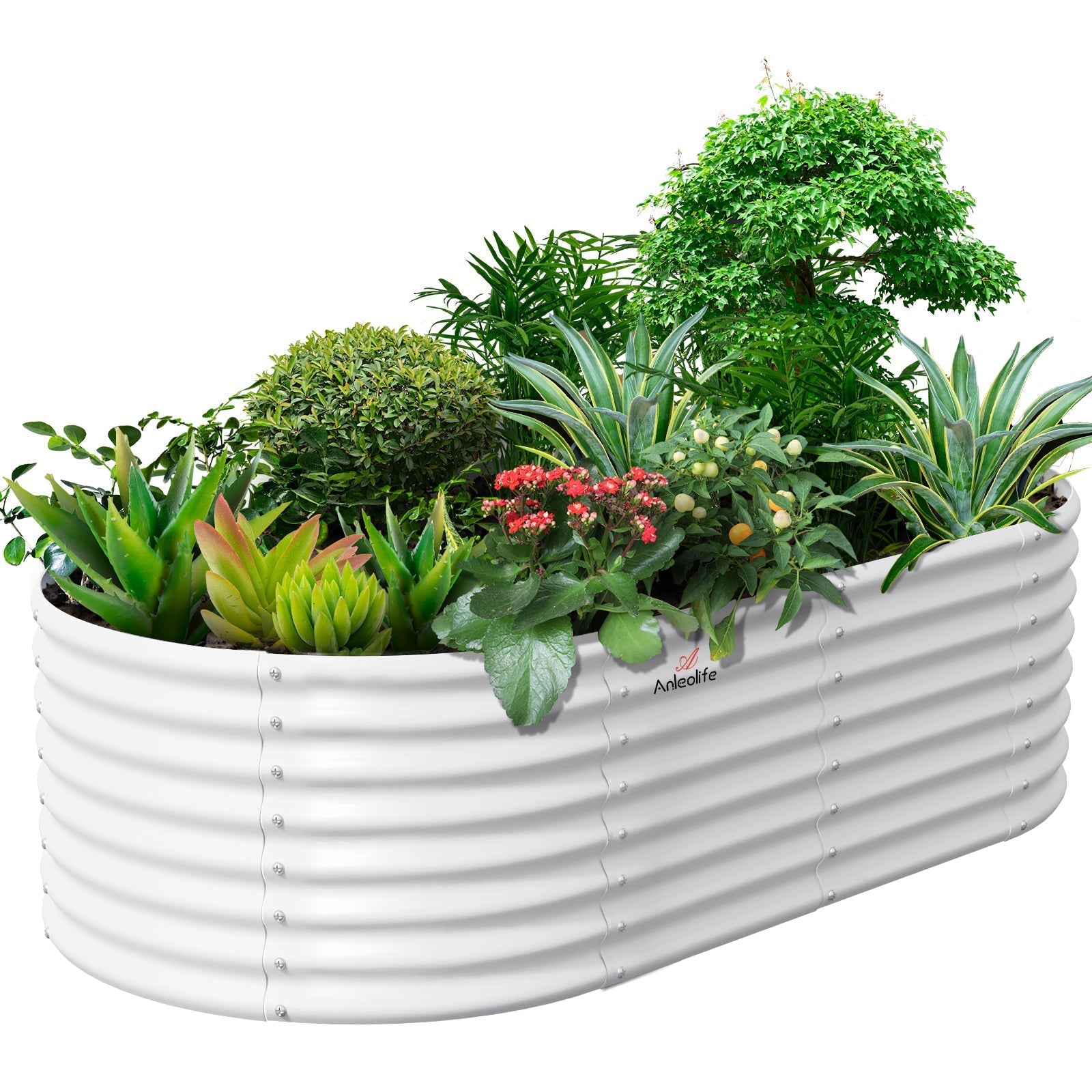
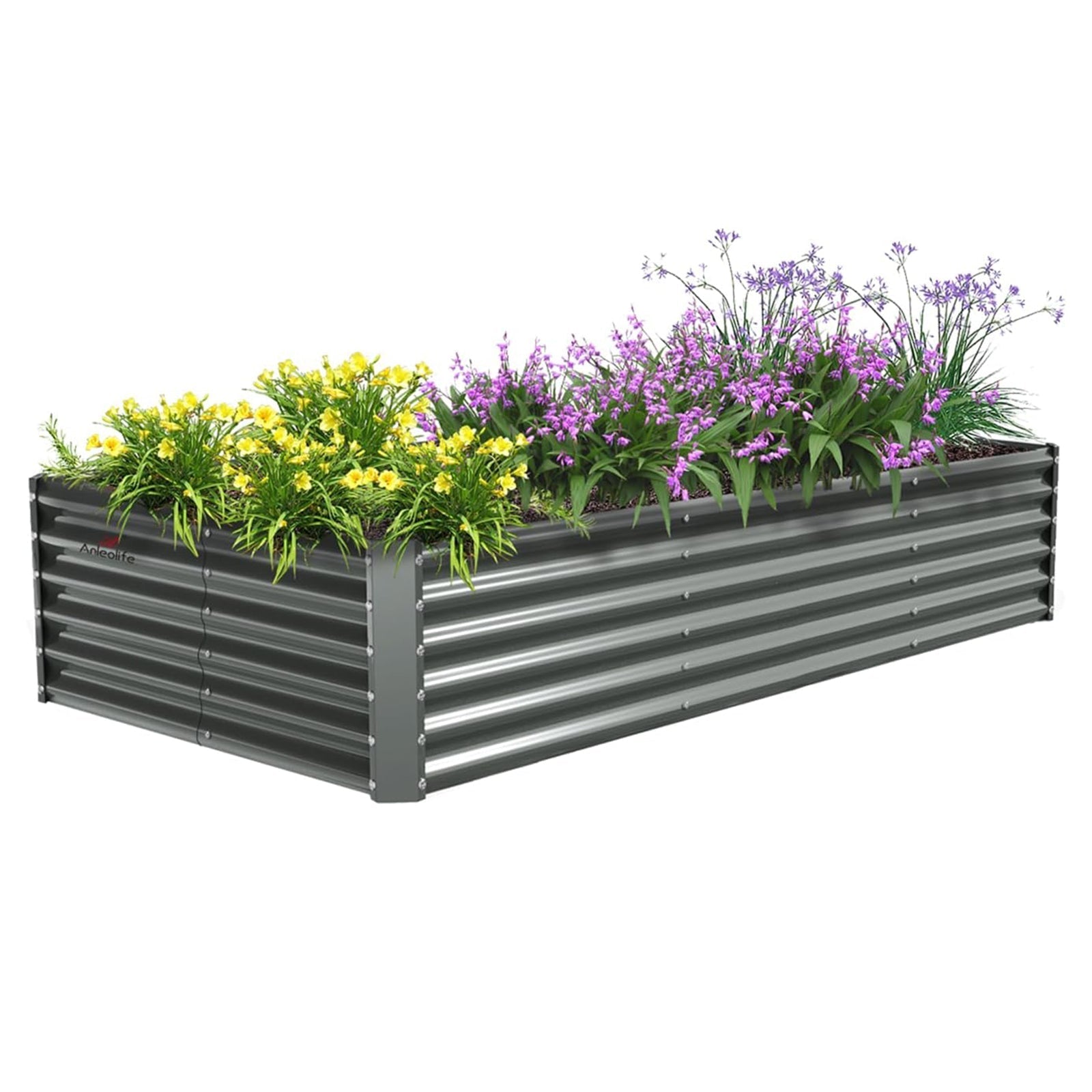

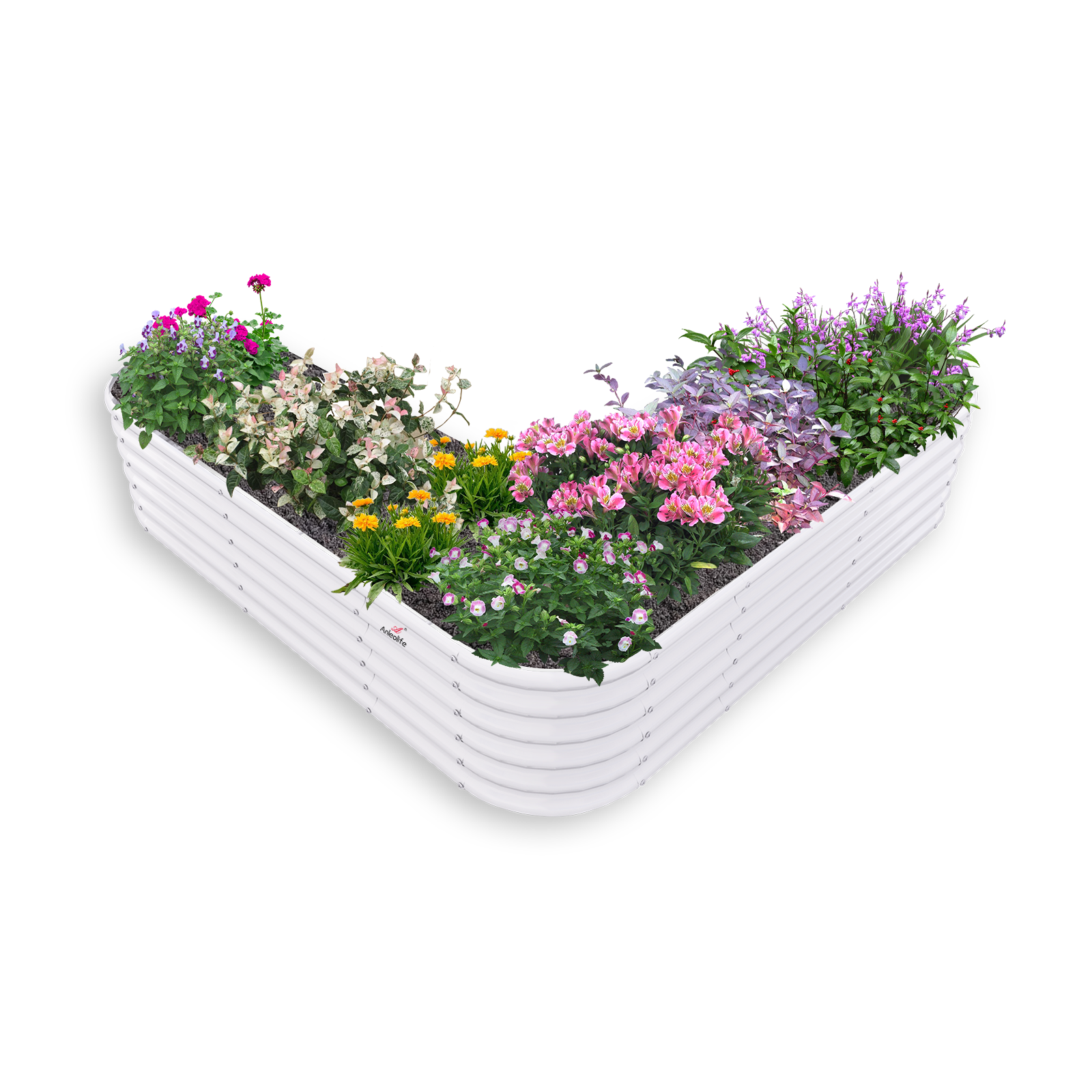
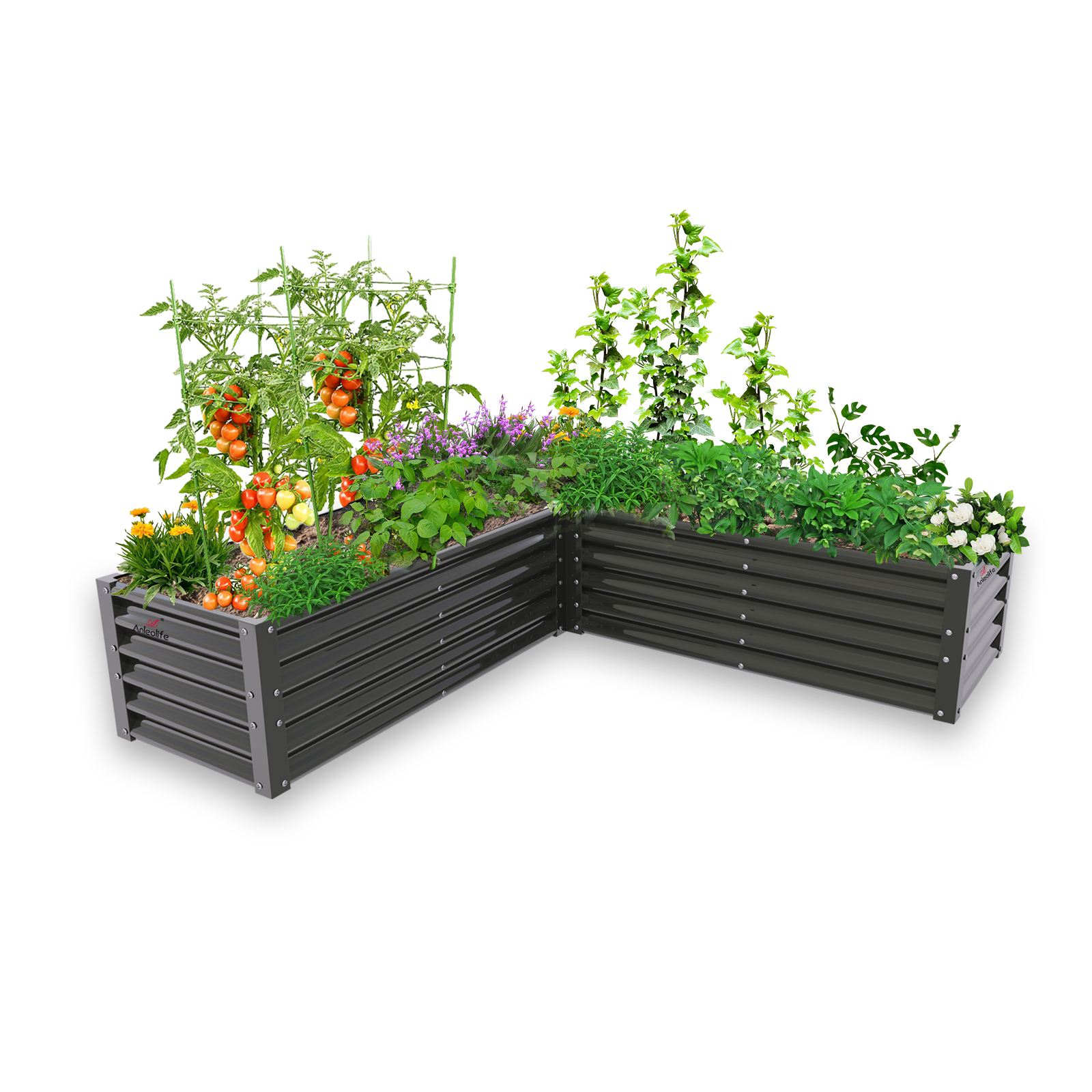
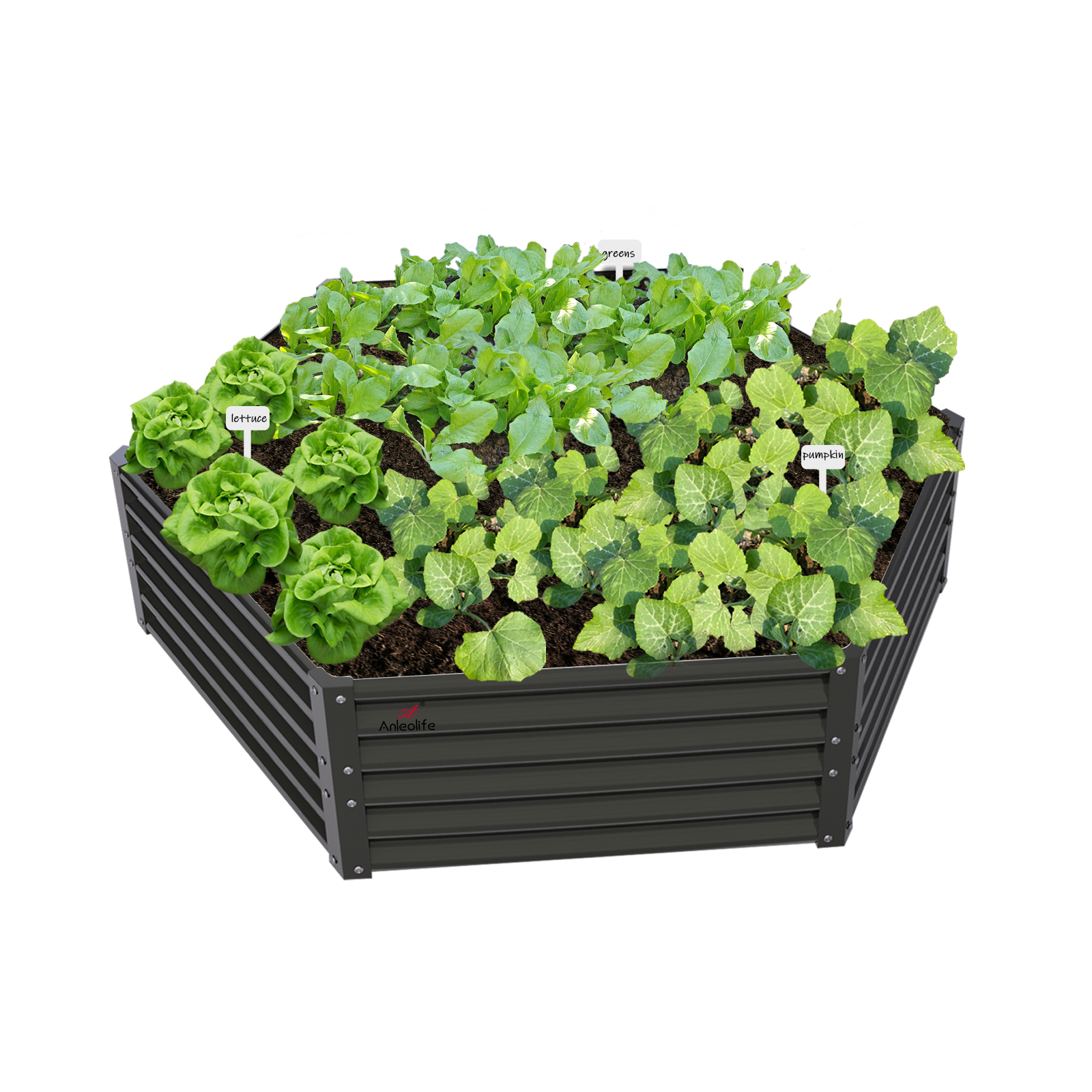
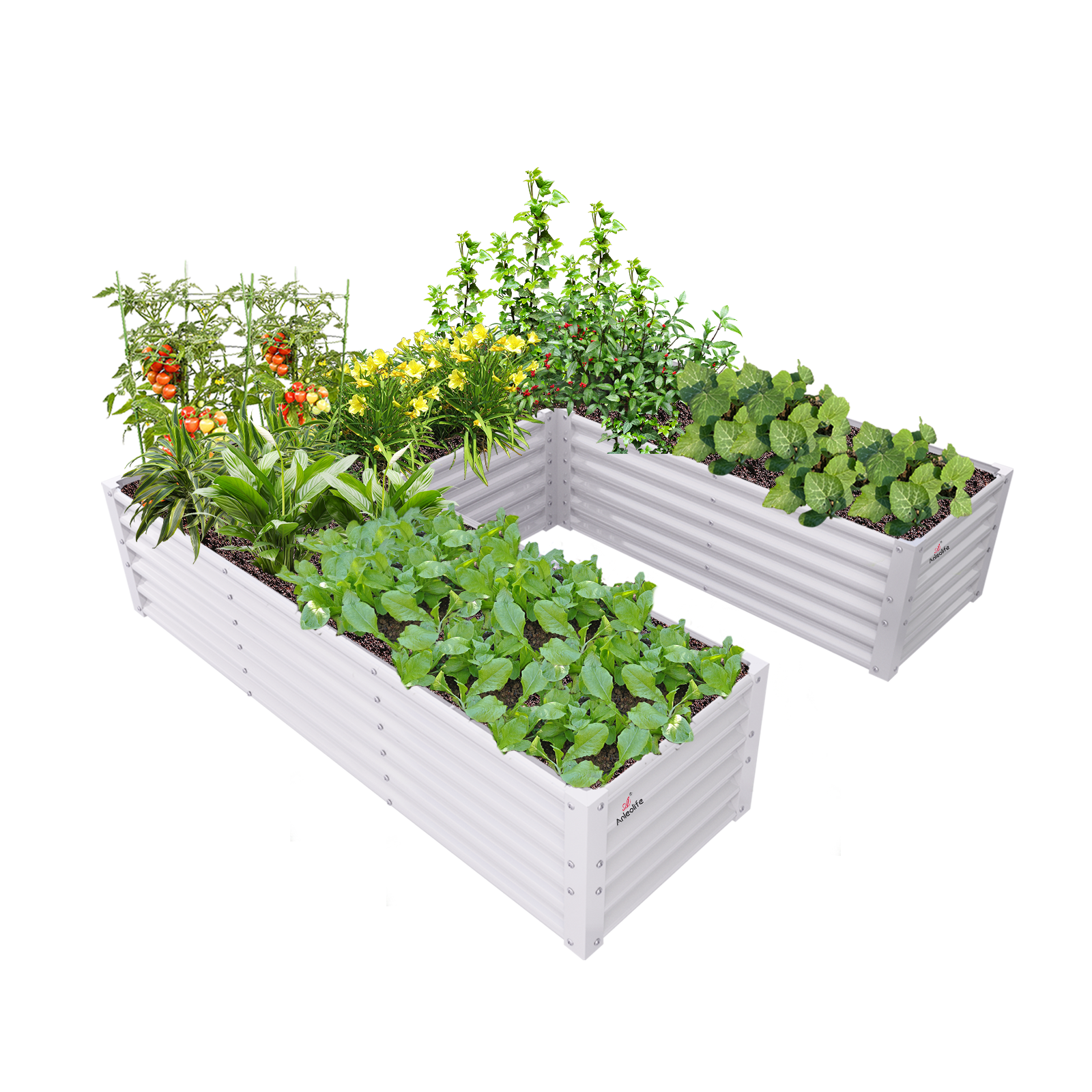

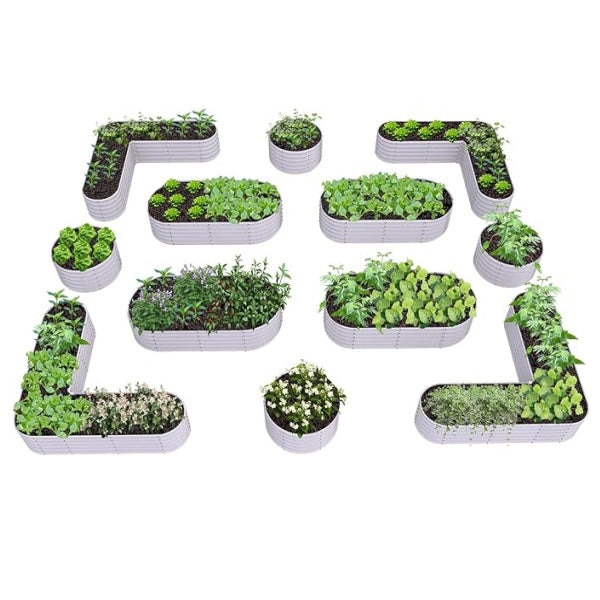


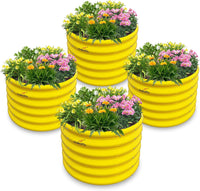
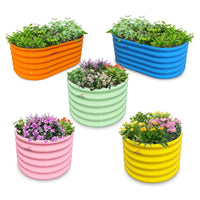
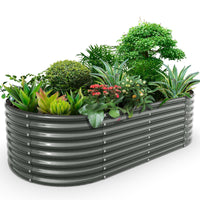




ALT: Bright colorful raised garden beds for kids growing vegetables and herbs in a sunny summer backyard
Why Colorful Raised Garden Beds Are the Secret to Getting Kids Excited About Growing Food This Summer
Key Conclusion: Colorful raised garden beds for kids transform ordinary backyard spaces into vibrant, hands-on learning environments where children discover where food comes from. By combining thoughtful raised bed garden layout with child-friendly design, families can create an engaging planting space that nurtures curiosity, builds healthy eating habits, and makes summer gardening genuinely fun. The right raised bed planting layout encourages kids to take ownership of their garden, boosting confidence and a love for nature that lasts a lifetime.
Summer is the perfect season to introduce children to the joy of growing their own food. When kids can touch the soil, water seedlings, and watch vegetables emerge from the ground, they develop a sense of wonder that no screen can replicate. But a standard brown wooden box rarely captures a child's imagination—color does.
Bright, cheerful raised garden beds signal to kids that this space belongs to them. Whether you're a parent looking for a meaningful outdoor activity, a grandparent hoping to share a timeless skill, or an eco-conscious family wanting to grow organic produce, a well-designed kids' garden bed setup makes the entire experience more engaging and successful.
This guide covers everything from choosing the best materials to planning a raised bed layout that works for small hands, along with practical tips on fertilizing, watering, and decorating to keep young gardeners motivated all summer long.
Who This Guide Is For (and a Few Honest Cautions)
✅ Applicable Scenarios:
- Families with children aged 3–12 who want a fun, educational summer outdoor activity
- Parents and grandparents looking to teach kids about healthy eating and food origins
- Urban and suburban households with limited yard space seeking compact, colorful growing solutions
- Eco-conscious home growers who want child-safe, durable garden infrastructure
- Empty nesters and retirees gardening alongside grandchildren and wanting kid-friendly setups
❌ Not Applicable/Cautions:
- Households without any outdoor space or with no access to at least 6 hours of direct sunlight per day (most food crops require adequate light)
- Families expecting instant results—gardening teaches patience, and children should be prepared for a growing timeline of weeks to months
- Situations where young children will be completely unsupervised around garden tools, soil amendments, or raised bed assembly
Why Kids and Raised Garden Beds Are a Match Made for Summer
The concept of children's gardens is far from new. School and community garden programs across North America have long recognized that hands-on food growing improves nutrition awareness, develops fine motor skills, and fosters environmental stewardship. What has changed in recent years is the accessibility of high-quality, colorful, and durable raised bed systems designed specifically for home use.
According to the National Gardening Association, households with children are among the fastest-growing segments of home food gardeners in the United States. More families are choosing to grow edibles at home, driven by a desire for fresh produce, reduced grocery costs, and meaningful screen-free activities for kids.
The challenge many parents face is engagement. Traditional raised garden beds—plain galvanized metal or weathered wood—don't speak to a child's visual world. Children respond to color, shape, and the sense that something was made for them. This is where colorful raised garden beds become a genuine game-changer.
Beyond aesthetics, raised beds offer practical advantages for kids:
- Defined boundaries help children understand exactly what is "their" garden space, reducing overwhelm
- Elevated planting surfaces are easier for small bodies to reach without straining or kneeling in mud
- Controlled soil environments allow you to fill the bed with the ideal growing medium, making it far easier for seeds to germinate and roots to establish—a critical confidence booster for young growers
- Faster warm-up in spring and early summer means seeds sprout sooner, which keeps impatient young gardeners motivated
For a comprehensive overview of raised garden bed planning principles, including how to structure a raised bed garden layout for the whole family, the Anleolife resource hub offers detailed guidance tailored to North American home gardeners.
Choosing, Setting Up, and Planting a Colorful Kids' Garden Bed: A Practical Guide
Three-Step Quick Start
Step 1: Choose the Right Bed Size and Color for Your Child
Start small and bright. A bed that is easy for a child to reach across from all sides eliminates the need to step inside, protecting the soil structure and the plants. Choose a vibrant color—red, green, blue, or a combination—that makes the garden feel like a personal space rather than a chore. Allow your child to participate in the color selection; ownership starts at the planning stage. This step can be completed in a single afternoon of browsing and deciding together. Consider how the color will complement your outdoor space while still standing out enough to signal "this is the kids' corner."
Step 2: Plan a Simple, Age-Appropriate Raised Bed Planting Layout
Keep the raised bed planting layout straightforward for younger children. Divide the bed visually into sections—you can use small colored stakes or simple string—and assign one type of plant to each zone. Fast-growing crops like radishes, lettuce, cherry tomatoes, and bush beans are ideal because results appear quickly. For a raised bed garden layout with kids, prioritize plants they already enjoy eating. This creates a direct, motivating connection between the effort of gardening and the reward of mealtime. Planning the layout together takes about 30–60 minutes and doubles as a fun pre-planting activity.
Step 3: Fill, Plant, and Establish a Simple Watering Routine
Fill your colorful raised garden bed with a high-quality blend of topsoil, compost, and a light organic amendment. Avoid heavy garden soil dug from the ground, which often compacts in raised beds. Once the bed is filled, let your child do the planting—show them how deep to push seeds or how to gently place a seedling. Establish a simple daily watering routine using a child-sized watering can or a gentle garden hose with an adjustable nozzle. A consistent routine, done together, builds the habit and keeps plants healthy through the warm summer months.
Comparing Your Options: What Type of Raised Garden Bed Works Best for Kids?
There are several popular raised bed materials on the market, each with distinct trade-offs when it comes to kid-friendly use. Understanding the differences helps families make a confident, lasting investment.
| Comparison Dimension | Wooden Raised Beds | Fabric/Soft-Sided Beds | Metal Raised Beds (like Anleolife) |
|---|---|---|---|
| Durability | Moderate—can rot, warp, or splinter over time | Low to moderate—UV degradation over seasons | High—designed for up to 20 years of use |
| Child Safety | Risk of splinters; treated wood may contain chemicals | Generally soft and safe, but prone to tipping | Smooth rolled edges reduce injury risk |
| Color Options | Limited to paint (requires maintenance) | Some color options, but fade quickly | Powder-coated finishes in multiple vibrant colors, resistant to fading |
| Soil Volume & Stability | Good, but can bow without internal supports | Limited depth and structure | Excellent—rigid walls hold shape and volume securely |
| Ease of Assembly | Moderate—requires tools and hardware | Easy—usually foldable | Straightforward modular panel assembly |
| Longevity Value | Needs replacement every few years | Seasonal or annual replacement | Built to last 20 years, making it a genuine long-term investment |
| Maintenance | Requires sealing, staining, or replacement | Minimal but limited lifespan | Very low—no painting, sealing, or rot concerns |
| Best For | Budget-conscious, short-term use | Renters, temporary setups | Families wanting a permanent, beautiful, safe kids' garden |
The data above reflects why an increasing number of families choose metal raised garden beds for long-term home use. What's the best material for raised garden beds that lasts longest? The answer, backed by both durability testing and user experience, consistently points to high-quality powder-coated galvanized metal—particularly when the design includes safe, rolled or finished edges appropriate for households with children.
Anleolife's metal raised garden beds are engineered with a 20-year lifespan, meaning a bed you set up for your child this summer can serve the family through their teenage years and beyond. That durability also makes it a genuinely eco-conscious choice: fewer replacements mean less material waste over time.
Making the Garden Bed Experience Magical: Color, Decorations, and the Right Accessories
Choosing Colors That Inspire Young Gardeners
Color is the first thing children notice, and it's the detail that makes a kids' garden bed feel special rather than utilitarian. When selecting a raised bed color, consider your child's favorite colors, your outdoor décor, and how the bed will look against the backdrop of your lawn or patio.
Anleolife offers powder-coated finishes that resist fading through seasons of sun, rain, and enthusiastic small-handed gardening. A vibrant green bed nestled in a backyard, or a bold red planter on a concrete patio, creates a visual anchor for the kids' garden zone.
What size garden ornaments work best? For a children's garden, small to medium ornaments are ideal—think whimsical animal stakes, colorful garden signs, or miniature garden sculptures that a child can place and rearrange themselves. Oversized ornaments can overwhelm a compact kids' bed and create hazards. Proportionate decorations at child's-eye level feel immersive and playful without cluttering the planting space.
Garden Hose Adapters and Connectors: Kid-Friendly Watering Setup
Watering is one of the most satisfying tasks for young gardeners, and setting up the right system makes it easy and fun. Garden hose adapters and connectors explained: A basic hose-to-watering-wand connector allows you to attach a gentle spray head to your standard garden hose, giving your child a safe, easy-to-hold watering tool. Look for connectors with a simple thumb-press or twist-off mechanism that small hands can operate independently. This autonomy is hugely motivating—kids who can water "by themselves" feel genuine pride in caring for their plants.
For patios or hard surfaces, a hose reel with a swivel connector keeps lines tidy and prevents tripping hazards around the garden bed area.
What Outdoor Seating Works Best Near a Kids' Garden Bed?
Creating a small seating area adjacent to the garden bed transforms the space into a true outdoor room where kids want to spend time. What outdoor seating works best with concrete patios? Lightweight, weather-resistant chairs or stools in bright colors are ideal—they can be moved easily, wiped clean, and are safe for kids to manage themselves. A small bench at child height alongside the garden bed creates a natural spot for planting, observing seedlings, or simply sitting in the sunshine with a snack of freshly picked cherry tomatoes.
Best Fertilizer for Small Raised Garden Beds
Feeding the soil properly is essential for a productive kids' garden, especially since young growers expect quick, visible results. The best fertilizer for small raised garden beds is typically a balanced, slow-release organic granular fertilizer worked into the soil at planting time, supplemented by a liquid organic feed every few weeks during the growing season. Organic options—derived from compost, fish emulsion, or kelp—are the safest choice for households with children and pets, as they eliminate exposure to harsh synthetic chemicals. Always check the product label for child and pet safety guidance, and involve kids in the feeding routine as another lesson in plant nutrition.
For kids who love science, explaining fertilizer as "plant food" and showing them how plants respond over a week or two is a wonderful way to connect gardening to school learning.

ALT: Two children happily planting seedlings in a vibrant colorful raised garden bed during a sunny summer day
Advanced Tips: Keeping Kids Engaged All Summer Long
Handling the "Nothing Is Happening" Phase
Every new gardener—child or adult—hits a moment of doubt when seeds have been planted but nothing visible is happening. This is the most critical phase for keeping kids motivated. Counter it by:
- Planting a mix of fast and slow crops: Radishes sprout in as few as 5–7 days and can be harvested in under a month. Planting these alongside slower crops like tomatoes gives kids early wins while they wait for bigger harvests.
- Keeping a garden journal: Give your child a small notebook to sketch their plants, record watering dates, and note changes. This transforms waiting into active observation.
- Using clear seed-starting cups before transplanting, so children can watch roots develop—a fascinating and deeply rewarding sight for young learners.
Common Misconceptions About Kids' Garden Beds
Myth 1: "Kids will lose interest after a week." This is often a self-fulfilling prophecy caused by setups that are too complicated, too large, or not visually exciting. A colorful, compact bed with fast-growing crops and a sense of child ownership maintains engagement effectively.
Myth 2: "Metal garden beds get too hot for kids to touch." High-quality powder-coated metal beds are designed for outdoor use in full sun. While any metal surface can warm on an extremely hot day, modern powder-coat finishes significantly reduce heat absorption compared to bare metal. Encourage kids to touch the soil surface—not the bed walls—during the hottest part of the day, and plant leafy crops that shade the soil and keep the growing environment cooler.
Myth 3: "You need a lot of space for a meaningful kids' garden." A single well-chosen raised bed in a corner of a patio, deck, or small backyard is more than enough for a child to grow a meaningful variety of crops. Compact raised bed planting layouts can include herbs, lettuces, cherry tomatoes, and radishes all in one bed—creating a genuinely abundant and exciting harvest.
Connecting the Kids' Garden to a Broader Planting-and-Raising Ecosystem
For families who want to expand beyond vegetables, Anleolife's full product ecosystem—covering planting, raising (including small animal enclosures like rabbit hutches), and garden beautification—makes it easy to grow a complete backyard experience. Children who grow vegetables often develop a natural curiosity about animals and where other food comes from, making a modular home ecosystem a natural next step.
Frequently Asked Questions FAQ
Q1: How do I set up a raised bed garden layout that's easy for kids to manage on their own?
The best raised bed garden layout for children prioritizes accessibility and simplicity. Choose a bed size where your child can reach the center from any side without stepping in, and divide the planting space into clear, labeled zones—one per crop type. Use visual markers like colored popsicle sticks or plant labels. Keep the number of crop varieties to three or four maximum for younger children, and choose crops that require minimal intervention once established. The goal is a layout where your child feels confident and capable without constant adult direction.
Q2: Are metal raised garden beds safe for young children to use?
Yes, high-quality metal raised garden beds designed for home use are safe for children when they feature smooth, rolled, or finished edges that eliminate sharp points. Anleolife's metal raised beds are specifically engineered with safety and durability in mind, with powder-coated finishes that are child and pet-friendly. The rigid structure also means no risk of splinters—a common concern with wooden beds. As with any garden tool or structure, brief adult supervision during initial setup and introductory sessions is always a good practice.
Q3: How long will a colorful raised garden bed last, and is it worth the investment for a kids' garden?
A well-made metal raised garden bed represents excellent long-term value. Anleolife's raised garden beds are built to last 20 years, meaning the bed you set up for your child this summer will still be in use when they're a teenager—or can be repurposed for adult gardening when they leave the nest. Compare this to wooden beds that may need replacement within a few years due to rot and warping, or fabric beds that degrade seasonally. The 3–8 business day delivery via Anleolife's nationwide U.S. warehouse network also means you can get started quickly, right at the beginning of the growing season.
Summary
A colorful raised garden bed is more than a gardening accessory—it's an investment in your child's relationship with food, nature, and the satisfaction of growing something with their own hands. This summer, the combination of vibrant design, smart raised bed planting layout, and the right crop selection can turn even the most screen-absorbed child into an enthusiastic young grower.
The three core takeaways from this guide are:
- Color and child ownership drive engagement: Let kids choose the bed color, plan the layout, and take responsibility for daily watering. A garden that feels like theirs is a garden they'll tend with genuine care.
- Material choice determines long-term success: High-quality powder-coated metal raised beds, with their 20-year lifespan and child-safe design, outperform wood and fabric alternatives in durability, safety, and value.
- Simple setups with fast crops build confidence: A well-planned raised bed layout with a handful of quick-growing vegetables gives children the early wins they need to stay motivated through the full growing season.
Your next step is simple: choose a colorful bed in your child's favorite color, pick three to four beginner-friendly crops, and make the planting day a family occasion. The habits and memories built in a summer garden tend to last far longer than the season itself.
Start Your Family Garden Journey with Anleolife
Anleolife's nationwide U.S. warehouse network—strategically located in California, Texas, Florida, New York, Illinois, and Washington—ensures delivery within 3–8 business days, so your summer garden plans can get started right away without a long wait.
Products are available across major platforms including Amazon, Walmart, Home Depot, Lowe's, Wayfair, and directly at Anleolife.com, offering consistent quality assurance and dedicated after-sales support wherever you prefer to shop.
Anleolife's three core scenarios—Planting (metal raised garden beds and soil systems), Raising (chicken coops, rabbit hutches), and Beautification (decorative accessories, pathway systems)—give your family everything needed to grow from a single kids' garden bed to a fully integrated backyard ecosystem.
We understand that an ideal garden is not built overnight, but gradually improved over time. Our modular product design allows flexible expansion based on your family's evolving needs—from your child's first colorful raised bed to a complete planting-and-raising setup that grows with them. Anleolife grows with you every step of the way.
References
- National Gardening Association. "Garden to Table: A Kids' Guide to Planting, Growing, and Preparing Food".
https://garden.org/ - University of California Agriculture and Natural Resources. "Vegetable Gardening in California: A Practical Guide for Home Gardeners".
https://ucanr.edu/ - United States Department of Agriculture (USDA). "People's Garden: School and Community Gardening Programs".
https://www.usda.gov/peoples-garden - Cornell Cooperative Extension. "Growing Vegetables at Home: Raised Bed Gardening".
https://cce.cornell.edu/ - Clemson University Cooperative Extension. "Raised Bed Gardening".
https://hgic.clemson.edu/factsheet/raised-bed-gardening/
Note: Standards and recommendations may be updated periodically. Please check the latest official documents or consult a professional garden advisor for the most current guidance.
About Anleolife
Anleolife is a leading outdoor garden solutions provider in North America, dedicated to offering a full-scenario product ecosystem for home gardening enthusiasts, covering planting, raising, and garden beautification. Since its founding, we have upheld our brand mission, "Made for Garden Life," continuously innovating products and optimizing services to help hundreds of thousands of users upgrade their gardens, reconnect with nature, and enjoy a better garden lifestyle.