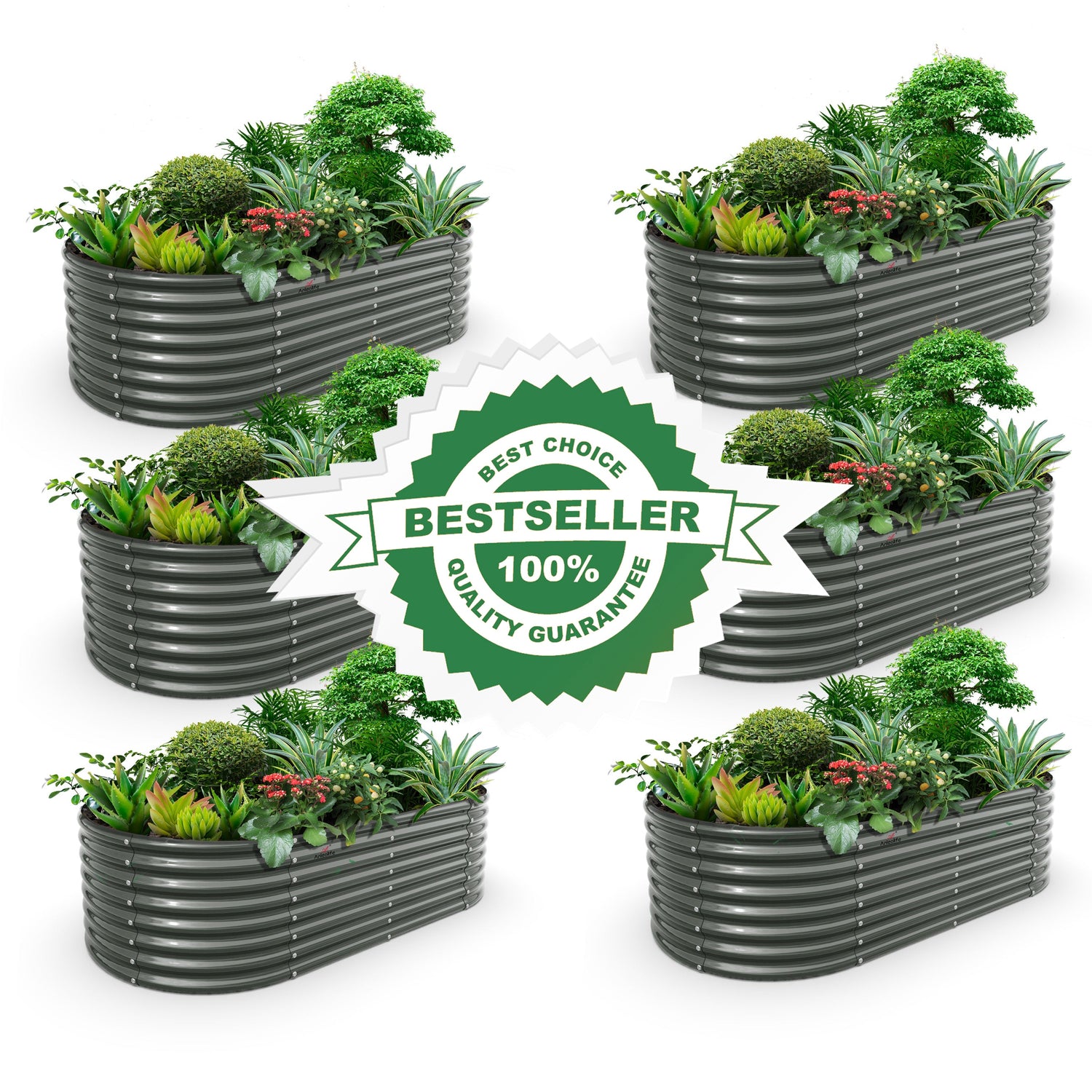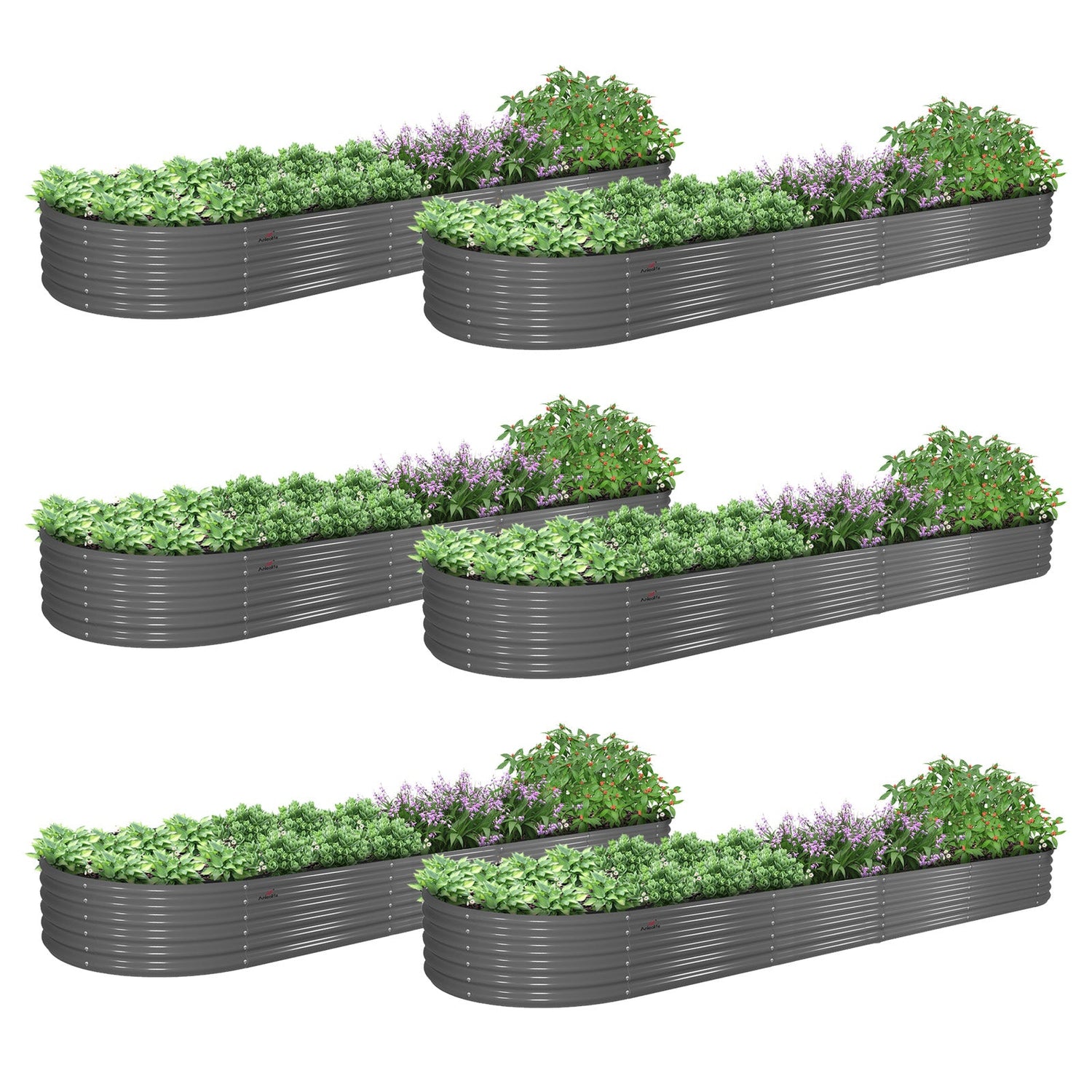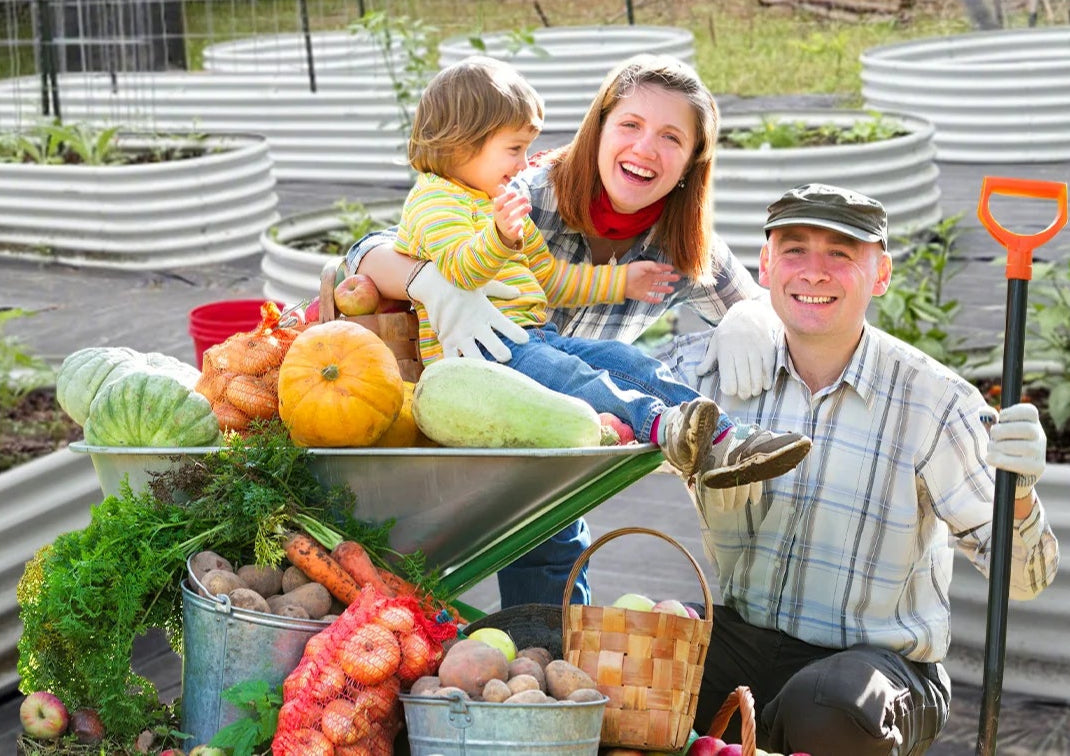



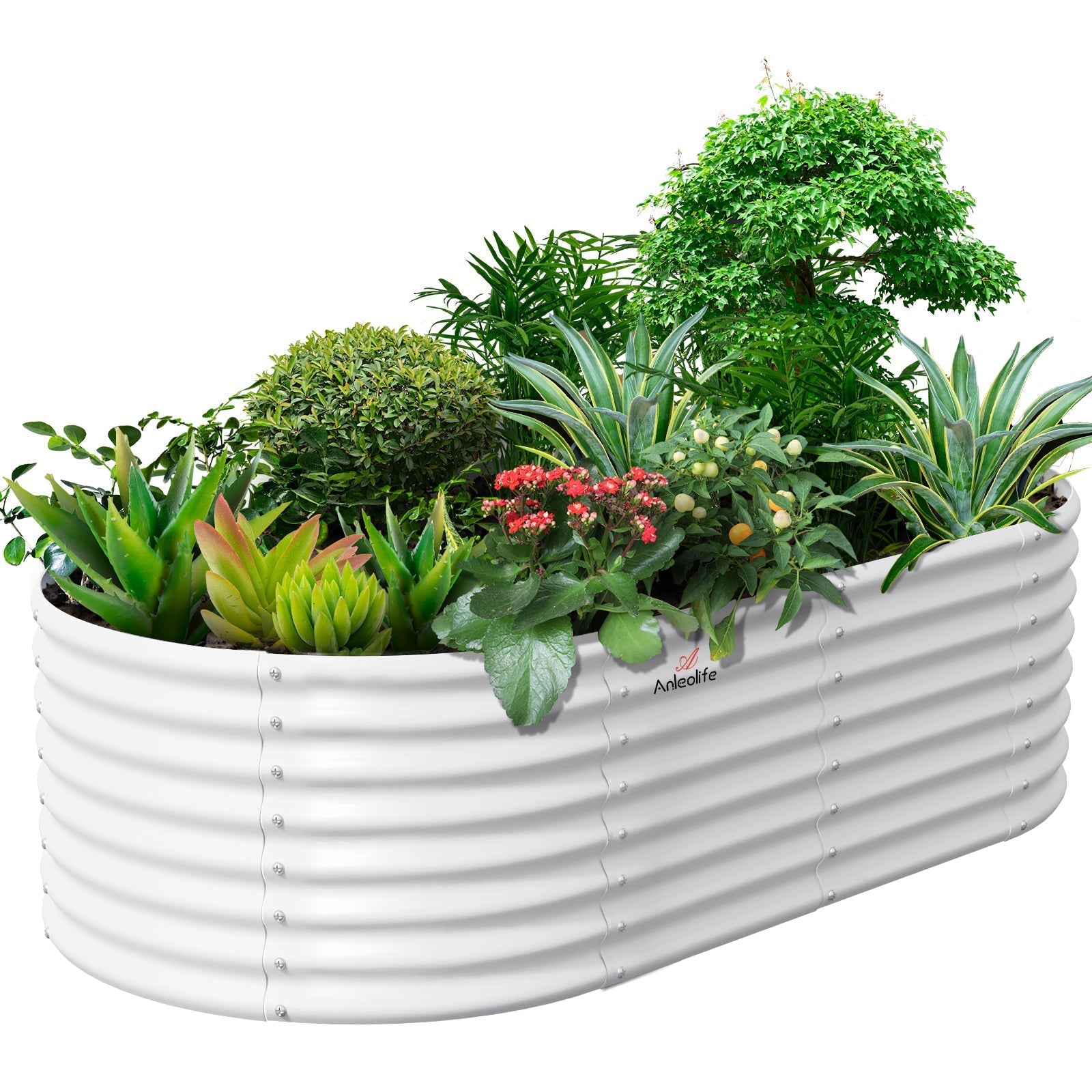
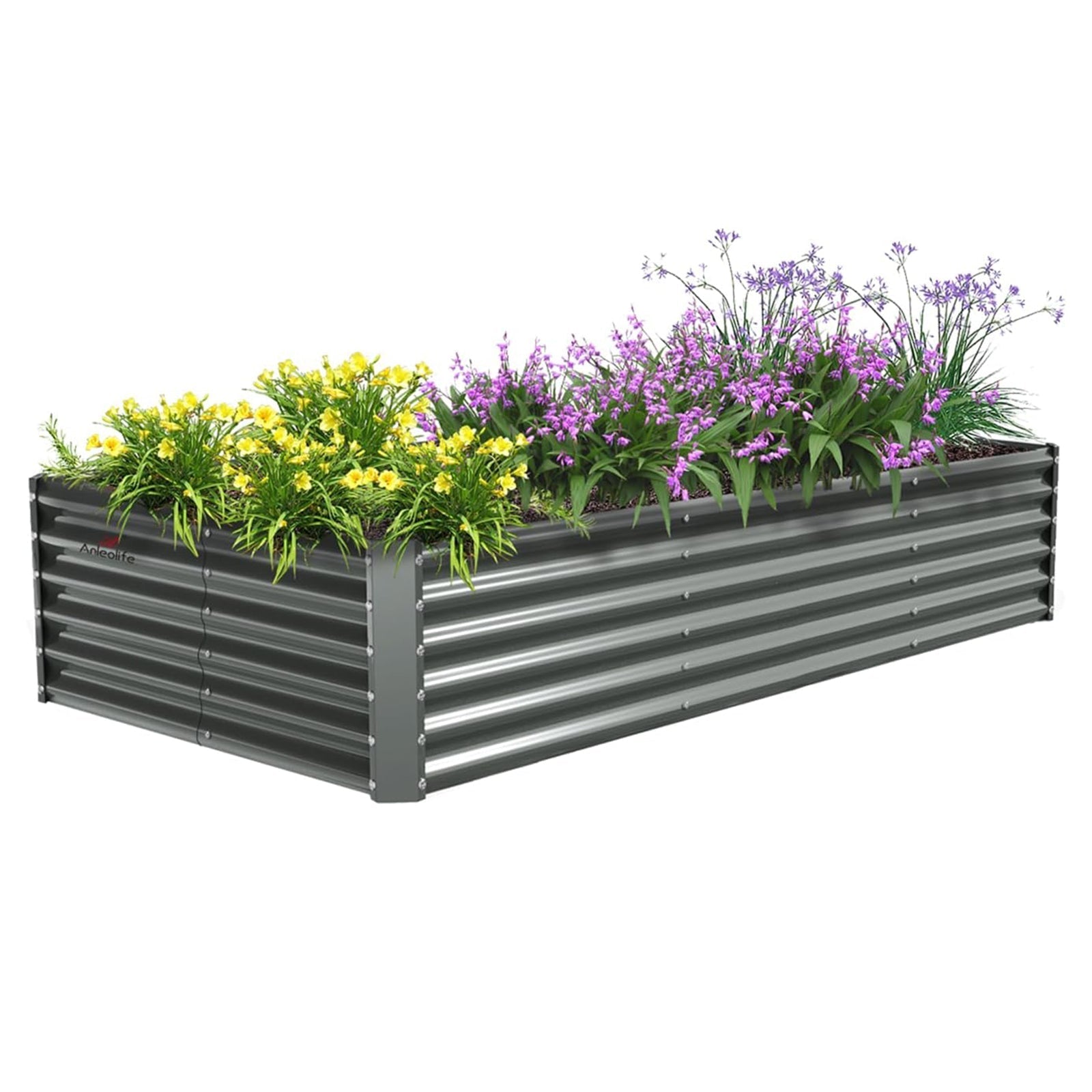
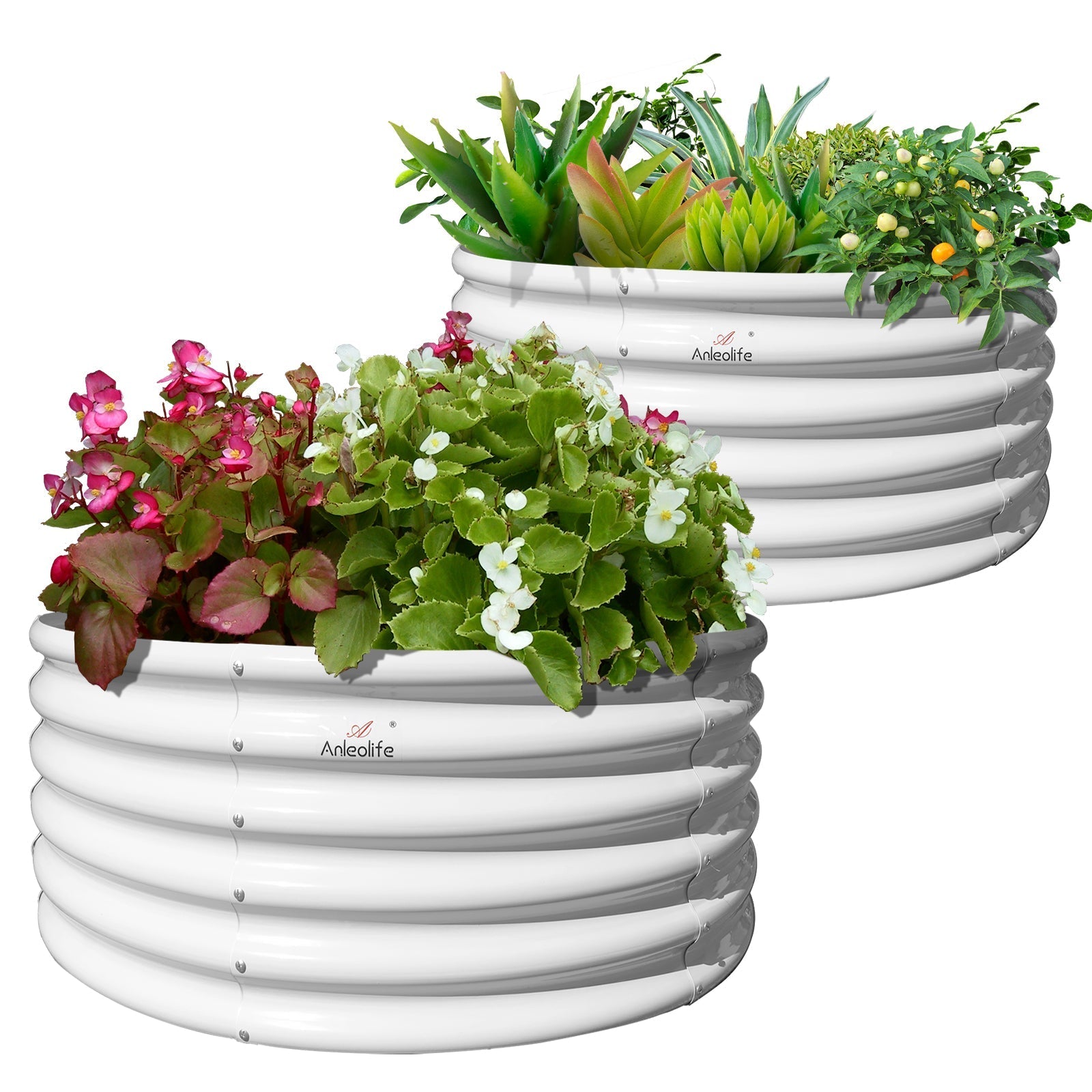
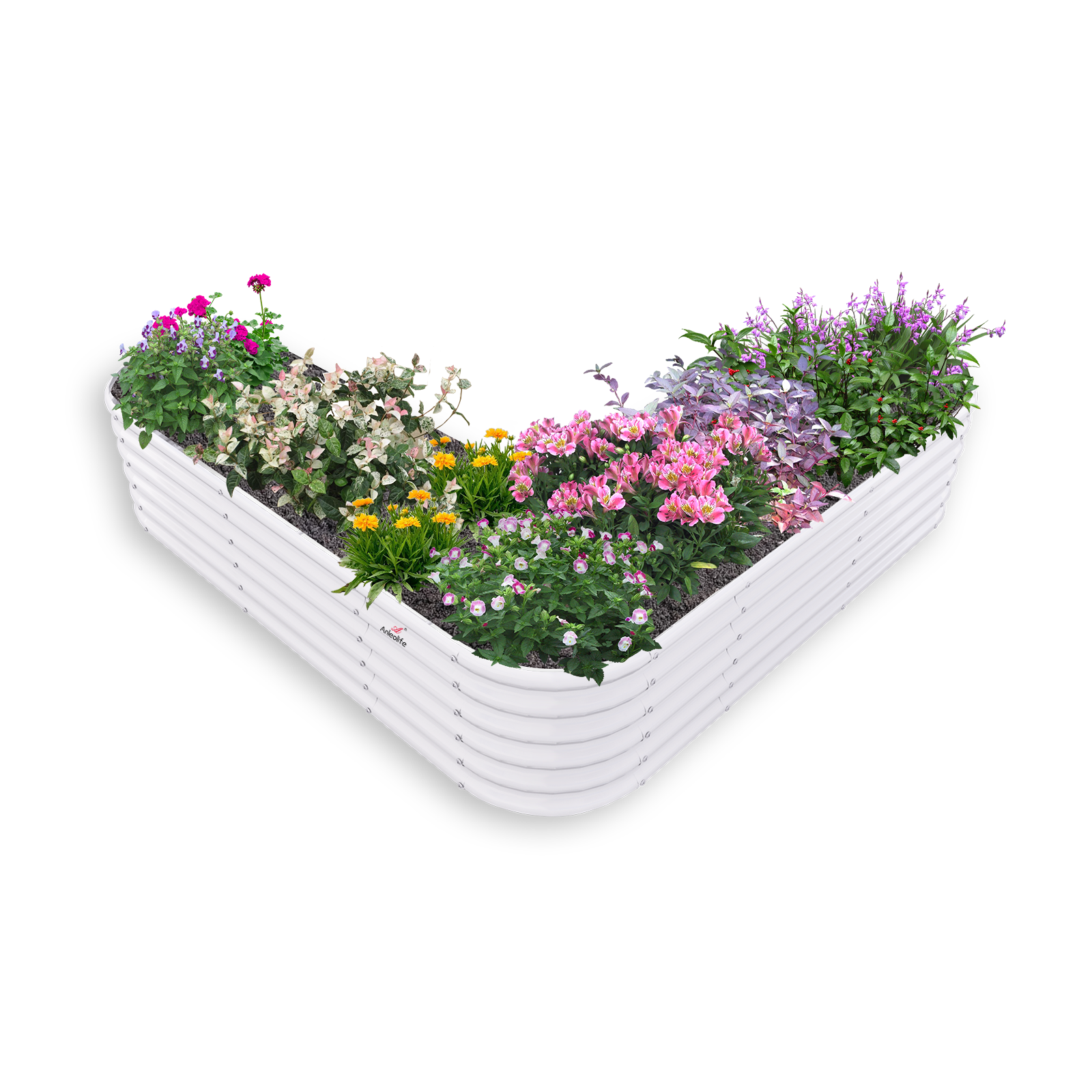
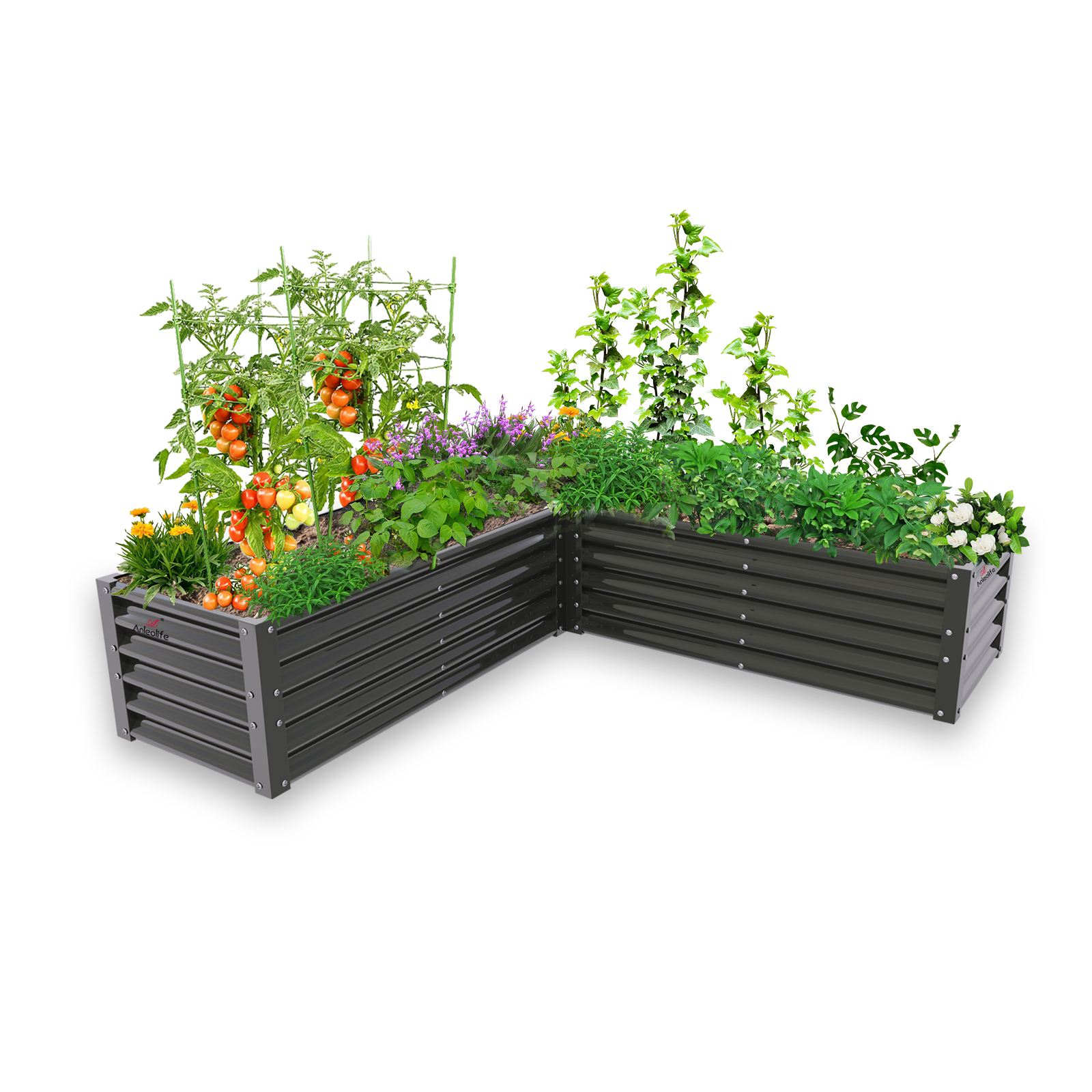
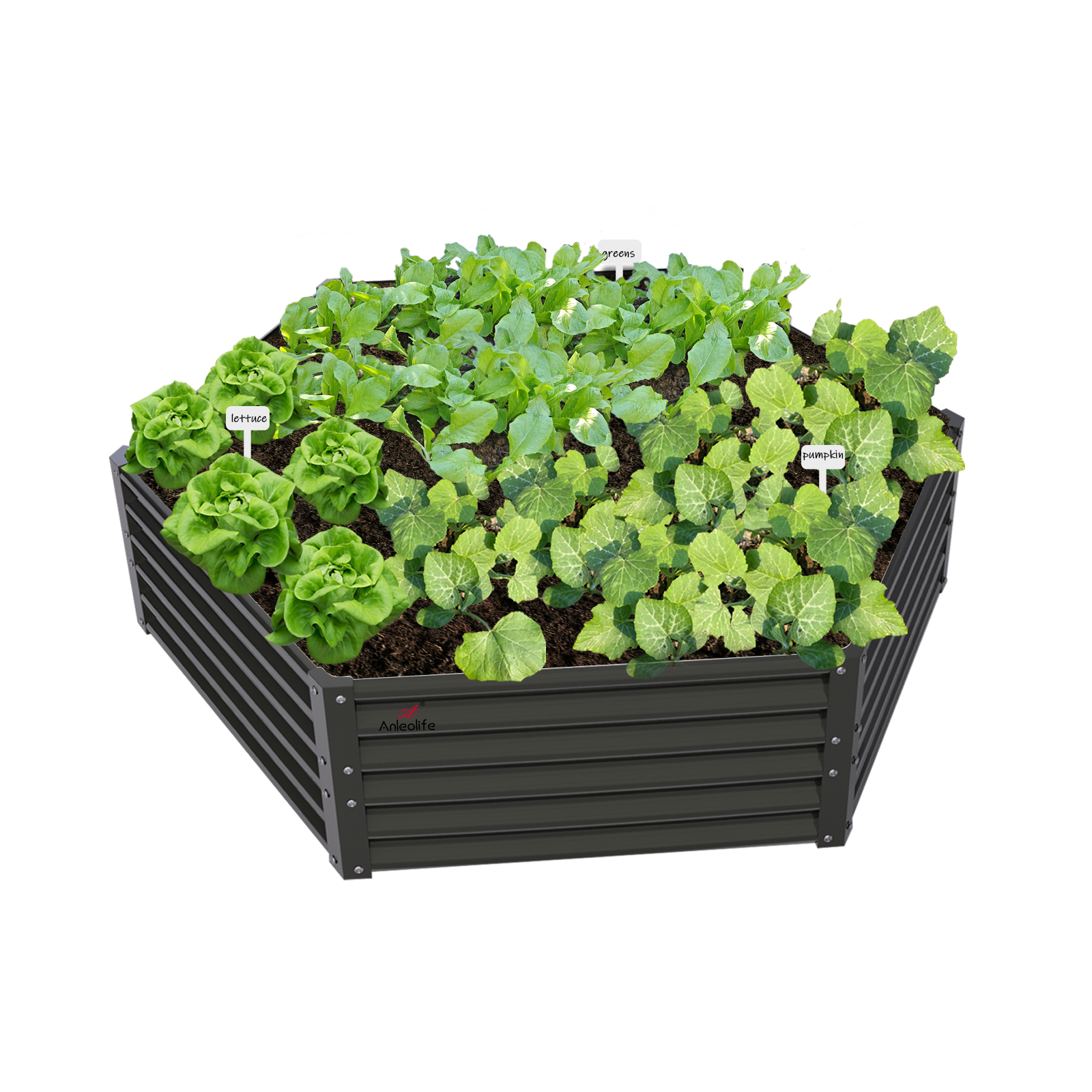
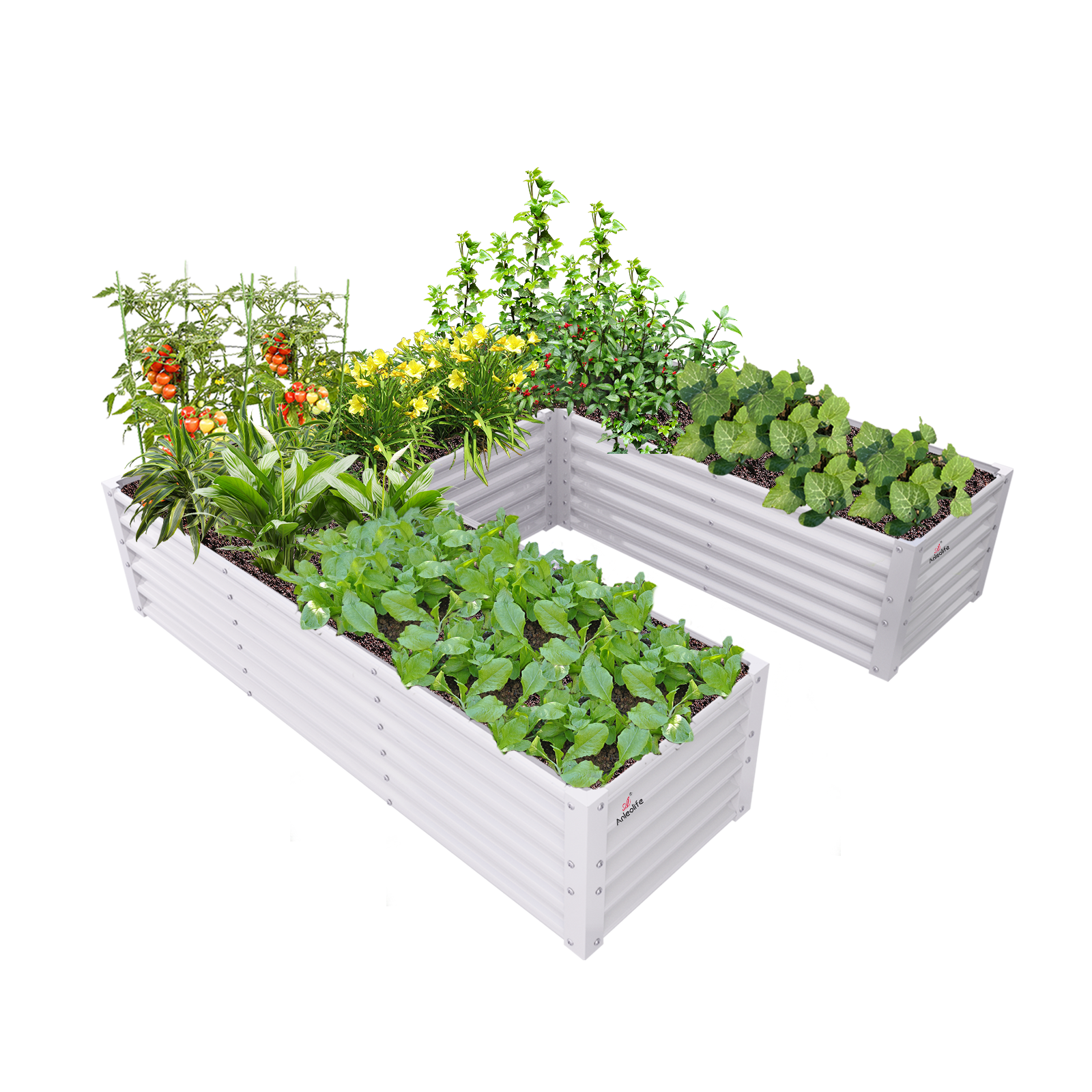

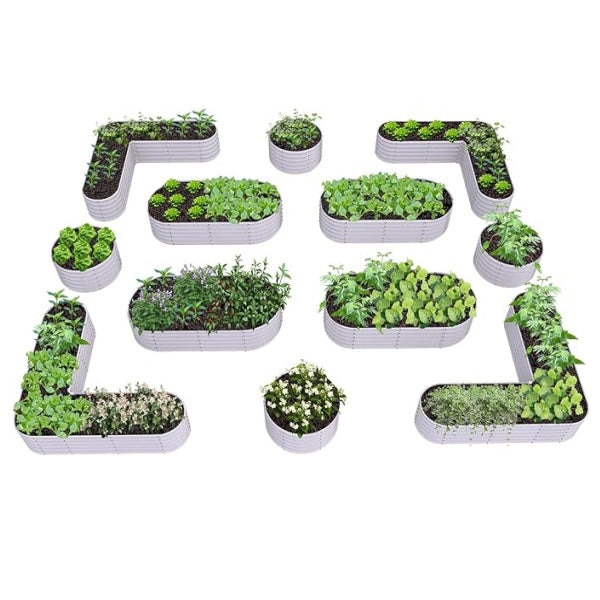

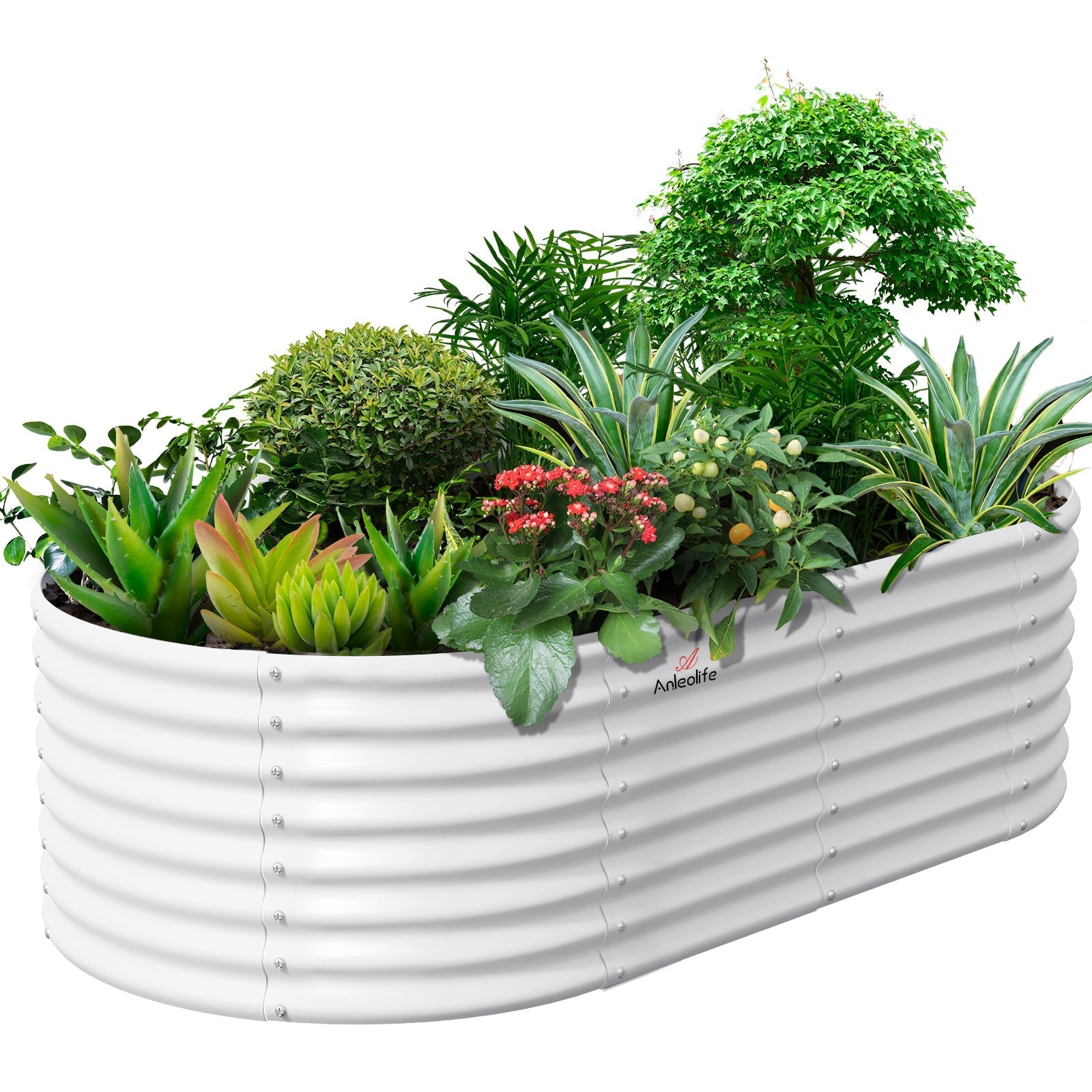

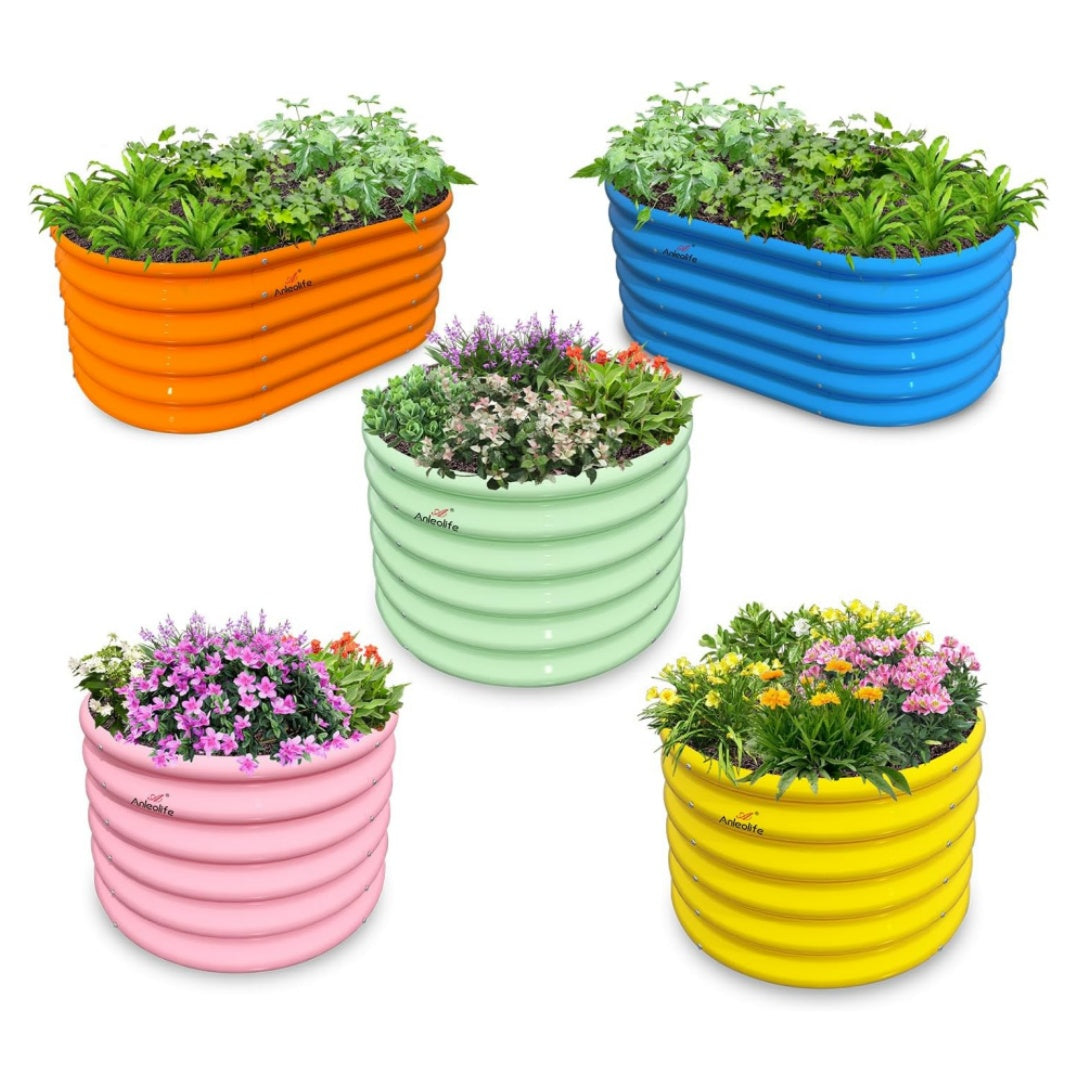
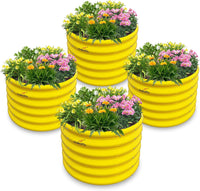
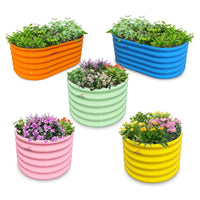



ALT: Kids tending colorful raised garden beds growing vegetables, making food gardening fun and educational
Why Colorful Raised Garden Beds Are the Secret to Getting Kids Excited About Growing Food
Key Conclusion: Introducing children to gardening through colorful raised garden beds transforms a chore into an adventure. A thoughtful raised bed garden layout designed with bright hues, child-friendly dimensions, and easy-to-grow crops sparks curiosity, builds healthy habits, and fosters a lifelong connection with food and nature. The right raised bed planting layout lets kids see results quickly, while a well-planned raised bed layout keeps everything organized, safe, and visually exciting — turning the backyard into a true outdoor classroom.
Gardening with kids sounds wonderful in theory, but keeping their attention long enough to actually grow something edible? That's the real challenge. The secret weapon many parents have discovered is color — not just in the plants, but in the beds themselves. When a garden looks like it belongs in a storybook, children naturally want to be part of it.
Beyond aesthetics, raised garden beds offer practical advantages for young growers: no bending to ground level, cleaner boundaries that feel "theirs," and better soil control that leads to faster, more satisfying results. In this guide, we'll walk you through everything from choosing the right colorful raised bed to designing a kid-friendly layout and picking the best crops for little hands to grow.
Who This Guide Is For — And When It Applies
✅ Applicable Scenarios:
- Parents, grandparents, or educators looking to introduce children (ages 3–12) to vegetable and herb gardening
- Families with limited yard space who want a safe, organized, and visually engaging growing area for kids
- Home gardeners upgrading an existing garden to include a dedicated "kids' corner" with colorful, durable raised beds
- Schools, community gardens, and daycare centers seeking low-maintenance, child-safe garden structures
❌ Not Applicable/Cautions:
- Households where young children cannot be supervised during gardening activities — raised beds with tools require adult oversight for safety
- Renters or apartment dwellers without outdoor ground-level or patio space, as traditional raised beds require placement on soil or a flat surface (though container alternatives exist)
- Gardeners expecting instant results — even the fastest-growing kid-friendly crops take a few weeks, and managing expectations is key to keeping children engaged
The Growing Trend of Kids' Gardening — And Why It Matters More Than Ever
In the past decade, children's connection to food has become increasingly abstract. Surveys by organizations like the USDA and the CDC have consistently linked home food gardening with improved fruit and vegetable consumption in children, better understanding of nutrition, and reduced anxiety in school-age kids. Yet screen time continues to compete fiercely with outdoor activity.
Raised garden beds have emerged as a practical bridge — bringing the growing experience closer to kids (literally, at a reachable height), removing the intimidation of large garden plots, and offering a contained, manageable space where children feel ownership and responsibility.
The colorful raised garden bed trend specifically targets a developmental insight: young children are drawn to bright, saturated colors. When a garden bed is painted in red, yellow, or teal, it signals "this space belongs to me" in a way that a plain brown wooden box simply doesn't. Combined with fast-growing crops like radishes, lettuce, and cherry tomatoes, the sensory experience becomes immediately rewarding.
Parents searching for recommended materials for raised garden beds that won't rot have increasingly turned to powder-coated metal beds, which resist moisture, pests, and decay far better than untreated wood. This is especially relevant for families in wet climates — which materials are best for raised beds in wet climates? Metal (particularly galvanized or aluminized steel) and composite materials consistently outperform traditional timber in high-rainfall or humid environments.
At Anleolife, the full lineup of metal raised garden beds is built for exactly this purpose — durable, weather-resistant, and designed to last up to 20 years, making them a one-time investment that grows with your family from your child's first bean seedling to their teenage herb garden.
Designing the Perfect Colorful Kids' Garden: Layout, Bed Selection, and Planting Plans
Three-Step Quick Start for a Kids' Colorful Garden
Step 1: Choose Your Bed Color and Placement
Before purchasing a raised bed, walk the yard with your child and let them pick a favorite color. Position the bed where it receives at least 6 hours of direct sunlight daily — most vegetables need this to thrive. Keep it close to a water source so filling a watering can feels manageable rather than exhausting. This step typically takes one afternoon and is a great opportunity to talk about why plants need sun and water. Let your child draw a rough map of where they want their garden — instant ownership begins here.
Step 2: Plan Your Raised Bed Garden Layout Together
Sit down with your child and a seed catalog (or a simple internet search) to choose 3–5 crops. For a first-time young grower, stick to fast results: radishes (ready in 3–4 weeks), lettuce, cherry tomatoes, snap peas, and herbs like basil or mint. Sketch a simple raised bed planting layout on paper — even a child's crayon drawing works. Divide the bed visually into sections: one for tall plants at the back, medium in the middle, low-growers at the front. This takes about 30–60 minutes and doubles as a rainy-day planning activity.
Step 3: Plant, Label, and Decorate
Fill the bed with quality potting mix or a blend of compost and garden soil. Plant seeds or seedlings with your child doing as much of the digging as possible. Then decorate — painted popsicle sticks as plant markers, small garden flags, colorful watering cans, and whimsical garden ornaments all make the space feel magical. Set up a simple watering routine chart on the fridge. Within days, the first sprouts will appear, and the excitement of "I grew that!" begins.
Comparing the Best Raised Bed Materials for Kids' Gardens
When selecting a raised garden bed for a family garden, the material matters enormously — not just for durability but for safety, ease of use, and how well it holds up to enthusiastic young gardeners who may climb, lean, or splash water liberally.
Here's how the most common raised bed materials compare when it comes to kids' gardens:
| Comparison Dimension | Galvanized Metal | Untreated Wood | Plastic/Composite |
|---|---|---|---|
| Durability / Lifespan | Up to 20 years | 5–10 years (varies by wood type) | 10–15 years |
| Rot & Moisture Resistance | Excellent — ideal for wet climates | Poor to moderate — prone to rot | Good — moisture resistant |
| Color Options | Wide range (powder-coated finishes) | Limited (paint required, needs reapplication) | Moderate (molded colors) |
| Safety for Kids | Smooth, rolled edges; no splinters | Risk of splinters as wood ages | Generally smooth; check for BPA-free rating |
| Soil Retention | Excellent — rigid structure | Good when new, warps over time | Variable — thinner walls may flex |
| Maintenance Required | Very low | Moderate to high (sealing, painting) | Low |
| Eco-Friendliness | High (fully recyclable) | Moderate (depends on sourcing) | Lower (petroleum-based) |
| Best For Wet Climates? | Yes — top recommendation | No — deteriorates faster | Yes — reasonable option |
The clear winner for a family wanting a colorful, long-lasting kids' garden is powder-coated metal. Not only does it offer the widest range of vibrant color options, but it's the only material that realistically delivers a 20-year lifespan without demanding annual maintenance. That means the bed your child plants their first seeds in today may still be in the garden when they're showing their own children how to grow tomatoes.
Choosing the Right Colors, Crops, and Layout Details
Color Psychology in the Kids' Garden
Color is more than decoration — it's a communication tool. Research in early childhood education consistently shows that bright, primary colors (red, yellow, blue) capture and hold children's attention more effectively than muted or neutral tones. In a garden context, a vivid teal or sunshine-yellow raised bed visually separates the kids' zone from the adult garden, giving children a clear sense of territory and pride.
When choosing a bed color, involve your child completely. Offer a few options and let them decide. For families with multiple children, consider assigning each child their own color-coded bed — a red one for the older sibling, a yellow one for the younger. This eliminates the "it's MY plant!" disputes and doubles the growing enthusiasm.
Best Crops for Young Gardeners
Not all vegetables are created equal when it comes to children's attention spans. The best crops for kids share three traits: fast germination, easy handling, and edible results they recognize.
Top picks for the kids' raised bed:
- Radishes — germinate in days, harvest in 3–4 weeks; perfect for impatient small gardeners
- Cherry tomatoes — colorful, sweet, and endlessly satisfying to pick; require a small stake or cage
- Snap peas — kids love picking and eating straight from the vine; a great climbing crop for taller beds
- Lettuce and spinach — cut-and-come-again varieties provide repeated harvests; very forgiving
- Sunflowers — not edible in the traditional sense but dramatic in size and color, building excitement about plant growth
- Mint and basil — fast-growing herbs that smell wonderful; easy for kids to brush with their fingers and smell
- Strawberries — if you have a deeper bed or an adjacent planter, strawberries are a childhood favorite
Avoid crops with long growing seasons (like winter squash or corn) for a child's first bed — the wait can kill enthusiasm before the payoff arrives.
Raised Bed Layout Planning for Kids
A well-designed raised bed layout for children prioritizes access and visual clarity. Here are the key principles:
Keep it reachable. Every part of the bed should be accessible from the outside without a child needing to step in. This protects soil structure and keeps the growing experience clean.
Create visual sections. Use simple dividers — bamboo stakes, colorful string, or molded plastic separators — to create distinct "neighborhoods" in the bed. Each section holds a different plant, giving the layout a playful patchwork appearance.
Think vertically. Even in a compact bed, adding a small trellis or bamboo teepee for climbing plants (peas, beans) adds a dramatic vertical element that children find magical. Harvesting from "up high" feels like an adventure.
Use a companion planting strategy made simple. Pair tomatoes with basil (they're friends in the garden), plant marigolds at corners to deter pests, and keep mint in a separate container so it doesn't take over the bed.
Watering Solutions That Keep Kids Involved
One of the most frequently searched questions among gardening parents is: what's the best hose for watering vegetable gardens efficiently? For kids' gardens, the answer isn't just about efficiency — it's about making watering feel fun. Look for lightweight, kink-resistant hoses with an adjustable nozzle that children can handle themselves. A gentle "shower" setting mimics rain and is less likely to dislodge seedlings than a jet spray. Color-coded or printed hoses (think bright green or patterned designs) add another playful element to the routine.
Alternatively, a large, colorful watering can with a rose head (the sprinkler attachment) is the classic choice for small children — controllable, portable, and deeply satisfying to fill and carry.
Lighting and Weatherproofing the Kids' Garden Area
For families who want to enjoy the garden in the evenings or in regions with heavy rainfall, waterproof outdoor lighting is a worthwhile addition. The best waterproof outdoor lighting for rainy climates uses solar-powered LED fixtures with an IP65 or higher rating, meaning they're sealed against dust and water jets. String lights strung along a garden fence, solar-powered pathway stakes, or small lanterns placed at bed corners create a warm, inviting atmosphere that extends garden time into the evening hours — and makes nighttime watering a genuine family moment.
Budget-Friendly Garden Tool Storage
What's the cheapest garden tool storage solution for a kids' garden? You don't need a dedicated garden shed. A galvanized bucket or a colorful crate stored under a covered porch can hold child-sized trowels, gloves, markers, and seed packets. Pegboards mounted inside a garage door or shed wall are inexpensive and keep tools visible and within reach. For an outdoor solution, a weatherproof plastic storage bench doubles as seating and holds a surprising amount of small garden gear — often available for under $50 at most home improvement stores.
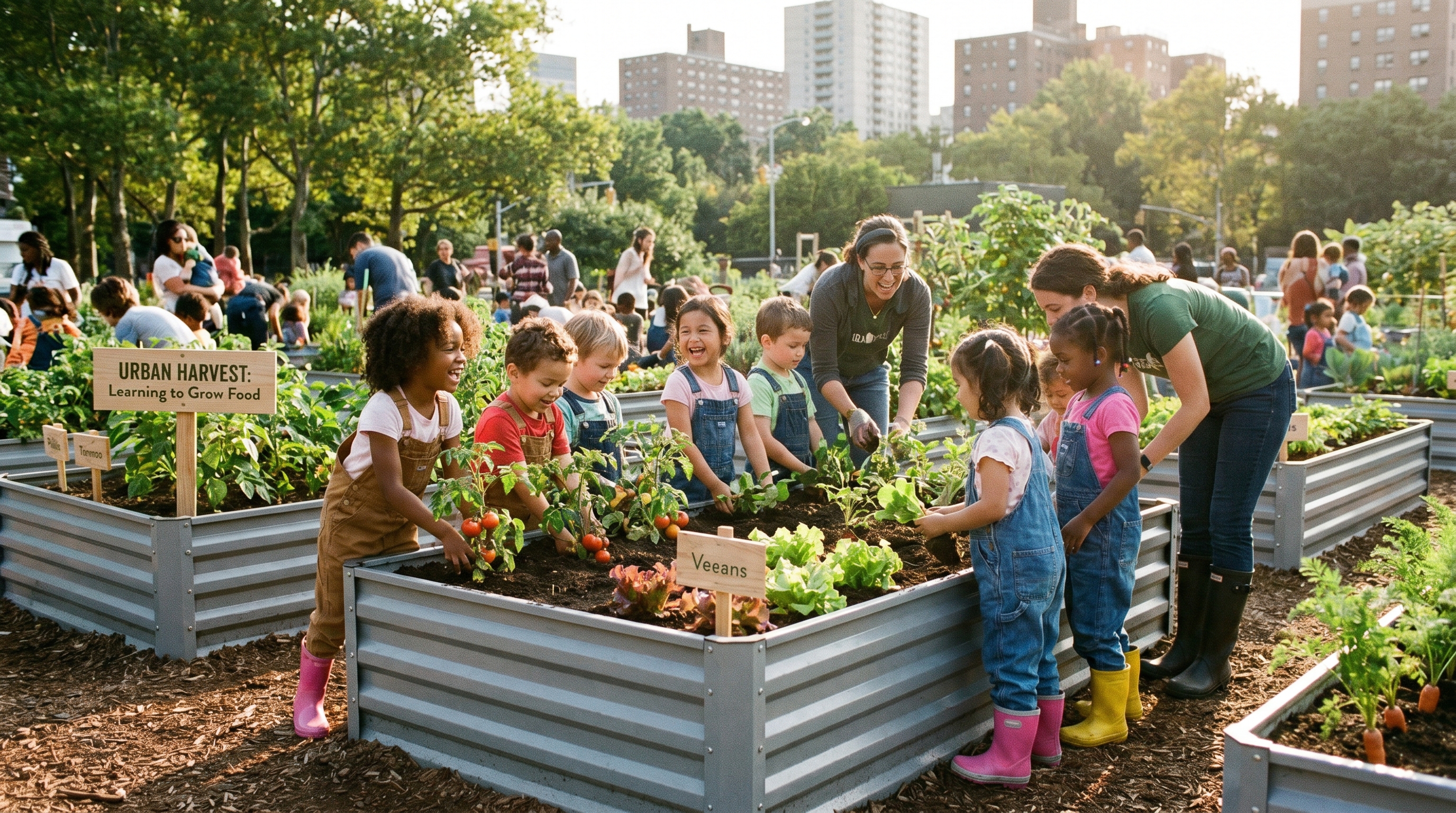
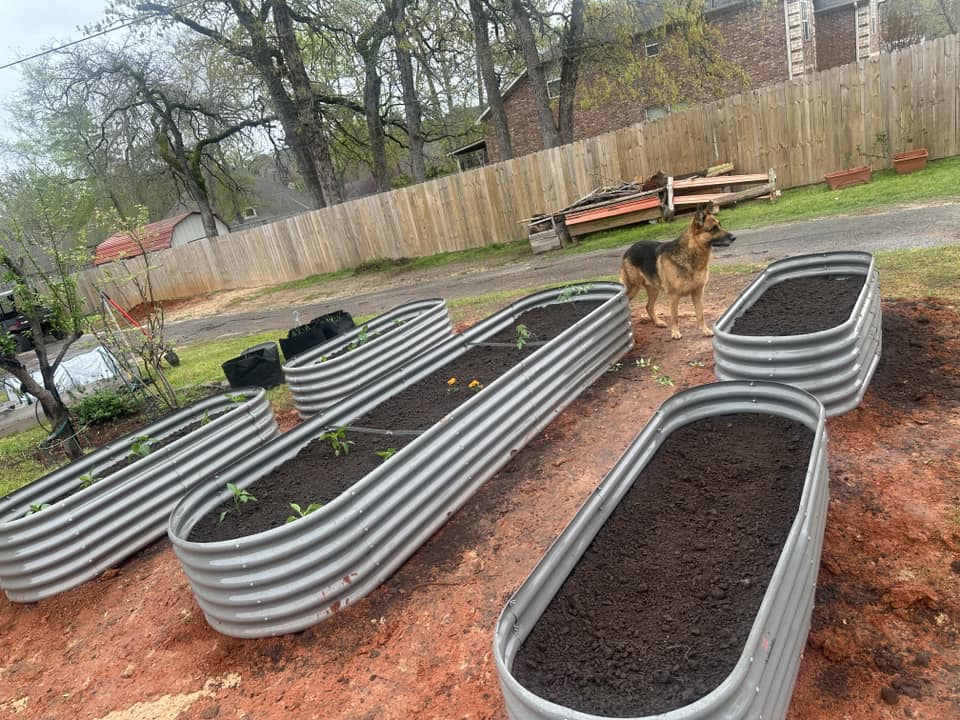
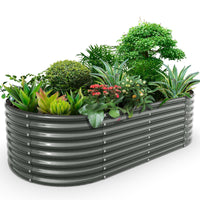
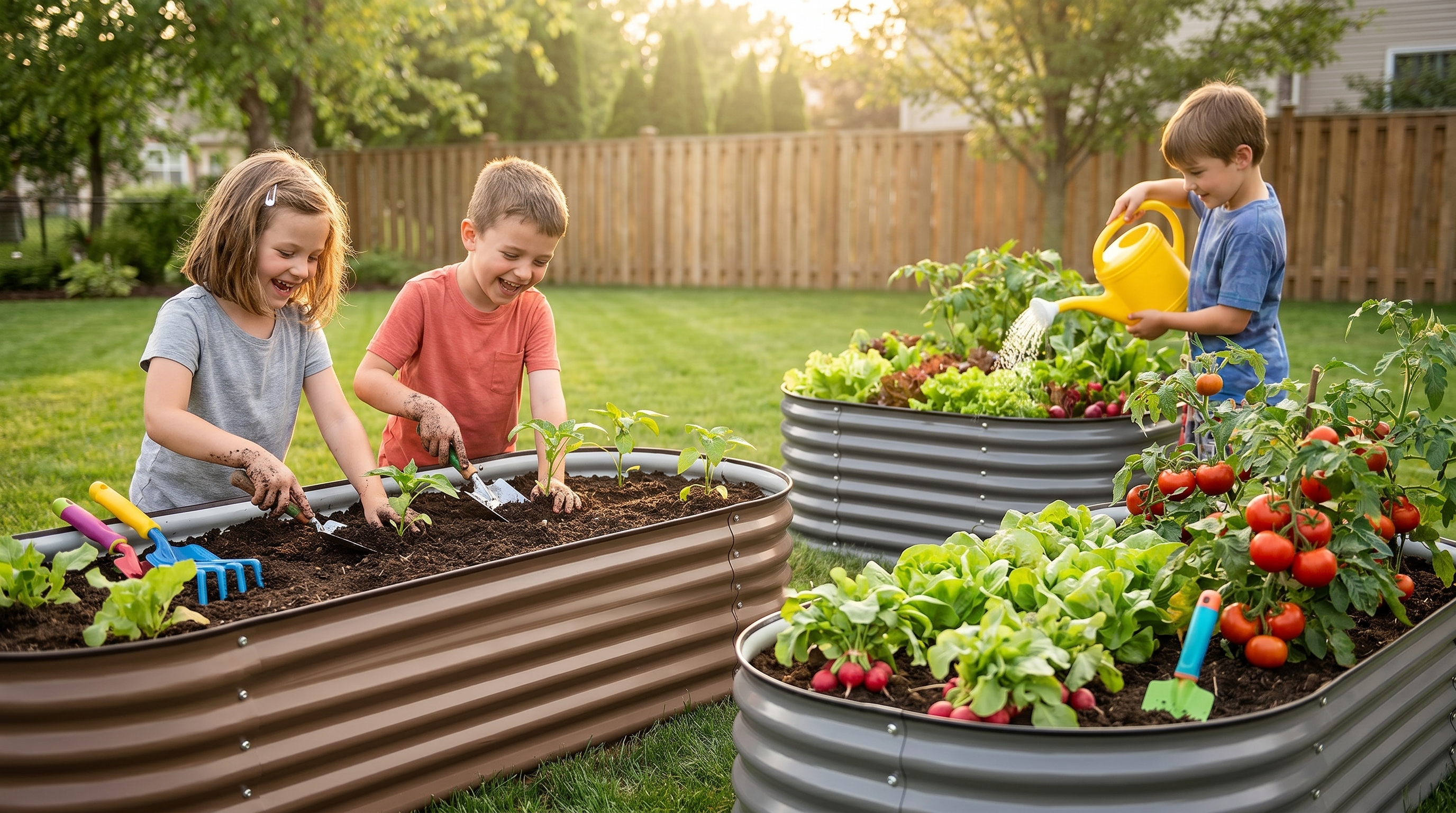
ALT: Young children learning to grow food outdoors by planting vegetable seedlings in a grey metal raised garden bed.
Advanced Tips: Safety, Durability, and Making the Garden Last for Years
Safety Considerations for Children's Raised Beds
Metal raised garden beds designed for family use should have smooth, rolled or flanged top edges — no sharp corners or exposed metal burrs that could scratch small hands. Always check this before purchasing. Quality powder-coated metal beds from reputable suppliers like Anleolife are engineered with child safety in mind, ensuring the garden experience stays joyful rather than hazardous.
Keep garden chemicals — pesticides, synthetic fertilizers — out of children's gardens entirely. Stick to organic amendments: compost, worm castings, and fish emulsion. Not only are these safer for little hands, but explaining the natural nutrient cycle is itself a valuable science lesson.
Common Misconceptions About Kids and Gardening
Misconception 1: "Kids will lose interest quickly." This is often true when the garden isn't designed for their engagement level. Fast-growing crops, colorful beds, and a sense of ownership change the equation dramatically. The harvest moment — tasting a cherry tomato they grew — creates a memory that sticks.
Misconception 2: "Raised beds are too expensive for a first garden." Quality raised beds are an investment, but a 20-year lifespan means the cost per year is remarkably low. A family that spends on a durable metal bed in a child's early years has a garden feature that lasts through childhood, teenage years, and beyond.
Misconception 3: "Metal beds heat up too much and harm roots." While metal does absorb heat, modern powder-coated beds have improved insulation properties, and the soil itself acts as a buffer. Positioning the bed where it receives afternoon shade in the hottest months, or adding a layer of mulch, manages soil temperature effectively.
Growing the Garden Over Time
One of the most beautiful aspects of a well-built raised bed is its adaptability. As children grow older, their gardening interests evolve — from simple radishes to growing their own salad to eventually experimenting with peppers, melons, or flowers for cutting. A durable, modular raised bed garden layout can grow with them: adding companion beds, a trellis system, or a small composting setup as interest deepens.
Frequently Asked Questions FAQ
Q1: How do I design a raised bed planting layout that keeps kids engaged all season?
The key to a season-long raised bed planting layout for kids is succession planting — staggering seed starts every two to three weeks so there's always something new sprouting or ready to harvest. Start with fast-growing radishes and lettuce in spring, transition to tomatoes and beans in summer, then plant fall crops like kale or root vegetables as temperatures cool. Adding one "surprise" plant each season — something your child picks from a seed catalog — maintains excitement and a sense of discovery throughout the growing year.
Q2: Are metal raised garden beds safe for growing food for children?
Yes — high-quality galvanized or powder-coated metal raised beds from reputable manufacturers are safe for food gardening, including children's gardens. The powder coating creates a sealed, non-toxic barrier, and modern galvanization processes meet food-safety standards. For added peace of mind, choose beds with smooth, rolled top edges to protect small hands. Fill with certified organic potting mix to ensure the soil itself is free from contaminants, and avoid the use of synthetic pesticides or fertilizers inside the bed entirely.
Q3: How long does it take for kids to see results, and what's the best first crop to grow?
For a genuinely exciting first experience, radishes are the top recommendation — seeds germinate in as few as 3–5 days (something kids can check on daily) and are ready to harvest in 3–4 weeks. Cherry tomatoes take longer (60–70 days from transplant) but deliver a sweeter payoff. Snap peas fall somewhere in between. For maximum engagement, plant radishes as the "quick win" crop alongside a slower crop like tomatoes, so children experience both the thrill of a fast harvest and the satisfaction of watching a larger plant develop over the summer.
Summary
Getting children excited about growing food isn't about expensive equipment or elaborate setups — it's about giving them ownership of a space that feels theirs, filled with color, life, and the magic of watching a seed become a meal.
Three core takeaways from this guide:
- Color drives engagement. A bright, vivid raised garden bed signals to a child that this space belongs to them. Involving kids in the color choice from the start creates immediate investment and pride.
- Material matters for the long game. A powder-coated metal raised bed — resistant to rot, pests, and moisture — delivers a 20-year lifespan that supports your family's gardening journey from a child's first seeds to years of grown harvests. For families in wet climates or those who simply don't want to replace a rotting wooden bed every few years, metal is the clear choice.
- A smart raised bed garden layout does the teaching. When the raised bed layout is designed with reachability, visible sections, and companion planting in mind, the garden itself becomes the curriculum — teaching patience, biology, responsibility, and the joy of growing food.
Next steps: Visit Anleolife.com to explore the full range of colorful, durable metal raised garden beds. Choose a color your child loves, plan your first planting layout together, and order with confidence knowing your bed will arrive within 3–8 business days from a warehouse network that spans California, Texas, Florida, New York, Illinois, and Washington.
Start Your Family's Garden Journey Today
At Anleolife, we believe every family deserves a garden space that grows with them — literally and figuratively.
Nationwide U.S. warehouse network: Strategically located in California, Texas, Florida, New York, Illinois, and Washington to ensure delivery within 3–8 business days — so your child's garden excitement never has to wait.
Multi-channel availability: Find Anleolife products on Amazon, Walmart, Home Depot, Lowe's, Wayfair, and directly at Anleolife.com — with consistent quality assurance and after-sales support across every platform.
Three complete garden scenarios: Planting (metal raised garden beds, soil systems), Raising (chicken coops, rabbit hutches), and Beautification (decorative accessories, pathway systems) — everything your family needs from first seed to full backyard ecosystem.
We understand a great garden isn't built in a day. Our modular product design lets you start with one colorful kids' bed and expand gradually — adding beds, structures, and accessories as your family's gardening confidence and appetite grow. We're here to grow with you, every step of the way.
References
- USDA National Institute of Food and Agriculture. "Children's Gardens and School Garden Programs."
https://www.nifa.usda.gov/ - CDC – Centers for Disease Control and Prevention. "Strategies to Increase Children's Fruit and Vegetable Consumption."
https://www.cdc.gov/healthyschools/nutrition/food_access.htm - University of California Agriculture and Natural Resources (UC ANR). "Edible Schoolyard and Home Garden Resources for Families."
https://ucanr.edu/ - National Gardening Association. "Kids and Gardening: Research, Benefits, and Getting Started."
https://garden.org/ - EPA – United States Environmental Protection Agency. "Safer Choice for Home and Garden Products."
https://www.epa.gov/saferchoice
Note: Guidelines and research findings are periodically updated. Please consult the latest official publications or a qualified horticultural advisor for the most current recommendations.
About Anleolife
Anleolife is a leading outdoor garden solutions provider in North America, dedicated to offering a full-scenario product ecosystem for home gardening enthusiasts, covering planting, raising, and garden beautification. Since its founding, we have upheld our brand mission, "Made for Garden Life," continuously innovating products and optimizing services to help hundreds of thousands of users upgrade their gardens, reconnect with nature, and enjoy a better garden lifestyle.