









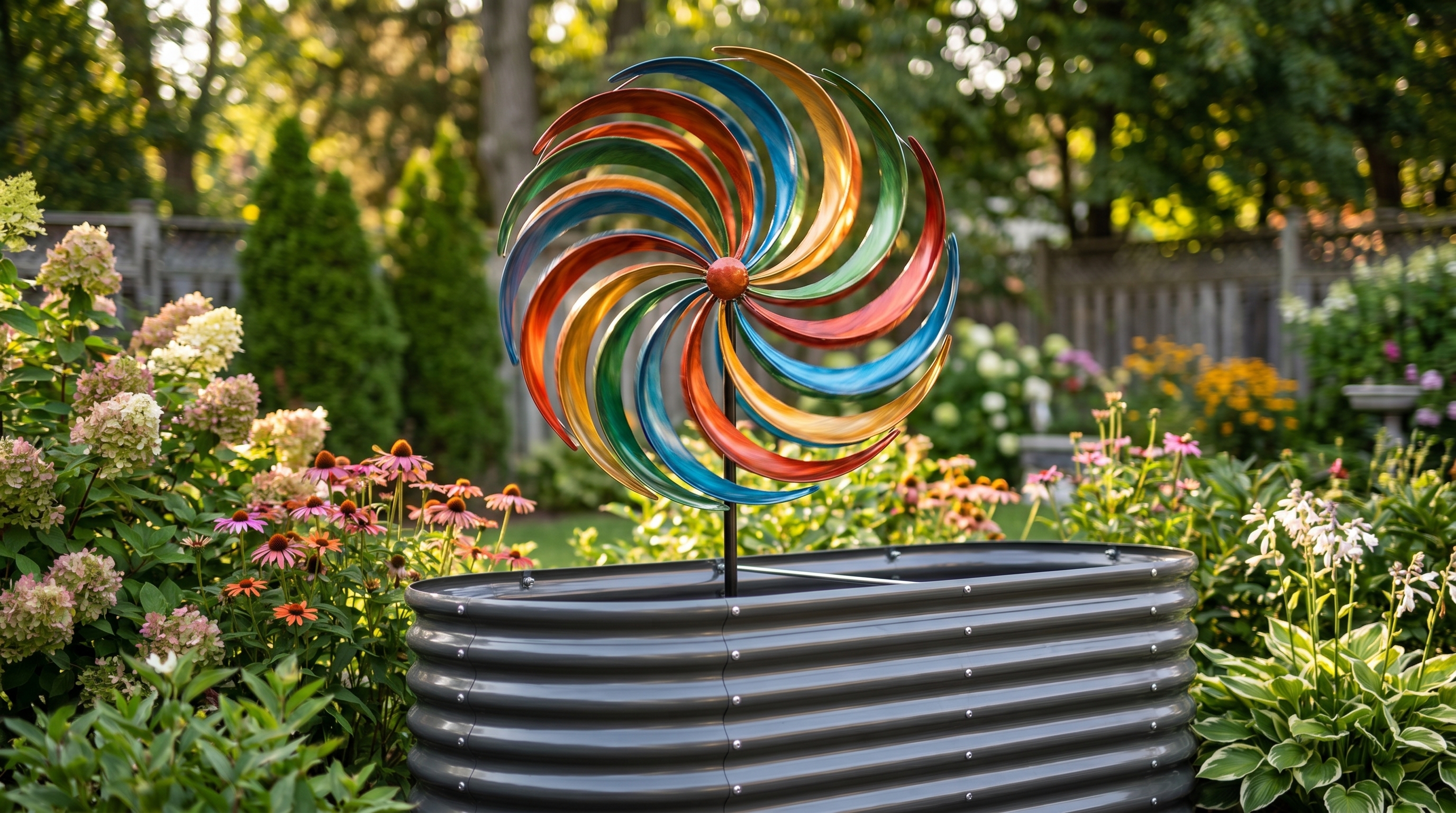
ALT: Colorful kinetic wind spinner adding movement and artistic visual interest to a beautiful backyard garden space
Kinetic Wind Spinners: The Living Art Your Garden Has Been Missing
Key Conclusion: Kinetic wind spinners transform any static garden space into a dynamic, ever-changing outdoor gallery. Whether you're working with a sprawling backyard, a compact patio, or a tidy raised bed garden, these mesmerizing sculptures add movement, color, and personality without requiring ongoing maintenance. Combined with thoughtful garden edging, supported climbing plants on a garden trellis, and neatly maintained trimmer lines defining your lawn boundaries, wind spinners elevate the entire aesthetic of your outdoor environment into something truly special.
There's something deeply satisfying about a garden that moves. Most of us invest in plants, soil, and structures — but we overlook the powerful role that kinetic art can play in bringing a garden to life. Kinetic wind spinners are decorative outdoor sculptures designed to rotate, spiral, and catch light as the breeze passes through them, creating a hypnotic visual experience that changes moment to moment.
These garden ornaments have surged in popularity across North America, and it's easy to see why. They require zero electricity, no watering, and minimal upkeep — yet they deliver a dramatic visual impact that flowers and foliage alone simply can't replicate. In this guide, we'll walk you through everything you need to know about choosing, placing, and combining kinetic wind spinners with the rest of your garden design for maximum effect.
Who Should Consider Kinetic Wind Spinners (and Who Might Want to Think Twice)
✅ Applicable Scenarios:
- Home gardeners with established beds: If you've already set up raised garden beds and want to add a finishing artistic touch, a wind spinner near your planting area creates visual contrast between structured growing zones and fluid movement.
- Retirees and empty nesters: Low-maintenance and endlessly entertaining, wind spinners are ideal for gardeners who want beauty without constant effort. They work beautifully in contemplative garden spaces designed for relaxation.
- Families with children: The spinning motion, bright colors, and reflective surfaces captivate kids and make the garden an exciting outdoor destination.
- Urban micro-gardeners: Even on a small balcony or rooftop, a compact wind spinner adds vertical visual interest without taking up precious planting real estate.
- Eco-conscious growers: Wind-powered and entirely passive, these pieces align perfectly with a sustainable, low-impact garden philosophy.
❌ Not Applicable/Cautions:
- Very sheltered or enclosed spaces: If your garden is heavily surrounded by walls or dense hedging with no air circulation, a wind spinner won't get enough breeze to perform as intended. Consider a spot with at least partial exposure to prevailing winds.
- Extremely windy, exposed coastal zones: In areas prone to high winds or coastal storms, lightweight spinners may be damaged. Opt for heavy-duty metal models with reinforced stakes if you garden in such environments.
- Minimalist or formal garden styles: Traditional Japanese Zen gardens or strictly formal English knot gardens may not be the right aesthetic match for colorful, playful wind art — though geometric metallic designs can work beautifully in these spaces if chosen carefully.
Why Kinetic Art Is Transforming the Modern Home Garden
The concept of kinetic garden art isn't new — wind vanes and whirligigs have decorated American farmsteads and cottage gardens for centuries. But the modern iteration of kinetic wind spinners has evolved dramatically. Today's designs range from elegant stainless steel spirals that catch sunlight to bold, multicolored powder-coated sculptures with precision-engineered bearings that spin smoothly in even the lightest breeze.
According to the American Horticultural Society, garden aesthetics play a significant role in how homeowners engage with their outdoor spaces. A garden that offers visual stimulation — movement, changing light, color variety — encourages people to spend more time outdoors, which in turn supports mental wellness and physical activity. Kinetic wind art contributes directly to this engagement factor.
The rise of the "outdoor room" concept in American home design has also pushed gardeners to think beyond plants. Patios, pergolas, raised bed layouts, decorative edging, and art installations are now considered integral parts of the garden experience. Kinetic spinners fit naturally into this broader vision.
If you're in the process of planning or upgrading your growing space, it's worth reading about How to Plan a Raised Bed Garden Layout for Your Backyard (Step-by-Step) — because the most visually compelling gardens start with intentional structure, and wind spinners are most effective when placed within a well-designed framework rather than added as an afterthought.
The market for garden décor in the U.S. continues to expand, with kinetic and wind-activated art growing as a subcategory. Homeowners are increasingly seeking pieces that respond to their natural environment rather than sitting passively. A spinner that dances with the morning breeze is far more engaging than a static ornament — and it costs no more to maintain.
How to Add Kinetic Wind Spinners to Your Garden: A Practical Guide
Three-Step Quick Start
Step 1: Choose Your Spinner Style and Scale
Before purchasing, assess your garden's existing aesthetic and scale. For larger backyards (think 500–1,000+ sq ft), tall ground-stake spinners ranging from 3 to 6 feet in height make a bold statement. For raised bed gardens or smaller patio spaces, tabletop or shorter stake spinners work beautifully. Consider the finish: powder-coated color spinners pop against green foliage, while brushed stainless or copper-toned spinners look sophisticated in more formal settings. Allow 15–30 minutes to browse options and narrow down to 2–3 favorites.
Step 2: Select Your Placement Strategically
Walk your garden at different times of day and pay attention to where the breeze typically moves. South and west-facing garden areas tend to catch afternoon winds. Position your spinner where it will be visible from your main outdoor seating area or a key interior window — you want to enjoy the show. Avoid spots directly behind tall dense plants that will block airflow. Once you've identified 2–3 candidate positions, test each by holding a ribbon or light fabric aloft to observe air movement. This step takes about 10–15 minutes and saves you from remounting later.
Step 3: Install and Adjust for Maximum Effect
Push or screw the ground stake firmly into the soil — at least 8–10 inches deep for stability. Most quality spinners come with adjustable-angle joints that allow you to tilt the spinning element toward the prevailing wind direction. Once installed, give the spinner a manual spin to ensure smooth rotation, then observe it in natural breeze conditions. If it spins sluggishly, try repositioning slightly or clearing obstructions. Installation typically takes under 10 minutes, and the visual reward is immediate.
Comparing Kinetic Wind Spinner Types: Which One Is Right for Your Garden?
There's a wide range of wind spinner designs on the market, and each brings something different to the garden experience. Here's a breakdown of the most popular categories to help you make an informed choice:
| Comparison Dimension | Spiral Metal Spinners | Windmill/Pinwheel Style | Geometric 3D Sculptures |
|---|---|---|---|
| Best For | Modern, sleek garden aesthetics | Cottage, farmhouse, playful gardens | Contemporary or architectural gardens |
| Wind Requirement | Light to moderate breeze | Light breeze works well | Moderate breeze preferred |
| Visibility from Distance | High (catches light beautifully) | Moderate (color-dependent) | High (bold shapes stand out) |
| Durability | High (stainless or powder-coated steel) | Moderate (depends on material) | High (welded steel construction) |
| Maintenance | Very low | Low to moderate | Very low |
| Price Range | Moderate to premium | Budget to moderate | Moderate to premium |
| Pairing with Garden Beds | Excellent alongside metal beds | Works well in vegetable gardens | Ideal near ornamental plantings |
The right choice depends heavily on your existing garden style. If you've invested in a structured raised bed kitchen garden — perhaps one of the best veggie gardens featuring tomatoes, peppers, herbs, and leafy greens — a cheerful pinwheel-style spinner adds warmth and whimsy without competing with your edibles. In contrast, a polished stainless steel spiral beside a formal ornamental bed signals sophistication.
Designing Your Garden Around Movement: Placement, Pairing, and Visual Flow
Pairing Wind Spinners with Raised Garden Beds
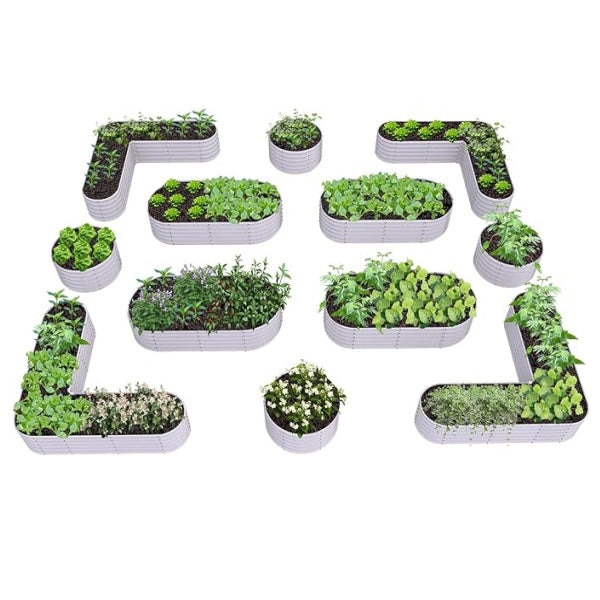
One of the most visually satisfying combinations in modern garden design is kinetic wind art positioned near — but not competing with — productive raised garden beds. The contrast of structured, functional growing containers with the free-flowing movement of a spinner creates a beautiful dynamic tension.
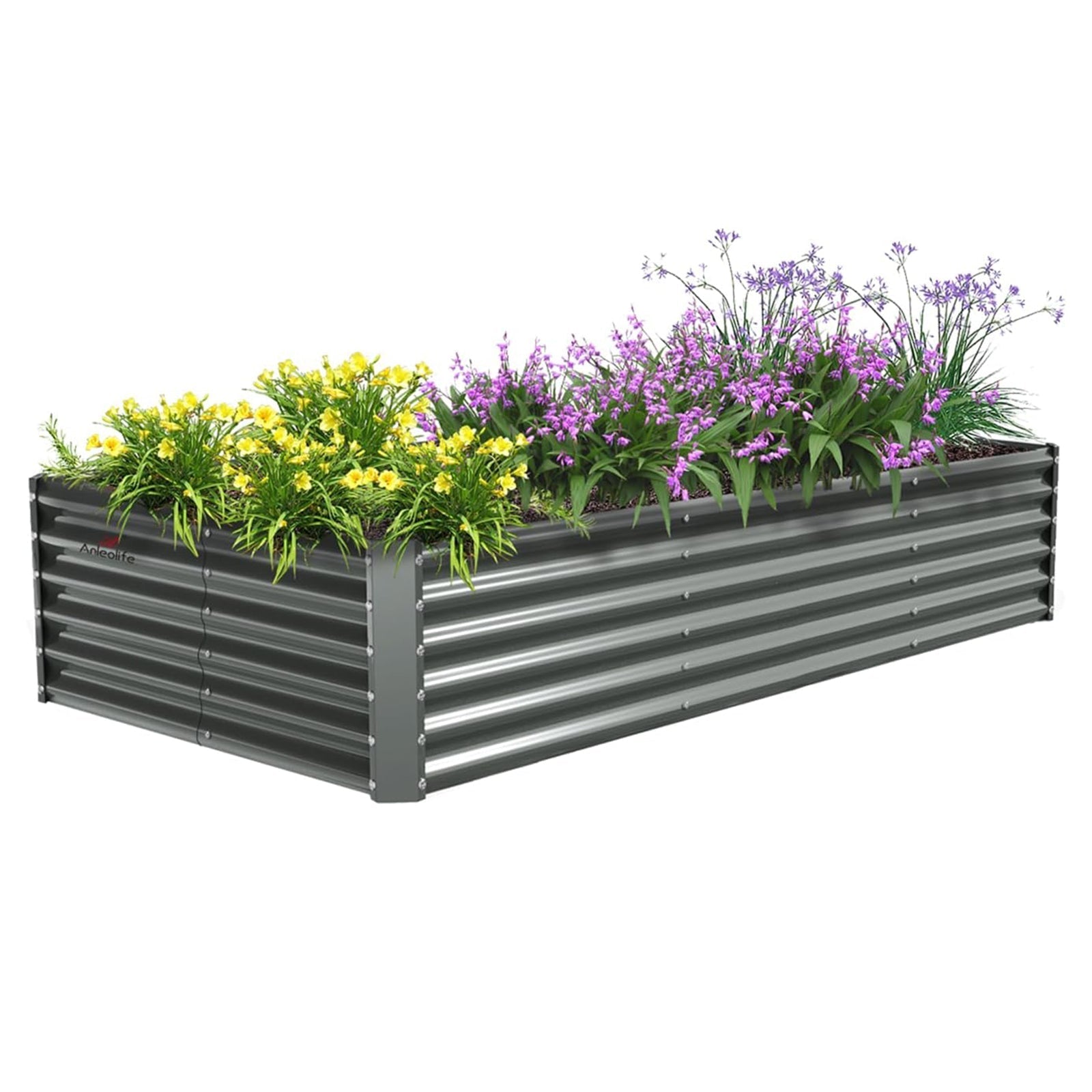
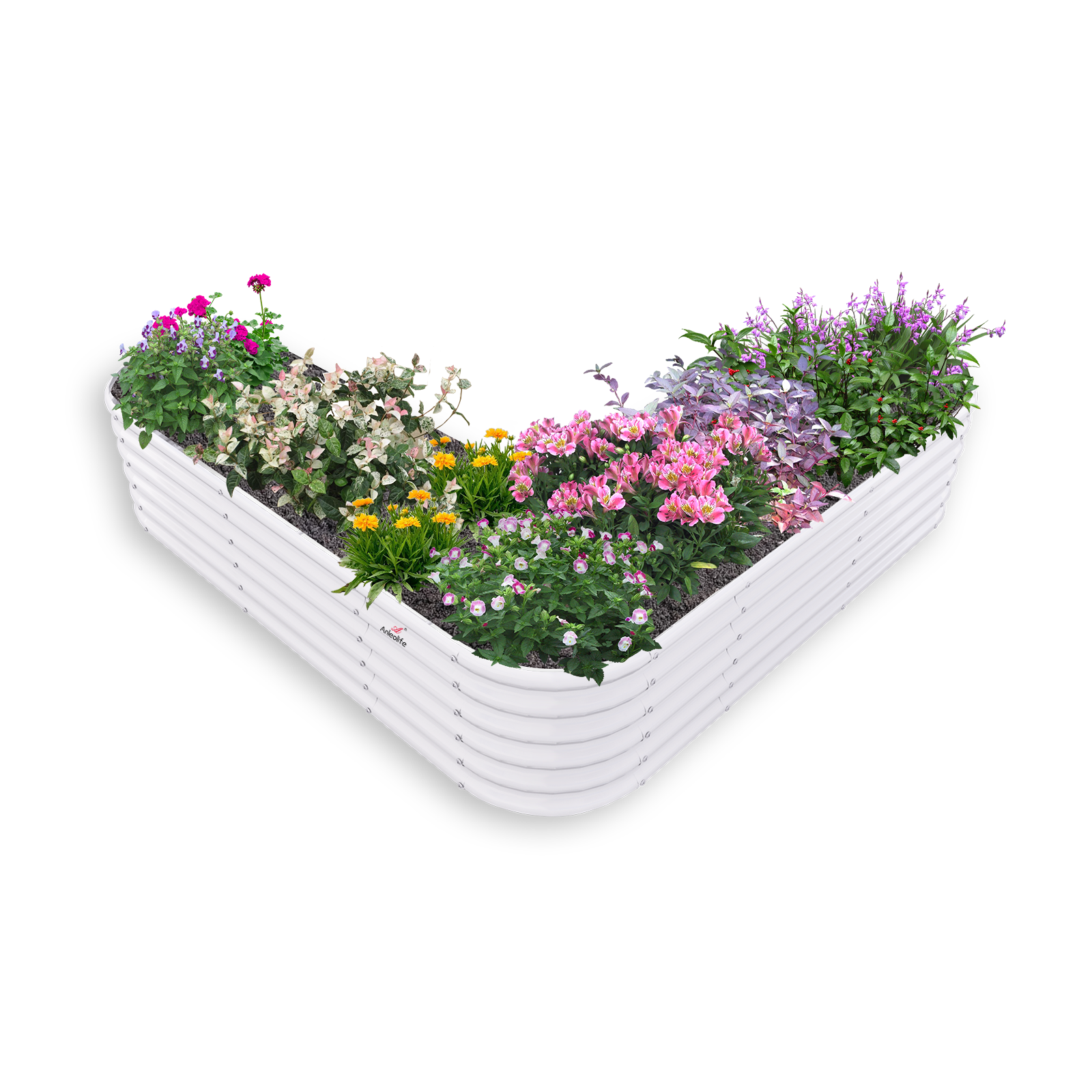
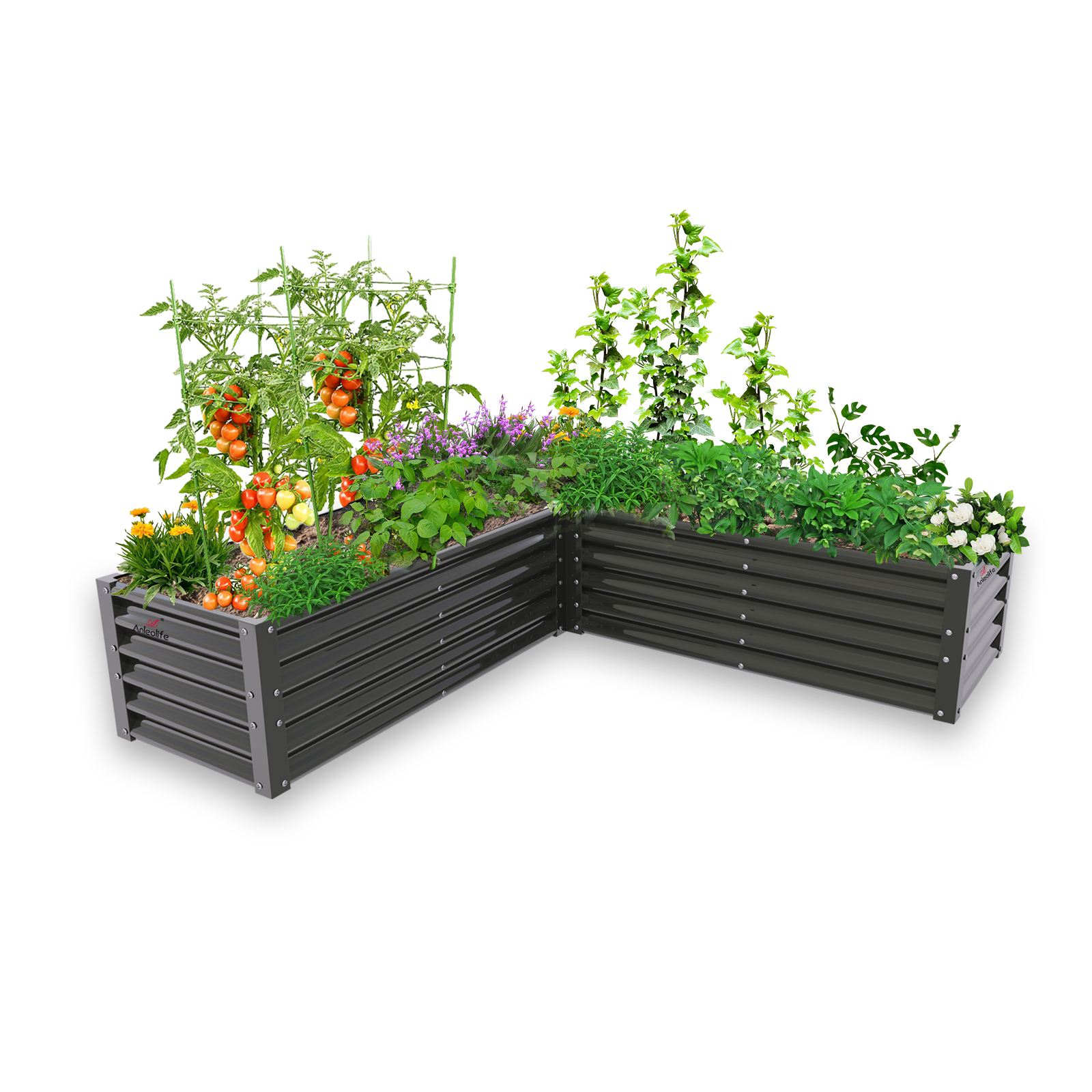
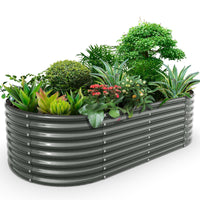
Galvanized steel raised garden beds are especially compatible with metallic wind spinners. Both share a modern industrial aesthetic that feels cohesive and intentional. For example, positioning a stainless steel spiral spinner at the corner of an 8x4 ft galvanized raised bed creates a striking focal point that draws the eye through the garden.
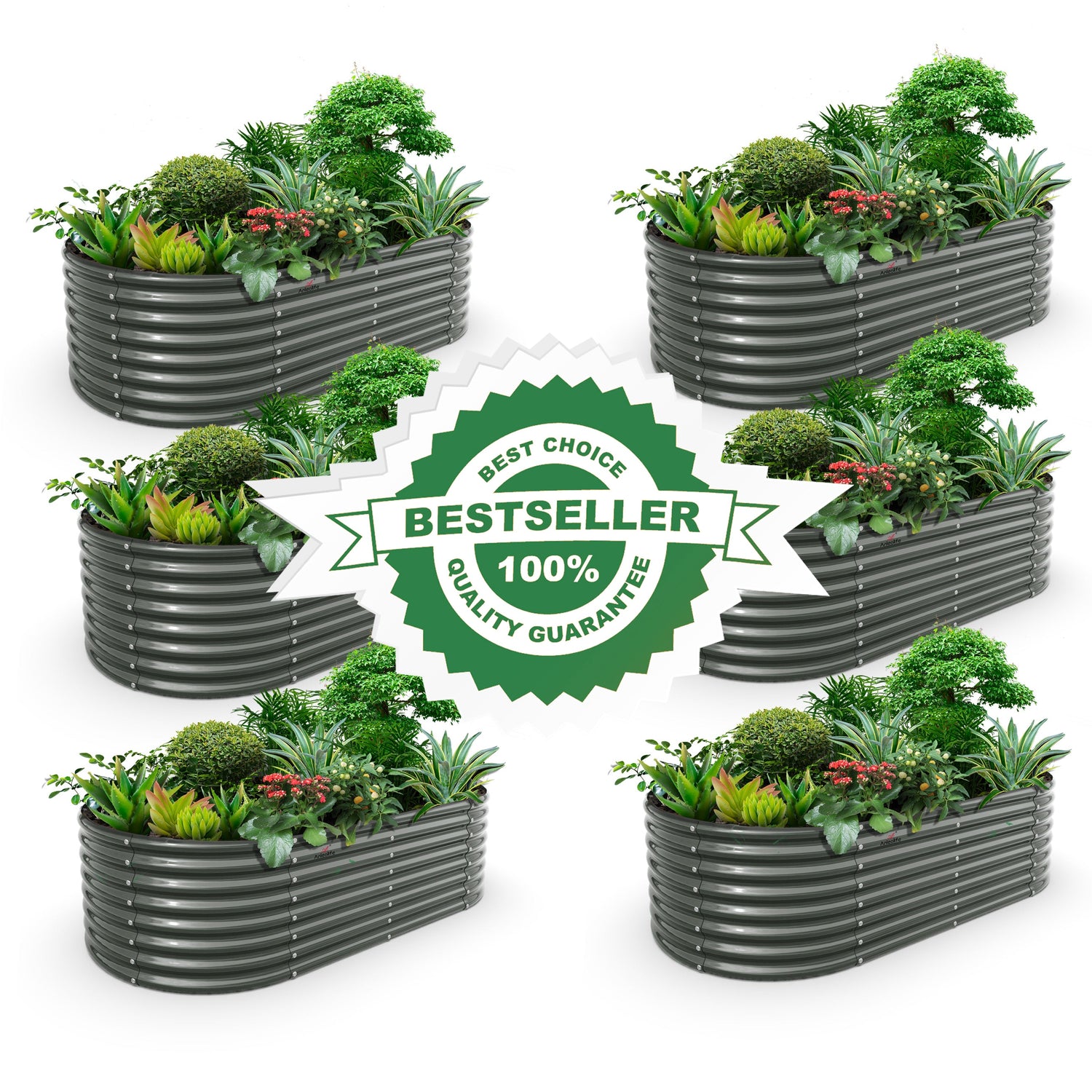
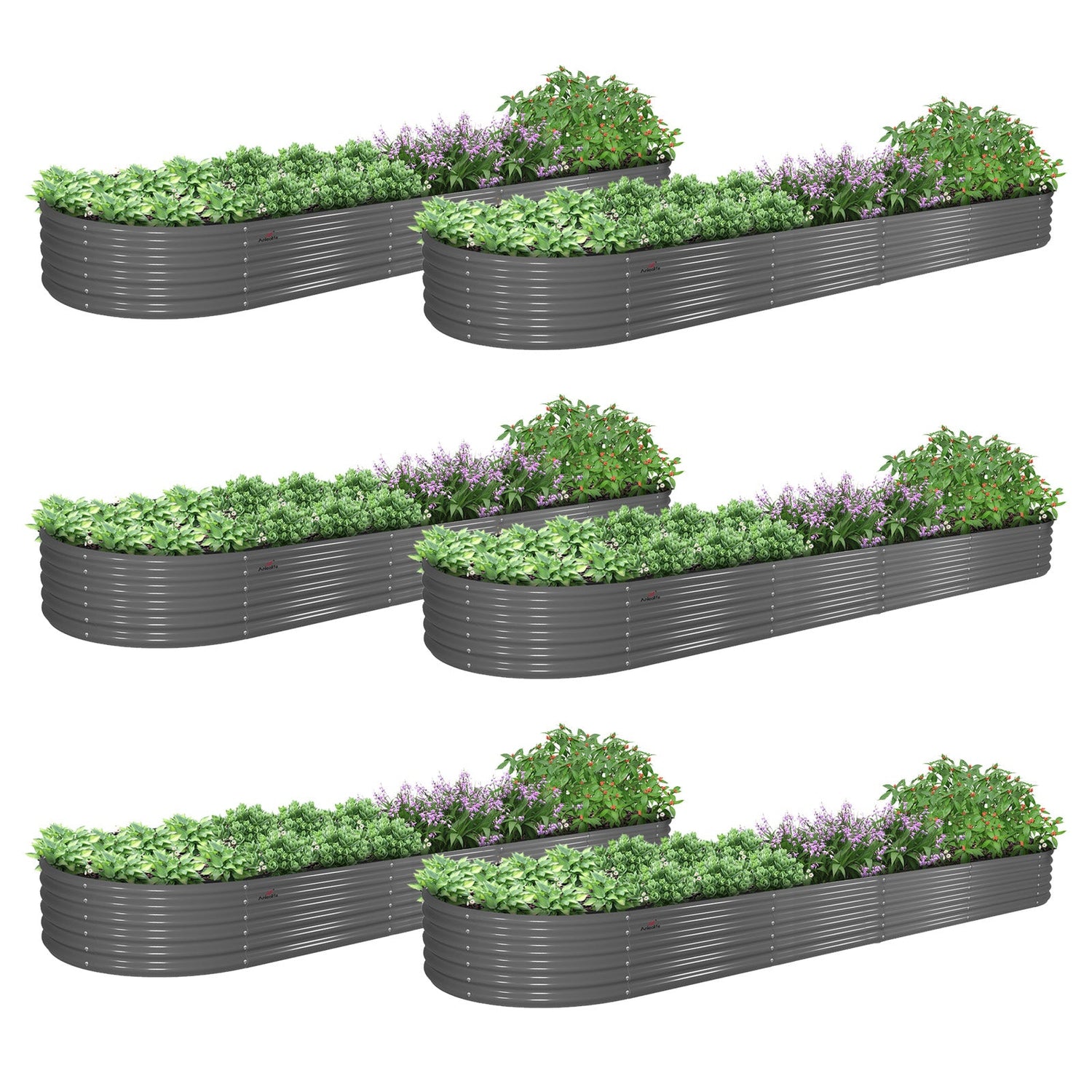
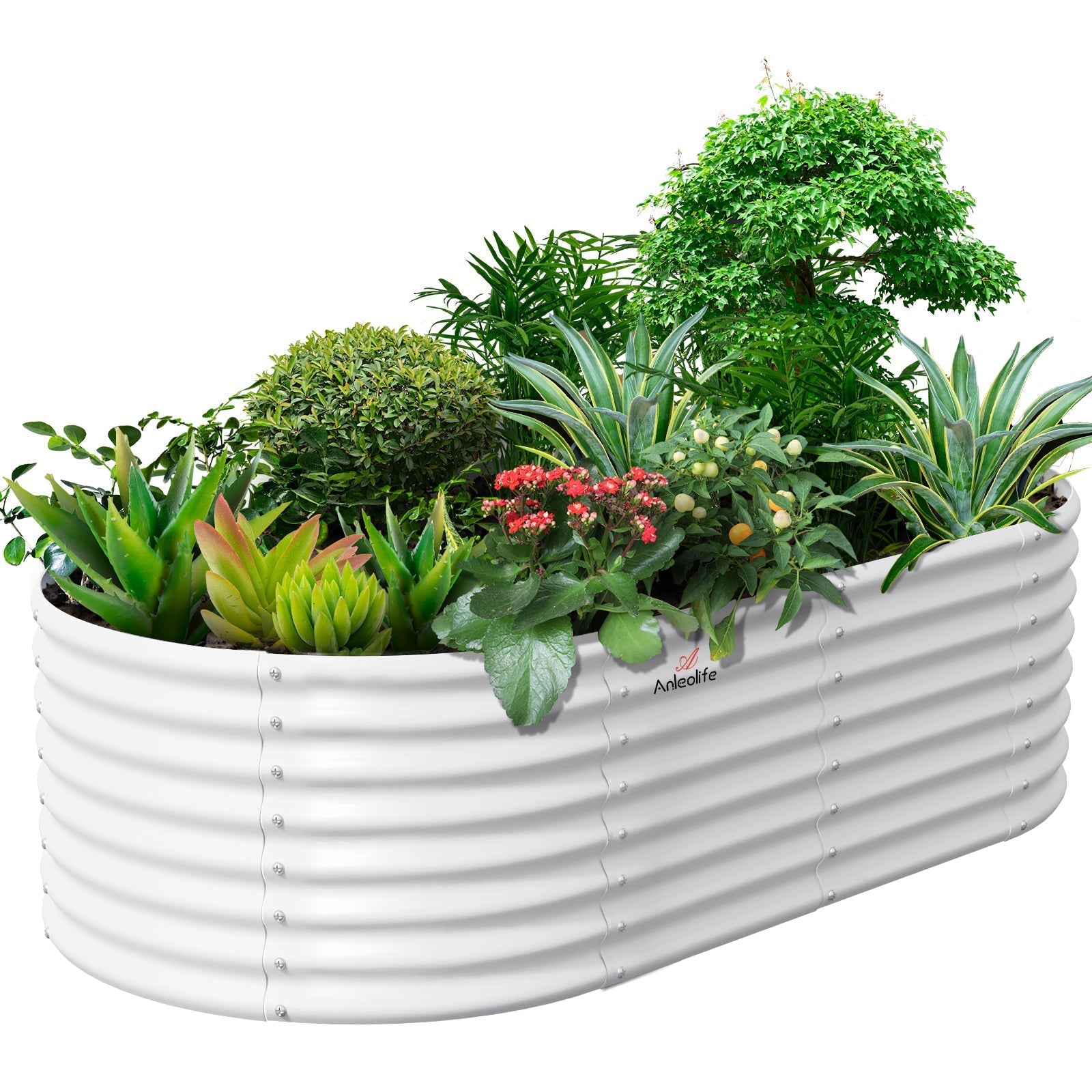
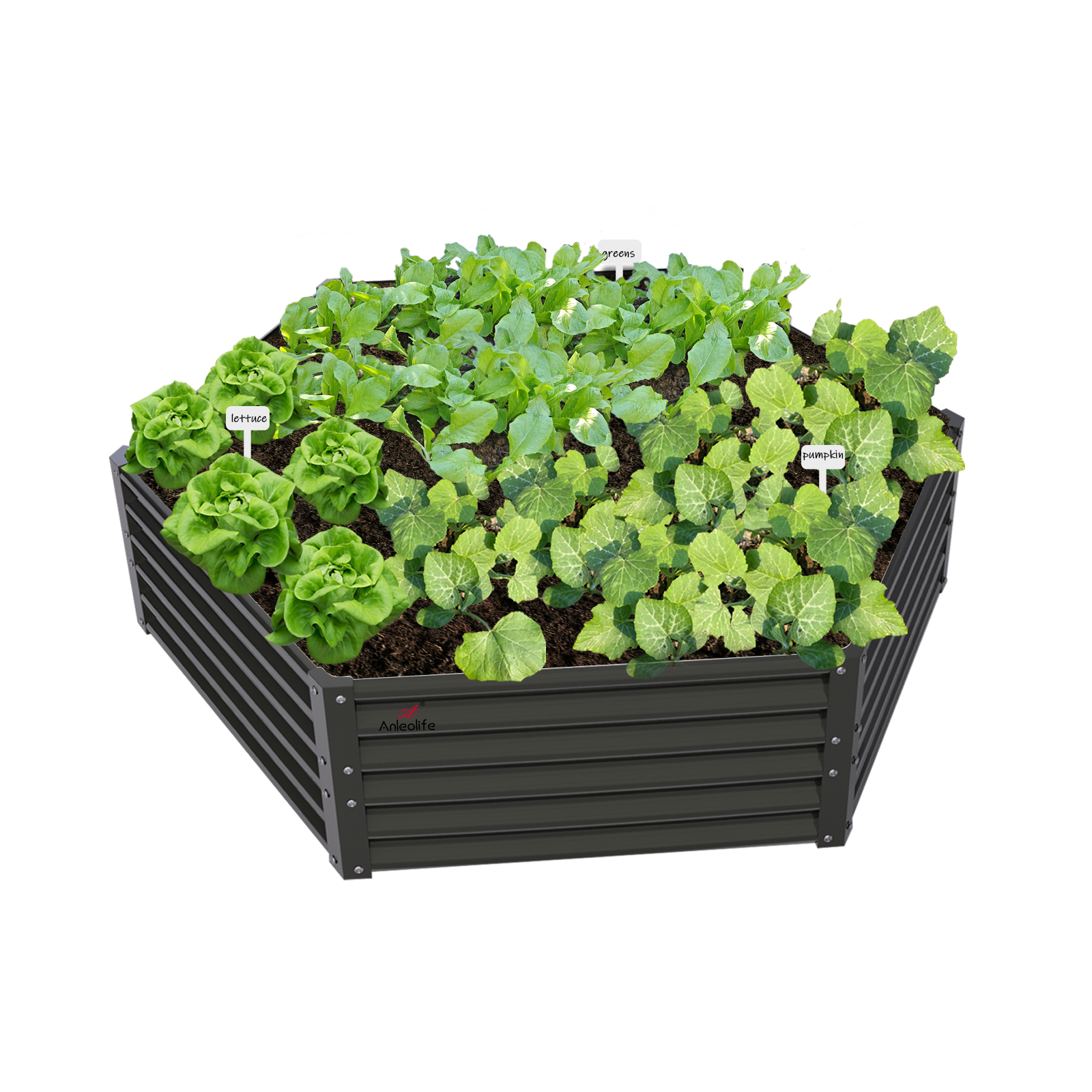
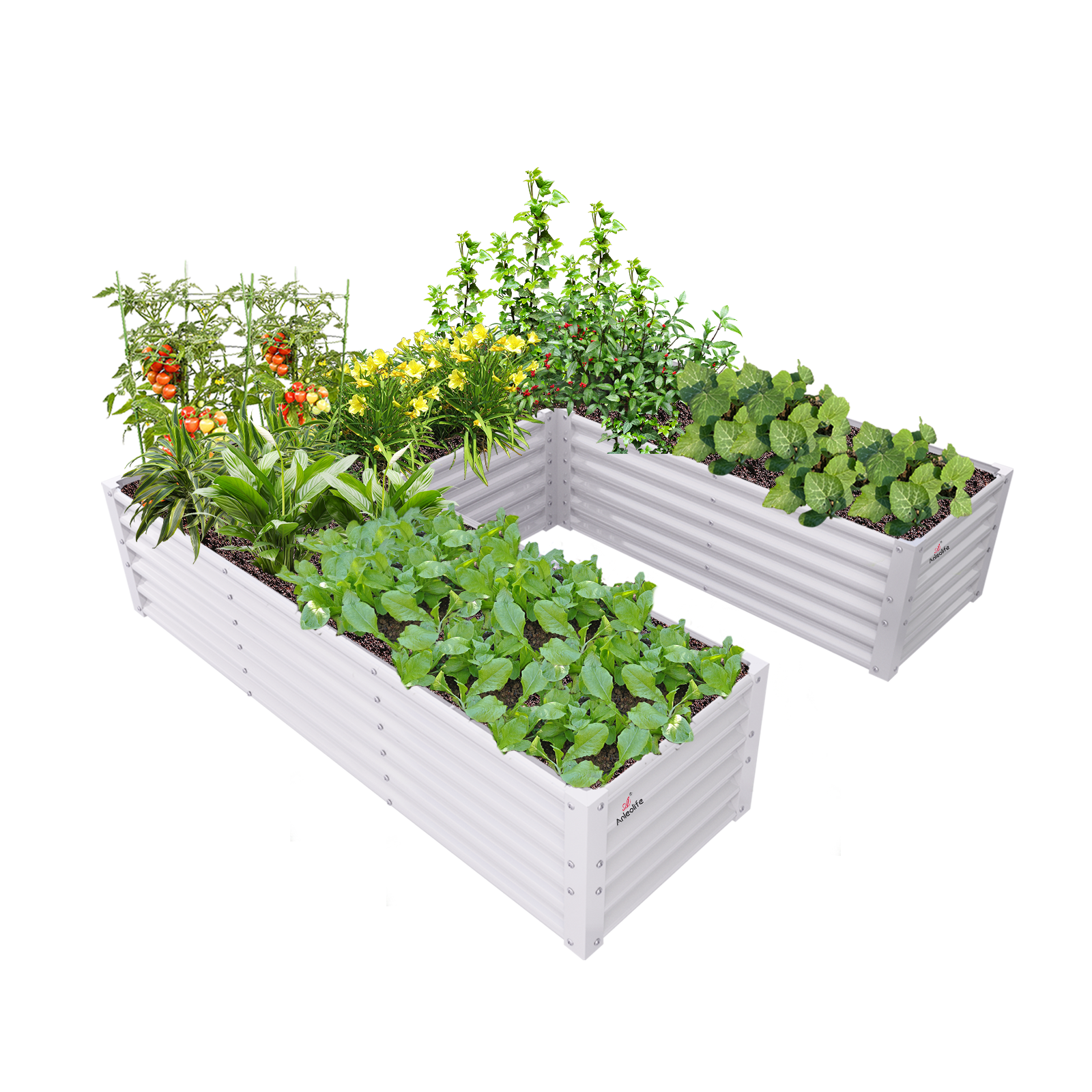
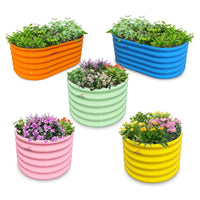
If you're thinking about upgrading your growing containers, you can explore options ranging from compact 4x4 ft beds perfect for herbs and salad greens to expansive 12x3 ft rectangular beds ideal for rows of vegetables. The key is choosing beds that will serve you well for the long term — Anleolife's raised garden beds are built to last up to 20 years, making them a sound investment that your wind art décor will share the space with for decades.
For gardeners curious about material choices, Galvanized Steel vs. Wood Raised Garden Beds: Which Is Better for Your Backyard? offers a thorough comparison that helps you understand which foundation best suits your growing and aesthetic goals.
Creating Garden "Rooms" with Wind Art as Focal Points
Garden designers often talk about creating distinct "rooms" within a larger backyard space — areas with different characters, purposes, and moods. Kinetic wind spinners are excellent "room anchors" — they define a space visually and give it a unique identity.
Consider designating a contemplation corner with a tall spiral spinner, a comfortable bench, and a border of lavender or ornamental grasses. The movement of the spinner combined with the soft rustling of ornamental grass creates a multisensory experience that feels genuinely restorative.
A kitchen garden zone built around your best veggie gardens — perhaps featuring Anleolife's modular raised garden beds that can be configured and expanded over time — can be anchored with a cheerful, colorful windmill spinner that signals the productive, joyful nature of the space.
The Role of Garden Edging and Trimmer Lines
No matter how beautiful your wind spinner is, its visual impact is amplified enormously by a well-maintained surrounding landscape. Garden edging provides clean lines that frame your spinner and beds, creating the organized backdrop against which the spinner's movement reads most clearly. Whether you use metal, stone, or plastic edging, consistent borders tell the eye where to focus.
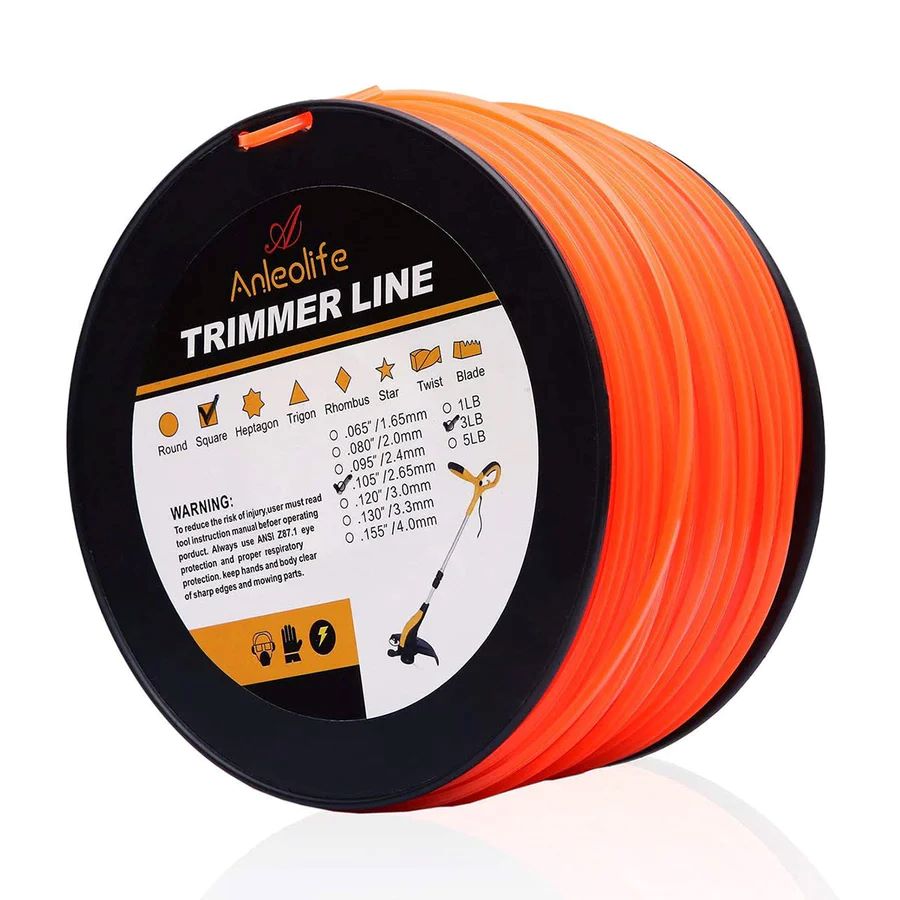
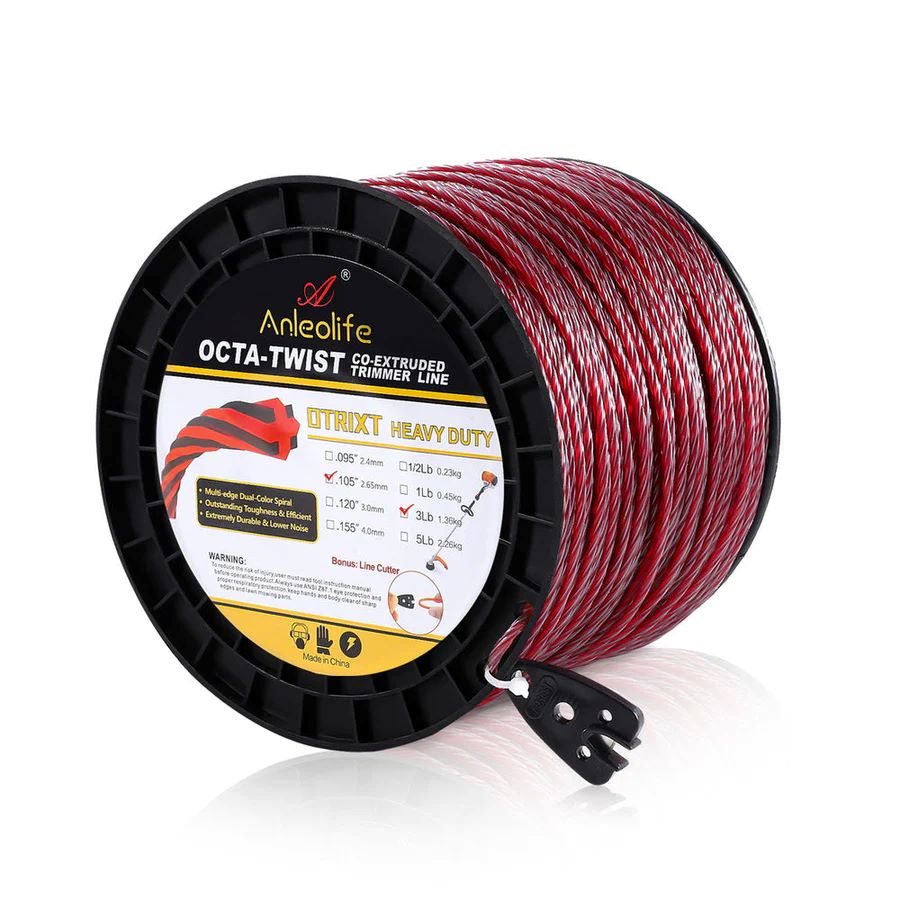
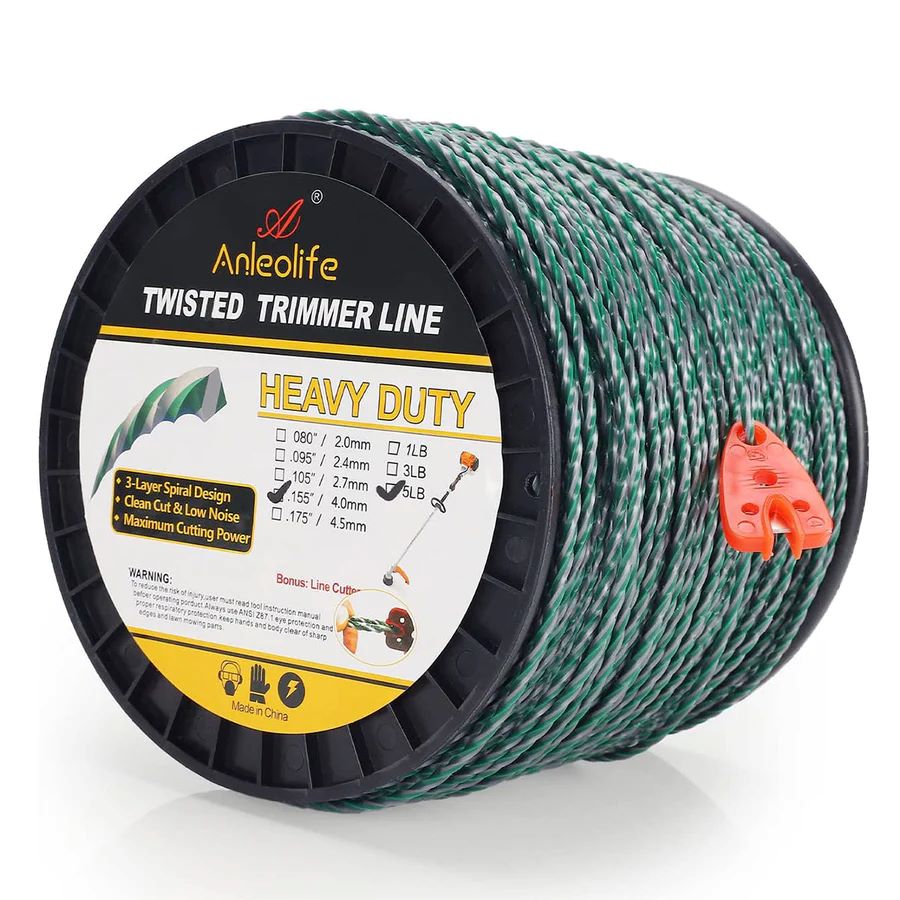
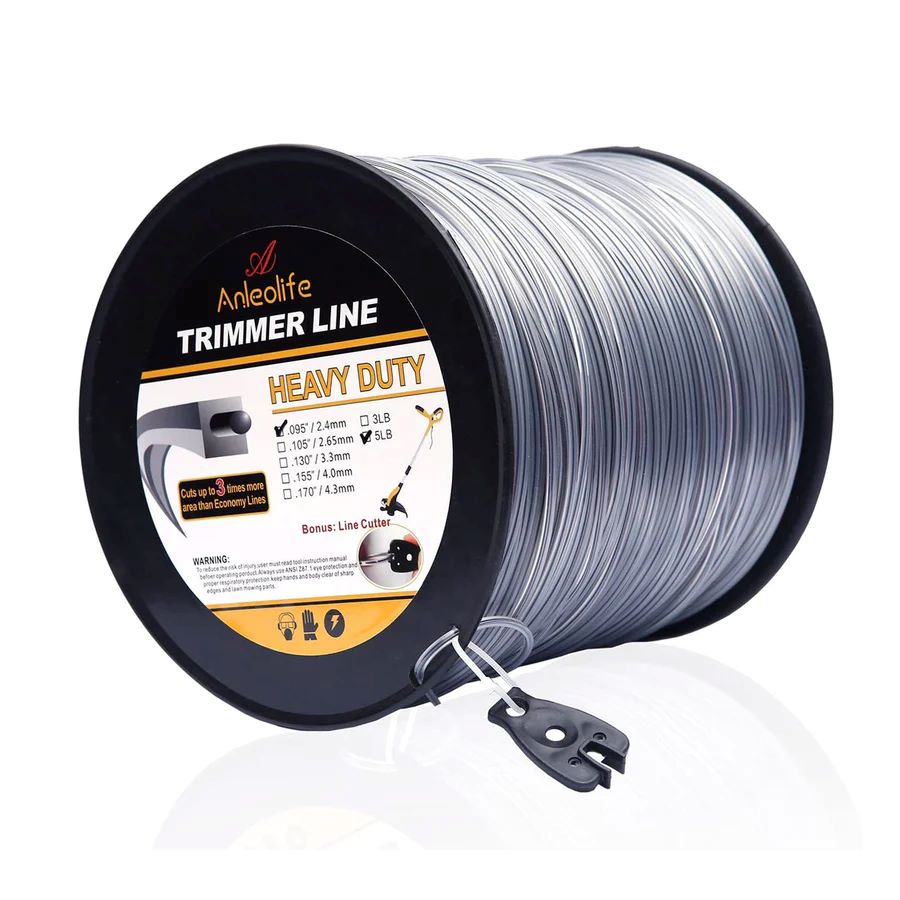
Similarly, maintaining sharp trimmer lines along your lawn edges, pathways, and bed borders keeps the overall garden looking crisp and intentional. A beautiful wind spinner sitting in a shaggy, undefined space loses much of its impact — it's the difference between hanging art on a clean painted wall versus a cluttered background.
Together, edging and trimmer line maintenance take your garden from "nice" to "designed." They're the unsung heroes that make every decorative element, including your kinetic art, shine.
Integrating Garden Trellis Structures
If you grow climbing plants — beans, cucumbers, morning glories, climbing roses — a garden trellis already adds vertical dimension to your space. Pairing a trellis with a wind spinner nearby creates a layered vertical garden experience: the static structure of the trellis, the living texture of climbing foliage, and the kinetic movement of the spinner work together beautifully.
For best results in vegetable gardens, check out The 15 Best Vegetables to Grow in a Raised Garden Bed for Beginners — many of the top-performing beginner vegetables are climbers or sprawlers that pair naturally with trellis systems, and placing a wind spinner nearby adds artistic punctuation to your productive garden space.
Mulch, Soil Health, and the Complete Garden Picture
Experienced gardeners know that what you can't always see matters as much as what you can. The best mulch for vegetable garden use — whether that's straw, wood chips, or shredded leaves — keeps soil moisture stable, suppresses weeds, and gives your planting beds a tidy, finished appearance. When your raised beds are well-mulched and neatly bordered, the overall visual quality of your garden rises significantly, making every decorative element — including your wind spinners — look more intentional and curated.
Pairing good soil health practices with beautiful garden art is what distinguishes a truly well-tended garden from one that merely has a collection of nice things in it.
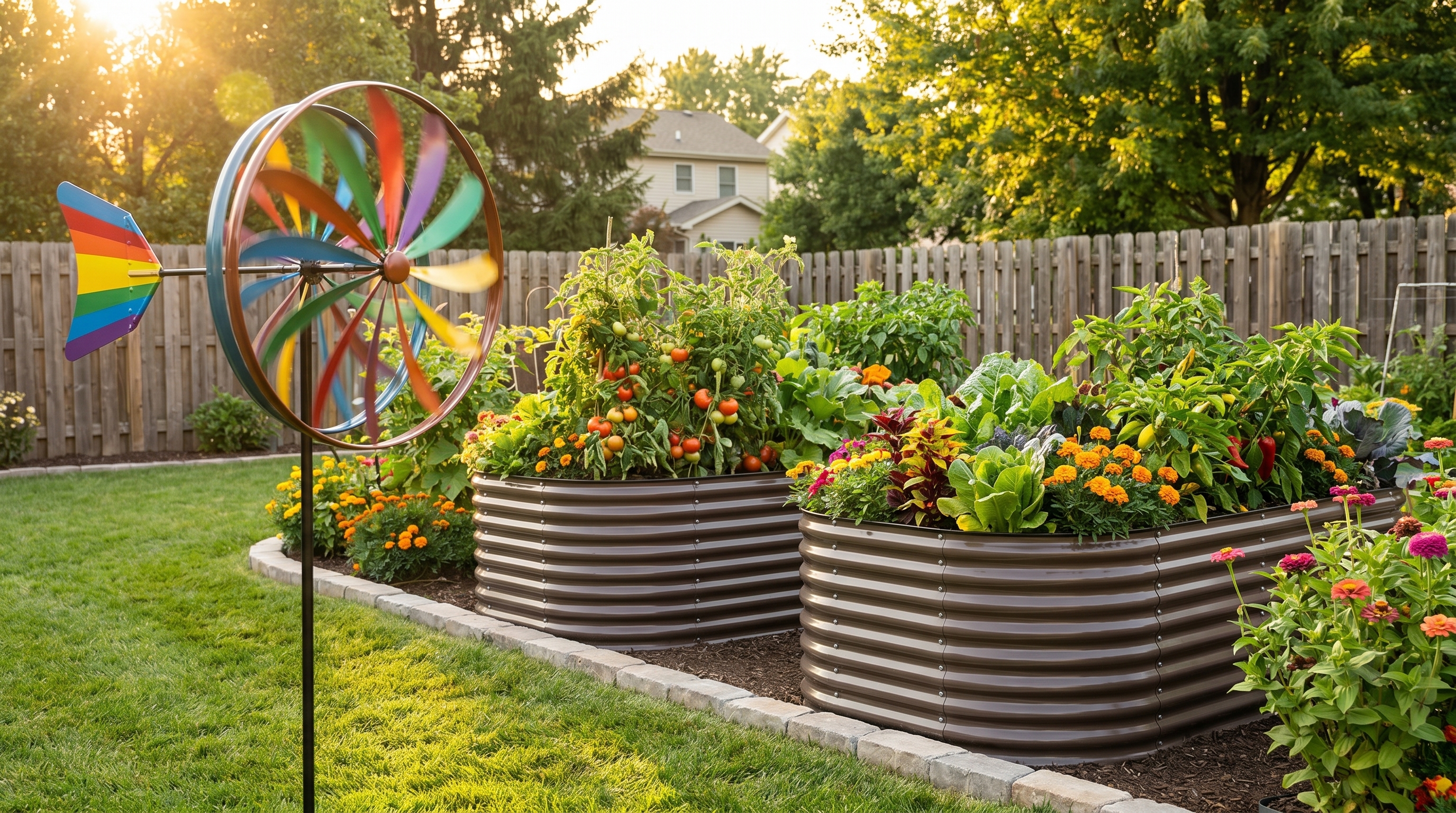
ALT: Colorful kinetic wind spinner spinning beside galvanized steel raised garden beds in a well-designed vegetable and ornamental garden space
Advanced Tips: Getting the Most from Your Wind Spinners Year-Round
Seasonal Considerations
Wind spinners are functional in all seasons, but the experience they provide changes dramatically throughout the year. In spring and summer, they catch abundant light and breeze, creating dazzling reflections and constant motion. In autumn, their metallic surfaces pick up warm amber and golden light beautifully. In winter, a spinner dusted with snow or catching low winter sunlight can be genuinely magical — many gardeners find they enjoy their wind art most during the quieter months when the garden is otherwise dormant.
For best longevity, bring lightweight plastic or painted fabric spinners indoors during severe winter storms. Heavy-duty powder-coated metal and stainless steel spinners can typically remain outdoors year-round.
Common Misconceptions About Wind Spinners
Misconception 1: "Bigger is always better."
Not necessarily. An oversized spinner in a small garden space can feel overwhelming and visually cluttered. Scale to your space — a garden under 200 sq ft is typically better served by one or two modest-sized spinners rather than one dramatic statement piece.
Misconception 2: "Wind spinners scare away garden wildlife."
While spinners may initially startle birds, most garden birds quickly habituate to them. In fact, the reflective surfaces of metallic spinners can deter certain pest birds (like starlings) from raiding your vegetable beds without harming beneficial pollinators.
Misconception 3: "Wind spinners require frequent maintenance."
Quality metal spinners with sealed bearings require almost no maintenance beyond an occasional wipe-down. Ensuring the stake anchor remains secure after heavy rain or frost is typically the only regular task required.
Combining Wind Spinners with Other Garden Structures
For those building a comprehensive garden ecosystem, wind spinners work beautifully alongside raised garden beds, trellises, garden arbors, and decorative pathway systems. If you're wondering about the best Anleolife garden layout kit for a 1000 sq ft backyard, think in terms of zones: a central productive zone with raised beds and appropriate pathways, a decorative perimeter with ornamental plantings and wind art, and transitional areas with edging, mulch, and ground cover. How to Design a Beautiful Backyard Garden That Looks Great Year-Round is an excellent resource for building this kind of comprehensive vision.
Frequently Asked Questions FAQ
Q1: How do I choose the best placement for a kinetic wind spinner in my garden?
The ideal placement for a kinetic wind spinner combines three factors: sufficient air movement, optimal visibility from your primary viewing point (patio, kitchen window, seating area), and aesthetic harmony with surrounding elements like raised beds, trellis structures, and garden edging. Walk your space at different times of day, test airflow with a lightweight ribbon, and position your spinner where it will be both well-powered by breeze and visually enjoyable from where you spend the most time outdoors.
Q2: Are kinetic wind spinners safe to use near vegetable garden beds?
Yes, kinetic wind spinners are entirely safe near vegetable gardens and raised garden beds. The motion can even serve a beneficial purpose — reflective metallic spinners may help deter some pest birds from foraging in your beds. They contain no harmful materials, require no chemicals or electricity, and have no impact on soil quality or plant health. Many gardeners find that placing a spinner near their best veggie gardens adds a delightful visual element to the productive growing space without any downsides.
Q3: How long do kinetic wind spinners typically last, and what maintenance do they need?
The lifespan of a wind spinner depends largely on its material and construction quality. Heavy-gauge powder-coated steel or stainless steel spinners with sealed precision bearings can last many years with minimal maintenance. Annual tasks include checking and tightening the ground stake after freeze-thaw cycles, wiping down surfaces with a damp cloth, and applying a light coat of metal-safe lubricant to the bearing joint if rotation becomes stiff. Lightweight or painted fabric spinners have shorter lifespans and benefit from indoor storage during harsh winters.
Summary
Kinetic wind spinners represent one of the most accessible and high-impact ways to transform a garden from a static growing space into a living, breathing work of art. Three key takeaways stand out from everything we've explored:
First, placement and scale matter enormously. A well-chosen spinner in the right spot — visible from your main viewing area, positioned in natural airflow, and scaled to your garden's dimensions — delivers maximum impact with minimal investment.
Second, wind spinners work best as part of a thoughtfully designed garden ecosystem. When combined with clean garden edging, defined trimmer lines, quality raised garden beds, supporting trellis structures, and well-mulched soil, the spinner becomes the dynamic jewel in a well-set crown rather than a lone novelty item.
Third, durability and material quality determine long-term satisfaction. Investing in well-built, weather-resistant kinetic art means years of low-maintenance enjoyment — much like investing in quality raised garden beds that are built to last up to 20 years.
Your next step is simple: take a walk around your garden today, note where the breeze moves and where your eye naturally travels, and begin imagining what a thoughtfully chosen kinetic wind spinner could add to that space.
Upgrade Your Garden with Anleolife
Anleolife's nationwide U.S. warehouse network — strategically located in California, Texas, Florida, New York, Illinois, and Washington — ensures delivery within 3–8 business days, so your garden upgrade plans never have to wait. Our products are available on major e-commerce platforms including Amazon, Walmart, Home Depot, Lowe's, and Wayfair, as well as directly on Anleolife.com, providing consistent quality assurance and dedicated after-sales support.
Anleolife covers three core garden scenarios: Planting (metal raised garden beds, soil systems), Raising (chicken coops, rabbit hutches), and Beautification (decorative accessories, pathway systems) — meeting your complete needs from functionality to aesthetics.
We understand that an ideal garden isn't built overnight, but gradually improved over time. Our modular product design allows flexible expansion based on your needs — from your first raised garden bed to a fully integrated planting-and-raising ecosystem. Whether you're a first-time grower or a seasoned garden enthusiast, Anleolife grows with you every step of the way.
References
- American Horticultural Society. "Garden Benefits and Outdoor Wellness Resources".
https://ahsgardening.org/ - U.S. Department of Agriculture (USDA). "Backyard Conservation: Tips and Techniques for Homeowners".
https://www.nrcs.usda.gov/conservation-basics/conservation-by-state/backyard-conservation - University of Illinois Extension. "Ornamental Gardens and Landscape Design Principles".
https://extension.illinois.edu/ornamental-horticulture - National Gardening Association. "Garden Art and Décor: Enhancing Your Outdoor Space".
https://garden.org/ - Cooperative Extension System. "Sustainable Home Gardening Practices".
https://extension.org/
Note: Standards and recommendations may be updated over time. Please check the latest official documents or consult professional advisors for current best practices.
About Anleolife
Anleolife is a leading outdoor garden solutions provider in North America, dedicated to offering a full-scenario product ecosystem for home gardening enthusiasts, covering planting, raising, and garden beautification. Since its founding, we have upheld our brand mission, "Made for Garden Life," continuously innovating products and optimizing services to help hundreds of thousands of users upgrade their gardens, reconnect with nature, and enjoy a better garden lifestyle.