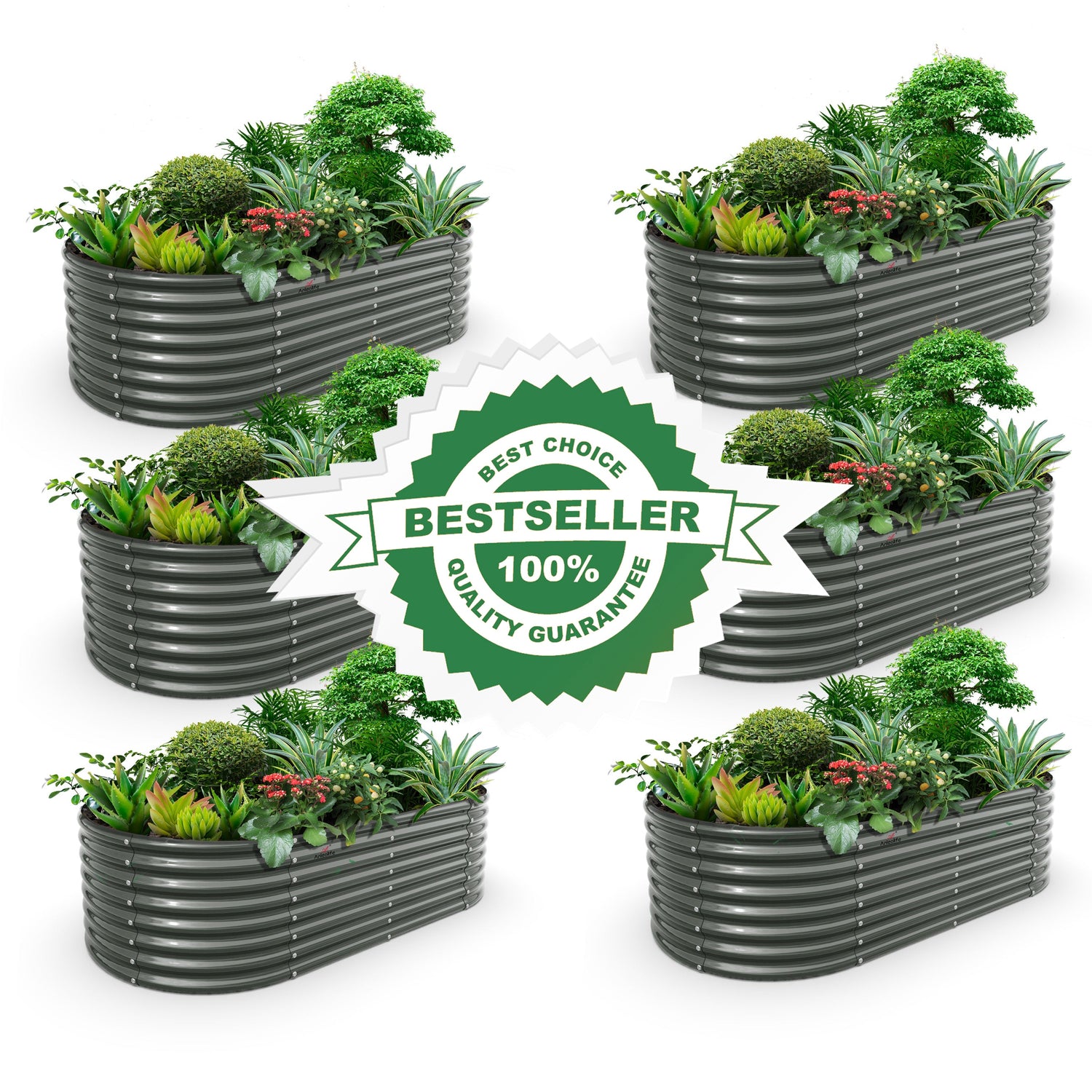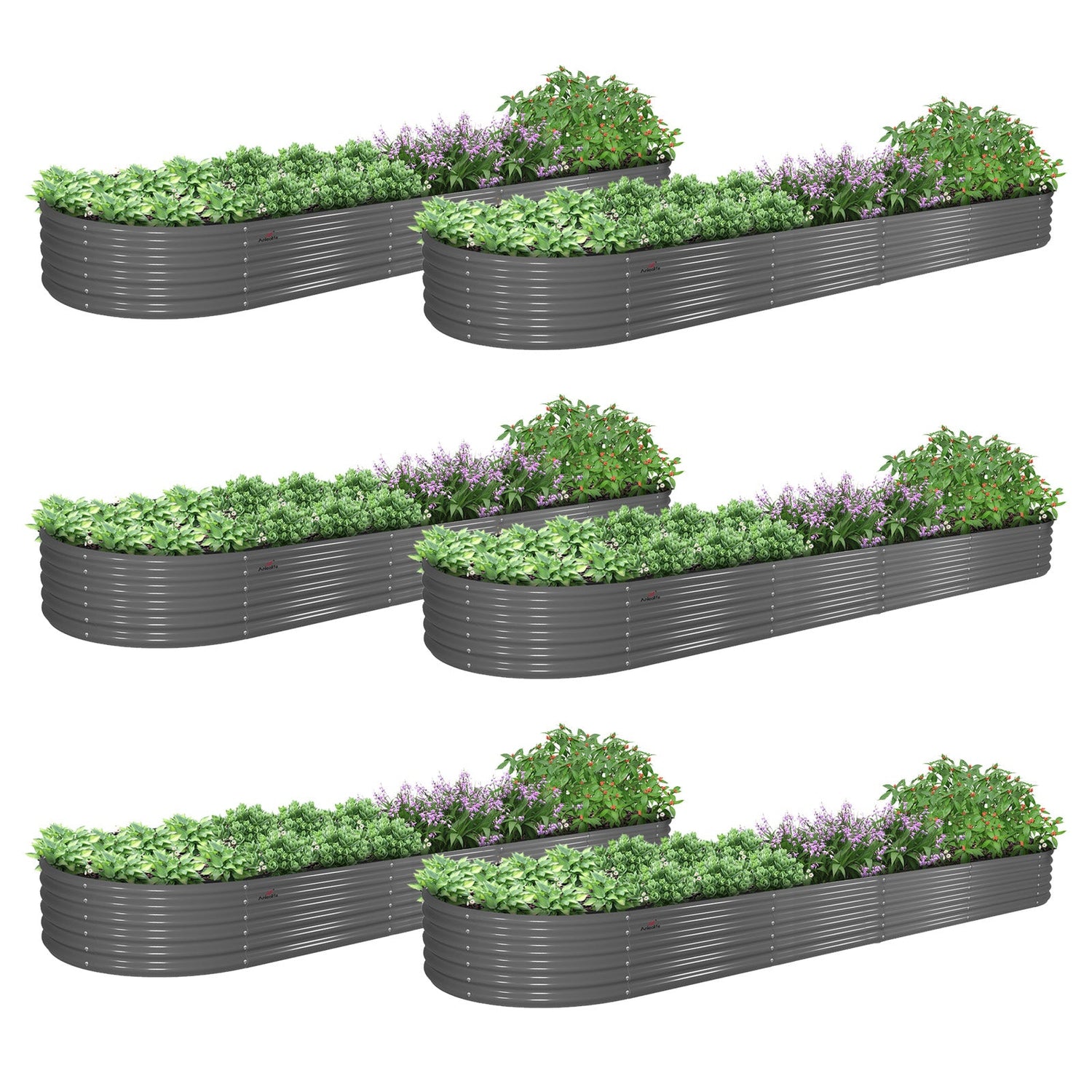



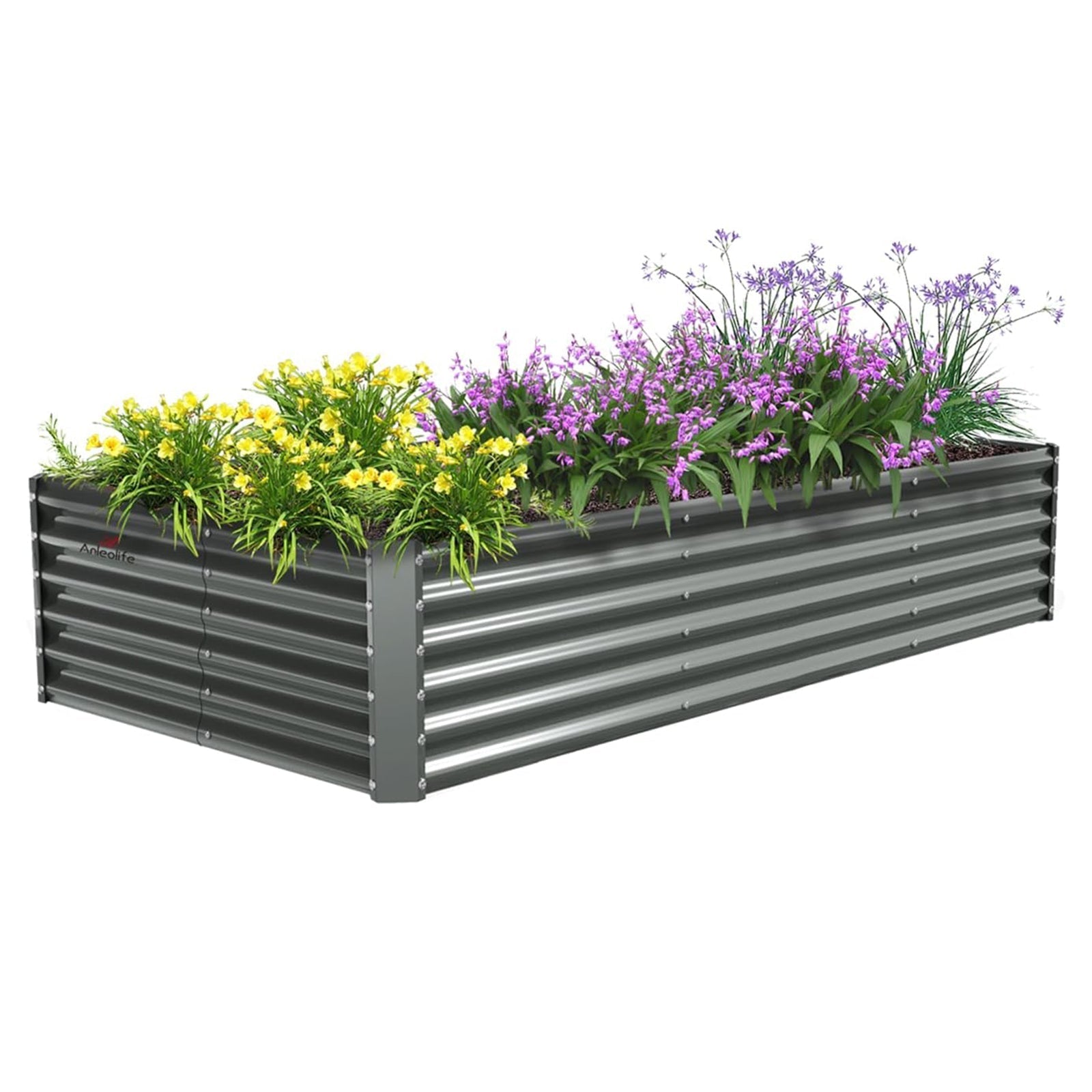

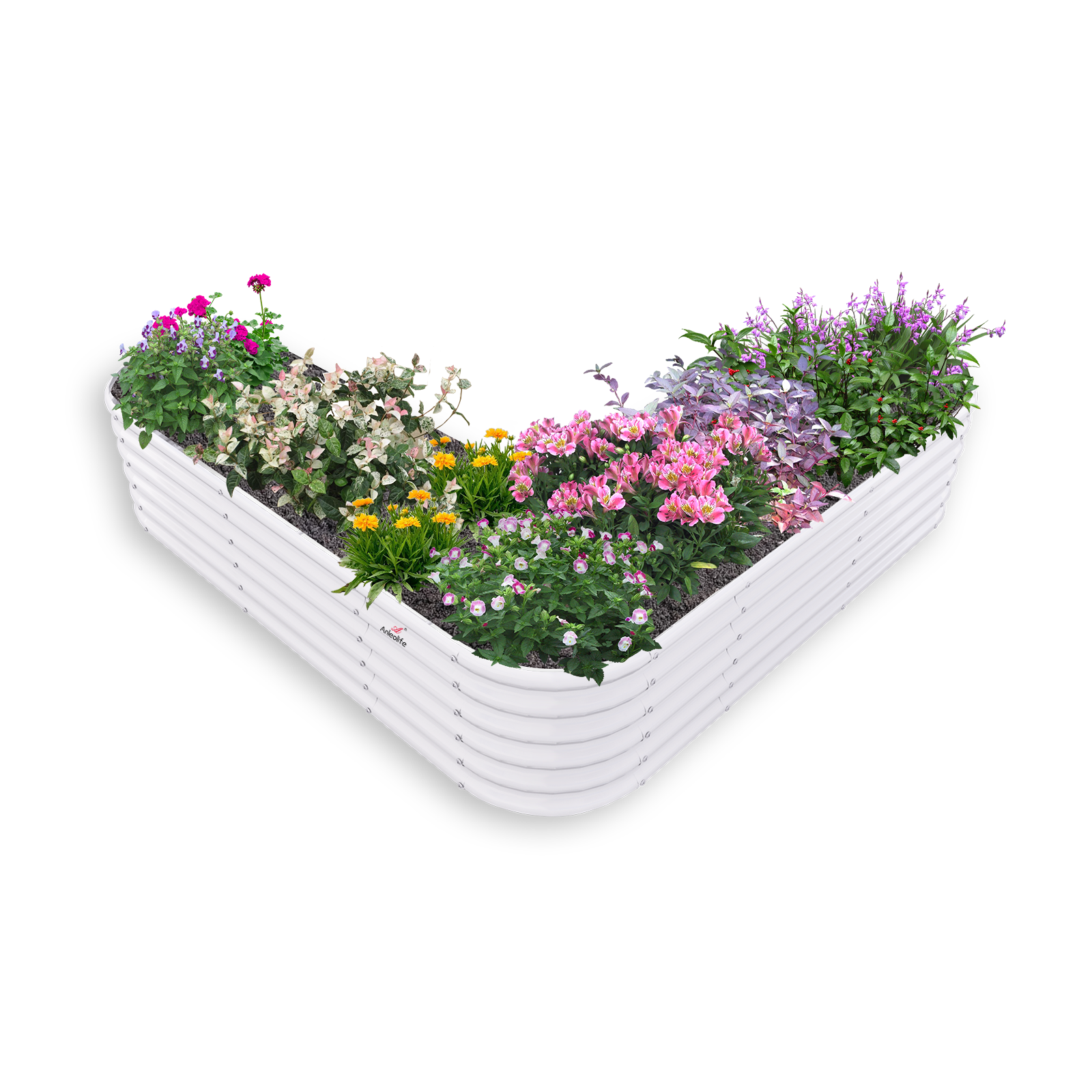
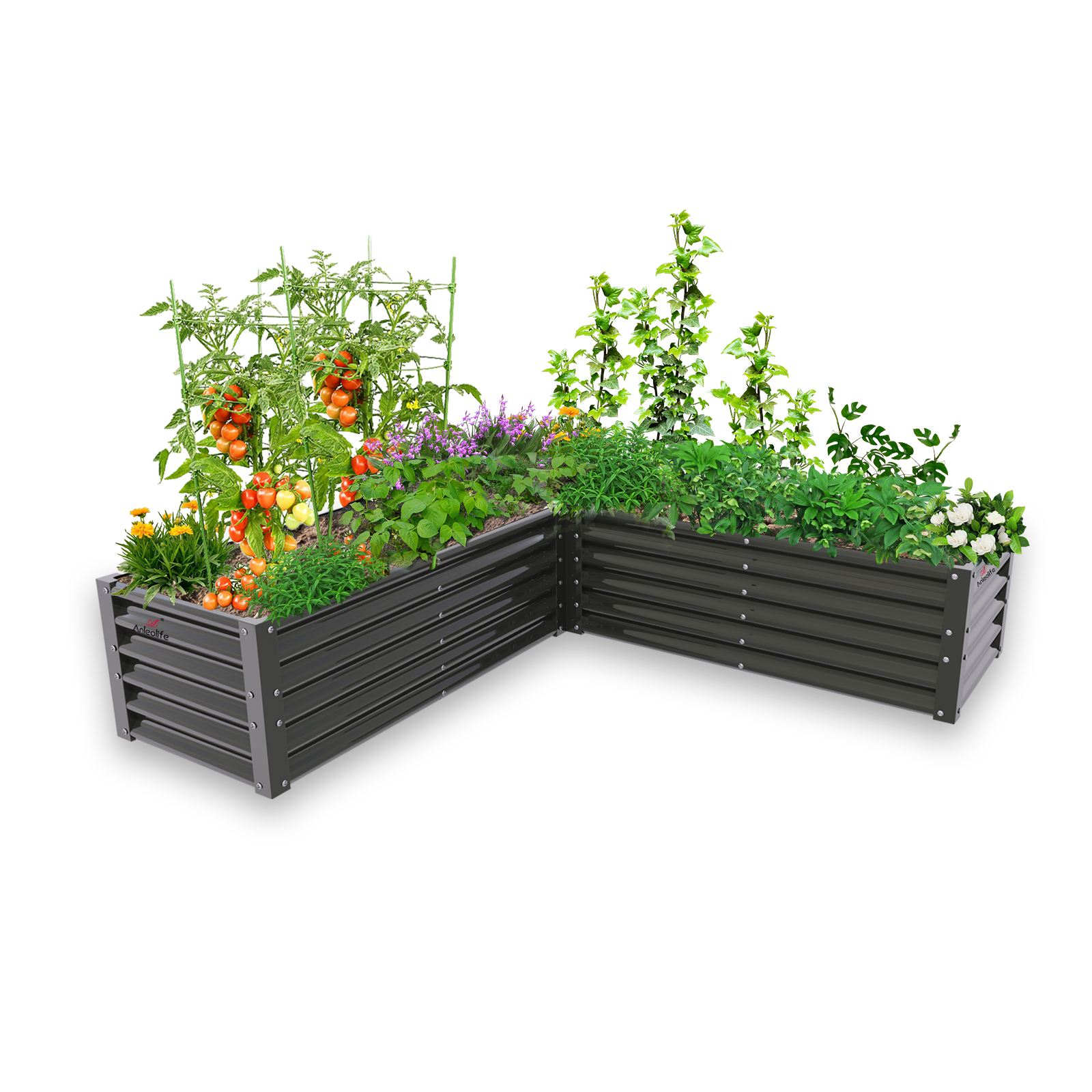
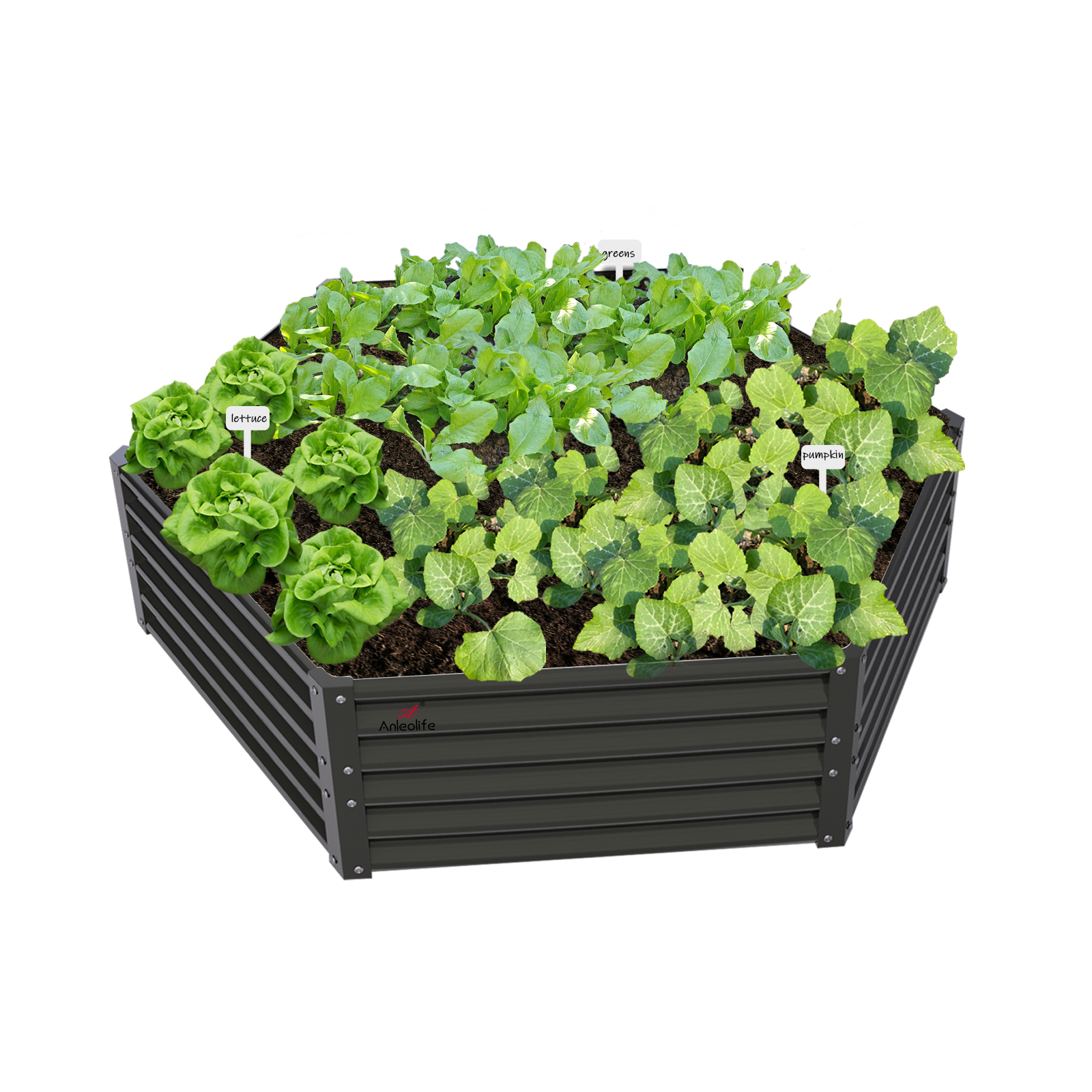
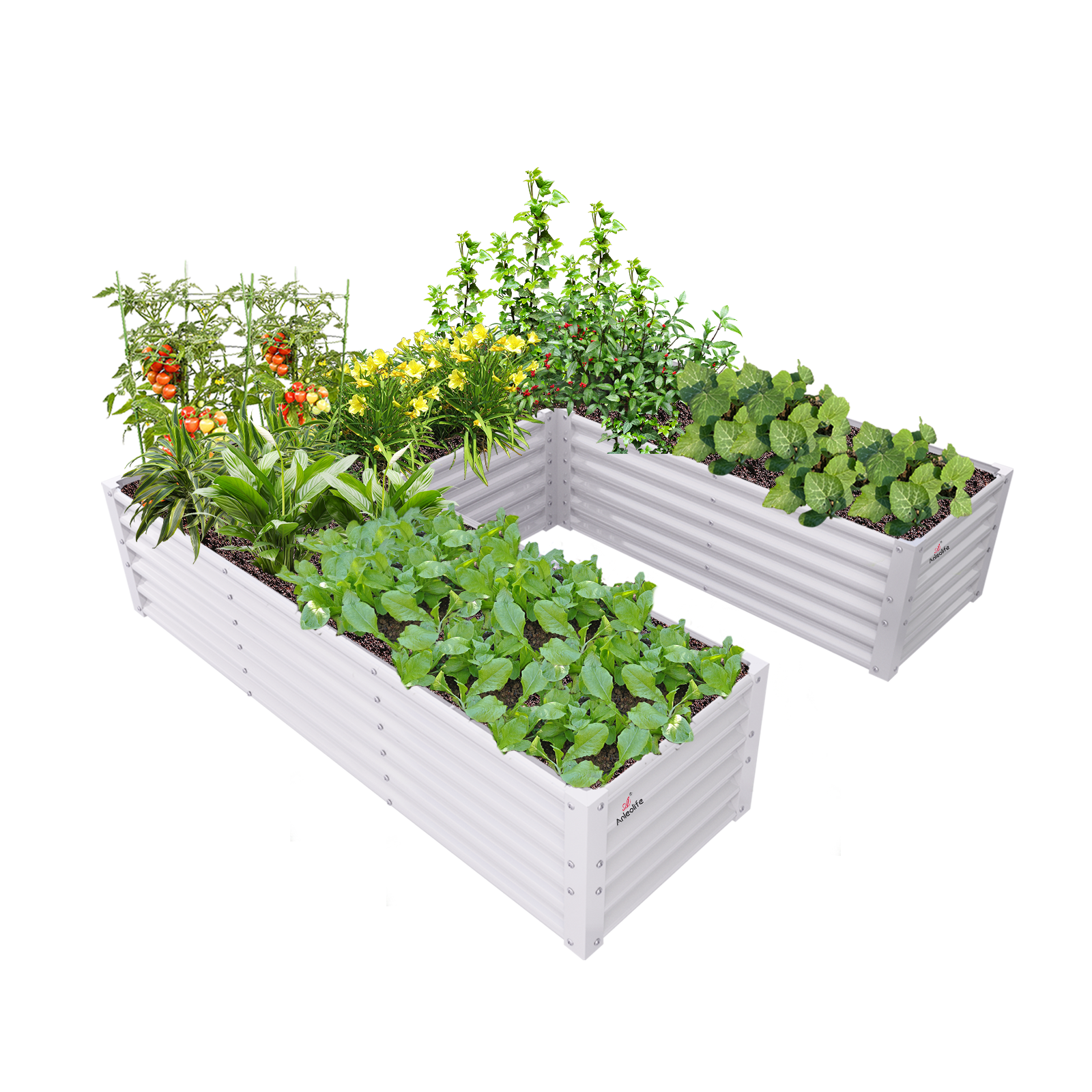

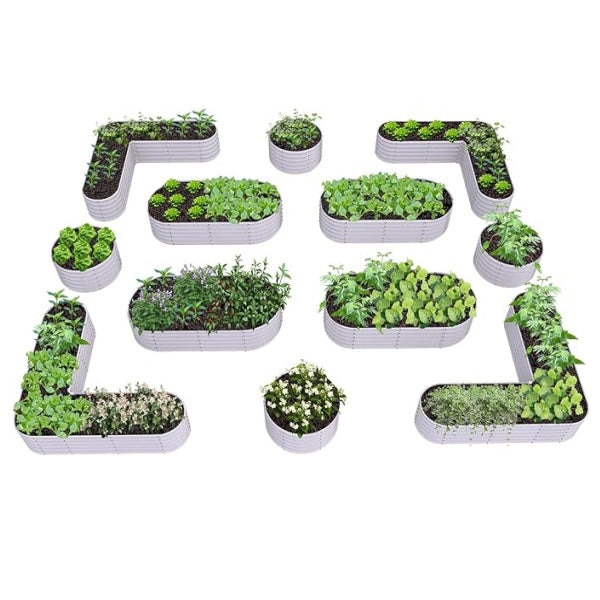


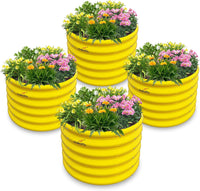
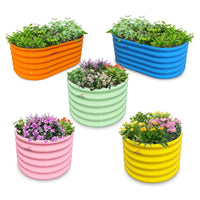
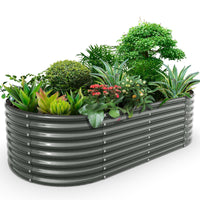



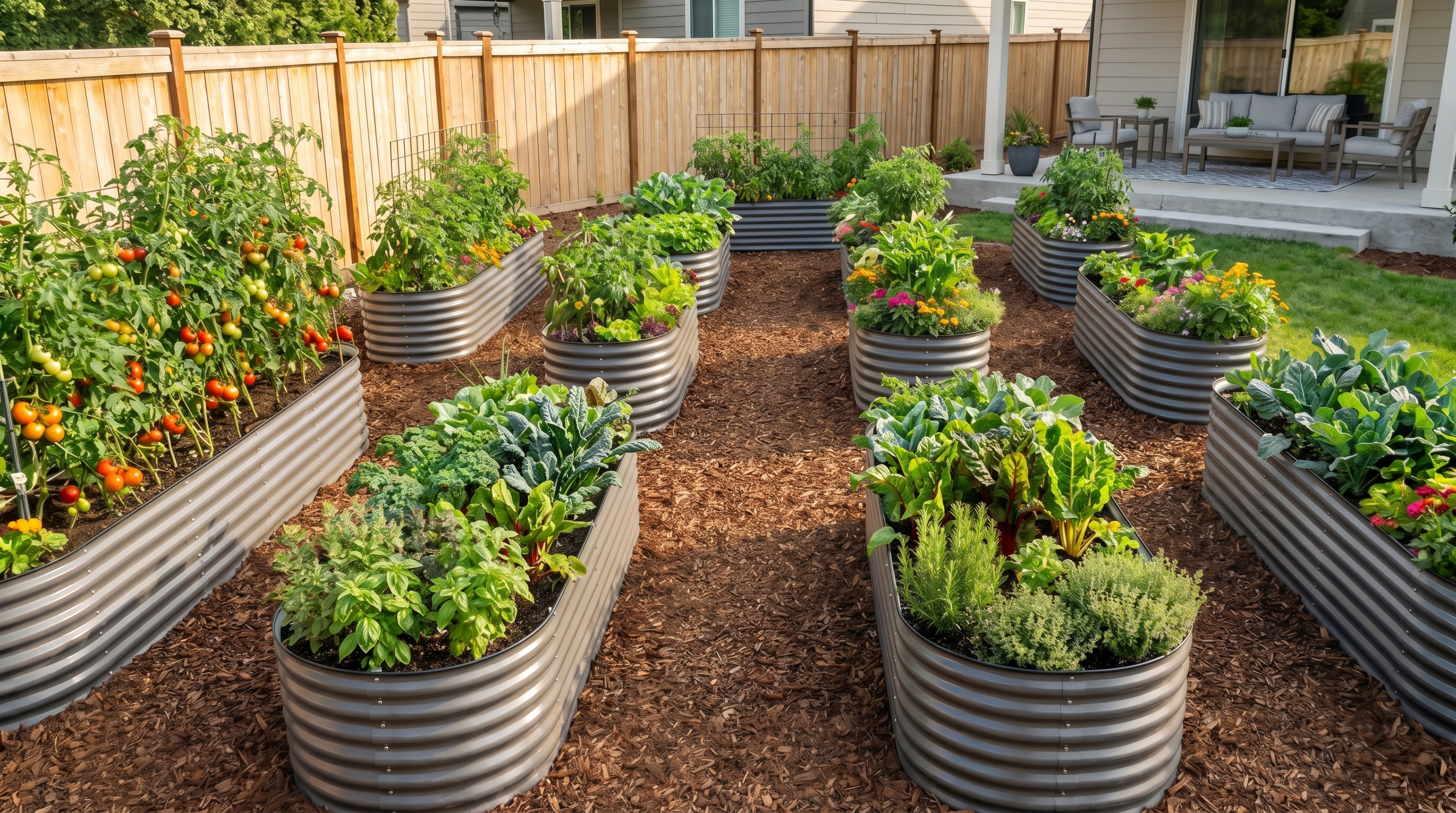
ALT: Organized multi-bed backyard garden system with raised metal beds, garden edging, and trellis structures
How a Multi-Bed Garden System Transforms Your Backyard Into a Productive Paradise
Key Conclusion: Creating an organized multi-bed garden system isn't just about aesthetics — it's a strategic approach to maximizing every square foot of your backyard. By combining thoughtful garden edging, integrated trimmer lines for pathway definition, and vertical garden trellis supports, you can build a functional, beautiful growing space that accommodates everything from salad greens to climbing tomatoes. Done right, a multi-bed layout yields more food, less maintenance, and a backyard you'll genuinely love spending time in.
Home gardening has surged in popularity across North America, driven by a growing desire for fresh, homegrown food and meaningful outdoor experiences. Whether you're converting an underused lawn into a productive vegetable patch or upgrading a scattered collection of containers into a cohesive planting ecosystem, a structured multi-bed system is the single most impactful upgrade you can make.
This guide walks you through the entire process — from planning your layout and choosing the right beds to managing pathways, trellis systems, and long-term maintenance — so you can build the best veggie garden your backyard has ever seen.
Who Should Use a Multi-Bed Garden System
✅ Applicable Scenarios:
- Homeowners with a medium to large backyard who want to grow a meaningful variety of vegetables, herbs, and flowers in dedicated zones
- Eco-conscious families seeking to reduce grocery bills and food miles by producing more food at home across different planting seasons
- Gardeners transitioning from in-ground planting to raised beds for improved soil control, reduced weeding, and better drainage
- Empty nesters and retirees who want a low-maintenance, ergonomic garden that still feels abundant and well-organized
- Urban and suburban micro-gardeners working with limited square footage who need to maximize yield per bed through smart layout design
❌ Not Applicable/Cautions:
- Renters in properties where permanent ground installations are not permitted — a fully modular approach using portable raised beds on patios or decks may be more appropriate
- Gardeners in extreme climates without frost protection planning — a multi-bed system without season-extension tools like row covers may result in short growing windows
- Those expecting instant results with minimal planning — a multi-bed layout rewards careful upfront design and moderate initial investment in quality materials
Why Backyard Garden Layout Design Matters More Than You Think
The difference between a chaotic backyard with scattered pots and a thriving, organized garden system isn't the number of plants — it's the structure behind them. Most beginner gardeners start by adding beds one at a time without a cohesive plan, which eventually leads to wasted space, tangled hoses, shaded beds, and soils of inconsistent quality.
A well-designed multi-bed layout solves all of these problems at once. It assigns each bed a purpose, creates logical traffic flow between zones, ensures that taller plants don't shade shorter ones, and makes watering, harvesting, and maintenance dramatically more efficient.
The interest in backyard vegetable gardens has grown substantially in recent years. According to the National Gardening Association, the number of households engaged in food gardening has increased significantly over the past decade, with raised bed gardening being one of the fastest-growing segments. Families who garden consistently report not only cost savings on produce but also measurable improvements in mental well-being and physical activity.
For gardeners wondering whether material choice matters, the answer is a definitive yes. Comparing your options early saves money and frustration down the road. If you're weighing your options between different bed types, Galvanized Steel vs. Wood Raised Garden Beds: Which Is Better for Your Backyard? offers a thorough breakdown of durability, cost, and long-term performance.
Another foundational decision that shapes your entire system is what to grow. The The 15 Best Vegetables to Grow in a Raised Garden Bed for Beginners is an excellent companion resource that pairs perfectly with layout planning — knowing what you'll grow helps determine how many beds you need and how to arrange them.
Getting your garden layout right from the beginning also means you can expand incrementally rather than starting over. That modularity — the ability to add one more bed next season without disrupting what already exists — is the hallmark of a truly well-planned backyard garden.
Building Your Multi-Bed Garden System: The Complete Guide
Three-Step Quick Start
Step 1: Map Your Space and Establish Sun Zones
Before purchasing a single bed, spend at least one full day observing how sunlight moves across your backyard. Mark areas that receive 6+ hours of direct sun (ideal for vegetables), partial sun zones (good for herbs and leafy greens), and shadier corners (suited for decorative plants or composting). This assessment, which takes about half a day, is the single most critical input for your entire layout. Sketch a rough grid of your space on paper, noting any existing obstacles like trees, fences, or utilities.
Step 2: Design Your Bed Configuration and Pathways
Using your sun map, assign each zone a bed type and size. A common rule is to keep beds no wider than four feet so you can reach the center from either side without stepping in. Leave 24–30 inches between beds for comfortable pathway access with a wheelbarrow. Decide now where your garden edging will go — clear pathway definition using edging materials, stepping stones, or compacted gravel prevents grass from creeping into your beds and gives the whole system a polished, intentional look. Sketch out bed placement, pathway routes, and water source proximity. This step typically takes a few hours but saves weeks of frustration later.
Step 3: Install Beds, Fill Soil, and Add Infrastructure
Once your design is finalized, install beds from the largest anchor pieces outward. Set up your irrigation or drip lines before filling beds with soil — it's much easier than retrofitting later. Add garden trellis supports to beds designated for climbing crops like beans, cucumbers, and tomatoes at the time of setup rather than mid-season. String trimmer lines or lay gravel along pathway edges to define clear walking zones that are easy to maintain. Fill beds with a high-quality blended soil mix appropriate for raised beds, water thoroughly, and allow soil to settle for a day or two before planting.
Comparing Multi-Bed System Configurations for Different Backyard Sizes
The right configuration depends on your available space, gardening goals, and budget. Here's how different approaches compare across key planning dimensions:
| Comparison Dimension | Compact System (2–3 Beds) | Mid-Scale System (4–6 Beds) | Full Ecosystem (7+ Beds) |
|---|---|---|---|
| Ideal Backyard Size | Small to medium yards | Medium to large yards | Large yards or dedicated garden areas |
| Crop Variety Potential | Herbs, salads, one vegetable type | Mixed vegetables, herbs, dedicated beds per crop family | Full seasonal rotation, specialty crops, companion planting |
| Setup Time | Half a day to one full day | One to two weekends | Several weekends with phased installation |
| Maintenance Level | Low — easy to manage solo | Moderate — benefits from irrigation setup | Higher — warrants drip irrigation, organized watering schedule |
| Expansion Flexibility | Easy to add beds later | Moderate — plan pathways in advance | Requires layout foresight to avoid bottlenecks |
| Best Bed Type | Modular or standard raised beds | Mix of modular and fixed-size beds | Combination of multiple bed types and heights |
| Estimated Budget Range | Budget-friendly starting point | Mid-range investment | Higher upfront cost, long-term ROI |
For those working with tighter budgets, it's worth noting that quality doesn't have to mean expensive. The Best Raised Garden Beds Under $200 That Won't Fall Apart identifies options that deliver serious durability without breaking the bank — an important consideration when you're planning to install multiple beds at once.
Choosing the Right Beds: Materials, Heights, and Configurations
Why Galvanized Steel and Rust-Resistant Metal Are the Best Materials for a Multi-Bed System
When building a multi-bed system intended to last, material selection is non-negotiable. Wood rots, requires treatment, and typically needs replacement within a few years. Plastic warps under UV exposure and lacks structural integrity for larger beds. Galvanized steel and rust-resistant metal, by contrast, offer a multi-decade lifespan that makes them the clear winner for any gardener making a long-term investment.
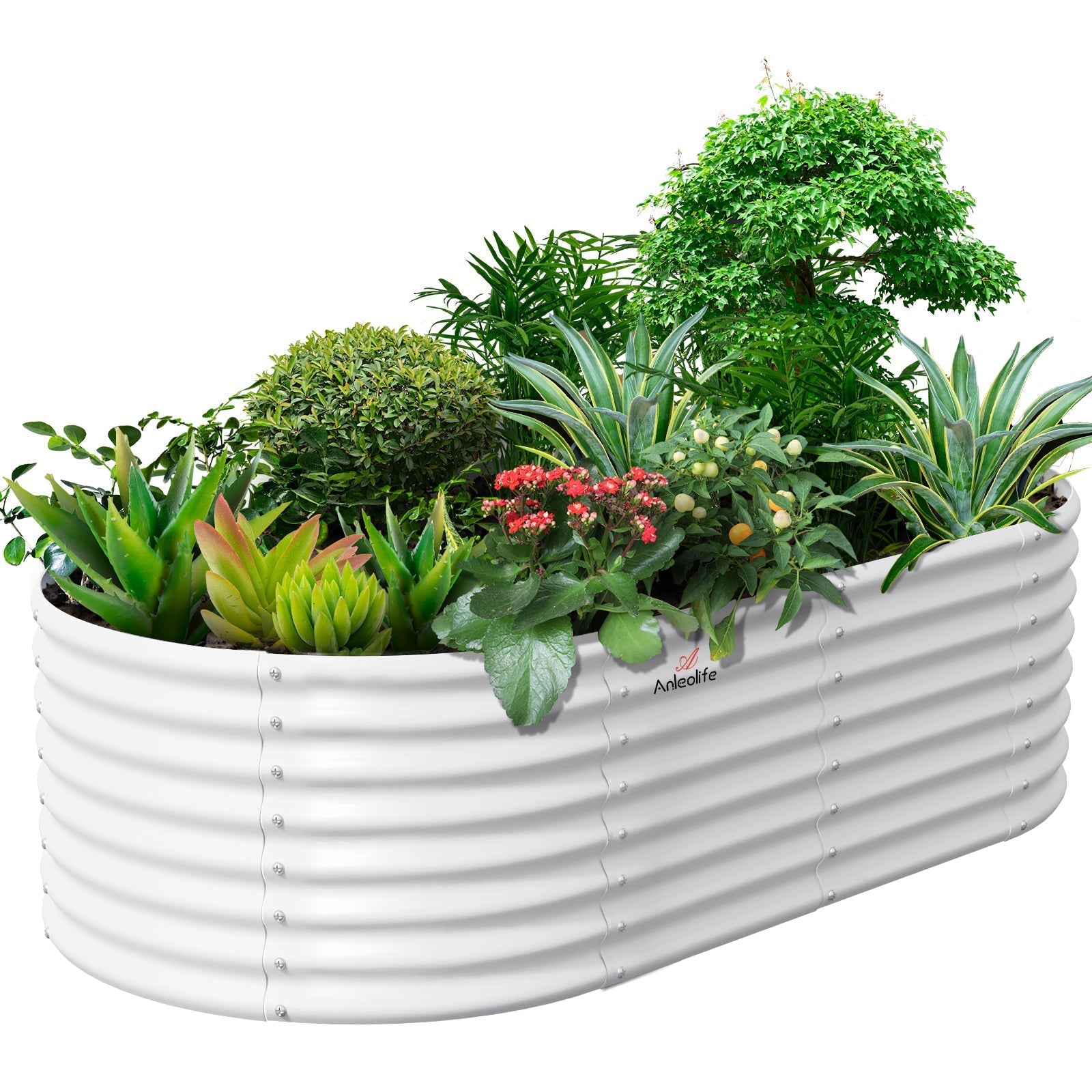
Anleolife's galvanized steel raised garden beds are engineered to last up to 20 years, making them one of the most cost-effective choices when you calculate the annual cost of ownership. Their rust resistance means they perform reliably even in humid climates or regions with heavy rainfall, without the aesthetic degradation that plagues cheaper metal alternatives.
For a comprehensive look at long-term performance, The Complete Guide to Rust-Resistant Raised Garden Beds covers everything from coating technology to maintenance tips that extend bed life even further.
Matching Bed Height to Your Gardening Needs
One of the most overlooked decisions in multi-bed planning is bed height selection. Not all beds should be the same height, and a smart multi-bed system often layers different heights strategically.
For standard vegetable growing with good native soil below, an 18-inch height provides ample root depth for most crops. For deeper-rooted plants like carrots, parsnips, or tomatoes, a 24-inch or 30-inch extra tall bed significantly improves performance. For gardeners with mobility limitations — particularly empty nesters and retirees — the 35-inch waist-high beds eliminate the need to bend down entirely, turning gardening into a genuinely comfortable activity.
Anleolife offers beds across this full height spectrum:
- 18-inch beds — available in a wide range of sizes, perfect for herbs, salad greens, and most vegetable crops
- 24-inch extra tall beds — ideal for root vegetables and gardeners wanting reduced bending
- 30-inch extra tall beds — excellent for deep-rooted plants and senior-friendly setups
- 35-inch waist-high beds — the ultimate ergonomic solution for accessibility-focused gardens
If you're unsure which height is right for your situation, the detailed guide on Raised Garden Bed Height Guide: 18", 24", 30", or 35" — Which Is Right for You? walks through the decision with practical scenarios.
The Case for Modular Beds in a Multi-Bed System
For a growing multi-bed system, modular raised garden beds are a game-changer. Unlike fixed-size beds, modular designs allow you to reconfigure your layout as your gardening needs evolve — connecting sections to form longer runs, separating them for seasonal rotation, or adding expansion panels to increase capacity.
Anleolife's Modular Raised Garden Bed line includes configurations ranging from compact 6x2 ft starter sizes up to generous 30-inch extra tall 8x4 ft setups. This flexibility means your first bed purchase doesn't lock you into a permanent configuration — you can expand organically, adding new sections each season as your confidence and ambitions grow.
Understanding how these systems work before purchasing is valuable. The article What Is a Modular Raised Garden Bed and How Does It Work? explains the mechanics and advantages in approachable detail.
Designing Functional Pathways and Garden Edging
A multi-bed system without well-designed pathways quickly becomes frustrating to use. Pathways should be wide enough to comfortably move through with a wheelbarrow or garden cart, and they need to be clearly defined to prevent soil and mulch from migrating.
Garden edging serves both a functional and aesthetic role. Along pathway edges, edging materials — whether metal strips, decorative bricks, or pressure-treated timber borders — prevent grass and weeds from infiltrating your growing zones. Between beds, edging creates a visual framework that makes the whole system look intentional and professional rather than improvised.
For pathway surfacing, options include:
- Compacted gravel — excellent drainage, easy to maintain, discourages weeds
- Wood chip mulch — soft underfoot, breaks down into soil over time, looks natural
- Stepping stones or pavers — durable, permanent, and visually polished
- Grass pathways — require mowing but give a lush, traditional garden look
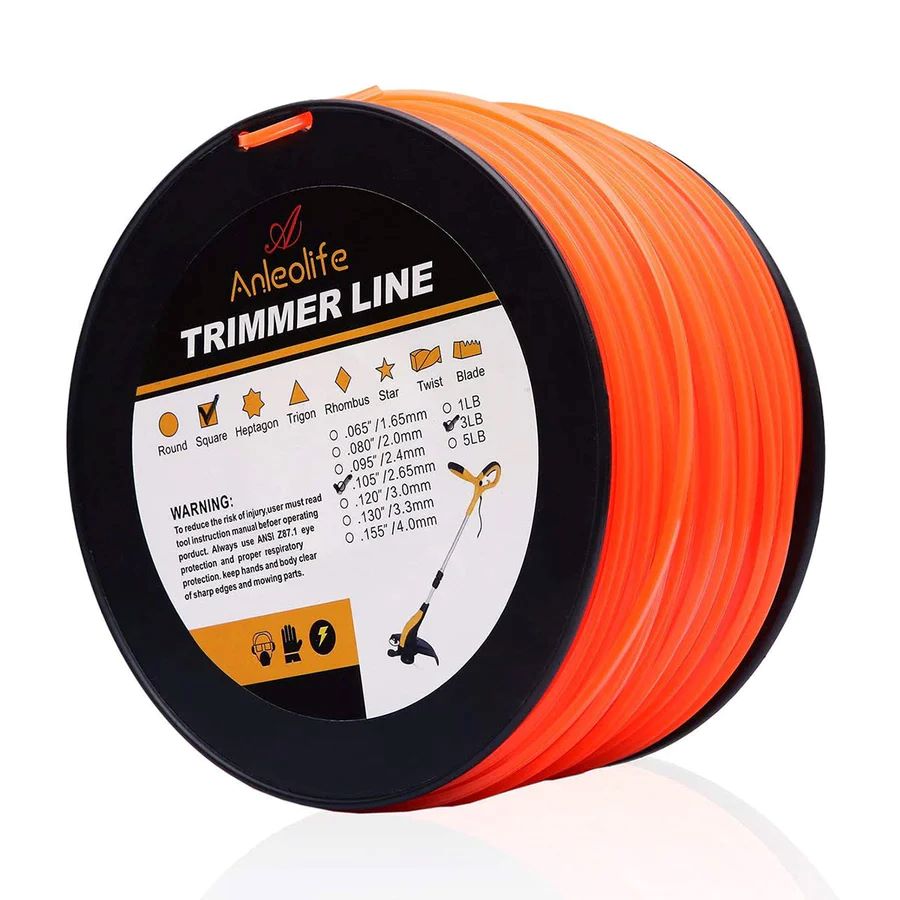
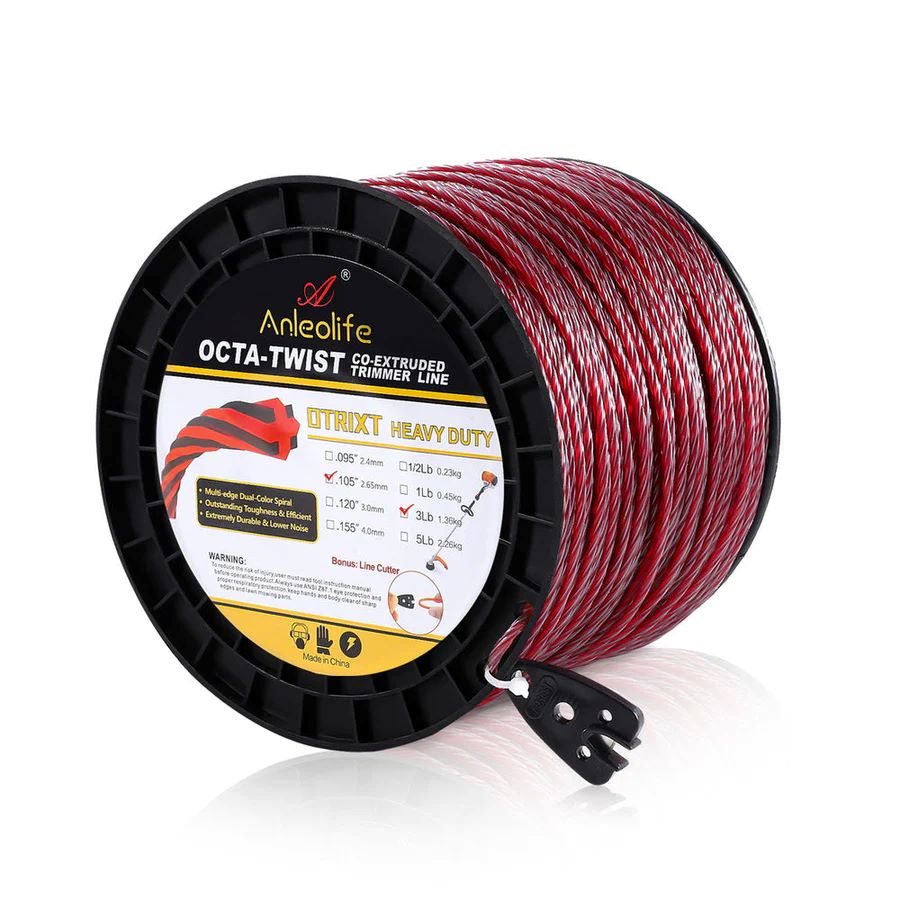
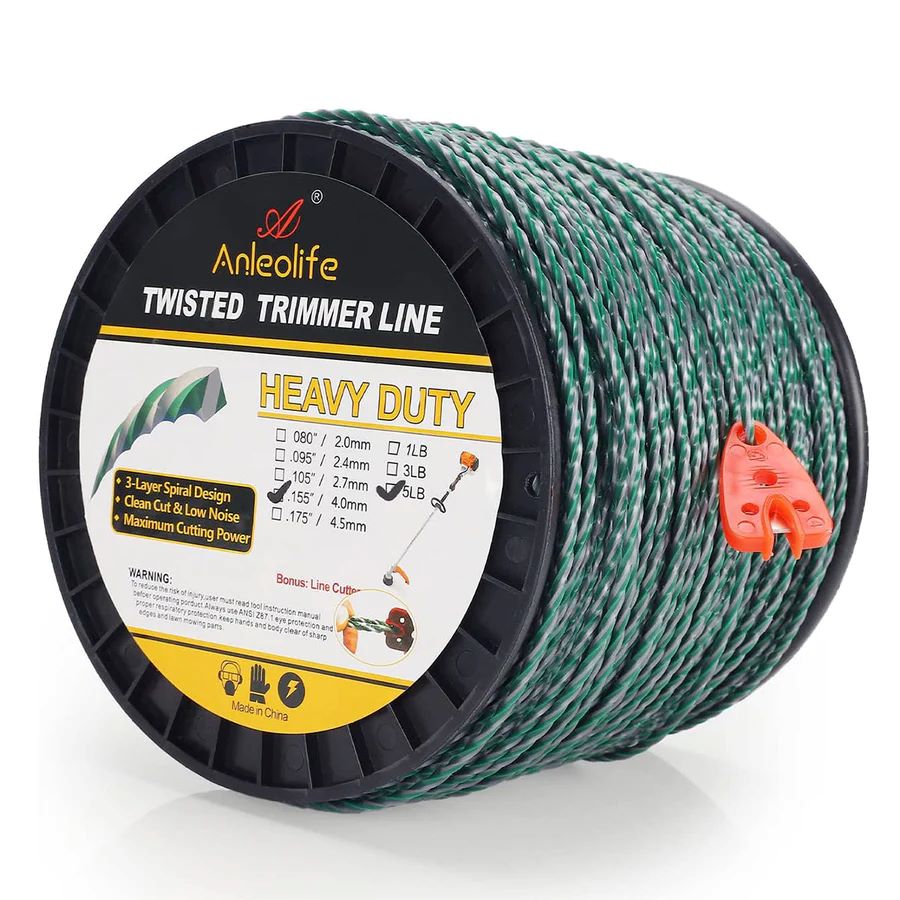
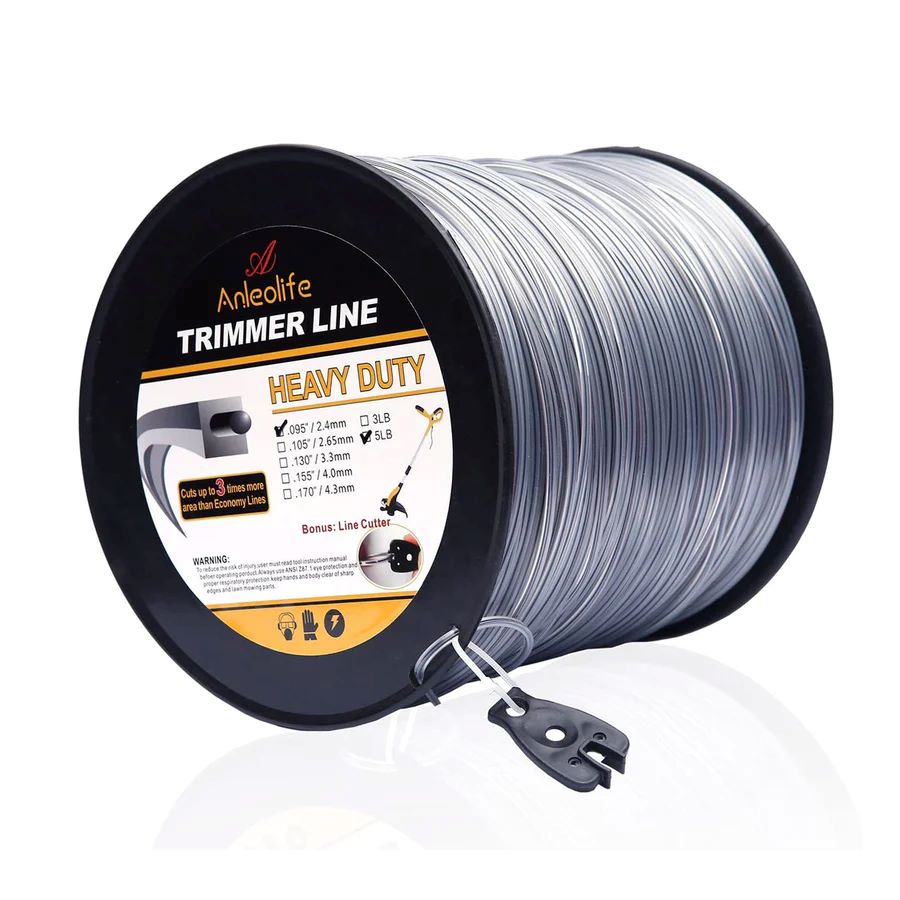
Defining pathway edges with trimmer lines is a practical, low-cost way to maintain crisp transitions between your garden beds and walking surfaces, especially when using grass or mulch pathways. Running a string line during installation ensures pathways stay straight and consistent.
Vertical Growing: Integrating Garden Trellis Systems
A well-designed multi-bed system extends upward, not just outward. Garden trellis structures, installed in or adjacent to your raised beds, allow climbing crops — beans, cucumbers, peas, squash, and tomatoes — to grow vertically. This dramatically increases the productive capacity of each bed while keeping the overall footprint compact.
Trellises should be placed on the north side of beds (in the Northern Hemisphere) so that tall vertical growth doesn't shade shorter crops nearby. A-frame trellises work particularly well straddling beds, creating a productive tunnel effect and enabling two climbing crops to share one support structure.
When planning trellis placement during your initial layout, account for the footprint and shadow cast at peak summer growth — a fully loaded cucumber trellis can shade a surprising amount of ground. Strategic trellis integration is one of the most effective ways to build a truly high-output garden system.
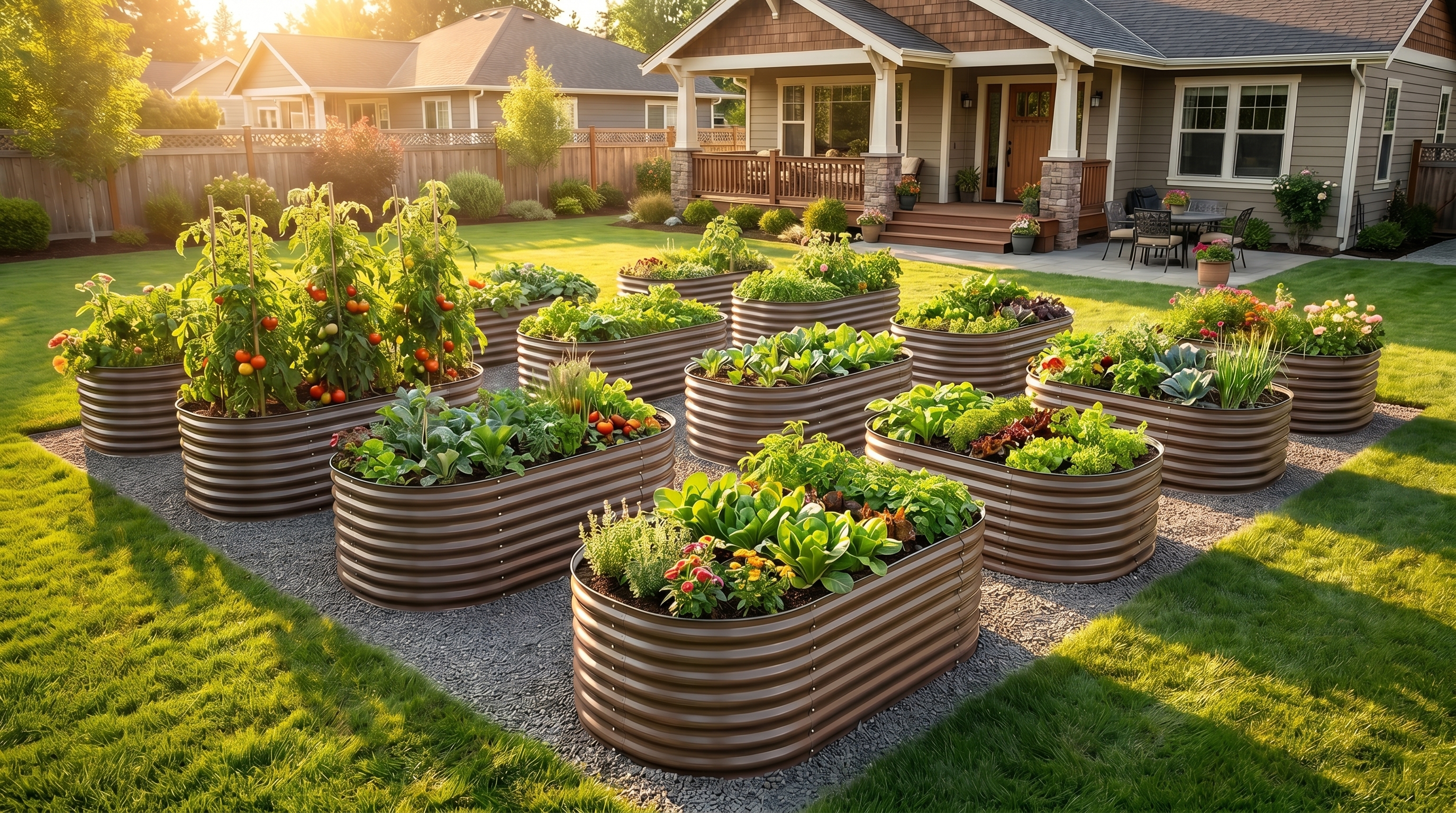
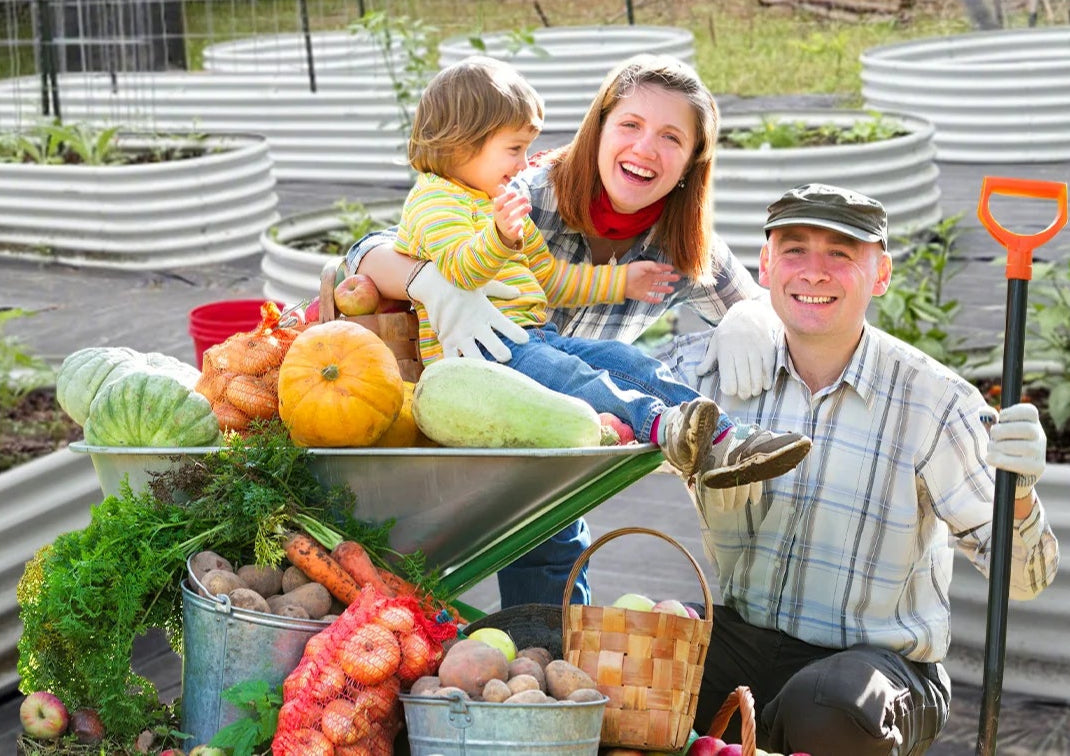
ALT: Multi-bed backyard garden system featuring galvanized raised beds, defined garden edging pathways, and tall trellis supports for climbing vegetables
Advanced Strategies for Multi-Bed Garden Optimization
Managing Companion Planting Across Multiple Beds
Once you have multiple beds established, you can take full advantage of companion planting — the practice of growing mutually beneficial plants together. Classic combinations like the Three Sisters (corn, beans, and squash) work beautifully in larger beds, while tomato-basil pairings optimize space in medium-sized configurations.
Spreading companion groups across adjacent beds, rather than just within a single bed, allows you to manage scale more practically while still capturing the pest-repelling and growth-enhancing benefits.
A common misconception is that companion planting requires complex knowledge or rigid rules. In practice, even basic pairings — herbs near vegetables, flowers near fruiting crops — deliver meaningful results without demanding expertise.
Seasonal Rotation: Why Your Layout Must Support It
Crop rotation — moving plant families to different beds each year — is essential for maintaining soil health and reducing disease and pest pressure. This means your bed layout should be designed with rotation in mind from day one.
Label your beds (even temporarily with garden stakes) and keep a simple journal noting what grew where each season. A three- or four-bed rotation cycle prevents nightshade family plants (tomatoes, peppers, eggplant) from depleting the same soil year after year.
Modular beds make rotation even more practical because you can physically reconfigure the layout if your rotation plan evolves over time.
Irrigation: The Infrastructure That Makes Everything Work
Many gardeners underestimate how much time hand-watering multiple beds consumes. A drip irrigation system, even a basic one, transforms the experience from daily chore to automatic efficiency. Installing drip lines at setup (before the soil goes in) is far easier than retrofitting afterward.
Even a simple timer-based system covering four to six beds requires only a few hours of setup and can save hundreds of hours of manual watering over a growing season.
Frequently Asked Questions FAQ
Q1: How do I set up multiple Anleolife modular garden beds together in my backyard?
Setting up multiple Anleolife modular beds together is straightforward because they're designed with compatibility in mind. Start by laying out all the panel sections according to your pre-planned layout before securing anything permanently. Position beds with 24–30 inches between them for pathway access. Connect expansion panels where you want longer runs, secure corner brackets, and align adjacent beds consistently for a unified look. Once positioned, check for level using a long spirit level across the top rails before adding soil. The modular system allows for future reconfiguration as your needs evolve.
Q2: Are galvanized steel raised garden beds safe for growing vegetables?
Yes — galvanized steel raised garden beds are widely regarded as safe for vegetable growing. The zinc coating used in galvanization is a naturally occurring mineral found in soil and essential to human nutrition at normal dietary levels. Research from institutions including the University of Minnesota Extension indicates that zinc leaching from galvanized beds is negligible and unlikely to affect food safety or flavor. Anleolife's galvanized and rust-resistant beds are designed specifically for edible gardening and are trusted by hundreds of thousands of home growers across North America.
Q3: How long does it take to set up a multi-bed garden system, and what does it cost?
A compact two- to three-bed system can typically be installed and planted within a single weekend. A mid-scale four- to six-bed system usually requires two weekends, including time for soil delivery and settling. Cost varies significantly based on bed size, material, and number of beds. Anleolife offers beds in price ranges that suit most budgets, with quality rust-resistant options available at accessible price points. Once installed, Anleolife beds are built to last up to 20 years, making the per-year cost of ownership remarkably low compared to wood alternatives.
Summary
Building an organized multi-bed garden system is one of the most rewarding projects a home gardener can undertake. Done well, it transforms an underused backyard into a productive, beautiful space that delivers fresh food, mental restoration, and lasting pride in your home.
Three core principles drive success in every multi-bed system:
First, plan before you plant. Sun mapping, pathway design, and bed sizing decisions made upfront save enormous time and expense later. A well-thought-out layout accommodates rotation, expansion, and varied crop types without constant reorganization.
Second, invest in materials that last. Choosing galvanized steel or rust-resistant metal beds — built to last up to 20 years — over cheaper wood or plastic alternatives means your system improves with age rather than degrading. The long-term value is clear.
Third, think in systems, not in individual beds. Integrating garden edging, trimmer lines for pathway definition, trellis infrastructure for vertical growth, and drip irrigation from the beginning creates a garden that practically manages itself, leaving you free to enjoy the growing part.
Your next step: sketch your backyard, note your sun zones, and identify the size and number of beds that match your growing ambitions. Then visit Anleolife.com to explore the full range of bed configurations across every height, size, and style.
Ready to build the backyard garden system you've always imagined? Anleolife makes it easy.
Anleolife operates a nationwide U.S. warehouse network strategically located in California, Texas, Florida, New York, Illinois, and Washington, ensuring delivery within 3–8 business days so your garden upgrade plans never have to wait.
Our products are available across major platforms — Amazon, Walmart, Home Depot, Lowe's, Wayfair, and directly at Anleolife.com — with consistent quality assurance and dedicated after-sales support wherever you prefer to shop.
Anleolife's three core scenarios — Planting (metal raised garden beds, soil systems), Raising (chicken coops, rabbit hutches), and Beautification (decorative accessories, pathway systems) — cover everything you need from pure function to curated aesthetic.
We understand that an ideal garden isn't built overnight — it's grown incrementally, season by season. Our modular product design allows you to expand flexibly based on your needs, from your very first raised bed to a fully integrated planting-and-raising ecosystem. Anleolife grows with you every step of the way.
References
- National Gardening Association. "Food Gardening in the United States: A Decade of Growth."
https://garden.org - University of Minnesota Extension. "Raised Bed Gardening."
https://extension.umn.edu/how/raised-bed-gardening - UC Agriculture and Natural Resources (UC ANR). "Vegetable Garden Basics."
https://ucanr.edu/ - Penn State Extension. "Planning a Vegetable Garden."
https://extension.psu.edu/planning-a-vegetable-garden - USDA Agricultural Research Service. "Home Gardening and Food Systems Research."
https://www.ars.usda.gov/
Note: Standards and recommendations may be updated. Please check the latest official documents or consult professional advisors for the most current guidance.
About Anleolife
Anleolife is a leading outdoor garden solutions provider in North America, dedicated to offering a full-scenario product ecosystem for home gardening enthusiasts, covering planting, raising, and garden beautification. Since its founding, we have upheld our brand mission, "Made for Garden Life," continuously innovating products and optimizing services to help hundreds of thousands of users upgrade their gardens, reconnect with nature, and enjoy a better garden lifestyle.