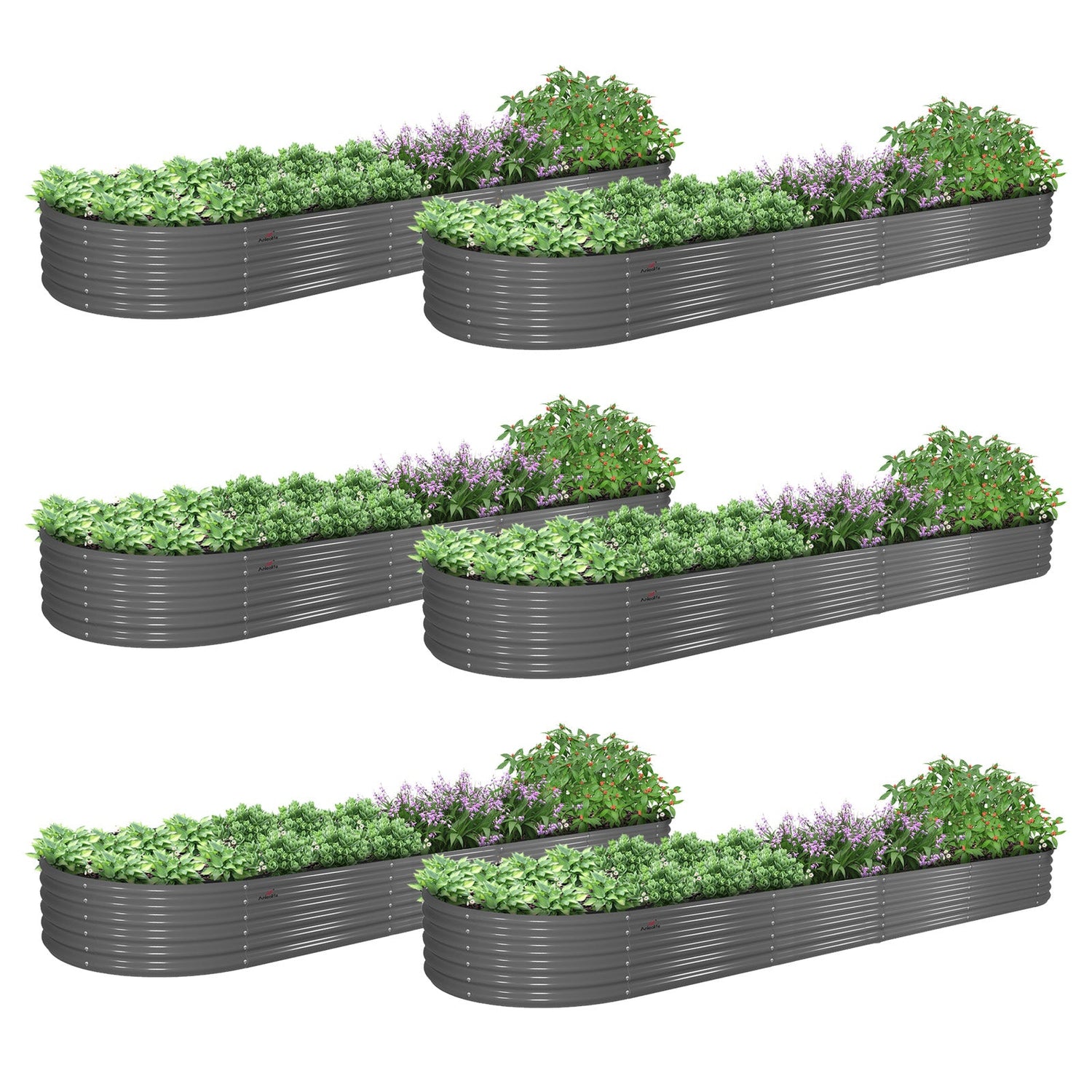



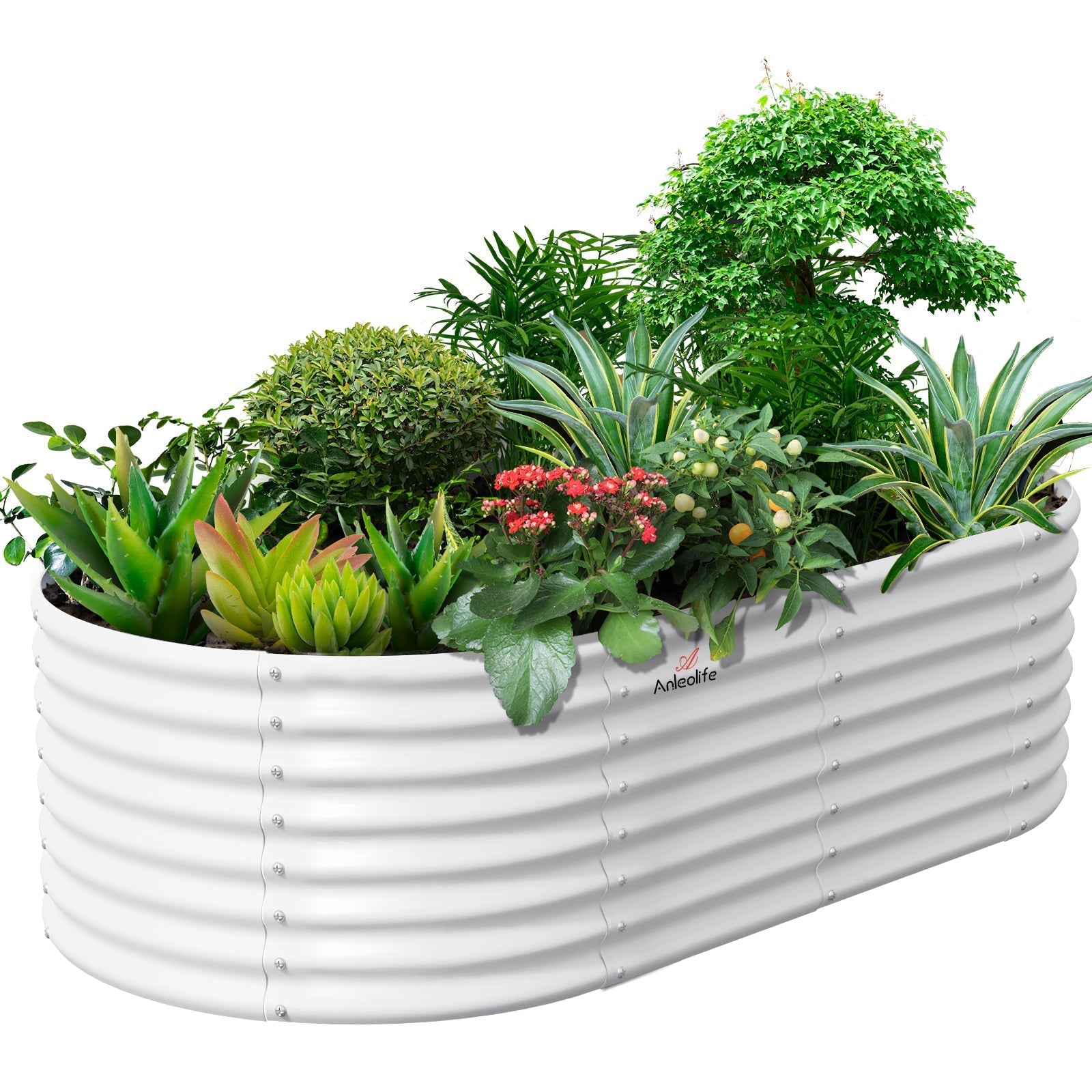
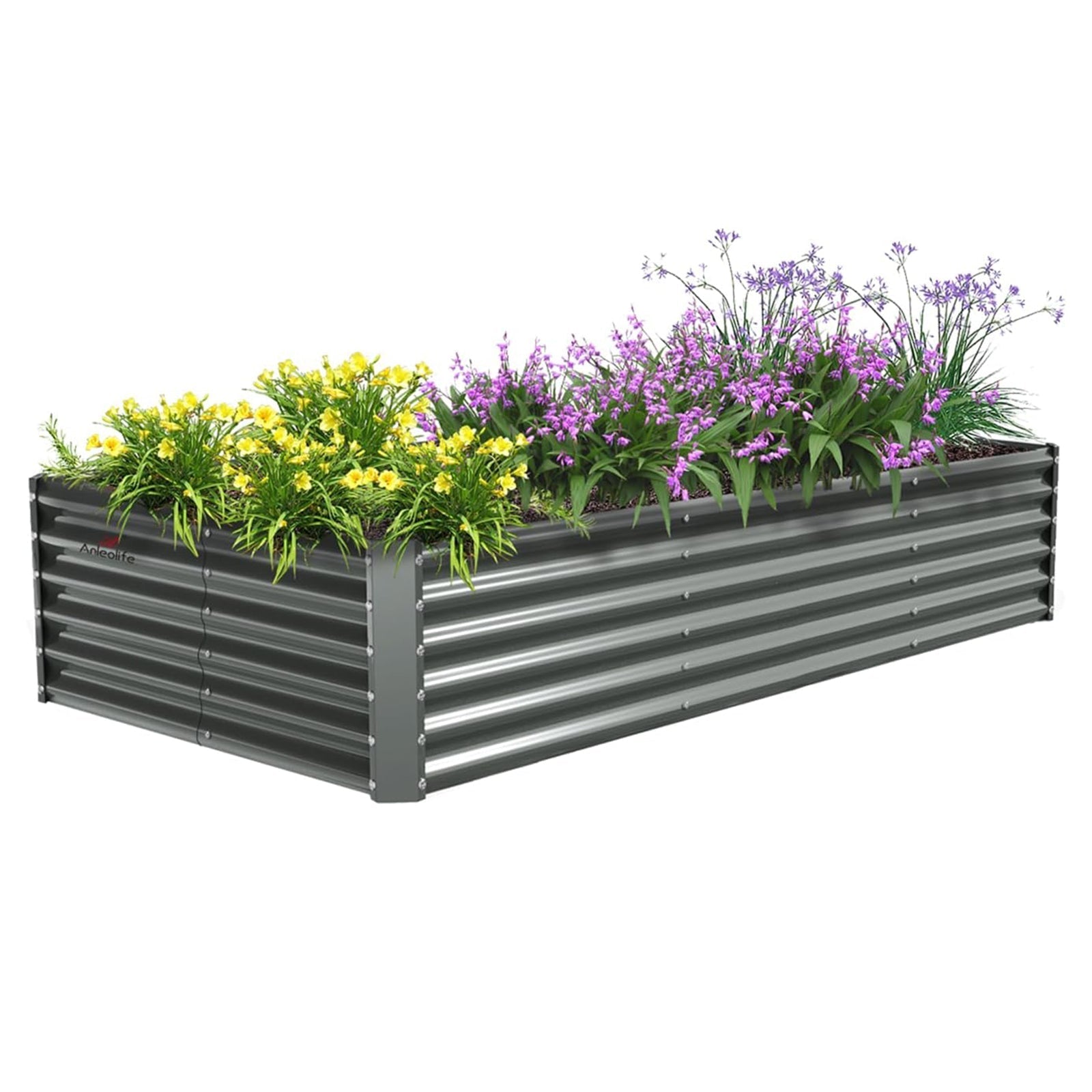

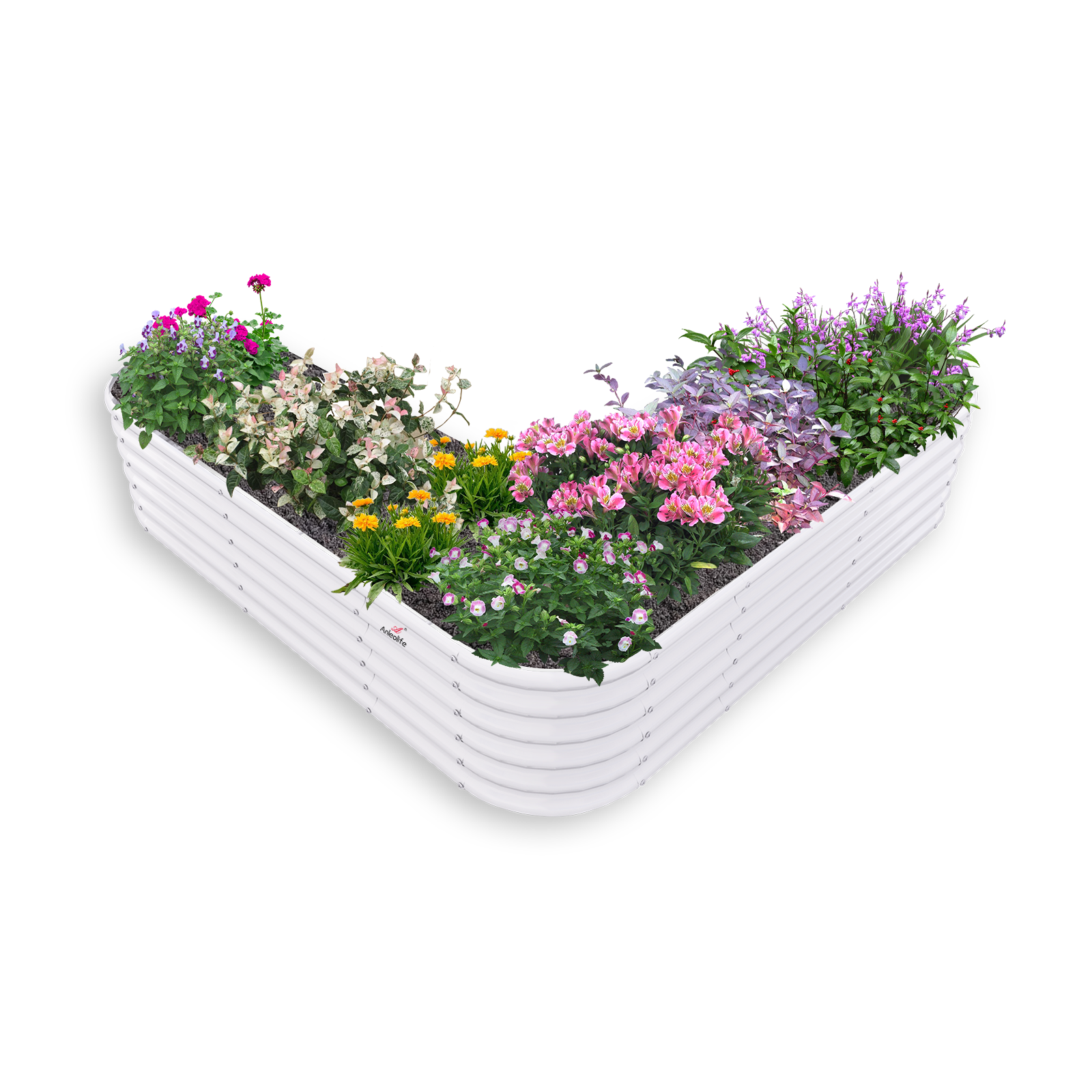
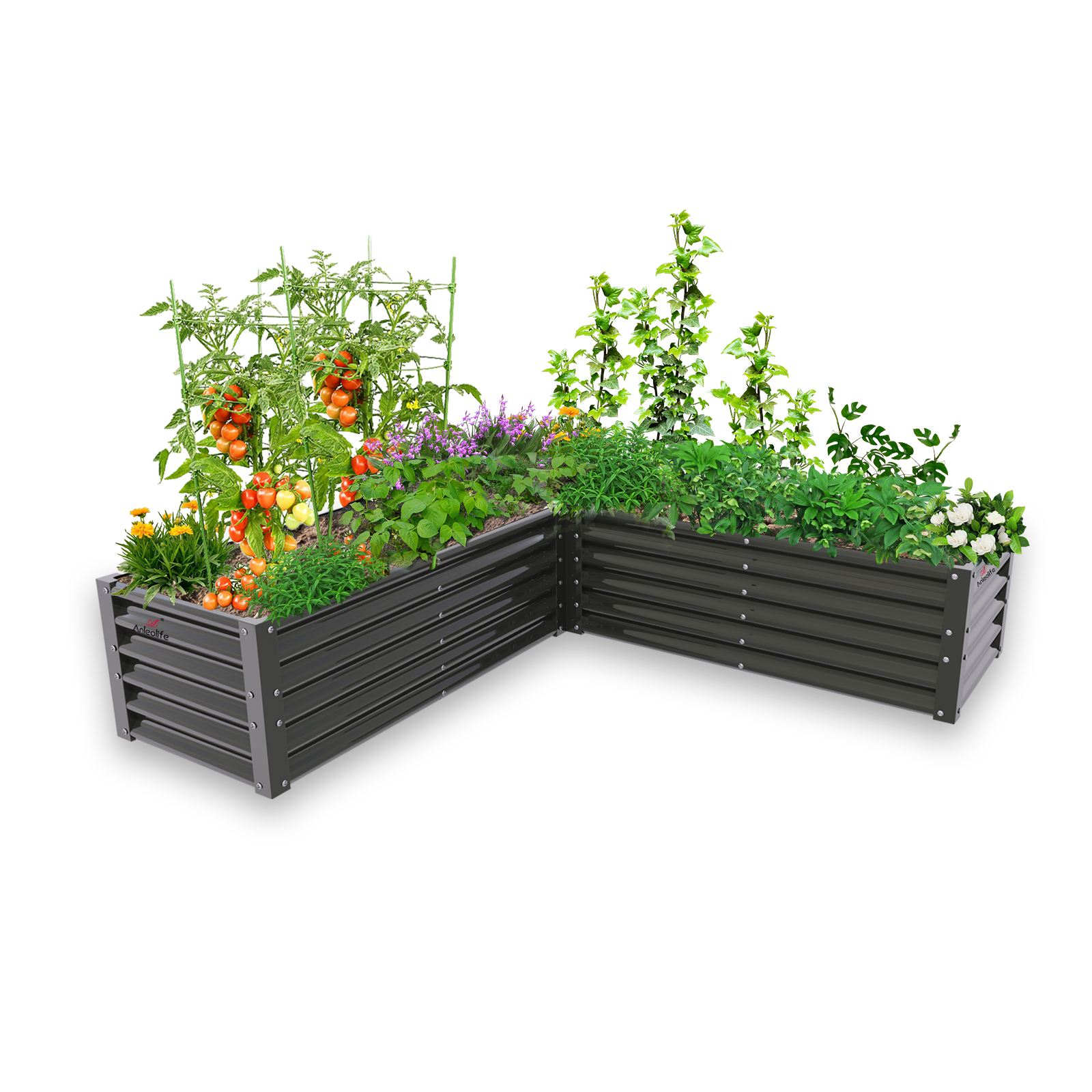
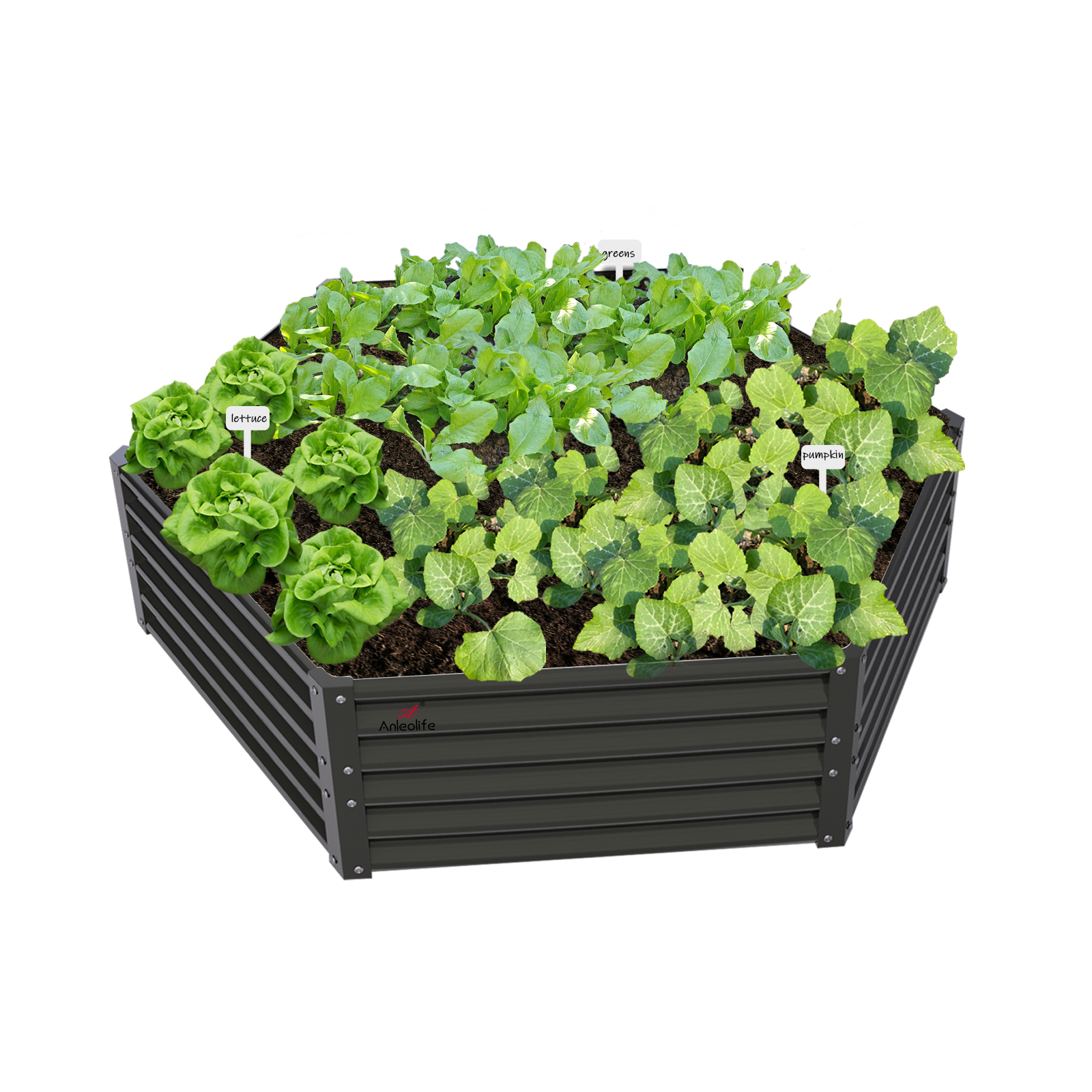
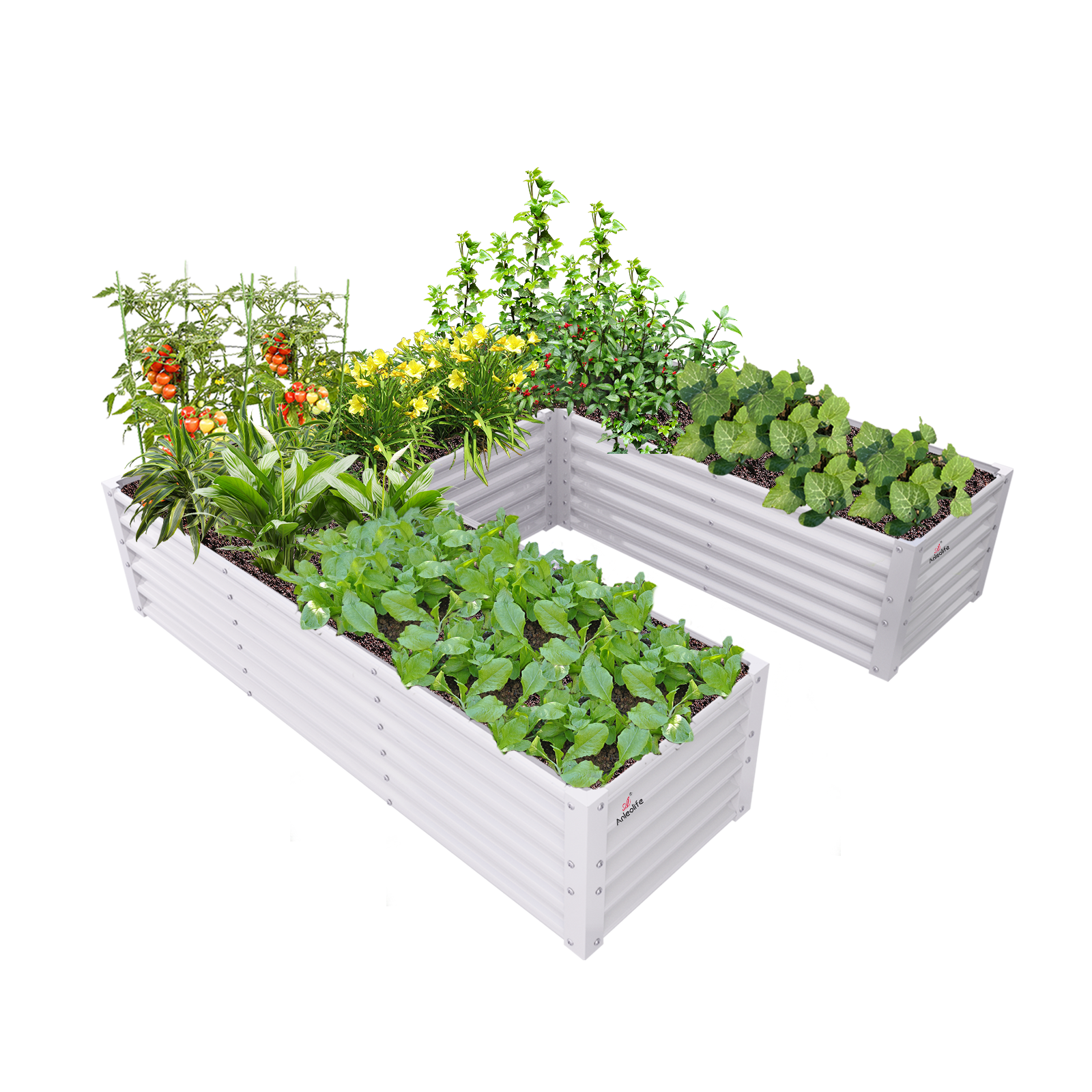

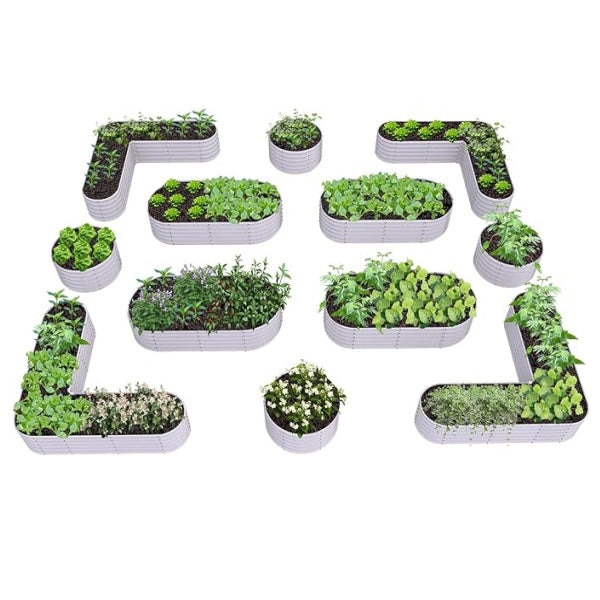


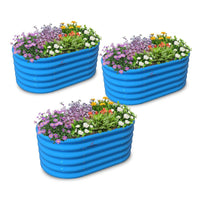
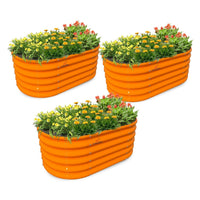
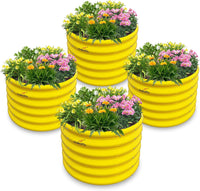
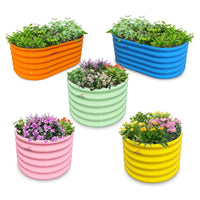
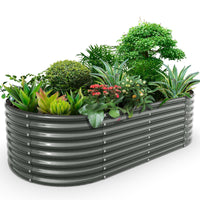



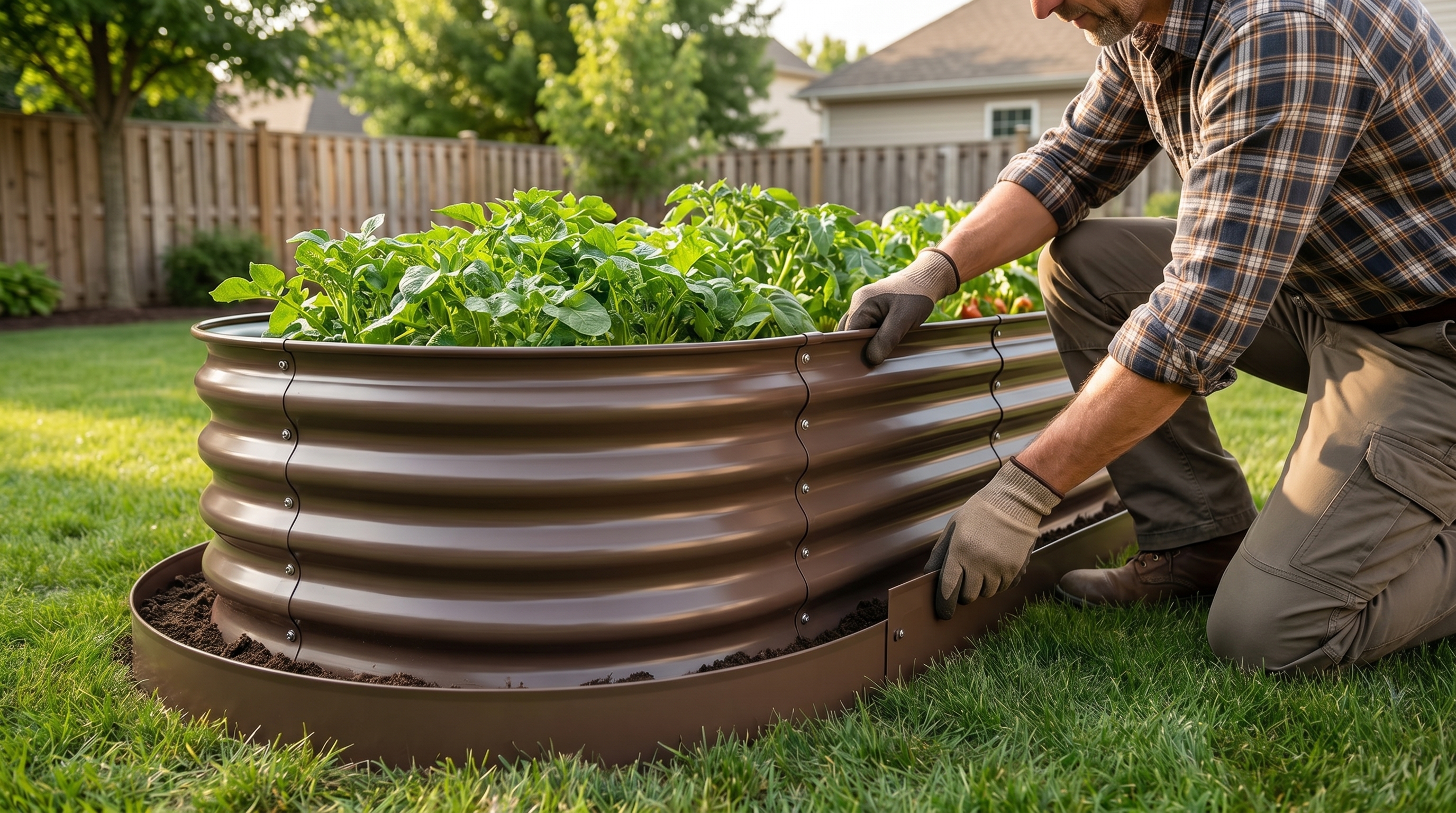
ALT: Homeowner installing garden edging around a raised metal garden bed to keep weeds out effectively
How Garden Edging Keeps Weeds Out of Raised Beds — and Why It Matters More Than You Think
Key Conclusion: Effective garden edging is one of the most underrated tools in any home grower's arsenal. When properly installed around raised beds, edging creates a physical barrier that blocks creeping roots and trimmer lines can no longer accidentally scatter weed seeds into your planting zone. Combined with a sturdy garden trellis system for vertical growth, a well-edged raised bed becomes a nearly self-contained growing ecosystem — dramatically reducing your weekly maintenance burden.
If you've ever spent a sunny Saturday morning pulling the same weeds you yanked out two weeks ago, you already understand the frustration. Weeds don't just compete for nutrients and water — they can harbor pests, block sunlight from seedlings, and turn a joyful gardening experience into a chore. The good news? A smart combination of physical garden edging, barrier materials, and smart bed placement can cut your weeding time by a significant margin. In this guide, we'll walk you through exactly how to use garden edging to protect your raised beds, which materials work best, and how to integrate this strategy into a beautiful, functional garden layout you'll love for years.
Who Should Use Garden Edging Around Raised Beds
✅ Applicable Scenarios:
- Homeowners with raised beds situated near grass lawns, where runners and rhizomes constantly invade the bed perimeter
- Urban micro-gardeners with limited space who need clean, defined borders to maximize every square inch of growing area
- Empty nesters and retirees who want low-maintenance garden setups that stay tidy without constant intervention
- Eco-conscious growers who want to reduce herbicide use by relying on physical weed barriers instead of chemicals
- Anyone pursuing garden ideas with flowers alongside vegetables, where crisp edging creates a polished, magazine-worthy aesthetic
❌ Not Applicable/Cautions:
- Container-only gardeners whose pots already provide complete physical separation from ground soil — standard edging may offer little additional benefit
- Gardeners with raised beds elevated entirely off the ground on legs or frames, where weed encroachment from below is already eliminated
- Situations where the soil immediately surrounding your beds is heavily compacted hardscape (concrete, pavers) with no adjacent lawn or garden border
- Cases where invasive deep-rooted weeds like bindweed or nutsedge require more intensive soil treatment before edging alone can be effective
Why Weeds Keep Invading Your Raised Beds — and What the Research Says
Anyone who has built a raised garden bed imagines a clean, controlled growing environment. And for a while, it is. But within a season or two, most gardeners notice the same problem: grass creeping in from the sides, weed seedlings sprouting along the bed's inner walls, and mystery plants emerging from the bed floor.
This happens for a few key reasons. First, raised beds are not truly sealed systems. Unless the bottom is lined and the perimeter is properly edged, roots from surrounding grass and weeds grow laterally underground and push up through the bed walls. Second, wind and water carry weed seeds constantly — but the loose, nutrient-rich soil inside a raised bed is especially inviting for germination compared to compacted ground soil. Third, trimmer lines from string trimmers and weed eaters used around the bed perimeter can fling seeds directly into your planting zone if you're not careful.
According to the University of California's Integrated Pest Management program, physical barriers remain one of the most effective and environmentally responsible approaches to weed suppression, particularly in home garden settings. The key is combining multiple strategies: a physical border (edging), a root barrier layer at the bed base, and consistent mulching within the bed.
There's also the aesthetic dimension. If you're exploring garden ideas with flowers — say, you've planted zinnias, marigolds, or lavender alongside your vegetables — crisp edging transforms the whole look from "productive plot" to "curated garden." It signals intention. It makes the space feel designed, not just functional.
Before we dive into the how-to, it's worth noting that the material of your raised bed itself plays a role in weed management. Metal beds with tight, flush-to-ground seams give weeds fewer entry points than wood beds with gaps and knotholes. If you're weighing your options, Galvanized Steel vs. Wood Raised Garden Beds: Which Is Better for Your Backyard? is an excellent deep-dive into the structural differences that affect long-term maintenance. Anleolife's galvanized steel and rust-resistant beds, for example, are engineered with a lifespan of up to 20 years — meaning your edging investment is also a long-term one.
For those newer to raised bed gardening, The 15 Best Vegetables to Grow in a Raised Garden Bed for Beginners is a great companion read to help you plan what to protect in those beds once you've got your weed barriers in place.
The Complete Strategy: Garden Edging, Barriers, and Bed Maintenance
Three-Step Quick Start for Weed-Free Raised Beds
Step 1: Clear and Prep the Perimeter
Before installing any edging material, clear a 6–8 inch strip of soil around the entire perimeter of your raised bed. Remove existing weeds by hand or with a hoe, getting as much root material out as possible. If grass is creeping close, cut a clean edge with a flat spade. This step takes roughly 20–40 minutes per bed depending on size, and it's the most important prep work you can do — skipping it means edging over a layer of existing weed roots that will push through within weeks.
Step 2: Install Your Edging Material
Choose your edging type (see comparison table below) and install it flush against the outer wall of your raised bed. For flexible materials like rubber or plastic edging strips, anchor them at least 4–6 inches deep to intercept lateral root growth. For rigid materials like metal landscape edging or stone, ensure a tight seal against the bed wall. At corners, overlap or miter the material carefully to eliminate gaps. This step typically takes 30–60 minutes per bed.
Step 3: Add a Weed-Suppressing Layer on Both Sides
On the outside of the edging, apply a 2–3 inch layer of wood chip mulch or gravel to suppress surface weed germination. On the inside, lay a layer of cardboard (overlapping edges by at least 6 inches) directly on the bed floor before adding soil — this breaks down over time while blocking initial weed emergence from the ground below. Top with your preferred soil mix and you're ready to plant. This step takes 30–60 minutes but delivers weed-reduction benefits for an entire season.
Comparing Garden Edging Materials: Which Works Best Around Raised Beds?
Not all edging materials are equal when it comes to weed suppression, durability, and visual appeal. Here's a practical breakdown of the most popular options for raised bed gardeners:
| Comparison Dimension | Metal Landscape Edging | Rubber/Plastic Strip Edging | Natural Stone or Brick |
|---|---|---|---|
| Weed Root Blocking | Excellent — rigid, deep installation blocks lateral roots | Good — flexible but effective if installed 4–6" deep | Moderate — gaps between stones can let fine roots through |
| Durability | High — powder-coated steel can last many years | Moderate — UV degradation over time in sunny climates | Very high — stone lasts indefinitely |
| Ease of Installation | Moderate — requires staking tools | Easy — can be cut and shaped by hand | Labor-intensive — requires setting and leveling |
| Aesthetic Appeal | Clean, modern look | Minimal visual impact | High — natural, elegant appearance |
| Compatibility with Trimmer Lines | Excellent — creates a hard boundary that guides weed eater use | Good — flexible edging can shift if the trimmer line catches it | Excellent — stone doesn't move |
| Cost | Moderate | Low | Moderate to high depending on material |
| Best For | Clean-line modern gardens, metal raised beds | Budget-conscious gardeners, curved bed shapes | Cottage gardens, decorative flower beds |
The most effective approach for serious gardeners is often a combination: metal or stone edging for the hard border, paired with a root barrier fabric or cardboard inside the bed base, and mulch on the pathway side. This multi-layer strategy addresses weed pressure from above (airborne seeds), the sides (lateral root creep), and below (deep roots pushing up from native soil).
Detailed Techniques for Long-Term Weed Control
Choosing the Right Edging Depth
One of the most common mistakes gardeners make is installing edging too shallowly. A 2-inch deep plastic strip might look neat, but it will do almost nothing to stop aggressive grass runners like Bermuda or St. Augustine, which can travel horizontally 6 inches or more underground before turning upward.
For garden edging installed around raised beds with grass borders, aim for a minimum depth of 5–6 inches. If you're dealing with known invasive runners or rhizomatous plants, go deeper — 8 to 10 inches. Metal landscape edging installed at this depth creates a genuine underground wall that most annual and perennial weeds simply cannot penetrate.
Pairing Edging with a Weed Barrier Inside the Bed
Edging handles the perimeter, but what about weeds that emerge from the soil within the bed itself? This is where a proper bottom liner becomes essential. Before filling your raised bed with soil, lay multiple overlapping layers of cardboard across the bed floor. Alternatively, use a permeable weed barrier fabric — it allows water drainage while blocking light to any seeds or roots below.
This is especially important for raised beds sitting directly on garden soil or lawn. Even galvanized steel beds with tight-fitting walls can experience weed emergence from the bottom if no barrier is in place. For guidance on the right soil mix to layer above your barrier, check out What Is the Best Soil Mix for Raised Garden Beds? (The Mel's Mix Guide) — the right soil composition also affects how quickly weed seeds can germinate.
Safe Trimmer Line Use Around Raised Beds
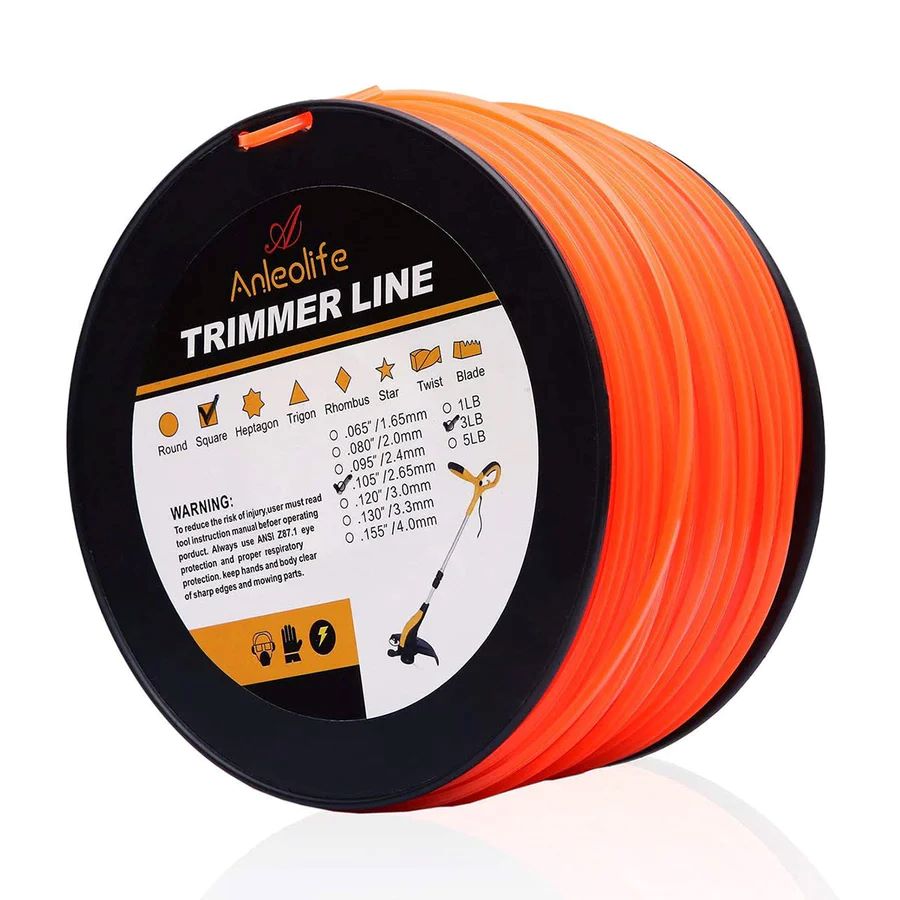
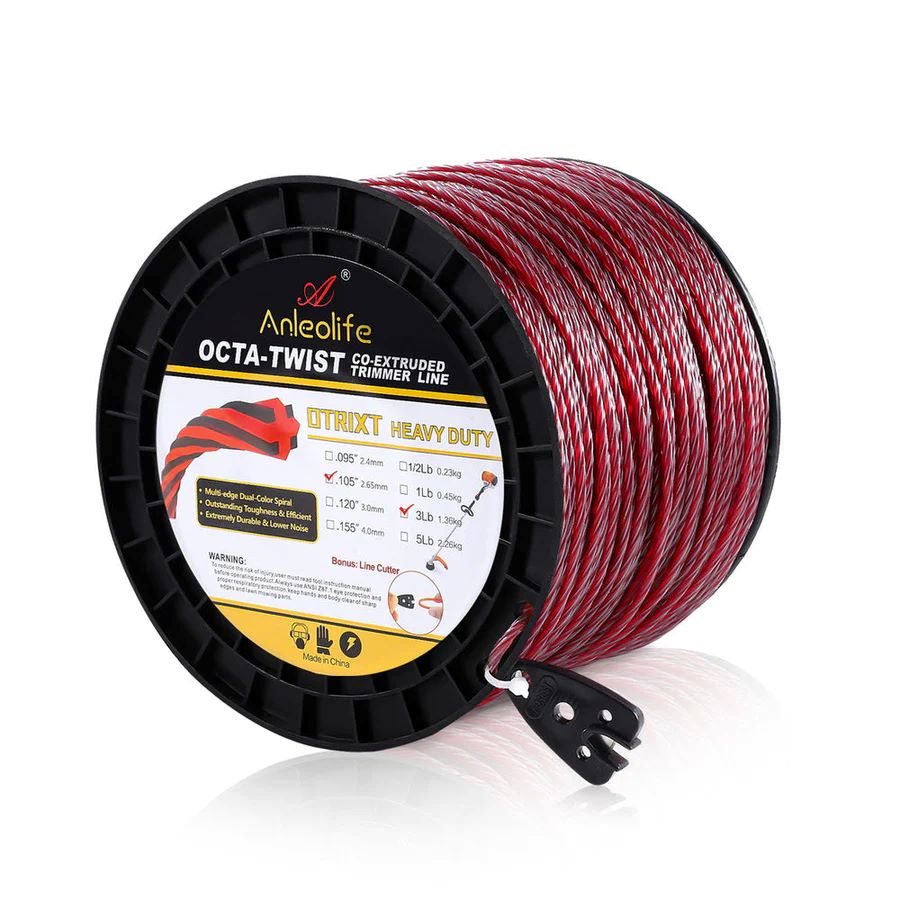
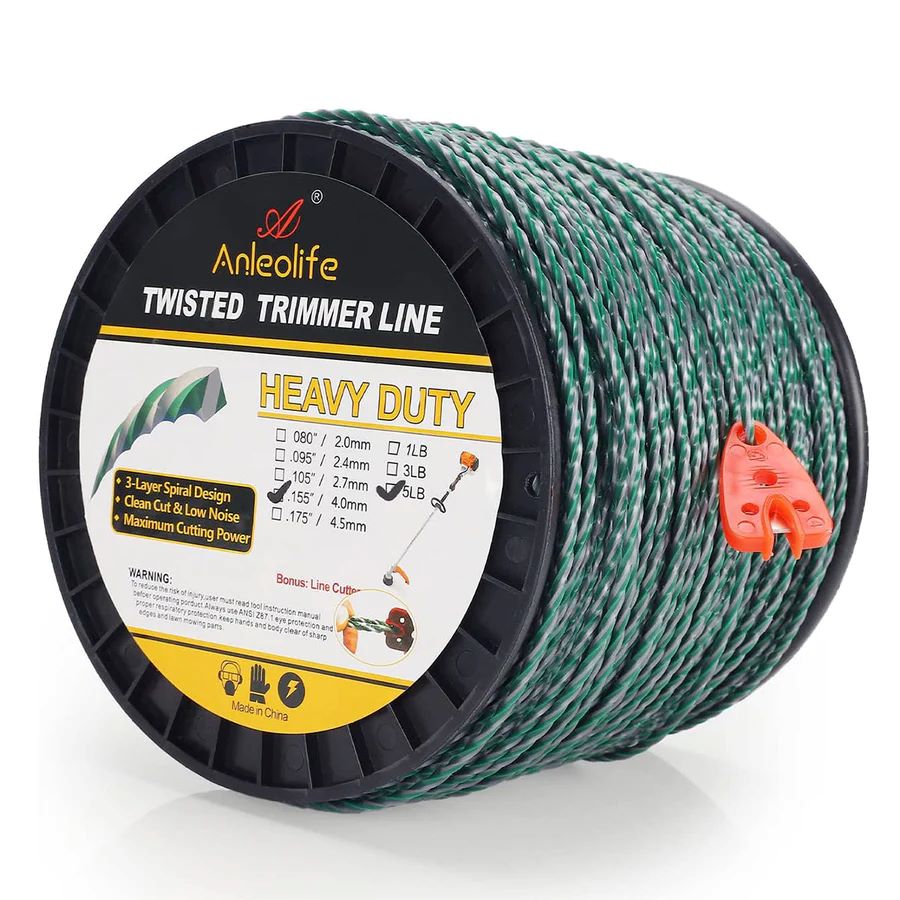
Trimmer lines (the cutting cord used in string trimmers and weed eaters) are a double-edged sword in the garden. They're essential for keeping the pathway areas between beds tidy, but improper use can actually worsen your weed problem. When a trimmer line hits a mature weed seed head, it can scatter hundreds of seeds directly into your bed.
Here's how to use your weed eater safely around raised beds:
- Trim before weeds go to seed. Don't wait until plants are flowering or producing seed heads to trim.
- Angle the trimmer away from the bed when cutting close to the wall, so any debris is thrown outward rather than inward.
- Use your edging as a guide. Hard metal or stone edging gives you a physical line to follow, keeping your trimmer at a consistent distance from the bed wall.
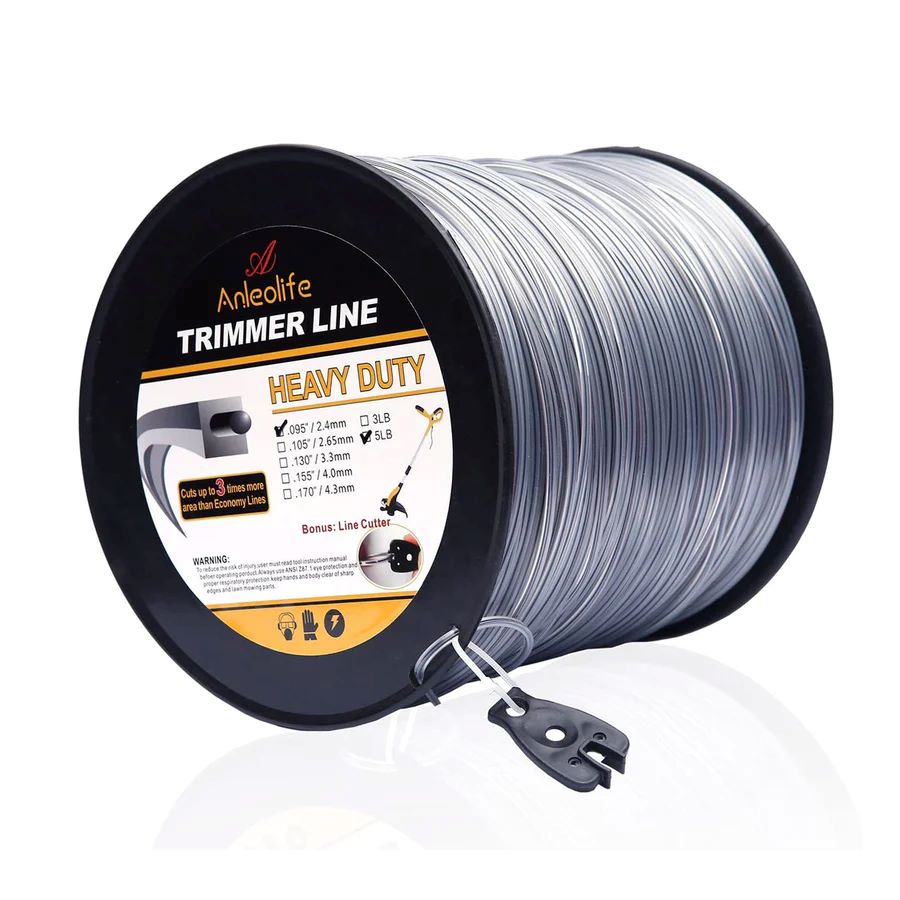
- Consider the best weed eater line diameter for your situation. Heavier, round line cuts thicker grass stalks cleanly without shredding them; finer line is better for light trimming near delicate edging materials. Always consult your trimmer's manufacturer for compatible line specifications.
Integrating a Garden Trellis with Your Edged Bed
Once you've established clean edging, you can take your raised bed setup to the next level by adding a garden trellis along the back or sides. A trellis enables vertical growing — cucumbers, beans, tomatoes, climbing flowers — which maximizes your bed's productivity without expanding its footprint.
From a weed management perspective, a trellis also helps by increasing airflow and light penetration, which creates a less hospitable microclimate for many common weeds. Dense canopy cover from vine crops also shades out weed germination on the soil surface inside the bed.
When selecting a trellis for a metal raised bed, look for materials that won't accelerate corrosion at contact points — powder-coated steel or bamboo are both good companions for galvanized steel beds. Anchor trellis posts in the soil just inside the bed wall rather than through the edging material to avoid disrupting your weed barrier.
Choosing the Right Raised Bed Size for Low-Maintenance Edging
The best raised garden bed size for easy edging maintenance is one that balances growing space with accessibility. Beds that are too wide make it difficult to reach the center for weeding without stepping on the soil, and they create more linear edging to maintain.
An 8x4 ft footprint is widely considered the sweet spot — it maximizes growing area while keeping every part of the bed reachable from either side without kneeling or stepping in. Anleolife offers this size across multiple product lines, including galvanized steel, rust-resistant, modular, and heavy-duty collections, in heights ranging from 18" to 30" Extra Tall, giving you options for both standard beds and waist-high configurations that require minimal bending.
If you're unsure which height suits your gardening style and physical needs, Raised Garden Bed Height Guide: 18", 24", 30", or 35" — Which Is Right for You? walks through the practical factors in detail.
For those dreaming of a beautiful year-round garden, combining edged raised beds with thoughtful plant selection creates something truly special. If you've ever asked "what's the best kind of greenhouse for year-round weather?" — the honest answer for most home gardeners isn't a full greenhouse at all, but rather a combination of well-maintained raised beds with season extenders (row covers, cold frames) and strategic plant selection. Raised beds with solid edging drain better, warm up faster in spring, and cool more slowly in fall — naturally extending your growing season.
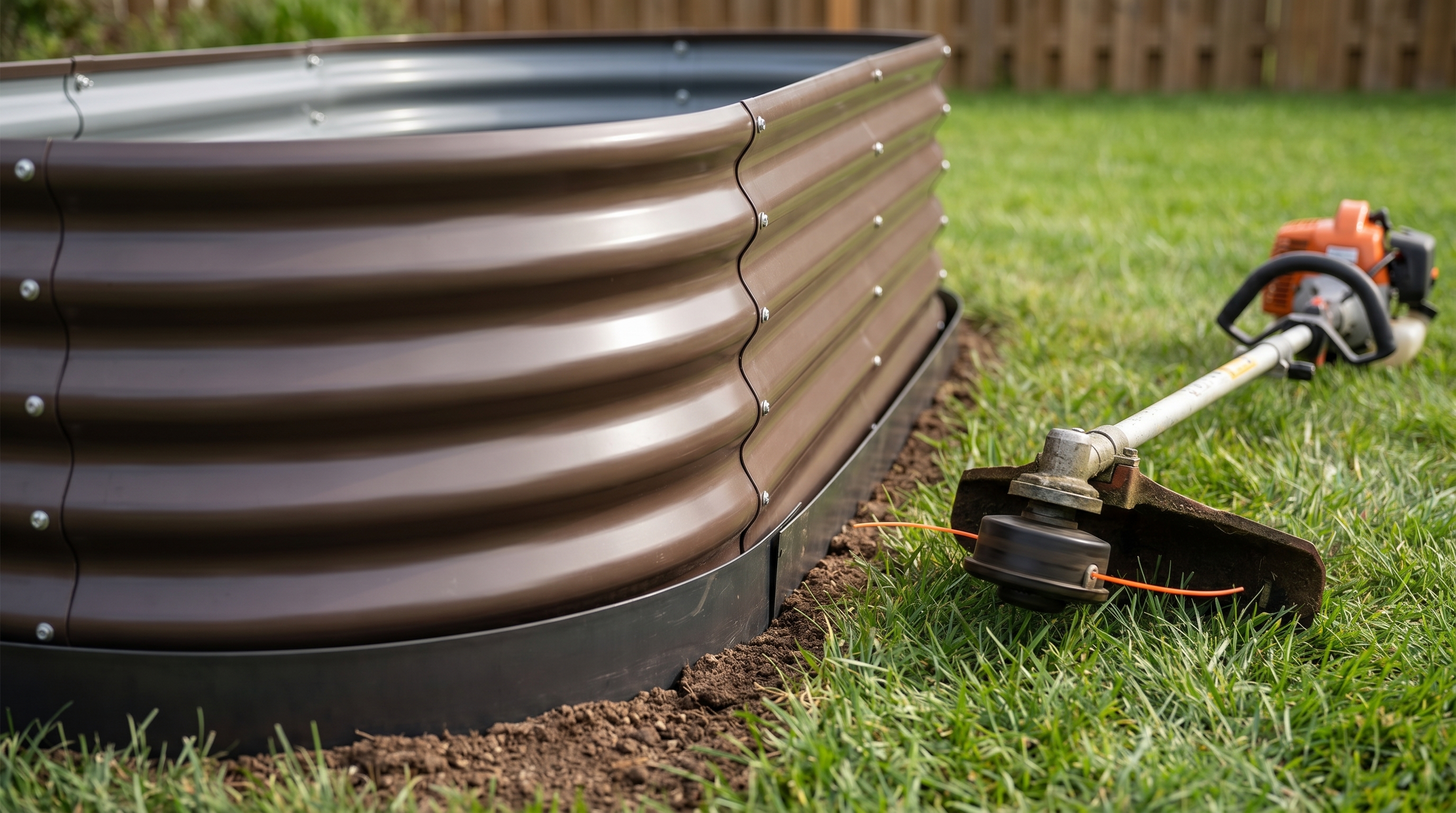
ALT: Installing metal landscape edging around a galvanized steel raised garden bed to block weeds and guide trimmer line use
Advanced Edging Strategies for Problem Gardens
Handling Aggressive Grass and Rhizomatous Weeds
Standard edging is designed for typical garden weeds and politely spreading grass. But if you're dealing with Bermuda grass, Kikuyu, or bindweed, you need a more aggressive approach. For these situations, consider installing a root barrier fabric in a vertical trench that extends 8–10 inches deep around the entire bed perimeter, then place your hard edging on top. This two-layer defense is far more effective against underground runners than edging alone.
Edging on Slopes and Uneven Ground
Flat edging materials assume relatively level ground. On slopes, water runoff can undermine edging over time, especially with lighter plastic or rubber materials. On sloped sites, opt for segmented stone edging that can follow the terrain, or use heavy-gauge steel edging staked firmly at intervals no more than 12 inches apart. Also redirect irrigation so water flows away from the edging base to prevent erosion.
The Misconception That Edging Is a One-Time Task
Many gardeners install edging and consider the job done. In reality, edging requires seasonal inspection. Frost heave in winter can push edging out of the ground. Heavy rain can wash mulch over edging and create weed bridges. Spring is the ideal time to press edging back into position, refresh your mulch layer, and recheck for gaps — especially at corners. A quick 15-minute walkthrough each spring can save hours of weeding later.
Edging and Best Raised Bed Planters — Do Pre-Built Beds Need Extra Edging?
This is a common question among shoppers exploring the best raised bed planters available. Pre-built metal raised beds like Anleolife's galvanized and rust-resistant lines already provide solid side walls. However, these walls prevent outward soil spillage — they do not prevent inward root invasion from surrounding soil. Unless your bed is elevated off the ground, garden edging installed outside the bed perimeter remains valuable regardless of how well-built the bed itself is.
Frequently Asked Questions FAQ
Q1: How deep should garden edging be installed around a raised bed to stop grass runners?
For most common lawn grasses and garden weeds, installing edging to a depth of 5–6 inches is sufficient to intercept lateral root growth before it reaches your raised bed. For aggressive rhizomatous grasses like Bermuda or St. Augustine, extend your barrier to 8–10 inches deep. Combine this with a root barrier fabric for maximum protection. Remember that the edging must also form a tight seal against the bed wall — gaps at the contact point are the most common entry point for persistent weeds.
Q2: Is cardboard alone an effective weed barrier inside a raised garden bed?
Cardboard is a highly effective, eco-friendly, and free weed barrier when used correctly. It must be layered in overlapping sheets (at least 6 inches of overlap at seams), placed directly on cleared soil before adding your growing medium. It suppresses weed germination and root penetration for one to two seasons before decomposing and enriching the soil. For longer-lasting protection, use cardboard as a temporary layer during the first season, then maintain weed pressure through regular mulching (2–3 inches of organic mulch) in subsequent years.
Q3: How much time and money does a complete garden edging installation take for an average raised bed?
For a standard 8x4 ft raised bed, a complete edging installation — including materials, prep, and installation — typically takes 2–4 hours for a first-time DIY project. Material costs vary: basic plastic strip edging is the most affordable option, while metal landscape edging or natural stone costs more but lasts significantly longer. When spread over the 20-year lifespan of a quality metal raised bed like Anleolife's, even a premium edging investment works out to very low annual cost. Most gardeners report that the time saved on weeding throughout a season easily justifies the upfront effort.
Summary
Keeping weeds out of your raised beds isn't about working harder — it's about building a smarter system once and letting it do the work for you. Here are the three core takeaways from this guide:
- Physical garden edging is your first and most important line of defense. Installed at the correct depth and sealed tightly against your bed walls, it blocks the lateral root invasion that most raised bed gardeners overlook entirely.
- Layer your defenses. Edging on the outside, cardboard or root barrier fabric on the inside bed floor, and organic mulch on the pathway surface creates a multi-layer system that addresses weed pressure from every direction — airborne seeds, lateral runners, and upward-pushing roots.
- The right raised bed makes every aspect of weed management easier. A well-engineered metal bed with a clean wall profile, built to last up to 20 years, gives your edging a stable, long-term anchor point. It's not just a bed — it's the foundation of a low-maintenance growing ecosystem.
Your next steps: clear your bed perimeter this weekend, choose your edging material based on the comparison above, and plan your mulch layer for the pathway. Then step back and enjoy a garden that stays tidy on its own terms.
Start Building Your Weed-Free Garden with Anleolife
Nationwide U.S. warehouse network: Strategically located in California, Texas, Florida, New York, Illinois, and Washington, Anleolife ensures delivery within 3–8 business days — so your garden upgrade plans never have to wait for the right season.
Multi-channel availability: Shop on Amazon, Walmart, Home Depot, Lowe's, Wayfair, or directly at Anleolife.com for consistent product quality and dedicated after-sales support, no matter where you prefer to buy.
Three core garden scenarios: Planting (metal raised garden beds, soil systems), Raising (chicken coops, rabbit hutches), and Beautification (decorative accessories, pathway systems) — Anleolife covers every need from pure functionality to garden aesthetics.
We understand that an ideal garden is not built overnight, but gradually improved over time. Anleolife's modular product design allows flexible expansion based on your needs — from your first 8x4 raised bed to a fully integrated planting-and-raising ecosystem. We grow with you every step of the way.
References
- University of California Statewide Integrated Pest Management Program. "Weed Management in Home Gardens."
https://ipm.ucanr.edu/PMG/PESTNOTES/pn74150.html - Penn State Extension. "Mulches for Landscaping and Weed Control in Home Gardens."
https://extension.psu.edu/mulches-for-landscaping - Oregon State University Extension Service. "Raised Bed Gardening."
https://extension.oregonstate.edu/gardening/techniques/raised-bed-gardening - National Gardening Association. "Controlling Weeds in the Vegetable Garden."
https://garden.org/learn/articles/view/436/ - USDA National Institute of Food and Agriculture. "Home Gardening Resources and Integrated Pest Management."
https://www.nifa.usda.gov/topics/integrated-pest-management
Note: Standards and best practices may be updated. Please check the latest official documents or consult professional advisors for the most current guidance.
About Anleolife
Anleolife is a leading outdoor garden solutions provider in North America, dedicated to offering a full-scenario product ecosystem for home gardening enthusiasts, covering planting, raising, and garden beautification. Since its founding, we have upheld our brand mission, "Made for Garden Life," continuously innovating products and optimizing services to help hundreds of thousands of users upgrade their gardens, reconnect with nature, and enjoy a better garden lifestyle.