


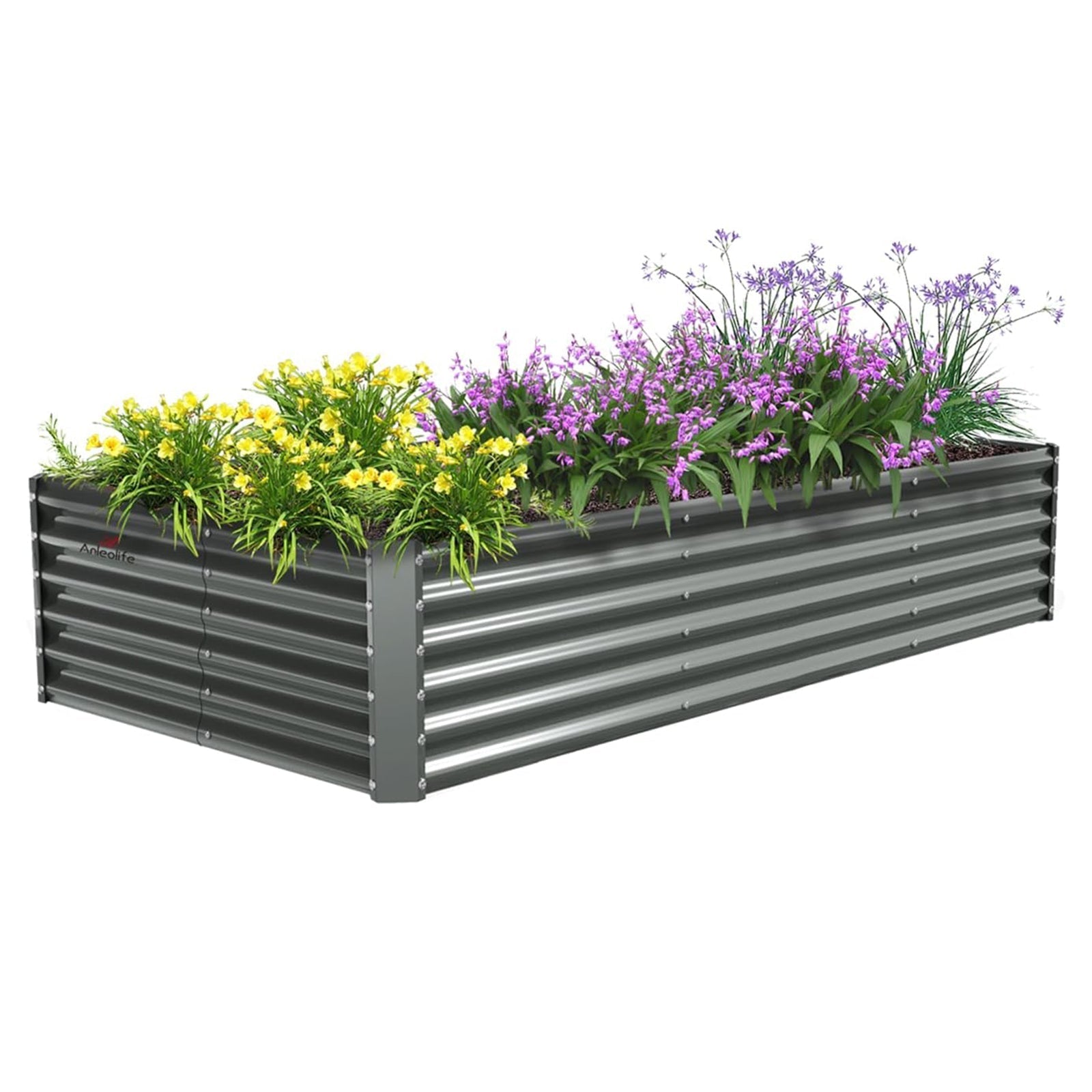

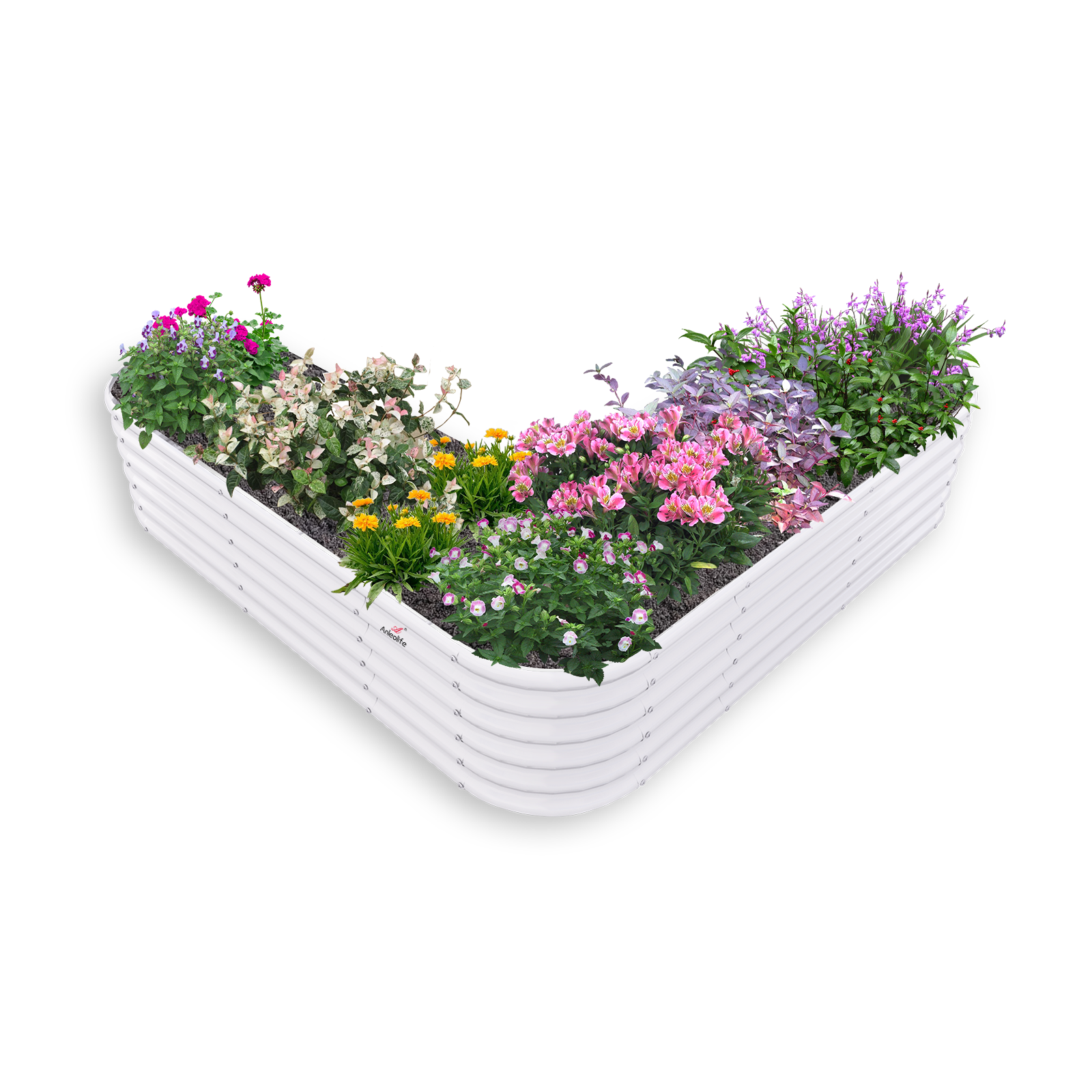
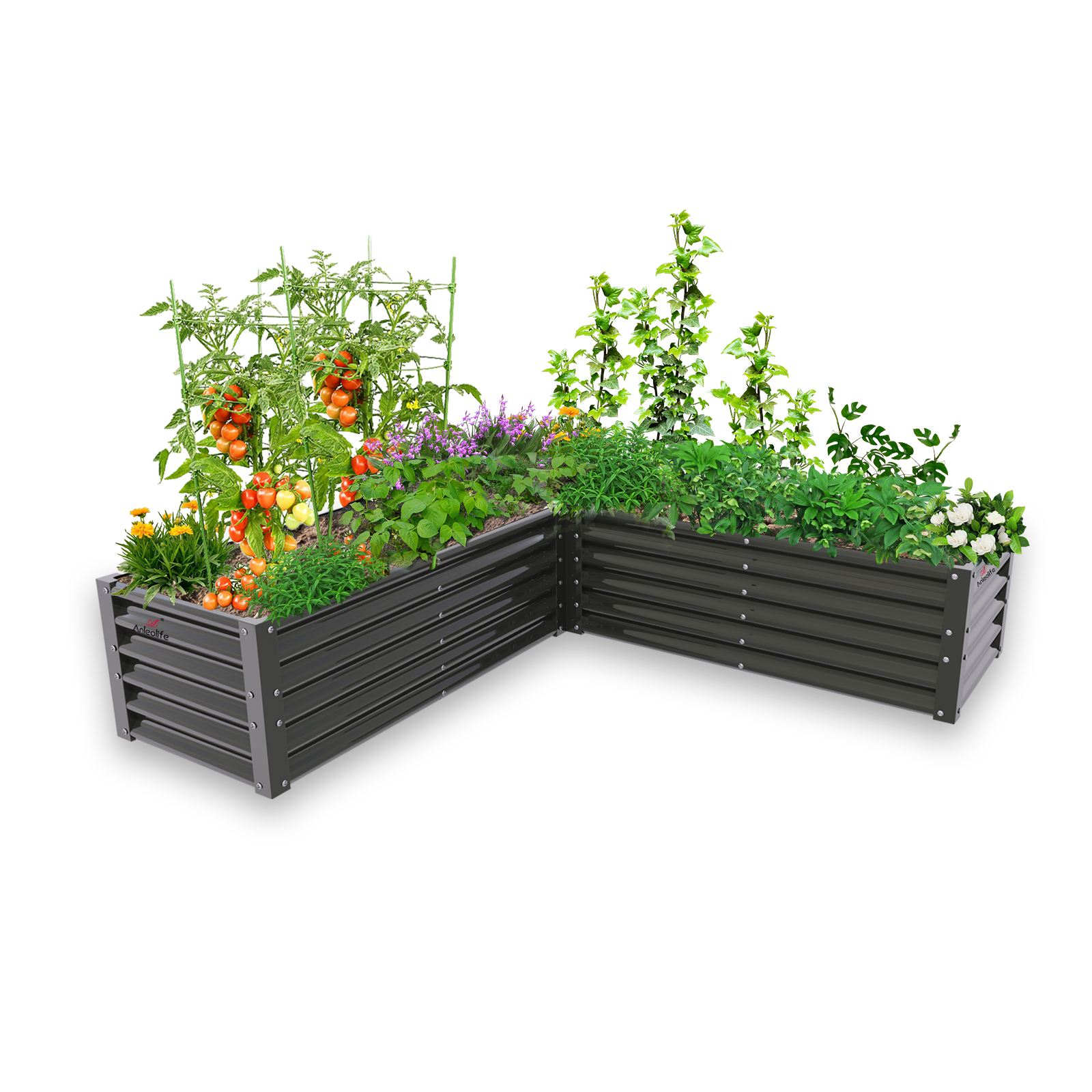
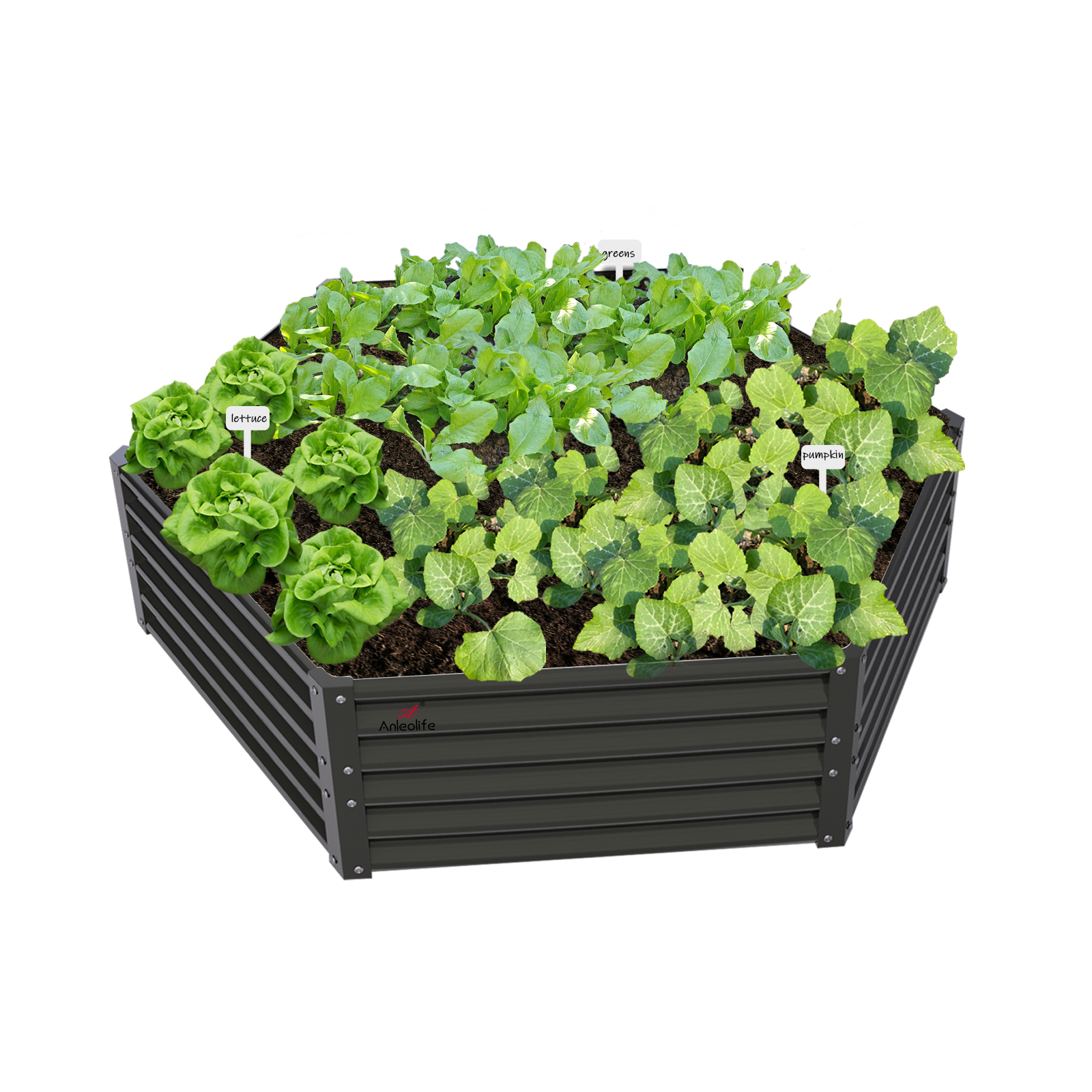
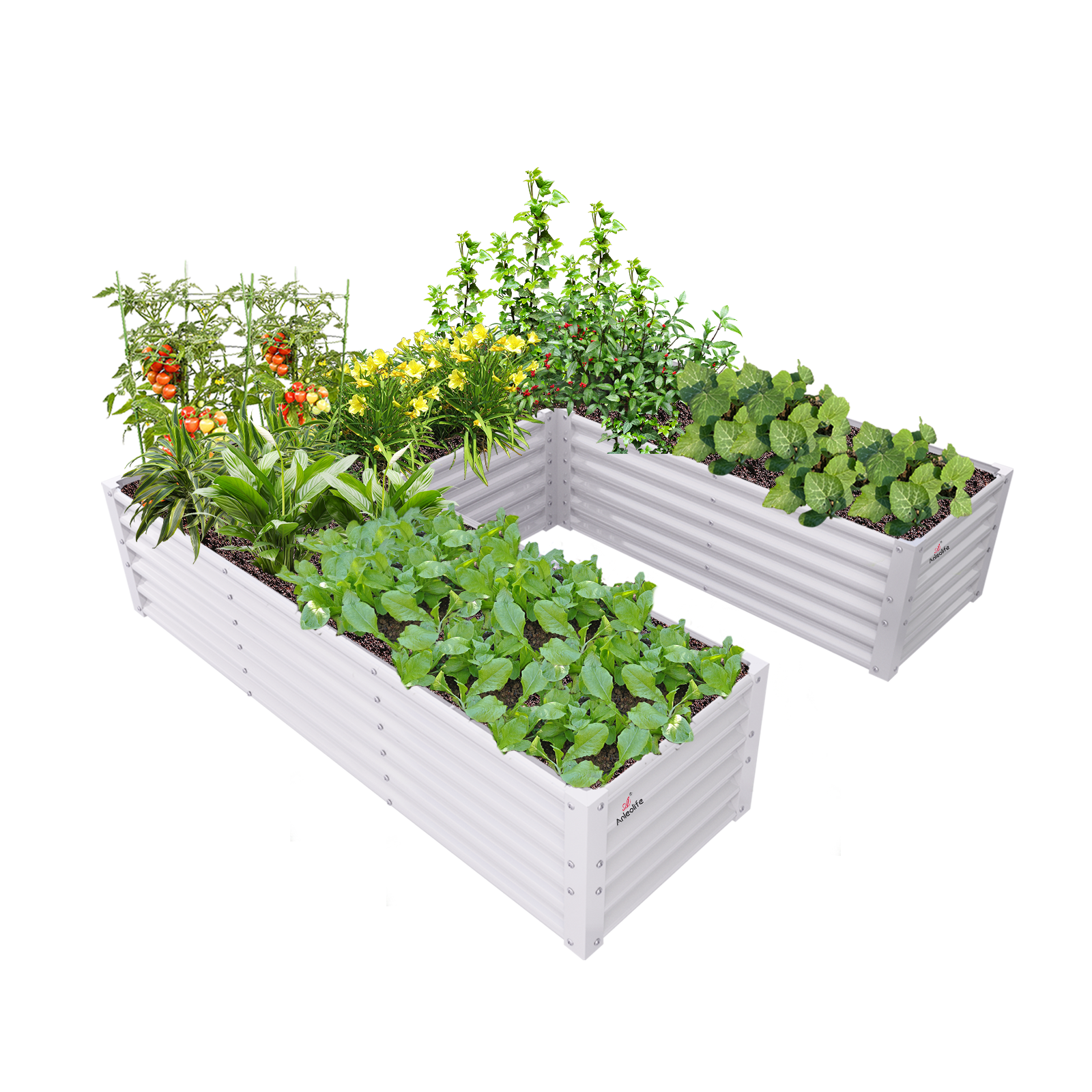

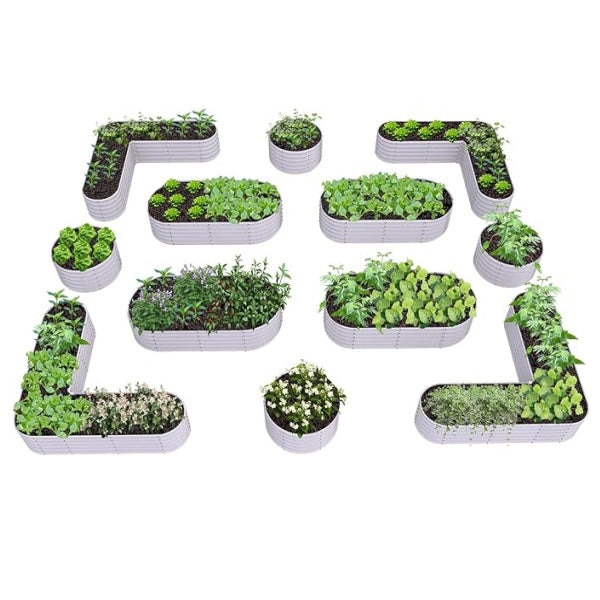


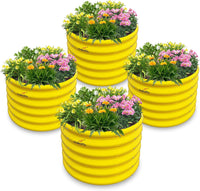
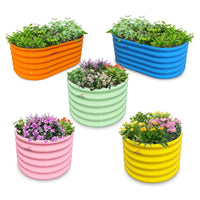
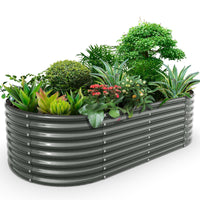



ALT: How much compost to use in raised bed gardening for healthy vegetable and flower growth
Why Compost Is the Secret Ingredient Every Raised Bed Garden Needs
Key Conclusion: Compost is the cornerstone of productive raised bed gardening. Whether you're growing tomatoes in a galvanized steel raised bed or cultivating herbs in a compact urban setup, the right amount of compost dramatically improves soil structure, nutrient availability, and microbial activity. As a general rule, compost should make up 25–35% of your total raised bed soil volume for optimal plant performance — but knowing exactly how much is enough depends on your plants, your bed depth, and your starting soil composition.
Getting your compost ratio right is one of the most impactful decisions you'll make as a raised bed gardener. Too little, and your plants struggle with compacted, nutrient-poor soil. Too much, and you risk oversaturation, poor drainage, or nitrogen burn. This article breaks down the science and practical application of compost in raised bed systems — from first-time setup to ongoing seasonal amendments — so you can grow with confidence and consistency.
Who This Guide Is For: Applicable Scenarios and Cautions
✅ Applicable Scenarios:
- First-time raised bed gardeners building a new bed and selecting a soil mix from scratch
- Experienced home growers looking to refresh or top-dress existing beds each season
- Urban micro-gardeners working with compact beds who need to maximize yield per square foot
- Eco-conscious families who want to use homemade or store-bought compost responsibly and sustainably
- Retirees and empty nesters managing multiple raised beds and wanting consistent, low-maintenance soil performance
❌ Not Applicable/Cautions:
- Pure compost use: Using 100% compost as your growing medium is not recommended — it shrinks dramatically as it breaks down and can become waterlogged, suffocating plant roots
- One-size-fits-all amendment rates: The amount of compost you need varies depending on what you're growing, your existing soil quality, and your climate; rigid formulas without context can lead to poor results
- Skipping soil testing: Adding compost without understanding your baseline nutrient levels can create imbalances, particularly if you're amending the same bed year after year
The Science Behind Compost and Why Raised Beds Are the Perfect Pairing
Compost is decomposed organic matter — kitchen scraps, yard waste, leaves, and other biodegradable materials transformed by microbial activity into a nutrient-dense, soil-conditioning powerhouse. It feeds plants slowly and steadily, improves drainage in clay-heavy soils, increases water retention in sandy soils, and supports an entire ecosystem of beneficial organisms beneath the surface.
Raised bed gardening and compost are a natural partnership. Because raised beds are filled entirely with imported soil — rather than relying on the existing ground — gardeners have complete control over their growing medium. This means you're not fighting pre-existing compaction or poor drainage; you're building the ideal environment from the ground up.
According to the USDA Natural Resources Conservation Service, compost improves soil organic matter, which is directly linked to improved plant health, increased water-holding capacity, and reduced erosion. The agency emphasizes that even small additions of quality compost can measurably improve soil biology over time — a compelling reason to make it a regular part of your raised bed maintenance routine.
One of the most widely cited approaches to raised bed soil composition is the "Mel's Mix" method, which recommends equal thirds of compost, coarse vermiculite, and peat moss or coconut coir. What Is the Best Soil Mix for Raised Garden Beds? (The Mel's Mix Guide) explores this formula in depth and is well worth reading before you fill your first bed.
The type of raised bed you use also plays a role. Metal raised garden beds, particularly galvanized steel options, hold their shape over decades — Anleolife's beds are designed for a 20-year lifespan — which means your investment in great soil pays off far longer than a wooden bed that might rot in a few seasons. If you're comparing your material options, Galvanized Steel vs. Wood Raised Garden Beds: Which Is Better for Your Backyard? provides a thorough breakdown to help you decide.
Home gardening has grown dramatically in popularity over the past several years, with the National Gardening Association reporting a significant increase in households growing their own food. As more people turn to raised beds as their preferred method — especially in suburban and urban settings — understanding soil science, and specifically compost ratios, has become more important than ever.
How Much Compost Does a Raised Bed Actually Need? The Complete Breakdown
Three-Step Quick Start for New Raised Beds
Step 1: Calculate Your Bed Volume
Before you can determine how much compost you need, you need to know how much space you're filling. Measure the length, width, and depth of your raised bed in feet, then multiply all three dimensions together to get cubic feet. For a standard 8x4 bed at 18" tall, that's roughly 8 × 4 × 1.5 = 48 cubic feet of total growing medium needed. This calculation becomes your baseline for every material you purchase. Allow 15–20 minutes for this planning step.
Step 2: Apply the 25–35% Compost Rule
Once you know your total volume, target compost as 25–35% of the mix. For the 48 cubic foot example above, you'd want between 12 and 17 cubic feet of compost. This range balances nutrient richness with proper drainage and aeration. Lean toward the higher end (35%) for heavy feeders like tomatoes, squash, and corn. Use the lower end (25%) for herbs, root vegetables, and plants sensitive to overly rich soil, like carrots and radishes. This step takes about 30 minutes of sourcing and mixing.
Step 3: Blend, Fill, and Top-Dress Each Season
Mix your compost thoroughly with topsoil, coarse vermiculite, and a peat/coir base before filling your bed. Never layer compost on the bottom alone — it needs to be integrated throughout the entire soil column so roots at every depth can access nutrients. After the growing season ends, top-dress with 1–3 inches of fresh compost and gently work it into the top few inches of existing soil. Over time, this annual amendment sustains and improves your growing environment without requiring complete soil replacement.
Compost Type Comparison: Which One Is Right for Your Raised Bed?
Not all compost is created equal. The source material, maturity level, and nutrient profile all affect how compost performs in your raised bed. Here's a practical comparison to guide your purchasing or home production decisions:
| Comparison Dimension | Homemade Compost | Bagged Garden Compost | Worm Castings |
|---|---|---|---|
| Nutrient Richness | Variable, depends on inputs | Moderate, consistent | Very high, highly bioavailable |
| Soil Structure Benefit | Excellent | Good | Excellent |
| Cost | Low (mostly free) | Moderate | High |
| Maturity/Safety | Risk of immature compost if rushed | Pre-matured, ready to use | Fully processed, always safe |
| Best Used For | All-purpose seasonal amendment | New bed filling, topping | Seedling starts, heavy feeders |
| Availability | Requires ongoing management | Widely available | Garden centers, online retailers |
| Volume Produced | Depends on your waste stream | Purchase as needed | Limited quantity per bin |
Homemade compost is the most sustainable and cost-effective option over time, but it requires patience and proper management to avoid problems like odor or pathogens. Bagged garden compost offers consistency and convenience, making it ideal when filling a new bed from scratch. Worm castings (vermicompost) are nutrient-dense and can be used more sparingly — think of them as a premium soil amendment rather than a bulk filler.
Deep Dive: Compost Ratios, Seasonal Timing, and Common Mistakes
Understanding the Right Compost Ratio by Crop Type
Different plants have different nutrient demands, and your compost ratio should reflect that. Heavy feeders — plants that produce large fruits or grow rapidly — benefit most from compost-rich soil. This includes tomatoes, peppers, cucumbers, squash, and melons. For these crops, lean toward the upper end of your compost range and consider supplementing with slow-release organic fertilizers mid-season.
Light feeders, on the other hand, prefer leaner conditions. Root vegetables like carrots, beets, and parsnips actually perform better in soil that isn't too nutrient-dense — too much nitrogen causes forking and hairy roots. Herbs like rosemary, thyme, and lavender also prefer well-drained, lower-fertility soil. For these plants, aim for the 25% range or even slightly lower.
Leafy greens fall somewhere in the middle. Lettuce, spinach, kale, and chard benefit from moderate compost levels (around 30%) and respond particularly well to the moisture-retention properties of high-quality compost, especially during warm dry spells.
How Bed Height Changes Your Compost Needs
Raised bed depth significantly affects both how much compost you need and how your soil mix should be structured. Shallow beds (around 18" tall) require consistent compost throughout because plant roots have limited depth to explore. In contrast, deeper beds — such as the 24", 30", and even 35" waist-high options in Anleolife's range — allow for more layering flexibility.
In taller beds, many experienced gardeners practice "hugelkultur-style" base filling: using woody debris, straw, or less-refined organic material at the bottom (which breaks down slowly over time), topped with the primary soil and compost mix. This approach reduces the total amount of premium compost needed while still delivering excellent results at the root zone.
For those wondering about which height is right for their needs, Raised Garden Bed Height Guide: 18", 24", 30", or 35" — Which Is Right for You? is an essential resource for making that decision with confidence.
Seasonal Compost Amendment Schedule
Compost shouldn't just be an upfront investment — it should be part of an ongoing seasonal rhythm. Here's a practical calendar approach:
Spring (Before Planting): Top-dress with 1–2 inches of finished compost and lightly incorporate it into the top layer of existing soil. This replenishes nutrients depleted by the previous season and reactivates soil biology as temperatures warm.
Midsummer: Add a thin layer (about 1 inch) of compost around established plants as a mulch. This helps retain moisture during peak heat, suppresses weeds, and provides a slow nitrogen drip as plants enter their most productive phase.
Fall (After Harvest): This is your most important amendment window. Apply 2–3 inches of compost across the entire bed surface and work it in gently. Over winter, soil organisms will continue breaking it down, so by spring your bed is primed and ready.
The Best Soil Mix for Raised Beds: Putting It All Together
The most successful best soil mix for container gardening plants and raised beds follows a similar logic: balance is everything. A well-rounded raised bed soil typically includes compost for nutrition and biology, a coarse aggregate (like perlite or vermiculite) for drainage, and a base material like topsoil, peat, or coco coir for structure and moisture retention.
When you're choosing plants for your enriched raised bed soil, starting with proven performers makes a real difference. The 15 Best Vegetables to Grow in a Raised Garden Bed for Beginners gives you an excellent starting point for matching plants to your new, compost-enriched growing environment.
What About Flower Beds?
Compost isn't just for vegetables — it's equally valuable for flower beds. If you're growing perennials, annuals, or flowering shrubs in raised beds, compost improves bloom quality, supports root development, and reduces the need for chemical fertilizers. The best flower beds are built on the same foundational principle: nutrient-rich, well-draining soil with plenty of organic matter. Aim for a 25–30% compost ratio and supplement annually with a top-dress application each spring.
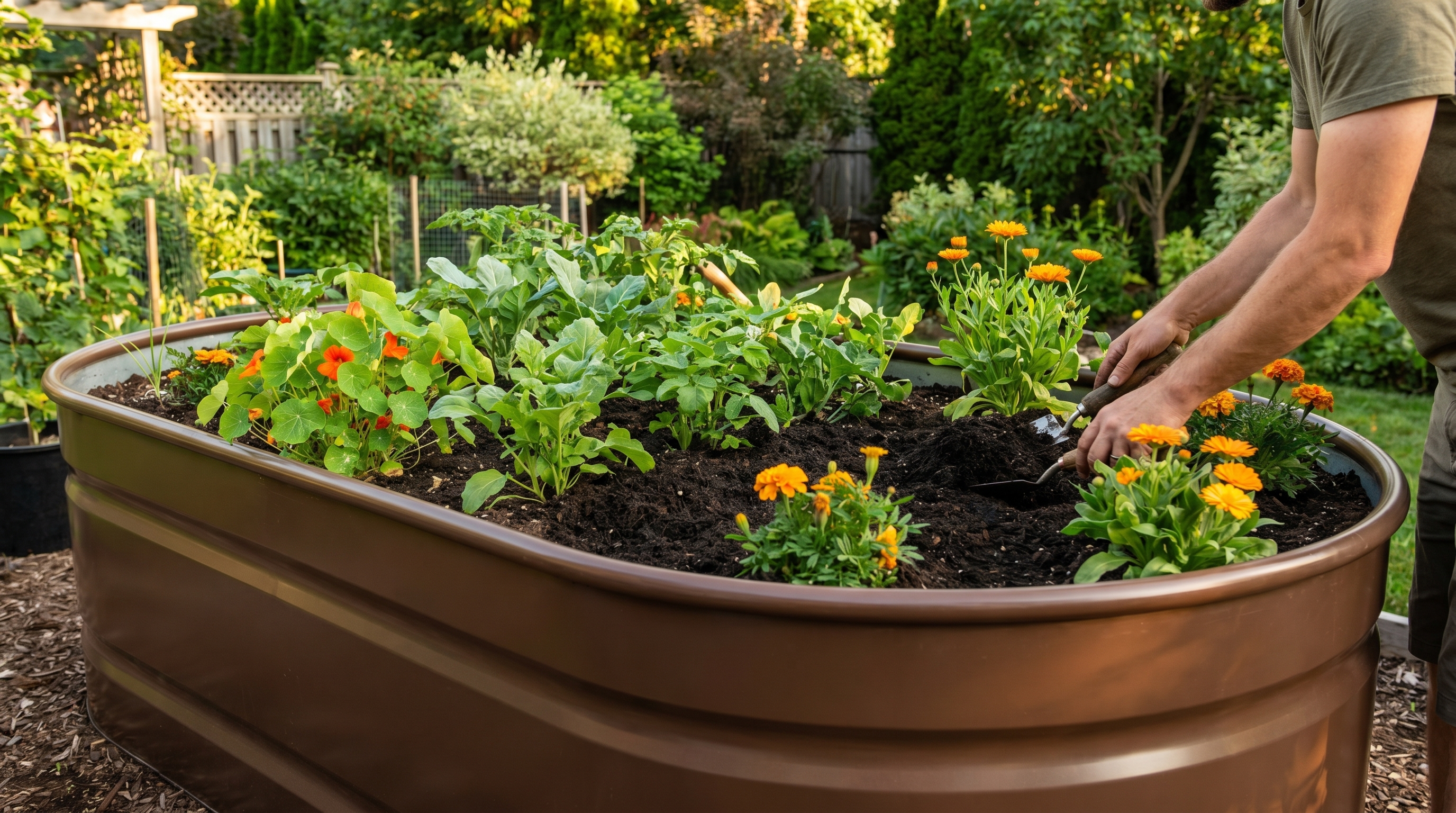
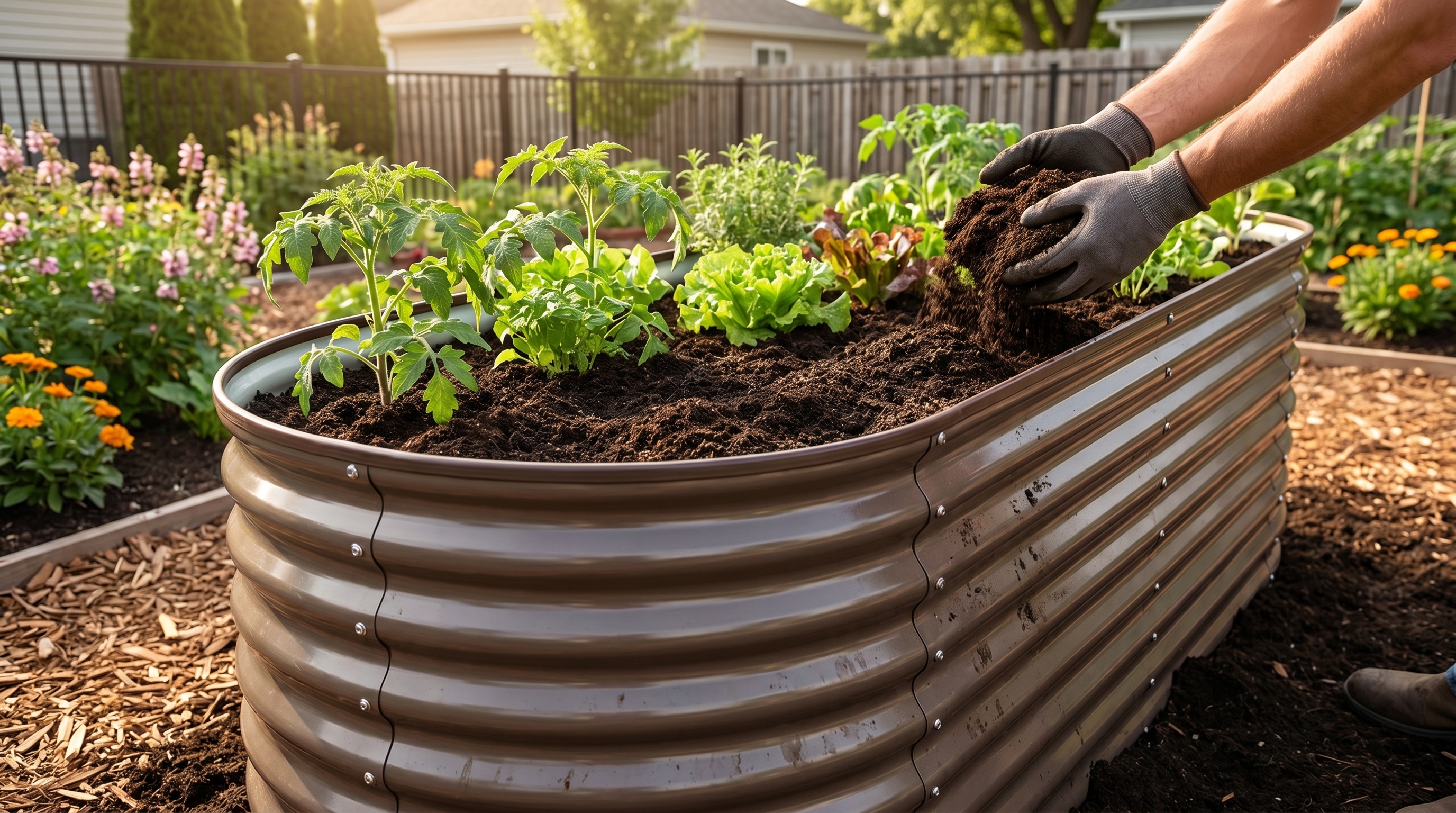
ALT: Applying seasonal compost to galvanized steel raised garden beds to support healthy vegetable and flower growth
Advanced Compost Strategies for Seasoned Raised Bed Gardeners
Managing Compost Quality: Maturity Matters
One of the most common — and costly — mistakes gardeners make is using immature compost. Fresh or partially composted material can introduce pathogens, harbor weed seeds, and create a nitrogen draw-down effect as it continues to decompose in the soil. Finished compost should be dark brown to black, crumbly in texture, and smell earthy rather than sour or ammonia-like. When in doubt, purchase compost certified by the US Composting Council's Seal of Testing Assurance (STA) program, which guarantees maturity and safety.
Compost Teas and Liquid Amendments
For gardeners looking to maximize the biological benefits of compost without bulking up their soil volume, compost tea offers an interesting solution. Made by steeping finished compost in aerated water for 24–48 hours, compost tea can be applied as a liquid drench or foliar spray to introduce beneficial microbes directly to plant roots and leaf surfaces. While the research on compost teas is mixed, many experienced organic gardeners swear by them as a mid-season boost between solid amendments.
The Misconception That More Is Always Better
It's tempting to think that loading your raised bed with compost will produce proportionally better results. In reality, excess compost — particularly in beds that have been top-dressed for several consecutive years without soil testing — can lead to nutrient imbalances, particularly elevated phosphorus levels. Elevated phosphorus can actually block plants from absorbing zinc, iron, and other micronutrients. A soil test every 2–3 years is a worthwhile investment to ensure your amendments are actually benefiting your plants rather than creating new problems.
Compost and Bed Material: Why Your Container Matters
The best materials for raised garden beds that won't rust or rot create a long-term partnership with great soil management. Galvanized steel and rust-resistant metal beds, like those from Anleolife, are designed to outlast wood alternatives by decades — offering a 20-year lifespan — and they won't leach harmful compounds into your carefully crafted soil mix. This means every year you invest in quality compost, the benefits compound within a stable, high-performance growing environment.
Frequently Asked Questions FAQ
Q1: How do I calculate exactly how much compost to buy for my raised bed?
Start by calculating your bed volume in cubic feet (length × width × depth). Then apply the 25–35% rule: multiply your total volume by 0.25 to 0.35 to determine how many cubic feet of compost you need. Most bagged compost is sold in 1 or 2 cubic foot bags, so divide your target volume accordingly. For a standard 8×4 ft bed at 18" depth, you'd need roughly 12–17 cubic feet of compost, depending on your crop choices and starting soil quality. Always round up slightly to account for settling.
Q2: Is homemade compost better than store-bought for raised beds?
Both have distinct advantages. Homemade compost is free, sustainable, and customizable based on your input materials — it's also deeply satisfying to close the loop on kitchen and yard waste. However, it requires consistent management to ensure it's fully matured before use. Store-bought bagged compost offers reliable consistency, pre-tested maturity, and immediate availability. Many experienced gardeners use a blend of both: store-bought as the primary base amendment and homemade as a seasonal top-dress once their pile is fully ready.
Q3: How often should I add compost to an existing raised bed each year?
For most raised beds, two applications per year is the sweet spot: a light top-dress in spring (1–2 inches) before planting season begins, and a more generous application in fall (2–3 inches) after harvest. This seasonal rhythm maintains consistent organic matter levels, replenishes nutrients, and supports the microbial ecosystem that keeps your soil productive. Over time, this regular amendment schedule may reduce the total volume needed annually as your soil biology matures and becomes increasingly self-sustaining.
Summary
Compost is not just a nice-to-have addition to your raised bed — it's the foundation of a productive, sustainable garden system. Three key takeaways stand out from everything we've covered:
- Use compost at 25–35% of your total soil volume when setting up a new raised bed, and adjust based on crop type. Heavy feeders need more; root vegetables and herbs prefer less.
- Amend seasonally, not just once. A spring top-dress and a generous fall application will maintain soil health and nutrient levels year over year without requiring costly complete soil replacements.
- Pair great soil with a durable raised bed. The best compost strategy in the world only pays off if your bed lasts long enough to benefit from it. Choosing a high-quality, rust-resistant metal raised bed with a 20-year lifespan means your soil investment compounds beautifully over time.
Your next step? Assess your current raised bed setup — how deep is it, what's your soil currently made of, and when did you last add compost? Armed with the ratios and seasonal framework in this guide, you're ready to build a soil environment that supports abundant harvests for years to come.
Start Your Raised Bed Journey with Anleolife
Nationwide U.S. warehouse network: Strategically located in California, Texas, Florida, New York, Illinois, and Washington to ensure delivery within 3–8 business days — so your garden upgrade plans never have to wait.
Multi-channel sales network: Products are available on major e-commerce platforms including Amazon, Walmart, Home Depot, Lowe's, and Wayfair, as well as the official website Anleolife.com, providing consistent quality assurance and after-sales service.
Three core scenarios: Planting (metal raised garden beds, soil systems), Raising (chicken coops, rabbit hutches), and Beautification (decorative accessories, pathway systems) — meeting complete needs from functionality to aesthetics.
We understand that an ideal garden is not built overnight, but gradually improved over time. Our modular product design allows flexible expansion based on your needs — from your first galvanized steel raised garden bed to a fully integrated planting-and-raising ecosystem. We grow with you every step of the way. Explore Anleolife raised beds today and give your compost-enriched soil the home it deserves.
References
- USDA Natural Resources Conservation Service. "Soil Health — Organic Matter and Compost."
https://www.nrcs.usda.gov/conservation-basics/natural-resource-concerns/soils/soil-health - US Composting Council. "Seal of Testing Assurance (STA) Program."
https://www.compostingcouncil.org/page/STA - University of California Cooperative Extension. "Composting Is Good for Your Garden and the Environment."
https://ucanr.edu/sites/nm/Composting/ - National Gardening Association. "Garden to Table: A Guide to Urban and Suburban Vegetable Gardening."
https://garden.org - Cornell University Cooperative Extension. "Compost: What It Is, How It's Made."
https://compost.css.cornell.edu/whatis.html
Note: Soil science recommendations and composting standards may be updated. Please consult the latest official documents or a local cooperative extension service for region-specific guidance.
About Anleolife
Anleolife is a leading outdoor garden solutions provider in North America, dedicated to offering a full-scenario product ecosystem for home gardening enthusiasts, covering planting, raising, and garden beautification. Since its founding, we have upheld our brand mission, "Made for Garden Life," continuously innovating products and optimizing services to help hundreds of thousands of users upgrade their gardens, reconnect with nature, and enjoy a better garden lifestyle. From our rust-resistant and galvanized steel raised garden beds built to last 20 years, to our modular systems that grow alongside your ambitions, every Anleolife product is designed to make great gardening more accessible, more durable, and more joyful — for beginners and seasoned growers alike.