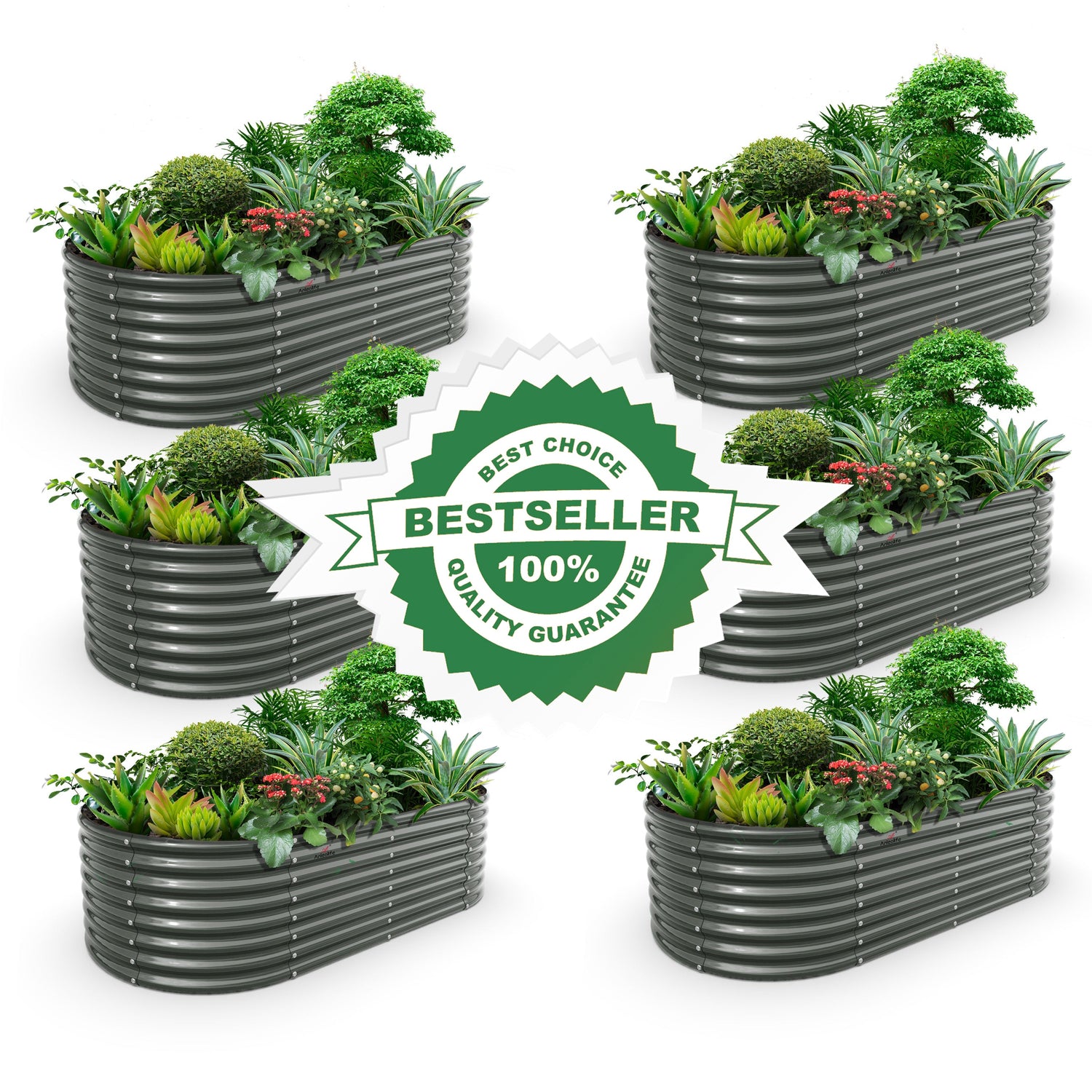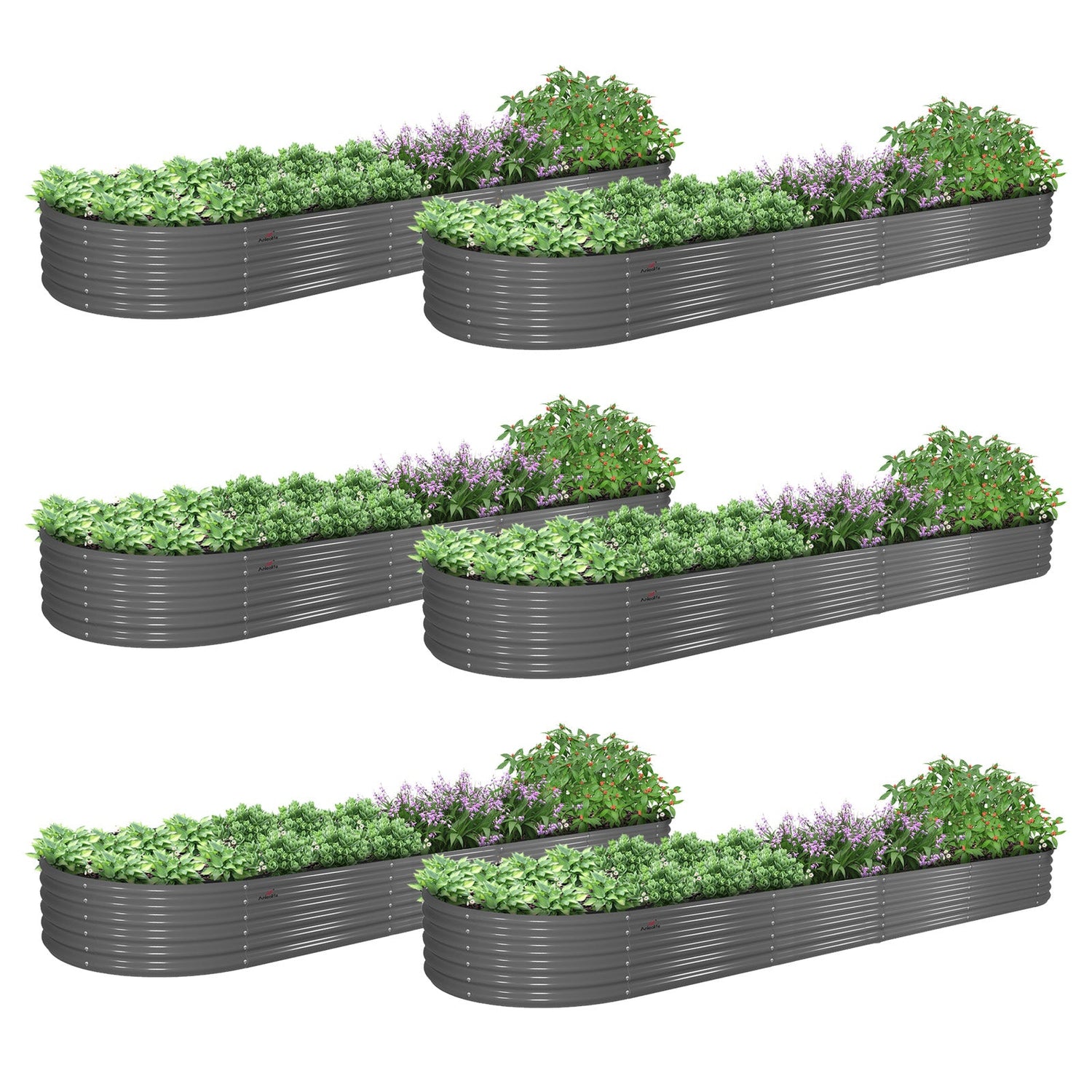



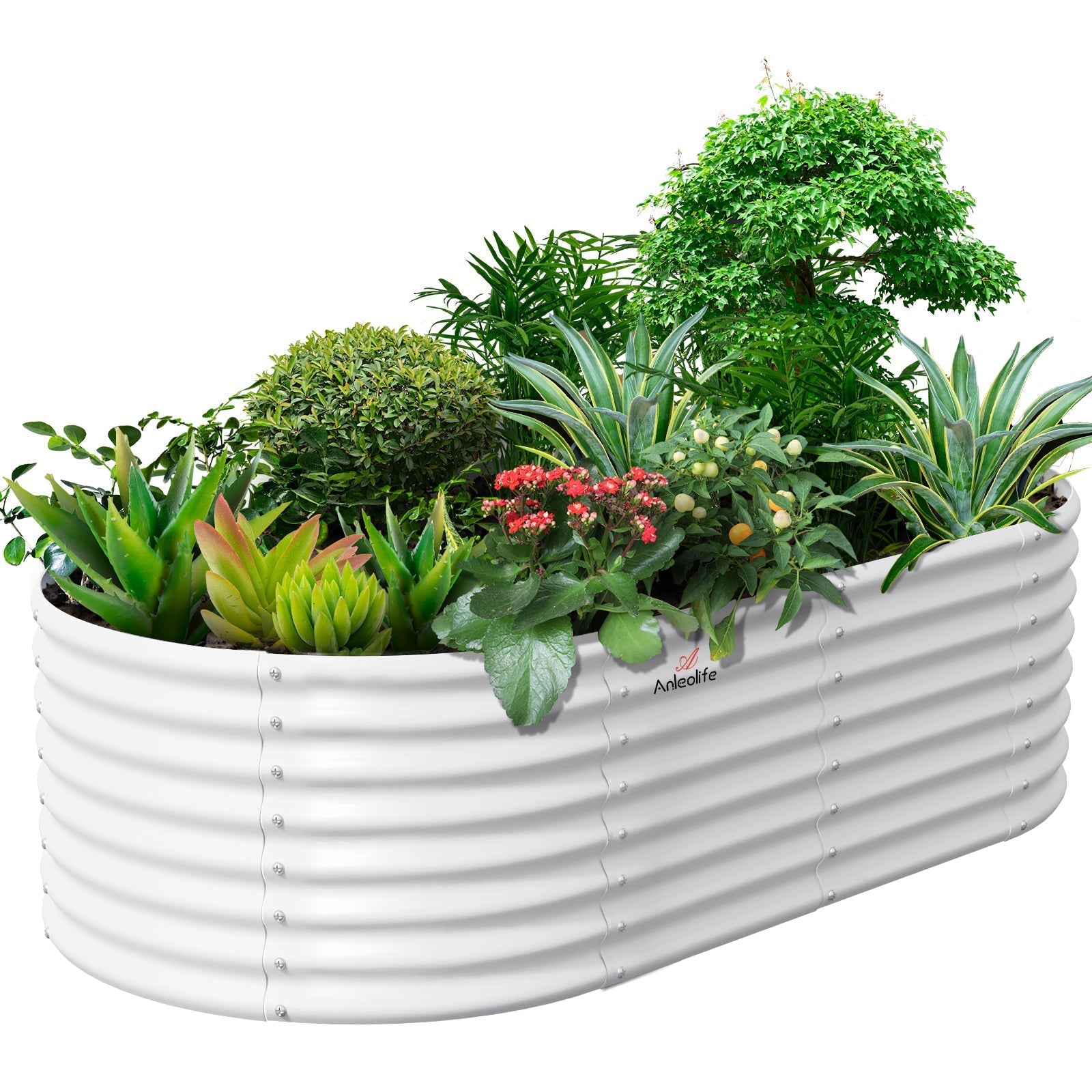
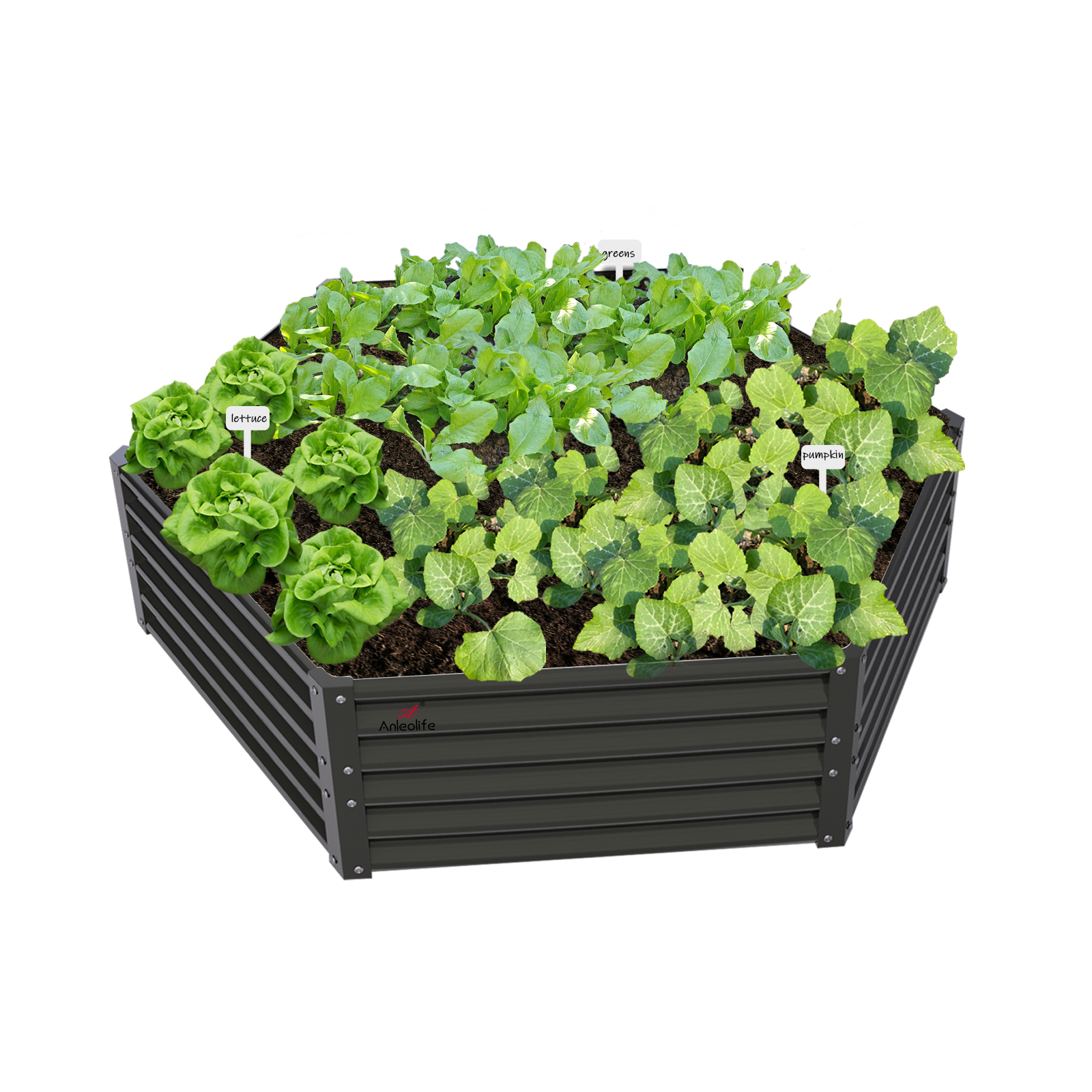
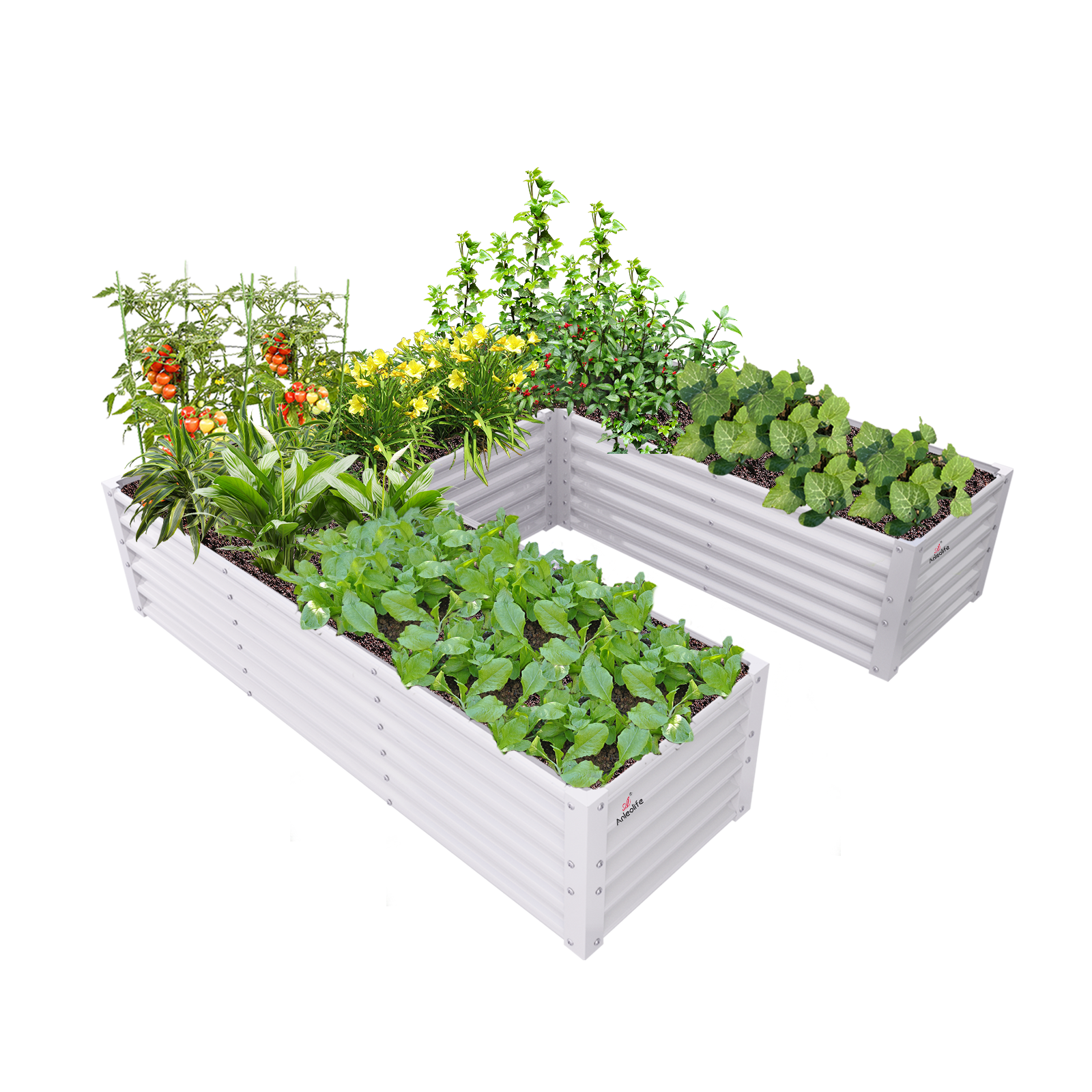

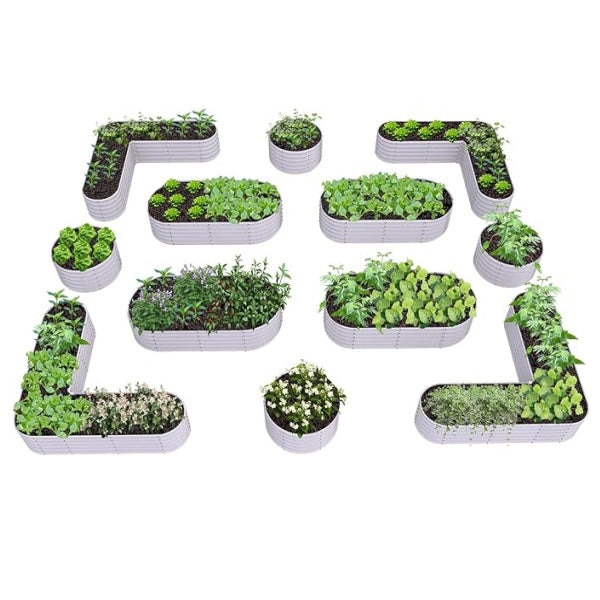

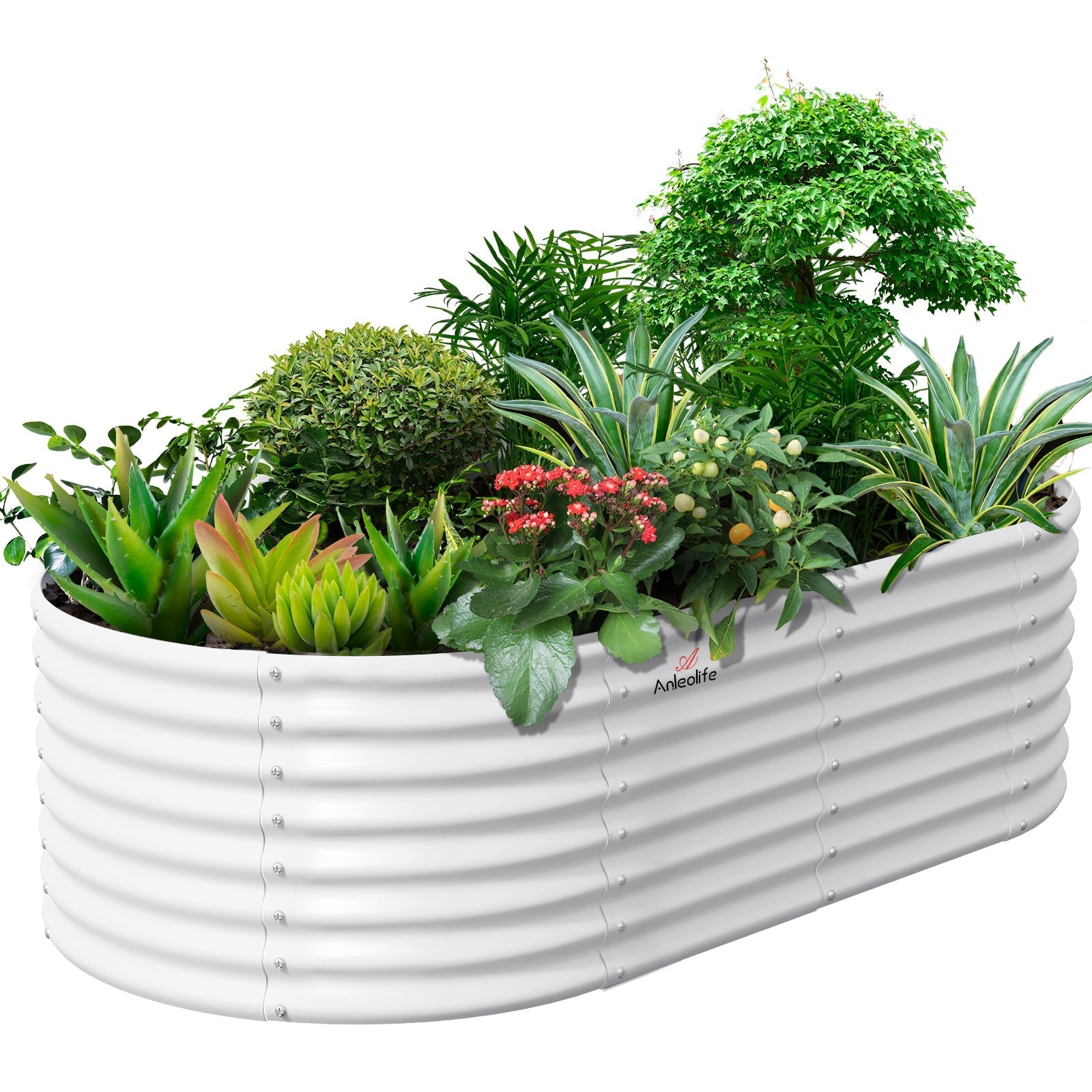


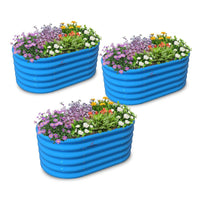
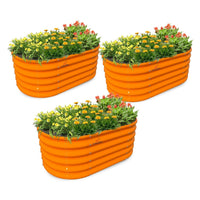
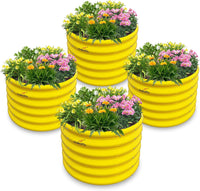
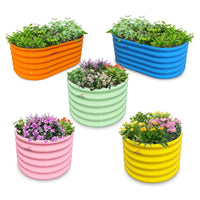
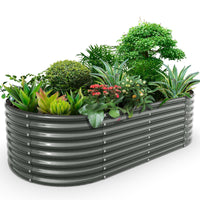



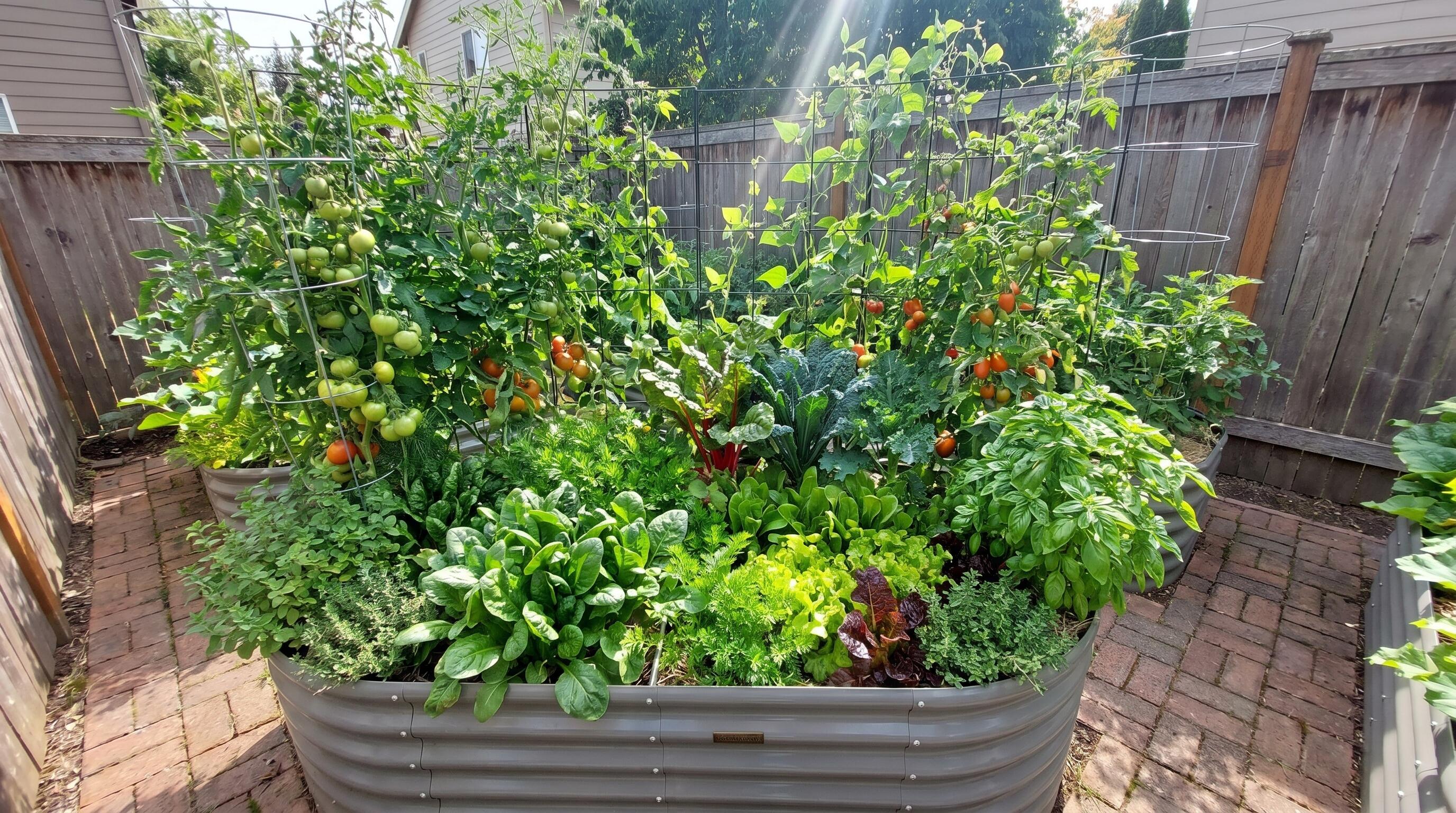
ALT: Compact raised garden bed structures arranged on a small backyard patio for urban gardening
Small Space, Big Harvest: The Best Compact Raised Garden Bed Layouts for Tiny Backyards and Patios
You have a balcony, a narrow side yard, or a patio roughly the size of a parking space — and you want to grow real food. This is one of the most common situations we encounter when working with home gardeners across North America: people with limited square footage who refuse to let that limitation stop them from building a productive, beautiful growing space. A well-planned raised bed garden layout can transform a 6-by-10-foot concrete patio into a thriving kitchen garden, or turn a thin strip of backyard into a structured, year-round planting zone.
The structures you choose — their shape, height, material, and arrangement — determine whether your small space feels cramped and chaotic or intentional and productive. This list covers the best compact raised garden bed structures for tiny backyards and patios, selected specifically for their space efficiency, durability, and real-world value for home growers. Each item is evaluated on how well it fits constrained spaces, how it supports a thoughtful raised bed planting layout, and whether it delivers lasting return on a modest investment.
Items were chosen based on practical performance in small-space gardening scenarios: corner and edge suitability, how they stack or combine into a broader raised bed layout, accessibility for gardeners of varying mobility, and material longevity. Use this list as a decision framework — read straight through for a full picture, or jump to the structure type that matches your space.
The Best Compact Raised Garden Bed Structures for Small Spaces
Galvanized Steel Rectangular Beds in Compact Footprints
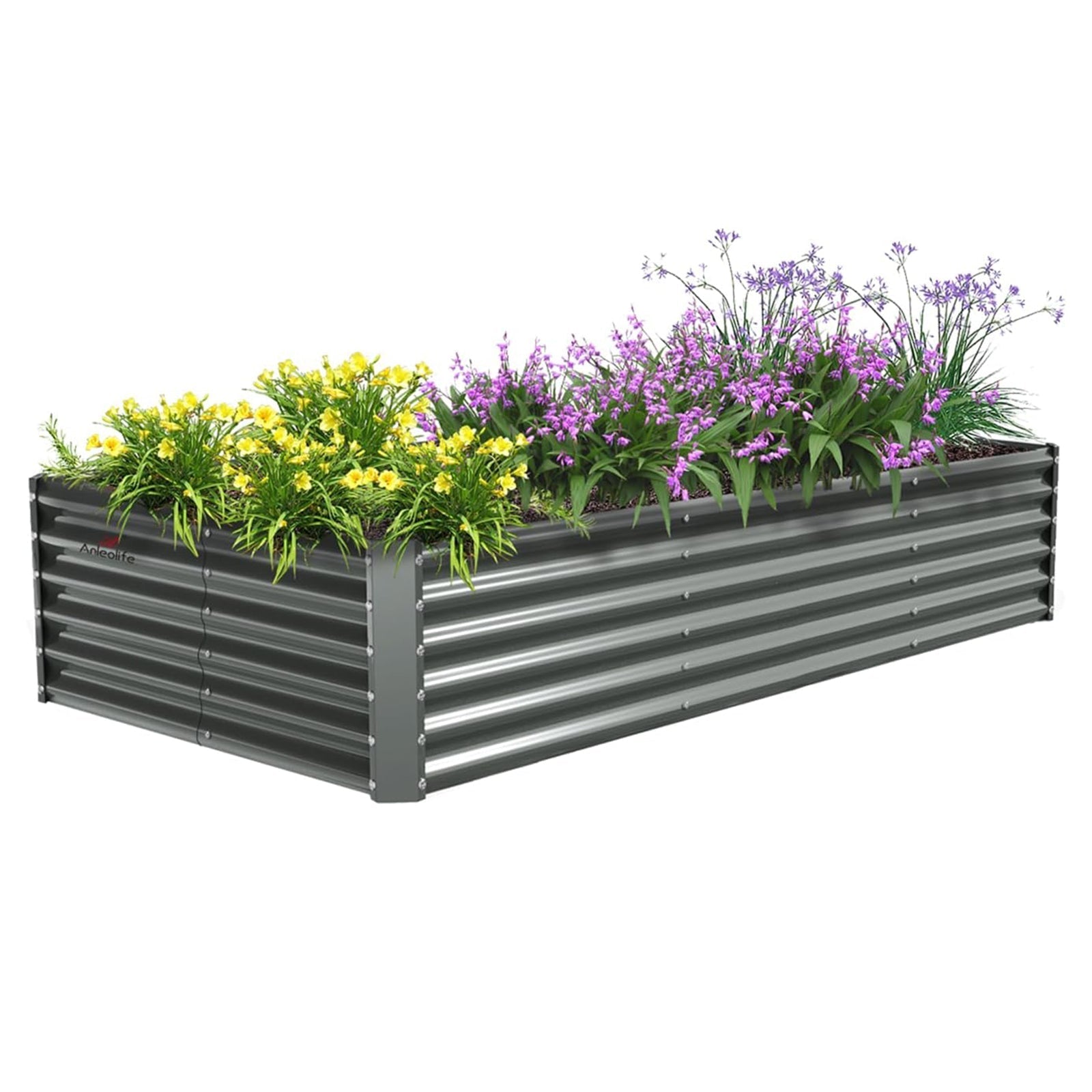
A compact galvanized steel rectangular raised bed is the workhorse of small-space gardening — a metal planting enclosure with straight sides, standardized dimensions, and a surface finish that resists rust and weathering season after season. In our experience working with urban micro-gardeners and homeowners on limited lots, the rectangular form consistently outperforms irregular shapes for raised bed planting layout efficiency: it hugs walls, aligns with fencing, and leaves walkable corridors between beds.
Galvanized steel, when properly zinc-coated, resists corrosion without requiring paint, sealants, or replacement boards. According to the American Galvanizers Association, properly galvanized steel exposed to typical atmospheric conditions provides a service life measured in decades — which is why Anleolife's galvanized steel raised garden beds are rated for a 20-year lifespan. For a small patio garden, that longevity translates to real long-term value: one well-placed bed can serve a family for a generation without structural replacement.
Anleolife's Galvanized Steel Raised Garden Beds are available in a wide range of configurations suited to compact spaces, including an 18-inch tall 8x4 ft option and a 24-inch extra tall 6x3 ft option. These dimensions slot naturally against a fence line or along a patio edge while still providing enough soil volume for root vegetables, herbs, and leafy greens. For anyone curious about how material choice affects longevity, what makes a raised garden bed durable enough to last a decade is a useful resource for understanding the structural factors at play.
Best for: Homeowners with a fence line, side yard, or patio edge who want a long-lasting, low-maintenance bed that fits a standard raised bed layout without taking over the space.
Watch out: The rectangular form requires you to think carefully about walkway access — in very tight spaces, a bed wider than 4 feet can become awkward to reach across from one side.
Extra-Tall Raised Beds for Deep Root Growth and Back-Friendly Gardening
Extra-tall raised garden beds are structures with wall heights of 24 inches or more, designed to provide deeper soil volume and reduce the need to crouch or kneel during planting, weeding, and harvesting. For empty nesters, retirees, or anyone managing joint discomfort, this height difference is not a luxury — it is a functional requirement that determines whether raised bed gardening remains sustainable as a long-term practice.
Taller beds also allow for a more effective layered soil system: a base layer of drainage material, a middle layer of compost-rich organic matter, and a top layer of fine planting medium. This layering approach, sometimes called "lasagna gardening" in horticultural circles, produces notably better results in compact spaces because it maximizes the productive depth of a relatively small footprint. Anleolife offers 24-inch extra tall and 30-inch extra tall configurations in its Galvanized Steel and Rust-Resistant lines, including an 8x4 ft and a 6x3 ft version — both excellent candidates for a compact backyard raised bed layout where horizontal space is limited but vertical depth is available.
Best for: Gardeners with mobility considerations, anyone prioritizing ergonomic access, and growers who want to cultivate deep-rooting crops like carrots, parsnips, or tomatoes in a small footprint.
Watch out: Taller beds require significantly more soil volume to fill, which adds to upfront cost. Plan your soil system carefully before purchasing to avoid underestimating fill needs.
Waist-High Raised Beds for True Stand-Up Gardening
A waist-high raised garden bed is a structure tall enough — typically 30 to 35 inches — to allow a gardener to tend plants while standing fully upright, without bending at all. Anleolife's 35-inch waist-high 4x1.5 ft galvanized steel bed is a prime example: a compact but deep planter that sits at a comfortable working height for most adults.
The 4x1.5 ft footprint is deliberately narrow by design. At 1.5 feet wide, a gardener can reach every inch of the bed from one side, making it ideal for placement against a wall, along a railing, or on a balcony where access from both sides is impossible. In our work with urban micro-gardeners in apartment complexes and townhome developments, a pattern we consistently see is that this footprint — narrow, tall, easy to access — is the single most requested configuration for true patio-scale raised bed gardening.
Best for: Balcony gardeners, apartment dwellers with a small terrace, and anyone who needs or prefers fully upright gardening without bending.
Watch out: The narrow width limits what you can grow simultaneously. It excels for herbs, salad greens, and shallow-root crops, but is less suited to sprawling plants like squash or indeterminate tomatoes.
Round Raised Garden Beds as Space-Efficient Focal Points
A round raised garden bed is a circular planting enclosure that uses curved geometry to create an efficient growing area within a small square-foot footprint, while simultaneously acting as a visual anchor in a garden or patio design. Round beds make use of dead space — corners of a patio, the center of an open deck — in ways that rectangular structures cannot.
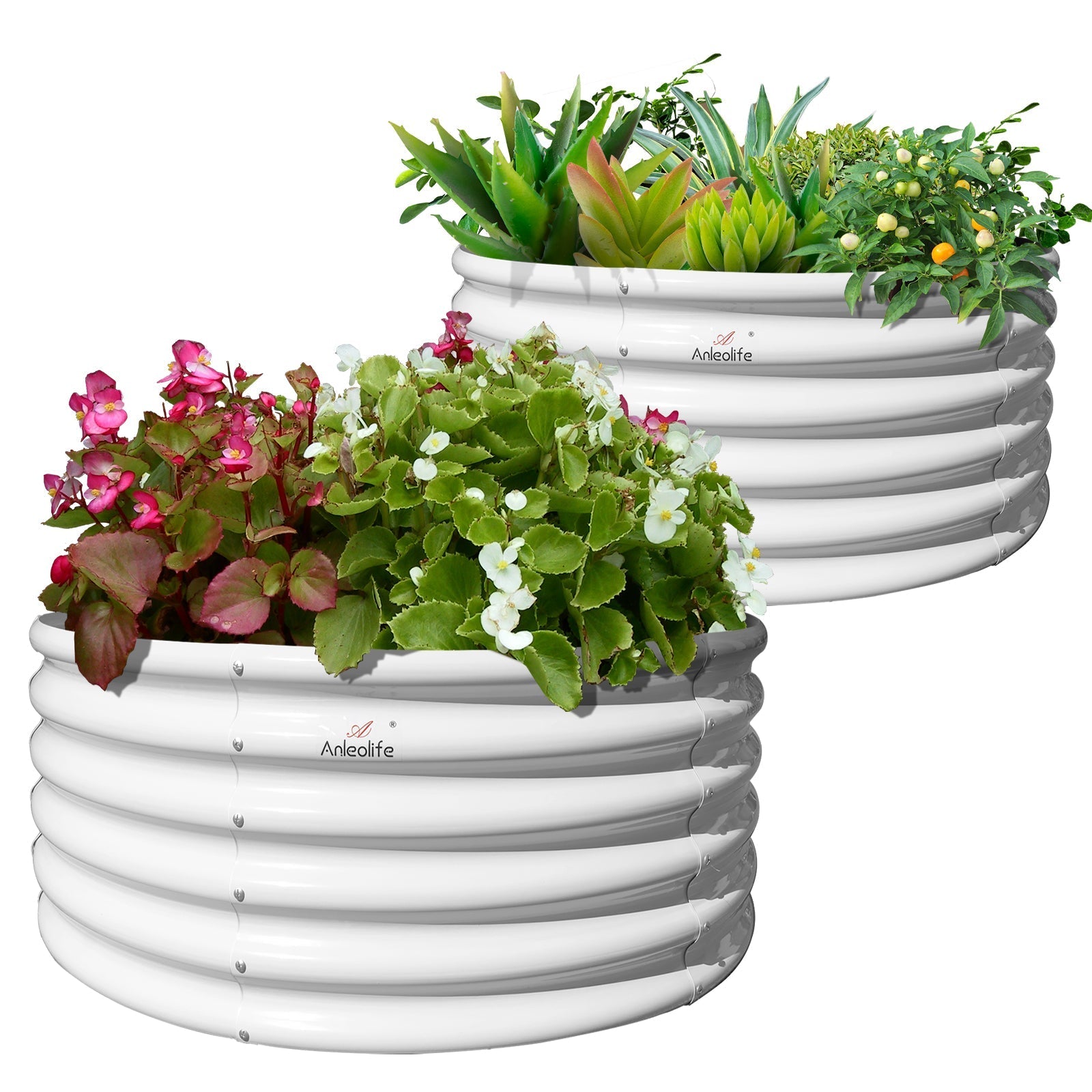
Anleolife offers an 18-inch tall round raised garden bed at 48 inches wide. That 4-foot diameter provides a surprisingly generous planting area: planted in concentric rings, a single round bed can support a complete herb garden, a strawberry patch, or a mixed salad bed. The circular form also naturally encourages a radial raised bed planting layout, where plants are arranged around a central point, giving each plant equal light exposure and making the bed easy to tend from all sides.
From a pure value standpoint, a single well-placed round bed on a patio can deliver visual impact and genuine food production without the cost of multiple rectangular units. It is a smart first step for gardeners who want to test raised bed gardening before committing to a larger layout.
Best for: Patio gardeners who want a standalone decorative-yet-functional planting station, or anyone looking to add a single bed to an otherwise open deck or courtyard.
Watch out: Round beds are harder to cover with standard rectangular row covers or cold frames, which can limit season extension options in colder climates.
Modular Raised Garden Beds for Flexible, Expandable Layouts
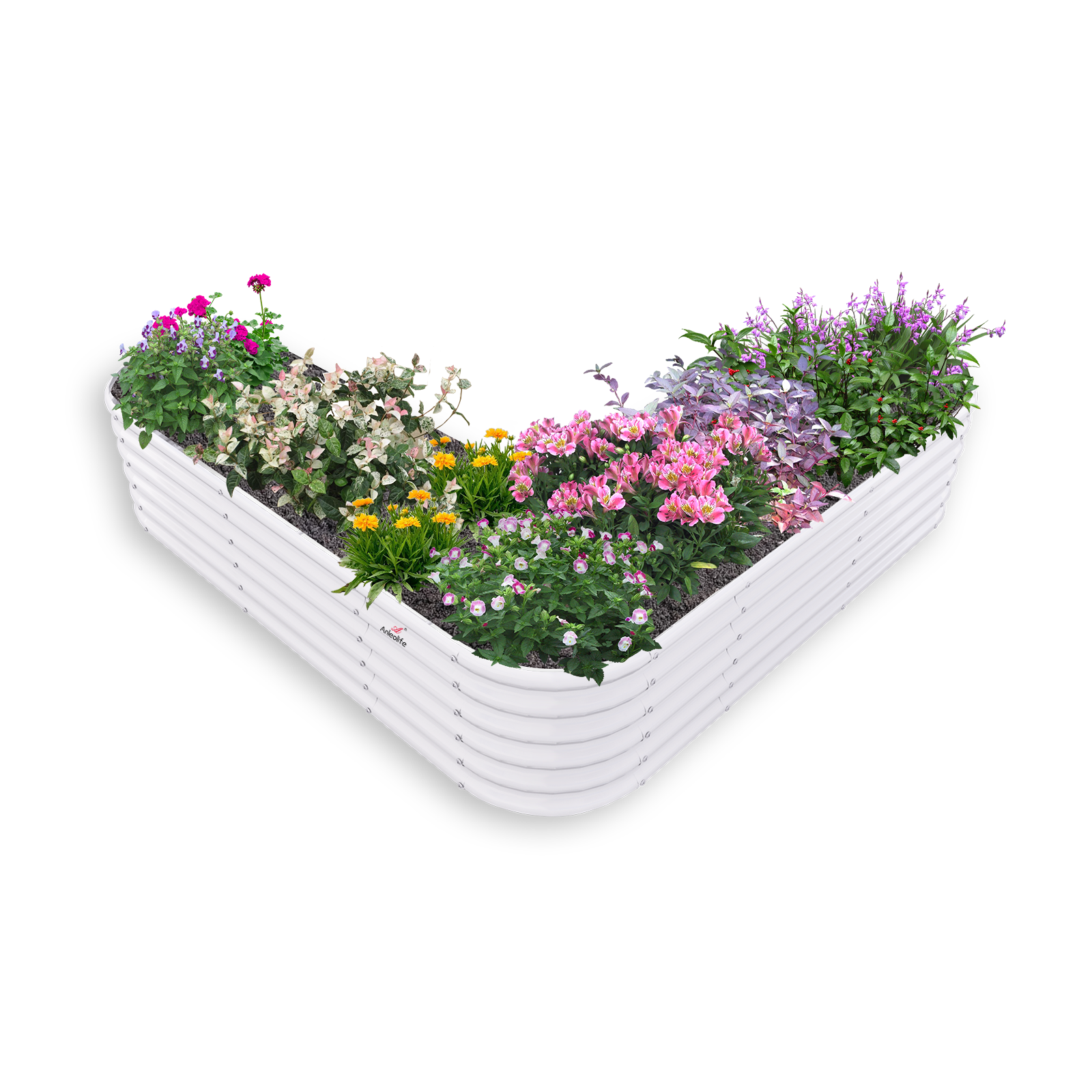
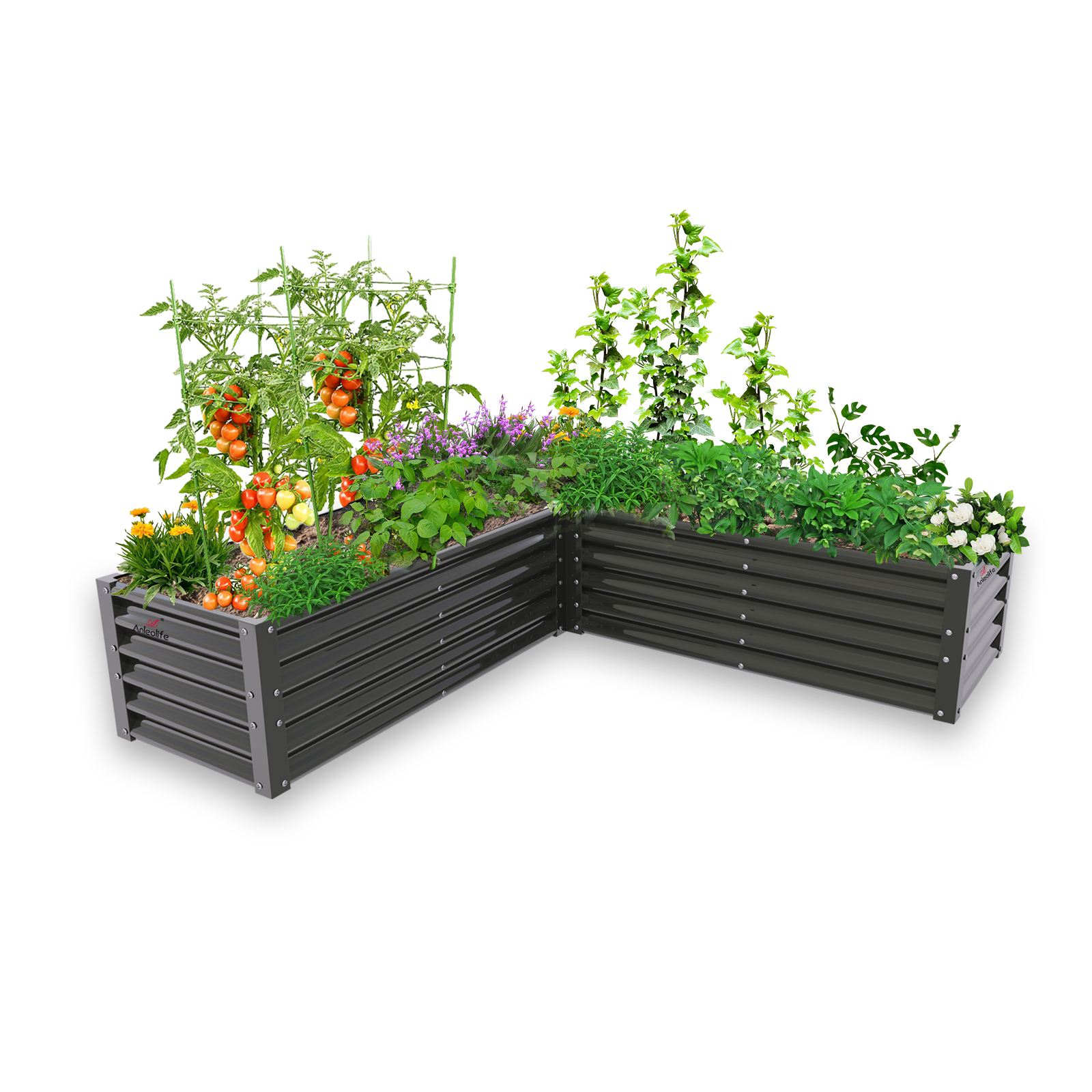
A modular raised garden bed system is a set of interlocking or connectable garden bed panels that can be configured, reconfigured, and expanded as your space and needs evolve. Unlike fixed-size beds, modular systems allow a gardener to start with a small footprint and scale up without replacing existing components.
This matters enormously for small-space gardeners who are working with constrained budgets or uncertain about how much of their yard or patio they want to commit to growing. A pattern we consistently observe is that gardeners who start with one compact modular bed frequently expand within the first two growing seasons — and having a system that accommodates that expansion without waste is a meaningful financial advantage.
Anleolife's Modular Raised Garden Bed line is available in configurations from an 18-inch tall 6x2 ft layout up to a 30-inch extra tall 8x4 ft format, with multiple sizes in between. This range means a gardener can begin with the smallest configuration on a narrow patio and add panels or additional beds as their confidence and space allow. For those planning a more ambitious multi-bed expansion, the step-by-step guide to planning a multi-bed backyard garden transformation offers a practical framework for sequencing that growth.
Best for: New gardeners who want to start small and scale up, and experienced growers who want layout flexibility as seasons and crops change.
Watch out: Modular systems require some planning to ensure each configuration is stable and level. On uneven patio surfaces, you may need to address grading before assembling taller configurations.
Rust-Resistant Raised Beds for Humid and Coastal Climates
Rust-resistant raised garden beds are structures engineered specifically to perform in high-humidity, coastal, or wet-climate environments where standard steel would degrade prematurely. For gardeners in Florida, the Pacific Northwest, or along the Gulf Coast, material choice is not just about aesthetics — it directly determines how long a bed remains structurally sound without intervention.
Anleolife's Rust-Resistant Raised Garden Bed line addresses this need directly, with options ranging from an 18-inch tall 6x3 ft standard configuration up to 30-inch extra tall models. These beds are designed to hold up in the conditions that challenge most garden structures — persistent moisture, salt air, and seasonal heavy rain — without sacrificing the clean, modern appearance that distinguishes a well-designed garden space. As noted in materials research from the ASTM International standards framework, corrosion resistance in outdoor metal products is determined by both coating quality and base metal preparation, both of which are central to how Anleolife designs its rust-resistant line.
For eco-conscious growers, rust resistance also means fewer replacement cycles and less material waste over the bed's lifetime — a meaningful consideration when evaluating the true environmental cost of a product. If sustainability is a priority in your decision-making, which raised garden bed materials are truly eco-friendly provides a detailed breakdown of how different materials compare over their full service life.
Best for: Gardeners in humid, coastal, or high-rainfall regions where rust and corrosion are ongoing structural concerns.
Watch out: Even rust-resistant beds benefit from reasonable drainage planning. Ensure your patio or yard setup allows water to move away from the bed base, rather than pooling around the lower panels.
Heavy-Duty Raised Beds for High-Volume Production in Small Footprints
A heavy-duty raised garden bed is a structure built with reinforced walls and robust joinery designed to hold larger volumes of soil without bowing, shifting, or loosening over time. For a gardener committed to serious food production — growing enough vegetables to meaningfully supplement the household food budget — structural rigidity directly affects how much usable growing space a bed delivers season after season.
Anleolife's Heavy Duty Raised Garden Beds are available in 18-inch, 24-inch, and 30-inch tall configurations, including 6x3 ft and 10x3 ft footprints. The 10x3 ft model in particular is a strong choice for a compact backyard where one long, narrow bed can run along a fence or property edge and deliver significant planting area without consuming the open-center space of the yard. At a 30-inch extra tall height, this configuration also eliminates most bending and kneeling, combining production volume with ergonomic accessibility.
From a value standpoint, a heavy-duty bed with reinforced construction delivers a better return over time than a lighter structure that may require repair or replacement within a few growing seasons. The 20-year lifespan built into Anleolife's product design means the per-season cost of a quality bed, amortized over its full service life, is genuinely competitive — even when the upfront price is higher than entry-level alternatives.
Best for: Serious home growers who want maximum soil volume and production capacity within a constrained footprint, particularly along fence lines or property edges.
Watch out: The longer footprints (like the 10x3 ft configuration) require adequate site preparation to ensure the entire bed rests on level ground. Uneven placement can cause structural stress on the joints over time.
Quick Comparison at a Glance
| Structure Type | Best For | Key Strength | Limitation |
|---|---|---|---|
| Galvanized Steel Rectangular Beds | Fence lines, standard layouts | 20-year lifespan, rust resistance | Needs careful walkway planning in tight spaces |
| Extra-Tall Raised Beds (24"–30") | Deep-root crops, ergonomic access | Deeper soil volume, layered soil system | Higher soil fill cost at setup |
| Waist-High Beds (35") | Balconies, stand-up gardening | Fully upright access, narrow footprint | Limited to shallow or compact plants |
| Round Raised Garden Beds | Patios, decorative focal points | Visual appeal, efficient radial planting | Incompatible with standard rectangular covers |
| Modular Raised Garden Beds | Flexible layouts, gradual expansion | Reconfigurable, scalable footprint | Requires level surface for taller builds |
| Rust-Resistant Raised Beds | Humid, coastal, or wet climates | Engineered for high-moisture environments | Still benefits from active drainage planning |
| Heavy-Duty Raised Beds | High-volume production in small yards | Reinforced structure, large soil capacity | Longer footprints need level site prep |
How to Choose the Right Compact Raised Garden Bed Structure
Choosing the right raised garden bed structure for a small space comes down to three honest questions: What do you want to grow? What does your body need? And what is your realistic budget — both now and over the next decade?
If you are primarily growing herbs, salad greens, and compact vegetables, almost any structure on this list will serve you well, and the round bed or a single modular unit may be the most cost-efficient starting point. If root vegetables — carrots, beets, parsnips — are your priority, height matters more than footprint: an extra-tall or waist-high bed with 24 to 30 inches of depth will outperform a shallow standard bed every time.
If mobility or joint discomfort is a factor, the waist-high 35-inch configuration eliminates bending entirely and should be your first consideration, even if it limits crop variety. For retirees and empty nesters we work with, this is often the single decision that determines whether raised bed gardening remains a sustainable practice for years to come.
If you are in a humid or coastal climate — Florida, the Gulf Coast, the Pacific Northwest — select from the rust-resistant line regardless of other preferences. A structurally compromised bed that degrades within a few years is never a good value, no matter how low the initial price.
A common misconception in small-space raised bed gardening is that you need to fill your entire available footprint from the start. In our experience, this leads to over-investment upfront and under-utilization early on, which discourages beginners. A better approach is to start with one well-chosen bed that suits your primary crops and your body, grow confidently through a full season, then expand your raised bed layout based on what you actually learned — not what you imagined you would need.
For budget-conscious gardeners who want to evaluate the cost landscape before deciding, the analysis in best raised garden beds under $200 for budget-conscious beginners offers a practical comparison of where to start without overspending.
One more practical note: in raised bed gardening, the soil system is just as important as the structure. A well-designed bed filled with poor soil will always underperform a modest bed with excellent, nutrient-rich growing medium. Budget accordingly — the soil investment is not optional.
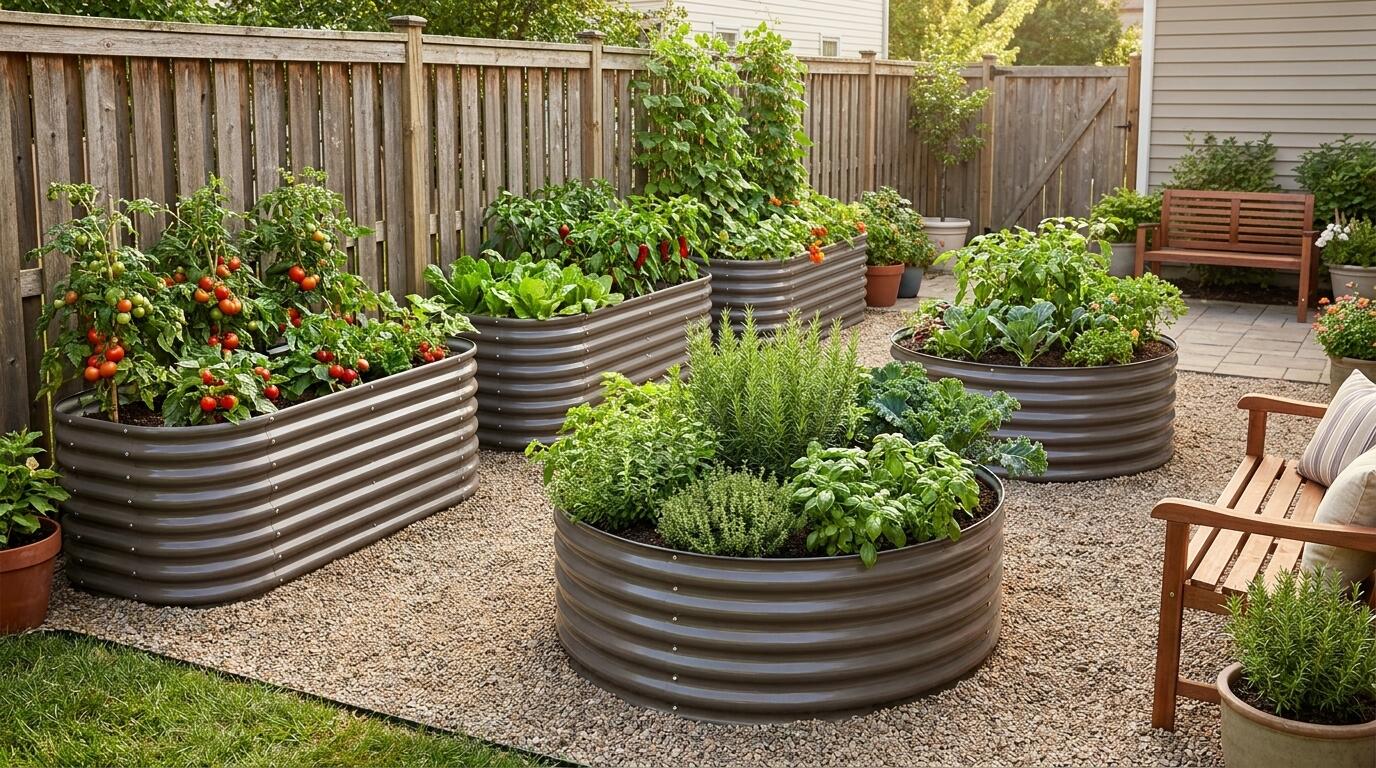
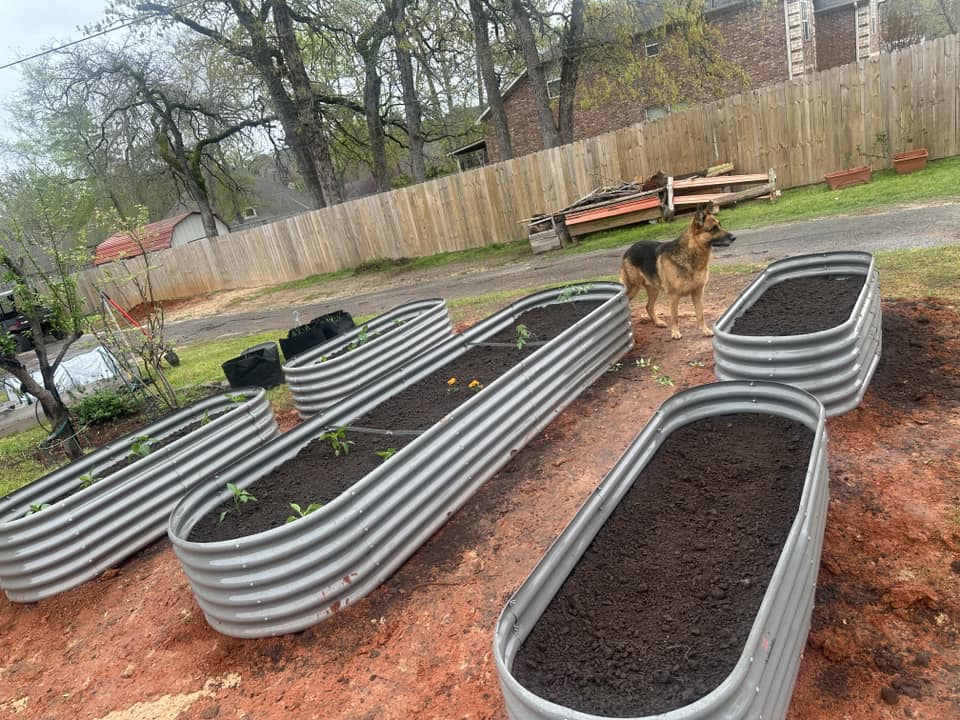
ALT: Galvanized steel compact raised garden beds arranged in a small backyard patio layout for efficient home gardening
Questions & Answers
Q1: How do I plan a raised bed garden layout for a very small backyard or patio?
A compact raised bed garden layout works best when you treat the available space as a series of zones rather than trying to fill every inch. Measure your usable area first, then identify which edges or walls can support beds without blocking light or foot traffic. For most small patios, a combination of one longer rectangular bed along a fence and one narrower waist-high or round bed as a standalone unit creates a functional, visually coherent layout without overcrowding. Leave at least 24 to 30 inches of walkway between beds for comfortable access.
Q2: Are galvanized steel raised beds safe for growing vegetables and edible plants?
Galvanized steel raised garden beds are widely used for food production and considered safe for growing edibles by most horticultural authorities and home gardening practitioners. The zinc coating that provides corrosion resistance is a naturally occurring mineral present in soil at trace levels. Academic and extension research from institutions including university cooperative extension programs has not identified meaningful food safety concerns from modern galvanized steel beds under normal gardening conditions. Anleolife's galvanized steel beds are designed with a 20-year lifespan, reflecting material quality standards appropriate for long-term food growing use.
Q3: How much does it cost to set up a compact raised bed garden on a patio, including soil?
The total setup cost for a compact patio raised bed garden varies based on bed size, height, and your chosen soil system, but the structure itself is only part of the equation. A quality metal raised bed built for long-term durability typically represents a higher upfront cost than entry-level wood alternatives, but its 20-year lifespan distributes that cost across decades of growing seasons. Soil fill is often the more variable cost factor: taller beds require more volume, so a 30-inch extra tall bed will cost more to fill than an 18-inch standard model. Planning your soil layers thoughtfully — using compost, aged wood chips, or other organic fill for the lower layers — can reduce the cost of premium growing medium significantly.
Final Thoughts
Compact raised bed gardening is not about compromise — it is about intention. A small backyard or patio, planned with the right structures and a thoughtful raised bed layout, can produce more food per square foot than a sprawling in-ground garden that lacks structure and soil quality. The structures covered in this list represent the full range of what that intentional approach looks like in practice: from waist-high beds for stand-up gardening on a balcony, to heavy-duty production beds along a fence line, to modular systems that grow as your confidence and ambitions grow.
Three principles hold across every scenario: choose a structure built to last (the 20-year lifespan of quality galvanized steel is a benchmark worth holding to), match the bed height to your body's needs rather than defaulting to the shortest available option, and start with one well-placed bed rather than trying to fill your entire space immediately. These three choices, made thoughtfully at the outset, will save you money, effort, and frustration across many growing seasons.
The right raised bed planting layout is one you can sustain comfortably, expand deliberately, and genuinely enjoy — not just in the first flush of a new gardening season, but year after year.
Browse the full line of compact and full-size raised garden beds at Anleolife, available through Amazon, Walmart, Home Depot, Lowe's, Wayfair, and the official Anleolife website. With a nationwide U.S. warehouse network spanning California, Texas, Florida, New York, Illinois, and Washington, orders are delivered within 3–8 business days — so your garden plans can move from idea to soil without delay. Whether you are starting with a single compact bed or building out a complete planting-and-raising ecosystem, Anleolife grows with you every step of the way.
Sources & Further Reading
- American Galvanizers Association. "Galvanized Steel Corrosion Protection and Service Life."
https://www.galvanizeit.org - ASTM International. "Standards for Corrosion Resistance and Metallic Coatings in Outdoor Applications."
https://www.astm.org - U.S. Department of Agriculture (USDA). "Home and Community Gardening Resources."
https://www.usda.gov - University of California Cooperative Extension. "Raised Bed Vegetable Gardening Practices and Soil Management."
https://ucanr.edu
Note: Standards and guidelines may be updated; please check the latest official documents or consult professional advisors for current recommendations.