


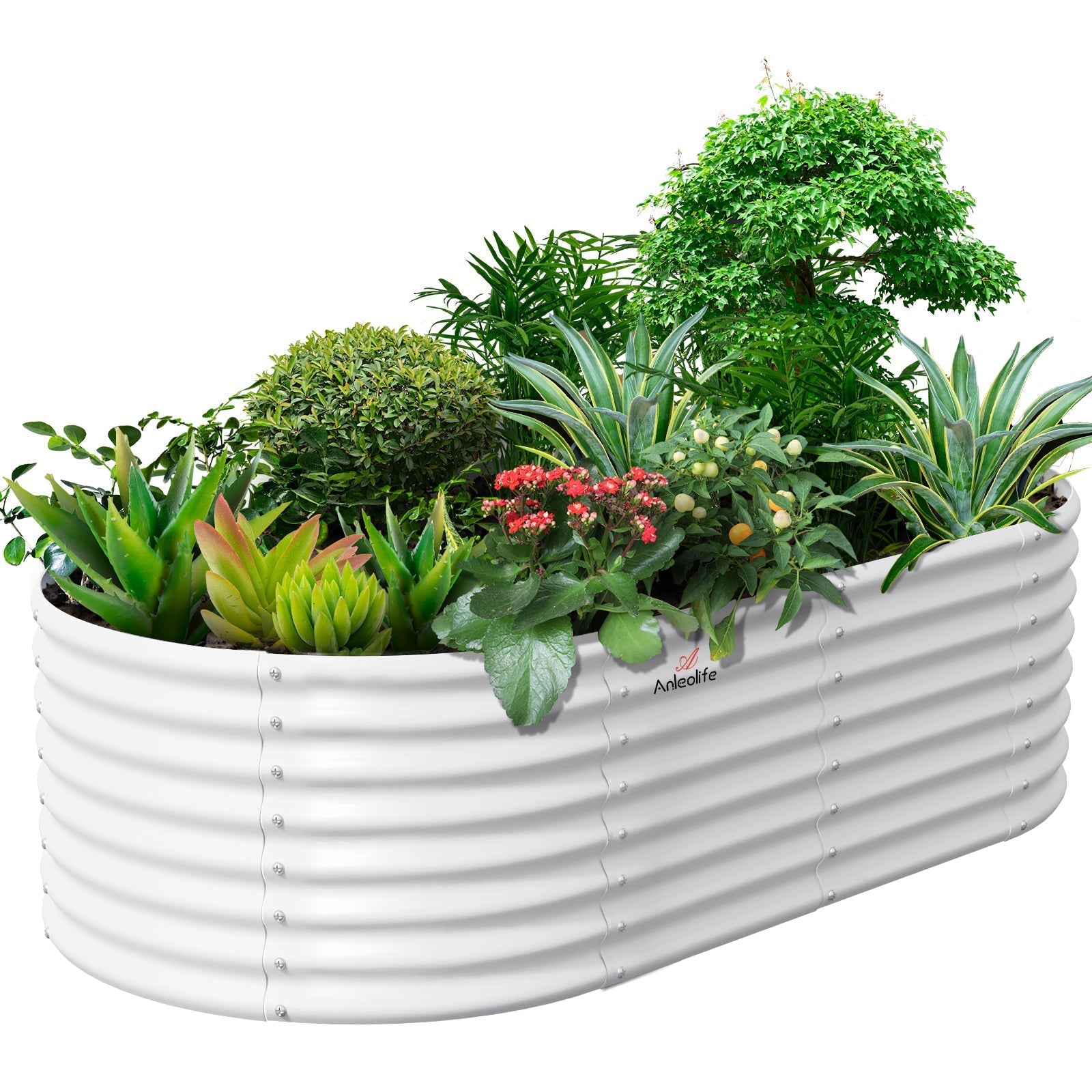
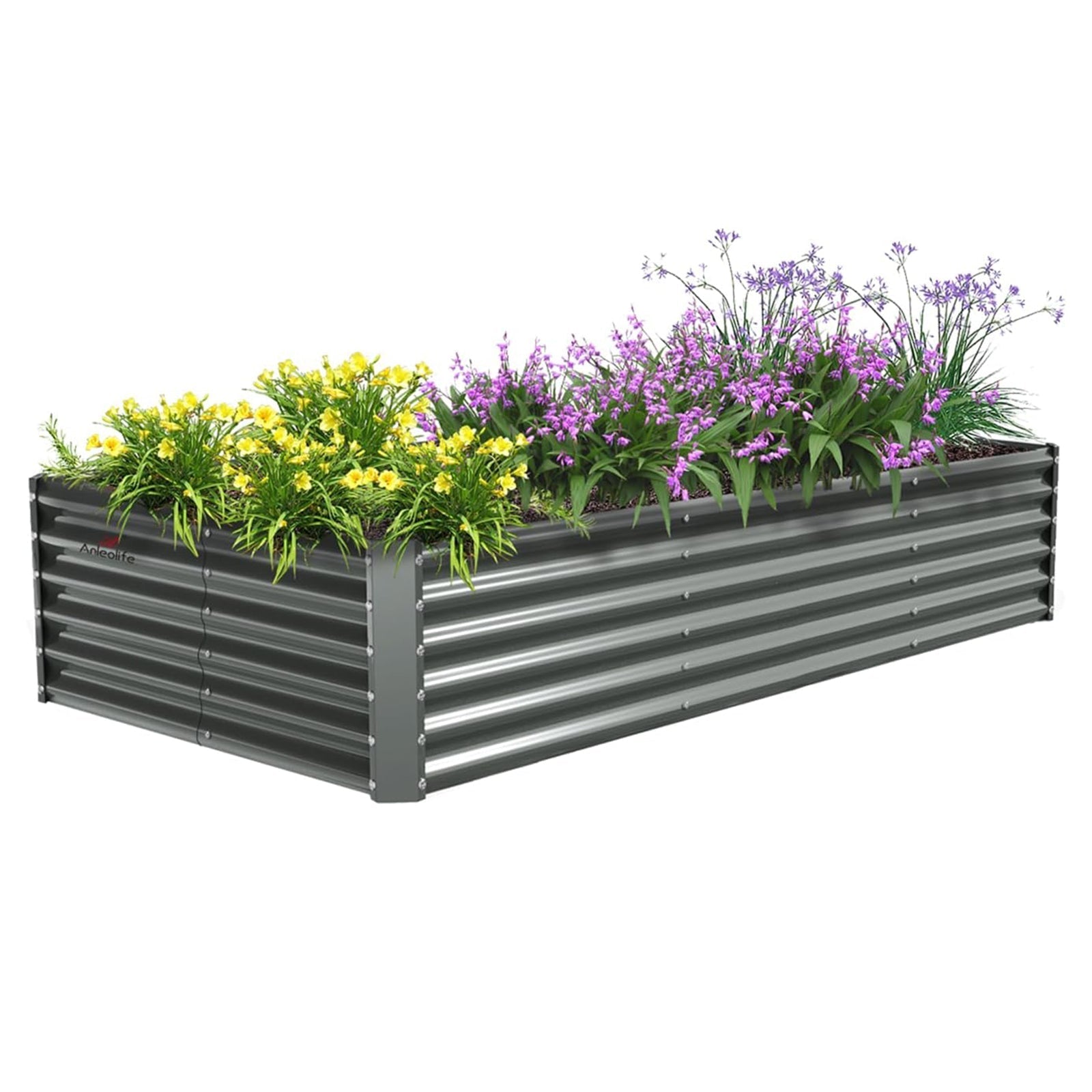

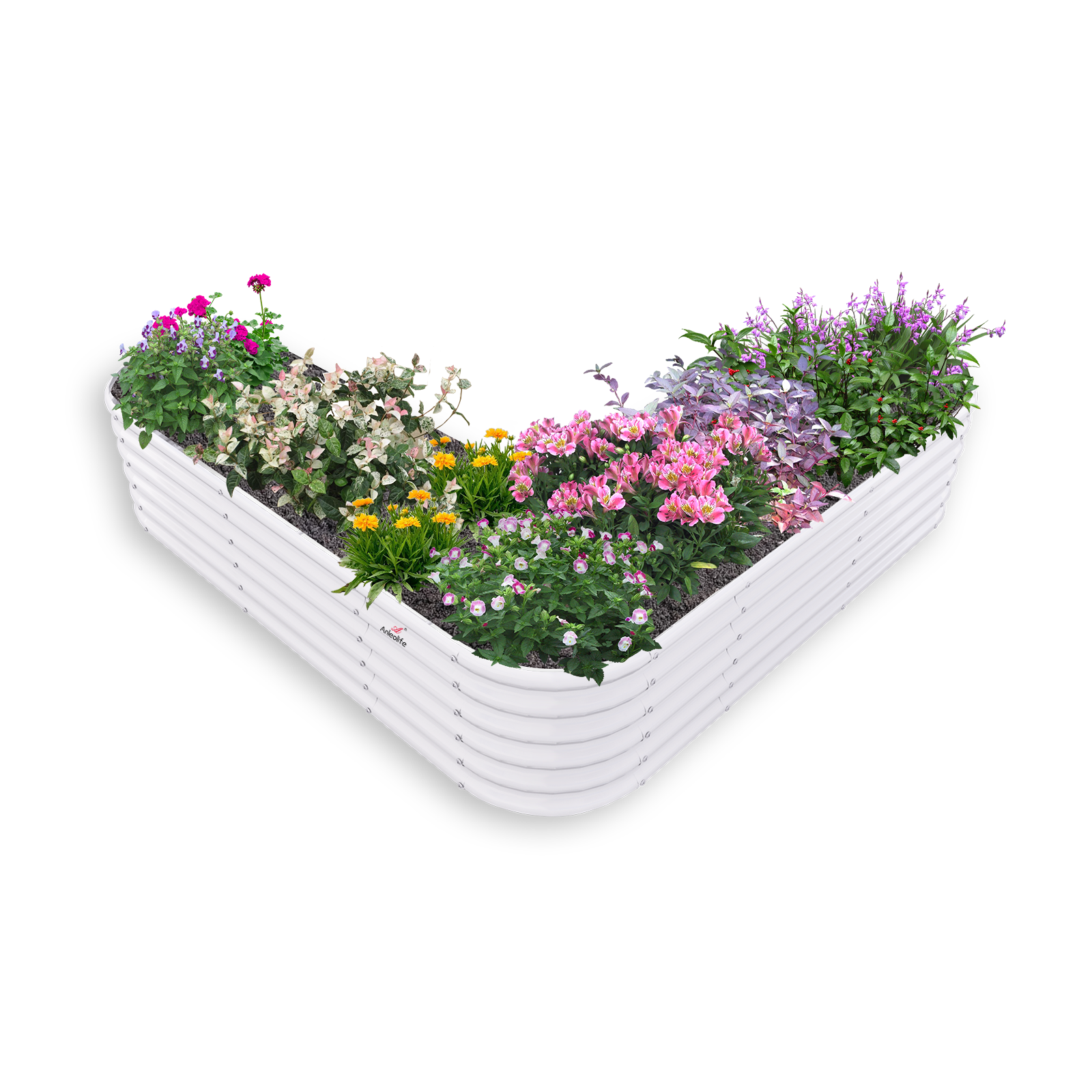
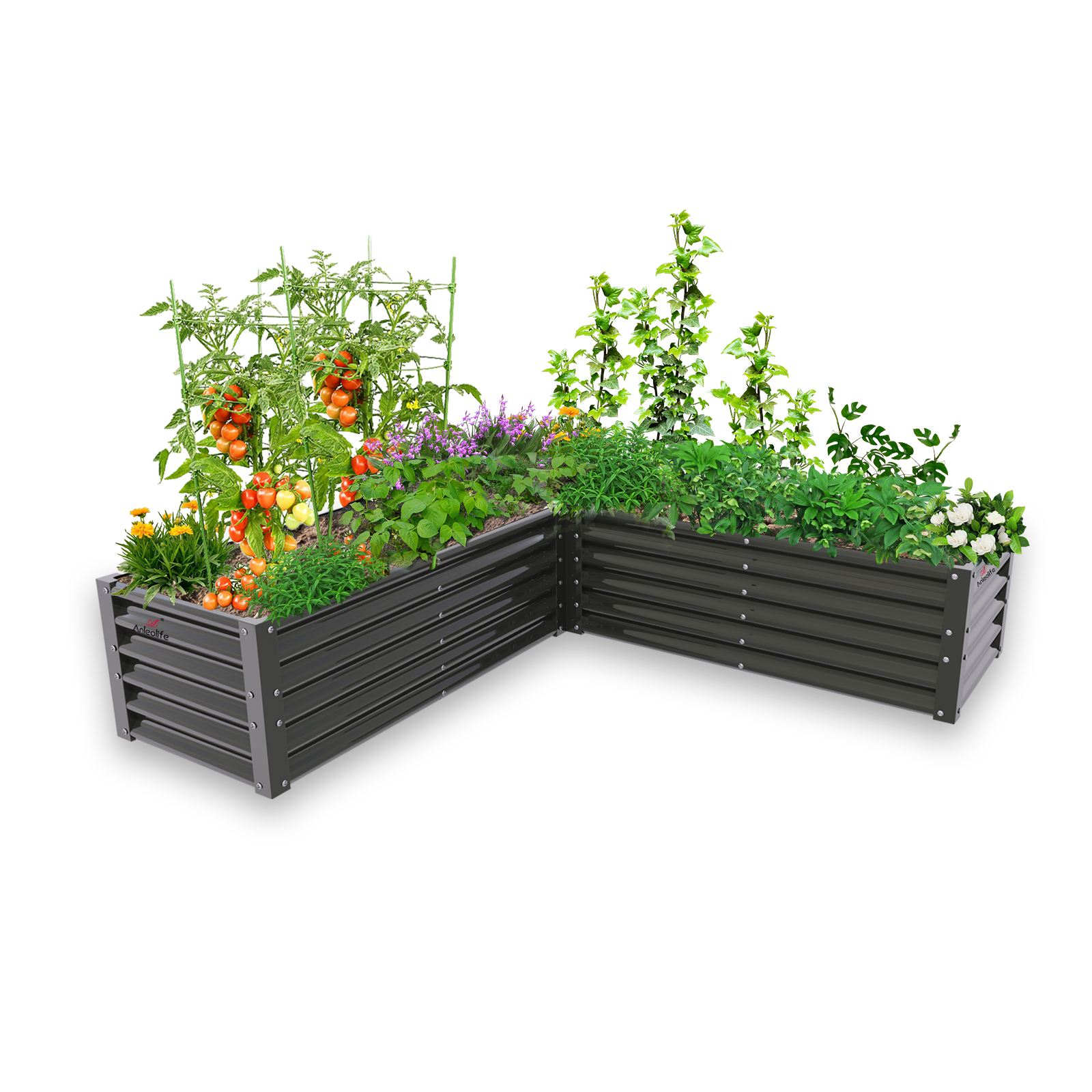
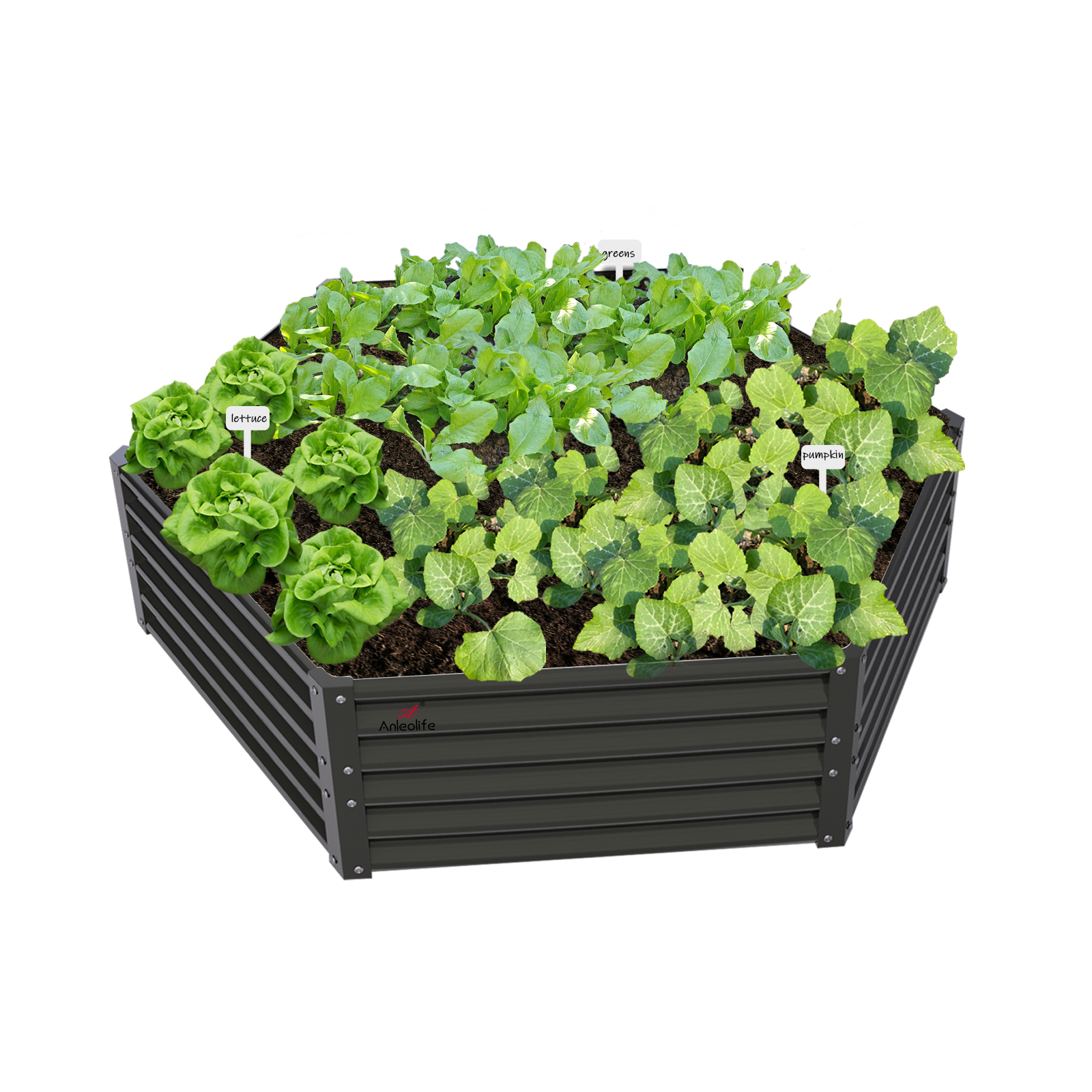
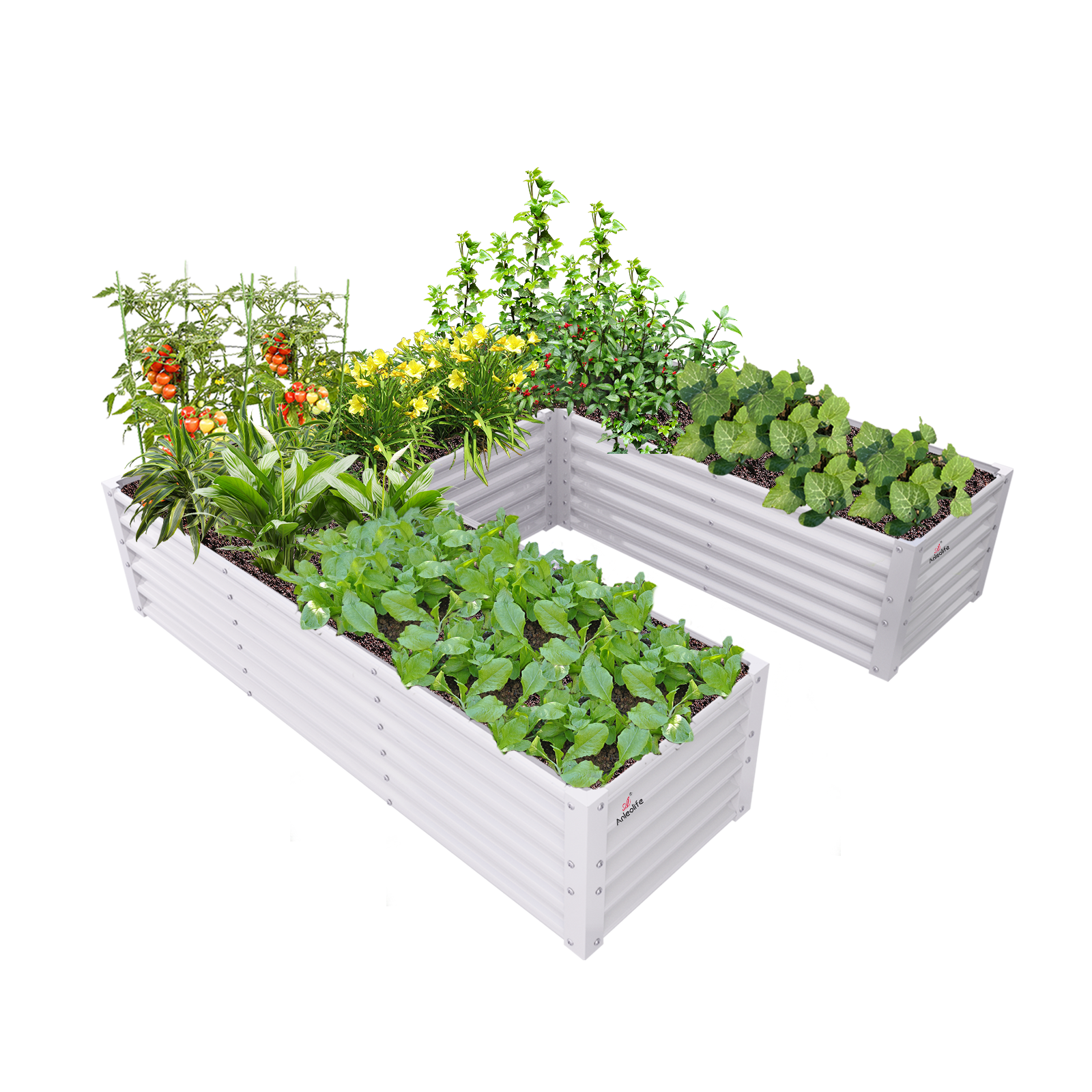

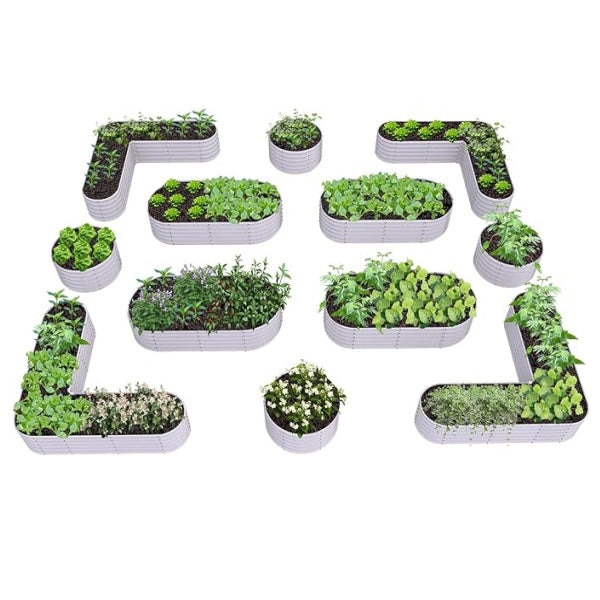


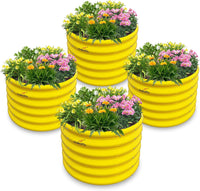
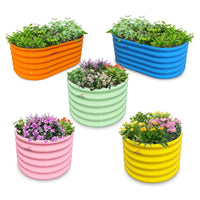
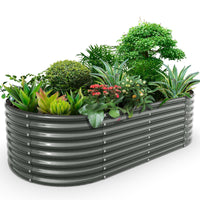



ALT: Fast-growing vegetables planted in a galvanized steel raised bed garden layout for families this season
Plan Your Raised Bed Garden Layout Around Plants That Actually Grow Fast
Every season, we see the same pattern in our work with families getting started in raised bed gardening: they choose plants they love, plant them wherever space allows, and then wonder why some thrive while others barely budge. The missing piece is almost never effort — it is matching the right fast-growing plants to a thoughtful raised bed planting layout from the start.
A well-planned raised bed garden layout is the single most reliable way for a family to go from bare soil to a productive harvest in the shortest time possible. This guide delivers exactly that: a curated list of the best fast-growing plants for a family raised bed project this season, each selected because it performs consistently across a range of climates, fits naturally into common raised bed layouts, and rewards beginners and experienced growers alike with fast, visible results.
Each plant on this list was chosen based on three practical criteria: speed of harvest, compatibility with a typical raised bed gardening setup, and genuine family appeal — meaning kids want to eat it, parents want to cook with it, and everyone can participate in growing it. We have organized the list so you can use it as a planning tool, a quick reference, or a starting point for expanding your garden bed design over time.
The Best Fast-Growing Plants for Your Raised Bed This Season
Radishes: The Fastest Harvest in Any Raised Bed Layout
Radishes are cool-season vegetables that mature in as little as three to four weeks from direct sowing, making them the single fastest crop you can grow in a raised bed garden layout. They are compact, require almost no maintenance, and their small footprint means you can tuck them between slower-growing plants to use every inch of available soil efficiently.
According to the United States Department of Agriculture (USDA), radishes are one of the most forgiving crops for new growers because they signal problems visibly and quickly — if something is off with your soil or watering, you know within days rather than months. Their fast cycle also makes them an excellent teaching crop for children who need to see results to stay engaged.
Best for: Families with young children, beginners who want a quick win, and gardeners using a succession planting strategy in a small or medium raised bed layout.
Watch out: Radishes bolt (go to seed prematurely) in heat, so plant them in early spring or fall when soil temperatures are cooler. A sun-heavy summer raised bed may not be ideal for a midsummer radish crop.
Lettuce: The High-Yield Staple of a Productive Raised Bed Planting Layout
Lettuce is a cut-and-come-again leafy green that delivers continuous harvests from a single planting, making it one of the most productive crops per square foot in any raised bed planting layout. Loose-leaf varieties are ready to harvest in approximately four to six weeks, and because you pick outer leaves while the plant keeps producing, a single row can feed a family for months.
Leaf lettuce thrives in the cooler soil temperatures that raised beds deliver in early spring and fall, and its shallow root system means it pairs beautifully with deeper-rooted vegetables in a layered planting layout. In our experience working with home growers, lettuce is consistently one of the first crops that converts a skeptic into a committed raised bed gardener — the harvest is abundant, the taste is noticeably fresher than store-bought, and the visual appeal of a lush green bed is deeply satisfying.
Best for: Health-conscious families who want daily salad greens, urban micro-gardeners working with a compact 4x4 or 6x3 raised bed, and empty nesters looking for a low-effort, high-reward planting system.
Watch out: Lettuce is sensitive to warm temperatures and will turn bitter and bolt as summer heats up. Plan your raised bed layout so lettuce has afternoon shade during warmer weeks, or switch to heat-tolerant varieties when the season shifts.
Bush Beans: A Protein-Rich Crop That Fills Out Any Raised Bed Layout Fast
Bush beans are warm-season vegetables that go from seed to harvest in roughly seven to eight weeks, requiring no staking, no climbing support, and very little fuss. Unlike pole beans, which need vertical infrastructure, bush beans grow in a tidy, contained shape that integrates cleanly into almost any raised bed garden layout without crowding neighbors.
The plants fix nitrogen in the soil as they grow, which is a measurable benefit documented by land-grant university extension programs across the United States — a single bean planting can improve soil fertility for the crops that follow it. This makes bush beans a smart crop not just for the season you plant them, but for the long-term health of your soil system.
Best for: Families wanting a practical food crop that produces heavily in a short window, and gardeners running a crop rotation plan in a multi-bed layout.
Watch out: Bush beans do not like cool soil. Wait until soil temperatures are consistently warm before sowing, and avoid planting near onions or fennel, which can inhibit growth.
Spinach: A Nutritional Powerhouse That Thrives in Cool-Season Raised Beds
Spinach is a cool-season leafy green that reaches harvest-ready size in four to six weeks under the right conditions, making it one of the fastest and most nutritionally dense crops for a spring or fall raised bed planting layout. It is rich in iron, folate, and antioxidants, and it grows readily in the well-draining, nutrient-rich soil environment that a properly set up raised bed delivers.
In our work with eco-conscious families, spinach consistently ranks as a top choice because it delivers real nutritional value quickly and grows beautifully in the loose, amended soil that defines good raised bed gardening practice. Its ability to be harvested as baby leaves (in as little as three weeks) or allowed to mature into full-size leaves gives you flexibility in how you manage your bed week to week.
Best for: Health-oriented home growers, families with children who are picky eaters (spinach blends easily into smoothies), and gardeners who want to maximize nutrition per square foot in a compact raised bed layout.
Watch out: Like lettuce, spinach bolts in heat. Plan your raised bed layout to include spinach only in cool-season windows, or select bolt-resistant varieties for a slightly extended harvest.
Zucchini: The Most Productive Single Plant in a Family Raised Bed
Zucchini is a warm-season squash that produces its first fruits in approximately seven to eight weeks from transplant and then becomes relentlessly prolific — a single healthy plant can produce more vegetables than a family of four can easily consume in a week. It is the classic overachiever of the raised bed garden, and for families who want abundance, nothing delivers faster.
The key to growing zucchini well in a raised bed planting layout is giving each plant adequate horizontal space and choosing a bed with sufficient depth for its root system. Zucchini plants are large, so they work best in a wider raised bed — an 8x4 footprint is a commonly recommended configuration that gives a zucchini plant room to spread without crowding adjacent crops. When you are planning your layout, consider dedicating one end of a long bed to a single zucchini plant and filling the rest with compact, vertical-friendly companions like beans or herbs.
Best for: Families who want maximum volume from minimal effort, experienced gardeners looking to supplement their raised bed layout with a prolific producer, and anyone who loves cooking with fresh summer vegetables.
Watch out: Zucchini plants are large. In a small or medium raised bed, one plant is typically the maximum before it starts competing aggressively with neighbors for light and root space. Poor pollination (common in urban environments with fewer pollinators) can also limit fruit set.
Kale: The Slow-Start, Long-Harvest Champion of Raised Bed Gardening
Kale is technically slower than radishes or lettuce to reach a harvestable size — typically six to eight weeks from transplant — but it earns its place on this list because once established, it produces continuously for months, tolerates cold, and is one of the most nutrient-dense crops available to home growers. According to the Harvard T.H. Chan School of Public Health, kale is among the most nutritionally complete leafy greens widely cultivated for home use.
Kale is also one of the most structurally interesting crops in a raised bed layout. Its upright, open growth habit means it does not shade low-growing neighbors aggressively, and its deep root system pairs naturally with shallow-rooted companions like radishes or lettuce in a layered planting design. The combination of visual appeal and sustained harvest makes it a strong choice for any family focused on building a garden they will return to season after season.
Best for: Empty nesters and retirees who prefer fewer replanting cycles, eco-conscious families who want a crop that delivers across multiple seasons, and gardeners building a year-round raised bed planting layout.
Watch out: Young kale seedlings are attractive to aphids and cabbage worms. Regular inspection and early intervention (hand-picking or insecticidal soap, per standard IPM guidelines) will keep your crop healthy without chemical input.
Herbs (Basil, Cilantro, Chives): Small Footprint, Big Impact on Any Layout
Fresh culinary herbs are among the fastest plants to go from seed to table — cilantro and basil can be harvested as microgreens in as little as two to three weeks, and chives are a perennial that re-grows reliably with minimal attention. In a raised bed garden layout, herbs serve a dual purpose: they provide kitchen utility and act as companion plants that can deter pests and attract beneficial insects when placed strategically around the perimeter of a bed.
Herbs are uniquely suited to the edges and corners of a raised bed planting layout, where they do not compete for the central space needed by larger crops. A 12x3 or 8x4 raised bed, for instance, can accommodate a full row of herbs along one side while leaving the majority of the bed for primary crops. This kind of intentional layout planning is one of the hallmarks of an experienced raised bed gardener, and it is a habit we consistently recommend to families who want their beds to function as complete, self-supporting growing systems.
Best for: Cooks and food enthusiasts who want fresh flavor year-round, urban micro-gardeners with limited space who need plants that earn their keep in a small footprint, and families integrating a planting-and-beautification approach to their garden.
Watch out: Basil is extremely cold-sensitive and should only be grown after all frost risk has passed. Cilantro bolts quickly in heat; succession sow every two to three weeks to maintain a continuous supply.
Cherry Tomatoes: The Family Favorite That Rewards a Well-Planned Raised Bed Layout
Cherry tomatoes are warm-season crops that begin producing fruit in approximately eight to ten weeks from transplant and then continue bearing heavily until frost. They are the most universally appealing crop for a family raised bed project — children gravitate to the bright colors, adults appreciate the consistent flavor, and the plants themselves are visually striking in a way that makes a raised bed feel like a real garden rather than a utility planting.
For raised bed gardening, determinate (bush) cherry tomato varieties are generally more manageable than indeterminate types, though indeterminate varieties can work well when paired with a sturdy cage or trellis system positioned at the north end of a raised bed so they do not shade lower-growing crops. Proper raised bed layout planning — placing tomatoes on the sunny, northern edge so their height benefits rather than blocks other plants — is one of the most impactful decisions you can make early in the season.
Best for: Families with children, gardeners who want a photogenic and productive bed, and anyone building a raised bed layout that doubles as an outdoor living feature.
Watch out: Tomatoes are heavy feeders and benefit from consistent soil fertility management throughout the season. They also require consistent moisture — uneven watering leads to blossom end rot and cracked fruit. A drip irrigation setup or consistent hand-watering schedule is strongly recommended.
Peas: A Cool-Season Crop That Teaches Children to Garden
Garden peas and snap peas are cool-season climbers that produce harvestable pods in approximately seven to eight weeks from direct sowing. They are one of the most child-friendly crops available — peas go straight from vine to mouth in the garden, require no cooking to enjoy, and their climbing habit makes them fascinating to watch. For a family raised bed project, peas are a natural early-season starter that gets everyone involved and invested before the main warm-season planting begins.
In a raised bed planting layout, peas are best positioned along the back edge of a bed (relative to the direction of most sunlight) with a simple trellis or netting for support. This vertical approach maximizes productive space in a limited footprint — a consideration that matters whether you are working with a compact urban bed or a larger multi-bed backyard garden design. You can read more about planning a multi-bed setup in this step-by-step guide to planning a multi-bed backyard garden transformation.
Best for: Families with young children, gardeners who want a spring starter crop that makes way for warm-season plants, and anyone building a succession planting strategy into their raised bed layout.
Watch out: Peas must be planted in cool weather and will stop producing as soon as temperatures climb consistently above the mid-70s Fahrenheit. Do not try to carry a pea crop through summer — plan to pull the plants and replant with a warm-season crop as soon as production slows.
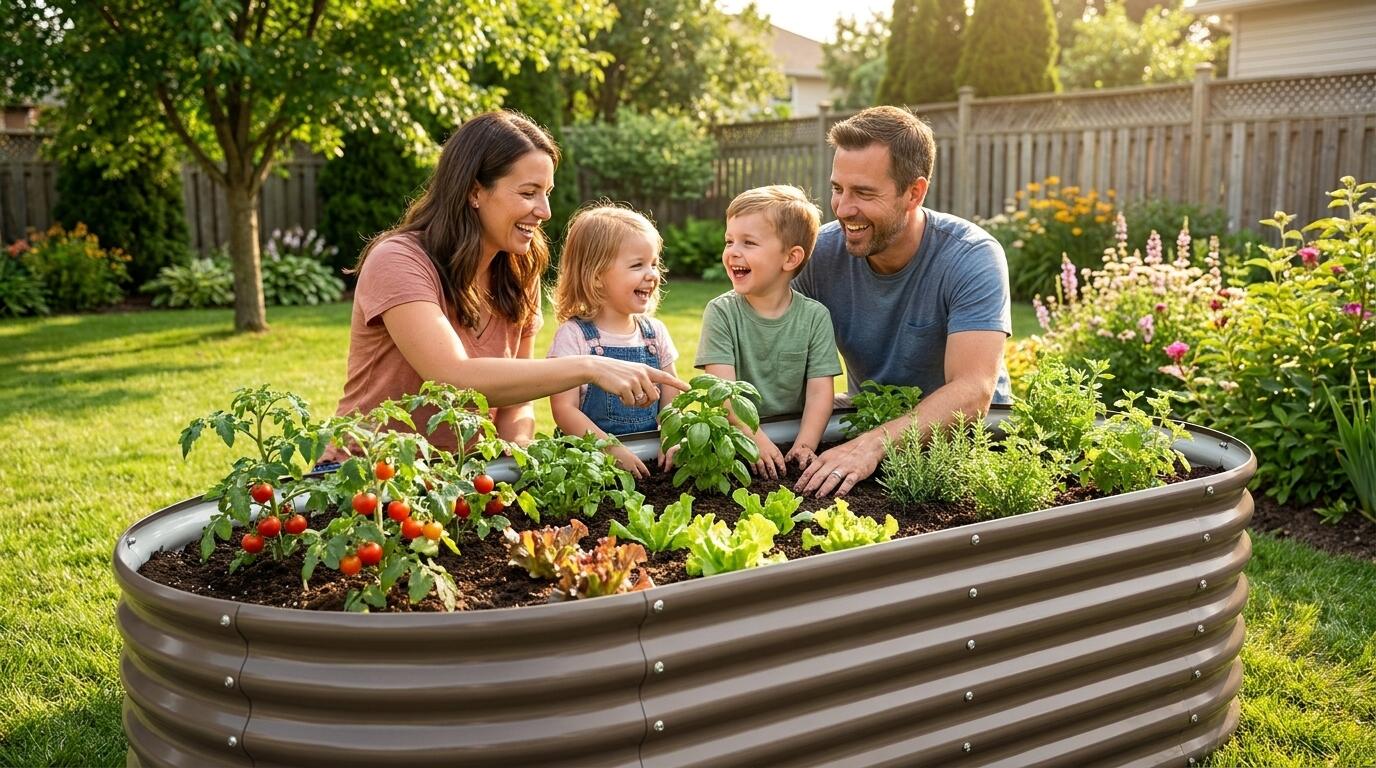
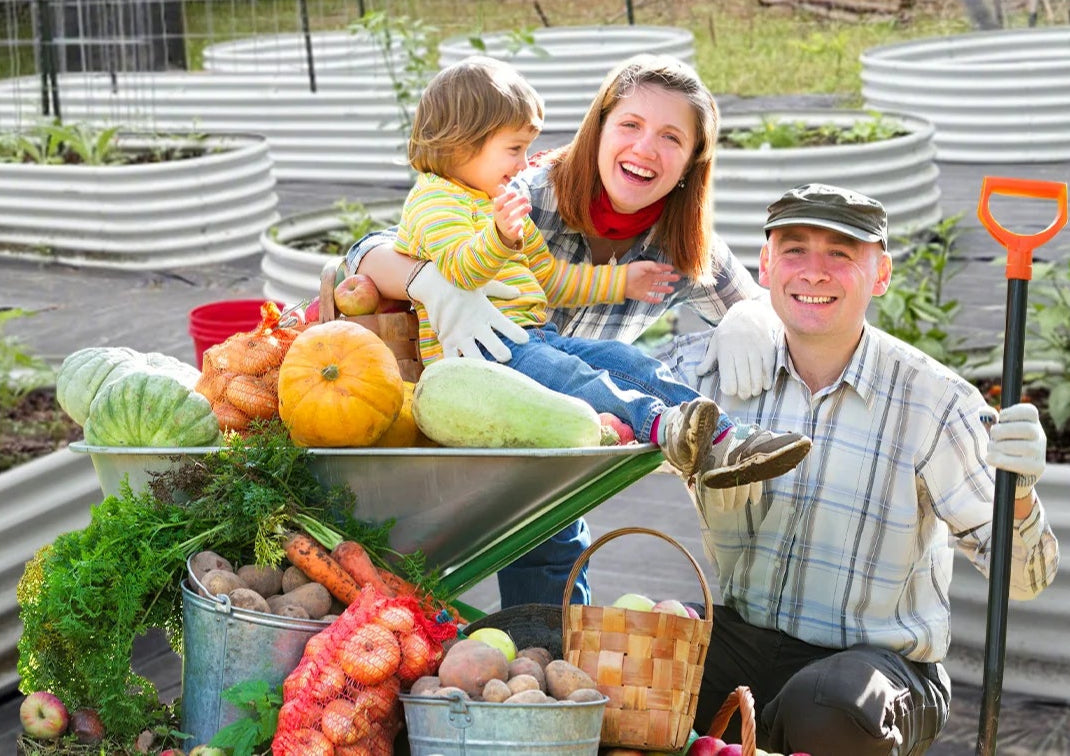
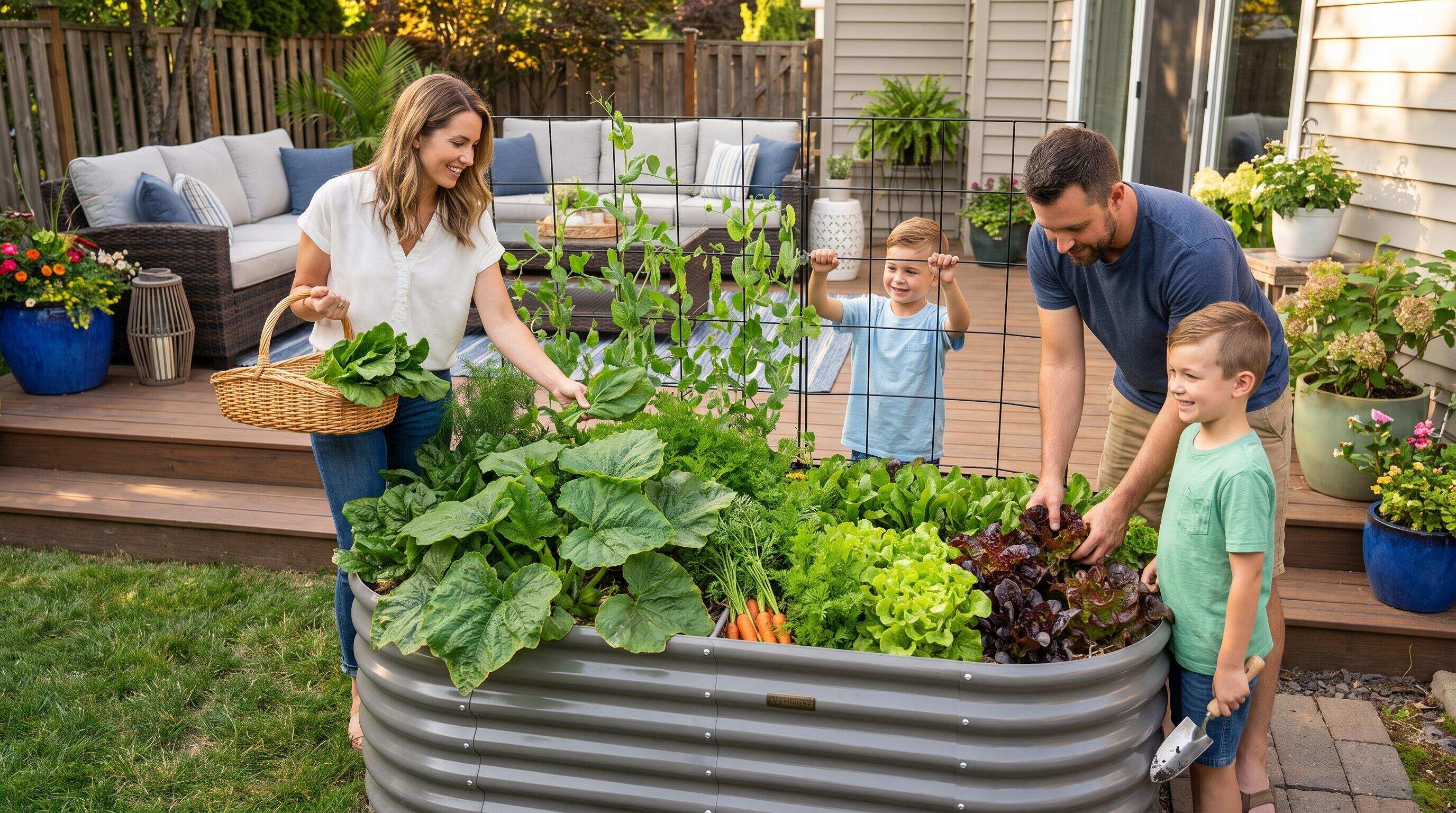
ALT: Family planning a raised bed planting layout with fast-growing vegetables including tomatoes, lettuce, and herbs in a galvanized steel garden bed
Quick Comparison at a Glance
Choosing the right plants for your raised bed garden layout is easier when you can see all the key factors side by side. This table summarizes each plant's core profile to help you make an informed decision quickly.
| Plant | Best For | Key Strength | Limitation |
|---|---|---|---|
| Radishes | Beginners, families with young children | Fastest harvest (3-4 weeks), uses minimal space | Bolts in heat; cool-season only |
| Lettuce | Urban growers, health-focused families | Cut-and-come-again; continuous harvest | Bitter and bolts in summer heat |
| Bush Beans | Families wanting protein crops | Nitrogen-fixing; no support needed | Needs warm soil; avoid planting near onions |
| Spinach | Nutrition-focused growers | Very high nutritional density; versatile harvest stages | Bolts quickly in warm weather |
| Zucchini | Families wanting abundance | Extremely prolific producer; low maintenance | Large footprint; one plant per small bed |
| Kale | Year-round planners, retirees | Multi-month harvest; cold tolerant | Slower to start; attracts aphids and cabbage worms |
| Herbs (Basil, Cilantro, Chives) | Cooks, urban micro-gardeners | Dual-purpose (culinary + pest management); small footprint | Basil cold-sensitive; cilantro bolts in heat |
| Cherry Tomatoes | Families with children; aesthetic gardens | High appeal; continuous production | Heavy feeder; needs consistent moisture |
| Peas | Families with children; spring planners | Fast-maturing; child-friendly; vertical growth | Must be planted cool; cannot carry through summer |
How to Choose the Right Plants for Your Raised Bed Layout
The right plant selection for your raised bed depends primarily on three factors: the season you are planting in, the size and depth of your raised bed, and the priorities of your household.
If you are starting in early spring and your soil is still cool, prioritize the cool-season crops: radishes, lettuce, spinach, kale, and peas. These plants perform best when nighttime temperatures are still dropping, and they will give you a productive early harvest window before you transition to warm-season crops in late spring.
If you are starting in late spring or summer, shift your focus to warm-season plants: zucchini, cherry tomatoes, and bush beans. These plants need warm soil and consistent warmth to thrive, and they will carry your raised bed through the hottest months of the year.
If your raised bed is compact — a 4x4 or 6x3 footprint — avoid large spreaders like zucchini unless you are willing to dedicate the whole bed to a single plant. Radishes, lettuce, herbs, and bush beans are far more space-efficient options for smaller layouts. Choosing a raised bed with sufficient depth for root development is equally important — a durable raised garden bed that holds structural integrity over time gives your root systems the consistent environment they need to perform.
If your family includes children, lean toward fast-cycling crops (radishes, peas, cherry tomatoes) that deliver visible results quickly enough to maintain engagement. Nothing discourages a young gardener faster than a two-month wait with nothing to show.
A common misconception in raised bed gardening is that more plant variety in a single bed is always better. In practice, overcrowding a raised bed planting layout — even with compatible plants — reduces airflow, increases disease pressure, and forces plants to compete for water and nutrients. A disciplined layout with fewer, better-spaced plants reliably outperforms a crowded, variety-heavy bed. When building your first raised bed garden layout, it is almost always better to start with three to four crops grown well than eight crops grown poorly.
The structure of your raised bed matters as much as what you plant in it. Anleolife's galvanized steel raised garden beds are engineered to last up to 20 years, meaning the investment you make in a quality bed this season will continue supporting your family's garden for decades. Whether you are working with an 18-inch tall standard bed or a 30-inch extra-tall waist-high configuration, the consistency of the growing environment is a foundational advantage that directly affects the performance of every plant on this list.
Common Questions
Q1: How do I arrange fast-growing plants in a raised bed garden layout so they do not compete with each other?
The most reliable approach is to arrange plants by height — tall plants (tomatoes, peas on trellises) go on the north side of the bed to avoid shading shorter plants, medium-height plants (kale, zucchini) go in the center, and low-growing compact plants (radishes, lettuce, herbs) go on the south-facing edge. This configuration, sometimes called the "thriller, filler, spiller" arrangement adapted for vegetables, ensures every plant gets adequate light without competing aggressively for vertical space.
Q2: Is a raised bed planting layout better for fast-growing vegetables than in-ground gardening?
Raised bed gardening consistently outperforms in-ground planting for fast-growing crops because the growing medium — typically a well-amended, loose soil mix — drains better, warms faster in spring, and offers fewer compaction issues for tender root systems. According to the University of California Cooperative Extension, raised beds can warm up significantly faster than native soil in spring, giving you an earlier planting window and faster germination across all the crops on this list.
Q3: How long does it take to go from setting up a raised bed to harvesting the first crop?
For most families, the timeline from setting up a new raised bed to the first harvest is four to six weeks when fast-maturing crops like radishes or lettuce are planted immediately. Setup itself — assembling a quality metal raised bed, filling it with your chosen soil system, and sowing seeds or placing transplants — can typically be completed in a single weekend. Anleolife's nationwide warehouse network supports delivery within 3–8 business days, so you can order your bed and be planting within the same week in most cases.
The Bottom Line
A successful family raised bed project this season comes down to three decisions made early: choosing plants that match your season, arranging them in a layout that maximizes light and space, and building the garden in a bed that will support your soil system reliably for years to come.
The nine plants on this list — radishes, lettuce, bush beans, spinach, zucchini, kale, herbs, cherry tomatoes, and peas — represent a practical toolkit for any family that wants fast, visible, and genuinely useful results from their raised bed garden layout this season. Each one has been selected because it performs predictably, fits cleanly into a standard raised bed planting layout, and delivers something a household can actually use at the table.
If you are planning a multi-bed setup or scaling up from a first bed, the same principles apply: match plants to season, give each plant adequate space, and invest in a structure that will last. Anleolife's galvanized steel raised garden beds are designed to do exactly that — with a 20-year lifespan, they are the kind of foundational investment that pays for itself in harvests long before it needs replacing. For those building a budget-conscious setup without sacrificing quality, finding the right raised garden bed at the right price point is a practical starting point worth exploring.
The best time to plant was last season. The second best time is right now — and with a clear layout plan and the right crops, you are closer to your first harvest than you think.
Ready to build the raised bed your family's garden deserves? Explore the full range of Anleolife galvanized steel raised garden beds at the Anleolife website, available in a wide variety of sizes and configurations to fit any raised bed layout — from compact 4x4 starter beds to extra-tall 30-inch waist-high models. Shop directly on the Anleolife website or find Anleolife products on Amazon, Walmart, Home Depot, Lowe's, and Wayfair. With a nationwide warehouse network spanning California, Texas, Florida, New York, Illinois, and Washington, your order arrives in 3–8 business days, so your planting season starts on your schedule. Our modular product design means your garden can grow with your family — from your first raised bed this season to a full planting-and-raising ecosystem in the years ahead.
References
- U.S. Department of Agriculture (USDA). "Home Vegetable Gardening Resources."
https://www.usda.gov - University of California Cooperative Extension. "Vegetable Gardening in California."
https://ucanr.edu - Harvard T.H. Chan School of Public Health. "The Nutrition Source: Vegetables and Fruits."
https://www.hsph.harvard.edu - U.S. National Gardening Association. "Raised Bed Gardening Guide."
https://garden.org - Penn State Extension. "Vegetable Gardening: Raised Bed Production."
https://extension.psu.edu
Note: Standards and guidelines may be updated; please check the latest official documents or consult professional advisors.