




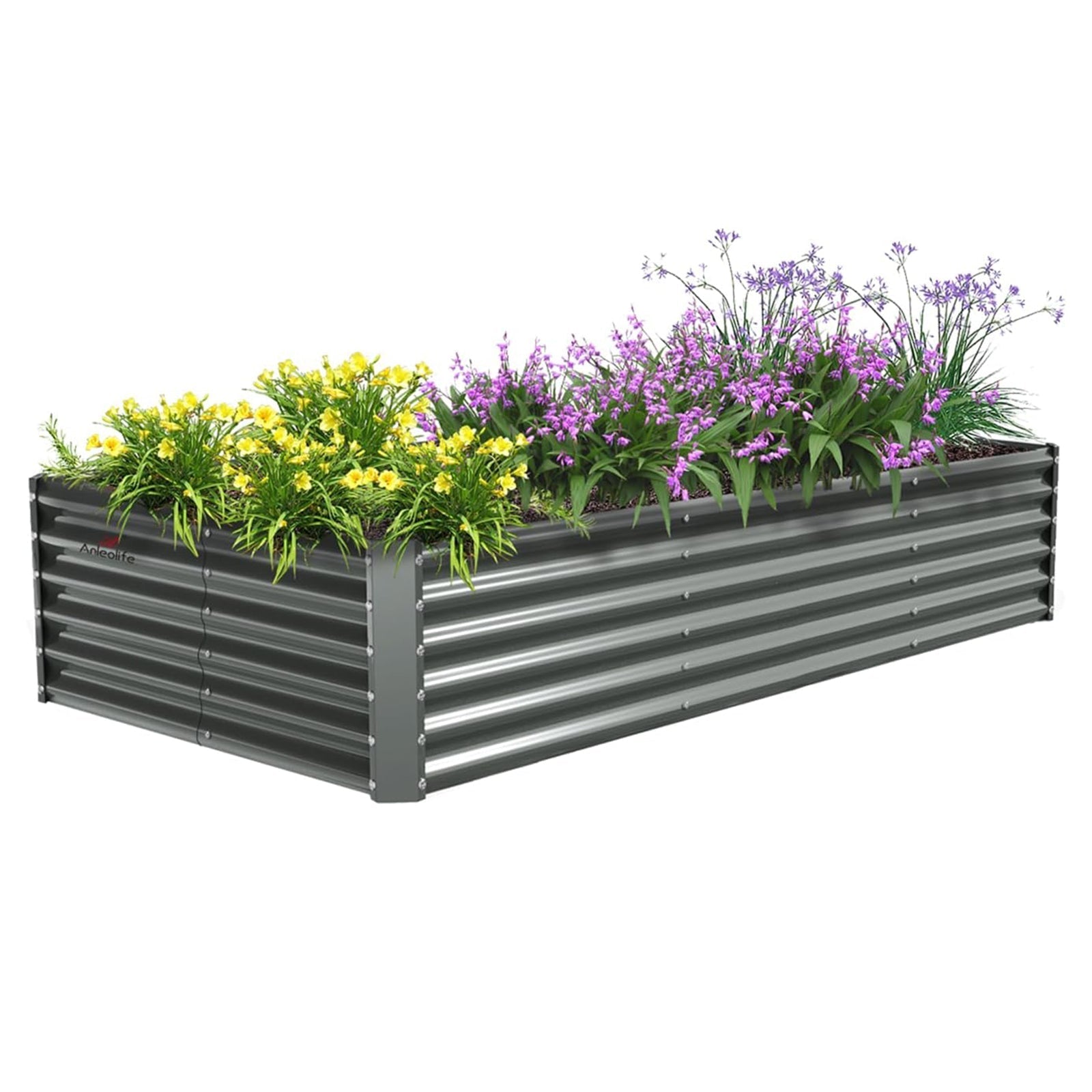


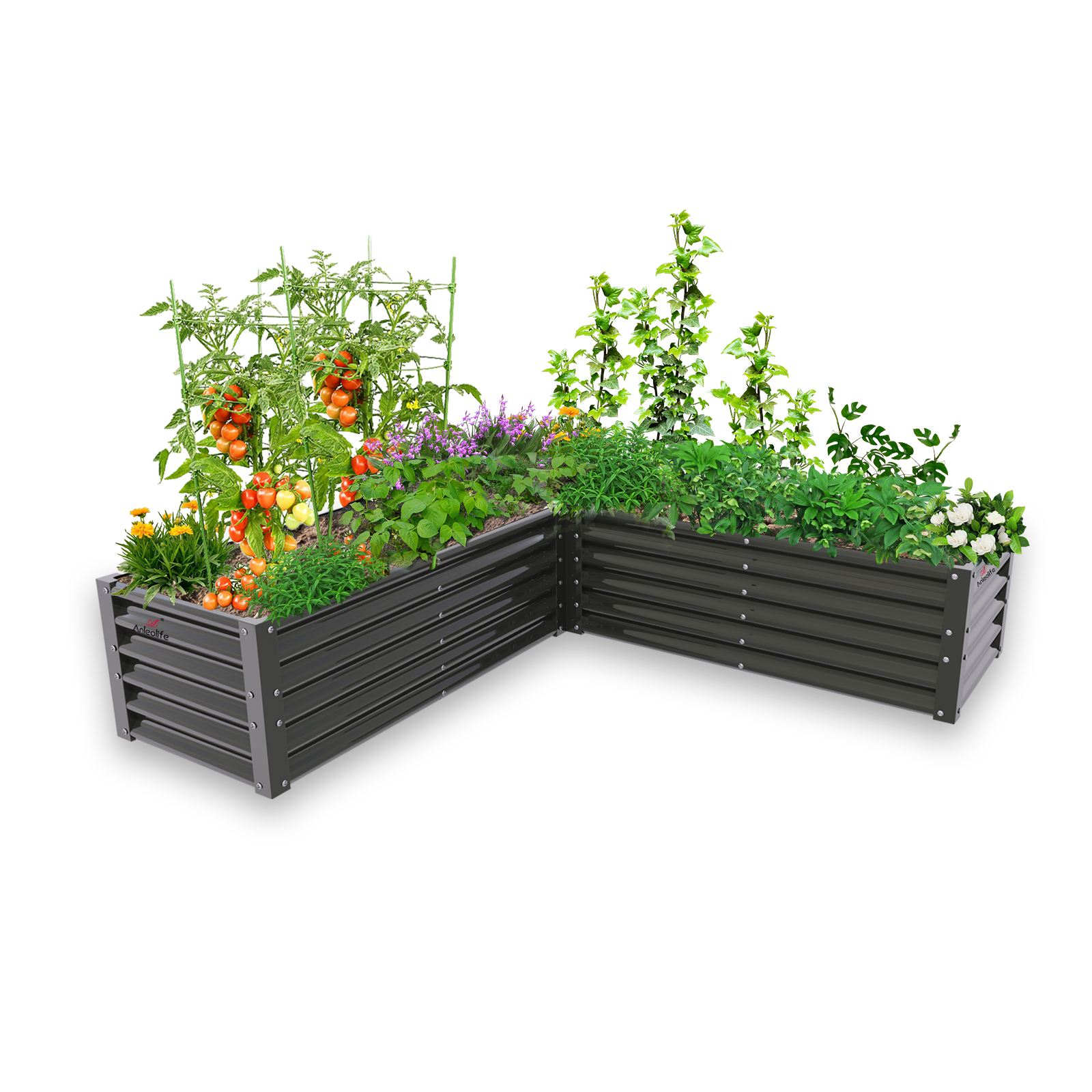
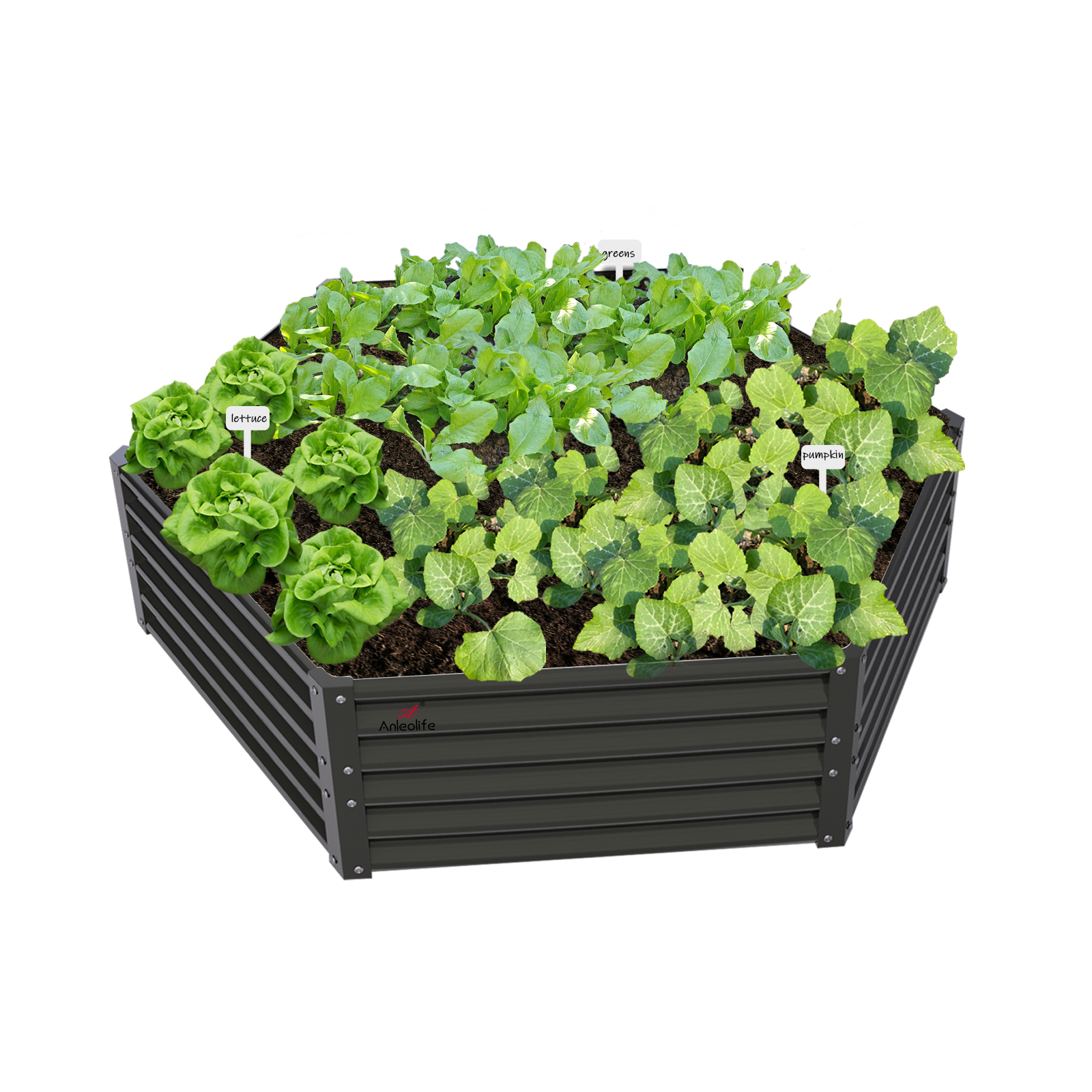
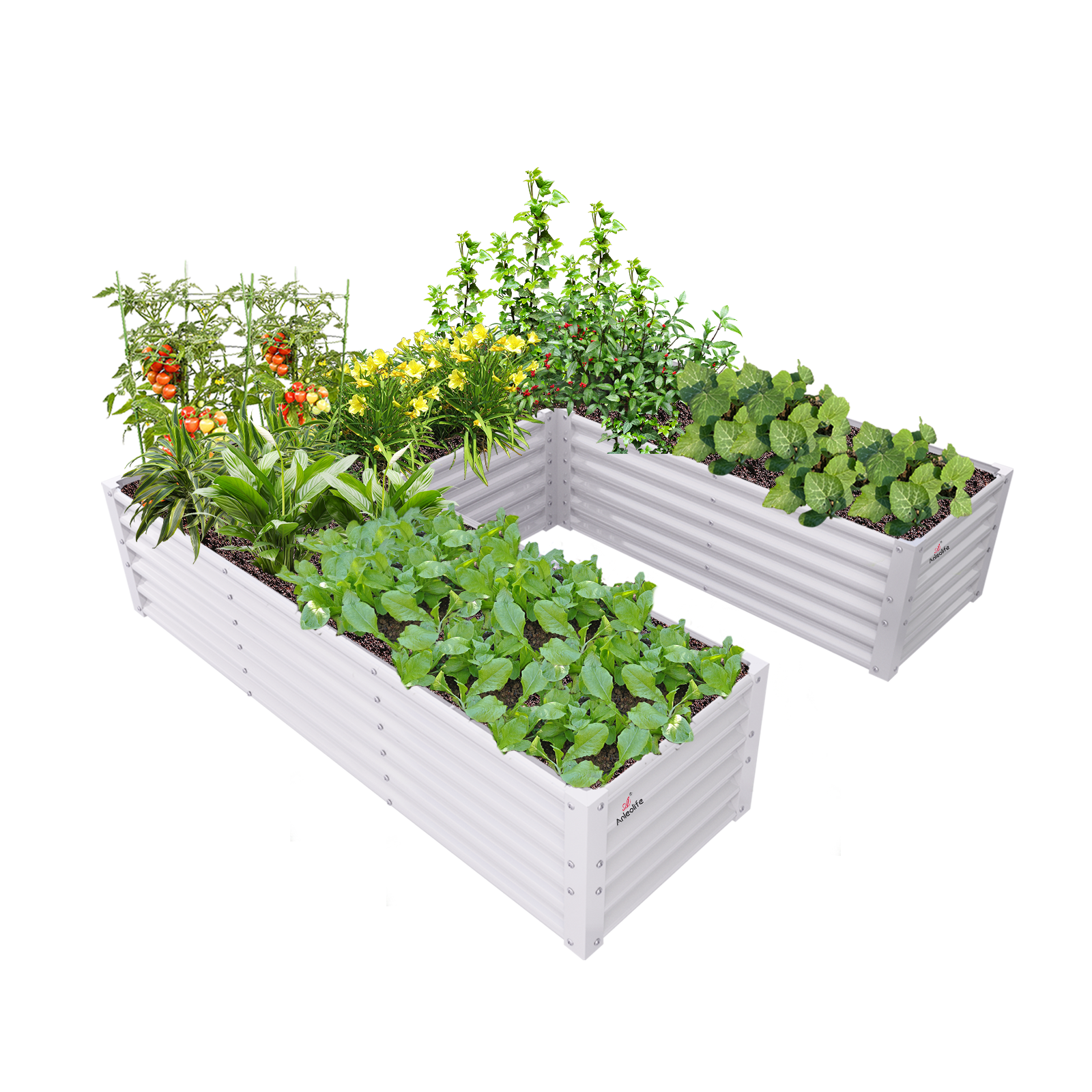




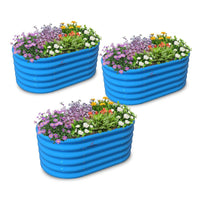
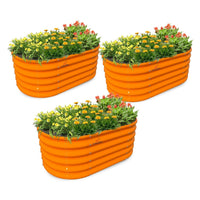
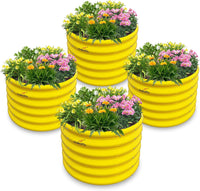
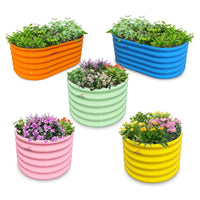



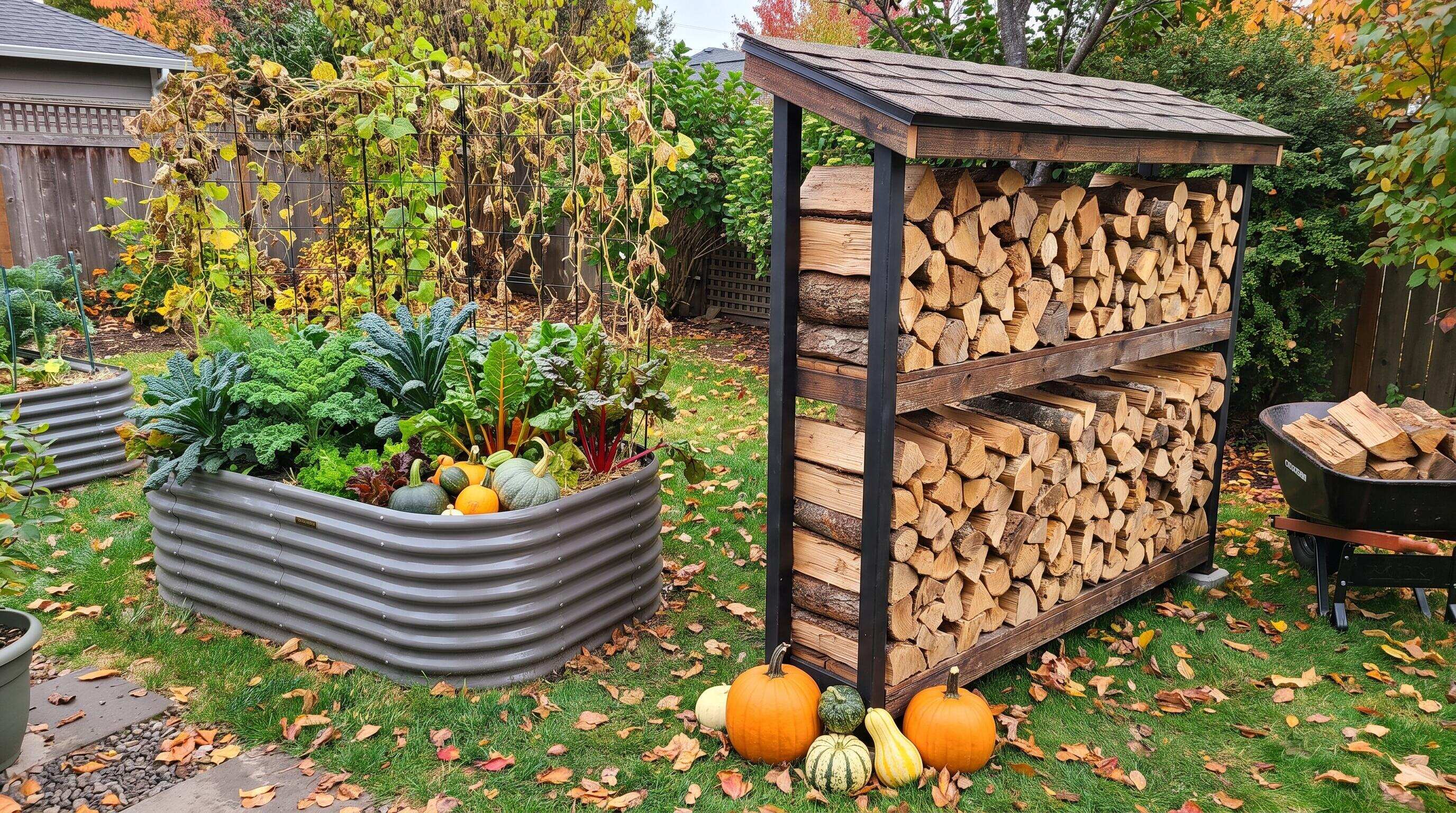
ALT: Organized backyard firewood log rack storage ideas for fall season home gardens
Best Firewood Log Rack Options for a Tidy, Well-Organized Backyard This Fall
Fall is the season when backyards transform — leaves change color, temperatures drop, and suddenly the stack of firewood that sat untouched all summer becomes the most important thing in your outdoor space. Yet one pattern we consistently see when helping homeowners organize their outdoor areas is this: the firewood is an afterthought. It ends up piled haphazardly against a fence, stacked on bare ground where moisture causes rapid decay, or crammed into a corner that blocks pathways and creates a pest habitat. The result? Wet logs, wasted wood, and a backyard that looks cluttered even when everything else is tidy.
The right firewood log rack solves all of those problems at once. It elevates wood off the ground for airflow and drying, keeps your outdoor space looking structured and intentional, and protects your investment in seasoned firewood through the cold months. This guide walks through the best log rack options available this fall — covering structure types, materials, sizing considerations, and placement strategies — so you can choose the solution that genuinely fits your space, your wood volume, and your lifestyle.
The options here were selected based on practical performance across a range of backyard contexts: small urban patios, large suburban yards, covered porches, and open garden storage zones. Each entry reflects the kind of real-world criteria that matter most — stability, weather resistance, ease of loading, and how well the rack integrates into a well-maintained outdoor environment.
The Best Firewood Log Rack Options This Fall
Freestanding Steel Outdoor Log Racks
A freestanding steel log rack is a standalone storage unit, typically constructed from powder-coated or galvanized steel tubing, designed to hold a half-cord to full cord of firewood without any wall anchoring. This is the workhorse option for most backyards — it requires no installation beyond placement, moves easily when you need to reorganize your outdoor space, and holds up against rain, frost, and temperature swings far better than wood-framed alternatives.
Steel racks in this category are especially practical because their open frame design allows consistent airflow around all four sides of the wood stack, which is essential for keeping seasoned wood dry. According to the U.S. Forest Service, properly seasoned firewood — meaning wood dried to a moisture content well below the fresh-cut level — burns significantly more efficiently and produces less creosote buildup in chimneys, making rack-assisted drying a safety issue as much as a convenience one.
Best for: Homeowners who store a moderate-to-large volume of firewood and want a no-fuss, move-anywhere solution that looks clean and organized.
Watch out: Cheap steel racks with thin gauge tubing can bow or lean once fully loaded. Look for racks with reinforced end supports and cross-bracing, and confirm the rated load capacity before filling it completely.
Wall-Mounted Log Rack Brackets
Wall-mounted log rack brackets are hardware sets that attach directly to an exterior wall — typically a garage, fence, shed, or barn — and support horizontal log rails that hold the firewood stack against the structure. They are the right choice when floor space is genuinely limited and you want to keep wood close to a door without it taking up patio area.
The primary advantage is space efficiency. In our experience working with urban homeowners and gardeners who are making every square foot count, wall-mounted systems allow firewood storage in narrow side yards or along fence lines that would otherwise be wasted space. The caveat is that installation requires the wall surface to be structurally sound — hollow fence panels or rotting wood siding will not safely support a loaded firewood rail.
Best for: Urban and suburban homeowners with limited outdoor floor space who need to store one to three months' worth of firewood in a compact footprint.
Watch out: Mounting on stucco or composite siding requires appropriate anchors and potentially professional installation. Never attach to a surface you are not confident can bear the loaded weight, and ensure the wood stack does not rest directly against the wall itself, which can trap moisture and damage the structure over time.
Covered Firewood Storage Sheds and Log Stores
A covered firewood storage shed — sometimes called a log store — is a purpose-built outdoor structure with a roof, open sides for airflow, and a raised floor system to keep wood off the ground. These are the premium end of firewood storage, and they are genuinely worth the investment for anyone who buys or cuts wood in large quantities and needs it to remain dry through an entire fall and winter season.
The roof is the defining feature. It eliminates the need for tarps, which frequently blow off in wind and create the false impression that wood is protected when it is actually damp underneath. A proper log store with a roof overhang protects the top of the stack while the open sides allow continuous air circulation — the combination that keeps wood at optimal burning moisture. The American Burn Association consistently emphasizes that burning wet or unseasoned wood is both inefficient and a significant indoor air quality risk, which underscores why the storage method directly affects your health and heating outcomes.
Best for: Homeowners who heat primarily with wood, purchase wood by the cord, or want a long-term, maintenance-light firewood storage solution that handles itself season after season.
Watch out: Log stores require a dedicated footprint — typically several feet wide and deep — and are not practical for very small yards. Cheaper versions with thin roofing materials can fail within a season or two in climates with heavy snow load. Prioritize models with a reinforced roof rated for your local snow and rain conditions.
Compact Indoor/Outdoor Fireside Log Holders
A fireside log holder is a small, decorative storage unit designed to hold enough firewood for one to three days of indoor burning — typically sitting beside a fireplace, fire pit, or wood stove. These are not storage solutions for large quantities; they are the "last leg" solution that keeps a small supply of split logs accessible, clean, and visually attractive near the fire itself.
In terms of materials, wrought iron and heavy-gauge steel dominate this category for good reason: they handle heat proximity, heavy logs, and outdoor moisture without warping or degrading. From a backyard organization standpoint, having a dedicated fireside holder eliminates the clutter of logs stacked on hearths, dragged across floors, or piled informally next to the fire pit in ways that create trip hazards.
Best for: Homeowners who use a fire pit or outdoor fireplace casually and want to keep a small, attractive supply of wood close at hand without a large storage structure.
Watch out: Fireside holders are not designed to season wood — they are for already-dry firewood only. Loading green or freshly cut wood into a small holder traps moisture and can attract mold and insects faster than an open rack.
Galvanized Steel Log Rack with End Caps
A galvanized steel log rack with end caps is a specific construction type where solid or slatted end panels hold the wood stack in from the sides, preventing logs from rolling or shifting as the stack settles. The galvanized steel construction provides a layer of rust resistance that plain painted steel lacks, making this style particularly well-suited to wet climates and coastal environments where corrosion is a persistent challenge.
This matters more than many buyers realize. A rack that begins to rust at its support points within a season or two will eventually fail structurally — and a collapsing firewood stack is both a safety hazard and a significant mess. Galvanized construction, similar to the principles behind Anleolife's galvanized steel raised garden beds, which are built for decade-plus durability in outdoor environments, represents a genuine long-term investment rather than a season-by-season purchase.
Best for: Homeowners in high-humidity, rainy, or coastal climates where standard steel would corrode within a few seasons; anyone who wants a rack that holds its structural integrity long-term.
Watch out: Galvanized racks are heavier than plain steel equivalents. If you move your storage setup seasonally or reorganize frequently, confirm that the rack's weight is manageable before purchasing.
Modular Stackable Firewood Racks
A modular stackable firewood rack is a system of interlocking or bolt-together units that can be expanded incrementally — starting with a small base unit and adding sections as your firewood volume grows. This approach is particularly well-matched to homeowners who are new to wood burning and are not yet sure how much storage capacity they actually need, or to those whose firewood use varies significantly year to year.
Modularity solves a real organizational problem. In our work with clients setting up outdoor storage systems, one of the most common regrets we hear is buying a rack that is either far too small (resulting in a second overflow pile on the ground anyway) or far too large for actual use (leaving an undersized, half-empty rack that looks awkward and wastes yard space). Starting with a base unit and scaling up eliminates both errors. The same modular philosophy applies to well-designed garden systems — including planning a multi-bed backyard garden transformation where starting small and expanding deliberately produces far better results than trying to do everything at once.
Best for: New wood burners, renters who may need to reconfigure their setup, or homeowners whose annual firewood volume varies and who want the flexibility to scale storage up or down.
Watch out: Modular systems with many separate connectors or locking mechanisms can be time-consuming to assemble and disassemble. Verify that the connection points are robust — flimsy plastic connectors on metal frames are a common failure point under loaded conditions.
Firewood Rack with Weatherproof Cover
A firewood rack with a built-in or included weatherproof cover is a combination product that pairs an open steel or iron storage frame with a fitted cover — typically a UV-stabilized polyethylene or canvas tarp designed to fit the specific rack dimensions. The advantage over a standalone rack is that the cover is pre-sized and attached with ties or straps, eliminating the wrestling match of fitting a generic tarp over an irregularly loaded wood pile every time the weather turns.
This is a pragmatic middle-ground option between a basic open rack and a full log store. The cover protects the top layer of wood from rain and heavy dew while still allowing side ventilation when the cover flaps are open or partially raised. Per guidance from the Chimney Safety Institute of America, the top of a firewood stack should be protected from direct precipitation but the sides should not be sealed — a fitted rack cover achieves exactly this balance without requiring a permanent structure.
Best for: Homeowners who want weather protection for their firewood without committing to a large log store structure, and those in regions with frequent rain but not heavy snow loads.
Watch out: Covers degrade over time, particularly in high-UV climates. Check the cover's UV rating and warranty, and plan to replace it before it becomes brittle and tears — a failed cover provides no protection and can trap moisture against the wood stack rather than shedding it.
Decorative Wrought Iron Log Holders
A decorative wrought iron log holder is an ornamental firewood storage piece designed as much for aesthetic impact as for functional storage — typically holding a smaller volume of split logs in a sculptural, visually interesting form. These pieces occupy a unique niche: they are the choice for homeowners who want their firewood storage to function as a design element rather than a purely utilitarian object.
In the context of backyard beautification — an area where thoughtful product choices make the difference between a space that looks assembled and one that looks designed — a wrought iron log holder that complements existing patio furniture, garden bed edging, or outdoor lighting creates visual coherence. This is the same principle that drives investment in well-designed outdoor products across categories: every element in a well-maintained backyard should earn its visual place as well as its functional one.
Best for: Homeowners with outdoor entertaining spaces, covered patios, or fire pit areas where the visual quality of every element matters and firewood storage needs to look intentional.
Watch out: Wrought iron is heavy and requires periodic treatment to prevent rust — especially where the feet contact the ground. Apply a rust-inhibiting sealant at the start of each season and elevate the base slightly if placing on damp ground or pavers where water collects.
Quick Comparison at a Glance
Here is a scannable summary of each option across the key decision criteria most homeowners care about this fall:
| Item | Best For | Key Strength | Limitation |
|---|---|---|---|
| Freestanding Steel Rack | Most backyards, general use | Portable, no installation required | Cheap versions bow under heavy load |
| Wall-Mounted Brackets | Limited floor space, narrow yards | Maximum space efficiency | Requires structurally sound wall; installation needed |
| Covered Log Store / Shed | Large-volume, year-round wood burning | Full weather protection, no tarps | Large footprint; not for small yards |
| Fireside Log Holder | Casual fire pit or fireplace users | Attractive, keeps daily supply close at hand | Holds only a day or two of wood; not for drying |
| Galvanized Steel with End Caps | Wet, coastal, or humid climates | Superior rust resistance, long-term durability | Heavier than standard steel racks |
| Modular Stackable Rack | New burners, variable-volume users | Scales to actual storage needs | Connectors may be a weak point under heavy load |
| Rack with Weatherproof Cover | Frequent rain climates, no space for log store | Balanced weather protection with ventilation | Cover degrades over time; needs periodic replacement |
| Decorative Wrought Iron Holder | Patio aesthetics, outdoor entertaining spaces | Visual impact; doubles as design element | Heavy; requires rust prevention maintenance |
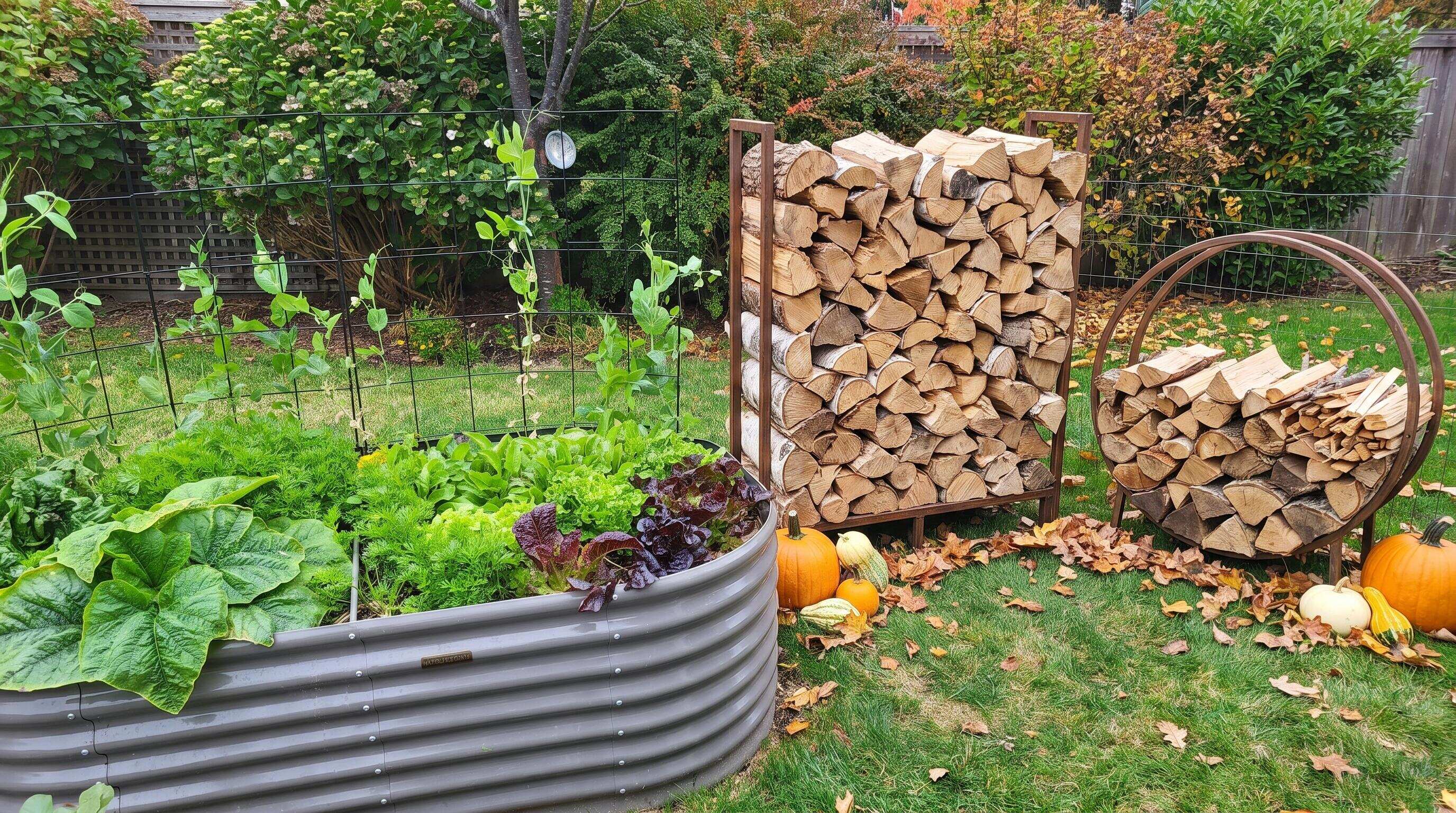
ALT: Side-by-side comparison of firewood log rack types for fall backyard storage, from steel freestanding racks to decorative wrought iron holders and covered log stores
How to Choose the Right Firewood Log Rack for Your Backyard
The right firewood log rack for your backyard depends on three intersecting factors: how much wood you actually burn, how much outdoor space you have to work with, and how much the visual result matters to you. Matching these three factors to the options above will narrow your decision quickly.
Volume first. If you burn wood as your primary heat source or use a wood stove heavily through fall and winter, you need a covered log store or a large freestanding rack — ideally one that handles a half-cord or more without overflowing. If you light a fire pit casually a few evenings a week, a fireside holder plus a small compact rack is entirely sufficient and avoids the overbuying mistake we see frequently.
Space second. Backyards with limited square footage — urban lots, townhouse patios, or side yards — will be best served by wall-mounted brackets or a compact rack positioned along a fence line. Larger suburban yards have the luxury of a dedicated log store or a full-size freestanding rack positioned away from the house with good airflow on all sides.
Material for your climate. In wet or coastal climates, galvanized steel or powder-coated heavy-gauge steel is a non-negotiable. Standard painted steel will begin showing rust at stress points within a season or two in high-humidity environments. The same logic that makes galvanized construction the right choice for long-lasting raised garden bed materials applies directly to firewood storage hardware: the metallurgical protection that prevents rust extends the functional life of the product dramatically.
A common misconception to clear up: Many homeowners believe that covering firewood completely — wrapping it tightly in a tarp on all sides — protects it better than an open rack. In practice, the opposite is true. Sealed coverage traps moisture from the wood's ongoing drying process and from ground evaporation, creating the warm, damp conditions where mold and wood-boring insects thrive. Proper firewood storage means a covered top and open sides — a principle that the best rack designs in this list are built around.
Finally, consider integration. Your firewood storage should feel like it belongs in your backyard, not like it was dropped there as an afterthought. A well-chosen rack, positioned thoughtfully near the fire pit or back porch, becomes part of the backyard's visual structure rather than a distraction from it.
Common Questions
Q1: How far off the ground should a firewood log rack hold the wood?
Most firewood storage experts and forestry extension programs recommend keeping firewood at least four to six inches off the ground as a minimum. Elevation above bare soil or concrete prevents ground moisture from wicking into the bottom logs, discourages termite and rodent activity, and improves the airflow under the stack that accelerates seasoning. Racks with integrated ground feet or rails that create a genuine air gap — not just a nominal clearance — perform significantly better in this regard than flat-base designs that sit flush with the surface.
Q2: Is it safe to store firewood directly against the house or fence?
Storing firewood directly against the house wall or a wooden fence is generally not recommended. According to the U.S. Forest Service and most pest management guidance, firewood stored against a structure creates a bridge for wood-boring insects, termites, and rodents to move from the wood pile into the building. A minimum clearance of several feet between the firewood stack and any structure is the widely recommended standard. Wall-mounted brackets should still position the wood itself away from direct wall contact — the hardware attaches to the wall, but the logs should not press against the siding.
Q3: How long does it take for a firewood rack to pay for itself compared to buying pre-seasoned wood?
The payback period varies by wood prices and consumption in your region, but the core economics are consistent: buying green or partially seasoned wood in bulk and seasoning it yourself on a proper rack is substantially less expensive per BTU of usable heat than buying pre-seasoned wood by the bundle at a hardware or grocery store. Beyond cost, a quality steel rack — particularly one with galvanized or rust-resistant construction — is a durable, multi-season purchase rather than an annual replacement. Many well-built steel racks, maintained with basic care, will remain structurally sound for a decade or more, making the per-season cost of ownership very low relative to the convenience and storage capacity provided.
Summary
Organized firewood storage is one of the highest-return improvements you can make to your backyard this fall — it protects your wood investment, reduces fire hazards, eliminates clutter, and makes the outdoor space genuinely more pleasant to use through the colder months. Three core principles should guide every choice in this category:
First, elevate and ventilate. Any rack that keeps wood off the ground and allows airflow on multiple sides is doing its essential job. The specific style — freestanding, wall-mounted, or covered — is secondary to this fundamental function.
Second, match material to climate. Galvanized and heavily powder-coated steel outlast plain painted steel in wet or humid environments, and the durability premium pays for itself quickly when you avoid replacing a corroded rack every few seasons.
Third, right-size for actual use. A rack that is too small creates overflow piles; one that is too large wastes yard space and budget. Match your storage capacity to your realistic seasonal firewood volume, and choose a modular option if you are genuinely uncertain.
As you organize your outdoor space this fall, consider how your firewood storage fits into the broader picture of your backyard ecosystem — the way organized, well-designed storage complements a well-maintained garden, a functional entertaining area, and a space that genuinely supports how your family lives outdoors.
Ready to take the next step in building a backyard that works as hard as you do? Explore the full range of outdoor garden solutions at Anleolife — from galvanized steel raised garden beds engineered for a 20-year lifespan to a complete ecosystem of planting, raising, and beautification products designed to grow with you. With warehouse locations across California, Texas, Florida, New York, Illinois, and Washington, delivery arrives in 3–8 business days so your fall setup plans stay on schedule. Shop on the Anleolife website or through Amazon, Walmart, Home Depot, Lowe's, and Wayfair — wherever you prefer to buy.
References & Further Reading
- U.S. Forest Service. "Firewood and Invasive Species: What You Need to Know About Moving Firewood."
https://www.fs.usda.gov - Chimney Safety Institute of America. "Firewood Storage and Seasoning Guidance for Homeowners."
https://www.csia.org - American Burn Association. "Safe Burning Practices and Indoor Air Quality Resources."
https://ameriburn.org
Note: Standards and guidance documents may be updated; please check the latest official publications or consult professional advisors for current recommendations.