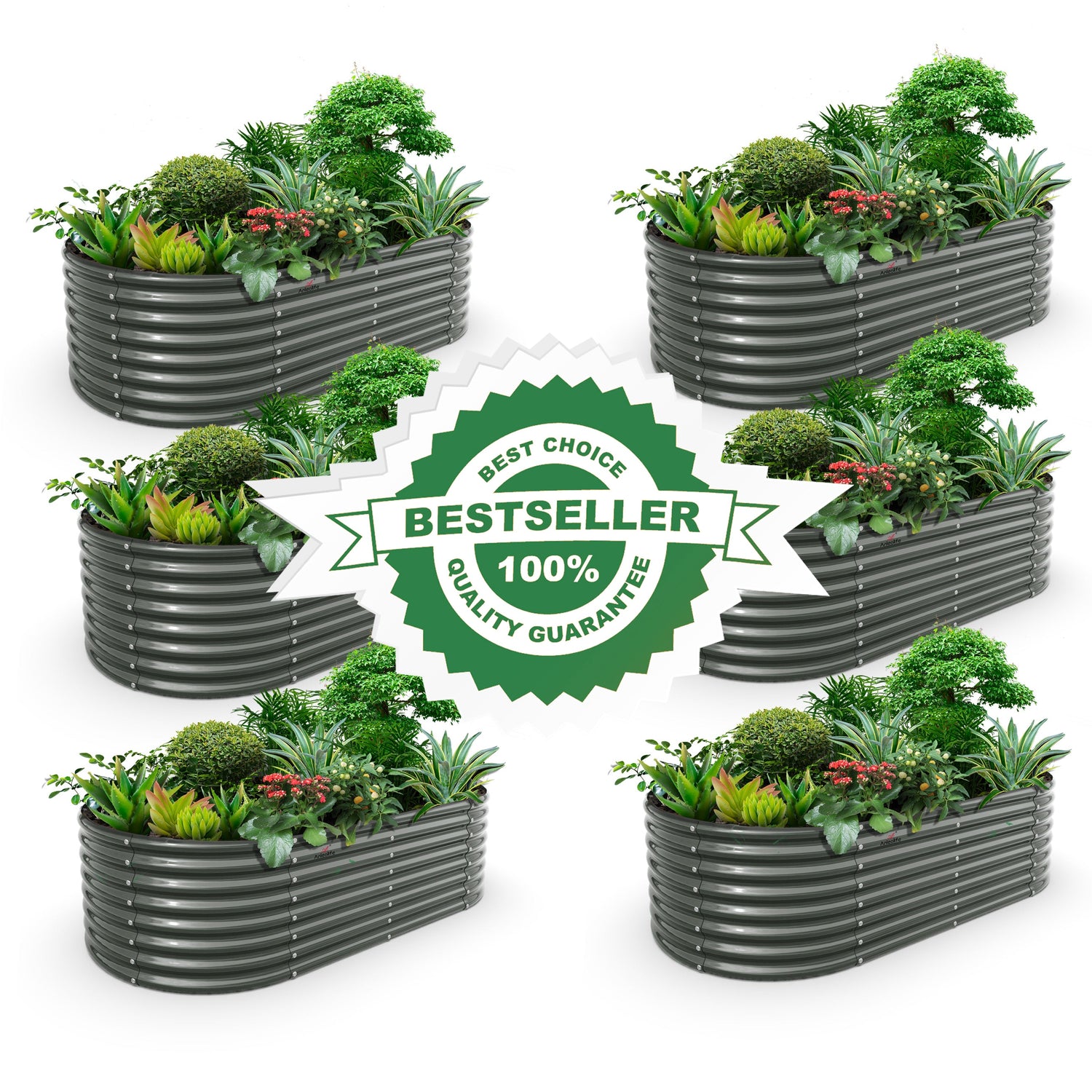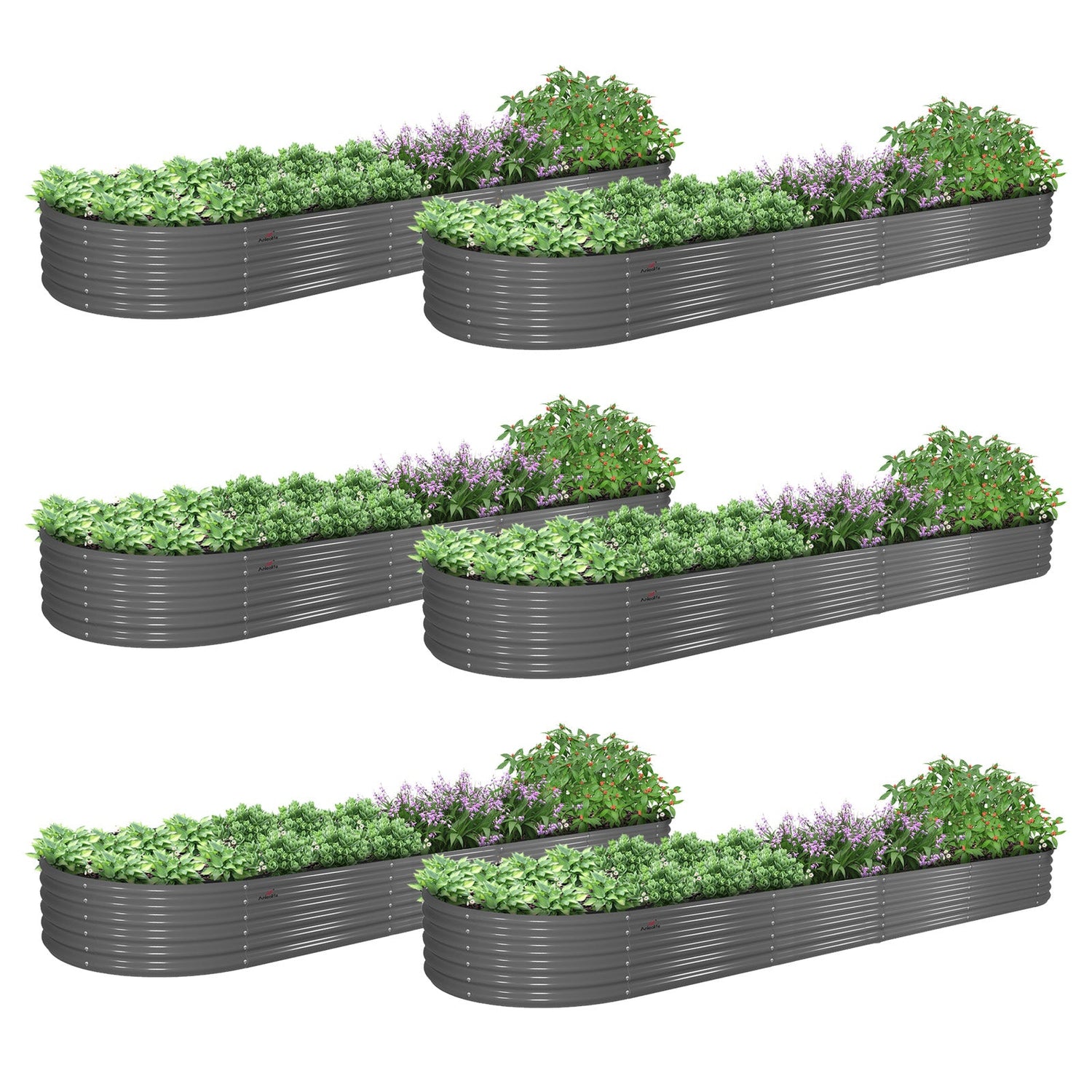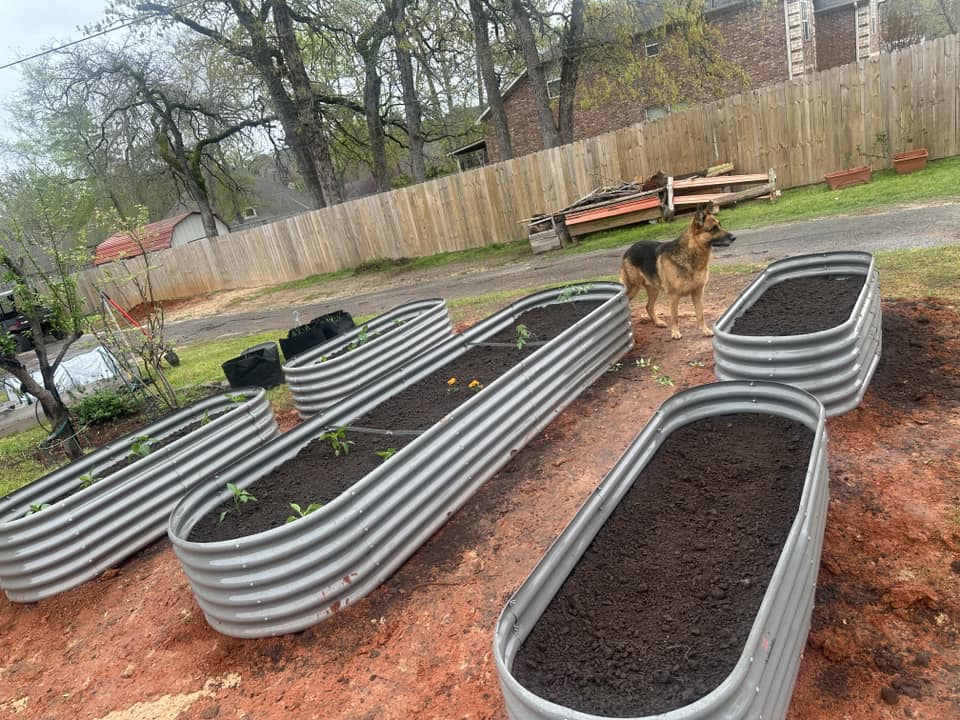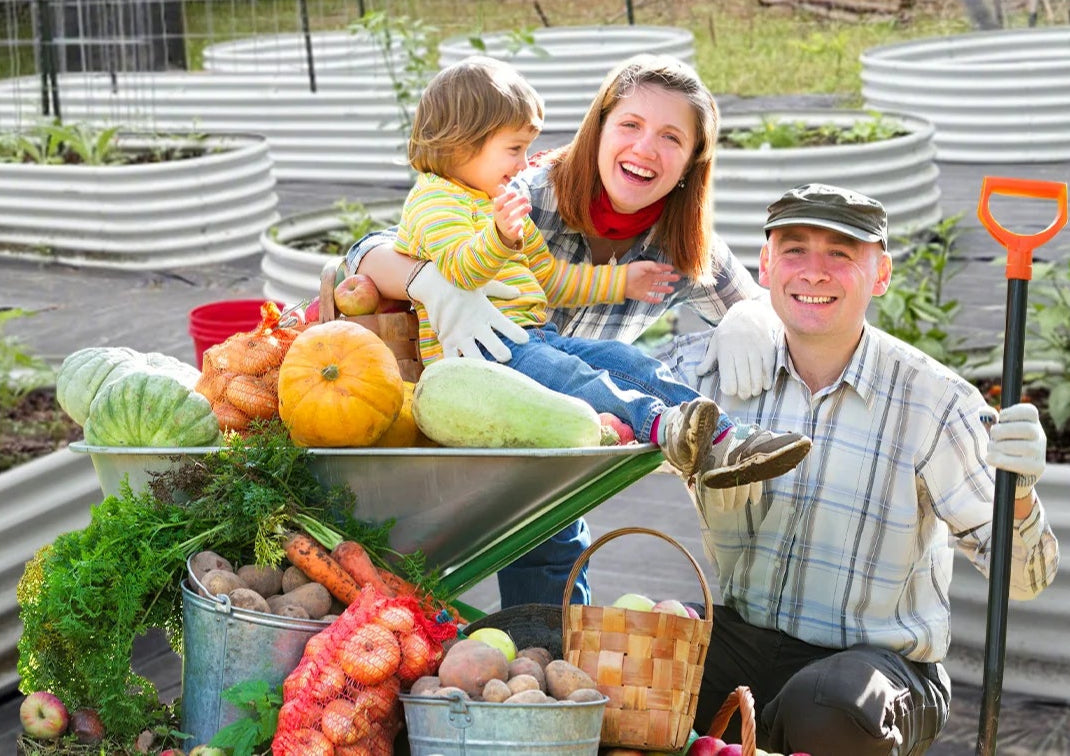



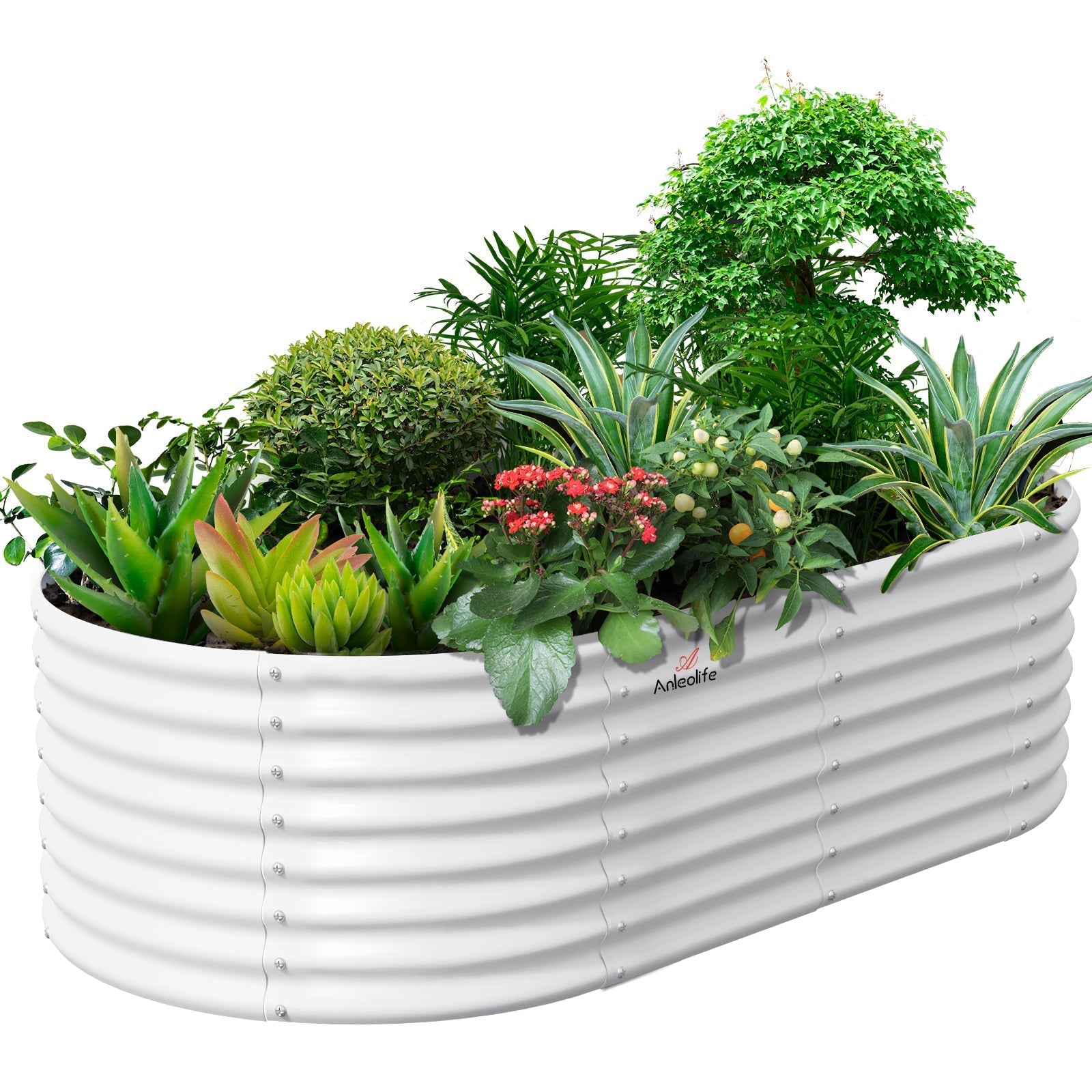
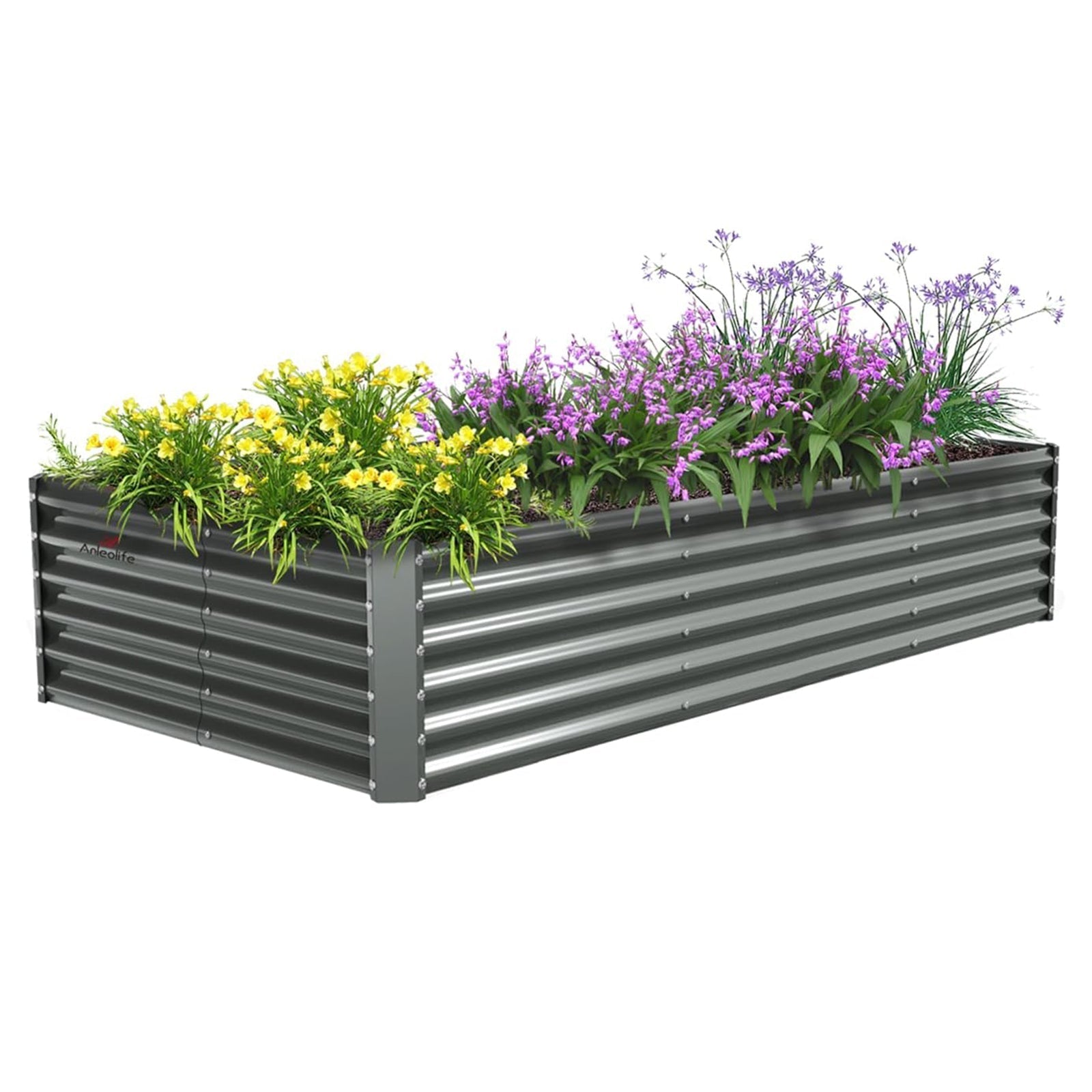
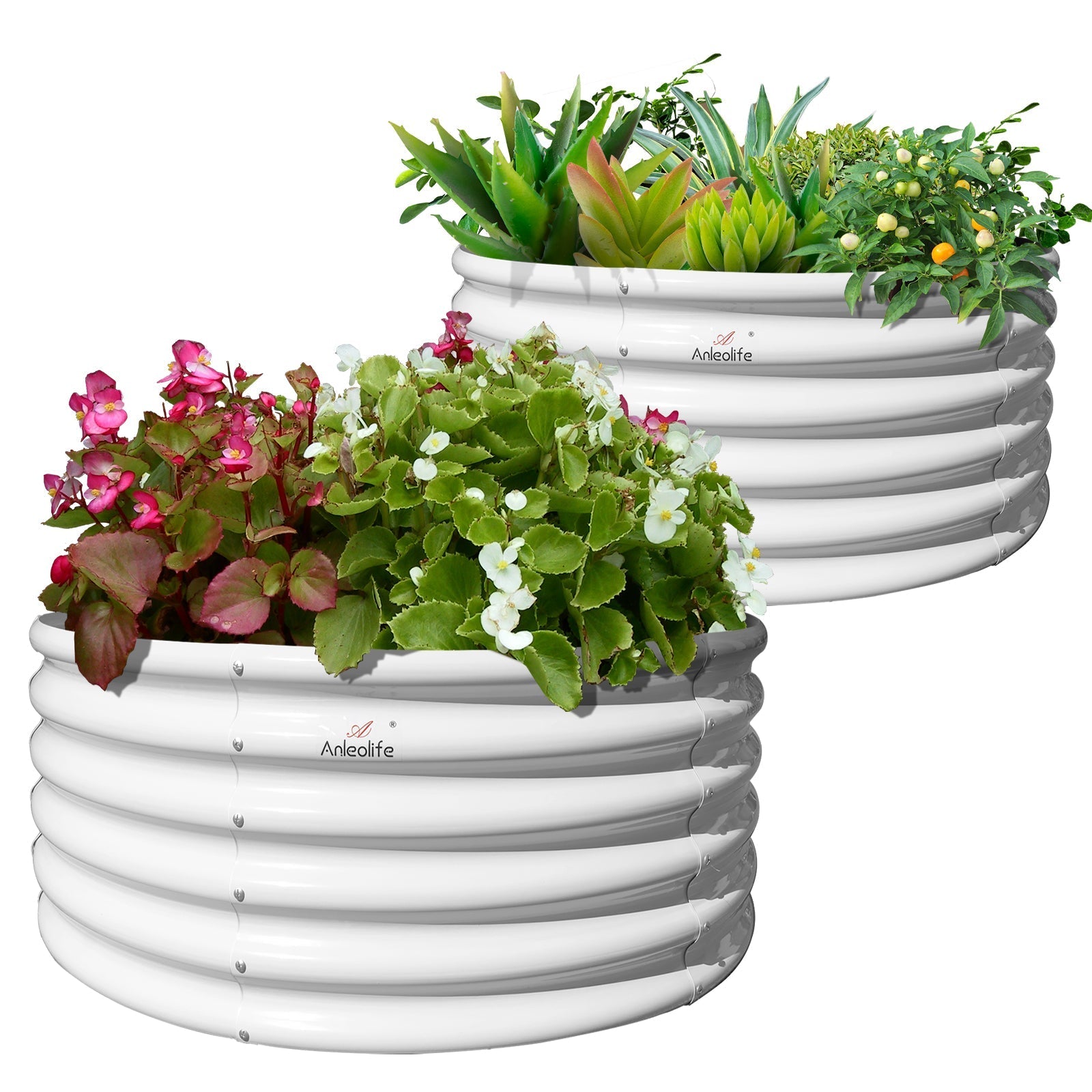
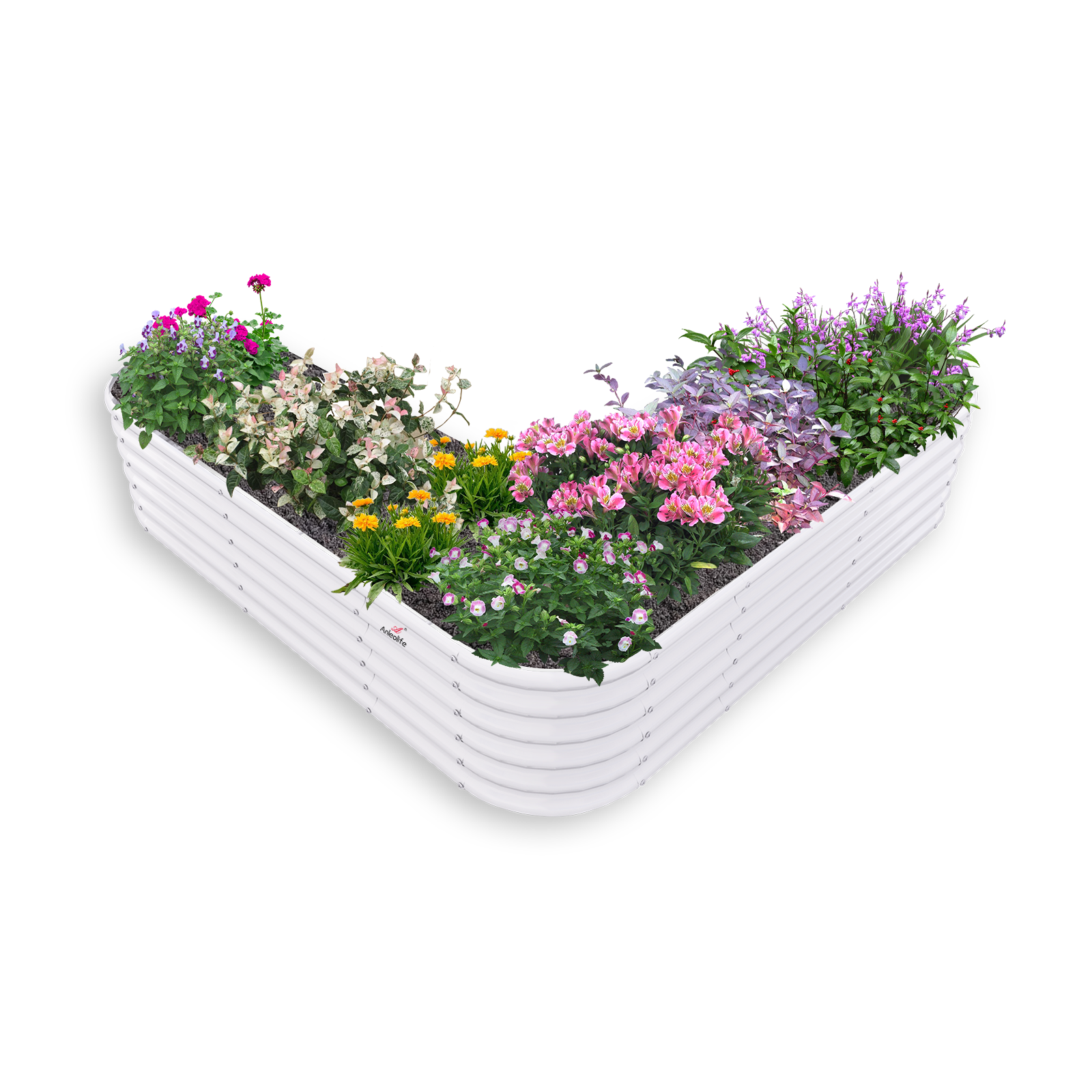
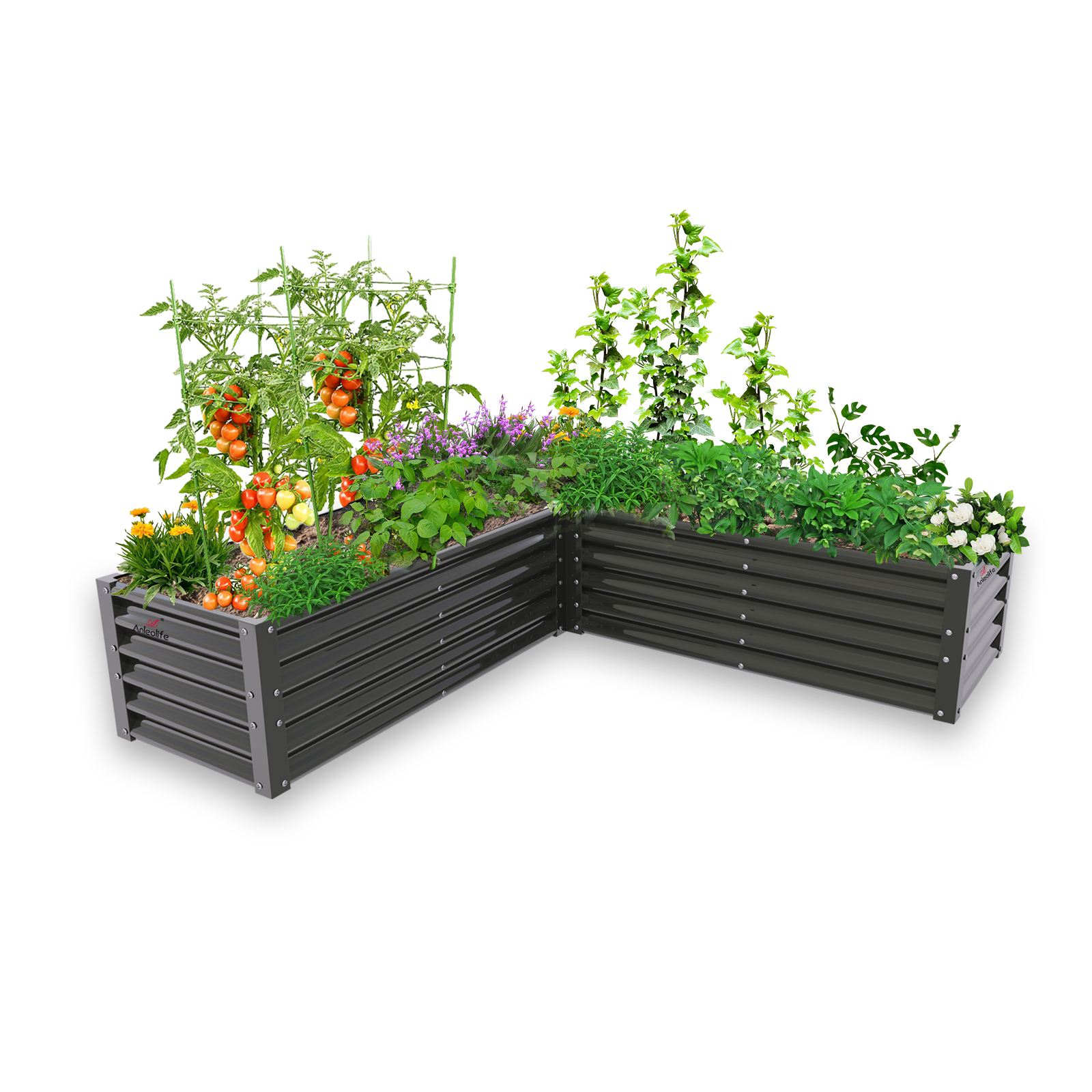
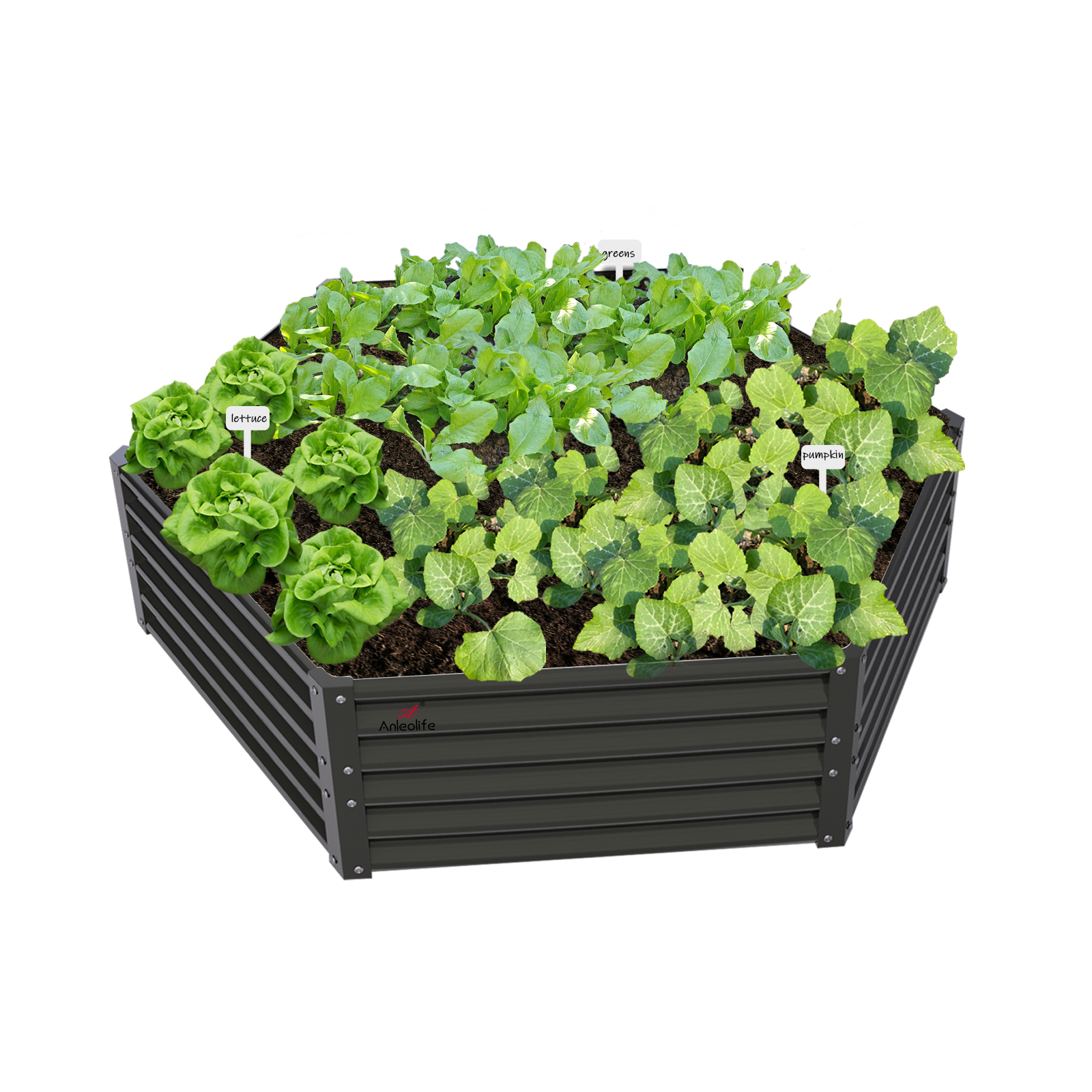
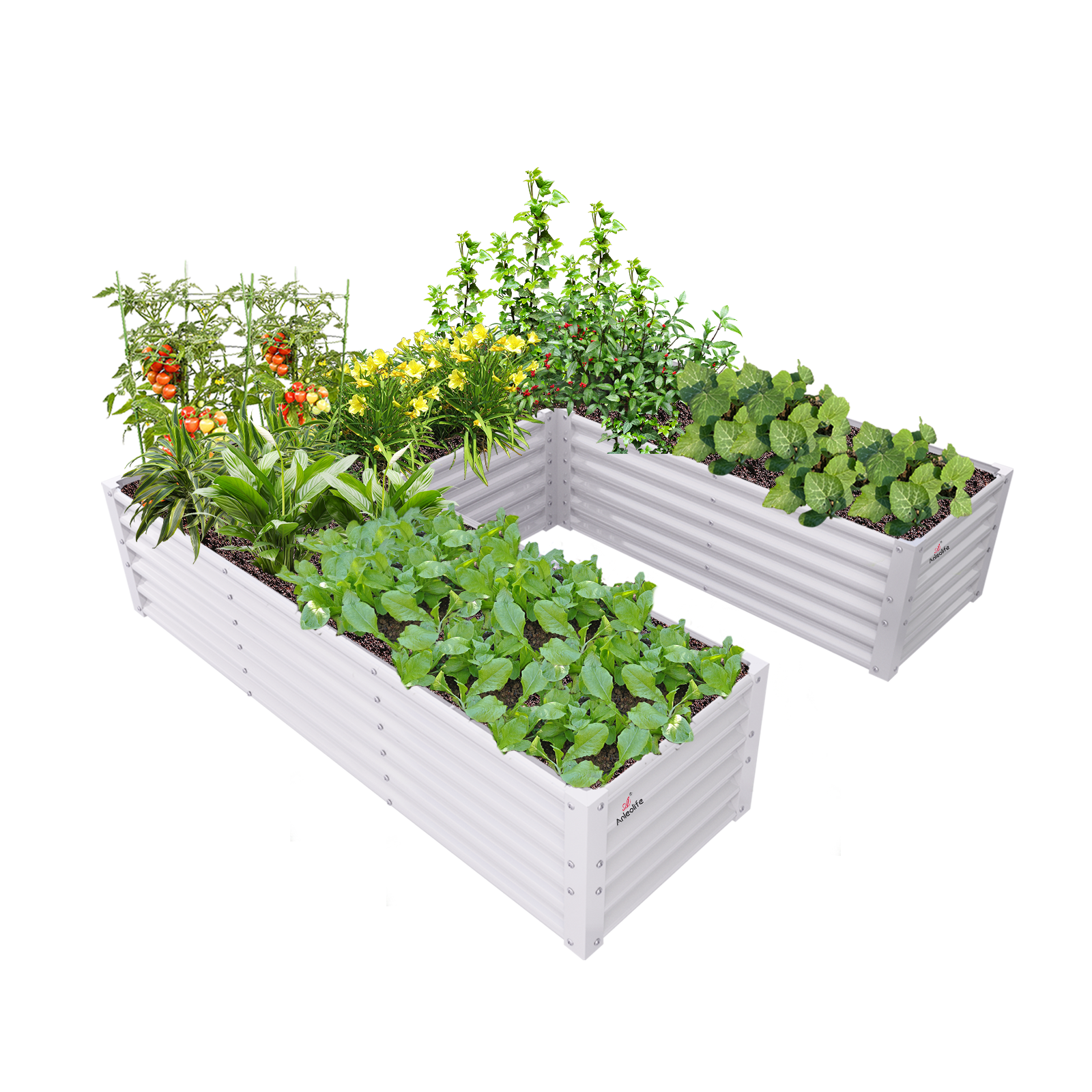

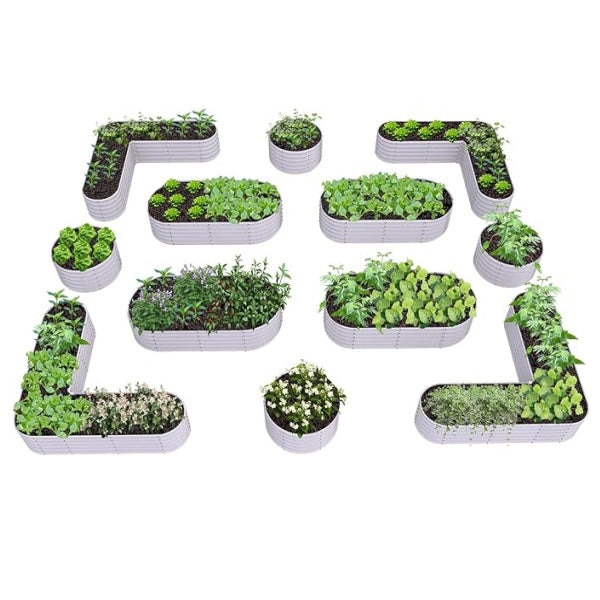

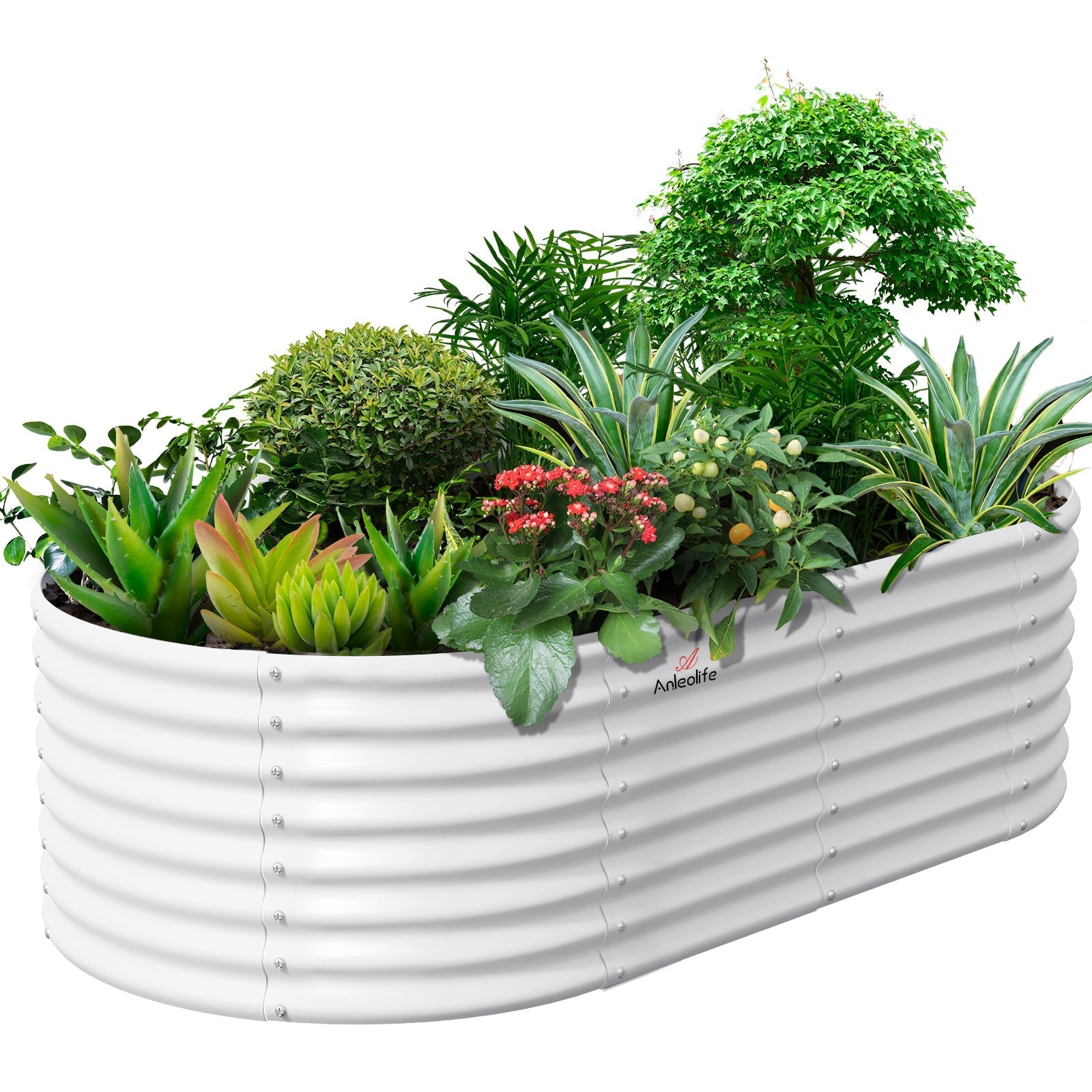


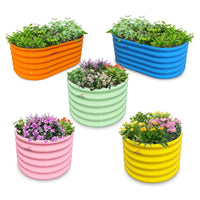
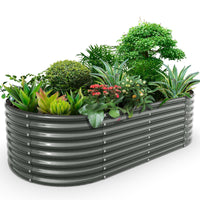




ALT: Small patio raised bed and container garden setup with galvanized steel beds and potted herbs for compact outdoor spaces
Small Patio, Big Harvest: The Best Container and Raised Bed Setups for This Season
Key Conclusion: You don't need a sprawling backyard to grow your own food or create a stunning outdoor retreat. The right combination of container gardens and raised bed setups can transform even the smallest patio into a productive, beautiful growing space. Whether you're working with a 6-foot balcony or a 200-square-foot courtyard, thoughtful planning around garden edging, proper trimmer lines for maintenance, and vertical supports like a garden trellis can multiply your usable growing area while keeping things tidy, accessible, and visually polished all season long.
Small-space gardening has exploded in popularity over the past few years — and for good reason. More homeowners are discovering that a compact patio can yield fresh tomatoes, fragrant herbs, vibrant flowers, and even small fruiting plants when the right structures are in place. The key lies in three connected strategies: choosing the correct bed-and-container combination for your space, layering your planting heights effectively, and using smart accessories to keep everything organized and weed-free.
This guide walks you through the most effective small-patio setups for this season, with practical recommendations tailored to urban gardeners, retirees, and anyone who wants beautiful results without a massive footprint.
Who This Guide Is For — And When It Applies
✅ Applicable Scenarios:
- Renters or homeowners with patios, balconies, courtyards, or narrow side yards under 600 square feet
- Gardeners who want to grow food or flowers without major landscaping investment
- People seeking low-maintenance but high-yield setups with durable materials that last season after season
- Retirees or mobility-limited gardeners who benefit from elevated raised beds to reduce bending and kneeling
- Urban micro-gardeners experimenting with container gardening alongside structured raised beds
❌ Not Applicable/Cautions:
- Gardeners with unlimited in-ground space who don't face footprint constraints — larger configurations may serve them better
- Those in climates with extreme freeze-thaw cycles who haven't verified that their container and bed materials are rated for year-round outdoor exposure
- Anyone expecting instant results without proper soil preparation — even the best beds underperform in poor growing medium
Why Small-Patio Garden Design Deserves More Thought Than You Think
Most people setting up a small patio garden make the same two mistakes: they either underestimate how much they can grow, or they overcrowd their space and end up with an unmanageable tangle by midsummer. Both problems share the same root cause — a lack of structured planning before the first seed goes in the ground.
The good news is that small-space gardening is one of the fastest-growing segments of home horticulture in North America. According to the National Gardening Association, food gardening participation has risen significantly in recent years, with container and raised bed gardening leading the charge among urban and suburban households. The shift reflects something meaningful: people want the satisfaction of growing their own food without committing to full-scale landscaping.
For patios specifically, the challenges are unique. You're working with hard surfaces (concrete, pavers, wood decking), limited sunlight windows, and neighbors in close proximity. That means every square foot counts, and every structural choice — from your bed height to your container placement — has downstream consequences for what you can grow and how easily you can tend it.
If you've ever wondered about the best raised garden bed materials for rust resistance and durability, the answer matters even more on a patio than in a traditional garden. Beds and containers sit in concentrated sunlight, get moved more frequently, and are exposed to reflected heat from hard surfaces. Materials that might hold up for years in a shaded yard can degrade quickly under patio conditions.
For a deep-dive comparison of two of the most popular metal options on the market, Galvanized Steel vs. Corten Steel Garden Beds: Which Holds Up Better Outdoors? is an essential read before you invest. It breaks down real-world performance differences that directly affect how long your patio setup will last.
Planning your layout in advance — even a rough sketch — pays dividends. If you're working with a space between 200 and 1,000 square feet, mapping beds, pathways, and container zones before purchasing anything prevents costly mistakes. Whether you're designing for a 1,000 sq ft backyard or a compact urban terrace, the principles remain the same: define your zones, respect your pathways, and build upward when you can't build outward.
Setting Up Your Patio Garden: Three Steps to a Productive Season
Step 1: Measure, Map, and Define Your Zones
Before purchasing anything, spend 20–30 minutes with a tape measure and a piece of graph paper (or a free digital layout tool). Note where the sun hits your patio at different times of day, identify any shaded zones, and mark the pathways you need to keep clear. Most productive patio gardens divide space into three functional zones: a primary growing zone (beds and large containers), a vertical growing zone (trellises, hanging planters), and an access corridor (at least 18–24 inches wide). This prevents the common mistake of filling every inch with pots until you can no longer reach the center plants without stepping over something. If you're new to spatial planning, How to Map Out a 200–600 sq.ft. Raised Bed Garden Before You Buy Anything offers a structured framework you can apply directly to patio environments.
Step 2: Choose Your Beds and Containers Based on What You're Growing
Match your growing vessels to your crops, not the other way around. Deep-rooted vegetables like tomatoes, peppers, and root crops need depth — at least 12 inches, ideally more. Shallow-rooted herbs, lettuce, and greens thrive in containers as shallow as 6–8 inches. Raised garden beds work best as your primary growing infrastructure, while containers handle overflow crops, herbs, and visual accents. On a small patio, a compact raised bed in the 4x2 or 6x3 range anchors the space, while a ring of containers around the perimeter maximizes variety without overwhelming the square footage. When evaluating what height works best for your physical comfort, it's worth reading about 24" vs. 30" Raised Garden Bed: Which Height Is Better for Reducing Back Strain? — especially important for retirees or gardeners with back concerns.
Step 3: Layer Your Garden Vertically and Set Up Maintenance Infrastructure
Once your beds and containers are placed, add vertical structure. A garden trellis behind your tallest bed allows vining plants — cucumbers, pole beans, small squash varieties — to grow upward rather than outward, effectively doubling your planting capacity without adding any floor space. Pair vertical elements with clean garden edging between your bed zones and pathways to keep everything tidy and prevent grass or weeds from creeping in. Finally, set up your watering infrastructure early — a simple drip system scaled to multiple beds saves significant time and keeps moisture consistent, which is especially important in the heat-reflective environment of a patio.
Comparing the Most Popular Patio Garden Setups
Different patio configurations suit different gardeners. Here's a straightforward comparison of the three most common approaches so you can identify which fits your situation best.
| Comparison Dimension | Container-Only Setup | Raised Bed + Container Combo | Single Raised Bed Focus |
|---|---|---|---|
| Best for | Balconies, renters, ultra-small spaces | Most patios under 400 sq ft | Patios with one prime growing zone |
| Growing capacity | Moderate — limited by pot size | High — bed anchors, containers supplement | Focused — best for one crop type |
| Durability | Depends on material; plastic degrades faster | Metal beds rated up to 20 years | Same as raised bed material |
| Mobility/flexibility | High — easy to rearrange | Moderate — bed is fixed, containers moveable | Low — bed position is permanent |
| Watering needs | Frequent (containers dry out faster) | Moderate — bed retains moisture better | Moderate |
| Aesthetic appeal | High variability | High — structured + organic balance | Clean and minimal |
| Setup cost | Lower upfront | Mid-range | Mid-range |
| Ideal crops | Herbs, greens, flowers | Vegetables, herbs, flowers | Single-focus crops |
The raised bed plus container combination wins for most patio gardeners because it combines structural permanence with flexibility. Your raised bed becomes the productive heart of the garden, while containers adapt and rotate around it seasonally.
Choosing the Right Anleolife Raised Bed for a Small Patio
Why Material Matters on a Patio
When who makes the best raised beds is the question, the answer comes down to material integrity under real-world conditions — and patio conditions are demanding. Metal beds sit on reflective hard surfaces, absorb and radiate heat, and get watered frequently. Wood rots faster in these conditions. Plastic warps and fades. Galvanized steel and rust-resistant steel, by contrast, maintain their structural integrity under exactly these conditions.
Anleolife's raised garden beds are built to last up to 20 years, which makes them a genuinely long-term investment even for a small patio setup. This isn't a throwaway purchase — it's infrastructure that stays with your home season after season.
Matching Bed Size to Patio Footprint
For most small patios, the practical sweet spot is a bed that fits within your largest unobstructed area while leaving walking room on at least two sides. Anleolife's lineup includes options across a wide range of sizes and heights, giving patio gardeners real choices:
- The 22" Tall 4x2 ft Rust-Resistant Raised Garden Bed is compact and elevated enough for easy access without overwhelming a small footprint
- The 24" Extra Tall 6x3 ft models — available in both Galvanized Steel and Rust-Resistant lines — offer meaningful growing depth for root vegetables while staying manageable in size
- The 30" Extra Tall options bring the soil surface close to standing height, which is ideal for retirees and anyone managing back or knee strain
- The 18" Tall 4x4 ft Galvanized Steel bed works well when a square footprint fits your patio layout better than a rectangular one
If you're working with a narrow side patio or a space defined by length rather than width, the 12x3 ft options create a long, accessible growing strip along a wall or fence — check out the comparison between common footprint shapes in 8x4 vs. 12x3 ft Raised Garden Bed: Which Footprint Works Better in a Narrow Yard? for guidance.
The Rust-Resistance Question
Patio gardeners ask about rust more than any other material concern — and for good reason. Beds near metal furniture, irrigation fittings, and hard surfaces where water pools are at higher risk. Anleolife's Rust-Resistant Raised Garden Beds are specifically engineered to address this, making them a smart first choice for patio installations where moisture exposure is higher than average.
For a deeper look at how protective coatings actually function on metal beds, How Rust-Resistant Coatings on Metal Garden Beds Actually Work explains the science in accessible terms.
Safety Considerations for Food Growing
A concern that comes up often among health-conscious growers is whether metal beds leach anything into the soil. This is a legitimate question worth addressing directly: Do Galvanized Steel Garden Beds Leach Zinc Into Your Vegetables? The Facts covers the evidence thoroughly and will put most concerns to rest with data-backed context.
Maximizing a Container Setup Around Your Bed
Once your bed is placed, containers play a supporting role — not a starring one. Use them for:
- Herbs (basil, mint, rosemary, thyme) positioned near the kitchen door for easy access
- Flowers (marigolds, nasturtiums) around the perimeter to attract pollinators and deter pests
- Overflow crops when your bed is at capacity mid-season
- Vertical growers — pole beans or small cucumbers in tall, deep containers against a wall or trellis
The visual effect of mixing a structured metal bed with varied container shapes, textures, and heights creates a layered garden that looks designed rather than improvised. It's the difference between a patio that says "I grow things here" and one that says "this is a considered outdoor living space."
Keeping It Maintained: Edges, Lines, and Trellises
Even the best-designed patio garden needs regular maintenance to stay looking sharp. Garden edging around your bed keeps loose soil in place and creates a clean visual boundary between growing areas and pathways. It also prevents runners from nearby grass or weeds from creeping into your bed.
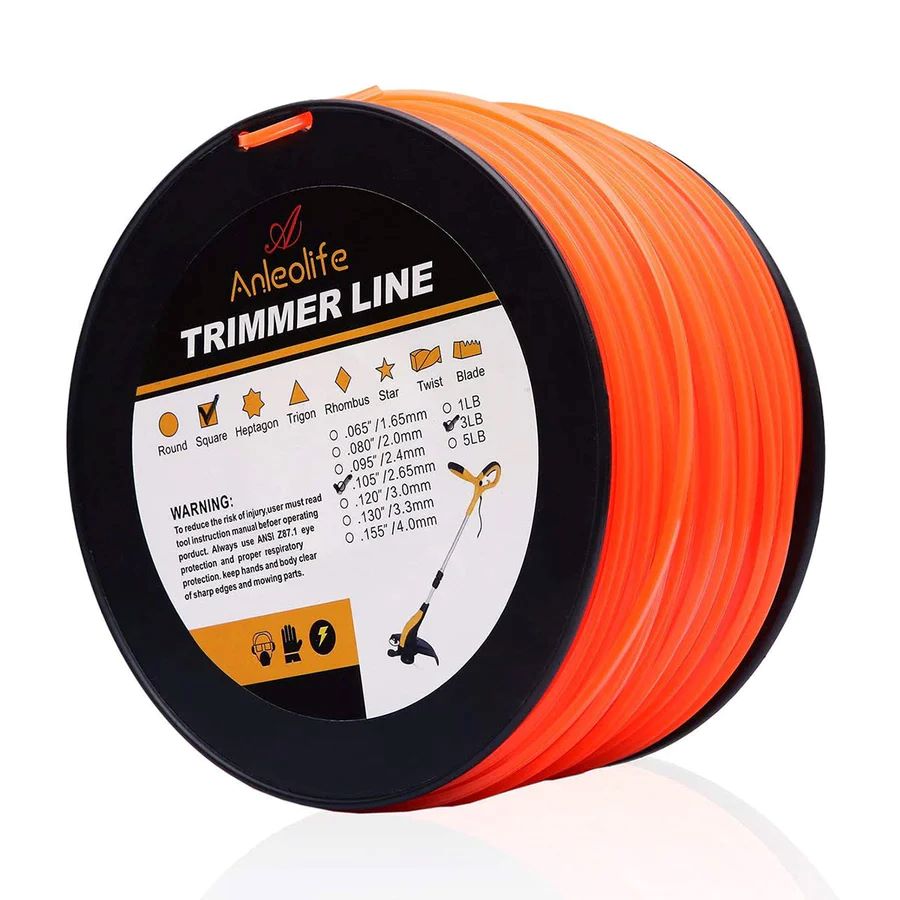
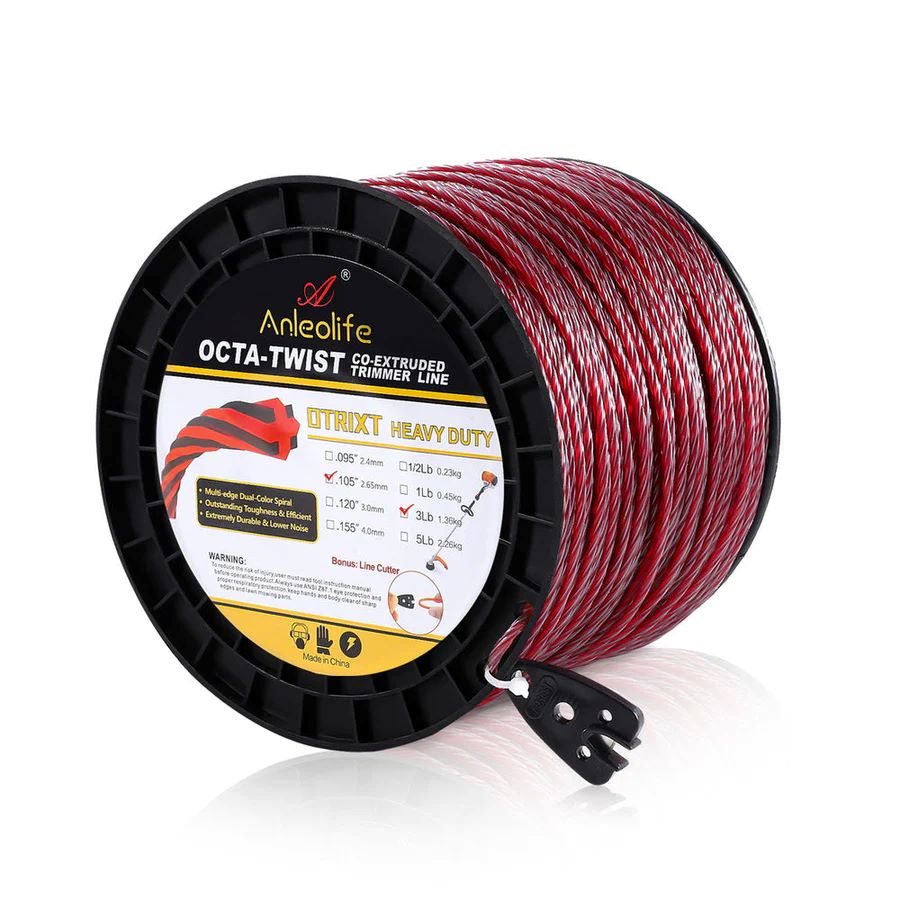
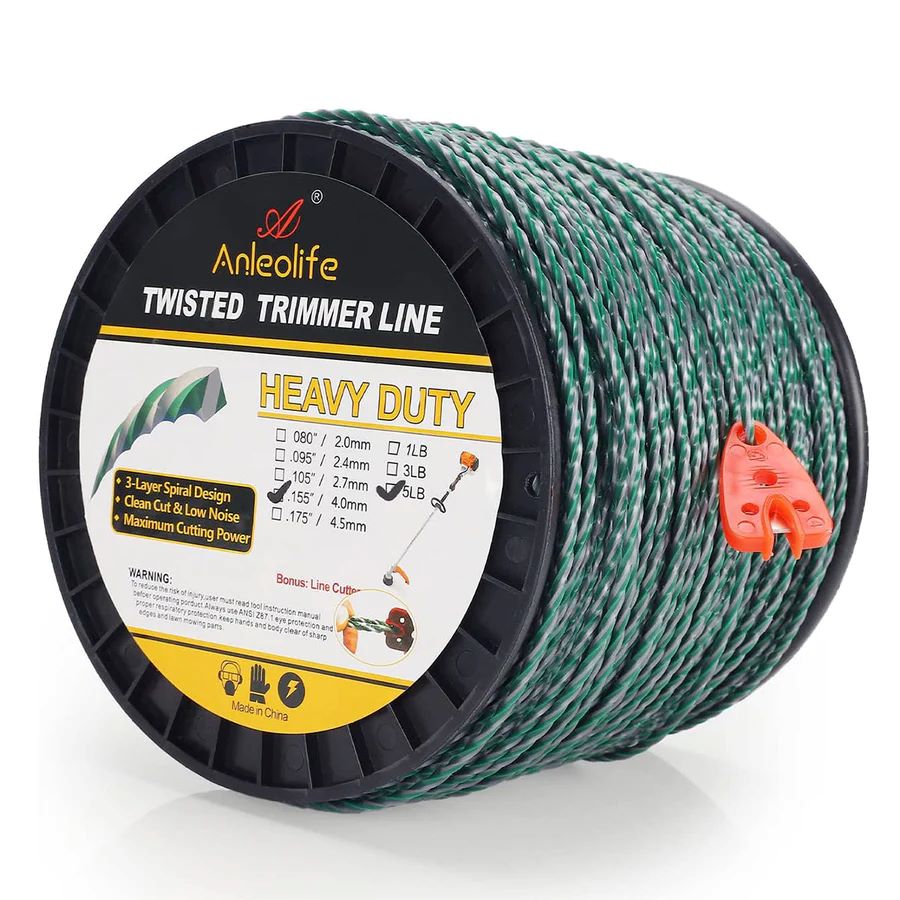
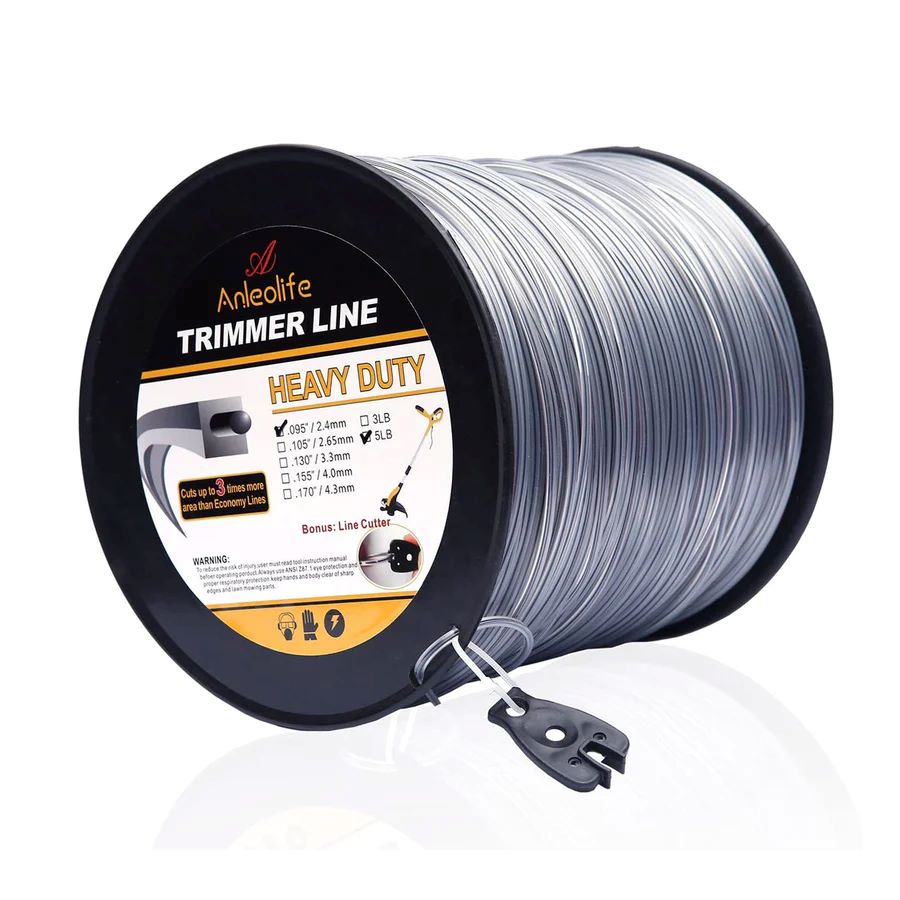
For keeping the perimeter of your patio tidy — along fences, walls, and container edges — a reliable trimmer is essential. The strongest trimmer string matters more than most gardeners realize: heavy-duty trimmer lines last longer, handle thick stems more effectively, and reduce the frustration of frequent line replacements. Look for round or multi-sided line geometry if you're regularly cutting through thick growth near raised beds.
A garden trellis completes the setup by adding the vertical dimension that small patios desperately need. Placed against a wall or fence behind your raised bed, even a simple trellis can support several vining plants simultaneously, turning dead vertical space into productive square footage.

ALT: Anleolife galvanized steel raised garden bed on small patio with container herbs, vertical garden trellis, and clean garden edging for a productive compact outdoor garden
Advanced Strategies for Patio Gardeners Who Want More
Handling Limited Sunlight on Covered Patios
Covered patios present a real challenge: many crops need 6–8 hours of direct sun, and a roof or overhang cuts that significantly. The workaround is to prioritize shade-tolerant crops in your covered zones — lettuce, spinach, kale, most herbs, and many flowers perform well with 3–4 hours of direct light plus ambient brightness. Reserve your sunniest spots, typically the outer edge of the patio where the overhang doesn't reach, for sun-hungry crops like tomatoes and peppers.
Addressing the "My Patio Gets Too Hot" Problem
South-facing patios with brick or concrete surfaces can get genuinely brutal in summer. Reflected heat from the ground can stress shallow-rooted plants in containers. Two solutions: elevate containers on small stands or casters to improve airflow underneath, and prioritize heat-tolerant varieties. Your raised bed, with its insulating soil mass, handles heat better than individual containers — another reason the raised bed should be your primary production unit.
Misconception: "I Need a Big Space to Use a Raised Bed"
This is the most common misconception patio gardeners hold. Raised beds are, in fact, better suited to small spaces than large ones in many ways — they concentrate your soil improvement efforts, define your growing area clearly, and make intensive planting methods easier to execute. If anything, a 4x2 ft bed on a small patio can outperform a 10-foot row in a larger garden simply because the soil quality and planting density are higher.
Building in Phases Without Blowing Your Budget
You don't need to do everything at once. Starting with a single compact raised bed and a few containers lets you learn your patio's microclimates before committing to a larger setup. Once you understand where the sun falls longest and how your watering schedule works, expanding becomes much easier and less wasteful. This phased approach is covered in detail in the guide on How to Build a Raised Bed Garden in Phases Without Blowing Your Budget.
Frequently Asked Questions FAQ
Q1: How do I choose the right raised bed height for a patio setup?
Height is both a practical and ergonomic decision. If you're placing a bed on a solid patio surface where roots cannot extend into the ground below, you'll want more depth — at least 18" for most vegetables, with 24"–30" being ideal for deeper-rooted crops or for gardeners who want to garden standing up. Anleolife's lineup ranges from 18" standard heights up to 30" extra-tall and even a 35" waist-high option, which is particularly well-suited for patios where bending down is difficult or uncomfortable.
Q2: Are galvanized steel raised beds safe for growing vegetables on a patio?
Yes — the evidence consistently supports galvanized steel as a safe material for food gardening. The zinc coating on galvanized steel is naturally occurring in soils and vegetables require zinc as a micronutrient. The levels that may migrate from steel beds are extremely low and within safe consumption thresholds. If you're still concerned, Anleolife's Rust-Resistant line offers an alternative formulation. For a thorough, evidence-based breakdown of this topic, the article Do Galvanized Steel Garden Beds Leach Zinc Into Your Vegetables? The Facts is the definitive resource.
Q3: How long does a metal raised garden bed last on a patio, and is it worth the investment?
Anleolife's metal raised garden beds are built to last up to 20 years, which fundamentally changes the cost math. Over two decades, the per-season cost of even a premium galvanized or rust-resistant steel bed is remarkably low — far less than replacing wooden beds every 3–5 years or upgrading plastic containers annually. On a patio where you want reliable, attractive infrastructure that handles repeated heat and moisture exposure, a high-quality metal bed is one of the best long-term investments you can make in your outdoor space.
Summary
Setting up a container and raised bed garden on a small patio is one of the most rewarding outdoor projects you can take on this season. The three core principles that make it work are: strategic space planning that defines growing zones, pathways, and vertical areas before you buy; material quality that ensures your beds and containers can handle patio-specific conditions for years rather than seasons; and smart layering that uses containers, trellises, and edging to multiply your productive capacity without multiplying your square footage.
For most small-patio gardeners, the raised bed is the anchor — the productive heart of the setup — while containers, trellises, and edging accessories build a complete garden ecosystem around it. Choosing a bed rated for up to 20 years of outdoor use, like those in Anleolife's galvanized steel and rust-resistant lines, means you're not just setting up for this season. You're building infrastructure that will be part of your outdoor life for decades.
If you're ready to start, the best first step is to measure your space, identify your sunniest zone, and choose a bed size that fits with room to spare for access pathways. From there, everything else layers in naturally.
Start Growing with Anleolife This Season
Anleolife supports your garden journey from first purchase to harvest — and well beyond. With a nationwide U.S. warehouse network strategically located in California, Texas, Florida, New York, Illinois, and Washington, your order arrives in 3–8 business days so your planting window never slips.
Products are available across all major platforms — Amazon, Walmart, Home Depot, Lowe's, Wayfair, and directly at Anleolife.com — with consistent quality assurance and responsive after-sales support wherever you shop.
Anleolife's three core scenarios cover everything a complete garden needs: Planting (metal raised garden beds, soil systems), Raising (chicken coops, rabbit hutches), and Beautification (decorative accessories, pathway systems). Whether you're setting up your first 4x2 ft bed on a balcony or building out a full patio ecosystem, Anleolife grows with you every step of the way.
References
- National Gardening Association. "Garden to Table: A Guide to Growing Food at Home".
https://garden.org - University of California Agriculture and Natural Resources. "Vegetable Gardening in Containers".
https://ucanr.edu/ - U.S. Department of Agriculture. "Urban Agriculture and Home Food Production Resources".
https://www.usda.gov/topics/farming/urban-agriculture - Penn State Extension. "Container Vegetable Gardening".
https://extension.psu.edu/ - Colorado State University Extension. "Raised Bed Gardening".
https://extension.colostate.edu/topic-areas/yard-garden/raised-bed-gardening-7-238/
Note: Standards and recommendations may be updated over time. Please check the latest official documents or consult a local extension service for the most current guidance.
About Anleolife
Anleolife is a leading outdoor garden solutions provider in North America, dedicated to offering a full-scenario product ecosystem for home gardening enthusiasts, covering planting, raising, and garden beautification. Since its founding, Anleolife has upheld its brand mission, "Made for Garden Life," continuously innovating products and optimizing services to help hundreds of thousands of users upgrade their gardens, reconnect with nature, and enjoy a better garden lifestyle. From a single compact raised bed on a city balcony to a fully integrated backyard growing system, Anleolife is the partner that grows alongside you — season by season, year by year.