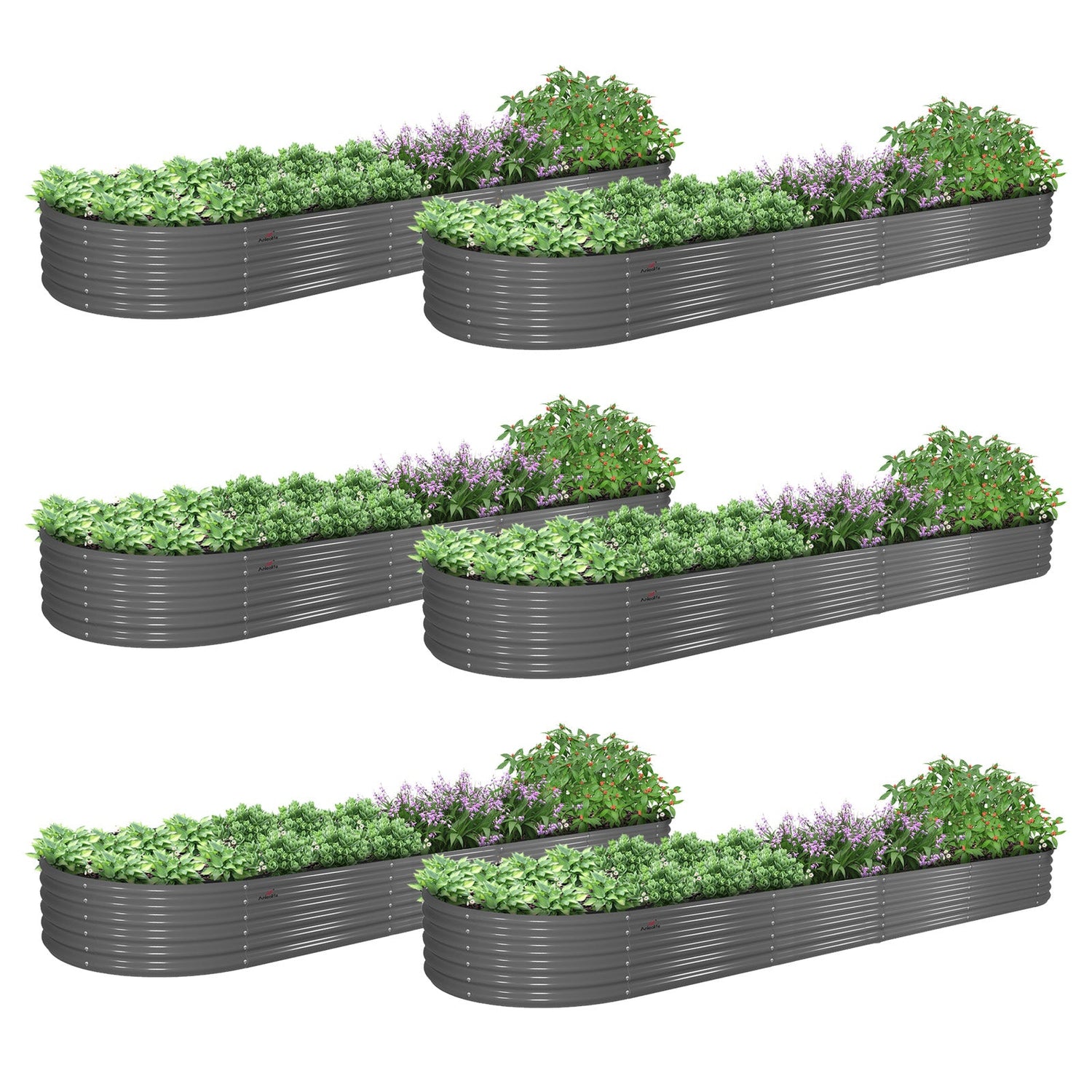



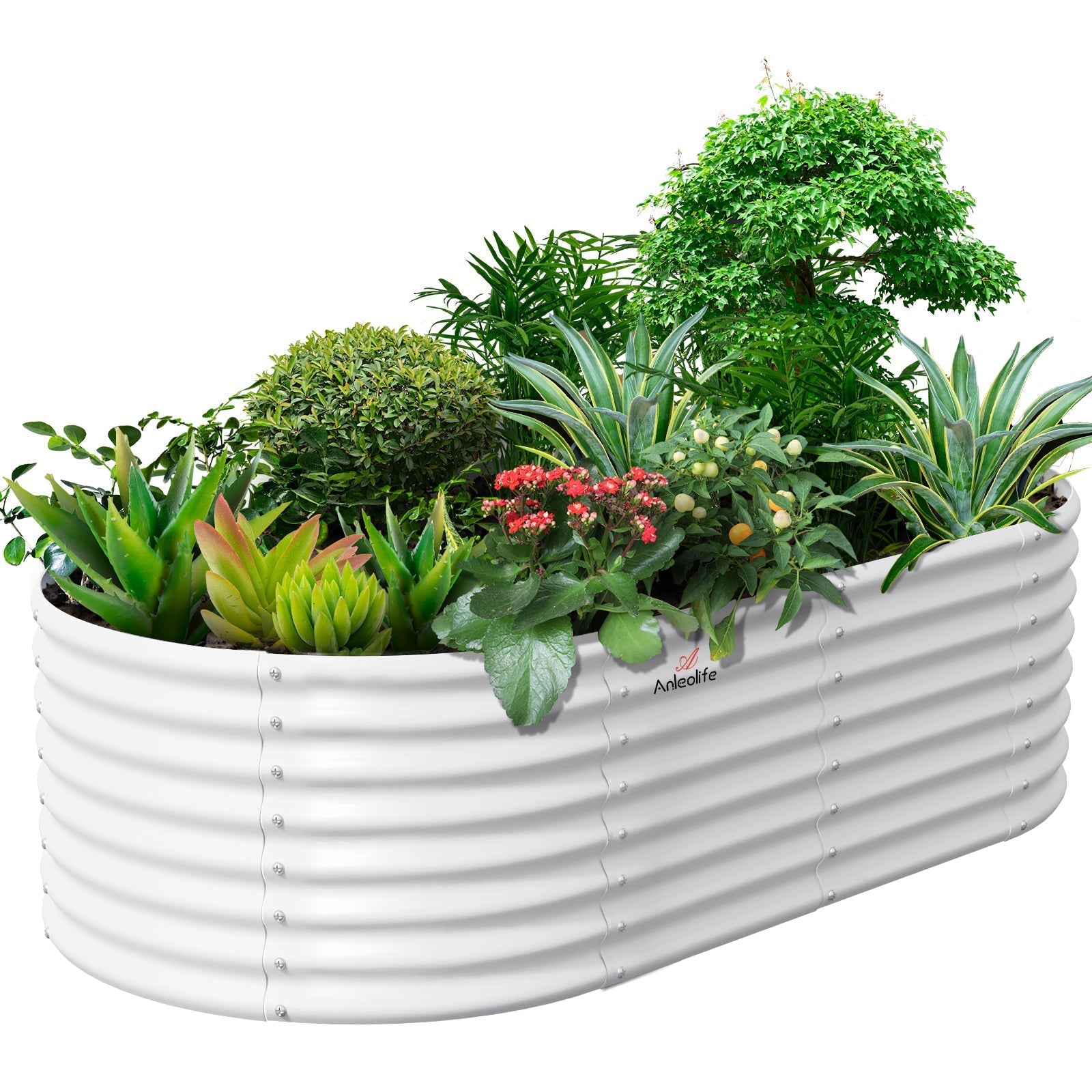
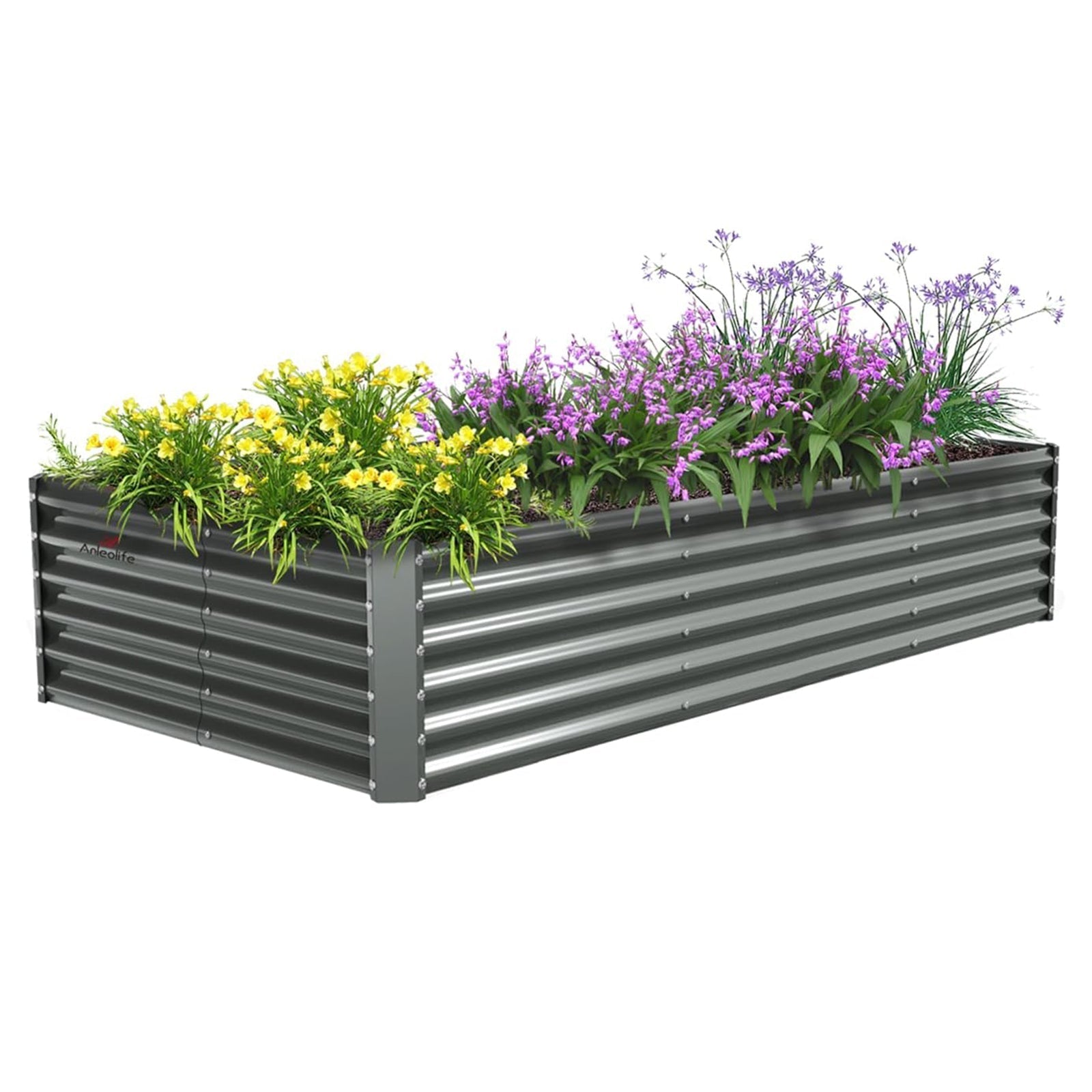

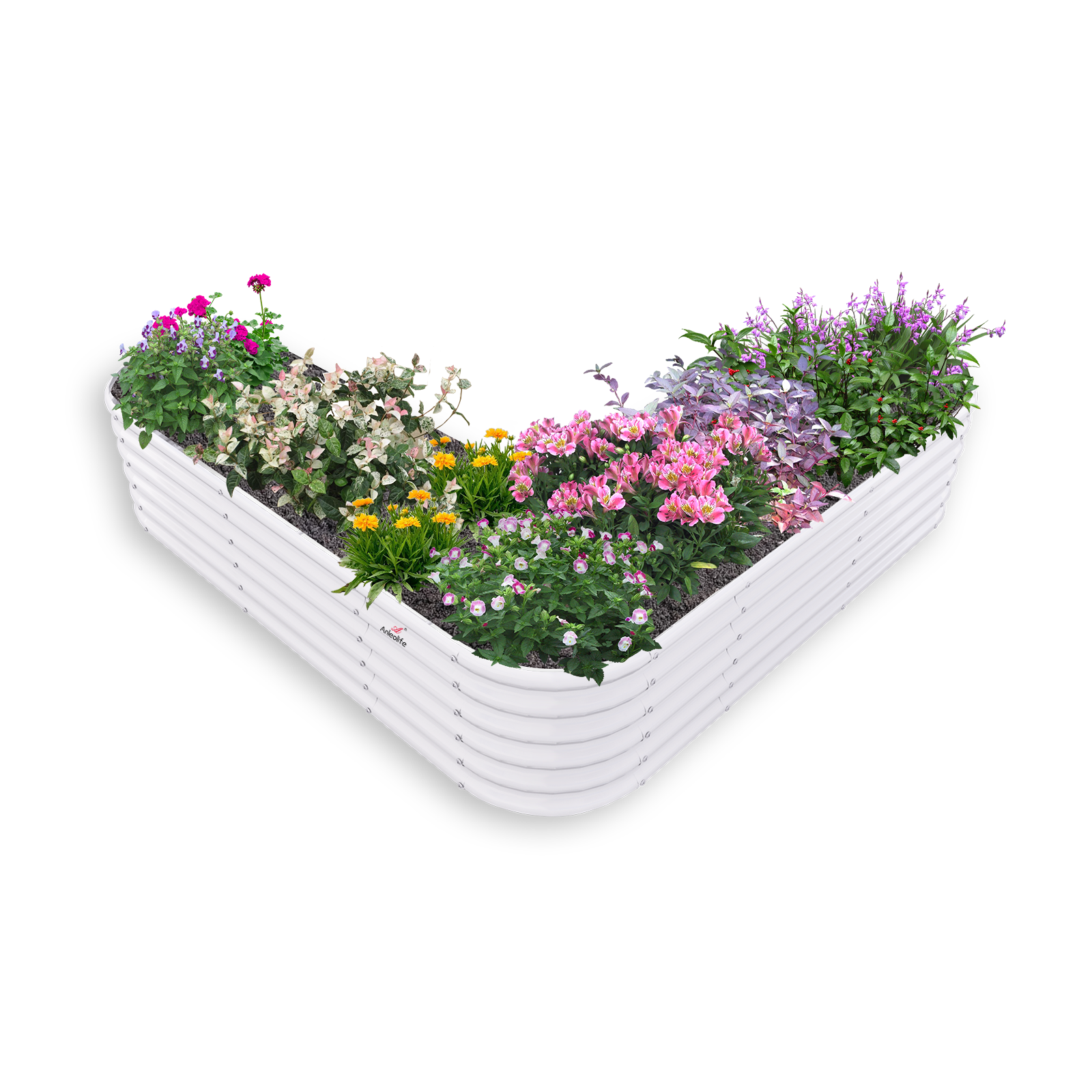
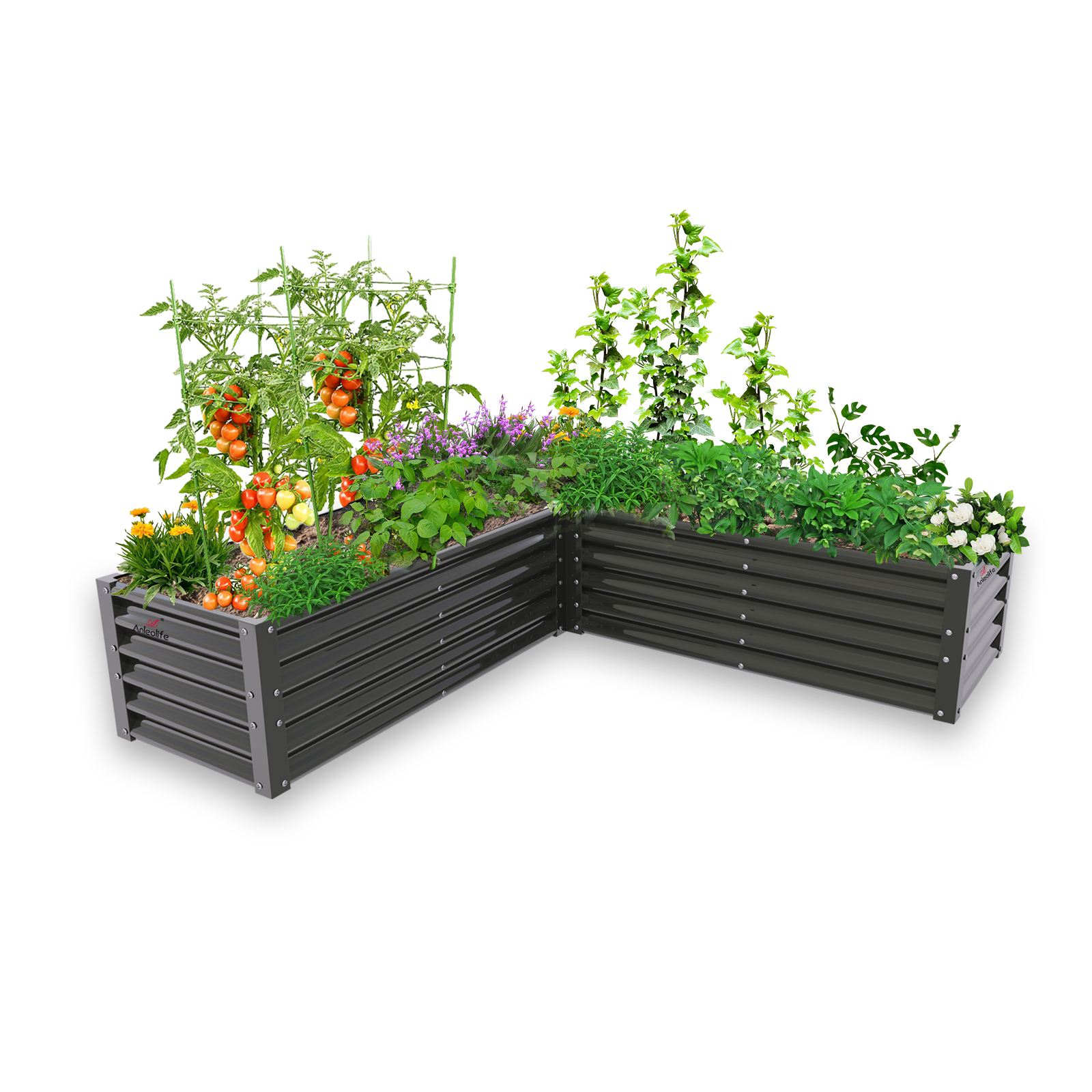
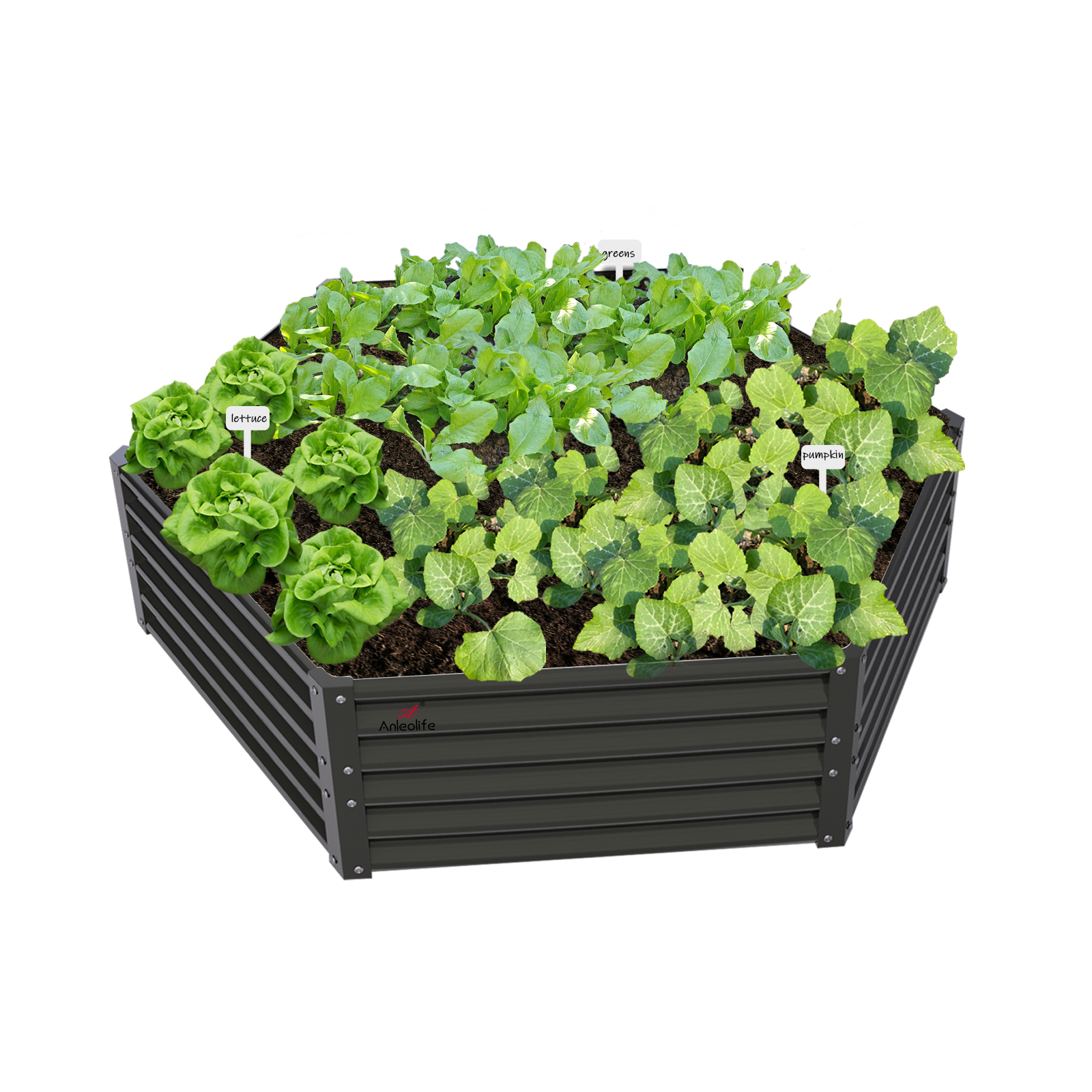
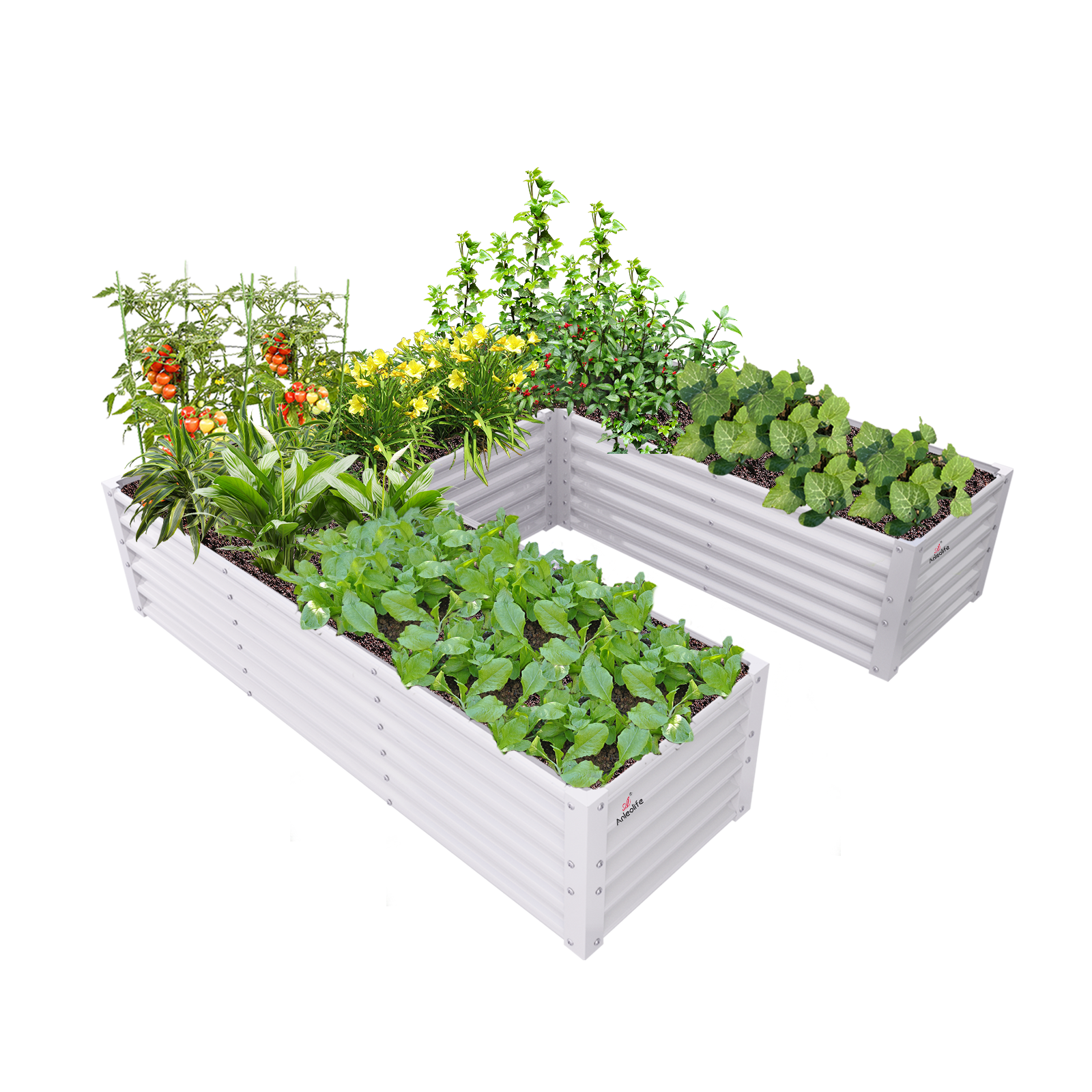

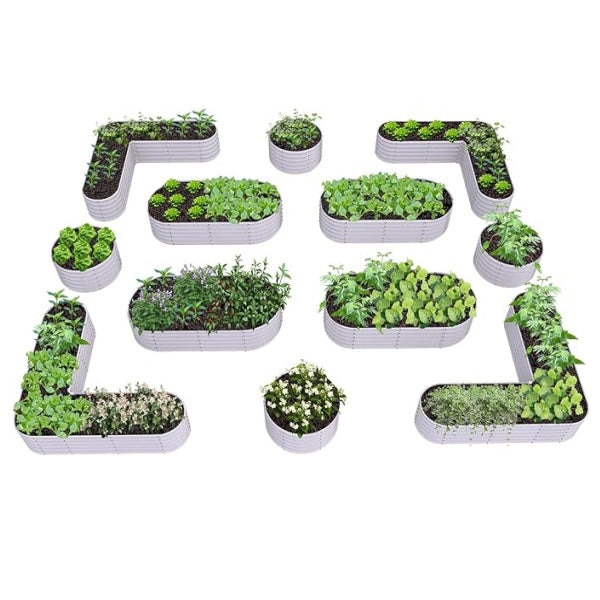


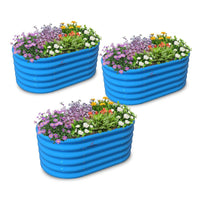
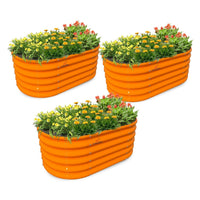
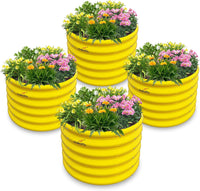
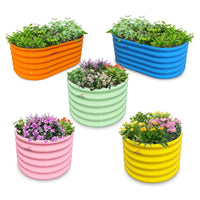



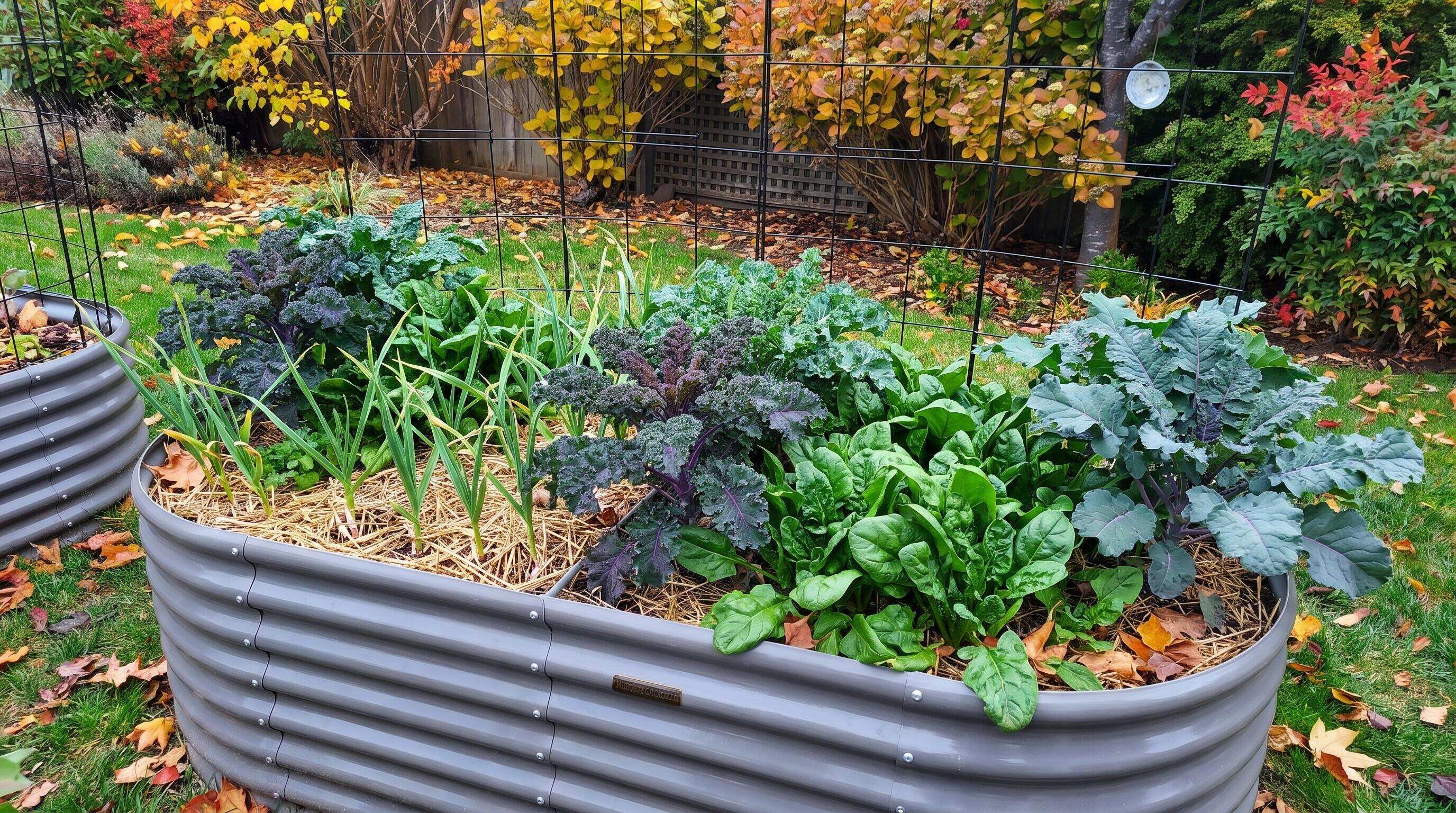
ALT: Best fall and winter crops growing in a raised bed garden layout with kale, garlic, and spinach
Plan Your Raised Bed Garden Layout Now for a Harvest That Carries You Through Winter
Key Conclusion: A well-planned raised bed garden layout transforms the shoulder season — late summer through early fall — into your most productive window of the year. By matching the right cool-season crops to a thoughtful raised bed planting layout, home growers can sustain fresh harvests well into winter. This guide delivers a curated list of the best crops for that transition, paired with practical raised bed layout guidance that helps you maximize space, soil performance, and succession planting without guesswork.
Most gardeners experience a lull between the end of summer crops and the first frost — but that lull is largely avoidable. The crops featured here were selected based on three consistent criteria we apply when helping growers plan their beds: cold-hardiness, harvest speed, and compatibility with the intensive planting densities that raised bed gardening makes possible. Whether you're working with a compact urban setup or a more expansive backyard system, the selection below maps directly to real planting decisions you can act on today.
The Best Crops to Plant Right Now for Fall-to-Winter Productivity
Kale: The Cold-Season Anchor of Any Raised Bed Planting Layout
Kale is the single most dependable crop for a fall-to-winter raised bed because it actively improves in flavor after frost, converting starches to sugars in response to cold. Varieties like 'Lacinato' (dinosaur kale) and 'Red Russian' are particularly well-suited to raised bed gardening because their upright growth habit allows close planting — leaving room for lower-growing companions like lettuce or herbs along the bed's edges.
In our experience working with home growers across North America, kale planted 6–8 weeks before the average first frost consistently delivers harvests that extend weeks past that date with minimal protection. A simple row cover draped over the bed can push that window even further.
Best for: Gardeners who want a single, low-maintenance crop that provides continuous cut-and-come-again harvests from fall through winter.
Watch out: Kale can become a tall, space-dominant plant by midwinter. Factor its mature height into your raised bed layout so it doesn't shade out shorter cool-season companions.
Spinach: The Speed Crop That Rewards a Tight Raised Bed Layout
Spinach is a fast-maturing leafy green that reaches harvest-ready size in as few as 40–50 days under cool conditions — making it one of the most time-efficient choices for a fall planting schedule. It is also genuinely cold-hardy, capable of surviving light frosts and even light snow when established, especially in the protected, well-drained environment that a raised bed provides.
The raised bed format suits spinach particularly well because soil drainage is controlled and the slightly elevated temperature of a well-composted bed can extend the planting window by several weeks compared to in-ground growing. According to the U.S. Department of Agriculture, spinach is classified as a cool-season vegetable that performs optimally between 35°F and 75°F — a range that aligns naturally with fall and early winter conditions across most of the continental United States.
Best for: Gardeners working with smaller beds (4x4 or 4x2 configurations) who need a high-density, quick-turnaround crop.
Watch out: Spinach bolts rapidly if temperatures spike during an unexpected warm spell. Planting in a slightly shaded area of the bed or using a light shade cloth can buffer against premature bolting.
Garlic: The Long-Game Investment in Your Fall Raised Bed Garden Layout
Garlic is planted in fall precisely because it requires a cold vernalization period to develop properly, making it a unique entry in the fall-to-winter planting calendar. Cloves go into the ground in October or November (depending on your climate zone), overwinter under a layer of mulch, and emerge in spring for a summer harvest. The planning insight here is that garlic occupies bed space with minimal upkeep through winter — it asks almost nothing of you between planting and spring emergence.
From a raised bed layout perspective, garlic is ideal for filling the corners or back rows of a bed that is otherwise devoted to faster-maturing crops. Plant cloves 6 inches apart in dedicated rows, then tuck spinach or arugula into the remaining space for a genuine double-crop strategy.
Best for: Patient growers who want to lock in a summer harvest with virtually no winter maintenance, and who are comfortable planning their raised bed planting layout across seasons.
Watch out: Garlic is a long-term occupant. If you plant it densely across an entire bed, that space is committed until early summer. Plan accordingly.
Arugula: The Fast-Finishing Salad Green That Fills Gaps in Any Layout
Arugula germinates in as few as 7–14 days under cool soil conditions and can be ready for a first cut in roughly 40 days — making it one of the fastest options for filling gaps in an existing raised bed garden layout as summer crops are pulled. Its peppery flavor sharpens pleasantly in cool weather, and it tolerates light frost without significant damage.
The practical value of arugula in a fall bed is its flexibility: it can be direct-sown in thin bands between rows of kale or garlic, or used to fill any bare soil left by spent summer plantings. A pattern we consistently see in well-managed beds is that arugula acts as a living mulch in its early weeks, covering soil and suppressing weeds before it's harvested and replaced with the next succession planting.
Best for: Gardeners who want to eliminate bare soil in their beds during the transition from summer to fall crops, or who need salad greens ready in the shortest possible window.
Watch out: Arugula's flavor can become very sharp and pungent if left past its prime. Harvest young for the best table quality.
Asian Greens (Bok Choy, Tatsoi, Mizuna): High-Yield Diversity in a Single Bed
Asian greens — including bok choy, tatsoi, and mizuna — are among the most underutilized crops in North American fall gardens, yet they are ideally suited to the conditions the season provides. They grow quickly (most reach harvest in 30–50 days), tolerate frost, and offer extraordinary culinary versatility. More importantly for raised bed layout planning, they can be grown as cut-and-come-again plants, meaning a single planting delivers multiple harvests.
In a well-designed raised bed planting layout, a mix of Asian greens sown in a dedicated section creates a visually interesting, highly productive block that can be successionally replanted every few weeks. Because these crops are relatively compact, they work well in intermediate-height beds, leaving taller plants like kale or broccoli to anchor the back or center.
Best for: Home growers who want culinary variety alongside high productivity, and who are willing to harvest frequently to maintain plant vigor.
Watch out: Bok choy is more sensitive to hard frost than tatsoi or mizuna. Prioritize cold protection for bok choy if your climate is prone to sudden temperature drops.
Broccoli and Cauliflower: The Heavy Feeders Worth the Space Investment
Broccoli and cauliflower require more space and more soil fertility than leafy greens, but they reward that investment with substantial, satisfying harvests that store well. The critical timing detail: transplants, not seeds, are the practical choice for fall planting once summer is underway, because direct-sowing at this stage often cannot produce a mature head before hard frost arrives.
From a soil system perspective, these brassicas are demanding — they need a deeply fertile, well-amended growing medium to develop properly. A quality raised bed soil mix that is rich in nitrogen and has good moisture retention is non-negotiable. Pair with regular feeding for best results. If you're refining your approach to soil quality, our guide on soil composition for organic vegetable raised beds provides practical, detailed direction on building the right foundation.
Best for: Gardeners with beds of 8x4 or larger who can afford the square footage and want a substantial, harvestable centerpiece crop before winter.
Watch out: Both crops are magnets for cabbage worms and aphids. Monitor closely and use row covers or lightweight insect netting from transplant time.
Carrots and Beets: Root Crops That Benefit From Raised Bed Depth
Carrots and beets are ideal fall crops because cool soil genuinely improves their flavor — cold temperatures trigger sugar accumulation in the roots, making fall-harvested carrots noticeably sweeter than their summer counterparts. Raised beds offer a particular advantage here: the loose, stone-free, deeply worked growing medium that a well-built bed provides is exactly what root crops need to develop straight, unobstructed roots.
The raised bed layout implication is depth. Short Chantenay-type carrots perform reliably in standard-depth beds, while longer Nantes or Imperator types benefit from extra depth. Selecting a bed with appropriate height for your root crop ambitions is worth thinking through before planting — and if you're still deciding on bed sizing, this first-time buyer's guide to sizing a raised garden bed kit offers clear, practical guidance on matching bed dimensions to your planting goals.
Best for: Gardeners who want a storage crop that holds well in the ground through cold weather, reducing the need for indoor storage.
Watch out: Carrots need consistent moisture from germination through establishment. Uneven watering leads to forked, stunted roots. A drip system or regular hand-watering schedule is important in the early weeks.
Radishes: The Fast-Cycling Filler That Keeps Beds Productive Between Plantings
Radishes mature in as few as 22–30 days under cool fall conditions, making them the fastest true root crop available to the fall gardener. That speed makes them invaluable as gap-fillers in a raised bed garden layout — they can be sown into any empty space, harvested, and replaced with another planting before a slow-maturing crop like kale has expanded to fill that area.
Daikon radishes deserve special mention here: they grow large and are valued both as a food crop and as a soil-improving tool, since their taproots break up compacted layers and add organic matter as they decompose. Planting daikon in a bed you plan to renovate over winter is a practical, low-effort way to improve soil structure for spring planting.
Best for: Impatient gardeners who want visible results quickly, and anyone who has gaps in their bed after pulling spent summer crops.
Watch out: Radishes left in the ground past their prime become pithy and sharp. Harvest promptly and resow for a succession crop.
Lettuce: The Cool-Season Standard for Continuous Salad Harvests
Lettuce is the most familiar cool-season crop for a reason: it grows quickly, it's genuinely cold-hardy in its early stages, and a well-staggered planting schedule can keep salad greens coming from fall well into early winter. Loose-leaf varieties outperform head types in fall planting because they can be harvested leaf by leaf over a longer period, rather than all at once.
A succession-planting approach — sowing a short row every 10–14 days — is the most effective way to ensure continuous harvests rather than a single glut. According to guidance from the National Gardening Association, lettuce can tolerate temperatures as low as 28°F when plants are well-established and hardened off, particularly under the protection of a row cover or cold frame positioned over the bed.
Best for: Gardeners who want the simplest possible path to consistent salad greens through fall and early winter, with minimal growing complexity.
Watch out: Crisphead types (iceberg) are poorly suited to fall production. Stick to loose-leaf, butterhead, or romaine varieties for the best cold-weather performance.
Quick Comparison at a Glance
Choosing between these crops comes down to your bed dimensions, your frost timeline, and what you actually want to eat. This table consolidates the key trade-offs to make that comparison faster.
| Crop | Best For | Key Strength | Limitation |
|---|---|---|---|
| Kale | Long-season harvests, minimal maintenance | Frost-improves flavor; cut-and-come-again | Can shade out bed companions at full height |
| Spinach | Small beds, fast turnaround | 40–50 days to harvest; very cold-hardy | Bolts quickly in unexpected warm spells |
| Garlic | Long-game planning across seasons | Minimal winter care; rich summer harvest | Occupies bed space from fall through early summer |
| Arugula | Gap-filling, salad variety | Ready in ~40 days; extremely quick germinator | Flavor becomes overpowering if not harvested young |
| Asian Greens | Culinary diversity, cut-and-come-again production | Multiple varieties, multiple harvests from one sowing | Bok choy less frost-tolerant than tatsoi/mizuna |
| Broccoli/Cauliflower | Large beds (8x4+), centerpiece harvests | Substantial, storable yields | Space-demanding; pest-prone; needs transplants |
| Carrots & Beets | Root crop storage, sweetened by cold | Flavor peaks in cool soil; holds in ground | Needs deep, loose, consistently moist growing medium |
| Radishes | Fast gap-filling, soil improvement (daikon) | Fastest root crop; 22–30 days to harvest | Must harvest promptly; quality degrades quickly |
| Lettuce | Continuous salad production through fall/early winter | Easy succession planting; multiple variety options | Crisphead types unsuitable; bolt risk in warm spells |
A clear pattern emerges from this comparison: the most productive fall beds combine one or two anchor crops (kale, broccoli, or garlic) with a rotation of fast-cycling fillers (arugula, radishes, lettuce) that keep every square foot of soil actively producing between the larger plants' growth cycles. This is the core logic of a high-output raised bed planting layout for the fall-to-winter window.
How to Match These Crops to Your Specific Raised Bed Layout
Matching crops to your bed configuration is the step most growers skip — and it's where the real productivity gains are made. The right crop-to-bed match depends on three variables: bed size, bed depth, and your local frost dates.
If you're working with a compact bed (4x2 or 4x4): Prioritize fast-cycling crops with a small footprint. Spinach, arugula, lettuce, and radishes are your most efficient choices. You can fit an impressive volume of greens into a small footprint if you plant in bands rather than widely spaced rows and harvest consistently. A small bed also allows you to place a simple row cover or cold frame over the entire planting easily, extending your season significantly.
If you have a mid-size bed (6x3 or 8x4): This is the most versatile configuration for fall planting. Dedicate one end or one long row to a slow-maturing anchor crop (kale, broccoli, or garlic), then fill the remaining space with a mix of fast-cycling greens. As the faster crops are harvested and pulled, their space opens up naturally as the anchor crop expands — no waste, no bare soil.
If you're managing a large-footprint bed (10x3, 12x3, or larger): You have the space to run a genuine succession system, with multiple plantings of the same crop staggered two weeks apart across different sections of the bed. This is how market gardeners sustain continuous harvests, and it works at the home scale with proper planning. Combining this with a deep root-crop section (for carrots and beets) and a dedicated garlic block creates a fall-to-winter layout that is both highly productive and genuinely low-maintenance once established.
A common misconception worth addressing directly: many gardeners believe that more crop variety automatically equals more productivity. In practice, the opposite is often true for small beds. Focused plantings of two or three compatible crops, managed with consistent succession sowing, outperform scattered multi-variety plantings that lack the density to maximize a bed's potential.
For those who are newer to this style of planning, this beginner's roadmap to planning, building, and planting your first raised bed walks through the decision-making process from the ground up — a valuable starting point before committing to a planting layout.
The physical bed itself matters as much as what you plant in it. Anleolife's galvanized steel raised garden beds — available in a wide range of configurations from compact 18" tall beds to 35" waist-high models — are engineered to last 20 years, meaning your investment in a well-designed raised bed planting layout compounds over seasons, not just one harvest cycle.
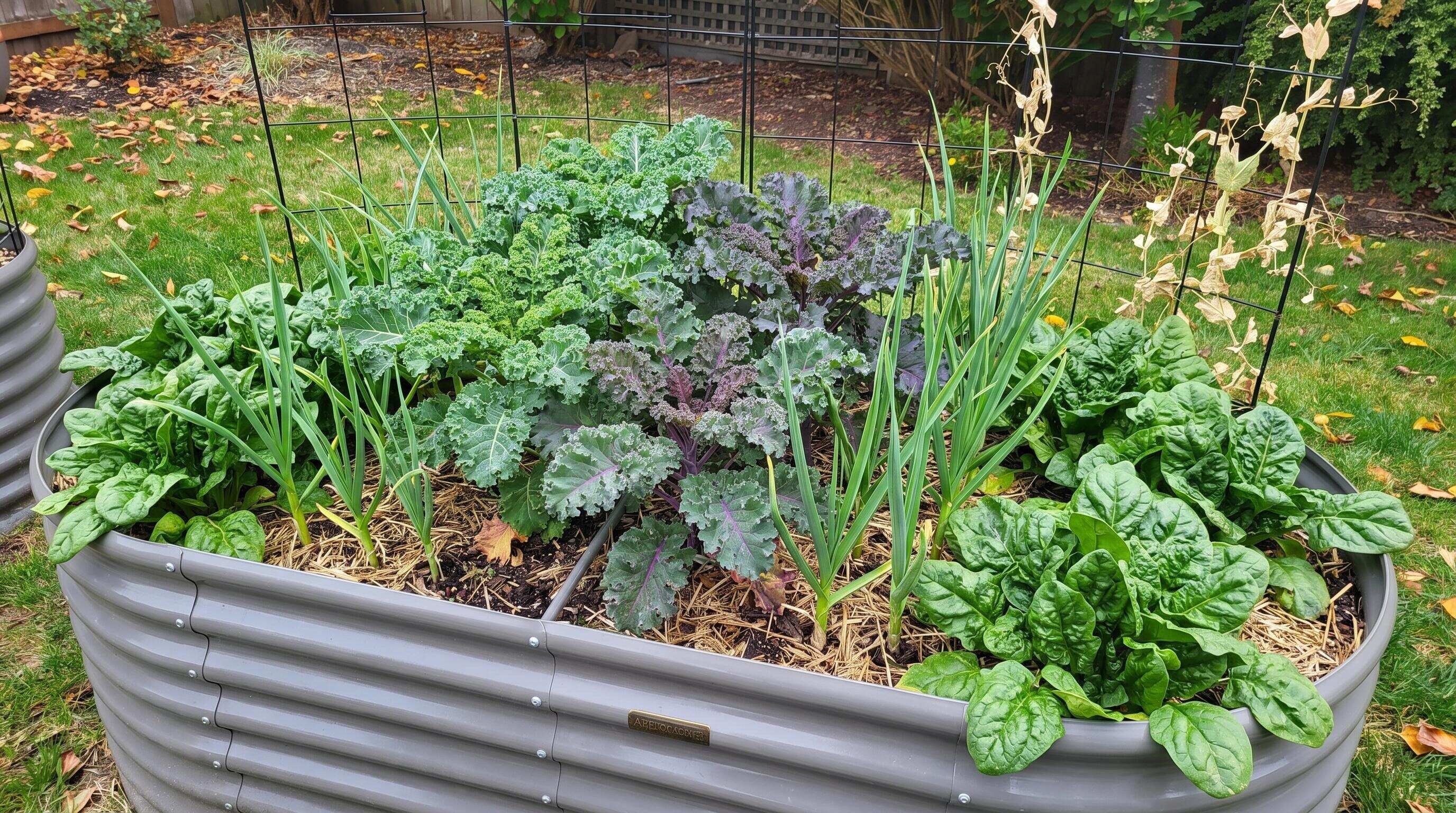
ALT: Raised bed garden layout showing succession-planted fall crops including spinach, kale, carrots, and garlic in a galvanized steel bed
Common Questions
Q1: How early should I start planting fall crops in my raised bed garden layout?
The standard guideline is to count backward from your average first frost date: most cool-season greens like spinach, arugula, and lettuce need 6–8 weeks of growing time before hard frost arrives. Root crops like carrots and beets benefit from an even earlier start — 10–12 weeks out — because they need more time to develop. The USDA Plant Hardiness Zone Map is the most reliable reference for identifying your first frost window by ZIP code.
Q2: Are galvanized steel raised beds safe for growing edible crops through winter?
Galvanized steel raised garden beds are widely used for edible crop production and are considered safe for food gardening by most horticultural authorities. The zinc coating on galvanized steel beds provides corrosion resistance without posing documented risks at the trace levels that might contact soil. Anleolife's galvanized steel raised garden beds are built to last 20 years, providing a stable, long-term growing environment through repeated freeze-thaw cycles that would degrade untreated wood or lower-grade materials.
Q3: How much does it cost to set up a productive fall raised bed planting layout?
Setup costs vary considerably based on bed size, material, and soil system. A high-quality galvanized steel raised garden bed from Anleolife represents the primary structural investment — one that, at a 20-year lifespan, has a low cost-per-season compared to alternatives that require replacement every few years. The ongoing cost per season is primarily seed and soil amendment. Cool-season seeds are among the least expensive in any gardening budget — most packets cover far more than a single bed — making the fall garden one of the most cost-effective seasons to grow.
Key Takeaways
The fall-to-winter garden is not a consolation prize for missing the summer planting window — it is a distinct, productive season in its own right, and the crops covered in this guide are proof. Three points deserve emphasis as you move from reading to planting:
First, timing is the primary lever. The difference between a productive fall bed and a failed one is usually not crop selection — it's whether you started early enough to let the plants establish before cold closes the growth window. Work backward from your frost date, plant promptly, and use row covers to extend your margin.
Second, the raised bed format genuinely outperforms in-ground growing for cool-season production. The combination of superior drainage, controlled soil temperature, and the ability to easily cover the bed with protective fabric makes galvanized steel raised beds the most reliable growing environment for the crops described here. A well-chosen bed configuration — matched to your crop mix and your available space — multiplies every other effort you make.
Third, a thoughtful raised bed garden layout rewards you beyond a single season. Garlic planted this fall feeds your table next summer. The soil biology you invest in now carries through to spring. Anleolife beds engineered to last 20 years mean that this fall's planting decisions are the foundation of a long-running garden system, not a one-time experiment.
Ready to build the fall garden layout you've been planning? Explore Anleolife's full range of galvanized steel raised garden beds — from compact starter configurations to waist-high extra-tall models — at the Anleolife website, or find them on Amazon, Walmart, Home Depot, Lowe's, and Wayfair. With warehouses across California, Texas, Florida, New York, Illinois, and Washington, most orders arrive in just 3–8 business days. Whether you're starting with a single bed or building out a complete planting-and-raising ecosystem, Anleolife grows with you every step of the way.
References
- U.S. Department of Agriculture (USDA). "Plant Hardiness Zone Map and Cool-Season Vegetable Growing Guidance."
https://www.usda.gov/ - Savvy Gardening. "4x8 Raised Bed Vegetable Garden Layout Ideas."
https://savvygardening.com/4x8-raised-bed-vegetable-garden-layout/ - Gardeners.com. "Pre-Planned Gardens — Kitchen Garden Planner."
https://www.gardeners.com/pages/kitchen-garden-planner-preplanned-gardens
Note: Standards and growing guidelines may be updated; please check the latest official documents or consult professional advisors for your specific region and growing conditions.