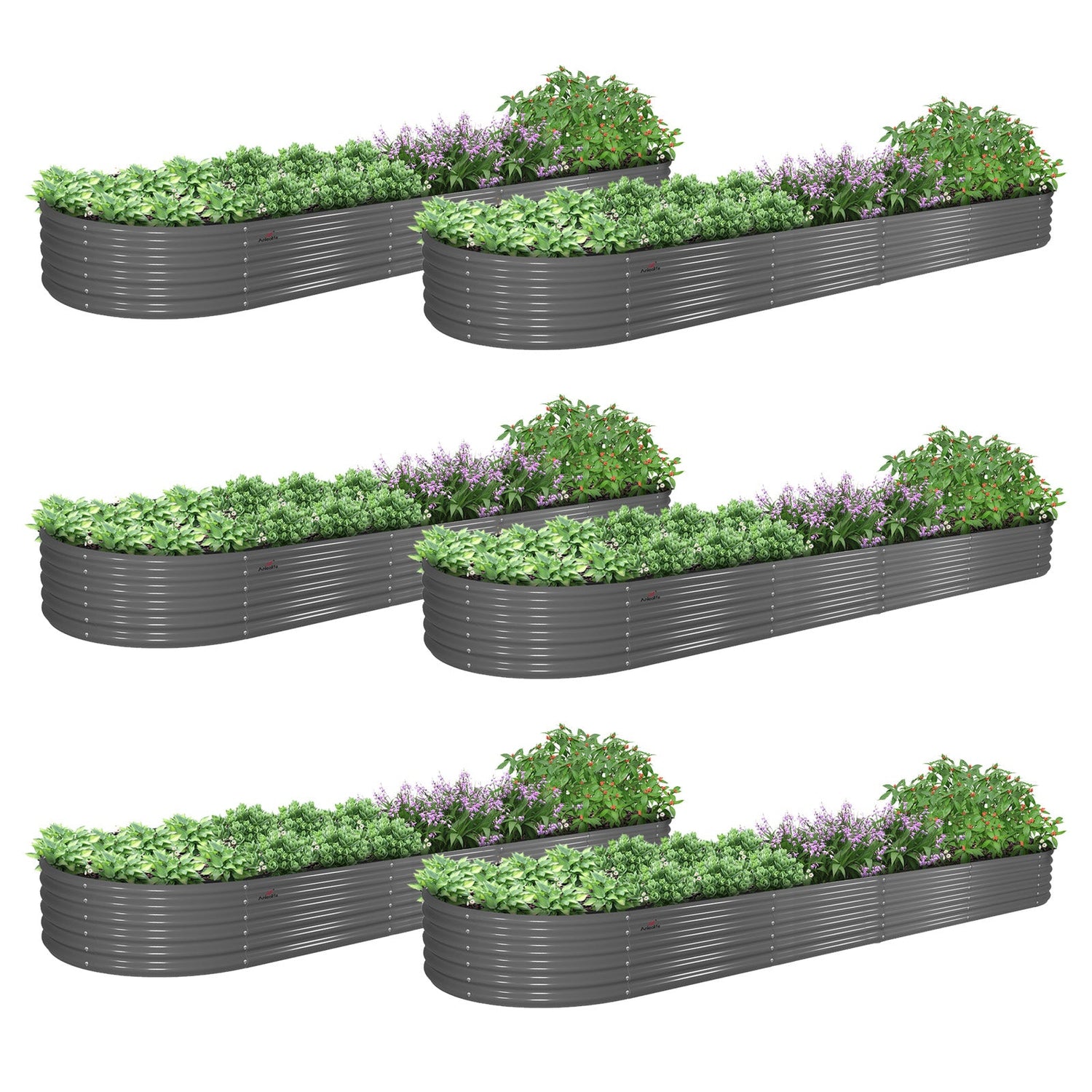



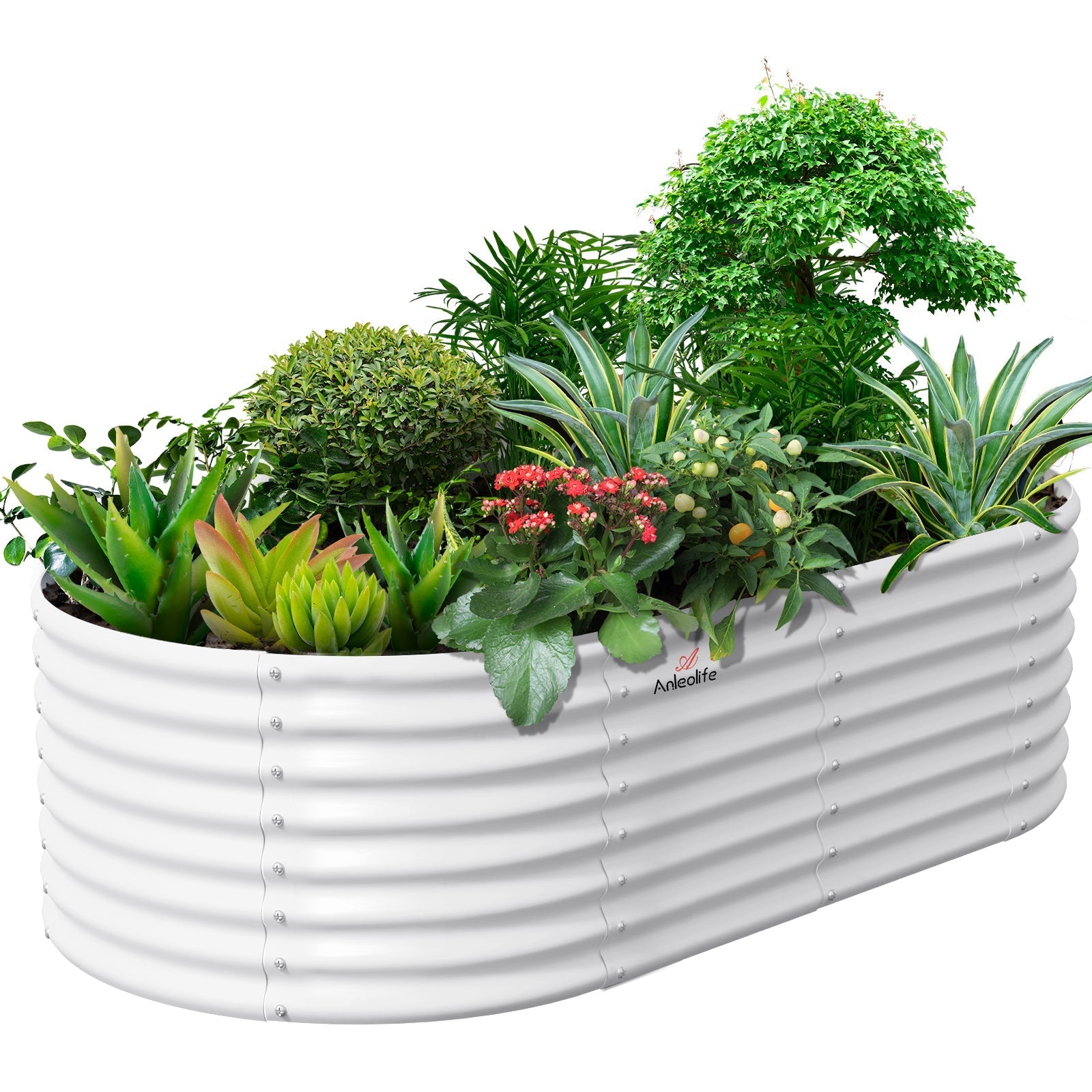
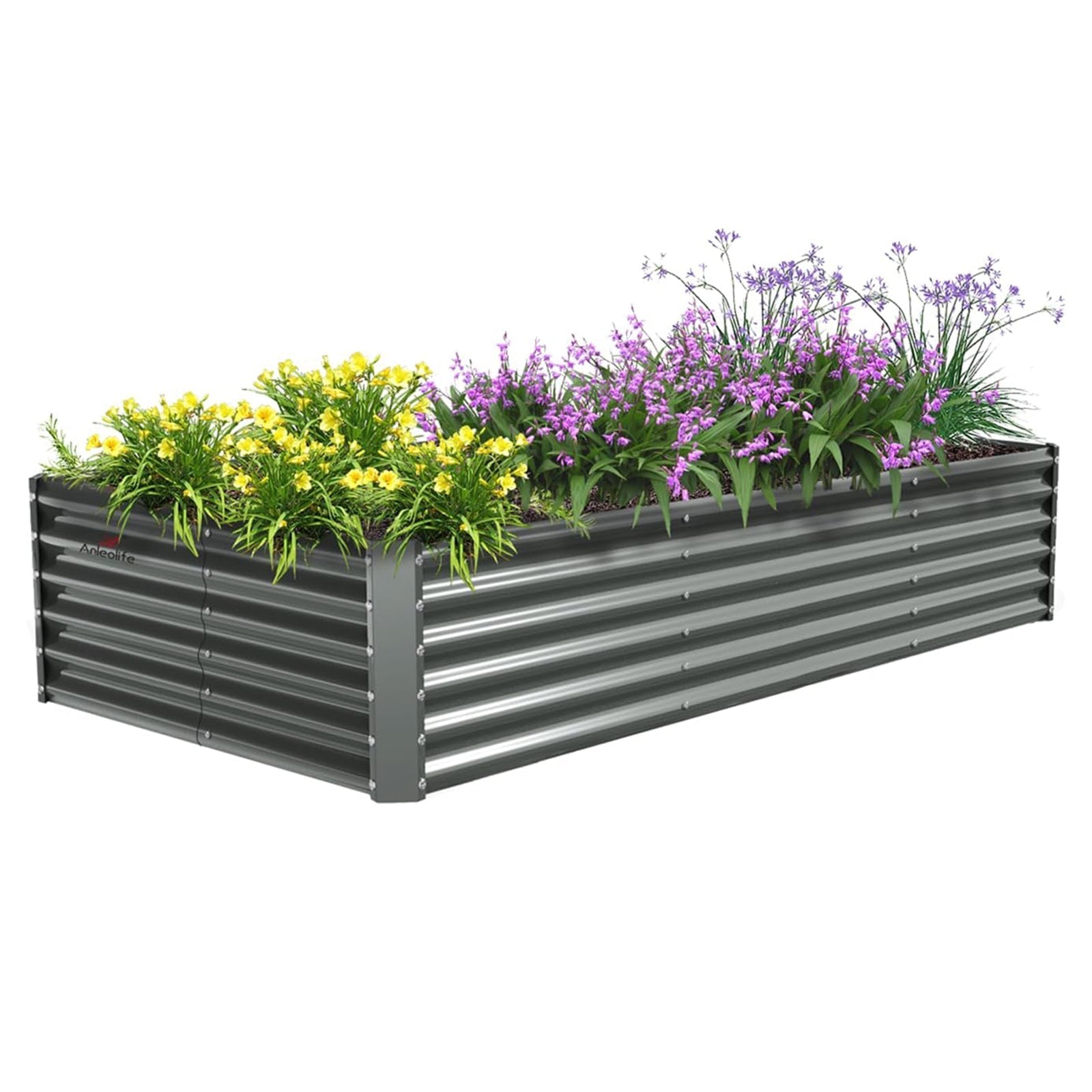

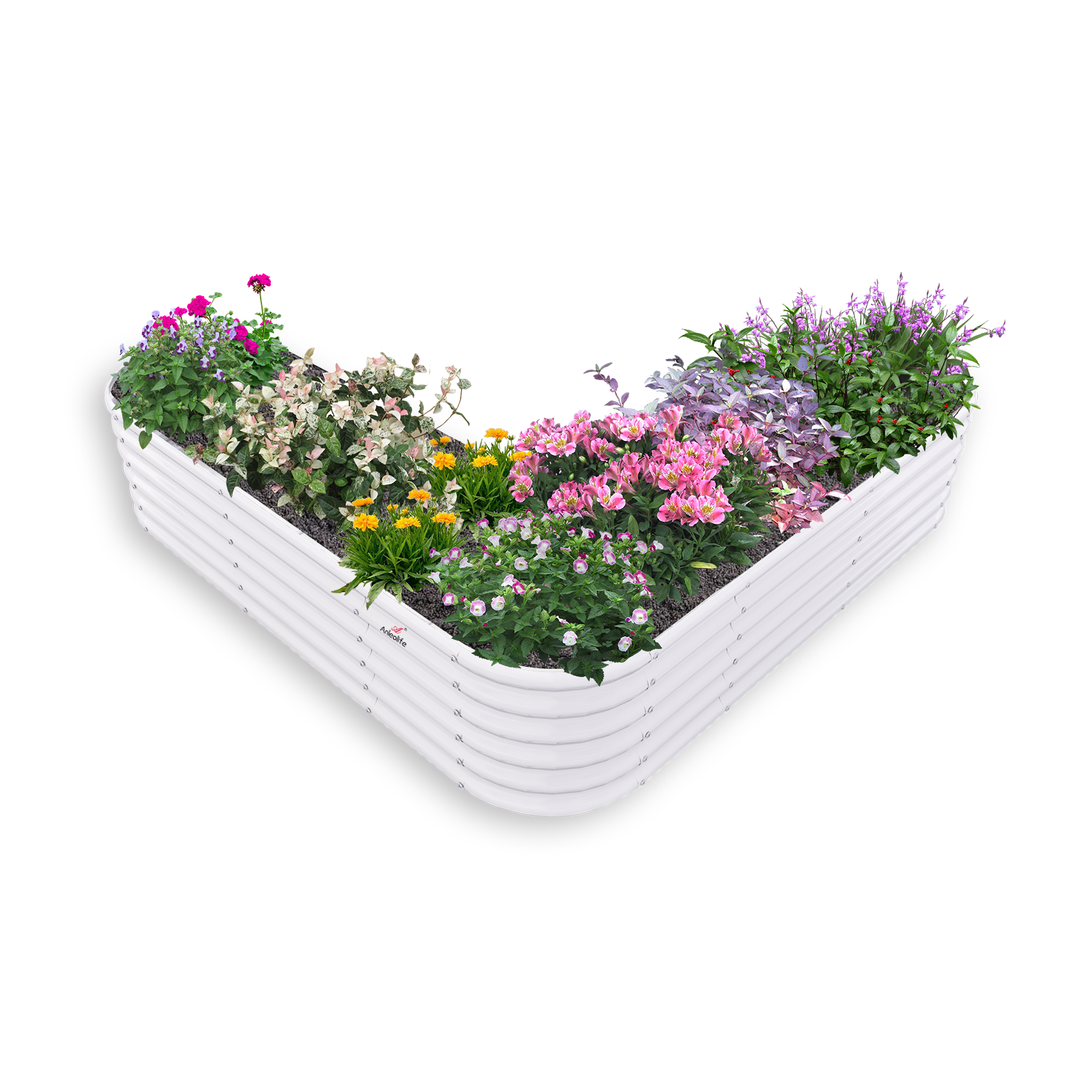
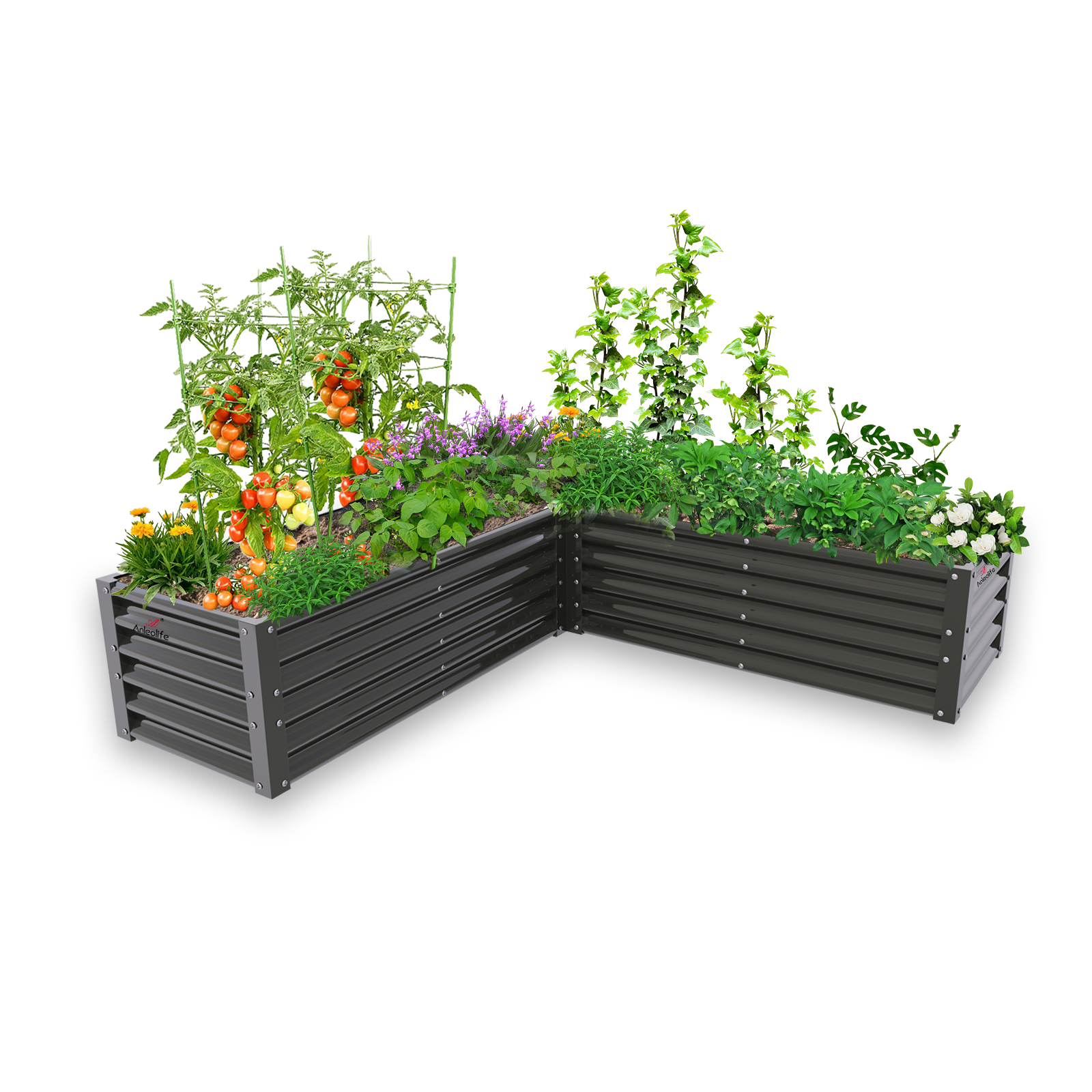
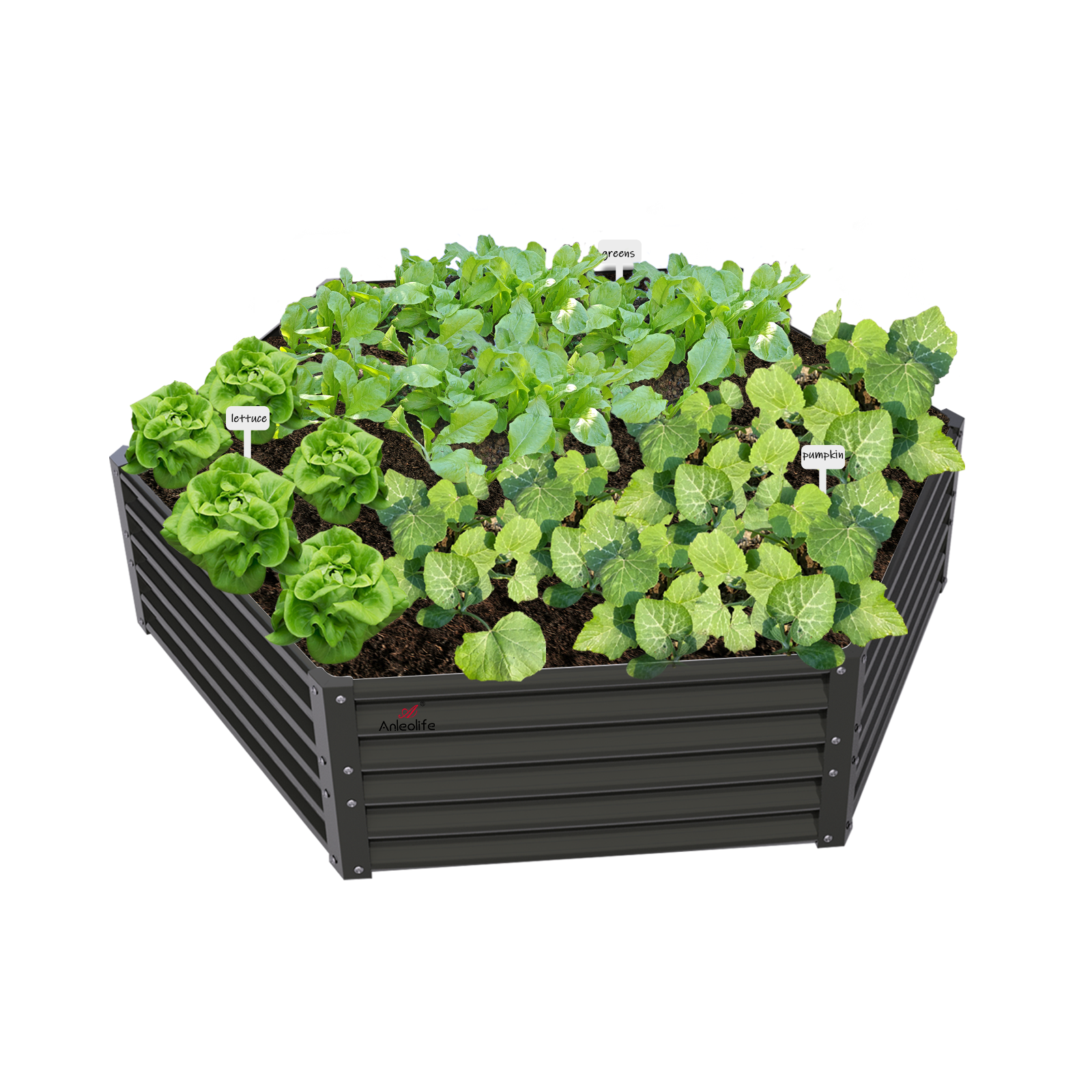
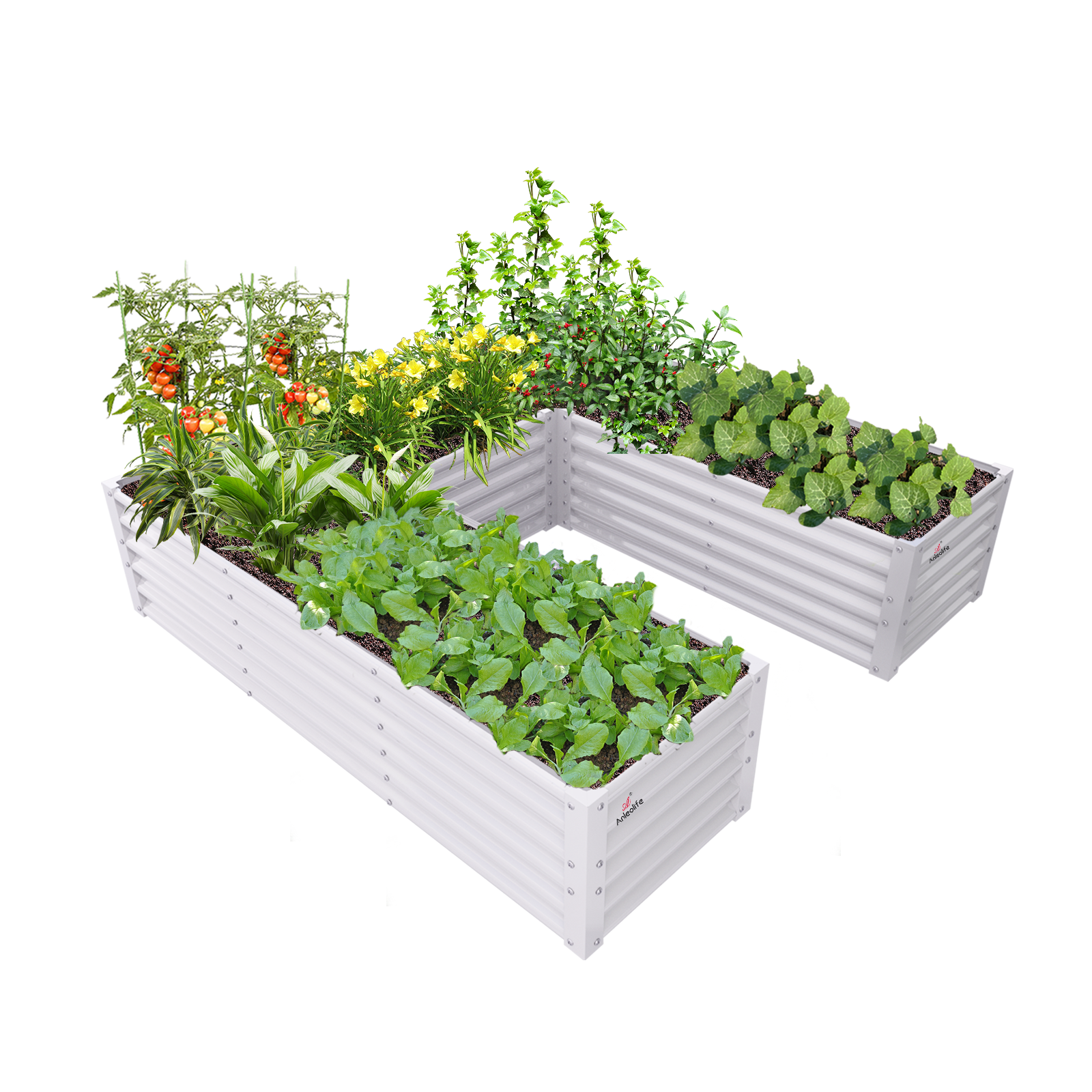

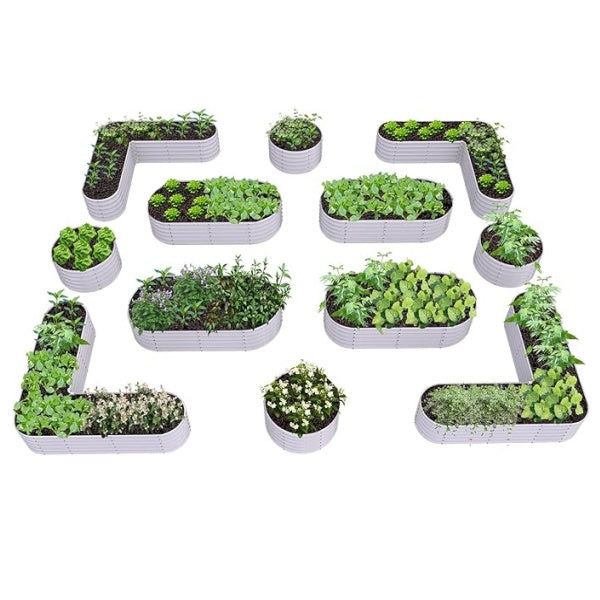


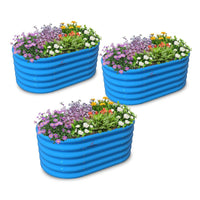
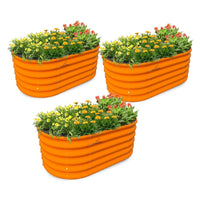
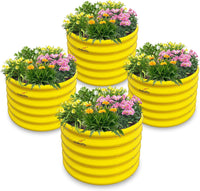
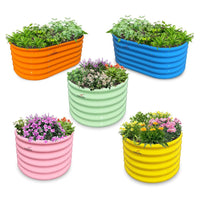



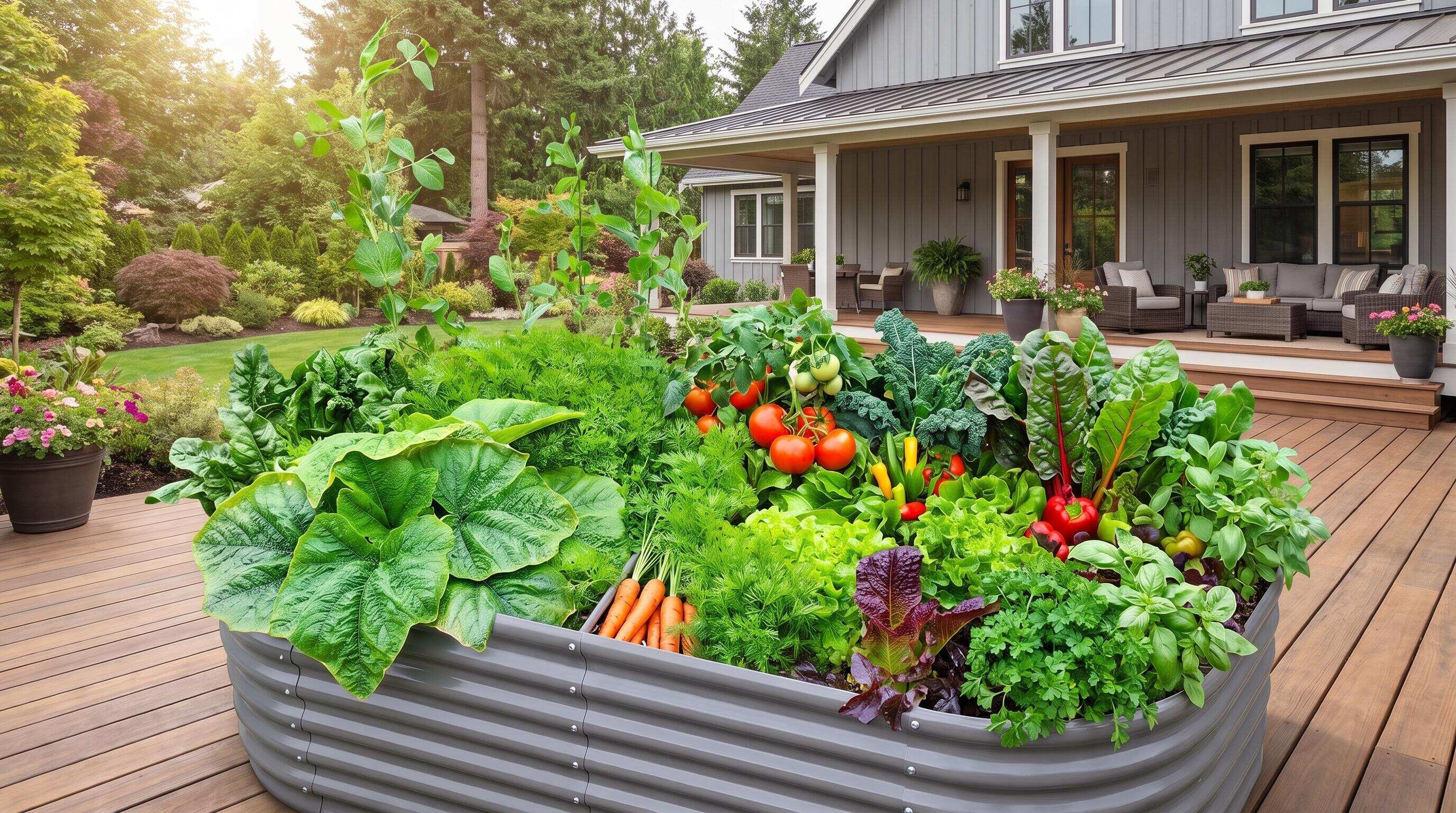
ALT: Galvanized steel raised garden bed color choices complementing landscaping in a home backyard garden layout
Why Raised Garden Bed Color Matters More Than You Think in Your Landscape Design
Key Conclusion: Choosing the right raised garden bed color is one of the most underestimated decisions in a raised bed garden layout. The finish you select — whether classic galvanized silver, matte earth tones, or deep charcoal — directly affects how your raised bed planting layout reads against your home's exterior, fencing, paving, and surrounding plantings. A well-matched color reinforces cohesion and adds long-term curb appeal, while a mismatched one can undermine an otherwise well-planned raised bed layout regardless of how well the plants grow.
Most gardeners spend considerable time choosing what to grow and how to arrange their beds, but the question of color often gets treated as an afterthought. In our work helping home growers across North America plan their outdoor spaces, a pattern we consistently see is that color selection is one of the few decisions that touches both function and aesthetics simultaneously. A raised garden bed's finish interacts with sunlight, weather, surrounding foliage, and hardscape materials — meaning the right choice does real work in your landscape rather than simply sitting in the background. This article compares the most common raised garden bed color options across key landscape design criteria so you can invest with confidence.
The Criteria That Define a Good Color Match for Your Raised Bed Layout
Evaluating raised garden bed color goes beyond personal taste. The following criteria give a structured, practical way to judge any finish against your specific landscape.
Visual harmony with existing hardscape. Your raised bed layout doesn't exist in isolation — it sits alongside concrete paths, wooden fencing, brick edging, gravel mulch, or composite decking. A color that clashes with your dominant hardscape material creates visual noise that no amount of lush planting can fully disguise. The goal is a finish that reads as intentional, not accidental.
Contrast and complement with plant foliage. According to basic color theory principles taught in landscape architecture programs, structure colors work best when they either contrast strongly with or closely echo the dominant hues of the surrounding planting palette. Deep charcoal or black beds make green foliage "pop" dramatically. Natural silver and warm earthy tones integrate softly, letting the plants carry the visual interest.
Heat absorption and microclimate impact. Darker finishes absorb more solar radiation, which can warm soil more quickly in spring — a genuine functional benefit for early-season planting. Lighter and reflective silver finishes stay cooler. For gardeners in hotter climates like Texas or Florida, this is a real consideration that affects not just aesthetics but your soil system's performance and root health during summer.
Long-term finish durability. A color that fades, chips, or rusts within a few seasons defeats the purpose of choosing it carefully. Galvanized steel raised garden beds from Anleolife are rated for a lifespan of up to 20 years, but the longevity of any surface treatment varies depending on coating type and UV exposure. A color that holds its appearance over decades is genuinely more cost-effective than one that looks good only in year one.
Coherence with your home's architectural palette. The exterior color of your house — siding, trim, roof, and door colors — creates a visual field that your garden should feel connected to rather than detached from. A coastal-style white home with blue shutters calls for different bed finishes than a modern gray stucco home with black metal railings.
Flexibility as your garden grows. A well-planned raised bed garden layout evolves over time — you add beds, rearrange pathways, change what you grow. A color that works in isolation but becomes awkward as you scale up limits your options. The best color choices remain cohesive across configurations of two beds, six beds, or a complete modular system.
The Contenders: Common Raised Garden Bed Color Options Compared
Classic Galvanized Silver — The Understated Workhorse
Classic galvanized silver is the natural finish produced by the hot-dip galvanization process, in which steel is coated with a layer of zinc. The result is a matte-to-semi-gloss metallic surface with subtle variation across the panel — not the uniform chrome of polished metal, but a nuanced, slightly weathered tone that develops gentle character over time.
Galvanized silver works particularly well in contemporary, industrial-modern, and Scandinavian-influenced garden designs. It pairs naturally with concrete paths, gravel mulch, weathered wood, and stainless steel hardware. In our experience advising customers on their raised bed planting layouts, galvanized silver is consistently the most versatile choice: it recedes into the background enough to let plants dominate, but has enough visual weight to anchor a composition. Anleolife's Galvanized Steel Raised Garden Beds — available in a wide range of sizes from compact 4x1.5 ft waist-high models up to generous 12x3 ft configurations — carry this finish as their defining characteristic, and it complements almost any North American residential landscape style.
The practical case for galvanized silver is equally strong. The zinc coating that produces this appearance is the same layer that protects the steel from corrosion, meaning the aesthetics and the durability are inseparable. When the bed looks right, it's also performing at its best.
Matte Earthy Tones — Warm, Natural Integration
Matte earthy finishes include warm tans, terracotta-adjacent browns, and sage greens — colors that echo natural soil, clay pots, and organic garden materials. These finishes are typically achieved through powder coating applied over a base metal.
Earthy tones are the color choice most associated with traditional cottage gardens, kitchen gardens, and naturalistic landscape designs. They integrate especially well with timber raised beds nearby, clay-brick paths, and plantings heavy in warm-toned flowers and herbs. For families aiming for a welcoming, homegrown aesthetic rather than a contemporary look, matte earthy finishes feel instinctively right.
The limitation is specificity: earthy tones that work beautifully alongside terracotta pots can look muddy next to a gray-stone pathway or a blue-painted fence. If your landscape is already complex in its color story, an earthy finish can either unify or complicate depending on execution.
Charcoal and Matte Black — Bold, Modern Definition
Charcoal and matte black finishes have become a defining feature of the contemporary raised bed aesthetic. These dark tones create sharp visual contrast with green foliage and brightly colored vegetables, making every plant look intentionally displayed. Against a white or light-colored fence, a row of charcoal raised beds reads as curated and deliberate — more designed kitchen garden than casual backyard patch.
Charcoal is particularly effective in raised bed layouts that include multiple beds in a grid or row arrangement, because the color unifies the configuration into a strong visual statement. Anleolife's Rust-Resistant Raised Garden Beds are available in finishes suited to this approach, with models ranging from 18-inch-tall standard configurations to 30-inch extra-tall options well suited to gardeners who prefer working at a more comfortable height.
The functional consideration for dark finishes is heat: per established principles of solar energy absorption, dark surfaces absorb significantly more radiant heat than light ones. In cooler climates — think the Pacific Northwest or upper Midwest — this is a genuine advantage for extending the growing season. In hot southern climates, it warrants thought, particularly for heat-sensitive crops.
Rust-Resistant Specialty Coatings — Engineered for Longevity
Some raised bed lines are engineered with advanced rust-resistant coatings that go beyond standard galvanization, often resulting in finishes that lean toward warm, slightly oxidized tones or neutral grays. These coatings prioritize durability above all, and their visual output — a restrained, earthy-neutral palette — happens to integrate well into most landscape contexts.
For gardeners investing in a long-term raised bed garden layout, rust-resistant specialty coatings represent the best value proposition: the upfront cost may be higher than a basic powder-coated bed, but when a bed is rated to last up to 20 years, the per-year cost drops considerably compared to a wooden bed that needs replacing every five to seven years.
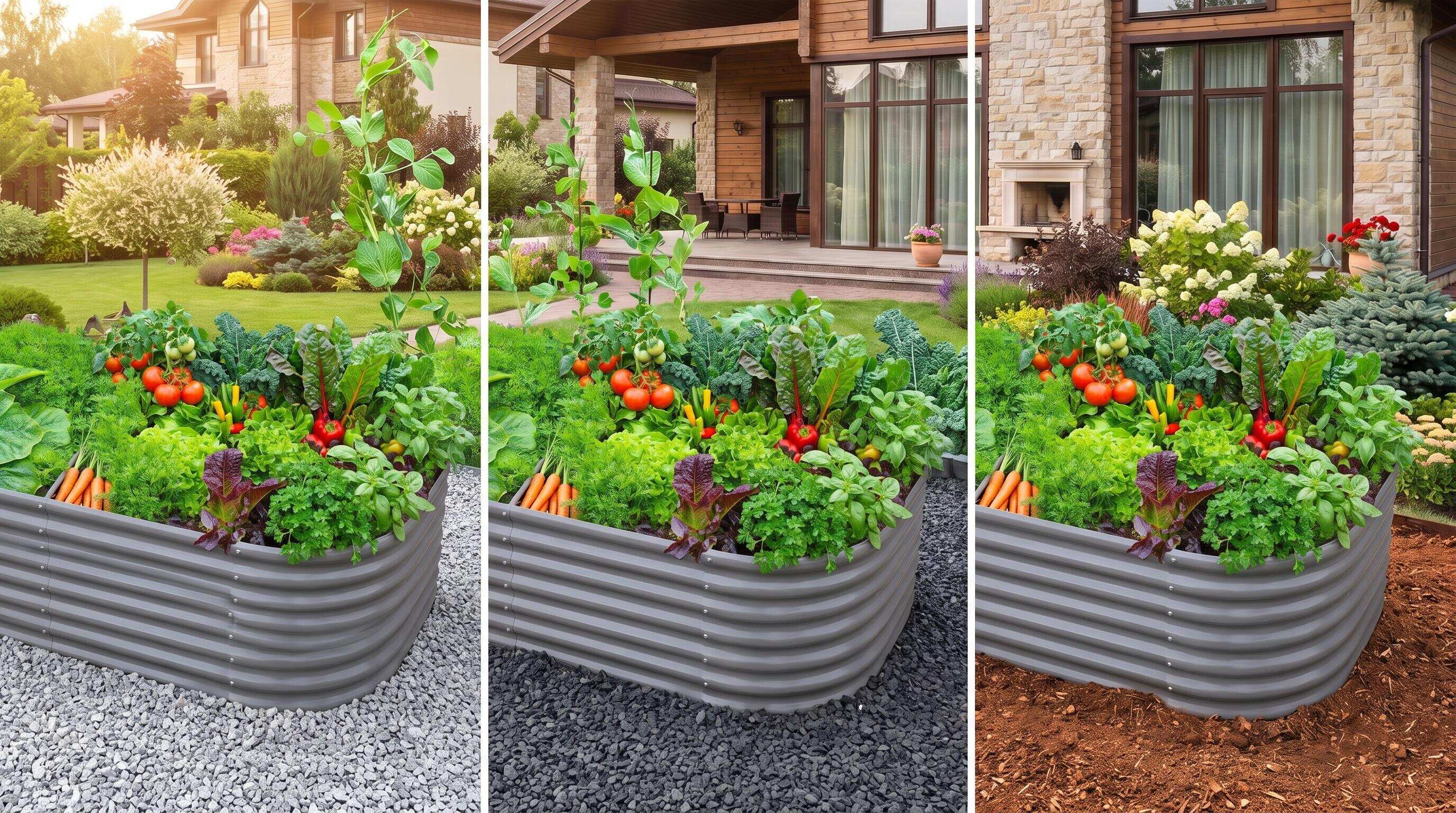
ALT: Side-by-side view of galvanized silver, charcoal, and earthy raised garden bed colors in complementary landscaping and planting layouts
Head-to-Head Comparison: Which Raised Garden Bed Color Wins on Each Criterion
| Criterion | Galvanized Silver | Matte Earthy Tones | Charcoal / Matte Black | Rust-Resistant Specialty |
|---|---|---|---|---|
| Harmony with hardscape | Excellent — pairs with concrete, gravel, wood | Good — best with warm-tone materials | Excellent — pairs with modern surfaces | Good — neutral, broadly compatible |
| Contrast with plant foliage | Moderate — soft, integrative | Moderate — warm but can blend | High — dramatic pop effect | Moderate — restrained and natural |
| Heat absorption (climate impact) | Low — reflective, cooler soil | Medium — depending on specific tone | High — absorbs more heat | Medium — varies by coating |
| Long-term finish durability | Excellent — zinc coating integral to finish | Good — depends on powder coat quality | Good — depends on coating quality | Excellent — engineered for longevity |
| Compatibility with home exterior | High — works across most architectural styles | Moderate — best for traditional/cottage | High — best for modern/contemporary | High — neutral palette is broadly safe |
| Flexibility as layout grows | Excellent — cohesive across configurations | Moderate — can become complex at scale | Excellent — unifies multi-bed layouts | Excellent — consistent across expansions |
The table above makes a clear case that galvanized silver and rust-resistant specialty coatings are the most universally reliable choices across all criteria — particularly when the goal is a raised bed layout designed to last and scale over time. Their finishes are not just aesthetically versatile; they are mechanically tied to the protective properties of the metal itself, which is why they hold up across North American climate zones from the dry heat of California and Texas to the wet winters of Washington and the humidity of Florida.
Charcoal and matte black perform strongly in the two criteria that matter most to design-forward gardeners: contrast with foliage and harmony with modern hardscape. If your landscape already has a contemporary vocabulary — think clean lines, poured concrete, and architectural plantings — the bold definition of a dark-finish raised bed planting layout is genuinely worth the tradeoff in heat management.
Matte earthy tones occupy a specific niche that they fill beautifully. The challenge is that this niche is narrower than it first appears. Earthy finishes are warmly inviting in the right context but can look dated or muddled in mixed-material landscapes. They are also the most sensitive to surrounding seasonal changes — the warm tan that looked harmonious against summer's lush green can appear drab against the straw-toned dormancy of a winter garden.
It is worth noting, as the University of Minnesota Extension's guidance on garden design emphasizes, that structure and hardscape colors should be chosen to perform across all four seasons, not just the peak growing period. A raised bed is a permanent fixture that stays in place year-round; its color needs to work when the beds are full of tomatoes in August and when they're bare in November.
Which Should You Choose? Scenario Recommendations for Every Raised Bed Garden Layout
The right color depends on your specific landscape, climate, and design intentions. Here are the scenarios we encounter most consistently, mapped to the best finish choice.
If you have a modern or contemporary home with clean-lined hardscape: Choose charcoal or matte black. The bold contrast of a dark bed against architectural concrete paths, smooth composite decking, or white-rendered walls creates the kind of designed precision that modern landscapes call for. A grid of Anleolife's 8x4 ft galvanized beds in a dark finish, arranged symmetrically, reads as genuinely professional landscaping. For a practical guide to scaling this kind of arrangement, Planning a Modular Garden Layout That Grows With Your Family offers real-world frameworks that work with any finish color.
If you have a traditional, cottage, or farmhouse-style home: Choose matte earthy tones if your hardscape is predominantly warm-toned (brick, terracotta, natural wood). If your palette is more neutral or mixed, galvanized silver is safer and equally charming — the slight industrial edge of galvanized steel actually reads as "heritage" in farmhouse contexts, much like corrugated iron roofing on a barn.
If you live in a hot climate (Texas, Florida, California): Lean toward galvanized silver or rust-resistant specialty coatings. Their lower heat absorption reduces the risk of soil warming too aggressively in midsummer, which matters when you're growing heat-sensitive crops like lettuce, spinach, or cilantro. This is where the color choice and the soil system interact most directly.
If you're building a multi-bed raised bed layout meant to scale over years: Galvanized silver and rust-resistant specialty coatings are the strongest long-term bets. They remain cohesive as you add beds, and their durability — up to 20 years for Anleolife's metal beds — means you won't be replacing and rematching finishes partway through your garden's development. Designing Multi-Bed Layouts for Continuous Harvests All Year explores how to plan these systems with productivity and aesthetics in mind.
If you're an empty nester or retiree building a manageable, beautiful kitchen garden: Any of the four options work — the key is to choose one and commit to it across all your beds. Visual coherence requires consistency. Anleolife's 30-inch extra-tall beds, in particular, reduce bending and make gardening more comfortable, and their finish — whether galvanized silver or rust-resistant specialty — holds up without the maintenance demands of painted wood.
Pros and cons at a glance:
- Galvanized silver: broadly versatile, inherently durable, four-season relevance; can feel industrial if the surrounding landscape is very soft and naturalistic
- Matte earthy tones: warm, welcoming, and natural-feeling; narrower contextual fit, finish depends on coating quality
- Charcoal / matte black: dramatic visual impact, design-forward appeal; higher heat absorption, less forgiving in warm climates
- Rust-resistant specialty: engineered longevity, neutral palette, excellent cost-per-year value; initial cost may be higher
Frequently Asked Questions FAQ
Q1: How do I know if a raised garden bed color will match my existing fence or patio?
The most reliable method is to bring a physical sample — a small cut piece of the bed material or a manufacturer's color chip — outdoors and hold it against your fence, paving, and exterior trim in natural light at different times of day. Colors behave very differently under midday sun versus morning shade. If a physical sample isn't available, photograph your hardscape and use a basic image editor to overlay the bed color tone before ordering. Your goal is to find a finish that either clearly contrasts or clearly harmonizes — avoid the ambiguous middle ground where the bed color almost-but-not-quite matches surrounding materials.
Q2: Are darker raised garden bed colors harmful to plants in warm climates?
Darker finishes do absorb more solar radiation than lighter ones, which can cause soil temperatures along the bed walls to run warmer — particularly relevant in climates like the American Southwest and Southeast. Per principles documented in horticultural research on raised bed microclimates, this effect is most pronounced during peak summer heat and in beds with southern or western exposure. Practical mitigations include mulching the soil surface heavily, increasing watering frequency, and choosing crops suited to warm soil. In cooler climates, the same heat-absorbing property is a benefit that extends the productive growing season.
Q3: How long should a quality raised garden bed finish last, and does color affect that lifespan?
A galvanized steel raised garden bed from Anleolife is rated for a lifespan of up to 20 years, and the galvanized finish is integral to this durability — the zinc coating that gives the bed its silver color is the same layer that prevents corrosion. Powder-coated finishes (which produce earthy tones, charcoal, and specialty colors) are highly durable when applied correctly but can be more vulnerable to chipping from impacts over time. In terms of cost-effectiveness, a bed lasting 20 years amortizes its purchase price to a very low annual cost, making it a genuinely sound investment regardless of which finish color you choose.
Final Thoughts
Choosing a raised garden bed color that complements your landscaping comes down to three principles that we return to consistently in our work with home growers across North America.
First, think systemically. Your raised bed layout is one layer in a visual system that includes your home exterior, hardscape, fencing, and plantings. A color that integrates well with all of those elements over four seasons — not just summer's peak — is worth more than one that looks perfect in a catalog photo but awkward in your specific garden.
Second, connect aesthetics to durability. The most beautiful finish is one that still looks intentional in year ten, not just year one. This is why galvanized silver and rust-resistant specialty coatings earn their reputation as the most cost-effective choices: their visual character is a byproduct of protective engineering, not a separate layer of cosmetic treatment.
Third, plan for growth. A raised bed garden layout evolves — you'll add beds, rearrange pathways, and expand your planting ambitions. A color that remains cohesive and available as you scale gives you genuine design freedom. A niche or seasonal color locks you into decisions made in your garden's earliest stage.
The best raised garden bed color is the one that looks like it was always meant to be there — grounded, durable, and ready to let your plants take center stage.
Ready to build a raised bed layout that works beautifully for years to come? Explore the full range of sizes, finishes, and configurations at Anleolife, or shop directly through Amazon, Walmart, Home Depot, Lowe's, and Wayfair. With a nationwide U.S. warehouse network spanning California, Texas, Florida, New York, Illinois, and Washington, delivery arrives in as fast as 3–8 business days — so your garden plans move forward on your schedule, not a distant shipping timeline.
Sources & Citations
- U.S. Department of Agriculture (USDA). "Home and Community Gardening Resources."
https://www.usda.gov - University of Minnesota Extension. "Raised Bed Gardening and Garden Design Principles."
https://extension.umn.edu - ASTM International. "Standards for Metallic Coatings and Galvanized Steel Products."
https://www.astm.org - American Galvanizers Association. "Hot-Dip Galvanizing for Corrosion Protection."
https://www.galvanizeit.org - U.S. Environmental Protection Agency (EPA). "Green Infrastructure and Urban Gardening Guidance."
https://www.epa.gov
Note: Standards and guidelines may be updated periodically; please verify current documents with the relevant issuing organization or a qualified professional advisor.