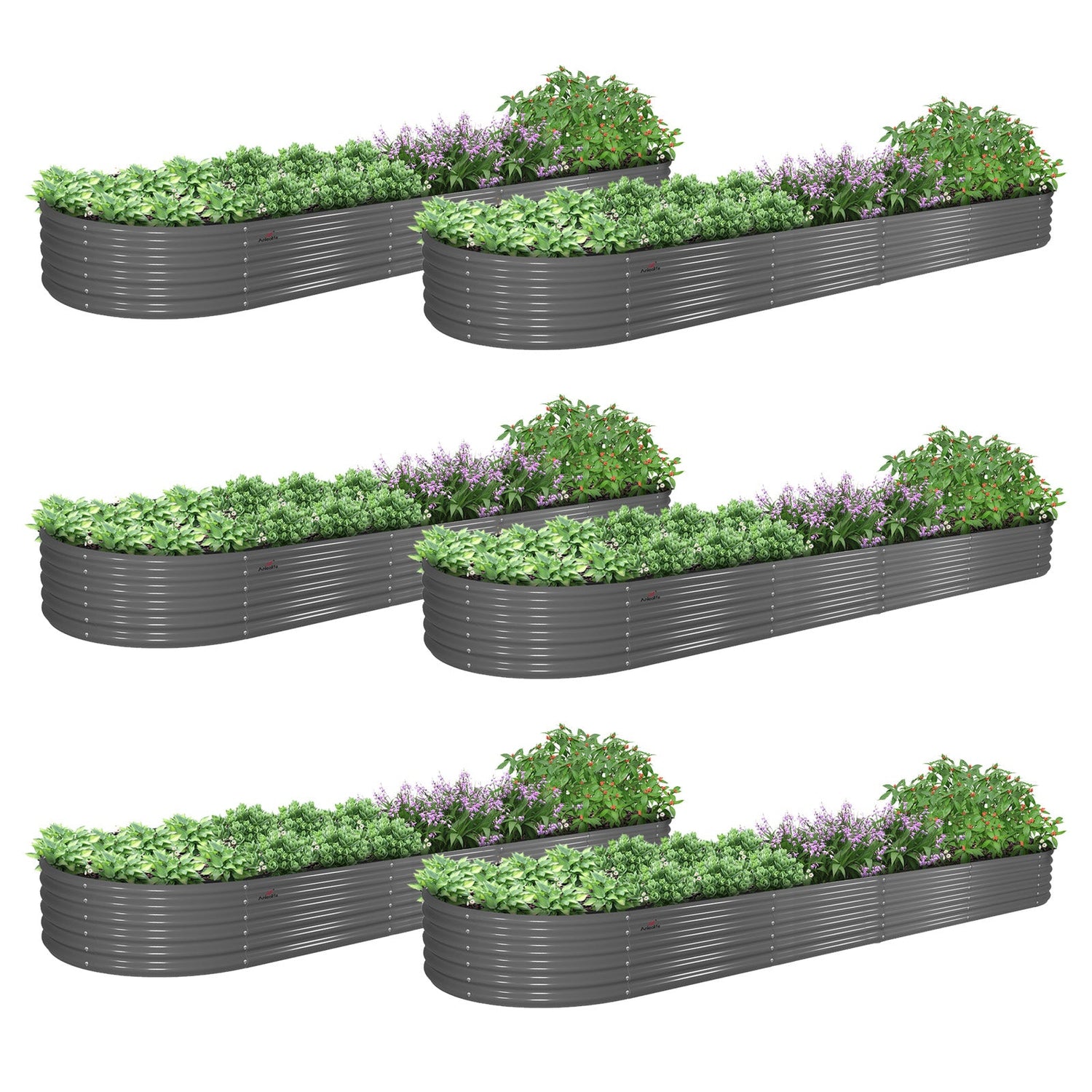



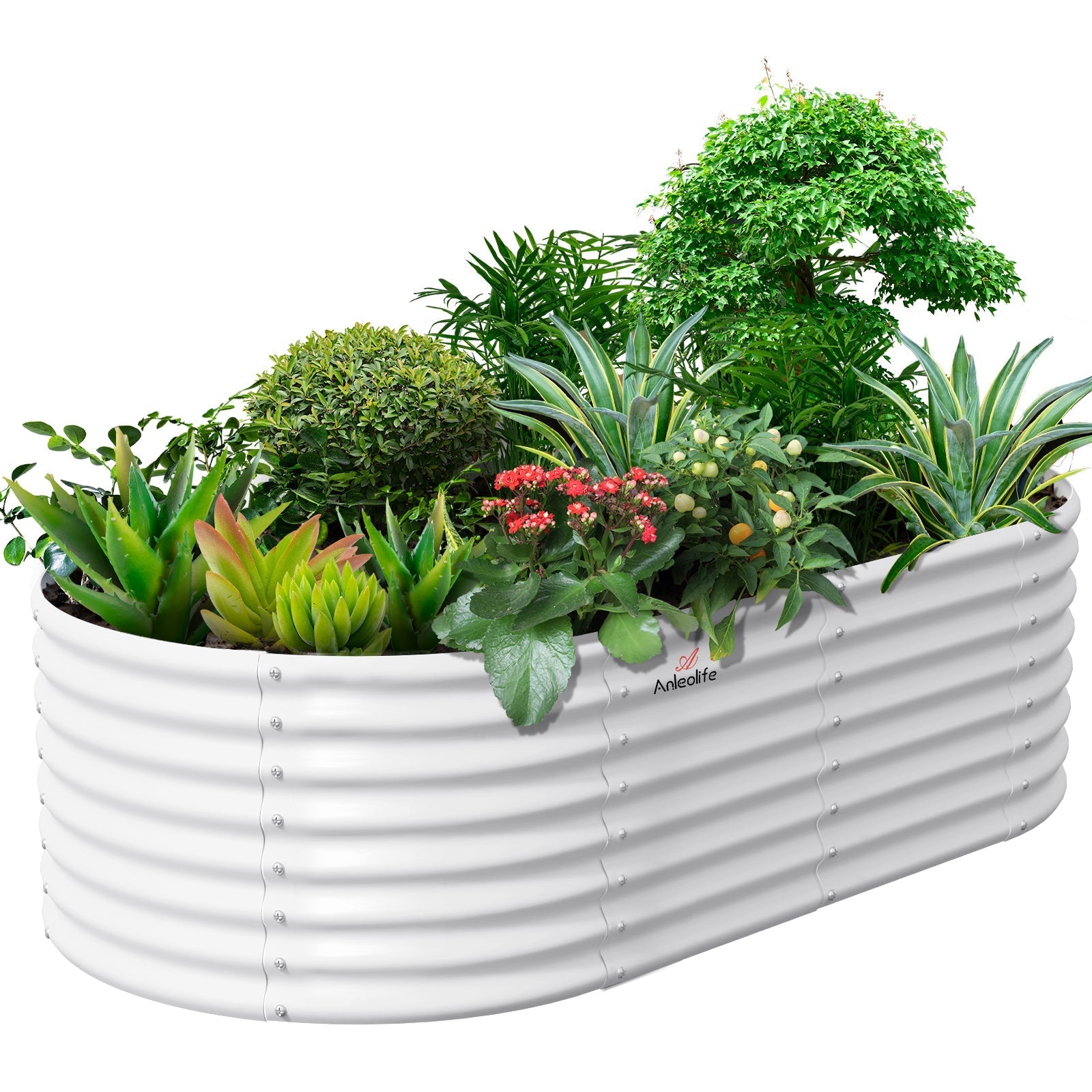
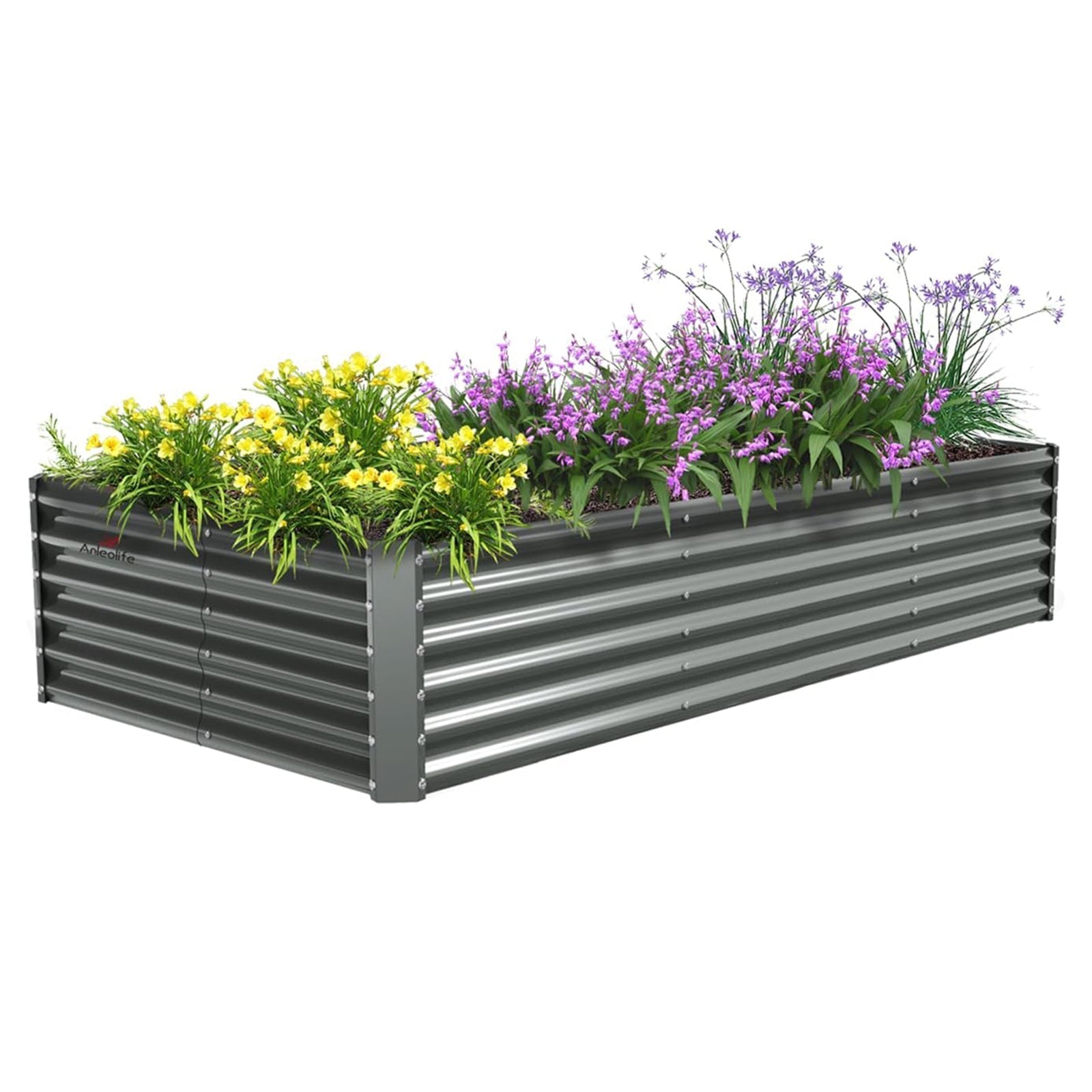

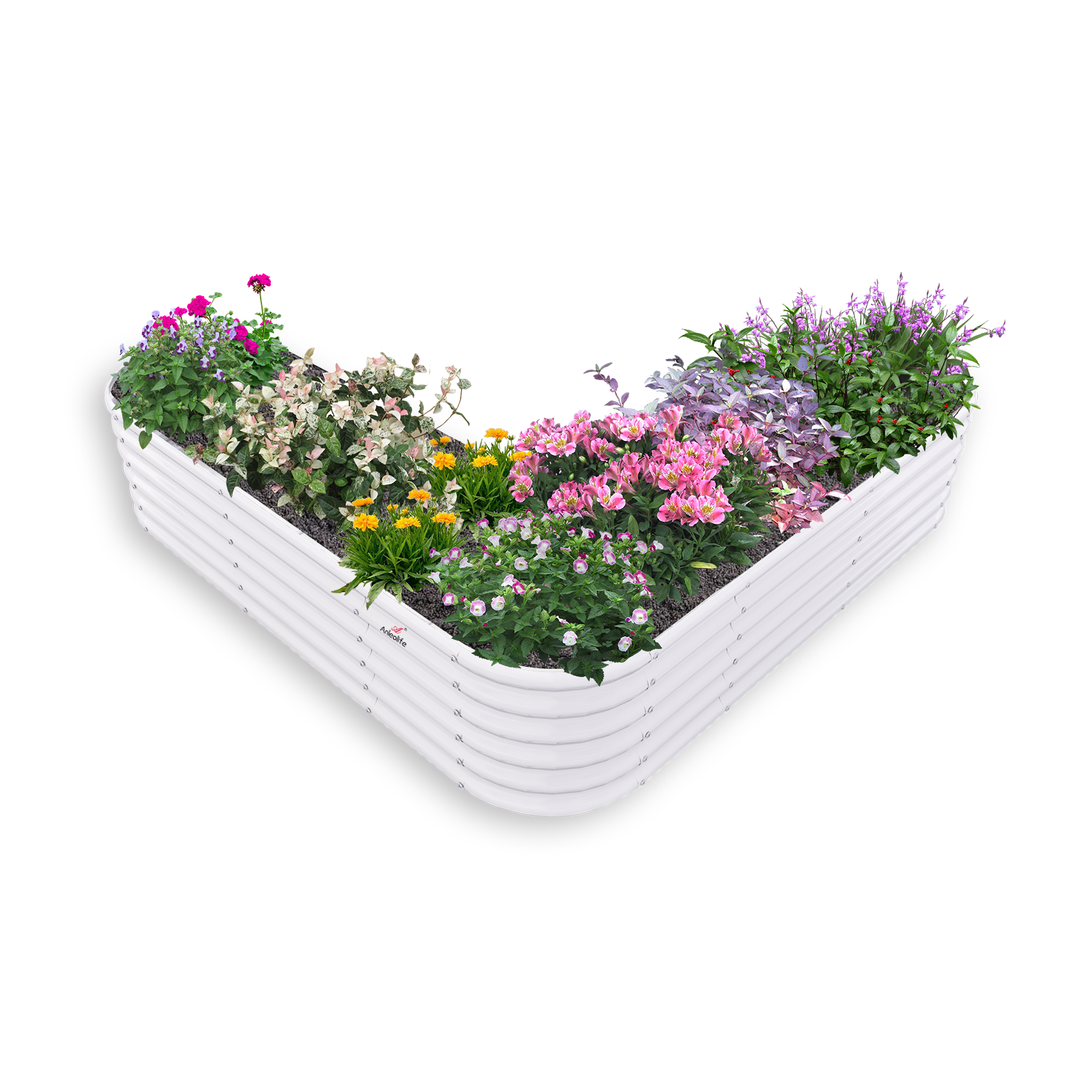
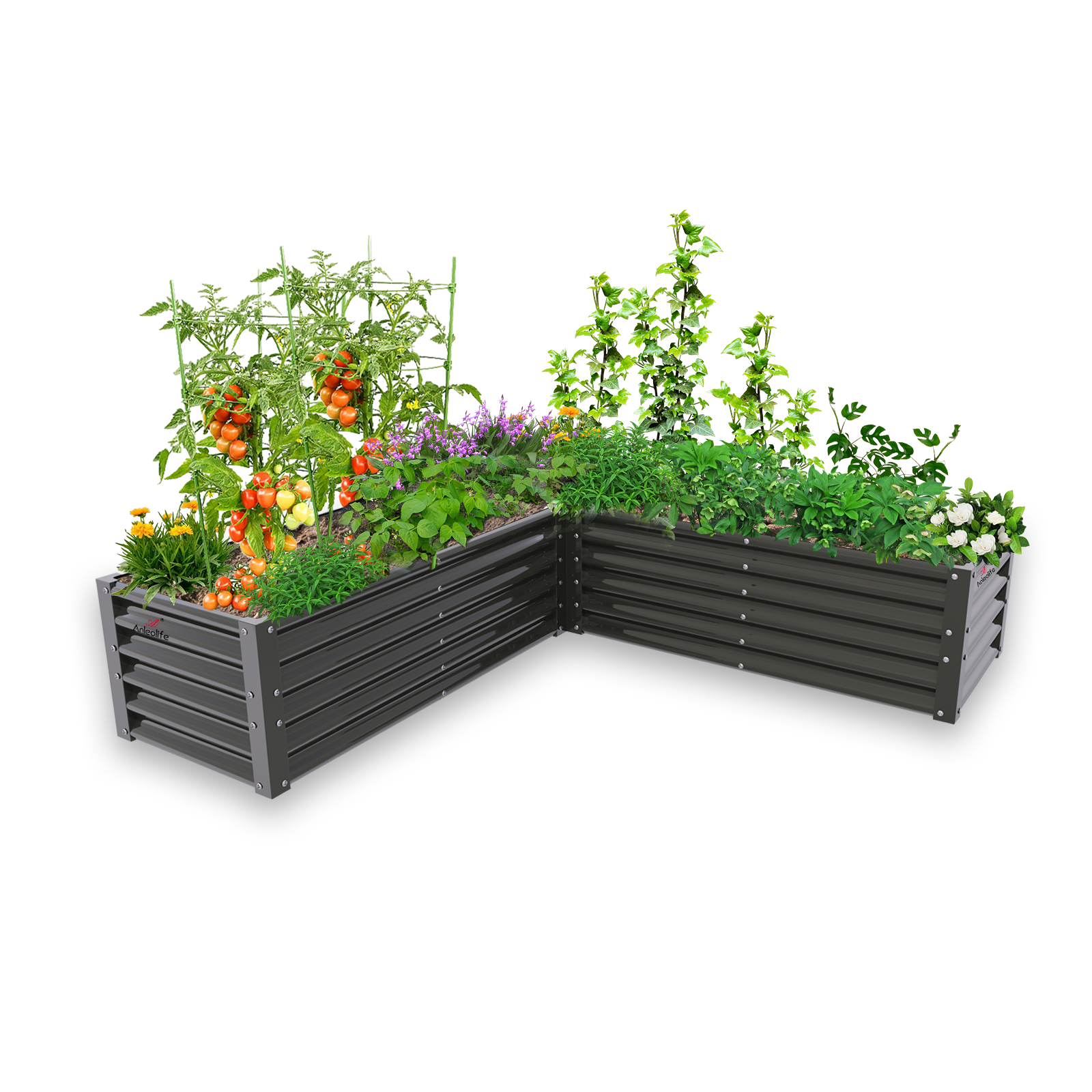
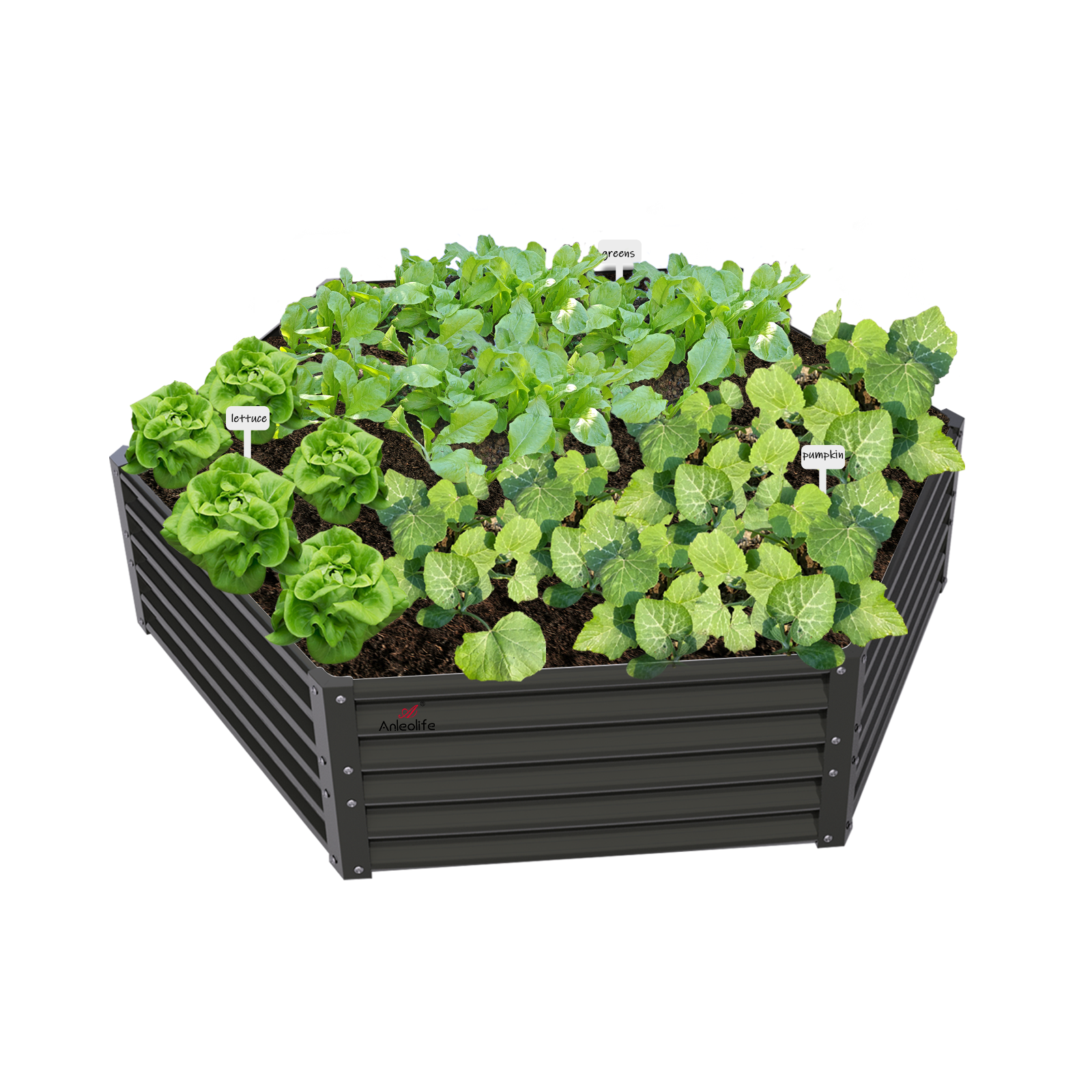
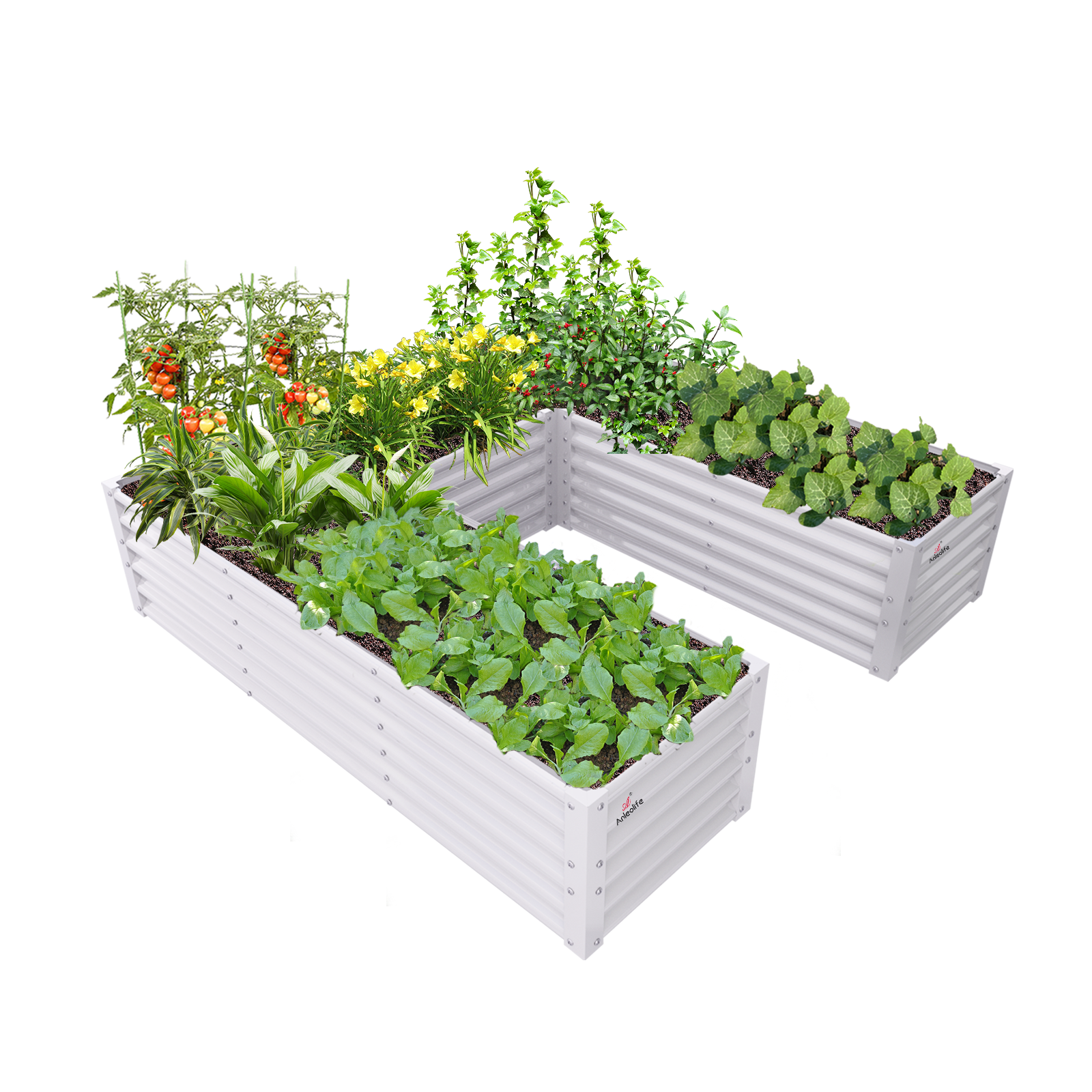

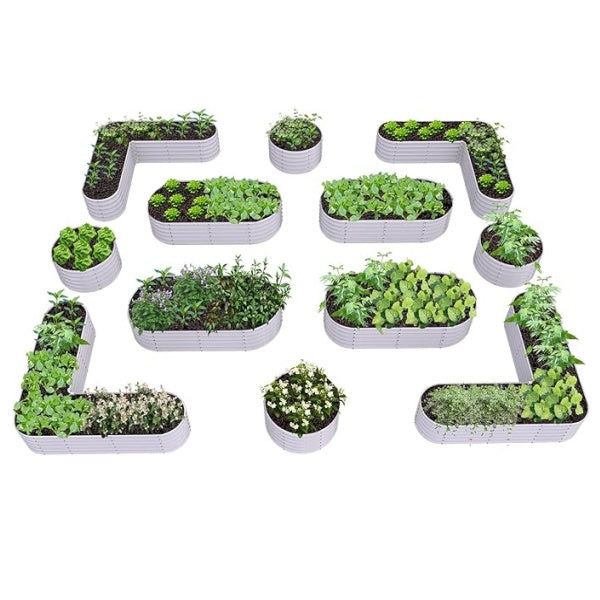


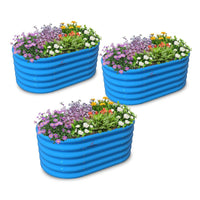
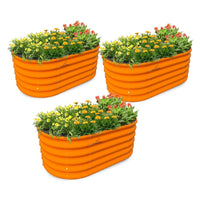
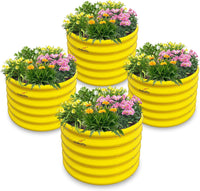
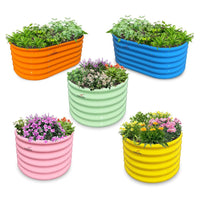



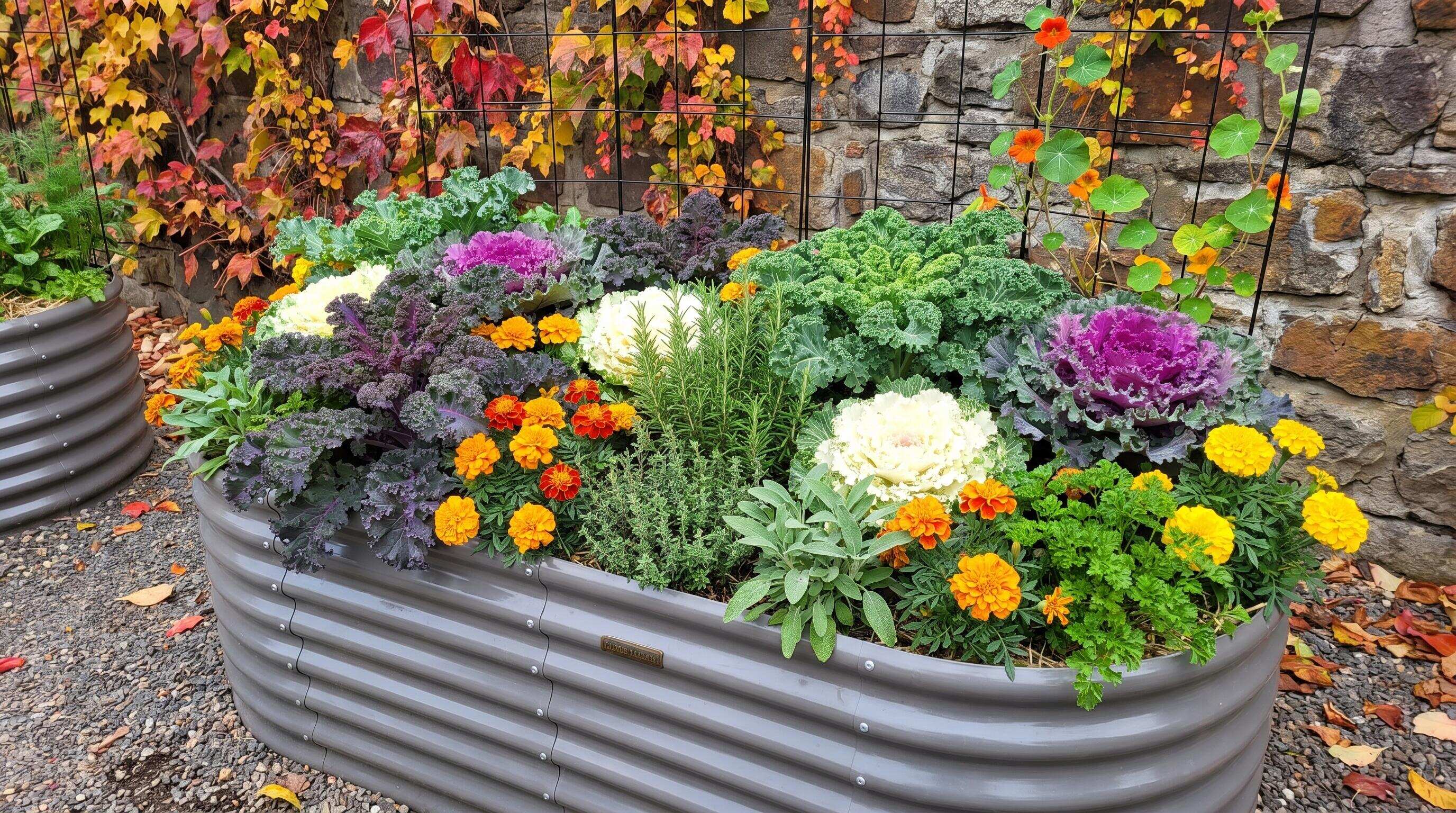
ALT: Fall raised bed garden layout with companion plants like kale, herbs, and marigolds growing together
Why Your Fall Raised Bed Garden Layout Determines Companion Planting Success
Picture this: you've spent a weekend assembling a new raised bed, filled it with good soil, and planted a mix of fall crops — only to watch them underperform by mid-October. The kale is leggy, the carrots are stunted, and something has been nibbling at your lettuce. In our work with home gardeners across North America, we see this pattern repeatedly, and the culprit is almost never the seeds or the soil alone. It's the arrangement — the raised bed planting layout — that determines whether neighboring plants help or hinder each other.
Companion planting in a raised bed layout is the practice of deliberately pairing plant species within the same growing space so that each one enhances the health, growth, or pest resistance of its neighbors. This article compares the most effective fall companion planting strategies for raised beds, evaluating each against criteria that matter to real gardeners: ease of implementation, space efficiency, pest suppression, soil health, and overall return on investment for your time and money.
Evaluation Criteria for a Fall Raised Bed Planting Layout
Choosing the right companion planting approach for your raised bed garden layout requires judging each strategy against dimensions that reflect real-world gardening outcomes, not just theory.
Space efficiency is the first criterion. Raised beds are finite growing environments — typically ranging from compact 4×2 designs to expansive 12×3 footprints — so every square inch counts. A companion planting strategy must maximize vertical and horizontal space without creating overcrowding that promotes disease or competition for nutrients.
Pest and disease suppression is the second. Fall gardens face specific pressure from aphids, cabbage worms, and fungal issues driven by cooling, damp conditions. Companion pairings that repel, confuse, or trap pests reduce the need for interventions, which is both budget-friendly and important to eco-conscious growers who prefer not to reach for chemical controls.
Soil health and nutrient dynamics matter because raised beds rely on a contained soil system. Companion plants that fix nitrogen, improve soil structure through root diversity, or suppress weeds protect the investment you've made in quality growing medium. According to the USDA Natural Resources Conservation Service, diverse root systems reduce compaction and improve water infiltration — a meaningful advantage in a closed raised bed environment.
Harvest timing and succession is the fourth criterion. A good fall raised bed layout staggers maturity dates so the bed remains productive from early September through the first hard frost. Companion strategies that align fast-maturing crops with slower ones make the most of the shortening season.
Aesthetic coherence rounds out the criteria. For many home gardeners, especially those who see their beds as part of a curated outdoor space, a planting layout that is both functional and visually appealing adds intangible value. Mixing textures, heights, and colors — ornamental kale alongside deep-green chard and silver-leafed herbs — turns a vegetable bed into a garden feature.
Budget and effort ROI is the thread running through all of these. The best companion planting strategy is one that delivers measurable benefit without requiring constant intervention or expensive inputs.
The Contenders: Fall Companion Planting Strategies for Raised Beds
The Classic Three-Sisters Adaptation for Cool Weather
The Three Sisters — corn, beans, and squash — is a well-documented Indigenous North American polyculture, but it is a warm-season strategy. Its fall adaptation replaces the summer trio with a cool-season equivalent: a tall structural crop (like Brussels sprouts or tall kale), a nitrogen-fixing legume (like field peas or fava beans), and a low-growing ground cover (like nasturtiums or compact spinach). This arrangement mirrors the logic of the original — height, fertility, and ground coverage — within the constraints of a fall raised bed planting layout.
This approach works particularly well in larger beds. The structural crop provides some wind protection for the ground-level plants, the legume slowly feeds the soil, and the sprawling companion suppresses weeds while retaining soil moisture during cool, dry autumn spells.
The Brassica Companion Cluster
Brassicas — kale, broccoli, cabbage, and Brussels sprouts — dominate fall gardens, and building a planting layout around them as anchors is a practical, proven strategy. The cluster approach pairs each brassica with specific companions: aromatic herbs like dill, thyme, or sage confuse cabbage moths; marigolds planted at the bed's corners act as both a trap crop for aphids and a visual accent; and shallow-rooted lettuce or spinach fills the space between brassica stalks without competing for deep nutrients.
In our experience working with home gardeners, the brassica cluster is the most beginner-accessible strategy because it maps naturally onto the standard raised bed layout most people already use — one or two anchor crops per quadrant, with fillers in the gaps.
The Herb-Vegetable Integration Layout
This strategy treats herbs not as an afterthought in a separate pot, but as structural elements woven throughout the raised bed garden layout. Rosemary and sage planted at the bed's perimeter create a fragrant, pest-deterring border. Cilantro and parsley, which tolerate cool temperatures well, are tucked between fall vegetables as mid-height companions. Chives, one of the most effective natural aphid deterrents, are distributed throughout the bed rather than clumped in one corner.
The herb-vegetable integration approach is especially well-suited to smaller raised beds and urban micro-gardeners who want a layout that produces culinary harvests at multiple scales — fresh herbs for daily cooking alongside substantial vegetable yields.
The Pollinator-Focused Edge Planting Layout
This strategy prioritizes the ecological function of the raised bed layout, using flowering companions at the edges and ends of beds to attract late-season pollinators and beneficial insects. Sweet alyssum, borage (which often self-seeds into fall from summer plantings), and calendula are common choices. The core of the bed is reserved for productive vegetables — root crops like carrots and beets, leafy greens, and compact brassicas — while the floral edge serves as an insect habitat and pest suppression zone.
For gardeners managing multiple raised beds, this approach pairs naturally with a multi-bed layout designed for continuous harvests, where each bed can be assigned a specific role within the larger garden ecosystem.
Head-to-Head Comparison: Which Raised Bed Layout Strategy Works Best in Fall?
| Criterion | Three-Sisters Adaptation | Brassica Companion Cluster | Herb-Vegetable Integration | Pollinator Edge Layout |
|---|---|---|---|---|
| Space efficiency | Moderate — needs height clearance | High — layers crops vertically | High — fills gaps well | Moderate — edges are partially non-productive |
| Pest suppression | Moderate | High — aromatics and trap crops | High — distributed herb deterrents | High — beneficial insect attraction |
| Soil health benefit | High — nitrogen fixation | Moderate | Moderate | Low to moderate |
| Harvest succession | Moderate | High — staggered brassica timing | High — daily herb harvests | Moderate — focus on core crops |
| Aesthetic appeal | Moderate | Moderate to high | High — fragrant, textured | High — colorful, seasonal |
| Beginner accessibility | Moderate | High | High | Moderate |
| Budget and effort ROI | Moderate | High | High | Moderate |
The table above reveals that no single strategy is dominant across all criteria — which is precisely why experienced gardeners often blend elements from more than one approach. However, two strategies stand out as the most consistently high-performing for fall raised bed gardening: the Brassica Companion Cluster and the Herb-Vegetable Integration Layout.
The Brassica Companion Cluster earns its high marks because it leverages what most fall gardeners are already growing. Brassicas are the backbone of the cool-season raised bed, and structuring the planting layout around them — rather than treating companions as an afterthought — turns a standard vegetable bed into a self-reinforcing ecosystem. The aromatic herbs that deter cabbage moths also provide kitchen value; the marigolds that trap aphids also look beautiful through October.
The Herb-Vegetable Integration Layout scores similarly well because it maximizes the utility of every plant in the bed. There is no dead space, no ornamental-only plant that doesn't also contribute something functional. For the budget-conscious gardener, this approach delivers the best ratio of harvest yield to bed area, particularly in compact beds where every square foot must justify its presence.
The Three-Sisters Adaptation and the Pollinator Edge Layout are more situation-specific. The former is best reserved for larger beds where height variation won't shade out smaller neighbors, and the latter is most valuable when the gardener is managing a multi-bed space where dedicating some edge area to ecological function makes strategic sense.
A key insight from working with gardeners at different experience levels: the most effective fall raised bed planting layouts tend to combine a high-performing anchor strategy — usually the Brassica Cluster — with selective elements from the Herb-Vegetable Integration approach. Distributing a few chive plants and some thyme throughout a brassica-anchored bed costs almost nothing extra and meaningfully improves pest resistance and culinary yield.
Which Should You Choose? Scenario Recommendations for Your Fall Raised Bed Layout
If you are a beginner with a single raised bed: Start with the Brassica Companion Cluster. Choose two or three brassica anchors — kale and broccoli are the most forgiving — and pair each with a fragrant herb companion and a low-growing filler like spinach or arugula. This layout requires minimal planning, uses seeds and transplants available at any garden center in late summer, and produces reliable harvests well into November in most North American climates.
If you garden in a small urban space: The Herb-Vegetable Integration Layout is your best fit. A compact raised bed — even an 18-inch tall, 4×2 arrangement — can host a genuinely diverse planting when herbs are treated as full participants in the layout rather than afterthoughts. You'll harvest something useful from the bed nearly every week, and the aromatic herbs will make the space a pleasure to tend.
If you manage multiple raised beds and want an ecological approach: Layer the Pollinator Edge Layout across your beds as a system-level strategy, with each bed's edges serving as habitat corridors. Reserve the bed centers for high-yield vegetables and let the floral edges do ecological work across the whole garden.
If you are an experienced gardener focused on soil health and long-term bed productivity: The Three-Sisters Adaptation earns its place in rotation. The nitrogen contribution from cool-season legumes — fava beans are particularly effective — improves the soil system meaningfully over the course of a season and into the following spring. According to the University of California Cooperative Extension, incorporating legumes into raised bed rotations is one of the most cost-effective ways to maintain soil fertility without purchasing additional amendments.
Pros and cons summary:
- Brassica Companion Cluster: easy to implement, high pest suppression, excellent harvest output — but requires knowing your brassica variety timing to avoid bottlenecks.
- Herb-Vegetable Integration: space-efficient, daily harvest potential, fragrant and attractive — but some herbs (rosemary, sage) are slow to establish from seed in fall, so transplants are recommended.
- Three-Sisters Adaptation: excellent soil benefit, structurally interesting — but needs more planning and a larger bed footprint to work well.
- Pollinator Edge Layout: ecologically valuable, visually striking — works best as part of a multi-bed system rather than a standalone strategy.
For gardeners thinking beyond a single season, it's worth reading about preparing your garden beds for the upcoming fall planting season to ensure your soil and structure are ready before you finalize your companion planting plan.
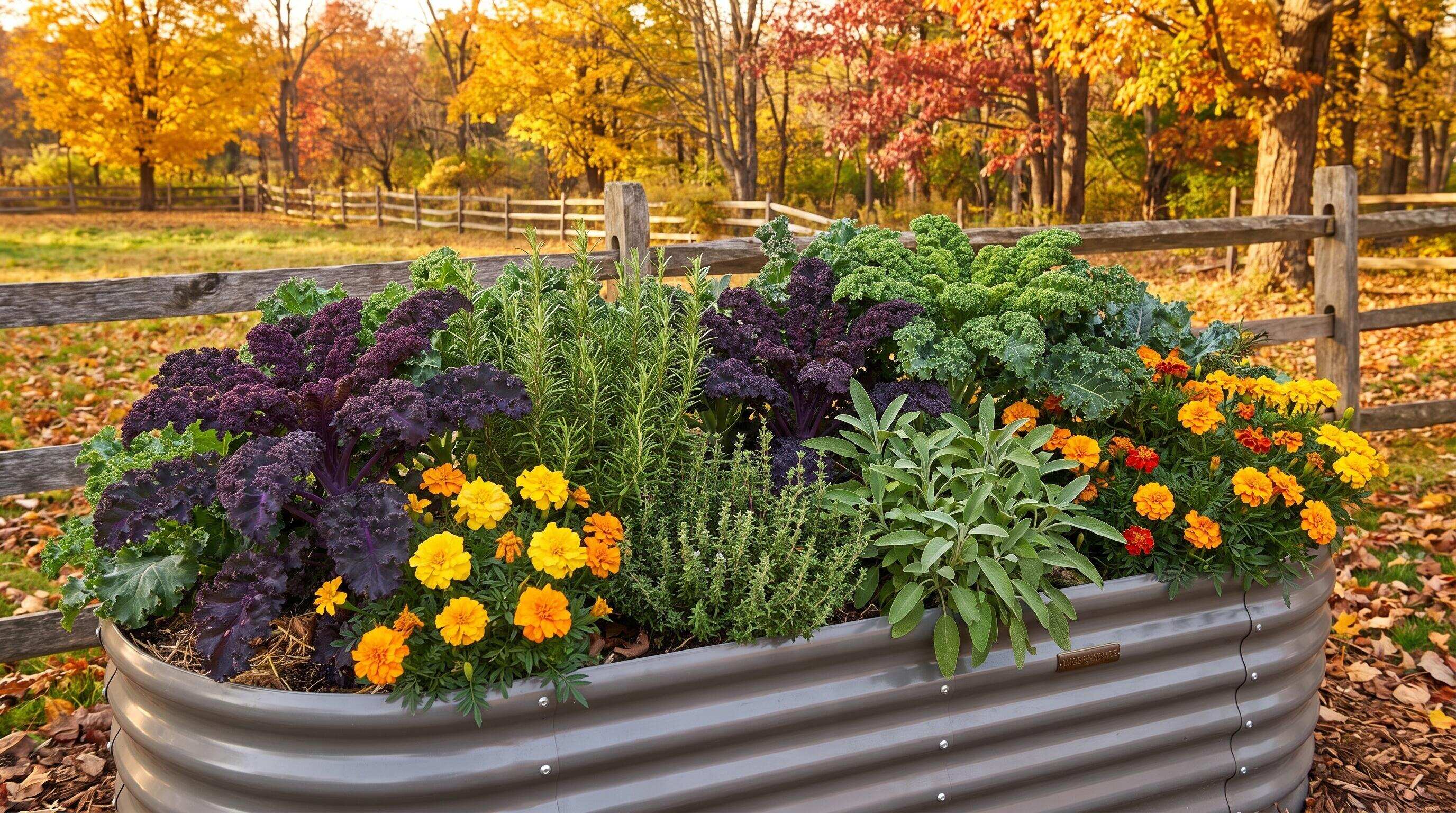
ALT: Raised bed planting layout showing companion plants including kale, marigolds, herbs, and root vegetables in a fall garden arrangement
Common Questions
Q1: How do I arrange companion plants in a raised bed garden layout for maximum pest control?
Place aromatic herbs — particularly thyme, sage, and chives — distributed throughout the raised bed rather than grouped in a single corner. This distributes their scent more evenly and confuses pest insects more effectively. Position taller companions like dill or fennel at the north or east end of the bed to avoid shading smaller plants, and use low-growing marigolds or nasturtiums at the corners and edges as a trap crop perimeter. Consistent distribution, rather than clustering, is the key principle in a pest-focused layout.
Q2: Are all companion plant combinations safe to use together in a raised bed planting layout?
Not all companions are compatible, and some pairings actively harm each other. Fennel is a well-known allelopathic plant — it releases compounds that inhibit the growth of many common vegetables, including tomatoes, peppers, and brassicas — and should be kept out of or well away from a mixed raised bed. Similarly, tall brassicas and shallow-rooted crops like lettuce can coexist well, but planting two heavy-nitrogen-feeding crops side by side (such as broccoli and cabbage) in a small bed without legume companions can deplete the soil system faster than anticipated. Research pairings before planting.
Q3: How long does it take to see results from companion planting in a raised bed layout?
Pest deterrence from aromatic herbs is relatively immediate — the scent-based confusion of pest insects begins as soon as the plants are established, typically within two to three weeks of transplanting. Soil benefits from nitrogen-fixing companions like fava beans or field peas take a full growing season to become measurable, with the greatest impact visible in the following season after the plants have been turned into the bed. Harvest succession benefits are visible within four to six weeks of a well-planned staggered planting layout.
Final Thoughts
A well-designed fall raised bed planting layout is one of the highest-value investments a home gardener can make — it costs nothing extra beyond thoughtful plant selection and arrangement, yet it can meaningfully improve yields, reduce pest pressure, and extend the productive season by weeks.
Key Takeaways:
- Companion planting in a raised bed garden layout works best when it is built around anchor crops — typically brassicas in fall — with supporting companions distributed intentionally rather than placed at random.
- The Brassica Companion Cluster and Herb-Vegetable Integration Layout consistently outperform other strategies across the most important criteria for fall gardening: pest suppression, space efficiency, and harvest ROI.
- Aromatic herbs are the highest-value companion plants for fall beds: they deter pests, fill space, provide daily kitchen harvests, and are available inexpensively as transplants.
- Soil health benefits from legume companions are real but take time — build them into your rotation plan rather than expecting immediate results.
- The raised bed structure itself matters: a well-built, properly sized bed gives you the spatial control that makes companion planting strategies effective.
The structure of your raised bed is the foundation on which all companion planting strategies depend. A well-maintained, correctly sized bed with good drainage and adequate depth gives plants the environment they need to support each other. If you are considering upgrading or expanding your raised bed setup, maintaining galvanized steel raised beds for long-term durability this fall is a practical next step to ensure your beds are in optimal condition before you finalize your companion planting layout.
Ready to put these strategies into practice? Visit the Anleolife website to explore the full range of raised garden beds — from compact 18-inch tall designs to 35-inch waist-high models — available for delivery in 3–8 business days through Anleolife's nationwide warehouse network in California, Texas, Florida, New York, Illinois, and Washington. Whether you're starting with your first bed or expanding an established garden, Anleolife's galvanized steel raised beds are built to last up to 20 years, giving your companion planting system a structure that grows with you season after season. Shop on Anleolife.com or through Amazon, Walmart, Home Depot, Lowe's, and Wayfair for consistent quality and after-sales support.
Sources & Citations
- USDA Natural Resources Conservation Service. "Soil Health — Cover Crops and Diverse Root Systems".
https://www.nrcs.usda.gov/ - University of California Agriculture and Natural Resources (UC ANR). "Integrated Pest Management — Companion Planting and Beneficial Insects in Home Gardens".
https://ucanr.edu/ - University of California Cooperative Extension. "Soil Fertility Management in Raised Bed Vegetable Systems".
https://ucanr.edu/ - National Sustainable Agriculture Information Service (ATTRA), National Center for Appropriate Technology. "Intercropping Principles and Production Practices".
https://www.ncat.org/
Note: Standards and guidance documents may be updated; please check the latest official publications or consult professional advisors for current recommendations.