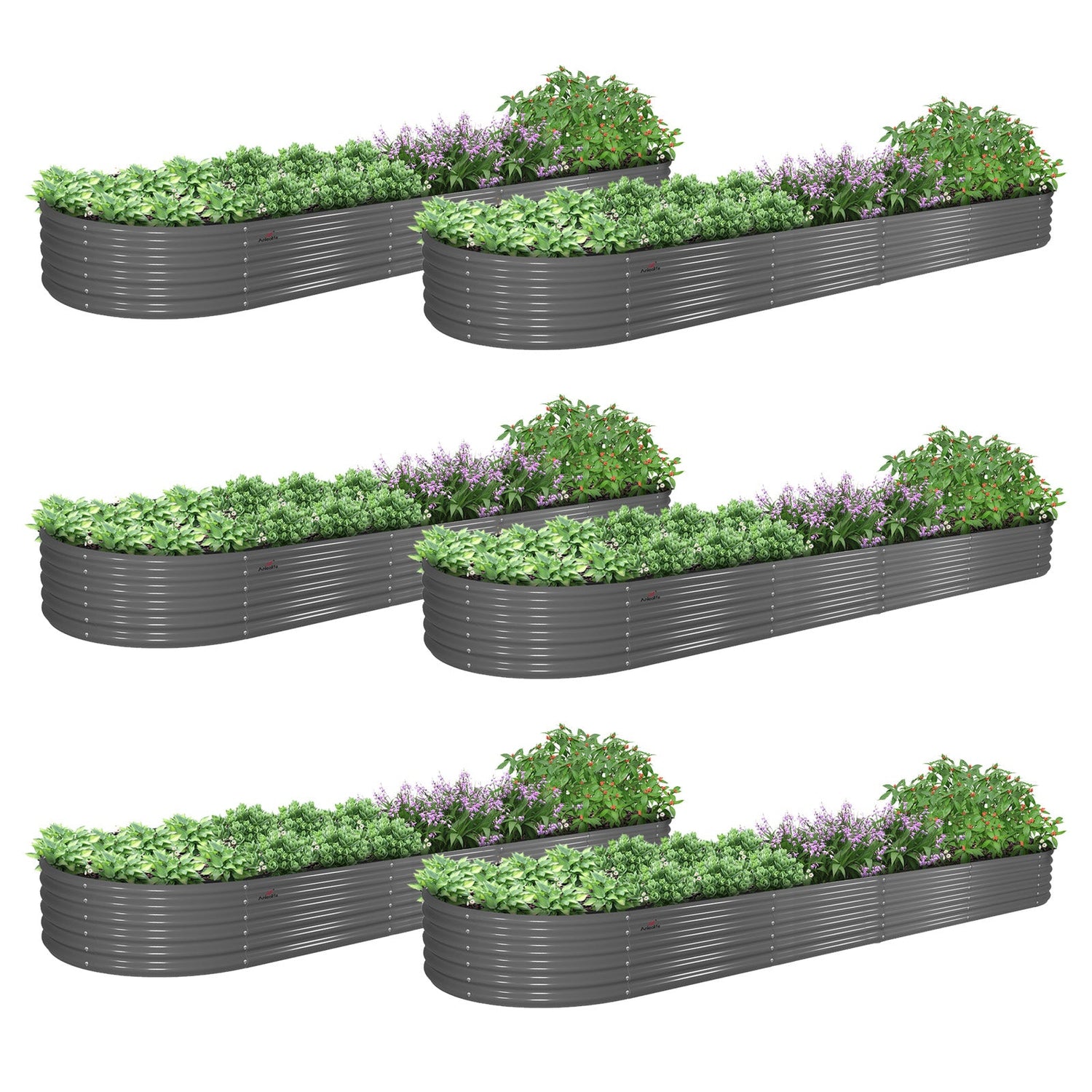



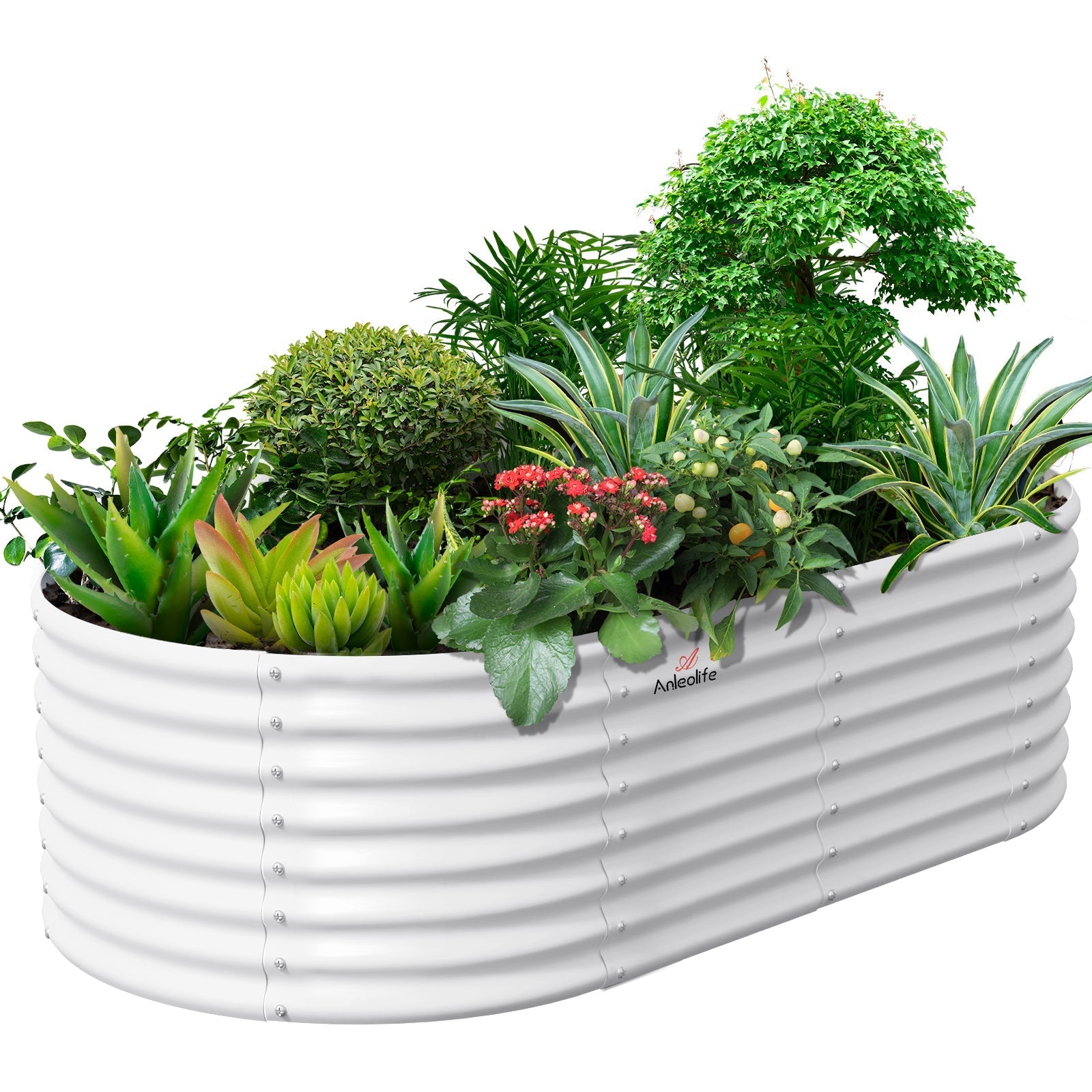
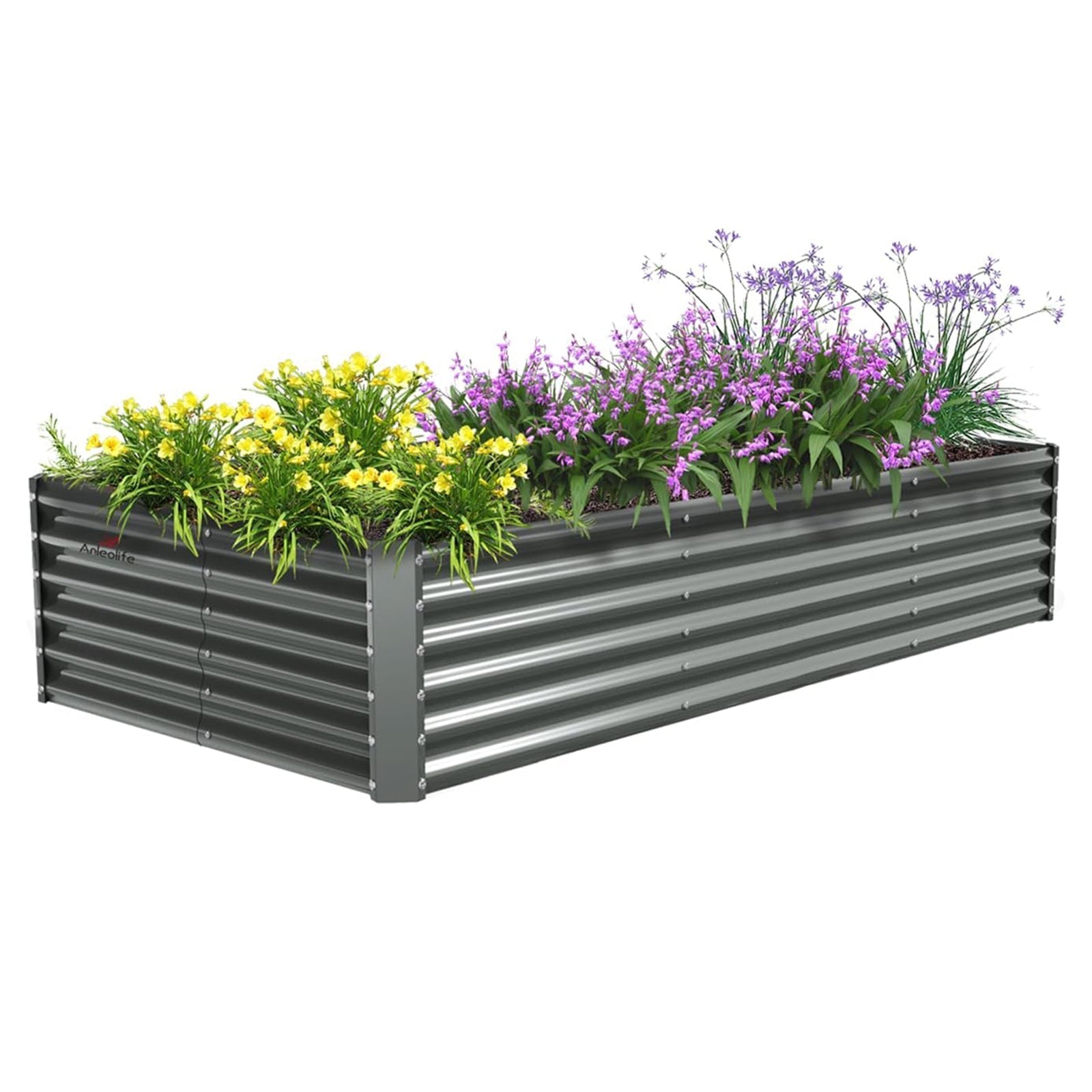

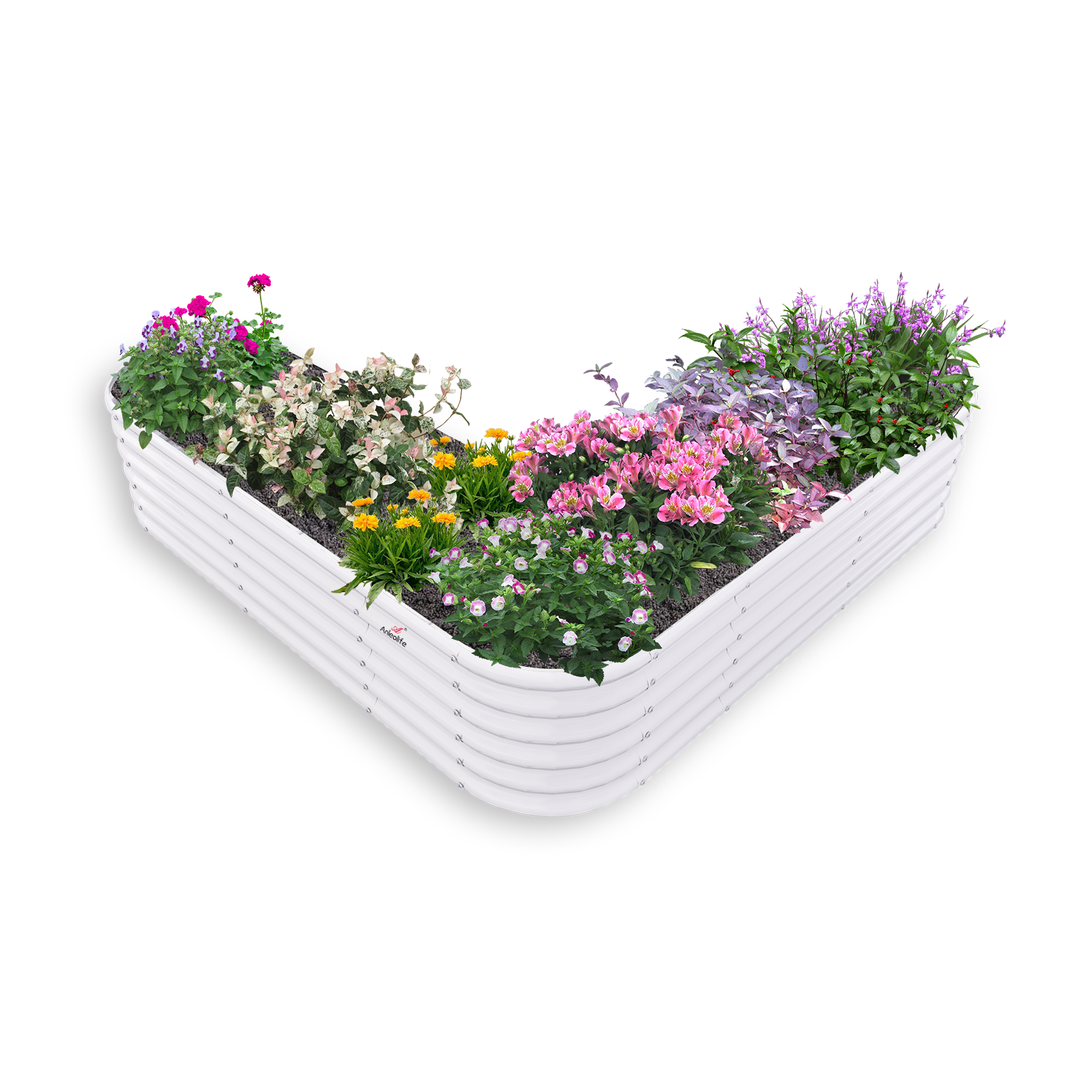
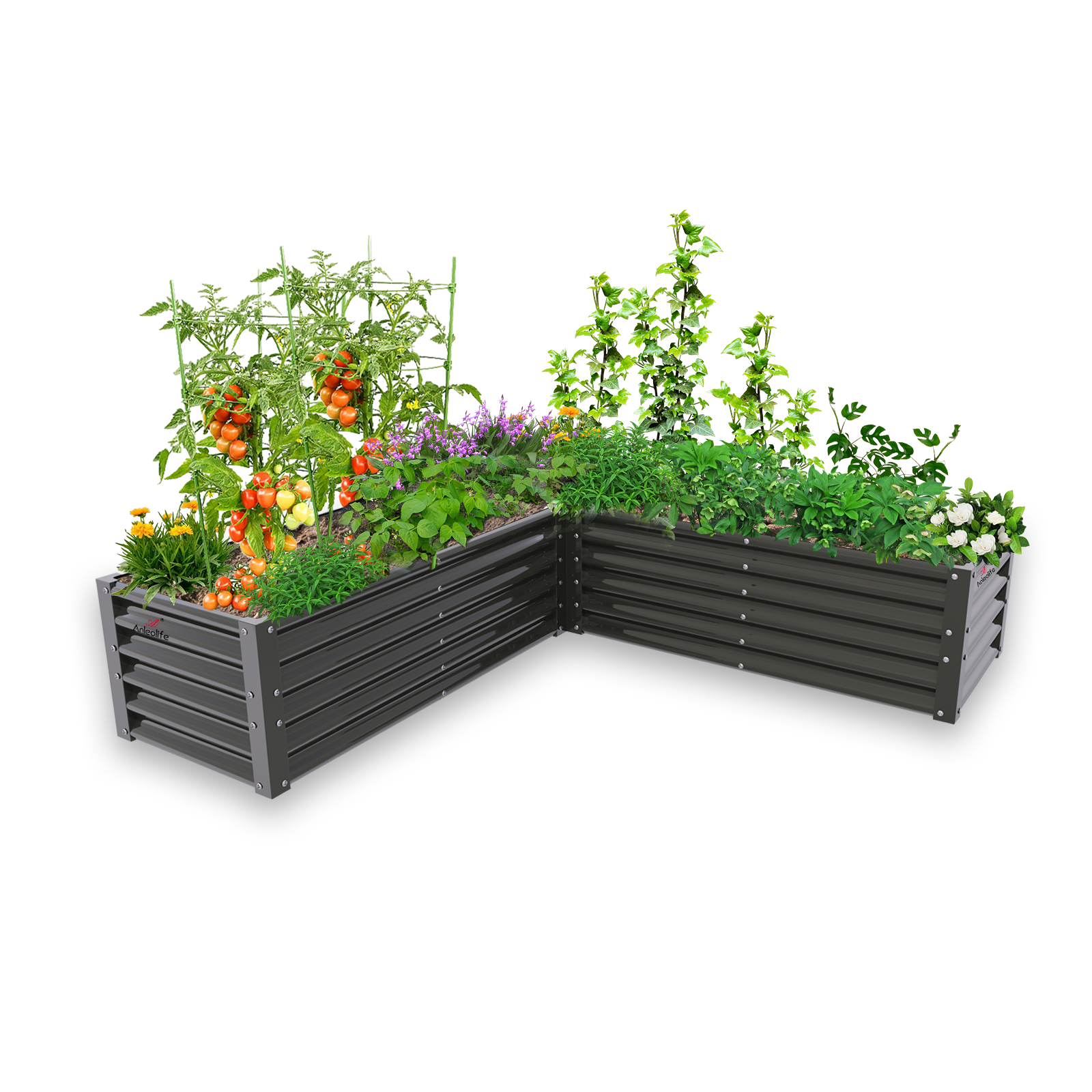
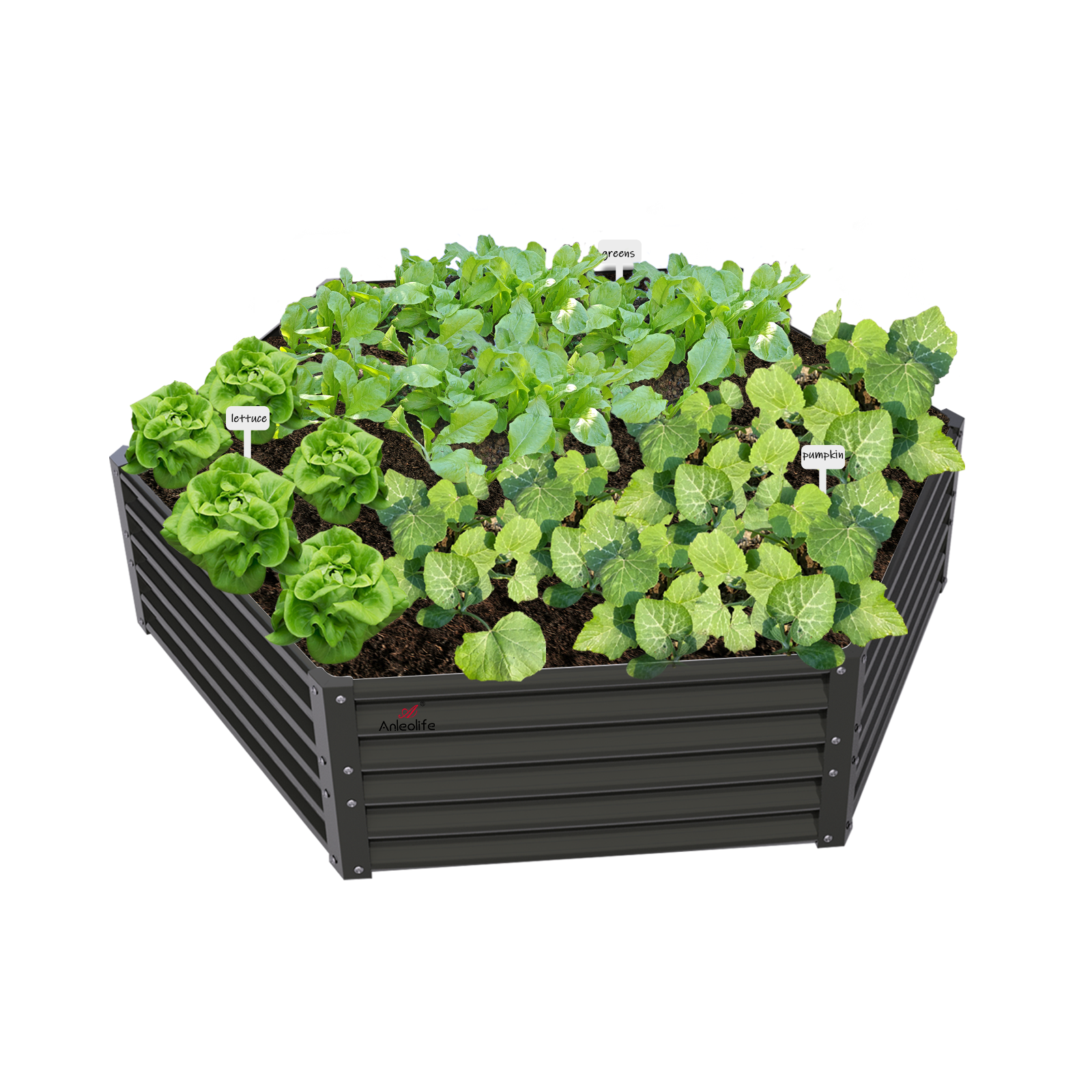
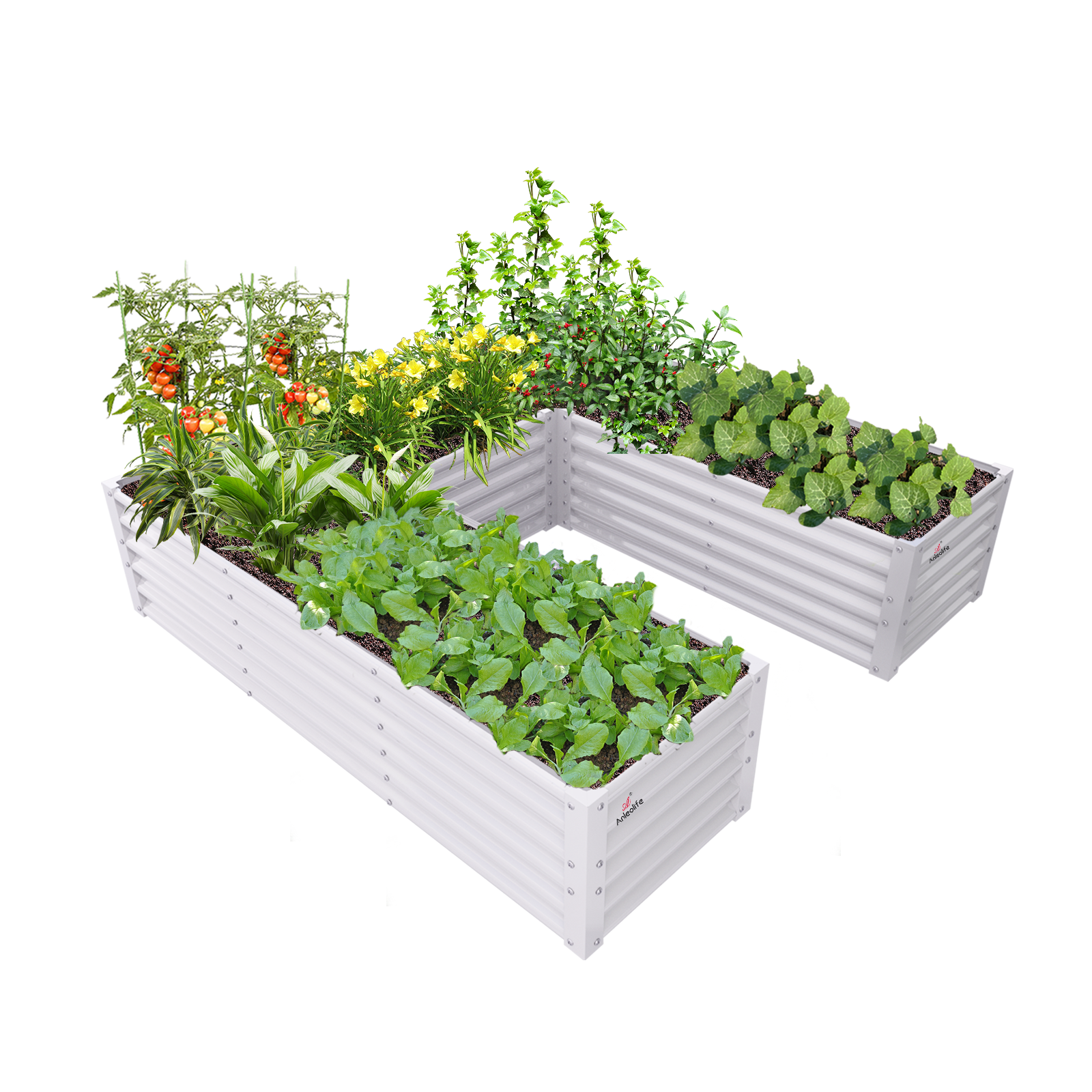



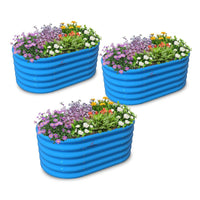
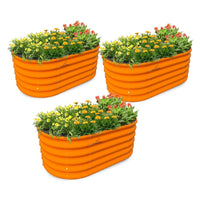
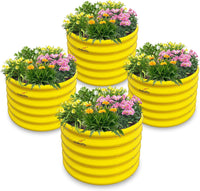
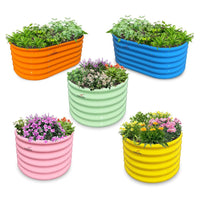



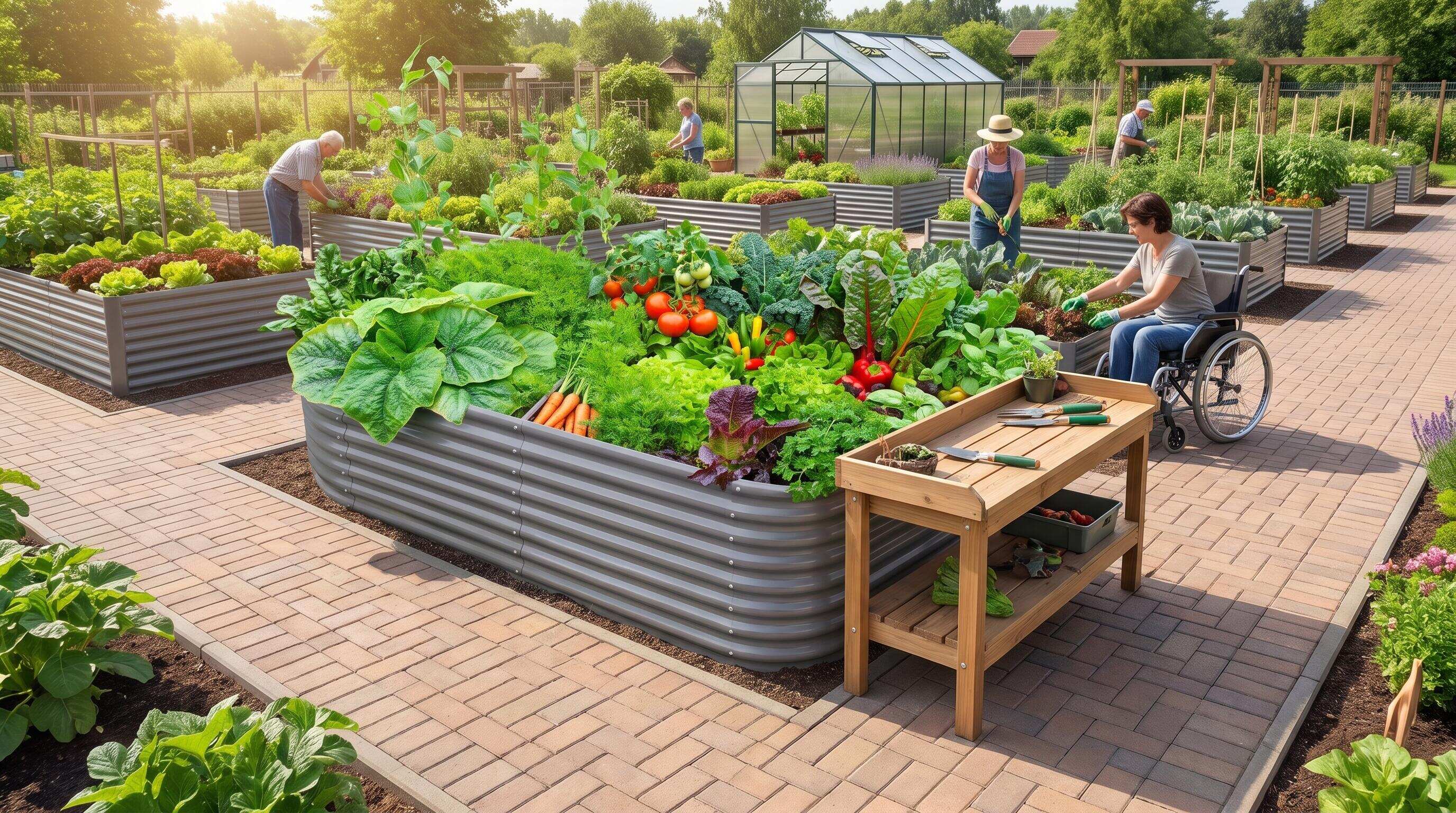
ALT: Wheelchair-accessible modular raised garden bed at optimal height for comfortable gardening
Finding the Right Raised Bed Layout Height for Wheelchair-Accessible Gardening
Key Conclusion: Choosing the correct raised bed height is the single most important decision in a wheelchair-accessible raised bed garden layout. The right elevation eliminates reach barriers, reduces shoulder and wrist strain, and transforms gardening from a frustrating compromise into a genuinely enjoyable daily practice. This guide examines the most effective modular bed height options — from standard 18-inch beds to waist-high 35-inch configurations — so you can build a raised bed planting layout that works with your body, your space, and your long-term goals.
Selecting bed heights for accessible gardening is not as simple as "taller is better." The ideal raised bed layout depends on wheelchair seat height, arm reach, the type of crops you want to grow, the depth of soil those crops require, and how the beds relate to pathways and surrounding structures. In our work with clients building accessible gardens, we consistently see two failure modes: beds that are too low, forcing painful forward bends, and beds that are too high, causing shoulder fatigue during extended sessions. This list was assembled by working through those real-world scenarios and identifying the configurations that consistently deliver the best outcomes across a range of user needs and physical profiles.
The Best Modular Bed Heights for Wheelchair-Accessible Gardening
18-Inch Beds Paired With Raised Platform Decking
An 18-inch modular raised bed is the most common starting point in accessible garden design, and it works well — but only when the surrounding surface is also elevated. When placed on ground level, an 18-inch bed still requires significant forward lean from a seated position. When placed on a low deck or compacted-gravel platform that raises the effective working surface by several additional inches, the combination can reach a functional range for many standard wheelchair users.
The practical advantage of the 18-inch height is its versatility: it accommodates a wide variety of vegetables including leafy greens, herbs, radishes, and shallow-rooted annuals, while remaining approachable for standing gardeners as well. This makes it an excellent choice for households where gardeners with and without mobility aids share the same space. Anleolife offers 18-inch galvanized steel and rust-resistant raised garden beds in multiple footprints, including 8x4 ft and 12x3 ft configurations, which provide generous planting surface area without requiring the user to stretch laterally beyond comfortable reach.
- Best for: Mixed households where wheelchair users and ambulatory gardeners share the same beds; gardeners who are exploring raised bed gardening for the first time and want a modular entry point they can build on.
- Watch out: On flat ground, 18 inches alone is rarely sufficient for full wheelchair accessibility without supplemental platform elevation. Measure your actual wheelchair seat-to-floor height and add your comfortable reach arc before committing.
22-to-24-Inch Beds for Users With Standard Manual Wheelchairs
A bed height in the 22-to-24-inch range is widely recognized by occupational therapists and adaptive recreation specialists as a strong match for standard manual wheelchair seat heights, which the Americans with Disabilities Act Accessibility Guidelines reference in the context of forward and side reach requirements. At this elevation, most wheelchair users can comfortably reach the center of a 4-foot-wide bed without leaning dangerously forward or rotating uncomfortably.
The 24-inch "extra tall" category represents one of the most practically useful tiers in accessible raised bed planting layouts because it also provides adequate root depth for crops like tomatoes, peppers, dwarf root vegetables, and bush beans — crops that are productive enough to make a kitchen garden worthwhile. Anleolife's 24-inch Extra Tall raised garden beds, available in galvanized steel and rust-resistant finishes across multiple sizes including 8x4 ft and 6x3 ft footprints, offer exactly this combination of functional height and planting depth.
According to the U.S. Access Board — the federal agency that sets accessibility guidelines — a forward reach limit of 48 inches above the floor and a clear knee-and-toe space underneath a surface are the two most critical dimensions for seated users. A 24-inch bed on firm ground satisfies the height component of that standard for most users; pairing it with an open base structure (rather than a solid-panel base) creates the knee clearance that allows a wheelchair to approach closely.
- Best for: Independent wheelchair users who garden alone and need a layout that is fully accessible without assistance; raised bed garden layouts designed to ADA-aligned principles.
- Watch out: The 24-inch height adds meaningful soil volume and therefore weight. Ensure your surface substrate — patio, compacted gravel, concrete — can bear the load, particularly for larger bed footprints.
30-Inch Extra Tall Beds for Power Wheelchair and Scooter Users
Power wheelchairs and mobility scooters typically sit higher than manual chairs, and their footrests extend further forward, meaning users need both greater bed elevation and more approach clearance beneath the bed frame. A 30-inch bed height brings the soil surface into a natural, low-effort working zone for many power chair users — comparable to the height of a standard kitchen counter, which is itself calibrated around comfortable seated work.
In our experience advising customers on accessible raised bed layouts, the 30-inch configuration is the one that most consistently generates positive feedback from power chair users who had previously given up on gardening entirely. Reaching down into a 30-inch bed feels intuitive rather than effortful, and it dramatically reduces the risk of tipping forward that is always present when leaning down toward lower surfaces.
Anleolife's 30-inch Extra Tall raised garden beds — available in sizes including 6x3 ft and 10x3 ft — provide not only the working height but also the planting depth needed for a genuinely productive soil system. Deep beds support diverse crops, encourage healthy root development, and retain moisture more effectively than shallow configurations, reducing the frequency of irrigation tasks.
- Best for: Power wheelchair users, scooter users, and anyone whose seated height places them significantly above the standard manual chair range; also excellent for ambulatory gardeners with severe hip or back limitations.
- Watch out: At 30 inches of height plus a full soil profile, these beds are substantial structures. Confirm that the site surface is level and stable before installation, and plan your soil system loading in stages rather than filling all at once.
35-Inch Waist-High Beds for Standing-Assist and Partial-Weight-Bearing Users
The 35-inch waist-high raised bed is a specialized configuration that occupies the intersection of full standing use and seated accessibility. It is particularly effective for gardeners who use a wheelchair part of the time but are able to stand briefly with support — a profile that is more common than many people realize, especially among people recovering from surgery, managing variable-symptom conditions, or aging into reduced mobility.
At 35 inches, the soil surface sits at approximately the height of a kitchen counter or a comfortable workbench, which means the gardener can interact with plants in a natural, upright posture with minimal wrist flexion or shoulder elevation. This is ergonomically significant: according to the National Institute for Occupational Safety and Health (NIOSH), sustained work performed above elbow height is a leading risk factor for upper-extremity musculoskeletal disorders — and the same principles that protect workers apply directly to gardening posture.
Anleolife offers a 35-inch Waist-High bed in a 4x1.5 ft footprint within the galvanized steel raised garden bed range, making it an excellent modular addition to a mixed-height raised bed planting layout. Pairing one or two waist-high beds with standard 24-inch beds in the same garden plan creates a versatile environment that accommodates different gardeners and different tasks across a single season.
- Best for: Partial-weight-bearing users, people using forearm crutches or walkers, and households that want one elevated station for standing work within a broader accessible garden design.
- Watch out: The narrow 4x1.5 ft footprint of the waist-high tier is a deliberate design choice — reach from the side is limited at this height — but it does constrain crop variety and volume. Treat this bed as a specialty station rather than a primary growing space.
Variable-Height Modular Systems That Stack to Meet Exact Needs
A modular raised bed system — one where individual panels can be combined to reach custom heights — is arguably the most sophisticated approach to accessible raised bed garden layout design. Rather than selecting from fixed height tiers and hoping one matches your exact seated height, a modular system allows you to build up in measured increments until the soil surface sits precisely where you need it.
Anleolife's Modular Raised Garden Bed line, which includes configurations from 18 inches up to 30 inches across multiple footprints (6x2 ft, 8x4 ft, 12x3 ft, and others), is designed with exactly this kind of incremental expansion in mind. As explored in detail in our guide on planning a modular garden layout that grows with your family, the ability to reconfigure and expand your bed structure over time is one of the most underrated advantages of modular systems — and it is especially valuable in accessible gardening contexts where physical needs may change over time.
The key advantage of modular stacking is that it separates the structural decision from the accessibility decision: you do not need to know in advance exactly what height you need. You can start at one tier, evaluate real-world comfort over a full growing season, and adjust upward if needed.
- Best for: Gardeners whose accessibility needs are evolving — either because of a recent diagnosis, post-surgical recovery, or gradual changes in mobility — and anyone who values the ability to adapt without starting over.
- Watch out: Stacking panels increases the total soil volume significantly. Account for the full depth when planning your soil system, and use a mix of quality growing medium (topsoil, compost, and drainage material) rather than filling entirely with garden soil, which compacts over time.
Narrow-Width Beds (3-Foot Maximum) at Any Height for Side-Reach Accessibility
Bed height gets most of the attention in accessible garden discussions, but width is equally important — and frequently overlooked. The ergonomic principle here is straightforward: a wheelchair user can only reach comfortably to the center of a bed from one side, which means a bed wider than the user's comfortable reach (typically 24 to 30 inches for most adults) requires approaching from both sides. When beds are positioned against a wall, fence, or in a corner, single-sided access makes width the binding constraint.
A 3-foot-wide raised bed is the maximum recommended width for single-sided wheelchair access. Beds in the 6x3 ft, 10x3 ft, or 12x3 ft footprint provide substantial growing area while keeping every square inch of soil within reach from one side. This design principle applies regardless of height — a 30-inch bed that is 4 feet wide will still have an inaccessible center zone for many users approaching from only one side.
When laying out a full accessible garden, the combination of appropriate height and appropriate width defines the usable planting surface. Anleolife's 30-inch Extra Tall 10x3 ft bed, for example, hits both parameters cleanly: the height suits power chair users and the width stays within single-sided reach.
- Best for: Gardeners with limited lateral reach, beds placed along walls or fences, and any situation where approach from only one side is practical.
- Watch out: Long, narrow beds require thoughtful path layout to allow the wheelchair to travel the full length of the bed. Plan access paths at each end, and ensure turning radius is sufficient for your specific chair model.
Pathway Height Matching to Eliminate Threshold Transitions
This item addresses something that is not strictly a bed height choice but that directly determines whether a given bed height actually delivers accessible gardening: the grade of the path leading to the bed. A bed at the ideal working height is inaccessible if a gravel edge, soil mound, or pavement transition prevents the wheelchair from positioning close enough to reach the soil surface.
Pathway surfaces adjacent to raised beds should be firm, stable, and level with each other — and ideally, the same grade as the bed's surrounding apron. The U.S. Access Board specifies a maximum running slope of 1:20 (5%) for accessible routes, and cross-slopes no greater than 1:48 (approximately 2%) to prevent lateral drift. Meeting these standards in a home garden context means choosing compacted decomposed granite, pavers on a firm base, or poured concrete for pathways, rather than loose mulch or uneven stone.
When planning the overall raised bed layout, treat pathway surfaces and bed heights as a single integrated system. A well-designed accessible garden uses consistent paving material throughout, smooth transitions between areas, and enough clearance around each bed to allow easy repositioning of the wheelchair.
- Best for: Anyone building a new accessible garden from scratch, or retrofitting an existing garden where pathway surfaces are creating access problems.
- Watch out: Even minor grade changes — a single inch of settled gravel — can be significant for wheelchair users. Build paths with a slight deliberate crown for drainage rather than allowing random settlement.
Integrated Soil System Depth as a Height Multiplier
The final height consideration is one that operates invisibly but shapes the entire accessible raised bed planting layout: the depth of your soil system relative to the structural height of the bed. A 24-inch bed filled to the brim provides 24 inches of effective working height. A 24-inch bed filled only 18 inches deep — because the lower 6 inches are occupied by drainage aggregate or the soil has settled — puts the planting surface at an effective height of 18 inches, undoing the accessibility benefit.
For wheelchair-accessible gardens, the goal is to fill beds completely and then maintain that fill level over time. A well-constructed soil system — layered with drainage material at the base, quality growing medium through the middle, and compost-enriched topsoil at the surface — settles less than loose, single-component fills and remains productive without major reworking. The planting depth also directly influences what crops are viable, which affects how productively and enjoyably the bed can be used.
Anleolife's galvanized steel and rust-resistant raised garden beds are built to last up to 20 years, meaning the structural investment is genuinely long-term. Pairing that durability with a soil system designed for low-maintenance longevity gives accessible gardeners the most return on their planning effort.
- Best for: Any wheelchair-accessible raised bed, but especially critical for beds in the 22-to-30-inch height range where the margin between "accessible" and "not quite accessible" is narrow.
- Watch out: Soil settles. Plan to top-dress beds at the start of each season to maintain the original fill level, and incorporate generous compost additions that both feed plants and compensate for organic matter decomposition.
Quick Comparison at a Glance
| Height Configuration | Best For | Key Strength | Limitation |
|---|---|---|---|
| 18-inch + platform | Mixed-use households; entry-level accessible setup | Versatile across user types; wide crop range | Requires supplemental platform for true wheelchair access |
| 22–24-inch Extra Tall | Standard manual wheelchair users | Matches ADA reach guidelines; good crop depth | Heavy when fully loaded; needs stable surface |
| 30-inch Extra Tall | Power wheelchair and scooter users | Counter-height comfort; deep soil profile | Larger structure; careful site prep needed |
| 35-inch Waist-High | Partial-weight-bearing; standing-assist users | Ideal ergonomic posture for brief standing work | Narrow footprint limits crop volume |
| Modular stacking system | Evolving accessibility needs | Fully adjustable height over time | Increased soil volume with each added tier |
| 3-foot-wide beds (any height) | Single-sided access; wall-adjacent beds | Full reach from one side | Path layout must support full-length approach |
| Level pathway integration | Any accessible garden installation | Eliminates transition barriers | Requires deliberate surface specification and maintenance |
| Full soil system depth | All accessible bed configurations | Maintains effective working height long-term | Requires seasonal top-dressing |
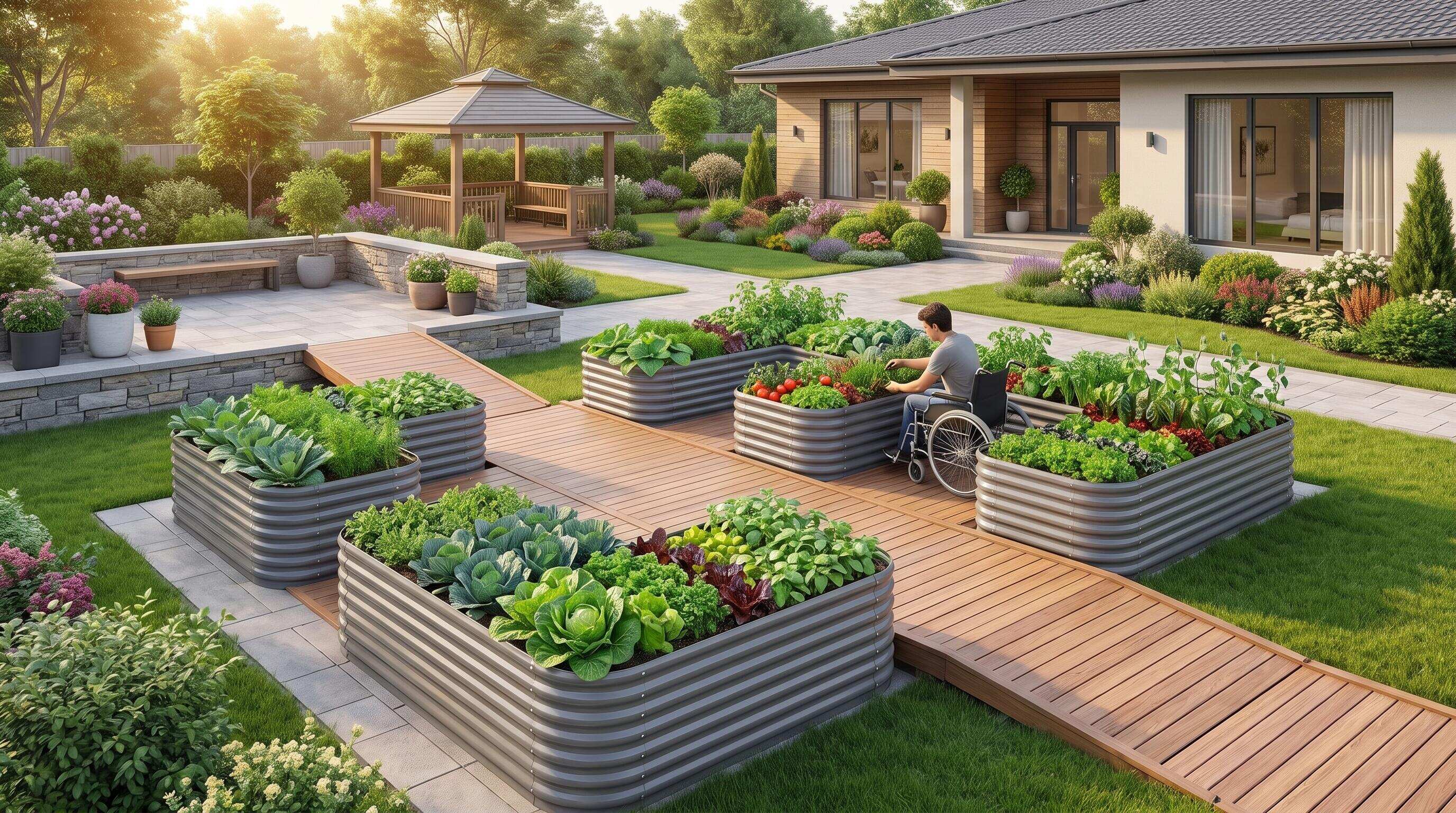
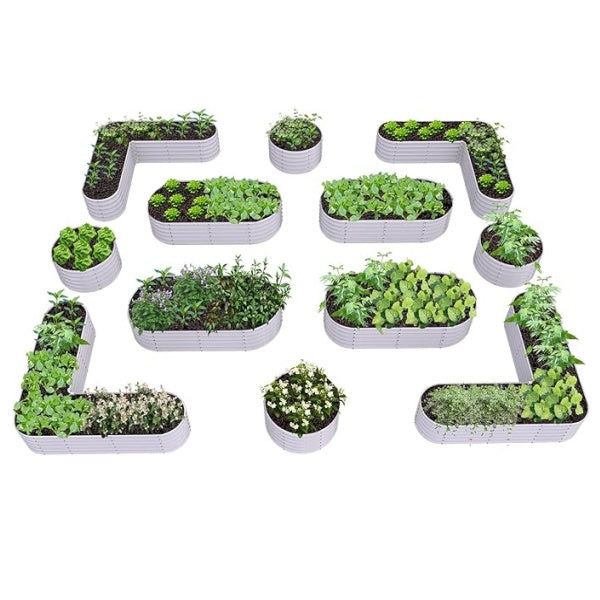
ALT: Modular raised garden bed layout with multiple heights configured for wheelchair and mobility aid access, showing clear pathways
How to Choose the Right Configuration for Your Needs
The right raised bed garden layout for wheelchair-accessible use is determined by three measurements you need to take before purchasing anything: your wheelchair seat height from the floor, your forward reach distance from seated position, and the width of your wheelchair plus the turning radius required for maneuvering. Once you have those three numbers, the choice of bed height becomes largely mechanical.
If your seat height is below 20 inches and your forward reach is generous, a 22-to-24-inch bed on level ground will likely work well as your primary configuration. If your seat height is 20 inches or above — common in power chairs and some high-end manual chairs — move directly to the 30-inch tier. The 35-inch waist-high bed should be treated as a supplemental station in most plans, not the primary growing surface, unless your specific mobility profile genuinely supports brief standing work.
One of the most persistent misconceptions in accessible garden design is that a single height solves all problems. In practice, the most functional accessible raised bed planting layouts use two or three heights within the same garden plan — creating what occupational therapists sometimes call a "graded challenge" environment where different tasks happen at different heights, reducing repetitive strain on any single muscle group or joint.
Bed width is the variable that most people forget to address. If you are positioning any bed against a wall or in a corner — which is common in smaller urban gardens — cap the width at 3 feet and ensure your path allows you to travel the full length of the bed. If you have open space and can approach from both sides, a 4-foot-wide bed becomes viable.
The final decision point is durability. An accessible garden is a long-term infrastructure investment, not a seasonal project. Choosing beds rated for up to 20 years of service, in materials that resist rust and structural deformation, is the practical choice — because rebuilding or replacing a complex accessible layout is far more disruptive than selecting quality materials at the outset. If you want to explore how a modular approach can evolve alongside your household's changing needs over time, planning a modular garden layout that grows with your family offers practical frameworks for doing exactly that.
Frequently Asked Questions FAQ
Q1: How do I measure the right raised bed height for my specific wheelchair?
The most reliable method is to measure from the floor to the top of your thigh while seated in your chair, then add 2 to 4 inches to bring the working surface slightly above lap height. This gives you a soil surface you can reach into without raising your shoulder or bending your wrist upward. For most standard manual wheelchairs, this calculation yields a target in the 22-to-26-inch range. The U.S. Access Board recommends a maximum forward reach of 48 inches above the floor for seated users, which your bed height should stay well below.
Q2: Are galvanized steel raised beds safe for growing edible vegetables in accessible gardens?
Galvanized steel raised beds are widely used for food production and are considered safe for edible crops by most gardening authorities. The zinc coating that provides rust resistance does not leach into soil at levels of concern under normal garden conditions, particularly when beds are used with a quality growing medium rather than direct soil contact with the metal panels. Beds from established brands like Anleolife are manufactured to consistent quality standards. If you are growing root crops that make direct contact with the soil (rather than foliage or fruiting crops), lining the lower panels with breathable fabric as an extra precaution is a straightforward option.
Q3: How much does it cost to build a complete wheelchair-accessible raised bed layout, and how long will the beds last?
The total cost depends on the number of beds, their heights, and the soil system you use — costs vary considerably by region and setup complexity. What is consistent is the value of investing in high-durability materials at the outset: Anleolife's galvanized steel and rust-resistant raised garden beds are built to last up to 20 years, making the per-season cost of quality beds much lower than the sticker price suggests. The soil system is typically a recurring annual cost (compost top-dressing, amendments), while the structural beds themselves require minimal maintenance when properly selected. Accessibility modifications to pathways — compacted gravel, pavers — add to upfront cost but eliminate ongoing workarounds.
Key Takeaways
Three principles cut across every accessible raised bed garden layout decision. First, height and width are equally important: the ideal soil surface height means nothing if the bed is too wide to reach across from a single approach angle. Build narrow (maximum 3 feet for single-sided access) before building tall.
Second, modular and adjustable systems outperform fixed configurations for most accessible gardeners because physical needs change. A system that can be reconfigured — from 18 inches to 24 inches to 30 inches as needs evolve — is a long-term asset in a way that a single fixed-height installation is not. Durable galvanized steel beds rated for up to 20 years of service make that kind of long-horizon planning genuinely practical.
Third, the pathway surface and the bed height must be planned together as a single integrated system. A perfectly-specified bed height is undercut by a settled gravel path, a lip at a paving transition, or a cross-slope that prevents stable wheelchair positioning. Invest equally in the surface you travel on and the beds you garden in.
The next step is to take your three key measurements — seat height, forward reach, and chair width — and use them to select your primary bed height tier from this guide. From there, plan your path widths (a minimum of 36 inches per ADA guidelines, with 48–60 inches preferred for comfortable maneuvering), and consider whether a mixed-height layout would serve your household better than a single-height configuration.
Visit the Anleolife website to explore the full range of modular raised garden beds — from 18-inch standard heights to 35-inch waist-high configurations — and find the combination that fits your accessible garden plan. With a nationwide warehouse network across California, Texas, Florida, New York, Illinois, and Washington, orders arrive within 3–8 business days, so your garden project can move forward without delay. Anleolife products are also available on Amazon, Walmart, Home Depot, Lowe's, and Wayfair, with consistent quality and after-sales support across every channel. Start with the bed height that works for you today, and expand your layout as your garden grows.
Sources & Further Reading
- U.S. Access Board. "Accessibility Guidelines and Standards."
https://www.access-board.gov/ - National Institute for Occupational Safety and Health (NIOSH), Centers for Disease Control and Prevention. "Ergonomics and Musculoskeletal Disorders."
https://www.cdc.gov/ - U.S. Department of Agriculture (USDA). "Home Gardening and Nutrition Resources."
https://www.usda.gov/
Note: Standards and guidelines may be updated; please check the latest official documents or consult professional advisors for your specific situation.