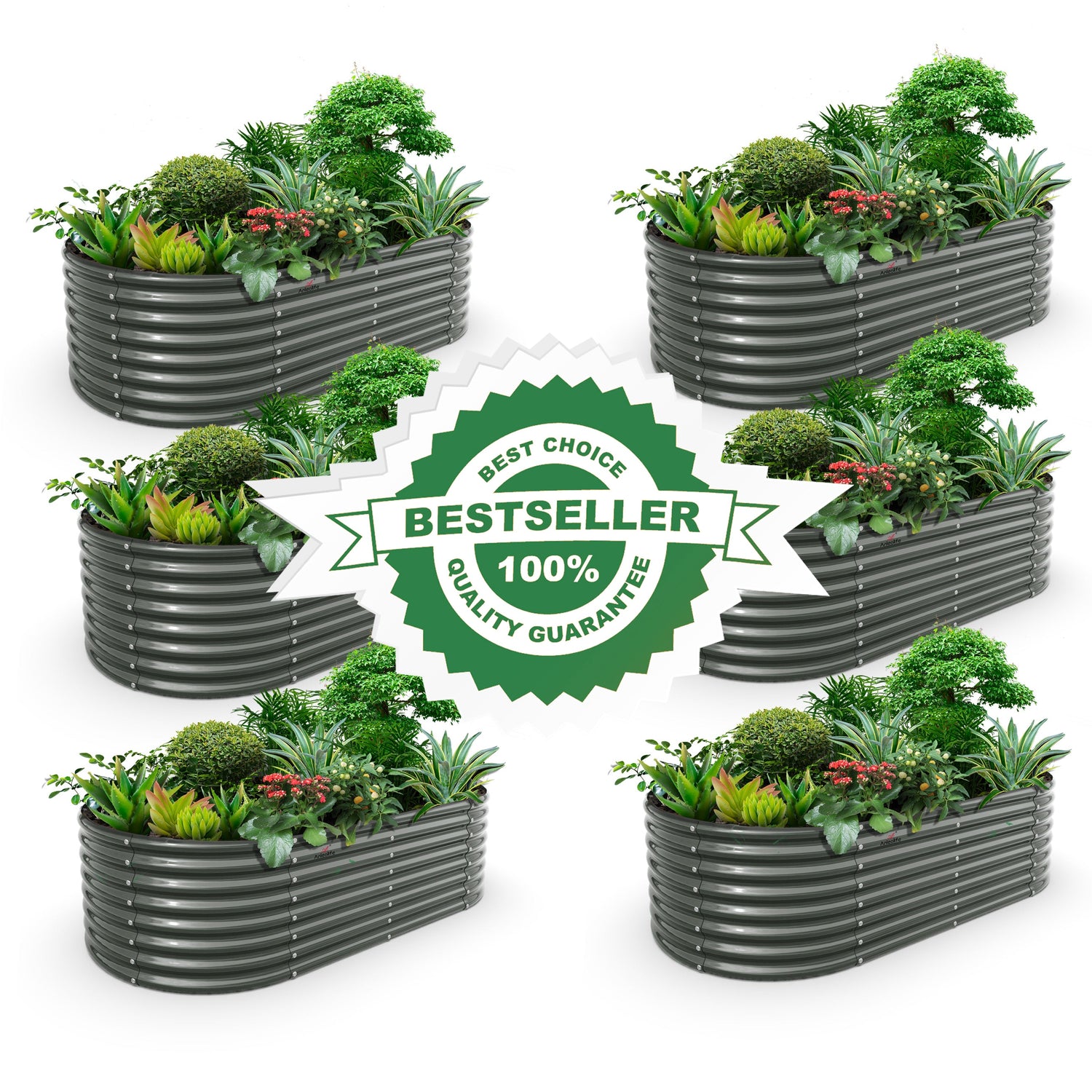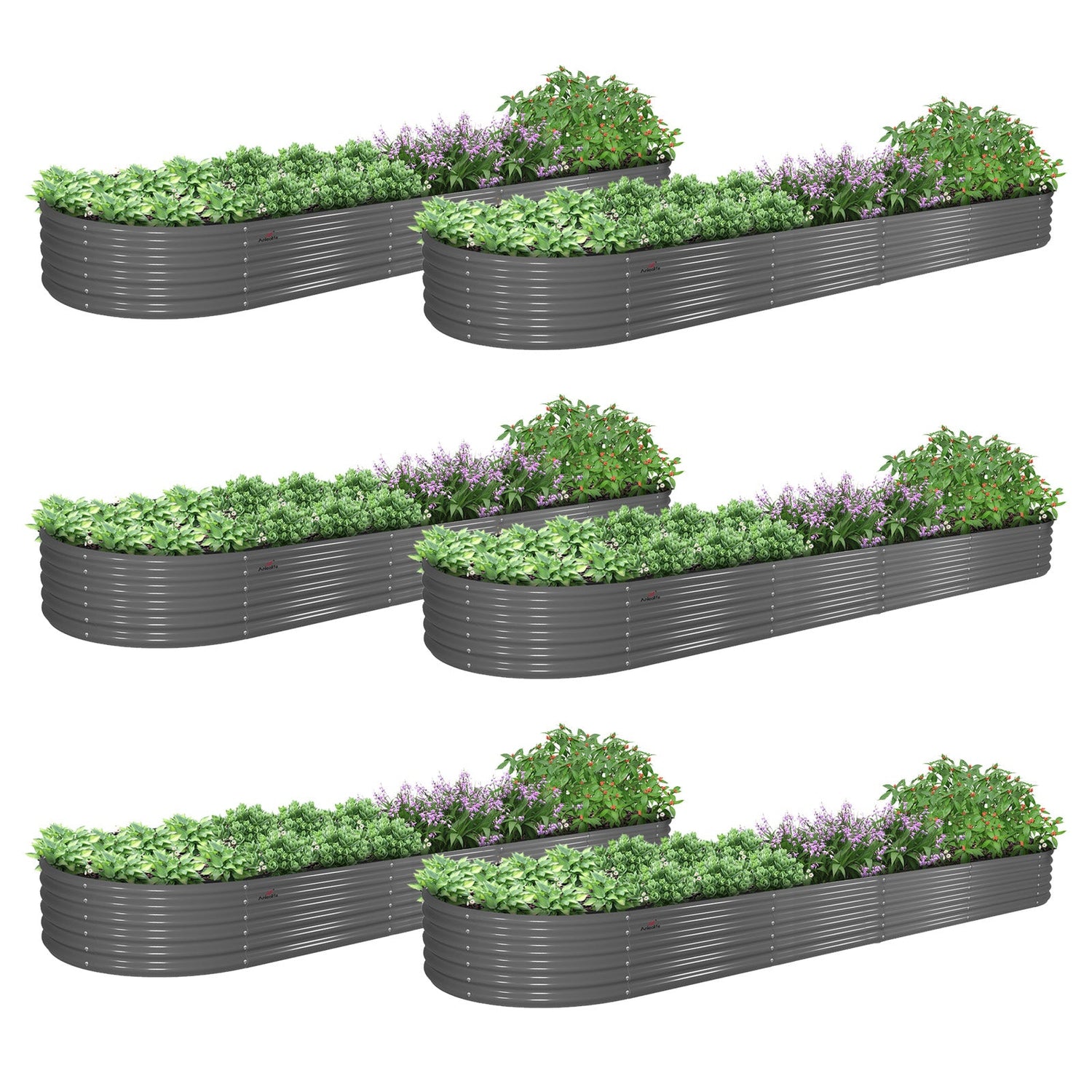



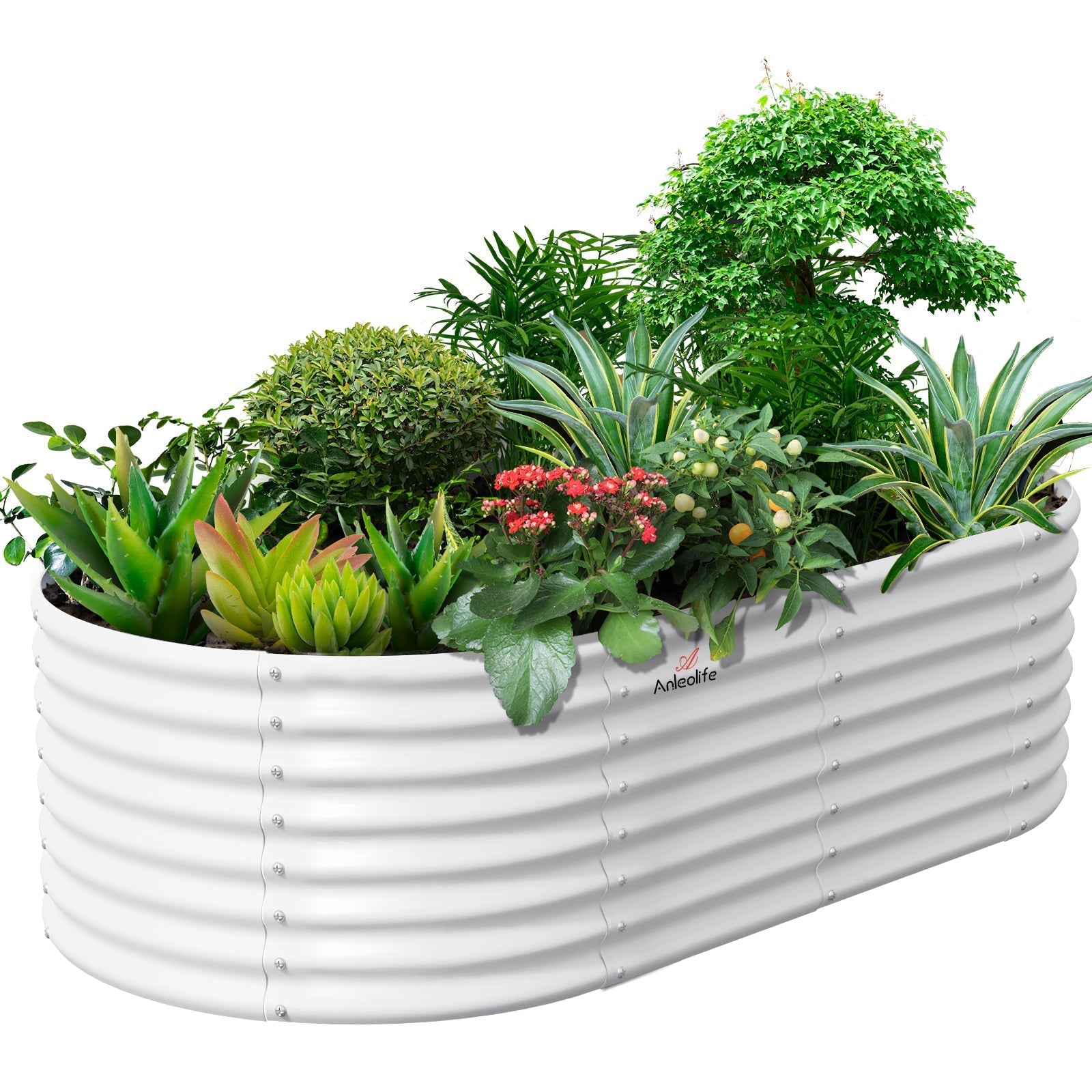
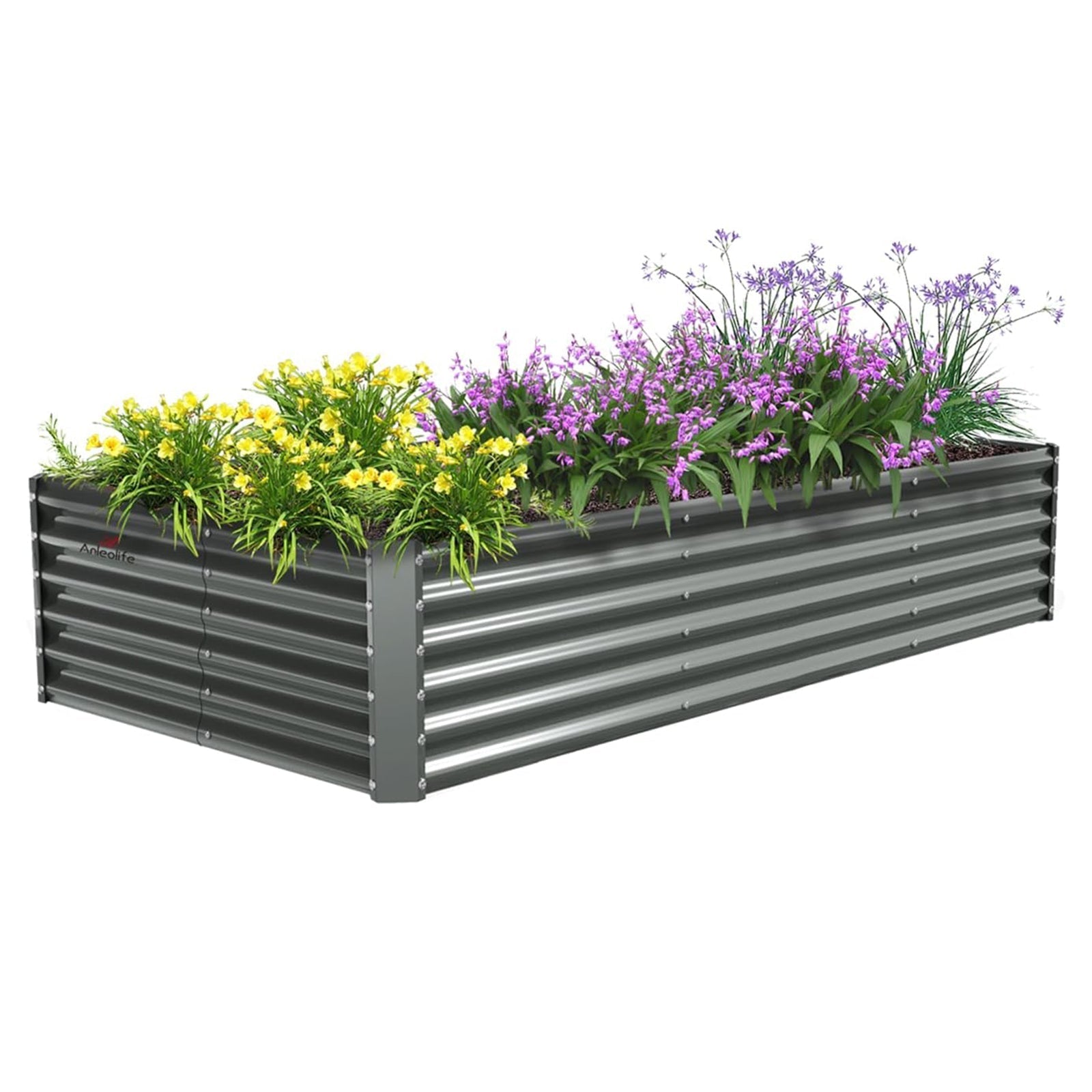

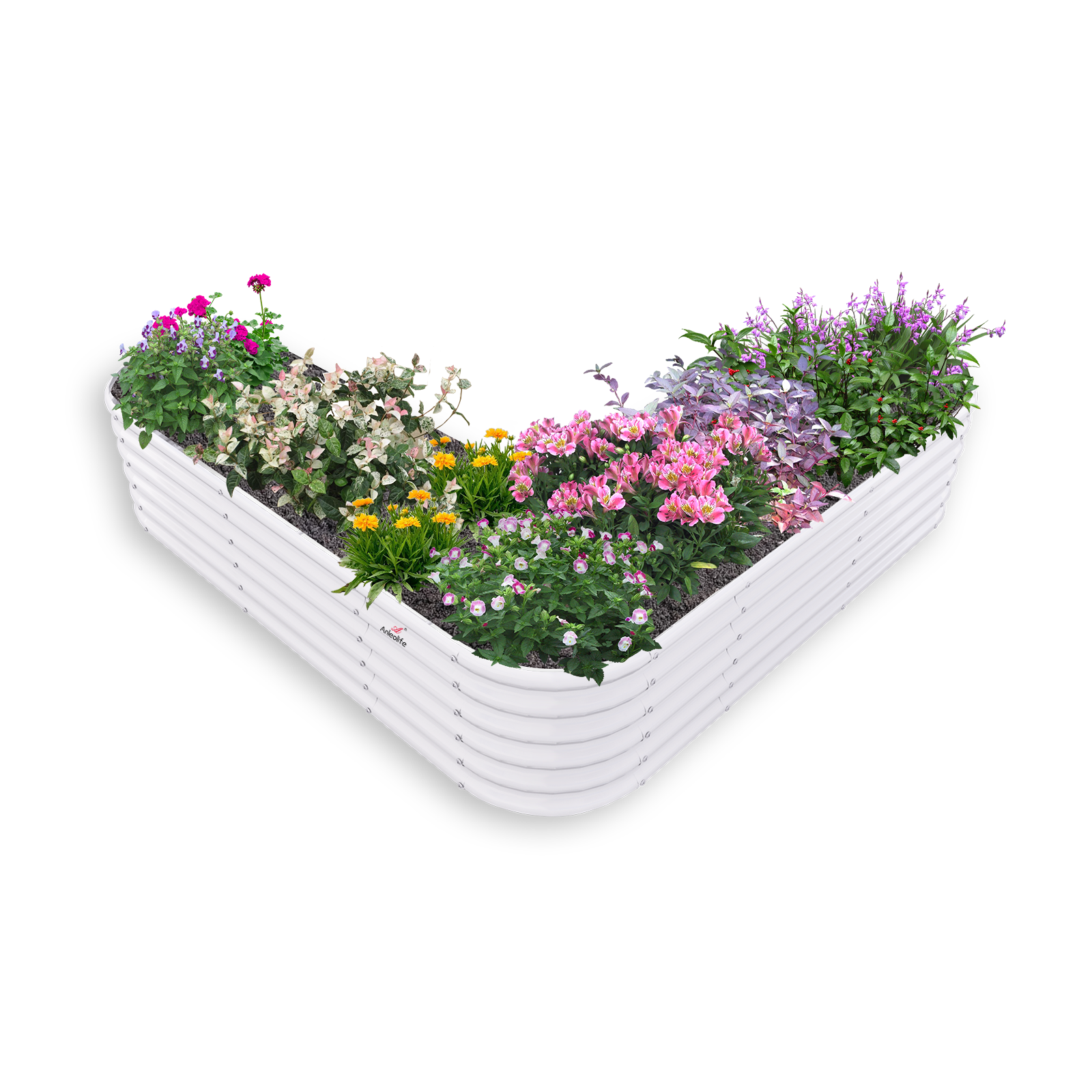
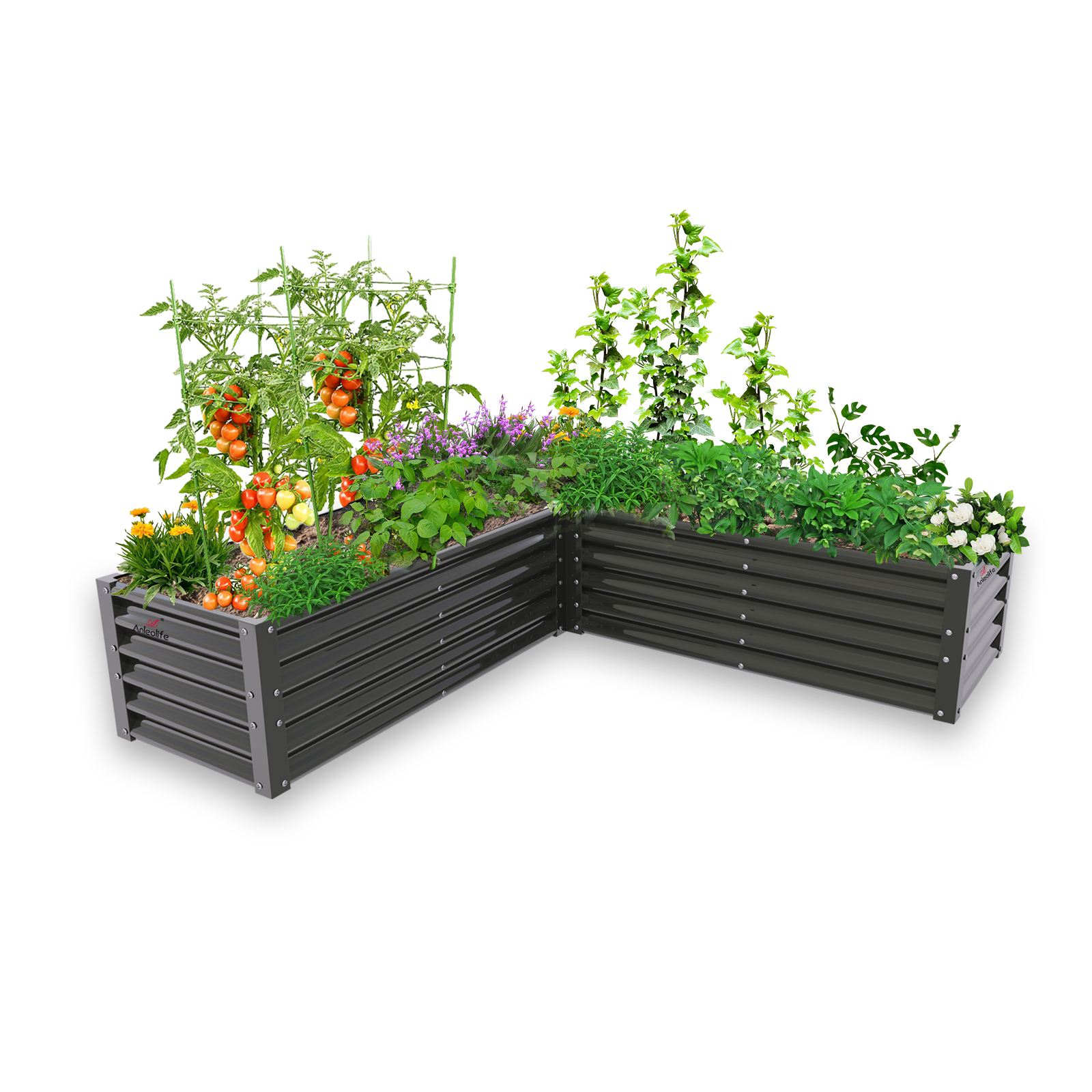
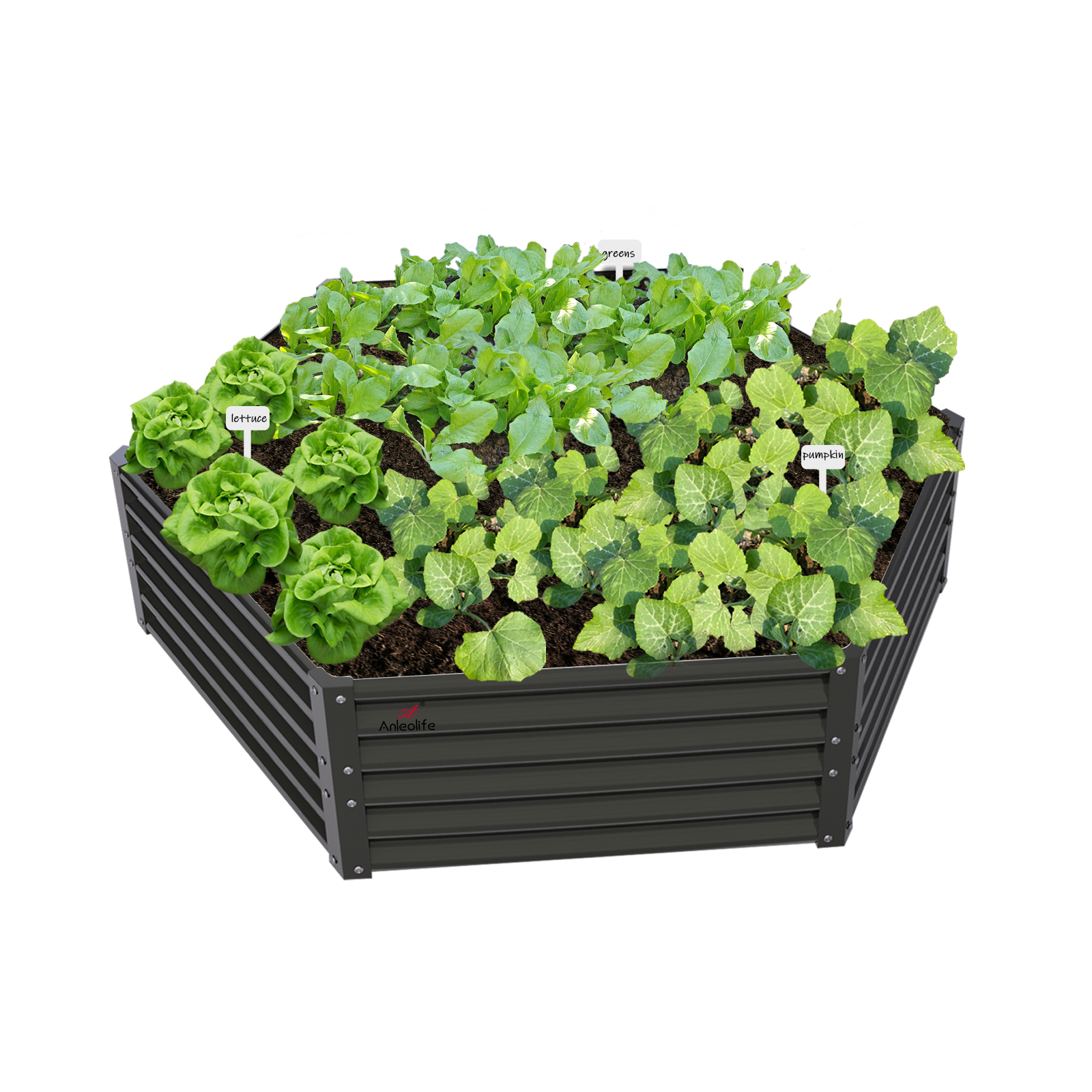
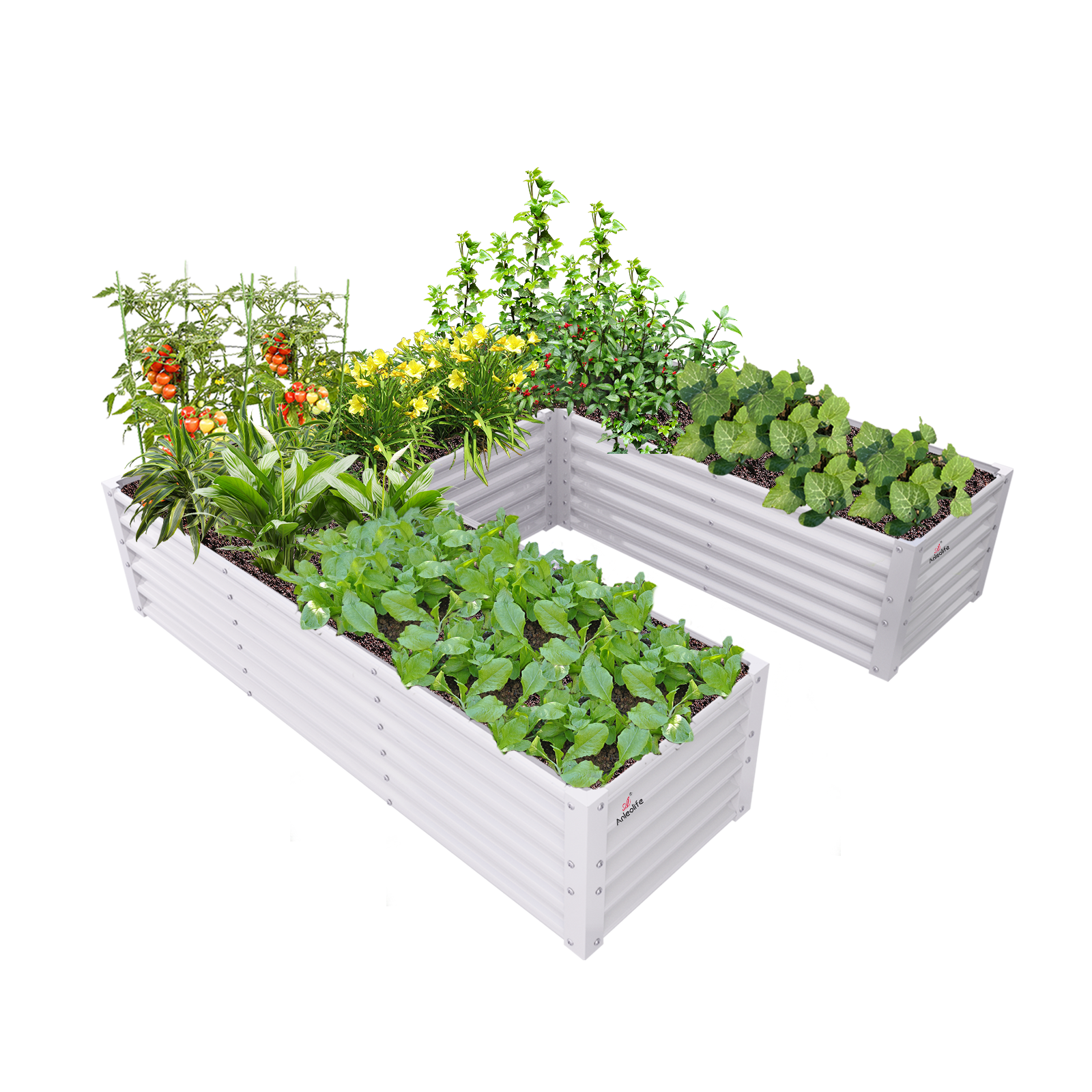

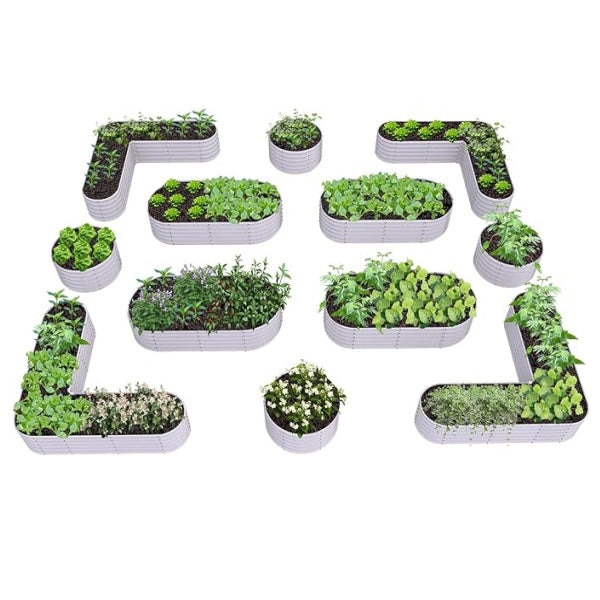


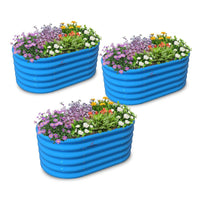
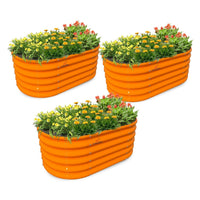
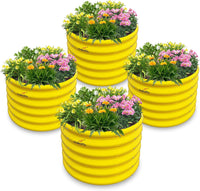
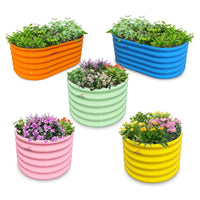
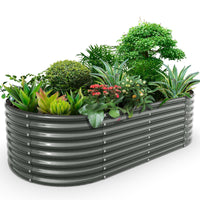



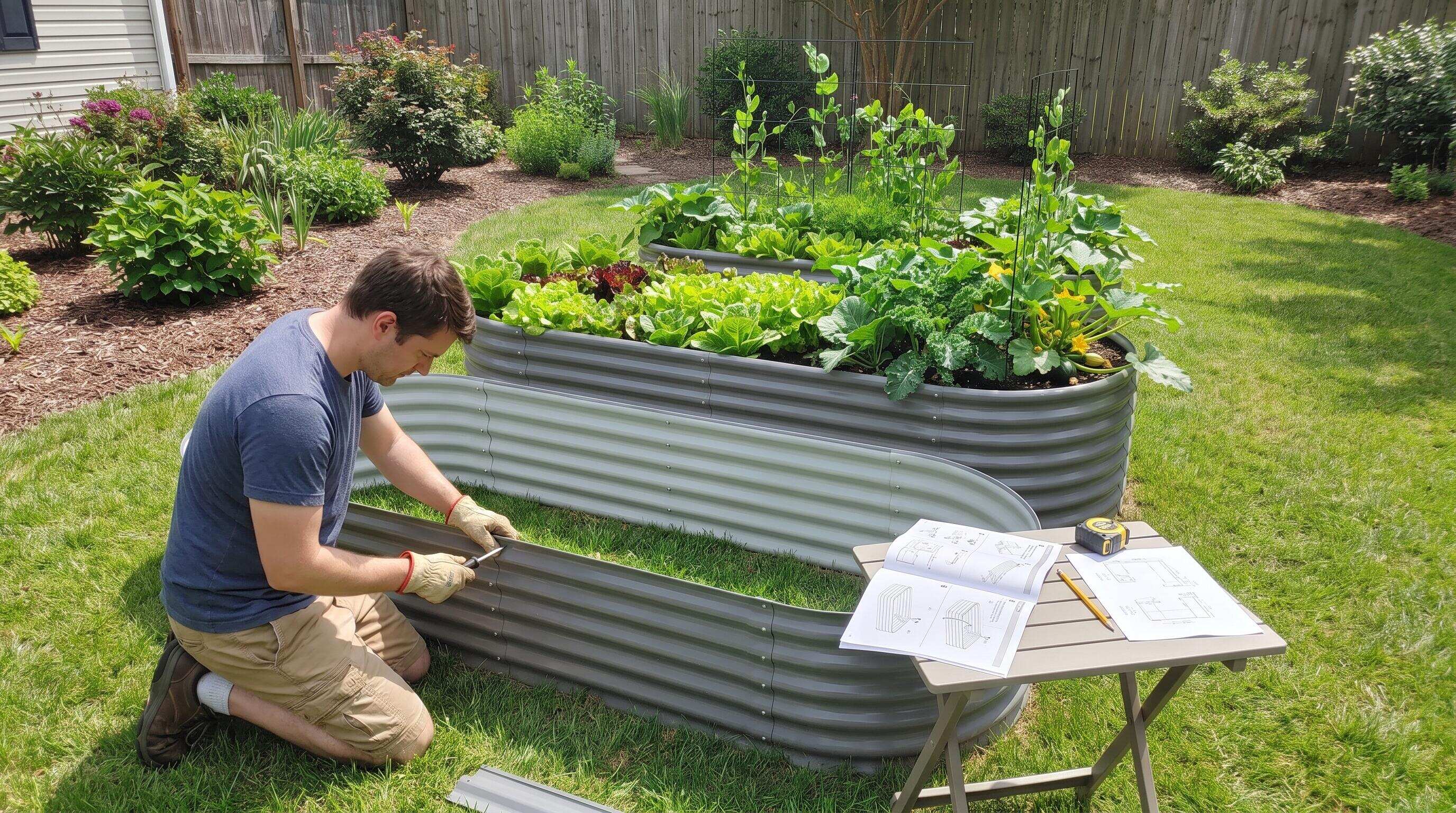
ALT: First-time gardener assembling an easy raised garden bed with simple layout planning tools
Best Easy-Assembly Raised Garden Beds to Start Your Raised Bed Garden Layout Right
What is the single biggest hurdle that stops first-time gardeners from ever getting started? In our experience working with thousands of home growers across North America, the answer is almost never seeds, soil, or sunlight — it is the overwhelm of choosing, assembling, and laying out a raised bed that actually works for their specific yard, schedule, and skill level.
This guide answers that question directly: the best easy-assembly raised garden beds available right now are those that combine tool-free or minimal-tool construction, durable materials, and a forgiving raised bed garden layout that beginners can adapt as their confidence grows. Every product in this list was evaluated through the lens of real setup experience, long-term material performance, and how naturally each bed fits into a beginner-friendly raised bed planting layout — from a single 4x4 starter bed to an expandable modular system that grows alongside you.
Items were selected based on five criteria: ease of assembly (panels-and-stakes or bolt-together systems that most adults can manage solo), material durability, layout flexibility, size variety for different yard footprints, and overall value for a gardener making their very first purchase. Use this list as a decision map: read each block, identify your situation in the "Best for" line, note the caveat, and then cross-check the comparison table before you buy.
The List: Seven Raised Garden Beds That Make Your First Raised Bed Layout Simple and Successful
Galvanized Steel Raised Garden Bed — Classic Rectangle for a Clean, Structured Layout
A galvanized steel raised garden bed is a metal planting enclosure coated with a zinc layer that resists rust and corrosion, making it one of the most reliable long-term choices for outdoor growing. For first-time gardeners, the classic rectangular form is ideal because it maps directly onto the most widely used raised bed garden layout strategies — the 4x4 square-foot grid and the 8x4 row system — both of which are well-documented by gardening extension services and beginner guides alike.
Anleolife's Galvanized Steel Raised Garden Beds are available in a wide range of sizes, including 18-inch tall 12x3 ft, 18-inch tall 8x4 ft, and 24-inch extra-tall 8x4 ft options, giving newcomers genuine flexibility to match their yard footprint without over-investing. The panels interlock with a straightforward bolt-and-stake system that most people complete in under an hour without specialized tools. According to the University of Missouri Extension, raised beds warm up faster in spring than in-ground plots, which means a well-chosen raised bed layout can extend your growing season from both ends — a meaningful advantage that beginners often overlook.
With a lifespan of up to 20 years, these beds represent a genuinely long-term investment rather than a seasonal experiment. As an introductory guide to planning and building your first raised bed from Anleolife explains, starting with a rectangular galvanized bed gives you the most predictable soil volume and the easiest plant spacing math — both critical wins for a first-season gardener.
Best for: Beginners who want a structured, no-guesswork raised bed planting layout and plan to grow vegetables for many years.
Watch out: Galvanized steel can absorb heat in very hot climates, which may warm the root zone of heat-sensitive crops like lettuce during peak summer. Position the bed where it receives afternoon shade if you garden in the southern U.S.
Rust-Resistant Raised Garden Bed — The Smart Choice for Humid or Coastal Gardens
A rust-resistant raised garden bed is a planting enclosure engineered with additional anti-corrosion treatment beyond standard galvanizing, making it purpose-built for regions where moisture, salt air, or heavy rainfall would accelerate deterioration in ordinary metal beds. For gardeners in coastal states like Florida, Washington, or along the Gulf Coast, material choice is not a cosmetic decision — it directly determines whether the bed survives its second or third season.
Anleolife's Rust-Resistant Raised Garden Beds come in sizes ranging from 18-inch tall 6x3 ft and 8x4 ft models to 30-inch extra-tall 6x3 ft configurations, meaning you can select a height that suits your physical comfort without sacrificing corrosion protection. The assembly process mirrors the standard galvanized line — panels connect securely with simple hardware — so there is no learning curve if you later decide to expand your raised bed layout with additional units. As detailed in this guide to choosing rust-resistant garden beds for coastal and humid weather, the surface treatment makes a measurable difference in multi-year performance.
A well-designed raised bed planting layout in a humid climate also benefits from elevated walls — the improved drainage that comes with raised beds reduces fungal root diseases that plague in-ground gardens in wet regions, per guidance from the National Gardening Association.
Best for: Gardeners in humid, rainy, or coastal environments who want a raised bed layout that holds up for years without annual maintenance or repainting.
Watch out: The anti-corrosion treatment adds value but also adds slightly to the initial price point compared to basic galvanized options. Factor that cost against the extended service life before comparing prices at face value.
Modular Raised Garden Bed — Build the Layout You Need, Expand When You're Ready
A modular raised garden bed is a system of interchangeable panels and connectors that allows you to configure, reconfigure, and expand your raised bed layout without buying an entirely new structure. This is the format we most consistently recommend to first-time gardeners who are unsure how much space they will actually use — or who anticipate wanting more growing room once the hobby takes hold.
Anleolife's Modular Raised Garden Beds are available in configurations including 18-inch tall 6x2 ft, 18-inch tall 8x4 ft, 18-inch tall 12x3 ft, 24-inch extra-tall 8x4 ft, and 30-inch extra-tall 8x4 ft options. The modular design means a beginner can start with a compact 6x2 layout, master the basics of raised bed gardening in one season, and then add panels to create a larger footprint the following year — without wasting any of the original hardware. According to Savvy Gardening, a 4x8 raised bed vegetable garden layout is often cited as the optimal beginner format because it is large enough for meaningful production yet narrow enough to reach the center from either side without stepping in.
Modularity also makes it far easier to adapt your raised bed planting layout to irregular yard shapes, fence lines, or patio edges — a practical advantage that fixed-frame beds cannot match.
Best for: Beginners who are uncertain about scale, gardeners with oddly shaped outdoor spaces, and anyone who wants a raised bed layout that can evolve with their skill level.
Watch out: Because the system is configurable, it is worth taking five minutes to sketch your intended layout before ordering, to confirm you have the right panel count for the configuration you want.
Heavy Duty Raised Garden Bed — Maximum Soil Volume for Deep-Rooted Crops
A heavy-duty raised garden bed is a reinforced planting enclosure designed to hold a larger volume of soil with greater structural stability than standard-weight beds, making it the right choice for crops with deep root systems — tomatoes, squash, peppers, and root vegetables like carrots and parsnips. For a first-time gardener planning a vegetable-focused raised bed planting layout, choosing adequate depth from the outset avoids the frustrating experience of stunted harvests caused by root restriction.
Anleolife's Heavy Duty Raised Garden Beds include 24-inch extra-tall 6x3 ft and 30-inch extra-tall 10x3 ft options, providing generous soil depth that accommodates virtually any food crop. The reinforced panel construction maintains wall integrity even under the considerable pressure of a fully saturated, dense soil system — a detail that matters more than most beginners realize, since standard beds can bow outward after the first heavy rain if they are not built to handle the load. The 30-inch height also positions the growing surface near waist level for taller adults, which the University of Missouri Extension notes can dramatically reduce back strain and make gardening more sustainable as a long-term practice.
Best for: Gardeners focused on deep-rooted vegetables, taller individuals who prefer a near-standing working position, and anyone planning a productive kitchen garden raised bed layout with substantial soil volume.
Watch out: The larger footprint and heavier panels mean this bed benefits from two people during assembly. Plan accordingly rather than attempting a solo setup.
Round Raised Garden Bed — A Focal-Point Layout That Doubles as a Garden Feature
A round raised garden bed is a circular planting enclosure that functions both as a productive growing space and as a visual centerpiece in an outdoor setting. While rectangular beds dominate most raised bed garden layout guides, the circular format solves a specific problem that beginners in smaller spaces frequently encounter: how to create a meaningful growing area without making the yard feel cramped or strictly utilitarian.
Anleolife offers a Round Raised Garden Bed in an 18-inch tall, 48-inch wide configuration — a compact footprint that fits comfortably on a patio, in a courtyard, or as an accent within a larger garden design. The 360-degree access means there is no awkward corner to reach around, and the central planting geometry encourages a natural raised bed planting layout technique called "hub and spoke," where a tall centerpiece plant (a climbing bean tepee, a compact fruit tree, or a tall herb) anchors shorter crops radiating outward. Gardeners Supply Company notes that circular beds also tend to retain moisture more evenly than rectangular beds of comparable area, because there are no corners where soil tends to dry out faster.
Best for: Urban micro-gardeners, patio or balcony growers, and anyone who wants their raised bed layout to contribute to the visual character of an outdoor space, not just its productivity.
Watch out: The circular footprint does not tile or combine with rectangular beds as cleanly if you later want to create a multi-bed layout — keep this in mind if expansion is a medium-term goal.
35-Inch Waist-High Raised Garden Bed — Ergonomic Layout for Low-Mobility Gardeners
A waist-high raised garden bed is a tall planting enclosure specifically designed so that gardening tasks — planting, weeding, watering, harvesting — can be performed comfortably at a standing or seated height, without bending, kneeling, or lowering to ground level. Raised bed gardening is frequently recommended by occupational therapists and physical rehabilitation specialists for older adults and individuals with limited mobility, precisely because height eliminates the physical barriers that would otherwise end an outdoor growing practice.
Anleolife's 35-inch waist-high model in a 4x1.5 ft configuration is the standout choice for this use case. The narrow 1.5-foot depth means every inch of the growing surface is reachable from one side — no stretching, no overreaching. While the footprint is intentionally compact, the raised bed planting layout possibilities are surprisingly rich: a single row of dwarf tomatoes, a continuous planting of salad greens with succession-sow intervals, or a dedicated herb strip that keeps kitchen staples within arm's reach. As noted in this resource on ergonomic garden bed design and height matching, selecting the right working height is the most underestimated factor in long-term gardening enjoyment.
Best for: Empty nesters, retirees, wheelchair users, gardeners recovering from injury or surgery, and anyone for whom physical comfort is a prerequisite for consistency.
Watch out: The narrower width and compact footprint mean this bed is best treated as a supplement to larger beds rather than a standalone primary growing space, unless you are gardening purely for herbs or salad greens.
Extra-Tall 30-Inch Raised Garden Bed — The Upgrade Path for Serious First-Season Growers
An extra-tall raised garden bed — defined here as a bed with 30-inch wall height — provides the deepest planting environment in a standard product lineup, enabling a full no-dig, layered soil system (sometimes called "lasagna gardening") that builds exceptional fertility from the first season. For a beginner who has done their research and wants to set up a productive raised bed garden layout from day one rather than iterating over multiple seasons, this is the tier to start at.
Anleolife offers 30-inch extra-tall models in both 6x3 ft and 10x3 ft footprints across the Galvanized Steel, Rust-Resistant, and Modular lines, giving serious beginners meaningful choice in layout footprint while maintaining the tall-wall benefit. The deeper soil column supports a layered approach to soil building — a technique endorsed by the Rodale Institute as one of the most effective organic methods for establishing a new raised bed — and it creates natural insulation that moderates root-zone temperature swings between day and night. According to Gardeners.com's pre-planned garden resources, starting with a well-designed layout plan in a deeper bed significantly reduces first-year problem-solving and lets beginners focus on the enjoyable parts of growing.
Best for: Beginners who have researched raised bed gardening thoroughly and want a high-performance setup from the start, particularly those interested in organic or no-dig growing methods.
Watch out: Filling a 30-inch-deep bed requires a substantial volume of soil or layered organic material. Budget for soil separately and plan your sourcing before the bed arrives — don't let the structure sit empty and delay your planting window.
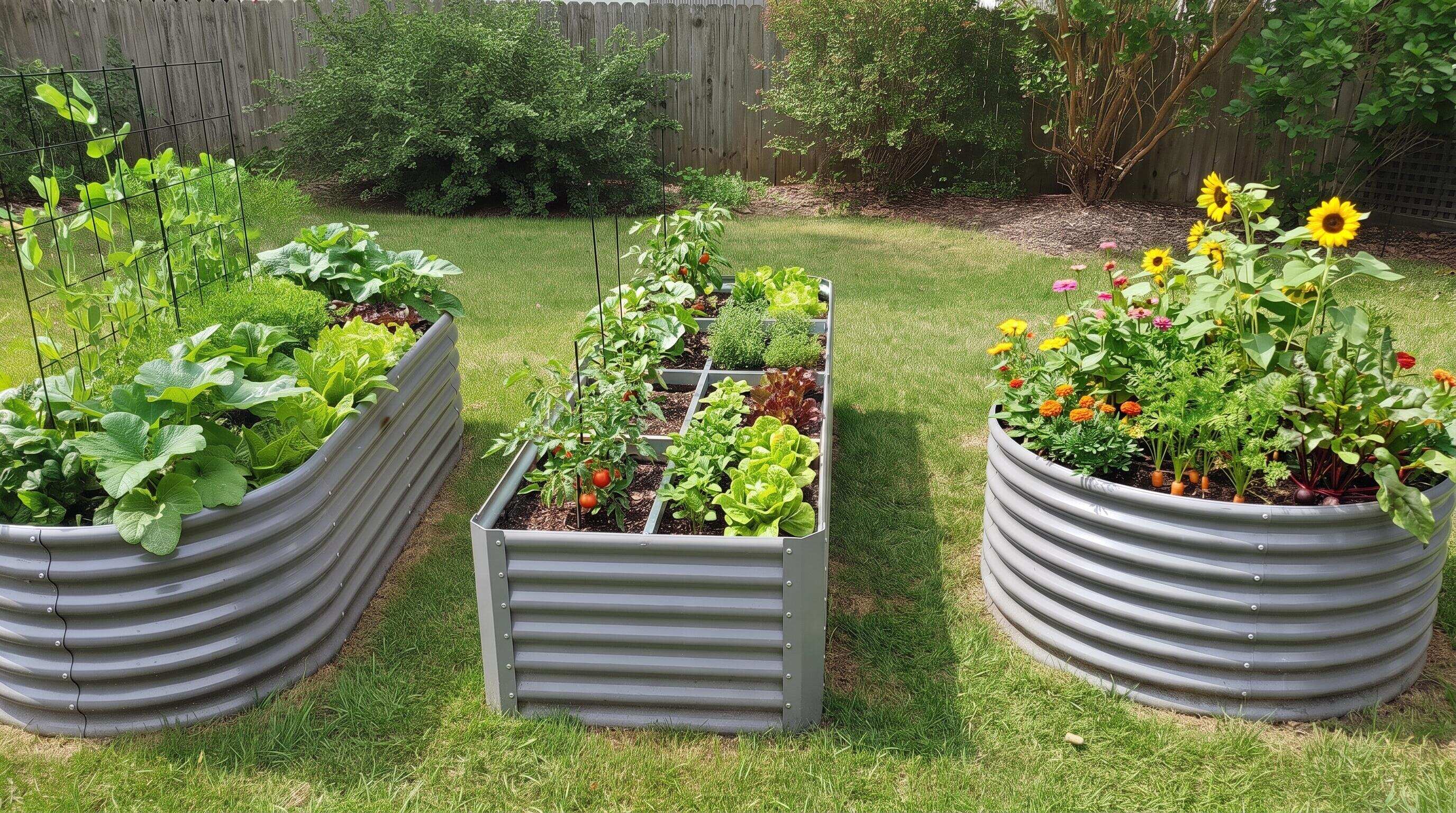
ALT: Side-by-side comparison of galvanized steel, modular, and round raised garden beds showing different raised bed layout options for beginners
Quick Comparison at a Glance: Finding Your Raised Bed Layout Match
Each bed type in this list targets a distinct beginner situation. Use this table to find your match quickly, then return to the full item block for detail before purchasing.
| Item | Best For | Key Strength | Limitation |
|---|---|---|---|
| Galvanized Steel Classic Rectangle | Structured vegetable layouts, long-term growers | 20-year lifespan, widest size range | Can absorb heat in hot climates |
| Rust-Resistant Raised Garden Bed | Humid, coastal, or high-rainfall environments | Enhanced corrosion protection for wet regions | Slightly higher upfront cost than basic galvanized |
| Modular Raised Garden Bed | Uncertain beginners, irregular yard shapes | Reconfigurable layout, expandable over time | Requires brief pre-planning for panel count |
| Heavy Duty Raised Garden Bed | Deep-rooted vegetables, tall users | Maximum structural integrity and soil depth | Benefits from two-person assembly |
| Round Raised Garden Bed | Patios, courtyards, visual focal points | 360-degree access, decorative appeal | Does not tile cleanly with rectangular beds |
| 35-Inch Waist-High Bed | Low-mobility gardeners, retirees | Eliminates bending, full surface reach | Best as a supplement, not primary growing space |
| 30-Inch Extra-Tall Bed | Research-ready beginners, organic growers | Supports layered soil systems, deep root growth | High soil volume requirement adds to setup cost |
The most common pattern we see among first-time gardeners is starting with a galvanized or modular rectangular bed in a mid-range size — typically the 8x4 footprint — because it balances layout flexibility with manageable soil volume and fits naturally into the square-foot gardening method that most beginner resources reference. From there, adding a round or waist-high bed as a second unit allows you to differentiate growing conditions without overhauling your initial setup.
A point worth clarifying: bigger is not always better for beginners. A 12x3 or 10x3 bed holds impressive growing potential, but it also demands more soil, more plant management, and more watering attention than a first-season gardener may be ready to handle. Starting with a medium footprint and expanding through a modular system is the approach that consistently produces the most satisfied first-year gardeners in our experience.
How to Choose the Right Raised Garden Bed for Your Layout
The right raised garden bed for your raised bed garden layout depends on three variables: your physical space, your physical comfort, and your gardening ambition for this season.
If your primary constraint is space, prioritize footprint first. A patio, balcony, or narrow side yard may limit you to a round bed, a 4x1.5 waist-high strip, or a 6x2 modular starter. Measure your available area in both directions before browsing sizes, and remember to account for walking access — you should be able to reach any point in the bed without stepping inside it, which typically means no more than two feet from any edge to the center.
If your primary constraint is physical comfort, let height guide your choice. Gardeners who experience lower back pain, knee problems, or limited hip flexibility consistently report that the difference between an 18-inch and a 30-inch bed wall is transformative for how long they can garden before fatigue sets in. If you are gardening alongside a partner or family member with different height preferences, a mid-range 24-inch option often works well as a compromise.
If your primary constraint is ambition — you want meaningful food production from season one — choose a larger rectangular or modular bed with at least 24-inch depth, invest in a high-quality layered soil system, and follow a structured raised bed planting layout plan such as the square-foot method or the three-sisters companion planting arrangement. For a thorough breakdown of what soil composition actually produces thriving vegetables, the best soil composition guide for organic vegetable raised beds from Anleolife is a practical starting point.
A common misconception that shapes many poor purchasing decisions: first-time gardeners frequently assume that material is the least important variable — "any raised bed works, it's just a container." In practice, material determines not only how long the bed lasts but how the soil temperature behaves, how drainage performs, and whether the structure maintains its shape over years of wet-dry cycles. A galvanized or rust-resistant steel bed rated for 20 years of outdoor use is not the same product as a budget-tier alternative with similar dimensions but thinner walls and no corrosion treatment — and the difference shows up clearly by year two or three.
Frequently Asked Questions FAQ
Q1: How do I plan a raised bed garden layout if I've never gardened before?
A raised bed garden layout is the arrangement of plants within and across your raised beds, organized to maximize sunlight access, minimize competition between plants, and create an efficient harvesting workflow. For beginners, the simplest starting approach is square-foot gardening — dividing the bed into one-foot grid squares and assigning a specific number of plants to each square based on the plant's mature size. Most seed packets and plant tags include spacing information that maps directly onto this method, making it highly accessible without any prior gardening knowledge.
Q2: Is galvanized steel safe for growing vegetables in raised beds?
Galvanized steel raised garden beds are widely considered safe for vegetable growing by gardening authorities and extension services. The zinc coating that gives galvanized steel its rust resistance is the same mineral found naturally in soil and is an essential micronutrient for plants and humans. Concerns about zinc leaching into soil have been studied, and at the trace levels involved in normal garden bed use, no credible body of research has found a meaningful food-safety risk. If you are gardening in an already zinc-rich soil environment, consult your local agricultural extension service for tailored guidance.
Q3: How long does it take to assemble a raised garden bed, and when will it arrive?
Assembly time for most panel-and-stake or bolt-together raised garden beds ranges from 20 minutes for a compact model to approximately one hour for a larger, extra-tall configuration — no specialized tools required in most cases. Anleolife raised garden beds ship from a strategically distributed warehouse network across California, Texas, Florida, New York, Illinois, and Washington, with delivery completing within 3–8 business days after your order is confirmed, so you can realistically go from purchase to planting within a single week in most parts of the contiguous U.S.
Key Takeaways
The best easy-assembly raised garden bed for a first-time gardener is not a single product — it is the bed that fits your specific combination of space, physical comfort, and seasonal ambition, assembled with a clear raised bed planting layout plan so that your first season produces results rather than frustration.
Three points to carry forward from this guide: First, material quality is a long-term investment, not a luxury — galvanized and rust-resistant steel beds rated for 20 years of service pay for themselves in durability relative to cheaper alternatives that need replacement within a few seasons. Second, height is a comfort variable that directly affects how consistently you garden — choosing the right wall height for your body makes the difference between a hobby that lasts and one that quietly gets abandoned. Third, modularity is the beginner's best hedge — starting with a configurable system means you are never locked into a layout that no longer serves you as your knowledge and appetite for gardening grow.
Your next step is straightforward: measure your available outdoor space, identify which of the seven bed types in this guide matches your constraints, and place your order with enough lead time to receive delivery within the 3–8 business day window — giving you a full week from decision to dirt.
Ready to build the garden you've been planning? Browse the full range of Anleolife raised garden beds at the Anleolife website, or find them on Amazon, Walmart, Home Depot, Lowe's, and Wayfair. Anleolife ships from warehouses across California, Texas, Florida, New York, Illinois, and Washington — with delivery in 3–8 business days — so your first raised bed layout can go from plan to planted faster than you might expect. Whether you're starting with a single 8x4 bed or building toward a full planting-and-raising ecosystem, the Anleolife modular product system grows alongside you, one season at a time.
Sources & Citations
- Savvy Gardening. "4x8 Raised Bed Vegetable Garden Layout Ideas".
https://savvygardening.com/4x8-raised-bed-vegetable-garden-layout/ - Gardeners.com. "Pre-Planned Gardens".
https://www.gardeners.com/pages/kitchen-garden-planner-preplanned-gardens - University of Missouri Extension. "Raised Bed Gardening".
https://extension.missouri.edu/
Note: Standards and guidelines may be updated; please check the latest official documents or consult professional advisors for the most current information.