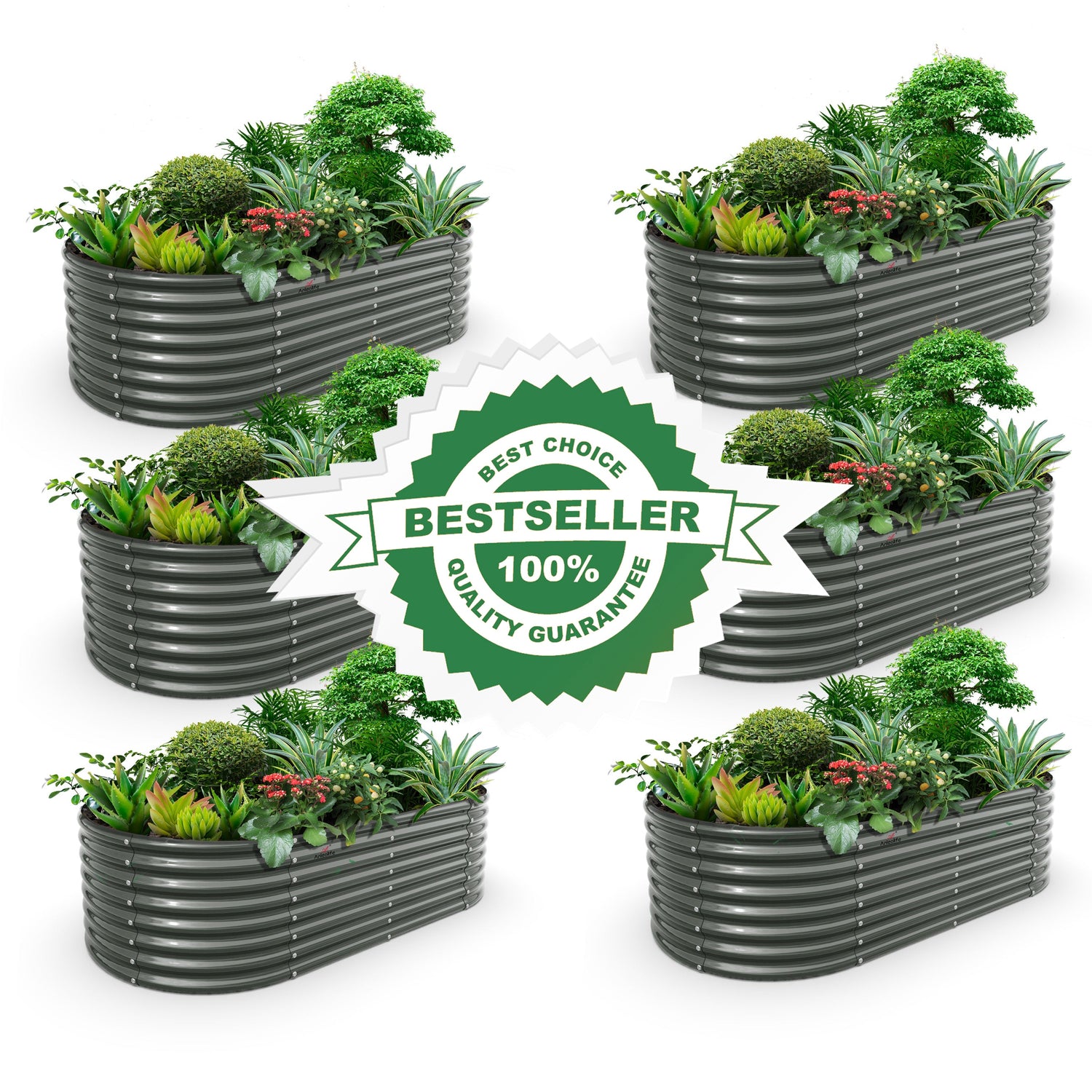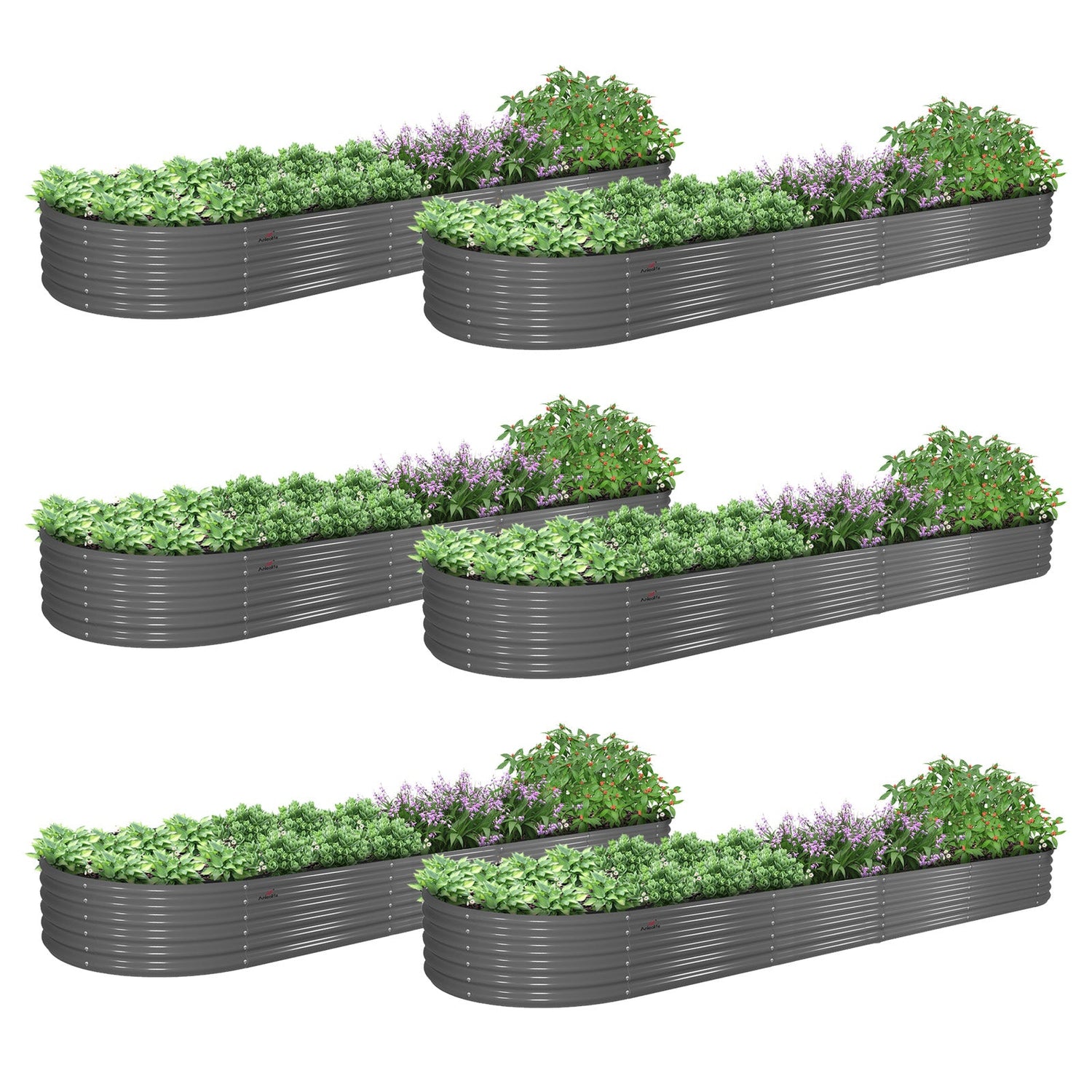



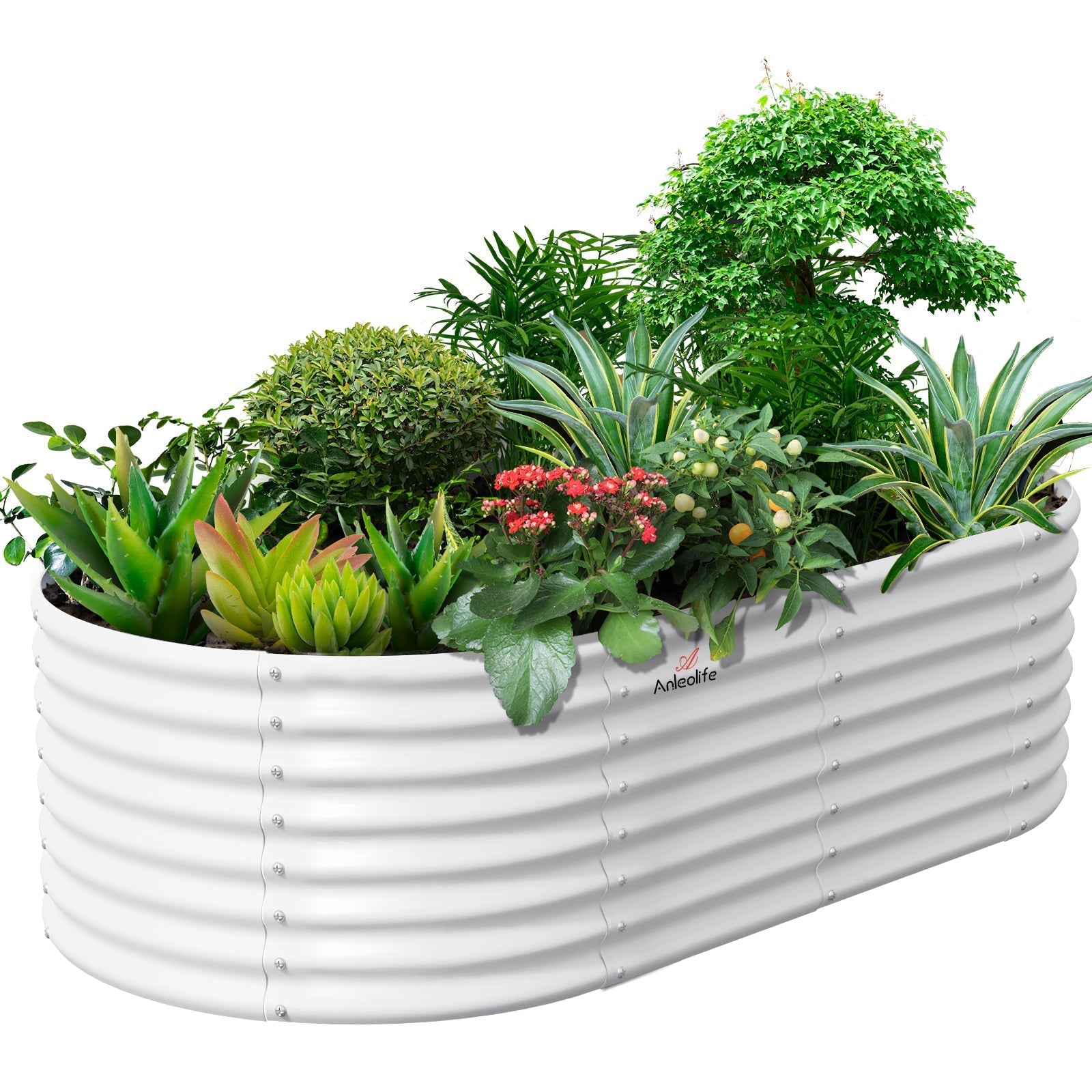
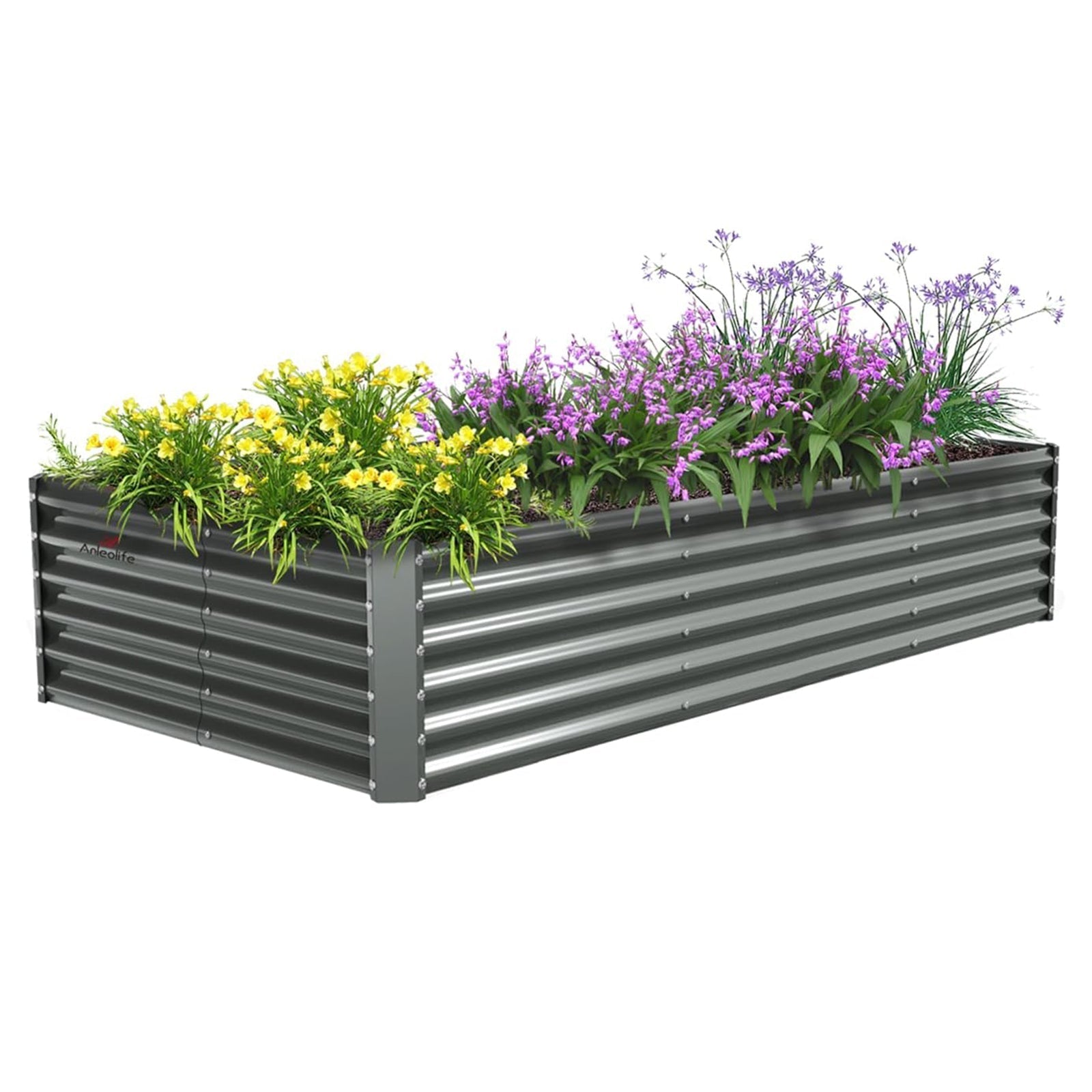

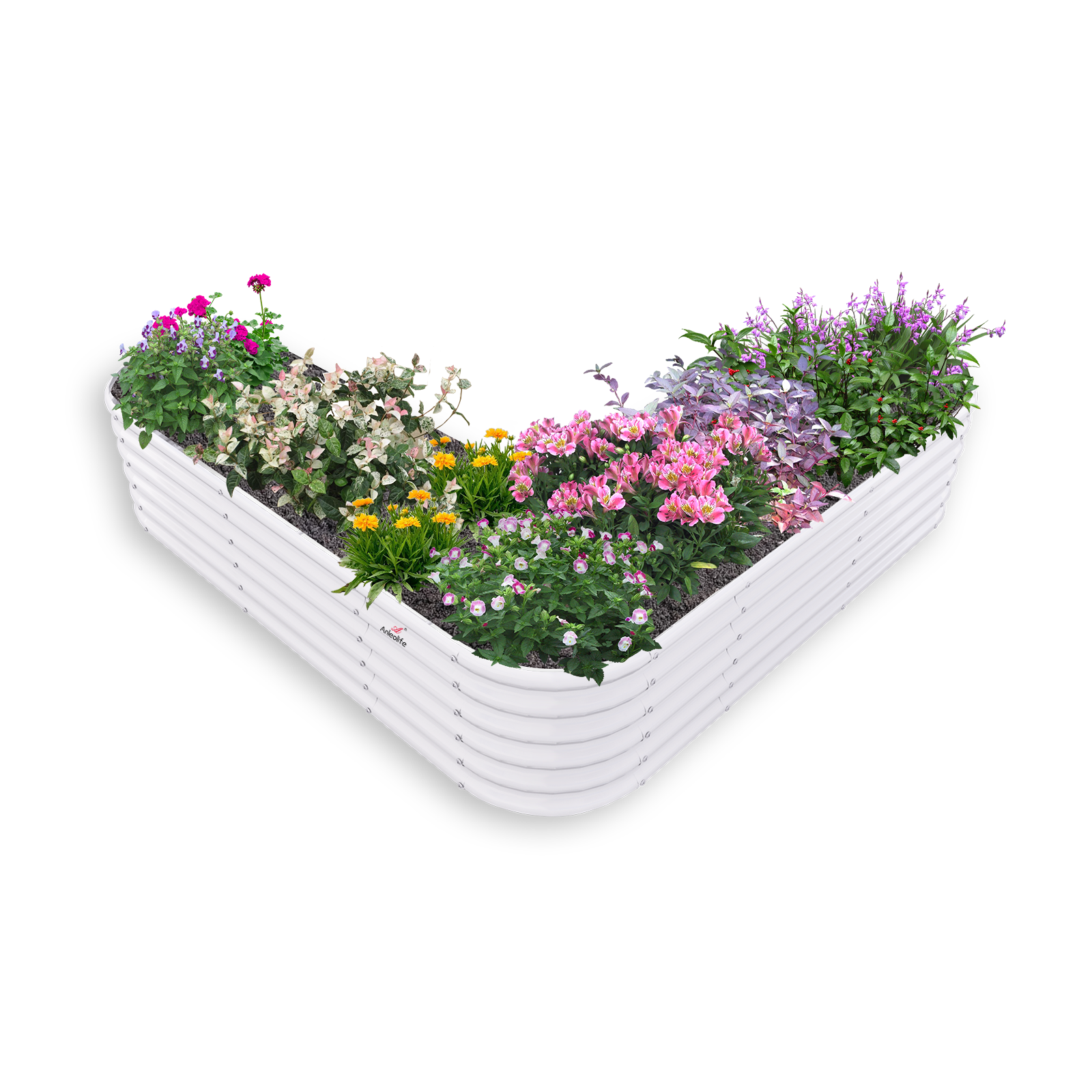
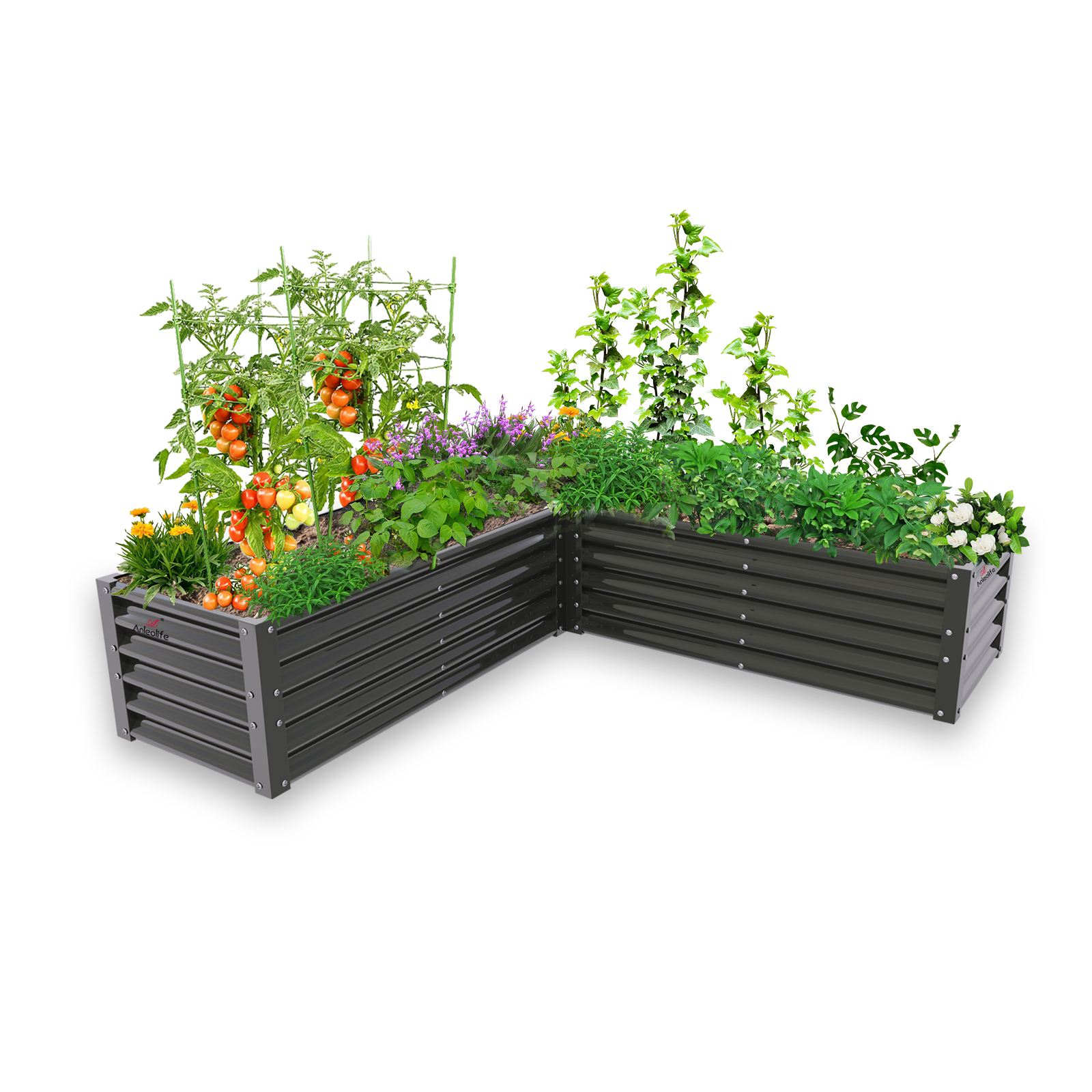
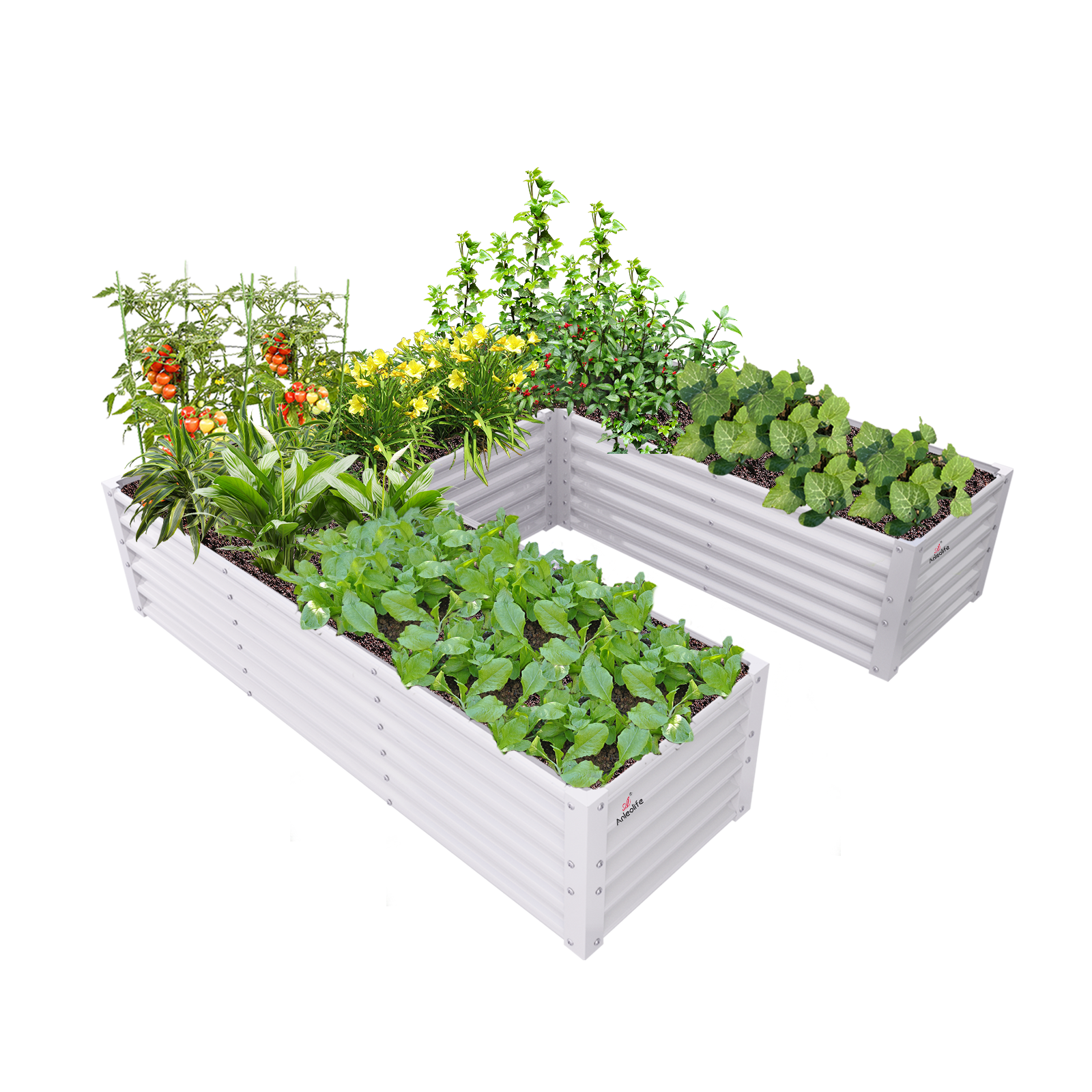

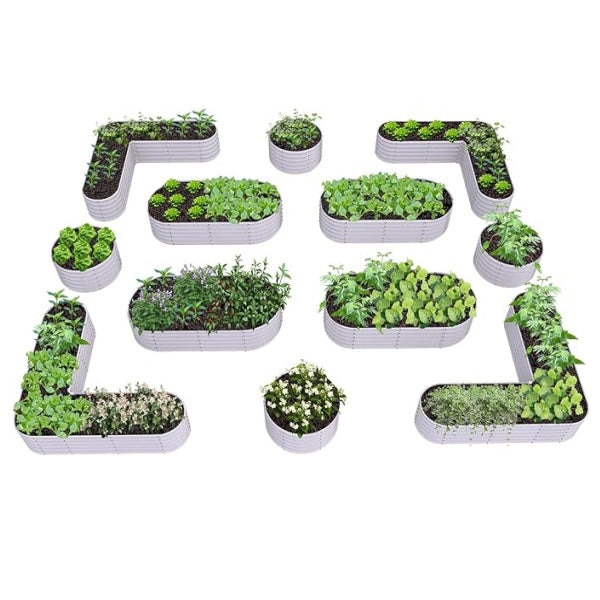


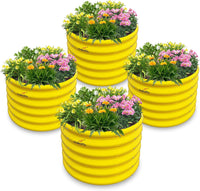
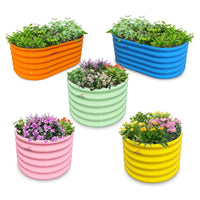
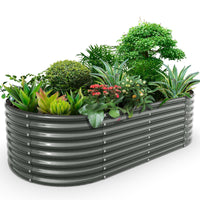




ALT: Colorful pollinator flowers planted in a metal raised garden bed attracting bees and butterflies
Why Your Raised Garden Bed Is the Perfect Pollinator Paradise
Key Conclusion: A thoughtfully planned raised bed garden layout transforms an ordinary backyard into a thriving pollinator haven. By selecting the right flowers for your raised bed planting layout, you attract bees, butterflies, and hummingbirds that boost fruit and vegetable yields by up to 30%. A well-designed raised bed layout combining annuals, perennials, and native plants provides season-long blooms while beautifying your outdoor space—making it one of the smartest investments any home gardener can make.
Pollinators are the unsung heroes of every productive garden. Without bees, butterflies, and other beneficial insects visiting your beds, fruiting vegetables underperform, seed production stalls, and the broader garden ecosystem suffers quietly. Yet many home gardeners overlook flowers entirely, dedicating every inch of raised bed space to edibles alone.
There's a better way. By weaving pollinator-friendly blooms into your raised garden bed, you create a mutually beneficial ecosystem—flowers attract pollinators, pollinators improve fruit set across your entire yard, and the visual result is a garden that genuinely delights. Whether you're working with a compact urban plot or a generous suburban backyard, the right flower selection makes all the difference.
Who Should Read This Guide
✅ Applicable Scenarios:
- Home gardeners who already grow vegetables in raised beds and want to improve pollination and yields
- Urban micro-gardeners looking to maximize biodiversity in a small footprint
- Empty nesters and retirees who want a low-maintenance, visually rewarding garden that also supports local wildlife
- Eco-conscious families who want to reduce chemical pest control by encouraging natural predators and pollinators
❌ Not Applicable/Cautions:
- Gardeners in HOA-regulated communities should verify flower height and species restrictions before planting
- If household members have severe bee sting allergies, consult a physician before intentionally attracting large pollinator populations close to high-traffic areas
- Gardeners in extreme northern climates (USDA Zone 3 or below) may find some species listed here require annual replanting
The Pollinator Crisis and Why Your Garden Bed Matters
The numbers are sobering. According to the U.S. Fish & Wildlife Service, populations of native pollinators—including monarch butterflies and several native bee species—have declined significantly over recent decades due to habitat loss, pesticide exposure, and climate disruption. Managed honeybee colonies have faced similar pressures, with annual losses frequently exceeding 30% in the United States.
What does this mean for the average home gardener? Simply put, you can no longer assume pollinators will simply show up. You need to invite them, and a raised garden bed filled with the right flowering plants is one of the most effective invitations you can extend.
The raised bed format is uniquely suited to pollinator gardening for several reasons. First, the elevated structure and defined growing space make it easier to plan a raised bed planting layout that ensures continuous blooms from early spring through late fall. Second, the superior drainage and soil quality typical of raised beds produce healthier, more floriferous plants. Third, the contained environment simplifies companion planting strategies that pair flowers with vegetables for mutual benefit.
Gardeners across North America have already recognized this opportunity. Interest in pollinator gardens has grown steadily alongside the broader urban farming movement, and raised bed gardening itself has surged as families seek to grow cleaner, fresher food at home. Combining these two trends—productive vegetable growing and intentional pollinator support—is the natural next step for anyone serious about a thriving, sustainable home garden.
High-quality raised bed infrastructure is the foundation. Anleolife's metal raised garden beds are engineered for longevity—built to last up to 20 years—giving you a stable platform to develop and refine your pollinator planting strategy season after season. When you invest in durable, quality infrastructure, you can focus your energy on what grows inside, not on replacing deteriorating beds every few years.
Planning Your Pollinator Flower Selection: A Complete Growing Guide
Three-Step Quick Start for Pollinator Raised Beds
Step 1: Assess Your Bloom Season Gaps
Before purchasing a single seed packet, map out when your current plants bloom. True pollinator support requires flowers available from early spring (March–April) through late fall (October–November). Walk your garden and note which weeks have no active blooms. This exercise typically takes 20–30 minutes and immediately reveals which flower types—early spring bulbs, midsummer annuals, or fall-blooming perennials—you need most. Filling these gaps is your highest priority.
Step 2: Choose a Mix of Natives and Proven Performers
Native wildflowers co-evolved with local pollinators and are almost always the most effective choices. However, certain non-native species—lavender, borage, and phacelia among them—are powerfully attractive to bees and butterflies and fill bloom gaps that native plants might leave. Aim for a raised bed layout where roughly 60–70% of flowering plants are regional natives, with the remainder selected for gap-filling bloom times and known pollinator appeal. This balance typically takes one full growing season to calibrate.
Step 3: Arrange for Visual Appeal and Pollinator Access
Place taller plants toward the back or center of your raised bed (depending on viewing angle) and shorter, spreading flowers toward the front edges. Pollinators navigate largely by color and scent, so clustering at least three plants of the same species together creates a more visible and rewarding target than scattering single specimens. Grouping also simplifies your maintenance routine. Plan this layout on paper before planting—spending 15–20 minutes sketching saves significant replanting effort later.
Top Pollinator Flowers for Raised Garden Beds: Comparison at a Glance
Choosing the right flowers depends on your climate zone, available sunlight, bed depth, and aesthetic preferences. The table below compares the most popular options across key dimensions to help you build a genuinely effective raised bed garden layout.
| Comparison Dimension | Lavender | Echinacea (Coneflower) | Borage | Zinnias | Black-Eyed Susan |
|---|---|---|---|---|---|
| Pollinator Appeal | Bees, butterflies | Bees, butterflies, moths | Bees (excellent) | Butterflies, bees | Bees, beetles, butterflies |
| Bloom Season | Early–midsummer | Midsummer–fall | Spring–fall (long) | Summer–fall | Midsummer–fall |
| Sun Requirement | Full sun | Full sun | Full sun | Full sun | Full sun–part shade |
| Annual/Perennial | Perennial | Perennial | Annual (self-sows) | Annual | Perennial |
| Edible/Companion Use | Culinary, aromatic | Medicinal | Edible flowers, leaves | Cut flower | Cut flower |
| Native to North America | No (Mediterranean) | Yes | No (Mediterranean) | No (Central America) | Yes |
| Ease of Growing | Moderate | Easy | Very easy | Very easy | Easy |
This table is a starting point, not a final answer. Your specific USDA hardiness zone, local soil conditions, and the particular pest pressures in your area will influence which performers actually shine in your beds. Consulting your local cooperative extension office for regionally specific advice is always worthwhile.
The Best Flowers for Raised Bed Pollinator Gardens: Detailed Guide
Lavender: The Bee Magnet with Year-Round Value
Lavender is consistently ranked among the top five bee-attracting plants in North America and Europe. Its dense purple flower spikes produce abundant nectar over a long bloom window, and its aromatic foliage deters certain garden pests—making it a true companion planting star.
In a raised bed, lavender thrives in well-drained soil with generous sun exposure. It dislikes wet feet, so the excellent drainage typical of quality raised beds is a genuine advantage. Established lavender plants return reliably year after year, making them a long-term fixture in your raised bed planting layout. Pair lavender with tomatoes, peppers, or squash to attract pollinators directly where they're needed most.
Echinacea (Purple Coneflower): North America's Native Powerhouse
Few flowers do more for native bee and butterfly populations than Echinacea purpurea and its relatives. These North American natives produce large, daisy-like flowers that remain attractive even after the petals drop—the seed heads become winter food for goldfinches and other birds, extending your garden's wildlife value well beyond the growing season.
Echinacea is drought-tolerant once established, low-maintenance, and increasingly available in an appealing range of colors beyond the classic purple-pink. Plant it in the middle or back of your raised bed layout where its height creates a natural backdrop for shorter companion plants. It typically begins blooming in its second year from seed, so starting with transplants delivers faster results for impatient gardeners.
Borage: The Underrated Pollinator Champion
Borage (Borago officinalis) deserves far more attention than it receives in mainstream gardening media. This fast-growing annual produces brilliant star-shaped blue flowers that are extraordinarily attractive to bumblebees—some studies suggest borage produces more nectar per flower than almost any other common garden plant.
Beyond its pollinator value, borage has culinary appeal: the flowers are edible and make beautiful, mildly cucumber-flavored garnishes for salads and drinks. The leaves can be used similarly to spinach when young. Borage grows quickly, tolerates a range of conditions, and self-sows reliably, meaning a single planting can establish a self-perpetuating colony in and around your beds. It's also a classic companion plant for strawberries and tomatoes.
Zinnias: The Butterfly Magnet and Cut Flower Favorite
Zinnias are the workhorses of summer pollinator gardening. Their bold, long-lasting blooms in every imaginable color attract monarch butterflies, swallowtails, painted ladies, and a host of native bees. They're also among the easiest flowers to grow from seed directly sown into raised bed soil after the last frost date.
From a raised bed garden layout perspective, zinnias offer exceptional flexibility. Compact varieties suit the front edges of beds; taller cultivars work beautifully in the middle sections. Because they produce such abundant cut flowers, they reward deadheading—removing spent blooms encourages even more flower production, extending the pollinator season and keeping your beds visually vibrant well into autumn.
Black-Eyed Susan: The Rugged Native Perennial
Rudbeckia hirta and its perennial relatives are staples of North American native plant gardens for good reason. Their cheerful yellow-and-black flowers bloom prolifically from midsummer through fall, precisely when many other pollinator plants begin to fade. This timing makes them essential gap-fillers in any serious pollinator raised bed planting layout.
Black-eyed Susans are exceptionally tolerant of heat, drought, and poor soil—though they'll perform noticeably better in the enriched, well-draining environment of a quality raised bed. They spread gradually over the years, forming attractive clumps, and their seed heads provide late-season food for birds after pollinator season ends.
Phacelia: The Specialist's Secret Weapon
Phacelia tanacetifolia is less well-known than the flowers above but is regarded by many commercial beekeepers and ecological gardeners as the single most effective bee-attracting plant available. Its fiddlehead-shaped clusters of violet-blue flowers produce enormous quantities of nectar and pollen, and research consistently shows it attracts more bee species than almost any other garden flower.
It's fast-growing, frost-tolerant in its seedling stage, and can be direct-sown in early spring. In warm climates, successive sowings every four to six weeks maintain a continuous bloom supply. Use phacelia as a living mulch between taller plants or as a dedicated pollinator strip along one edge of your raised bed.
Companion Planting Strategy: Mixing Flowers and Vegetables
The most effective pollinator raised bed layouts don't separate flowers from vegetables—they integrate them. Classic companions include:
- Nasturtiums alongside brassicas and cucumbers (repel aphids, attract pollinators)
- Sweet alyssum as a low-growing border (attracts beneficial predatory insects that control aphids and whitefly)
- Calendula near tomatoes and peppers (long bloom season, edible flowers, attracts pollinators)
- Marigolds throughout vegetable beds (nematode deterrent, pollinator attractor, vigorous self-sower)
These pairings reduce the need for chemical pest controls—a direct answer to gardeners searching for recommended pest control solutions for fruit trees and vegetable beds alike. A biodiverse garden that supports beneficial insects naturally suppresses pest populations, reducing your reliance on sprays and treatments.

ALT: Metal raised garden bed with lavender, zinnias, and echinacea attracting bees and butterflies alongside vegetable plants
Advanced Strategies for Maximizing Pollinator Impact
Extending the Season: Think in Three Phases
Most beginner gardeners plant for peak summer color and inadvertently create a feast-and-famine cycle for pollinators. Advanced raised bed pollinator gardening requires thinking in three distinct phases:
Early Spring (March–May): Sweet alyssum, pansies, and early borage starts provide nectar when queen bumblebees emerge from overwintering and desperately need food. This phase is the most commonly neglected and therefore the most impactful to address.
Peak Summer (June–August): Zinnias, lavender, echinacea, phacelia, and borage overlap to create abundant forage. This phase is where most gardeners already perform well.
Late Summer and Fall (September–November): Black-eyed Susans, late-blooming echinacea, and tall goldenrod provide critical fuel for pollinators building winter reserves, particularly monarch butterflies on their southern migration.
Common Misconceptions to Avoid
Misconception 1: "More colorful means more attractive to pollinators." In reality, bees see in the ultraviolet spectrum and are most strongly attracted to blue, violet, and yellow flowers. Highly bred double-flowered varieties, while visually stunning to humans, often have reduced nectar and pollen accessibility—single-flowered species and heirloom varieties typically outperform them for pollinator value.
Misconception 2: "Native plants only." While natives are ecologically valuable, the research shows that certain non-native species—particularly lavender, phacelia, and borage—can outperform many natives in terms of raw nectar production. A pragmatic approach that blends natives with high-performing non-natives delivers the best real-world results.
Misconception 3: "A few flowers are enough." Pollinators are more reliably attracted to mass plantings of three or more specimens of the same species than to scattered individual plants. Consolidate your flower choices and plant generously for measurable impact.
Soil and Bed Quality: The Foundation of Flower Performance
The best flower selection will underperform in depleted, poorly drained soil. Raised beds that use a high-quality blended growing medium—typically a mix of topsoil, aged compost, and perlite or coarse sand—produce dramatically more vigorous plants with more abundant blooms and higher nectar production. Refreshing your bed's compost content each spring is one of the highest-return maintenance tasks in the pollinator gardener's calendar.
This is where investing in quality, durable raised bed infrastructure pays dividends over time. Anleolife's metal raised garden beds, with a lifespan of up to 20 years, provide the stable, long-term growing environment that lets your perennial pollinator plants—lavender, echinacea, black-eyed Susan—establish deep root systems and improve with age.
Frequently Asked Questions FAQ
Q1: How do I choose the best flowers for a raised garden bed if I'm a beginner?
Start with the easiest, most proven performers: zinnias, borage, and nasturtiums are all direct-sow annuals that germinate quickly and produce abundant blooms in their first season with minimal care. Add one or two native perennials—echinacea or black-eyed Susan—as transplants for a more established look. This combination gives you immediate impact while building the foundation of a long-term raised bed planting layout that improves year over year as perennials mature.
Q2: Are metal raised garden beds safe for growing flowers and vegetables near pollinators?
Yes, high-quality galvanized or powder-coated metal raised garden beds are safe for both edible plants and pollinator gardens. The key is choosing beds made from food-safe materials without toxic coatings. Quality metal raised beds like those from Anleolife are designed specifically for home food and flower production, with durability that lasts up to 20 years—meaning no ongoing concern about material degradation affecting your soil or plants over time.
Q3: How long does it take to establish a productive pollinator raised bed garden?
A well-planned raised bed pollinator garden can attract noticeable bee and butterfly activity in its very first season, particularly if you prioritize fast-blooming annuals like zinnias, borage, and nasturtiums. Perennial plants—echinacea, lavender, black-eyed Susan—typically reach their full bloom and pollinator-attracting potential in their second or third year. Plan for a two-to-three season timeline to achieve a mature, fully productive raised bed garden layout that delivers season-long pollinator support.
Summary
Creating a pollinator-friendly raised garden bed is one of the most rewarding and ecologically meaningful projects any home gardener can undertake. Let's recap the three core takeaways:
1. Flower selection determines pollinator success. Native and proven non-native species—lavender, echinacea, borage, zinnias, black-eyed Susan, and phacelia—consistently outperform generic ornamentals. Prioritize single-flowered varieties, native species, and plants with documented high nectar production.
2. Season-long bloom coverage is non-negotiable. A raised bed planting layout that provides flowers from early spring through late fall supports pollinators through their entire annual cycle, not just the convenient midsummer window. Mapping and filling bloom gaps before planting is the single most impactful planning step you can take.
3. Quality infrastructure makes everything easier. A raised bed built to last—with excellent drainage, good soil volume, and durable materials—produces healthier, more productive plants. When your infrastructure lasts 20 years, you can invest your energy in refining your raised bed layout rather than repairing or replacing failing beds.
Your next step is simple: assess your current bloom season map, identify your gaps, choose two or three high-impact species from this guide, and order your seeds or transplants. The pollinators will follow.
Ready to Build Your Pollinator Garden?
Anleolife supports your gardening journey from first planting to full ecosystem. Our nationwide U.S. warehouse network—strategically located in California, Texas, Florida, New York, Illinois, and Washington—ensures delivery within 3–8 business days, so your garden upgrade plans never have to wait for the right growing window.
Our products are available across the platforms you already trust: Amazon, Walmart, Home Depot, Lowe's, Wayfair, and directly at Anleolife.com—with consistent quality assurance and after-sales support no matter where you shop.
Anleolife's three core scenarios cover everything your garden needs: Planting (metal raised garden beds engineered for 20-year durability, premium soil systems), Raising (chicken coops, rabbit hutches for a complete homestead experience), and Beautification (decorative accessories, pathway systems that make your garden as beautiful as it is productive).
We understand that an ideal garden isn't built overnight—it's grown, season by season. Our modular product design allows flexible expansion based on your evolving needs, from your very first raised bed to a fully integrated planting-and-raising ecosystem. We grow with you, every step of the way.
References
- U.S. Fish & Wildlife Service. "Pollinators: Why They Matter and How to Help Them".
https://www.fws.gov/pollinators - USDA Agricultural Research Service. "Honey Bee Health and Colony Losses".
https://www.ars.usda.gov/research/programs/honeybee-health/ - University of California Agriculture and Natural Resources. "Pollinator Plants for the Garden".
https://ucanr.edu/ - Xerces Society for Invertebrate Conservation. "Plants for Pollinators: Regional Planting Guides".
https://www.xerces.org/pollinator-conservation/plants - Penn State Extension. "Native Plants and Pollinators: Creating Habitat in Home Gardens".
https://extension.psu.edu/
Note: Standards and research may be updated; please check the latest official documents or consult professional advisors for the most current guidance.
About Anleolife
Anleolife is a leading outdoor garden solutions provider in North America, dedicated to offering a full-scenario product ecosystem for home gardening enthusiasts, covering planting, raising, and garden beautification. Since its founding, we have upheld our brand mission, "Made for Garden Life," continuously innovating products and optimizing services to help hundreds of thousands of users upgrade their gardens, reconnect with nature, and enjoy a better garden lifestyle.