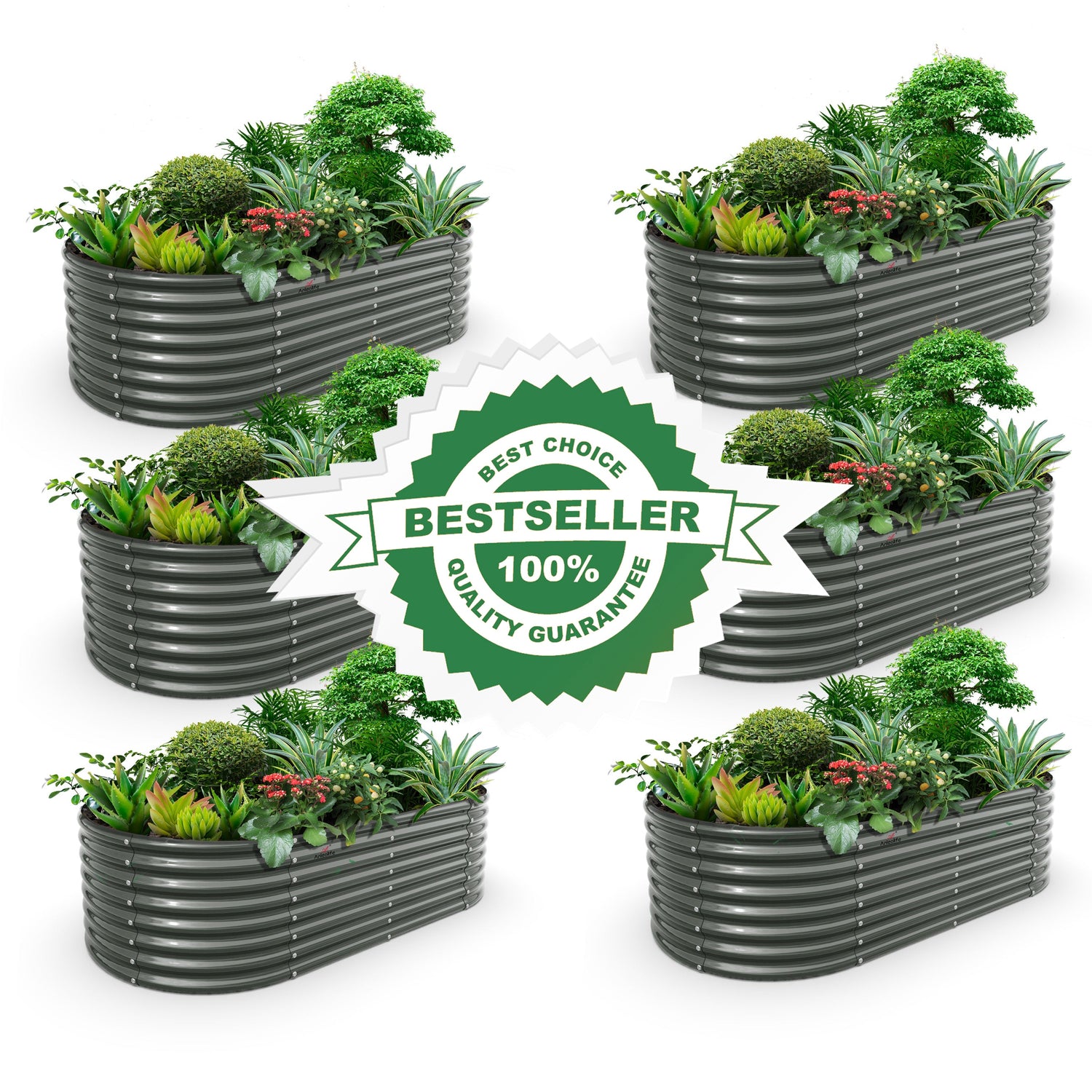



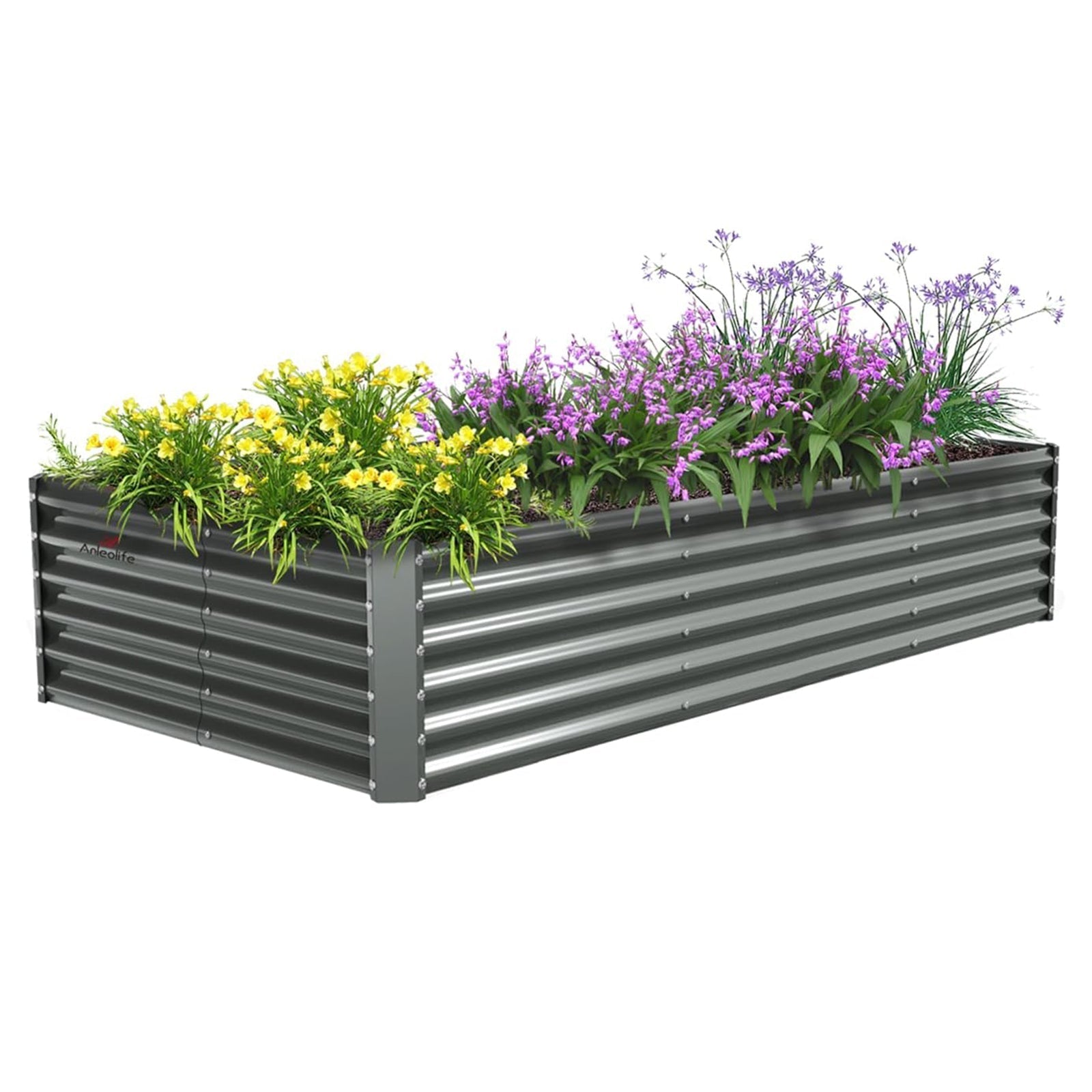

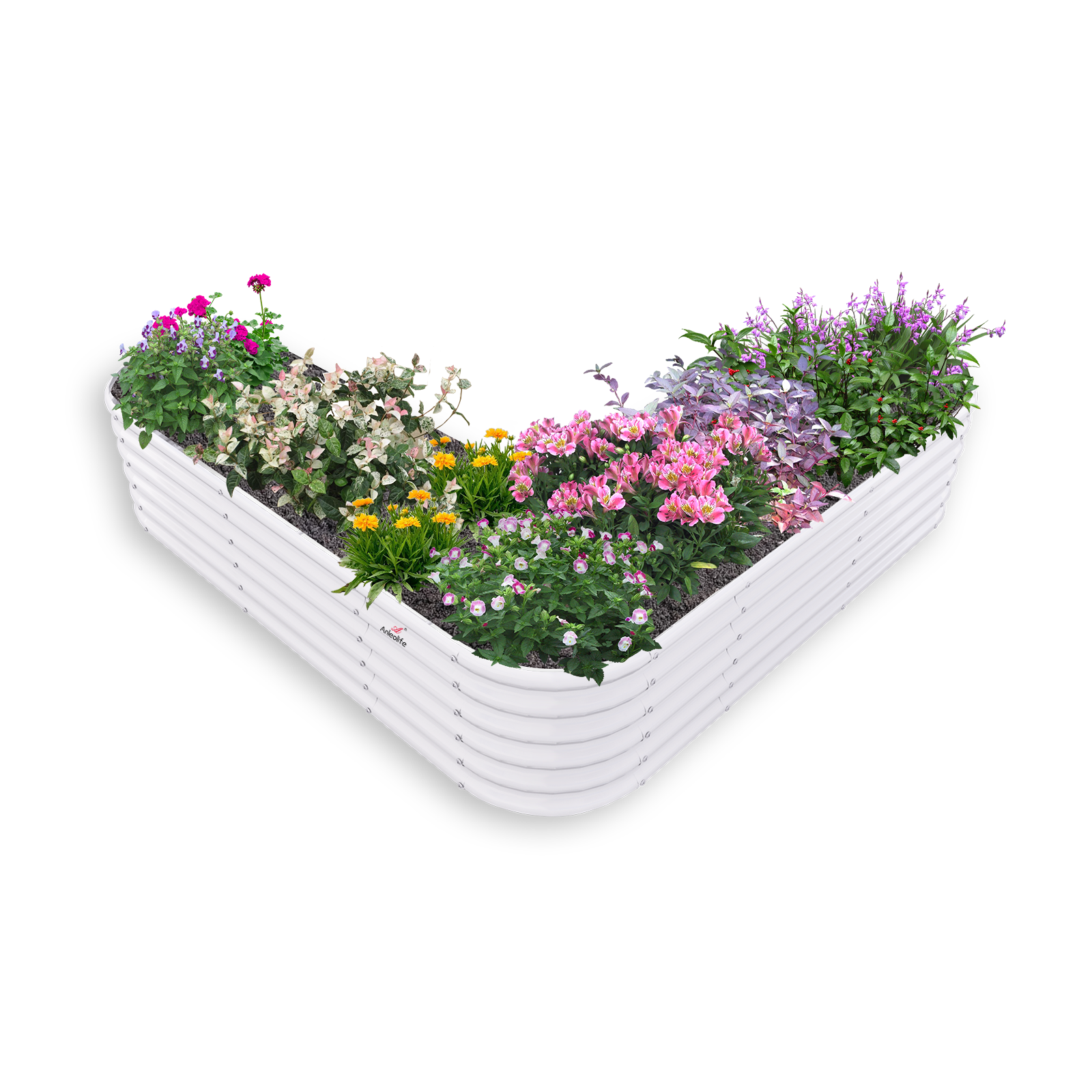
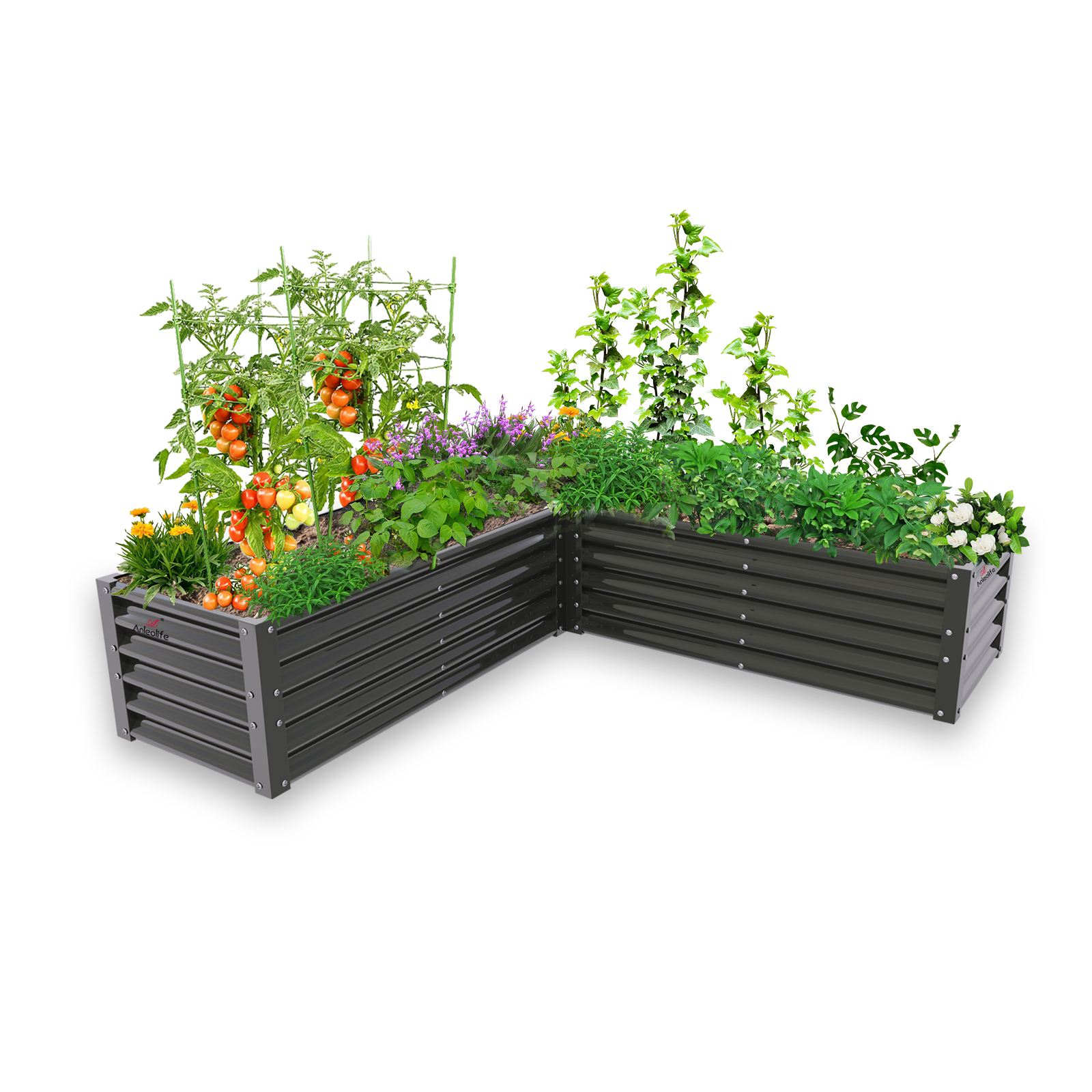
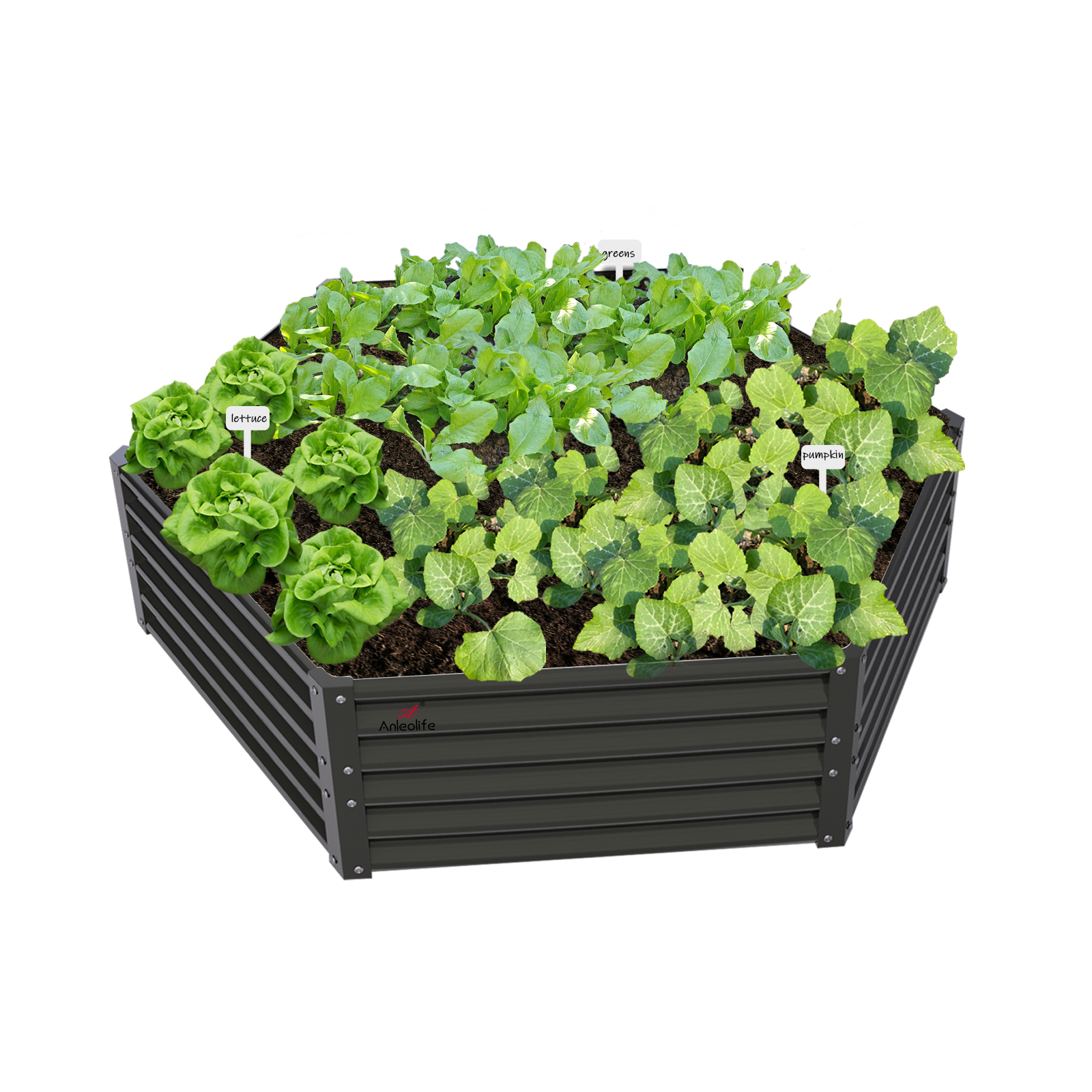
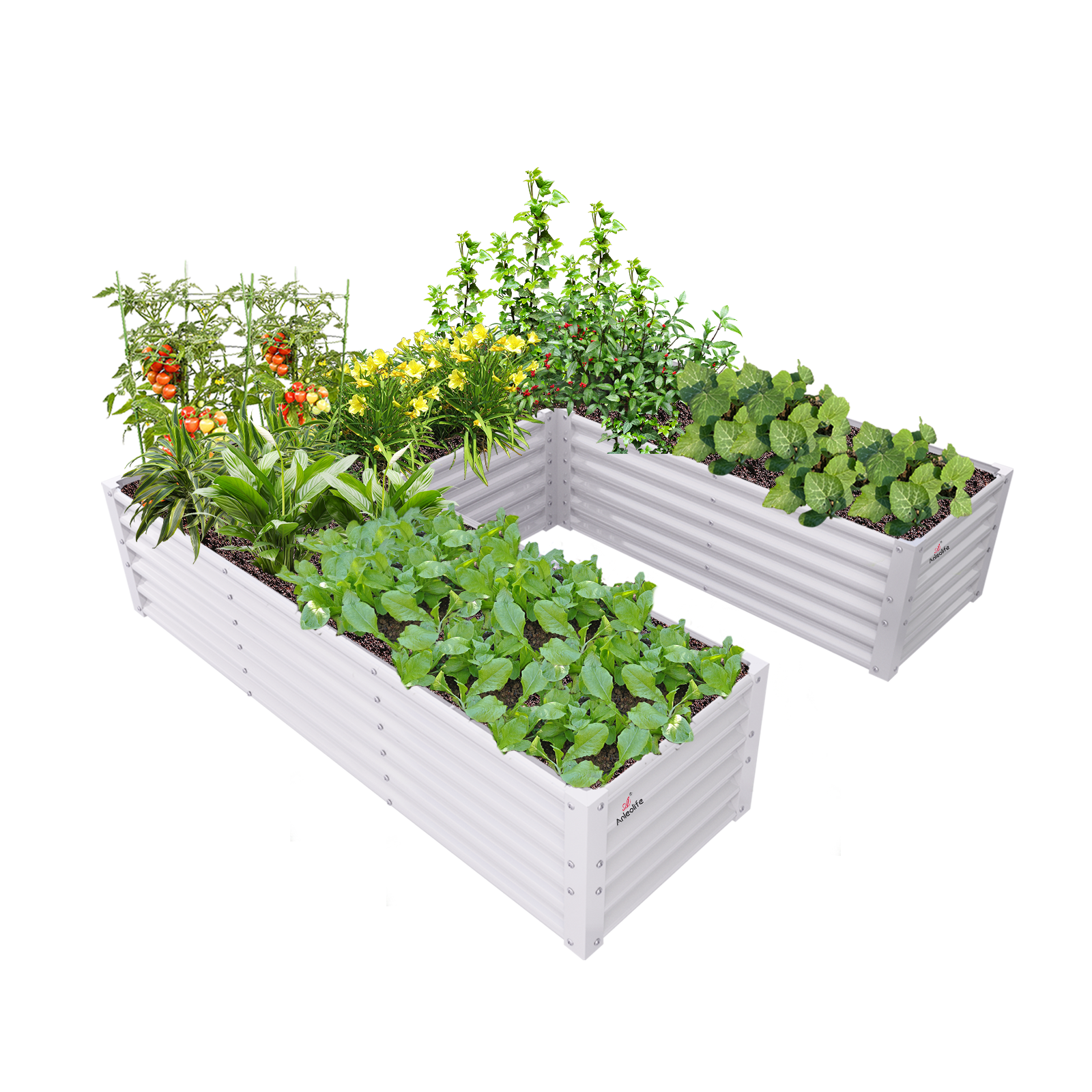

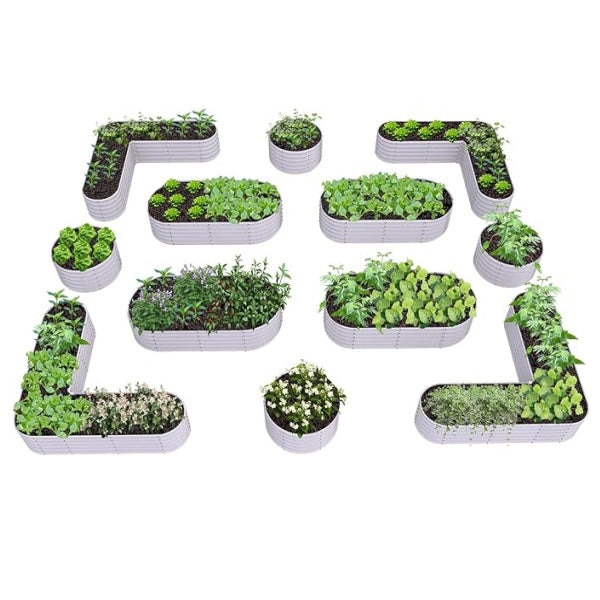


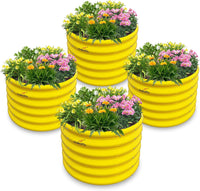
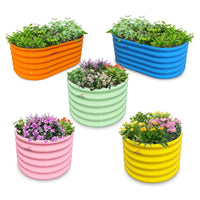




ALT: Colorful pollinator-friendly flowers blooming in a raised garden bed layout during June sunshine
Why Your Raised Bed Garden Layout This June Should Include Pollinator Flowers
Key Conclusion: Designing a thoughtful raised bed garden layout with pollinator-friendly flowers in June is one of the most rewarding moves a home gardener can make. A well-planned raised bed planting layout not only brings vibrant color to your outdoor space but actively supports bees, butterflies, and beneficial insects that improve the health of your entire garden ecosystem. Whether you are refining an existing raised bed layout or starting fresh, choosing the right June-blooming flowers can transform your garden into a living sanctuary.
June marks one of the most dynamic months in the North American growing calendar. Temperatures are consistently warm, day length is at its peak, and pollinators are actively foraging. For home gardeners who already use raised beds, this is the perfect window to layer in flowering plants alongside vegetables or as standalone ornamental displays.
Three key points make June pollinator planting in raised beds particularly compelling: the season aligns with peak bee and butterfly activity, raised beds offer superior drainage and soil control that many flowering plants love, and a well-designed planting layout creates a cascade of blooms that can carry your garden from early summer through fall. Let's dig into how to make the most of this golden gardening window.
Who Should Read This Guide
✅ Applicable Scenarios:
- Home gardeners with existing or planned raised metal garden beds who want to attract pollinators
- Eco-conscious growers looking to reduce pesticide use by supporting beneficial insect populations
- Urban micro-gardeners with limited space who want maximum visual impact and ecological value
- Empty nesters and retirees seeking low-maintenance, high-reward planting strategies for summer
❌ Not Applicable/Cautions:
- Gardeners in cold northern climates who have not yet reached their last frost date (check your local zone before transplanting warm-season flowers)
- Those planning purely edible raised beds with no room for ornamental companions—though companion flowers can often double as both beautiful and functional additions
The Science and Significance of Pollinator-Friendly Raised Beds in June
Pollinators—including bees, butterflies, moths, hoverflies, and even certain beetles—are responsible for pollinating roughly 75% of the world's flowering plants and approximately 35% of global food production, according to the Food and Agriculture Organization of the United Nations. In backyard gardens, their presence can mean the difference between a modest vegetable harvest and an abundant one.
Raised garden beds have surged in popularity across North America over the past decade, and for good reason. They offer warmer soil temperatures earlier in the season, excellent drainage, fewer weed pressures, and the ability to customize your growing medium. When you intentionally incorporate pollinator flowers into your raised bed garden layout, you create what ecologists call a "habitat island"—a concentrated source of nectar and pollen that supports local wildlife while beautifying your outdoor space.
June is particularly strategic. Many early-season bloomers like tulips and pansies are fading, yet summer-blooming perennials and annuals are hitting their stride. By planting now, you fill what's sometimes called the "June gap"—a period when natural foraging resources can dip before mid-summer abundance kicks in.
Why raised beds specifically? Unlike ground-level gardens, raised beds give you precise control over soil composition, which directly influences plant health and bloom quality. Flowers planted in well-amended, free-draining soil tend to produce more nectar. The elevated structure also makes it easier to observe pollinator activity up close—a therapeutic bonus for empty nesters and retirees who enjoy wildlife watching from a patio or deck.
For gardeners who want to explore a complete raised bed ecosystem—from soil management to companion planting—Anleolife's full resource hub at https://www.anleolife.com/ is an excellent starting point. Their metal raised garden beds are engineered for durability, with a garden bed lifespan of 20 years, meaning the investment you make in your pollinator garden today will continue delivering value for decades.
The Best Flowers to Plant in Your Raised Bed for Pollinators This June
Three-Step Quick Start: Getting Your Pollinator Raised Bed Ready
Step 1: Assess and Prepare Your Raised Bed Soil
Before planting a single seed or transplant, evaluate your existing soil. Good drainage is non-negotiable for most pollinator flowers—waterlogged roots lead to disease and poor blooming. If you are setting up a new raised bed, fill it with a blend of quality topsoil, compost, and a perlite or coarse sand component to ensure proper drainage. For established beds, loosen the top several inches and work in fresh compost. This preparation takes roughly 30–60 minutes per bed but sets the foundation for a thriving summer display.
Step 2: Choose Your Flower Palette Based on Bloom Time and Pollinator Type
Not all pollinators are attracted to the same flowers. Bees tend to favor blue, purple, and yellow blooms with accessible pollen; butterflies are drawn to flat-topped or clustered flowers in bright oranges, reds, and pinks; hoverflies prefer small, open-faced flowers. Plan your raised bed planting layout to include a mix of shapes and colors that will appeal to multiple pollinator species. Aim for at least three plants with overlapping bloom periods to ensure continuous foraging opportunities from June through September.
Step 3: Plant, Mulch, and Install Supports Where Needed
Transplant seedlings in the evening or on a cloudy day to reduce transplant shock. Water thoroughly after planting and apply a thin layer of organic mulch around—but not touching—the stems to retain moisture and suppress weeds. Taller varieties like sunflowers or zinnias may need simple stakes or a trellis. Once established, most of the flowers on our list are remarkably self-sufficient, making them ideal for gardeners who want beauty without constant fuss.
Top Flower Varieties for Pollinators: A Raised Bed Comparison
Choosing the right flowers means balancing bloom time, growth habit, pollinator appeal, and maintenance level. Here is a practical comparison of some of the best options for June planting in raised beds:
| Flower Variety | Primary Pollinators Attracted | Bloom Duration | Maintenance Level | Best Raised Bed Position |
|---|---|---|---|---|
| Lavender | Bees, butterflies, moths | June–September | Low | Back or center border |
| Zinnias | Butterflies, bees | July–frost | Low | Mid to back row |
| Coneflower (Echinacea) | Bees, butterflies, goldfinches | June–August | Low-medium | Back or center |
| Borage | Honeybees, bumblebees | June–September | Very low | Mid row |
| Sweet Alyssum | Hoverflies, small bees | June–frost | Very low | Front edge/border |
| Sunflowers | Bees, butterflies, birds | July–September | Low | Back row or corners |
| Cosmos | Butterflies, bees | July–frost | Very low | Mid to back |
| Catmint (Nepeta) | Bumblebees, honeybees | May–August | Low | Front to mid row |
This comparison can guide your raised bed layout decisions before you head to the nursery or place a seed order.
Detailed Plant Profiles: Growing Each Pollinator Flower Successfully
Lavender: The Bee Magnet
Lavender is arguably the single most effective pollinator plant you can add to a raised bed. Its aromatic spikes are irresistible to bees of all species and produce abundant nectar throughout the early summer season. In a raised bed, lavender thrives because the elevated, well-drained environment mimics its native Mediterranean habitat.
Plant lavender in full sun—at least six hours daily—and resist the urge to overwater. Once established, it is highly drought-tolerant, making it an excellent choice for busy families or retirees who prefer low-intervention gardening. In your raised bed garden layout, position lavender toward the back or center where its height creates a fragrant vertical accent.
Zinnias: The Butterfly Buffet
If you want to transform your raised bed into a butterfly landing zone, zinnias are your best tool. Their wide, flat flower heads offer a stable platform for butterflies to rest and feed, and they bloom in an extraordinary range of colors—from soft creams to hot pinks and fiery oranges.
Zinnias grow quickly from seed, making them an excellent late-spring direct-sow option. They prefer warm soil, so June is peak planting time in most of North America. Deadhead spent blooms regularly to extend the flowering season well into fall. Because they grow vigorously, factor their eventual spread into your raised bed planting layout so they don't crowd slower-growing neighbors.
Coneflower (Echinacea): The Perennial Powerhouse
Echinacea, commonly called coneflower, is a North American native that pollinators absolutely adore. Its prominent central cone provides a landing pad for bumblebees and butterflies, while its daisy-like petals wave like a welcome flag across the garden.
As a perennial, coneflower will return year after year in your raised bed, providing multi-season ecological value from your one-time planting investment. It is moderately drought-tolerant once established, thrives in full sun to partial shade, and produces seed heads in fall that attract songbirds. In terms of a raised bed layout that works across seasons, few plants deliver more consistent returns.
Borage: The Unsung Hero
Borage is one of gardening's best-kept secrets. Its vivid blue, star-shaped flowers are among the most bee-attractive of any common garden plant, and studies have shown that borage produces exceptional quantities of nectar. It is also edible—both flowers and young leaves have a cucumber-like flavor—making it a dual-purpose addition to a kitchen garden raised bed.
Borage self-seeds freely, which means once you plant it, it will often return on its own in subsequent years. It tolerates a range of soil conditions and grows quickly, providing early pollinator support while longer-season plants are still getting established.
Sweet Alyssum: The Living Mulch
For the front edges of your raised beds, sweet alyssum is a masterclass in efficiency. Its tiny, honey-scented white or purple flowers are magnets for hoverflies and small native bees, making it a critical addition for gardeners who also grow vegetables—hoverfly larvae are voracious aphid predators.
Alyssum forms a dense, low mat that effectively suppresses weeds at the border of your bed, functioning almost like a living mulch. It blooms prolifically from June until the first hard frost, and while it may slow during the hottest weeks of summer, it reliably rebounds when temperatures moderate in late August.
Sunflowers: The Grand Finale
No pollinator garden is complete without sunflowers. These iconic plants produce massive quantities of pollen and nectar, supporting not just bees and butterflies but also feeding songbirds as the season transitions toward fall. In a raised bed, compact or dwarf sunflower varieties work best, positioned along the back row so they don't shade shorter companions.
Sunflowers establish quickly from seed and require minimal care beyond consistent watering in dry spells. They serve as a focal point in any raised bed garden layout—a dramatic visual anchor that ties together a diverse planting scheme.
Cosmos: Effortless Elegance
Cosmos are feathery, airy flowers that seem to dance in summer breezes. Their delicate appearance belies their toughness—they thrive in average to poor soil and require very little fertilizer or supplemental watering once established. Butterflies particularly favor cosmos, and their open, accessible blooms also welcome small native bees.
Direct sow cosmos in late May or early June for blooms by mid-July. They are prolific self-seeders, and many gardeners find that after the first year, cosmos simply appear each spring without any intervention—a wonderful example of a garden becoming more self-sustaining over time.
Catmint (Nepeta): Early-Season Coverage
For bridging the gap between late spring and peak summer, catmint is invaluable. It typically begins blooming in May and carries through August with consistent bumblebee and honeybee activity. Its silvery-gray foliage is ornamentally attractive even when not in bloom, and like lavender, it is highly deer-resistant—an important consideration for suburban and rural gardeners.
Catmint works beautifully as an edging plant along the front rows of a raised bed, its cascading habit softening the hard lines of a metal bed frame.

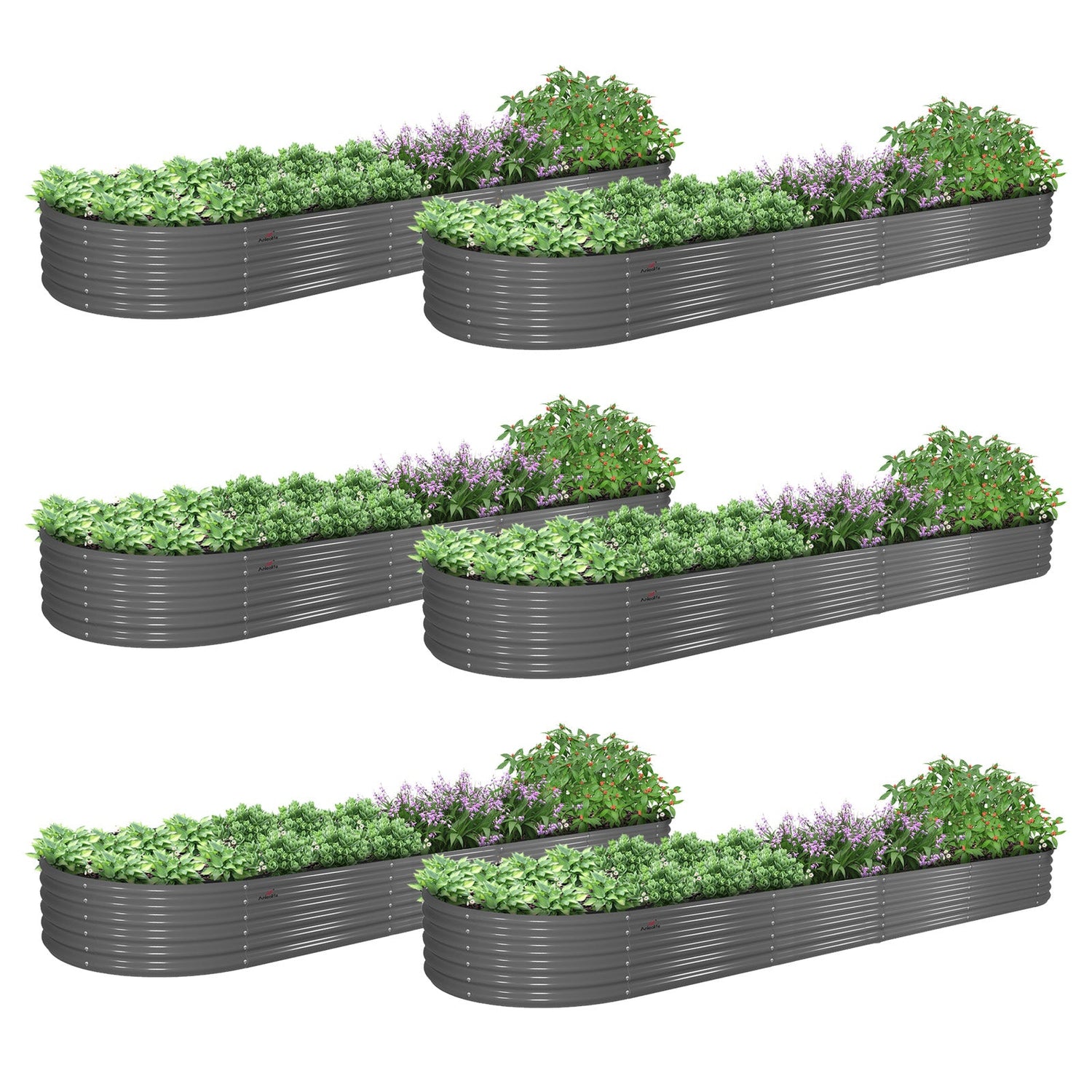
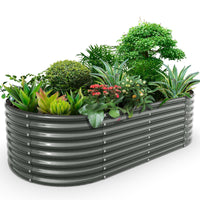
ALT: Zinnias, lavender, and coneflowers blooming in a metal raised garden bed attracting butterflies and bees in June sunlight
Advanced Strategies for Maximizing Pollinator Impact
Layering Bloom Times for Continuous Foraging
The most ecologically valuable pollinator gardens provide resources not just for a few peak weeks but across the entire growing season. When designing your raised bed planting layout, think in three bloom waves: early (catmint, alyssum), mid-season (lavender, coneflower, borage), and late (zinnias, cosmos, sunflowers). This sequential approach ensures pollinators have reliable food sources from June through the first frost.
Addressing Common Misconceptions
Misconception 1: More flowers always mean more pollinators.
Quality and diversity matter more than sheer quantity. A raised bed with five different flower species will typically attract a richer diversity of pollinators than a monoculture of a single variety, no matter how many plants it contains.
Misconception 2: Native plants are the only valid choice.
While native plants are genuinely excellent for supporting local pollinator populations, many non-native plants—such as lavender, borage, and sweet alyssum—are also highly beneficial. A pragmatic approach that blends natives with proven non-native performers is perfectly sound ecological gardening.
Misconception 3: Raised beds need perfect drainage systems to succeed.
While proper drainage is important—and installing a layer of coarse gravel or hardware cloth at the base of a raised bed is a smart precaution—most pollinator flowers are forgiving of imperfect conditions as long as standing water doesn't persist. The best way to install drainage in raised beds is simply to ensure a permeable base layer and well-structured growing mix that doesn't compact over time.
Integrating Your Pollinator Garden with the Broader Ecosystem
Consider your raised pollinator bed as one component of a larger garden strategy. Pair it with water sources (a shallow dish of water with pebbles for bees to land on), nearby shelter plants, and an avoidance of synthetic pesticides within the immediate vicinity. Together, these elements create a genuinely supportive habitat rather than simply a decorative display.
Frequently Asked Questions FAQ
Q1: How do I arrange flowers in a raised bed garden layout to maximize pollinator visits?
Arrange taller plants like sunflowers and coneflowers at the back of your raised bed and shorter ones like sweet alyssum and catmint at the front, ensuring all plants receive adequate sunlight. Include a variety of flower shapes—tubular, flat-topped, and composite—to serve different pollinator mouthparts. Clustering at least three plants of the same species together makes individual patches more visible and attractive to foraging bees and butterflies.
Q2: Are metal raised garden beds safe for growing pollinator flowers and edible plants together?
Yes. High-quality galvanized or powder-coated metal raised garden beds are safe for growing both ornamental pollinator flowers and edible crops. Anleolife's metal raised garden beds are built for long-term performance with a garden bed lifespan of 20 years, providing a durable and safe growing environment. The key is selecting a bed made with food-safe materials and coating finishes, which reputable manufacturers prioritize.
Q3: How long does it take for pollinator flowers planted in June to start attracting bees and butterflies?
Most transplanted pollinator flowers will begin attracting pollinators within one to two weeks of planting, as soon as blooms open. Fast-growing annuals like zinnias and cosmos may take four to six weeks from seed to first bloom in June conditions. Established perennials like coneflower and catmint that were transplanted in June often bloom within the same season, providing pollinator resources before summer's end.
Summary
Creating a pollinator-friendly raised bed garden this June is one of the most meaningful and visually rewarding projects a home gardener can undertake. Let's recap the three core takeaways:
First, timing matters. June planting aligns perfectly with peak pollinator activity and ensures your flowers establish before the intense heat of mid-summer. By choosing varieties with staggered bloom periods, your raised bed garden layout will deliver ecological and aesthetic value from now through fall.
Second, plant diversity drives pollinator diversity. A thoughtfully layered raised bed planting layout that includes bee favorites like lavender and borage alongside butterfly magnets like zinnias and cosmos will support a far richer range of wildlife than any single-species approach.
Third, the raised bed structure itself is a strategic advantage. Superior drainage, warm soil, and customizable growing media give pollinator flowers the ideal conditions to produce abundant nectar and pollen. A high-quality metal raised bed built to last 20 years means your investment in pollinator habitat compounds year after year.
Your next steps: Select two to three flower varieties from this guide that appeal to you and suit your local climate. Prepare your raised bed soil this week. Plant by mid-June for the best results. Then sit back, observe, and enjoy the extraordinary activity that follows.
Upgrade Your Garden with Anleolife
Anleolife supports your entire garden journey from the ground up. With a nationwide U.S. warehouse network strategically located in California, Texas, Florida, New York, Illinois, and Washington, your order arrives in 3–8 business days—so your June planting plans stay on schedule without delays.
Products are available across major platforms including Amazon, Walmart, Home Depot, Lowe's, Wayfair, and directly at Anleolife.com, offering consistent quality assurance and after-sales service wherever you shop.
Anleolife's three core product scenarios cover everything a serious gardener needs: Planting (metal raised garden beds with a 20-year lifespan, soil systems), Raising (chicken coops, rabbit hutches), and Beautification (decorative accessories, pathway systems)—meeting complete needs from functionality to aesthetics.
We understand that an ideal garden is not built overnight, but gradually improved over time. Our modular product design allows flexible expansion based on your needs—from your first raised garden bed to a fully integrated planting-and-raising ecosystem. We grow with you every step of the way.
References
- Food and Agriculture Organization of the United Nations. "Why Bees Matter: The Importance of Bees and Other Pollinators for Food and Agriculture."
https://www.fao.org/3/I9527EN/i9527en.pdf - U.S. Department of Agriculture Agricultural Research Service. "Pollinators: Why They Matter and How to Help Them."
https://www.ars.usda.gov/oc/utm/pollinators/ - University of California Agriculture and Natural Resources. "Planting for Pollinators: A Guide to Creating Habitat in Your Garden."
https://ucanr.edu/ - Penn State Extension. "Attracting Pollinators to the Garden."
https://extension.psu.edu/attracting-pollinators-to-the-garden - The Xerces Society for Invertebrate Conservation. "Pollinator Conservation Resource Center."
https://www.xerces.org/pollinator-conservation
Note: Standards and research findings may be updated. Please check the latest official documents or consult professional advisors for the most current information.
About Anleolife
Anleolife is a leading outdoor garden solutions provider in North America, dedicated to offering a full-scenario product ecosystem for home gardening enthusiasts, covering planting, raising, and garden beautification. Since its founding, we have upheld our brand mission, "Made for Garden Life," continuously innovating products and optimizing services to help hundreds of thousands of users upgrade their gardens, reconnect with nature, and enjoy a better garden lifestyle.