


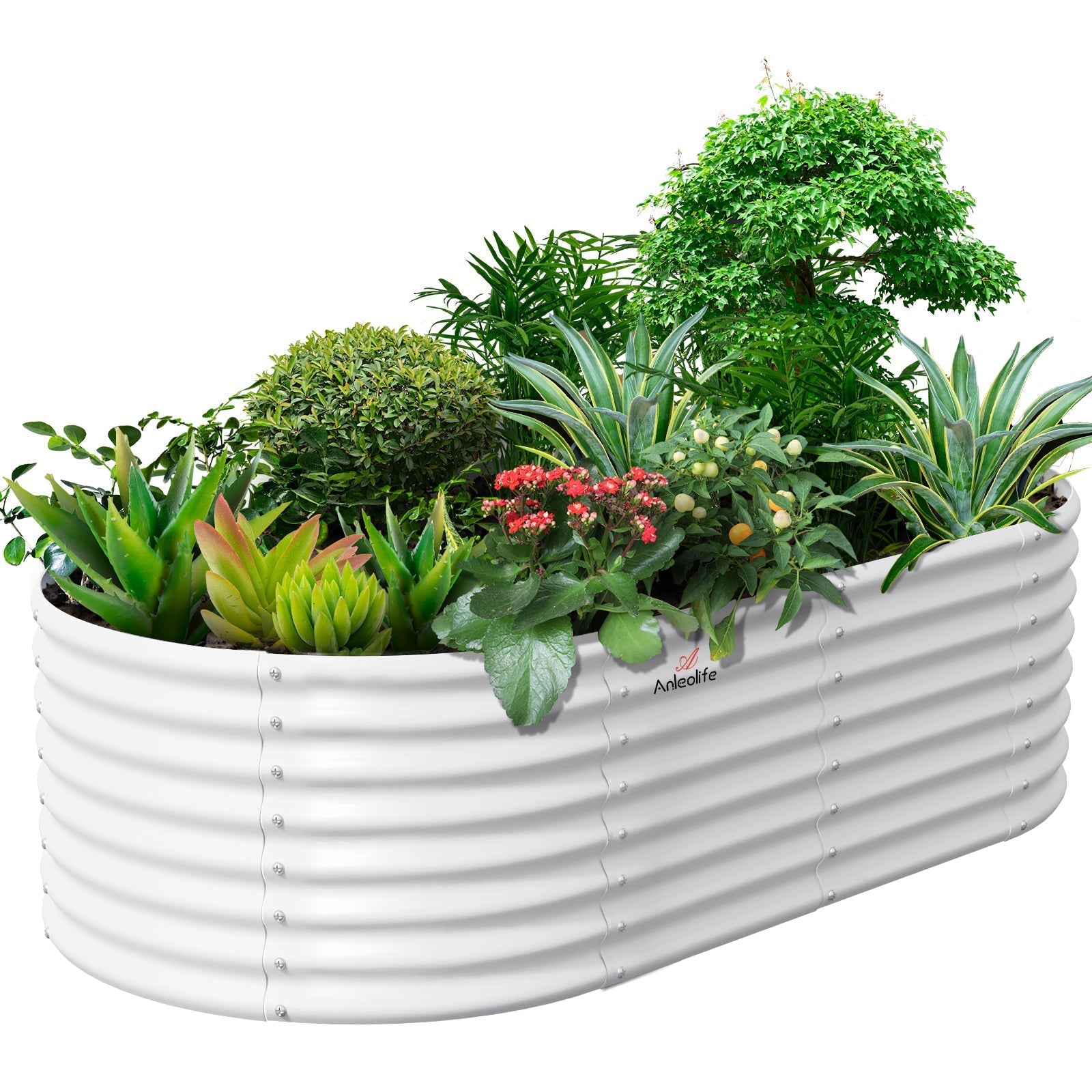
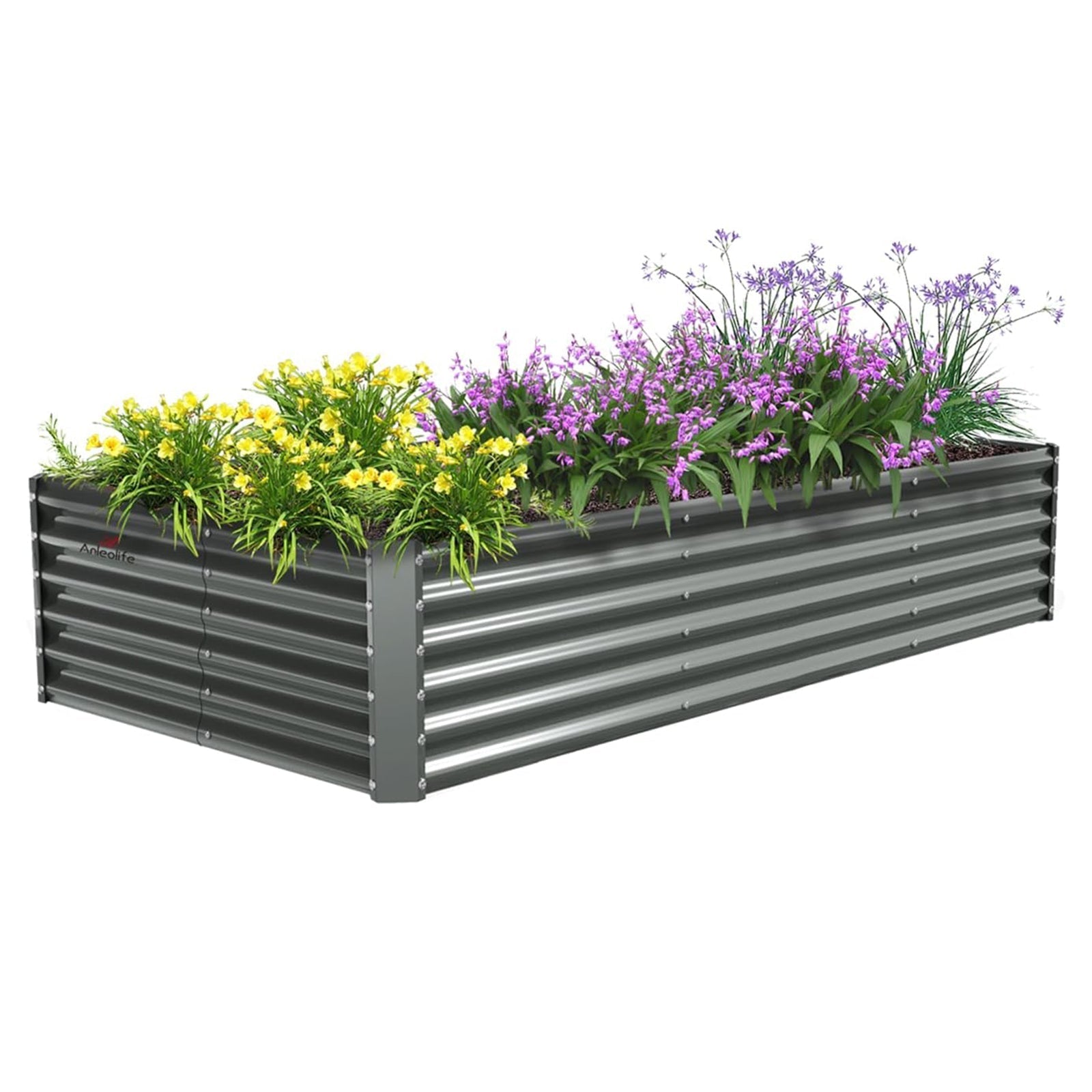

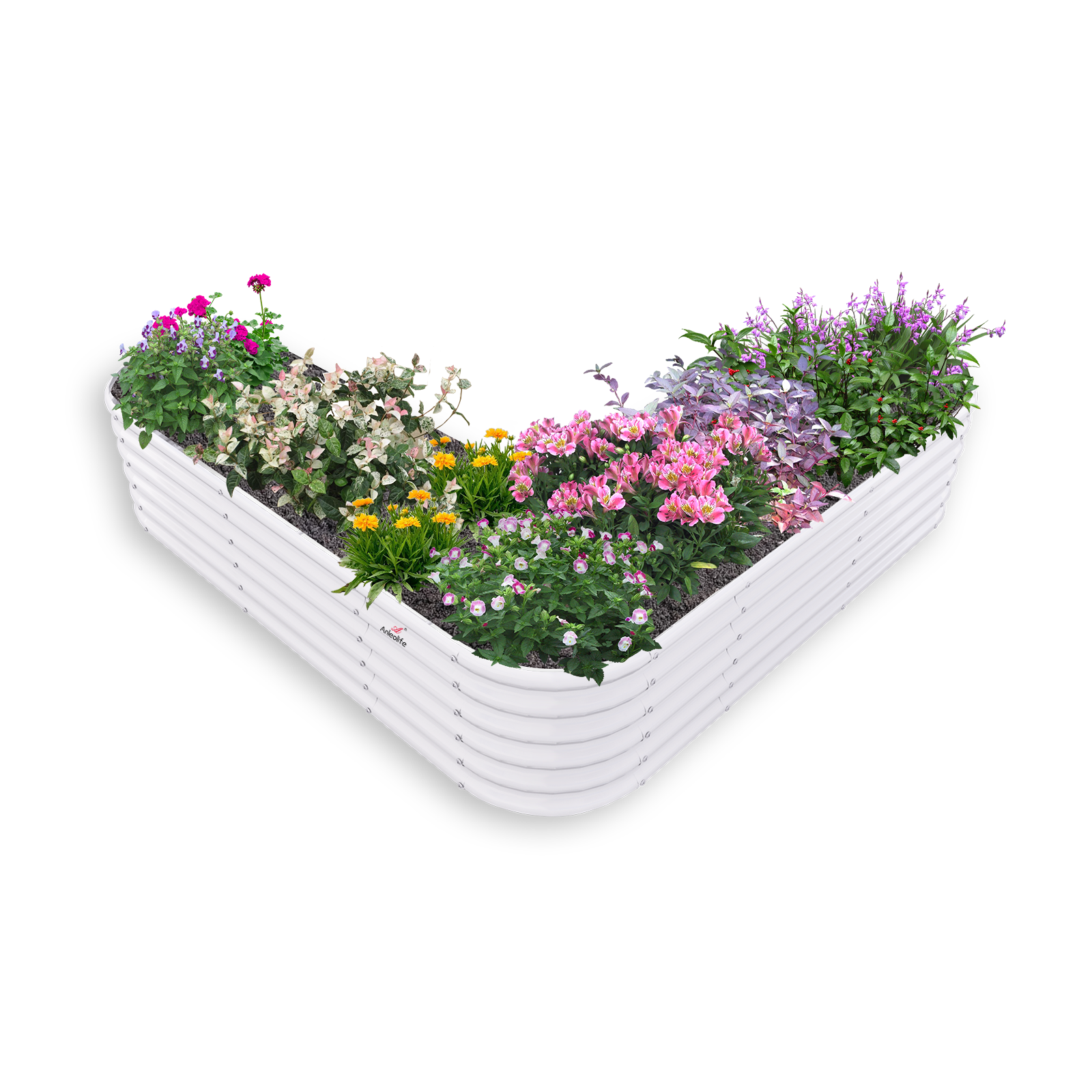
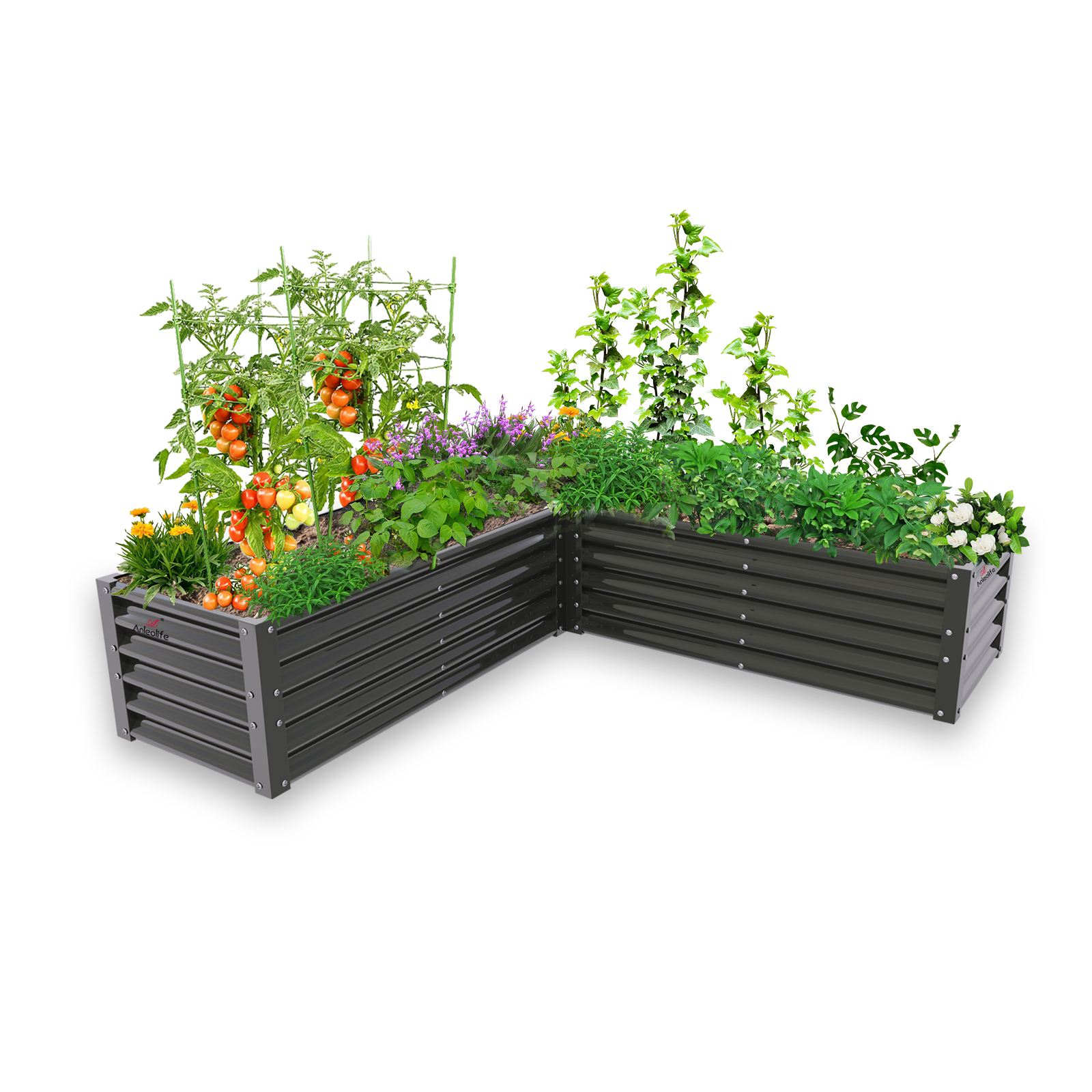
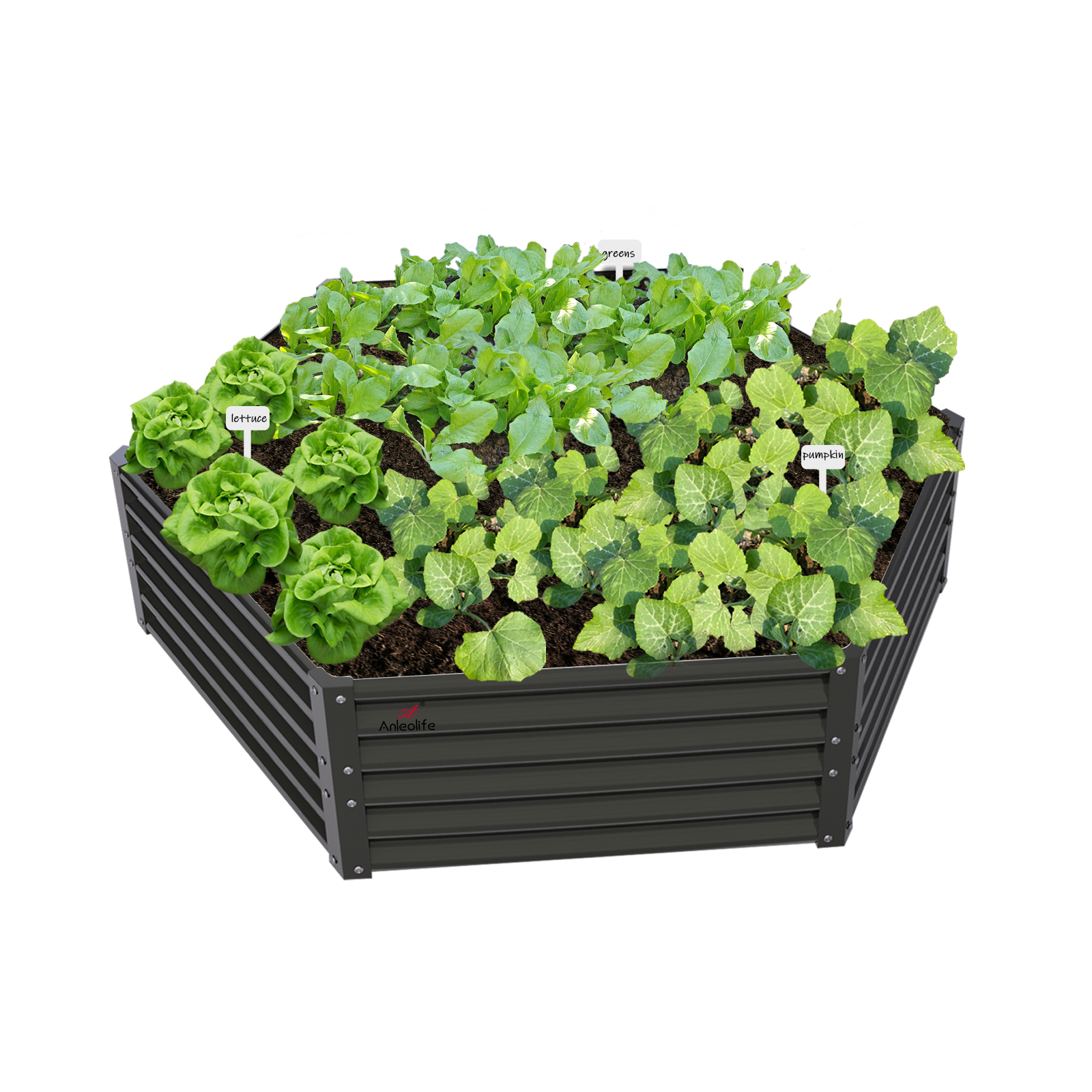
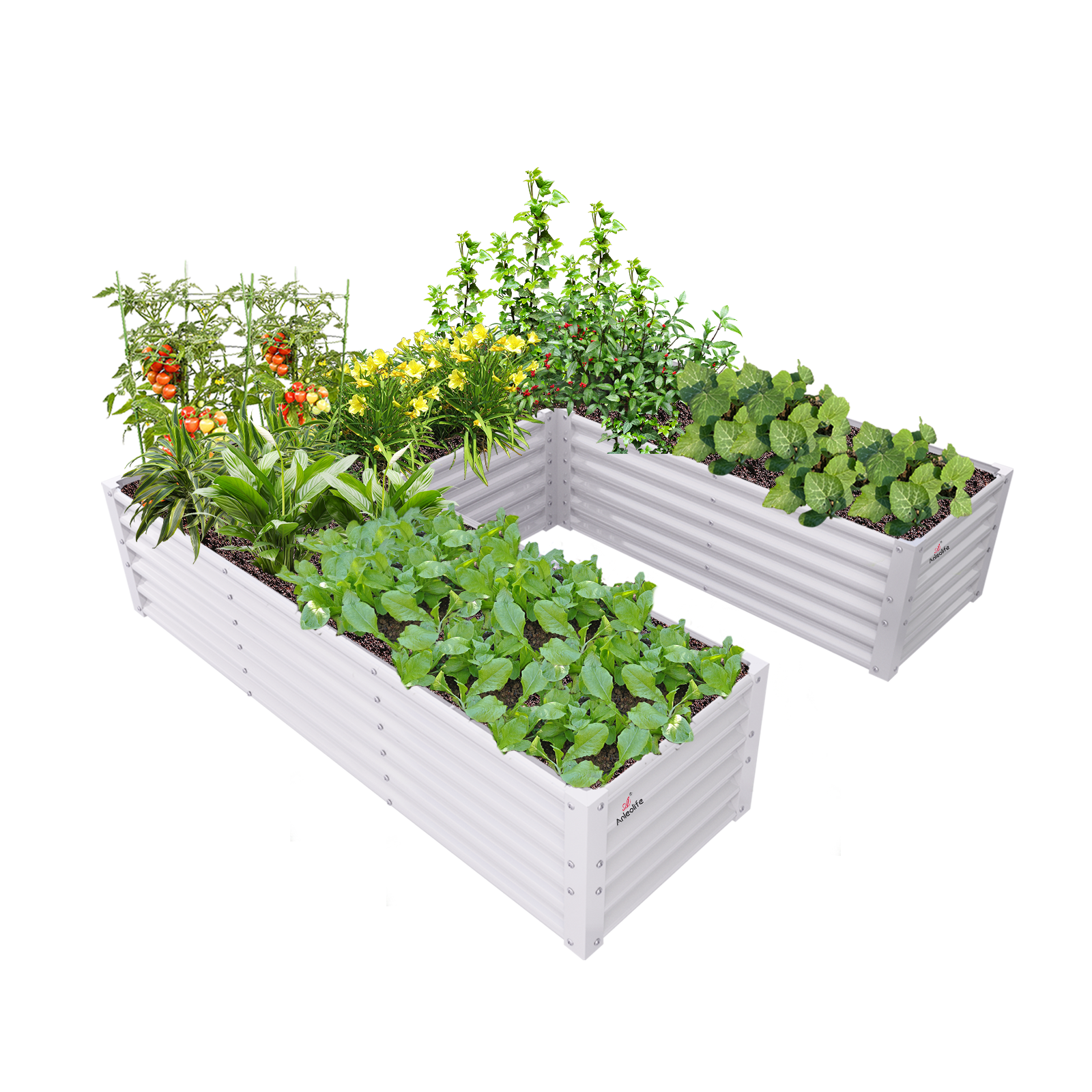

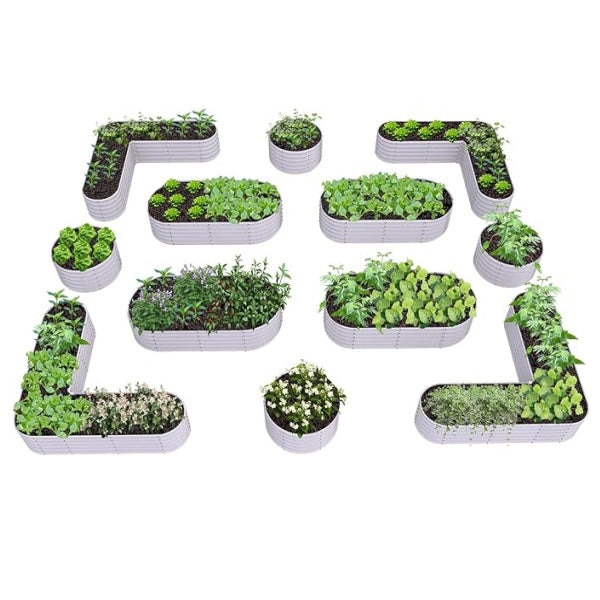


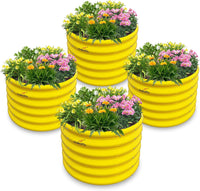
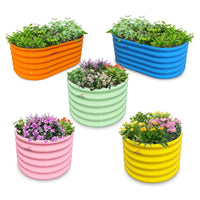
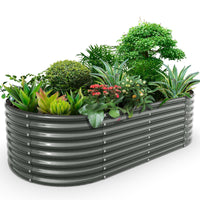



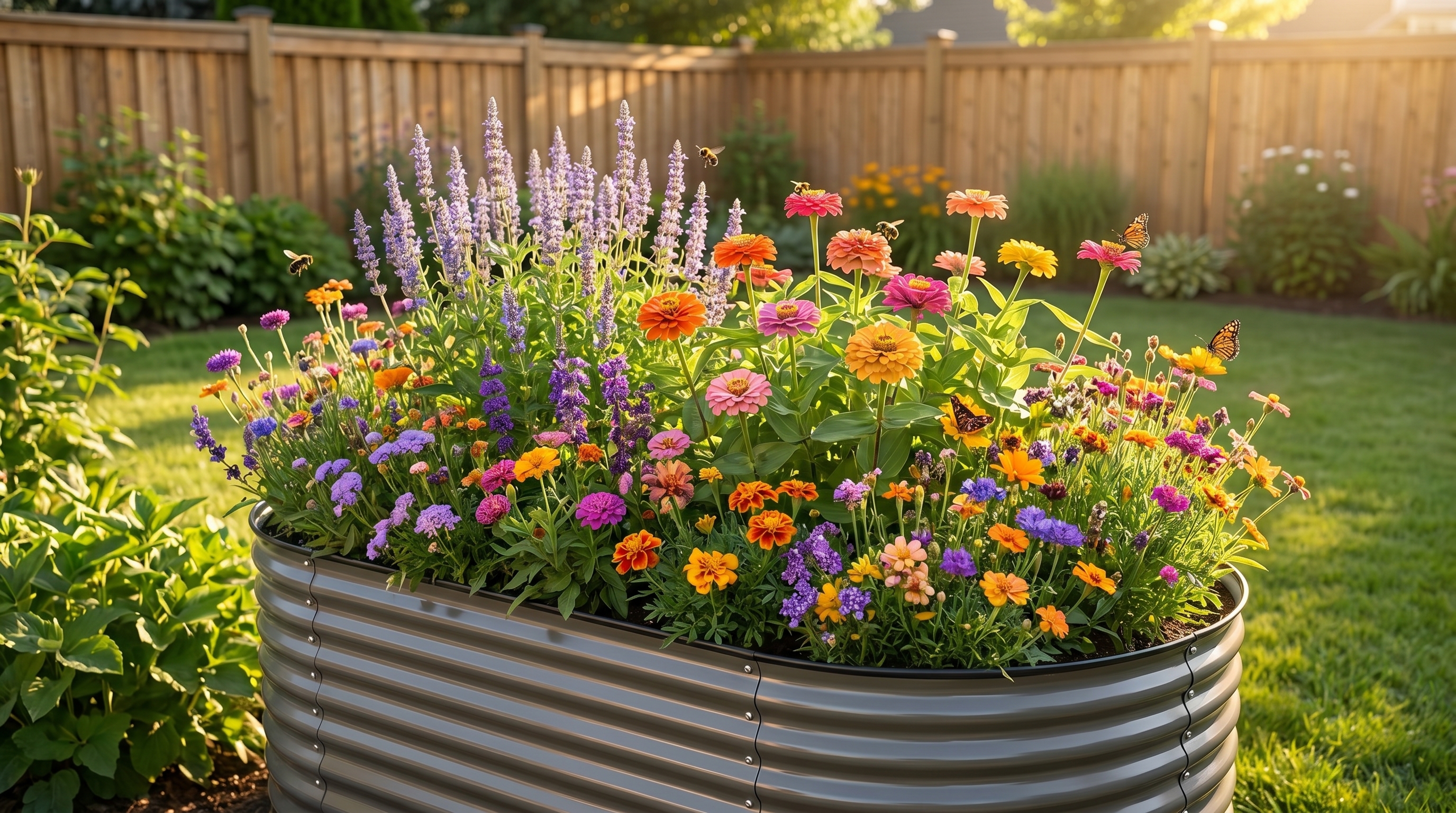
ALT: Colorful pollinator-friendly flowers growing in a metal raised garden bed during spring planting season
Why Spring Is the Perfect Time to Plant Pollinator Flowers in a Raised Garden Bed
Key Conclusion: Planting pollinator-friendly flowers in a raised garden bed this spring is one of the smartest moves any home gardener can make. A well-thought-out raised bed garden layout transforms your outdoor space into a buzzing habitat for bees, butterflies, and hummingbirds—while naturally boosting yields in nearby vegetable beds. The right raised bed planting layout balances height, bloom time, and color to keep pollinators visiting all season. Your raised bed layout doesn't need to be large to be powerful; even a single 4×8 bed can support a thriving pollinator ecosystem.
Spring arrives with longer days, warming soil, and a wave of energy that both gardeners and pollinators feel keenly. For home growers who care about the environment, health, and beautiful outdoor spaces, this season offers a rare window to set up a flower garden that works with nature rather than against it.
Raised garden beds give you a head start. They warm faster than in-ground soil, drain better, and let you control growing conditions from the very first seed. When you fill that elevated planter with the right pollinator flowers, you're not just adding color—you're building a miniature ecosystem that supports local wildlife, improves air quality, and can meaningfully increase the productivity of any vegetable bed nearby.
This guide walks you through everything: which flowers to choose, how to arrange them for maximum pollinator appeal, and how to get your raised bed ready for a spectacular spring season.
Who This Guide Is For
✅ Applicable Scenarios:
- Home gardeners who want to attract bees, butterflies, and hummingbirds to their yards
- Urban micro-gardeners working with limited outdoor space but big ambitions
- Empty nesters and retirees looking for a low-maintenance, rewarding seasonal project
- Eco-conscious families who want to reduce pesticide use and support local biodiversity
❌ Not Applicable/Cautions:
- Gardeners in USDA Hardiness Zones where late frosts extend past May (timing adjustments needed—check your local last frost date before transplanting tender annuals)
- Anyone expecting a purely edible garden—this guide focuses on ornamental and dual-purpose flowers, not vegetables
- Gardeners with severe space limitations of under 4 square feet, where plant variety will be greatly restricted
Why Pollinators Need Your Garden More Than Ever
The Pollinator Crisis and What Gardeners Can Do
The numbers are sobering. According to the USDA, more than one-third of the U.S. food supply depends on pollinators—bees, butterflies, beetles, flies, and hummingbirds. Yet pollinator populations have declined sharply over the past several decades due to habitat loss, pesticide use, and climate disruption.
Home gardens, however humble, represent a genuine opportunity. Research consistently shows that residential gardens—especially those planted with diverse native and nectar-rich flowers—can serve as critical refuges for pollinators between larger natural habitats. When thousands of homeowners plant even a single raised bed of pollinator-friendly flowers, the cumulative effect on local ecosystems can be profound.
Raised garden beds are particularly powerful tools in this effort. Because they offer superior drainage, warmer root zones, and easy amendment of soil composition, flowers grown in raised beds often bloom earlier, more vigorously, and for longer periods than those struggling in compacted clay or nutrient-poor ground soil. That extended bloom window means more food for pollinators across a wider stretch of the season.
The spring planting window—roughly March through May depending on your region—is your best entry point. Many of the most effective pollinator flowers, from lavender to zinnias to borage, can be started from seed or transplant in spring and will reward you with blooms from late May through the first frost.
For a broader look at designing productive and beautiful raised beds from the ground up, resources from the UC ANR (University of California Agriculture and Natural Resources) offer excellent regional guidance on plant selection and soil management.
Understanding what pollinators are looking for—single-petaled flowers they can easily access, a range of colors, sequential bloom times, and pesticide-free environments—is the foundation of any successful pollinator garden layout. The good news is that most of these flowers are also genuinely beautiful, making your raised bed a visual feature as well as an ecological one.
Planning and Planting Your Pollinator Raised Bed: A Complete Guide
Three-Step Quick Start
Step 1: Choose and Prepare Your Raised Bed
Before selecting a single seed packet, make sure your raised bed is set up for success. Choose a location that receives at least 6–8 hours of direct sunlight daily—pollinators and the flowers that feed them both need full sun. Fill your bed with a mix of quality compost, topsoil, and perlite for drainage. This preparation step takes about 1–2 hours and should be completed 1–2 weeks before planting to allow the soil to settle and begin warming.
Step 2: Select a Diverse Flower Mix
Choose 5–8 flower varieties that bloom at different times and offer different flower shapes and colors. Aim for a combination of annuals (fast bloomers that provide continuous color) and perennials (which return year after year, reducing replanting effort). Spend 20–30 minutes planning your selections based on your local climate zone, USDA hardiness map, and the specific pollinators you want to attract. Prioritize open, single-petaled flowers over complex doubles, which are harder for pollinators to access.
Step 3: Plant According to Your Raised Bed Layout
Map out your raised bed planting layout before you put anything in the ground. Tall plants like lavender or echinacea go at the back or center (if the bed is accessible from all sides). Medium-height plants like zinnias and cosmos go in the middle zone. Low-growing flowers like alyssum, thyme, and nasturtium edge the front. This tiered raised bed layout maximizes sun exposure for all plants and creates visual depth. Planting typically takes 1–3 hours depending on bed size.
The Best Pollinator Flowers for Raised Beds: A Comparison
Before diving into detail on each flower, here's a side-by-side look at some of the top performers across key categories to help you make informed choices for your raised bed garden layout.
| Comparison Dimension | Lavender | Zinnias | Echinacea (Coneflower) |
|---|---|---|---|
| Pollinator Appeal | Bees, butterflies | Butterflies, hummingbirds | Bees, butterflies, finches |
| Annual or Perennial | Perennial | Annual | Perennial |
| Bloom Season | Late spring–summer | Summer–fall | Summer–fall |
| Height | 18–24 inches | 12–40 inches | 24–48 inches |
| Sun Requirement | Full sun | Full sun | Full sun |
| Water Needs | Low | Moderate | Low-moderate |
| Beginner Friendly | ✅ | ✅ | ✅ |
| Native to North America | ❌ (Mediterranean) | ❌ (Mexico/SW US) | ✅ |
| Deer Resistant | ✅ | ❌ | ✅ |
| Comparison Dimension | Borage | Nasturtium | Sweet Alyssum |
|---|---|---|---|
| Pollinator Appeal | Bees especially | Bees, hummingbirds | Bees, small butterflies |
| Annual or Perennial | Annual | Annual | Annual |
| Bloom Season | Spring–fall | Spring–fall | Spring–fall |
| Height | 12–36 inches | 6–18 inches (bush) | 3–6 inches |
| Sun Requirement | Full sun–part shade | Full sun | Full sun–part shade |
| Water Needs | Moderate | Low-moderate | Low-moderate |
| Beginner Friendly | ✅ | ✅ | ✅ |
| Native to North America | ❌ | ❌ (Mexico/S. America) | ❌ |
| Deer Resistant | ✅ | ❌ | ❌ |
The Top Pollinator Flowers for Your Raised Garden Bed, Explained
Lavender: The Bee Magnet
Few plants in a raised bed garden layout pull their weight quite like lavender. Its fragrant purple spikes are essentially a fast-food restaurant for bees—easily accessible, rich in nectar, and irresistible from a distance. English lavender (Lavandula angustifolia) varieties like 'Hidcote' or 'Munstead' stay compact enough for most raised beds and begin blooming in late spring.
Plant lavender in the sunniest, best-drained section of your bed. Because raised beds drain quickly and warm early, they're actually ideal for lavender, which struggles in clay soils. Pair it with drought-tolerant companions like rosemary or catmint for a Mediterranean-inspired pollinator corner that essentially takes care of itself once established.
One practical tip: don't deadhead lavender immediately. Let the spent blooms remain for a few extra days—bees will continue to visit them.
Zinnias: The Summer Butterfly Magnet
If you want constant color and a parade of butterflies from July through October, zinnias are non-negotiable. These Mexico-native annuals are among the easiest flowers to grow from seed, germinate quickly in warm soil, and produce vibrant blooms in virtually every color. For pollinator gardens, choose single-flowered varieties like 'Benary's Giant' or 'Profusion'—their open centers give butterflies and bees direct access to nectar and pollen.
In your raised bed layout, zinnias work well in the middle zone. They grow 12–24 inches tall depending on variety and benefit from deadheading to prolong blooming. Direct sow seeds into warm soil (above 60°F) after your last frost date, or start transplants a few weeks earlier indoors.
Zinnias are also excellent companion plants for vegetable beds, attracting beneficial insects that prey on common pests—a dual benefit worth noting for gardeners who grow edibles alongside their flowers.
Echinacea (Coneflower): The Native Powerhouse
Echinacea purpurea, commonly called purple coneflower, is arguably the most ecologically valuable plant you can put in a raised bed. A true North American native, it supports an extraordinary range of pollinators: bumblebees, solitary bees, swallowtail butterflies, and even goldfinches that harvest its seeds in fall. It's also perennial, meaning once established, it will return to your raised bed year after year for potentially decades.
Echinacea grows 24–48 inches tall, making it an ideal back-row plant in a standard raised bed planting layout. It tolerates drought once established, needs virtually no fertilizer, and actively thrives in the well-drained conditions that raised beds provide. Start from transplants in spring for blooms the first season, or sow seeds in fall for a natural cold stratification period.
Leave the seed heads standing through winter—birds will thank you, and the architectural structure adds beauty to an otherwise dormant garden.
Borage: The Underrated Bee Plant
Borage (Borago officinalis) may not be in every gardener's vocabulary, but it belongs in every pollinator raised bed. Its star-shaped blue flowers are irresistible to bumblebees, and it blooms prolifically from early summer through fall. As a bonus, borage leaves and flowers are edible—they have a mild cucumber flavor and make beautiful additions to salads or summer drinks.
Direct sow borage in spring; it doesn't transplant well due to its taproot. It grows to about 2–3 feet and can get bushy, so give it a bit of room or place it toward the center or back of your bed. Borage self-seeds readily, which means you may find volunteer plants popping up in subsequent years—a pleasant surprise for minimal effort.
Nasturtium: The Colorful Multi-Tasker
Nasturtiums are the cheerful generalists of the pollinator garden. Their round, lily-pad-like leaves and warm-toned flowers (red, orange, yellow) are instantly recognizable, and they attract a surprising range of pollinators including long-tongued bees and hummingbirds. Both leaves and flowers are edible—peppery and vibrant—making nasturtiums a true dual-purpose plant for health-conscious home growers.
Plant nasturtiums along the edges or front of your raised bed where their trailing stems can spill attractively over the side. They actually prefer lean soil, so avoid over-fertilizing—too much nitrogen produces leaves at the expense of flowers. Direct sow after your last frost date; they establish quickly and bloom within 5–7 weeks of sowing.
Sweet Alyssum: The Carpet of Nectar
Sweet alyssum (Lobularia maritima) may be small, but its ecological punch is significant. The tiny, honey-scented flowers are an ideal landing pad for small native bees, parasitic wasps (the good kind—they prey on garden pests), and beneficial flies. Planted along the edges of a raised bed, alyssum forms a dense, fragrant carpet that blooms from spring right through fall in cooler climates.
Alyssum is especially valuable as a "trap crop"—it attracts aphid-hunting beneficial insects that then help protect nearby vegetables. It's also one of the few flowering plants that tolerates partial shade, making it useful for the shadier corners of a raised bed layout.
Salvia: The Hummingbird Favorite
If attracting hummingbirds is a priority, salvia is your top choice. Both annual salvias like Salvia splendens (scarlet sage) and perennial varieties like Salvia nemorosa (meadow sage) are powerfully attractive to these fast-moving pollinators. The tubular flower shape is specifically adapted for hummingbird beaks, though bees also work these flowers with enthusiasm.
Place tall salvias toward the back of your raised bed garden layout where their vertical spires won't shade shorter plants. Deadhead regularly to encourage continuous blooming, and water moderately—salvia prefers slightly dry conditions between watering.
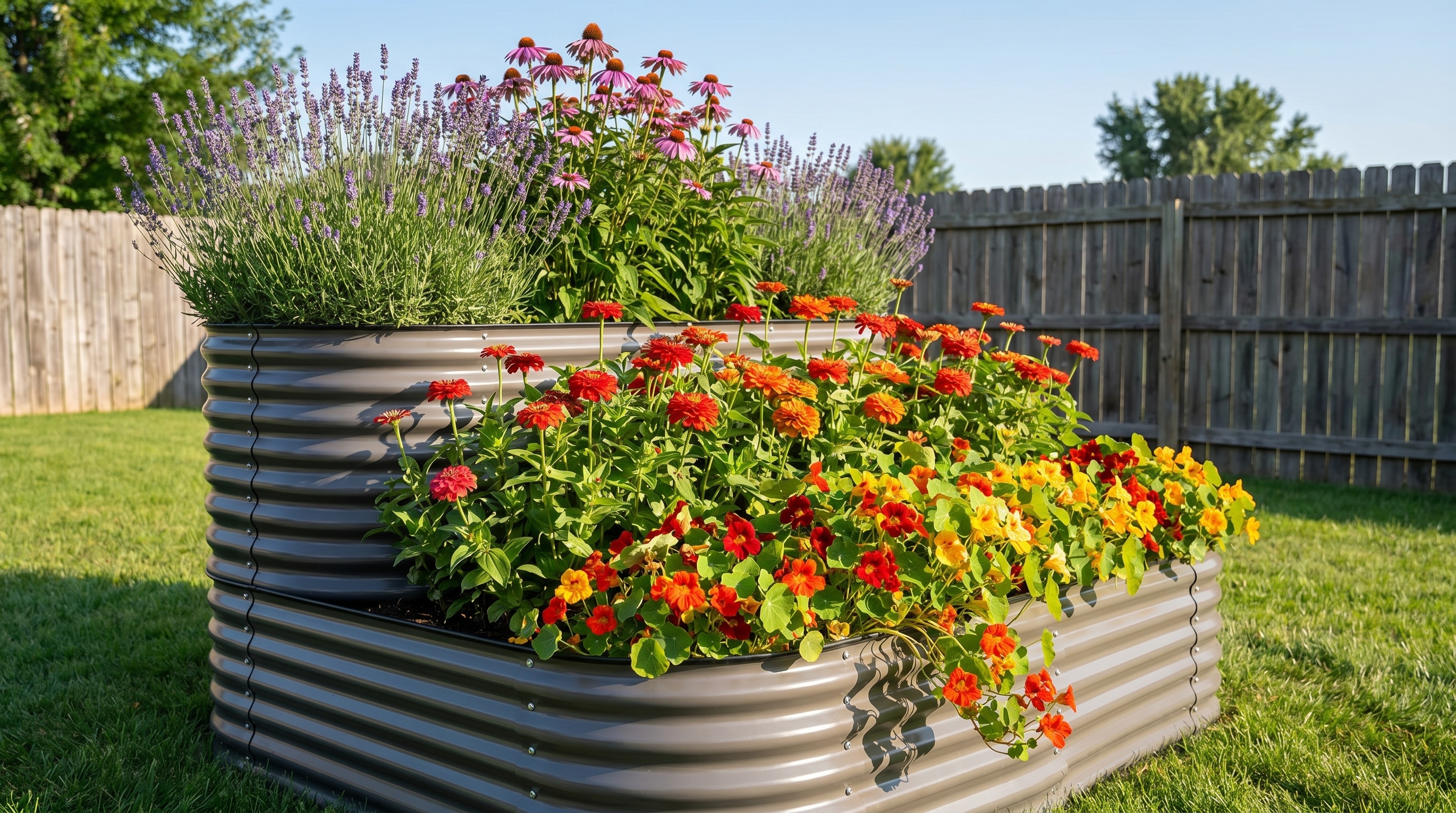
ALT: Well-organized pollinator raised bed garden layout featuring lavender, zinnias, echinacea, and nasturtium in tiered planting arrangement
Advanced Tips: Getting the Most from Your Pollinator Raised Bed
Timing Blooms for Season-Long Pollinator Support
One of the most common mistakes new pollinator gardeners make is planting flowers that all bloom at the same time. A thoughtful raised bed planting layout staggers bloom times from early spring (alyssum, borage) through midsummer (lavender, salvia, zinnias) into fall (echinacea seed heads, late zinnias). This sequential blooming pattern ensures pollinators can rely on your garden as a food source across months, not just a few weeks.
Map your bloom calendar before purchasing plants. Aim for at least one species in bloom from late April through October.
Misconception: More Fertilizer Means More Flowers
A persistent myth among new gardeners is that heavily fertilizing flowering plants will produce more blooms. In reality, excess nitrogen (the main ingredient in most common fertilizers) pushes plants toward leafy green growth at the expense of flowers and seeds—the exact opposite of what you want in a pollinator garden. Many of the best pollinator plants (nasturtium, lavender, echinacea) actively prefer lean, well-drained soil. Amend your raised bed with compost for organic matter, but resist the urge to feed flower beds with high-nitrogen fertilizers.
Going Pesticide-Free: Why It Matters for Pollinators
This point cannot be overstated: insecticides kill pollinators. Even organic, plant-derived pesticides like pyrethrin are toxic to bees. If you're genuinely committed to supporting pollinators, commit to a pesticide-free approach in and around your raised bed. Rely instead on physical pest control (hand-picking, row covers), beneficial insects attracted by plants like alyssum and borage, and companion planting strategies. This integrated approach, endorsed by OSU Extension and other agricultural institutions, creates a more resilient and naturally balanced garden ecosystem.
Choosing the Right Raised Bed for a 20-Year Garden
Your flower selections are seasonal decisions, but your raised bed is a long-term investment. Anleolife's metal raised garden beds are built to last up to 20 years, giving you two decades of pollinator-friendly gardening without worrying about rot, warping, or structural failure. A durable raised bed means your carefully selected flowers, perennial root systems, and improved soil biology can develop and deepen year after year—turning your spring planting project into a genuine, evolving garden ecosystem.
Frequently Asked Questions FAQ
Q1: How do I choose the best flowers for pollinators if I'm gardening in a small urban space?
Focus on plant density and bloom diversity rather than bed size. Even a compact 4×4 raised bed can support 4–6 different pollinator species if you choose plants that bloom at different times and heights. Sweet alyssum, compact lavender, dwarf zinnias, and nasturtium are all ideal for small spaces. According to UC ANR research, diversity of plant species is more important than garden size when supporting pollinator populations. Start small, but plant a variety.
Q2: Are all bee-attracting flowers safe to grow around children and pets?
Most common pollinator flowers—zinnias, echinacea, alyssum, nasturtium—are non-toxic to children and pets. However, some attractive pollinator plants like foxglove (Digitalis) are toxic if ingested. Always verify the toxicity profile of any plant before introducing it to a garden where children or animals play. The USDA and local extension offices maintain plant toxicity databases. Borage and nasturtium are both edible and pet-safe, making them particularly good choices for family-friendly pollinator gardens.
Q3: How long does it take for pollinator flowers to start attracting bees and butterflies after planting?
The timeline varies by plant type. Fast-growing annuals like zinnias and nasturtiums begin blooming 5–7 weeks after sowing from seed, and pollinators will arrive almost as soon as the first flowers open. Transplanted perennials like echinacea and lavender may take 8–12 weeks to establish and begin flowering in their first year. Once your garden is established and known to local pollinator populations, which typically takes one full season, you should see pollinators visiting regularly from early morning through late afternoon on any warm, sunny day.
Summary
Creating a pollinator-friendly raised bed garden this spring is one of the most satisfying and ecologically meaningful projects a home gardener can undertake. Here's what to remember as you get started:
Three core takeaways:
- Diversity is everything. A mix of 5–8 flower species with staggered bloom times, varied heights, and different flower shapes will attract the widest range of pollinators and keep them returning throughout the season.
- Your raised bed layout matters. A tiered raised bed garden layout—tall plants at back, medium in the middle, low-growing at the edges—maximizes sun exposure, creates visual beauty, and ensures every plant gets what it needs to bloom abundantly.
- Go pesticide-free. No design decision matters more for pollinators. A chemical-free, compost-enriched raised bed is the single most powerful commitment you can make to supporting local bees, butterflies, and hummingbirds.
Your next step: sketch out your raised bed planting layout on paper, identify your USDA hardiness zone and last frost date, and order your seeds or transplants now—the best plants sell out fast in spring.
Ready to Build the Perfect Pollinator Garden?
Anleolife is here to support every stage of your garden journey.
🌿 Nationwide U.S. warehouse network: Strategically located in California, Texas, Florida, New York, Illinois, and Washington, ensuring delivery within 3–8 business days—so your garden upgrade plans never have to wait.
🛒 Multi-channel availability: Shop on Amazon, Walmart, Home Depot, Lowe's, Wayfair, or directly at Anleolife.com for consistent quality and reliable after-sales support.
🌸 Three complete garden scenarios: Planting (metal raised garden beds built for a 20-year lifespan, soil systems), Raising (chicken coops, rabbit hutches), and Beautification (decorative accessories, pathway systems)—everything from function to beauty, in one place.
We understand that an ideal garden isn't built overnight—it's grown, season by season, with intention and care. Anleolife's modular product design lets you start with a single 8×4×2 raised bed and expand into a fully integrated planting-and-raising ecosystem as your confidence and ambitions grow. We grow with you, every step of the way.
References
This article is based on the following official materials (as of January 2026):
- [USDA]. "Pollinators and Agriculture."
https://www.usda.gov/ - [EPA]. "Pollinator Protection."
https://www.epa.gov/ - [UC ANR]. "Gardening for Pollinators and Beneficial Insects."
https://ucanr.edu/ - [OSU Extension]. "Attracting Pollinators to Your Garden."
https://extension.oregonstate.edu/
Note: Horticultural guidance and pollinator research standards may be updated. Please check the latest official documents or consult your local cooperative extension office for the most current regional recommendations.
About Anleolife
Anleolife is a leading outdoor garden solutions provider in North America, dedicated to offering a full-scenario product ecosystem for home gardening enthusiasts, covering planting, raising, and garden beautification. Since its founding, we have upheld our brand mission, "Made for Garden Life," continuously innovating products and optimizing services to help hundreds of thousands of users upgrade their gardens, reconnect with nature, and enjoy a better garden lifestyle.