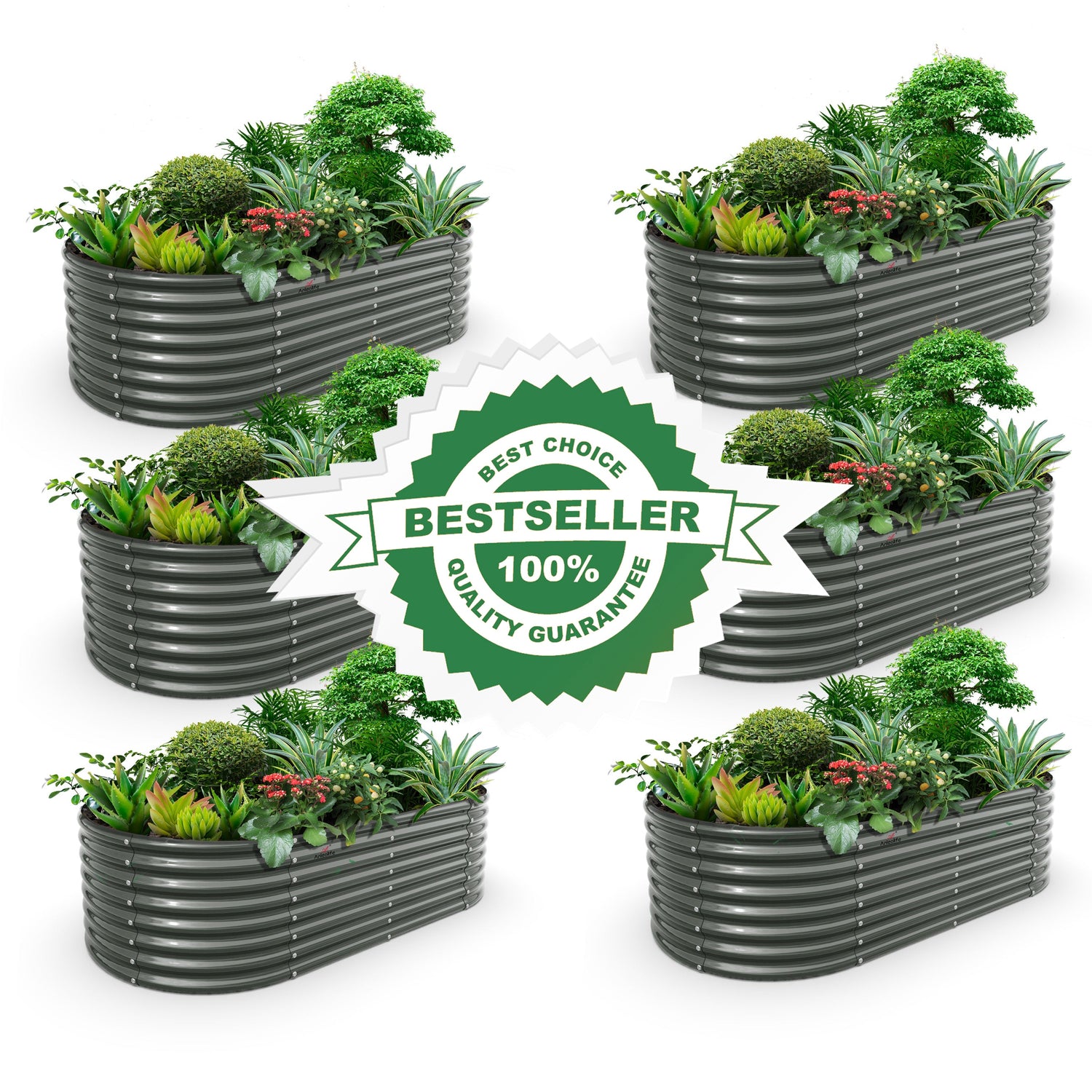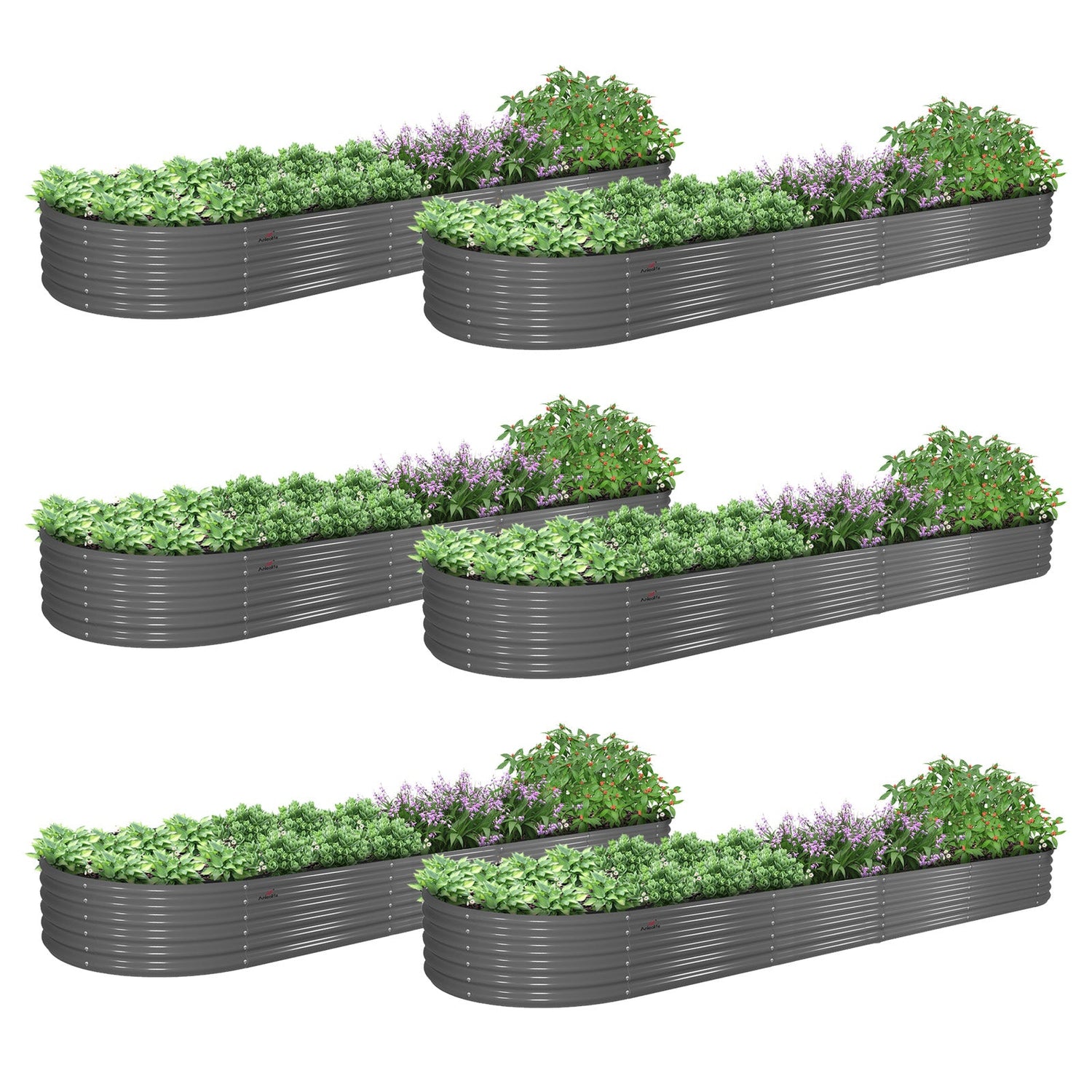



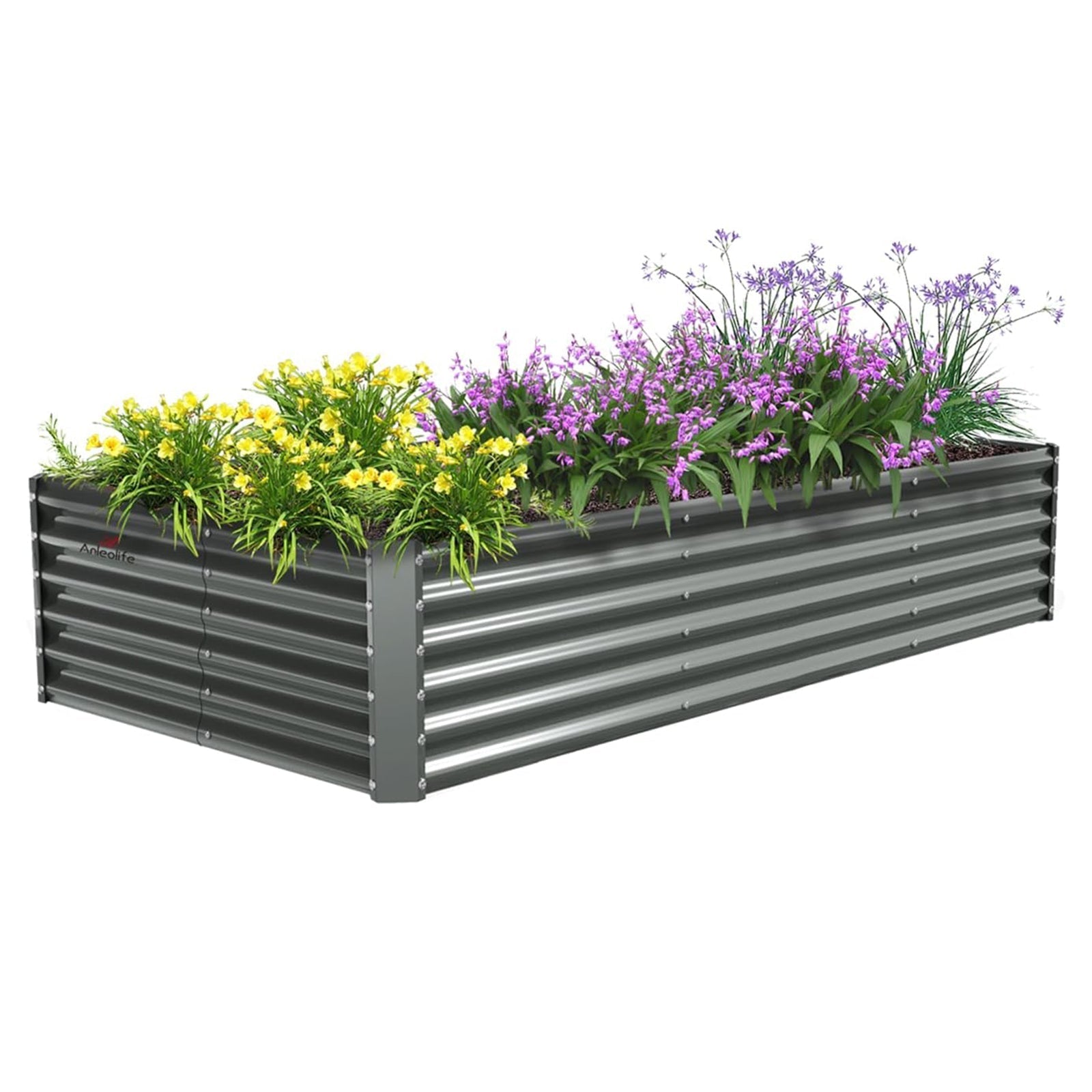

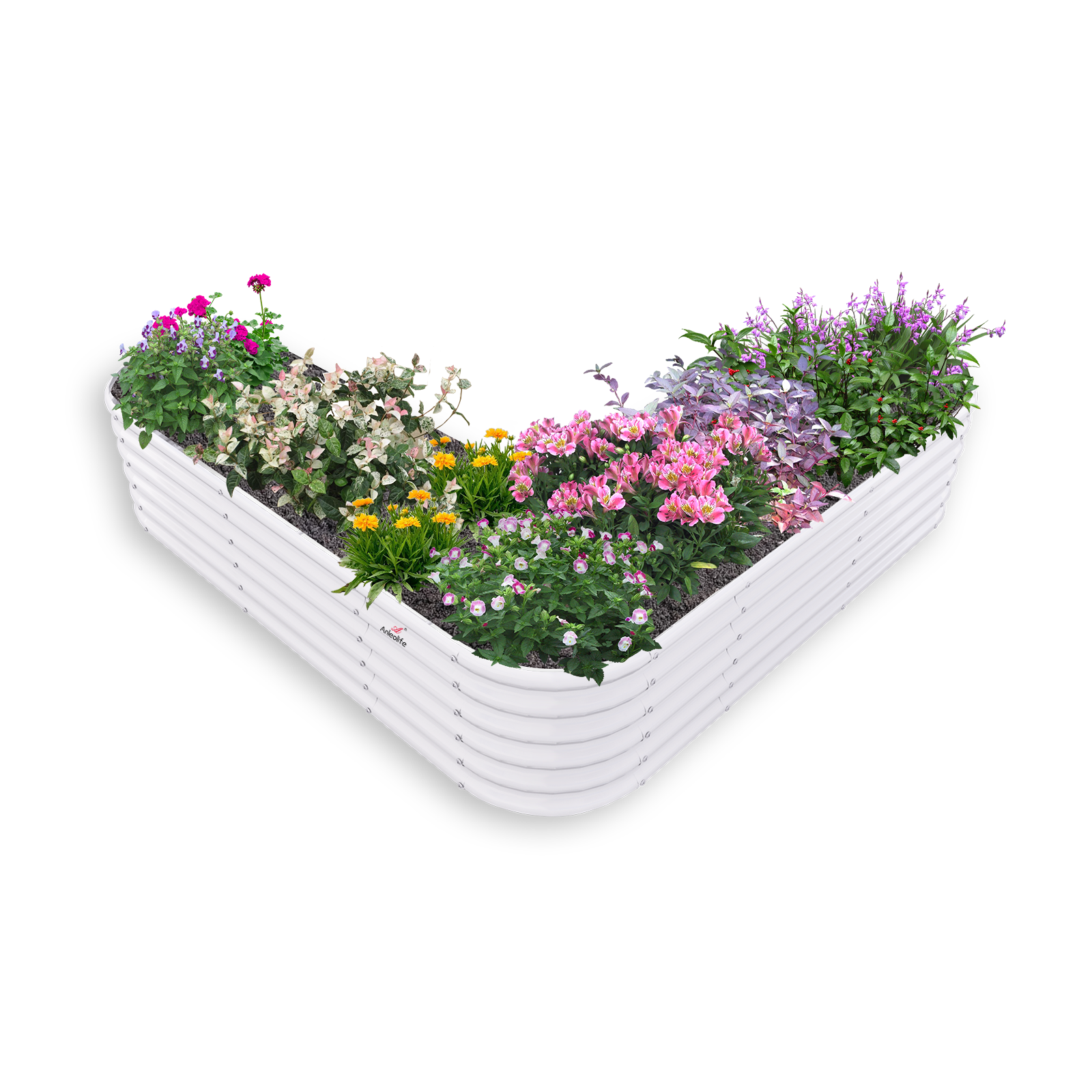
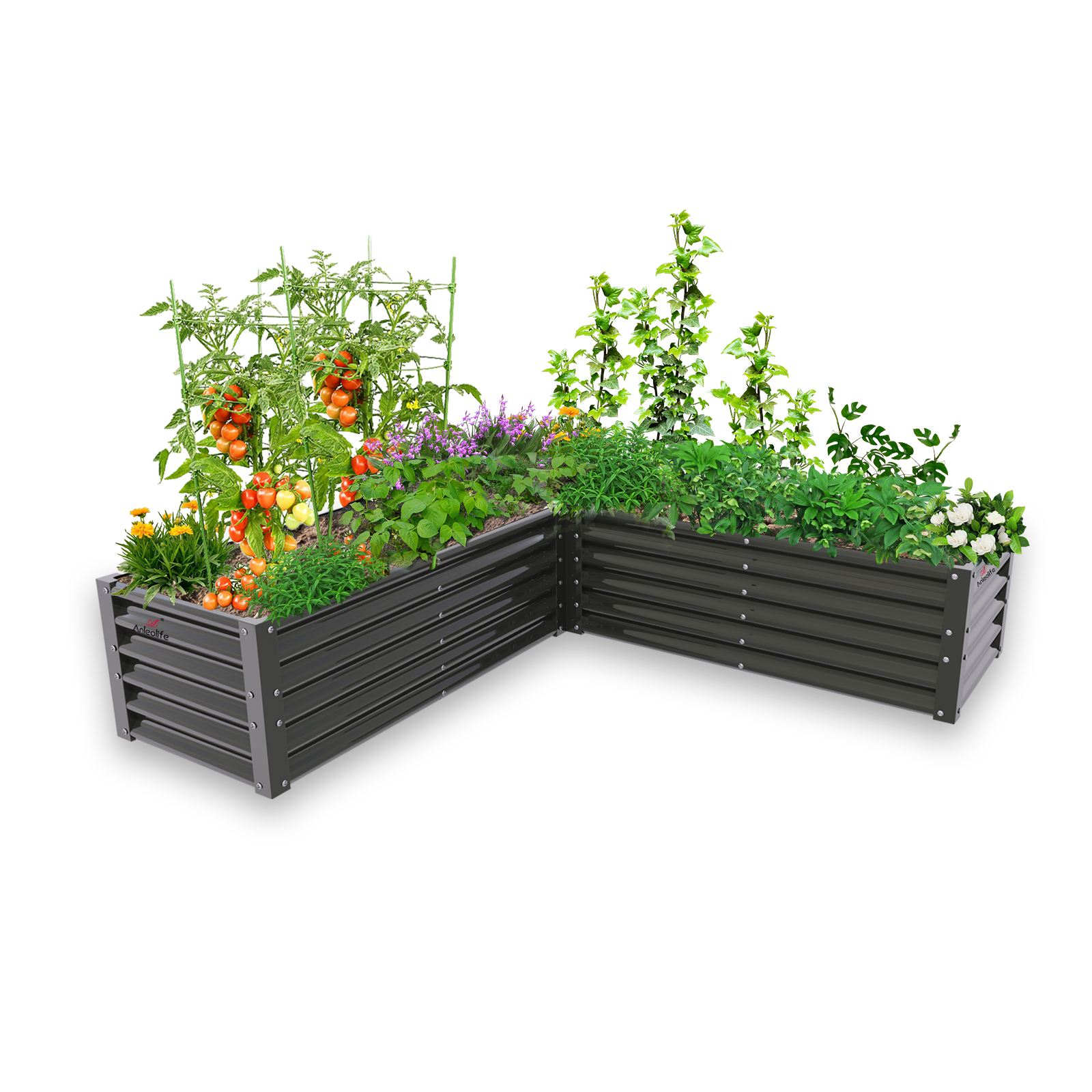
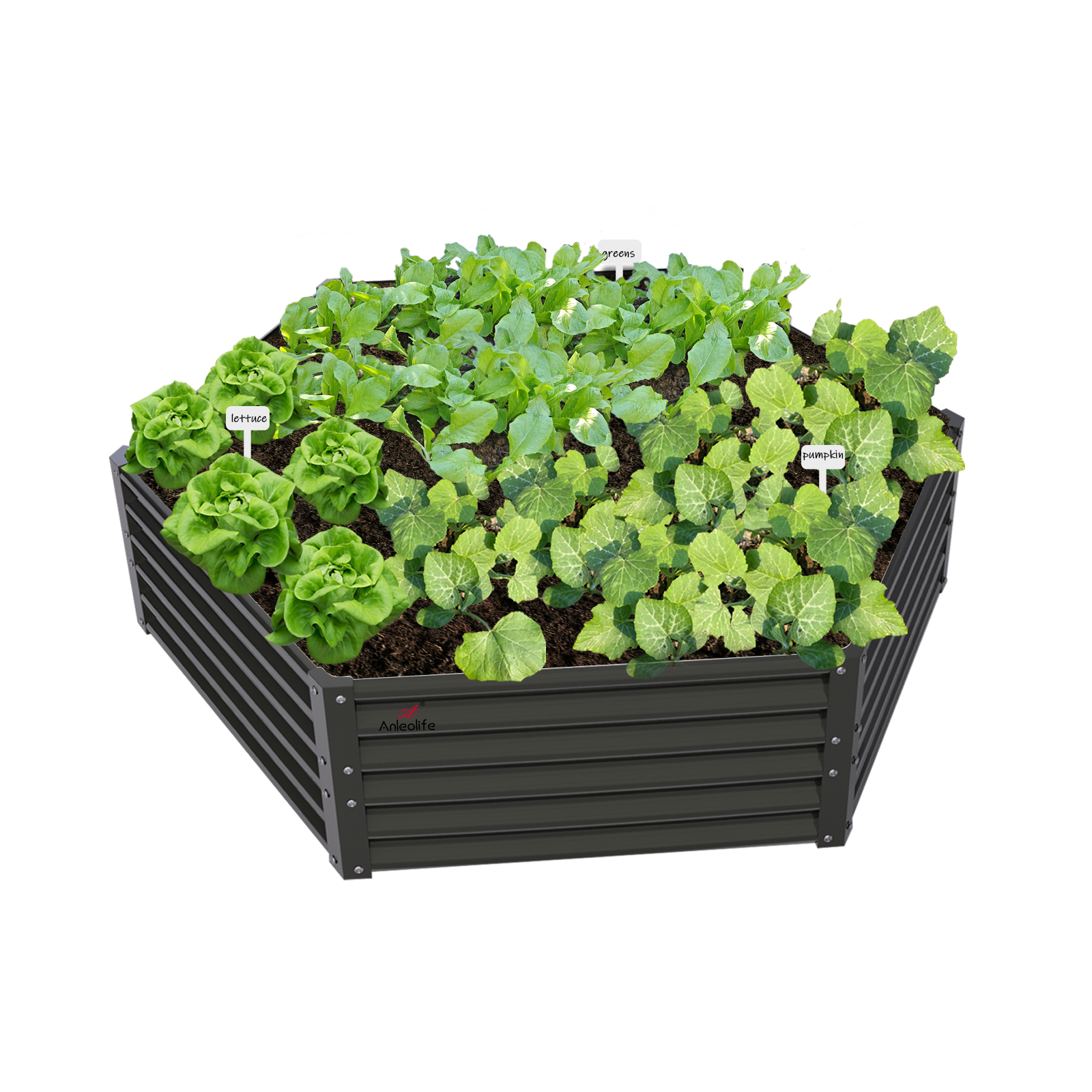
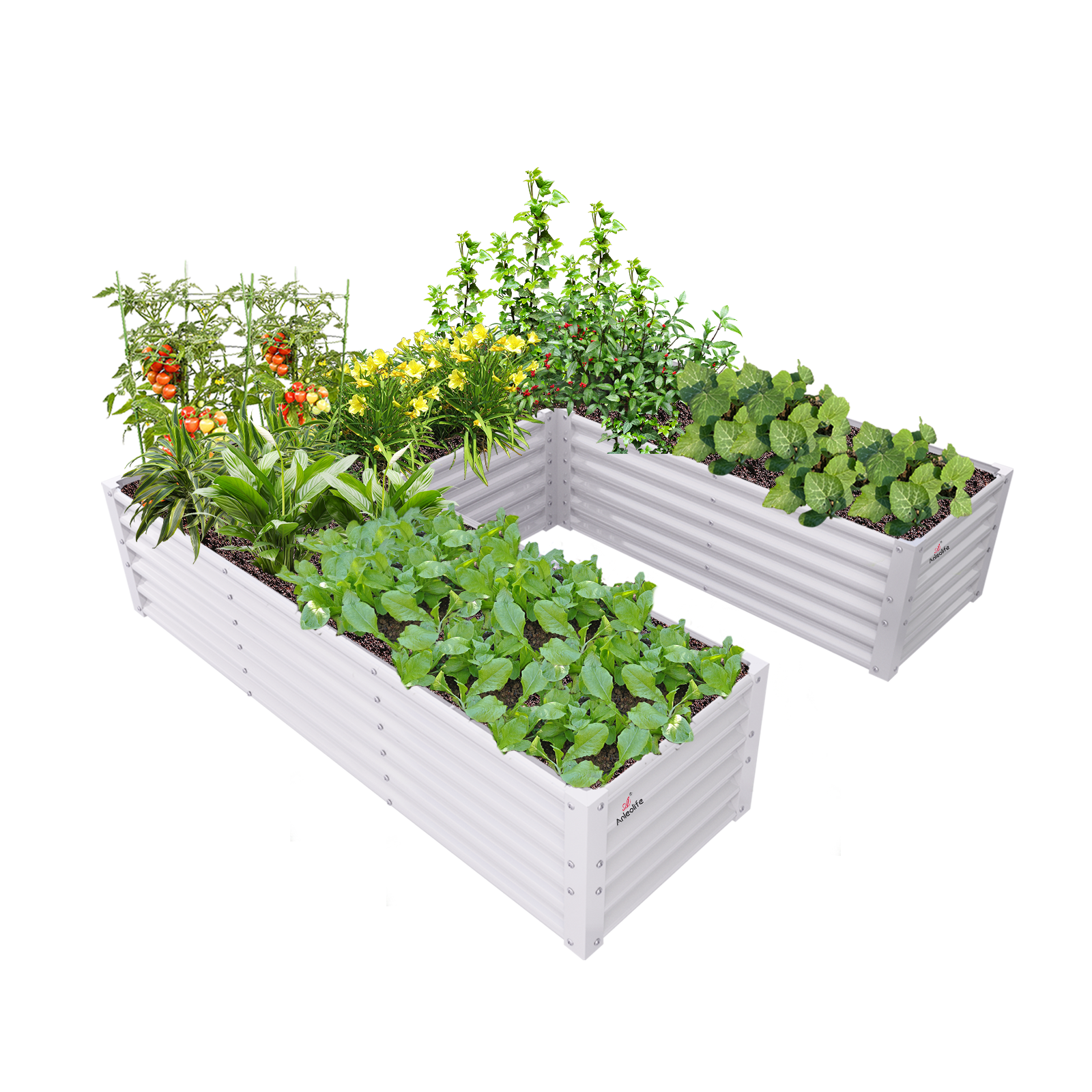

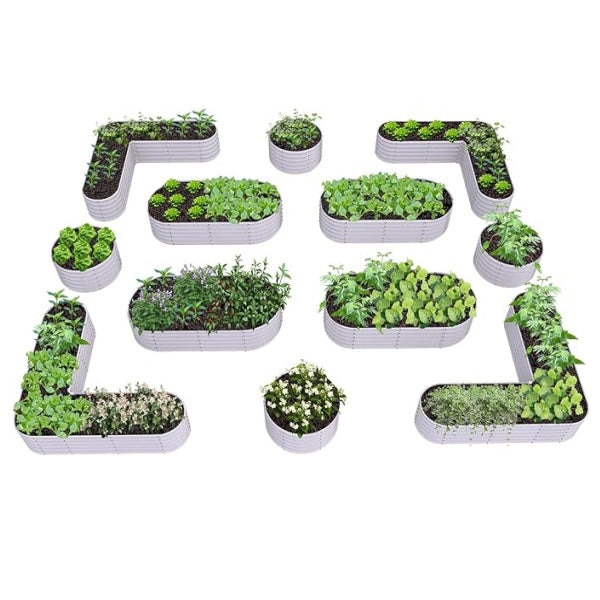


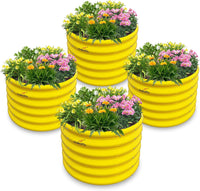
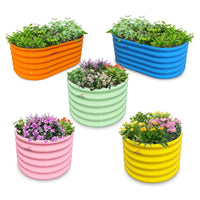



ALT: Colorful pollinator flowers blooming in a raised garden bed attracting bees and butterflies this summer
Why Your Raised Garden Bed Layout Is the Secret to a Pollinator Paradise This Summer
Key Conclusion: The right raised bed garden layout can transform your outdoor space into a thriving pollinator haven this summer. By thoughtfully planning your raised bed planting layout—choosing nectar-rich, seasonally staggered blooms—you invite bees, butterflies, and hummingbirds to your yard while creating stunning visual impact. A well-designed raised bed layout for flowers doesn't just look beautiful; it actively supports local ecosystems, boosts vegetable yields through cross-pollination, and gives gardeners of all skill levels a rewarding, purposeful project.
If you've ever watched a bumblebee disappear into a lavender bloom or a monarch butterfly drift lazily over a patch of zinnias, you already know the magic that pollinators bring to a garden. Raised garden beds are uniquely positioned to amplify that magic. Their elevated structure improves drainage, warms soil faster in spring, and gives you precise control over growing conditions—all factors that help flowers thrive and, in turn, draw more pollinators.
This guide covers three interconnected ideas: which flowers deliver the biggest pollinator punch in a raised bed, how to arrange them for continuous summer bloom, and how the right bed infrastructure sets the stage for everything. Whether you're a seasoned grower expanding your setup or a first-timer wondering what's the most affordable way to start a raised bed garden, you'll leave with an actionable plan.
Who This Guide Is For—and When to Use It
✅ Applicable Scenarios:
- Home gardeners who want to attract bees, butterflies, and hummingbirds to their yards this summer
- Urban micro-gardeners working with limited patio or backyard space who need a compact, high-impact planting plan
- Eco-conscious growers who want to support native pollinators and local biodiversity without a complete landscape overhaul
- Empty nesters and retirees looking for a meaningful, low-maintenance outdoor hobby with visible rewards
- Families curious about pairing pollinator flowers with edible plants in a shared raised bed layout
❌ Not Applicable/Cautions:
- Gardeners in hardiness zones 9–11 who need specific heat-tolerant cultivar guidance beyond what general summer recommendations cover (consult your local cooperative extension for zone-specific adjustments)
- Those expecting overnight results—pollinator activity builds over 2–4 weeks as flowers establish and local insect populations discover the food source
- Growers who apply broad-spectrum insecticides regularly, as chemical treatments will deter or harm the very pollinators you're trying to attract
The Growing Case for Pollinator Gardens in Raised Beds
Pollinator populations are under pressure. According to the U.S. Fish & Wildlife Service, more than 40% of invertebrate pollinator species face extinction risk, and managed honeybee colony losses have remained alarmingly high for over a decade. Home gardens—even small ones—play a measurable role in bridging habitat gaps.
Raised beds make pollinator gardening more accessible than ever. Traditional in-ground planting requires tilling, amending heavy clay or sandy soils, and battling weeds. A raised bed sidesteps all of that. You fill it with a custom soil blend optimized for flowering plants, you control moisture levels more effectively, and you can position the bed in the sunniest corner of your yard without worrying about what's already underground.
The trend reflects a cultural shift, too. The National Gardening Association reports that participation in food and flower gardening surged significantly in recent years, with millions of new households picking up trowels for the first time. Many of these new gardeners are motivated not just by fresh produce but by environmental stewardship—planting flowers specifically to support bees and butterflies, learning which blooms native insects prefer, and designing gardens that give back to the ecosystem.
A raised bed dedicated even partially to pollinator flowers can serve double duty. Situate it near a vegetable bed, and the nearby blooms encourage bees to visit, dramatically increasing fruit set on tomatoes, squash, cucumbers, and beans. It's a symbiotic arrangement that makes your entire garden more productive.
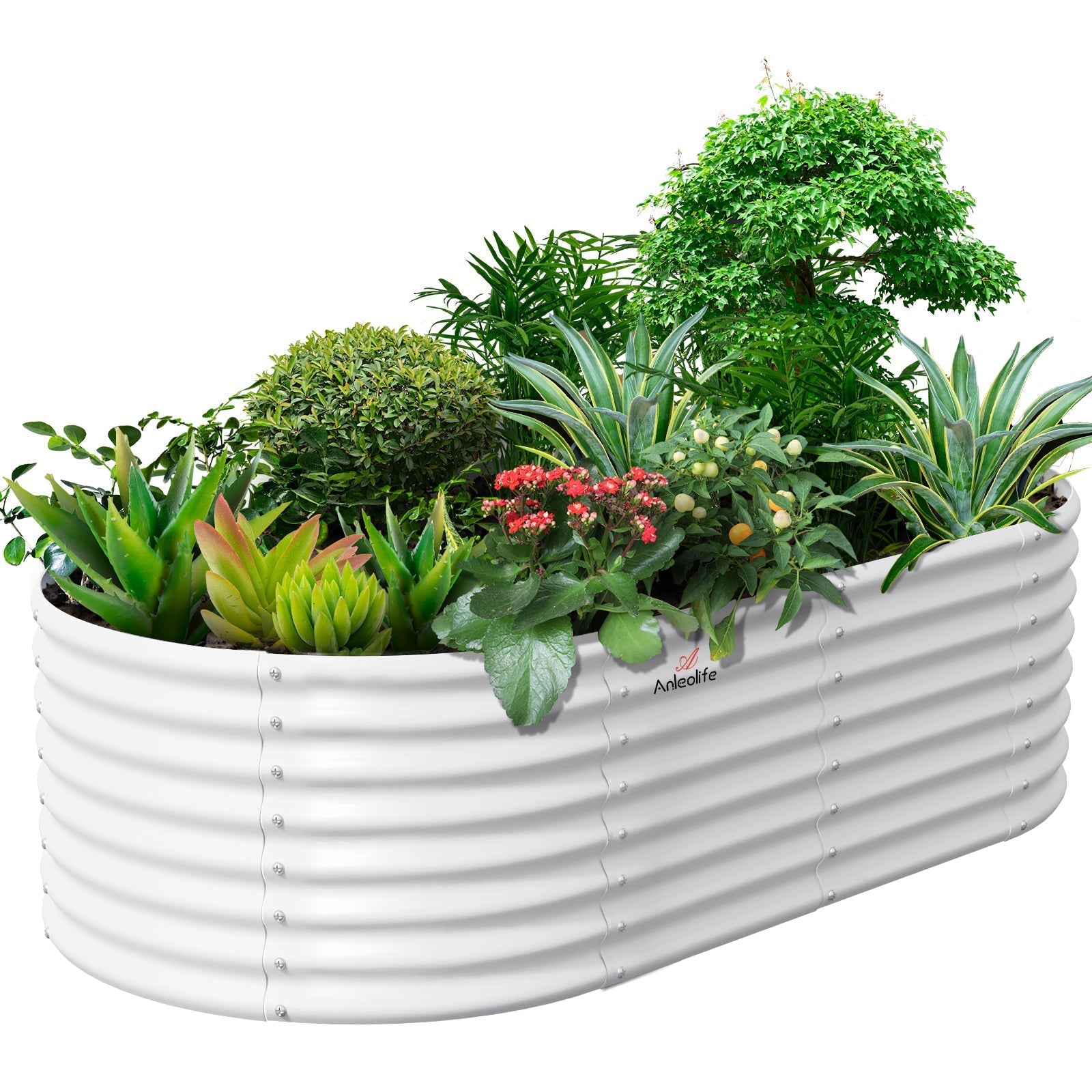
For anyone exploring how to structure their first or next bed, Anleolife's raised bed garden collection provides durable metal options engineered to last up to 20 years—giving your pollinator planting investment a foundation that outlasts many seasons of blooms.
Planning and Planting Your Pollinator Raised Bed: A Complete Guide
Three-Step Quick Start
Step 1: Choose and Position Your Raised Bed
Before a single seed goes in the ground, you need the right container in the right location. Pollinator flowers generally need a minimum of 6–8 hours of direct sun daily—full sun drives the nectar production that makes flowers irresistible to bees and butterflies. Site your raised bed away from heavy shade and, if possible, near existing shrubs or trees that provide shelter for native bees. This positioning step takes an afternoon and shapes everything that follows.
Step 2: Build Your Soil Mix for Flowering Plants
Pollinators are drawn to healthy, fragrant, abundantly blooming flowers—and flowers bloom best in well-draining, moderately fertile soil. A classic raised bed mix combines quality compost, coarse perlite or vermiculite for drainage, and a balanced slow-release fertilizer. Avoid overly nitrogen-rich mixes, which push leafy growth at the expense of flowers. Fill your bed and let it settle for a day or two before planting. Good soil preparation takes roughly 1–2 hours and pays dividends all season.
Step 3: Stagger Your Planting by Bloom Time
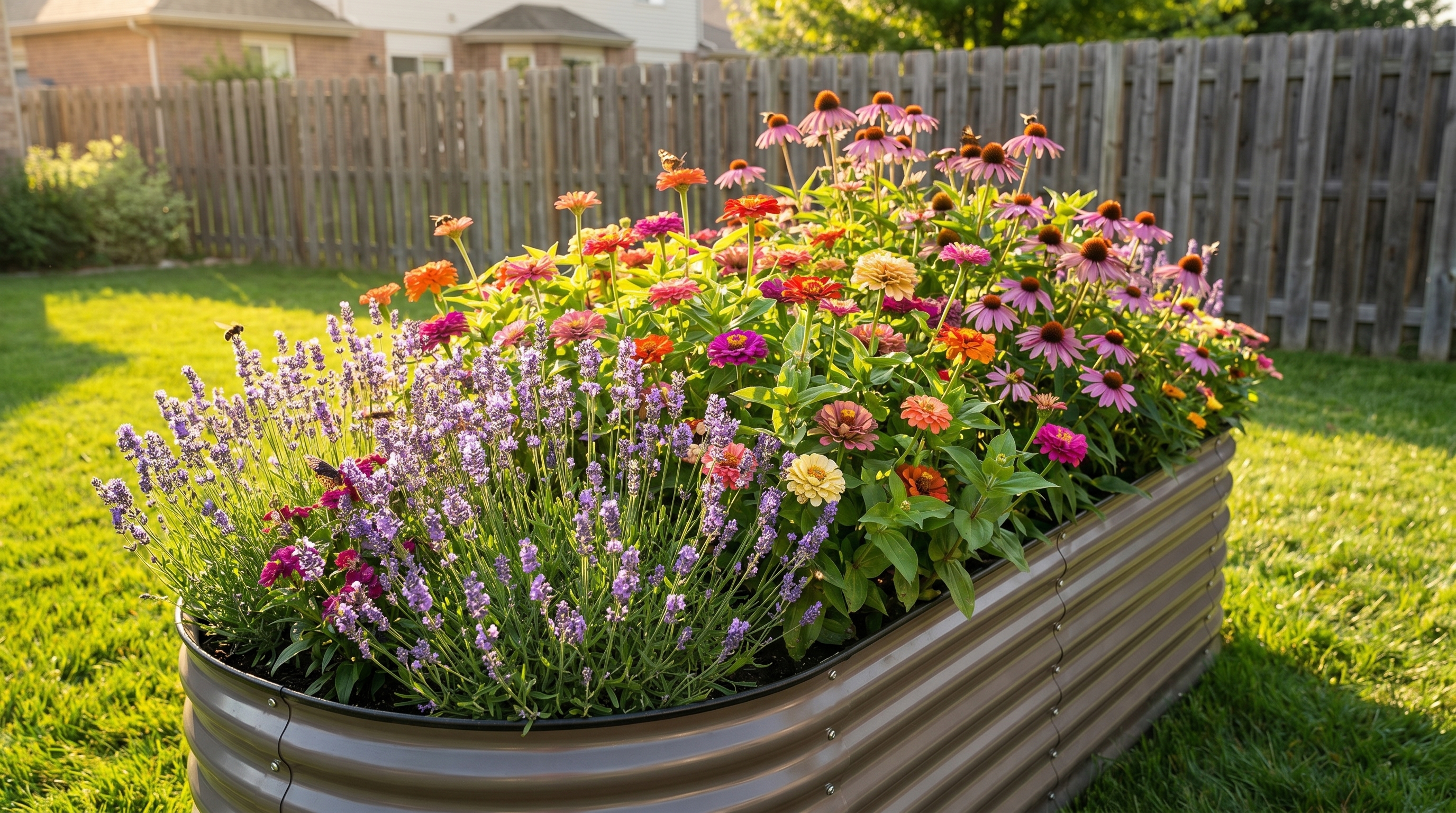
The goal is continuous nectar availability from early summer through the first frost. Plant a mix of early, mid, and late-season bloomers so there's never a "gap" when pollinators visit your bed and find nothing open. Arrange taller plants toward the back or center (depending on bed orientation), mid-height flowers in the middle zone, and low groundcover-style flowers at the front edge. This layered raised bed planting layout maximizes visual appeal and ensures each plant gets adequate light.
The Best Flowers for Pollinators: A Comparison of Top Picks
Not all flowers are created equal when it comes to attracting pollinators. Some are superficially pretty but offer little nectar or pollen. Others are powerhouses that draw dozens of species across a single afternoon. The table below compares the top contenders for a summer raised bed layout, helping you build a diverse, effective planting plan.
| Comparison Dimension | Lavender | Zinnias | Purple Coneflower (Echinacea) | Black-Eyed Susan | Borage |
|---|---|---|---|---|---|
| Primary Pollinators Attracted | Bees, butterflies, hummingbirds | Butterflies, bees, hummingbirds | Bees, butterflies, goldfinches | Bees, butterflies, beetles | Honeybees, bumblebees |
| Bloom Period (Summer) | Early–mid summer | Mid–late summer | Mid–late summer | Mid–late summer | Early–late summer |
| Height Category | Medium-tall | Medium | Medium-tall | Medium | Low-medium |
| Ease of Growing | Easy | Very easy | Easy | Easy | Very easy |
| Drought Tolerance | High | Medium | High | High | Medium |
| Edible/Herbal Use | Yes (culinary, aromatic) | Petals edible | Medicinal history | No | Yes (flowers, leaves) |
| Best Raised Bed Position | Back/center | Middle | Back/center | Middle | Front/edge |
Lavender: The Bee Magnet with a Bonus
Lavender is one of the single most effective pollinator plants you can put in a raised bed. Its aromatic oils attract bees from surprising distances, and a single established plant can host dozens of foraging bumblebees and honeybees on a warm afternoon. For your raised bed garden layout, plant lavender toward the back or sunny center where it can grow to its natural height without shading shorter neighbors.
Lavender is also wonderfully drought-tolerant once established, making it ideal for gardeners who travel in summer or prefer lower-maintenance plants. The dried flowers have culinary uses, and a bouquet of fresh lavender from your own raised bed is genuinely satisfying.
Zinnias: The Easy-Going Crowd-Pleaser
If you're new to flower gardening or asking yourself what's the most affordable way to start a raised bed garden, zinnias are your answer. A single seed packet is extremely inexpensive, zinnias grow fast, and they bloom prolifically from midsummer through the first hard frost. Butterflies—especially monarchs and swallowtails—adore them, and hummingbirds frequently visit the larger double-bloom varieties.
Zinnias are also heat-tolerant, thriving in the hottest parts of a summer raised bed. They're perfect for the middle tier of your layered planting layout. Deadhead spent blooms every few days to encourage continuous flowering.
Purple Coneflower (Echinacea): Native Powerhouse
Echinacea is a North American native, and native plants carry a unique advantage: local bee and butterfly populations have co-evolved with them over thousands of years. The distinctive domed seed head provides not only nectar to pollinators during bloom but food for songbirds like goldfinches after the petals drop.
Purple coneflower is perennial in most U.S. growing zones, which means once you plant it in your raised bed, it returns year after year. For a raised bed layout designed to minimize replanting effort, including a perennial like echinacea is a smart long-term investment.
Black-Eyed Susan: Reliability in Full Sun
Black-eyed Susans are cheerful, tough, and extremely effective at drawing bees and butterflies. Their bright yellow petals and contrasting dark centers create visual impact in any raised bed planting layout, and they're very forgiving of inconsistent watering. Native bee species in particular are highly attracted to black-eyed Susans, making them an ecological priority choice.
Like echinacea, they can naturalize over time—spreading gently year to year if you let some seed heads mature in place.
Borage: The Underrated Gem
Borage doesn't make many mainstream "best flowers" lists, but it absolutely should. Its star-shaped blue flowers produce nectar continuously and are especially attractive to bumblebees—key pollinators for tomatoes and peppers growing nearby. Borage grows quickly from seed, reseeds itself, and the flowers are edible, adding a cucumber-like flavor to salads and cocktails.
Because borage stays relatively compact, it works beautifully along the front edge of a raised bed layout, framing taller plants behind it.
Additional Flowers Worth Including
Beyond the top five, several other flowers deserve a place in your pollinator raised bed plan:
Cosmos are feathery, airy, and beloved by bees and hoverflies. They're also extremely affordable as seed, directly addressing the question of best budget-friendly raised bed options—because cheap seed in a well-built bed delivers impressive results.
Salvia in its many varieties (especially blue and purple cultivars) is one of the top hummingbird-attracting plants in North America. It's also highly deer-resistant, a bonus for suburban gardeners.
Marigolds do double duty: they attract pollinators with their warm-toned blooms while repelling aphids and certain soil pests, making them an excellent companion plant at the border of a mixed vegetable-and-flower raised bed.
Sweet Alyssum grows low and spreads along bed edges, producing masses of tiny white flowers that attract parasitic wasps (beneficial, not harmful) and hoverflies—both important secondary pollinators.
Organizing Your Raised Bed Layout for Maximum Impact
A beautiful, functional raised bed garden layout isn't just about which plants you choose—it's about where you put them. Here are the core principles:
The Thriller-Filler-Spiller Framework
Borrowed from container gardening, this three-tier approach works perfectly in raised beds. "Thrillers" are your tallest, most dramatic plants (lavender, echinacea, tall salvias) placed at the back. "Fillers" are medium-height, bushy bloomers (zinnias, black-eyed Susans, cosmos) that fill the middle. "Spillers" are edge-trailing or compact plants (borage, sweet alyssum, marigolds) that soften the front edge of the bed.
Color Sequencing for Visual Flow
Group warm colors (reds, oranges, yellows) on one end and cool colors (purples, blues, whites) on the other, with transitional tones in between. This gradual color flow looks intentional and sophisticated—and happens to serve pollinators well, since bees are particularly attracted to blue and purple hues while butterflies favor reds and oranges.
Supporting Your Plants as They Grow
Tall flowers and climbing plants sometimes need support. A good quality best garden twine for plant support solution—whether natural jute twine or soft plant ties—keeps stems upright during summer storms without damaging delicate stalks. Keep a roll handy and check your tallest plants weekly.
Keeping Tools Accessible
As your pollinator bed grows, you'll find yourself out there daily—watering, deadheading, tying stems. Having organized storage nearby makes the routine much easier. Top rated outdoor tool storage racks and cabinets keep your trowels, pruners, and twine within reach rather than scattered across the garage. Similarly, best hose storage solutions and reel systems keep watering tidy and prevent hose kinks that interrupt your flow mid-task.
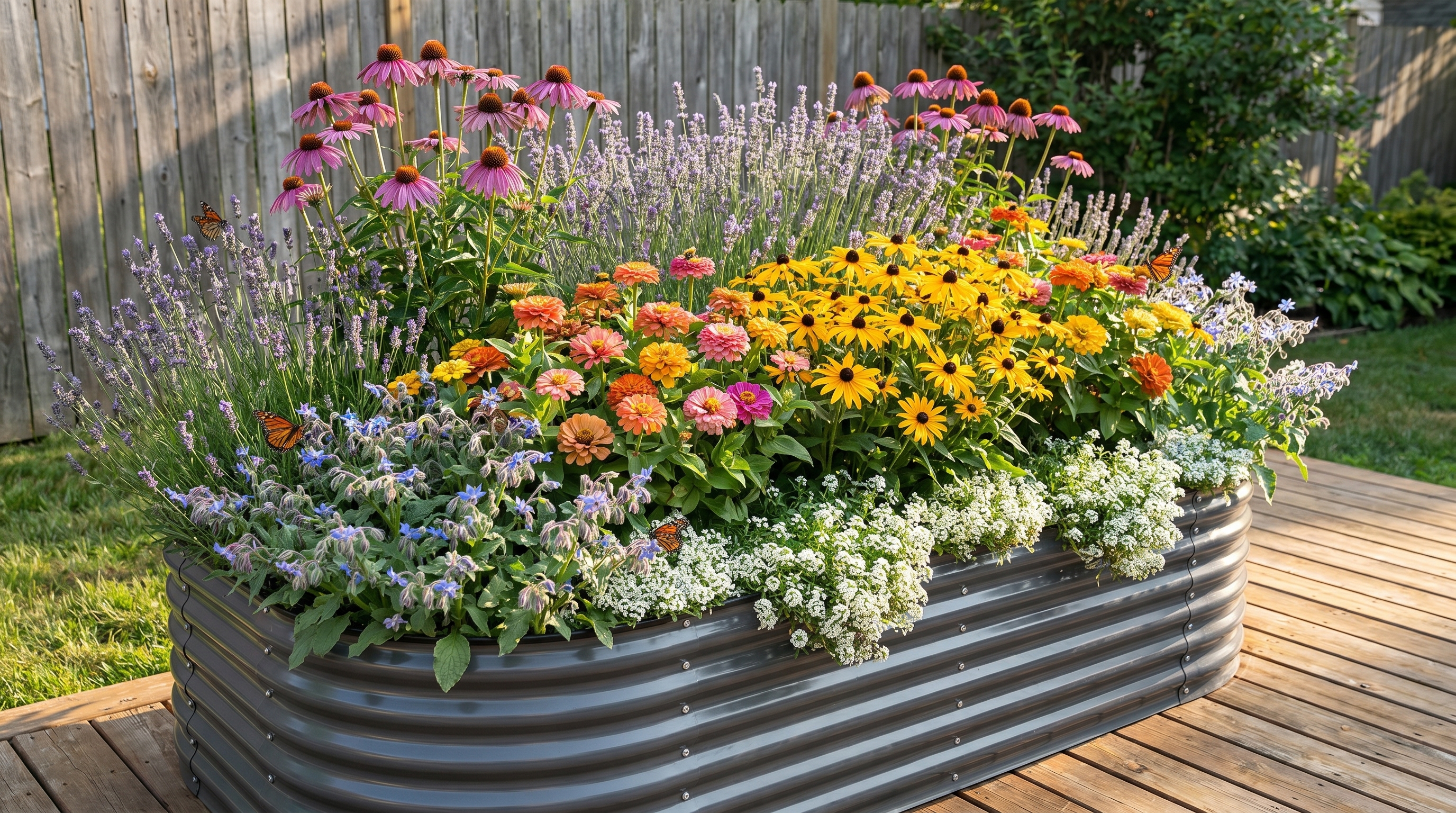
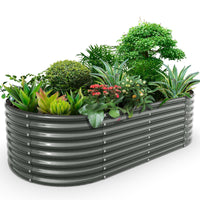
ALT: Layered raised bed planting layout featuring lavender, zinnias, echinacea, and black-eyed Susans attracting pollinators in a sunny summer backyard garden
Advanced Tips: Getting More from Your Pollinator Raised Bed
Handle These Special Situations Like a Pro
When pollinators aren't appearing in the first two weeks: Don't panic. New plantings need time to establish and begin producing nectar at full capacity. Additionally, local pollinator populations need to "find" your garden. Add a shallow dish of water near the bed—bees need water sources—and avoid any pesticide use in the surrounding yard during the establishment period.
When plants become leggy or stop blooming mid-summer: This is usually a deadheading issue. Zinnias, marigolds, and cosmos need spent blooms removed regularly to continue producing new flowers. Commit to a quick 10-minute deadheading pass every 3–4 days, and your bed will bloom powerfully all season.
When you want to extend the season: Plant a second round of fast-growing annuals like zinnias or cosmos in midsummer to carry bloom energy into early fall. Late-season pollinators, including migrating monarchs, depend on late-blooming flowers for fuel. Adding a fall-blooming aster or goldenrod to your raised bed layout bridges the summer-to-fall gap beautifully.
Clearing Up Common Misconceptions
"More variety always means more pollinators." Not necessarily. A bed with 15 different species planted in ones and twos is actually less effective than a bed with 5–7 species planted in generous clusters. Pollinators are more efficient foragers when they can find multiple blooms of the same plant in one spot.
"Native plants are always better than non-native ones." Natives are excellent—and worth prioritizing—but many non-native plants like lavender and zinnias are highly beneficial to pollinators. A blend of native and non-native species typically offers the broadest bloom window and the widest pollinator appeal.
"Raised beds are only for vegetables." This is a persistent misconception. A metal raised bed designed for long-term durability—like those from Anleolife, built to last up to 20 years—is equally suited to flowers, herbs, or any combination. The structure, drainage, and soil control benefits apply regardless of what you plant.
Frequently Asked Questions FAQ
Q1: How do I choose the best flowers for a raised bed if I'm on a tight budget?
Start with seed packets rather than transplants—zinnias, cosmos, borage, and sweet alyssum are all inexpensive from seed and grow quickly. If you're wondering about best budget-friendly raised bed options, pairing affordable annuals from seed with a quality, long-lasting metal raised bed is the most cost-effective strategy over time. A bed that lasts 20 years means your initial infrastructure investment spreads across decades of planting seasons.
Q2: Are there flowers that attract pollinators and also deter garden pests?
Yes—marigolds are the classic dual-purpose choice. Their scent deters aphids, whiteflies, and certain nematodes while their blooms attract bees and butterflies. Borage repels tomato hornworms when planted nearby. Lavender's strong fragrance discourages many common garden pests. Building your raised bed planting layout around these multi-purpose plants reduces the need for chemical intervention, keeping your pollinator garden naturally balanced.
Q3: How long before I start seeing significant pollinator activity in my new raised bed?
Most gardeners notice a meaningful uptick in bee and butterfly visits within 2–4 weeks of flowers opening. Early bloomers like borage and sweet alyssum tend to attract attention fastest. By midsummer, a well-planned raised bed garden layout with diverse bloom times should host consistent daily pollinator activity. Providing a nearby water source and eliminating pesticide use in surrounding areas accelerates the timeline considerably.
Summary
Building a pollinator-friendly raised garden bed is one of the most rewarding investments you can make in your outdoor space this summer. Three principles guide success:
1. Choose plants with genuine pollinator value. Lavender, zinnias, echinacea, black-eyed Susans, and borage are proven performers that attract bees, butterflies, and hummingbirds throughout the summer season. Supplement with cosmos, salvia, and marigolds for a full-spectrum bloom calendar.
2. Design your raised bed layout with intention. Use the thriller-filler-spiller framework, cluster plants of the same species for foraging efficiency, stagger bloom times for continuous nectar flow, and use warm-to-cool color gradients for visual impact. Support tall plants with garden twine, keep tools organized in accessible storage, and manage watering efficiently with a quality hose reel system.
3. Invest in infrastructure that lasts. A quality metal raised bed that can stand for 20 years means your pollinator garden doesn't start over every few seasons. The right foundation—good bed, good soil, good location—makes every planting season more productive and more beautiful.
Your next step is simple: pick three to five of the flowers on this list, sketch a quick raised bed planting layout on paper, and order your seeds or transplants this week. The pollinators are waiting.
Ready to Build Your Best Pollinator Garden Yet?
Anleolife makes it easy to get started—and to keep growing for decades to come.
Nationwide U.S. warehouse network: Strategically located in California, Texas, Florida, New York, Illinois, and Washington, Anleolife ensures delivery within 3–8 business days—so your garden upgrade plans never have to wait for the growing season.
Multi-channel availability: Shop on Amazon, Walmart, Home Depot, Lowe's, Wayfair, or directly at Anleolife.com for consistent quality assurance and reliable after-sales support no matter where you purchase.
Three core garden scenarios: Planting (metal raised garden beds built to last 20 years, premium soil systems), Raising (chicken coops, rabbit hutches), and Beautification (decorative accessories, pathway systems)—meeting your complete needs from pure functionality to everyday garden aesthetics.
We understand that an ideal garden isn't built overnight—it's cultivated season by season. Our modular product design allows flexible expansion based on your needs, from your first raised bed to a fully integrated planting-and-raising ecosystem. We grow with you, every step of the way.
References
- U.S. Fish & Wildlife Service. "Pollinators: Why They Matter and How to Help Them".
https://www.fws.gov/story/2022-05/pollinators - National Gardening Association. "Garden to Table: A Guide to Growing Food at Home".
https://garden.org/ - University of California Agriculture and Natural Resources. "Bee-Friendly Plants for California Gardens".
https://ucanr.edu/ - USDA Natural Resources Conservation Service. "Attract Pollinators to Your Garden".
https://www.nrcs.usda.gov/conservation-basics/natural-resource-concerns/animals/pollinators - Penn State Extension. "Raised Bed Gardening".
https://extension.psu.edu/raised-bed-gardening
Note: Standards and research findings may be updated over time. Please check the latest official documents or consult a professional horticulture advisor for the most current guidance.
About Anleolife
Anleolife is a leading outdoor garden solutions provider in North America, dedicated to offering a full-scenario product ecosystem for home gardening enthusiasts, covering planting, raising, and garden beautification. Since its founding, we have upheld our brand mission, "Made for Garden Life," continuously innovating products and optimizing services to help hundreds of thousands of users upgrade their gardens, reconnect with nature, and enjoy a better garden lifestyle.