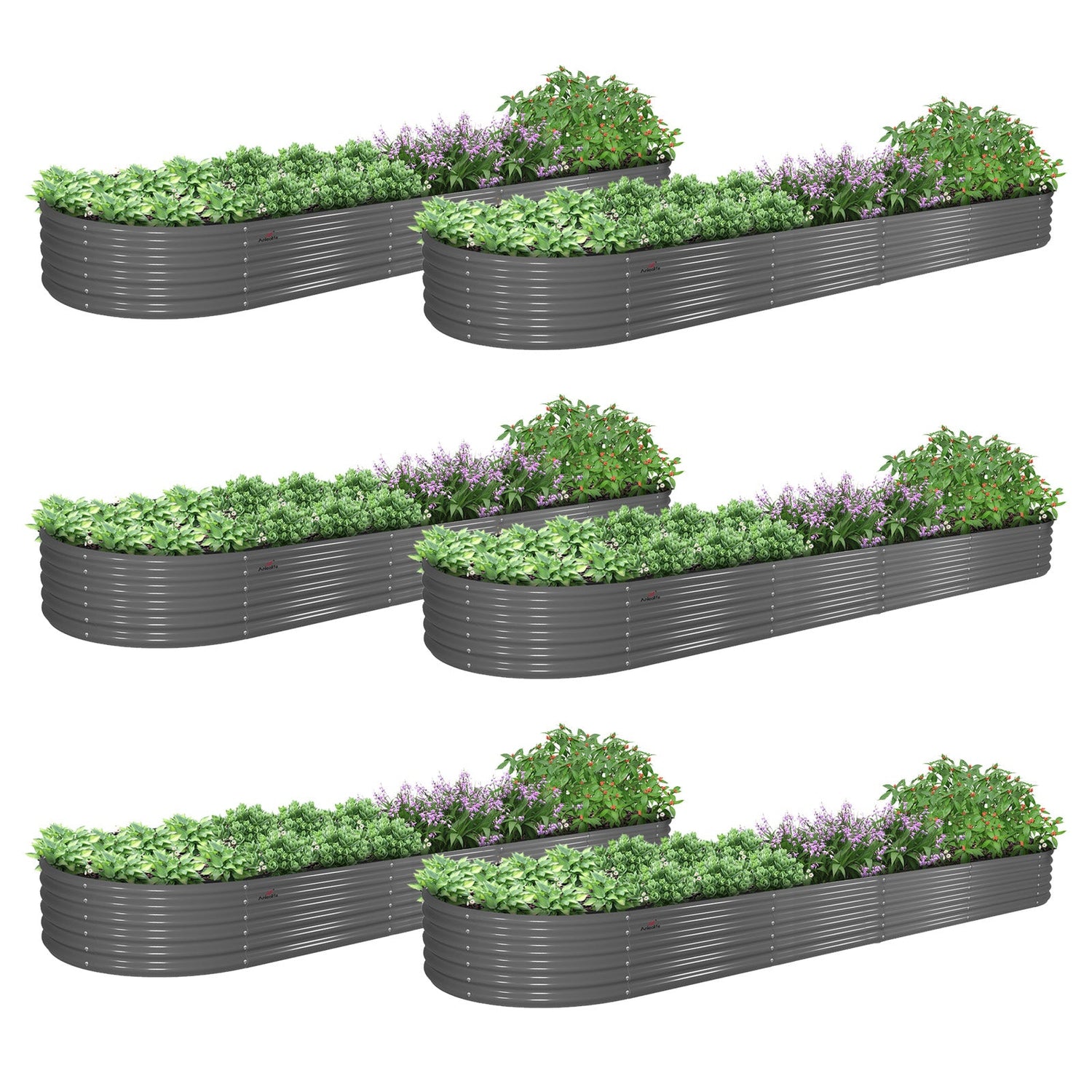



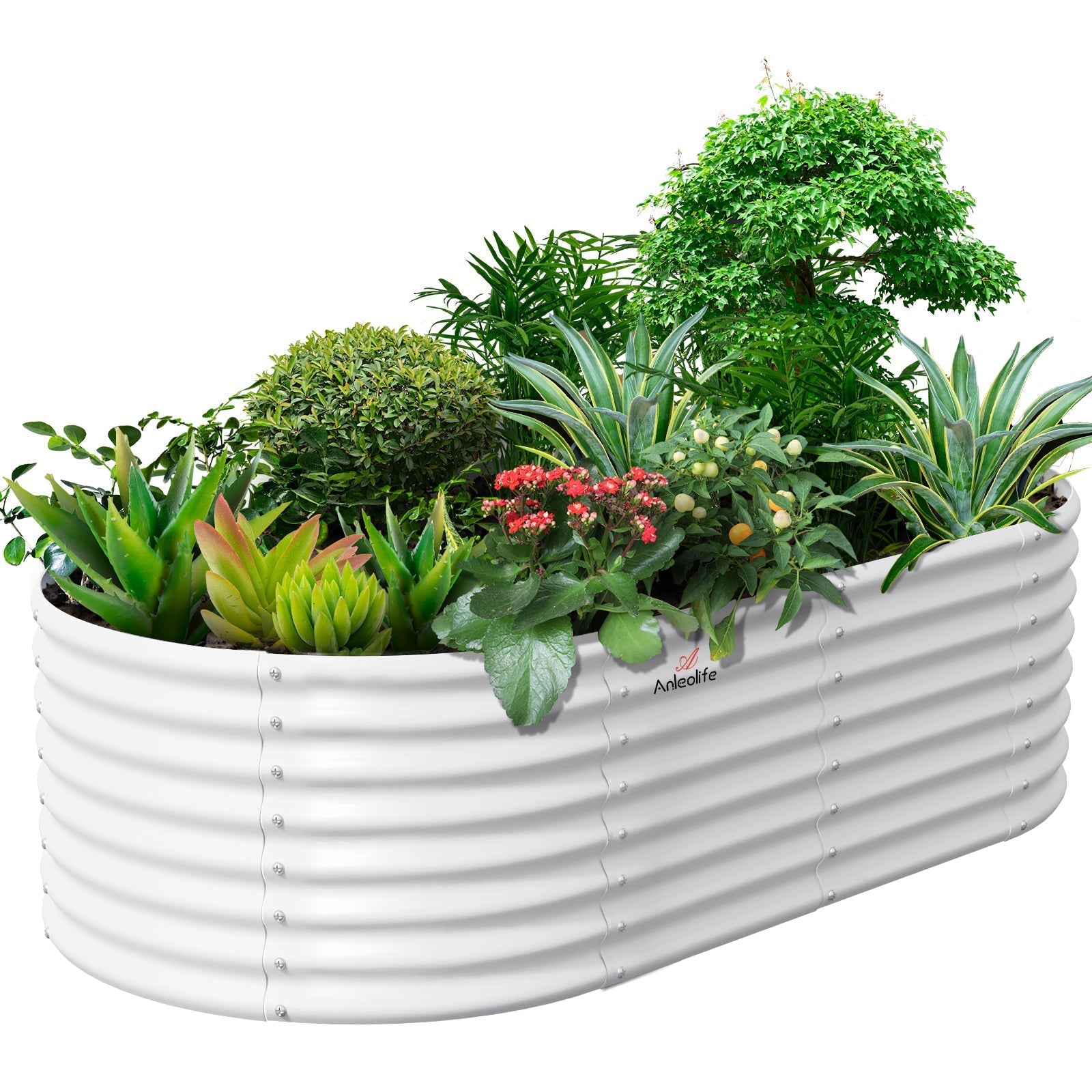
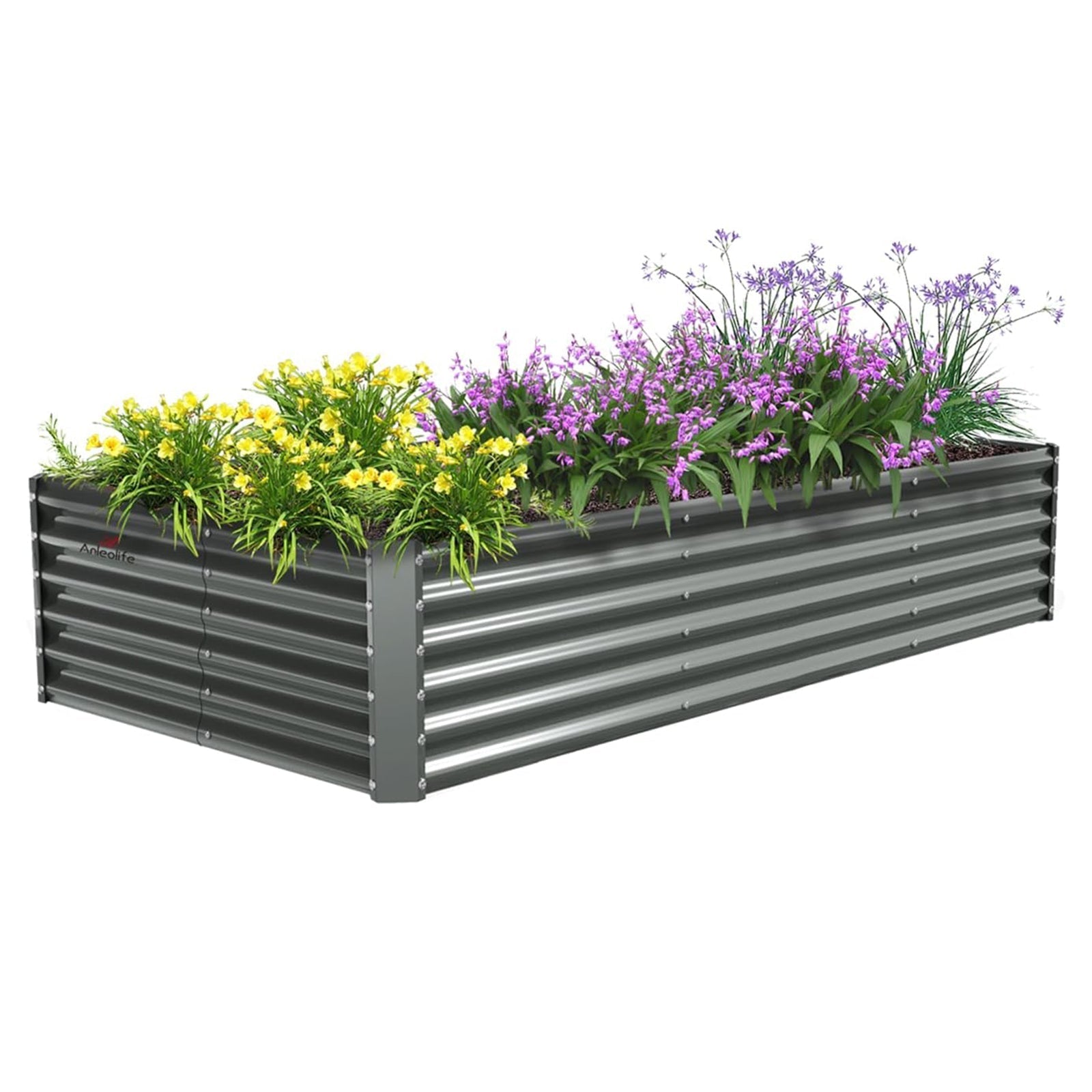

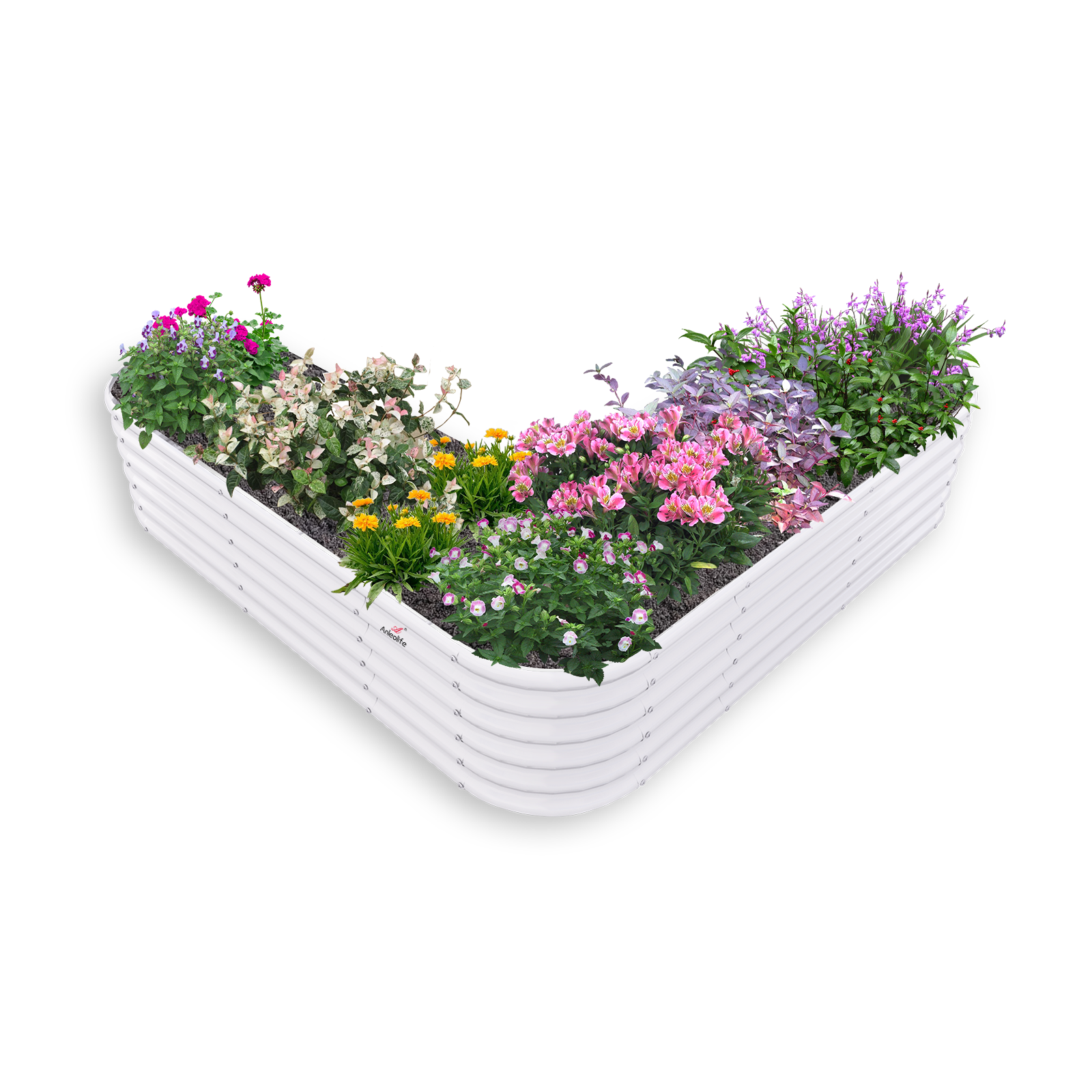
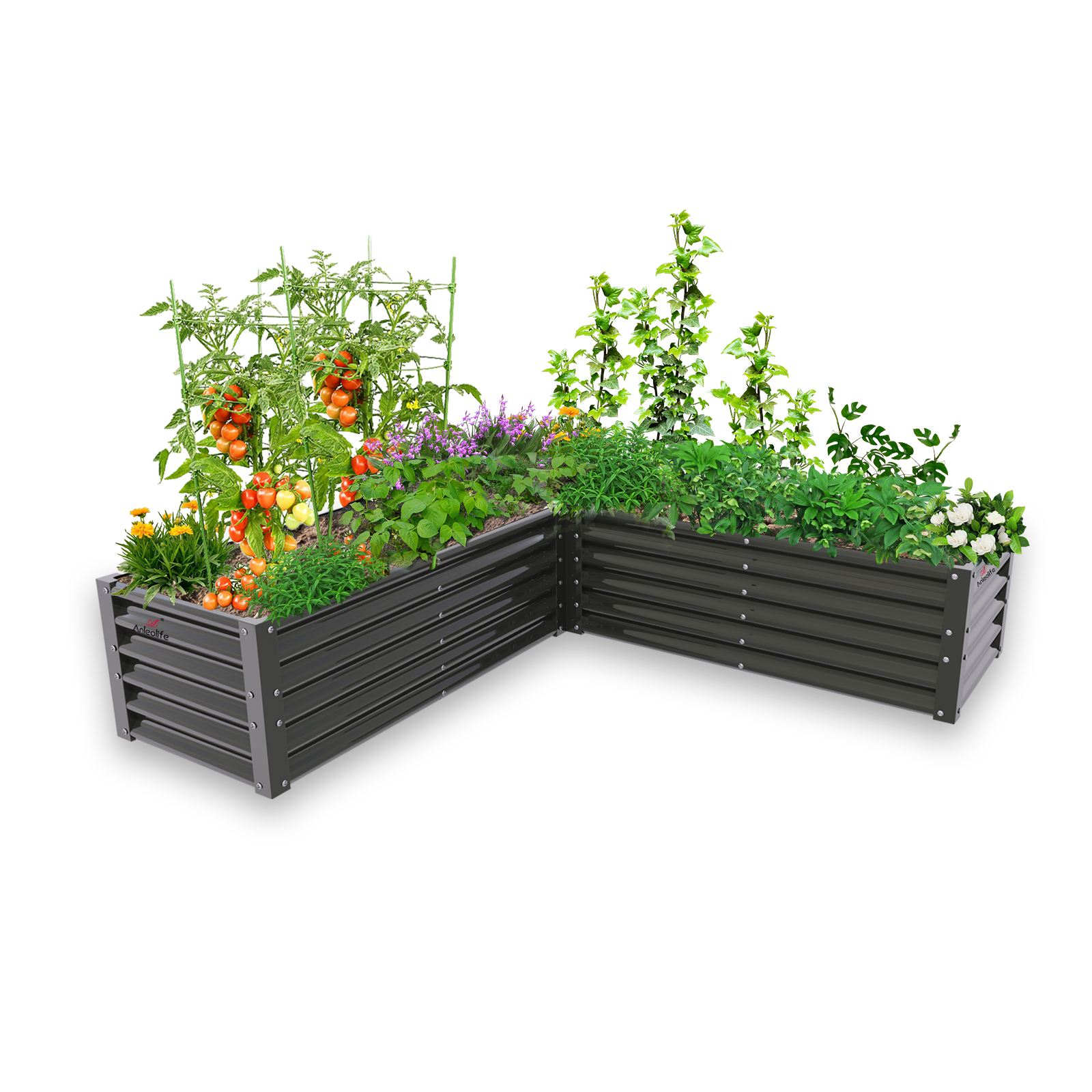
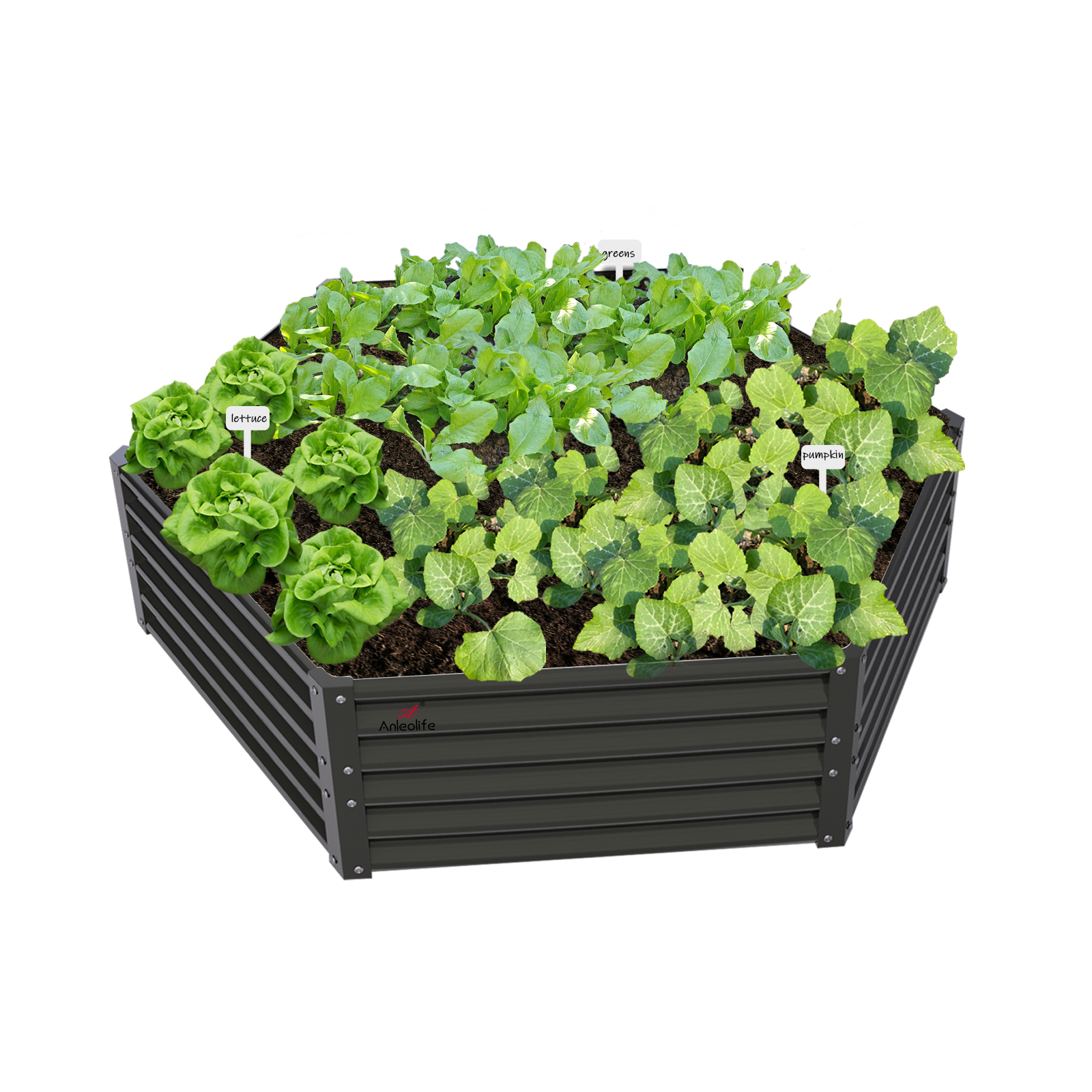
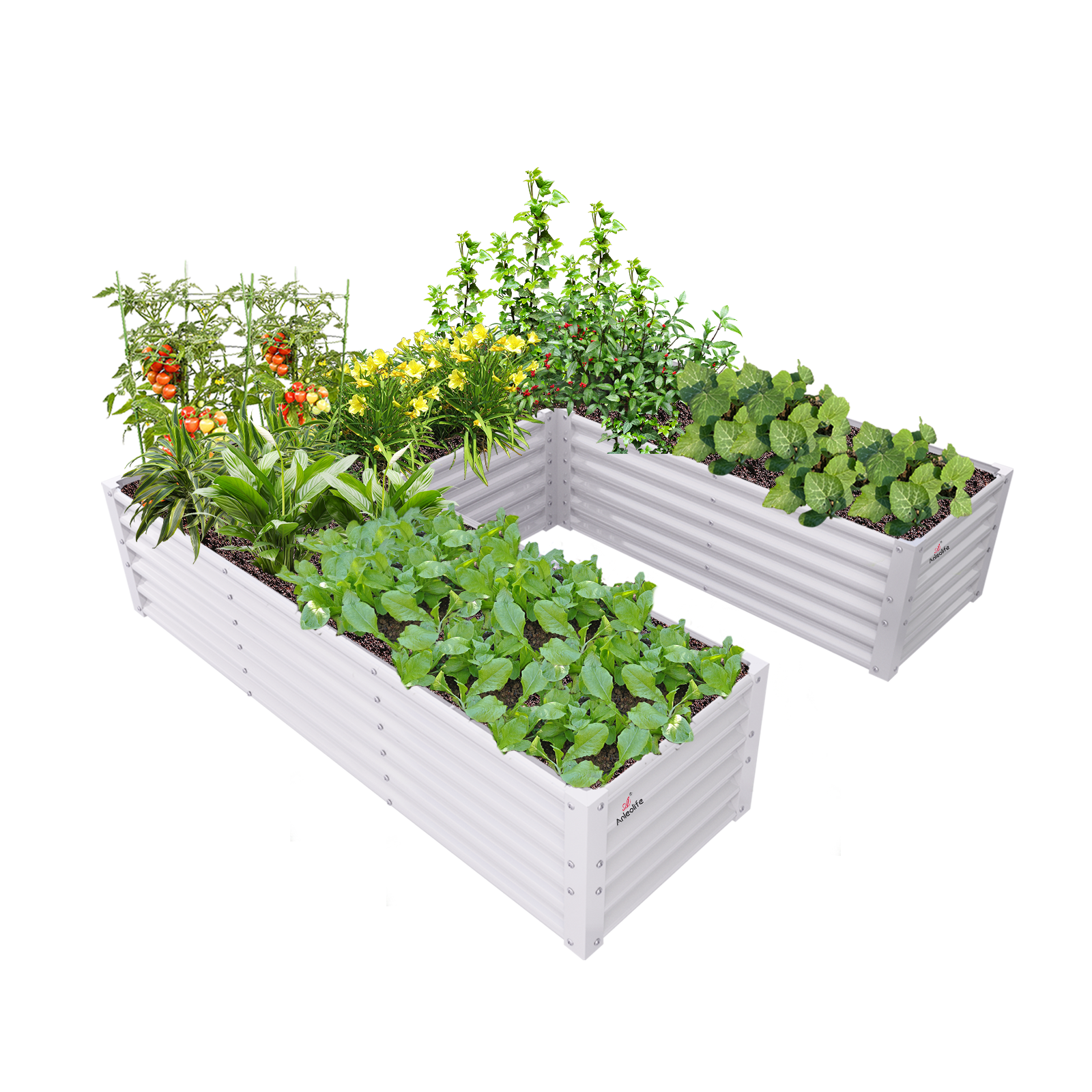

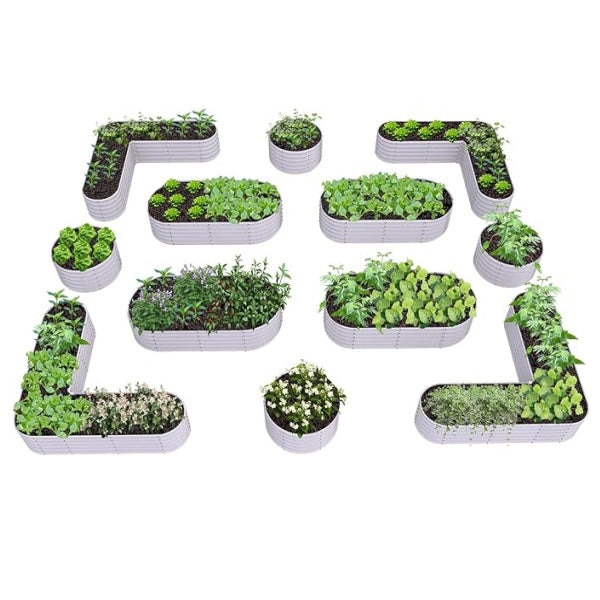


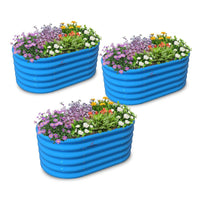
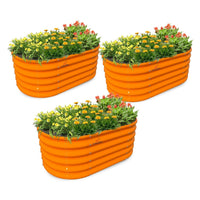
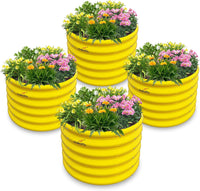
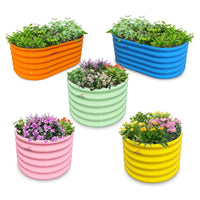



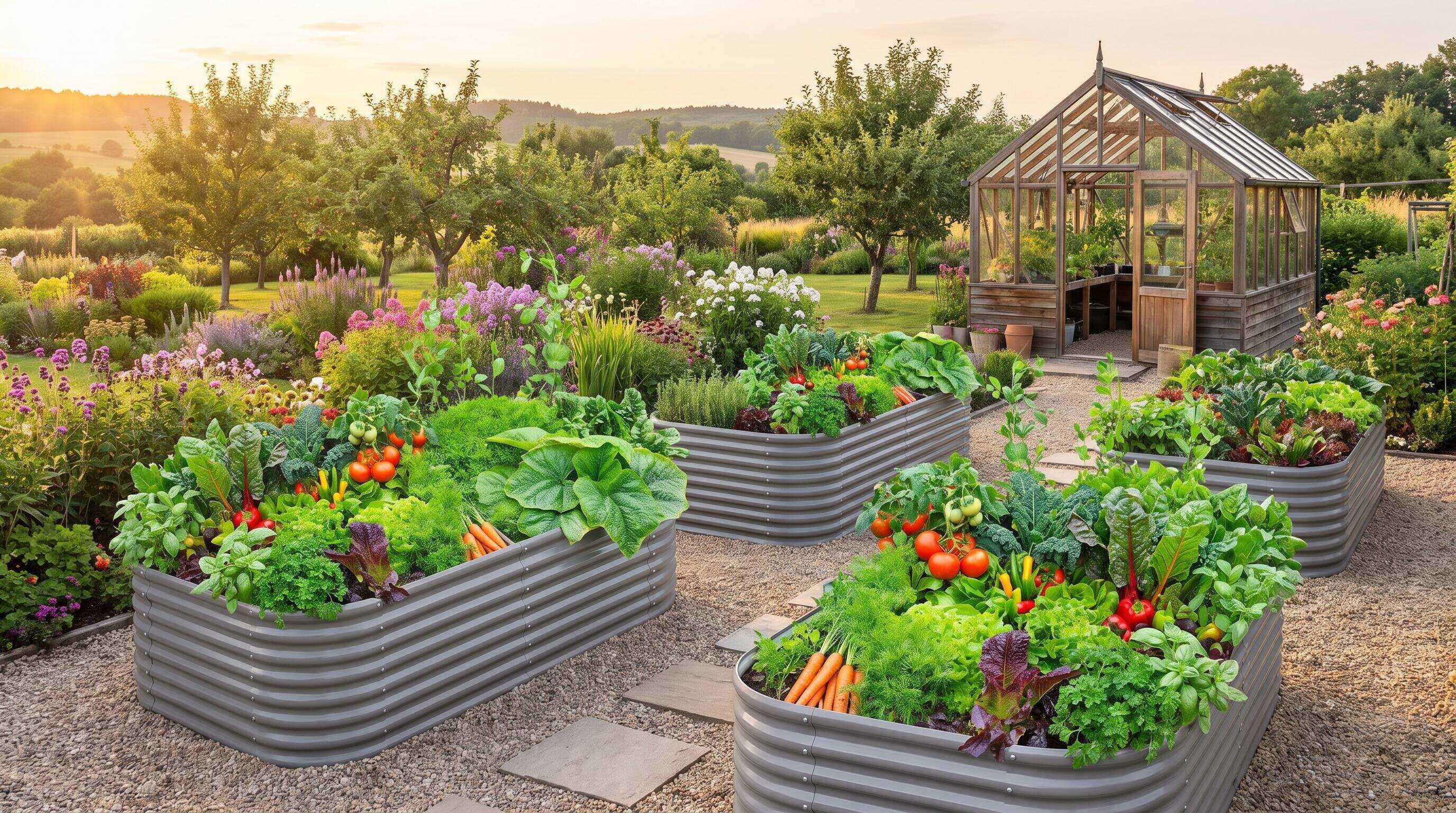
ALT: Galvanized steel raised garden beds arranged in a cohesive fall outdoor garden layout with seasonal plantings
Why Galvanized Steel Planters Are the Secret to a Cohesive Fall Garden Layout
Key Conclusion: Choosing the right galvanized steel planters is the single most impactful decision you can make for a cohesive raised bed garden layout this fall. The right combination of size, height, material quality, and modular flexibility determines not only how productive your raised bed planting layout will be through the cooler months, but also how unified and intentional your outdoor space looks from the curb. This list cuts through the noise to surface the planters and planning approaches that consistently deliver both form and function — so your raised bed layout serves you beautifully season after season.
Fall is when the gaps in a garden design become impossible to ignore. The lush summer growth that masked mismatched containers and awkward spacing has faded, leaving your backyard's underlying structure fully exposed. In our work with homeowners across North America, this is the moment we hear the same concern again and again: "Everything looks disconnected." The good news is that galvanized steel raised beds are uniquely positioned to solve that problem — they bring material consistency, clean geometry, and genuine longevity to any outdoor space. The items in this list were selected based on their ability to contribute to a unified aesthetic while remaining functionally excellent for fall planting. Whether you're starting from scratch or refining an existing setup, use this list as a practical decision guide rather than a shopping catalog. Read through the full set before committing — the right combination often matters more than any single piece.
The Best Galvanized Steel Planters for a Fall-Ready, Cohesive Garden
Galvanized Steel Raised Garden Beds in Classic Rectangular Formats
Galvanized steel raised garden beds in standard rectangular configurations are the structural backbone of any well-planned raised bed garden layout. Their straight lines and repeatable geometry make it straightforward to arrange multiple beds in parallel rows, L-shapes, or grid patterns without the visual chaos that mixed materials and irregular shapes tend to create. Anleolife's galvanized steel beds in configurations like the 12x3 ft and 8x4 ft footprints offer enough growing surface to support serious fall crops — think kale, garlic, spinach, and Swiss chard — while staying manageable for a single gardener to maintain.
The galvanization process creates a zinc coating that physically shields the steel from moisture and oxidation. According to the American Galvanizers Association, hot-dip galvanized steel develops a bonded zinc-iron alloy layer that resists corrosion in outdoor environments. This is what allows Anleolife's beds to carry a projected lifespan of 20 years — a figure worth keeping in mind when you're comparing initial investment against annual replacement costs for wood or plastic alternatives.
Best for: Homeowners who want a clean, structured raised bed planting layout with room for diverse fall crops across multiple growing zones.
Watch out: Rectangular beds in longer configurations like 12x3 ft require careful path planning — you need to reach every section without compacting the soil, so factor in a maximum 2-foot reach from either side when positioning them.
Extra-Tall Raised Beds for Accessibility and Dramatic Visual Impact
Extra-tall galvanized steel planters — those in the 24-inch and 30-inch height ranges — solve two problems simultaneously: they make gardening accessible for people with limited mobility, and they create striking vertical presence that anchors an outdoor space visually. In a mixed-height raised bed layout, taller beds naturally draw the eye and establish a sense of design intention that shorter, uniform-height arrangements can't always achieve.
Anleolife offers both 24-inch extra-tall beds (including 8x4 ft and 6x3 ft footprints) and 30-inch extra-tall options (including 10x3 ft and 6x3 ft). The 30-inch height is particularly well-suited for empty nesters and retirees who find conventional ground-level or low-bed gardening hard on the back and knees. For fall gardening specifically, the elevated soil volume in extra-tall beds retains heat longer into the evening, which can extend the productive growing window for frost-sensitive crops like lettuce and herbs.
Best for: Gardeners managing physical limitations, anyone designing a layered visual landscape, and fall growers who want improved soil temperature retention.
Watch out: Extra-tall beds require more soil volume to fill than standard-height models — plan your soil system budget accordingly before purchasing. Under-filling to save cost creates an unfilled gap at the top that undercuts both the aesthetic and the growing performance.
Waist-High Raised Beds for Urban Micro-Gardens and Balconies
Waist-high galvanized steel planters represent the premium tier of accessible gardening. Anleolife's 35-inch waist-high bed (available in a 4x1.5 ft footprint) is specifically designed for situations where bending is not an option — whether due to physical limitation, space constraints, or simply personal preference. For urban micro-gardeners working with a patio, rooftop deck, or compact yard, this format maximizes productivity per square foot while maintaining the refined, furniture-like appearance that fits high-finish outdoor environments.
The compact 4x1.5 ft footprint of the 35-inch waist-high bed makes it an excellent accent piece within a larger raised bed garden layout — positioned at the end of a bed row, near a seating area, or flanking a pathway, it contributes to cohesion without overwhelming a small space. Fall herbs like rosemary, thyme, and sage thrive in this format and remain visually tidy throughout the season.
Best for: Urban dwellers, apartment gardeners with outdoor access, retirees prioritizing ergonomic design, and anyone wanting a polished stand-alone planting station.
Watch out: The narrower footprint limits what you can grow in a single bed — waist-high beds work best as part of a multi-bed layout rather than as a sole growing area.
Round Raised Garden Beds for Softening Geometric Layouts
A fully rectilinear raised bed layout can feel rigid and institutional, particularly in residential gardens designed around curves and organic shapes. Anleolife's round raised garden bed — available in an 18-inch tall, 48-inch wide format — introduces a softening element that breaks the visual monotony of straight lines while maintaining the material consistency of galvanized steel throughout the space.
Round beds function well as focal points within a rectangular bed arrangement, as stand-alone feature planters near an entry or seating area, or as companion pieces to a pathway system. For fall planting, a round bed filled with ornamental kale, mums, or a mix of edible and decorative plants becomes a genuine design feature — not just a growing vessel. The circular geometry also encourages a natural planting pattern that ensures every plant gets equal light exposure without the shading issues that can occur in corners of rectangular beds.
Best for: Gardeners who want to soften a structured raised bed layout, create a focal-point planting station, or blend ornamental and edible fall plants.
Watch out: Round beds are harder to cover with row covers or cold frames in fall than rectangular beds — factor this in if you plan to extend the growing season with protective covers.
Modular Raised Garden Beds for Flexible, Expanding Layouts
Modular raised garden beds are galvanized steel beds engineered to interlock or combine into larger, more complex configurations — giving gardeners the ability to expand and reconfigure their raised bed layout over time without replacing existing infrastructure. Anleolife's modular line includes configurations from an 18-inch tall 6x2 ft starter unit up to a 30-inch extra-tall 8x4 ft expanded version, covering a wide range of space and height requirements.
The case for modular design is especially strong for families whose gardening ambitions are likely to evolve. As we note in our guide to planning a modular garden layout that grows with your family, starting with one or two beds and expanding incrementally is far more manageable — both financially and logistically — than attempting to build out a full raised bed planting layout in a single season. Modular beds preserve your initial investment while keeping future flexibility wide open.
Best for: Families anticipating garden growth, first-time raised bed gardeners who want to start small and scale up, and anyone designing an adaptive outdoor space.
Watch out: When combining modular units, ground levelness matters significantly — uneven ground creates gaps between sections that compromise both aesthetics and structural integrity. Take time to level your installation area before setting up.
Rust-Resistant Raised Garden Beds for Challenging Climates
Not all galvanized steel raised beds are created equal when it comes to long-term rust resistance. Anleolife's dedicated rust-resistant raised garden beds are formulated for environments with higher moisture exposure — coastal zones, regions with heavy fall rainfall, or yards where irrigation systems run frequently. Available in a range of footprints including 18-inch tall 8x4 ft, 24-inch extra-tall 8x4 ft, and 30-inch extra-tall 6x3 ft, these beds are built to maintain their appearance and structural integrity across decades of use.
For a cohesive garden look that holds up visually over multiple seasons, rust resistance matters as much as initial finish quality. A bed that develops rust streaks within a few years doesn't just degrade structurally — it undermines the visual unity of the entire layout. The 20-year lifespan that Anleolife backs its garden beds with is predicated on material quality of this caliber, not on minimal-spec galvanization. If your fall and winter climate involves persistent moisture, choosing a rust-resistant variant from the outset is the smarter long-term investment.
Best for: Coastal gardeners, growers in high-rainfall regions, and anyone prioritizing long-term aesthetic cohesion across their raised bed garden layout.
Watch out: Even rust-resistant beds benefit from periodic inspection and maintenance. For guidance on keeping your beds in top condition season after season, this maintenance guide for galvanized steel raised beds covers the practical steps that protect your investment.
Heavy-Duty Raised Garden Beds for High-Volume and Year-Round Growing
Heavy-duty raised garden beds are galvanized steel planters built to a reinforced structural standard — thicker gauge steel, more robust corner connections, and greater resistance to soil pressure over time. Anleolife's heavy-duty line includes options at 18-inch, 24-inch extra-tall (6x3 ft), and 30-inch extra-tall (10x3 ft) heights, with the 30-inch 10x3 ft being one of the largest and most production-capable footprints in the entire lineup.
For serious home growers who treat fall gardening as a genuine food-production season — planting garlic for spring harvest, establishing overwintering greens, or growing root vegetables through the cold months — heavy-duty beds offer the reliability that lighter-gauge options can't match. The larger footprint of the 10x3 ft configuration also makes it easier to implement companion planting strategies across a wider area without needing to subdivide a single growing zone across multiple smaller beds.
Best for: Dedicated home growers, families with high vegetable consumption, and anyone investing in a raised bed garden layout designed to produce meaningfully through fall and into winter.
Watch out: The larger footprints in the heavy-duty range are significantly heavier to move once installed and filled — plan your placement carefully before committing, because repositioning after the fact is genuinely labor-intensive.
A Cohesive Soil System to Unite the Planting Ecosystem
A well-designed raised bed layout is only as effective as the soil system inside it. One of the most common mistakes we see in first-season setups is gardeners who invest in premium galvanized steel beds and then fill them with inconsistent or low-quality growing media — producing an uneven growing performance across beds that undermines the entire system. A unified soil system, calibrated for raised bed raised bed gardening, ensures that every bed in your layout performs comparably so you can manage watering, fertilization, and crop rotation as a coherent whole rather than troubleshooting individual beds in isolation.
According to the U.S. Department of Agriculture's guidance on soil health, well-structured growing media with appropriate organic matter content is foundational to productive vegetable gardening. For fall planting specifically, a soil mix that drains well while retaining enough moisture to buffer against temperature swings makes the difference between crops that thrive and crops that stall. Anleolife's planting scenario — which covers both the beds and the soil systems that work with them — is designed with exactly this integrated approach in mind.
Best for: Gardeners establishing multiple beds simultaneously, anyone transitioning from container gardening to raised bed growing, and growers who want consistency across a full raised bed planting layout.
Watch out: "Garden soil" sold at big-box stores is rarely optimized for raised beds — it compacts easily and drains poorly. Look for a mix specifically formulated for raised bed gardening, with perlite, compost, and aged bark components balanced for loose, aerated structure.
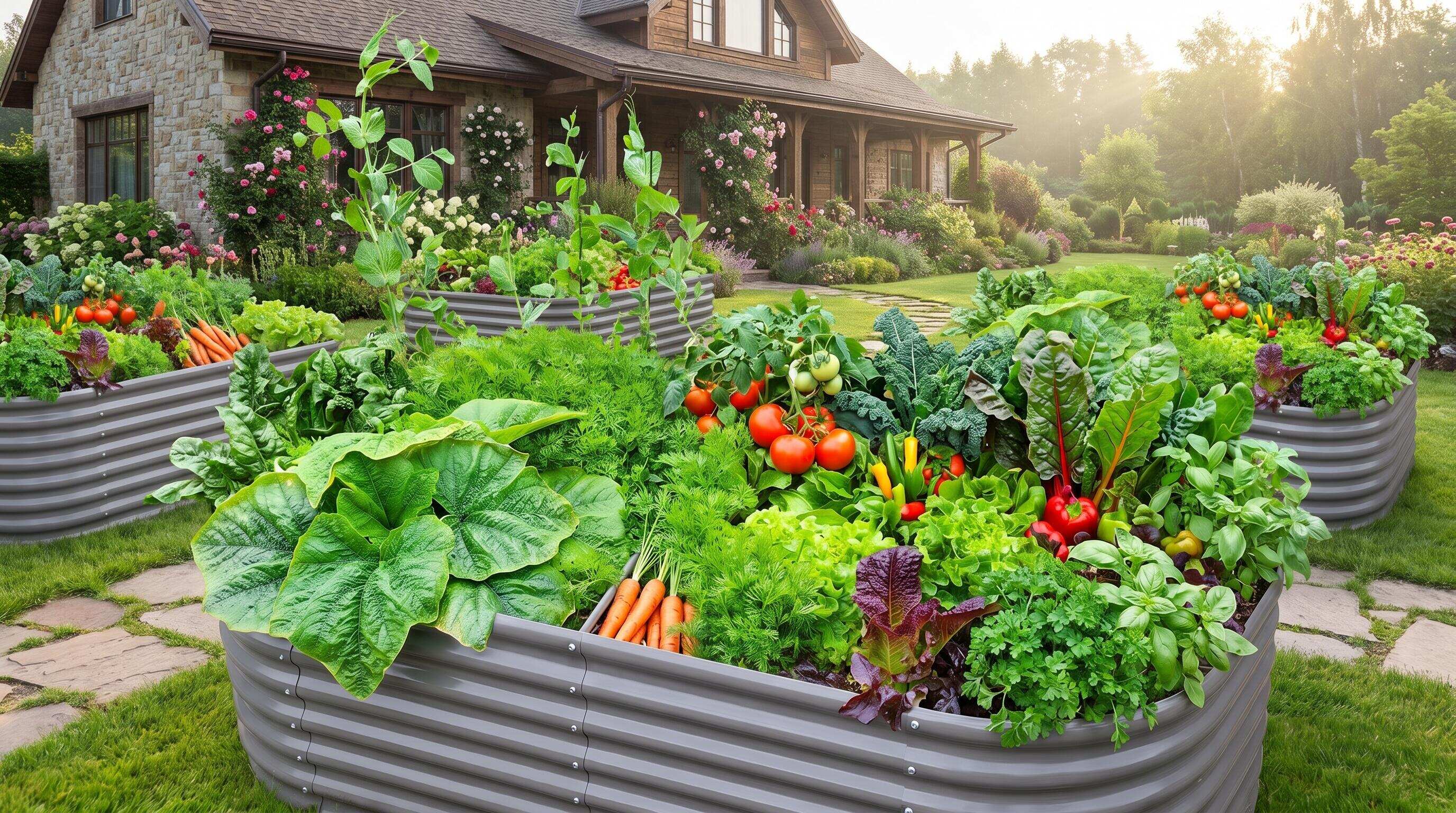
ALT: Varied-height galvanized steel raised garden beds arranged in a structured fall garden layout with seasonal vegetables and ornamental plants creating a cohesive outdoor design
Quick Comparison at a Glance
Choosing among these galvanized steel planter options is easier when you can see their key distinctions side by side. Use this table as a starting point, then refer back to the detailed entries above for context on each item's specific strengths.
| Item | Best For | Key Strength | Limitation |
|---|---|---|---|
| Classic Rectangular Galvanized Beds | Structured multi-bed layouts | Maximizes growing surface, strong geometric cohesion | Longer beds need careful path planning for full reach |
| Extra-Tall Beds (24"–30") | Accessibility, visual layering, heat retention | Extended growing season, reduced physical strain | Higher soil volume requirement increases upfront cost |
| Waist-High Beds (35") | Urban gardeners, ergonomic priority | Stand-alone elegance, no bending required | Narrow footprint limits single-bed growing range |
| Round Raised Beds | Focal points, softening geometric layouts | Breaks visual rigidity, equal light exposure | Difficult to cover with standard cold frames |
| Modular Raised Beds | Gradual expansion, adaptive planning | Flexible reconfiguration over time | Ground-leveling preparation critical before setup |
| Rust-Resistant Raised Beds | Coastal and high-rainfall climates | Long-term aesthetic and structural integrity | Still benefits from periodic maintenance checks |
| Heavy-Duty Raised Beds | High-volume growing, year-round production | Maximum structural durability, large footprints | Heavy and difficult to reposition once installed |
| Unified Soil System | Multi-bed consistency, fall planting performance | Even growing results across all beds | Requires specific raised-bed-formulated media, not generic garden soil |
How to Choose the Right Galvanized Steel Planters for Your Fall Garden
The right raised bed layout choice is almost always driven by the specific constraints and goals of your garden space — not by which option is technically the most impressive on paper.
Start with your physical environment. If your yard experiences heavy rainfall or you garden near a coast, rust-resistant beds should be your baseline, not an upgrade. If you're working with a compact urban patio or balcony, the waist-high 35-inch bed or modular starter beds in smaller footprints make far more sense than a 12x3 ft rectangular bed that physically won't fit your space.
Consider your physical capacity honestly. Extra-tall and waist-high beds aren't just an aesthetic preference — for gardeners managing back pain, arthritis, or reduced flexibility, they're a functional necessity. If you're selecting beds for a multigenerational household where grandchildren and grandparents will both be gardening, a combination of standard 18-inch beds for younger users and 24–30-inch extra-tall beds for older family members often produces the best shared experience. For more on how to combine modular beds into one cohesive backyard design, our planning resource walks through multi-user layout strategies in detail.
Plan for your five-year garden, not just this fall. A common misconception is that you need to build your complete raised bed garden layout in the first season. In practice, the most successful gardens we work with grow incrementally — adding beds, adjusting configurations, and refining the soil system over multiple seasons. Modular beds make this approach financially practical because your first purchase remains useful as the layout evolves, rather than becoming an undersized piece you need to work around.
Match bed height to crop selection. Standard 18-inch beds work well for most vegetables. Deep-rooted crops like tomatoes, peppers, and root vegetables generally benefit from extra-tall configurations that provide additional soil depth. Herbs and greens — particularly popular fall crops — thrive in any height but perform especially well in waist-high beds where air circulation around the plants is excellent.
Don't overlook the value of visual consistency. Mixing galvanized steel beds with wood planters, plastic containers, and ceramic pots in the same space almost always produces a cluttered look that no amount of styling can fully resolve. Committing to a single material — galvanized steel throughout — is the most reliable way to achieve the cohesive fall garden aesthetic most homeowners are actually looking for.
Questions & Answers
Q1: How do I arrange galvanized steel raised beds to create a cohesive garden layout?
A cohesive raised bed garden layout depends on consistent material, repeating geometry, and deliberate spacing. Use beds of the same material (galvanized steel throughout) and arrange rectangular beds in parallel rows or grid patterns with uniform pathways of at least 18 to 24 inches between them. Introduce one or two round beds or varied heights as intentional focal points rather than random additions. The goal is a layout that looks designed, not assembled.
Q2: Are galvanized steel raised beds safe for growing vegetables and edible plants?
Galvanized steel raised beds are widely used for vegetable gardening by home growers across North America. The zinc coating on galvanized steel is the same mineral found naturally in soil and in many foods. The U.S. Environmental Protection Agency recognizes zinc as an essential micronutrient. Most raised bed gardening authorities, including university extension programs, consider modern galvanized steel beds appropriate for growing edible crops when beds are maintained properly and soil quality is managed well.
Q3: How long do galvanized steel raised beds last, and what does that mean for my investment?
Anleolife's galvanized steel raised garden beds are built for a 20-year lifespan — a figure that fundamentally changes the investment math compared to wood beds, which typically need replacement every 5 to 10 years. Over two decades, the per-year cost of a quality galvanized bed is substantially lower than repeatedly replacing wooden alternatives, even before accounting for the labor of disassembly and rebuild. Proper maintenance, including keeping the soil surface away from the top rim and inspecting joints seasonally, helps you realize the full projected lifespan.
Wrapping Up
Building a cohesive fall garden with galvanized steel planters is less about finding one perfect product and more about making deliberate choices across size, height, configuration, and soil system that work together as an integrated raised bed layout.
Key Takeaways:
- Material consistency is the foundation of visual cohesion — galvanized steel throughout your raised bed layout eliminates the cluttered, mismatched look that mixed materials create.
- Height variety serves both function and aesthetics — mixing standard 18-inch beds with extra-tall 24–30-inch configurations creates visual depth while improving accessibility for different gardeners.
- Modular and expandable options protect your long-term flexibility — you don't need to build the complete raised bed planting layout this fall; start with what fits your space and budget, then scale thoughtfully.
- Rust-resistant and heavy-duty variants justify their investment in climates with persistent moisture or for growers committed to year-round production.
- Soil system consistency is as important as bed quality — a unified growing media approach ensures every bed in your layout performs comparably.
Your next step is simple: identify your two or three primary constraints (space, accessibility, climate, or budget) and match them to the items in this list that address those constraints directly. Before preparing your garden beds for the upcoming fall planting season, reviewing your layout plan against these criteria will save you from the costly mistakes of under-sizing, poor placement, or mismatched materials.
Ready to build a raised bed garden layout that looks as good as it grows? Explore the full range of galvanized steel planters, modular configurations, and garden solutions at Anleolife — available through Amazon, Walmart, Home Depot, Lowe's, and Wayfair, with delivery in 3–8 business days from warehouse locations across California, Texas, Florida, New York, Illinois, and Washington. Whether you're starting with your first 8x4 ft bed or expanding into a fully integrated planting-and-raising ecosystem, Anleolife grows with you every step of the way.
References & Further Reading
- American Galvanizers Association. "Hot-Dip Galvanizing for Corrosion Protection."
https://www.galvanizeit.org/ - U.S. Department of Agriculture (USDA). "Soil Health and Organic Matter in Home and Market Gardens."
https://www.usda.gov/ - U.S. Environmental Protection Agency (EPA). "Zinc: Micronutrients and Soil Safety."
https://www.epa.gov/
Note: Standards and guidelines may be updated; please check the latest official documents or consult professional advisors for current recommendations.