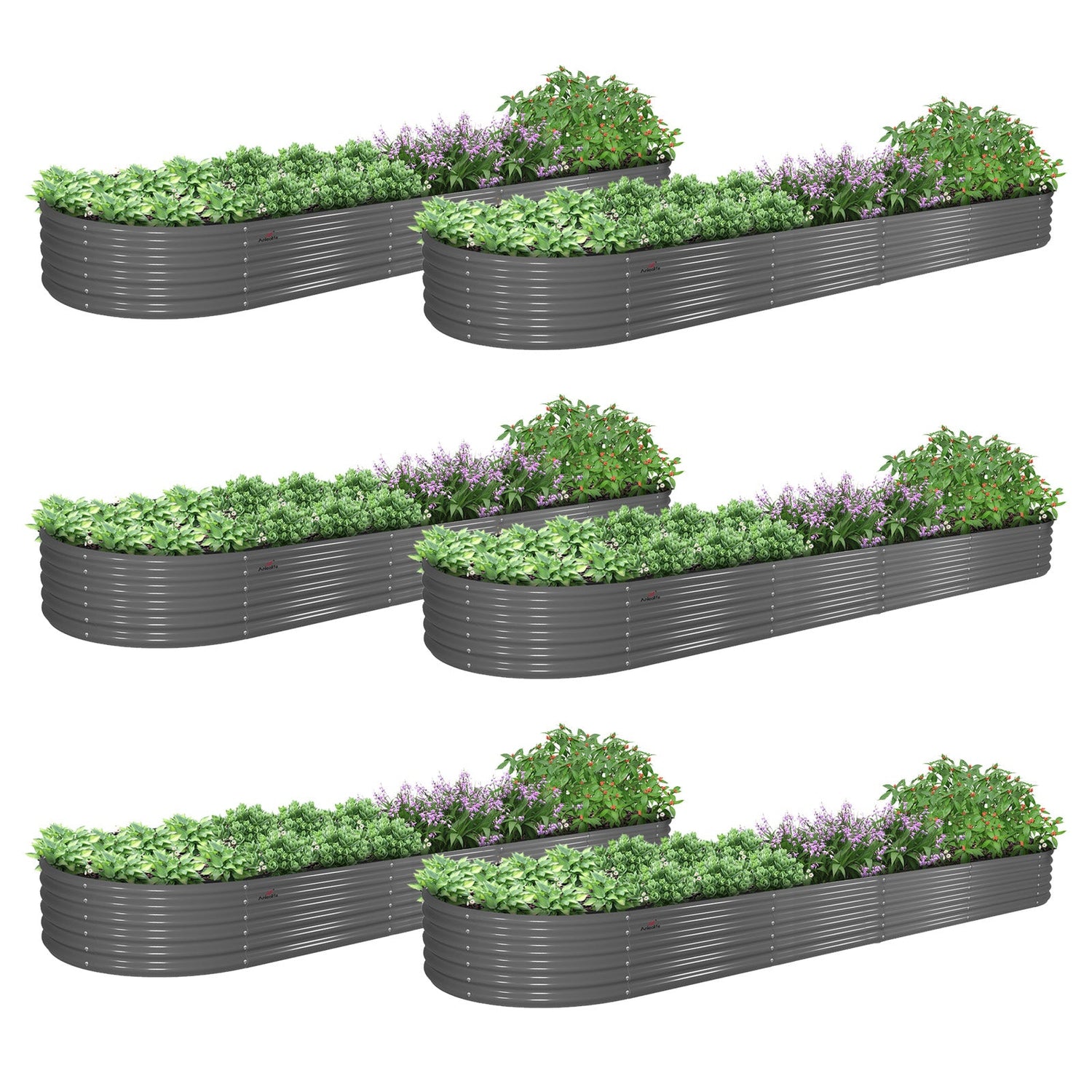



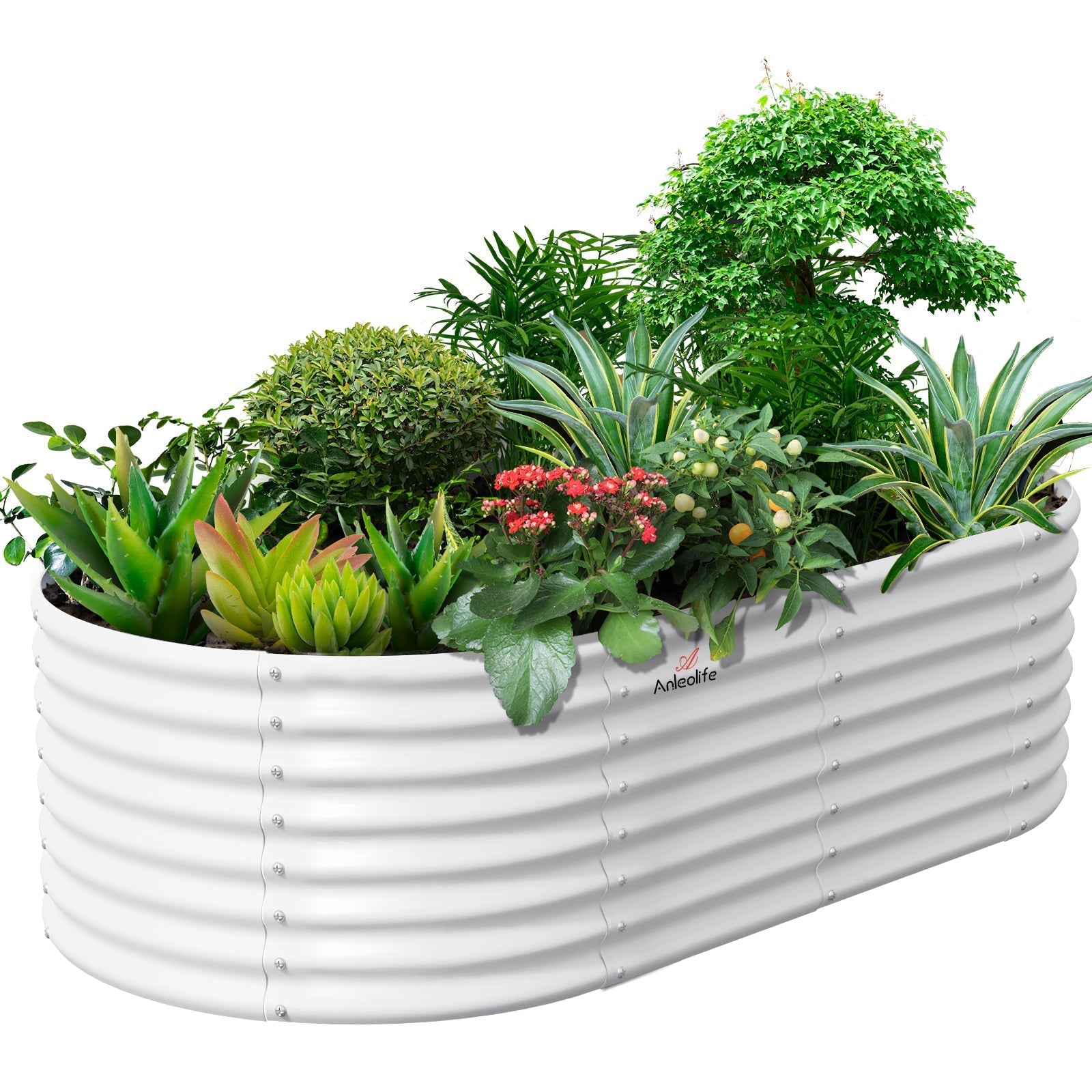
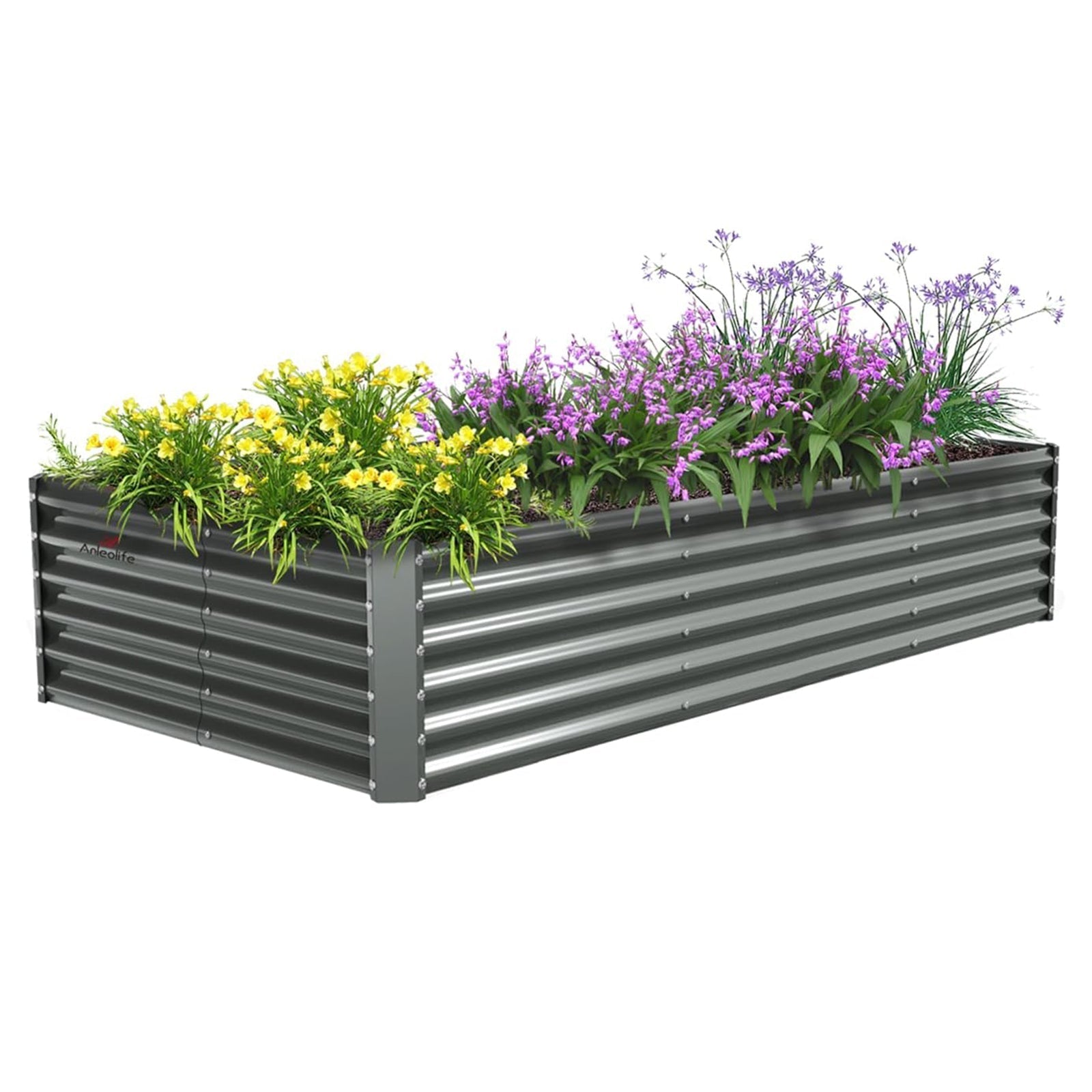

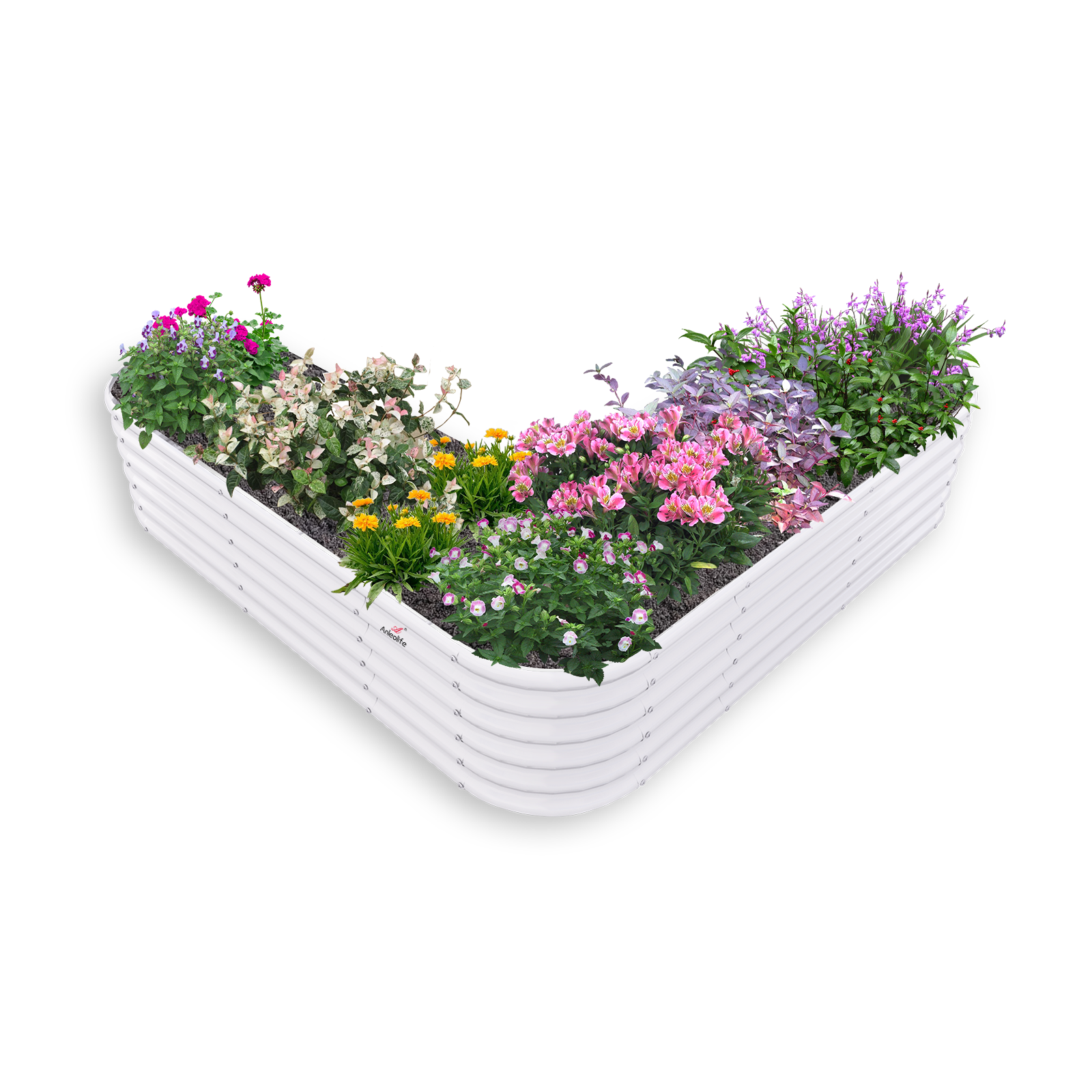
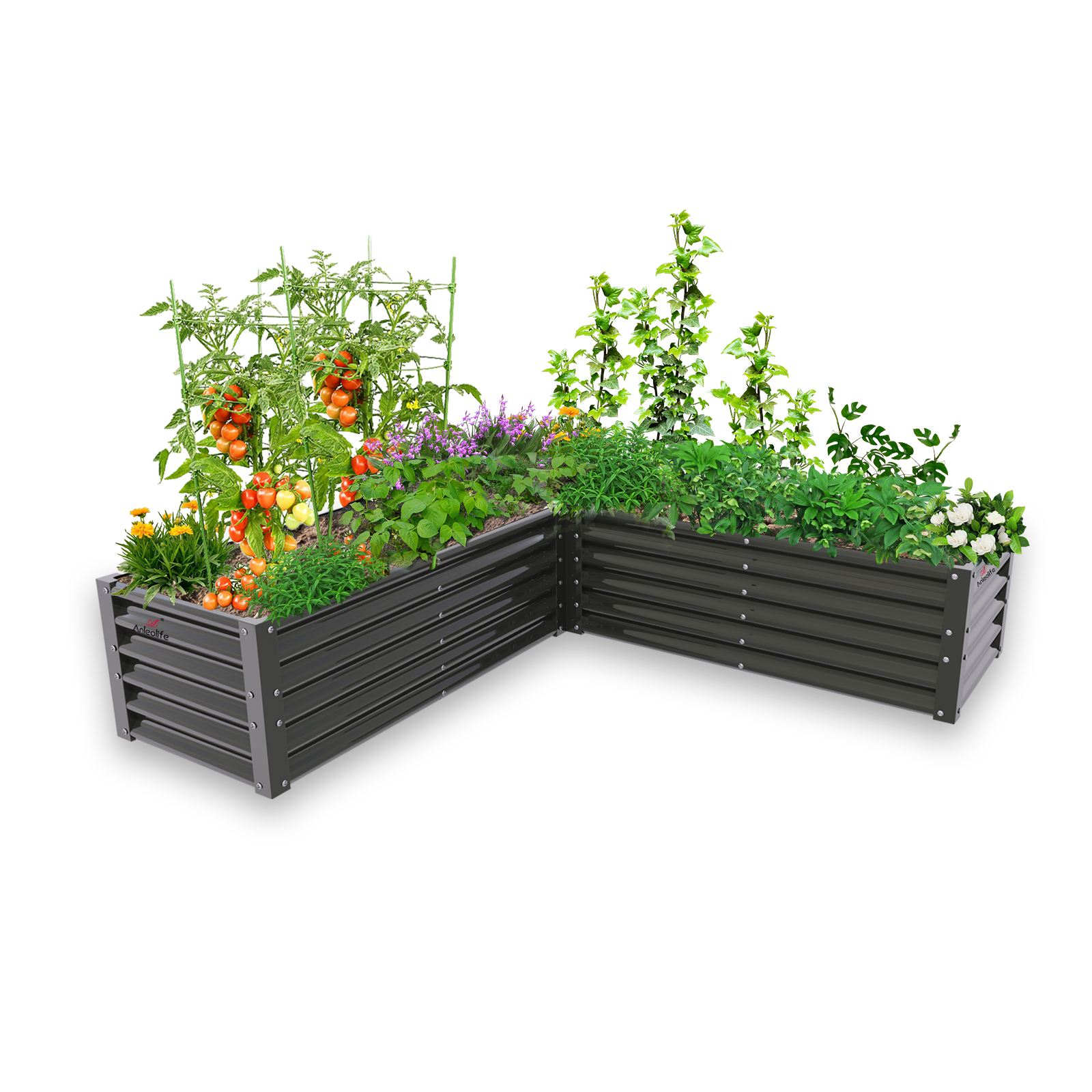
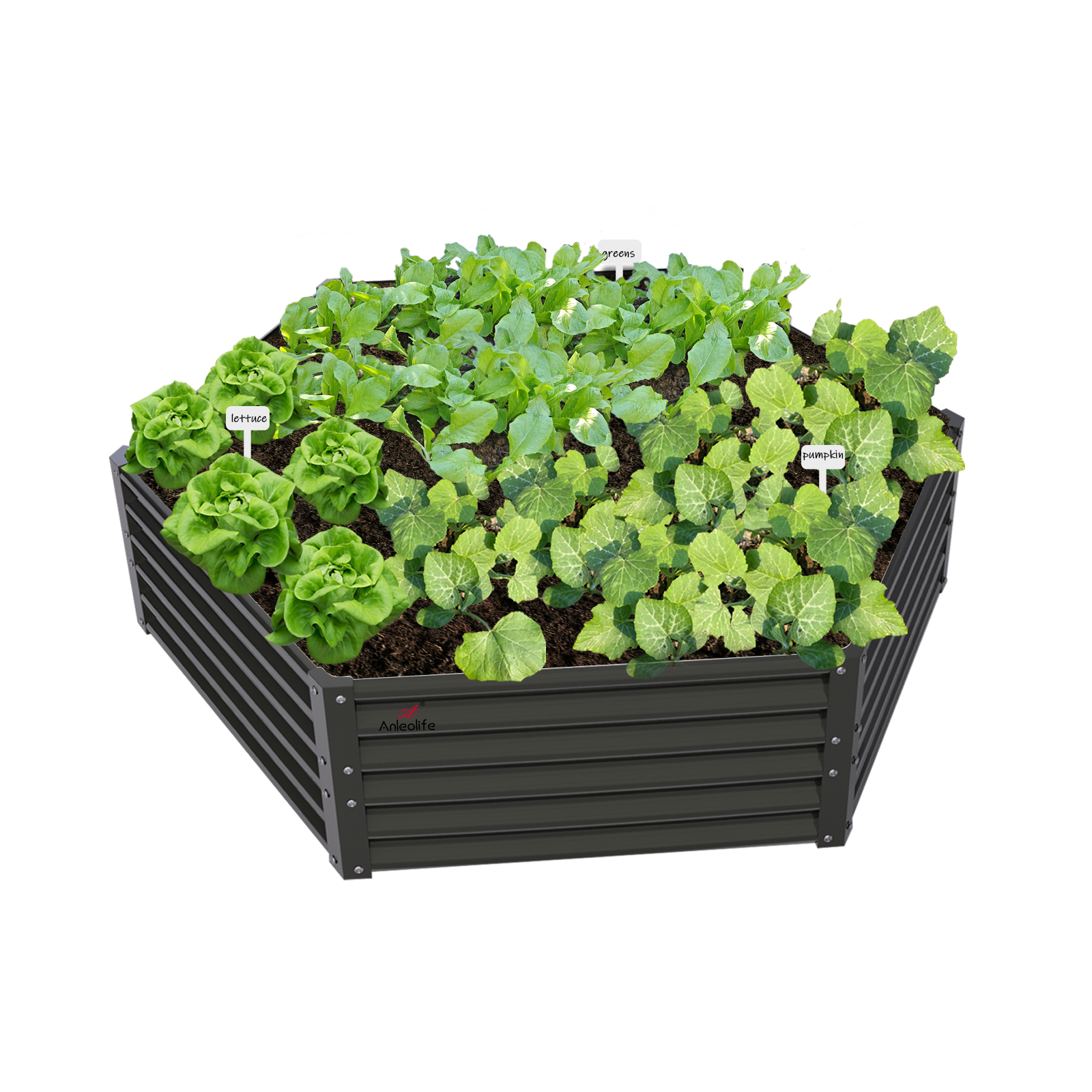
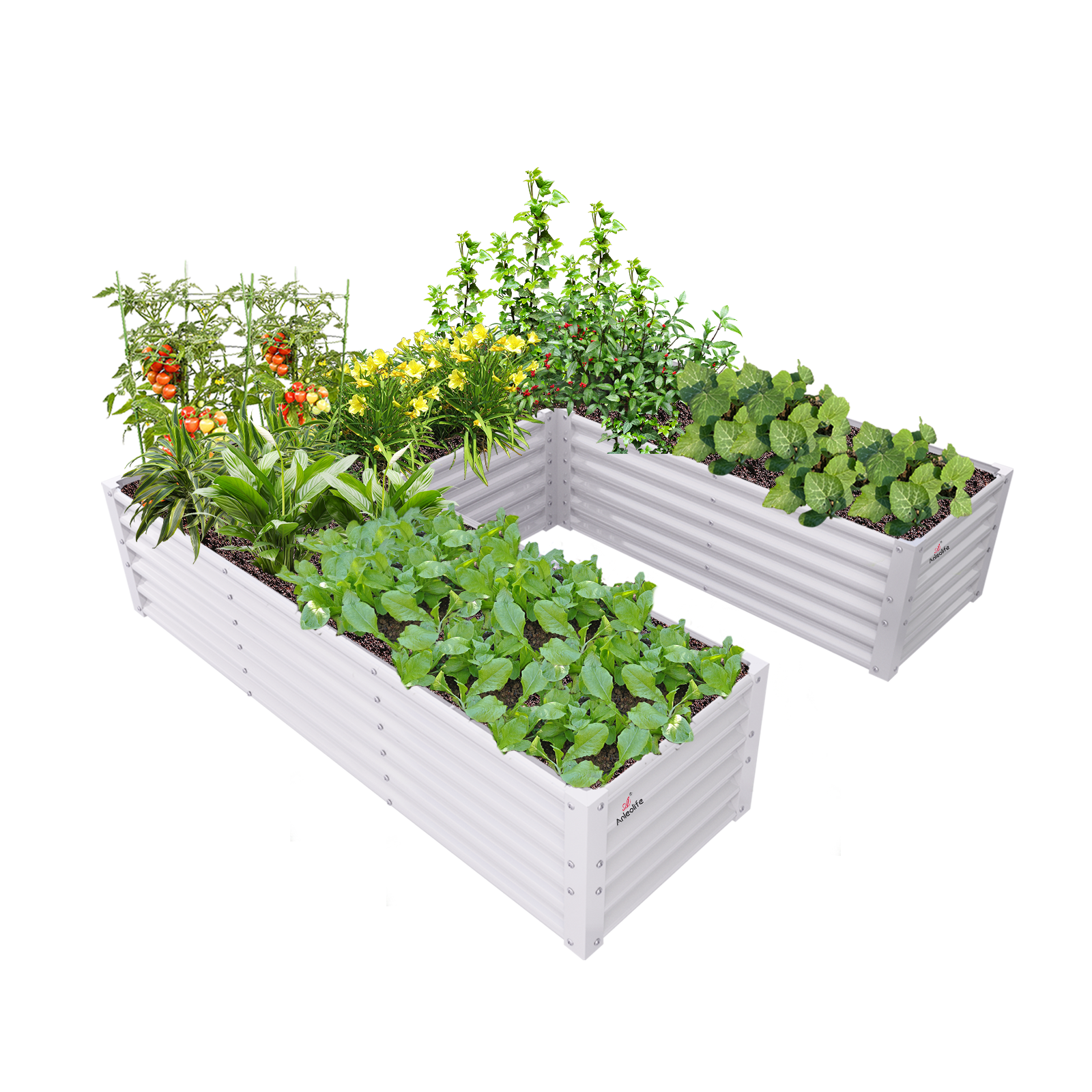

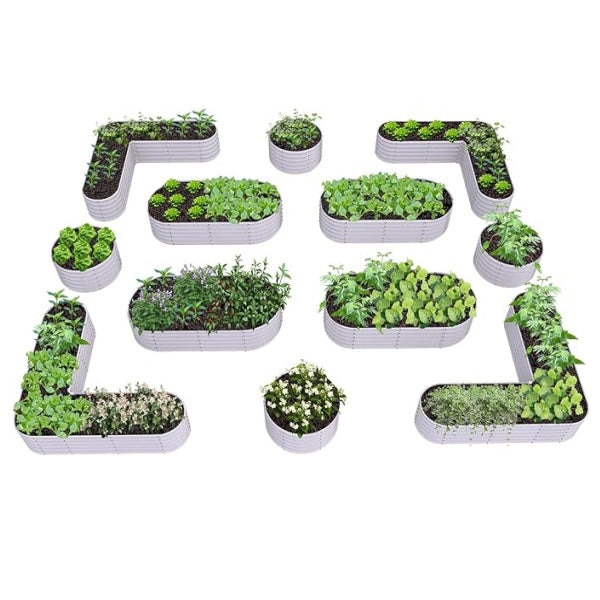


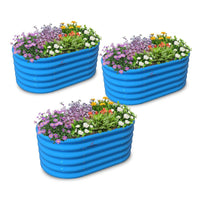
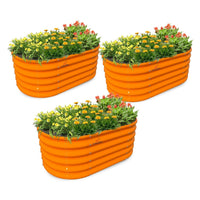
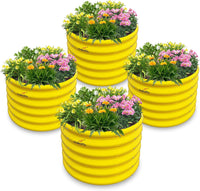
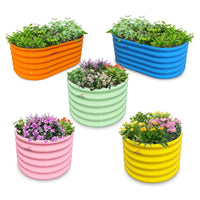



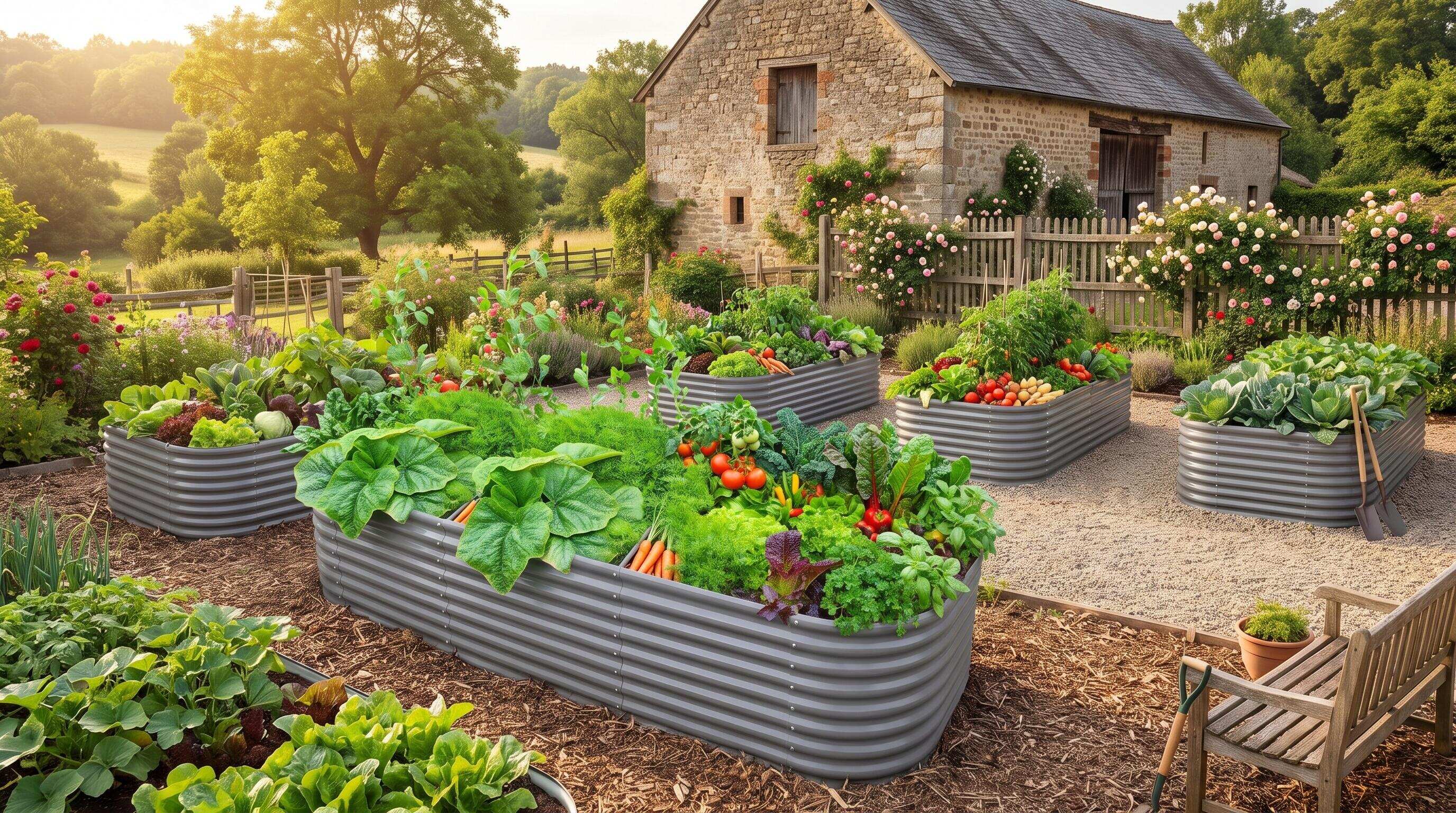
ALT: Smart raised bed garden layout planning guide showing where to invest and where to save money
Build a Smarter Raised Bed Garden Layout Without Overspending This Season
Starting a new raised bed garden setup is one of the most satisfying home improvement projects a household can take on. The problem most new growers face, however, is not a lack of enthusiasm — it's the uncertainty of where to put their money. Spend too little on the wrong things, and you'll be replacing them after one season. Overspend on items that don't make a meaningful difference, and you've burned budget that could have funded another bed, better soil, or tools that actually get used.
This guide is written for exactly that situation. Whether you're setting up your first raised bed planting layout in a backyard or expanding an existing raised bed layout across a larger growing space, the goal here is practical: help you make deliberate, informed spending decisions so every dollar works harder. We'll walk through what genuinely warrants the investment, what you can confidently cut back on, and how to sequence those choices so your garden is functional, durable, and ready to grow with you.
Before You Start: Prerequisites and Preparation for Your Raised Bed Layout
Before any money is spent or any bed is placed, a short preparation phase saves you from the most common and costly early mistakes. In our work with home growers at every experience level, we consistently see that the setups causing the most frustration — leaning beds, poor drainage, wasted soil — trace back to decisions made before assembly, not during it.
Here is what you should have clarified before purchasing anything:
Site Assessment
Walk your intended garden area during different parts of the day and observe sunlight patterns. Most vegetables and herbs need a minimum of six hours of direct sun, according to general guidance from the USDA National Gardening Association. Note low spots where water pools, and check whether you have reasonable water access nearby. A raised bed garden layout placed in a shaded corner or far from a hose is a layout that becomes a chore.
Budget Mapping
Write down your total available budget before you open any product page. Then divide it mentally into three categories: structure (the beds themselves), growing medium (soil, compost, amendments), and everything else (tools, accessories, irrigation, seeds). This exercise alone — before seeing any prices — protects you from getting pulled into add-on purchases that crowd out the things that matter most.
Space Measurement
Measure the actual footprint you're working with and sketch a rough raised bed layout on paper or a free grid tool. Factor in walking paths between beds — a minimum of two feet allows comfortable access, while wider paths accommodate wheelbarrows or those with limited mobility. Knowing your dimensions ahead of time prevents ordering beds that won't fit the space or that leave awkward gaps.
Soil Volume Estimate
Calculate the cubic footage of soil you will need before pricing it out. Underestimating soil volume is one of the most consistent oversights we encounter. A bed that is only partially filled doesn't drain or warm up properly, and plant roots hit the original ground level before they can develop fully.
Checklist before starting:
- Site sunlight verified (minimum six hours for most vegetables)
- Drainage and water access confirmed
- Total budget written down and categorized
- Footprint measured and rough raised bed planting layout sketched
- Path widths accounted for
- Soil volume estimated for all planned beds
- Local last-frost date known (relevant for timing your setup)
Allow yourself a weekend of unhurried planning time before purchasing. Rushed decisions in this phase are where most overspending originates.
Step-by-Step: Where to Spend and Where to Save in Your Raised Bed Garden Setup
Step 1: Splurge on the Bed Structure Itself
The raised bed frame is the single component that underpins everything else, and it is the one place where choosing quality over price pays real dividends over time. A cheap frame that warps, rots, or corrodes after two or three seasons is not a bargain — it is a deferred cost, plus the disruption of re-doing a setup you have already invested in.
In our experience working with home gardeners across a wide range of climates and budgets, the growers who report the highest satisfaction over the long run are those who chose structural quality upfront and cut costs elsewhere. Galvanized steel raised garden beds are a strong example of this principle in practice. Galvanized steel is steel that has been coated with a layer of zinc to prevent rust and corrosion — a process well documented by standards bodies including ASTM International, which publishes specifications for zinc coating quality and performance. A properly galvanized steel bed is built to last decades, not seasons. Anleolife's galvanized steel raised garden beds are designed with a 20-year lifespan, which means the per-year cost of a quality bed, when calculated honestly, is far lower than replacing a budget alternative every few years.
When evaluating bed options, prioritize:
- Material integrity (galvanized or rust-resistant steel over uncoated or thin-gauge metal)
- Wall height (taller beds, such as 24-inch or 30-inch extra-tall options, mean less bending and better root depth for most crops)
- Panel thickness and joining quality (look for robust fastening systems that won't shift or separate under soil pressure)
The Anleolife range offers beds from a compact 18-inch tall 4x4 ft configuration up to 35-inch waist-high options, covering the full range of use cases from small urban plots to accessible gardening for those who want to work at standing height. Matching the bed height to your physical needs is as important as matching it to your plants' root requirements.
Tip: If budget requires staging your purchases, buy one high-quality bed first and expand later with matching panels. A modular system that allows future expansion is worth slightly more upfront than a fixed configuration you'll outgrow.
Step 2: Save on Decorative Accessories at First, Invest in Them Later
Garden beautification items — decorative edging, pathway markers, ornamental planters, trellis covers — are genuinely enjoyable additions to a mature garden space. They are also completely optional in your first season. A pattern we consistently see is that first-time gardeners buy decorative items early in a flush of planning excitement, then wish they had spent that money on soil amendments or irrigation once the growing season is underway.
The practical guidance is to defer non-functional beautification spending until your layout is proven and your priorities are clear. After one full growing season, you'll know which areas see the most foot traffic, which beds produce most heavily, and where you actually want to create a visual focal point. Spending on aesthetics at that point is informed spending. Spending on aesthetics before you've grown anything is guesswork.
This does not mean beautification has no value — it absolutely does, and a well-considered garden design has real quality-of-life benefits. It simply means sequencing matters. Function first, form to follow.
Tip: One targeted beautification investment that pays functional dividends from the start is a defined pathway system. Clear paths prevent soil compaction in growing areas and make the garden easier and safer to navigate in wet conditions.
Step 3: Splurge on Your Soil System
If the bed frame is the bones of your setup, the soil system is the engine, and it deserves serious investment. The University of California Cooperative Extension, along with most academic horticultural sources, consistently emphasizes that plant health is more directly determined by soil quality — structure, nutrition, microbial activity, and drainage — than by almost any other input. A strong bed filled with poor growing medium will underperform a modest bed filled with excellent soil every time.
A well-composed raised bed growing medium is typically a blend of high-quality topsoil, compost, and a porous amendment such as perlite or aged bark. The ratios matter, but the quality of each component matters more. Buying the cheapest bulk fill available and hoping compost will correct it is a strategy that rarely works in the first season and can take years to remediate.
Practical places to find quality soil at reasonable cost:
- Local composting facilities often sell finished compost by the cubic yard at lower cost than bagged retail products
- Municipal green waste programs in many states provide subsidized or free compost — check with your local extension office
- Buying in bulk (by the yard rather than by the bag) reduces cost significantly for beds larger than a few cubic feet
Do not cut corners here. The soil system is an investment that pays back in harvests, not just in years but in every single growing cycle.
Tip: Top-dress your beds with an inch of fresh compost each season rather than replacing the entire growing medium. According to guidance from land-grant university extension programs, this practice maintains soil biology and structure over time at a fraction of the cost of full replacement.
Step 4: Save on Seeds — Mostly
Seeds are genuinely one of the areas where frugality is well-placed. A packet of heirloom tomato seeds from a reputable seed company costs a fraction of what a flat of nursery transplants does, and for most gardeners with even a small indoor setup, seed starting is straightforward.
That said, there are situations where buying starts (young plants) instead of seeds makes practical sense:
- Crops that require a long indoor growing period (peppers, eggplant, some tomatoes) benefit from being started well before your outdoor planting date — buying starts saves time and indoor space if you don't have a seed-starting setup
- Herbs like rosemary, thyme, and lavender are slower and more finicky from seed; a small nursery plant is a reliable investment
For fast-growing crops — beans, radishes, lettuce, zucchini, cucumbers, most greens — direct seeding from packet seed is efficient, affordable, and often produces better results than transplanting anyway, since these crops dislike root disturbance.
Tip: Seed-saving from your most successful open-pollinated or heirloom varieties at season's end eliminates the seed budget almost entirely in future years. This is a practice that many experienced gardeners find as satisfying as the harvest itself.
Step 5: Splurge on Irrigation Infrastructure
Hand-watering a raised bed garden is manageable when you have one or two beds. As your raised bed garden layout expands, manual watering becomes a significant time commitment — and inconsistent watering is one of the primary drivers of blossom-end rot in tomatoes, tip-burn in lettuce, and erratic fruiting in cucumbers and squash.
A basic drip irrigation system or soaker hose setup, connected to a simple timer, is an investment that pays back in plant health, water savings, and hours of your time. Drip irrigation delivers water directly to the root zone, reducing evaporation and limiting moisture on foliage (which contributes to fungal disease). The Environmental Protection Agency's WaterSense program has documented that efficient irrigation practices in home gardens can substantially reduce water consumption compared to conventional overhead watering — and raised beds are particularly well-suited to drip delivery.
Even a modest timer-controlled system takes significant cognitive load off the gardener. You can travel, work long days, or simply not think about it, and your plants are watered consistently.
Tip: Install your irrigation lines before your soil goes in, or at least before plants are established. Routing lines through a planted bed is significantly more disruptive and awkward than routing them in an empty or newly planted one.
Step 6: Save on Most Hand Tools
The hand tool market is full of premium products marketed with professional credibility, but for home garden use, the gap between mid-range and premium tools is rarely reflected in performance. A sturdy trowel, a quality hand fork, a reliable hoe, and a good pair of pruners are all you need to work a raised bed garden effectively, and these do not need to carry designer price tags.
Where tool quality does matter is in ergonomics and durability of the working end:
- Forged steel tools hold an edge longer than stamped or cast alternatives
- Comfortable grip materials reduce hand fatigue, which matters if you're gardening regularly or have joint sensitivity
- Pruner blade quality is worth spending on, since a clean cut reduces plant disease entry points
Buy mid-range, well-reviewed tools rather than budget or premium extremes, care for them properly (clean and dry after use, occasional oil on metal parts), and they will outlast multiple growing seasons without issue.
Tip: Check local estate sales, garden club sales, and online resale markets before buying new. High-quality vintage tools are often available at a fraction of retail cost and are frequently better-made than current budget equivalents.
Step 7: Splurge on Layout Flexibility — Go Modular Where Possible
One of the most consistent patterns in our work with gardening households is that needs change faster than people expect. A layout that works perfectly for a couple gets reorganized when grandchildren visit. A bed positioned for one crop rotation gets rethought when a new hobby (composting, herb drying, chicken-keeping) joins the picture. The garden that seemed complete at setup is almost never the garden that exists two seasons later.
This is why layout flexibility — specifically, the ability to expand, reconfigure, or add to your raised bed planting layout without starting from scratch — is worth paying for upfront. Planning a modular garden layout that grows with your family is the single most future-proof approach to a raised bed setup, and it generally costs little or nothing extra if you choose a system designed for modular expansion from the outset.
Anleolife's modular raised garden bed systems, available in configurations from compact 18-inch tall 6x2 ft options up to 30-inch extra-tall 8x4 ft setups, are designed specifically for this kind of flexible growth. Panels connect and expand without specialized tools, meaning a starter configuration this season can become a larger, more complex raised bed layout next season without purchasing an entirely new setup.
Tip: When choosing your first configuration, map out not just what you need today but what a realistic expansion would look like. Make sure the system you purchase supports that expansion before you commit.
Common Mistakes and Troubleshooting in Raised Bed Garden Setup
| Symptom | Likely Cause | How to Fix |
|---|---|---|
| Beds feel unstable or bow outward under soil pressure | Insufficient panel thickness or weak joining hardware; overfilling with heavy wet soil | Choose beds with robust panel gauge and secure fastening systems; fill in stages and allow settling; consider beds with additional corner or mid-panel bracing |
| Soil dries out extremely quickly between waterings | Poor soil composition with too little organic matter; insufficient bed depth; high wind exposure | Amend soil with additional compost; increase organic mulch on surface; add drip irrigation with timer; consider windbreak plantings or barriers |
| Plants show stunted growth despite healthy-looking soil | Insufficient sunlight at the chosen location; soil pH imbalance; compaction from heavy foot traffic | Reassess site sunlight across full day; test soil pH with a simple kit and amend accordingly; ensure paths are defined so garden beds aren't walked across |
| Bed frame shows rust or discoloration prematurely | Low-quality or thin coating; exposure to harsh conditions without protective treatment | For galvanized steel, inspect coating integrity annually; touch up any exposed raw metal; for long-term reliability, invest in properly coated galvanized or rust-resistant steel from the outset — as outlined in guidance onmaintaining galvanized steel raised beds for long-term durability |
| Water pools on the surface instead of draining | Soil compaction; clay-heavy fill mix; bed placed over a surface that prevents drainage | Add perlite or coarse compost to improve structure; loosen top layer; if bed is on a solid surface, ensure drainage holes or gap at the base |
| Layout feels cramped after first season | Paths too narrow; too many beds in relation to usable working space | Plan future additions with 2-3 ft paths minimum; reconfigure bed placement before next season using modular panels if available |
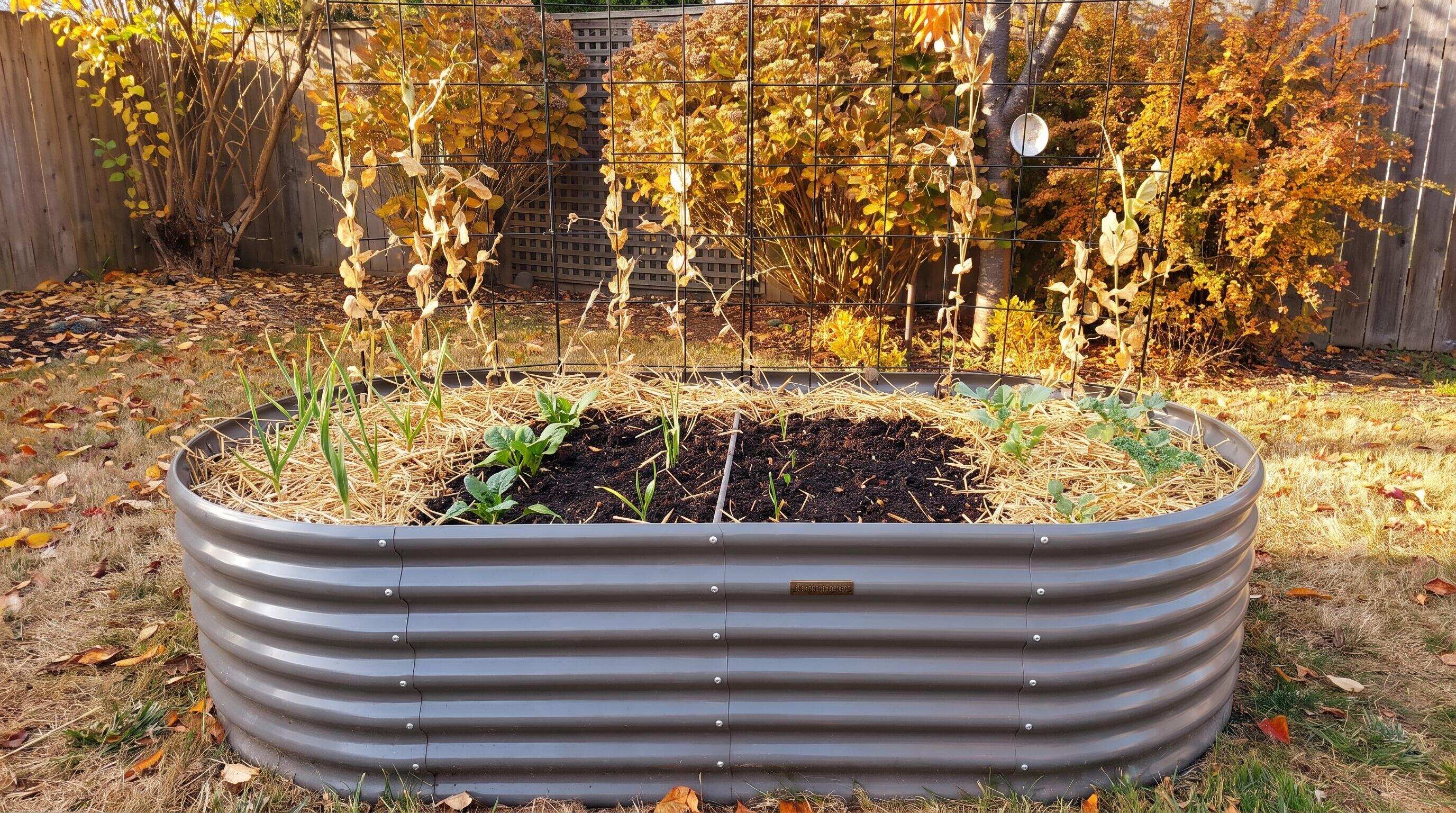
ALT: Raised bed garden layout troubleshooting guide showing common issues with soil drainage, bed stability, and plant growth in a home garden setting
Pro Tips for Better Results With Your Raised Bed Layout
Layer your soil system like a lasagna from the bottom up. Many experienced growers fill the bottom third of a deep raised bed with rough organic material — cardboard, wood chips, straw, or even logs — before topping with quality growing medium. This practice, sometimes called Hügelkultur at its most intensive or simply "base layer gardening" in its simpler forms, reduces the total volume of expensive growing mix needed and improves drainage and moisture retention simultaneously. According to soil science principles widely cited in agricultural extension literature, decomposing organic material in the lower bed profile feeds soil biology and improves structure over time.
Rotate crops every season, not just intuitively. Raised bed planting layout is not just a spatial exercise — it is a temporal one. Moving crop families (nightshades, brassicas, legumes, root vegetables) to different beds each season interrupts pest and pathogen cycles that build up in soil where the same plant family grows repeatedly. This is one of the highest-return, zero-cost practices available to any home grower.
Common misconception: raised beds always need full replacement after a few years. This is not true for quality beds, and it is not true for well-maintained soil. A galvanized steel frame built to last 20 years does not need structural replacement on a short cycle. Soil health is maintained and improved through annual top-dressing with compost, not wholesale replacement. The cost of a raised bed setup, properly maintained, averages out to very little per season over its lifespan.
Use vertical space before horizontal space. Trellises, cages, and vertical supports allow crops like cucumbers, pole beans, and indeterminate tomatoes to grow upward rather than sprawling outward. This multiplies the effective growing area of your existing raised bed layout without adding a single new bed. Build vertical supports into your planting layout from the start, before plants need them.
Track your layout in writing or on a simple diagram. Experienced growers keep a garden journal — even a basic one — noting what was planted where, when it went in, how it performed, and what challenges appeared. This record transforms guesswork into an informed decision-making process and makes each season's raised bed planting layout more effective than the last.
People Also Ask
How do I decide what size raised bed to start with?
Raised bed size selection should balance available space, intended crops, and physical access. A bed wider than four feet becomes difficult to reach across from either side without stepping into it, which compacts the soil. For most home gardeners, an 8x4 ft bed offers a strong balance of growing area and manageability. Taller options — 24 or 30 inches — reduce bending and suit gardeners with back or knee concerns. Start with one bed at the size that fits your space and use case, then expand once you understand your actual needs.
Are galvanized steel raised garden beds safe for growing vegetables?
Galvanized steel raised garden beds are widely considered safe for food gardening. Galvanization involves a zinc coating that acts as a corrosion barrier. Zinc is a naturally occurring mineral and micronutrient found in soil and in food, and the quantities that might leach from a galvanized steel bed into growing medium are generally considered negligible in food-safety terms. The EPA and general environmental health guidance support the use of galvanized materials in gardening contexts. If this is a concern, using a liner inside the bed provides an additional barrier between steel and soil.
How much should I budget for a raised bed garden setup as a first-time gardener?
A practical first raised bed setup — one quality 8x4 ft bed, a full growing medium blend, basic hand tools, a soaker hose, and seeds — can be assembled across a wide range of budget levels depending on soil sourcing and tool choices. The bed structure and the soil system together represent the largest portion of meaningful spend and should receive the most budget attention. Cutting costs on accessories, decorative items, and premium seeds is where the savings are found. Build for long-term value rather than lowest upfront cost, and your per-season expense decreases every year the bed remains in use.
Final Thoughts
Building a raised bed garden layout that works well over the long term is a matter of knowing where structural quality pays back and where flexibility is genuine value. Three principles carry this guide:
First, invest in the frame and the soil — these are the foundation of everything else and the place where quality compounds over time. Second, defer and scale down on decorative and non-functional items until your layout is proven and your priorities are clear. Third, build with expansion in mind from day one, because the garden that satisfies you most is almost never the one you sketched in your first season — it is the one that has grown with your experience.
A well-chosen, well-placed raised bed garden can deliver fresh food, genuine outdoor enjoyment, and real quality of life benefits for years — and with proper care, a quality galvanized steel setup is designed to last two decades, not two seasons. If you are ready to move from planning to action, take what you know now and make your first deliberate purchase count.
Explore the full range of raised bed garden solutions at Anleolife, where beds are available in configurations to match every space, from compact urban plots to expansive backyard layouts — with delivery across the U.S. in 3–8 business days through a nationwide warehouse network spanning California, Texas, Florida, New York, Illinois, and Washington.
Whether you prefer to shop through Amazon, Walmart, Home Depot, Lowe's, Wayfair, or directly on the Anleolife website, you'll find consistent quality assurance and after-sales support wherever you choose to buy. Start with what you need this season, and build toward a full planting-and-raising ecosystem — from galvanized raised garden beds and soil systems to chicken coops, rabbit hutches, and garden beautification — at whatever pace fits your household.
Sources & Citations
- USDA National Gardening Association. "Vegetable Gardening Basics and Sunlight Requirements".
https://www.ams.usda.gov - ASTM International. "Standards for Zinc-Coated (Galvanized) Steel Products".
https://www.astm.org - U.S. Environmental Protection Agency — WaterSense Program. "Outdoor Water Use and Efficient Irrigation Guidance".
https://www.epa.gov - University of California Cooperative Extension. "Soil Quality and Raised Bed Gardening Practices".
https://ucanr.edu - National Institute of Food and Agriculture (USDA NIFA). "Home Horticulture and Community Gardening Resources".
https://www.nifa.usda.gov
Note: Standards and guidelines may be updated; please check the latest official documents or consult professional advisors.