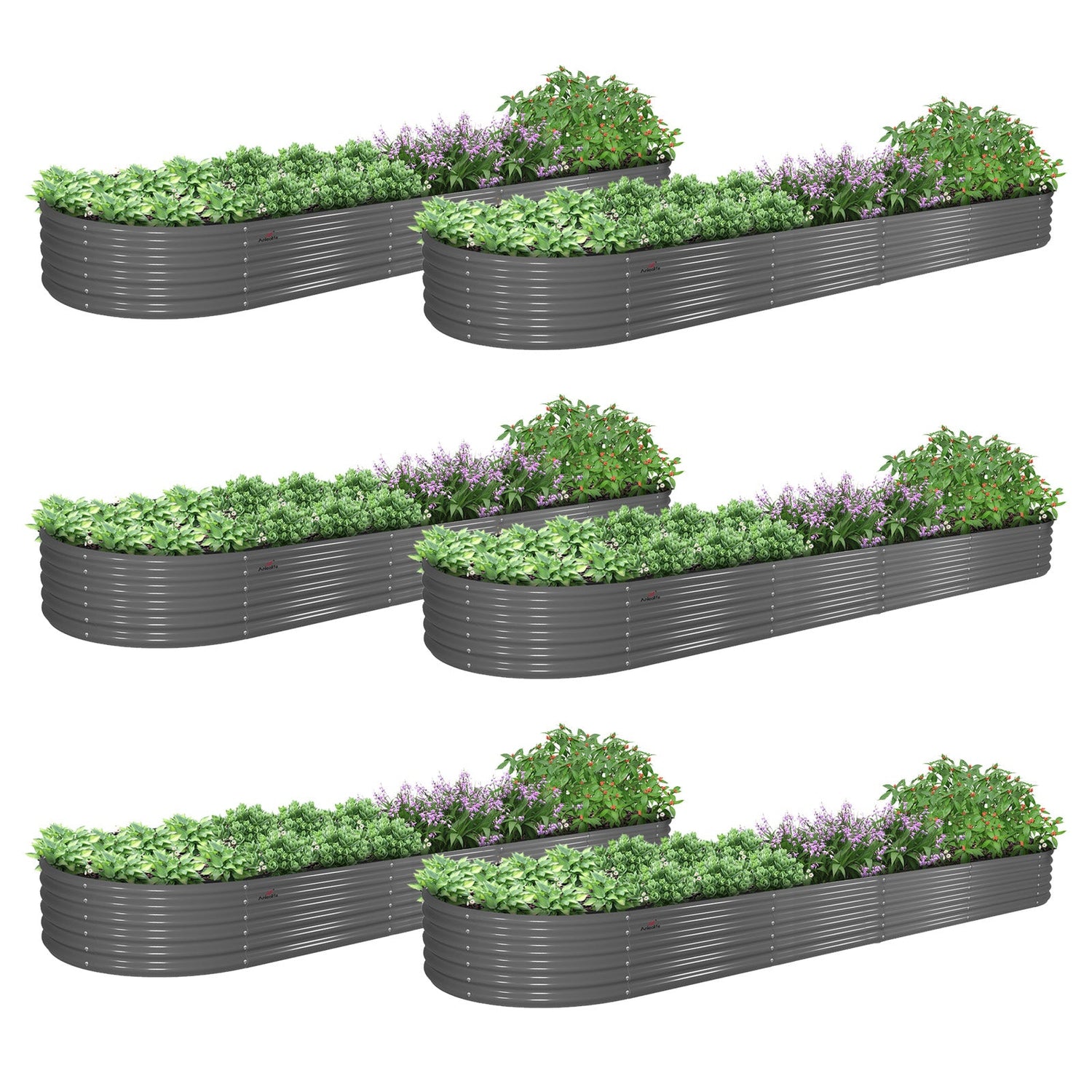



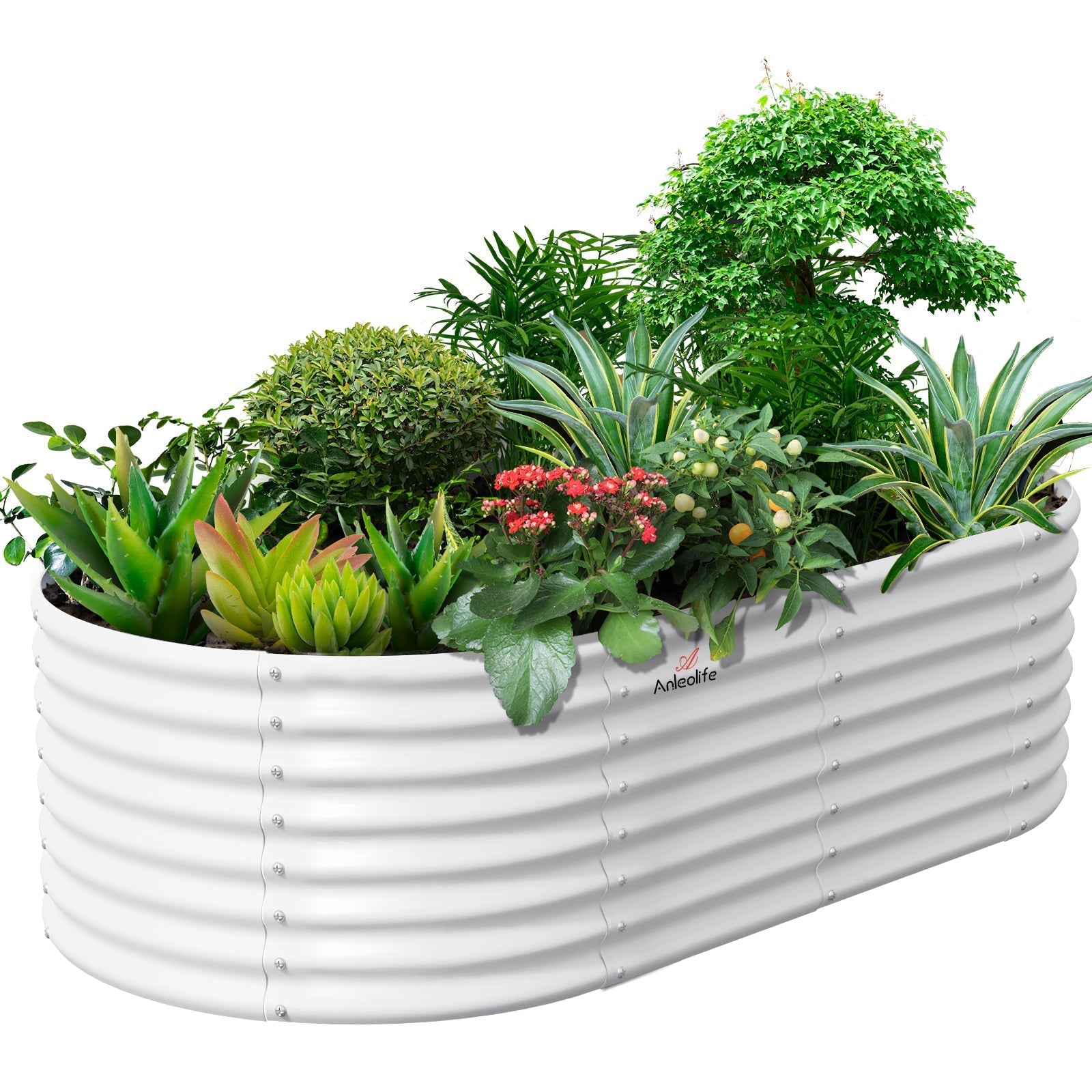
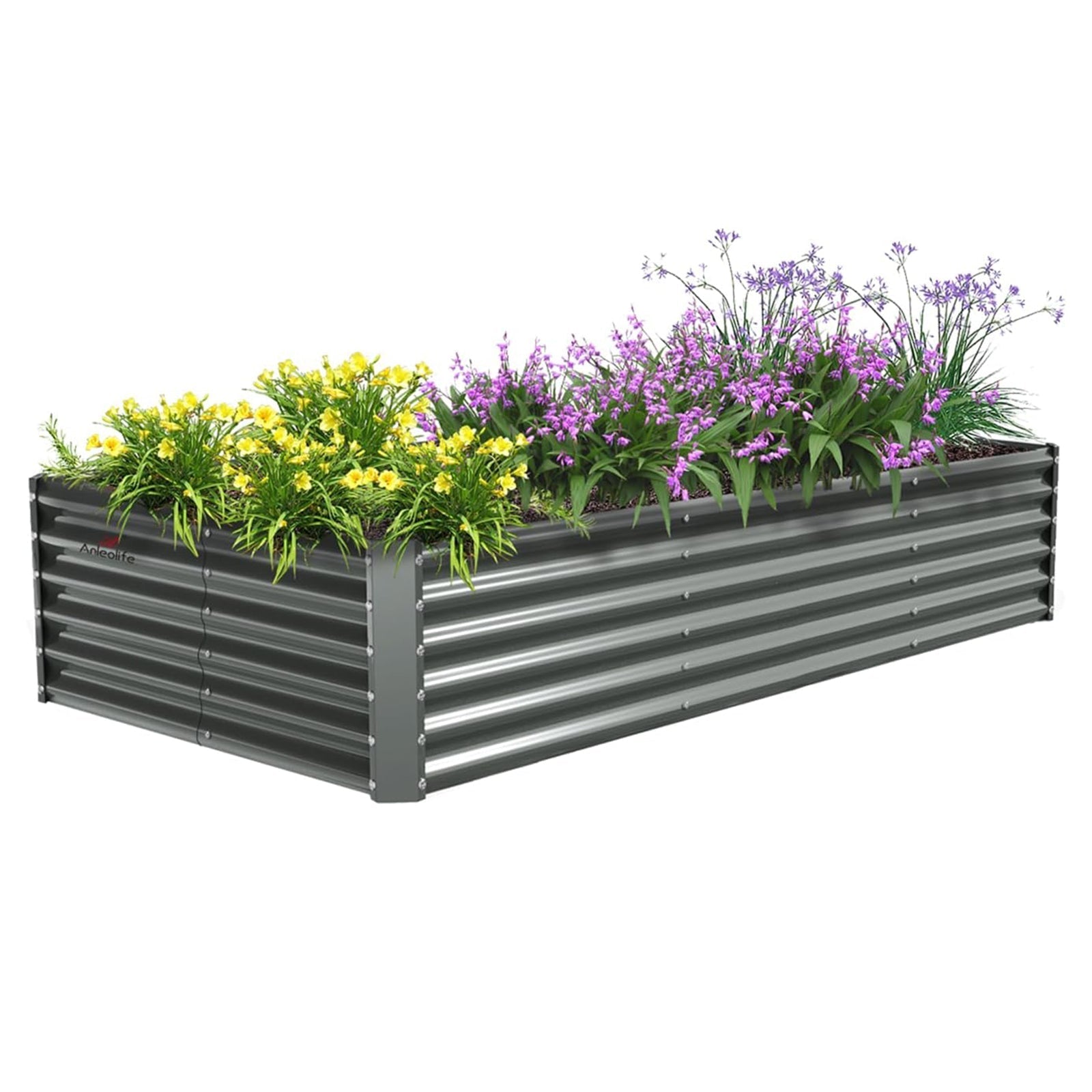

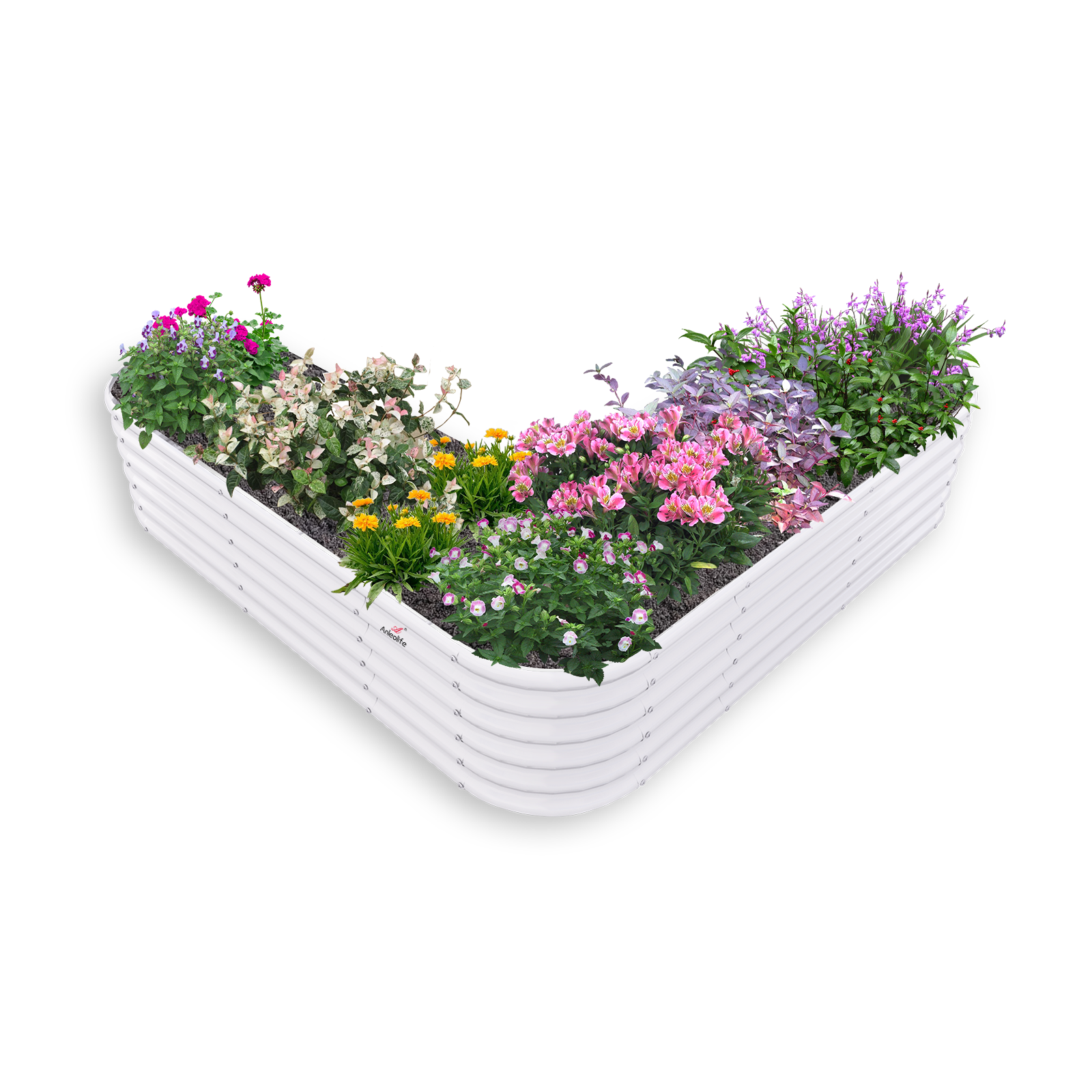
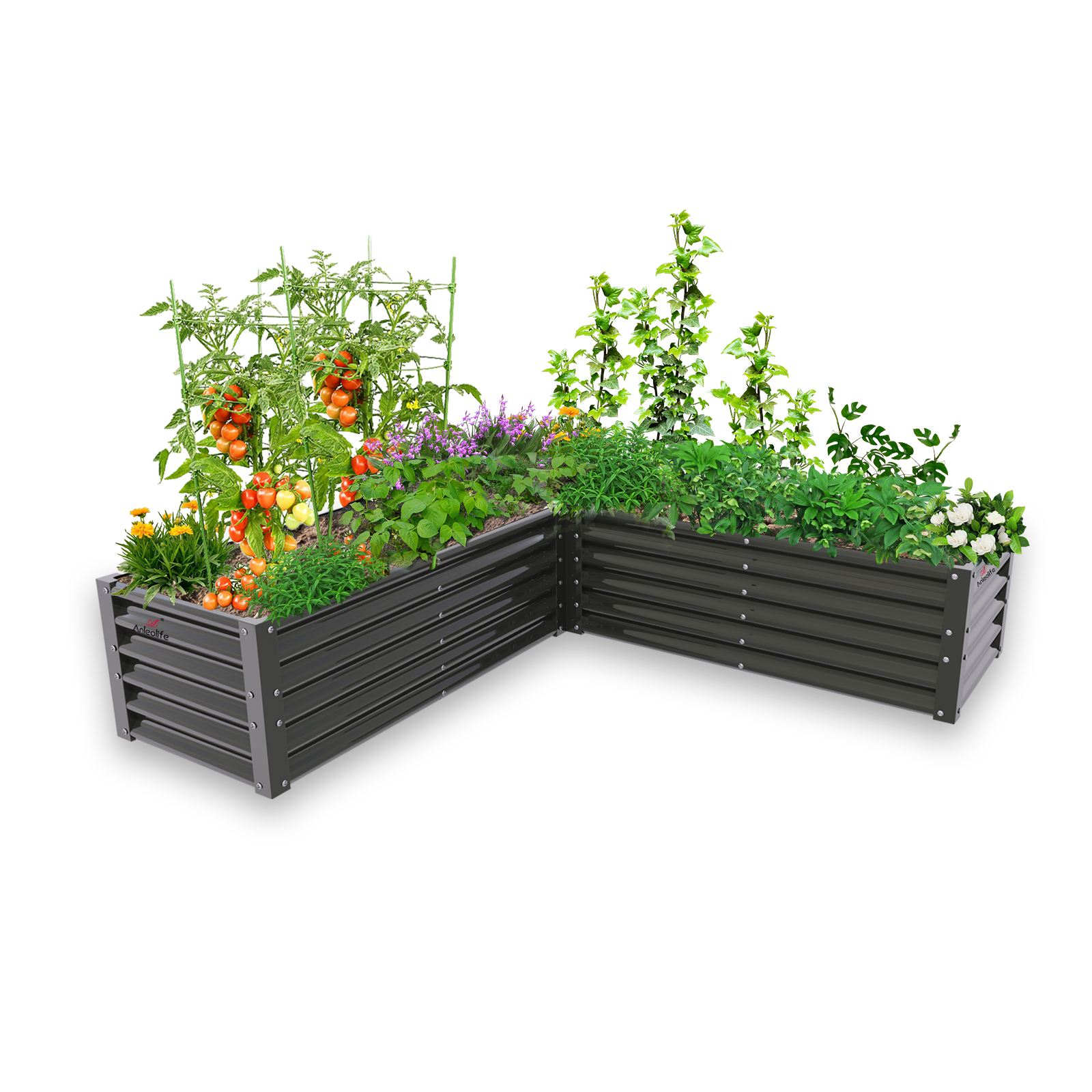
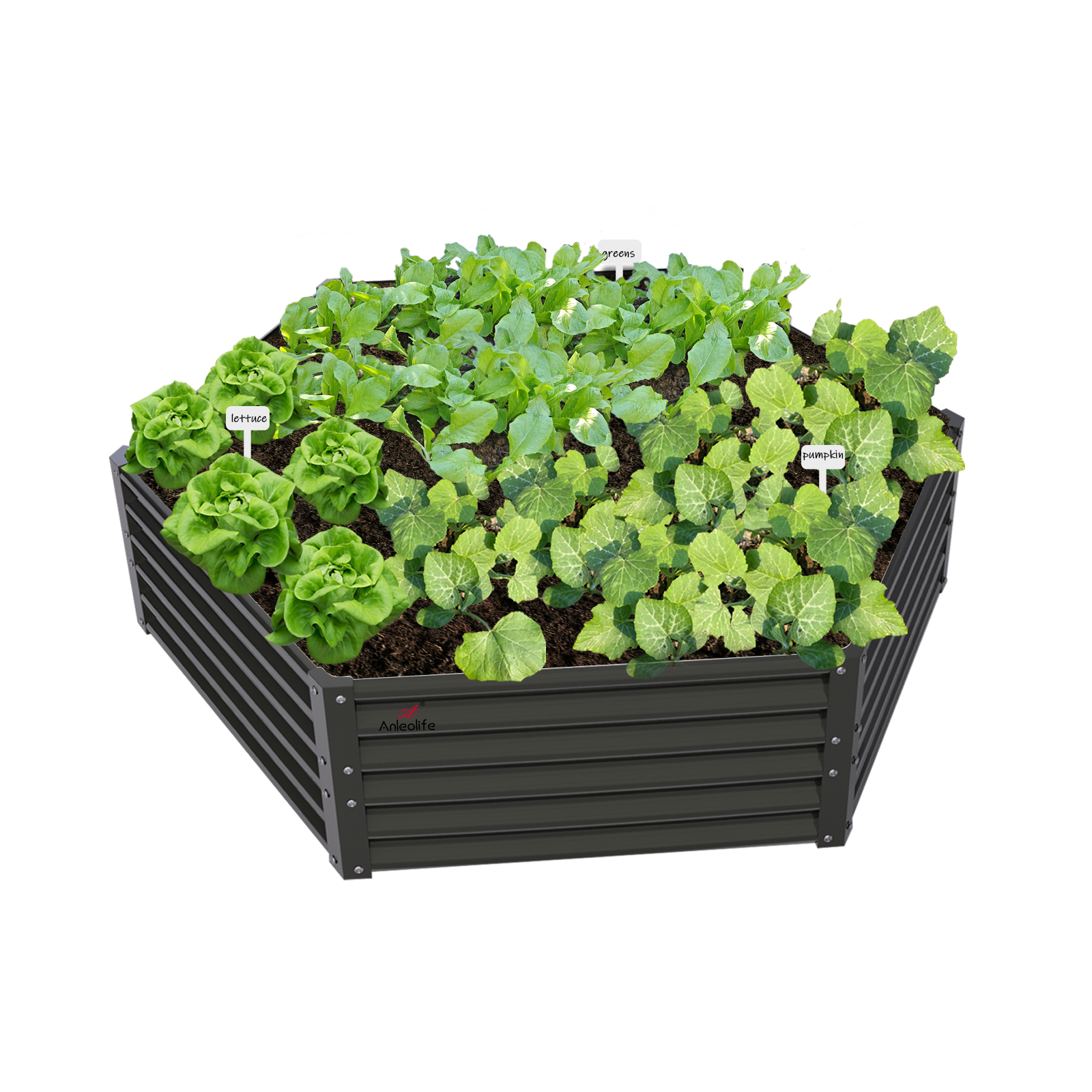
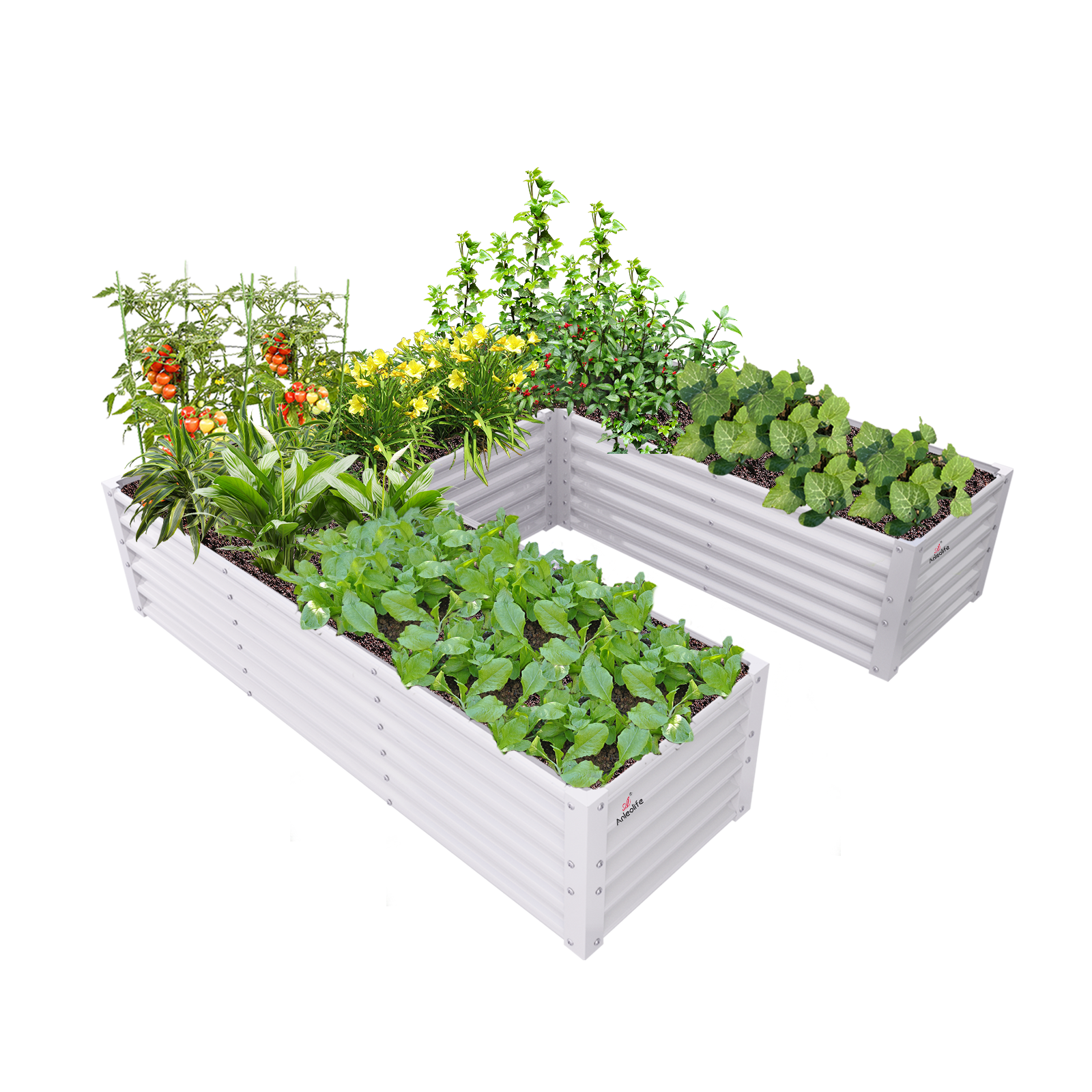



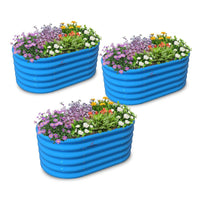
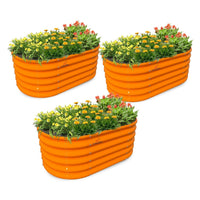
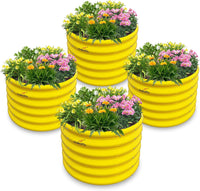
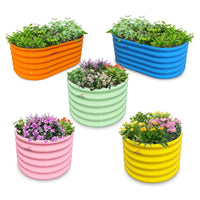



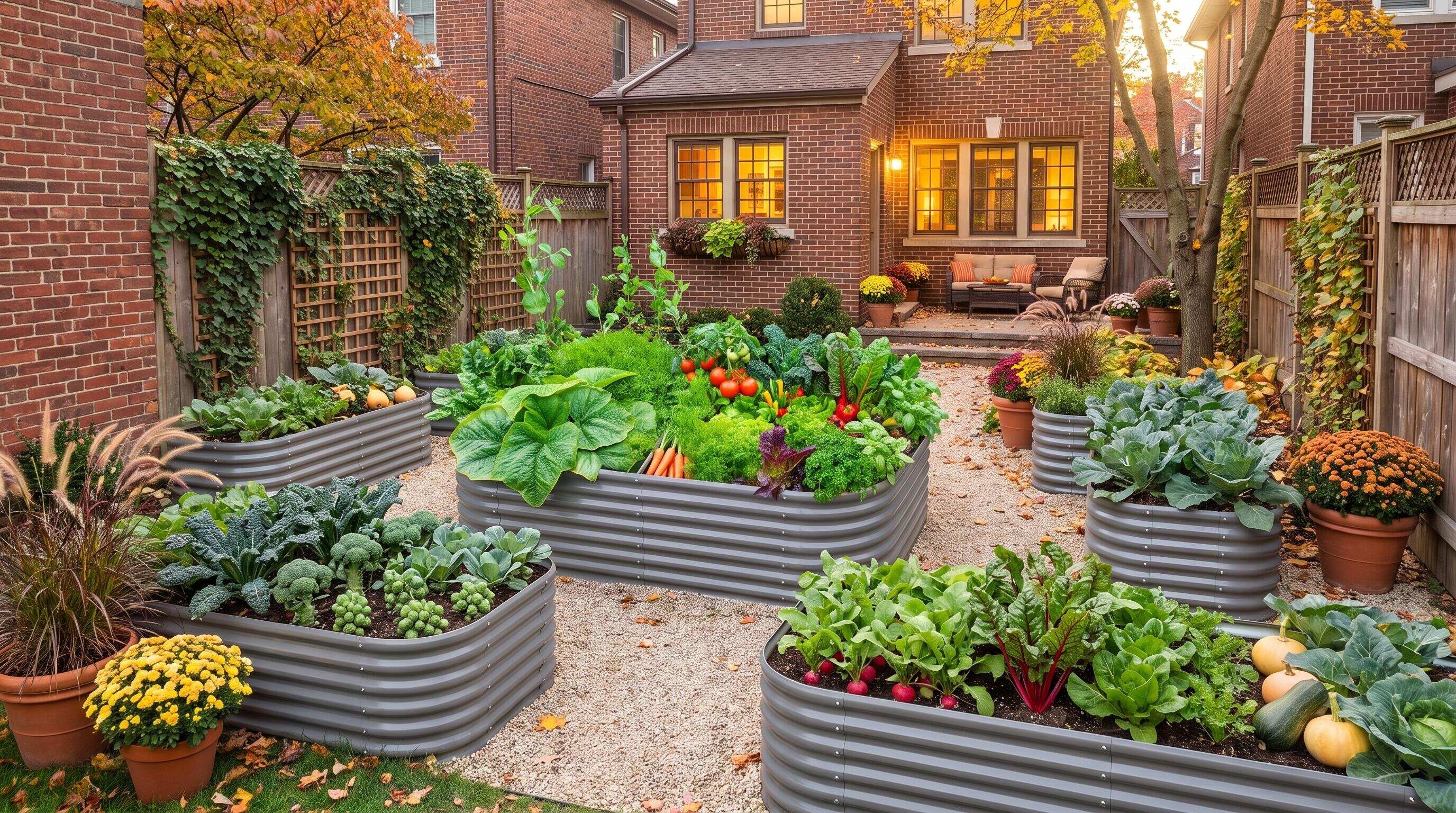
ALT: Small urban backyard with multi-bed raised bed garden layout designed for fall planting
What Is the Best Raised Bed Garden Layout for a Small Urban Backyard This Fall?
The single question we hear most often from urban gardeners in the fall is this: with limited outdoor space, how do you arrange multiple raised beds so that every square foot earns its keep? The direct answer is that a well-planned raised bed garden layout — one that accounts for sun exposure, access paths, soil volume, and visual flow — consistently outperforms a single large bed or a random scattering of containers, both in harvest yield and in long-term value for the space.
This article compares three proven raised bed layout approaches that work within the constraints of a small urban backyard: a linear row arrangement, an L-shaped or corner configuration, and a modular grid system. We evaluate each against six practical criteria — space efficiency, access and ergonomics, sunlight management, soil system scalability, visual cohesion, and cost-effectiveness — so you can match the right raised bed planting layout to your specific situation this fall.
How to Judge a Raised Bed Layout: Six Criteria That Actually Matter
Choosing a raised bed layout is not simply about fitting beds into available ground. In our work with clients across North America, we have found that the layouts that disappoint are almost always the ones that optimized for a single factor — usually size — while ignoring the others. Here are the six dimensions we use to evaluate every layout option.
Space efficiency measures how much productive planting area a layout delivers relative to the total footprint it occupies, including paths. In a small urban backyard, every square foot has an opportunity cost, so a layout that wastes ground on awkward corners or inaccessible zones fails at the first hurdle.
Access and ergonomics refers to how easily a gardener can reach every part of every bed without stepping on the soil. According to the University of Missouri Extension, raised bed widths that allow a gardener to reach the center from either side — generally no more than four feet — dramatically reduce soil compaction and physical strain. For older gardeners or those with mobility considerations, taller bed heights that minimize bending are equally important.
Sunlight management determines whether the arrangement creates unintended shade. In a compact backyard, taller beds placed on the south side of shorter ones can shadow neighboring plants during the shorter days of fall. A good layout staggers heights and orientations to maximize light access across the whole planting system.
Soil system scalability asks how easily the layout accommodates the addition of high-quality growing media, amendments, and compost over time. Beds that are awkward to fill or refill — due to tight spacing or irregular shapes — tend to receive less consistent soil care, which degrades performance season after season.
Visual cohesion matters more than many practical gardeners admit. A layout that looks intentional and tidy adds genuine value to a home, and in a small urban backyard where the garden is also the primary outdoor living space, aesthetics are not a luxury.
Cost-effectiveness and long-term ROI rounds out the criteria. A layout that requires expensive custom materials or constant repairs erodes the value of home-grown produce. The goal is a system that pays for itself through years of reliable harvests — which is why durable, low-maintenance materials are central to any honest evaluation.
The Layout Contenders: Three Approaches for Small Urban Backyards
The Linear Row Arrangement
A linear row arrangement is the most familiar raised bed layout: two or more rectangular beds aligned side by side or end to end, running parallel across the width or length of the backyard. It is the starting point for most first-time gardeners and remains popular because it is intuitive, easy to install, and simple to expand.
In a typical small urban backyard, a linear setup might consist of two or three beds in an 8x4 footprint each, separated by 18- to 24-inch walking paths. The strength of this arrangement lies in its predictability — sun exposure is consistent across beds of the same depth, and the layout is easy to understand and manage. The limitation is that it can feel rigid, may leave awkward dead zones near fences or walls, and does not always make efficient use of corner spaces.
This is the layout most suited to gardeners who are just starting out and want simplicity before committing to a more complex system.
The L-Shaped or Corner Configuration
An L-shaped raised bed layout wraps beds along two adjacent walls or fence lines, forming a corner configuration that makes highly efficient use of perimeter space. Instead of eating into the center of the yard, the beds hug the boundaries and leave the middle open — which in a small backyard is often more valuable as a living or play area.
The L-shape creates a natural visual frame for the outdoor space and allows for a pleasing mix of bed heights: taller beds on the outer edges for deep-rooted crops and shorter ones at the inner corner to avoid blocking sightlines. It is a particularly strong option for empty nesters and retirees who want a productive kitchen garden that does not dominate their entire outdoor space.
The challenge with this configuration is that corner beds can be harder to access from only one side, which means careful attention to bed width is essential. It also requires a bit more planning to ensure that the taller beds on the perimeter do not shade the shorter inner beds as the sun angle drops in fall.
The Modular Grid System
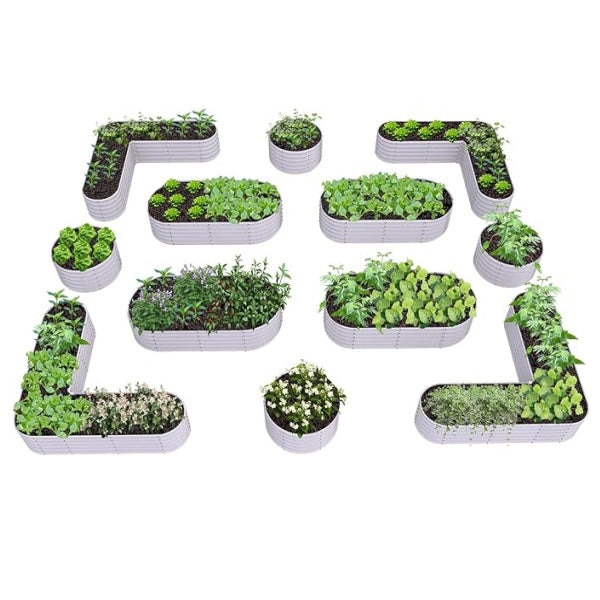
A modular grid raised bed layout is the most flexible and scalable of the three approaches. It treats the backyard as a matrix of cells, each occupied by a standardized bed unit that can be added, removed, or reconfigured as the gardener's needs evolve. Rather than committing to a fixed permanent footprint, the grid grows organically.
The key advantage of a modular layout is that it supports expansion without requiring a complete redesign. A gardener might start with two beds in a simple grid and add two more the following season, eventually building out a full planting ecosystem that still looks coherent. As we explore in our guide on planning a modular garden layout that grows with your family, this approach is especially rewarding for households whose gardening ambitions tend to expand faster than their initial plans.
The modular approach demands more upfront planning — primarily to establish consistent path widths and orientation — but rewards that investment with a layout that remains practical and attractive across many seasons.
Head-to-Head Comparison: Which Raised Bed Layout Wins on Each Criterion?
| Criterion | Linear Row | L-Shaped / Corner | Modular Grid |
|---|---|---|---|
| Space Efficiency | Moderate — can leave corner dead zones | High — uses perimeter effectively | High — adaptable to irregular spaces |
| Access & Ergonomics | Good — simple two-sided access | Variable — corner beds need careful width control | Good — consistent access when paths are planned |
| Sunlight Management | Good — uniform exposure within row | Moderate — outer beds can shade inner corner | Excellent — height staggering built into design |
| Soil System Scalability | Easy — straightforward top-dressing | Moderate — corner access can limit filling | Excellent — each unit filled and amended independently |
| Visual Cohesion | Basic — functional but plain | Strong — frames outdoor space naturally | Strong — intentional, structured aesthetic |
| Cost-Effectiveness / ROI | High for beginners — low initial cost | Moderate — may need custom corner units | Highest over time — expandable without waste |
The table above reveals a clear pattern: no single layout dominates every criterion, but the modular grid consistently scores at the top for the criteria that compound in value over time — soil scalability, visual cohesion, and long-term ROI. The linear row is the strongest starting point for newcomers on a tight initial budget, while the L-shaped arrangement strikes the best balance for gardeners who want to preserve open yard space while still achieving a productive, attractive kitchen garden.
One pattern we consistently see in our work is that gardeners who start with a linear layout and later want to expand often encounter a frustrating constraint: the rigid arrangement leaves no obvious place to add new beds without either blocking paths or compromising sun access. The modular grid anticipates this from the beginning. Per guidance from the U.S. Department of Agriculture's community and home garden resources, planning for future expansion at the layout stage is one of the most cost-effective decisions a home grower can make.
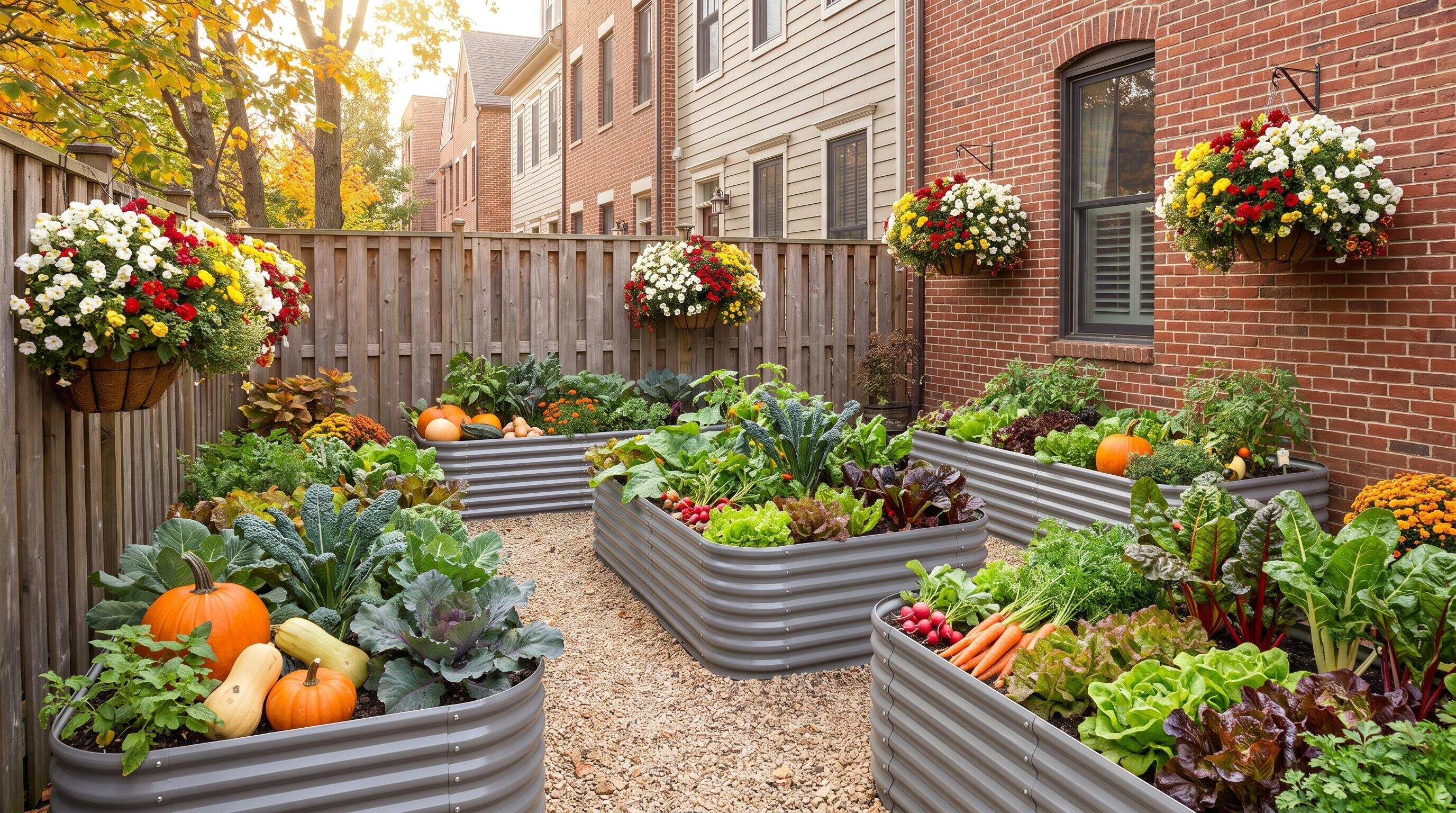
ALT: Galvanized steel modular raised bed garden layout in small urban backyard configured for fall planting season with multiple bed heights and clear access paths
It is also worth noting that the choice of bed material interacts strongly with layout performance. Galvanized steel raised garden beds — such as those in the Anleolife range — are particularly well-suited to all three layouts because their uniform dimensions make spacing calculations straightforward, and their structural integrity means they hold their shape within tight multi-bed configurations without bowing or shifting over time. Anleolife's galvanized steel beds carry a 20-year lifespan, which changes the cost calculus considerably: when spread across two decades of harvests, the per-season cost of a well-chosen bed system is modest.
Which Layout Should You Choose? Matching Your Situation to the Right Approach
The right raised bed layout for your small urban backyard depends on where you are in your gardening journey, what you want to grow this fall, and how you see the space evolving over the next few years. Here is how we map common reader situations to the best option.
If you are setting up your first backyard garden this fall and want to keep it simple, choose the linear row arrangement. Start with two 8x4 beds aligned east to west so both receive consistent morning sun, separate them with an 18-inch path, and you have a proven, manageable system that will teach you a great deal about your specific growing conditions before you commit to a larger footprint.
If your backyard doubles as a family outdoor living space and you cannot afford to lose the open center, choose the L-shaped corner configuration. Position the taller beds along the fence line and use shorter beds at the inner corner for herbs and leafy greens. This keeps your yard feeling open while giving you a productive perimeter garden that also adds visual structure to the space.
If you are planning for multi-season growth and want a layout that will serve you for years without needing a complete redesign, choose the modular grid system. Begin with a compact 2x2 grid of standardized beds and let it expand naturally as your confidence and appetite grow. The uniformity of a modular approach also makes it much easier to implement consistent fall bed preparation practices — soil amendment, mulching, and cover crop seeding — across all units simultaneously.
If you are a retiree or empty nester primarily concerned with ergonomics and ease of maintenance, consider a modular grid using taller bed options — Anleolife's extra-tall and waist-high configurations are particularly relevant here. Reducing bending and kneeling is not a minor comfort issue; it is the factor that determines whether a garden remains a pleasure or becomes a source of physical strain across multiple seasons. Choosing beds that bring the soil surface closer to waist height is one of the highest-return decisions a mature gardener can make.
Pros and cons at a glance:
- Linear Row: low entry cost, easy to manage, limited flexibility for expansion, modest visual impact
- L-Shaped / Corner: strong use of perimeter space, attractive framing effect, requires careful planning around corner access and shade
- Modular Grid: highest long-term value and flexibility, strongest visual coherence, requires more upfront planning to establish consistent path and orientation standards
Common Questions
How much space should I leave between raised beds in a multi-bed layout?
The minimum recommended path width between raised beds is 18 inches, which allows a person to stand and work comfortably. For wheelbarrow or cart access — useful when refreshing soil systems or delivering compost — 24 to 30 inches is more practical. In a very tight urban backyard, alternating between 18-inch working paths and 30-inch main access corridors is a good compromise that preserves planting area while keeping the space genuinely functional.
Is a modular raised bed layout harder to set up than a simple linear row?
A modular raised bed layout is not inherently more difficult to set up — it requires more planning before installation, but the installation itself is typically no more complex than a linear arrangement. The key difference is that a modular system benefits from a simple sketch or grid plan drawn before any bed is placed, so that path widths, orientation, and future expansion directions are decided in advance rather than improvised. Spending an hour on paper planning saves many hours of physical rearrangement later.
How long does a well-maintained galvanized steel raised bed last in a multi-bed layout?
A galvanized steel raised bed, when properly maintained, is designed to last up to 20 years — making it one of the most cost-effective material choices for a permanent multi-bed layout. According to manufacturer guidance from Anleolife, whose galvanized steel beds are rated for a 20-year lifespan, the key maintenance practices are keeping soil from sitting against raw cut edges and ensuring drainage is not obstructed. For a deeper look at seasonal care, our guide on maintaining galvanized steel raised beds for long-term durability this fall covers the specifics in detail.
Key Takeaways
Three raised bed layout approaches — linear row, L-shaped corner, and modular grid — each serve different small urban backyard situations, and choosing based on your specific constraints and long-term goals matters more than defaulting to the most common option.
The modular grid layout delivers the highest long-term value: it adapts as your garden grows, maintains visual cohesion, and makes soil system management across multiple beds more consistent and efficient.
Material choice directly affects layout performance — galvanized steel beds with uniform dimensions make multi-bed spacing calculations straightforward, and a 20-year lifespan converts an upfront investment into a modest per-season cost.
Access path planning is non-negotiable: a minimum of 18 inches between beds for working access, and 24 to 30 inches where cart or wheelbarrow movement is needed.
Fall is the ideal moment to plan a multi-bed layout because the lower sun angle reveals shadow patterns that are invisible in summer, allowing you to optimize orientation before spring planting begins in earnest.
Start with the layout that fits your current confidence level, but design it with future expansion in mind — the cost of redesigning a poorly planned arrangement is always higher than the cost of planning well at the start.
Ready to put your fall layout plan into action? Explore the full range of galvanized steel raised garden beds, modular systems, and garden beautification accessories at the Anleolife website, or shop through Amazon, Walmart, Home Depot, Lowe's, or Wayfair. With Anleolife's nationwide U.S. warehouse network — located in California, Texas, Florida, New York, Illinois, and Washington — your beds can be delivered in as fast as 3 to 8 business days. Whether you are starting with your first two-bed row or building out a full modular planting ecosystem, Anleolife's product range scales with you every step of the way.
Sources & Further Reading
- U.S. Department of Agriculture (USDA). "Home and Community Gardening Resources."
https://www.usda.gov/ - University of Missouri Extension. "Raised Bed Gardening."
https://extension.missouri.edu/ - U.S. Environmental Protection Agency (EPA). "Brownfields and Urban Agriculture: Interim Guidelines for Safe Gardening Practices."
https://www.epa.gov/ - ASTM International. "Standards for Metallic Coated Products and Corrosion Resistance."
https://www.astm.org/
Note: Standards may be updated; please check the latest official documents or consult professional advisors.