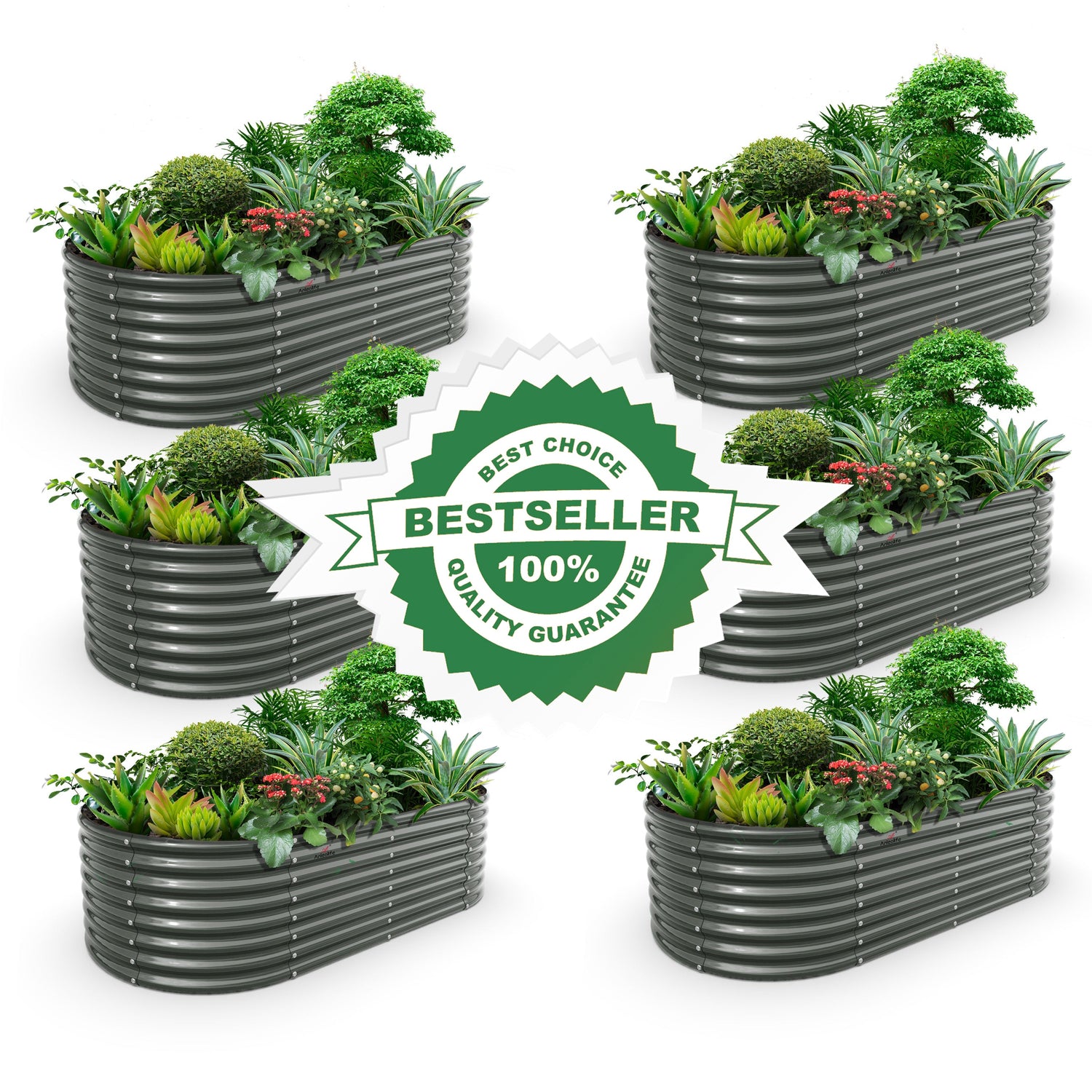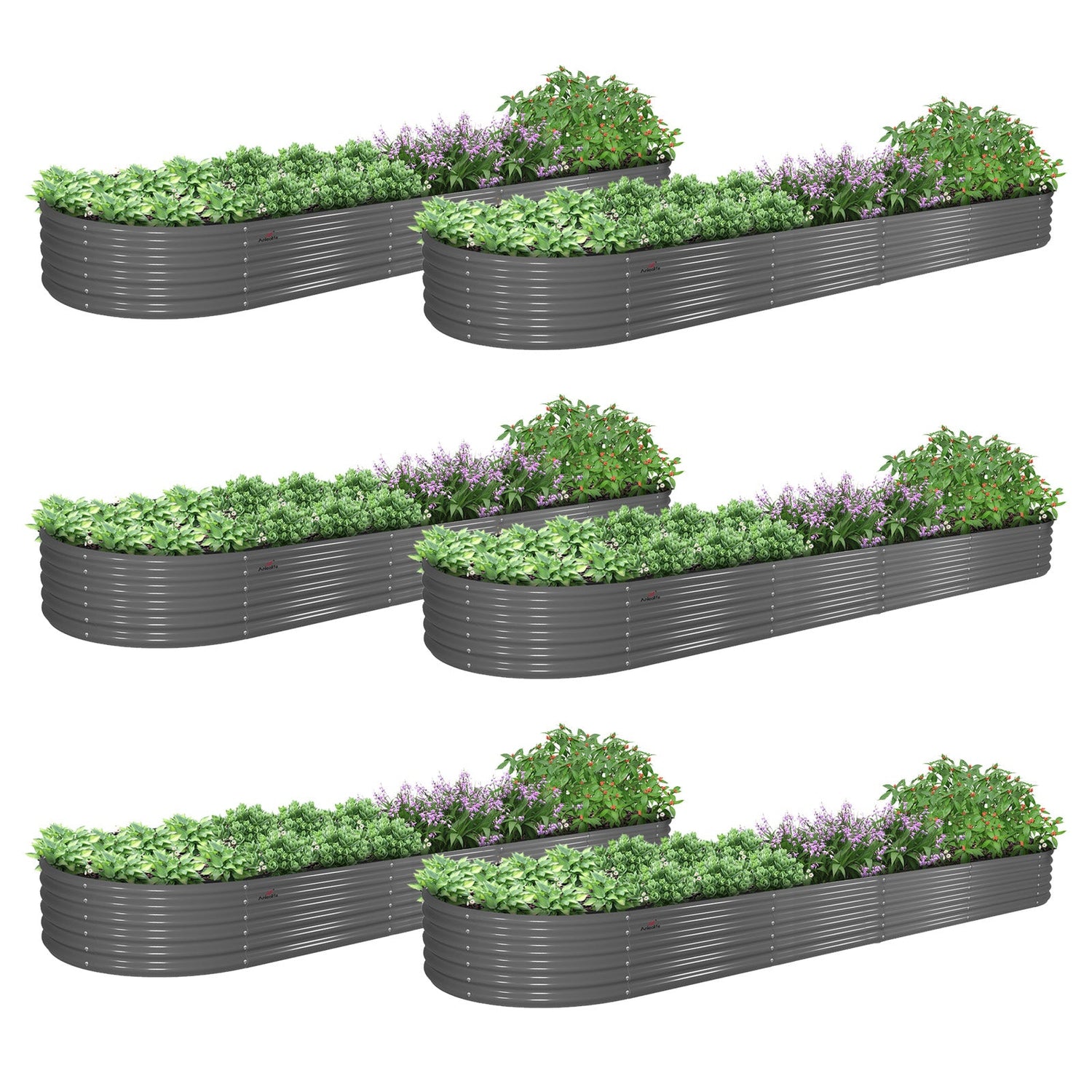



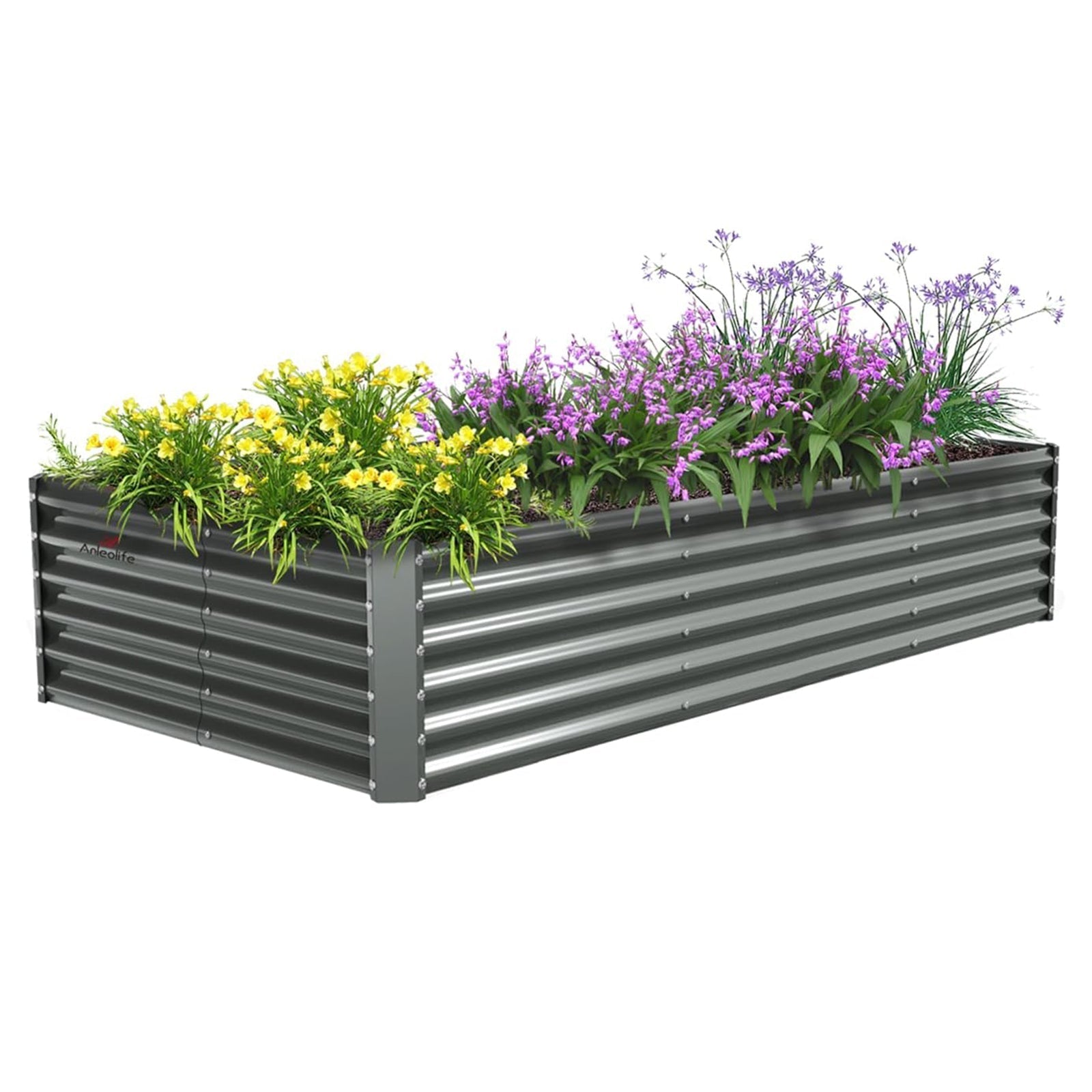

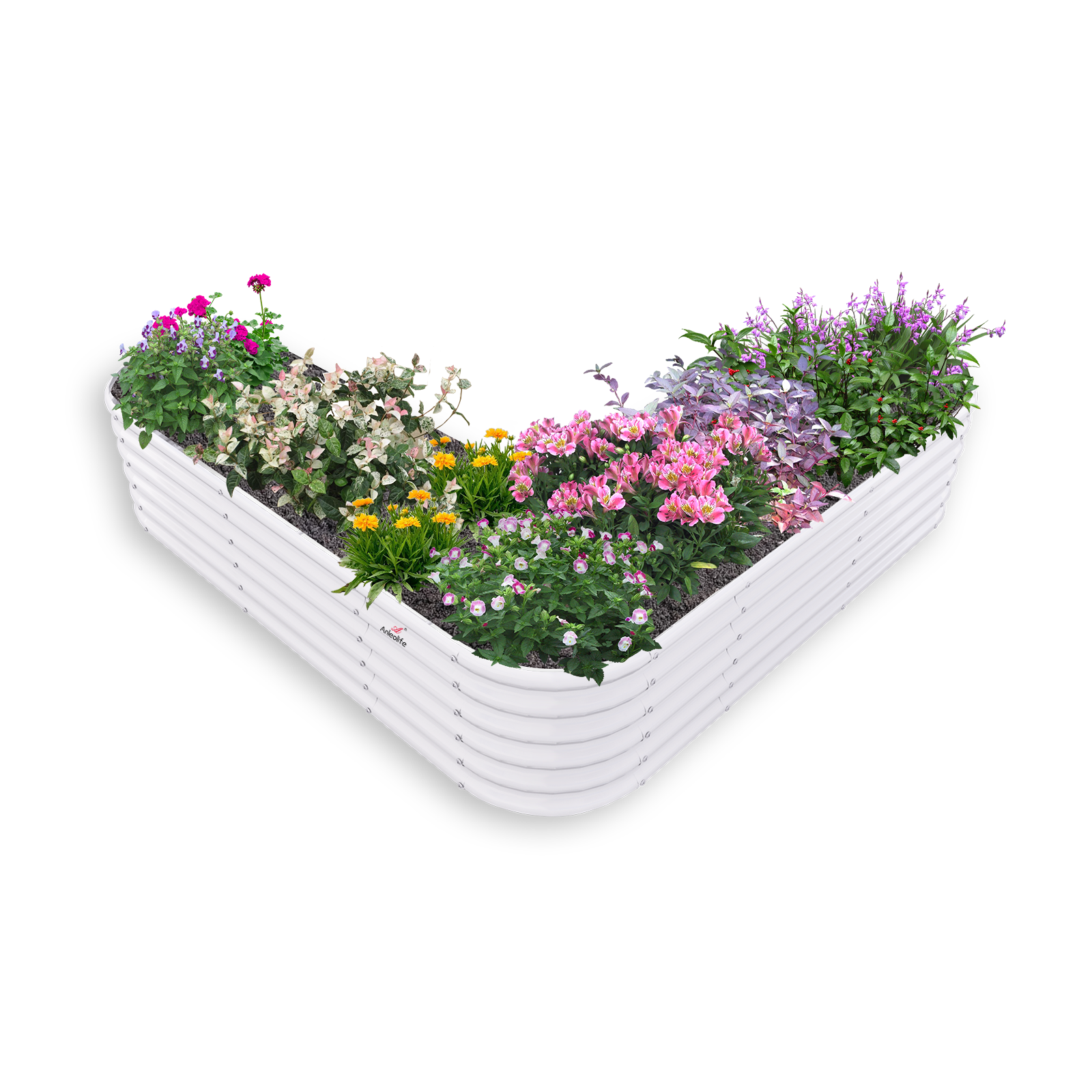
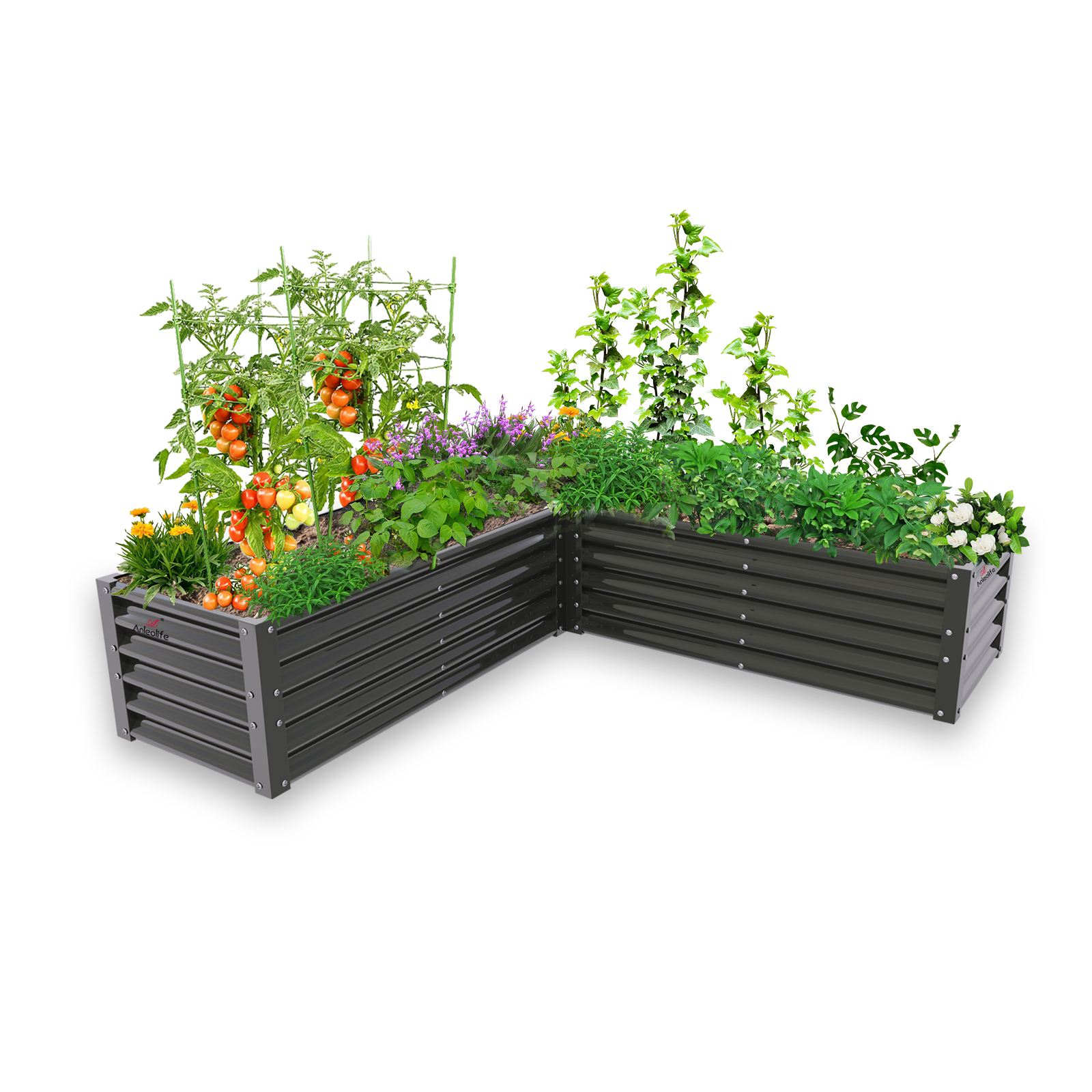
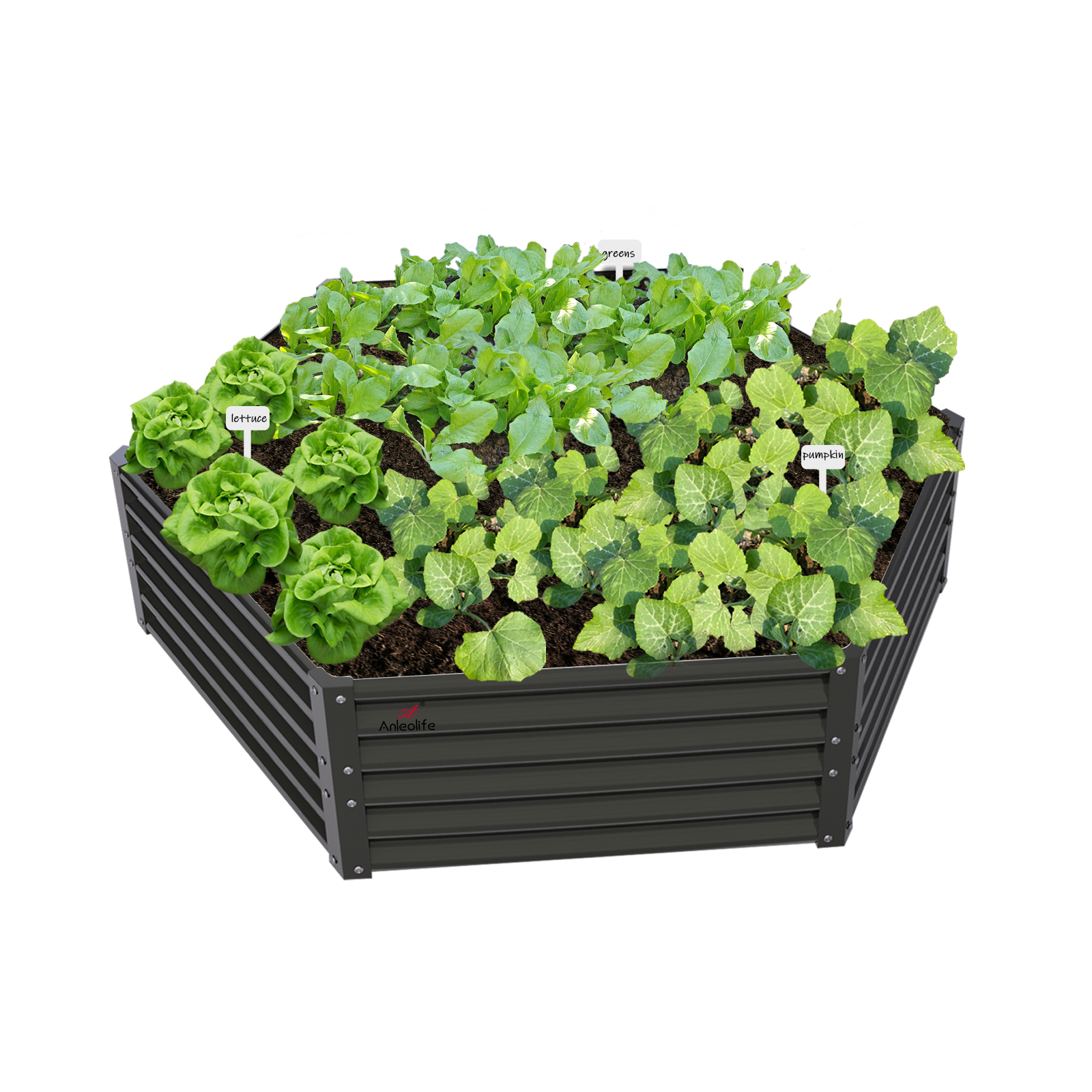
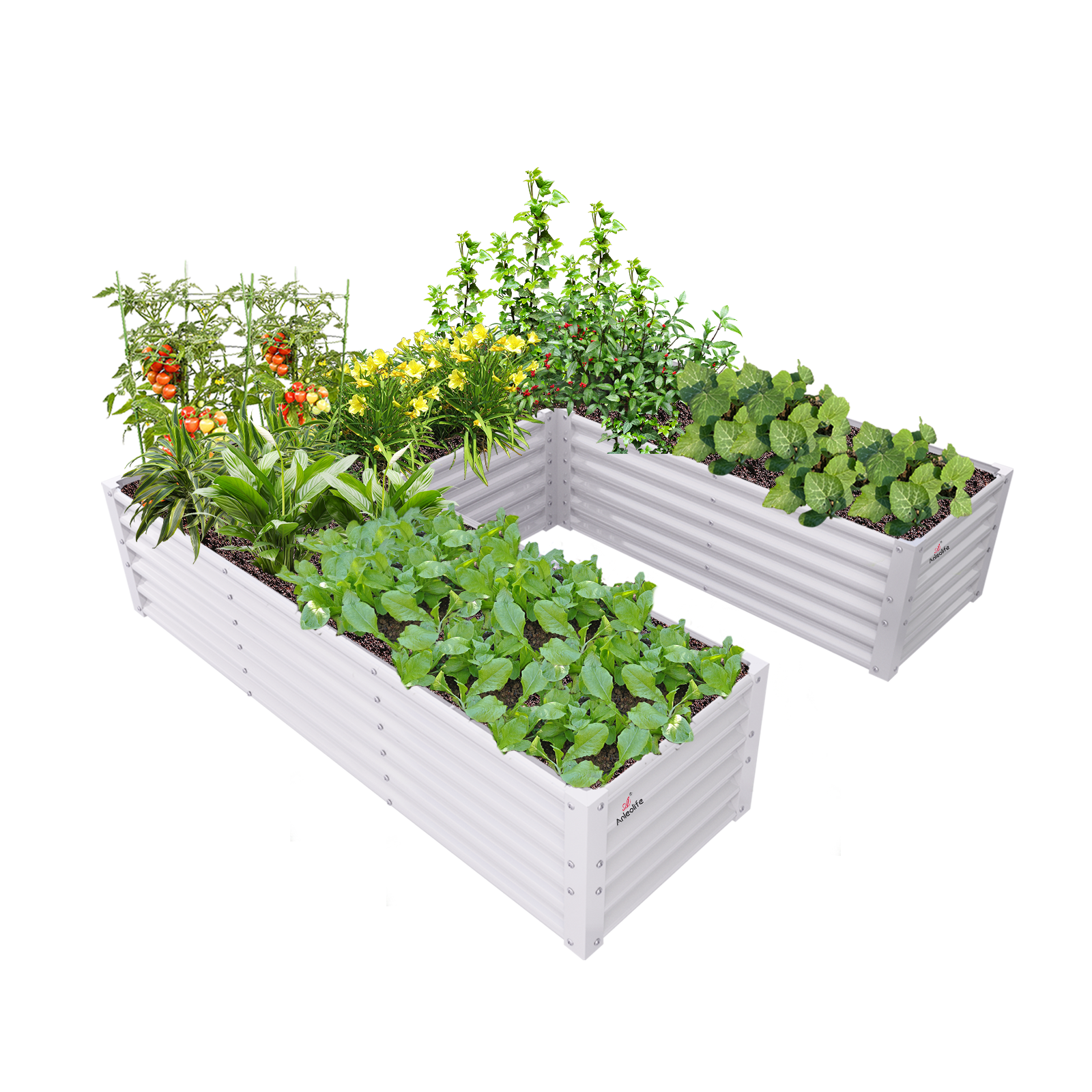

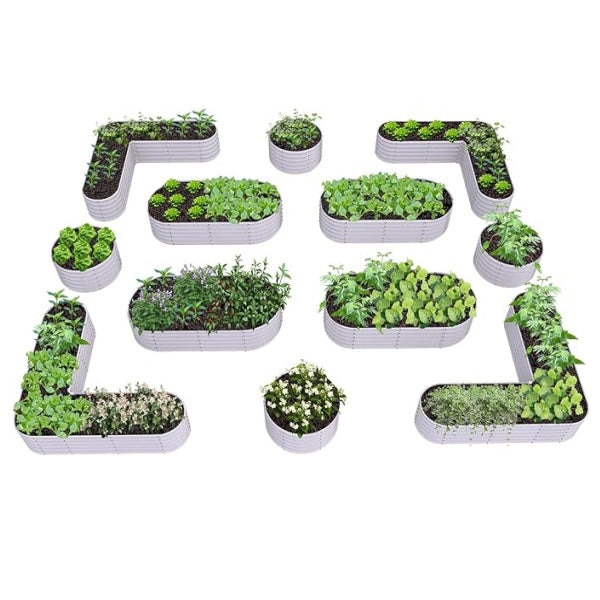


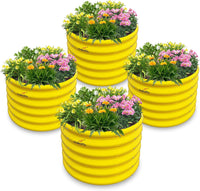
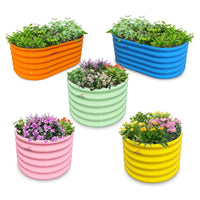
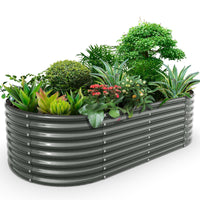




ALT: Raised bed garden with mesh netting and trellis system keeping pests away from vegetable plants
Why Raised Bed Pest Protection Starts with the Right Netting and Trellis System
Key Conclusion: Protecting your raised bed garden layout from pests is one of the most critical steps in achieving a productive harvest season. By combining the right garden netting with a well-planned trellis system, home growers can dramatically reduce crop losses without resorting to chemical pesticides. A thoughtful raised bed planting layout that integrates vertical and horizontal protective barriers keeps insects, birds, and small animals at bay — while also maximizing your growing space and aesthetic appeal.
Every home gardener knows the frustration: you wake up one morning to find your carefully tended seedlings nibbled down to stumps, or your ripening tomatoes riddled with holes from hungry birds. Pest pressure is a universal challenge, but the solution doesn't have to be toxic sprays or expensive professional services.
The good news is that the right combination of garden netting and trellis systems, designed specifically for raised bed setups, can protect your crops season after season. Whether you're growing leafy greens, climbing beans, or fruiting vegetables, pairing physical barriers with smart structural support delivers double duty — protection and productivity. And when your raised bed layout is designed from the start with pest protection in mind, you spend less time troubleshooting and more time harvesting.
Who This Guide Is For: Ideal Scenarios and Cautions
✅ Applicable Scenarios:
- Home gardeners using metal or wooden raised beds who want chemical-free pest control solutions
- Urban micro-gardeners and balcony growers dealing with bird pressure or apartment-level insect issues
- Families with children or pets who need non-toxic, safe barrier systems around edible gardens
- Empty nesters or retirees growing food gardens who want low-maintenance, long-lasting protective infrastructure
- Growers cultivating brassicas, berries, leafy greens, or fruiting vines that are especially vulnerable to pest damage
❌ Not Applicable/Cautions:
- Gardeners dealing with severe underground pest pressure (moles, voles) — netting and trellises address above-ground threats; you'll need additional strategies like hardware cloth lining for subterranean protection
- Those in high-wind regions without secure anchor systems — lightweight netting without proper tensioning can be counterproductive and may damage plants
- Growers who don't plan to monitor or adjust their setup seasonally — improper netting tension or outdated mesh can trap beneficial insects and create humidity problems
The Real Cost of Ignoring Pest Protection in Raised Bed Gardens
Pest damage is one of the top reasons home gardeners give up on food growing. According to data published by the USDA, insect pests and vertebrate animals (birds, rodents, deer) account for substantial crop losses in residential gardens each year — losses that are largely preventable through proper physical exclusion strategies.
What's changed in recent years is the growing shift away from pesticide-reliance. The EPA has increasingly emphasized Integrated Pest Management (IPM) — a strategy that prioritizes physical, biological, and cultural controls before chemical intervention. For raised bed gardeners, this aligns perfectly with what most are already doing: growing organically, feeding families, and minimizing environmental impact.
The raised bed format itself is already a significant advantage. Raised beds concentrate your growing area, create clear boundaries that are easier to cover and protect, and elevate your crops off the ground where many soil-dwelling pests originate. However, without a netting or trellis system, you're leaving the top half of your garden exposed — and that's where most of the action happens.
Why physical barriers outperform sprays for most home gardeners:
- They work 24/7 without reapplication
- They don't wash away in rain or degrade in sunlight the way sprays do
- They protect plants at every growth stage, including the most vulnerable seedling phase
- They have no negative impact on beneficial insects when selected and installed correctly
- They create a visible, organized structure that enhances garden aesthetics
The key is choosing the right type of netting or trellis for the specific pest threat you face — and that's exactly what we'll break down in the sections ahead.
For a broader overview of raised bed garden planning, including layout strategies and soil preparation, Anleolife's comprehensive guides on metal raised garden beds provide an excellent foundation before layering in pest protection infrastructure.
How to Set Up Garden Netting and Trellis Protection for Your Raised Bed
Getting Started in Three Simple Steps
Step 1: Assess Your Pest Pressure and Crop Vulnerability
Before purchasing any materials, spend 15–30 minutes observing your garden across two or three different times of day. Look for evidence of feeding damage, droppings, entry points, and which crops are most affected. Birds typically attack during morning hours; caterpillars feed at night; aphids cluster on new growth. Identifying your primary threat determines whether you need fine insect mesh, bird netting with larger openings, or a robust physical frame to support heavier covers. This assessment step typically takes 2–5 days of casual observation before you can make informed choices.
Step 2: Choose Your Frame and Anchoring System
Select a hoop frame, PEX pipe arch, or rigid trellis structure compatible with your raised bed dimensions. For a standard 4x8 foot raised bed, pre-bent metal hoops spaced 18–24 inches apart provide excellent support for netting. If your raised bed has a sturdy metal frame (like Anleolife's 20-year lifespan galvanized steel beds), you can attach anchor clips directly to the bed walls without drilling. Plan and install your frame system before adding any netting — a stable skeleton is essential. This step takes 1–2 hours per bed.
Step 3: Select, Install, and Secure Your Netting
Match your netting mesh size to your specific pest: 0.8mm–1mm for aphids and whiteflies, 6mm for caterpillars and moths, 19mm for birds while still allowing pollinator access when needed. Drape the netting over your frame with at least 6 inches of excess on all sides, then secure the edges with clips, sandbags, or ground stakes so there are no gaps at soil level. For climbing crops, run vertical trellis netting simultaneously on the south-facing interior wall of your raised bed to support vines while the exterior hoops carry protective mesh. Full setup takes 30–60 minutes per bed once materials are assembled.
Netting and Trellis Solutions Compared: Which Is Right for Your Raised Bed?
The world of garden netting can feel overwhelming when you're standing in the aisle or browsing online. Different materials, mesh sizes, and frame systems serve very different purposes. This comparison breaks down the three most common approaches for raised bed pest protection:
| Comparison Dimension | Fine Insect Mesh Netting | Bird/Butterfly Netting | Trellis + Shade Netting Combo |
|---|---|---|---|
| Primary Pest Target | Aphids, whiteflies, flea beetles, carrot fly | Birds, large butterflies, moths | Climbing insects + sun scalding + structural support |
| Mesh Size | 0.8mm – 1.6mm | 12mm – 19mm | Trellis: 10–15cm squares + 30–50% shade cloth |
| Best Crops | Brassicas, carrots, salad greens, alliums | Berries, tomatoes, corn, sunflowers | Beans, cucumbers, peas, squash |
| Pollinator Access | ❌ Must remove for pollination | ✅ Allows most pollinators | ✅ Open trellis allows full access |
| Ventilation Level | Moderate – monitor humidity | High – excellent airflow | High – excellent airflow |
| Structural Requirement | Lightweight hoop frame | Medium frame or stakes | Sturdy vertical support essential |
| Seasonal Use | Full season coverage | Selective timing (fruiting phase) | Full season, multipurpose |
| Relative Cost | Low–Medium | Low | Medium–High (trellis + netting) |
| DIY Difficulty | Easy | Easy–Moderate | Moderate |
Key takeaway: Most home gardeners benefit from keeping at least two types on hand — fine mesh for early-season seedling protection and bird netting for the fruiting phase. The trellis-plus-netting combo is the power move for vertical growers and those dealing with multiple pest categories simultaneously.
Deep Dive: Building a Layered Pest Protection System for Raised Beds
Understanding Mesh Size: The Most Critical Decision
The single biggest mistake gardeners make when buying protective netting is choosing based on price or appearance rather than mesh aperture size. Too large a mesh and the pests you're targeting simply walk or fly through. Too fine a mesh in warm climates and you create humidity traps that encourage fungal disease.
For insect exclusion, the UC ANR guidelines on integrated pest management recommend mesh sizes under 1.6mm to reliably exclude most small flying insects including aphids, thrips, and leafminers. This level of fine mesh is essential for brassica crops like cabbage, broccoli, and kale, which are magnets for cabbage white butterflies and imported cabbageworms.
For bird and large moth exclusion, a mesh of 12–19mm strikes the right balance — keeping problem birds out while allowing beneficial insects like bees to pass through when the netting is temporarily lifted for pollination.
Frame Systems: The Backbone of Your Protection Setup
A netting system is only as good as the frame holding it up. Sagging, poorly tensioned netting rests on plant leaves, which can cause abrasion damage, create hiding spots for slugs, and reduce airflow dramatically.
Hoop systems using flexible polyethylene or metal conduit pipes are the most popular DIY approach. For a standard 4x8 raised bed, five evenly spaced hoops reaching 24–30 inches above the bed surface create generous growing room while supporting netting cleanly. The key is anchoring the hoop ends firmly to the raised bed walls or into the soil just outside the bed edges.
Rigid panel frames made from PVC or metal pipe sections are more expensive but offer superior stability in wind and allow you to open and close sections easily for harvesting and weeding — a critical convenience feature that prevents you from abandoning the system out of frustration.
For Anleolife's galvanized metal raised garden beds, which are built to last 20 years, investing in an equally durable frame system makes sense. Powder-coated metal frames and stainless steel clips will outlast several cycles of netting replacement without corroding or degrading.
Trellis Systems: Double-Duty Performance
A trellis net positioned vertically inside your raised bed doesn't just support climbing plants — it creates a living wall that deters larger pests from landing and feeding. Dense foliage growing up a trellis makes it physically difficult for caterpillars and beetles to navigate, especially when combined with sticky traps or pheromone lures near the structure.
For raised beds growing cucumbers, pole beans, or indeterminate tomatoes, a T-post and wire trellis or a bamboo A-frame supports substantial weight while leaving the exterior of the bed available for hoop-supported netting. This dual-layer approach — vertical trellis inside, horizontal netting arch outside — is the gold standard for serious home food growers.
Material Quality: Don't Skimp Where It Matters
Garden netting comes in a wide range of material qualities, and this is one area where the cheapest option will cost you more in the long run. Look for:
- UV-stabilized polyethylene or nylon for netting that won't degrade after one season in full sun exposure
- Knotted vs. extruded mesh — knotted mesh holds its shape and mesh size consistently even under tension; extruded (molded) mesh can stretch and distort, creating irregular gaps
- Weight rating for trellis netting — climbing vegetables can exert surprising load on trellis systems; ensure your chosen product is rated for at least the weight of a mature cucumber or squash vine
- Color considerations — white netting reflects light and can increase ground temperature (helpful in cool climates), while black netting absorbs heat (more suitable for cooler northern beds or shade applications)
Seasonal Rotation and Maintenance
Pest pressure shifts dramatically across the growing season, and your netting strategy should shift with it. A smart seasonal approach:
- Early spring: Fine insect mesh over seedlings to block overwintering pests emerging from soil
- Late spring/early summer: Transition to pollinator-accessible bird netting as flowering begins on fruiting crops
- Midsummer: Keep fruiting crop protection in place; add shade cloth to fine mesh if temperatures spike
- Fall: Return to full insect mesh coverage to protect fall brassicas from late-season caterpillar waves
- Winter (mild climates): Use netting as a frost protection anchor point by layering row cover fabric underneath
Proper storage extends netting life significantly. Rinse netting before storage to remove soil and organic matter, dry fully before folding, and store in UV-protected bags or bins to prevent off-season degradation.

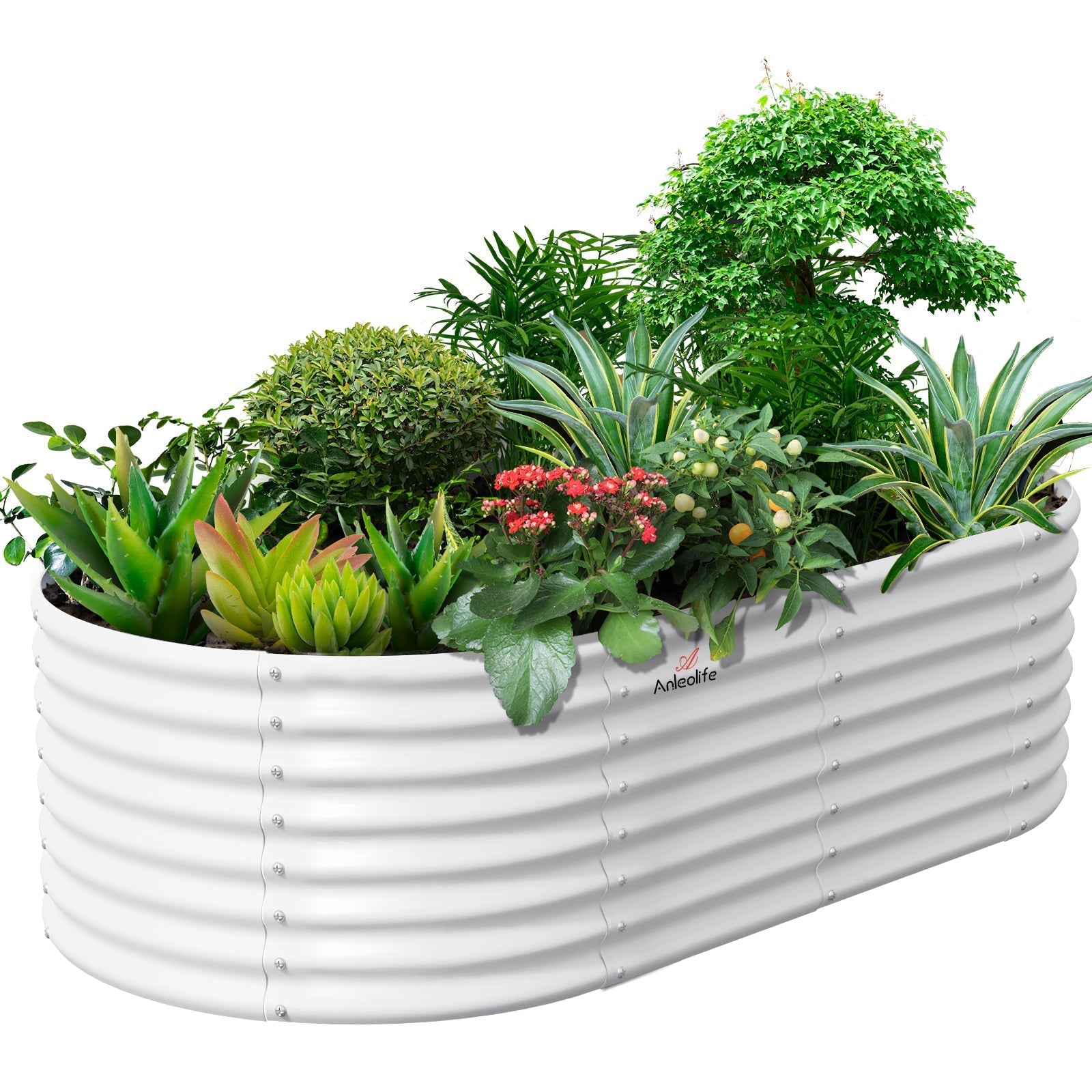
ALT: Metal raised bed with hoop netting system and vertical trellis for pest-free vegetable growing in a home garden
Advanced Strategies: Going Beyond Basic Netting
Companion Planting Inside Your Protected Raised Bed Layout
Physical barriers work best when combined with biological deterrents. A raised bed planting layout that incorporates strong-scented herbs like basil, rosemary, and dill alongside vulnerable vegetables creates confusion for pest insects navigating toward your crops. Many pests locate host plants by scent — breaking up uniform crop blocks with aromatic companions reduces the efficiency of pest targeting even inside a protected bed.
Plant tall, aromatic companions near the edges of your raised bed where gaps in netting coverage are most likely to occur. This creates a secondary line of defense that requires no maintenance once established.
Handling Persistent Pests: When Netting Alone Isn't Enough
Some pests are persistent enough to find their way through imperfect installations. Slugs and snails are particularly notorious for squeezing under netting edges at soil level. Combine your netting system with a copper tape barrier around the bed perimeter — copper delivers a mild electrical shock to mollusks on contact, acting as a highly effective perimeter deterrent without chemicals.
For soil-dwelling pests like cutworms and wireworms that attack from below, lining the bottom of your raised bed with fine hardware cloth (1/4 inch mesh galvanized steel) before filling with soil eliminates the threat entirely. This is best done at installation time but can be retrofitted in beds with removable bottom panels.
Common Misconceptions About Garden Netting
Misconception 1: "Any netting is fine for pest control."
Netting chosen without attention to mesh size, UV stability, and tensioning frequently fails within a single season. The mesh gaps that work for birds do nothing against tiny flying insects, and cheap netting that sags onto plants does more harm than good.
Misconception 2: "Netting blocks all airflow and causes disease."
Fine mesh does reduce airflow somewhat, but in most home garden settings this is a manageable tradeoff. Proper frame height (at least 12 inches above plant canopy), strategic lifting during hot weather, and choosing UV-permeable mesh mitigates most disease risk.
Misconception 3: "I only need netting when I see pest damage."
By the time you observe significant feeding damage, pest populations are already established and reproducing. Preventive netting deployed at transplanting is far more effective than reactive installation after the fact.
Frequently Asked Questions FAQ
Q1: How do I know which mesh size to choose for my specific pest problem?
Start by identifying your primary pest. For tiny insects like aphids, thrips, or whiteflies, choose netting with a mesh aperture of 0.8–1.6mm. For caterpillars and larger flying insects, 6mm works well. For birds, 12–19mm strikes the best balance between exclusion and pollinator access. If you're unsure, a 1mm fine mesh covers the broadest range of small insect threats and is a safe starting point for most vegetable gardens. Observing your garden at different times of day before purchasing will help you identify the primary culprit.
Q2: Is it safe to leave netting on plants all season without removing it?
For most netting types, seasonal coverage is safe as long as you're monitoring plant growth and adjusting frame height as crops mature. The critical exception is fine insect mesh over flowering crops that require pollination — bees cannot access through mesh under 6mm, so you'll need to temporarily lift panels during peak bloom hours. For non-pollination-dependent crops like leafy greens, kale, and root vegetables, full-season fine mesh coverage is ideal and actually recommended by most IPM programs.
Q3: How much does a complete netting and trellis system typically cost for a standard 4x8 raised bed?
A functional setup for a single 4x8 bed runs approximately $30–$80 depending on material quality and whether you build your own frame or purchase a kit. A basic hoop-and-bird-netting setup sits at the lower end; a full UV-stabilized insect mesh system with powder-coated metal hoops and trellis netting costs more but lasts significantly longer. Investing in higher-quality materials paired with a durable raised bed (like Anleolife's galvanized beds with a 20-year lifespan) means your entire setup amortizes its cost over many productive seasons.
Summary
Protecting your raised bed garden from pests doesn't have to mean constant battles with sprays, traps, or losses. A well-designed netting and trellis system is one of the smartest investments a home gardener can make — delivering consistent, season-long protection while supporting healthy plant growth and productive harvests.
The three core principles to carry forward:
- Match your protection to your pest: Identify your primary threat before buying any materials, and select mesh size accordingly. Generic netting is rarely the best netting.
- Build a system, not just a barrier: Combining frame-supported netting with trellis infrastructure, companion planting, and seasonal rotation creates a layered defense that outperforms any single approach.
- Invest in durability: Pairing quality netting with a long-lasting raised bed foundation — one built to go the distance for 20 years — means your pest protection infrastructure pays dividends season after season without constant reinvestment.
Your next step is simple: assess your current setup, identify the pest pressure you face most often, and start with one bed. Once you experience the difference a properly protected raised bed makes to your harvest quality and volume, expanding the system to your entire garden layout becomes an easy, natural decision.
Ready to Build Your Best Garden Yet?
Anleolife makes it easy to start — or scale up — your protected raised bed garden with a product ecosystem designed for real home growers.
Nationwide U.S. Warehouse Network: Strategically located in California, Texas, Florida, New York, Illinois, and Washington, Anleolife's fulfillment infrastructure ensures delivery within 3–8 business days — so your garden upgrade plans never have to wait through long shipping delays.
Multi-Channel Availability: Shop on Amazon, Walmart, Home Depot, Lowe's, Wayfair, or directly at https://www.anleolife.com/ — wherever you're most comfortable, with consistent quality assurance and responsive after-sales support on every channel.
Three Core Garden Scenarios, Fully Covered:
- 🌱 Planting: Metal raised garden beds built for 20-year durability, premium soil systems, and everything you need to grow with confidence
- 🐓 Raising: Chicken coops, rabbit hutches, and small animal housing that integrates beautifully with your garden space
- 🌸 Beautification: Decorative accessories, pathway systems, and design elements that transform your garden from functional to genuinely beautiful
We understand that an ideal garden is not built overnight — it's grown gradually, season by season. Anleolife's modular product design lets you start with a single 4x8 bed and expand into a fully integrated planting, raising, and beautification ecosystem at your own pace. From your very first raised bed to your dream garden, we grow with you every step of the way.
References
This article is based on the following official materials (as of January 2026):
- [USDA]. "Pest Management and Crop Protection Resources for Home Gardeners."
https://www.usda.gov/ - [EPA]. "Integrated Pest Management (IPM) Principles."
https://www.epa.gov/ - [UC ANR]. "Pest Management Guidelines and Physical Exclusion Strategies for Vegetable Gardens."
https://ucanr.edu/ - [OSU Extension]. "Protecting Garden Crops from Insects and Wildlife Using Row Covers and Netting."
https://extension.oregonstate.edu/
Note: Pest management recommendations and product standards may be updated. Please check the latest official documents or consult your local cooperative extension service for the most current guidance.
About Anleolife
Anleolife is a leading outdoor garden solutions provider in North America, dedicated to offering a full-scenario product ecosystem for home gardening enthusiasts, covering planting, raising, and garden beautification. Since its founding, we have upheld our brand mission, "Made for Garden Life," continuously innovating products and optimizing services to help hundreds of thousands of users upgrade their gardens, reconnect with nature, and enjoy a better garden lifestyle.